Divi WordPress Theme


When Is The Best Time To Visit Mexico For Weather?

With powder-white sand, desert plains, lush jungles and rocky peninsulas; Mexico is a diverse paradise just waiting to be explored. Whether you want to experience the excitement in Cancun, culture and history in Riviera Maya or whale watch in Acapulco, there’s something for everyone.

So, if you’re drawn in by its tropical allure, but still unsure when to visit, this guide will help you distinguish the best time to travel. There are three main seasons in Mexico that you need to know about when planning your holiday:

High Season: December To April

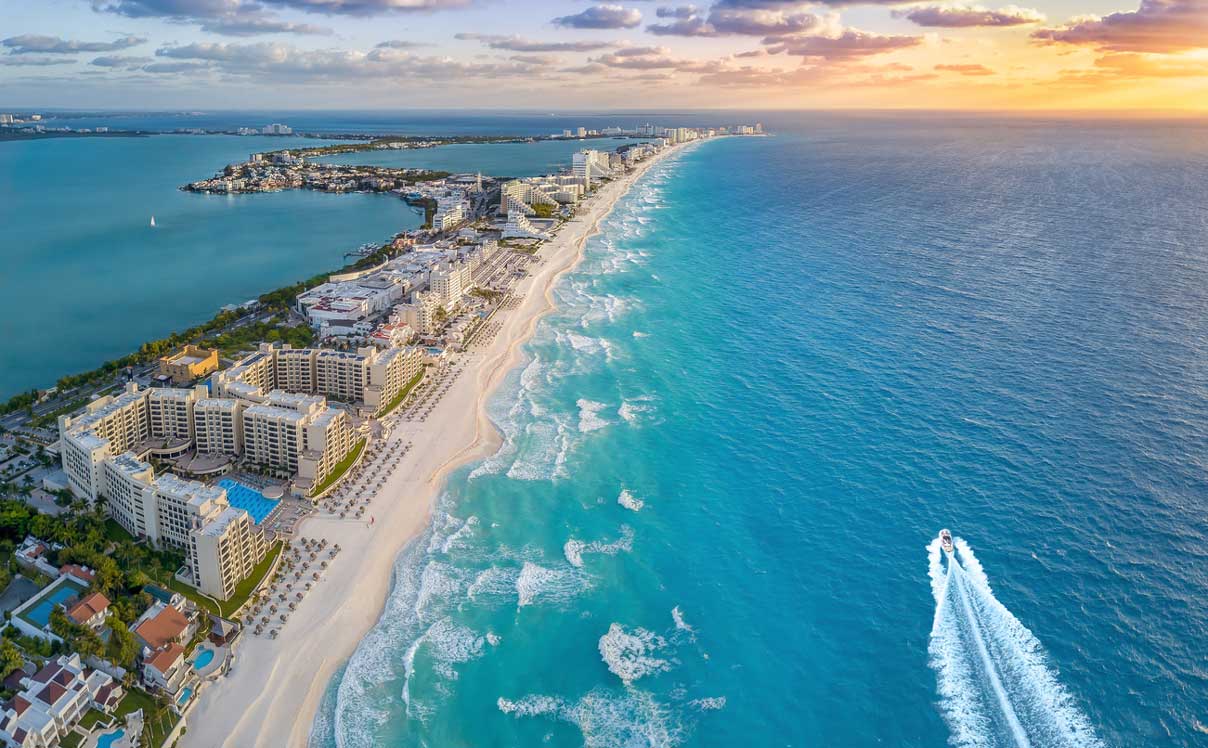
Cancun-TravelRepublic-iStock-956105474
The high season typically runs from December through to April where conditions are dry, skies are clear and the weather is hot. This is great if you want to escape the UK’s chilly weather for azure seas and the powdery white sand found in Cancun and Playa del Carmen.

During January to March, it’s not just tourists making their way to Mexico for warmer conditions. Different species of whale including humpback, blue and grey whales have all previously been spotted among the Pacific waves. This means there’s the opportunity to join a whale watching boat tour to see these majestic mammals in their natural habitat. However, because of the glorious weather, it’s the busiest time of year for the main resorts across both the Pacific and Gulf coasts with accommodation booking up fast.

Shoulder Season: July To August

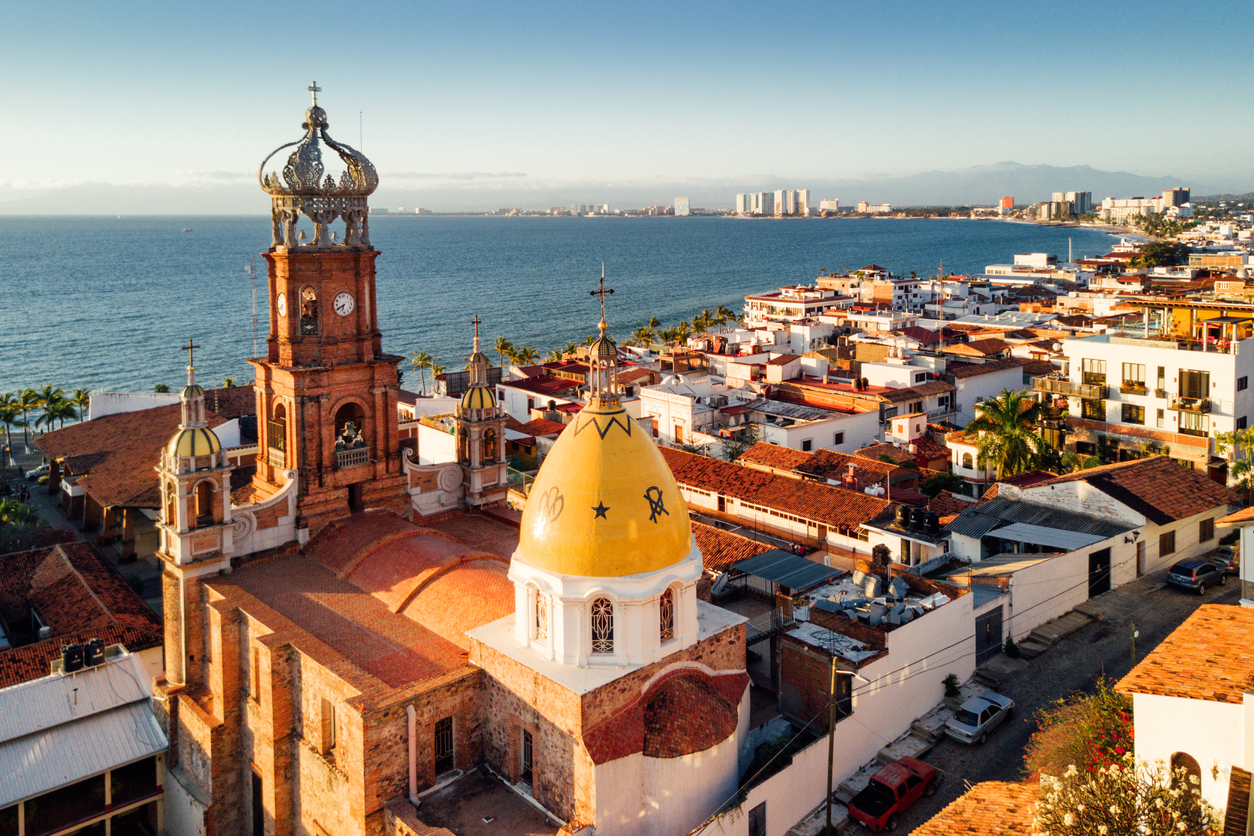
PuertoVallarta-TravelRepublic-iStock-647752888
The shoulder seasons usually occur during our usual summer holiday periods in July and August. The weather is warm across the country with coastal and sea temperatures typically reaching highs of 29°C.

This is also the rainy season, especially along the Pacific west coast of Mexico. So, if you’re planning on visiting the palm tree embellished Puerto Vallarta, you can expect wet conditions during this time, especially closer to September. Because of this, you are also at risk of having a brisk shower or two on the Gulf Coast as conditions change each day. This is not always a bad thing as a quick shower in the afternoon can cool conditions down, which is great when visiting monuments such as the ancient ruins of Tulum.

Low Season: May To June And September To November

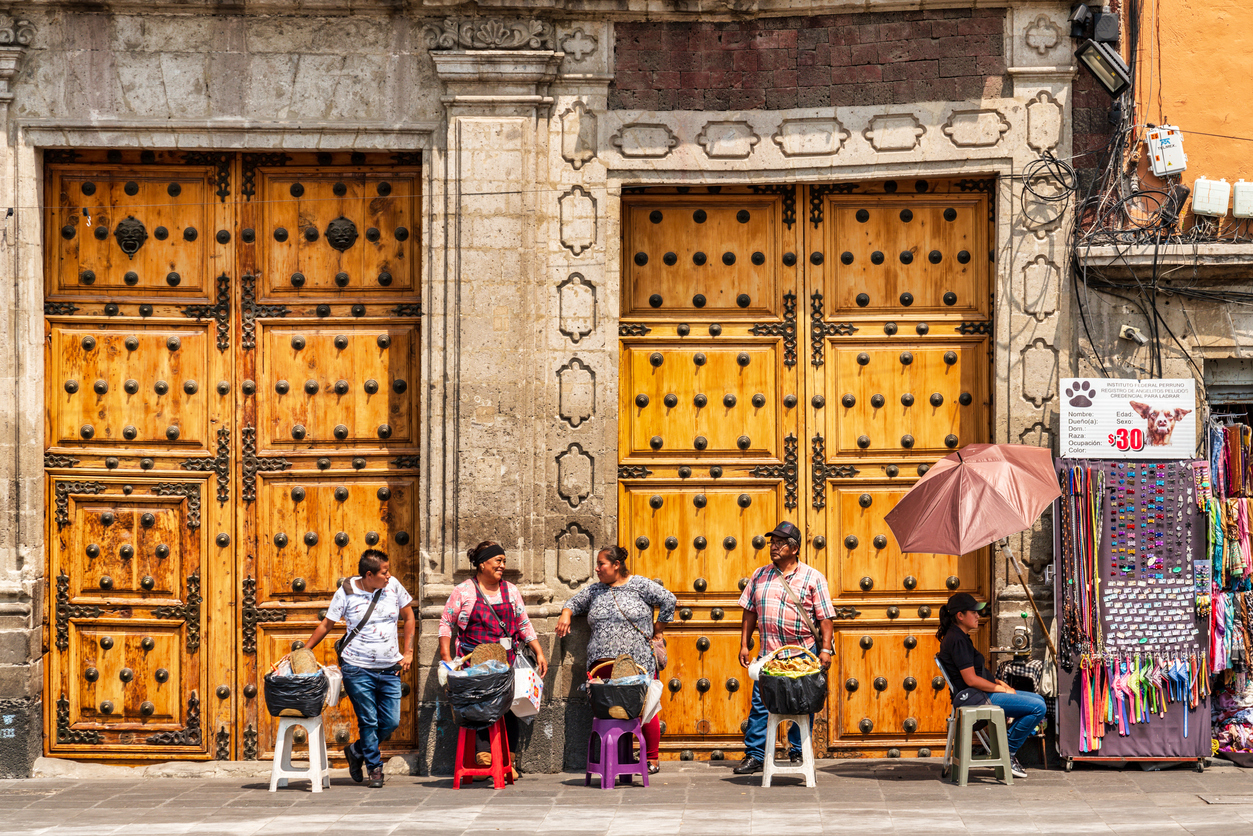
MexicoCity-TravelRepublic-iStock-1048454638
There are two low seasons in Mexico. The first is May through to June and the second typically happens from September through to November. During May and June temperatures have been known to reach their highest, above 30°C. But, May is where the wetter weather tends to creep in slowly from the south.

September is the month to watch as it’s notoriously the middle of the hurricane season. Although this doesn’t necessarily guarantee hurricanes, it can mean turbulent conditions with heavy rainfall on the Pacific and Gulf Coasts. This means you’re more than likely to see some showers during September to November if you’re visiting the main resorts along the Riviera Maya and Acapulco. However, it’s positive to note that rain in Mexico usually happens in short, heavy bursts, especially outside of September which decreases greatly as you approach November.

As the low seasons are controlled by a rise in sea temperatures, if you want to visit inland cities such as its capital, the bustling Mexico City, this is a good time to do so.[……]

Read more

Your Ultimate 14-Day Japan Travel Itinerary

78wyc
A place that embodies timelessness, Japan is the perfect travel destination to experience the sheer fusion of ancient traditions and modern life.

You’ll find shimmering, neon-lit streets only a car ride away from dancing geishas, and Zen rock gardens juxtaposed with a raucous nightlife. The country of contrasts, Japan offers a mixture of experiences and backdrops to satisfy every traveler’s dream.

Whether you’re interested in navigating the hustle and bustle of Tokyo, skiing the snowy mountains of Hokkaido, or immersing yourself in Japan’s traditional culture, this Japan travel itinerary for 14 days covers it all.

Are you ready to fall in love?

But First – When is the Best Time to Go to Japan?

Japan is a year-round destination, so deciding when to go depends entirely on you. The season you choose will only affect your packing.

Peak Season: April – August

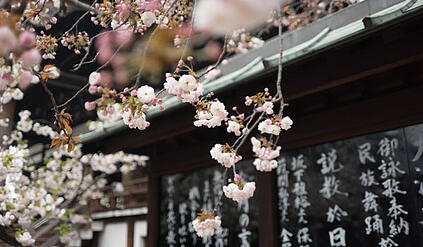
Spring and summer are Japan’s peak seasons. Experience cherry blossom season in April or enjoy warm summer days in August. August is especially popular because of all the festivals – from Obon Festival to Daimonji Fire Festival in Kyoto.
fuq2l
Best Months for Winter Travel: January – March

January through March is the best time to go to Japan if you love winter. Participate in all sorts of winter activities in the Japanese Alps or get low rates for accommodations (apart from Japanese New Year) in Tokyo.

Transportation Hassle: Solved!

The public transport system in Japan is exceptionally clean and hassle-free.

Consider purchasing the Japan Rail Pass if you plan to follow this Japan travel itinerary for 14 days (or if you’ll be in Japan for at least 7 days). This will help you hop on and off trains without ever having to worry about purchasing tickets.

The JR Pass is available for 7, 14, or 21 consecutive days, but you will need to book in advance before you arrive in Japan.

5cqqh
PRO TIP! Visit the Hyperdia website for updated timetables and transport options. This site makes it easy to get from one place to the other in Japan.

Day 1 – 4: Bustling Tokyo!

Tokyo is a great first stop when it comes to visiting Japan. The city is, simply put, unreal – its bustling metropolis buzzes with endless possibilities and constant life. It also offers a plethora of attractions for every type of traveler.
k4q7p
Arrival – Main Airport

Tokyo has two main airports:

Narita Airport

Haneda Airport

We recommend flying into Haneda Airport if possible – it’s closer to central Tokyo. If you’re flying into Narita Airport then the easiest way to get to the city center is via the Narita Express Train.

Where to Stay in Tokyo

Luxury: The Grand Hyatt Hotelis one of the best places to stay for an ultra-luxurious experience. Or you can spend your time at Park Hyatt Tokyo, the hotel from Lost in Translation.

Mid-Range: Akasaka Excel Hotel Tokyo is ideal for its convenient location and proximity to a subway station. The Gate Hotel by Hulic is another mid-range hotel that feels luxurious but offers more affordable prices than the rest of Tokyo.

Budget: One of the most popular budget hotels in Tokyo is the Richmond Hotel Asakusa, known for its walking distance to the Sensoji Temple.

Where to Eat in Tokyo

Choosing where to eat in Tokyo is exceptionally hard because everything is just way too good. You’ll find everything from cheap eats to fine dining, incredible vegan restaurants, and the greatest number of Michelin-starred restaurants in the world.

Some of our top picks include:

Umegaoka Sushi No Midori – best for affordable sushi

Kotaro – for dishes that are made right in front of you (by Chef Kotaro Hiyashi)

Tamawari – for the most flavorful soba in Tokyo

Ginza Adachi Naoto – for a creative approach to traditional Japanese dishes

Get the Tokyo City Guide and discover more things to do, where to stay, and how to get around in Tokyo!

What to Do in Tokyo – Day 1

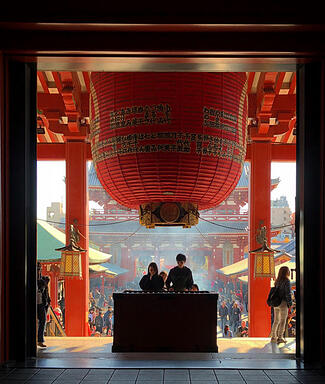
The possibilities for your first day in Tokyo are endless. Pass through the gates of Kaminarimon and spend your first few hours exploring the Nakamise Shopping Street in Asakusa (the center of Tokyo’s “low city”). Embrace the old-town vibe as you make your way to the world-renowned Sensoji Temple, which dates back to 645 A.D.

Next, head over to Tokyo Skytree for panoramic vistas that’ll give you a glimpse of Tokyo’s unique fusion of tradition and modernity.
gug3u
Spend the latter part of your afternoon strolling around Ueno Park. Museum buffs will enjoy this haven of museums, which includes:

Tokyo National Museum

National Museum for Western Art

Tokyo Metropolitan Art Museum

National Science Museum

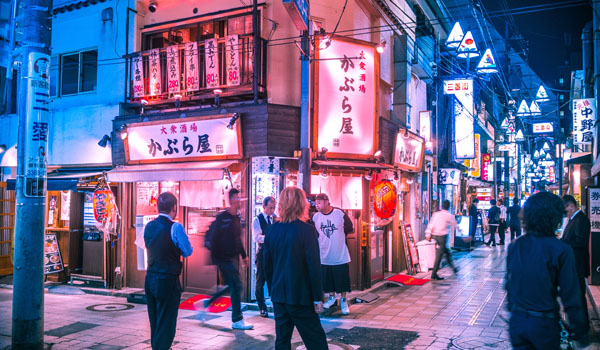
Spend your first evening amidst the lively streets of Shibuya. The neon lights, the atmosphere that teems with young energy, and the busiest crossing in the world – sign us up, please!

What to Do in Tokyo – Day 2

Here’s the good news: breakfast at Tsukiji Fish Market will give you a first-hand experience of Japanese culture and life. The bad news? You’ll have to wake up before dawn to avoid the crazy long lines.

After you’re done having fresh sushi for breakfast, take a walk down Omotesando, Tokyo’s high-end, tree-lined shopping street. You choose whether you window shop or splurge at the top designer boutiques!

Next, visit the architecturally-impressive Tokyo International Forum. Walk for 10 minutes to visit the symbolic Imperial Palace and its surrounding parks and imperial buildings.

For your second evening, see if you can snag a seat at a Michelin starred-restaurant in Roppongi – or stop for dinner at any one of the bars or clubs!

What to Do in Tokyo – Day 3

Find the epitome of Japanese culture at Harajuku. Walk around Yoyogi Park for some people-watching and see if you can spot any cosplayers in extravagant costumes or traditional musicians performing!

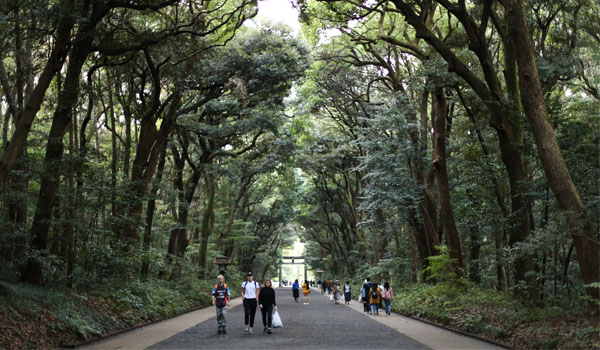
Adjacent to Yoyogi park is the Meiji Shrine. Tucked into the heart of a leafy forest, the Meiji Shrine is dedicated to the spirits of Emperor Meiji and his wife. Take a leisurely stroll through the 100-year old urban forest that surrounds the shrine.
x009d
Spend the rest of your day in Shinjuku, one of 23 city wards in Tokyo. Have a drink at New York Bar and enjoy reenacting Bill Murray’s scenes from Lost in Translation!

What to Do in Tokyo – Day 4

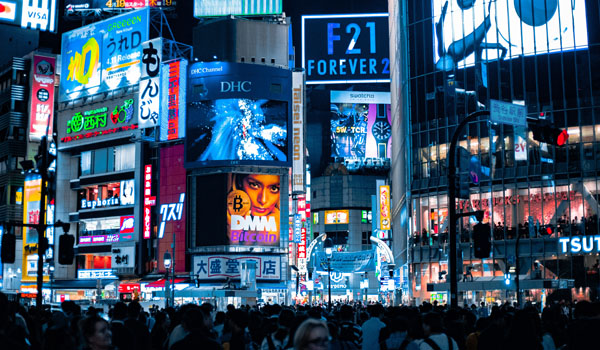
One taste of Shibuya isn’t enough for most visitors to Japan. Head back over to Shibuya to admire the renowned Hachiko dog statue dedicated to the Shiba Inu (which inspired a whole movie). Then travel the largest pedestrian crossing in the world – the Shibuya Crossing.
emget
Take the train back to Shinjuku to experience the diversity of Shinjuku Gyoen National Garden. There you can find:

A traditional Japanese garden

An English garden

A French Garden

PRO TIP! If you’re visiting during April, this is the perfect place to view cherry blossoms!

Day 5: Day Trip to Hakone

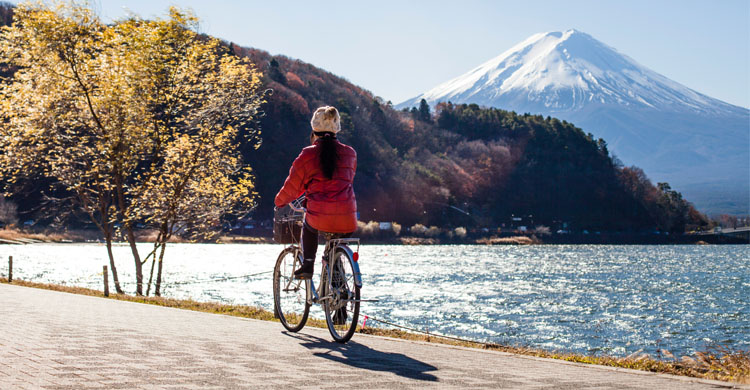
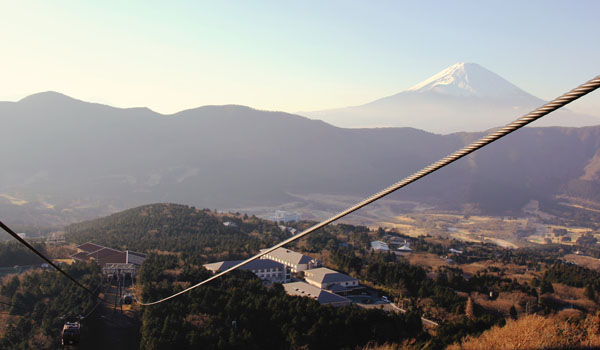
Ah, Hakone. Pristine blue lakes, hot springs, peaceful forest walks, traditional ryokans, and the majestic backdrop of Mount Fuji make Hakone the ultimate day-trip from Tokyo.

How to Get There

Duration: About 2 hours.

Use your JR Pass to take the train from Tokyo Station to Odawara. Then ride the Hakone Tozan train to Hakone-Itabashi (not included in the JR Pass, so you’ll need to buy a separate ticket).
j7owb
Where to Eat in Hakone

Tamura Ginkatsutei – the best restaurant for the traditional style of pork katsu

Pannomimi – get ready for all-things cheese at this quirky restaurant

Yamahikozushi – find quality, affordable sushi at this restaurant located across the river

Kirakusou – traditional soba restaurant with hand-made soba noodles

What to Do in Hakone

Once you get to Hakone, spend your morning by Lake Ashi to enjoy the views of the iconic Mount Fuji. Then hop on a pirate boat (seriously!) to get full views of the surrounding mountains and the sprawling lakes.

Visit the Hakone Open Air Museum, which features indoor and outdoor exhibitions, modern sculptures, and an entire Picasso Pavilion exhibit showcasing 300+ of his pieces.

Relish in the sheer grandeur of the Hakone Shrine and wander through Hakone Cedar Avenue. You’ll feel as though you’re in a fairytale in this forest of ancient, 500-meter-tall cedar trees.

Day 6 – 7: Kyoto

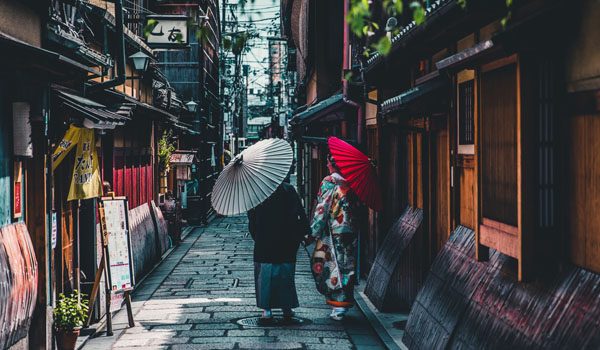
The ancient city of Kyoto is one of the top places to put on your Japan travel itinerary. The epitome of traditional Japan, here you will see shrines, temples, wooden buildings, and Japanese gardens. It’s no surprise that Kyoto is home to 17 UNESCO World Heritage sites.
ai90d
How to Get There

Duration: 2 hours and 40 minutes.

Take the Hikari Shinkansen train to Kyoto.

Where to Stay in Kyoto

Luxury: Hiragiya Ryokan is an authentic and traditional Japanese inn. Another option is the Ritz-Carlton Kyoto, which features pure elegance, large swimming pools, and spacious rooms.

Mid-Range: The Kyoto Hotel Okura is classy, traditional, and quiet. It’s also in close proximity to Kyoto’s top attractions, thanks to the Kyoto Shiyakusho-maeSubway Station next door. Royal Park Hotel the Kyoto is right in the city center and close to top geisha areas. Hotel Granvia Kyoto is another large hotel with plenty of shopping and dining opportunities nearby.

Budget: You’ll get the most value for your money at Hotel Gracery Kyoto Sanjo. Despite it being a budget hotel, its rooms are large, there’s free Wi-Fi, and it’s in a great location.

Where to Eat in Kyoto

Saga Tofu Ine – enjoy local tofu and try the yuba and yudofu

Nishiki Market – explore traditional food stalls and try some of the most delicious food in all of Kyoto

Gion Karyo – have a traditional Japanese-style meal at an old Kyoto house

What to Do in Kyoto – Day 6

Start your first day in Kyoto with a stop at one of the city’s top tourist attractions, the Tenryu-ji Temple. This eminent Zen temple and its mountainous backdrop are perfect for a calm morning stroll.

After you explore the temple, experience the magic of the Arashiyama Bamboo Grove. Listen as the bamboos calmly sway with the breeze, and soak in the beautiful views from Togetsukyo Bridge. Make sure to take a rickshaw ride to get the full local experience!

Head over to the Ryoan-ji Temple for a serene afternoon. Walk through the Zen garden, reflect on your trip thus far, and check this UNESCO World Heritage Site off your list!

Next, stop by Kinkaku-ji Temple, an incredible two-floor Zen temple adorned with golden leaves. This temple offers sprawling views of its peaceful surroundings.
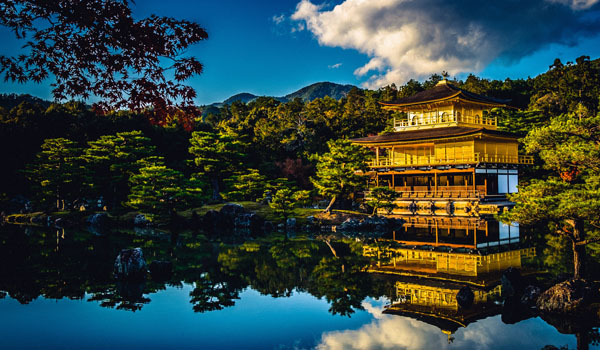
b8d5s
Finally, take a stroll down Hanami-koji street to get a first-hand experience of a geisha district. Get an introduction to several Japanese arts at the cultural show held every day on Gion Corner (at the end of Hanami-koji).

What to Do in Kyoto – Day 7

Today you’ll visit one of Japan’s most iconic temples – the Kiyomizu-dera Temple. This ancient temple offers incredible views of Kyoto from its wooden balcony.

Do some shopping at Sannen-zaka and take some time to gawk at the traditional architecture surrounding you.

If you want to see what a real samurai castle looks like, head over to the magnificent Njio Castle. Ogle at its nightingale floors, gorgeous gardens, and intricately-decorated ceilings, floors, and rooms.
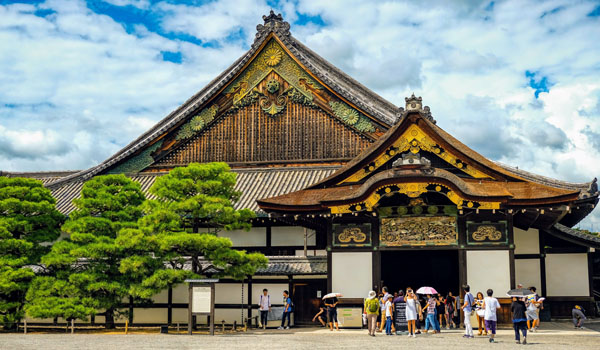
iqupu
Your last stop in Kyoto is Heian Jingu Shrine, which was built to celebrate the 1100th anniversary of Kyoto as the capital of Japan.

Day 8 and 9: Osaka

Osaka should be a priority in your Japan travel itinerary. The thriving metropolis retains a distinct culture and an energetic vibe unlike anywhere else in Japan.
jlyy0
How to Get There

Duration: 12 minutes.

Take the high-speed shinkansen bullet train from Kyoto to Shin-Osaka.

Where to Stay in Osaka

Luxury: The Ritz-Carlton Osaka is the top choice if you’re looking for luxury accommodation and superb rooms. The St. Regis is another perfect centrally-located hotel.

Mid-Range: Nikko Hotel Osaka offers rooms with breathtaking views of Osaka.

Budget: Dorm Hostel Osaka features a library lounge, plenty of dorms, and is very close to most attractions. It’s great for students!

Where to Eat in Osaka

Janjan Yokocho Alley – a must if you want to try kushikatsu (deep-friend skewered meat or vegetables)

Dotombori – try the food at any of the stalls for a truly immersive Japanese experience

Eggs & Things – the most popular brunch place in Osaka

Salon de Amanto – a restaurant run by artists that host talks and live performances

The Conrad’s 40 Sky Bar & Lounge – the best bar to take in the breeze and sip on a cocktail after a long day exploring

Explore the Osaka City Guide for more must-see sites and activities!

What to Do in Osaka – Day 8

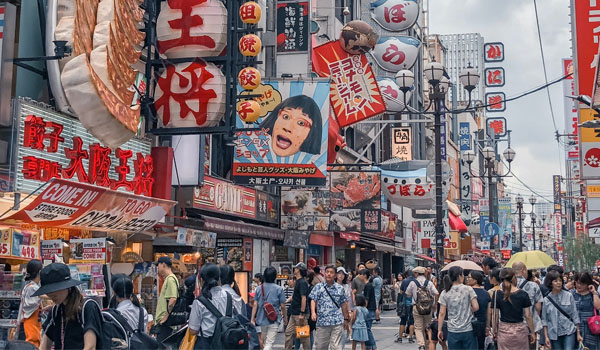
Take the first few hours in Osaka to acquaint yourself with Dotonbori. A popular tourist destination, this street runs parallel to the Dotonbori canal and is filled with the original charm of Osaka.

There you’ll find markets, theaters, towering neon-lit buildings, shops, and a plethora of street stalls. You’ll probably pass by the famous Gilco Man sign, so be sure to take a picture!

You can also take a river cruise across the Tonbori River or shop your trip away at Shinsaibashi-suji.

Locals hang out, drink, and mingle at Triangle Park, so this is a great spot if you’re interested in a chill, local evening. If you want more of a lively evening that you won’t forget, Shinsaibashi should be on your list!

What to Do in Osaka – Day 9

Otaku Road is a must-see destination for fans of all-things video games and anime. Next, juxtapose that modernity by visiting Osaka’s most famous shrine, the Sumiyoshi Grand Shrine.

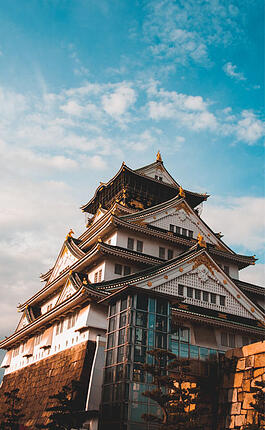
Visit the Osaka Castle to experience the sheer grandeur of its park complex, its impressive grounds, and its stunning castle walls.

Finally, enjoy panoramic views of Osaka via the Umeda Sky Building – and have dinner after on the basement floor!
syx1l
Day 10 – 11: Hiroshima and Miyajima

Hiroshima is much more than its tragic past and deserves to be explored. You’re bound to put it on your favorites list after exploring its historical sights, fun galleries, and delicious cuisine.

How to Get There

Duration: 1 hour and 30 minutes – 2 hours and 13 minutes.

Take the train from Shin-Osaka Station to Hiroshima Station. You can choose between Sakura (1 hour and 30 minutes) or Hikari (2 hours and 13 minutes).

Where to Stay in Hiroshima

Luxury: The Sheraton Grand Hotel is modern, high-end, and boasts beautiful wide rooms.

Mid-Range: Mitsui Garden Hotel Hiroshima is a modern hotel that is only a few minutes’ walk to the Peace Memorial Park.

Budget: J-Hoppers Hiroshima Guesthouse – This hostel is a perfect budget gem.

Where to Eat in Hiroshima

Yakigaki-no-Hayashi – a fantastic seafood restaurant which reflects Japanese cuisine in all its dishes

Okonomi-Mura – try the local delicacy called okonomiyaki

Shanti Vegan Café – healthy, vegan choices – great for breakfast!

Hassei – another okonomiyaki restaurant catered more towards locals

What to Do in Hiroshima – Day 10

Visit the Atomic Bomb Dome to learn about the history and significance of Hiroshima. This UNESCO World Heritage Site is the only building that remained standing after the U.S. dropped the atomic bomb in 1945.

Continue your path of reflection and walk through the Hiroshima Peace Memorial Museum. Spend time looking at the award-winning architecture and talk to the A-Bomb Legacy Successors to hear first-hand accounts of survivors’ experiences.
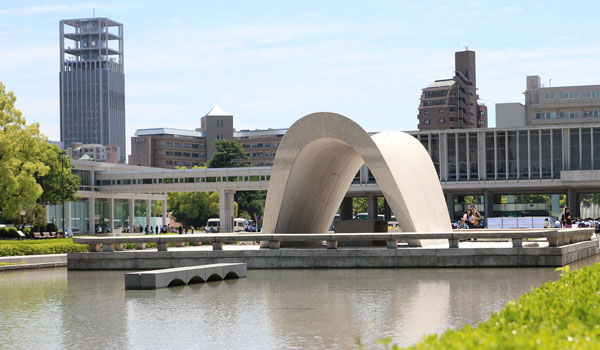
mh7xy
The museum can get graphic, but it presents an unforgettable tragedy in Japanese history that should be a focal point of any trip to Hiroshima.

Unwind and decompress by visiting Shukkei-en, a Japanese garden that sees cherry blossoms in spring. You’ll almost certainly get to see a Kimono-clad couple or two getting their weddings pictures taken.

Discover masterpieces by Monet, Picasso, and the like at the Museum of Art or visit Hiroshima Castle on a Sunday to attend a traditional dance performance and see the Samurai history exhibit.

What to Do in Miyajima – Day 11

Take a 25-minute morning ferry (covered by the JR pass) to the islands of Miyajima. Spend the ferry ride above deck so you can enjoy the views of the Torii (traditional Japanese gates) as they stand tall above the waters.
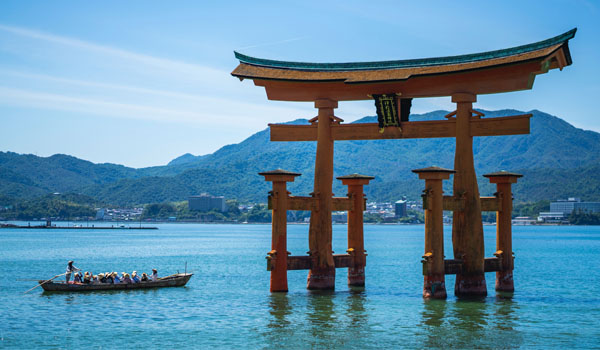
qtsy0
Once on land, you’ll be met by the island’s friendliest locals: the mini deer. It will be hard to resist getting close to them, but be sure to keep your distance!

Spend your day exploring Itsukushima Jinja, a UNESCO World Heritage Site and one of the most stunning shrines in Japan. Try to stick around for low-tide so you can get as close as possible to the grand structure.

The final attraction you should see in Miyajima is Senjokaku Hall. Senjokaku Hall dates back to 1587 and is strikingly sparse. The size of one thousand tatami mats, the building itself lacks proper ceilings and a front entrance. The awe-inspiring hall also gives you the absolute best views of Satonaikai National Park.

Day 12: Nagoya

How to Get There

Duration: 3 hours and 20 minutes

Take the Hiraki train from Hiroshima to Nagoya and get ready to experience this diverse little city.

Where to Stay in Nagoya

Luxury: Book a room at either Nagoya Kanko Hotel, located right in the Naka Ward, or Hotel Nagoya Castle, perched in the center of the most luxurious area in Nagoya.

Mid-Range: Get great value from a stay at either Nishitetsu Inn Nagoya or Hotel Vista Nagoya.

Budget: Cozy and clean, Café & Guest House Nagonoya offers great access to public transport.

Where to Eat in Nagoya

Misokatsu Yabaton – the best place to try traditional street food from the heart of Nagoya

Nikomi No Takara – try the renowned Misonikomi

Atsuta Houraiken honten – be sure to taste Hitsumabushi, Nagoya’s signature dish

What to Do in Nagoya

Head towards Osu for some top-notch shopping, specifically for handicrafts and quirky fashion. Meander for a few hours at the Tokugawa Art Museum and observe timeless treasures from three different Heian periods.
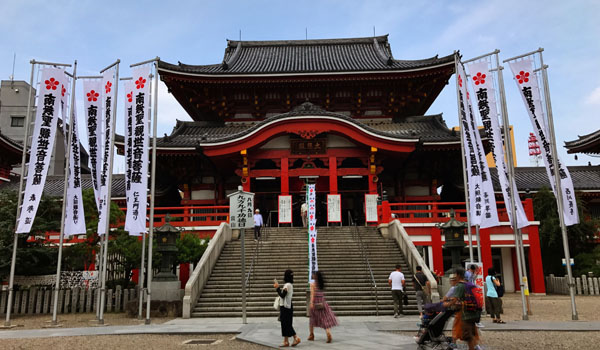
vwkyd
No trip to Nagoya is complete without a stop at Nagoya Castle. One of the most symbolic castles in Japan – and one of the largest – Nagoya Castle has been restored quite a few times since it was built in 1612. To this day it still emanates an unparalleled sense of magnificence.

Day 13: Nikko

Explore the unspoiled nature that Nikko has to offer on your last day before you head back to Tokyo. It’s a great weekend escape from Tokyo, and it’s the perfect way to end your Japan 14-day itinerary.
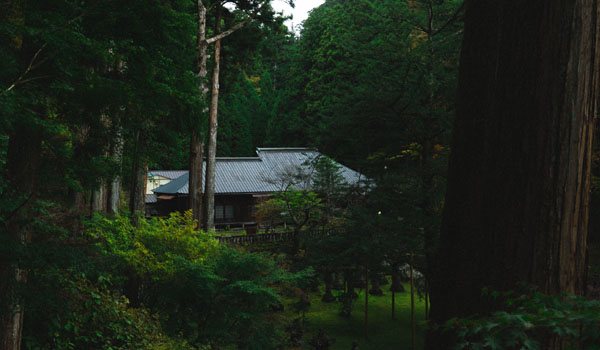
3lth4
Where to Stay in Nikko

Luxury: Okunoin Hotel Tokugawa is a luxurious hotel with an indoor onsen, an incredible restaurant, and beautiful rooms.

Mid-Range: Nikko Park Lodge Tobu Station is conveniently located next to a train station.

Budget: Rindo-no-le is a small ryokan that reflects Japanese hospitality.

Where to Eat in Nikko

Yasai Café Meguri – a vegan café located inside an art gallery

Komekichi Kozushi – ideal for sushi

What to Do in Nikko

Start your day at the bright red bridge that is symbolic to Nikko – Shinkyo Bridge. From there, you will find temples and shrines all the way through the forest. We recommend visiting the mausoleum of Japan’s most successful shogun, known as Tokugawa Leyasu.

The highlight of your visit to Nikko will be the Toshogu Shrine. It’s easily one of the most stunning temples you will ever visit. The shrine is lavishly decorated and consists of more than a dozen buildings set in the beautiful forest. This shrine is particularly unique, as gold leaf and wood carvings decorate the buildings – a break from the traditional simplicity of shrine architecture.

Spend the rest of your day adventuring through Nikko National Park. Then make your way to Lake Chuzenji to see Japan’s most favorite waterfalls: the Kegon Falls.
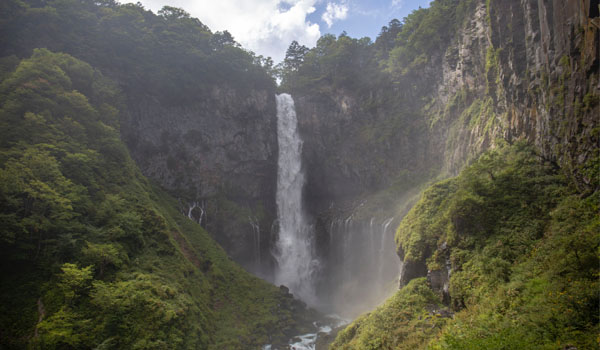
wq46t
Day 14: Tokyo and Departure

Sadly, you’ll spend your last day checking out, heading back to Tokyo, and bidding farewell to everything that Japan has to offer.

Final Thoughts

This 14-day Japan travel itinerary only scratches the surface of all the history, art, and culture you can immerse yourself in when you visit Japan. The country needs months for true exploration, but this two-week itine[……]

Read more

A Guide to Travelling in India

India is vast. It is the world’s seventh largest country by land mass and has more than one billion people living here, making it the world’s second most populous country after China. Cradled within this huge mass is a nation full of seemingly endless diversity with regard to landscapes, language, culture, food and people. India has the capacity in equal measure to overload the senses of and delight to the extreme all those who venture here.

India is not for everyone; there are those who will tell you that while visiting India you cannot fail to come across displays of abject poverty on an almost constant basis – something which can push your emotional buttons to the max. They will speak of the seemingly ever-present dust-clouds, odours of dung-smoke and diesel fumes which serve to irritate both body and mind.

q3zf6
However, tourists and travellers still flock here in vast numbers every year and for every detractor who relates all that is negative, there are also those who will describe India as something very different. These are the people who have become beguiled and bewitched by a land in which Buddha lived and which still practices rituals so ancient no-one knows exactly where and when they began. These are the people who have enjoyed India’s fantastic cuisine and its stunning wildlife or perhaps wandered – full of wonder – around bazaars teeming with the exotic and colourful or found themselves constantly face-to-face with quirky reminders of the British Raj. These are the people who have set off to explore structures, sites and places where some of the most historically and diversely religiously significant ancient buildings and curiosities exist on the planet. There is no doubt India offers certain challenges to the traveller but so too does it offer the especially magical in vast quantities.

Visas

Unless you are a citizen of Nepal, Bhutan or the Maldives you will have to have a visa to visit India. The citizens of over 100 countries – including the UK, Australia, New Zealand, Canada and the US – can apply online for a 30 day e-visa or visa on arrival. The visa is valid from the day you land in the country.

If you want to remain in the country for longer than this standard 30 days you will have to apply for a 6-month tourist visa before arriving in the country which is available for the vast majority of nationalities. Be aware that this type of multiple-entry visa is valid from the day it is granted and not the date of your arrival in the country.

Proof of onward travel is a proviso of most visa awards although this may or may not be checked. There are areas of India – mainly in the north – in which foreign travellers can’t enter without special permits. In most cases these permits are applied for on your behalf when you travel with tour companies.

Weather & Seasons in India

Besides from being a vast country already affected by a variety of weather patterns anyway, the country is also packed with varied terrain and environments which include mountains, jungles, coastal areas and deserts. This makes generally describing as a whole what the weather is like in India – a country which experiences both sweltering tropical climes and heavy snow – very difficult. In total, India’s territory is classified as having six major climatic subtypes.

Expect the highest temperatures – those in excess of 27.5ºC – in the country’s south-east corner around the state of Andhra Pradesh. The lowest are found in the far north of India in an area which borders Pakistan and Nepal – which includes the states of Jammu and Kashmir along with Himachal Predesh – and experience temperatures which drop below 20º C. The mountain ranges which run along the country’s south-west corner in the state of Karnataka also experience lower averages, although slightly higher than the north. The rest of the country, with a few exceptions, has temperature averages of around the 25º C mark.

Otherwise, the country’s weather is all about the monsoons or periods of heaviest rainfall. There are two monsoons – the north-east monsoon which affects southern India from October to December/January and the south-west monsoon which lasts from June to September and affects much of the country, especially along the western coastal regions. The north-eastern region of India is affected by both monsoons which makes it one of the world’ wettest places.

From a tourist point of view India does have low and high seasons which will affect the prices you pay and the tourist numbers. Generally high season runs from December to March when rain is minimal and temperatures the most comfortable. Low season runs from around April to June and experiences some extra high temperatures and monsoon rains.

Health & Personal Safety Issues in India

Health

One of the main issues facing travellers to India revolves around the poor levels of hygiene which gives rise to many potential illnesses and conditions brought about by contaminated food and water. Travel in India for any length of time and it is almost certain that you will experience at least one period of ill health, although for the majority of people this is nothing more serious than the fabled ‘Delhi Belly’ when you will need to be within quick running distance of a toilet. As many as 70% of travellers to India will be affected by this and usually within a week or two of arriving as the body adjusts. Keeping a supply of necessary and basic medication with you at all times so you are prepared for any sickness bouts is a wise decision.

aztf5
India is also a country which has a number of insect-borne diseases present including dengue and malaria. Make sure you use insect repellent containing at least 50% DEET and consider taking anti-malarial medication if you’re travelling to areas with a high risk of Malaria. A number of vaccines are often recommended for travel to India as things such as rabies typhoid, hepatitis and cholera are all risks. If skipping some recommended vaccine is tempting due to cost it might be worth bearing in mind that medical facilities in many places in India is extremely basic. Prevention is always better than cure and something vital for keeping the chances of a trouble-free trip high.

Otherwise, sun-burn, dehydration and altitude sickness are some of the more common issues for travellers.

Safety

As we may have mentioned a few times India is vast and has a gigantic population. Such factors mean crime statistics are reflected accordingly although generally India for the majority of travellers is a safe destination. The following need taking particular note of:

Theft – while thefts with violence do occur the most common take the form of petty pilfering and pick-pocketing. If you’re worried about pick-pockets getting their hands on your stuff you may want to invest in an under clothes wallet to store your cash and valuables out of sight.

Sexual assault – There have been a few serious national headline cases in India and a reported rise in crimes against women including foreigners. If you are a female travelling in India do some homework to ensure you know how to minimise the risks. Much of it is of course common sense and the same things you would have been doing all your life to keep yourself safe as a woman such as avoiding walking alone in certain places, not wandering around after dark, being careful about how and when you take public transport, not leaving drinks unattended and so forth. It is also sensible to dress conservatively to avoid attracting unwanted attention. It is worth noting that local trains often provide women-only cars which tend to be located at the front of the train.

LGBT travellers – Same-gender sex is illegal and punishable by law in India although a new law in 2017 ruled that any member of the LGBT community was free to express their sexual orientation. This leaves the waters a little muddy where legalities are concerned but that doesn’t mean the society as whole is tolerant. Discrimination is commonplace and it is not unknown for police officials themselves to dish out harassment at best and blackmail attempts at worst.

Scams – South-East Asia and India are places in the world with scams by the bucket-load, some of them incredibly ingenious. Several have been running for years and still successfully catch out the unwary while new ones are being concocted all the time. At best these scams are an inconvenient irritation but rob you of nothing more than your time while others can see you bereft of huge chunks of your hard-earned travel money. Scams are always more plentiful around tourist areas as the number of potential victims are way higher and therefore common stomping grounds for the scammers. Do a little bit of homework to find out about the most common scams to avoid being a target.

Accommodation Options in India

Where accommodation is concerned India truly does have it all – from the rough and ready low low budget choice to the height of palatial luxury. Quite what bang you get for your buck will very much depend on where you are, with well-established tourist centres such as Goa and bigger cities generally attracting higher prices.

Budget-backpacker options – Once upon a time it was possible to grab yourself a room in India for a handful of pennies. Times are changing and generally speaking the days of mega-bargains are disappearing however that doesn’t mean there isn’t still tons of choice for the thrifty traveller on a tight budget. India is also still a destination which will get you something really rather upmarket for considerably less than you would pay for equivalent accommodation types and standards in the rest of the world. That means the weary or jaded traveller can afford to book themselves into something with a few more home comforts and touches of luxury should the need kick in from time to time. Be aware that the lowest priced options are almost always with shared bathroom facilities and ‘bathroom’ may be nothing more than a cold water tap and a bucket.

Hostels – Always a good friend to the backpacker, India is no exception and has tons of hostels, even in some well off-the-beaten path destinations. Private rooms are extremely cheap and if you are happy to stay in a dorm you can pay next to nothing.

Dharamshalas & gurudwaras – Intended as accommodation for pilgrims, this type of religious-based choice – both tiny and vast sized – often also offers foreign visitors simple and basic lodgings, typically on a donation basis or with a set ultra-low cost fee.

Guest-houses – This type of accommodation will also often offer dorm options or good value private rooms and tend to come complete with an especially homely atmosphere.

Railway retiring rooms – You might find the occasional dorm on offer but most of the retiring rooms attached to railway stations offer a private room complete with bathroom. This option can’t be booked ahead – if they have a room when you turn up you can have it. Great budget option but not for light sleepers; these places get super noisy much of the time.

Couchsurfing – If you are not familiar with this concept check out www.couchsurfing.com to see what this wonderful community of millions of individuals from every corner of the planet can offer you (besides a free bed for the night). India has hundreds of hosts, most of them located in the larger urban sprawls.

Other options – Once you move away from the rock-bottom priced options there are all kinds of choices. Generally speaking, if you are prepared to shell out a little extra you will automatically find yourself with such extras as a private bathroom, mosquito nets and even AC.

Home-stays and farms – A great choice for all those seeking the more authentic experience and who really want to immerse themselves in the culture instead of hanging round other travellers, home-stays and farms are now a growing trend in many parts of the world including India. If you are harbouring dreams of an intimate stay with an Indian family you might need to research your choices well. Some home-stays are operated almost on a hotel-like basis but there are plenty of others which are just family homes opened up to guests who are treated to welcomes of extreme warmth and home-cooking of the impossibly wonderful kind. Many of the home-stay options are offered by wealthier families in grander family homes who have higher levels of educational background and although far from being always the case some of these can be a little pricier.

Havelis – If we explain that ‘haveli’ means mansion you might start getting an idea of what’s on offer here. The boutique havelis of India – which now run as hotel-type set-ups – are lovingly restored former homes of high class families which typically occupy some stunning spots and are especially prevalent around Rajasthan. Many cost less than you might imagine on first glimpsing them.

Dak bungalows – Frequented by Indian professionals on business away from home, British colonial-built ‘dak’ bungalows all once served as accommodation for wandering officials and continue to be used by both national and state government bodies for the same reason. Travellers are also accepted at most of these clean and comfortable establishments which often have lovely grounds, sometimes provide meals and are scattered throughout the country.

Food & Drink

While trying to describe the Indian climate in general terms is tricky, trying to do the same with Indian cuisine is completely impossible. Whole books have been written on the subject, not just because the food is wonderful but because it varies in the extreme depending on what part of the country you happen to be in at the time.

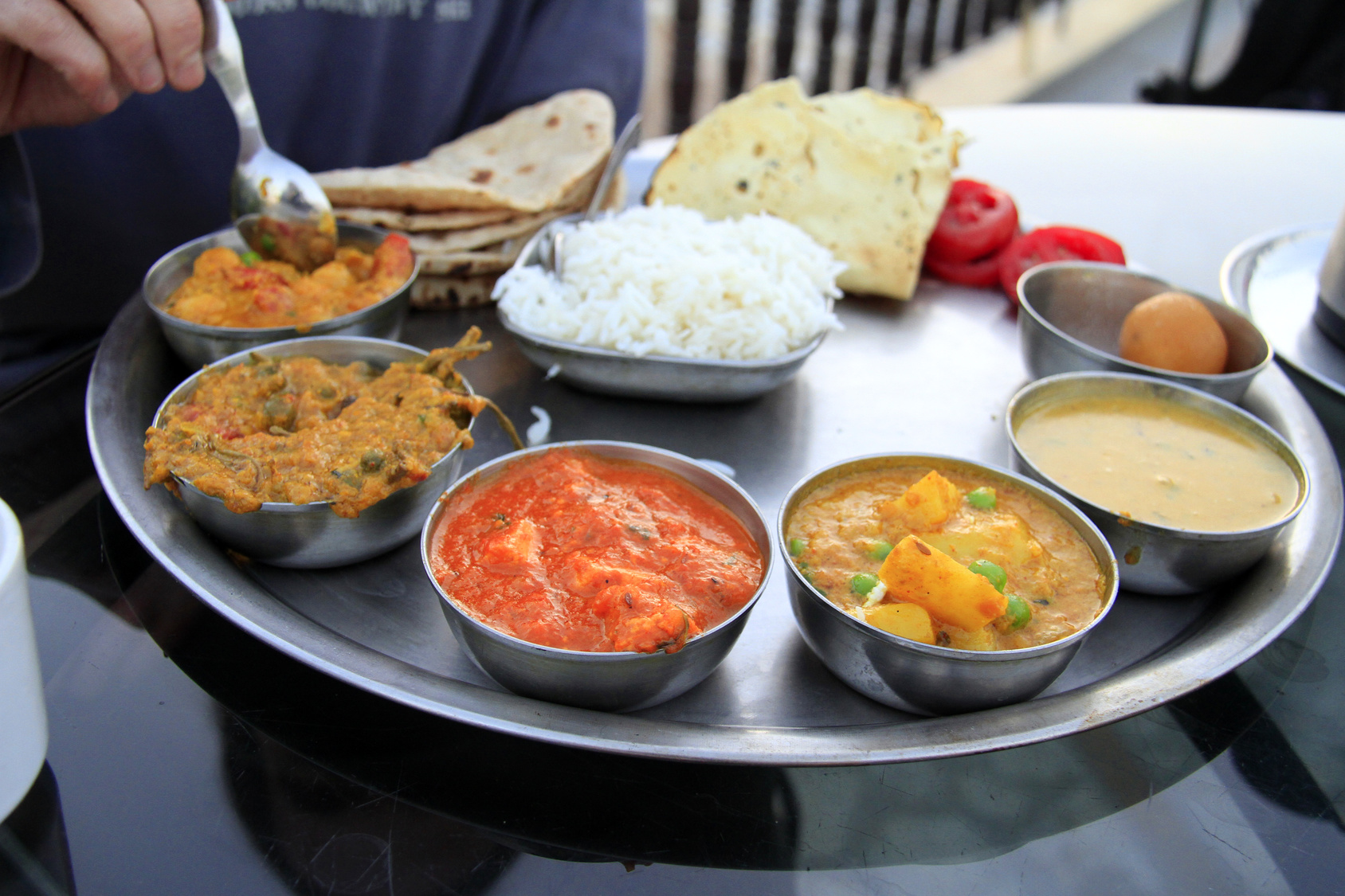
India is a paradise for vegetarians – so much so that in some parts of the country non-meat eaters are the norm and the non-vegetarians considered the marginalised few. It is also a wonderland for all those who want to eat incredible food at prices which wouldn’t buy you a bag of crisps back home. Street food can be found everywhere.

g1phw
As a popular ethnic food choice easily found in Western countries, most travellers will have tried Indian cuisine to some degree before they even set foot in the country but this will be just the tip of an iceberg. If your local Indian takeaway is owned by individuals who trace their descent to Kerala, for example, you might recognise a few dishes if you happen to travel through Kerala but elsewhere everything you come across will be a brand new culinary delight to discover.

Rice, lentils, beans and endless spices are a food staple In India but otherwise you are just going to have to find out as you go (or read a few books).

Where drinks are concerned India is of course a land of tea but yoghurt-based lassi is also popular. Where alcohol is concerned, be aware that the legal drinking age in India varies from state to state and is set at 30 years of age at its highest. There are even a few places where alcohol is illegal.

Language

India is one of a few countries in the world which has no national tongue. With more than 400 languages currently spoken throughout the country, English acts loosely as an official language to unite everyone and is generally the second language for most after their own native tongue. However, quite what fluency level of English you will find when you travel here will depend although as a general rule of thumb it is easier to get by in towns, cities and tourist hubs.

Money Matters

The official currency of India is the Rupee.

ATMs are not hard to find, even in quite small towns although if you intend to head out well off the beaten path it might be wise to stock up on cash. Credit cards are accepted at larger establishments such as bigger hotels, restaurants and shops but elsewhere it will be somewhat hit and miss.

Bargaining your price is the standard norm in Indian with most of what you can buy although there will be some places and certain goods and services which have set prices.

Everything in India – accommodation, transport, food, services, entry to historic sites etc. – are a budget traveller’s delight although of course expensive versions of everything can be found if you want them and look for them. However, be aware that costs vary considerably for exactly the same thing with places such as Mumbai, Delhi and Bangalore traditionally having a higher cost of living generally.

Cultural Issues

Traditions and religions – While many cultural nuances that exist around the world stem from tradition, just as many have their roots in religion, spiritualism or belief systems and India is no different. India is a land of many religions, each of which have their own customs, traditions and sets of rules – some of which are relaxed, others of which are very strictly applied. To avoid causing any offence through ignorance it is as well to do a bit of homework especially if you plan to wander off the beaten path and into areas less used to tourists and their odd ways.

The caste system – Compared to a few decades ago the caste system in India has lost some of its strength but society still remains distinctly multi-layered and individuals are given value according to what they own, the jobs they do and their educational and family background. This of course is really no different from the way things function in the western world. Where skin colour is concerned, you are unlikely to be discriminated against on these grounds but like so much of Asia pale skin is considered the most desirable and also a symbol of wealth. (Rich people don’t have to work outdoors in the sun.)

Eating with your hands – Seeing folk eating without utensils is a common sight in India (even for rice dishes, curries and the like) and it is something you will probably become more skilled at as you go. Generally speaking, the right hand is for eating, the left hand is the dirty one used for toilet duties.

Public displays of affection – Once you move out of the larger metropolitan areas seeing couples holding hands, hugging or kissing is unusual. It is just not part of the culture and you will attract stares and attention at best and truly offend at worst if you choose to do such things.

Smoking – It is illegal to smoke in public places in India although in many areas it is rarely if ever reinforced. However, don’t rely on this if you are a smoker because on the spot fines do happen – in some places more than others. Also, if you happen to be a female smoker expect to attract a lot of stares and even unwanted attention as this is still a very unusual sight in India and something historically associated with women of questionable character.

Conservative dress – Unless you are in more liberal-minded areas totally accustomed to foreign visitors such as the beaches of Goa or the large cities you would be well advised to keep your dress conservative and refrain from baring too much flesh if you are a female. This even applies to the non-touristy beaches where you might think a bikini is totally the norm but might actually be far from acceptable to locals.

Sensitive topics – Most countries have them. In India some of these are Pakistan, China and the caste system. That is not to say you won’t find those happy to discuss such themes – just tread sensitively.

A helpful culture – Although every country has its bad element of society as a whole the culture of India is one of helping each other and such kindness is extended to foreign travellers. Such acts are super common especially once you get away from the big cities and usually nothing is expected in return. Where the hospitality industry is concerned you are likely to find yourself treated – even in the most humble places – as a valued guest whose every wish is the staff’s command. Don’t be one of those visitors who milk this incredible attitude to death and become a spoiled brat making continuous demands.

Transport Options

Travelling around India takes a little patience. Although there is a vast networ[……]

Read more

ULTIMATE BRUNEI ITINERARY – HOW TO FULLY COVER THE COUNTRY IN 3 DAYS

Nestled in the northern part of the island of Borneo, the oil-rich state of Brunei is one of the smallest countries in Asia and also one of the least visited. If you fancy history and amazing architecture (particularly Islamic) with a bit of the tropical vibe thrown in, then Brunei is for you. As a developed country and owing to its small size, it is relatively easy to get around and you can conveniently see the sights of Brunei within a few days. Personally, I found three nights to be enough to see Brunei. Here is my suggested itinerary for a trip to the country:

3mqdf
DAY 1 – BANDAR SERI BEGAWAN / KAMPONG AYER

Morning

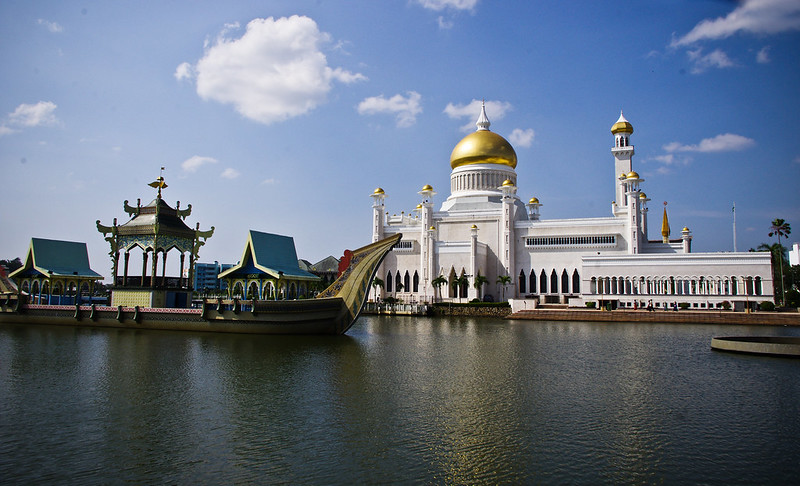
Stroll the grounds of the Sultan Omar Ali Saifuddien Mosque and marvel at its ornate marbled exterior. Do this as your first stop in the morning to “whet your appetite” on Brunei. Check out the main dome which is covered in pure gold. Admission is free and you can enter the mosque outside of prayer hours.

From here, it is just a short walk from the Yayasan Complex from where you can buy souvenirs or stock up on groceries if you are ever in need of any. The area is also filled with restaurants and you can stop here for lunch. If you’re not feeling peckish, the area immediately east of Yayasan Complex contains the Teng Yun temple (the oldest in Brunei) and has a number of traditional family-run stores – an interesting place for a short stroll.

zto3y
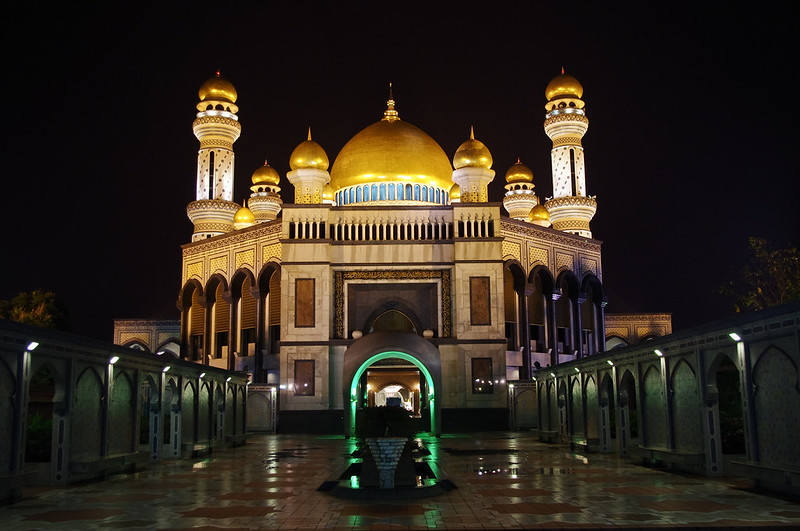
the jame asr bolkiah mosque

Afternoon

It’s a short walk to the Royal Regalia Museum which features a number of objects including gifts the Sultan of Brunei has received over the years as well as equipment used during his coronation and silver jubilee (check out the royal chariot in the entrance hall). Opening hours: Sun-Thu from 9am to 5pm, Fri 9-11.30am & 2.30-5pm, Sat 9.45am-5pm, last entry 4.30pm.

Head over to the Jame Asr Hassanil Bolkiah Mosque. Built in 1994, this is Brunei’s largest mosque and it boasts of 29 golden domes. Surrounded by a landscaped garden as well as fountains, it’s also a noteworthy sight in the evening when the mosque is floodlit. From the city center, you can take Bus #1 and stop right by the gate. Do note the opening hours: 8am-noon, 2-3pm & 5-6pm Mon-Wed & Sat, 10.45am-noon, 2-3pm & 5-6pm Sun, closed Thu & Fri

Take the #1 bus again and head back to Bandar Seri Begawan in the late afternoon. By this time, it won’t be too hot to visit Kampong Ayer (the water village). Point to point rides around Kampong Ayer cost $1 while a one hour boat ride around Kampong Ayer should not cost more than $10. So what will you get to see within that hour? You’ll be shown places such as the floating fire station, floating mosque, floating school and plenty of houses built on stilts. You can also ask the boat man to take you for a glimpse of the Istana Nurul Iman, the residence of the sultan. If you have time, you should also check out the Kampong Ayer Museum which details the history of the area. An overnight stay in one of the houses on stilts is also possible if you wish to spend more time there.

xpl44
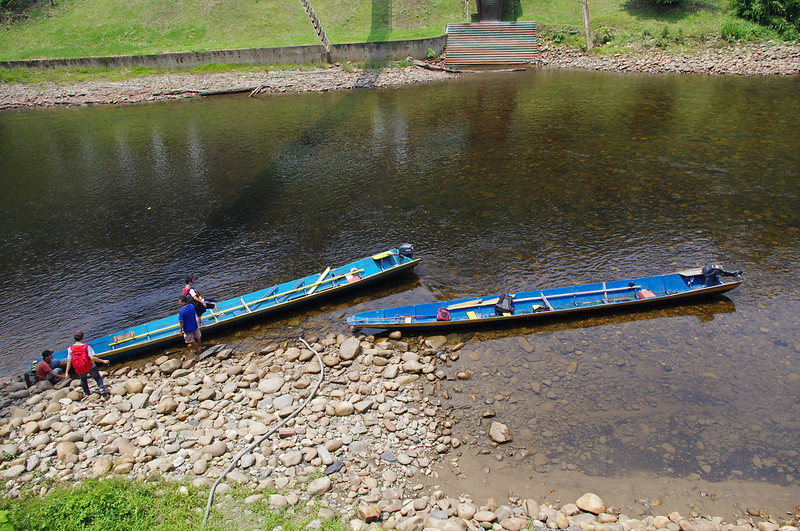
long boats at the ulu temburong national park

DAY 2 – ULU TEMBURONG NATIONAL PARK

Morning & Afternoon

Head out to Ulu Temburong National Park – a trip which will take you the entire day. The journey is an adventure in itself where from downtown BSB, you’ll take a ride through mangroves on a speedboat to the lodge before being transferred to a longboat. Exploration of the national park generally includes various attractions such as the waterfall with “fish spa” and an exhilarating climb up a rickety set of stairs to the canopy walk for a bird’s eye view of the rainforest.

52x8l
translucent waters at the national park

Most tours start at around 7:30AM from the pier in Bandar Seri Begawan and end at around 5pm.

g8kqo
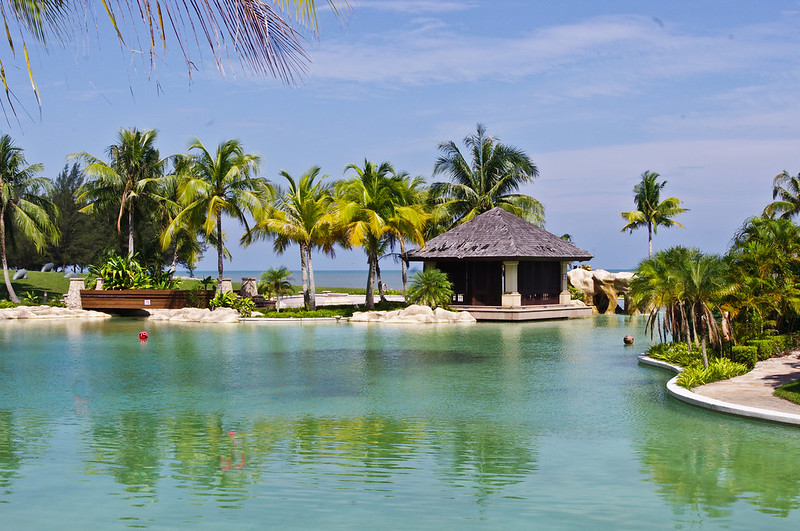
enormous pool area of the empire hotel, brunei

Tip: Singapore Dollars can also be used in Brunei at a rate of 1:1.

DAY 3 – GADONG & CHILLING AT EMPIRE HOTEL

Morning

Chill at one of the most resplendent hotels in the world, the Empire Hotel & Country Club – where you should give yourself a treat and stay at least a night. A self-styled 6-star property, you can either have a relaxing time inside the luxurious room or chill outdoors. There’s a decent beach with a lagoon that is good for swimming and kayaking. For sports enthusiasts, the property has actually won a couple of awards for golfing.

ijzx7
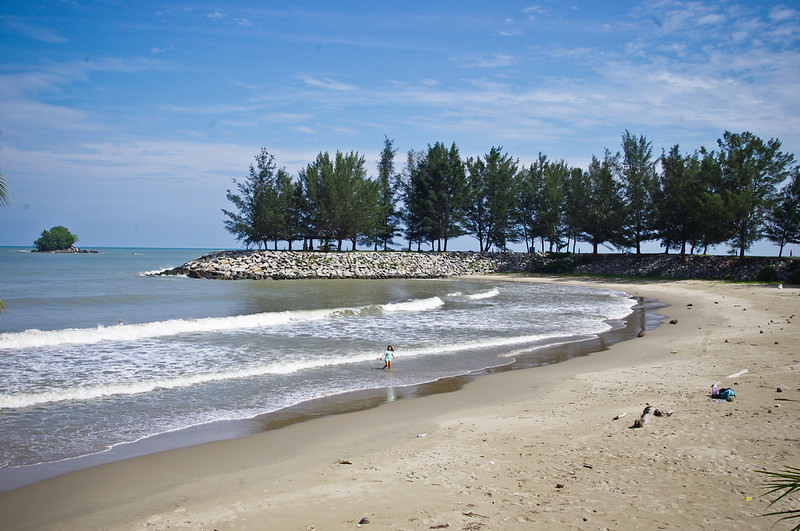
the beach of the empire hotel

Afternoon & Evening

For some last minute shopping, go to The Mall at Gadong – Brunei’s largest shopping center. It’s a mostly modern affair where you can find high street brands. From Empire Hotel, #57/58 bus will take you there.

A short walk from the shopping center is Gadong Night Market. You will find a lot of interesting eats in the outdoor space from 4PM onwards. Make sure to try the pulut panggang (rice stuffed with meat and wrapped in banana leaves), local kueh (small cakes) as well as the grilled seafood.

IF YOU HAVE EXTRA TIME IN BRUNEI…

Not a must-see but if you find yourself with extra time in Brunei, consider making the 1.5 hour trip to Seria in western Brunei to gain a better understanding of the industry that’s powering the economy of the nation. There is a monument dedicated to the billionth barrel of oil extracted in Brunei and it’s erected in the site of the first oil well discovered in the country.

TRAVEL TIPS FOR BRUNEI

Singapore Dollars can also be used in Brunei and the exchange rate is 1:1. Likewise, if you have leftover Brunei Dollars, you can easily use them in Singapore.

As a rule of thumb, taxi fares from the airport to downtown Bandar Seri Begawan should cost no more than B$25. If you’re heading to Empire Hotel from the airport, the fare should be around B$15.

Brunei is under Sharia law and all restaurants and eateries are closed from 12 noon to 2pm every Friday. To save yourself from getting hungry during lunch time, you may take an early lunch or buy a takeaway meal.

I typically shop around when buying travel insurance and using this travel insurance aggregator allows me to compare prices and benefits in one glance.

WHERE TO STAY IN BRUNEI

I have stayed in a number of lodging options in Brunei. To experience the best that the country has the offer, do book at least one night at Empire Hotel and Country Club. The property is an attraction in itself. For something closer to the city, the recently renovated Radisson Hotel Brunei is an excellent choice.[……]

Read more

The best of New York City

How to plan a special trip and take in the history of the city.

New York is a wonderful city, but it is also really easy to be overwhelmed by it. There is so much to do that it’s almost impossible to be bored. This also means it’s sometimes difficult to know where to start. I’ve now been to New York four times and I still feel like I have barely scratched the surface.

This post is not an exhaustive list of a everything I have done over these times, but how to get a great experience in the city, learn a little about how it has come to be the city today, tick off some guidebook classics and explore the streets that form the sets of so many movies. Whether you are a first-time or returning visitor looking for an unforgettable experience this best of New York City guide will help you plan your trip.

If you’re looking for a guide that’s broken down by day, this is the best one I’ve found.

How to prepare for your trip

Plan your time

This might seem obvious, but when I go abroad I often don’t make an overall plan – I have an idea of things I might like to do, but take each day as it comes.

This does not work in New York.

The city is so spread out, you need to either give yourself a theme (art, history, shopping or theatre for example) and plan an itinerary around these or choose areas of New York to focus on and build from there. I’ve tended to take the second approach however it does mean I’ve still not made it north of the Met.

Book in advance

Will help you stick to a timetable and guarantee you are not disappointed. So many museums and experiences need you to book in advance – this can be in the morning for afternoon entry, but it’s increasingly difficult to just turn up.

Set a clear budget

Like many large cities, New York is expensive. It’s really easy to spend $100 a day without really trying.

Below are some indicative costs (based on my 2023 trip) and remember tax and tips are always added to list prices.

Morning Coffee: $4.50 – $6

Breakfast from Whole Foods / similar grocery store: $10 per person

Museum or experience entry: $25-40 per museum

Lunch in Pret / Whole Foods: $20

Dinner in a mid-range restaurant: $35 per person without alcohol, $50 per person with alcohol (casual dining or fast food will be $20 – 25)

Subway: $2.75 per journey (likely you will need one journey per day minimum)

On one trip I found a city pass* was the most cost effective way of seeing things, on others it was not. It is definitley worth looking to see if the time or attractions you want to see and are covered on it.

Get comfy shoes

There is no way around it, in New York you will walk a lot, and quickly. However much you might want to wear those killer heels or pointy pumps to look great in photos it will be the worst decision you can make. I have always found fugly and supportive is best for New York: these are the sandals I used and they were brilliant as they also dried quickly when the rain poured down.*

Plan where you stay

Because New York is such a large city, it’s absolutely vital to think before you book and to properly research where you are staying. NOT doing this is how I ended up in a gorgeous but out-of-the-way apartment in Brooklyn. I mean it was STUNNING, but a 30-minute walk from anywhere and really, it was a 20-minute MTN ride to anything in Brooklyn I wanted to see.

I have stayed at the following – none are high luxury or spectacular but have always done me well. As you’ll see I’ve often opted for lower Manhattan. There are a few reasons for this – it is a bit cheaper as it isn’t by the park or where the shows are, it’s near where I’ve been sent for work, it’s near a lot of museums and easy to get over to Brooklyn.

What to do for an unforgettable trip

Explore New York’s History

It will surprise no one that this is for me what would make a really unforgettable trip. New York (originally New Amsterdam) was one of the earlier areas “discovered” by European explorers – it was apparently discovered by explorers from Florence. Manhattan was apparently purchased in 1626 from Lenapie Indian and Brooklyn was purchased in the 1630s.

New York is a city built on immigration and the city has many homages to it from the famous to the less well-known. The different neighbourhoods give you an opportunity to experience different cuisines.

ELLIS ISLAND

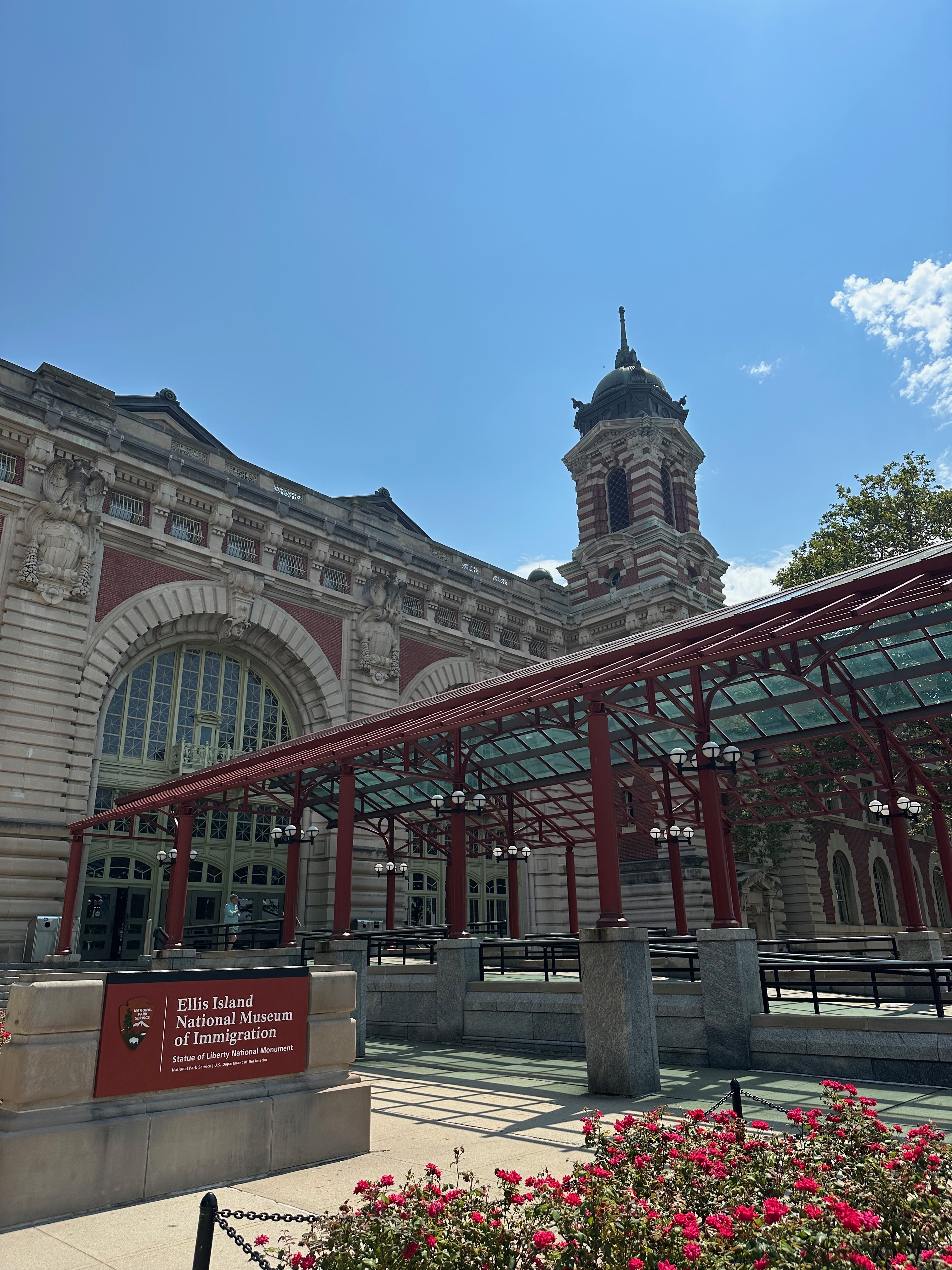
The best-known historical museum in New York is of course Ellis Island. It was opened after five boroughs were consolidated to become New York City. It is where people who arrived on ships were processed between 1892 and 1924 (from 1924 – 1954 it was only people with paperwork issues who were processed there). It is one of the world’s most iconic centres of immigration. The Ellis Island website claims that in excess of 12 million people were processed in the time it was open.

ellis-island
The experience at Ellis Island is exceptional. It carefully curates and builds the journey immigrants would have experienced. Visitors can see luggage, re-live the intergenerational tensions between different migrant communities and you can even order the same meal in the canteen as people would have eaten when arriving. I decided not to chance this one.

Ellis Island tours come with a stop at the Statue of Liberty. Liberty island is ok, but not the main thing for me. Too many people taking selfies for my liking.

Tip: pre-book Ellis Island and try and opt for an early crossing. Because of how the boats are scheduled, getting to Ellis Island before 10am ensures a more relaxed experience.

TENEMENT MUSEUM

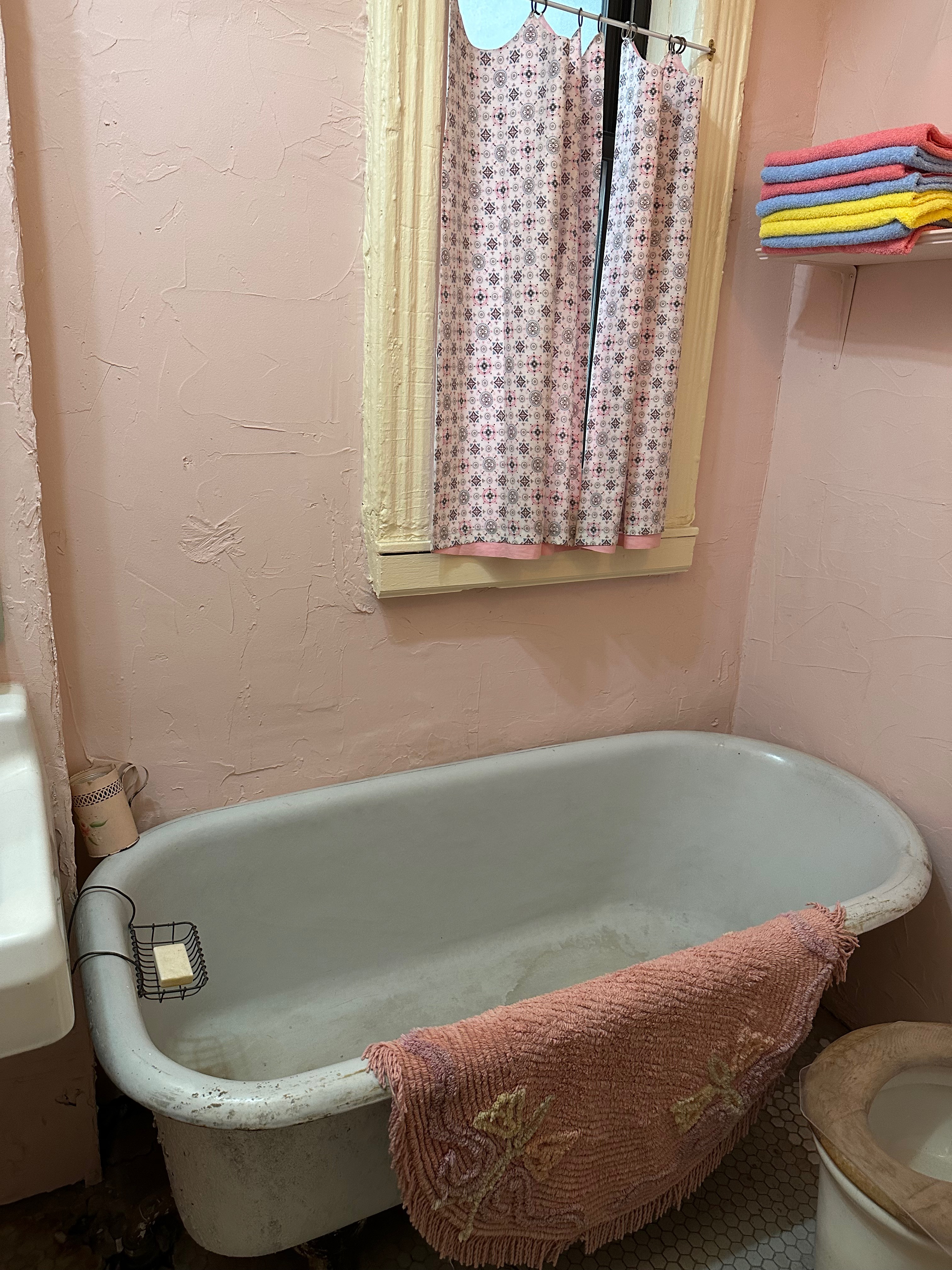
This image may not be one that would usually sell you on going to a museum, but it is an example of what is so special about the Tenement Museum. It’s a converted apartment building only accessible by guided tour and it has been painstakingly refurbished based on first-hand memories to reflect how multiple generations of migrant families in the early twentieth century would have lived. You choose which tour, and therefore which family’s story to follow through the hour you are in the apartment (or tenement).

tenement-museum-1
9/11 MEMORIAL AND MUSEUM

The 9/11 Museum is one of the most harrowing I have ever been to. Sobering doesn’t even begin to cover it. If you are old enough to remember 9/11 the museum will take you back to where you were when you heard the news. The museum curates voicemail messages from people who were in the twin towers and combines them with damaged fire engines and so many shoes that have been recovered from the wreckage (think the number you have under your desk and then whole towers of these). One thing that comes through from this museum is how raw 9/11 still is for so many.

Tip: it is best to book your ticket in advance as the museum does sell out.*

STONEWALL INN

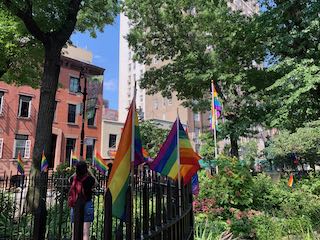
christopher-park-new-york-1
New York is the home of PRIDE. The first Pride took place in New York in 1969 and was actually a protest against a police raid on the bar, which were common at the time. The Stonewall Inn has become iconic as the riots represented a turning point in LGBT+ history. Today it lives on as a relaxed bar and a tribute to those who fought so hard for equality.

Tick off the guidebook classics

Wander through Central Park

I’ve never done the horseback ride through the park (to be honest, I feel sorry for the horses and it feels like a total waste of money) so I can safely say: Central Park is a great place to spend a few hours. In the park you will find the tribute to John Lennon, and it is surrounded by some of the most famous museums in the city such as the Met.

In the summer there is also a range of concerts and plays that take place in the park.

Take in the lights of Times Square

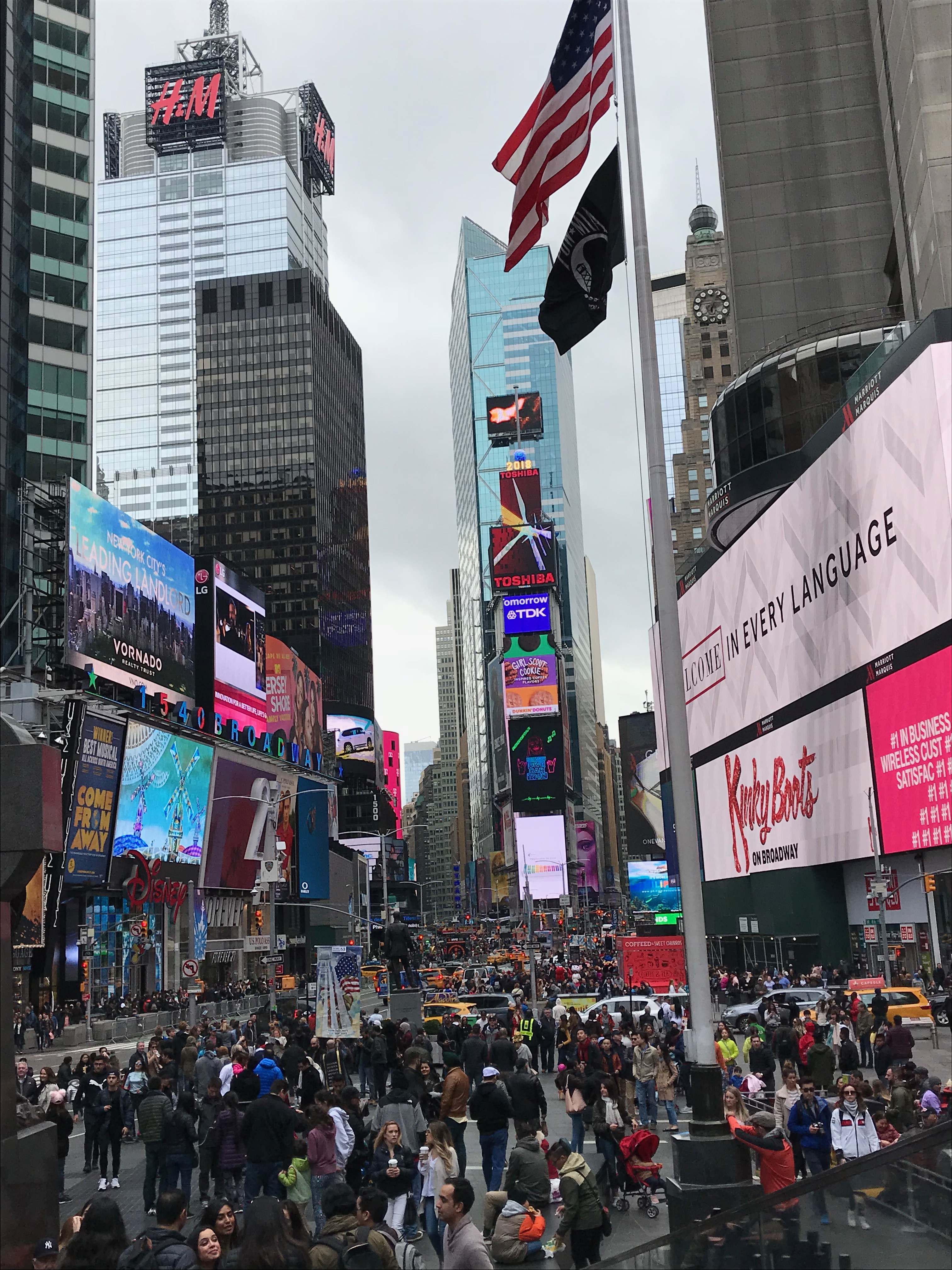
times-square
Confession time. I HATE Times Square. It’s crowded, smelly and there isn’t really much there apart from branches of shops you can have a much more enjoyable experience in using almost any other street in the city. HOWEVER, it is a must-see for first-timers. One of my friends asks me every time I go to send her a video of me singing “New York, New York” in Times Square. I try and blame my bad singing but it’s really because it makes me so grumpy. Just go, even if it’s just so you can decide to not go again.

Celebrate the best of Broadway at Ellen’s Stardust Diner

performers-at-ellens
A 1950s style diner, packed with American classics, where you can enjoy highlights from the best musicals on Broadway.

Ellen’s Stardust Diner is an unashamed tourist trap. You will be unlikely to find a New Yorker anywhere near the diner but that does not matter one iota. The food is average (I had chicken and waffles) but the entertainment is top dollar. You cannot book Ellen’s in advance, so you need to allow time to queue. We waited about two hours. It was worth every minute.

Grab a Bargain at one of New York’s outlet stores

The shopping in New York is brilliant and there are many ways to bag a bargain. My best buy in the city is still my $28 Levis in Century 21 but I also know tales of $20 Kate Spade bags on Black Friday and $100 Louboutons. The vintage scene is also exceptional for those who love a rummage.

260 5th Avenue has a revolving guest sample sale, when we were there last Bally was occupying the space, but they have a huge selection of brands and also have some multi-brand sales.

Nordstrom Rack and Saks Off 5th Avenue are well-established outlet stores in the US. I’ve got a cracking Marc Jacobs bag in Nordstrom Rack for $170.

Bask in the beauty of the city

Explore the Art Deco architecture

New York is the pinacle of art deco architecture due to its rapid expansion in the 1920s and 1930s. Originally known as “Jazz Moderne”, art deco is characterised by its sleek elongated figures that are combined with classical influences (hence the use of cherubs in so many renderings).

In manhattan there are opportunities in almost every neighbourhood to see authentic or recently renovated art deco buildings. The Art Deco Society of New York offers free self-guided walking tours and will help you understand the architects and the buildings in the city.

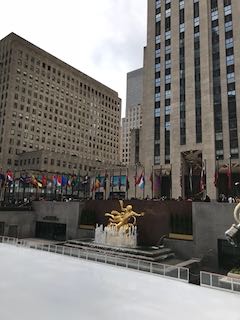
rockerfella-centre
The Rockerfella Centre gives bold gold art deco fountains with a classic streamlined building.

chrysler-lifts
In the Chrysler building even the elevators are a homage to art deco style.

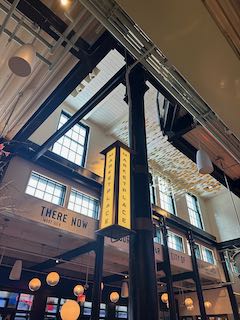
tin-building
The recently restored Tin Building is faithful to art deco.

Enjoy that iconic skyline

There are many places and ways you can take in the splendour that is the New York Skyline. It is a quite overwhelming and imposing set of skyscrapers that you will feel as if you know from the first glance.

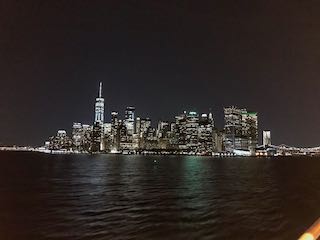
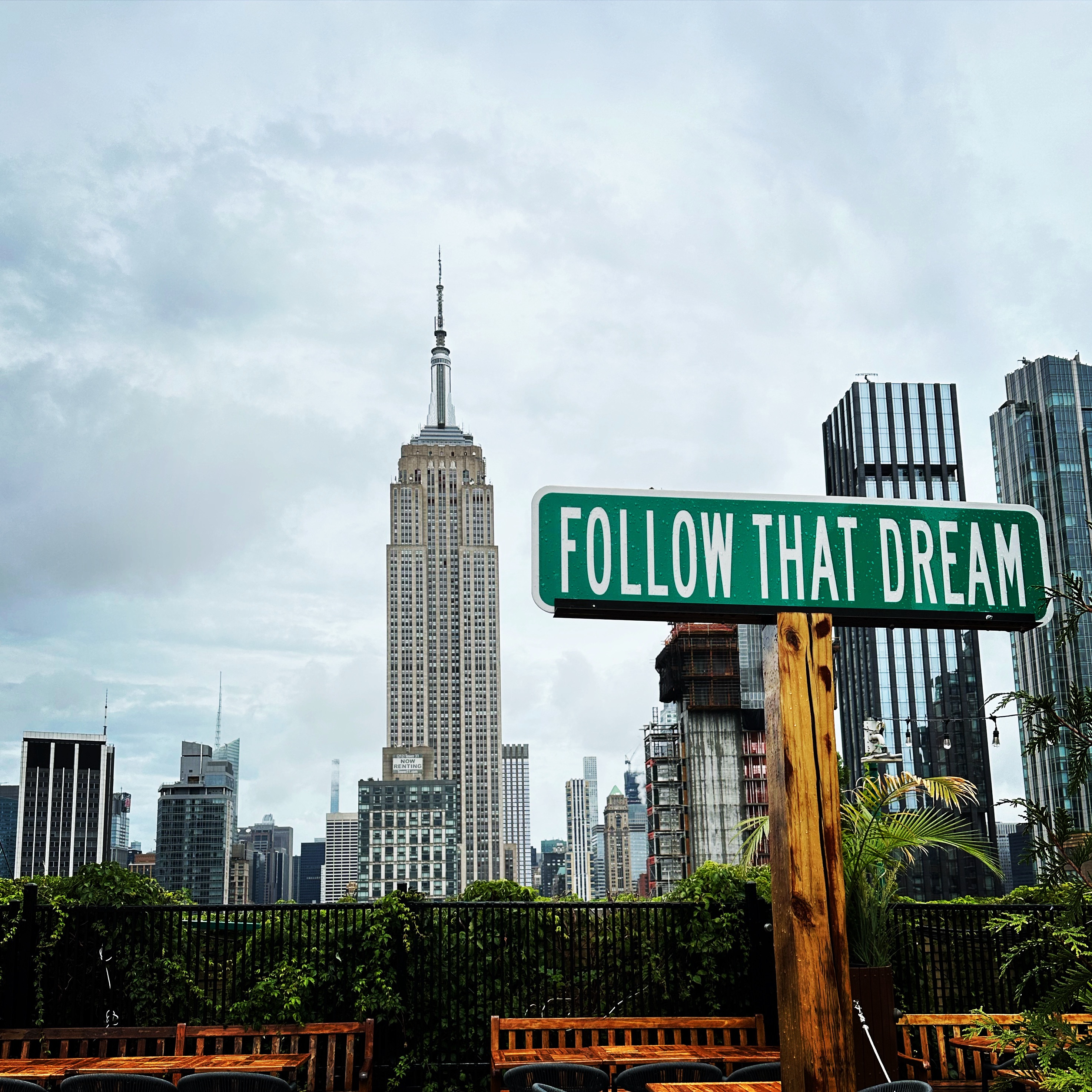
By water is by far the best way to see the skyline, and if you go to Ellis Island you get an exceptional view of the city. It does not however give you the beauty of the skyline at night. For this, the best view is on the Staten Island Ferry. It runs every 30mins until 11pm, it’s free of charge and takes about 25 minutes. A rooftop bar (we went to 230 fifth – incredible) or a viewing platform like the top of the rock will also give you a view to die for.

new-york-skyline-at-night
The Staten Island Ferry runs until late at night and is free to ride. This is the view of the city from it.

empire-state-building-230-fifth-ave-1-2
The rain couldn’t ruin the skyline view at 230 Fifth Ave.

Walk the High Line and immerse yourself in street art and sculpture

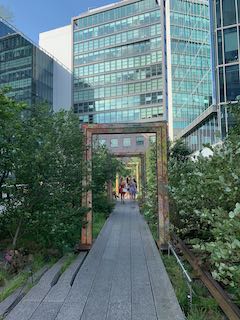
The New York High Line is built on the disused “West Side Elevated Railway” (completed 1934 and was disused by the 1980s) and brings together street art, music, culture and food over a 1.5 mile (ish) walkway that takes you through Chelsea, Greenwich Village, Midtown Manhattan and the Meatpacking District. Spearheaded by Friends of the Highline, the regenration has bought a new leisure area to the city. The first section opened in 2009 and it has grown in sections since then, the most recent section opened in 2023. It is a community interest area and public park.

high-line-2
One of the wonderful things about the High Line is the multiple access points. As it spans more than twenty blocks this is a blessing – it means you can dip in and out of the high line.

There are of course a range of walking tours that will take you through the high line and explain the sights.[……]

Read more