Divi WordPress Theme


10 things you should know before you travel to Chile

10 things you should know before you travel to Chile
gmezs
Chile is a must for a trip to South America! The country has the most extravagant geography in the world. Imagine a 4,300 km long, narrow strip of land that ends in a series of islets that link two oceans. Its extremely stretched territory, located between the Pacific Ocean and the Andes mountain range, gives way to countless landscapes and diversity. If you are planning to travel to Chile for the first time, there are probably a thousand things you would like to know before visiting the country. Let’s go through the main 10 things you need to know!

ql2uf
Visa and Vaccines

As in almost all South American countries, no visa is required for stays of less than 3 months. There is no particular area to be proscribed in the country, but it is always interesting to have a look at the website of the Ministry of Foreign Affairs for last-minute information about security and seismic risks. No vaccinations are required to travel to Chile. Tap water is usually not drinkable everywhere, inform yourself before.

When is the best time go

Chile’s climate is subjected to its large north-south extent and thus to its differences in latitude, as well as to the influence of maritime currents from the Pacific Ocean. In the north, the weather is dry and relatively temperate. In the centre, the climate is more Mediterranean, with rainfall lasting from May to August and temperatures of 28°C in January. Finally, in the south you will encounter more wind, rain and snow, the summer actually has temperatures that usually don’t exceed 10°C. The best time to visit Chile is therefore from November to April, and more specifically from December to February if you want to visit the south of the country.

How to get there?

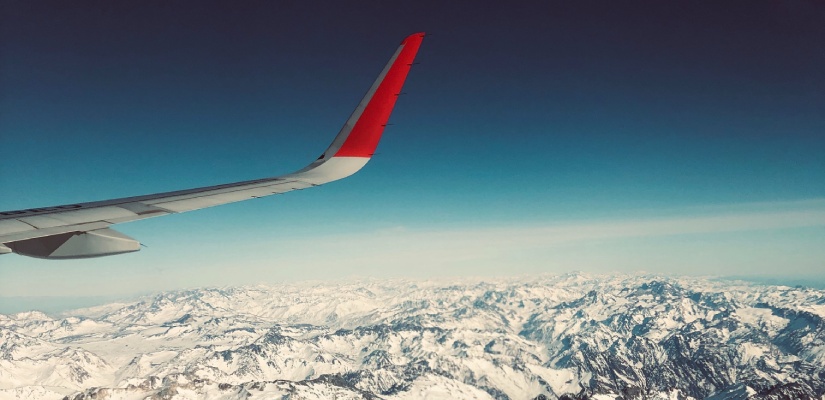
From the USA: One of the most popular airlines to get from the US to Chile is American Airlines, a very international airline that has a lot of flight connections from and to Chile. The price-quality ratio is generally very good. Delta Airlines, the other most popular airline to travel to Chile from the US, offers interesting open-jaw tickets in American cities. When you travel to Chile from certain US cities such as Miami, New York, Washington and Chicago you can find incredible prices starting at $300.

From Europe: Several airlines fly daily to Santiago, the capital of Chile. Air France, Iberia, American Airlines, Lufthansa or Air Canada,… all offer return and direct flights to Chile. As for the Chilean national airline, LAN-chile, it regularly offers promotions on its flights from Europe. The cities offering the best deals to fly to Chile are Madrid, Rome, Paris and Milan with tickets from 400 EU. To travel to Chile and fly at unbeatable prices, remember to book your tickets three months in advance. During the high season, the cost of a round trip to Chile can double.
5r1gw
Language

Spanish is the most widely spoken language in Chile. The variant of Spanish spoken in the country is Chilean Spanish. It is a dialect of Spanish that is very different from the Castilian variant of Spanish, but its pronunciation is similar to Andalusian Spanish. About 14 millions of Chileans speak the language. Several other indigenous languages are also spoken in the country such as Mapudungun, Quechua, Rapa Nui, Huilliche and many more.

The time difference

Concerning the time difference in Chile, you should be careful because it is not the same everywhere in the country. For example, when it’s 14:00 in Easter Island, it’s 16:00 in Puerto Natales. Chile’s standard time zone is GMT -4 and in summer (September to April), GMT -3.

National currency

The national currency is the peso. We advise you to bring euros, which you can easily change on the spot, or US dollars in small denominations (50, 20, 10 and 1 dollar, very practical for tips). Traveller’s cheques in US dollars or euros are not recommended, as they are sometimes difficult to change. There are many ATMs in town that accept most international bank cards.

1 US Dollar = 783.27 Chilean Pesos

1 EU = 912.92 Chilean Pesos

Travel budget and cost of living in Chile

Chile is one of the most developed countries of South America, which means you have to provide a slightly higher budget than would expect for its neighbouring countries. You will still be pleasantly surprised by the prices which are 30% to 40% cheaper than in Europe or North America. Of course, depending on the period and the desired comfort, your budget can vary considerably. Your budget will depend on 4 main expenses:

1. Transport: $9 per day

If you wish to buy or rent a car in Chile, note that compared to North America or Europe, the price of petrol is relatively lower in Chile (about 1.20$ per litre). A small car rental will be $30 per day. And finally a taxi in Santiago, Chile’s capital is $0,95 per kilometre.

If you use public transport in Santiago, you need to buy a BIP card beforehand, which costs around $2 and then top it up with the amount you want. A round trip by metro costs more or less $2, which varies depending on the time of day. For more information, you can read our dedicated article.

For long travel within the country, coaches/buses are definitely the most economical way to travel but also the slowest and least comfortable: you can’t have it all! The average cost of the Bus: 20.000$CH (about $30) for 1000 km.

2. Accommodation: $12 per day

From campings to hotels to the inhabitant’s home, you definitely have the choice in terms of accommodation. We would still recommend opting for local accommodation, built-in wood, such as “cabañas” or certain hostels. A night in a hostel costs about $6 to $25 for a dormitory bed and about $40 for a private room in a hotel. An expensive solution in the long term but which has the advantage of keeping your freedom. You can leave from one day to the next according to your plans.

3. Food and beverages: $9 per day

In Chile, you nicely eat for little money. Street food and supermarkets are the most economical option. If you choose a restaurant for lunch, the “almuerzo” is the most economical option. This complete menu (starter, main course, dessert) costs only about 3 500$CH (about $5). In the evening, the bill will be higher. Count between 3 500 and 11 000 $CH (between $5 and $15). In general, a meal in an economical restaurant, without drinks will be about $10.

4. Activities: $8 per day

To estimate a budget from activities, you first need to know whether you are more of a city-dweller-culture enthusiast or an adventurer-lover of the great outdoors. Museums and city outings are relatively cheap. When the entrance to museums is not free, the price rarely exceeds $5.

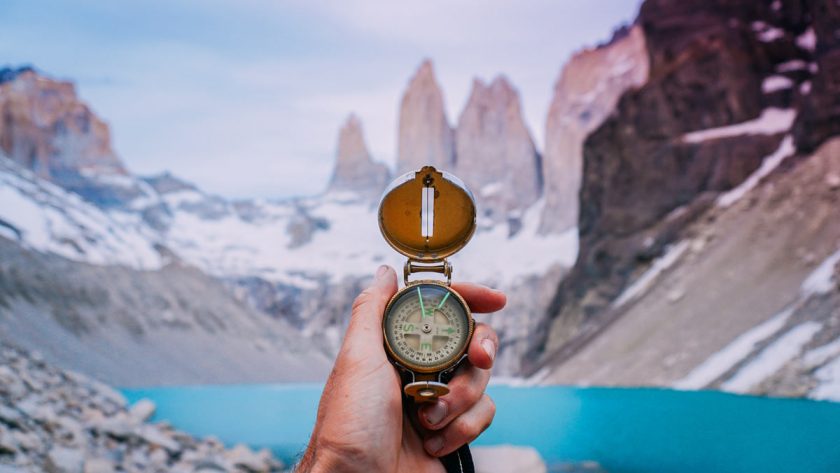
For excursions lasting several days, you will need to count between 39 000$CH (about $50) and 78 000$CH (about $100). This is explained by the distance to be covered and the possible rental of equipment. Did you know that the excursion through the Torres del Paine National Park along the stunning W Trek is one of the most liked and popular trips from Howlanders.

Safety

Visiting and living in Chile today is not particularly dangerous, and many Chileans like to point out that despite the glaring inequalities, Chile remains the most stable and developed country in Latin America. Most visitors or expatriates do not encounter any problems, and they find a quality of life and service that is unequalled on the South American continent.

In spite of this, there is no reason to not take a minimum of precautions. Basic safety recommendations are always in order: avoid demonstrations and gatherings, avoid walking around with valuables. Always leave a copy of your documents (passport, driving licence, etc.) at your accommodation. As in all countries, leave the minimum amount of money with you and be discreet when paying.

Places to visit in Chile

We could write pages and pages on all the nice places to visit in Chile, from the rainbow mountains of San Pedro to the Chilean Patagonia Torres del Paine. This country is full of treasure. Let’s look at the top three places to visit.

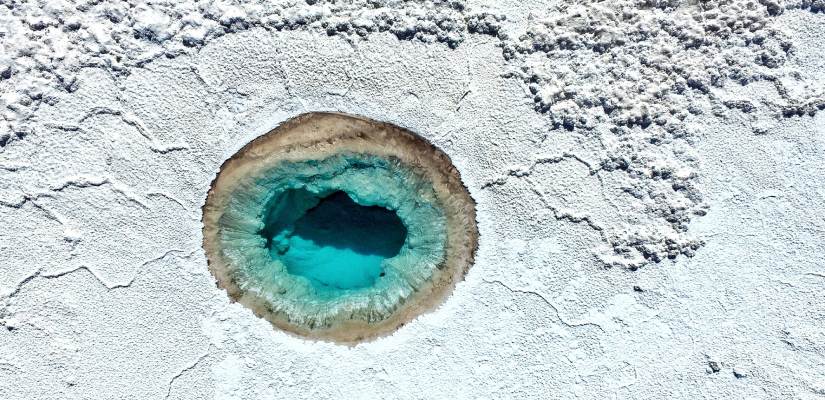
San Pedro de Atacama:Stretching over 1000 km of the Pacific coast from northern Chile to the border with Peru and Bolivia, the Atacama, the world’s most arid desert, attracts more and more adventurers every year. Why? Because the region offers a natural scenery teeming with life, which can be seen in the immensity, between valleys, volcanoes, sumptuous oases, lagoons and the peaks of the great cordillera on the horizon.
24nf3
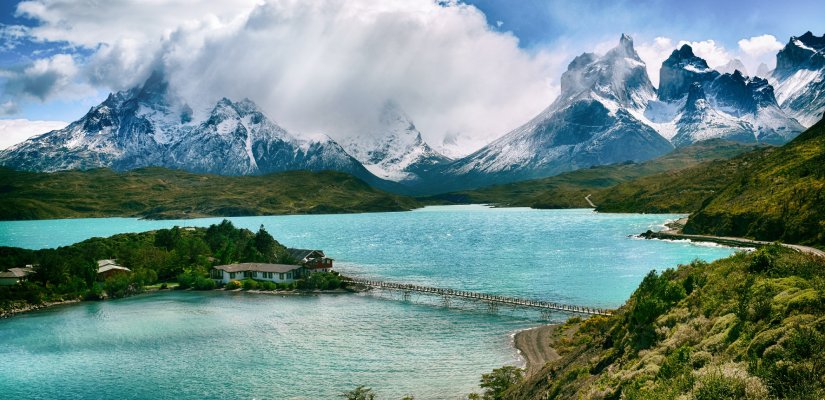
Torres del Paine: Declared a biosphere reserve in 1978 by UNESCO, the Torres del Paine Park is the best known in the country and a must-stop during your stay in Chile. It is named after the four granite peaks that can be found there. Several hikes ranging from half a day to a full week can be done in the park (the W and O routes are the best known). Milky blue lakes, glaciers, rocky peaks: so many natural wonders that surprise the visitor at every turn!
zg3t8
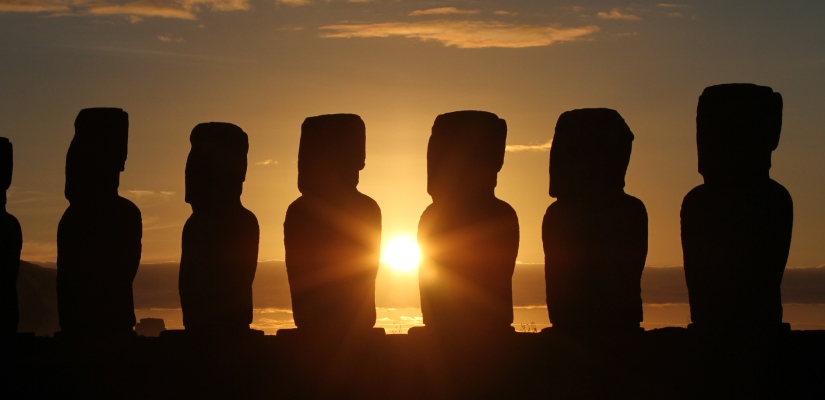
Easter Island: The world’s furthest island from a continent, more than 3,700 km from the coast; it was formed by the eruption of three volcanoes. Easter Island is also fascinating for its monuments and its mysterious history. Following orders from chiefs and priests to communicate with the gods, the inhabitants built more than 887 moaï; huge statues in tuff and basalt reaching up to 8 m in height.
8uq90
The Chilean cuisine

Keeping the best for the end, let’s now talk about Chilean cuisine! Once you travel to Chile you will quickly realise you’re also experiencing a whole new culinary world. The country offers a surprisingly rich and diverse range of dishes that every visitor should try at least once. In addition, Santiago has one of the most dynamic culinary scenes in the country, making it the perfect place to try some of the nicest traditional Chilean dishes. Here are four classical dishes that you must try if you want to discover the richness of Chilean food!

The empanadas:

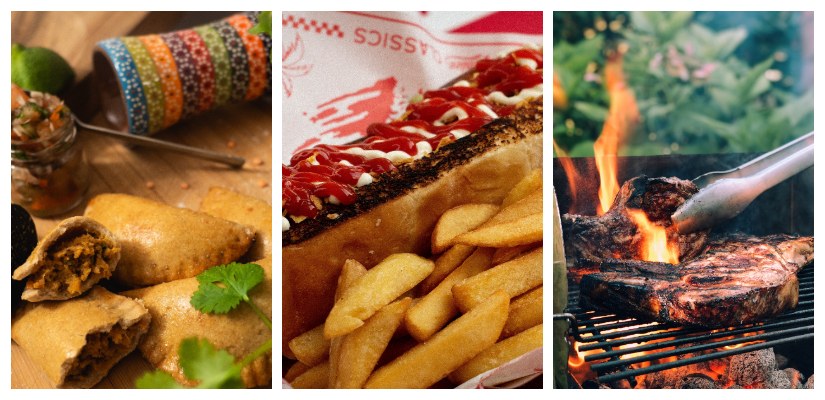
Little puff pastry baked in the oven, the most popular are filled with cheese, seafood or with a mixture of meat, onions, eggs and olives. Empanadas are easy to enjoy at any time of the day, easily found in takeaway stalls. It might not be great gastronomy, but they are an important facet of Chilean culinary culture.

Humitas: This dish can be found in Andean countries such as Bolivia, Argentina, Ecuador, Peru and of course Chile! Traditionally, corn is mixed with onion and basil, which gives it that addictive touch. The preparation is then wrapped in the same maize leaves used as an ingredient. It is served lightly sweetened or accompanied by tomatoes. Humitas is normally a summer dish, some people manage to enjoy it all year round.

Completo: Another classic Chilean food classic, the completo, which is the nation’s take on a hot dog, but unlike it, it comes with extra toppings. The word “completo” meaning “complete” or “total”, is an excellent description of what is basically a hot dog sausage in a loaf of bread and accompanied with as many different toppings as possible.

Asado: Ah, the asado or the Chilean barbecue! Although there is a lot of rivalry between Chile and its neighbour, Argentina, over who offers the best asado, they agree that the asado is both a delicious meal and an important social occasion held all year round. Although a family asado is certainly a different experience, there are different restaurants that can introduce you to the Chilean love of a barbecue. The famous restaurant Happeninglocated in the heart of Santiago cooks delicious pieces of meat on the grill for a true asado experience.
7q7nl
Overall, these 10 points should answer all of the questions you were wondering about if you want to travel to Chile. From its incredible variety of landscapes to its culture and cuisine, Chile is simply a country of 1,000 contrasts that make it difficult to know which way to go first.[……]
Read more

27 Things You Need to Know Before Visiting Peru

Peru is one of the most popular destinations in South America, but this country is still a mystery for many first-time travelers. Here’s our travel guide, where we share things you need to know before visiting Peru. If you started to plan your ultimate trip to Peru, read this post before your travels!

Have you heard that Peru is a fascinating country? Well, you’ve heard it right. Without even planning it, we spent a bit over two months in this country, which was the advantage of being long-term travelers.

Although it was not the first South American country we visited, we knew we must approach it differently, learn new things, and keep our minds open because it would be the biggest mistake to expect Peru to be the same as, for example, Colombia or Ecuador.

And despite the fact that some of the customs and ways of life are very similar, Peru was in many ways special, and it quickly stole our hearts.

What is the first thing you need to know about Peru? First of all, it is a large, diverse country and it is not possible to see everything in just one trip. We realize we were lucky to spend two months in Peru during our first trip around South America, but there are still numerous places left on our bucket list we did not manage to see.

If you do not have that much time, the planning part before your trip starts is super-important, especially if you want to avoid unpleasant surprises along the way.

Therefore, we would like to steal a few minutes of your time and share with you 27 things you need to know before visiting Peru.

Traveling to a foreign country with an absolutely different culture can often be a daunting task. We believe that every piece of information is valuable, even though nothing can ever replace the actual experience, which you are about to get hopefully soon.

peru-guide

THINGS TO KNOW BEFORE VISITING PERU

High mountains, cloud forests, Incan ruins, ruins founded even before the most famous civilization ruled over the country, Amazon jungle, colorful markets, colonial towns, waterfalls, blue lagoons, long overnight journeys, coca tea, crazy traffic, or friendly people.

Peru evokes many memories, but before our trip, we, probably the same as you, had the country connected with its most popular attraction, Machu Picchu, and could not imagine much beyond.

And although the citadel high in the rolling hills is certainly worth your attention, we have good news – Peru is much more than that.

Feel free to get inspired and read detailed posts we’ve written about Peru, but now we would like to share with you the knowledge we gained on the road that we think you might find helpful.

ALTITUDE SICKNESS IS A REAL THING

It is a bit different when you see this information on paper. Still, the reality is that once you arrive in Cusco, Huaraz, or any other must-visit destination that is not located by the sea, you’ll instantly realize that the air is thinner.

You might be even welcomed by a mild headache.

The truth is that in other countries, we felt that we have a choice if we wanted to visit places at high altitudes because they were usually slightly off the beaten path, such as Los Nevados National Park in Colombia or Cajas National Park in Ecuador.

On the other hand, we found out that here in Peru we had no choice to avoid hiking in the altitude if we really wanted to see the absolute best the country has to offer.

Renowned treks like Inca Trail, Salkantay Trek, hike to Laguna 69, Laguna Churup or Laguna Paron, visiting Pastoruri Glacier, but also Lake Titicaca, Colca Canyon, or already mentioned cities such as Huaraz and Cusco.

These are places where you’ll have to stay above 3000 meters line, but be prepared to climb mountain passes at 4000 meters, sometimes even attacking 5000 meters!

This means only one thing. Before you start planning your perfect Peru itinerary, make sure to incorporate a few acclimatization days to lower the chance to suffer from altitude sickness.

Although there’s no way how to prepare yourself for the altitude except for being in the altitude, we’ve written an in-depth post about hiking in the altitude, where you can find a few helpful tips and learn more about what to expect.

laguna-69-peru

DRINK COCA TEA

No worries, we really do not want to encourage you here to try drugs, but coca tea is a part of everyday life in Peru, and it is only up to you if you want to try it or not – the tea is usually served in hotels during breakfast or on hiking tours during a break.

Coca tea tastes like a normal herbal hot drink; the only difference is that it helps people deal with altitude better.

For a better effect, it is even possible to chew coca – this is what porters who carry backpacks for travelers high in the mountains do. It is possible to buy coca leaves on markets or even in the supermarket.

It is not recommended to travel with a bag of coca leaves in your backpack if you plan on crossing borders by land, and definitely not if you’re coming back by plane to your home country.

It is also good to know that you can have traces of coca in your blood after drinking the tea for a few days, so stop drinking or chewing the leaves if you must undergo tests at your work.

KEEP CASH ON YOU

Peru is a country with a developing economy, which can mean many things, but it brings a small complication for travelers.

If you’re like us, you probably haven’t seen cash for a while, because we normally pay everything by credit card (one of the reasons why we loved our trip to Iceland so much).

It is important to know it does not work this way in Peru (the same as in most South American countries). Cash is the king here, and although the situation has already slightly improved, it is necessary to withdraw money and carry cash with you all the time.

We recommend you always check out first if your next destination has ATM, so you avoid carrying too much cash around.

More established companies offer the possibility to pay by credit card (especially in Cusco, where you can book multi-day treks that are slightly more expensive) but always check the often unfavorable rates.

DO NOT FLUSH TOILET PAPER

Unless you booked a four or five-star hotel, be prepared that the plumbing system in your accommodation won’t be top-notch.

What does it mean? In most South American countries, you should not flush toilet paper in the toilet but throw it to a bin that usually stands next to it.

It does not seem very hygienic, but believe us, it is not worth it to forget this rule, not even once. If you are not sure, always ask at the front desk; it will save you many troubles later.

OVERNIGHT BUSES

We’ve already mentioned that Peru is a large country. What is even more important, those must-visit places are not centralized, they are rather scattered, so to see the true top attractions, you will have to travel from north to south, which means only one thing.

You will spend plenty of time on a bus.

Of course, it is possible to travel by plane if you are short on time, but many destinations are still not connected by air, so unless you decide to base yourself for the whole stay in Cusco and explore the Sacred Valley thoroughly, you’ll have to, at least from time to time, survive the bus journey.

Because of the country’s size and the distance between major tourist points, consider taking night buses. Although it might sound dangerous and uncomfortable, it is actually the best way to get around the country and not lose precious time.

We got used to traveling this way, and even though we definitely were not 100% fresh after arrival at the next destination, we saved this way plenty of time and money for accommodation.

We felt pretty safe traveling by buses in Peru (we usually used a company called MovilBus or Cruz del Sur).

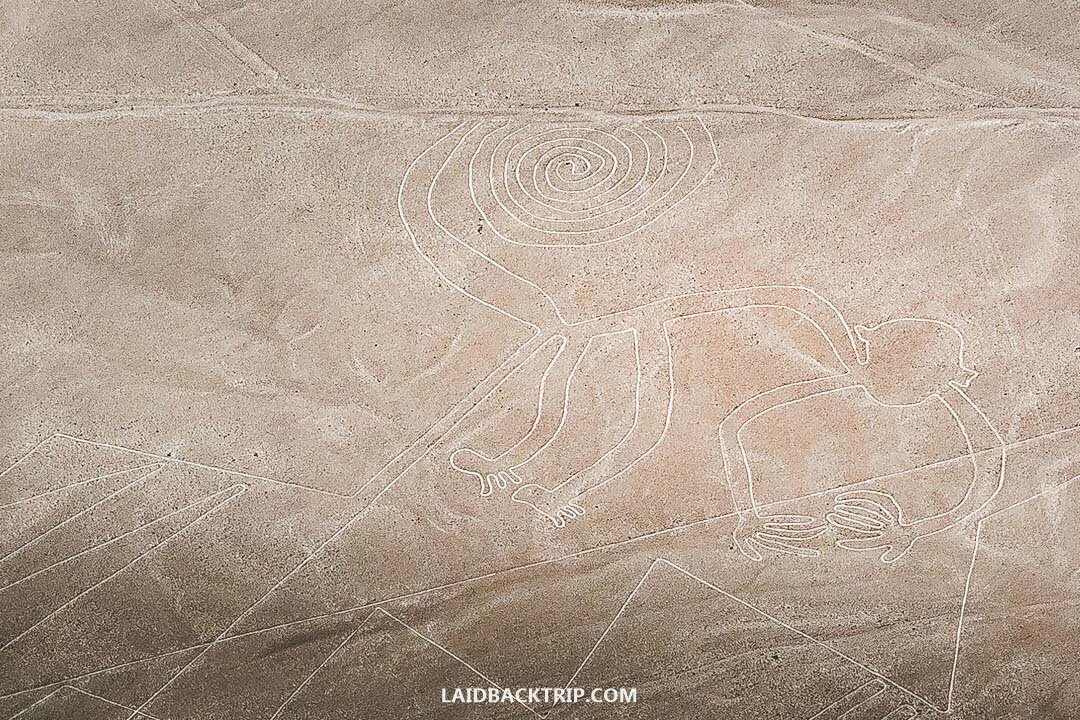
Being said that, our bus was involved in a car accident on the way from Nazca Lines to Arequipa. Fortunately, there were no casualties (at least on our side), and we got safely to our final destination, with only a few hours of delay.

nazca-lines-peru

TRY A GUINEA PIG

It is not possible to travel to Peru and not to eat Guinea pig at least once. Guinea pig is a local delicacy. At first, the meat was eaten by indigenous people only, but nowadays, it is one of the most common meals in the entire country.

Despite the name, the Guinea pig has origin in the Andes of South America, not in Guinea, and secondly, it is not a species of pig, but a rodent.

Although it does not sound somehow appealing (it does not look appealing on the plate either), the animal was domesticated, is raised solely for meat, and you would make a faux-pas if you spoke wrongly about this specialty.

Every family has its own original recipe, and in the touristy cities such as Cusco, you’ll hardly find a restaurant that does not have Guinea pig on the menu – you will find it under the local name cuy. One more thing.

Our guide on the Inca Trail told us a trick on how to make sure you’ll get a fresh Guinea pig on the table. He told us the food is perfect when the meat is fresh, but unfortunately, most restaurants use the meat they have in the freezer.

You have to call to a restaurant and simply order fresh Guinea pig and make a reservation, do not just show up. Of course, it means you must go to a bit upscale restaurant, not a local eatery, but we think this delicacy is worth the effort.

If you’re a foodie, another meal you should not miss when in Peru is ceviche. This meal is also served almost everywhere, but the culture is the most significant in Lima.

VISIT AMAZON

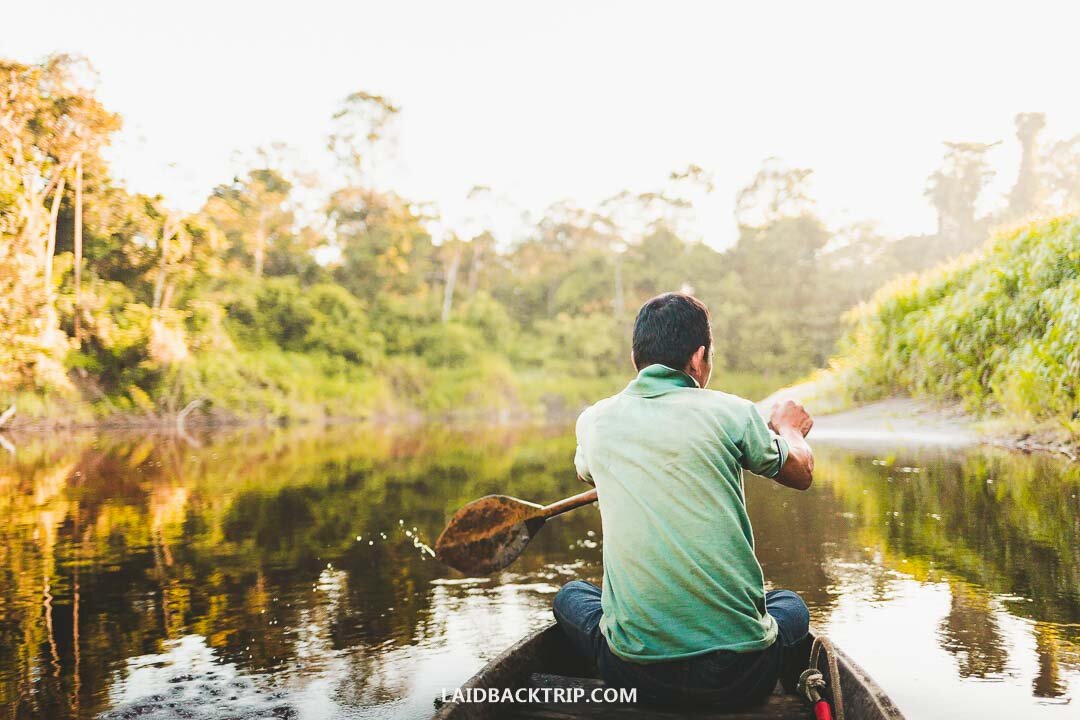
Visiting Amazon usually requires many hours spent on the road or even a flight to a remote area. Often this trip does not come cheap, but it is once in a lifetime experience you should not miss.

We were in Brazil, Colombia, or Ecuador, but the country where we decided to include Amazon in our itinerary, was Peru. And boy, it did not disappoint.

There are a few places to choose from, but in the end, we opted for Pacaya Samiria, a reserve that is accessible from Iquitos (we had to take a flight from Lima to Iquitos).

As we wanted to get a unique experience, we booked a one-week Pacaya Samiria camping trip and could not be happier as fauna was abundant and the jungle as wild as we imagined.

If you still hesitate, whether this trip is worth it or not, we have only one recommendation – go for it. In our opinion, three days is a bare minimum.

pacaya-samiria-peru-amazon

PERU HAS TWO DISTINCTIVE SEASONS

If you’re seriously thinking that Peru will be your next travel destination, another thing you need to know is that you have to consider travel seasons.

In general, you can experience two distinctive seasons in Peru, wet and dry.

The dry season that lasts roughly between May and September (or mid-October) is super-popular among travelers, so it is often necessary to book accommodation or trips in advance.

On the other hand, you’ll be rewarded with almost perfect weather – blue skies and it also rarely rains, which is great, especially if you have only limited time for your Peru trip. It is important to take into account that the dry season is also Peruvian winter, so temperatures are lower, especially high in the mountains.

The wet season lasts between October and April, and as the name suggests, you can expect rain – the rainiest months are December, January, and February. February is probably the worst time to visit Peru if you plan on hiking – the Inca Trail is closed for maintenance, and other trails are prone to landslides.

The rainy season also has pros, though. There are not that many travelers, prices are lower, temperatures higher (it is summer), and it also does not rain all the time.

We were in Peru in November and usually enjoyed nice weather with occasional afternoon showers. If we had a chance to get to Peru again in the future, we would have opted for shoulder months – April and May or September and October.

Because the country is very diverse, it is often hard to figure out what to pack – you basically need a bit of everything.

INCA TRAIL

Inca Trail is a chapter on its own. It is the fabulous and ancient trail that leads from the Sacred Valley to one of the most famous places in the world, the mythical Incan citadel, Machu Picchu.

So, what do you need to know about Inca Trail?

First of all, the number of hikers is strictly regulated by the Peruvian government. The first-minute reservation is essential if you cannot imagine your trip without this adventure.

Secondly, this hike does not come cheap. On the other hand, it is the only trail that will take you directly to Machu Picchu – all other hikes end in Aguas Calientes, from where you must take a bus or hike to the ruins.

Do we think Inca Trail is worth it and live up the hype? Definitely. Does the world end if you cannot afford it, or if there are no spots available? Definitely not.

The landscape around Cusco is wonderful, and although no other hike boasts that many ruins along the way, they also have a lot to offer. One of the most popular alternatives is Salkantay Trek, which is also a multi-day trail that is equally wonderful.

TAP WATER IS NOT DRINKABLE

We do not buy water in the shop all year round in our home country because it is possible to drink only tap water.

First of all, we save a lot of money, but more importantly, this approach is also great for our environment as lowering plastic consumption is the easiest thing we can do to help our planet breathe.

Unfortunately, this is not possible in Peru because tap water is not drinkable for visitors.

Of course, some of you might object that it is just a matter of training, but simply put, our bellies are not used to the bacteria in South American water, and drinking the water out of the tap is always hit or miss.

And if you are on a short, two to three-week vacation, you certainly do not want to risk it and ruin your holiday.

Honestly, we did not want to risk it even when we had two months.

Buying bottled water is the easiest way to get water in Peru, but it is not environmentally friendly. Some hotels provide water to customers so you can refill your reusable water bottle, but it is also not possible all the time.

When we searched for the best options, we came across a modern solution for treating water, even in countries like Peru.

Consider investing in SteriPen or water bottle with integrated filter – we believe you’ll find this gear handy not only in this country but on your multiple future trips.

HOW TO GET TO MACHU PICCHU

It is impossible to write a post about things you need to know before traveling to Peru and not to talk more closely about Machu Picchu. We do not think there’s a single traveler who does not have Machu Picchu on the itinerary.

We know that every country has an overhyped attraction, but Machu Picchu is definitely not the one. We visited the place twice in a row and would come back in a heartbeat.

There are several ways to get to Machu Picchu, and you should consider all the options to make sure you choose the one that fits your schedule best same as your level of fitness.

We’ve already mentioned that hiking is one of the popular alternatives among backpackers and active travelers who want to combine history with the incredible scenery.

You can choose from famous treks to off-beaten paths, and these treks can take from two to seven days (or even longer if you want to customize a private trek).

All other alternatives mean you have to get first to Aguas Calientes, the town closest to Machu Picchu.

From Cusco, the most common, iconic, and safest way to get to Aguas Calientes is by train. Here, you can purchase train tickets in advance.

Once you get to Aguas Calientes, you can either spend here a night or go directly to Machu Picchu.

You can either take a round-trip bus or opt for a hike, which is budget-friendly, but we think it is better to save energy for the citadel itself.

The visit to Machu Picchu is strictly regulated, and rules change in time, so we recommend you to read our up-to-date post on Everything you need to know before visiting Machu Picchu. It is compulsory to book a ticket for a certain time.

TAXIS IN PERU

When we were in Colombia, we learned that Uber is illegal in this country, and although it works, it is better not to use it or act like a Colombian friend picked you up.

Fortunately, this is not the case in Peru, and not only Uber is legal here, but it also works well. If you prefer to know the cab’s price without bargaining, this might be the best option for you.

Overall, we found taxis in Peru safe and reasonably priced, but it is always necessary to agree on a price before the ride.

IS PERU SAFE?

We consider Peru a safe country. We visited quite many destinations and never had the slightest problem, but it is also necessary to say we did not walk around lightheaded, especially not at night.

There were a few sketchy places where we did not feel comfortable – one place was in the capital city of Peru, Lima, but it was rather our fault as we decided to find a cheap hotel in the city center than in the more touristy part called Miraflores.

The other place was Chiclayo – the bus driver dropped us off in the suburb further from the center, and one lady that saw us with a phone in hands told us we should rather keep it out of sight (we were warned about this area even when we first arrived in the city).

The rule of thumb is always to use your common sense.

It should go without saying it is better to keep your valuables such as laptops, passports, or cash in your hotel room.

We are aware that you want to carry a phone for navigation, a travel camera to take awesome pictures, and a credit card just in case – it is always better to store it in your backpack (not in a pocket) and use it only when necessary.

Solo travelers should also feel safe in Peru; just be careful when getting back to your hostel from a bar – it is always wiser to join fellow travelers.

Although the bag snatching on buses is not that common like in neighboring Ecuador, keep your hand luggage close and never leave it under the seat or in the overhead compartment.

Travel Insurance

We never leave home without travel insurance that was designed to cover our expenses if something goes wrong during the trip.

Travel insurance protects against theft, flight delays, injury, illness, cancellations, and much more.

World Nomads provides travel insurance for travelers to cover their trip essentials, including sports and adventure activities.

SafetyWing is affordable travel insurance for backpackers, long-term travelers, and digital nomads.

Travel smarter and safer!

AVOID AYAHUASCA

There are many travel styles and reasons to travel. What we actually did not know before our trip to Peru was that there’s a new trend and people who travel to this country solely to get an experience with ayahuasca.

Ayahuasca is a brew from a plant that is native to South America, and this brew has psychedelic effects on people, especially in combination with shaman rituals.

What we could read and hear, ayahuasca seemed to us as any other drug, and that’s why we would recommend you to avoid it.

We really do not think it’s cool; you are certainly not about to reach some sort of revelation, and last but not least, most of the people we met in a hostel in Iquitos (these ceremonies are common in the Amazon) who had the personal experience were not somehow excited.

If you want to be wasted for the whole day, puke, and suffer from diarrhea, you can drink tap water for free; this so-called ritual staged for Gringos is certainly something you should skip.

ENGLISH IS NOT WIDELY SPOKEN

If you plan on traveling to Peru and have more time for preparation, you won’t make a mistake when you start learning at least the most common phrases.

Although Peru is quite a well-established travel destination, English is not widely spoken.

It is a bit different in Cusco, where the market is very competitive, but in the more remote parts and even in bigger cities, you will have to either use your broken Spanish or hands and legs. We wish we realized it before our trip to South America.

The truth is we picked up quickly[……]

Read more

The best time to visit Argentina

As you might expect from a country that stretches across 2,360 miles (3,800 km) of land, Argentina is more than a tad diverse. Think lush, subtropical rainforests sitting alongside ethereal blue glaciers as well as snow-capped mountains sprinkled with ski resorts, and grape-dappled valleys. As you can imagine, the climate varies wildly in each of these landscapes and is very much dependent on the time of year you choose to travel. This useful guide contains everything you need to know about the best time to visit Argentina for you.

oss3g
December – February

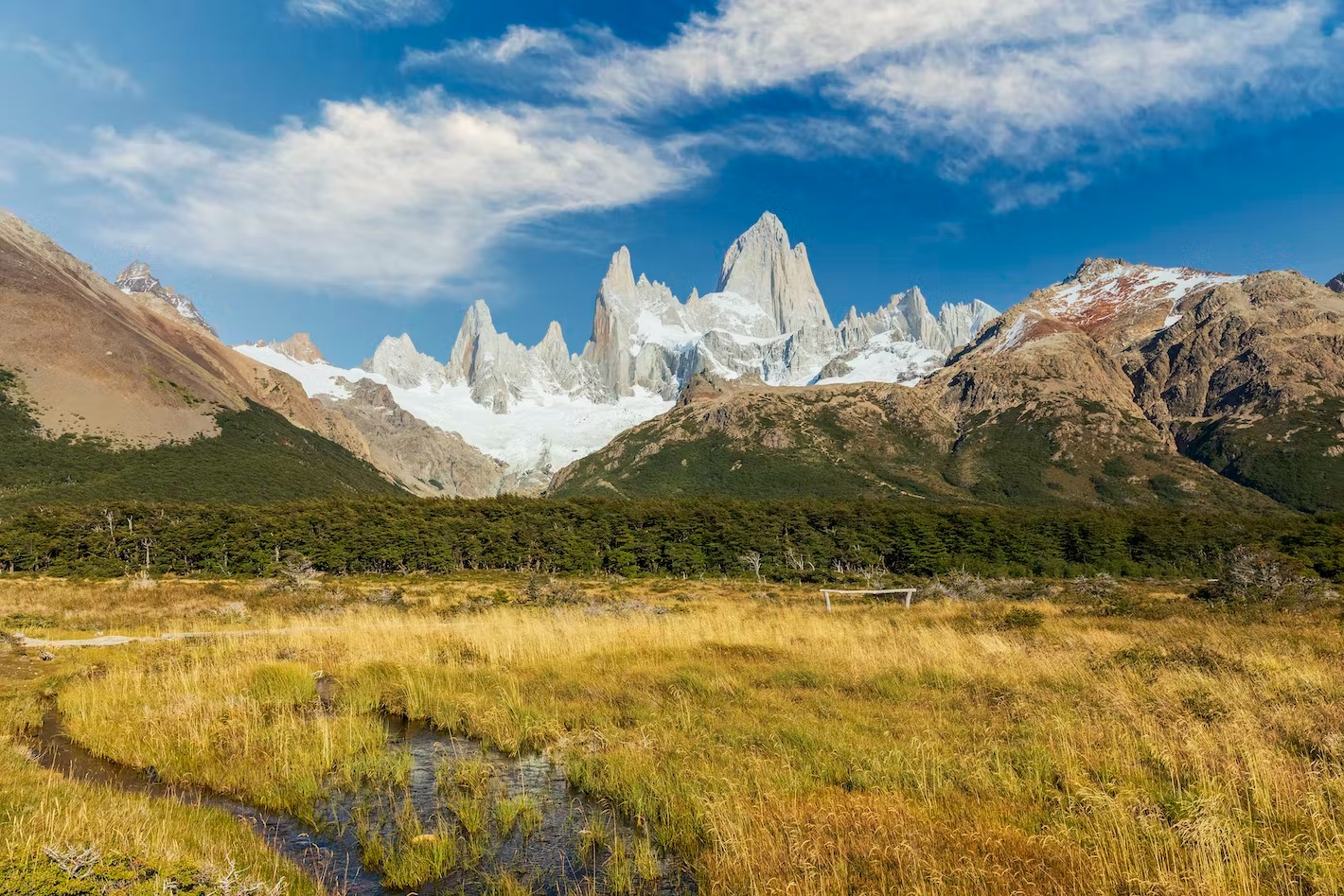
This is Argentina’s summer and whilst you might assume that it must be the best time to explore, it’s only partly true in Argentina. Let’s start with the good – for those longing to get stuck into the breathtaking Argentinian Patagonia, make a journey to ‘the end of the world’ (Ushuaia & Tierra Del Fuego), and trek the jagged slopes of El Chalten, this is when you need to travel. Here, the bitter winter weather has retreated and daily temperatures are a balmy 18°C. It’s also much safer for trekking and climbing, and local businesses are open and ready to welcome visitors. Sitting so far south, you’ll also experience those gorgeous, long days where you can make the most of every last atom of sunlight.Our adventure to the ‘end of the world’ trip is perfect for those looking to take in everything southern Argentina has to offer. You’ll begin with a little art and culture in the capital before ticking off the glaciers of El Calafate and El Chalten and journeying down into the depths of Ushaia, the world’s southernmost city.If you don’t mind the heat, Buenos Aires is still manageable at this time of year but be warned that it can get a little hot and sticky. The same can be said (and then some) for the country’s north, where the subtropical climate can peak at over 35°C – not for the faint of heart.

8gqvk
March – May

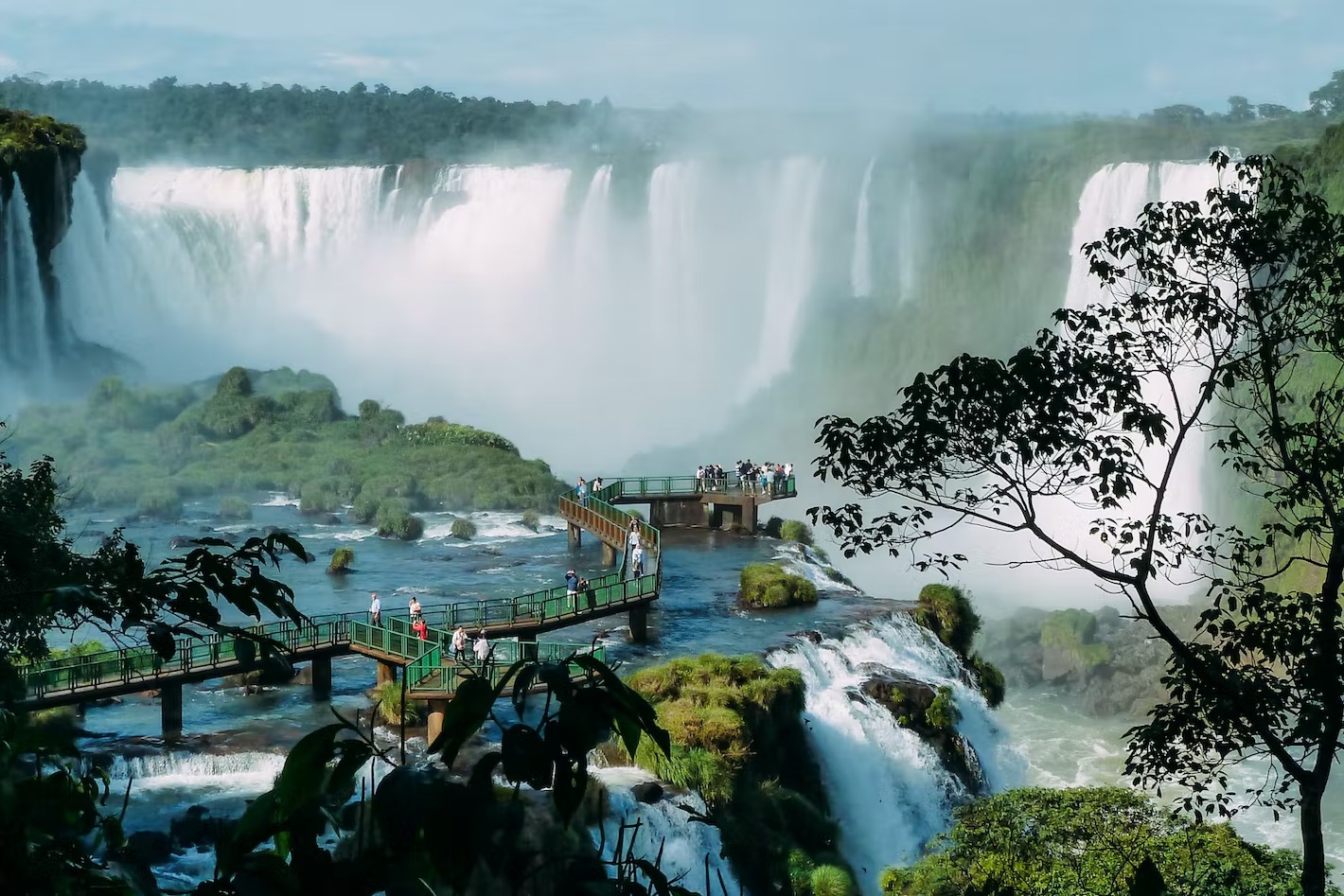
Autumn in Argentina is an all-round winner. The temperatures have cooled slightly, making the northern and central regions more bearable, and the deep south hasn’t yet reached its freezing winter, allowing plenty of time to explore. Buenos Aires is beautiful at this time of year and without the stifling heat, you can really pound the streets and explore everything that’s on offer. Also in the central region, Mendoza is picture-perfect in autumn. Visit now to see the leaves of the trees turning from golden to red in a display that could give New England a run for its money. The temperature is also delicious – think warm, sunny days (ideal for wine tasting and exploring vineyards), but a little chilly at night allowing for roaring fires and a good red.In the north, it’s not as wildly hot as the summer months but the subtropical climate means it’s still quite humid all day long. It’s a good time to explore Patagonia but the weather isn’t as predictable in autumn, so it can be a little hit-and-miss.With the weather being peachy just about everywhere, this is a great time of year to take in our highlights of Argentina trip. You’ll whizz from the top to the bottom, visiting just about every epic sight the country has to offer, including the falls of Iguazu, the vineyard-lined mountains of Mendoza, and the peaks in the deep south.

eherq
June – August

You might not think you want to visit a country in its coldest season (especially if you’re leaving summer behind at home), but Argentina in winter is quite magical. Winter travel often means snow and skiing – and happily, Argentina has a lot of both! You might have explored the slopes of North America and Europe, but a ski session in the Andes is really quite something – where else can you slip off the slopes and into a restaurant serving some of the world’s best steak? Those who want to see Argentina’s tropical north but don’t want to face the summer’s heat should consider a winter trip too. The rainforests aren’t quite as stifling and Iguazu Falls will be much less crowded than at other times, meaning no jostling in the crowds for the top spots.Pair our secrets of Argentina’s north trip with a spot of skiing for an adventure unlike anything you’ve experienced before. Begin by hitting the slopes, before making your way through the vineyards of Mendoza to the pink mountains of Salta and Iguazu Falls, and of course, with some time in beautiful Buenos Aires.The only spot we really couldn’t recommend in the winter months is the south. Cold weather makes hiking through this region dangerous, and most business shut up shop due to the inclement weather.

vzsjd
September – November

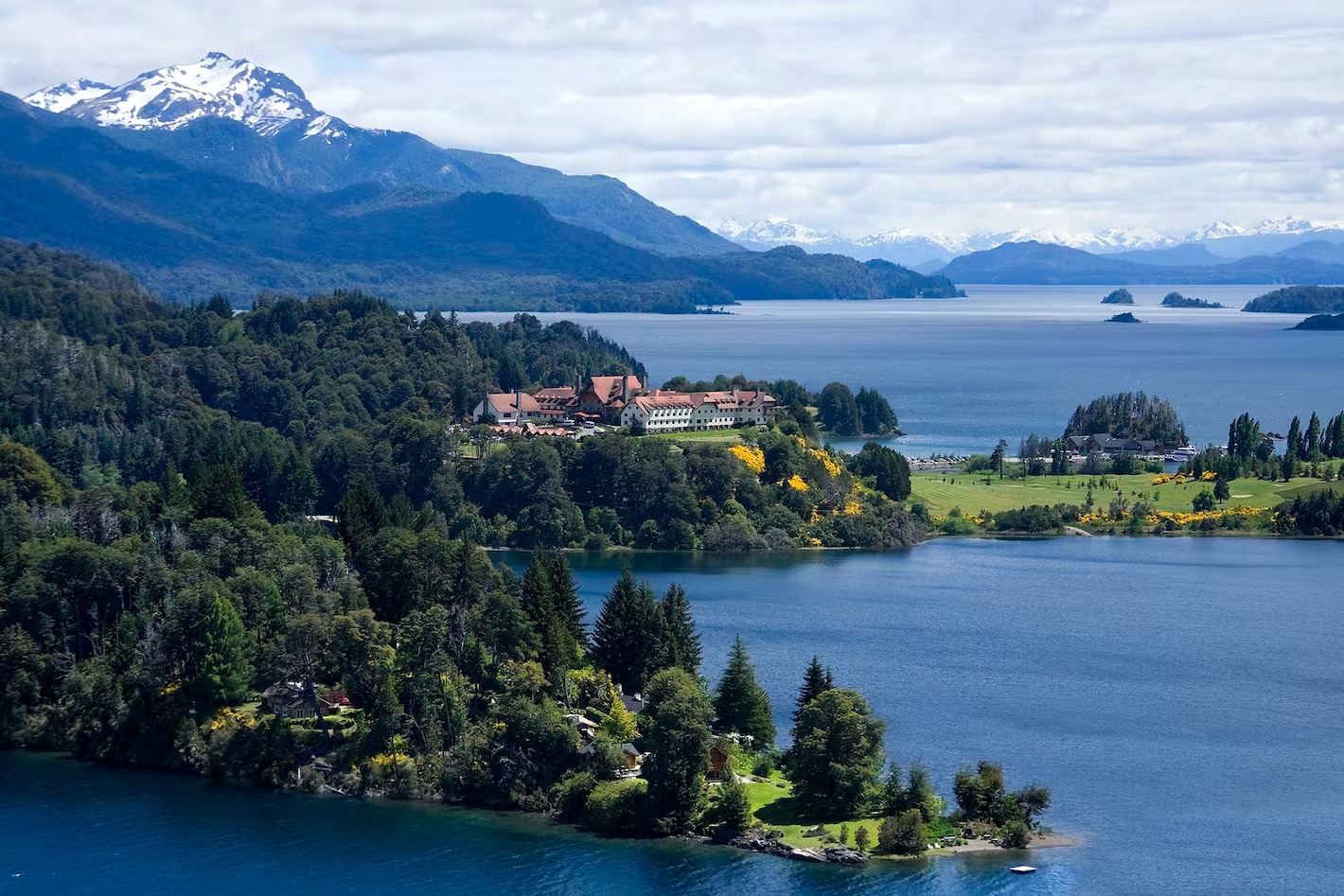
Spring across the world is lovely and Argentina is no different. Much like the autumn months, this is a great time to visit just about anywhere in the country. The central and northern regions aren’t as sticky and humid as they are in the summer, resulting in comfortable explorations without the stifling heat. Mendoza is as lovely as always in spring; not only are the vines green and fresh but colourful flowers are popping up in abundance – you’ll be hard-pressed to find a dreamier spot to sip on local wine. In the far south, the weather can still be unpredictable, but it’s an amazing time for wildlife lovers who can expect penguins, whales, and seals in their droves. Argentina’s Lake District might not be as well-known as the country’s other regions but if you are looking to visit, now’s the time to go – in spring it’s resplendent with blooms and tangled wildflowers.Our natural highlights trip is twinned with Chile and ideal for those looking to take in the best of Mother Nature in both countries. You’ll travel from the falls of Iguazu to the wine valleys of Mendoza and the mountains of Bariloche in Argentina, to Chile’s Lake District and the iconic peaks of Torres Del Paine. Lovers of mindblowing topography will be in awe.[……]

Read more

São Paulo, Brazil: The Best Bits

Our list of the best places to visit, eat and drink in Brazil’s largest city of São Paulo

r2kg3
In comparison with Rio de Janeiro and other areas of Brazil, São Paulo doesn’t always inspire the most positive of write ups. Nevertheless, most visitors to the region will likely find themselves passing through this economic powerhouse in one way or another, and it is a shame if they miss out on what the city does have to offer.

Brazil’s largest city is also the largest in Latin America, and by some estimates the third biggest in the world. Therefore, it is unsurprising that there are some genuine delights to be found amidst the concrete sprawl. Having visited São Paulo numerous times over the past 12 years, I have become adept at hunting down some real highlights, that I tend to visit time and again whenever I return.

So, from food and drink to parks and cultural experiences, here is our run down of the best that São Paulo has to offer:

Parque Trianon

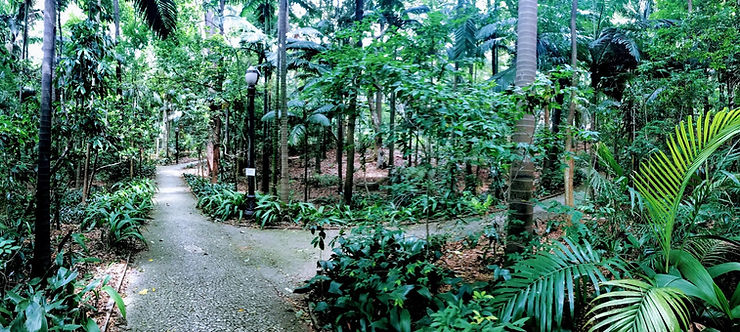
Located opposite the MASP art gallery on the famous Avenida Paulista, Parque Trianon is a slice of tropical rainforest right in the centre of São Paulo. With its cobbled walkways, gently undulating paths and beautiful vegetation, the park is the quintessential oasis of calm amidst the non-stop go of São Paulo.

bix3j
Whether because it is taken for granted or simply because the executives working on nearby Avenida Paulista are simply too busy, the park is often pleasantly quiet. The layout and vegetation means that it has a very different feel to most other urban parks, and is well worth a stroll around.

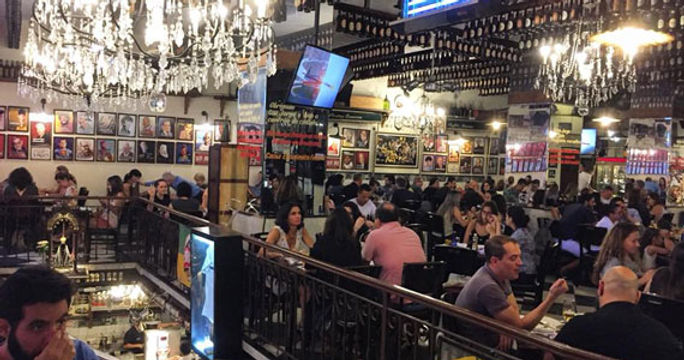
Bar Salve Jorge

Located in São Paulo’s historic centre, directly opposite the stock exchange and within striking distance of the municipal market, cathedral and opera house, Bar Salve Jorge is somewhere that you will want to return to again and again.

The reason is that it is a true classic. With two levels and an expansive outdoor seating area, Salve Jorge has echoes of mid-twentieth century São Paulo, and its lovely interior is adorned with caricature pictures of famous Jorges (or Georges) from around the world.

qfa9s
The thing to drink here is a chopp, or traditional Brazilian draft beer, served in small glasses and chilled to perfection. The service is reliably excellent, with fresh beers miraculously arriving before you have even finished your last one. Throw in some excellent snacks and sharing portions, and this is somewhere that you could happily spend an entire day.

More recently, Salve Jorge have also opened at outpost in the lively Vila Madalena district. Great though that is, it is at the original that the real magic happens.

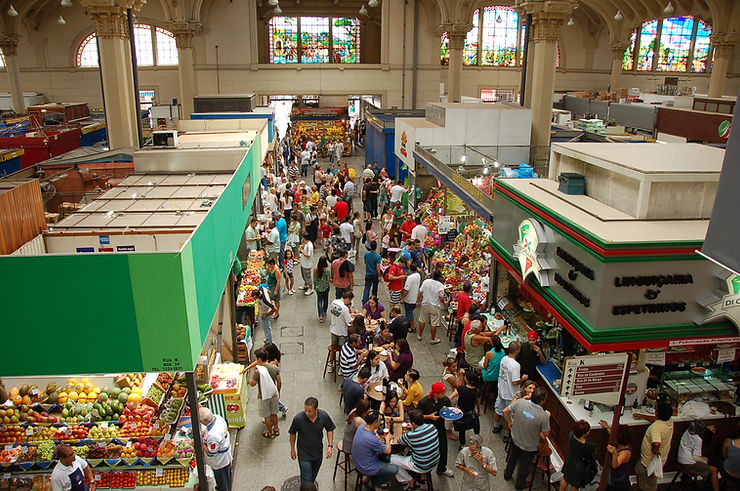
Municipal Market

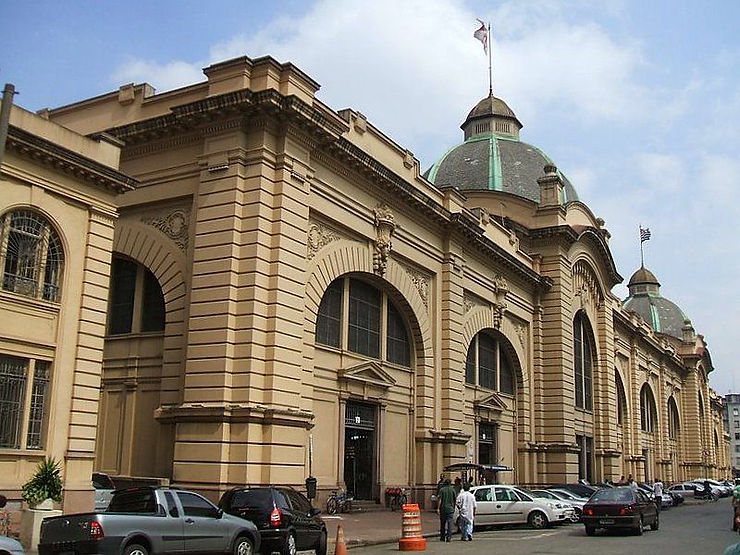
Known to the locals as the Mercadão (literally ‘big market’), São Paulo’s municipal market is a ‘must-visit’ whilst in the city. Constructed in 1933, the imposing and spacious building with its huge stained-glass windows is home to an endless range of gastronomic delights. Just walking around is an experience in itself, but the reality is that you will have samples of exotic fruits, cheeses, cured meats and any number of other treats thrust into your hands as you go.

bib7y
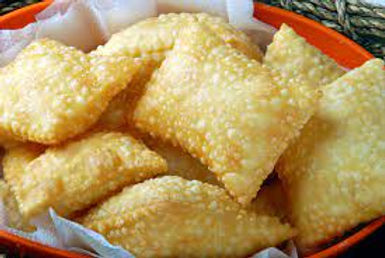
Don’t completely fill up on free samples though because there is also serious eating (and drinking) to be done here. The Mercadão is one of the best places to try a pastel (or pasteis in plural), one of Brazil’s most beloved street food snacks. Effectively, pockets of deep-fried savoury pastry filled with your choice of fillings, the Mercadão has a number of excellent places to sample one. Traditional fillings include cheese, cheese & tomato, and the ubiquitous bacalhau (dried cod).

lsie5
Although a pastel can be filling, you really need to make sure that you leave space for the truce icon of São Paulo’s Mercadão: the mortadella sandwiches. On the upper mezzanine level, a series of excellent restaurants churn out these overstuffed delights, packed with mortadella, cheese, sundried tomatoes and an array of other options. Perfectly accompanied by either a cold beer or a caipirinha cocktail, these are a staple for tourists, locals and those visiting from other parts of São Paulo state.

Eating aside, the Mercadão is also a great place to pick up souvenirs, from metre-long cinnamon sticks and jars of local chilli peppers to bags of fresh herbs and herbal tea.

The surrounding area is also home to a somewhat chaotic series of market streets geared towards clothing and household items.

Praça da Sé

The Praça da Sé is the tree-lined square in front of the city’s main cathedral, the Catedral Metropolitana. This is very much the centre of old São Paulo, and offers easy access to a host of other sites of interest in the surrounding area, including the Mercadão.

For many it can come as a shock to find clusters of historic buildings remaining in a city in which development appears perpetual and respect for older buildings is sometimes negligible. Here however, there are quite a few including the rebuilt Jesuit mission, the Pátio do Colégio.

Vila Madalena

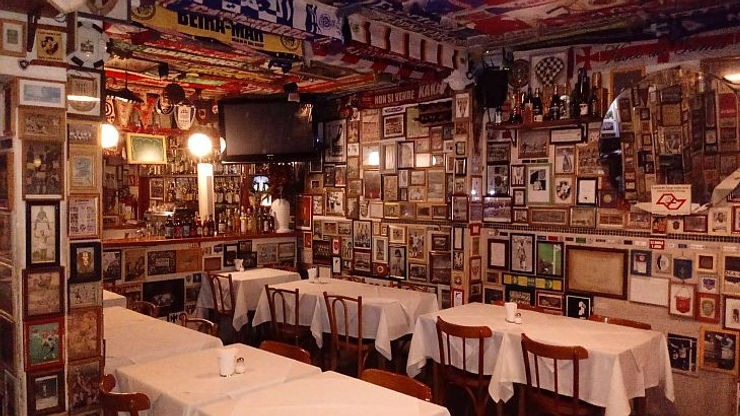
The bohemian district of Vila Madalena plays host to an array of shops, galleries and cafes. The thing that is truly special however is the area’s botecos. These establishments are part bar, part bistro, with excellent food and drink, often accompanied by live music. Think an endless procession of beers and cocktails accompanied by flame-grilled steaks set to a soundtrack of bossa nova or samba.

mbii4
Popular across Brazil, they reach arguably their finest expression in Vila Madelena. A personal favourite is São Cristóvão, but there are plenty of equally appealing options to choose from.

Museu do Futebol (Museum of Football)

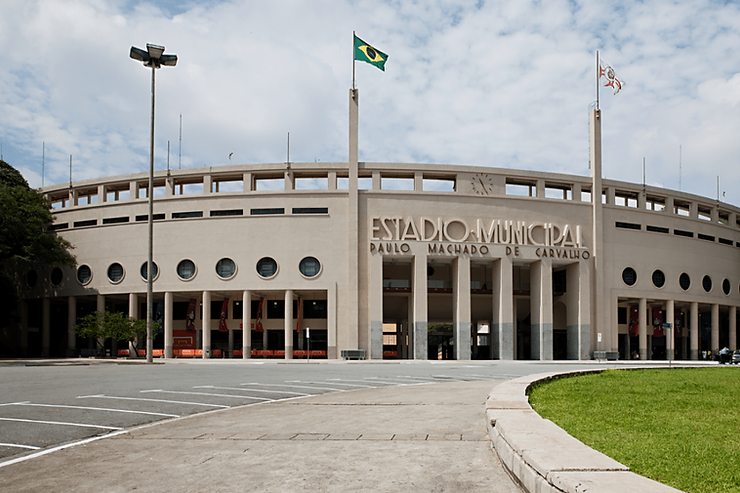
Located at the municipal Pacaembu Stadium in central São Paulo, the fantastic Museu do Futebol charts the origins and growth of football in Brazil. In doing so, it covers everything from the sport’s introduction from Britain by Charles Miller through to the dominant social and cultural force that it is today.

j7rl6
Whilst fans of the beautiful game will therefore be in their element, the fact that the museum embeds football within the wider historical, social and cultural context means that it will also likely be of real interest even to those with limited or no interest in football itself.

On a similar note, if you do find yourself in the nearby port city of Santos, then the Museu Pelé (Pelé Museum) is truly excellent.

Take in a football match

Given the importance of football in Brazil and the fact that São Paulo is home to three of Brazil’s biggest clubs, taking in a match is something that features on many visitors’ to do lists. The city’s three giants (São Paulo FC, Corinthians and Palmeiras) are domestic heavyweights who hold multiple Brazilian, South American and world club championships between them. In addition, an hour’s drive away are the iconic Santos (the team of Pelé and Neymar no less), located in the satellite port city of the same name.

If the São Paulo giants are playing away, or something slightly more low key is more to your taste then there are also a range of other historic, if slightly less successful teams dotted around the city including Portuguesa and Juventus.

1h6yi
Corinthians do battle with Sao Paulo FC

Traditionally, support for the clubs from São Paulo itself have tended to focus around their respective identities as the club of the people (Corinthians), the club of the elite or more well-to-do (São Paulo FC), and the club of the large Italian community (Palmeiras). Even if these divisions are not so absolute today, they continue to play an important role in supporter identification and mythology.

In terms of stadiums, São Paulo FC play at the historic and atmospheric Morumbi. Opened in 1952, and with a capacity of almost 70,000 people, the Morumbi represents an archetypal South American design of stadium. Corinthians and Palmeiras have both constructed new stadiums within the last decade, with the Arena Corinthians and Allianz Parque respectively likely to feel more familiar to those that have visited modern European football stadiums. These might therefore tick the boxes for those who enjoy the mod cons, but for those seeking nostalgia and tradition, the Morumbi is likely the best bet of the three.

Another gem is the centrally-located Estadio do Pacaembu, the city’s municipal stadium. This historic venue has been the site of numerous important matches and continues to host the city’s teams when their own stadiums are being renovated or used for concerts. Whether for a game, or a tour, the Pacaembu will provide a real sense of football history.

Hotel Unique

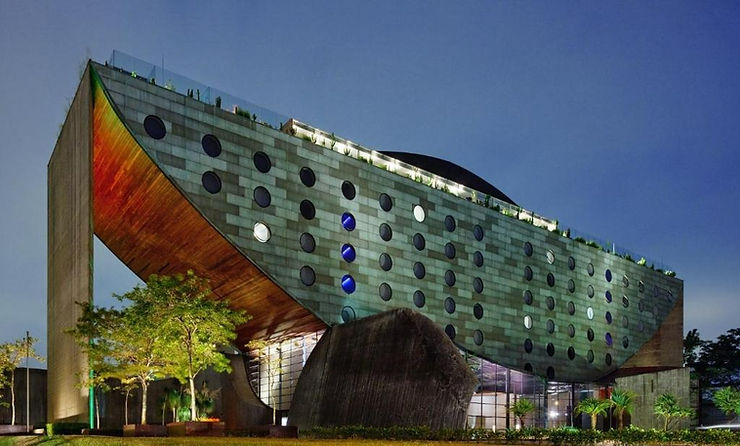
Shaped either like a boat or a slice of watermelon depending upon who you ask, the Hotel Unique is certainly a striking building that lives up to its name. One of São Paulo’s top luxury hotels, it is set apart both by its design and its elegant roof terrace, which boasts spectacular views of the city’s skyline.

d4o7n
If you are in the mood to treat yourself to a couple of drinks with a view, then you would do well to find anywhere better.

Lanchonete

A quick stroll through any area of São Paulo will likely take you past several lanchonetes. But, what is a lanchonete? The closest approximation would be a sort of diner, where you can get anything from savoury snacks to a hearty meal and a few drinks. Beloved of Paulistanas (including for sit-down working lunches), the lanchonete is very much a São Paulo institution with different set lunches available on different days of the week. Prices are fair, and quality is usually excellent so beginning the hunt for your favourite lanchonete is generally a very rewarding endeavour.

Avenida Paulista

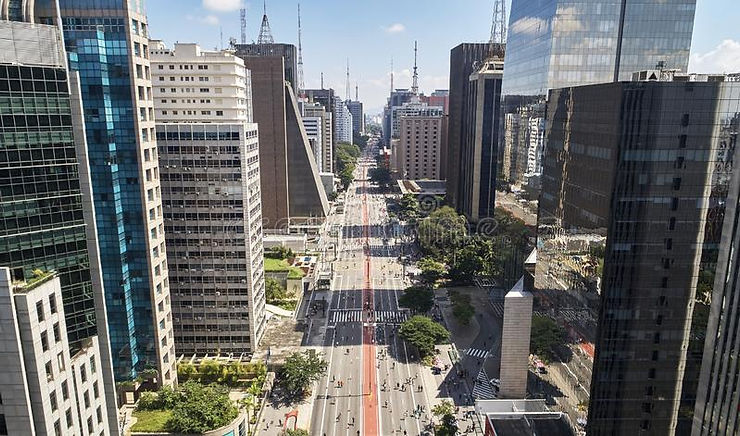
This skyscraper-lined three-kilometre avenue is arguably the city’s principal commercial artery, and is an often-used symbol of the city. Whilst newer clusters of high-end office buildings have started to challenge Paulista’s throne, this remains the beating heart of commercial São Paulo and also home to some of its leading shopping centres.

pbc50
Throw in some excellent bars, the MASP art gallery and Parque Trianon, and Avenida Paulista is still likely to be somewhere that everyone should visit. The street also has excellent metro connections to elsewhere in the city, and provides easy access to pleasant areas such as Jardins and Paraíso.

Jardins / Paraíso

The upmarket, largely residential area of Jardins sits to one side of the Avenida Paulista. The contrast with the hectic thoroughfare however is stark, with pleasant tree-lined streets, gentle hills and upscale apartment blocks and villas providing a pleasant area in which to wonder around.

Neighbouring Paraíso is perhaps one notch down in terms of real estate prices, but is also a very pleasant area to explore. Both areas also have numerous appealing eating and drinking establishments.

Parque Ibirapuera

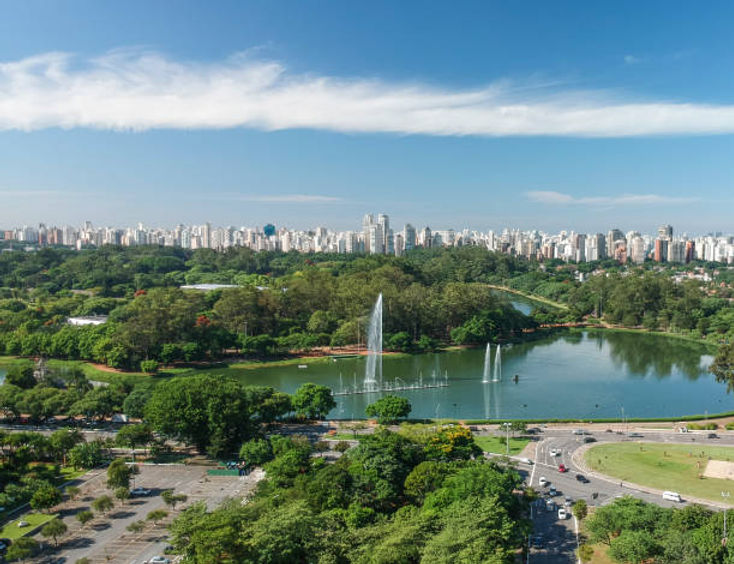
The largest park in central São Paulo, Parque Ibirapuera occupies a central place in the hearts and minds of many residents. Constructed to mark the 400th anniversary of the city’s foundation in 1954, it was built along the lines of classical English landscape gardens and combines greenspace, lakes and sporting facilities, as well as a cluster of buildings by the celebrated Brazilian architect Oscar Niemeyer. If you want to jog or run whilst in São Paulo, this is the place to head for.

lrtk8
MASP

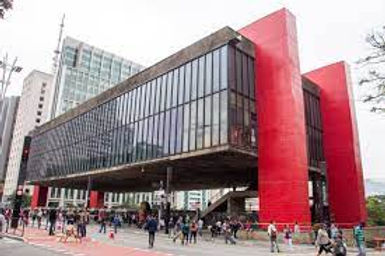
Sited in the middle of the Avenida Paulista, the Museu de arte de São Paulo or MASP as it is universally known, is a striking building that houses both an important collection of Brazilian art and also Latin America’s most significant collection of Western art.

yty1s
Even if personal interests don’t extend as far as visiting the collections themselves, the building itself, which sits on stilts remains striking.

Get up high

The view from the Hotel Unique is wonderful, but there are numerous taller buildings that provide an even greater panorama view of this enormous city.

ifr88
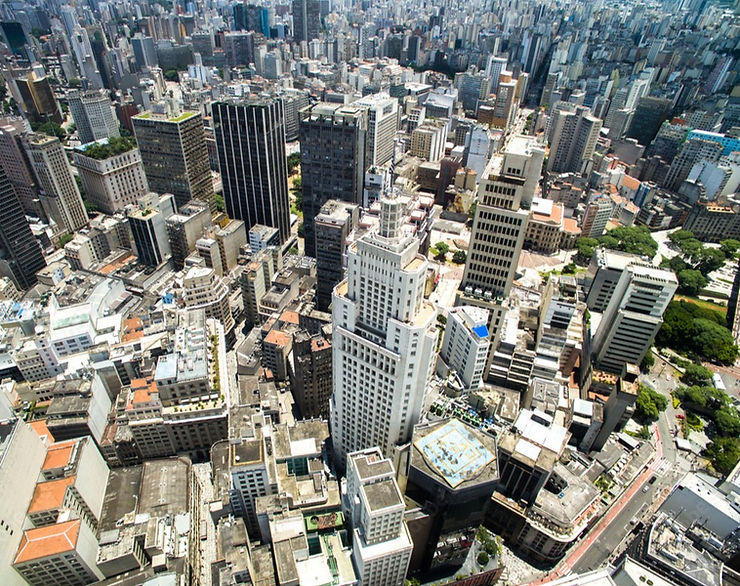
The view from the Banespa building

The location of the central Banespa building together with the fact that it has a free observation deck, makes it a personal favourite, but there are also a range of other options dotted across the city.

The São Paulo Coast

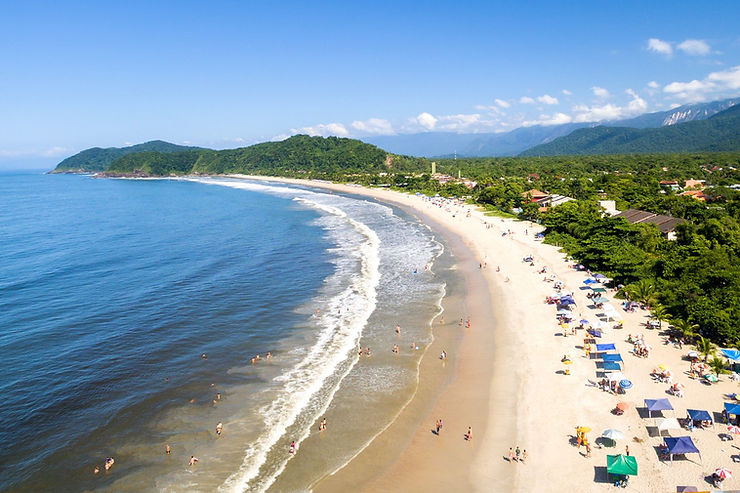
Although the beaches of other areas of Brazil loom large in the popular imagination, it should come as no surprise that the coast of São Paulo state is also home to some excellent beach destinations.

rxy6f
I have written elsewhere about some of the different destinations on the São Paulo coast for those seeking a beach break and given that the coast is only an hour away from hectic São Paulo, it is well worth the journey.

Museo do Ipiranga

Recently re-opened after an extensive period of restoration and modernisation, the Museo do Ipiranga has a range of collections associated with the history of Brazil, and particularly the independence period.

Named after (and located near) the spot on the Ipiranga river where Emperor Dom Pedro I supposedly proclaimed Brazilian independence, the museum sits in a beautiful nineteenth century building set amongst ornate gardens.

Memorial da Resistência de São Paulo (Memorial of the Resistance)

Located close to the Luz train station, the Memorial da Resistência de São Paulo is a museum dedicated to the victims of Brazil’s military dictatorship.

2h16c
The fact that it is located in the imposing (and beautiful) building that was previously the headquarters of the State Department of Political and Social Order of São Paulo makes it even more poignant. Whilst not an emotionally easy place to visit, the museum provides some real insight into a dark period of Brazilian history.

Another interesting area to walk around is the Liberdade district. São Paulo is home to the world’s largest Japanese population outside of Japan, and Liberdade has traditionally been home to one of their largest communities. Therefore, expect good traditional Japanese food and some interesting and unexpected architectural adornments.[……]

Read more

Colombia Travel Guide

Colombia is famous for being the second most populated country in South America. Not only does it have a large population of people, but it is also home to a whopping 10% of the world’s biodiversity. Over the years, it has transformed into one of the best places to visit in South America.

From the many museums of Bogota to the beautiful beaches on the coast, Colombia has something for every kind of traveler. If you’re planning a trip to Colombia or is visiting the country on a budget, you can use the travel tips here to plan the perfect trip.

Important Information About ColombiaColombia at a Glance: With mountains, jungle, surfing and white sand beaches, colonial architecture and bustling cities, Colombia is one of the most incredible countries around the globe. Once you step step foot here, you will find yourself falling in love with the cultural and ecological diversity.

Most popular places to visit in Colombia:

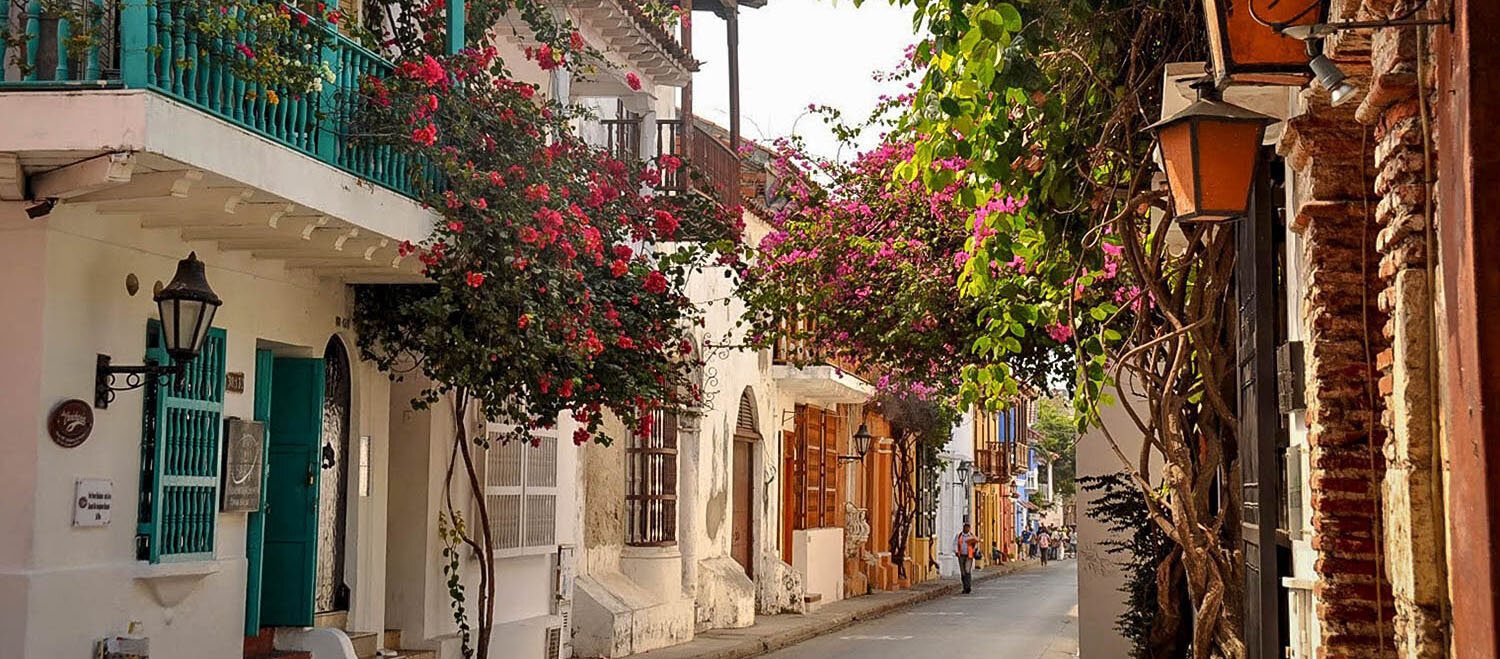
Cartagena: Fall in love with this bustling and colorful colonial city on the Caribbean coast of Colombia.

Cali: If you love to eat, definitely visit Cali. It’s the salsa capital of the world!

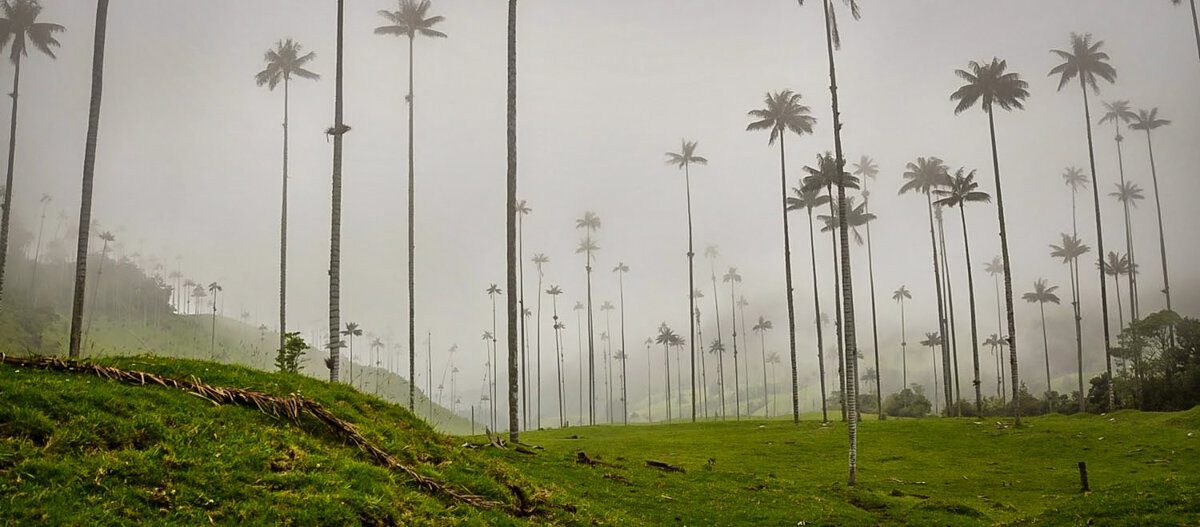
Valle de Cocora: Is hiking what you’re into? You will be blown away by how beautiful Valle de Cocora is. It’s one of the must-hike places in Colombia.

Salento: A coffee lover’s dream. Salento is a quaint little village situated right in the heart of Colombia’s coffee region.

Currency in Colombia: Colombian Peso | 2018 Conversion Rate: 100 COP = $0.031 USD

Tipping in Colombia: For hotels, a tip of $1 per bag for the bell boy or porter would be enough. On the other hand, a $1-2 tip for housekeeping would suffice.

Restaurants usually have a 10% voluntary tip (propina voluntaria). You’re not required to pay it but almost everybody does. This is typically shared among staff members. For tour guides, a 5 to 10% tip is enough. You are not expected to tip taxi drivers.

Language & Helpful Phrases: Spanish

Hello = hola

Thank you = gracias

Beer = cerveza

Delicious = delicioso

Bathroom = Baño

How much? = Cuánto cuesta?

Too expensive = Muy caro

Don’t want = No quiero

Religion and Culture: There is no official religion in Colombia but Roman Catholicism is the most common faith. The country was under the influence of Spain for around 300 years until 1819. However, the colonization has had a deep impact on the culture and religion of Colombia.

Transportation around Colombia: Riding a taxi in Colombia is cheap and convenient. In smaller towns, there are tuk-tuks and motorcycle taxis which can help you get around quicker. Buses are often crowded and slow. One of the cheapest transportation options available is colectivos – a shared hop-on-hop-off style van that usually runs in a loop. This is the primary transportation the locals use.

schei
Best Time to Visit ColombiaClimate in ColombiaColombia has stable temperatures all year round because of its proximity to the equator. Depending on the season, the country will experience some rainfall.

Dry season: December to March and July to August (Andean region)

Rainy season: May to July and October to December (Andes), September to October (Carribean coast)

Peak season for tourists is December through February and the week before the Easter holiday known as Semana Santa. This is when prices are at their highest.

Times to avoid traveling in Colombia:

If you are on a budget, avoid traveling to Colombia during the Semana Santa. Most hotels double their rates as it is one of the peak seasons for tourists.

Major Festivals in ColombiaCarnaval de Barranquilla, occurs in the days leading up to Lent: This is the second largest carnival celebration around the world. It is celebrated four days before Ash Wednesday.

Festival de las Flores, the first two weeks of August: During this festival, you will see a lot of flowers especially during the “El Defile de Los Silleteros” parade.

Festival Iberoamericano de Teatro, before and during Semana Santa: As one of the biggest performing festivals around the world, you can expect some performing arts presentations, street performances, plays, concerts, interpretative dances and conferences.

thf8g
Top Things to Do in ColombiaHike Pico de LoroIf you’re in Cali, the Pico de Loro is one of the most recommended hikes. You can either go on a day trip or a 2-day hike. Be sure to arrive early since the amount of people allowed to hike per day is limited.

Visit a Coffee FarmAttention coffee addicts! Coffee is one of the main exports of Salento. Enjoy your favorite beverage by visiting a coffee farm. You can even pick your own beans and make your own coffee! How cool is that?

Go on a walking tour of the Old CityGet lost in the beautiful plazas and colorful doors of Cartagena. You can either join a free walking tour or create your own by following the tips in this guide.

Check out Volcan del TotumoHave fun and let loose at this faux volcano. Get a muddy massage or get bathed by local women. It’s your choice, or you can always do both. Come prepared to laugh and giggle a lot while covered in mud!

o6pd2
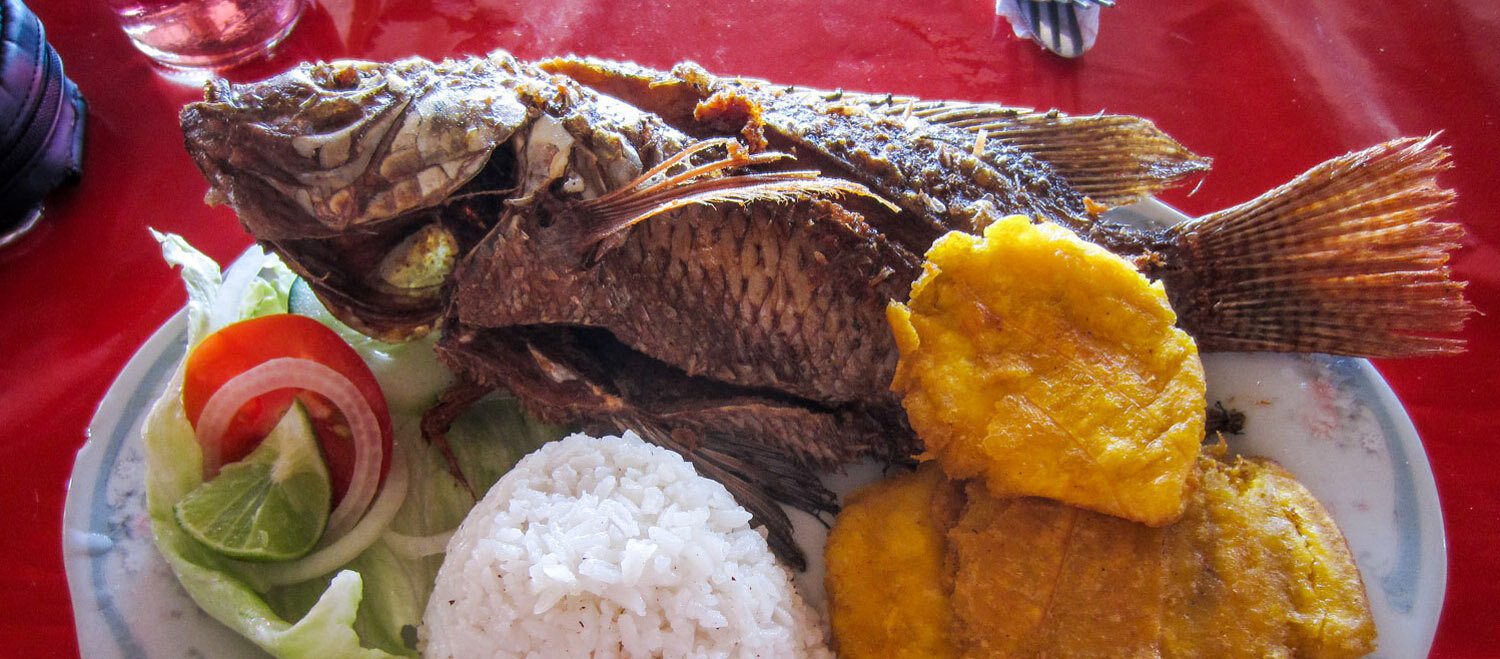
Foods to Eat in ColombiaPacked with flavor, Colombian cuisine is a blend of indigenous and European ingredients including corn, beans, chicken potatoes, pork, and rice. A lot of Colombian dishes are worth trying.

Here are some of our favorites:

Arepa: The most commonly served food in the country, arepa is made from cornmeal and usually served with corn or butter.

Ajiaco: This is a popular soup that contains chicken, three kinds of potato, avocado, corn, capers, and sour cream.

Lechona: Often served as a specialty, lechona is a roasted pig stuffed with peas, onions, rice, and spices.

Fritanga: Another meat-filled dish, fritanga is a plate full of grilled meat and fried cow intestines. It is often served with plantain, manioc or arepas.

Empanadas: This is a great snack that can be found all around South America. The dish’s origin goes back to Portugal and Spain. These are usually fried and contain several fillings.

Churros: One of the most popular Colombian breakfast are churros. These are long pieces of fried dough. It is often served with egg, sausage, arepa, beef and hot chocolate.

en0dz
Typical Budget for ColombiaWhen it comes to costs, Colombia is on the average side for South American countries. It is more expensive compared to Peru and Ecuador, but it is way cheaper than most countries around the world.

Good to know: Don’t be afraid to negotiate. However, don’t haggle too much. A small amount may not mean much to you, but it could make a big difference to the vendor.

How Much to Budget in Colombia Per DayBudget traveler: If you are on a tight budget and watch your spending closely, $28 – $30 could be a sufficient budget.

Mid-range traveler: If you want to have a few splurges and stay in nicer accommodation, plan to budget $40 – $60 per day.

Dorm bed = $6-$14

Budget room = $11-$44

Mid-range = $45-$60

Luxury hotel = $60+

Street food = $1+

Mid-range restaurant = $3-$5.50

Fancy restaurant = $11-$17

Local beer = $0.85

City buses = $0..65-$1

City taxi = $2.30-$5.50

Regional buses = $5.50-$11

Domestic flights = $55+

Palace of Inquisition = $6

Bike Rental = $1.55

Coffee Plantation Tour = $5

j3e7z
Responsible Travel Tips for ColombiaWe are passionate about sharing tips anyone can use to travel more responsibly. Here are some easy ways you can travel better in Colombia.

1. Cut out plasticMake it a habit to remove and recycle plastic packaging of things you buy. Also, bring an eco bag for your shopping and politely refuse plastic bags at markets and shops.

2. Support locally-owned businessesTry the local cuisine, brews and brands. Check out the locally-owned shops in the marketplace and support their crafts.

3. Bring rechargeable batteriesDisposable batteries leach toxic chemicals when they degrade. Often, these things are not recycled. Help the environment and be responsible by using rechargeable batteries.

4. Do your researchCultural differences can make traveling confusing if you don’t know what to expect ahead of time. For example, there are certain hand gestures that may be considered impolite in another region of the world. Beyond this travel guide, read about the country’s culture, religion, language and rules before your trip.

5. Keep an open mindIn a new place, it’s hard to know when to be suspicious or friendly. One thing you can do is to keep and open mind and be cautiously optimistic while assuming people to be honest and genuine. If you aren’t sure, ask a tour leader or trusted local about specific customs you don’t understand.[……]

Read more

MALBEC, MALBEC AND MORE MALBEC! SPENDING TWO WONDERFUL DAYS IN MENDOZA, ARGENTINA!

It is no secret that I love a good glass of vino.

Ever since I was little I have enjoyed wine. I remember being so excited as a kid whenever I would be allowed to have a small sip on special occasions.

As a result, I have sought out some wonderful wine tastings during my time, the most memorable being in the Barossa Valley which is conveniently located just a stones throw from my childhood home; and also in South Africa’s Cape Winelands.

So, when I starting planning a trip to Argentina, it went without saying that I would be paying a visit to Mendoza, a wine region famous for one wine – the malbec.

We had two full days to spend in this stunning wine region, and the success of each day was vastly different.

On our first day in Malbec, we thought that we could just wing it and walk to some wineries that were located right next to each other.

That plan didn’t exactly work out.

Our first problem was that the wineries were actually much more spread out than they appeared on the map, which wouldn’t have been such an issue, except that after walking a long, long way… almost all of them were freaking closed!

After hours of this I had pretty much lost hope that the day was even slightly salvageable, but luckily, one beautiful winery came through for us!

I can’t remember of this winery, or which region it was in, but the tasting was excellent, the location was stunning, and it was kind of exactly what I’d had in mind when I envisioned my time in Mendoza.

travel-blog-mendoza-uco-valley-argentina-malbec-travelling-the-world-solo
The afternoon may have turned out okay in the end, but I was in no mood to have another day of such ups and downs, so despite it being a bit of a blow to my budget, I decided to book a guided day trip to the Uco Valley region.

This ended up being an absolutely fantastic decision, and my father and I had an absolutely perfect day tasting and enjoying Argentinian wine.

Our first stop of the day was Pulenta Estate.

travel-blog-mendoza-uco-valley-argentina-malbec-travelling-the-world-solo
I was eager to get on with it and try some wine, but first, a short tour of the estate was in order.

travel-blog-mendoza-uco-valley-argentina-malbec-travelling-the-world-solo
Most of the winery was what you’d expect…

travel-blog-mendoza-uco-valley-argentina-malbec-travelling-the-world-solo
…but the luxury car engines were an unusual (and welcome) touch!

travel-blog-mendoza-uco-valley-argentina-malbec-travelling-the-world-solo
After a short tour of the winery, it was time for the main event – a tasting!

travel-blog-mendoza-uco-valley-argentina-malbec-travelling-the-world-solo
The only downside of a wine tasting is that it requires a little restraint. When I see wine, I just want to drink it! When doing a tasting you are encourage to take it slow and really savour everything, which is great and all, but I’ve never been great at practicing patience.

travel-blog-mendoza-uco-valley-argentina-malbec-travelling-the-world-solo
Once all the vino had been consumed, it was on to the next destination, Sophenia.

travel-blog-mendoza-uco-valley-argentina-malbec-travelling-the-world-solo
Most winery or cellar door tours are pretty much the same, but this particular tour showed us more of the post production processes, which were actually very interesting. I’d never seen wine being labelled before, and it required much more heavy duty machinery than I would’ve thought!

travel-blog-mendoza-uco-valley-argentina-malbec-travelling-the-world-solo
This is what my heaven would look like!

This tasting was quite similar, but unlike at Pulenta where the malbec had been the standout, at Sophenia I found myself quite partial to the cabernet franc.

travel-blog-mendoza-uco-valley-argentina-malbec-travelling-the-world-solo
Heart eyes emoji to the extreme!

Papa Burne is a wine lover also, and we had such an enjoyable day together. I always love spending time with my Dad, but adding wine to the mix just makes it the recipe for a perfect day.

After another few generous servings at Sophenia, it was time for us to find some food to fill our bellies, and luckily, such a place was only a little way away.

I can’t for the life of me remember the name of this vineyard – I am usually quite diligent about making notes too, but I was a few more than several glasses deep at this point, and this note-taking was quite quickly pushed to the wayside. Whoops!

travel-blog-mendoza-uco-valley-argentina-malbec-travelling-the-world-solo
At least I still had the capacity to take photos of our delicious meal. These pictures are hardly groundbreaking, but they are in focus, which honestly, is a miracle in and of itself!

travel-blog-mendoza-uco-valley-argentina-malbec-travelling-the-world-solo
One of the most delicious meat dishes I had in Argentina!

travel-blog-mendoza-uco-valley-argentina-malbec-travelling-the-world-solo
After devouring every morsel and managing to sober up a little, I had time for one more stroll amongst the vines. I had been a little doubtful about going on this day tour (they are ridonkulously expensive) but honestly, the day had been perfect, the wine delicious and it required absolutely no effort to organise.

I have been travelling for a long time, and have done an unbelievable amount of my own planning, organising, navigating and problem solving over the years. Don’t get me wrong, I love all those parts of the travel life, but still, it is quite nice to be able to switch off from all that every once in a while.

In the end, going on this guided tour made my time in Mendoza what I’d hoped it would be, so for that, it was definitely worth the moolah.[……]

Read more

Top 5 Most Underrated Yet Beautiful Places To See In Brazil

There’re loads of beautiful cities scattered all through the country of Brazil, yet they don’t often grab the attention they ought to have. If you’re planning a Brazil tour and you just want to try something different instead of the usual tourist focused cities that are just as exquisite but with a lot lesser crowd, then you should keep reading this post till the end.

1. Salvador, Bahia:

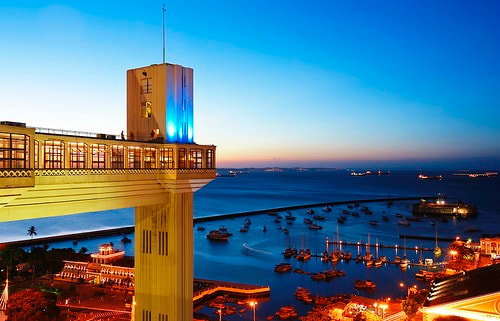
Sits comfortably in Brazil’s northeastern state of Bahia the city of Salvador was the 1st colonial capital of Brazil. The vibrant regal architectures add to its reputation as a destination of happiness & celebration. The street carnival of the city is also known to be the largest on Earth.

bpeud
2. Curitiba, Parana:

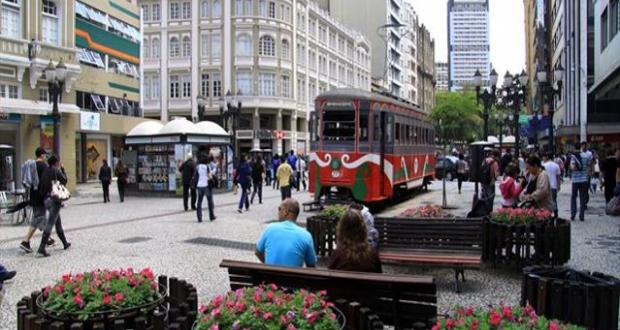
Unlike numerous renowned cities in Brazil, Curitiba sits away from the shoreline and as a result, the beaches that make the country so popular. Besides this, the city has a lot to offer in respect of attractions, particularly if you love exploring art & culture. Curitiba’s Botanical Garden is the best place to visit if you want an unruffled French-inspired nature escape. Also, the Oscar Niemeyer Museum, which emphasizes on architecture, design and visual arts worth a visit.

kt3i7
3. Florianopolis, Santa Catarina:

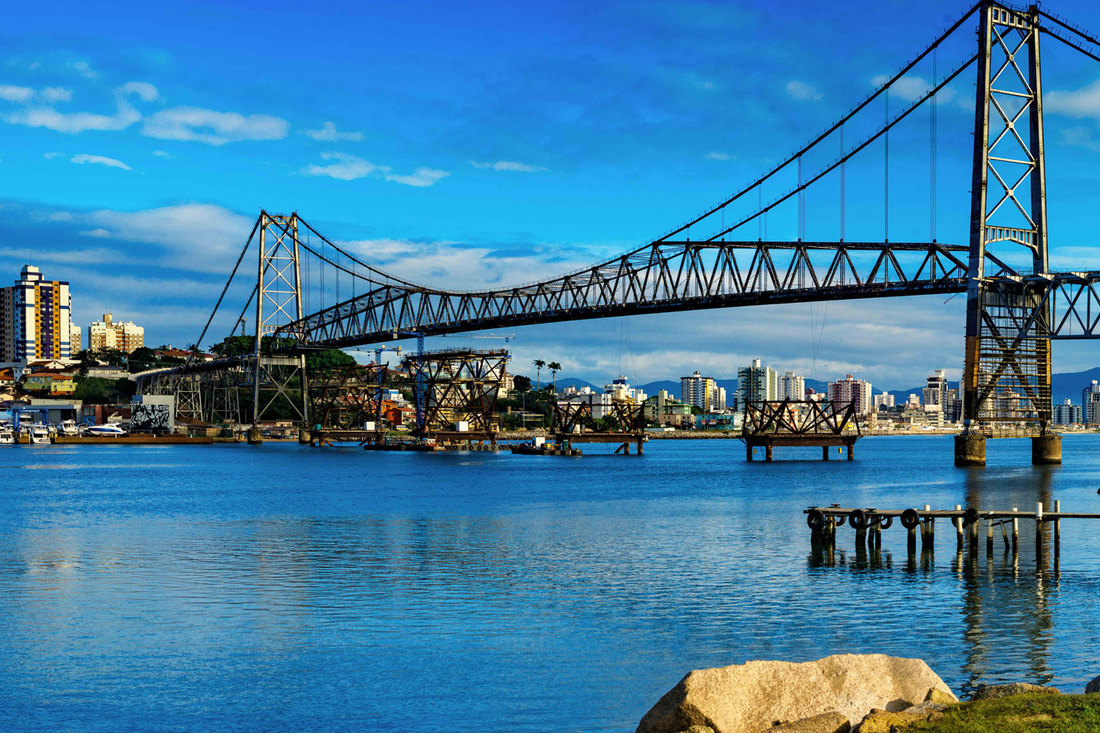
Brazilian magazine Veja has already mentioned the city of Florianopolis as the best place to live in Brazil, so as a tourist you’d wish to see what all the excitement is about. The seaside proximity & plenty of beaches (42 in numbers) are the main draw for travelers & the city is also acknowledged as one of Brazil’s surfing capitals. Tourists that are seeking more than just beach fun will appreciate the city’s blend of colonial architecture & historic fortresses.

7ctnt
4. Ilha Grande, Rio de Janeiro:

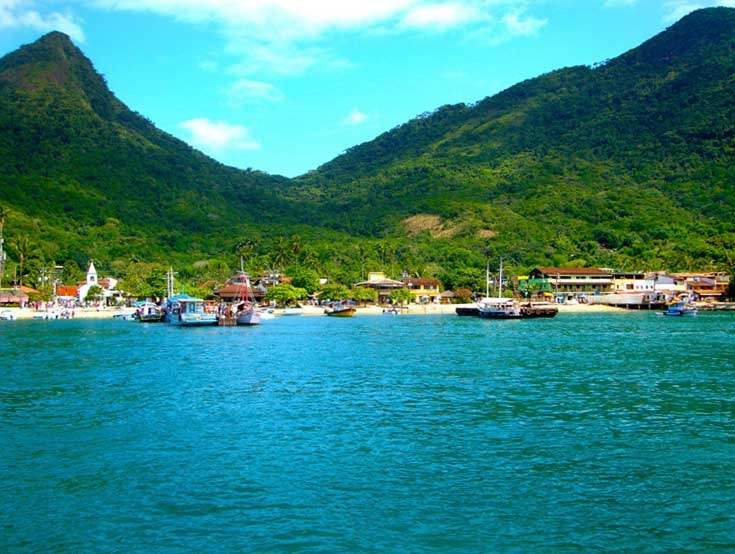
Sits off the shore of the state of Rio de Janeiro, the island of Iiha Grande is truly a Brazilian paradise. The isle is still rather undeveloped & untouched by tourists so travelers can relish the natural splendor of this place without any hurry. The pristine beaches here are great for snorkeling & the rugged terrain offers ample trekking and explorations opportunities.

vsuqj
5. Jericoacoara, Ceara:

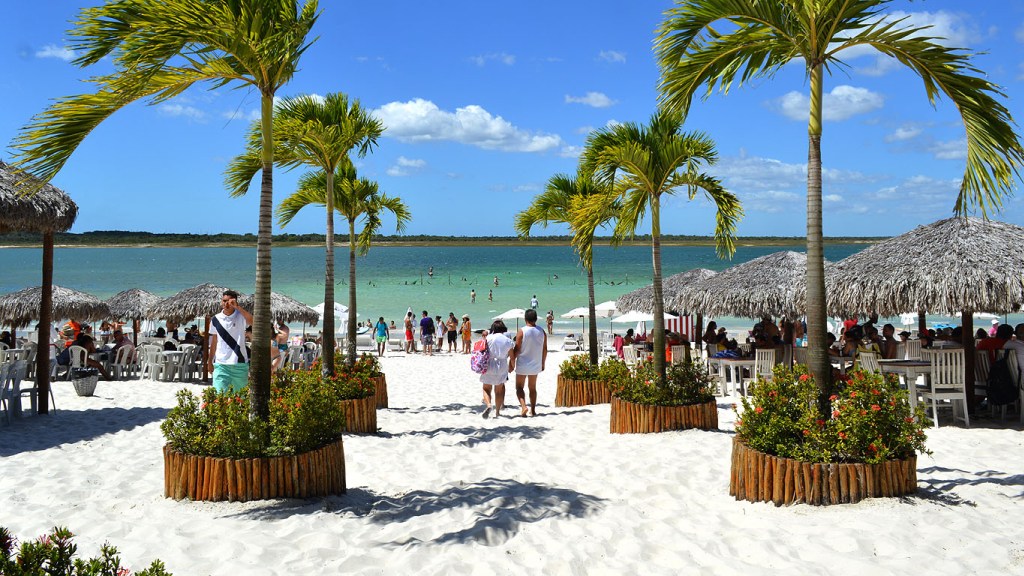
Located in Brazil’s Ceara state this tiny coastal village is though not the simplest to get around but once you make your way, you will definitely be prized with a haven-like backdrop of beaches, sand streets, kite surfing and enthralling sunset views from the sand dunes. No matter how you spend your time in this coastal village; lounge on hammocks above the serene lagoon or sand boarding down the huge dunes, it is certain to be nothing short of incredible.

gkhlp[……]

Read more