Divi WordPress Theme


ELEVEN EPIC TRAVEL EXPERIENCES TO HAVE IN CHILE

There is no place quite like Chile.

This long and skinny sliver of a country snaking down the western side of South America unifies climates, terrains and landmarks which feel like they should be worlds apart. The snow-capped peaks overlooking the capital of Santiago are only a few hours from the beaches of Viña, whilst the scorched red desert of Atacama in the north and the unrivalled glacial scenery of the Patagonian south top and tail a country from which acres of luscious vineyards bloom. Its complex topography and sheer size (stretching over 2,670 miles from tip to top), does present its challenges when planning a route but, for any traveller willing to put in the miles, venturing to Chile unlocks a cornucopia of experiences which can’t be rivalled elsewhere in the Americas.

Here are our eleven favourites travel experiences and things to do in Chile.

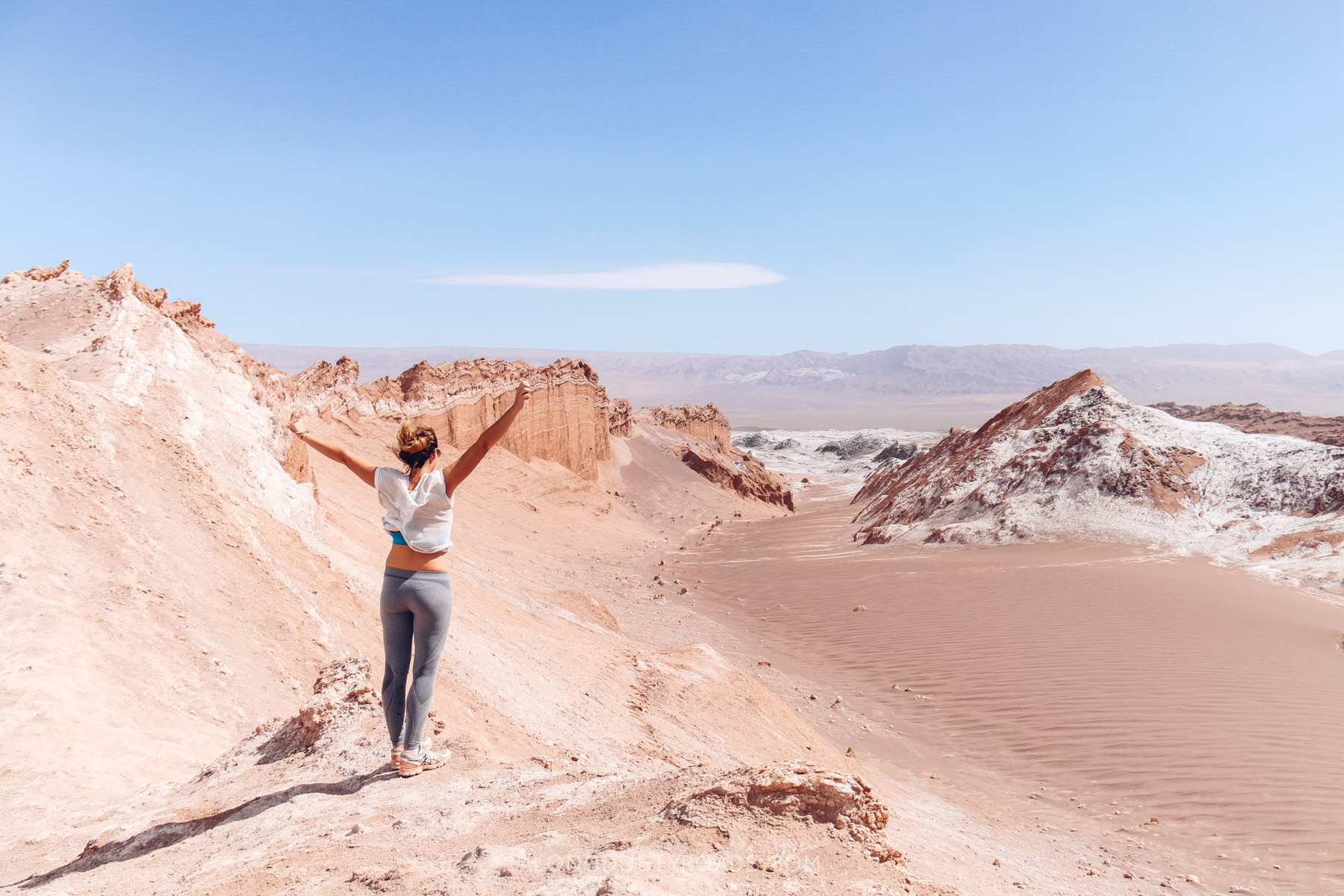
#1 EXPLORE THE ATACAMA DESERT

We did it on a budget by independently cycling and hiking around the cracked copper earth of driest place on earth, whilst others can spend a pretty penny on tours to visit gushing geysers, fabulous flamingos and saltwater lakes. Or you can rent a car and discover it in your own time.

77k55
Whichever way you do the Atacama Desert, best accessed via the town of San Pedro de Atacama, you will lose yourself amongst the endless stretches of tarmac and perfect landscapes which your wanderlust was made to go out and discover.

#2 SIP PISCO AND WINE IN THE VALLE DEL ELQUI

Valle Del Elqui is less visited than other parts of Chile, but it is responsible for two of Chile’s most important exports: wine and pisco!

Aside from the obligatory (multiple) visits to pretty vineyards and artisan pisco distilleries, this is a tranquil part of the country to explore at a slow pace, where locals welcome you with a smile across quaint villages and verdant countryside.

#3 GET PERSPECTIVE IN SANTIAGO

Most travellers will fly into Santiago, but we don’t really recommend anybody visiting Chile to spend a lot of their time here in the capital (and you can trust us because we stayed for six weeks doing a house sit!)

pv0gq
It is, fundamentally, a city like many others and, although it has its pockets of interest (the boho Bellavista area is great for some food, drinks and fun and Santiago is blessed with a constant backdrop of snowcapped Andean peaks), your Chile experience deserves more time elsewhere.

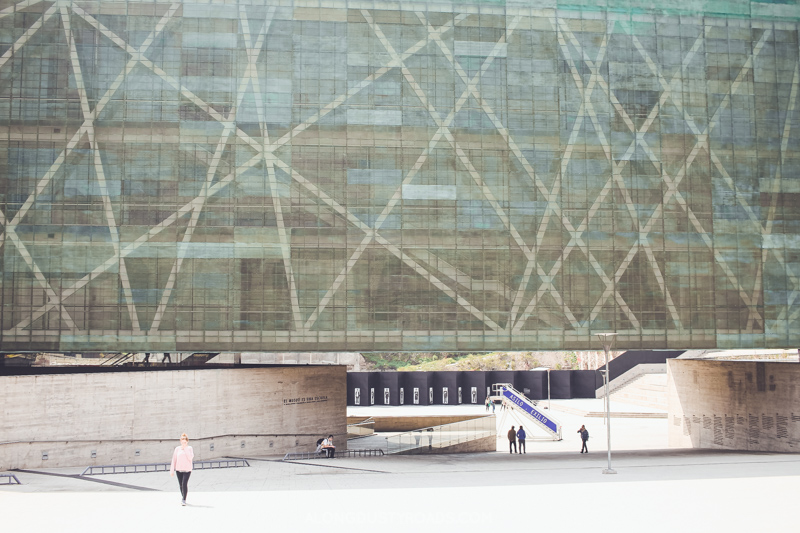
Santiago is however perfectly pleasant for a day or two, and does offer the 24-hour visitor an important insight into Chile’s recent past – the death of Allende, the rise of Pinochet, the disappeared and the transition to democracy – in the excellent Museum of Memory and Human Rights.

#4 FALL FOR VALPARAISO

The best thing about going to Santiago? It means you’re only a couple of hours from Valparaiso!

0x348
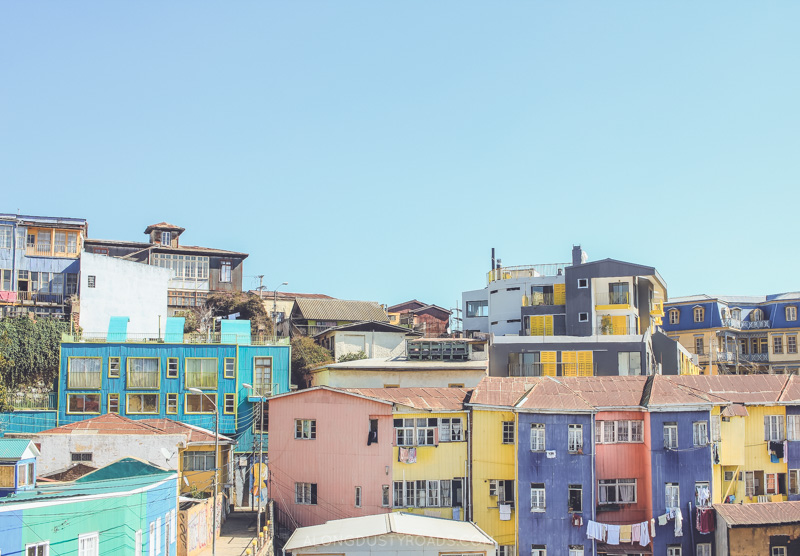
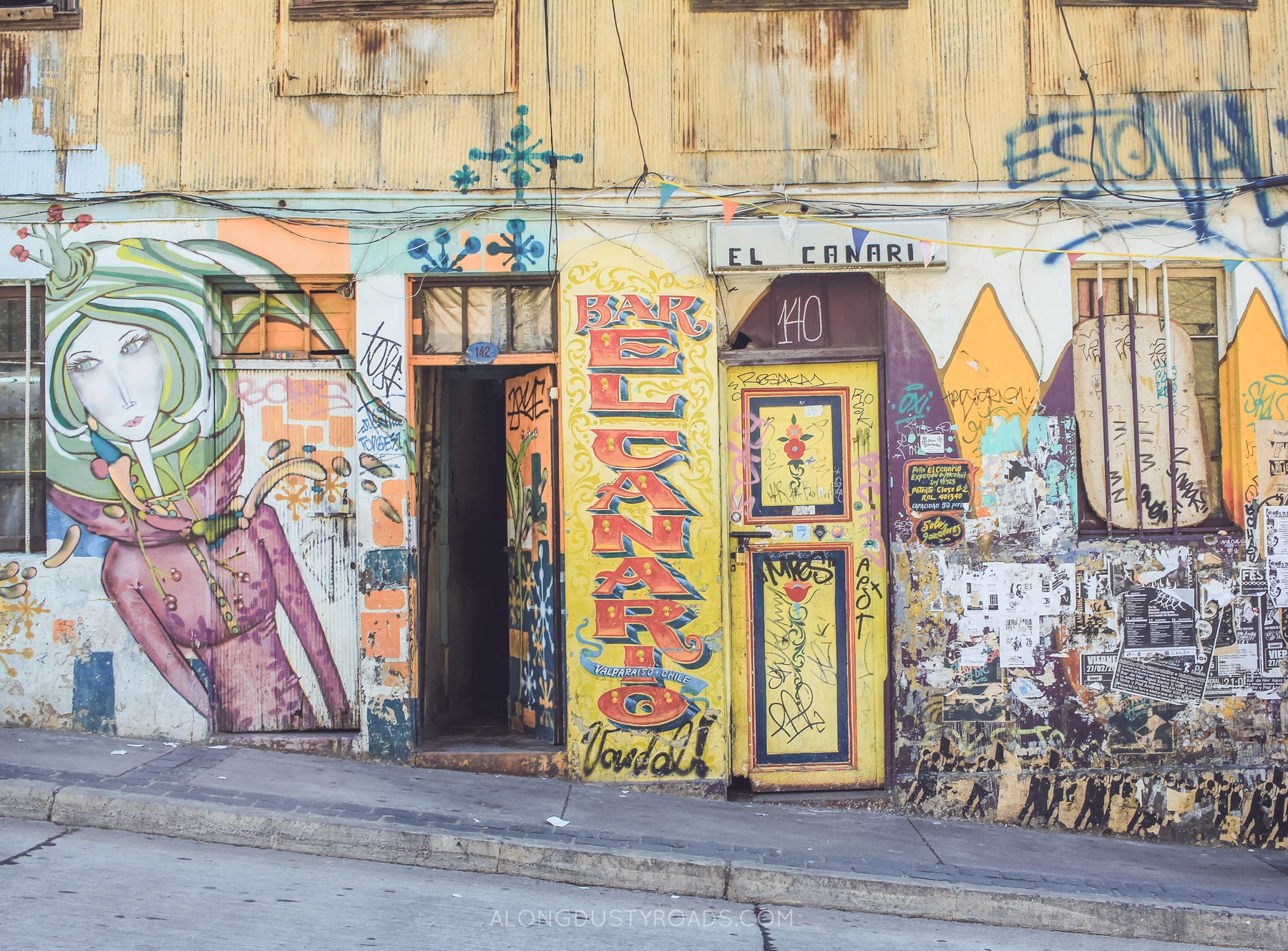
This colourful city, which sprawls up and around various cerros, got under our skin and we implore everyone heading to Chile to make sure that it’s part of their Chile itinerary. Now, with such a fantastic array of outdoors adventure experiences to be had, you may question why you’d want to spend time in a city? Well, not only is Valparaiso home to the best empanadas we tasted in all of South America and some of the region’s best graffiti, it is a place made by and for street artists, sailors, dreamers and poets.

Everyone’s soul will feel a little richer for having visited this place. In the words of one of Chile’s most famous sons:

VALPARAÍSO,

what an absurdity

you are,

how crazy:

a crazy port.

What a head

of disheveled

hills,

that you never finish

combing.

Never

did you have

time to dress yourself,

and always

you were surprised

by life.

— Pablo Neruda

blokv
#5 SPEND THE NIGHT STARGAZING

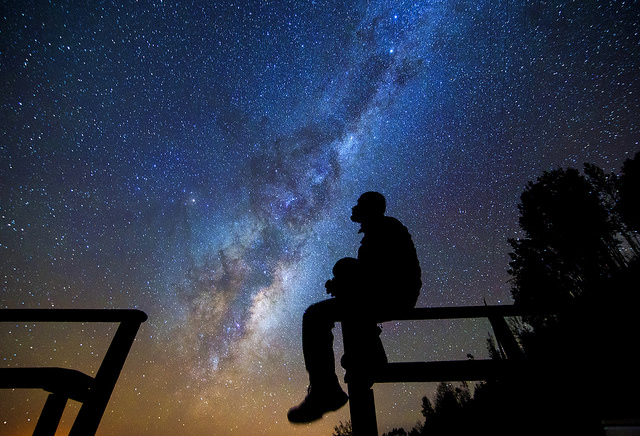
Chile is, without a doubt, one of the best locations in the world for observing the unfiltered and unadulterated night sky.

5m92n
The Atacama Desert is certainly the most popular place for astro-tourism, especially with tours of the new Alma Observatory now available. However, anybody may looking for a more intimate experience may wish to venture to Valle del Elqui, which offered up something equally spectacular. There, on a chilly evening with cups of warm wine, we sat in the garden of a sweet elderly couple who showed tourists the stars, and we gazed at the Milky Way which felt so close, we could almost reach out and touch it.

We were well and truly starstruck.

#6 TAKE IT SLOW IN THE PATAGONIAN FJORDS

Any visitor to Chile, aiming to go south, is faced with a dilemma – how exactly do you get there with all those fjords in the middle of the country!?

Our solution? To take an unforgettable three day boat journey through the Patagonian Fjords – the very definition of slow travel in South America. Leaving from Puerto Montt, the opportunity to get close to glaciers, visit tiny inhabited islands and look for dolphins & whales formed just part of the attraction.

If you don’t have the time to spare to take a boat from Puerto Montt to Patagonia, then read this post on how to get to Patagonia from Santiago.

#7 SURF IN ARICA AND IQUIQUE

For a country with so much coastline (sorry Bolivia), Chile really isn’t blessed with the sort of beaches one may expect of a South American country. It has some nice ones, but doesn’t lay a finger on those we visited in Brazil or the coast of Ecuador.

In fact, on the backpacker circuit, nobody really comes to Chile for its beaches. However, more and more are making their way here for its waves.

In summer the northerly port cities of Arica and Iquique become surf havens, whilst the central town of Pichilemu hosts international competitions for the brave (and the crazy) who take on 4 metre high waves in the crashing waters of the South Pacific.

#8 DISCOVER TORRES DEL PAINE

When it comes to natural wonders, Chile really is spoiled.

If it only had the Atacama Desert, it’d be doing well. But then it goes and brings out the big guns in the shape of Torres del Paine – a staggeringly beautiful national park in the Patagonian region.

With glaciers and glacial lakes, wildlife and mountain backdrops which literally make your jaw drop, a visit to Torres del Paine is for many the only reason they’re actually in Chile. Two multi-day treks – the ‘W’ and the ‘O’ – are world famous, but if you don’t have 4+ days to spare, you can cheat and do what we did by seeing Torres del Paine in a day.

if you’re visiting this part of Chile, then you have to bring a copy of one of the best travel books ever written – ‘In Patagonia’.

#9 EXPERIENCE NATURE IN PUCON

Did you know that you can ski in Chile? And climb an active volcano? And white water raft on a lake? And that you can do all of this in a town which looks like it should be in Aspen or the Alps?

Located in the heart of Chile’s Lake District, Pucon is a gem for anyone who likes outdoor activities in summer and winter. Many are drawn by the opportunity to ski down Volcan Villarica, but there is so much more on offer in an area with national parks, walking trails, watersports and hot springs.

#10 INDULGE IN EMPANADAS & TERREMOTOS

There’s a running joke in Chile, concerning it’s national cocktail – the terremoto. A weird concoction of bad white wine, fernet, grenadine and a big ole dollop of pineapple ice-cream, it’s said that anyone having more than three would hit the floor.

After sampling a few on Chilean Independence day, we can certainly agree that seismic activity or not, these things can certainly make the ground feel a little unsteady! Definitely not something to be glugged, but you absolutely can’t leave the country without trying one.

However, when it comes to the flavours of Chile, it’s the empanadas which will always stand out for us. Always baked, never fried, the classic Chilean empanada is the ‘pino’, which is a stuffing of beef, onions, raisins and black olives with a hard-boiled egg. Vegetarians rejoice however – there are usually some suitably tasty meat-free options.

#11 SOLVE THE MYSTERIES OF RAPA NUI

It’s easy to forget that Rapa Nui, more commonly known as Easter Island, is actually Chilean (and it wasn’t until 1888) given that it feels like such a standalone curiosity.

A dot of an island, thousands of miles from the mainland, Rapa Nui draws those curious to gaze at the 800 plus volcanic rock moai statues and to contemplate what they actually represent. To this day, nobody has a definitive answer to whether they were statues or gods, how they were moved or what importance they held…and it is the impenetrable nature of that mystery which makes it such a unique destination.[……]

Read more

The BEST Peru Travel Guide

The BEST Peru Travel Guide

Thinking of going to Peru soon? Well, this is the perfect place to start! This is the BEST Peru travel guide which includes vital information for traveling to Peru. From the best places to visit in Peru to essential logistics such as getting cash, this Peru travel guide has it all!

Peru is one of the best places in South America to travel to as it literally has everything any traveler could want all in one country! What do I mean by this?

Well, there are beautiful hikes around snow-capped mountains, incredible surfing beaches, one of the largest cities in Latin America, wildlife, jungle, incredible history with Inca ruins, and last but not least, a unique culture.

That all being said, the great diversity of Peru makes planning your trip a little more challenging. Peru is a large country which can make it rather difficult to get around.

And on top of all of that, each city in Peru differs so much from the next in terms of culture and travel basics such as ATMs – that is why a Peru travel guide is so essential!

We’ve visited Peru twice over the last two years spending a combined total of more than 4 months in the country. So, we know Peru well and have a ton of advice to offer when it comes to logistics for planning your Peru trip.

This Peru travel guide will help get you well-equipped for a trip to Peru, no matter if you are traveling the entire country or just focusing on one area.

Topics included in this Peru travel guide are:

Visa and entry requirements

Currency & ATMs

The Weather

Dangers and Safety

What things cost

Daily budgets

Best places to visit

Best things to do

Peru Visitor Visas and Entry Requirements

The first topic for any Peru travel guide just has to be the entry requirements!

For most nationalities, a visa is not required for entry into Peru. Only some countries in Asia and Africa (and a select few in Central America and the Caribbean) require a tourist visa which must be applied for in advance at your home Peru Embassy.

If you aren’t sure if you need a visa or not, it is best to check on your country’s own government travel website for the latest rules.

If you don’t need a Peru tourist visa (most nationalities don’t) you will get a stamp in your passport upon arrival. Just be sure that your passport does not expire in the next 6 months.

Proof of Onward Travel or a Return Flight

czo5b
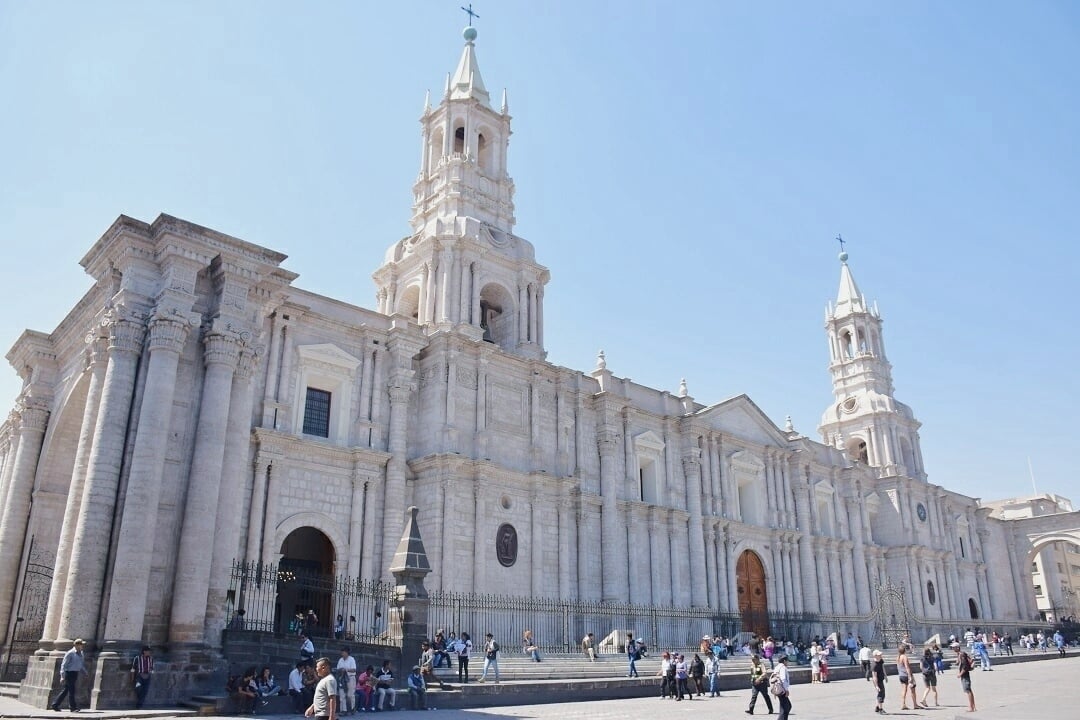
The city of Arequipa

You also need proof of exiting Peru. This is a technical requirement but most people are not asked by Peru immigration but rather by airline staff. Make sure you have a bus or flight booked out of the country to meet this requirement or you might not be allowed to board the plane.

Number of Days Granted for Visiting Peru

Once crossing the border the immigration officer will grant you a certain number of days to stay in the country and it will be written on your passport along with the stamp.

They usually grant 60 days to start off with, but we’ve heard stories of people getting more days just by asking. Other times though, people report being granted only 30 or the exact number of days that corresponds with their flight out of Peru.

When we entered Peru, we were granted 60 days each and we overstayed instead of trying to extend. We overstayed a total of ten days. The overstay fee was $1 USD per day and was paid at the border when we left. There was no fuss or problem at all.

Related Read: Peru is massive and because of that it might be hard to figure out where to spend your time at. In this case, check out our Peru Highlights that cover all of the best things to do in Peru!

Money in Peru
d9w8t
Currency

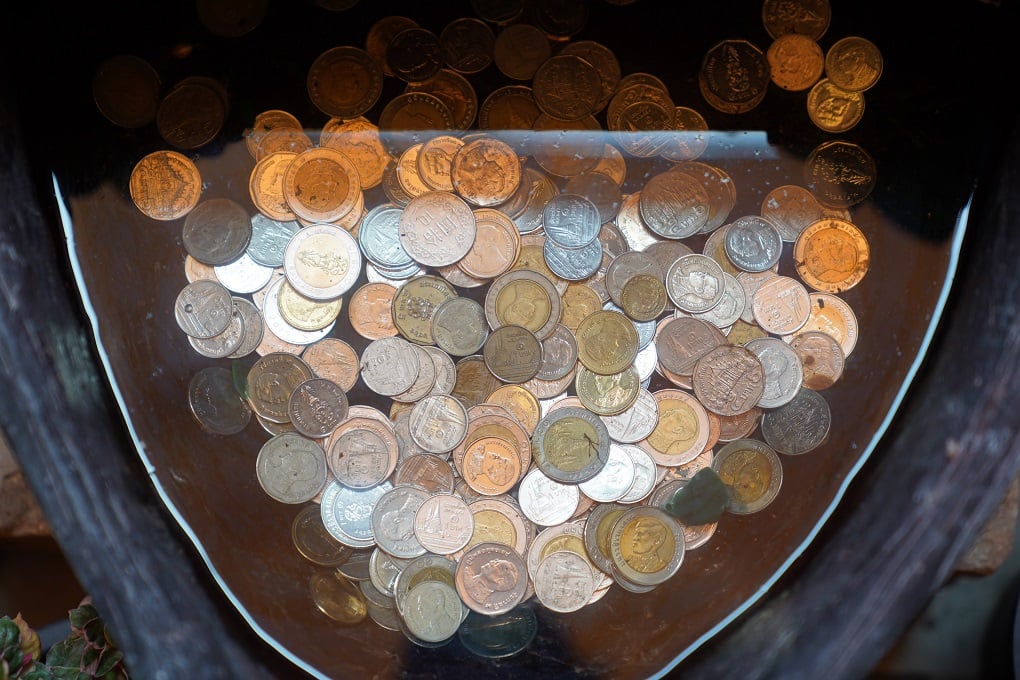
In Peru, the national currency is Peruvian soles. Currently (July 2023), 1 USD buys 3.60 soles. However, this is not the exchange rate you will get by paying in USD or exchanging money in Peru, expect to lose a lot to their favorable conversion rate.

In Peru, the best currency to pay with is soles. Although some travel agencies and hotels will take USD (mostly in tourist places like Cusco), soles are more widely accepted and as I said, will prevent you from paying a terrible exchange rate.

Card vs. Cash in Peru

Cash is also the best way to pay in Peru. While paying on a card (credit or debit) is becoming more popular, it is best to always carry some cash with you just in case.

Most hotels will accept cards but there is often a 2-5% surcharge.

Fancier restaurants and tour companies will accept credit or debit.

ATMs in Peru

If you don’t want to exchange cash, you can always withdraw money from ATMs in Peru.

There are many reliable ATMs in Peru but the best one is called Banco de la Nacion as it does not charge any fees (though your home bank will almost always charge a fee but it is better than being charged twice!)

Banco de la Nacion only allows 400 soles to be withdrawn per day. There are some occasions when I could withdraw twice by using a different ATM in a different area.

Other ATMs will have a much higher withdrawal limit but can charge up to 25 soles per transaction.

Weather and the Best Time to Visit Peru

No Peru travel guide would be complete without a thorough section on the weather!

The weather in Peru varies depending on the region. In Peru, there are various altitudes. For example, the Amazon is always hot, and up in the Andes it is always cold. That being said, there are ideal times to travel to each region.

Mountains in Northern Peru
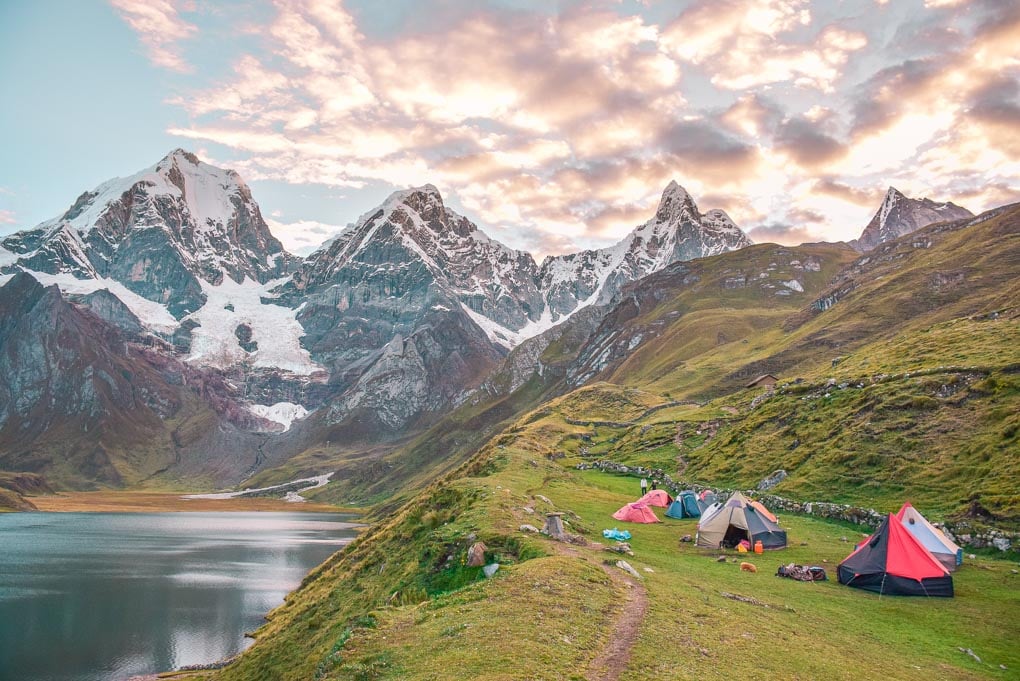
mxghf
This region includes the city of Huaraz where many famous hikes are located. The best time of year here is May to September.

Cusco and Machu Picchu
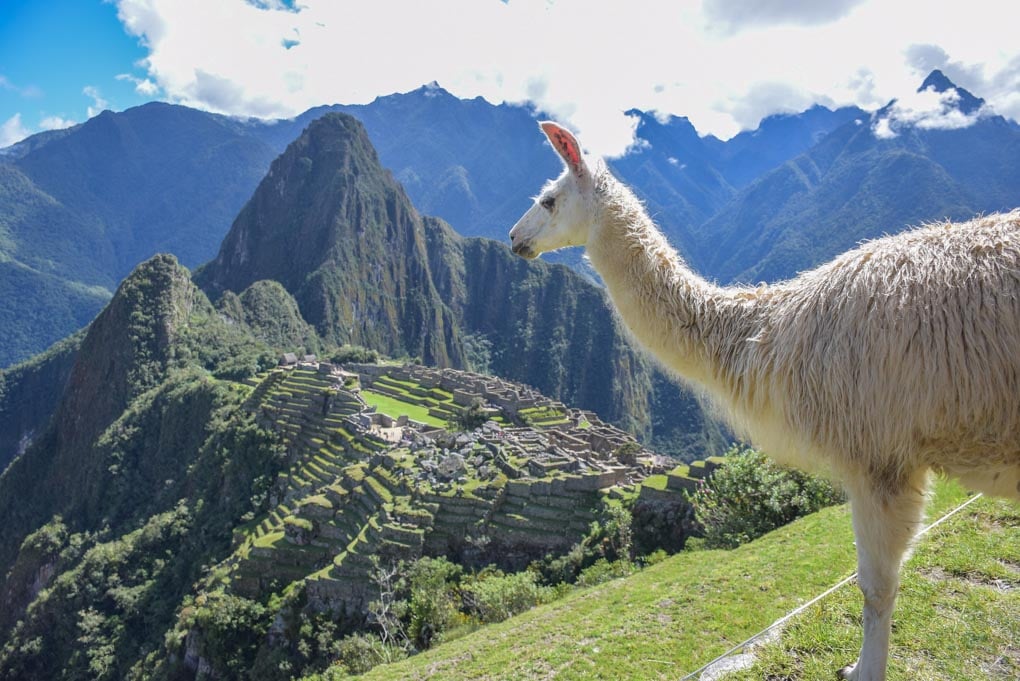
a239y
A llama at Machu Picchu

The dry season is the best from May to September. During the rainy months, the Inca Trail even closes for maintenance!

The Amazon

nlszf
Any time of year! While it may not sound ideal to visit the Amazon in the wet season, the rain brings a whole new range of animals to check out and the rivers are full of life.

Northern Coast
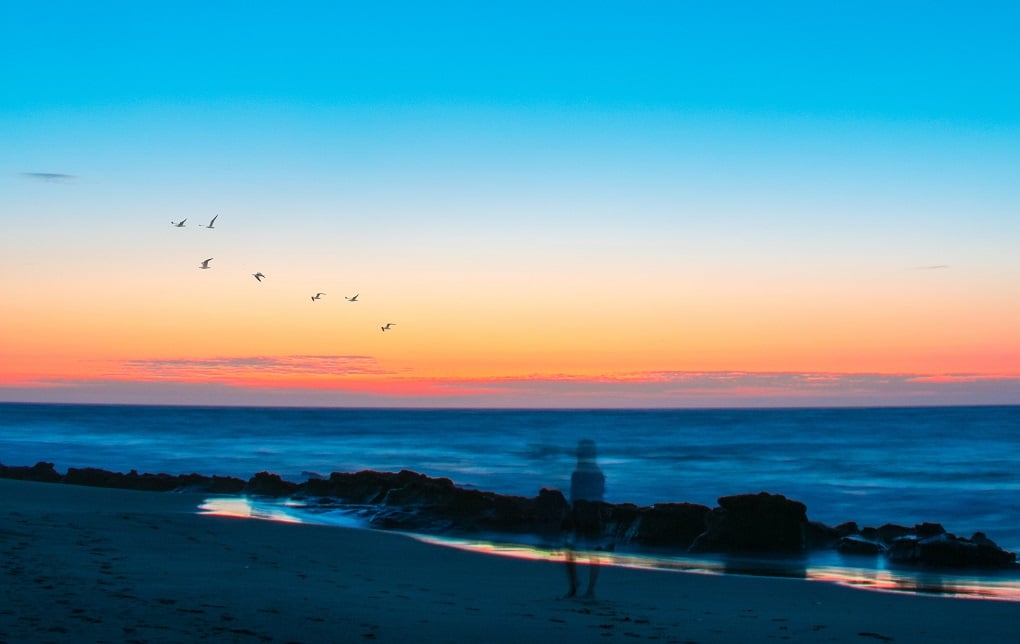
hazch
The biggest draw to the northern coastline of Peru is surfing. The surf is known to be best in the spring and summer from about September to February.

Lima and the Central Coast
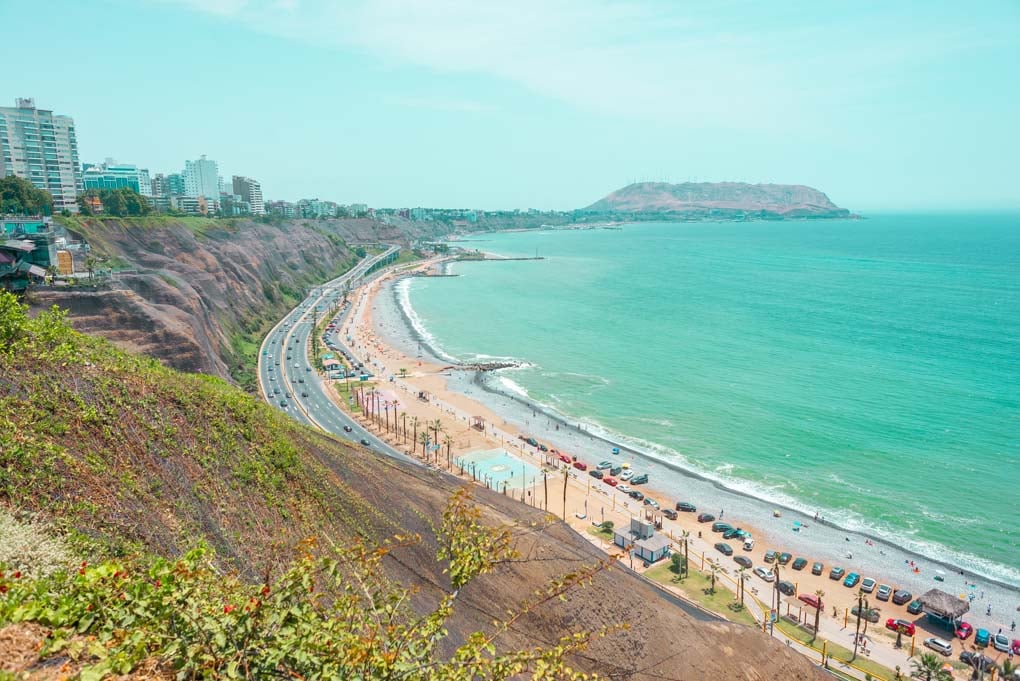
5xwn7
The winter months can be quite chilly for hanging out at the beach as the winter gets very windy and the ocean water temperature cools to around 10 degrees Celcius (50 degrees Fahrenheit) in Lima! Also during winter, the cold ocean waters cause low clouds to blanket the city and surrounding area.

Dangers and Safety in Peru
kiyvx
Every city has the most beautiful central square!

Peru is a relatively safe country but as with most countries in Latin America, you must always be cautious.

As a general rule, Peruvians are not violent people. However, we have been warned on a couple of occasions to be careful with taxi drivers in Peru. There have been incidents where taxi drivers kidnap their customers and make them withdraw all their money out of an ATM.

The best way to avoid this is to only take registered taxis and travel in groups. Another good option is to use Uber instead. With Uber, the driver is registered and you can be tracked via GPS with your phone. Uber is not available everywhere in Peru but it is in large cities is and well worth using.

It is also a good idea not to bring valuables out with you, especially at night, and be wary of pickpockets. Buses are also a very commonplace for discreet robberies to take place out of carry-on baggage.

Road safety is also something to be aware of in Peru. Bus accidents do happen fairly frequently and oftentimes result in several lives lost. It is best to book a bus journey through reputable companies like Peru Hop or Crus del Sur.

On another note, an equally big safety concern in Peru is altitude sickness which can be very serious for some people. Cusco sits at over 3,000 m (9,843 ft) above sea level and at that altitude alone people can experience some symptoms. Altitude sickness pills are very helpful and can be purchased at any pharmacy over the counter in Peru.

What Things Cost in Peru

A Peru Travel Guide (or any travel guide for that matter) just couldn’t be complete without telling you how much things cost! Here are some of the biggest things to budget for in Peru and what they cost.

Accommodation
2scuh
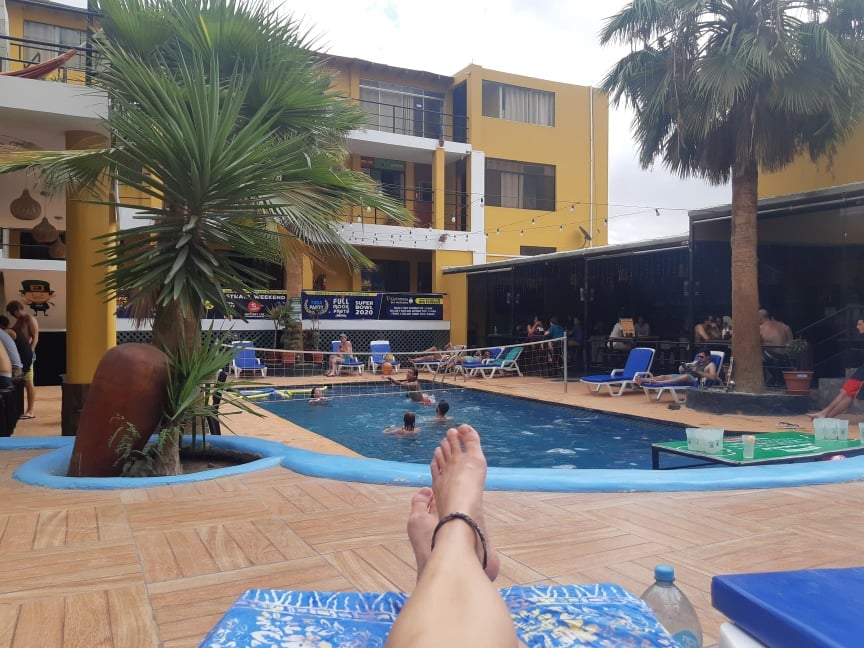
The Wild Rover Hostel in Huacachina, Peru is a dream!

Accommodation costs in Peru vary greatly. There are hotels that cost hundreds of dollars a night and dorm rooms for $8 USD a night.

A decent hostel room will go for about $13 USD. Expect to pay $30 to $60 USD for a basic private room.

Accommodation costs also vary from city to city, For example, in Huaraz, we stayed at an awesome hostel for $8 USD a night, and in Lima, we paid $15 USD for a very average hostel. The best way to know exactly how much it’ll cost where you are going is to search on Booking.com.

If you’re a backpacker we’ve actually created a guide on all the best hostels in Cusco for those on a budget!

Food
ndgx2
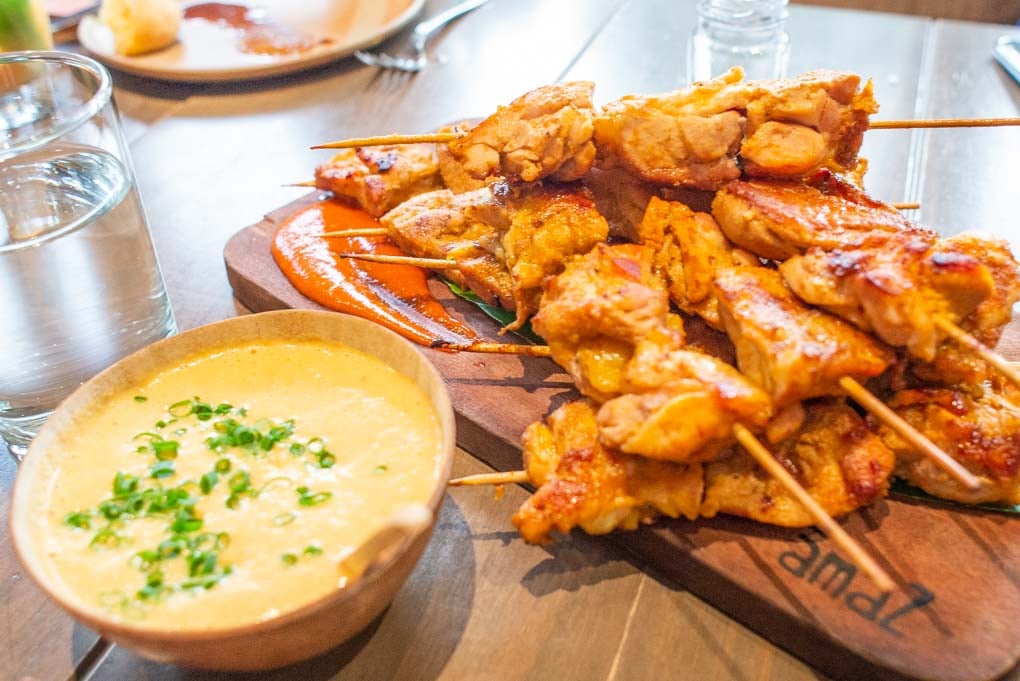
Food is very cheap in Peru if you eat what the locals do. If you need your “Western delicacies” such as pizza or a burger expect to pay more. It is very easy to get a local meal of meat or chicken, rice or potatoes, veggies or salad, and a juice for less than 6 soles ($2 USD.)

A pizza goes for around 25 to 40 soles ($7 to $11 USD) and a meal at a Western fast food joint will be well over 30 soles ($8 USD). A great tip for when you are craving fast food is to skip the iconic McDonald’s and KFC and check out the local place, Bambos is a great fast food franchise in Peru and is about half of the price of the international alternatives.

Transport
m06cq
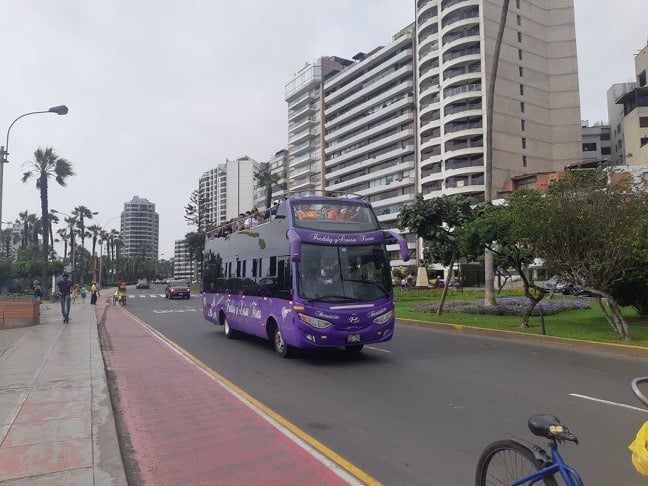
A tourist bus driving around Lima, Peru,

Intercity Transport:

Getting from city to city is easy in Peru by bus or plane.

Flying is much more expensive but buses can take forever. The roads in certain areas of Peru are very windy and bumpy. But there are very comfortable buses available to make the long journey bearable. For example, the journey from Lima to Cusco by bus is long (20+ hours) but it is a popular option for those traveling on a budget. To make the journey better, I highly recommend upgrading to a VIP bus!

Usually, the VIP or first-class buses are only a few dollars more than the lower-grade buses and it is well worth the upgrade – believe me! Cleanliness, bathrooms, space, and a layback chair that allows you to sleep are well worth the extra money.

The best way to book buses or at least compare prices is on the websites Busbud.com and Bookaway. Here, you can search and get an idea of how long it is from place to place and the different types of buses available.

Local Transport:

We never took local transport in Peru. From what we heard, it was unreliable and not always safe. To get around within a city we would always walk if possible, and if too far we would take an Uber. Some smaller cities don’t offer Uber so taxis are the only option.

Tours

Just look at that view!

Tours are very reasonable in Peru. We were able to do the 5-day Salkantay Trek to Machu Picchu for around $500 USD including a guide, porters, food, transport, and the Machu Picchu entrance fees. There are also some really good deals on tours of the Sacred Valley from Cusco.

We paid only $49 USD for a day trip from Cusco to Rainbow Mountain and $29 USD for a day trip to Laguna 69 from Huaraz. A half-trip on a boat from Lima to see the penguins and swim with the sea lions only costs $72 USD.

Day tours in Lima and other cities are also a good idea if you are short of time but still want to see a lot. There are some excellent city tours of Lima that are well worth your time.

On top of that, tours in Peru are usually really good value! Just don’t forget to tip as the guides often do not make much for wages due to the low tour prices.

Daily Travel Budgets in Peru

 
Pisco sours are soooo good! But, too many of them can break your budget quickly!

The below budgets are the average spending per day in Peru per person. this should give you an idea of how much spending money you’re going to need during your trip to Peru!

Low

A low budget in Peru would be between $15-$35 USD a day. This is staying in the very cheapest dorm rooms, eating street food or cooking for oneself, and not drinking much. This budget would allow for only a select few cheap tours.

Medium

A medium-range budget would be $80-$120 USD a day. This would allow for staying in budget private rooms or nicer dorms, eating out in restaurants occasionally, going on a few tours, and going out for drinks from time to time.

High

Over $120 USD would be a high budget in Peru and allow you to live in luxury! Things in Peru are not very expensive so with this budget one should be able to eat anything, stay at decently nice places, and go on many tours.

Best Places to Visit in Peru

There are so many places to visit in Peru that I just simply couldn’t list them all in this Peru Travel Guide. However, I have narrowed down some of the most common and my personal favorites!

Cusco
76rul
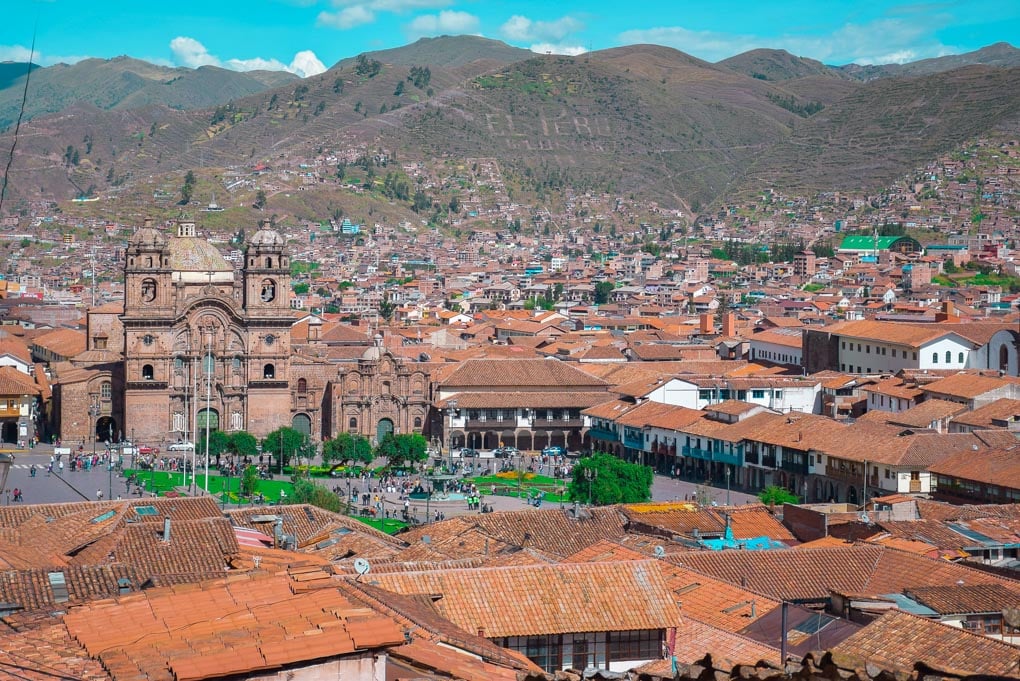
Panoramic shot of Cusco, Peru

Cusco is most famously known as the starting point for any journey to Machu Picchu, but as a city itself, it is actually really cool to spend a few days here. There are ruins within the city, in fact, Starbucks is located within the walls of Inca ruins!

There is so much to do in and around Cusco, so much more than just Machu Picchu. However, if that’s on your bucket list, some of the best Machu Picchu tours leave from Cusco.

Arequipa
y6386
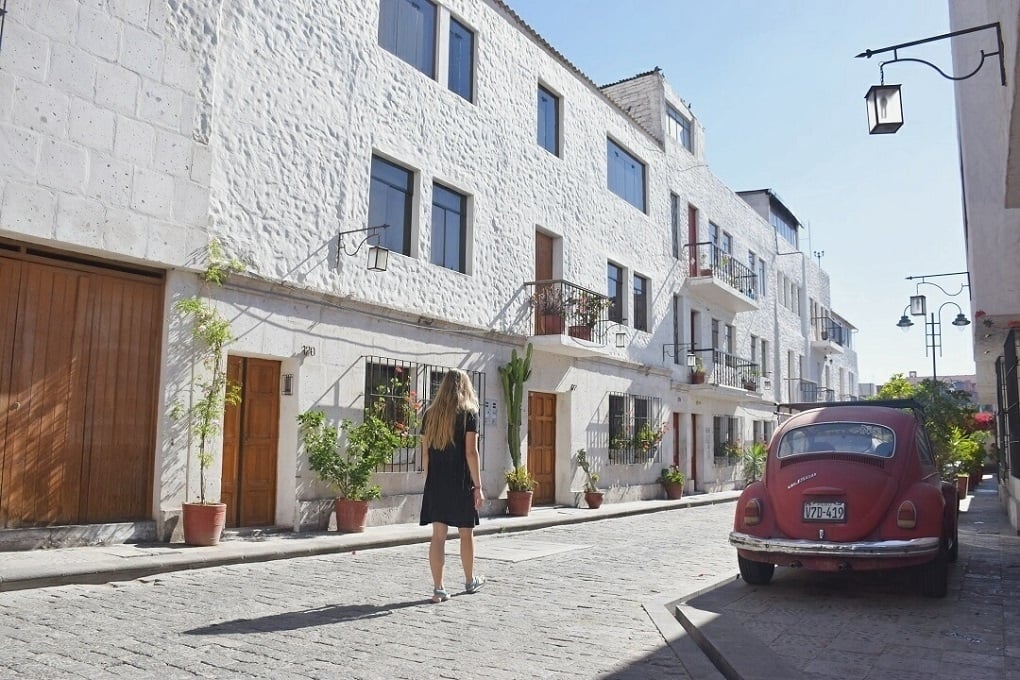
Exploring Arequipa! It’s such a beautiful city!

Arequipa is the largest city in the South of Peru. The city was built using Sillar which is actually white volcanic rock. This gave Arequipa the nickname “White City” or “Ciudad de Blanco”. The center square is simply stunning and the surrounding streets are charming.

For just $17 USD you can book this guided tour to the outskirts of Arequipa that will allow you to walk the Sillar circuit where you’ll be able to see some of the sillar that has been left in its original form.

One of the best things to do in Arequipa is to hike the Colca Canyon (the deepest canyon in the world) or one of the many nearby volcanos.

This 3-day Colca Canyon tour is what we did! For only $97 USD, it includes all of your meals and very nice accommodation. While it is a hiking tour, the hike is completed over 3 days at a nice slower pace with plenty of time to enjoy views, hot springs, and a pool with drinks!

If you’re not looking to commit to a hike of that length you can opt for this full-day Colca Canyon tour which will take you to some of the most scenic viewpoints and and includes breakfast and lunch for just $38 USD.

Puerto Maldonado
xp37f
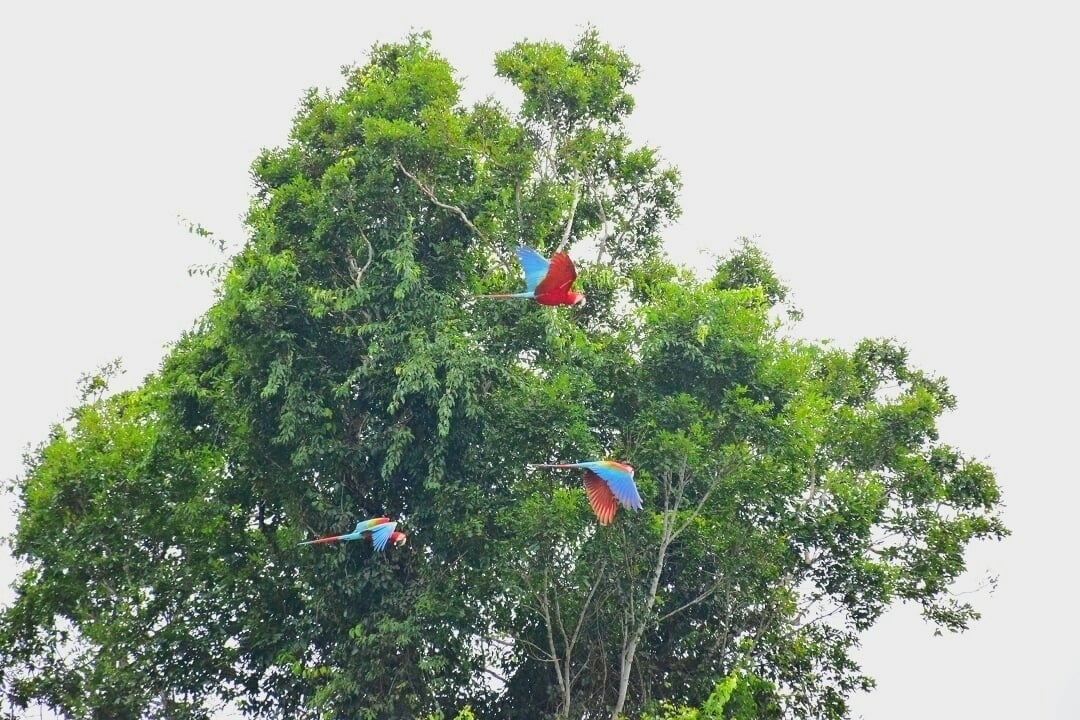
The Macaws!

Puerto Maldonado is rather unknown to many who visit Peru, However, it is one of the best places to see the Amazon.

Due to its remote location, you don’t need to venture out far to see amazing wildlife! From the edge of town, you are only an hour away from all the action. Also near the town is something called the “Clay Lick”, a natural phenomenon where Macaws, Parrots, and Parakeets come to nibble the nutrients from a clay wall.

This is the only tour that will only go for a full day, leaving early in the morning and coming back late. You’ll be able to take a boat up the river to see the famous Clay Lick but that’s about it due to time constraints. It costs $220 USD per person.

For this reason, I would highly recommend taking the time to do a 2-day tour like this one where in addition to the Clay Lick you will also explore Sandivol Lake and go on an evening walk to spot wildlife. Your accommodation will be at a lodge in the heart of the Amazon. The best part is that it is only $60 USD more than the 1-day tour!

Mancora
3lbxi
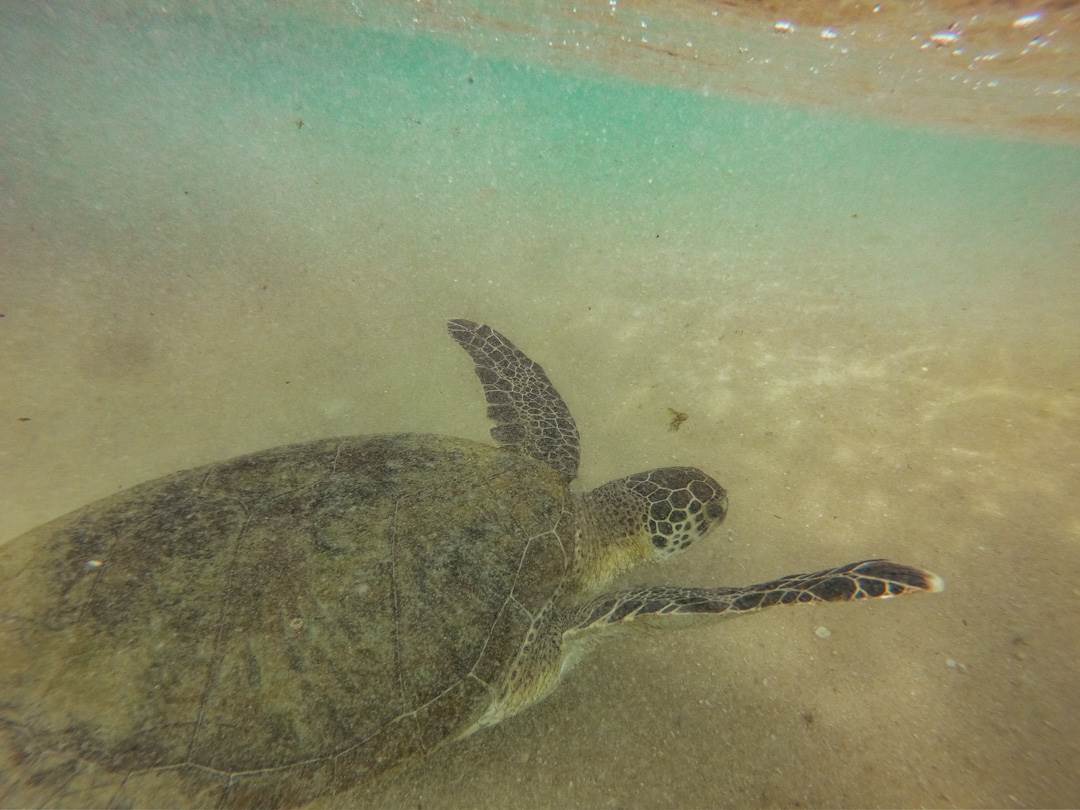
Swimming with these guys in Mancora is a must!

Mancora is a northern beach town located near the border of Ecuador. The town is very laid back and perfect for spending days relaxing at the beach.

For those who surf, visiting Mancora in Spring and Summer is a must as conditions are optimal. Near the town of Mancora at a small fishing village lives a colony of Sea turtles and it is possible to swim with them right from the shore!

Lima

7sn4j
Lima is the capital of Peru and nearly a third of the population resides there. The city is filled with amazing museums, great surf, and vibrant nightlife! Honestly, there are so many fun things to do in Lima that it can feel overwhelming.

I spent an entire month in Lima and some of my favorite things were trying Peruvian food on a food tour, seeing the murals in Barranco, learning about the local culture through a Water Fountain Light show, and trying delicious Pisco Sours!

One thing many travelers aren’t aware of though is the fact that the islands near Lima are home to over 10,000 Sea Lions. This colony has no predators so you can actually swim with them on an organized tour!

Huaraz

 
The Laguna 69 hike!

Located high in the Andes Mountain range, Huaraz is one of my favorite places in Peru. Huaraz is the gateway to the Cordillera Blanca (a small section of the Andes). The Cordillera Blanca offers some of the most amazing hikes in the world including Laguna 69, the Santa Cruz trek, and the Huayhuash.

The town is located at 3,400 m (11,155 ft) in elevation and is surrounded by white mountain peaks. Huaraz is a must for any hiking enthusiast!

Huacachina

 
The dune buggy tour in Huacachina is so much fun!

Who knew that Peru has sand dunes that rival those in the Middle East?! Well, it’s true, and only a short 4-hour drive from Ica you are smack dab in the middle of the dunes in the small town of Huacachina!

From Huacachina, you can hike the dunes, go on a buggy tour, or even have a try at sandboarding (like snowboarding but only in the sand!)

Our favorite of the three activities was the dune buggy tour! It was so exhilarating and the views you get from the dunes are awesome! You can book your tour for just $25 USD.

Best Things to Do in Peru

Just like the places to visit, the things to do in Peru are endless and can’t be covered in this Peru Travel Guide – but here are a few highlights!

Hike Rainbow Mountain

 
Rainbow Mountain

As the name implies, Rainbow Mountain in Peru is a rainbow-colored mountain peak. Located at over 5,000 m (16,404 ft) above sea level, Rainbow Mountain is a spectacular sight to see. Tours run daily from Cusco, just be prepared for a little altitude sickness!

Swim with Turtles

In Mancora one of the most popular things to do among tourists (besides surfing) is swimming with the sea turtles. These turtles have learned the time of day in which tours go out on the ocean and come to the boat in packs. Then, you are given the opportunity to jump in the water with the turtles!

They are massive sea turtles and it is a pretty cool experience.

Hike around Huaraz

 
Bailey enjoying another day hiking near Huaraz, Peru!

Huaraz often gets skipped by travelers due to its remoteness, but it’s that remoteness that makes the place so amazing. Huaraz is nestled smack dab in the middle of the Cordillera Blanca mountain range. Some of the most amazing hikes are around Huaraz with truly fantastic mountain views!

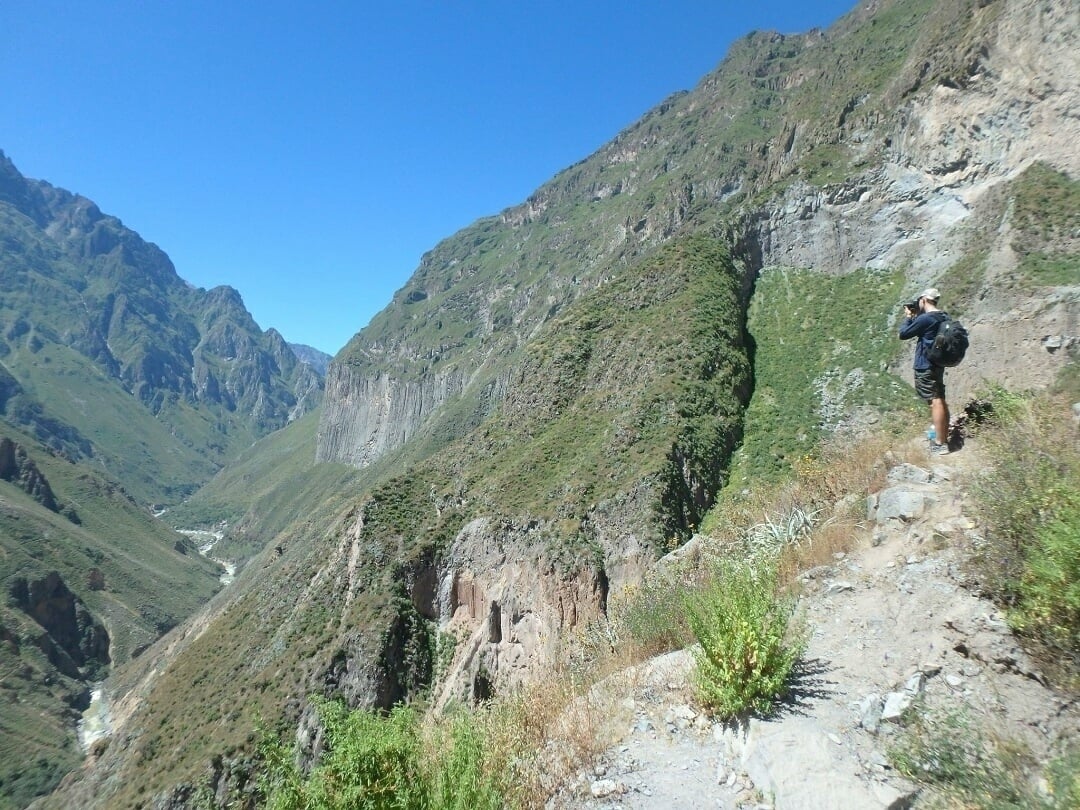
Hiking in the Colca Canyon
607vo
The Colca Canyon

Only a few hours from Arequipa, the Colca Canyon is a great place the get out of the city and explore. The Colca Canyon is one of the best places the see Condors up close. The viewing deck in the canyon is visited every morning by several Condors as they search for food.

The canyon is also home to natural hot springs and some spectacular views. Both camping and accommodation are available along the hiking trails (day trips are also possible!)

Explore the Amazon Rainforest
zwd6r
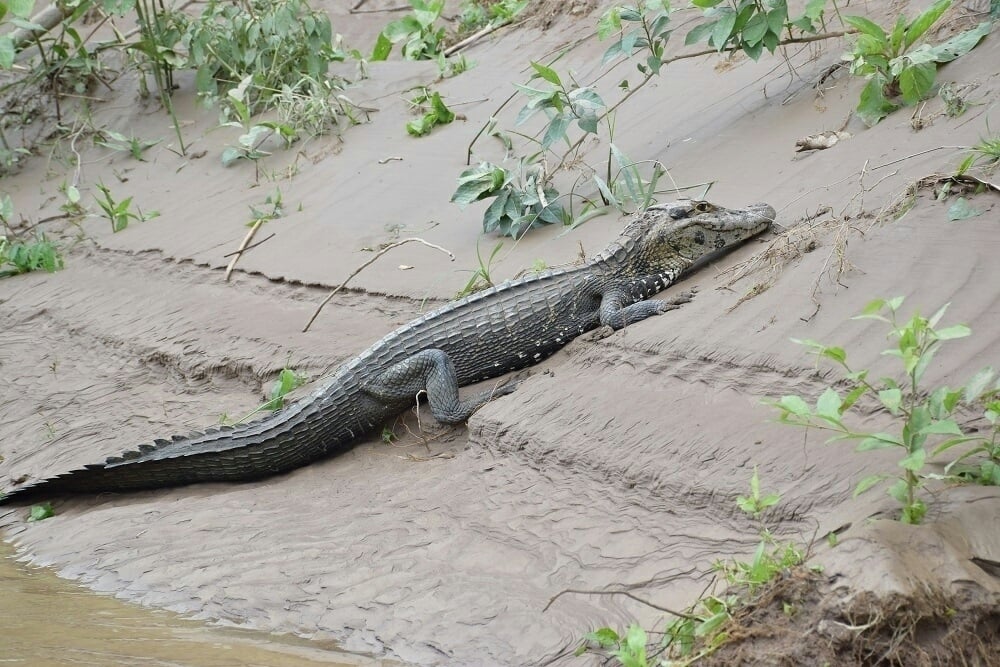
We saw this guy in the Amazon near Puerto Maldonado!

Peru is home to the most biodiverse parts of the Amazon Rainforest. In fact, Peru has the largest amount of bird species in the world! For this reason, it is one of the best places to visit the Amazon.

There are three main places to see the Amazon in Peru and they are Iquitos, Puerto Maldonado, and Cusco (Manu Nation[……]

Read more

Visiting Panama City In Panama

hxhvx
From the shopping malls and skyscrapers to the beautiful old town and great restaurants, find out more about visiting Panama City!

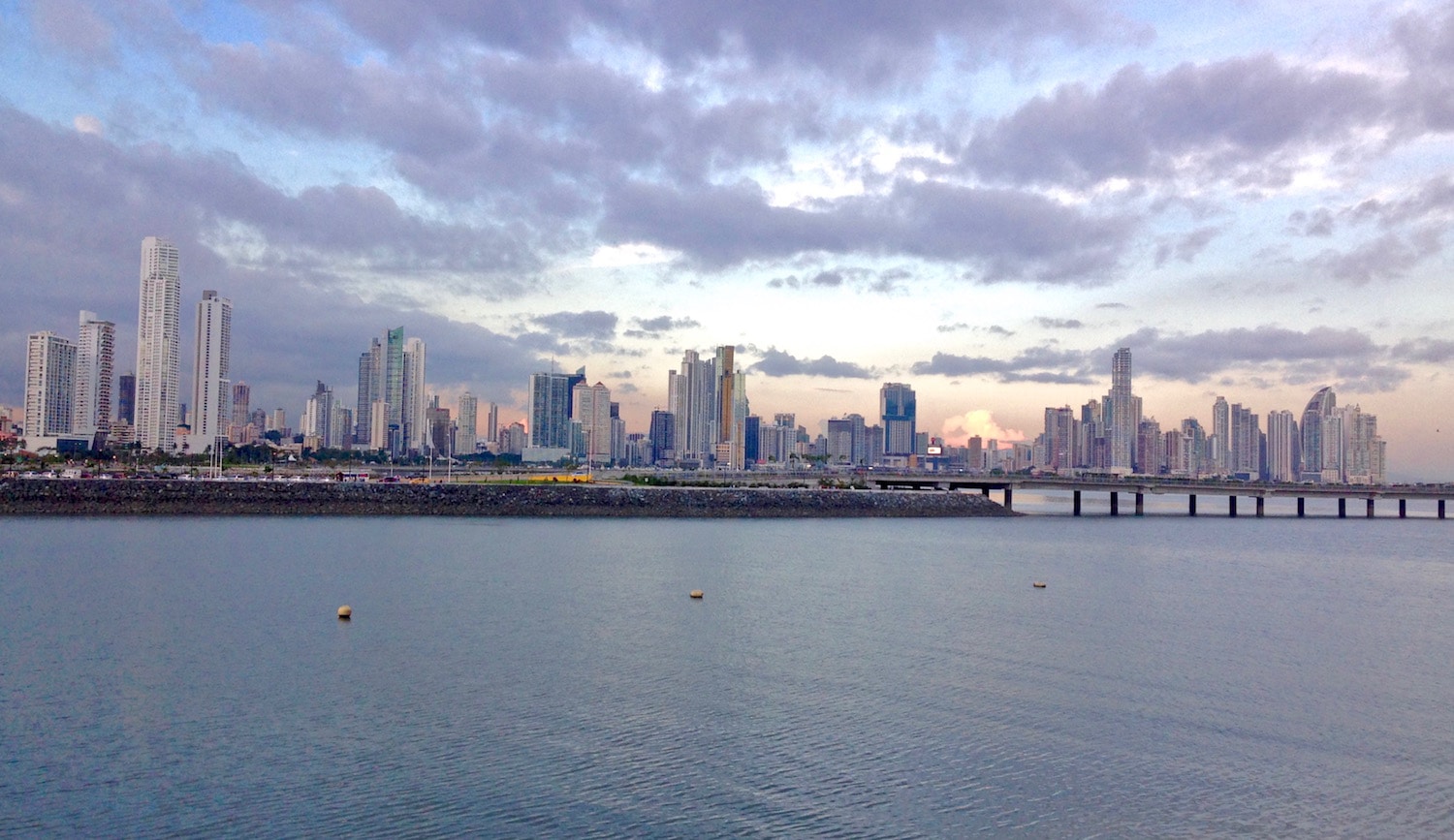
What a breathtaking skyline. It’s hard not to be wowed as you drive towards Panama City. For anyone who has grown up in big cities, there’s a strange comfort in seeing skyscrapers. I can’t put my finger on what it is, but after being away from London for so long, I felt a strange satisfaction being back in the hustle and bustle again.

Visiting The Panama Canal

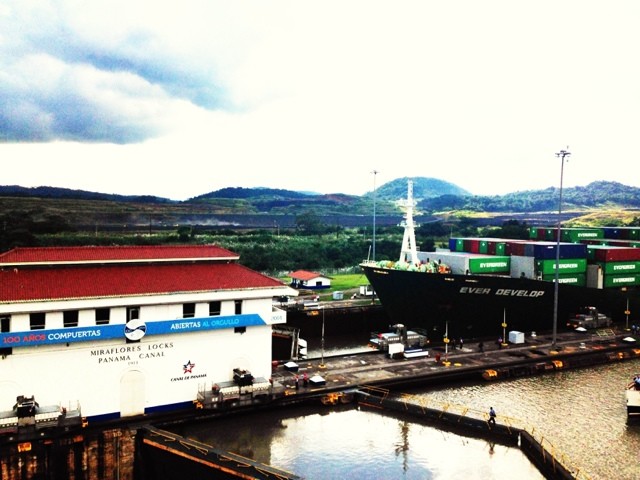
No trip to this city is complete without a trip to the Panama Canal. It’s an amazing feat of engineering, and impressive to learn the history of the canal (and the previous failed attempt by the French!) However, after an hour or so of watching container ships, I had geeked out enough for one day!

rlc1m
Visiting Casco Viejo

For me, the place to be in Panama City is Casco Viejo (the old town). It’s stunning. The architecture, the narrow streets with shops selling traditional Panama hats, so many delicious looking restaurants, bars overlooking the water with views across to the big city, traditional plazas with crumbling ruins…. There is so much to take in. I found myself taking photos of everything! There was always something catching my eye.

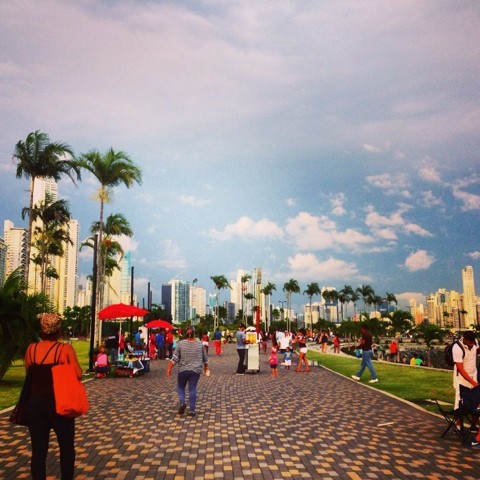
I took a walk from the old town along the waterfront to the modern, commercial area. This area along the water has been landscaped and there is a real buzz about it! People everywhere, running, rollerblading, playing with their kids, street vendors selling popcorn and hot dogs, couples holding hands, teenagers using it as a catwalk. I loved it – it was so vibrant, particularly with the view of the towering city beyond the tropical palm trees.

xjx8i
Restaurants In Panama City

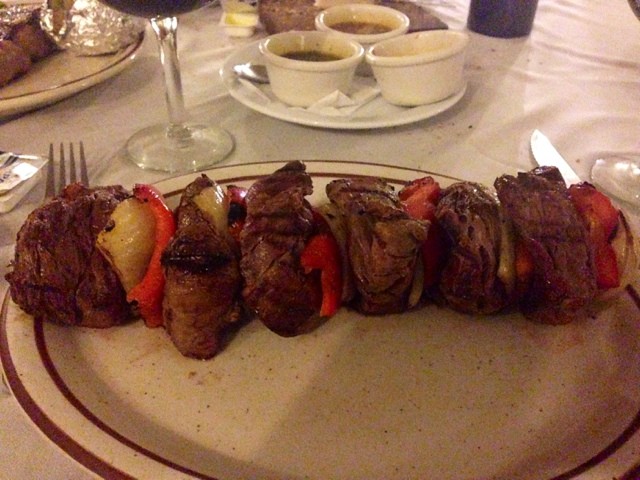
One evening, in need of a good steak, we ventured to Gaucho’s Steak House on the famous Calle Uruguay. This street is home to the biggest and best nightlife in the city. The restaurant was busy, so the only thing for it was to order a bottle of Malbec while we waited. I ordered the brochette of steak which was delicious, and enormous! Unfortunately there was no way of finishing it but I left very satisfied.

qa3i3
Jazz Barns In Panama City

I had heard Panama City was famous for its jazz scene, so one evening I headed to The Wine Bar, located in the Hotel Suites Las Vegas. It was a beautifully designed (and overly air-conditioned) bar with tables made from wine labels. The jazz was simple – just keys and sax, but excellent all the same. It perfectly matched the setting.

Shopping Malls In Panama City

No trip to this city is complete without a trip to one of the enormous super-malls! There are plenty to choose from but the largest of all is Albrook Mall where I spent an afternoon. It was only ten minutes drive from the centre of town, and it really was enormous – probably four or five times the size of Westfield, Shepherd’s Bush.

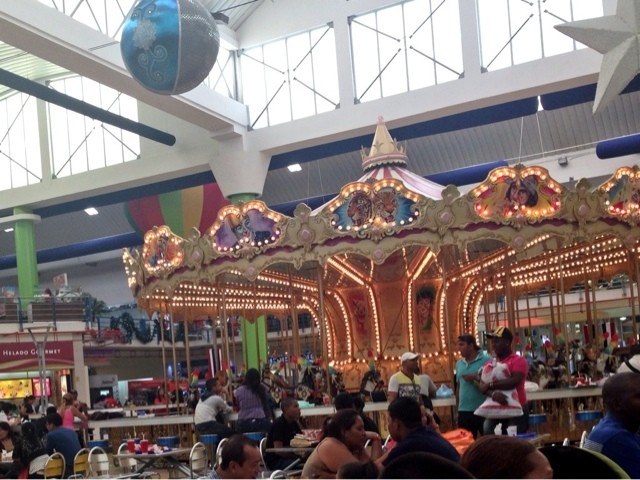
As a guide, it takes around an hour to walk from one end to the other, is spread across two floors, has a cinema inside and a huge food court (mainly fast food) with a full-size carousel in the middle. In terms of the shopping, there is pretty much everything, and lots of it is very reasonable compared to UK prices. Big brands like Casio, Adidas, Converse and GAP all have shops here but I preferred to explore the Panamanian stores and pick up some bargains I wouldn’t find back home.

3yiml
As I had a five days to enjoy the Panama City area I looked around for some more places to explore… So next stop – the deserted islands of San Blas and the sweeping mountains of El Valle De Anton. Time is flying![……]

Read more
Weekend trip to Norway

Tourists from all over Europe see Oslo as an excellent opportunity to get to know the Norwegian breathtaking landscapes and visit the most iconic tourist attractions, and why not, to have a fun time at the fantastic amusement park Tusenfryd. TusenFryd is simply a great option to make the best out of a weekend trip to Norway.

If you are thinking of taking a short trip to Norway and have a great time with your family or friends, consider visiting Tusenfryd attractions and entertainment options, available for all the members of the family, including little children. Families looking to spend a weekend in Norway should buy Tusenfryd tickets for a memorable experience.

q3irm
Activities and attractions available if you are planning a short trip to Norway

Here are some of the best areas of Tusenfryd for you to enjoy with your children along with other activities just waiting for you.

Lost Kingdoms Expedition

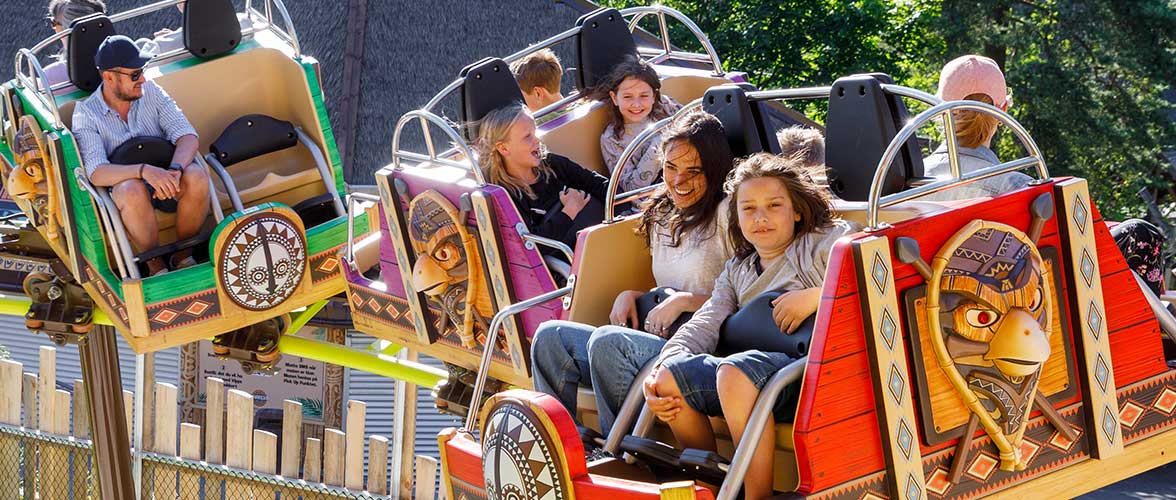
The Lost Kingdoms Expedition is one of the essential parts of Tusenfryd Park, and has added new attractions and machines for the children to enjoy. The HuriHuri roller-coaster is one of the latest additions and will make your stomach tingle with every turn.

This area of the park also has many other attractions such as the Ekom Nkam-Tommerstupet, which is an aquatic option and guarantees an enjoyable ride. On the other hand, you can also find some high-intensity rides such as the SpinSpider and ThunderCoaster.

HuriHuri roller-coaster

It must be noted that this attraction has some access requirements, such as a minimum height of 110 cm, and a responsible adult must accompany all children with a height of 95 cm to 110 cm. The roller-coaster opens when the park opens and closes when the park closes, so there is plenty of time to try out this fun roller-coaster.

The coaster is an almost mandatory activity when visiting the park and will surely bring a smile to the faces of children and adults alike when enjoying a short trip to Norway.

SpinSpider

This attraction offers a high degree of intensity, and we advise you only to try it if you love roller-coasters with high intensity. The minimum height requirement you must fulfill to enjoy the coaster is 140 cm, and children under this size are strictly not allowed, even with an adult. The roller-coaster has usually the same opening hours as the park; it is available for the entire season and is accessible for disabled people.

The SpinSpider roller-coaster can reach a maximum speed of 115 km/h and is shaped like a giant spider. The ride can hold a total of 40 passengers, and the pendulum swings from side to side at high speeds, giving you quite the adrenaline rush. Best of all, the central wheel rotates in all directions, creating a unique feeling of weightlessness.

The body of this giant spider is subjected to impressive acceleration forces of up to 4.5 G, and the ride is the fastest and most intense roller-coaster in the country.

ThunderCoaster

The ThunderCoaster is one of the most fun and high-intensity rides Tusenfryd has to offer. This is another of the things you simply must do on one of your short trips to Norway. You will certainly not regret it.

The ThunderCoaster has some access restrictions, such as meeting a minimum height of 120 cm and is open from 10:30 to 19:00. On the other hand, this amusement center is open all season long and provides access for disabled people.

This wooden roller-coaster is one of the fastest in the world and can reach a top speed of 100 km/h. It has some steep drops, and you will experience complete weightlessness in a total of 12 sections. In addition, over time, the park representatives have upgraded the roller-coaster’s architecture, added tunnels, and improved the tracks.

Capture the moment on the roller-coaster

The attraction’s cameras capture the best moments of the ride, and you will be able to buy a photo of yourself enjoying the ride. Wooden roller-coasters create a more thrilling and realistic feel to the experience, so we only recommend that only the truly fearless and risk-taking ride this machine.

Explorer’s Society Restaurant

After enjoying the wonderful attractions we have mentioned above, it is time to introduce the Explorer’s Society Restaurant and discuss its exquisite menu.

This buffet-style restaurant offers healthy meals for all its visitors and a special menu for vegans and those with celiac disease. Furthermore, you will have several payment methods, a children’s menu, multilingual menus, terraces and a dressing room. So there are plenty of options for everyone regarding the food, where to sit and how to pay.

The service area has chairs for children and an area for heating food for babies. Finally, you will be able to try their delicious ice cream and espresso coffee. So do not hesitate to visit these facilities on your next Norway weekend trip; you will be delighted and have a wonderful time at Tusenfryd![……]

Read more

When Is The Best Time To Visit Mexico For Weather?

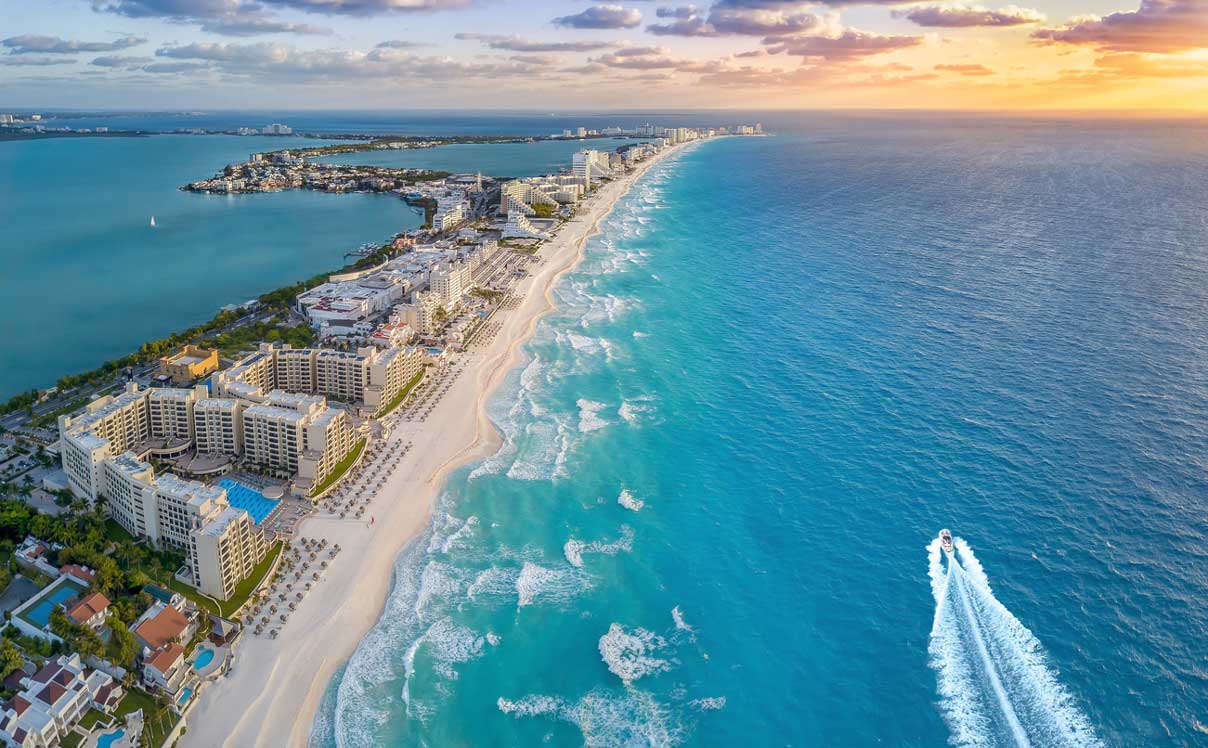
With powder-white sand, desert plains, lush jungles and rocky peninsulas; Mexico is a diverse paradise just waiting to be explored. Whether you want to experience the excitement in Cancun, culture and history in Riviera Maya or whale watch in Acapulco, there’s something for everyone.

So, if you’re drawn in by its tropical allure, but still unsure when to visit, this guide will help you distinguish the best time to travel. There are three main seasons in Mexico that you need to know about when planning your holiday:

High Season: December To April

Cancun-TravelRepublic-iStock-956105474
The high season typically runs from December through to April where conditions are dry, skies are clear and the weather is hot. This is great if you want to escape the UK’s chilly weather for azure seas and the powdery white sand found in Cancun and Playa del Carmen.

During January to March, it’s not just tourists making their way to Mexico for warmer conditions. Different species of whale including humpback, blue and grey whales have all previously been spotted among the Pacific waves. This means there’s the opportunity to join a whale watching boat tour to see these majestic mammals in their natural habitat. However, because of the glorious weather, it’s the busiest time of year for the main resorts across both the Pacific and Gulf coasts with accommodation booking up fast.

Shoulder Season: July To August

PuertoVallarta-TravelRepublic-iStock-647752888
The shoulder seasons usually occur during our usual summer holiday periods in July and August. The weather is warm across the country with coastal and sea temperatures typically reaching highs of 29°C.

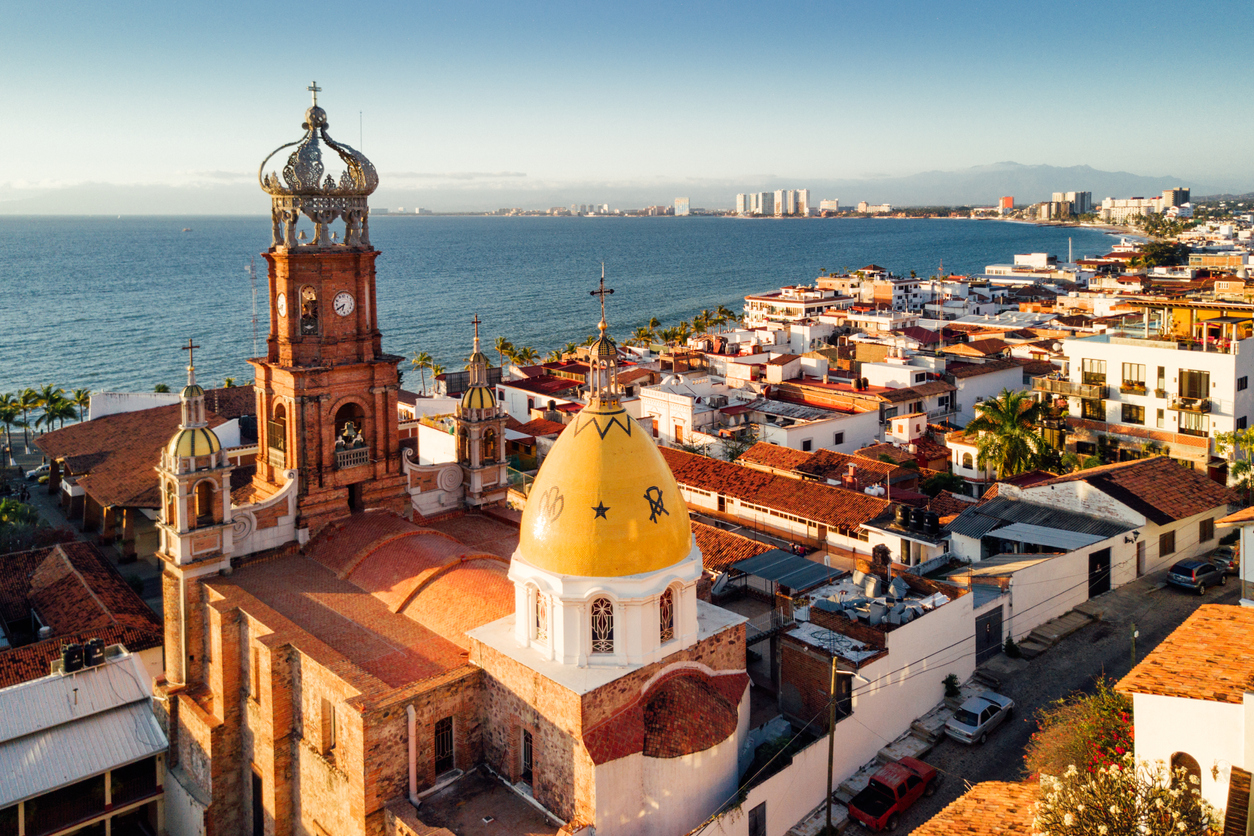
This is also the rainy season, especially along the Pacific west coast of Mexico. So, if you’re planning on visiting the palm tree embellished Puerto Vallarta, you can expect wet conditions during this time, especially closer to September. Because of this, you are also at risk of having a brisk shower or two on the Gulf Coast as conditions change each day. This is not always a bad thing as a quick shower in the afternoon can cool conditions down, which is great when visiting monuments such as the ancient ruins of Tulum.

Low Season: May To June And September To November

MexicoCity-TravelRepublic-iStock-1048454638
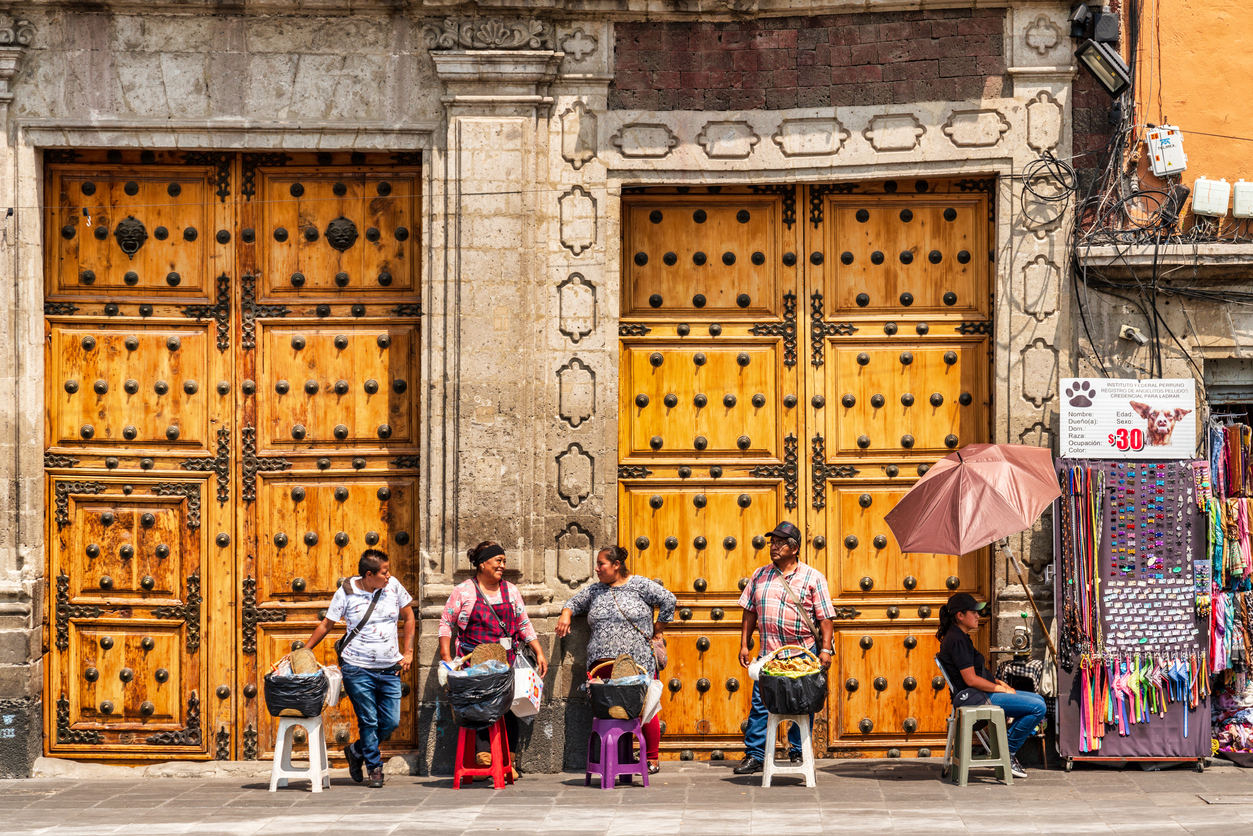
There are two low seasons in Mexico. The first is May through to June and the second typically happens from September through to November. During May and June temperatures have been known to reach their highest, above 30°C. But, May is where the wetter weather tends to creep in slowly from the south.

September is the month to watch as it’s notoriously the middle of the hurricane season. Although this doesn’t necessarily guarantee hurricanes, it can mean turbulent conditions with heavy rainfall on the Pacific and Gulf Coasts. This means you’re more than likely to see some showers during September to November if you’re visiting the main resorts along the Riviera Maya and Acapulco. However, it’s positive to note that rain in Mexico usually happens in short, heavy bursts, especially outside of September which decreases greatly as you approach November.

As the low seasons are controlled by a rise in sea temperatures, if you want to visit inland cities such as its capital, the bustling Mexico City, this is a good time to do so.[……]

Read more

The best of New York City

How to plan a special trip and take in the history of the city.

New York is a wonderful city, but it is also really easy to be overwhelmed by it. There is so much to do that it’s almost impossible to be bored. This also means it’s sometimes difficult to know where to start. I’ve now been to New York four times and I still feel like I have barely scratched the surface.

This post is not an exhaustive list of a everything I have done over these times, but how to get a great experience in the city, learn a little about how it has come to be the city today, tick off some guidebook classics and explore the streets that form the sets of so many movies. Whether you are a first-time or returning visitor looking for an unforgettable experience this best of New York City guide will help you plan your trip.

If you’re looking for a guide that’s broken down by day, this is the best one I’ve found.

How to prepare for your trip

Plan your time

This might seem obvious, but when I go abroad I often don’t make an overall plan – I have an idea of things I might like to do, but take each day as it comes.

This does not work in New York.

The city is so spread out, you need to either give yourself a theme (art, history, shopping or theatre for example) and plan an itinerary around these or choose areas of New York to focus on and build from there. I’ve tended to take the second approach however it does mean I’ve still not made it north of the Met.

Book in advance

Will help you stick to a timetable and guarantee you are not disappointed. So many museums and experiences need you to book in advance – this can be in the morning for afternoon entry, but it’s increasingly difficult to just turn up.

Set a clear budget

Like many large cities, New York is expensive. It’s really easy to spend $100 a day without really trying.

Below are some indicative costs (based on my 2023 trip) and remember tax and tips are always added to list prices.

Morning Coffee: $4.50 – $6

Breakfast from Whole Foods / similar grocery store: $10 per person

Museum or experience entry: $25-40 per museum

Lunch in Pret / Whole Foods: $20

Dinner in a mid-range restaurant: $35 per person without alcohol, $50 per person with alcohol (casual dining or fast food will be $20 – 25)

Subway: $2.75 per journey (likely you will need one journey per day minimum)

On one trip I found a city pass* was the most cost effective way of seeing things, on others it was not. It is definitley worth looking to see if the time or attractions you want to see and are covered on it.

Get comfy shoes

There is no way around it, in New York you will walk a lot, and quickly. However much you might want to wear those killer heels or pointy pumps to look great in photos it will be the worst decision you can make. I have always found fugly and supportive is best for New York: these are the sandals I used and they were brilliant as they also dried quickly when the rain poured down.*

Plan where you stay

Because New York is such a large city, it’s absolutely vital to think before you book and to properly research where you are staying. NOT doing this is how I ended up in a gorgeous but out-of-the-way apartment in Brooklyn. I mean it was STUNNING, but a 30-minute walk from anywhere and really, it was a 20-minute MTN ride to anything in Brooklyn I wanted to see.

I have stayed at the following – none are high luxury or spectacular but have always done me well. As you’ll see I’ve often opted for lower Manhattan. There are a few reasons for this – it is a bit cheaper as it isn’t by the park or where the shows are, it’s near where I’ve been sent for work, it’s near a lot of museums and easy to get over to Brooklyn.

What to do for an unforgettable trip

Explore New York’s History

It will surprise no one that this is for me what would make a really unforgettable trip. New York (originally New Amsterdam) was one of the earlier areas “discovered” by European explorers – it was apparently discovered by explorers from Florence. Manhattan was apparently purchased in 1626 from Lenapie Indian and Brooklyn was purchased in the 1630s.

New York is a city built on immigration and the city has many homages to it from the famous to the less well-known. The different neighbourhoods give you an opportunity to experience different cuisines.

ELLIS ISLAND

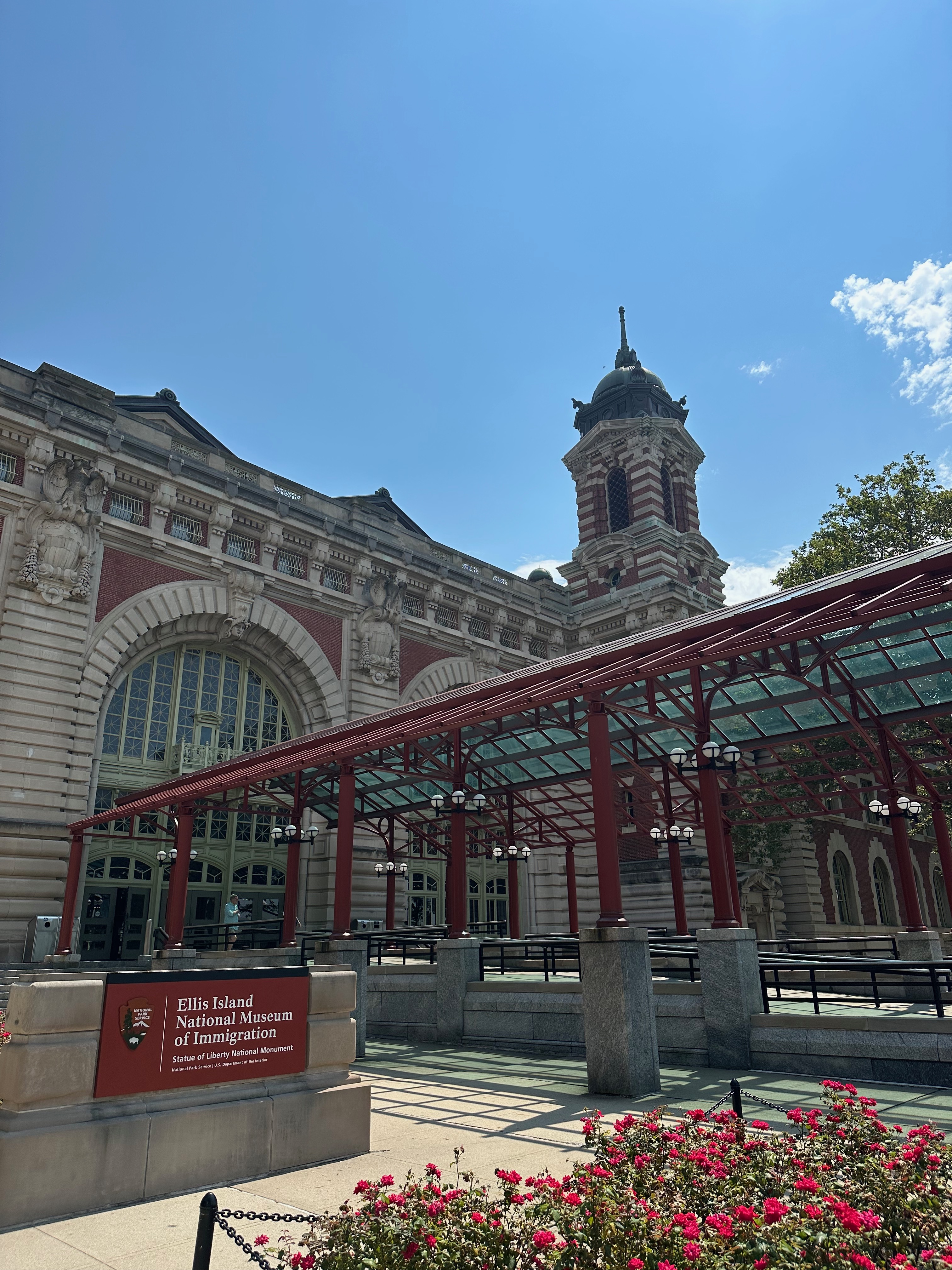
The best-known historical museum in New York is of course Ellis Island. It was opened after five boroughs were consolidated to become New York City. It is where people who arrived on ships were processed between 1892 and 1924 (from 1924 – 1954 it was only people with paperwork issues who were processed there). It is one of the world’s most iconic centres of immigration. The Ellis Island website claims that in excess of 12 million people were processed in the time it was open.

ellis-island
The experience at Ellis Island is exceptional. It carefully curates and builds the journey immigrants would have experienced. Visitors can see luggage, re-live the intergenerational tensions between different migrant communities and you can even order the same meal in the canteen as people would have eaten when arriving. I decided not to chance this one.

Ellis Island tours come with a stop at the Statue of Liberty. Liberty island is ok, but not the main thing for me. Too many people taking selfies for my liking.

Tip: pre-book Ellis Island and try and opt for an early crossing. Because of how the boats are scheduled, getting to Ellis Island before 10am ensures a more relaxed experience.

TENEMENT MUSEUM

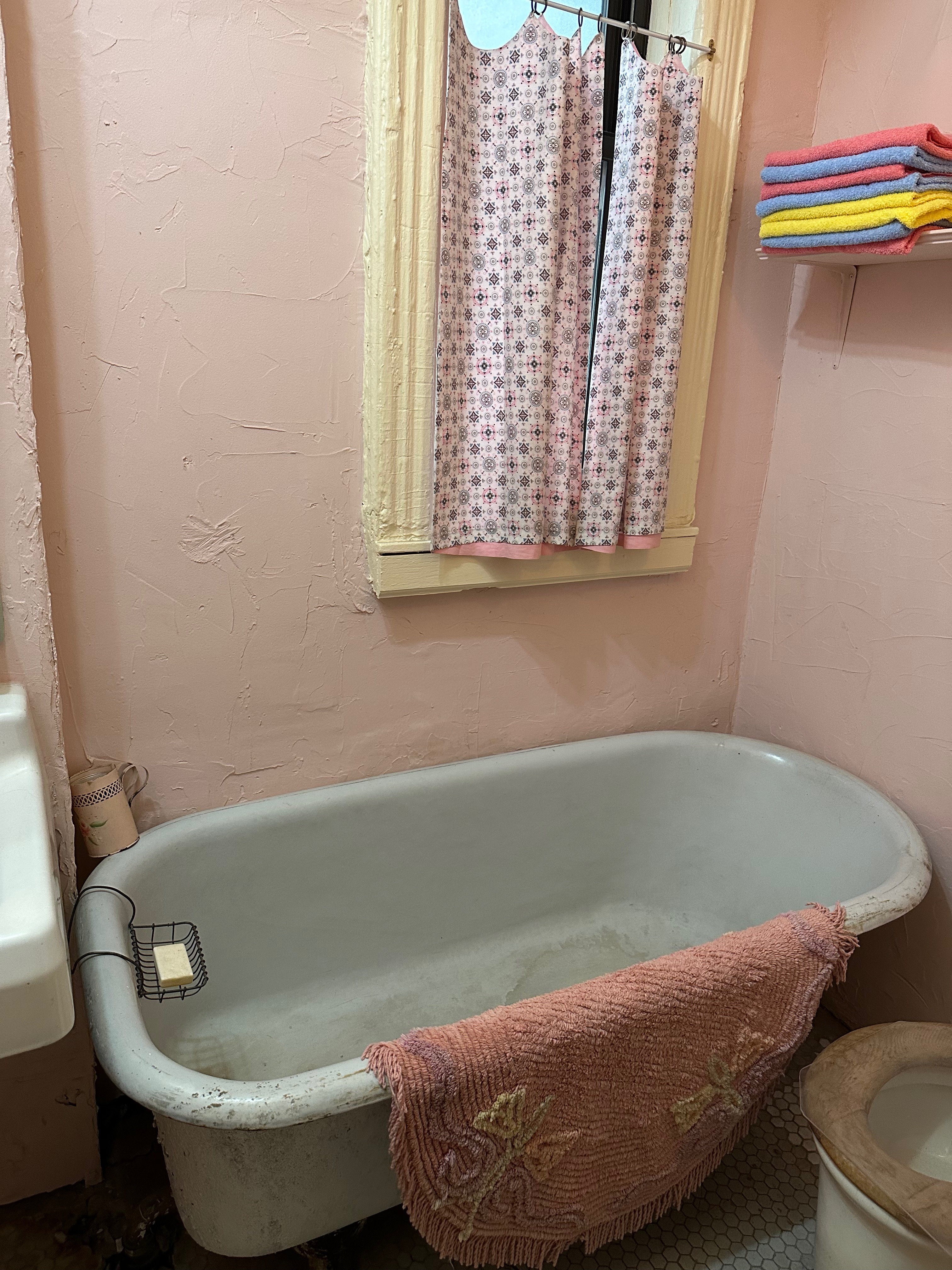
This image may not be one that would usually sell you on going to a museum, but it is an example of what is so special about the Tenement Museum. It’s a converted apartment building only accessible by guided tour and it has been painstakingly refurbished based on first-hand memories to reflect how multiple generations of migrant families in the early twentieth century would have lived. You choose which tour, and therefore which family’s story to follow through the hour you are in the apartment (or tenement).

tenement-museum-1
9/11 MEMORIAL AND MUSEUM

The 9/11 Museum is one of the most harrowing I have ever been to. Sobering doesn’t even begin to cover it. If you are old enough to remember 9/11 the museum will take you back to where you were when you heard the news. The museum curates voicemail messages from people who were in the twin towers and combines them with damaged fire engines and so many shoes that have been recovered from the wreckage (think the number you have under your desk and then whole towers of these). One thing that comes through from this museum is how raw 9/11 still is for so many.

Tip: it is best to book your ticket in advance as the museum does sell out.*

STONEWALL INN

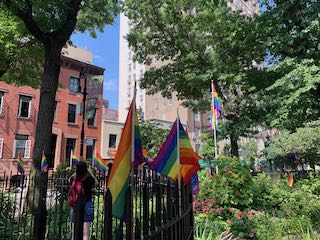
christopher-park-new-york-1
New York is the home of PRIDE. The first Pride took place in New York in 1969 and was actually a protest against a police raid on the bar, which were common at the time. The Stonewall Inn has become iconic as the riots represented a turning point in LGBT+ history. Today it lives on as a relaxed bar and a tribute to those who fought so hard for equality.

Tick off the guidebook classics

Wander through Central Park

I’ve never done the horseback ride through the park (to be honest, I feel sorry for the horses and it feels like a total waste of money) so I can safely say: Central Park is a great place to spend a few hours. In the park you will find the tribute to John Lennon, and it is surrounded by some of the most famous museums in the city such as the Met.

In the summer there is also a range of concerts and plays that take place in the park.

Take in the lights of Times Square

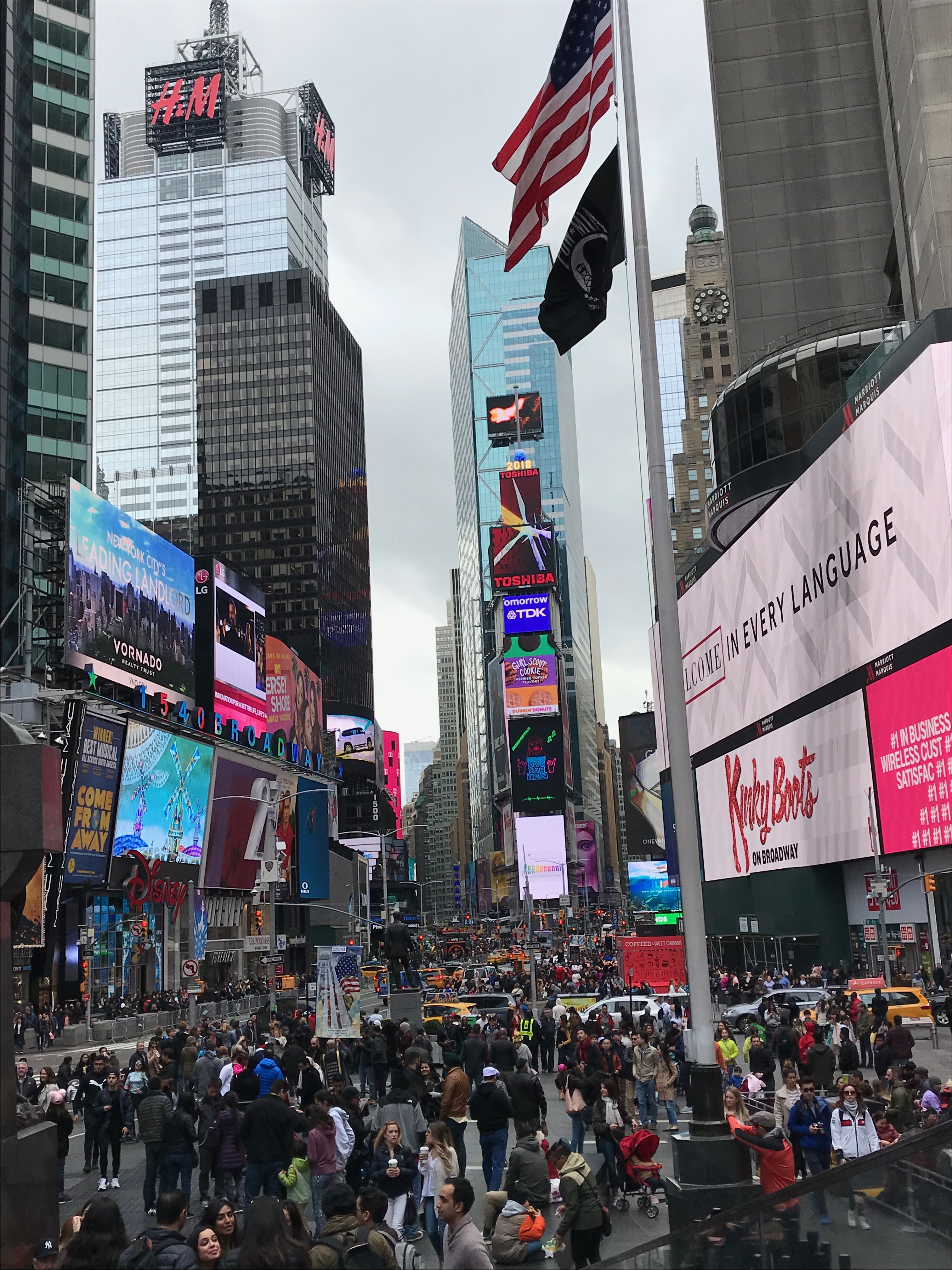
times-square
Confession time. I HATE Times Square. It’s crowded, smelly and there isn’t really much there apart from branches of shops you can have a much more enjoyable experience in using almost any other street in the city. HOWEVER, it is a must-see for first-timers. One of my friends asks me every time I go to send her a video of me singing “New York, New York” in Times Square. I try and blame my bad singing but it’s really because it makes me so grumpy. Just go, even if it’s just so you can decide to not go again.

Celebrate the best of Broadway at Ellen’s Stardust Diner

performers-at-ellens
A 1950s style diner, packed with American classics, where you can enjoy highlights from the best musicals on Broadway.

Ellen’s Stardust Diner is an unashamed tourist trap. You will be unlikely to find a New Yorker anywhere near the diner but that does not matter one iota. The food is average (I had chicken and waffles) but the entertainment is top dollar. You cannot book Ellen’s in advance, so you need to allow time to queue. We waited about two hours. It was worth every minute.

Grab a Bargain at one of New York’s outlet stores

The shopping in New York is brilliant and there are many ways to bag a bargain. My best buy in the city is still my $28 Levis in Century 21 but I also know tales of $20 Kate Spade bags on Black Friday and $100 Louboutons. The vintage scene is also exceptional for those who love a rummage.

260 5th Avenue has a revolving guest sample sale, when we were there last Bally was occupying the space, but they have a huge selection of brands and also have some multi-brand sales.

Nordstrom Rack and Saks Off 5th Avenue are well-established outlet stores in the US. I’ve got a cracking Marc Jacobs bag in Nordstrom Rack for $170.

Bask in the beauty of the city

Explore the Art Deco architecture

New York is the pinacle of art deco architecture due to its rapid expansion in the 1920s and 1930s. Originally known as “Jazz Moderne”, art deco is characterised by its sleek elongated figures that are combined with classical influences (hence the use of cherubs in so many renderings).

In manhattan there are opportunities in almost every neighbourhood to see authentic or recently renovated art deco buildings. The Art Deco Society of New York offers free self-guided walking tours and will help you understand the architects and the buildings in the city.

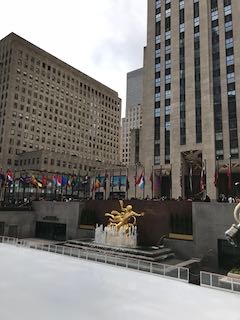
rockerfella-centre
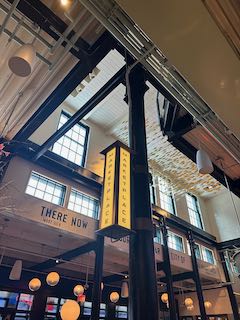
The Rockerfella Centre gives bold gold art deco fountains with a classic streamlined building.

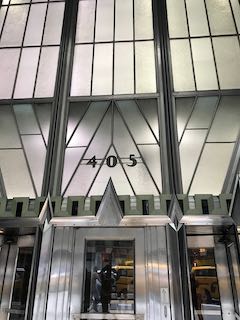
chrysler-lifts
In the Chrysler building even the elevators are a homage to art deco style.

tin-building
The recently restored Tin Building is faithful to art deco.

Enjoy that iconic skyline

There are many places and ways you can take in the splendour that is the New York Skyline. It is a quite overwhelming and imposing set of skyscrapers that you will feel as if you know from the first glance.

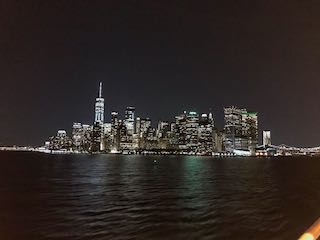
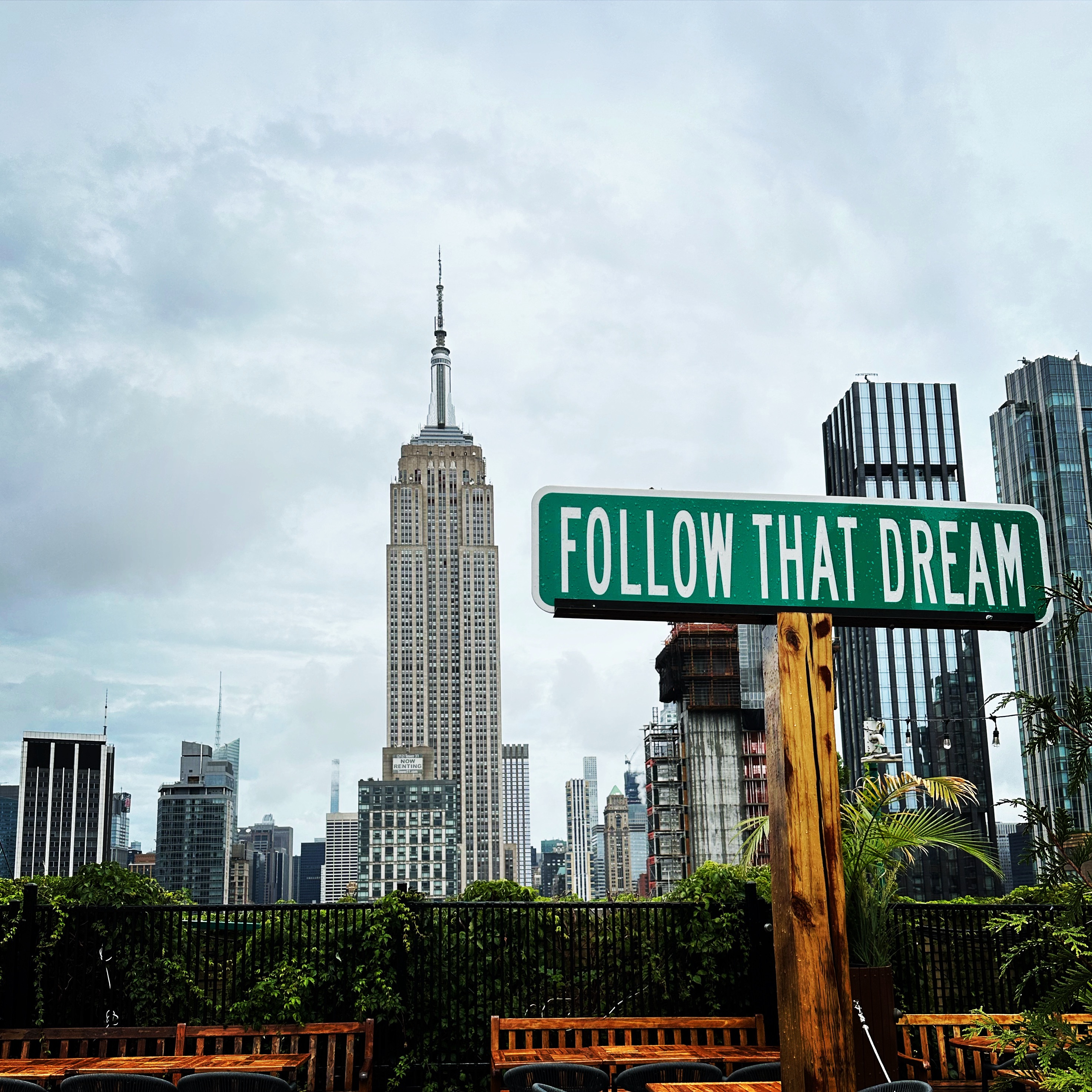
By water is by far the best way to see the skyline, and if you go to Ellis Island you get an exceptional view of the city. It does not however give you the beauty of the skyline at night. For this, the best view is on the Staten Island Ferry. It runs every 30mins until 11pm, it’s free of charge and takes about 25 minutes. A rooftop bar (we went to 230 fifth – incredible) or a viewing platform like the top of the rock will also give you a view to die for.

new-york-skyline-at-night
The Staten Island Ferry runs until late at night and is free to ride. This is the view of the city from it.

empire-state-building-230-fifth-ave-1-2
The rain couldn’t ruin the skyline view at 230 Fifth Ave.

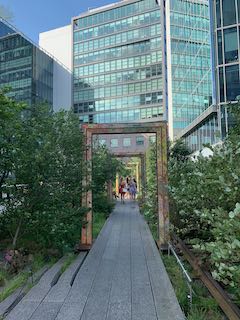
Walk the High Line and immerse yourself in street art and sculpture

The New York High Line is built on the disused “West Side Elevated Railway” (completed 1934 and was disused by the 1980s) and brings together street art, music, culture and food over a 1.5 mile (ish) walkway that takes you through Chelsea, Greenwich Village, Midtown Manhattan and the Meatpacking District. Spearheaded by Friends of the Highline, the regenration has bought a new leisure area to the city. The first section opened in 2009 and it has grown in sections since then, the most recent section opened in 2023. It is a community interest area and public park.

high-line-2
One of the wonderful things about the High Line is the multiple access points. As it spans more than twenty blocks this is a blessing – it means you can dip in and out of the high line.

There are of course a range of walking tours that will take you through the high line and explain the sights.[……]

Read more