Divi WordPress Theme


Discovering three underground cities in Turkey

Turkey is an awesome country full of beautiful landscapes, interesting places, and great tourist attractions. This time, on our travel blog, we will get deep down and discover three underground cities in Turkey.

That’s right, underground cities in Turkey. There are three main places we would like to show you: Kaymaklı Underground City, Derinkuyu Underground City, and Özkonak Underground City. All they are slightly different and one of them has 18 levels underground and it is thought to have been able to protect 20 000 inhabitants for long periods of time! So let’s start to discover those interesting places!

KAYMAKLI UNDERGROUND CITY

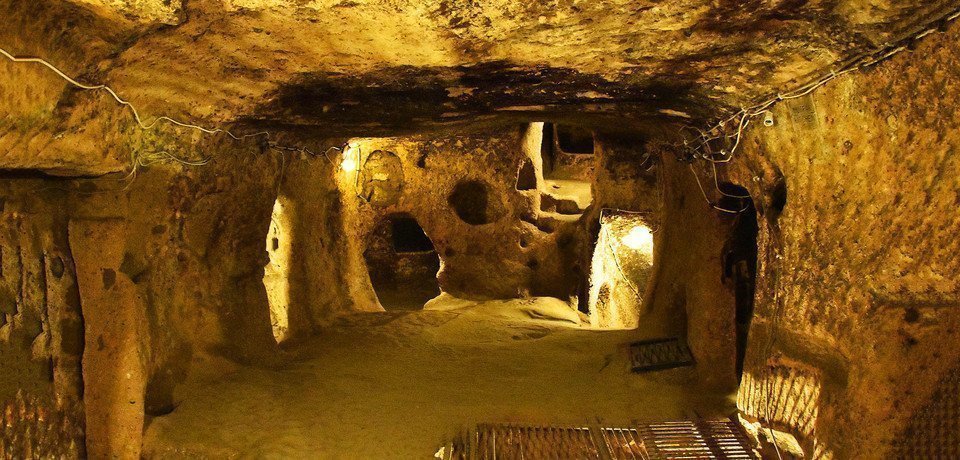
You can find a lot of underground cities in Turkey’s Cappadocia, but the Kaymaklı Underground City is the best one from them. It is said that some of those places were built around 2000 BCE and expanded in time by later civilizations. There are a lot of quarters and chambers here for different purposes: stables, rooms for living, storage or even for making a wine.

81gpk
Kaymakli Underground City, Turkey

Kaymaklı Underground City was not built for defense (like Özkonak) and it’s not as deep as Derinkuyu, but this one has a lot of space and it’s much wider than any other underground city in Turkey. It has eight floors of subterranean defense, but right now only four of them are open for tourists.

Interesting fact: Many of the chambers and tunnels in Kaymaklı Underground City are still used by the local people for storage or even for living purposes.

t549q
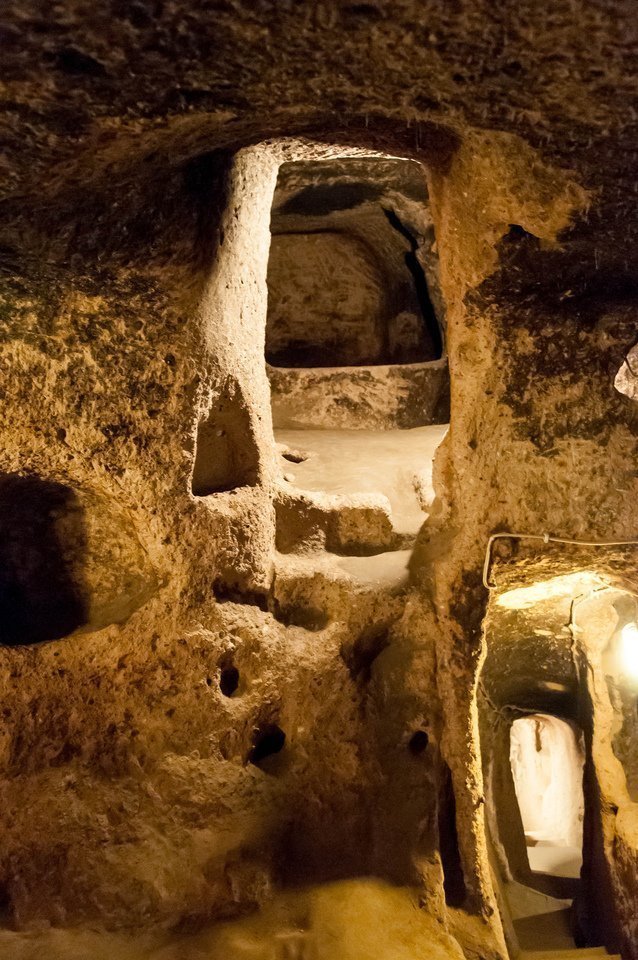
Derinkuyu Underground City, Turkey. Source: David Welch, Flickr.

Derinkuyu Underground City was probably built about 8th century BCE by an ancient people as a fortress to provide protection against invading armies. During the Byzantine time, it was rebuilding and expanding and finally became a huge hidden complex that was able to provide a shelter for 20 000 people for long months, mostly because of advanced defense innovations.

The Derinkuyu hidden city has 18 levels deep underground and this is the deepest underground city in Turkey. It also has thousands of ventilation shafts to provide fresh air and multiple waterways to provide drinking water to every floor. You are able to find here chambers not only for a living but also stables for horses, storage, winery or even churches. There were also huge stone wheels made of stone that could be rolled to close all the entrances. And if we are talking about the entrances, more than 600 has been found nowadays. Impressive, isn’t it? The Derinkuyu is the biggest underground city in Turkey and it’s a must-see tourist attraction in Cappadocia.

78xzv
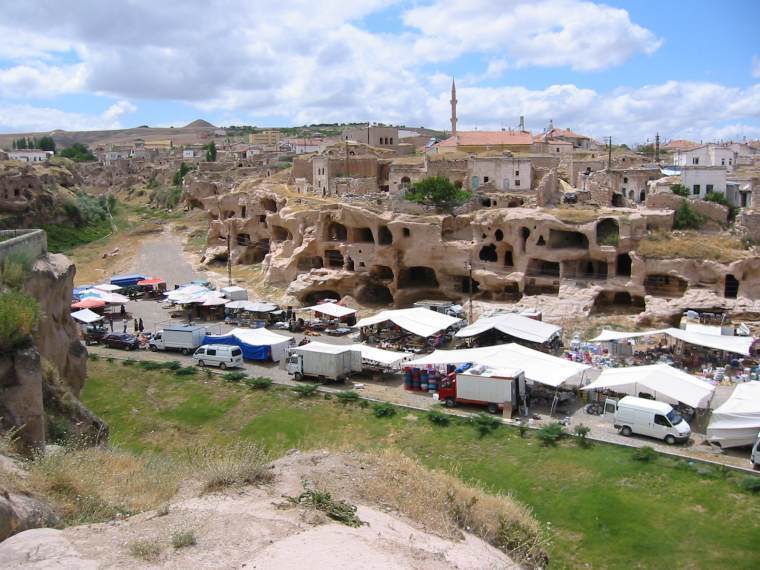
Özkonak Underground City. Source: Katpatuka, Wikipedia.

ÖZKONAK UNDERGROUND CITY

We are unable to determine an exact age of Özkonak Underground City, but it probably dates back to antique times. We can be sure that it was used in Middle Ages because hot oil holes were found above the entrances and that advanced technology hasn’t been used before medieval times. It was discovered in 1972 by a Turkish farmer.

One unique thing in Özkonak Underground City is that there is a communication system installed so that each level could talk to the one above or below. The hidden city has ten floors, but only four of them are open to tourists and visitors. It’s a great place and a great adventure, where you can feel how people lived here in ancient times.

CONCLUSION

Turkey has a lot of great places and those three underground cities are definitely one of them. If you enjoyed this article or have some questions about this hidden cities or Turkey, feel free to leave me a comment in the section below.[……]

Read more

Top 5 unmissable tourist attractions in Egypt

Ever wondered what the top tourist attractions in Egypt are? The ‘Land of the Pharoahs’, Egypt is an eternally popular travel destination. Not only is it the birthplace of one of the world’s most enigmatic and ancient civilisations, but Egypt is also a land of epic landscapes and captivating culture. On the one hand, you have jaw-dropping archaeological sites. On the other, you have the flowing waters of the Nile and the abundant beaches of the Red Sea. An all-round great destination, plan your trip to Egypt today and get inspired with these Egypt sightseeing highlights!

Pyramids of Giza

rpfc3
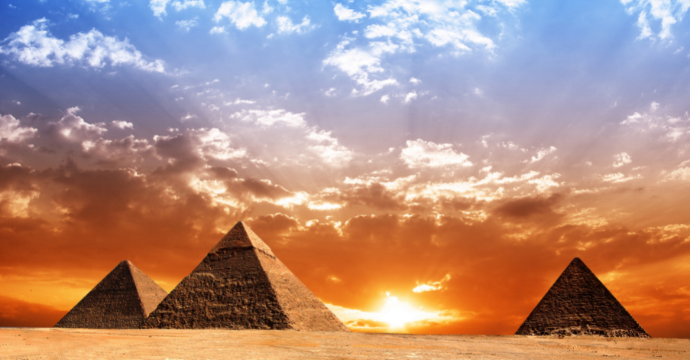
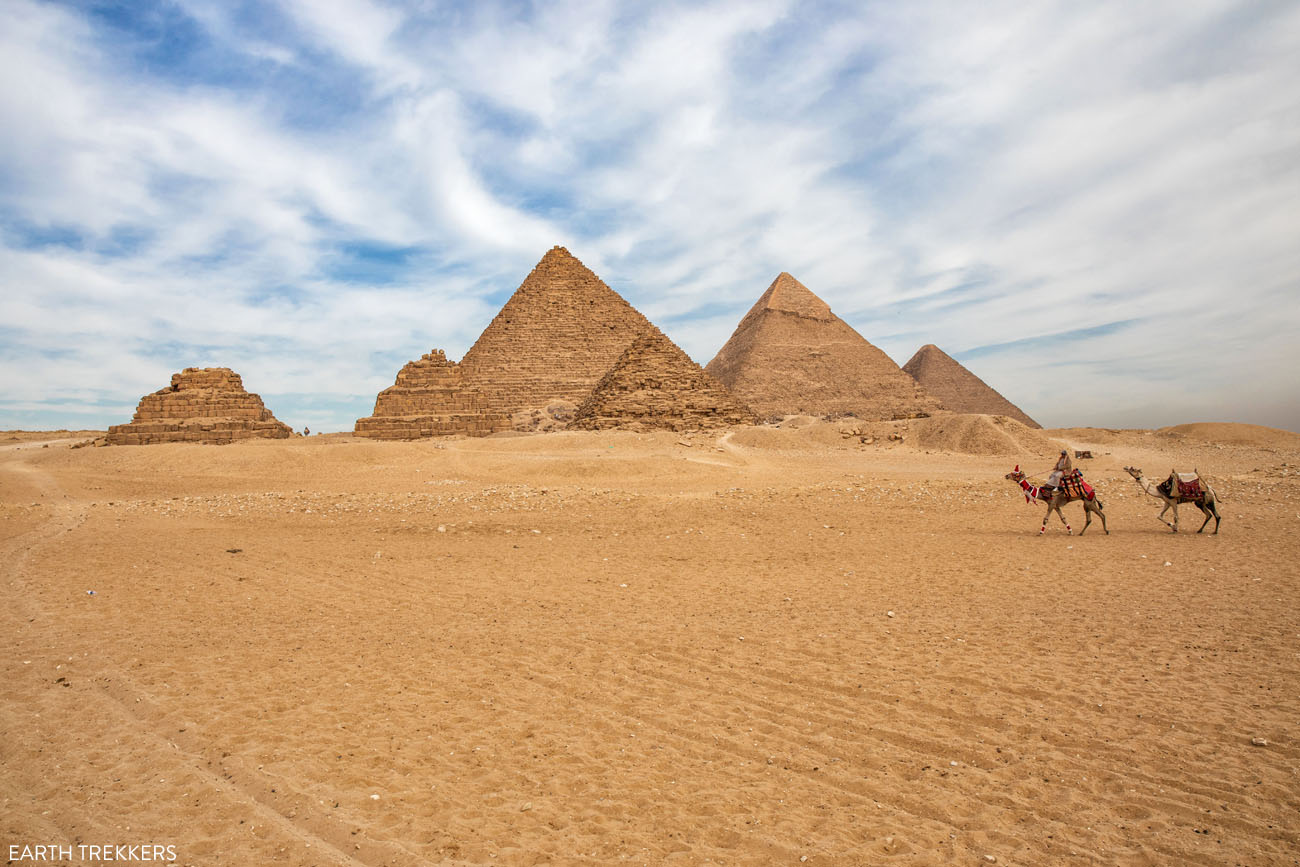
One of the 7 Wonders of the World, the Pyramids of Giza have inspired many of our imaginations since we were children! Standing on the Giza Plateau, not far from Cairo, these three pyramids hold the keys to our understanding of Ancient Egyptian civilisation. Of course, it’s simply unthinkable to travel to Egypt without visiting the Pyramids! Guarded by the mysterious Great Sphinx, the pyramids are the tombs of three famous Egyptian pharaohs: Khufu, Khafre and Mycerinus. Dating back to Egypt’s Old Kingdom era, the pyramids are around 4,500 years old.

Visiting the Pyramids from Cairo is simple, with a number of transport options linking the capital with this wonder of the world. Once there, visitors can even venture inside each of the pyramids. A vast network of tunnels, walkways and rooms can be found within the pyramids and a guided tour is a great way to understand the hidden meanings and history of these incredible monuments. Undoubtedly, an adventure of a lifetime and the best tourist attraction in Egypt!

Karnak Temple

askze
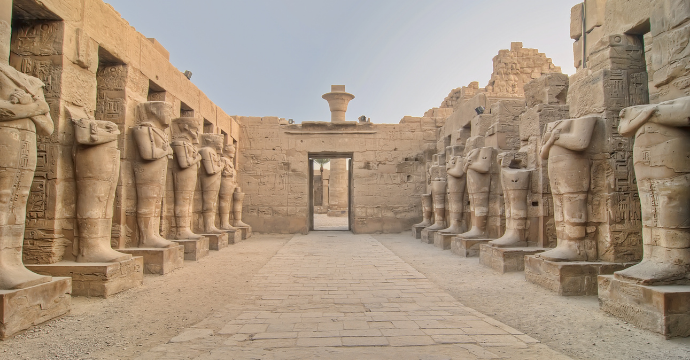
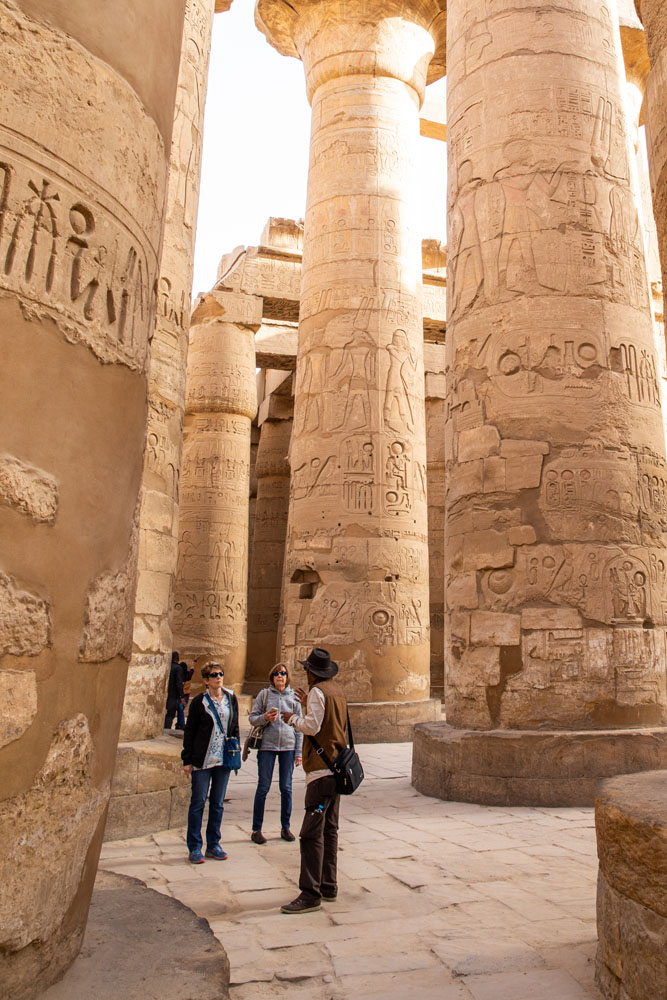
Constructed between the Twelfth and Twentieth Egyptian Dynasties, Karnak Temple is a sight to behold! Situated in Luxor (once the capital city of Thebes), Karnak Temple is thought to be the largest religious building ever constructed. Furthermore, it was a cult temple, in honour of the Egyptian gods of Amun, Mut, and Khonsu. Karnak Temple is in fact a collection of temple buildings. Today, the remains of this vast complex include decayed temples, pylons, chapels, and other buildings. A key Egyptian sightseeing spot, visiting Karnak is the first step in understanding the complex belief systems of Ancient Egypt.

Conveniently, the complex is divided into three sections: the precincts of Amun, Mur and Khonsu. In this way, the Ancient Egyptians would visit the section of the god that they particularly wanted to honour on any given day. Today, you’ll find the most spectacular sights within the Amun precinct, such as the famous Great Hypostyle Hall.

Valley of the Kings

fxug7
Shrouded in mystery, the Valley of the Kings is famously the resting place of Tutankhamun. With the discovery of his tomb in the 1920s, the Valley of the Kings became a focal point for interest in Ancient Egypt. Sightseeing in Egypt would be incomplete without visiting this ancient necropolis. The burial location of various high-ranking nobles and pharaohs of the New Kingdom, the Valley of the Kings contains 62 known tombs at present. Explore these spooky tombs reveals the complex burial techniques and afterlife beliefs of the Ancient Egyptians. Decorated with impressive paintings and hieroglyphs, these ancient tombs are like a window into a lost world.

Located on the west bank of the Nile, the Valley of the Kings can be easily reached from nearby Luxor. Furthermore, if you take a tour of the Valley of the Kings, you’ll likely gain access to three tombs, more than enough to spark your imagination and transport you back to the days of Ancient Egypt. Alternatively, access to the famous tomb of Tutankhamun can also be arranged.

Abu Simbel

2rpmx
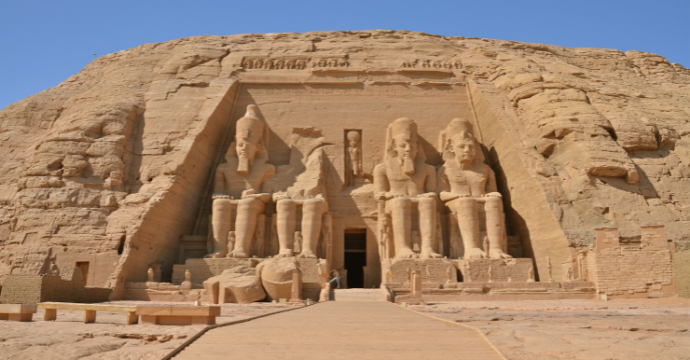
Built by Egyptian king Rameses II, the temples of Abu Simbel are located in Aswan. Dating back to the 13th-century BC, Abu Simbel is one of the most striking tourist attractions in Egypt. Originally carved out of the mountainside, towering figures of Rameses II guard the entrances, accompanied by smaller statues of his immediate family. Interestingly, it took around 20 years to complete these gigantic statues! In the interiors, you can admire the complex triangular layout of temple rooms and chambers. Furthermore, if you visit Abu Simbel in the evening you can watch the nightly sound and light show.

Egyptian Museum

jdfyh
One of the most famous museums in the world, the Egyptian Museum is one of the top tourist attractions in Egypt. Located in Cairo, this extensive collection houses the largest treasure trove of Pharaonic antiquities in the world! Indeed, if you want to delve deeper into the beliefs, cultures and art of Ancient Egypt, this is the place to go! Of course, as the oldest archaeological museum in the Middle East, the Egyptian Museum contains many invaluable artefacts. Highlights include statues of the great kings Khufu, Khafre, and Menkaure and extensive collections of papyri, sarcophagi and jewellery.[……]

Read more

THINGS TO KNOW BEFORE YOU TRAVEL TO EGYPT

If you are planning a trip to Egypt, there is no doubt that you have a lot of questions. Should you hire a guide? What places should you visit? What do you need to pack? And the most popular question of all…is Egypt safe to visit?

we visited Cairo, Giza, Luxor, Abydos and Dendera, Aswan, and Abu Simbel. For various reasons, we chose to drive along the Nile River from Luxor to Aswan, rather than taking a cruise, which I will address in this article. We learned a lot during our visit and have a lot of valuable information to share with you.

Since arriving home, we have received an overwhelming number of emails about safety and the expectations of a trip to Egypt. Tim has been answering these questions in great detail and we decided that it would be worth writing an article with answers to all of your questions.

Here are our Egypt travel tips. If you still have questions, let us know in the comment section at the end of this post.

WHERE SHOULD YOU GO?

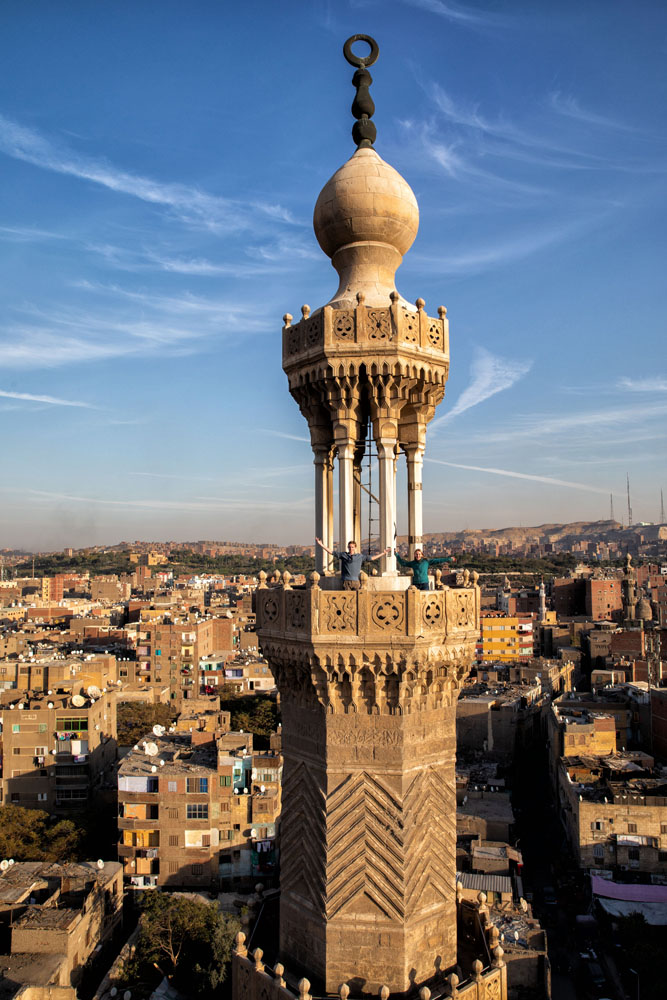
Egypt contains some of the oldest, grandest sites in the world. Sure, everyone is familiar with the great pyramids on the Giza Plateau, but there is a lot more to Egypt than just the pyramids. The lesser known and more fun to visit pyramids in Saqqara and Dahshur are well worth the day trip from Cairo. You can also spend a day or two visiting the churches and mosques in Cairo, walking through Old Cairo, and getting a history lesson at the Egyptian Museum.

Alexandria, with its location on the Mediterranean Sea, makes a nice day trip from Cairo.

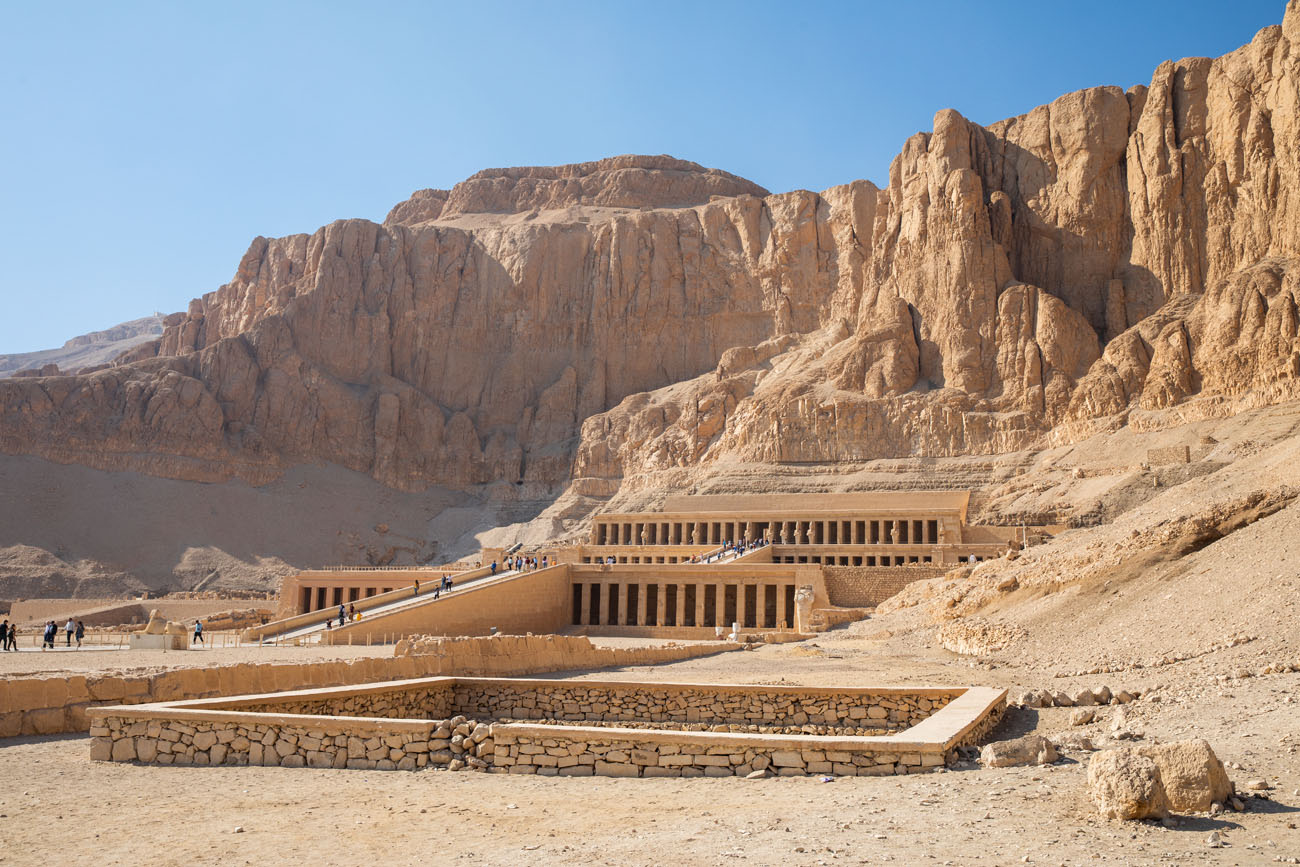
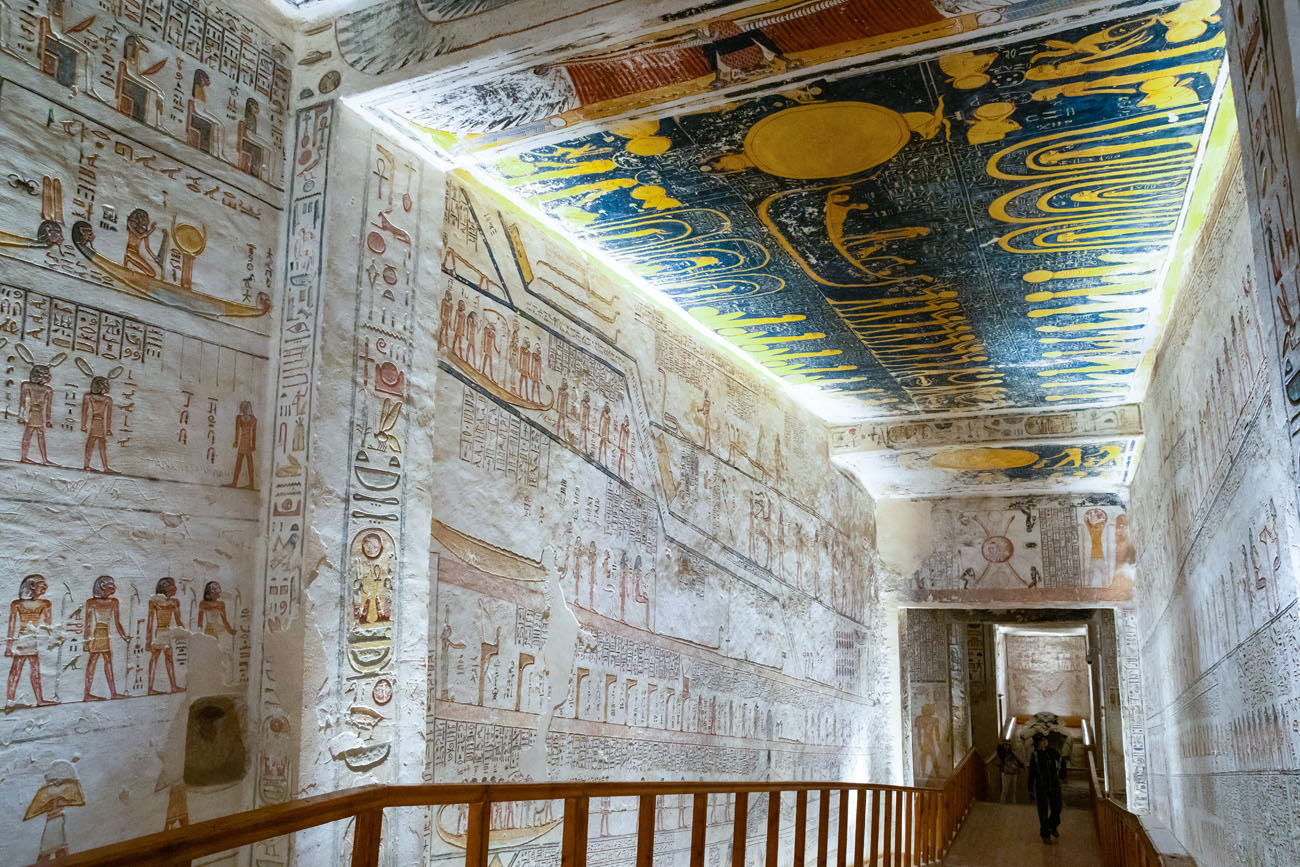
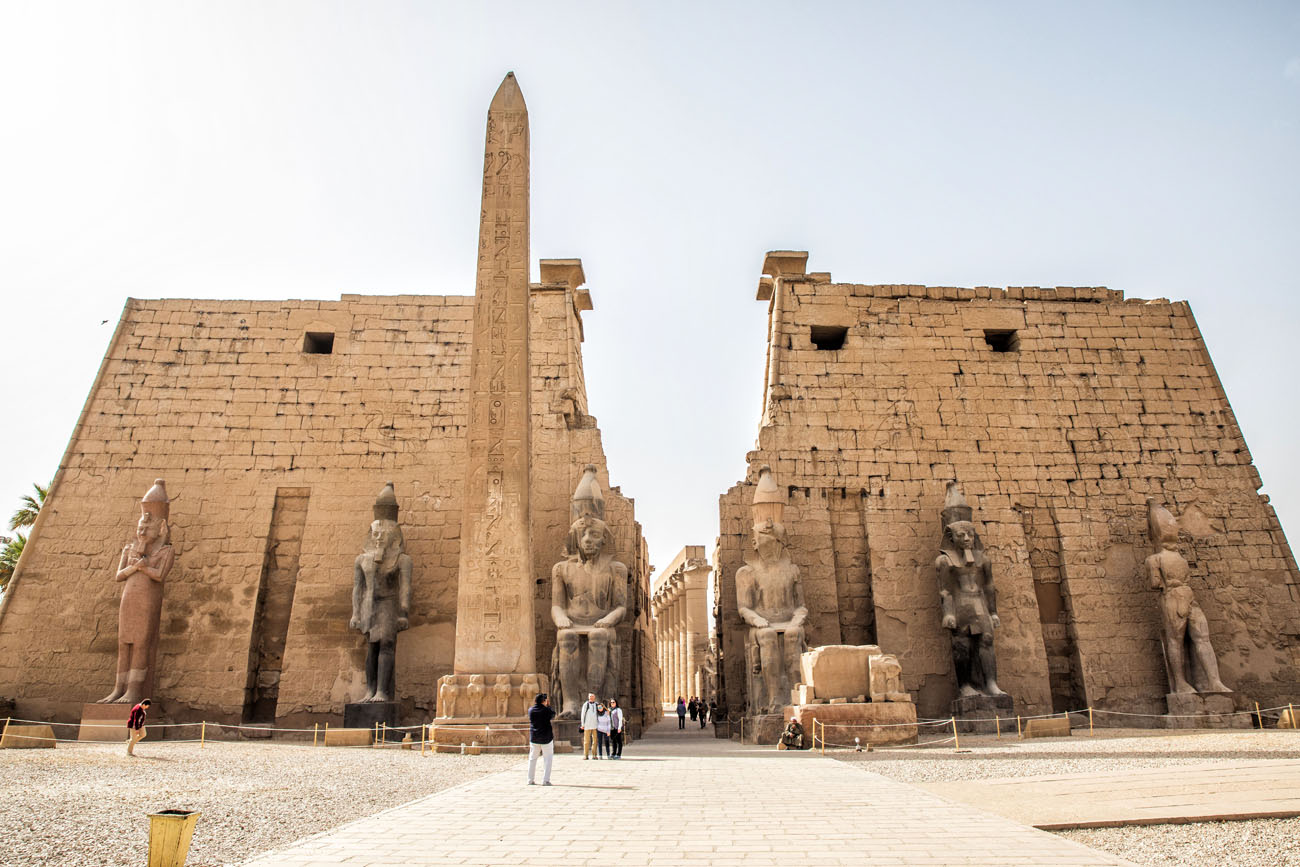
In Luxor, not only can you visit the exquisitely decorated tombs of the ancient kings and queens of Egypt, but there is also the enormous Karnak Temple and the Temple of Luxor. The West Bank contains so many tombs and temples that it takes days, yes days, to see all of them. It is one of the largest open air museums in the world.

rfhtp
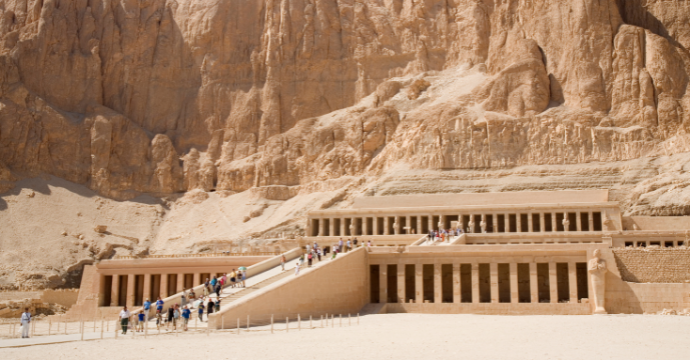
Temple of Queen Hatshepsut on the West Bank of Luxor

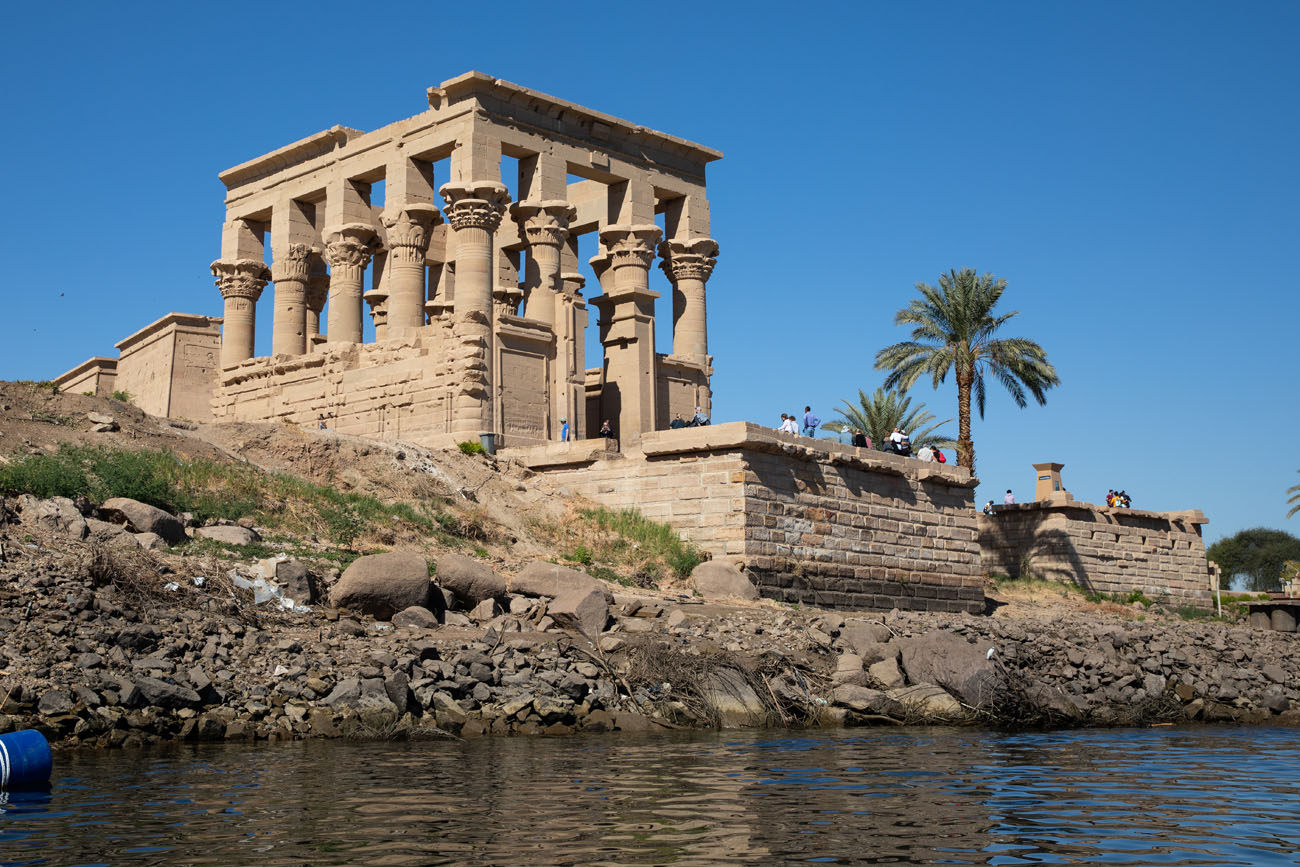
In Aswan, drift on the Nile in a felucca and visit the beautiful Philae Temple.

baj2p
Philae Temple

Abu Simbel, a temple that is located near the border with Sudan, is well worth the time. This temple is dedicated to the Ramesses II. In the 1960’s the entire temple, including the mountain of rock it was carved into, was painstakingly disassembled and moved to higher ground, as water levels rose after the construction of the Aswan High Dam.

Tim and Tyler at Abu Simbel

If you want some chill time, check out the opulent resorts in Hurghada.

Finally, add some adventure to your trip by visiting an oasis in the Sahara Desert.

We didn’t have enough time to get to everything on this list, so hopefully you’ll see us back in Egypt within the next few years to explore some new places.

ihr5u
The tomb of Ramesses V and VI in the Valley of the Kings

WHEN SHOULD YOU VISIT EGYPT?

The best time to visit Egypt is the cooler months of the year: November through March. In the southern part of the country, at Luxor and Aswan, rain is unlikely. In Cairo, haze can be an issue in the morning during the winter months, so it’s best to time your visit to outdoor sites (such as the pyramids of Giza) to the afternoon hours. During the winter months, it can rain in Cairo and Alexandria.

Expect the biggest crowds in December and January.

During the summer months, temperatures can be oppressive. Temperatures can range from 40 to 55°C (104 to 130°F). In Luxor and Aswan, this is a dry heat, but up north around Cairo and Alexandria, the humidity can make the heat feel even worse.

pmydm
Luxor Temple

VISA ON ARRIVAL

Most visitors to Egypt will need a Visa.

If you are a citizen of the USA, the European Union, Australia, New Zealand, Japan, Norway, Russia, and a handful of other countries, you can obtain a Visa on Arrival at the airport.

We recently received an update that Canadian citizens have to apply for a Visa with the consulate before arrival.

In the Cairo International Airport, just before passport control, there is a bank window where you will purchase your visa. It costs $25 USD and you will pay cash. Take the visa and your passport to passport control. The officer will add this visa to your passport and stamp your passport. It’s a very easy process.

SIM CARDS

If you want a SIM card for your trip to Egypt, there is an Orange kiosk in the Cairo International Airport (near baggage claim) that can provide you with a SIM card. The process is fast and relatively cheap. You will need to show your passport and make sure that your phone is unlocked before your trip to Egypt. We had great cellular service throughout Egypt with Orange.

We have also had very good luck using Airalo, which is a company that sells e-SIM cards, in various countries in Europe. You can purchase your e-SIM prior to your trip and activate once in Egypt. This saves you time, since you don’t have to buy a SIM card once you arrive in Egypt. We have not used Airalo in Egypt but our experience in Europe has been fantastic, even in more remote areas.

q1kjk
Inside Karnak Temple in Luxor

IS IT SAFE TO DRINK THE TAP WATER?

Do not drink the tap water, brush your teeth with the tap water, or eat uncooked foods that may have been washed with tap water (such as lettuce, uncooked fruits & vegetables, etc.). We used bottled water for drinking and to brush our teeth.

BRING YOUR OWN TOILET PAPER

The bathrooms at the tourist sites are not typically stocked with toilet paper, so it is a very good idea to bring some with you.

BE PREPARED TO TIP THE BATHROOM ATTENDANT

In Egypt, most bathrooms have an attendant, a person who keeps the stalls clean, provides a small amount of toilet paper, and hands you a towel to dry your hands (in some cases). It is customary to tip this attendant before or after you use the bathroom. It doesn’t have to be much, 5 EGP is sufficient. But small change can be hard to come by, so save this for when you need to use the bathroom.

BE PREPARED TO TIP… A LOT

There are numerous scenarios when you will be expected to tip for a “service” that was provided.

When visiting tombs and temples, the attendants will offer to take a photo of you. If you agree, you are expected to give him a small tip in return. If you take a photo of a camel or if you take a photo of a tomb attendant, you will also be expected to give a tip. After camel rides, felucca rides, etc., it is also expected that you will give a small tip at the end of the experience.

Tipping is always optional, but there is an expectation for it.

How much you tip depends on the service provided. For things like photos, we gave the person our spare change or 5 to 10 EGP. For tips after meals and things such as a camel ride, 5 to 10% of the price what you paid is customary.

Tipping is not expected but it is appreciated in restaurants.

xdxns
Pyramids of Giza

USING CASH IN EGYPT

In Egypt, the currency is the Egyptian pound (EGP). $1 USD is equivalent to 31 EGP (as of January 2024).

Until 2023, all tourist attractions and activities needed to be paid for in cash. Now, attractions are only accepting credit cards. I still recommend having some Egyptian pounds, for tipping and to make purchases in markets, but visitors no longer need to carry huge amounts of cash.

We withdrew all of our Egyptian pounds from ATM’s in Egypt. There are ATM’s in the Cairo International Airport, so this is a great place to make your first withdrawal. Our hotels in Luxor (the Hilton) and Aswan (the Movenpick) had ATM’s and we used these every day to withdraw more money.

The maximum any ATM would ever allow us to withdraw per transaction was 3,000 EGP. On some occasions, we had to use the same ATM card multiple times in order to have enough cash for the day.

j9sne
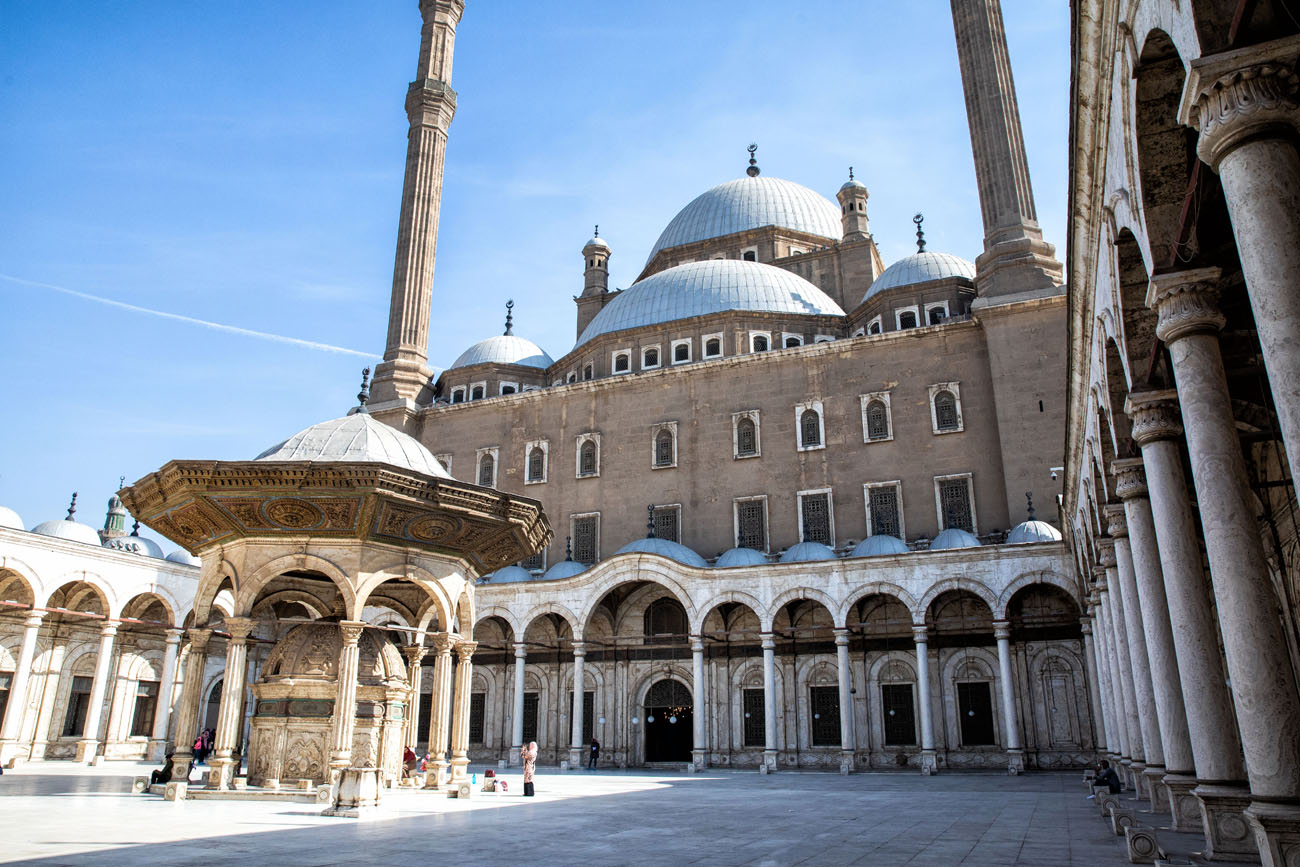
Mosque of Muhammed Ali in Cairo

DISCOUNTS ON ENTRY TICKETS FOR CHILDREN AND STUDENTS

If you are traveling with children, they might qualify for a discount ticket. One of our guides told us that at most tourist sites (museums, temples, tombs, pyramids, etc.), kids 5 years and younger can get free entry. Children ages 6 years to 12 years get a 50% discount. And those aged 12 to 30 can qualify for a student discount (50% discount) if they have a valid International Student Identification Card (learn more here).

You must bring the plastic card with you because a copy or a photo of the card is not typically accepted.

We did not know about this Identification Card before our visit. Tyler and Kara were 16 and 15 years old during our visit. Sometimes, the attendant would accept their passport as identification, but it didn’t always work so sometimes we had to pay full price.

If you are traveling with kids under the age of 12, it might be a good idea to bring a passport or another form of identification to prove their age. Some attendants were very strict with offering discounted tickets.

0oyc2
Tyler and Kara at Bab Zuwayla in Cairo

LUXOR PASS AND CAIRO PASS

The Cairo Pass is a ticket that allows you to visit all of the main sites in Cairo and Giza. The Luxor Pass is ticket that allows you to visit all of the archaeological sites on the East Bank and West Bank of Luxor.

These are expensive passes (costing $130 to $250 USD, depending on the pass) so they are not worth it for everyone. But if you plan to spend a lot of time in either Cairo or Luxor, they could save you some money.

PHOTOGRAPHY PASSES

The rules for this change constantly.

Recently, the rules have changed, allowing tourists to take photos with their cellphones in most tombs and temples for free without a photography pass.

We have also heard reports in 2023 that photography passes might be a thing of the past. Many people have been writing in that DSLR cameras are now allowed and no photography passes are necessary.

For most people, taking photos with a cellphone is sufficient. We typically purchased the photography pass at each site (this was in 2019), since it’s important to capture great photos for this website, but honestly, in some tombs, our iPhones were almost as good as my DSLR.

If you plan to use a tripod, there is an additional fee for this (typically 20 EGP).

qscy5
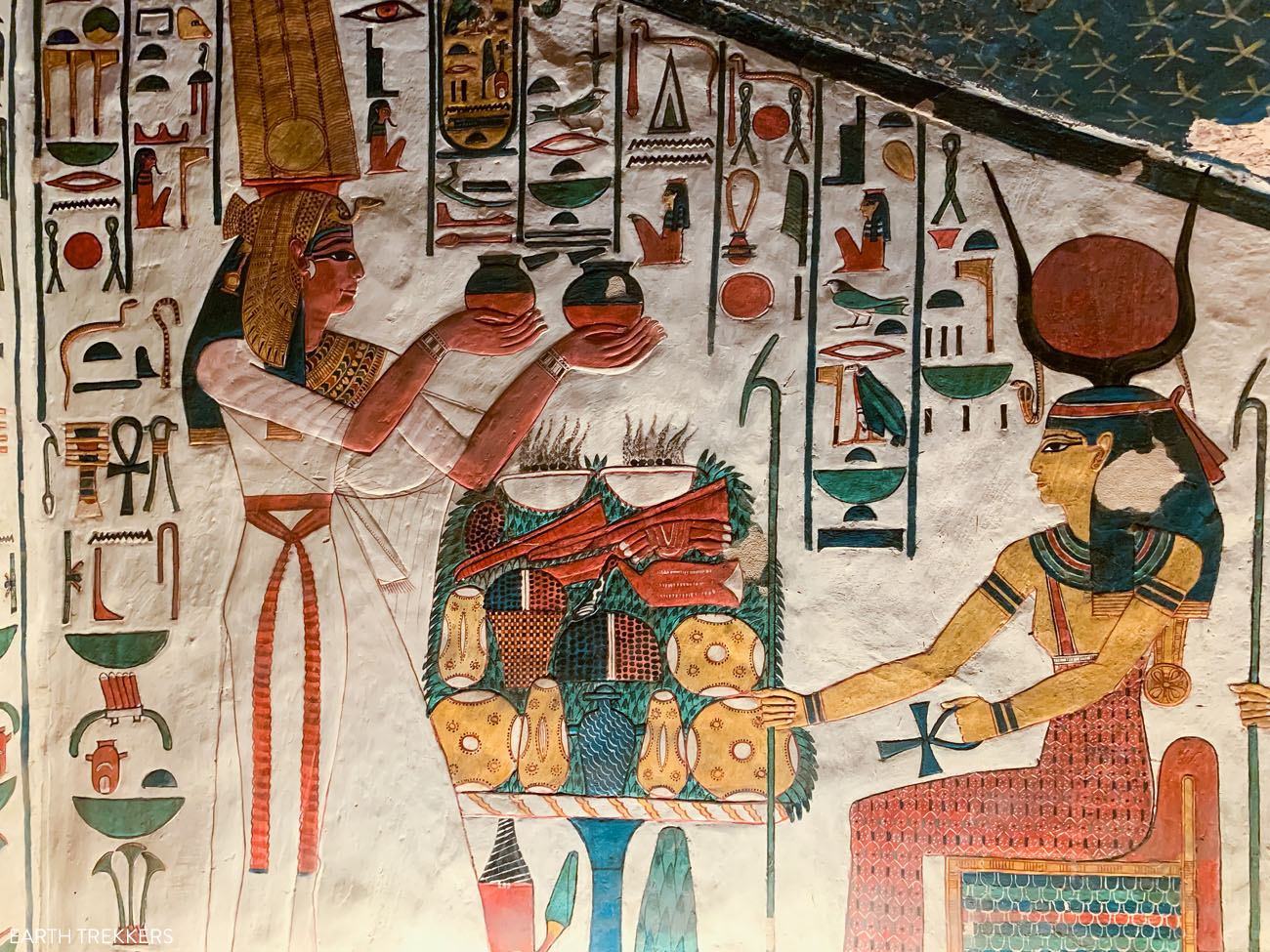
Inside the tomb of Queen Nefertari in the Valley of the Queens

HOW MUCH DOES IT COST TO VISIT EGYPT?

Traveling through Egypt is similar in price to traveling through Southeast Asia. If you are a budget traveler, you can see and do a lot in Egypt without spending a lot of money. And if you like the idea of adding in upscale hotels and a cruise on the Nile River, you can do so without spending a small fortune.

SHOULD YOU RENT A CAR IN EGYPT?

We do not recommend driving in Egypt.

The roads in Egypt are congested and chaotic. Traffic rules are different in Egypt than in places like the United States and Europe, and at times, it almost seems as if there are no rules.

The streets of Cairo and Giza are so congested and chaotic that it is not worth the stress of navigating them yourself. Cars fill every available space on the road and there is no effort to paint lines on the road, since they would be ignored anyway. It is not unusual for tuk-tuk’s or motorbikes to drive against traffic on these roads, adding to the chaos.

All the while, it is an almost constant cacophony of car horns. The horn plays a vital role in friendly communication between drivers. There is no road rage here, everyone seems to be very patient even though they are sitting in some of the worst traffic we have seen.

There is a different flow and rhythm to the traffic in Egypt, and if you are not accustomed to it, driving can be stressful and difficult.

On the rural roads, there are security checkpoints and you need to be able to effectively communicate with the officers. We had a driver and a guide. Our guide conversed with the officers at these checkpoints in Arabic. It did not seem as if the police at these checkpoints spoke much English, so if you were on your own, getting through these checkpoints would be much more stressful than if you had a guide and driver.

Finally, the rural roads are just as crazy as the city roads, but in a different way. Congestion is lower but speeds are higher. These two-lane roads are treated as three lane roads. The center of the road is the passing lane, for both directions of traffic. That means you will play a lot of games of “chicken” with the oncoming cars. Meanwhile, you or your driver are keeping a lookout for donkeys, tuk-tuks, motorbikes, tractor trailers, and pedestrians.

We highly recommend hiring a driver, rather than renting a car, for your trip to Egypt.

7a001
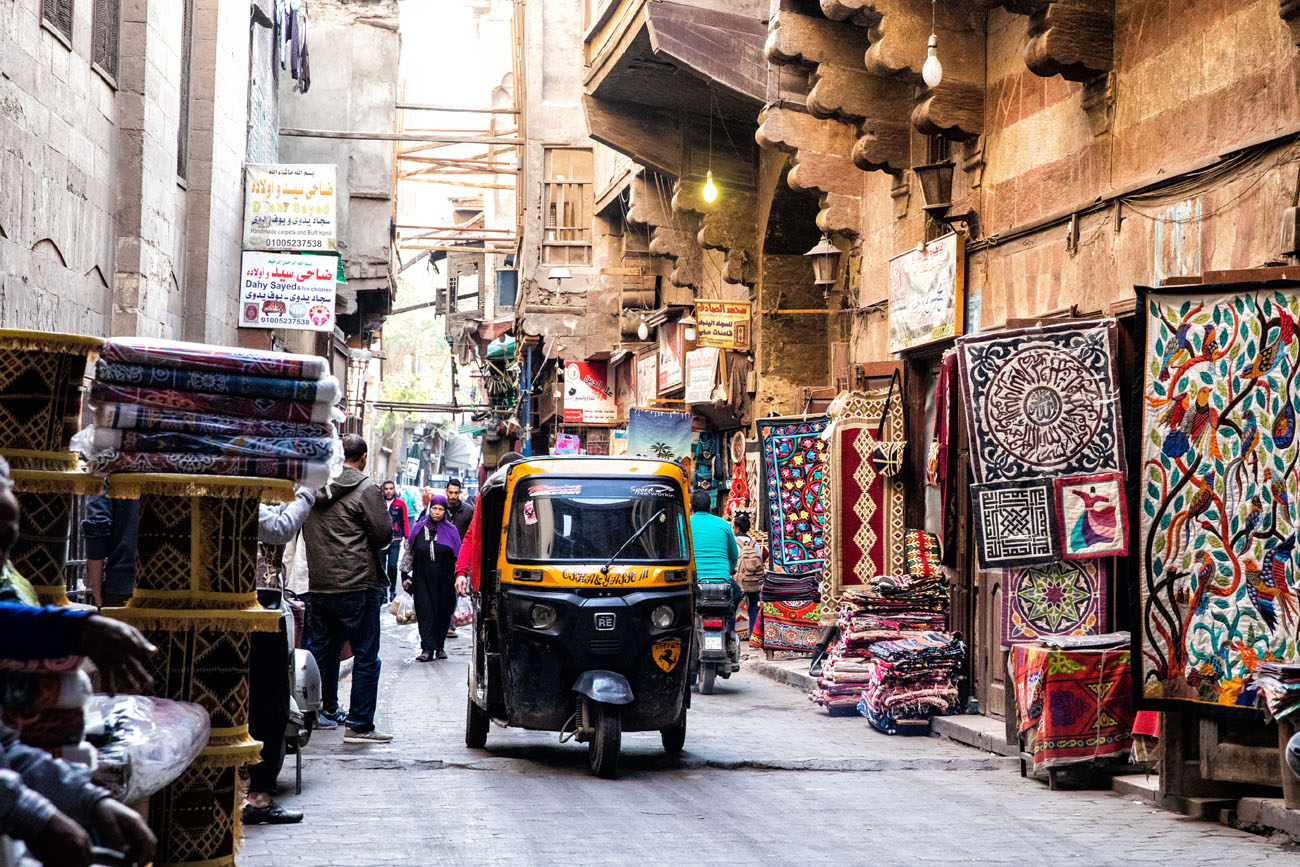
Tuk-tuk in Old Cairo

SHOULD YOU HIRE A TOUR COMPANY/EGYPTOLOGIST?

Typically, we prefer to travel independently. Rarely do we book a tour. And never do we take packaged, multi-day tours when we travel.

However, with concerns about safety and hearing “horror” stories about how independent visitors felt like they were constantly hassled for tips, we decided to hire a guide.

After a lot of research, we hired the company Egypt Tailor Made, based on their impeccable reviews on Trip Advisor. Basically, we took nine of their day tours and strung them together to form a customized itinerary. They exceeded all of our expectations. One of the reasons our trip to Egypt was so positive is because of the exceptional service this tour company provided.

For each day of our trip in Egypt (with the exception of our day trip to Abu Simbel, which we did independently), we had a guide and a driver. This took away all of the hassles of transportation, negotiating fees for certain services, and knowing the best times to visit each place. Our guides would shoo away persistent shop owners and introduce us to local foods that we would never have tried, had we been on our own.

We could just sit back and enjoy the trip and let our guides handle the logistics.

Since we traveled in a small group (it was just the six of us…the four Earth Trekkers and our moms), we got personalized attention and we could easily customize what we did each day.

If you like the idea of taking the hassle out of getting around Egypt and want knowledgeable guides to teach you about the places you are visiting, it is worth the small extra expense to hire a guide and driver in Egypt.

IS A NILE CRUISE WORTH IT?

We did not cruise the Nile River for various reasons.

For one thing, it’s expensive, especially to cruise with a company that gets good reviews. Plus, on a cruise, you have very limited time at each location. Most of your time is spent drifting along the Nile River, which I am sure is an amazing experience, but we wanted more time at each site.

On a cruise, you tend to do your sightseeing on a set schedule with a large group of people, and that was not the experience we wanted.

6v9uf
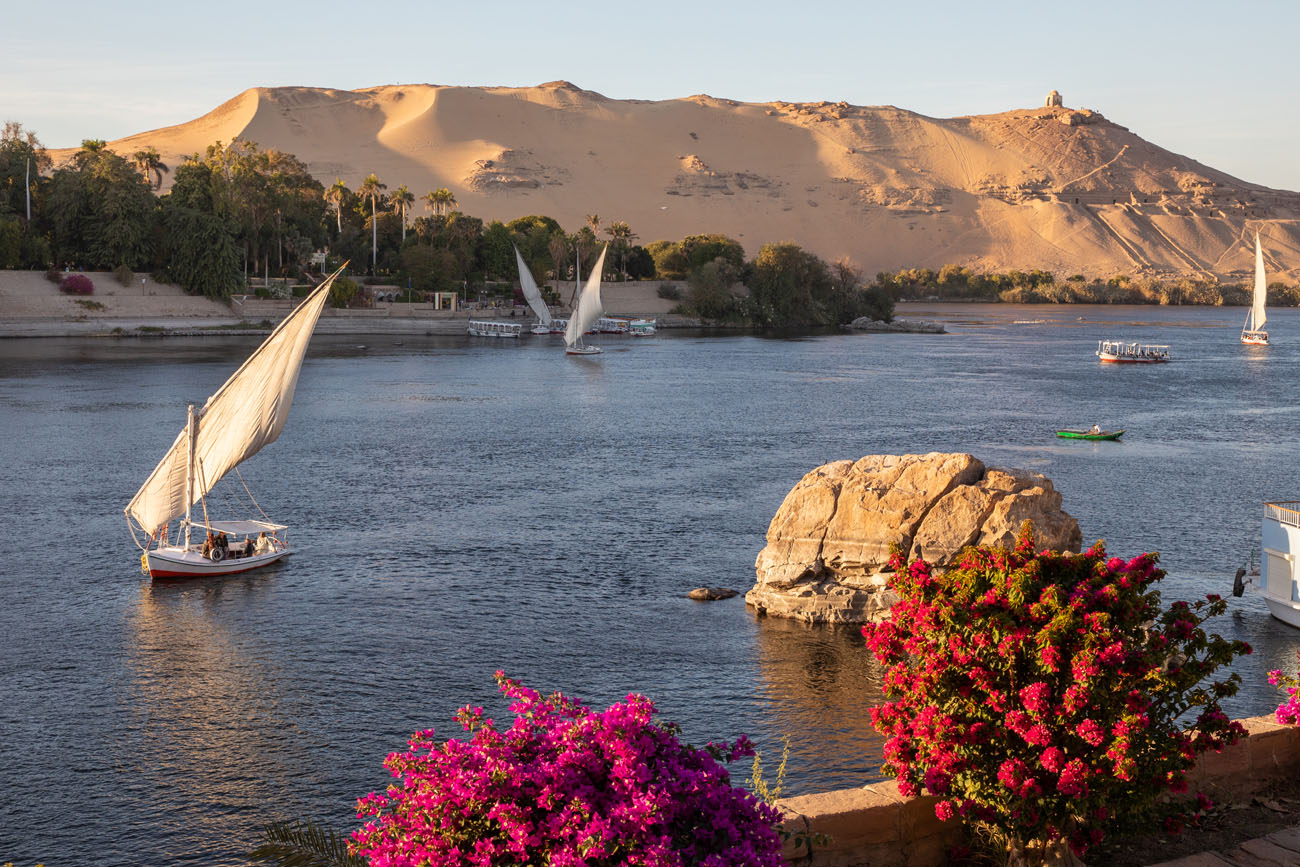
Feluccas on the Nile River in Aswan

We booked hotels in Luxor and Aswan with views of the Nile River, so that we could still get the “Nile experience.” In Aswan, we frequently rode the motorboats on the Nile River and we took a sunset felucca cruise. These boat trips, along with our hotel stays, made us feel like we had a great Nile River experience. Plus, we got to spend as long as we wanted at each site, in our private group.

We don’t feel like we missed out on anything by not taking a Nile Cruise.

IS EGYPT SAFE?

Safety is a big concern for most people when deciding whether or not to visit Egypt. We were no different.

In recent years, tourism to Egypt has increased and more and more visitors are coming home with reports of how safe they felt while in Egypt.

So, we booked our trip with a little bit of trepidation. During the months leading up to our flight to Cairo, we kept an eye on the US State Department website and we wondered, once here, how safe would we feel?

Never once did we feel unsafe. Yes, there is a big police and military presence. Seeing guards with rifles and driving past numerous police checkpoints on the roads can be unnerving at first. Every time you enter a hotel or enter a tourist site, you will pass through a metal detector.

But all of this is being done to keep tourists safe. Tourism is a very valuable industry in Egypt so a lot is being done to protect tourists.

The Egyptians are some of the friendliest, most welcoming people we have met. They would approach us, ask us how we were enjoying our visit to Egypt, and ask us to spread the news on how safe we felt.

Egypt is a big country, and safety depends a lot on the area that you will be visiting.

If you stick to the main tourist areas, which include Cairo, Alexandria, Hurghada, Luxor, Aswan, and Abu Simbel, Egypt is safe. During our visit, we never felt unsafe in Egypt. However, we did stay in the popular touristy regions and we traveled with a guide and driver.

Places to avoid include the Sinai Peninsula and the western Sahara Desert, near the border with Libya.

HERE ARE SOME THINGS TO BE AWARE OF WHEN TRAVELING THROUGH EGYPT:

Security Checks: As you enter most sites, as well as many hotels, you will go through security. You will put your bags through an x-ray machine and you will walk through a metal detector (similar to airport security but not quite so rigorous).

Military and Police Presence: It is common to see armed guards and armored vehicles at the sites you will be visiting and along the roadways. They are there to protect you and the site you are visiting.

Convoys: Prior to our trip I had read that when hiring a driver for road trips, for example from Luxor to Abydos (or Luxor to Aswan, or Aswan to Abu Simbel), you have to leave at designated times in order to travel with other vehicles, all in a convoy escorted by police. That no longer applies and tourists no longer travel in convoys. They now rely on the security checkpoints along the roads to help ensure your safety. However, we did still receive a police escort several times on the drive between Luxor and Abydos.

ve23l
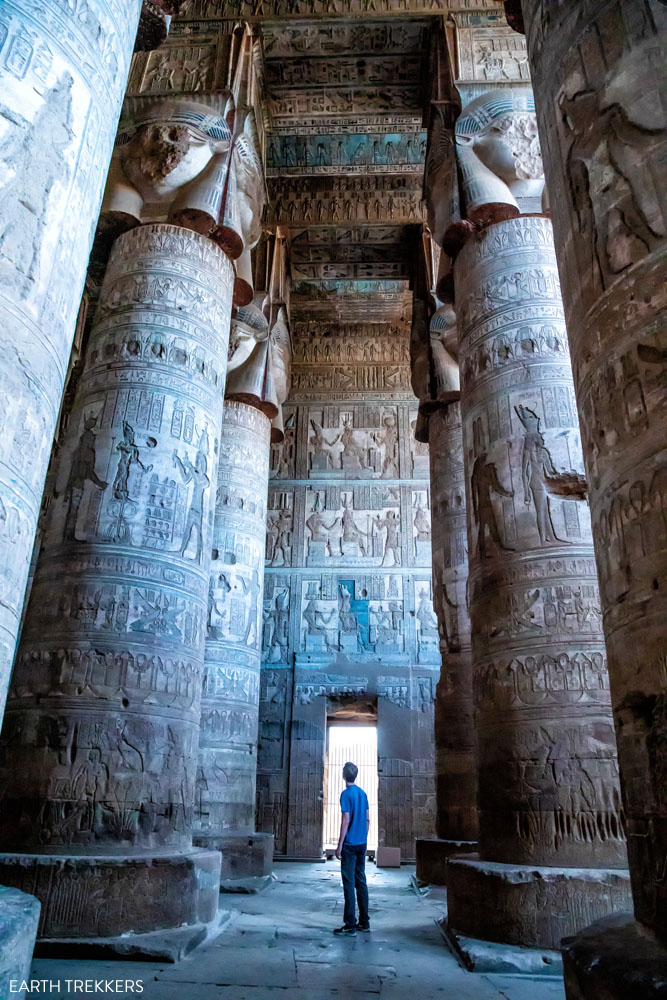
Hathor Temple in Dendera[……]

Read more

11 Steps To Planning A Trip To Israel

December and January are a bit colder – the average temperature in Tel Aviv is around 16 degrees Celsius, while it can be much colder in Jerusalem (9 degrees during the day), where it can even snow. Winter in Israel usually means rain, with terrible thunder storms that can last for days and often cause flooding – and will force you to change your plans.

One more thing to consider is the religious (or even non-religious) holidays – theirs, not yours! The reason I say this is that if you visit during a local holiday, accommodation is often more expensive and it books up much faster.

These are only a few of the Israeli / Jewish holidays to keep in mind:

Pesach (Easter) – it usually overlaps with Christian Easter.

Roshashana (Jewish New Year) – it takes place in September and it’s huge. That’s when most Israelis travel, either domestically or overseas.

Yom Kippur and Sukkot – they fall right after Roshashana.

Hopefully this will help you decide when to visit.

cdavz
How long to stay in Israel

Despite being a small country, there is a lot to see and do in Israel and it will take you multiple visits to get to know it.

This is a place that you can truly appreciate even if you have a short break – in fact, one of the most successful marketing campaigns by the Israeli Tourist Board has been the “Two Cities, One Break” which ideally pairs Tel Aviv and Jerusalem as a perfect trip that combines culture, history, fun, glamor, sunshine and more.

Having said that, I would say that ten days to two weeks are ideal to get a proper feel for the country. With that amount of time, you can visit Jerusalem and the Dead Sea, Tel Aviv, the Galilee and the North, and you may even be able to stretch it all the way to Eilat and the Red Sea.

Traveling to and from Israel

Israel is well connected to the rest of the world through its Tel Aviv Ben Gurion International Airport. Low cost flights land both in Tel Aviv (at terminal 1) and also in Eilat, in the Red Sea. This makes it incredibly easy and fairly cheap to travel to Israel.

Security for flights to and from Israel tends to be stricter than average, especially on El Al (Israel’s national airline) flights. Whether flying to or from Israel, plan to be at the airport well in advance.

In my experience, depending on the stamps you have on your passport, the questioning and searches are more thorough. The way to go about it is pretty obvious: answer the questions in all honesty and just be patient, as the security staff are just doing their job.

wxbvd
Crossing the border to and from Jordan

Many travelers try to join a trip to Israel with one to Jordan, either to just visit Petra for a few days, or to explore the rest of the country. You will be able to cross the border in 3 places: Wadi Araba, which is located between Eilat and Aqaba, in the South; Allenby / King Hussein Bridge, which is the closest one to Jerusalem and Amman; and Sheikh Hussein at the North, closer to Nazareth and Lake Tiberias.

Crossing the border is relatively easy and pain free (there’s a small exit fee on both sides, but in Jordan that depends on the duration of your stay). However, keep in mind that while it is possible to travel to Israel from the 3 borders, it is only possible to enter Jordan from the North and the South borders.

v0kah
How to move around Israel

My Israeli friends will likely disagree, but Israel has quite good infrastructure and the public transportation system is efficient yet cheap. Buses and trains go literally everywhere in the country.

A thing to keep in mind, however, is that public transportation doesn’t work at all during Shabbat, which pretty much signals the weekend in Israel and starts right before sunset on Fridays and ends right after sunset on Saturdays.

On those days, do like the Israelis do and rely on sherut, or shared taxis, or use Gett – an app that is similar to Uber that allows you to book taxis for a cheaper price than those you commonly find in the streets.

Avoid flying to and from Israel on Saturdays, because getting to the airport then can be a real hassle – not to mention expensive.

Unless you are traveling alone and it ends up being expensive, renting a car is a great idea, and quite cheap to do (though gasoline isn’t).

If you intend to move around by public transportation, make sure to get a Rav Kav. This magnetic card can be used on all public transportation in Israel. You can upload credit at kiosks, stations and bus and metro stops, and it makes traveling a bit cheaper.

pehnt
Rough itinerary

Your itinerary around Israel will inevitably vary depending on a number of factors – first and foremost your interests, but also how long you are going to stay and on how you plan to move around the country.

Keep in mind that Tel Aviv and Jerusalem are pretty much at the heart of the country, and you can easily take many day trips from there – either with your own car or on organized day trips. However, there are places such as Galilee and Eilat that can’t really be visited on day trips.

If you have 2 full weeks, I recommend splitting your time this way:

5 nights in Jerusalem;

2 nights in the Dead Sea;

3 nights in Tel Aviv;

4 nights in the Galilee, with a stop to Caesarea on the way.

If you have 10 days, this is a good rough itinerary:

4 nights in Jerusalem, with a day trip to the Masada and the Dead Sea;

3 nights in Tel Aviv;

3 nights in Galilee.

For shorter trips, I recommend only focusing on Jerusalem and Tel Aviv and at opting for day trips from there. Keep in mind you don’t need a car in either of them.

8pwo4
Things to do

I can’t possibly go through all the things to do in Israel in this post, as there is simply too much to see and do.

Having said so, there are some things that are simply unmissable – namely:

Visiting the Western Wall and Temple Mount;

Visiting Yad Vashem, the Holocaust Museum;

Exploring Old Jaffa;

Taking a walk on Tel Aviv Waterfront;

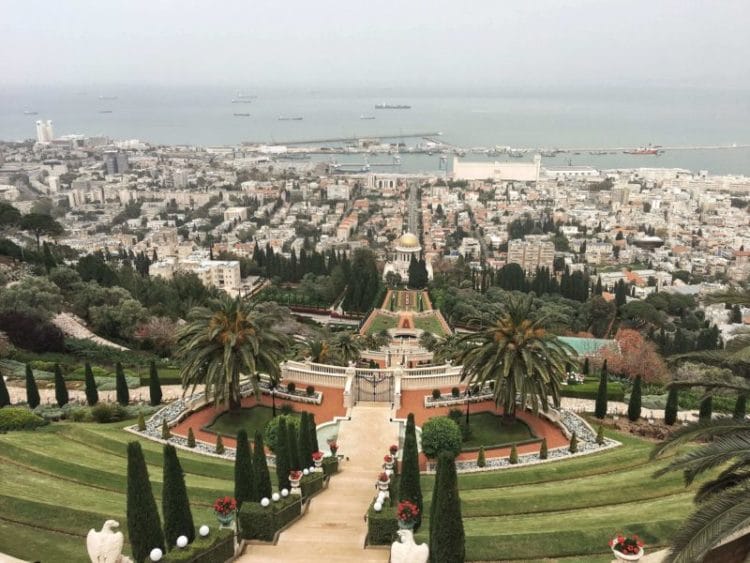
Taking in the view from the Bahá’í Gardens in Haifa;

Walking around Old Akko;

Floating on the Dead Sea;

Hiking to the top of the Masada.

The best way to experience the cities is to walk around – that’s how you discover the most hidden corners and the true local gems. Also remember that Israel is a fantastic hiking destination! Definitely take your time in appreciating each place, and look out for local tips (and come back to this blog) on what to see and do.

l0zqr
Where to stay in Israel

Israel has an incredible range of accommodation options – from campsites to hostels, from nice airbnbs to boutique hotels and large luxury chains. Deciding where to stay will mostly be a matter of budget.

Jerusalem and Tel Aviv will have the largest choice of accommodation options.

In Jerusalem you will find large historic hotels such as The YMCA and The American Colony. Inbal is a great affordable luxury option. The Post and Abraham are both excellent hostels in the center of town. And there are many good Airbnbs such as this one.

In Tel Aviv, you will find some fantastic hotels right by the waterfront such as The Dan; or you can opt for fabulous boutique hotels such as Poli House. Abraham remains one of the best accommodation options in town for budget travelers and backpackers; and there are some great Airbnbs such as this one.

If you decide to spend a couple of nights in the Dead Sea, look a good resort with a fabulous spa as that will be the highlight of your stay. In Galilee, there are plenty of hotels and smaller bed and breakfast-style accommodation usually called Zimmers. If you go to Eilat, there are plenty of large hotels too.

jgiw4
What to pack for your trip to Israel

Remember to pack wisely.

If you plan on visiting religious sites – Jewish, Christian or Muslims sites in Jerusalem – or even simply take a walk around certain neighborhoods, you will have to dress modestly. For example, if you go on this guided tour of the Ultra-Orthodox neighborhood in Jerusalem, you will need to cover your arms, knees, chest and shoulder, and on some occasions even your hair.

Other than that, Israel is super easy going in terms of what to wear (unless you are a fashion victim visiting Tel Aviv, that is!) and casual wear is pretty much the rule here. I recommend packing according to the weather you expect to get, and make sure to bring comfortable shoes and a swimsuit – no matter the season, because chances are you’ll swim in the Dead Sea. A light jacket may come in handy even in the summer months – air conditioning in some restaurants may cause you to freeze.

3c1o1
Getting online in Israel

Good news! Wifi works really well in Israel, and it is basically available in the entire country. Hotels, hostels, restaurants, bus and train stations, buses and trains usually have wifi. Even most cities have free wifi.

Yet, I believe it’s better to get a local SIM card once you get to Israel – it will make your life much easier, especially if you need to use apps such as Google Maps, or even just Gett to urgently call a taxi.

You can get a local SIM card directly at the airport for a convenient price. Just opt for a plan that gives you data only and just for the duration of your stay.

dhaes
Other useful things to know before planning a trip to Israel

I bet that before planning a trip to you will be wondering a few more things.

Is Israel expensive?

I can’t really sugar coat it: Israel is an expensive country and you really can’t expect to visit Israel on a $10 USD per day budget. Keep in mind that a bed in a dorm costs around $25 USD; a meal in a local fast food chain (think stuffed pita, or hummus and pita) is around $10 USD; and a pint of beer costs around $7 USD.

The official currency in Israel is the Israeli Shekel (NIS). At the time of writing, the exchange rate is NIS 3.25 to $1 USD and NIS 3.5 to €1 euro.

Is the food in Israel good?

To make a long story short, yes. You will find food to accommodate any taste, diet, and craving. If you are vegan, it will be a feast.

Is Israel safe?

This is the most common questions I get asked. And yet, I have left it at the very end of the post. You see, despite what many foreign affairs government websites say about Israel being a high risk area, this is actually a very safe country, even for solo female travelers – you will realize this the moment you arrive.

Final Considerations

Israel really is an incredible place. It’s my home away from home, my favorite place outside of Italy, and I promise you – you will love it. Go to Israel with an open mind, and you will meet many fantastic people; you will experience a country that is so underrated, enigmatic and beautiful. You will hopefully grasp a but more of its difficult past and present, and end up having the time of your life.[……]

Read more

10 THINGS TO DO IN ISRAEL

Israel is a fascinating country that may be small in size, but huge in terms of things to see and do. There can’t be a better example of an amazing marriage of old and new than what you see in Israel. Every corner of Jerusalem has thousands of years of history staring at you; while Tel Aviv is uber modern that boasts of free Wi-Fi throughout the city. Here is a list of ten things you must-do if you visit Israel.

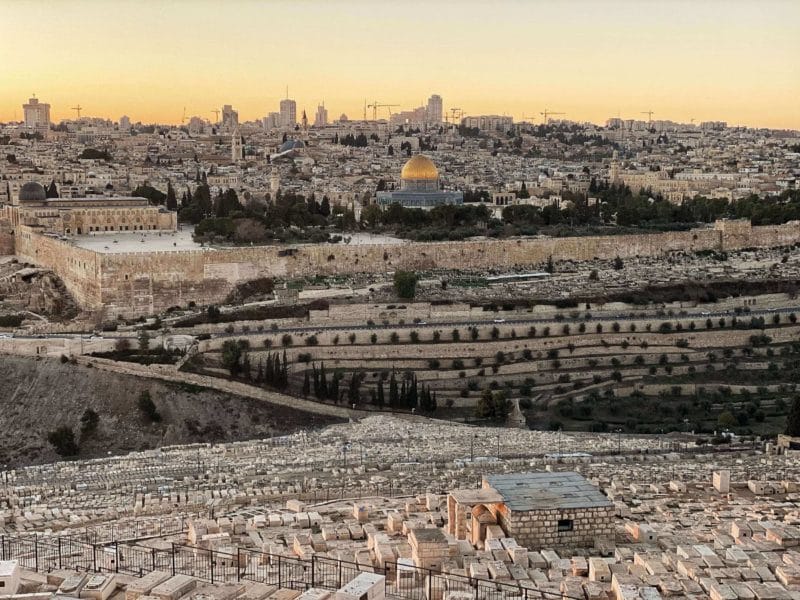
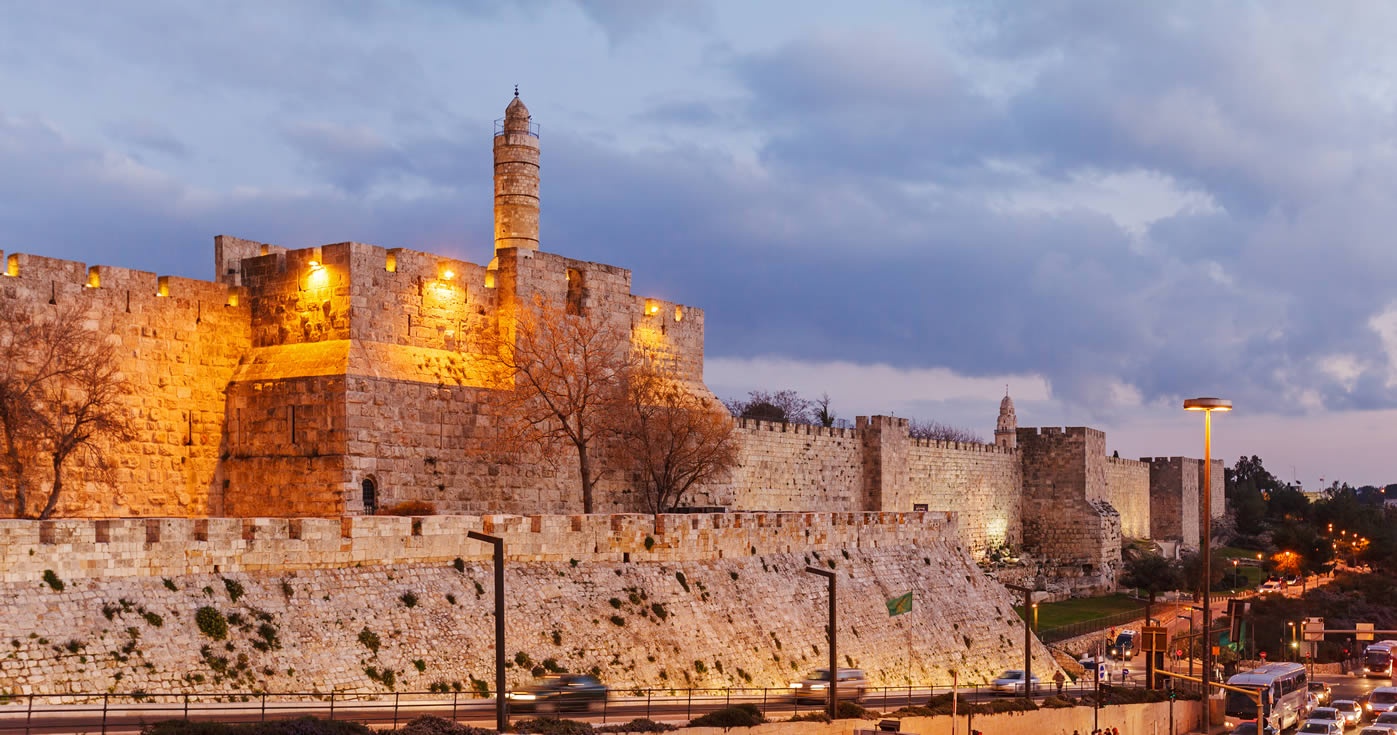
Visit the Holy Sites – Jerusalem is the capital city of Israel and one of the most sacred places in the world to the three major religions: Christianity, Judaism and Islam. The ancient Old City is encircled by imposing stone walls that date to the Ottoman period and contain within it such holy sites as the Western Wall, The Dome of the Rock and Church of the Holy Sepulchre.

kc29f
Leave a prayer at the Western Wall – The Western Wall or Wailing Wall has so much history that the place will surely overwhelm you. Jewish people believe that a divine presence rests within the Western Wall, so they leave hand-written prayers on paper and insert them in cracks of the Wall in the hope that they will be answered. More than a million prayer notes or wishes are placed in the Western Wall each year. The challenge will be to find a spot to place your own prayer note.

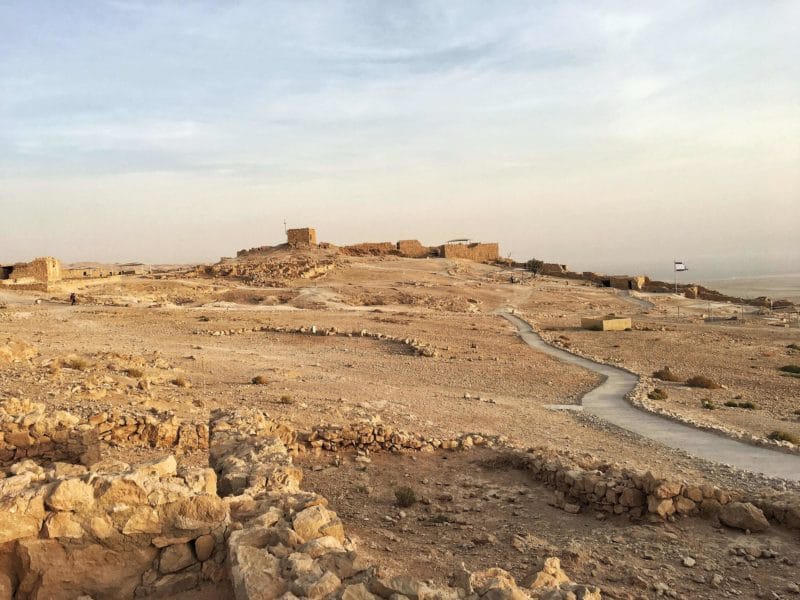
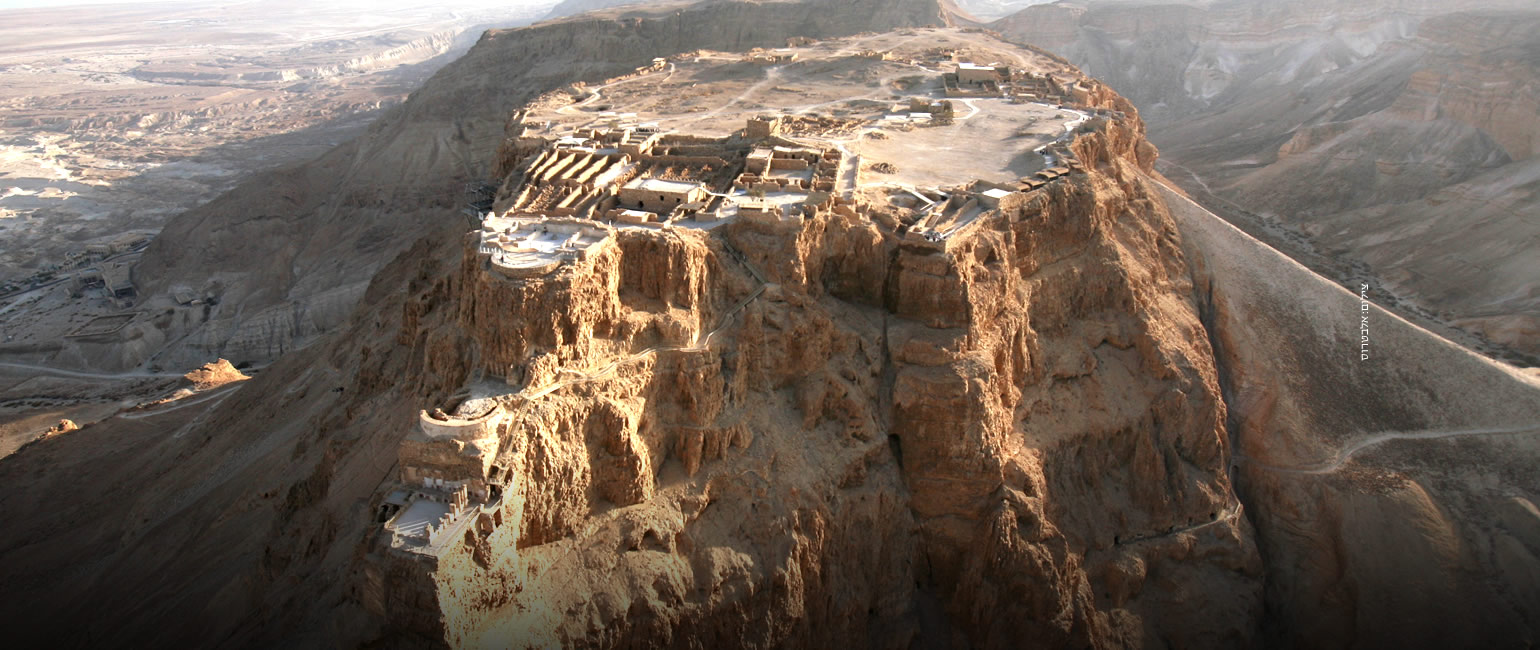
Explore Masada – This 1st century fortress was the site of one of the most dramatic revolts of the Jewish-Roman wars. The mountain fortress of Masada stands on an isolated rock plateau in the south east of Israel and was built in the Roman style by Herod, the king of Judea. The story of Masada is of 1000 inhabitants that committed mass suicide rather than surrendering to their Roman enemies. The remains of many buildings in the complex have been restored, including Herod’s private palace with its hanging terraces, bathhouses with preserved mosaics and murals, a synagogue, and the siege ramp and camp set up by the Romans. You can take a walk up the Snake Path to the top of Masada if you’re feeling adventurous, otherwise take the cable car.

fxzjp
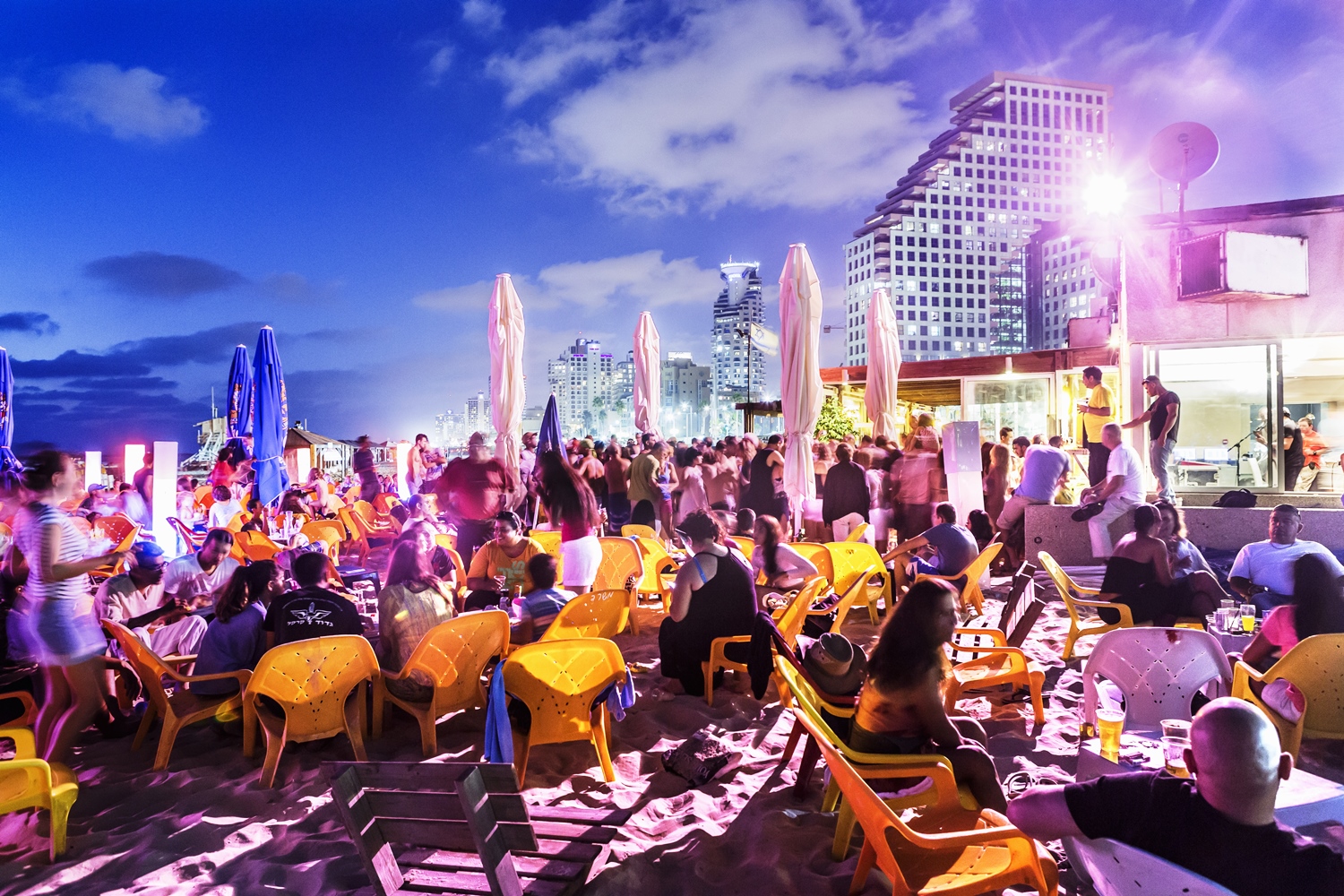
Pub crawls in Tel Aviv – Tel Aviv could easily be nicknamed as the Sin City of the Middle East. During the day, the city has a very formal commercial vibe but when the sun goes down it gyrates to a different tune, literally! Tel Aviv boasts of some of the coolest and trendiest concentration of night clubs and bars. The streets wear a different look at eight in the night (partly deserted) and at three in the morning (filled with street parties) as the locals work hard during the day and party harder at midnight.

zld2r
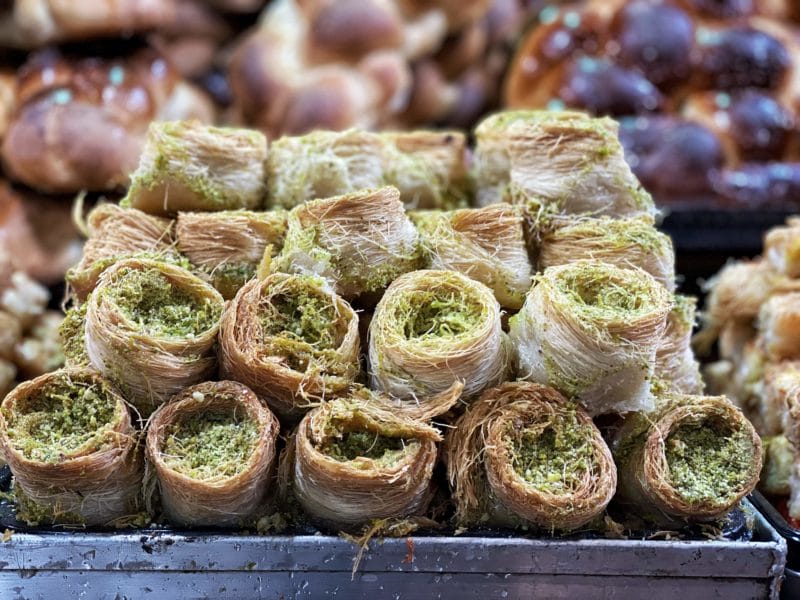
Taste Israeli Halva – Israeli Halva is sesame based sweet dish and easy to find in almost all the markets around the country. The halva has a light but sweet flavour and easily crumbles. There are many variations of havla that can be found, including nuts, dried fruits, chocolate, juice and vanilla. Definitely a unique dish worth tasting.

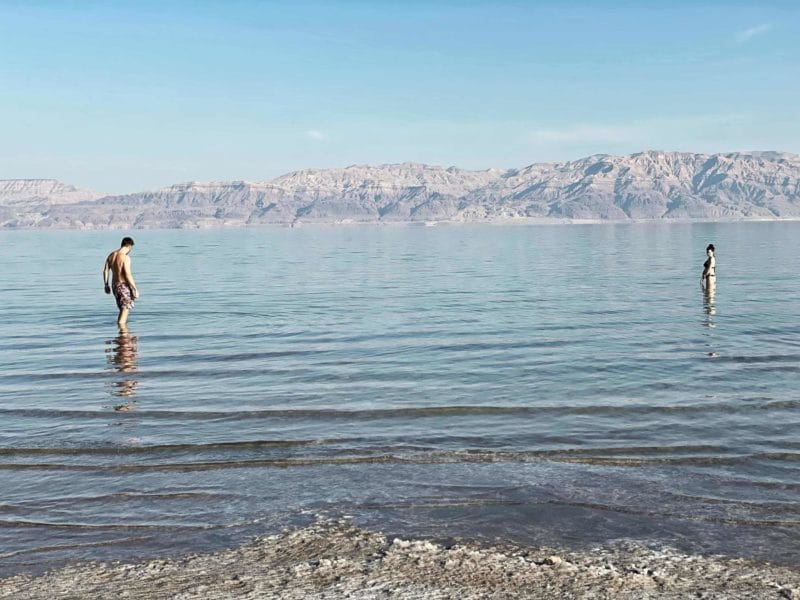
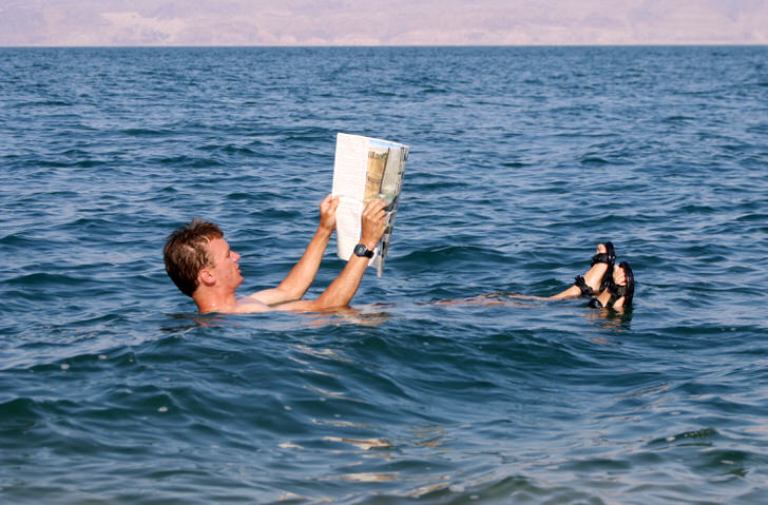
Float in the Dead Sea – At 1,360 feet below sea level, the Dead Sea is the lowest point on earth. Its water is about ten times saltier than the ocean’s, making it possible to float on the water without having to move a finger. It is called the Dead Sea since it’s too salty for any live organism to live in. So all you can find inside the water is more and more salt. The mineral-rich water can be very beneficial for those with skin problems and the mud is worth applying on your body.

ydlua
Snorkel in Red Sea – The Red Sea is considered the most accessible coral reef in the world. Home to schools of fancy fish – each dressed in unimaginably frivolous outfits: whiskers, polka dots and wings. Visit the Dolphin Reef at Eilat and go snorkelling with the dolphins. For those who do not want to dive or snorkel but still want to explore the mysteries of the seas, you can always Snuba – an Israeli invention that is a cross between snorkelling and deep-sea diving; whereby one breathes through a tube connected to a tank carried on a rubber boat. Try it at Caves Beach in Eilat.

Have Shakshouka for breakfast – Shakshuka or shakshouka is a dish of eggs poached in a sauce of tomatoes, sweet and spicy peppers, onions, and is often spiced with cumin and topped off with freshly cut herbs. This delicious dish is commonly found in Israel and often eaten at breakfast.

Sunbathe at the beaches of Tel Aviv – Be warned, it will be a battle to discover and hunt down the least crowded beach in Tel Aviv. But once you find it, it is sure to be BLISS. Even if you don’t want to step into water, just lazing around the beach or strolling by is highly recommended. No one should leave Tel Aviv without seeing its pristine blue beaches.

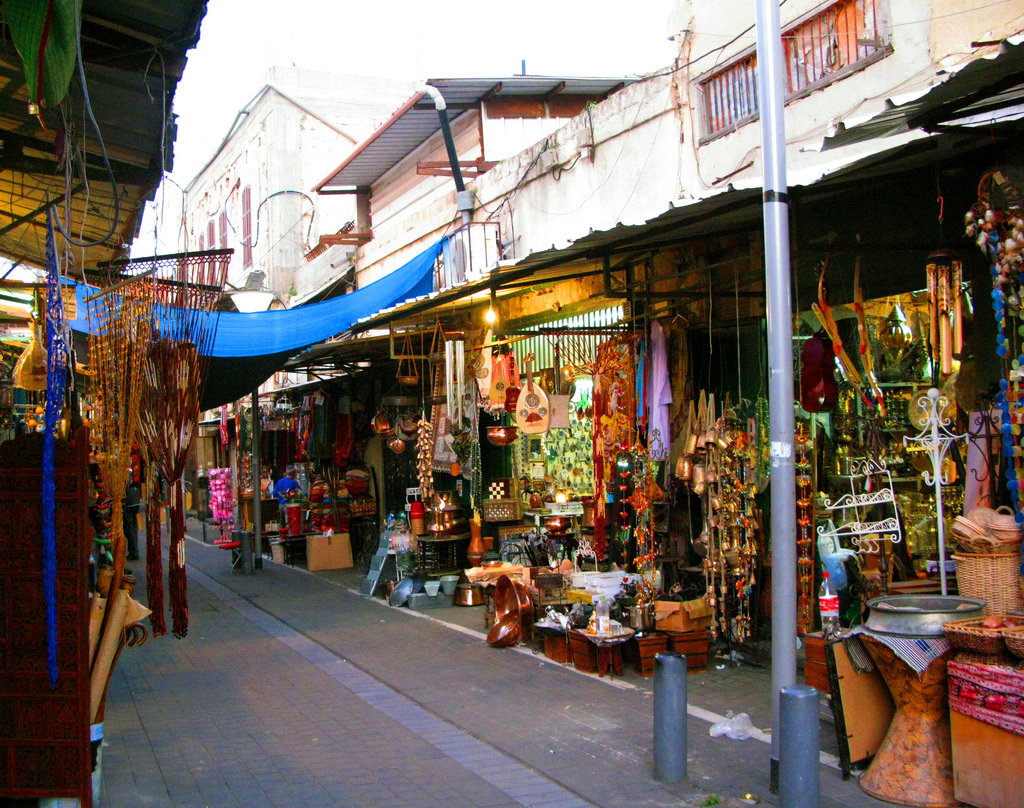
Shop at Jaffa Flea Market – One of the oldest markets in Israel, Jaffa Flea Market is a biggest market for second hand and inexpensive objects. Situated alongside the Olei Zeon Street, the market offers almost each and every thing that one can think of. The market is stocked with numerous stalls offering trendy furniture, clothing, ceramic items, Arabic Pottery, household items, homemade handlooms and crafts. However your negotiating skills determines how much you shell out at this hippy market.

me2ew[……]

Read more

Travel Guide to Israel: 8 Days in Israel

Every year, my family takes a trip for Christmas. This year, we went to Rome, Israel and Jordan and I was in charge of planning the whole trip. We spent 8 days touring Israel on our own with almost no guided tours.

This blog will focus on Israel: where we went, what to do, where we stayed, and how to celebrate Christmas in Israel.

Here is what we did and how I planned the trip! First, a few things you should know:

Day 1: Fly to Tel Aviv and drive to Jerusalem

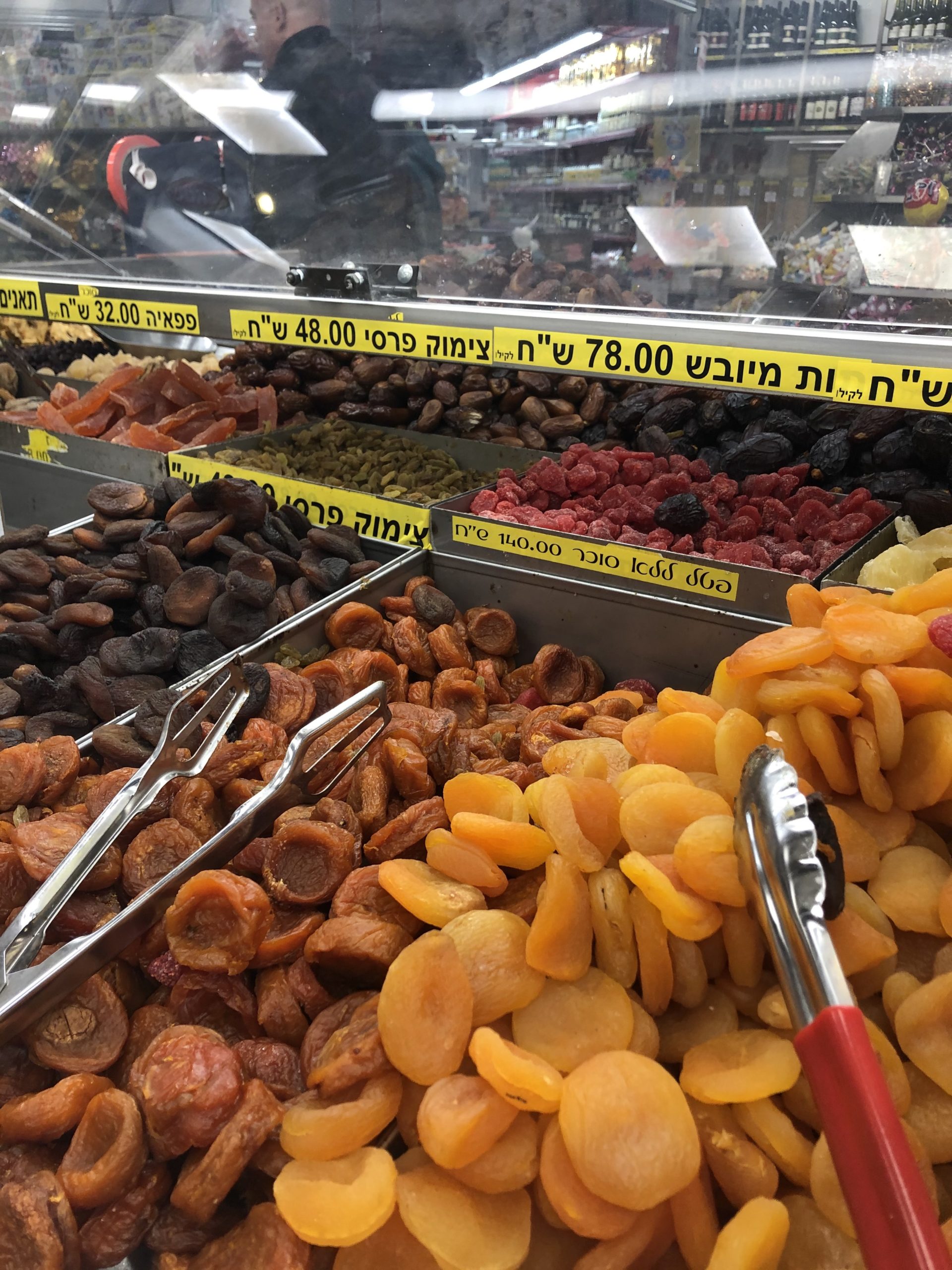
The Ben Gurion Airport in Tel Aviv is the main international airport in Israel. We rented a car from a rental car company at the airport and drove to Jerusalem (about an hour drive). On the way, we stopped for dinner in a town called Modi’in, which is a very non-touristy town. We ate at a cool restaurant called פדריק. The staff were excited to speak with Americans, and the food was great! Right across the street is a bulk Israeli grocery store. We had lots of fun walking around and stocking up on tea, dried fruit, and candy. Then we continued on to Jerusalem for the night.
hza3i
A bulk food market in Modi’in, Israel.

Day 2: Jerusalem: Mahane Yehuda Market, Old City, and Bethlehem for Christmas Eve

Mahane Yehuda Market

We started Day 2 at the Mahane Yehuda Market in Jerusalem, a busy street market also known as “The Shuk”. There are lots of vendors selling fruit, teas, sweets, and other goods. You can easily walk to the market from Jaffa Street or from the Old City. We bought some fruit and tea then ate lunch at a little place that served seasoned eggplant in a pita.

A man shopping for fruit at the Mahane Yehuda Market in Jerusalem

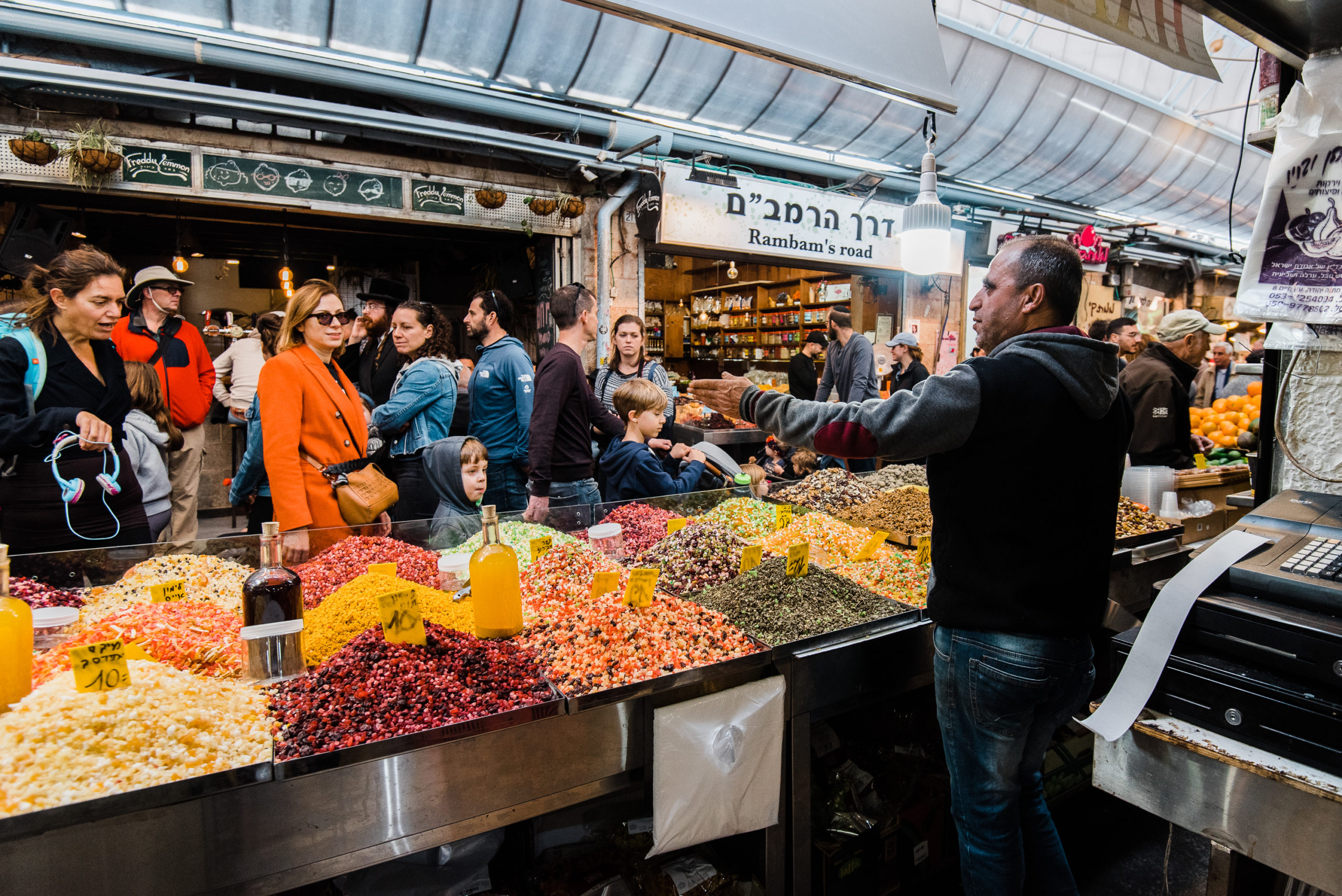
One of our favorite things to buy in Israel was dried fruit tea. There are lots of different flavors, and lots of stands sell it throughout Jerusalem. You take the small pieces of dried fruit and add them to hot water to create a delicious tea. We ended most nights with hot fruit team. Yummm.
ddcy6
A vendor selling dried fruit tea at the Mahane Yehuda Market in Jerusalem

Fruit tea at the Mahane Yehuda Market in Jerusalem. We LOVED these fruit teas.

The donuts in Israel are also excellent and plentiful.

Donut shop in the Mahane Yehuda Market in Jerusalem

The Old City

The Old City is what most people come to Jerusalem to see! It is a walled area within the modern city of Jerusalem and is home to several super significant religious sites for Christianity, Judaism, and Islam. The Old City is divided into 4 sections: The Jewish Quarter, The Armenian Quarter, The Christian Quarter, and The Muslim Quarter. The walled area is entered by one of seven entry gates with the Jaffa Gate being the most popular for tourists.
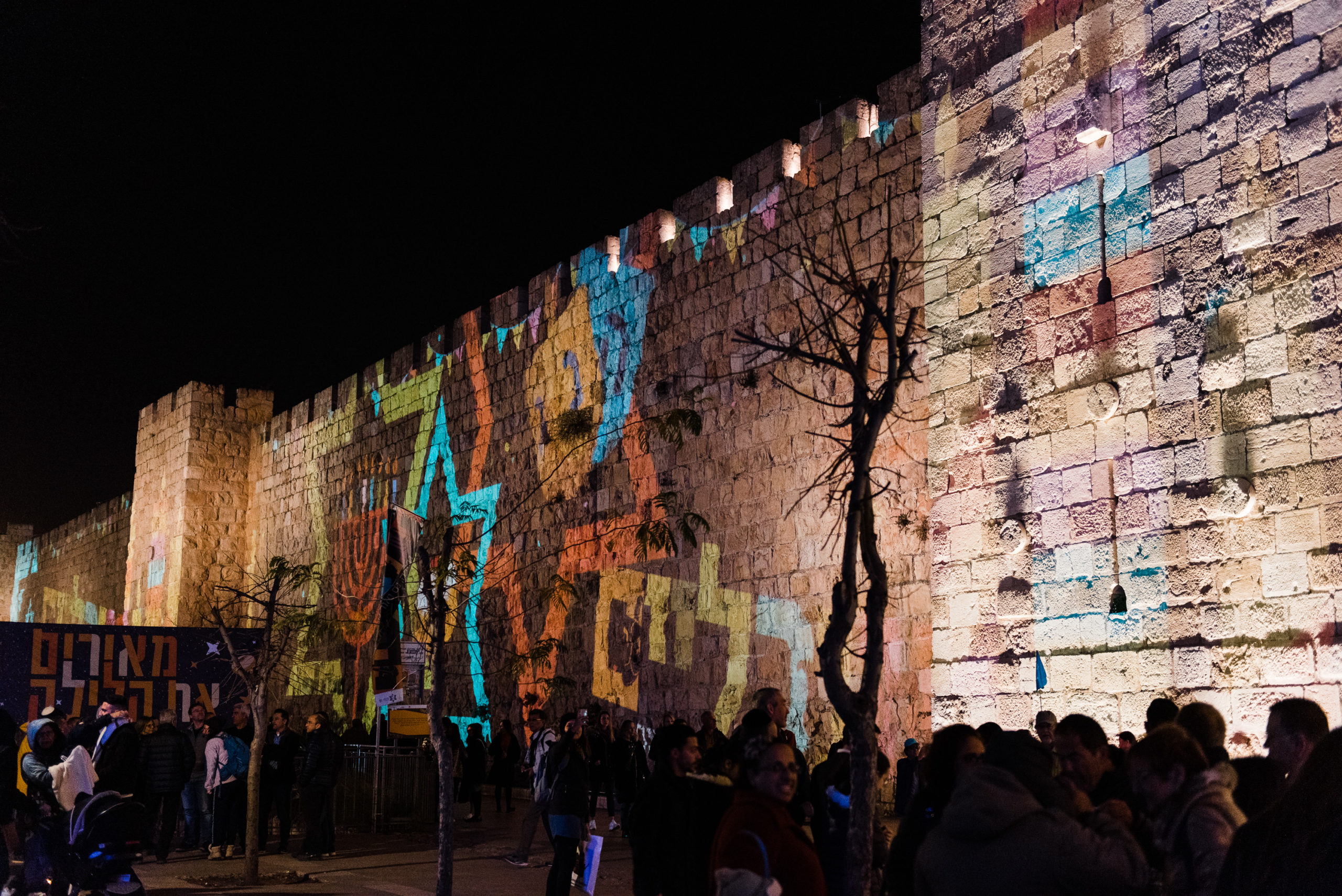
j4veb
Jaffa Gate at night on Christmas Eve in Jerusalem

This part of Jerusalem is incredible and packed with history, culture, and religious significance. We wandered through Old City on our own quite a bit, but we also took a guided tour of the area with Tourist Israel. The group was big, but the guide did a great job. I would recommend taking a guided tour, but also wandering through the streets on your own.

Wanding the narrow streets of The Old City in Jerusalem is a magical experience.

Church of the Holy Sepulchre

This Church of the Holy Sepulchre is located in the Christian Quarter of the Old City and contains some of the holiest sites for Christianity including the place where Jesus was crucified and the location of Jesus’ tomb.
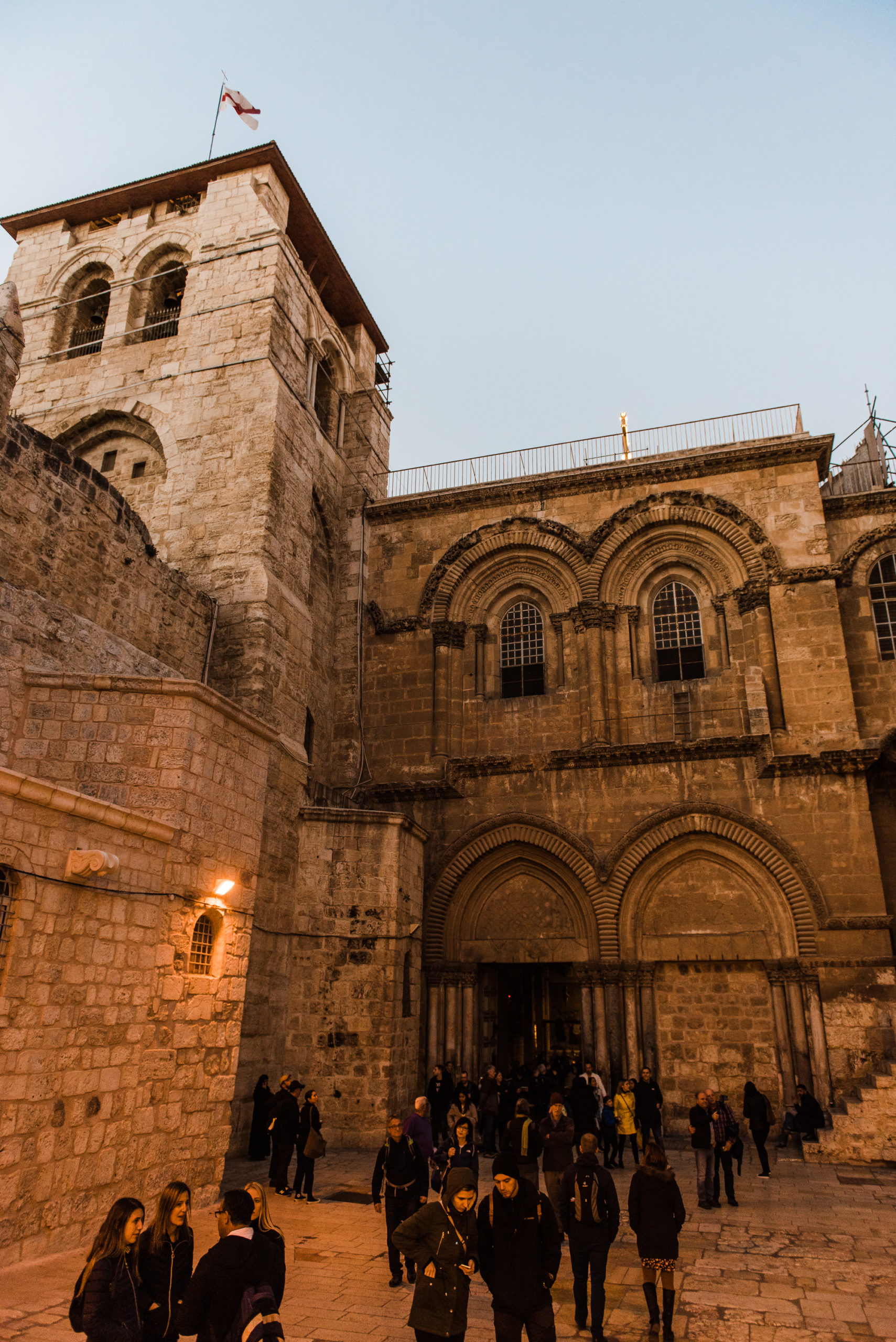
s65jq
Church of the Holy Sepulchre in The Old City of Jerusalem

This is the site where it is believed that Jesus was crucified-also known as Calvary or Golgotha. The church was literally built around the mount where the crucifixion took place, and you can see the actual rock under the glass on either side of the cross.

Golgotha: The site where it is believed that Jesus was crucified

This is where it is believed Jesus was buried and resurrected. This chapel was built around the site of the tomb.

The site where it is believed Jesus was buried and resurrected

The Stone of Anointing, where it is believed Jesus’ body was rubbed with oil and prepared for burial. Today, people touch the stone and rub items on the stone hoping to absorb some of the oil that was once used on the body.
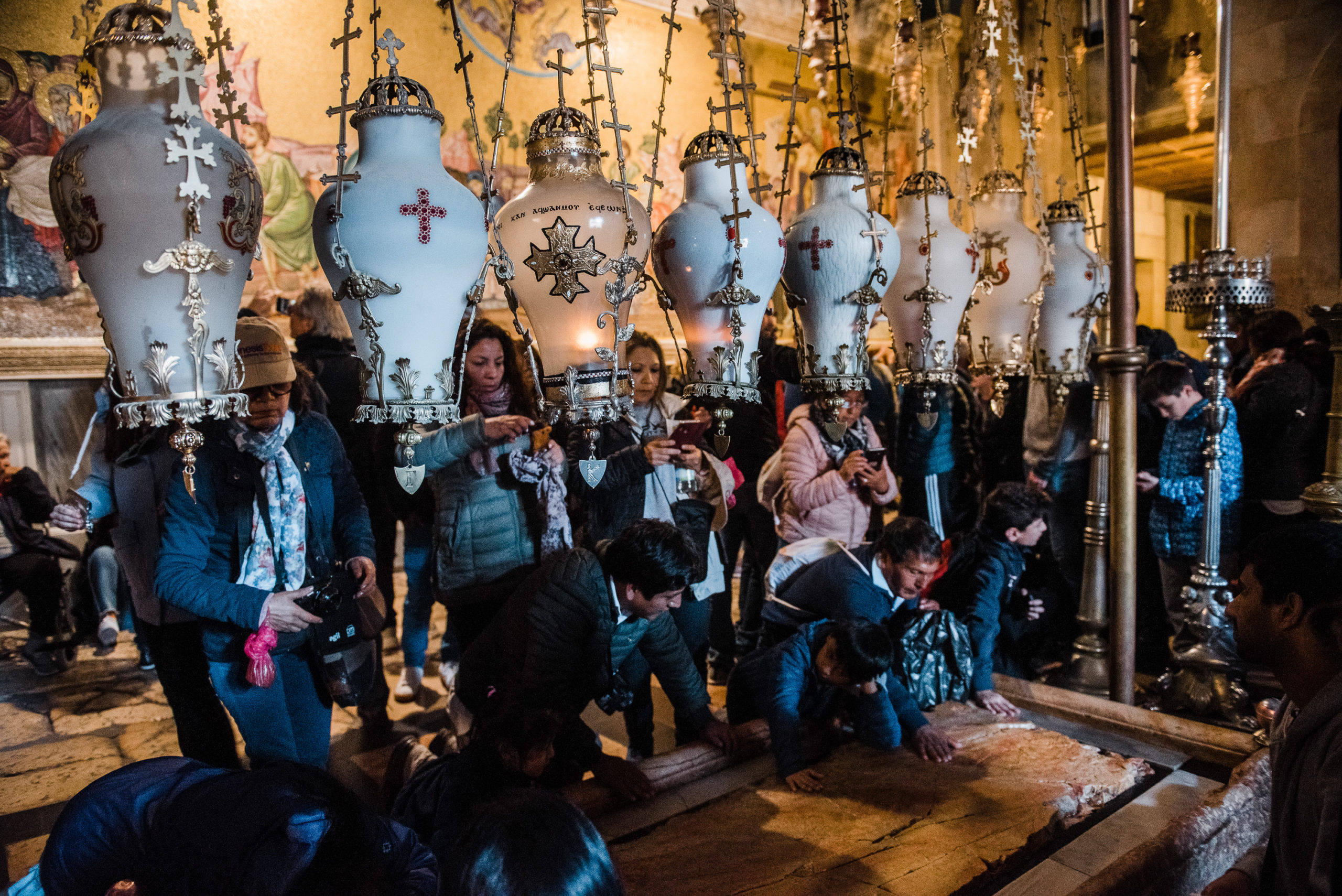
jikpv
The Stone of Anointing, where it is believed Jesus’ body was rubbed with oil and prepared for burial.

Western Wall

The Western Wall is the last remaining wall of the ancient Jewish Temple in Jerusalem. It is considered the holiest place where Jews are permitted to pray. Today, people of any faith are allowed to visit the wall and pray. Visitors are split separated by gender, and you’ll see people of all ages reading and praying at the wall. It’s an amazing experience to be there and take it in.

The Western Wall in the Old City of Jerusalem

People will write letters and prayers and stick them in the cracks of the Western Wall.
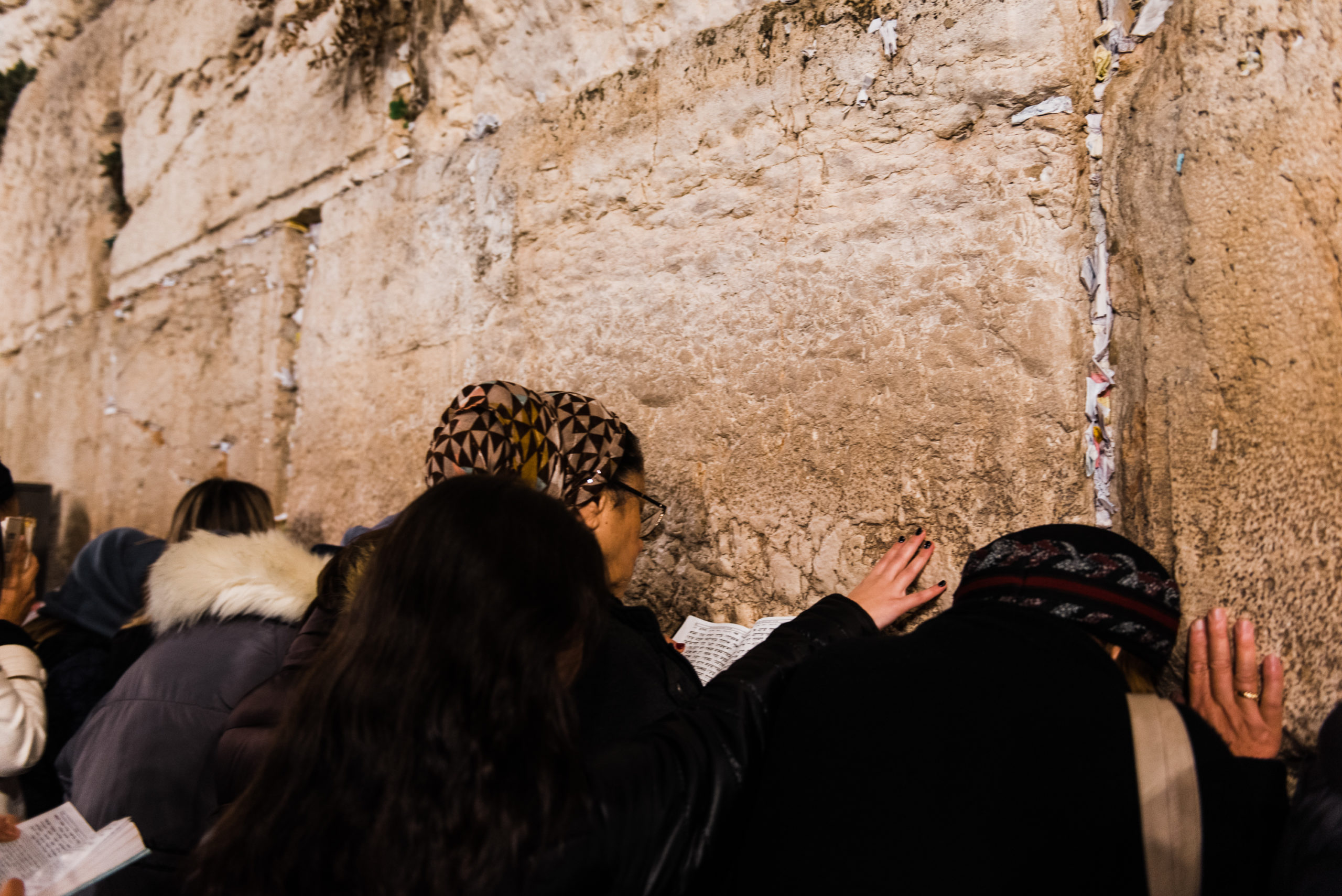
xqlpx
People praying at the Western Wall in the Old City of Jerusalem

More sites from Old City

Midnight Mass in the City of Bethlehem for Christmas Eve

Let me start by saying I do NOT recommend going to Bethlehem for midnight mass on Christmas Eve.

Since Bethlehem is controlled by Palestine, you cannot drive an Israeli rental car into Bethlehem. For this reason, we took a special midnight mass tour to Bethlehem through Tourist Israel. The tour company didn’t do a very good job, but it’s just not worth going to Bethlehem for Christmas eve in general. There is really nothing to see on Christmas Eve, and your time would be better spent staying in Jerusalem. There is a midnight mass in Manger Square, but there is no sound and only one small tv broadcasting the mass. We saw Manger Square and about 15 minutes of the mass before we headed back to Jerusalem.

If you want to see Bethlehem, I think your best bet is to take a taxi from Jerusalem to Bethlehem or take a tour on a regular day. there are other cool things to see in Bethlehem, but midnight mass on Christmas Eve is not one of them.
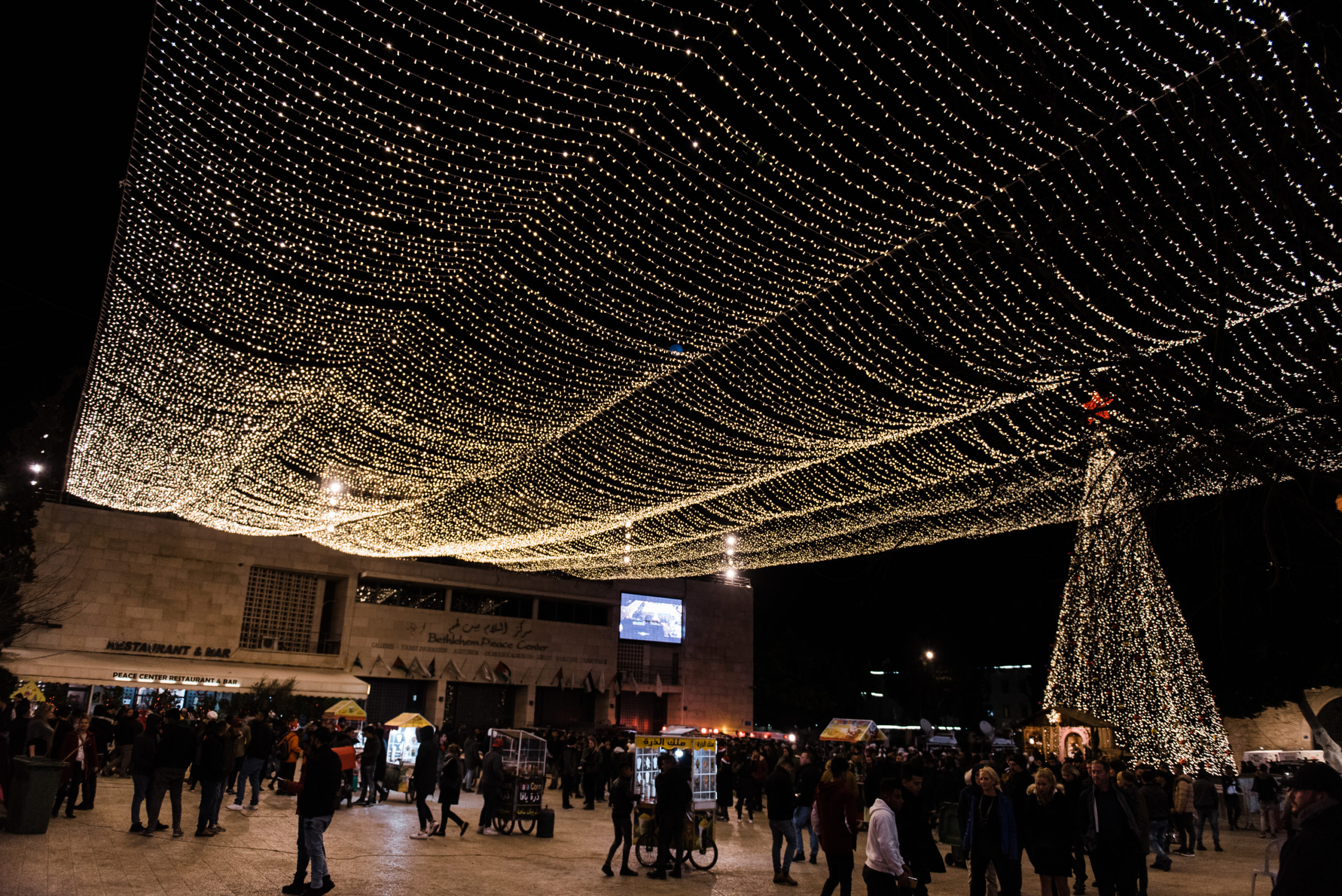
tev3k
Manger Square in Bethlehem on Christmas Eve

Church of the Nativity in Bethlehem

Day 3: Mount Zion and Mount of Olives

Mount Zion

After being up late the night before, we slept in and relaxed for a bit on day 3. Then we headed back toward Old City to see Mount Zion, which has more religious and historic sites. Mount Zion is located just outside of Old City, and we easily walked there from Jaffa Gate.
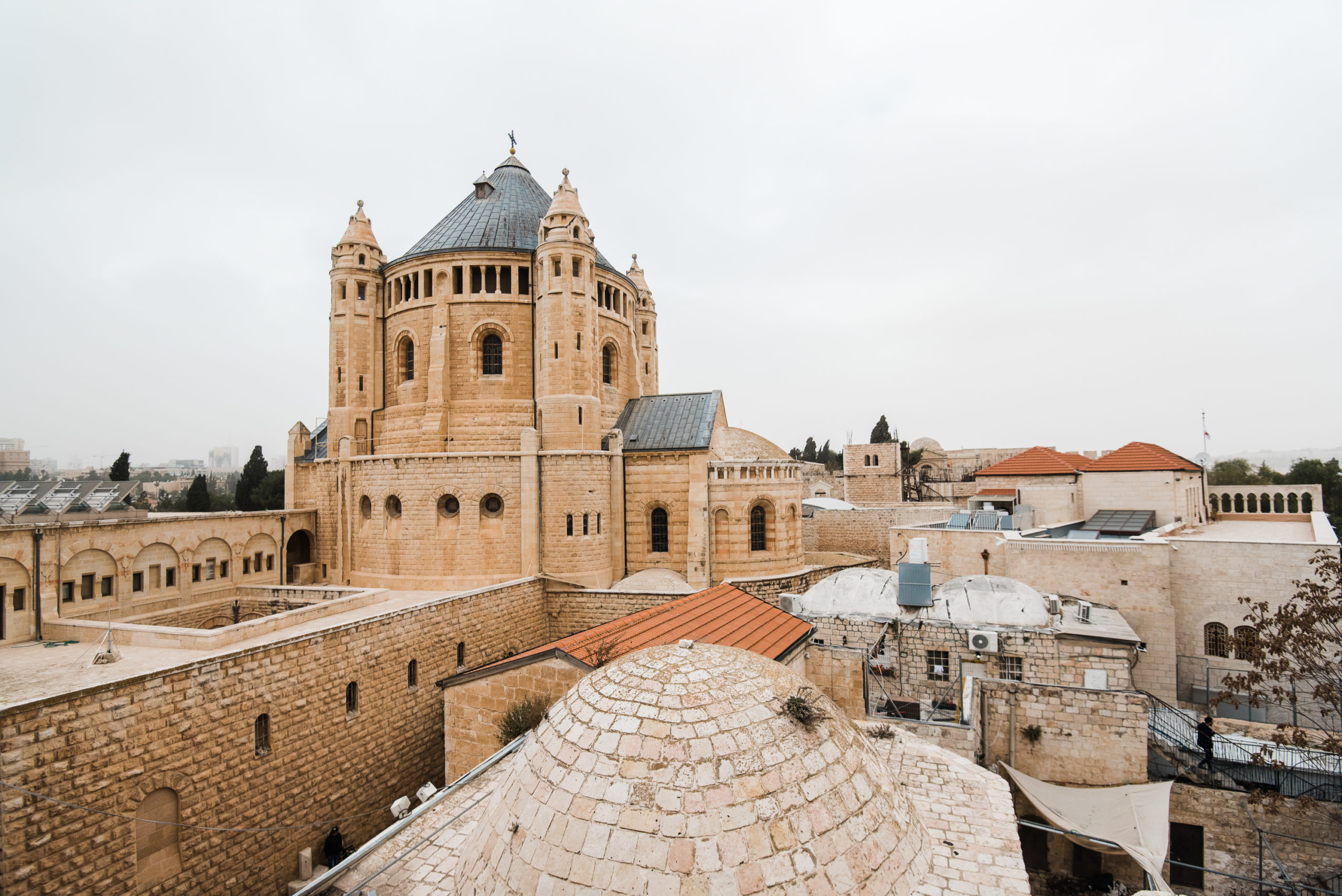
e4ld6
Dormition Abbey at Mount Zion

Dormition Abbey

Dormition Abbey is an ancient monastery at Mount Zion and is believed to be the place where the Virgin Mary died. It’s a beautiful structure, and you can go inside to see the stunning interior and the crypt.

Inside Dormition Abbey at Mount Zion
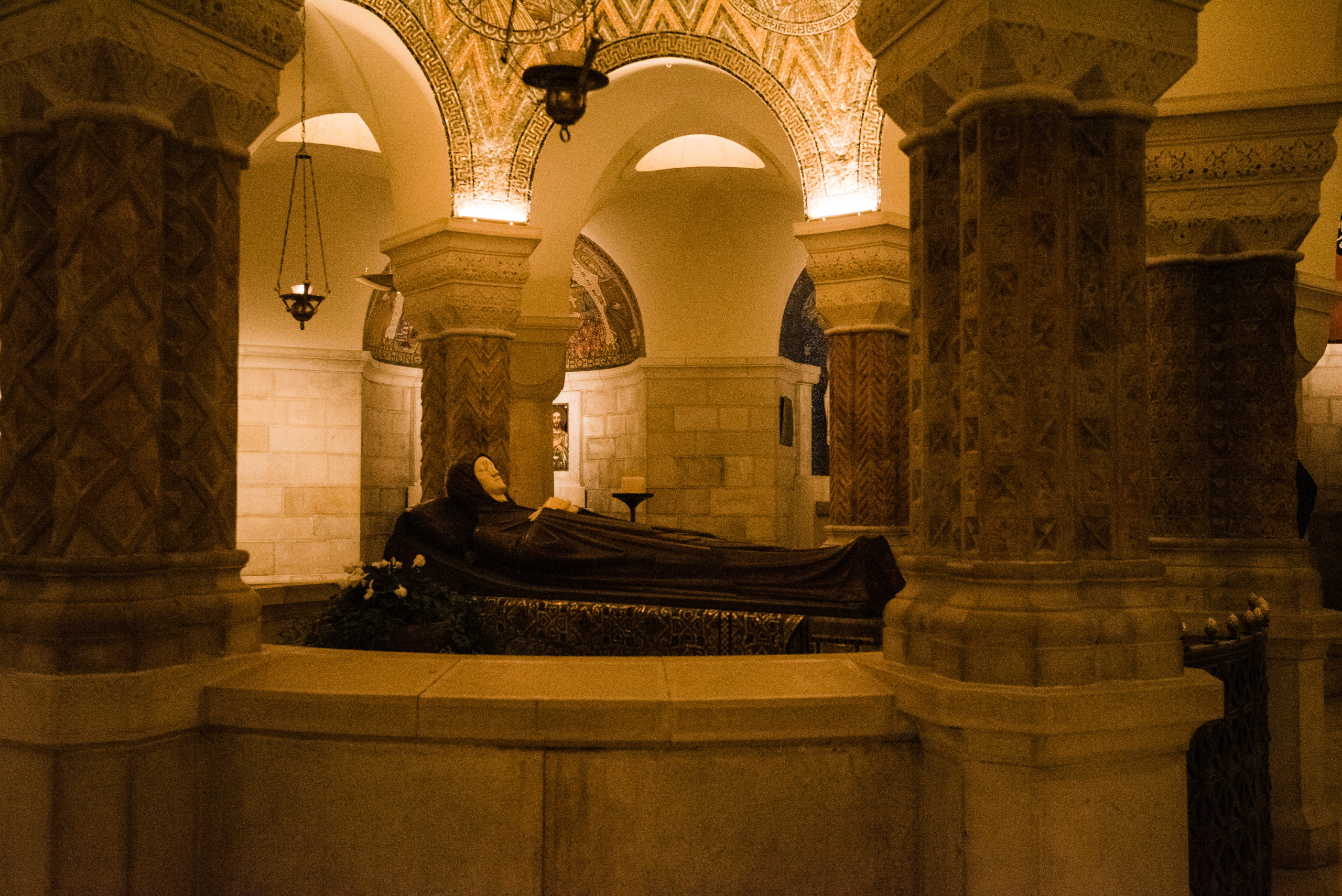
bnzuh
The crypt in the Dormition Abbey where it is believed the Virgin Mary died.

Mount of Olives

Mount of Olives is another Biblically important site just outside of the Old City. We didn’t exactly do Mount of Olives the best way, but we saw it! After Mount Zion, we walked through Old City to Damascus Gate and caught a bus to the top of Mount of Olives. The bus was easy and cheap and took us right to the top where Chapel of the Ascension is. The chapel is believed to be the place where Jesus ascended into heaven after his resurrection. There is a small fee to enter the chapel area.

From the chapel, we walked down a steep hill to the Garden of Gethsemane, where Jesus was arrested. The garden is beautiful and is also the site of The Church of All Nations, also known as the Church or Basilica of the Agony, where Jesus prayed before his arrest.
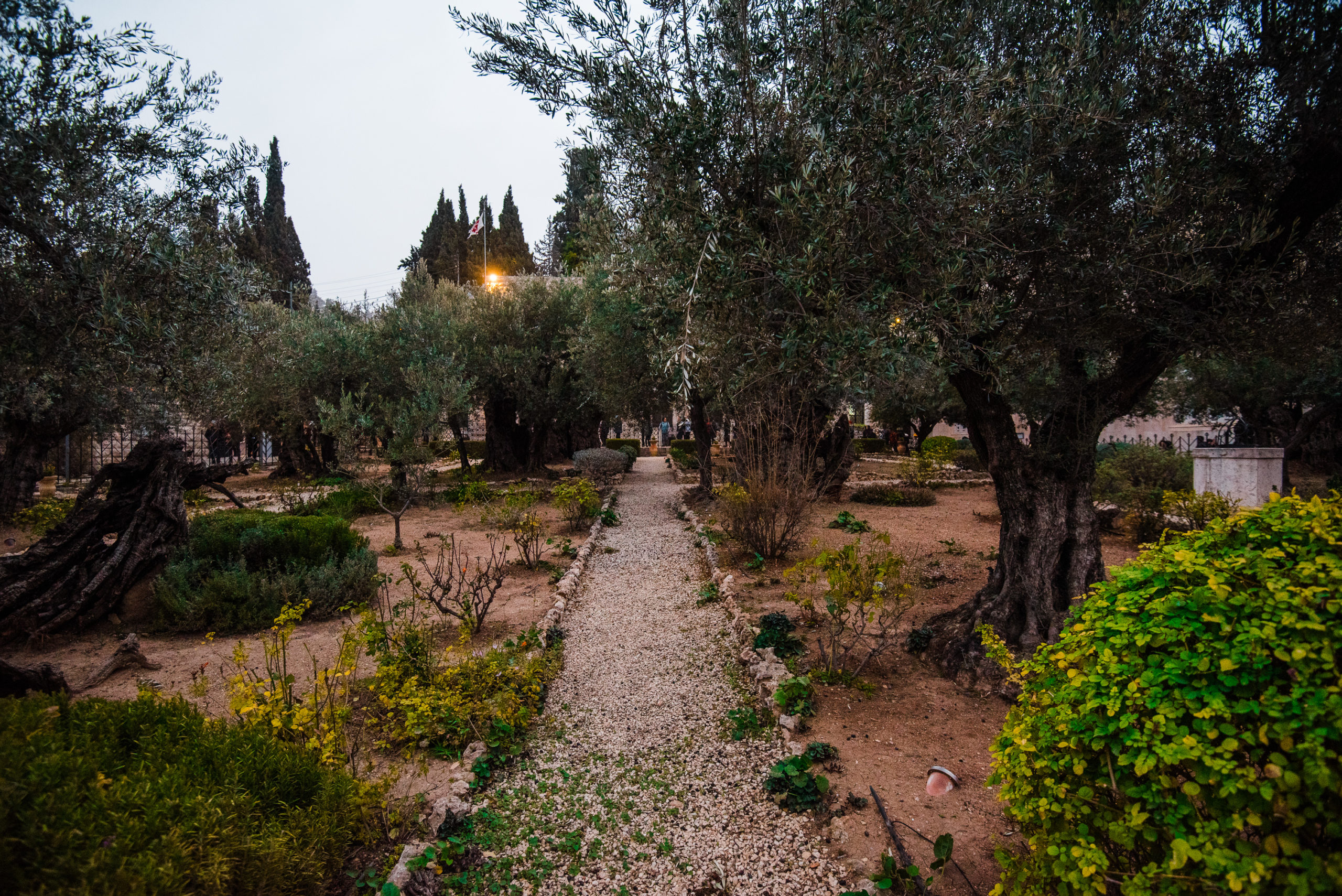
2ke0u
Garden of Gethsemane

Inside the Church of All Nations, also known as the Church or Basilica of the Agony, where Jesus prayed before his arrest.

Day 4: Jerusalem: Temple Mount and City of David

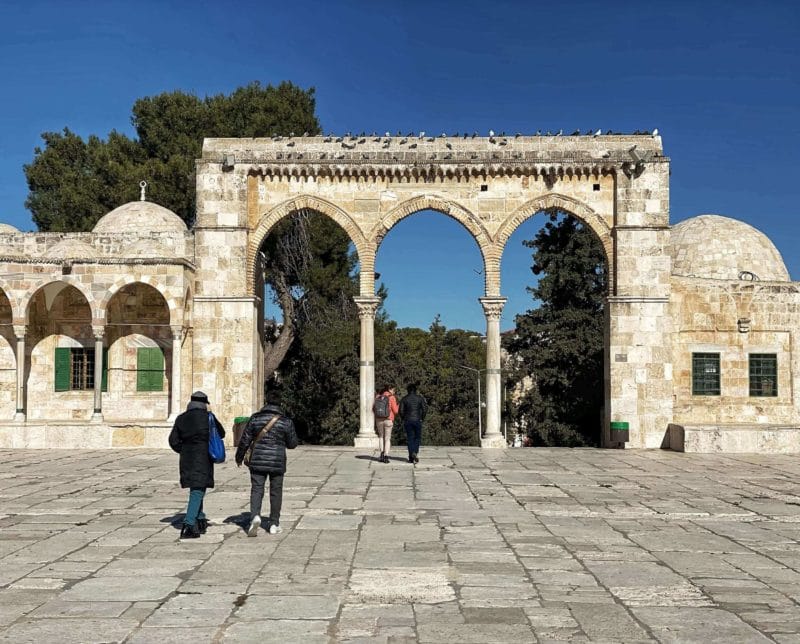
Dome of the Rock at Temple Mount

I was so excited to see Temple Mount. Not only is it absolutely stunning, but this place is a sacred site for Judaism, Christianity, AND Islam. In Judaism, it is believed that here God gathered the dust to create the first man. In Christianity, it is believed that Dome of the Rock is where Abraham almost sacrificed his son Isaac. In Islam, it is believed that this is where Muhammad ascended into heaven.

IMPORTANT: There are only certain times of day when Temple Mount is open for non-Muslims. We didn’t know this and were turned away the first time we tried to visit. There is usually a morning time slot and an afternoon time, and the guards will kick you out of the area as soon as opening hours are over. We went during the last 15 minutes of the afternoon timeslot and had no trouble getting in, but I’ve heard that lines can get long, so it is best to go first thing in the morning. Find opening times here.
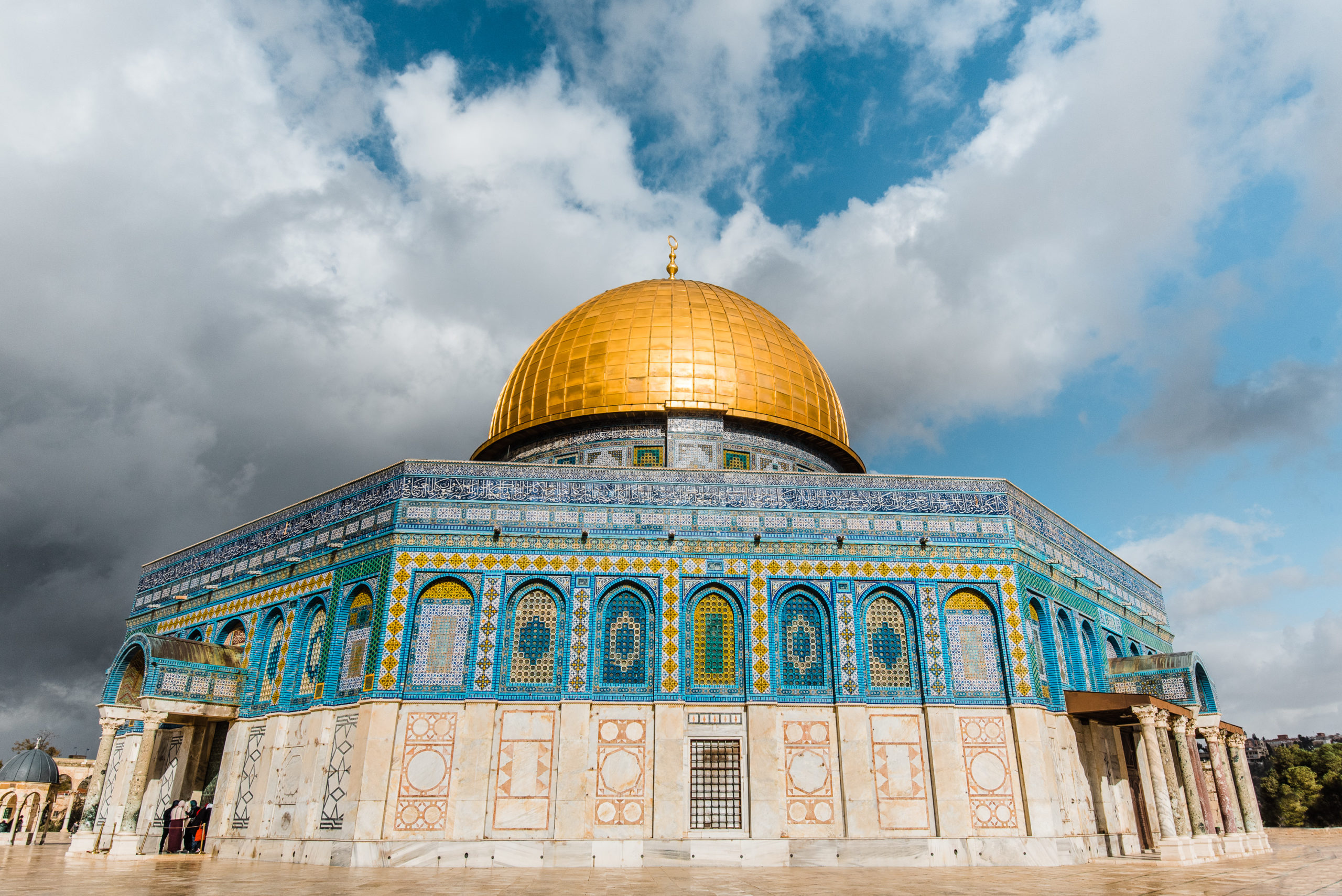
1tvpd
Dome of the Rock at Temple Mount in JerusalemDome of the Rock at Temple Mount in Jerusalem

City of David National Park

This was one of my favorite things we did in Jerusalem! Jerusalem is said to have begun about 3,000 years ago when King David “conquered a narrow hill south of today’s Old City, making it the capital and spiritual center of Israel“. Today the area is a National Park that includes ruins of David’s original palace. It’s amazing.

Ruins of King David’s palace
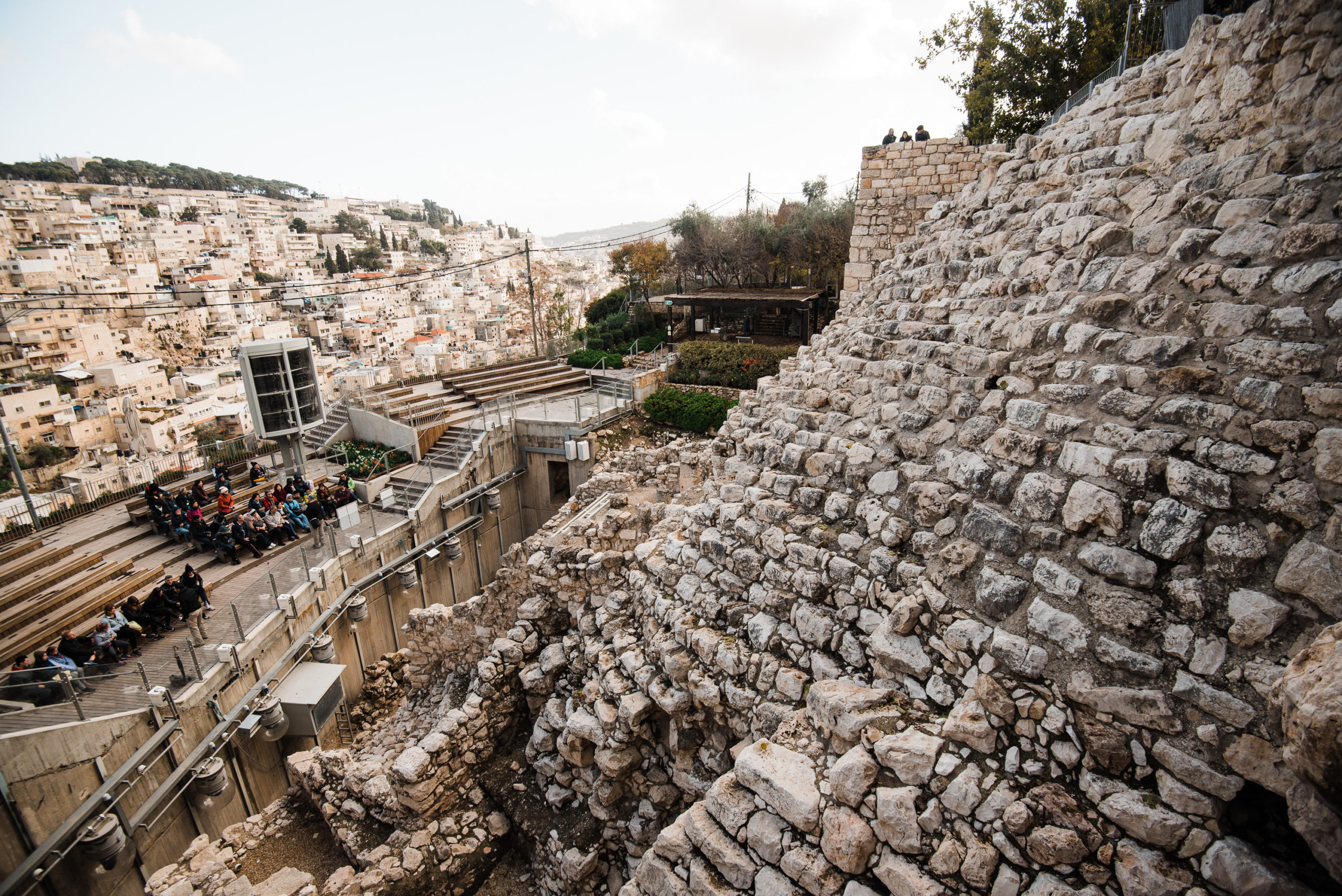
oj9bq
Ruins of the ancient city in the City of David

One of the coolest things about the City of David is the Siloam Tunnel also known as Hezekiah’s Tunnel, which is a water channel that was carved beneath the City of David. The tunnel still exists, and you can walk through it if you’re willing to get your feet wet!

The tunnel is pitch black and covered with water that ranges from ankle-deep to thigh-deep. It takes about 20-30 minutes to walk the length of the tunnel and it was such an amazing experience. There is also a shorter, dry option of Hezekiah’s Tunnel, but the wet option is way more fun.
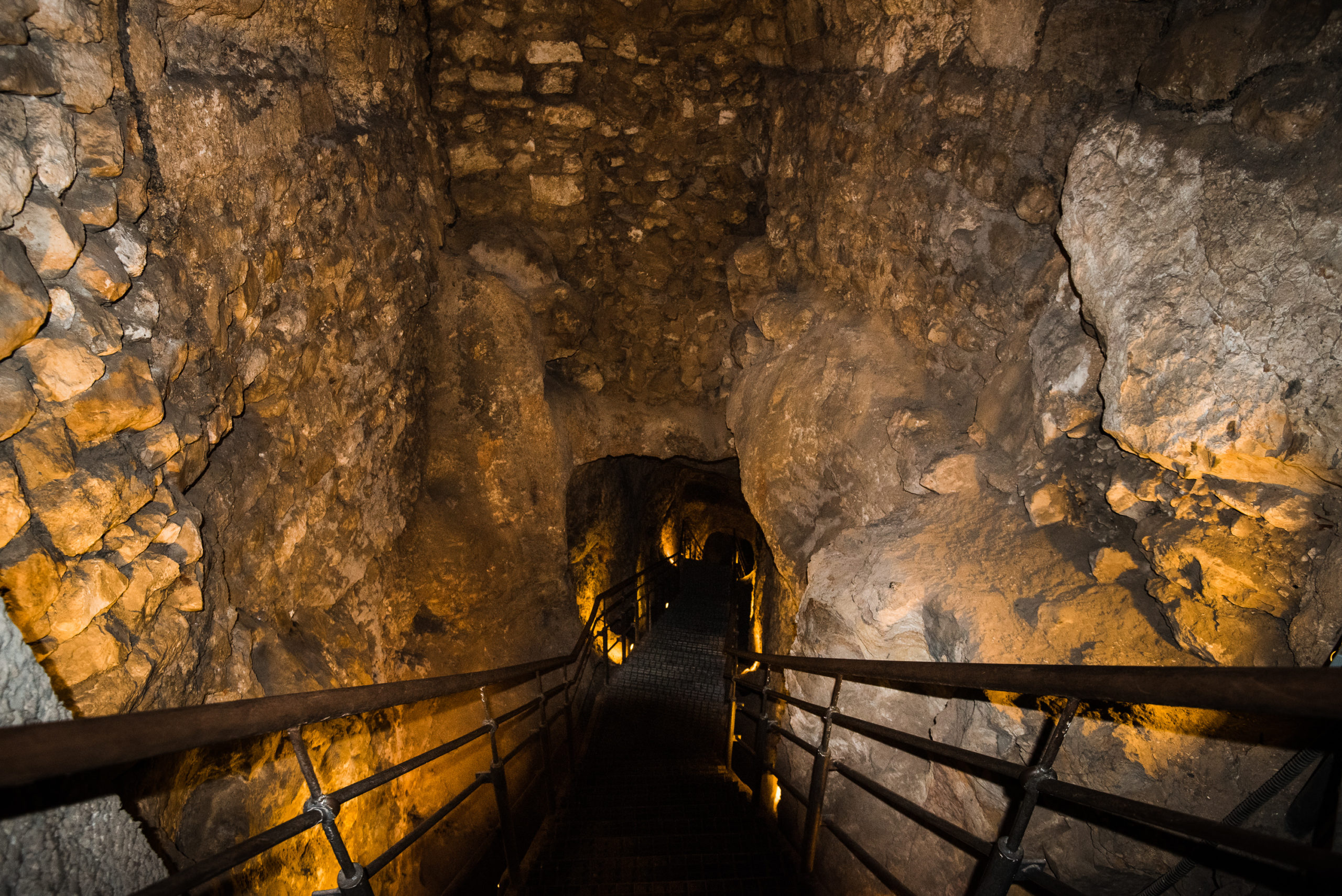
97z9e
Steps descending into the Siloam TunnelWalking through Hezekiah’s Tunnel

Day 5: Day Trip from Jerusalem: Masada National Park and the Dead Sea

Masada National Park

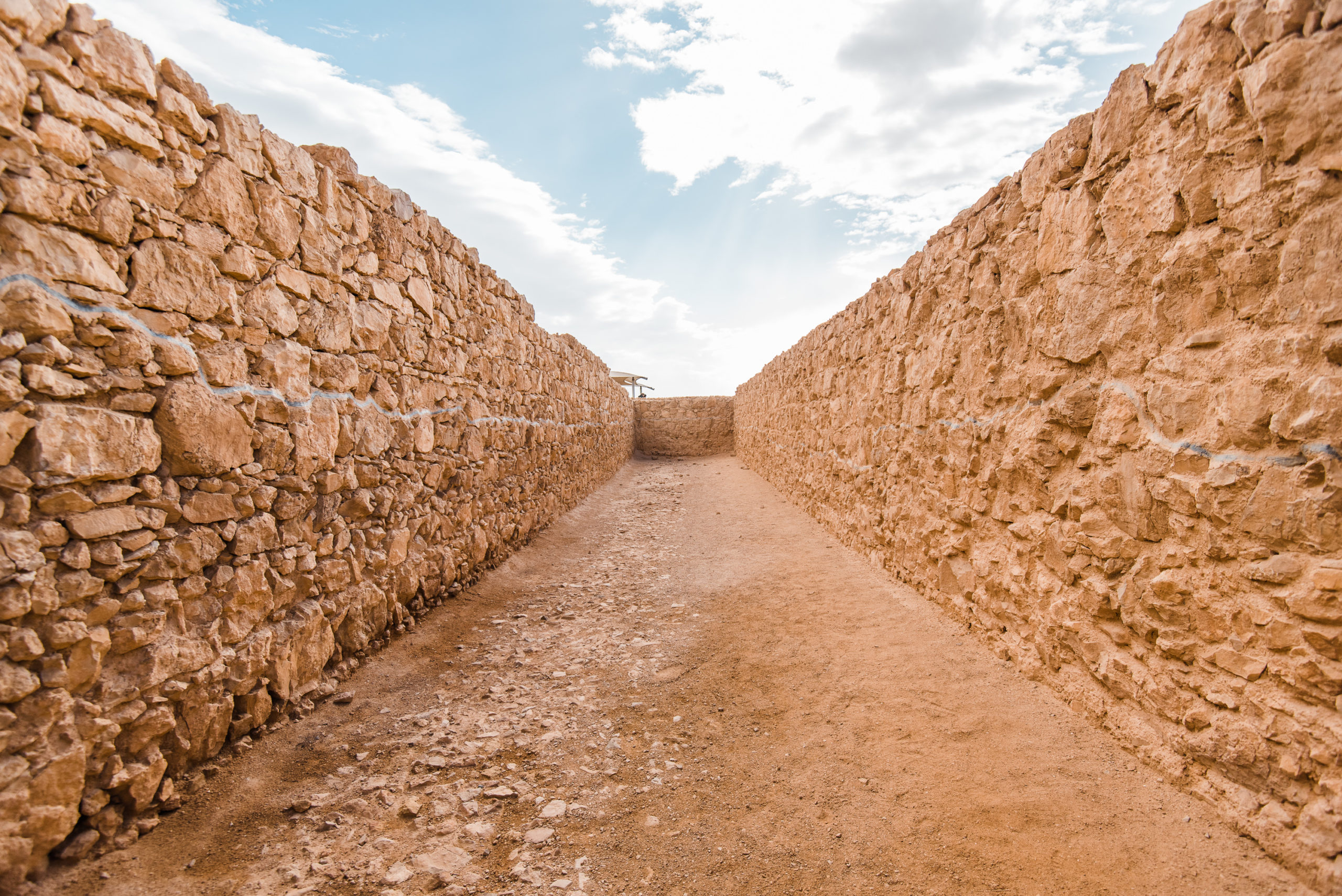
Masada is only about an hour and a half drive from Jerusalem, making an easy day trip from the city. Located in the southern Judean Desert, Masada is a famous ancient fortress located on a large plateau overlooking the Dead Sea. Herod the Great built two palaces for himself on the plateau. Then, after Rome conquered Israel, the last of the rebels against Rome took refuge at Masada. The siege of Masada by Roman troops from 73 to 74 CE, at the end of the First Jewish–Roman War, ended in the mass suicide of the 960 rebels who were hiding there. Masada is an amazing site with so much history.
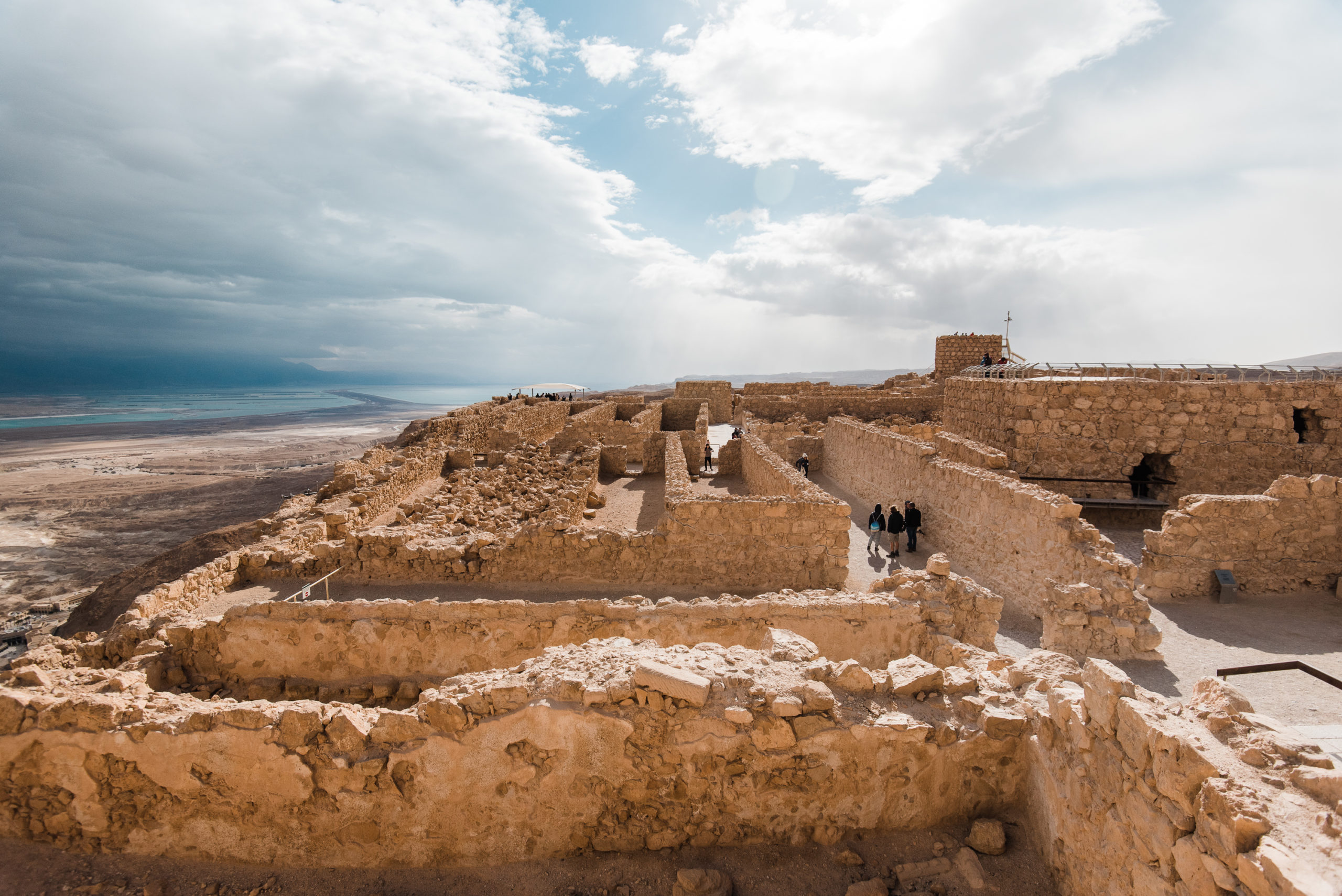
o4gxa
The ruins at Masada National Park

One of the palaces at Masada

This structure was used to house pigeons! Each hole was home for a bird.

Ancient mosaics on the floor of one of the palaces
pvw55
Storage units

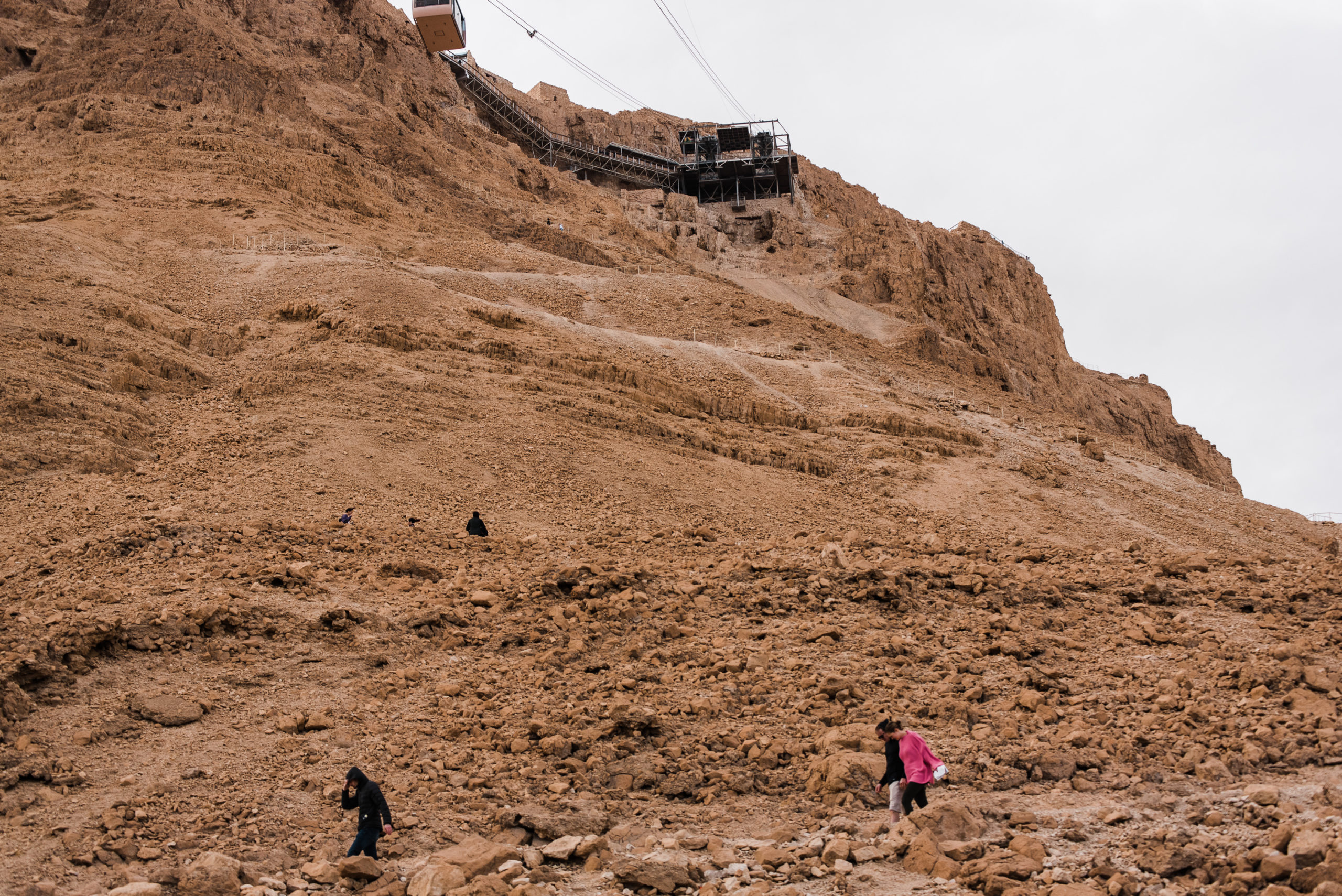
You can easily drive to Masada, and then there are 2 ways to get up the massive plateau: hike of the Snake Path or take the cable car. We chose to take the cable car up and hike down. Good decision all around. There are great views from the path, but the trail is steep and it was much faster to take the cable car up.

Cable car up to Masada
hqrt3
Snake Path up to Masada

Views from the Snake Path

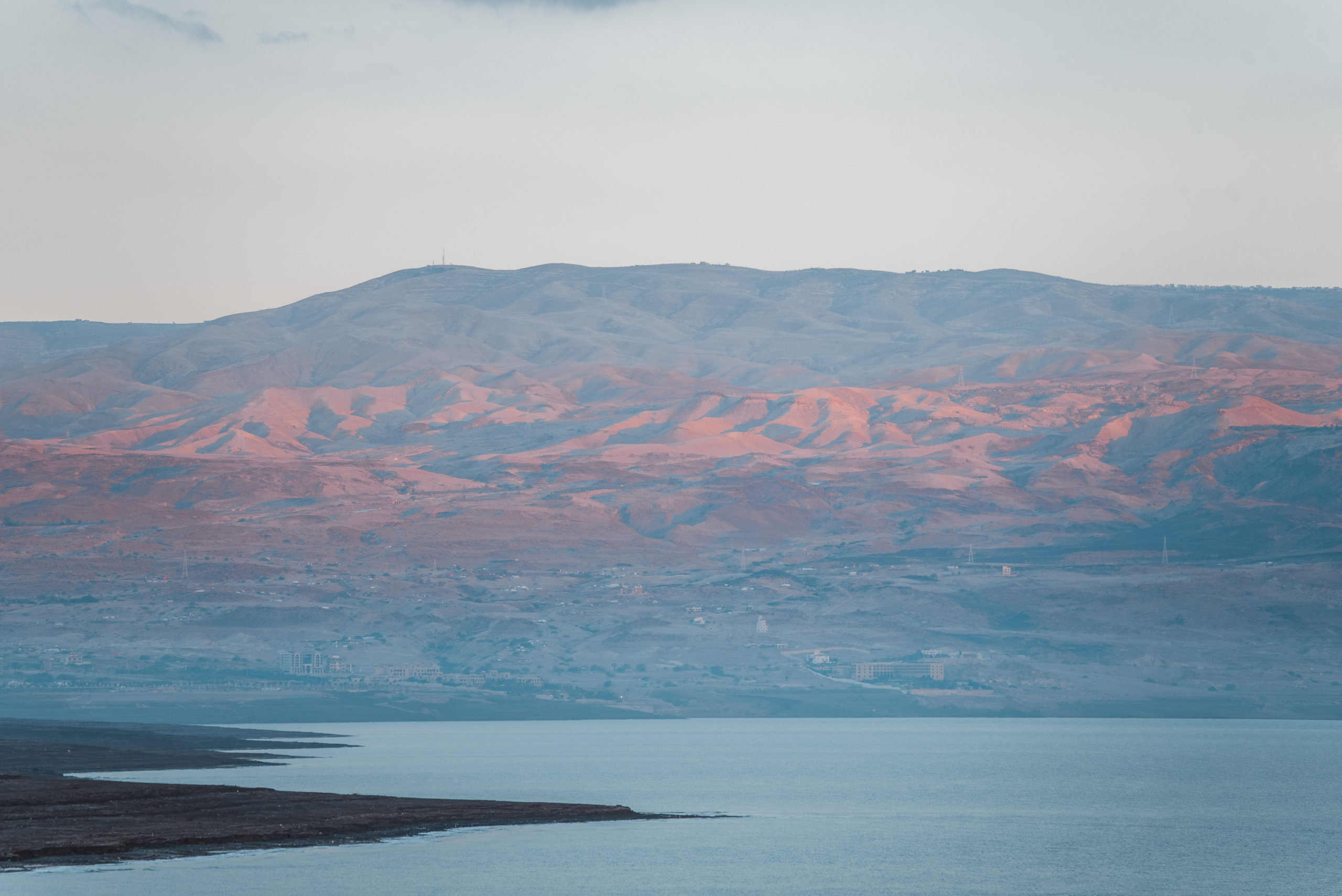
If you drive to Masada from Jerusalem, you will be driving right beside the Dead Sea for most of the journey. We stopped at Kalia Beach on our way back from Masada to take a swim in the Dead Sea. In this area, there really aren’t many places to just pull over on the side of the road to swim in the Dead Sea, so we opted to stop at a designated beach. Plus, if you go to an actual beach, there are usually showers. The beaches can be a bit expensive, but it was worth it to have the experience of swimming in the Dead Sea!

Swimming in the Dead Sea
e1khr
The Dead Sea at sunset at Kalia Beach

Kalia Beach

Sunset at Kalia Beach on the Dead Sea

Day 6: Qumran National Park, En Gedi National Park and Driving to Galilee Region

We could have planned this day a little better. It’s possible to do Masada, En Gedi National Park, AND swim in the Dead Sea all in one day. However, we didn’t feel like rushing, so we ended up doing En Gedi the same day we drove to the Galilee region, which doesn’t make much sense because En Gedi is south of Jerusalem and Galilee is north. We made it work though!

Qumran National Park

Qumran National Park is an easy 4o minute drive east of Jerusalem. It’s on the way to Masada and En Gedi National Park, so if you are visiting either one, plan to stop at Qumran on the way. This park was a bit of a spontaneous visit for us, but we are so glad we went!
zwwyx
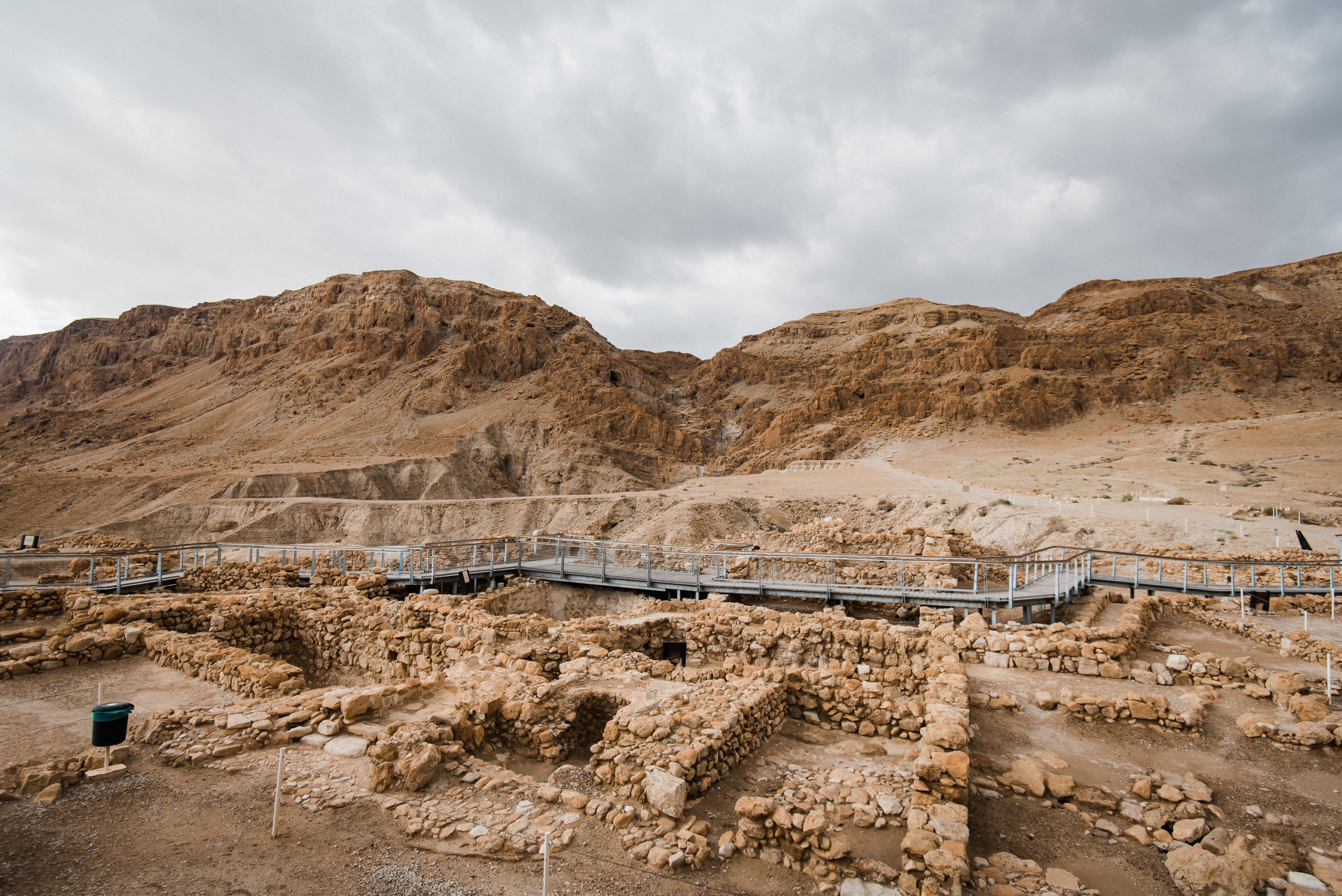
Ruins of Qumran

Qumran was established during the time period of 134-104BC. Archaeologists excavated multi-level structures, ritual baths, kilns and houses in the area. A community of people called the Essenes Jewish sect settled here, and from information found in the Dead Sea Scrolls scholars have managed to get a clear picture of the community’s way of life and beliefs. (Info from Tourist Israel).

Walking through the ruins of Quaran National Park

Qumran National Park is known for being the settlement nearest to the Qumran Caves where the Dead Sea Scrolls were discovered. In 1947, local Bedouins (nomadic people) discovered a clay jar containing 7 scrolls in a cave about 1.5km from Qumran. Further exploration of the area uncovered a total of 972 texts, which included the oldest known existing copy of the Old Testament.
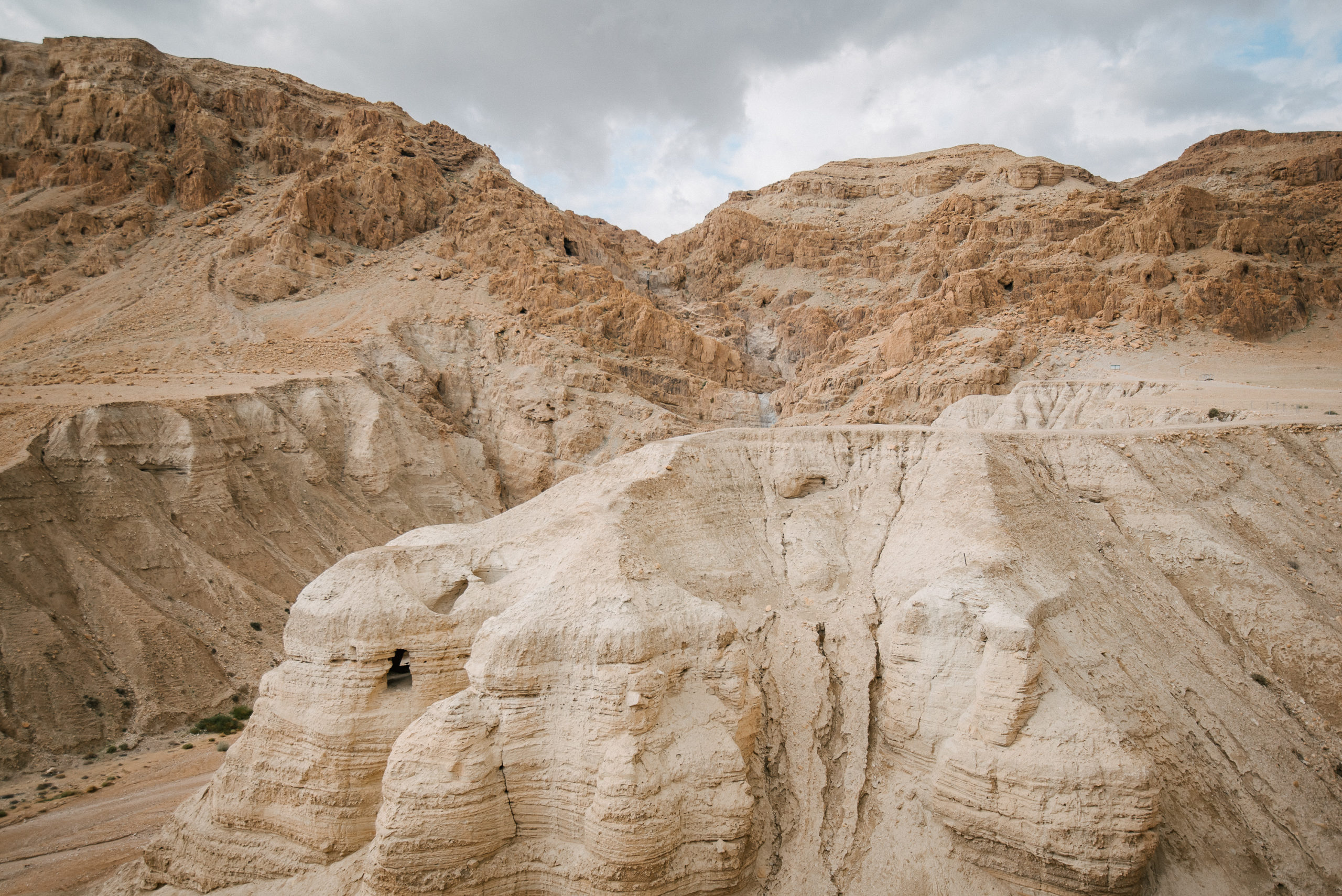
3dm6m
Caves at Qumran National Park

En Gedi National Park

En Gedi is the biggest oasis in Israel with hiking trails, springs and waterfalls. The park was our main destination for the day, and it definitely worth visiting! You could spend a whole day hiking here, but we just did the David Waterfall Trail, which takes about an hour.The David Waterfall goes through the Wadi David (valley) and trail loops from the ticket office, to the waterfall, and back. You’ll see waterfalls, springs, epic desert views, and maybe even some wildlife!

NOTE: Entrance to En Gedi National Park ends one hour before the actual closing time. Plus, certain trails will start to close even earlier. Make sure you plan to arrive with plenty of time until the listed closing time!
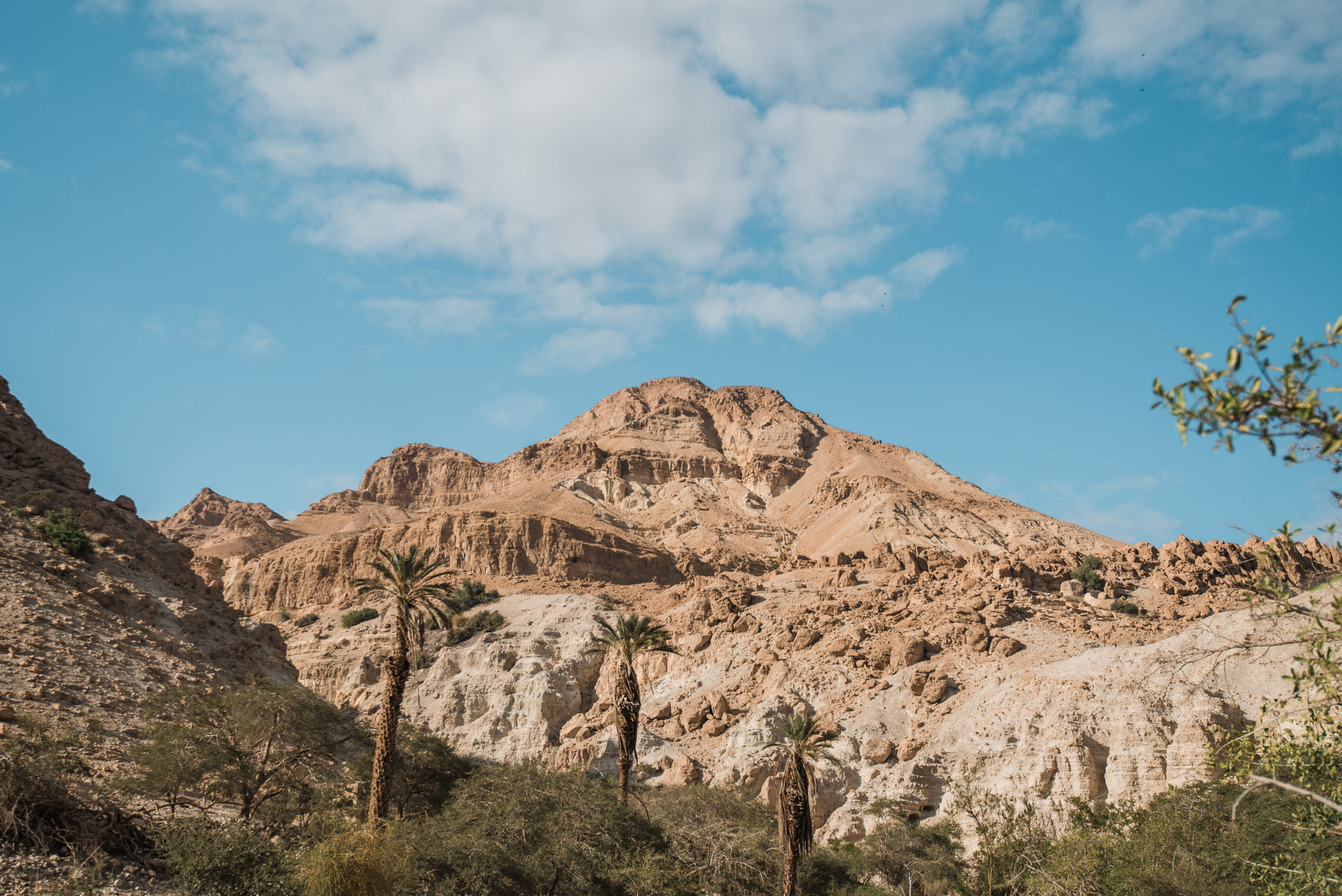
8p5dy
David Waterfall in En Gedi National Park

We also saw wild ibex and rock hyraxes.

Ibex at En Gedi National Park

Rock hyrax at En Gedi National Park

If you have a little time after hiking in En Gedi, take a short walk to the ancient synagogue, which is about a 15-minute walk from the En Gedi parking lot. Your entrance ticket to En Gedi should also get you into the synagogue. The mosaic floor of the synagogue is impressive.
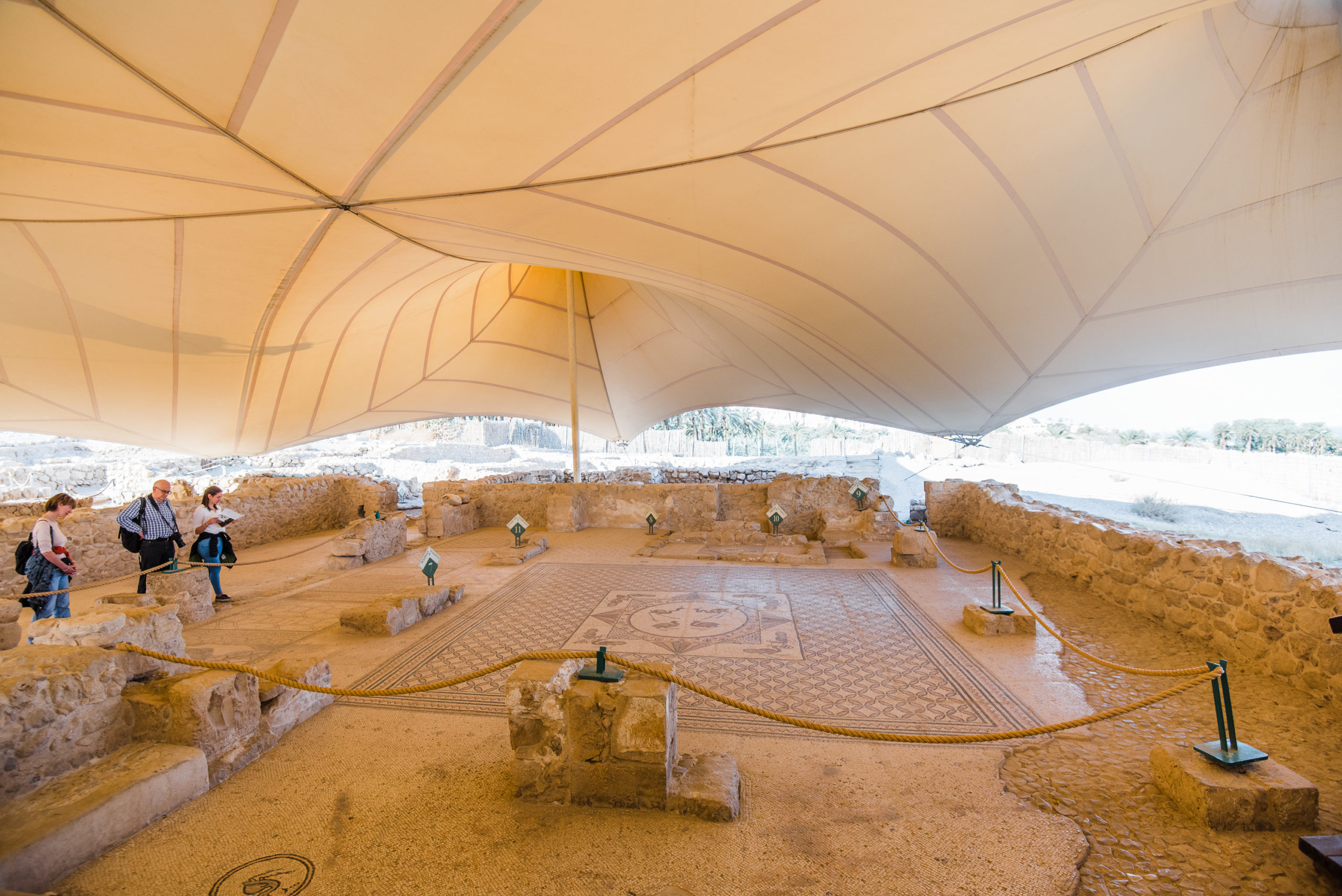
9mqnh
After En Gedi National Park, we drive north to the Galilee region of Israel, which is about a 2-hour drive. You can do the Galilee region as a day trip from Jerusalem, but we chose to spend 2 nights near Nazareth.

Views on the drive from En Gedi to Galilee

Day 7: Galilee Region: Capernaum, Church of the Multiplication, Mount Arbel

The Galilee Region is where Jesus grew up and spent a significant amount of time throughout his life. It’s a beautiful part of Israel with lots of important religious sites. We stayed in an Airbnb in Kiryat Tiv’on, which was a good location for seeing the area, though you could stay closer to Nazareth or Capernaum.

Note: Check opening times of all the religious sites in this area. Many churches or sites will close for an hour or two in the afternoon. We missed the Mount of the Beatitudes because we didn’t read the opening times right!

Capernaum National Park

First, we stopped at Capernaum National Park, not to be confused with the Capernaum archaeological site. We were actually a little confused as to which Capernaum we were trying to find. Turns out this was the wrong Capernaum. However, it was still a nice park for a quick visit. Capernaum National Park (Kfar Nahum) is the site of a Franciscan monastery and a Greek Orthodox church, and you can also see beautiful views of the Sea of Galilee.
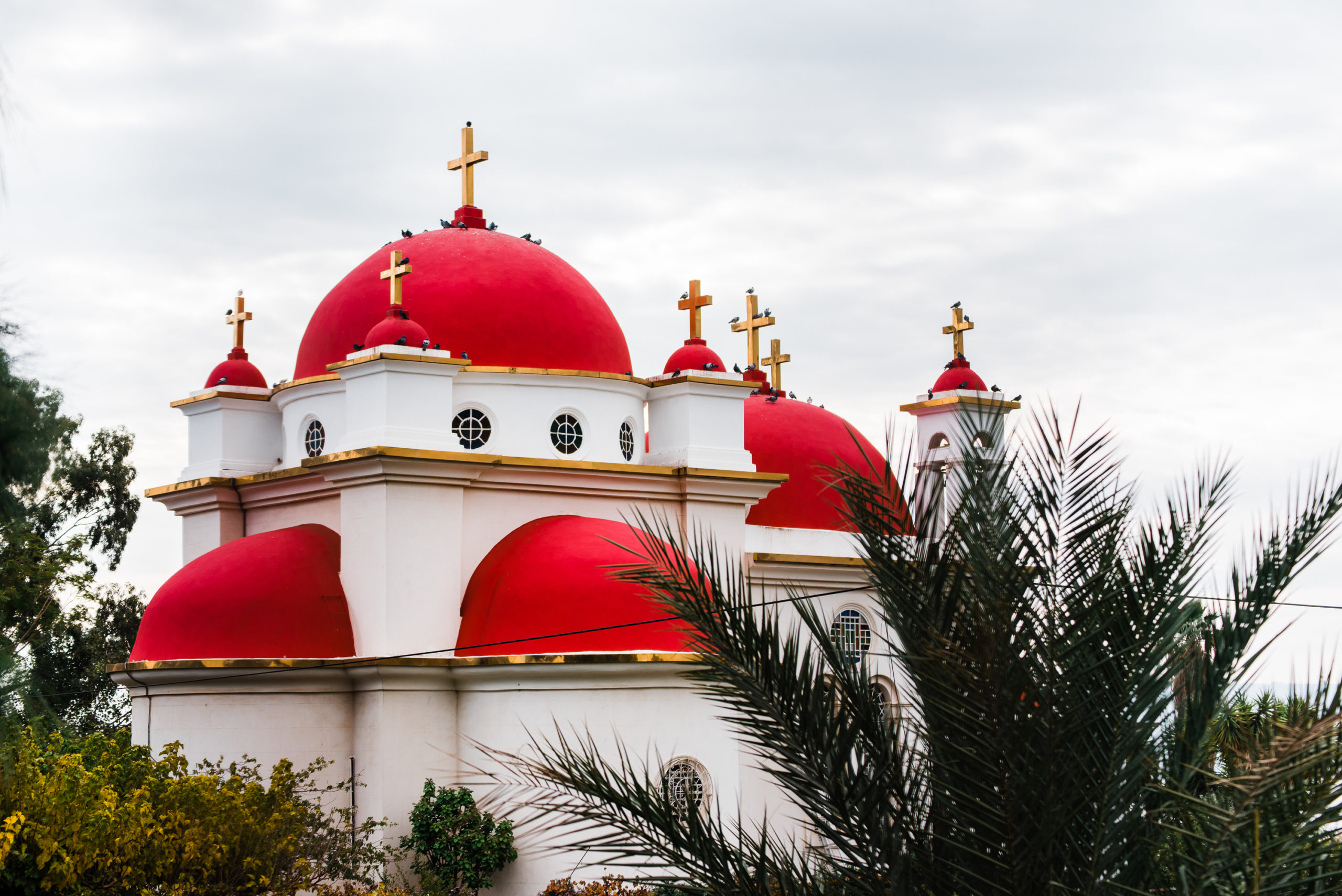
ohi1q
Greek Orthodox Church in Capernaum National Park

Inside the Greek Orthodox Church

Capernaum Archeological Site

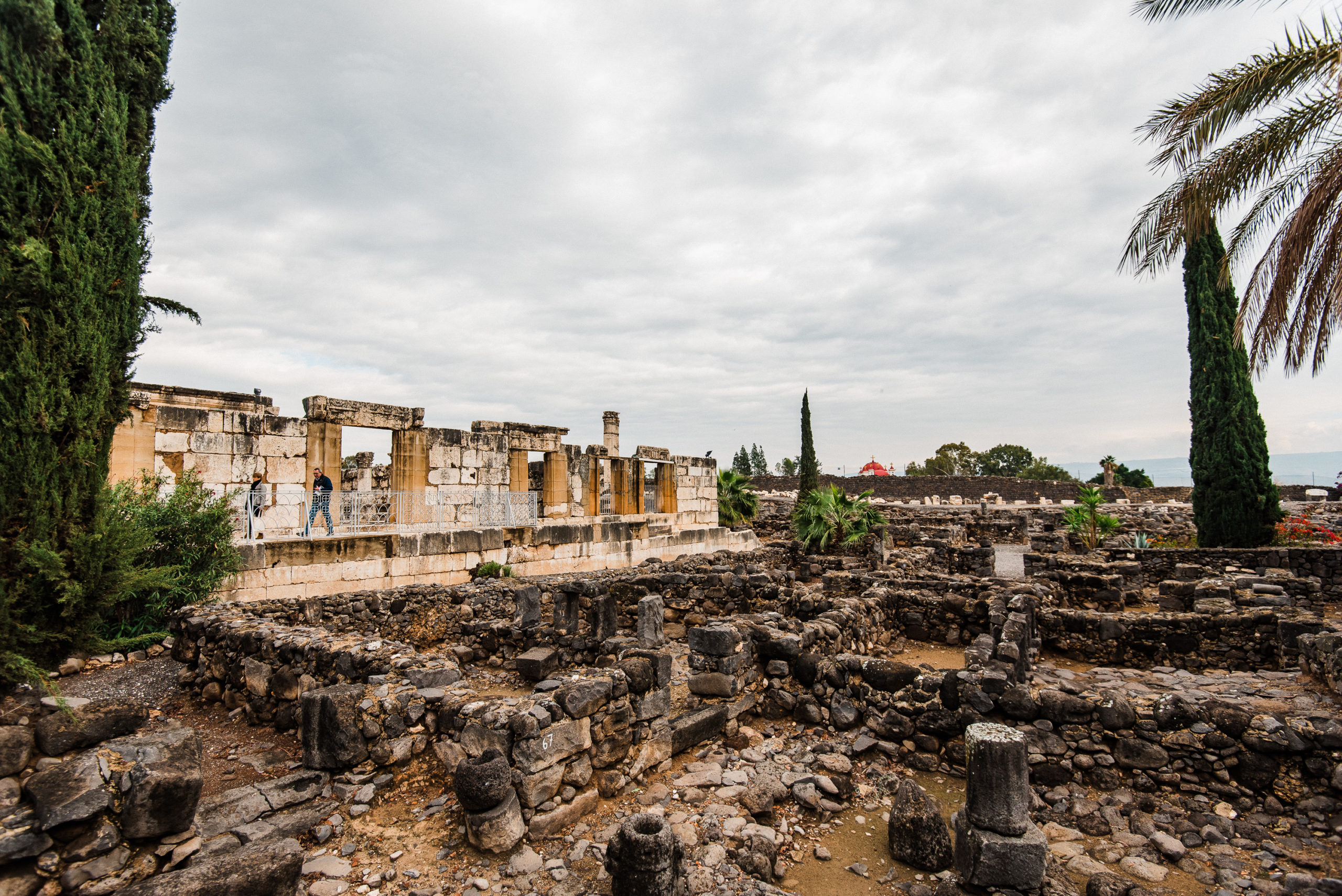
Capernaum is the small fishing village where Jesus lived, and THIS is the Capernaum that most people see. The archaeological site features the ruins of the Biblical town and includes the House of Peter and the synagogue where Jesus gave the Sermon on the Bread of Life. The site isn’t large, but it’s definitely worth a visit.
xhe6r
Capernaum was a small fishing village where Jesus lived.

The House of Peter in Capernaum. A church was built over the ruins of the house.

The synagogue where Jesus gave the Sermon on the Bread of Life

Church of the Multiplication (Tabgha)

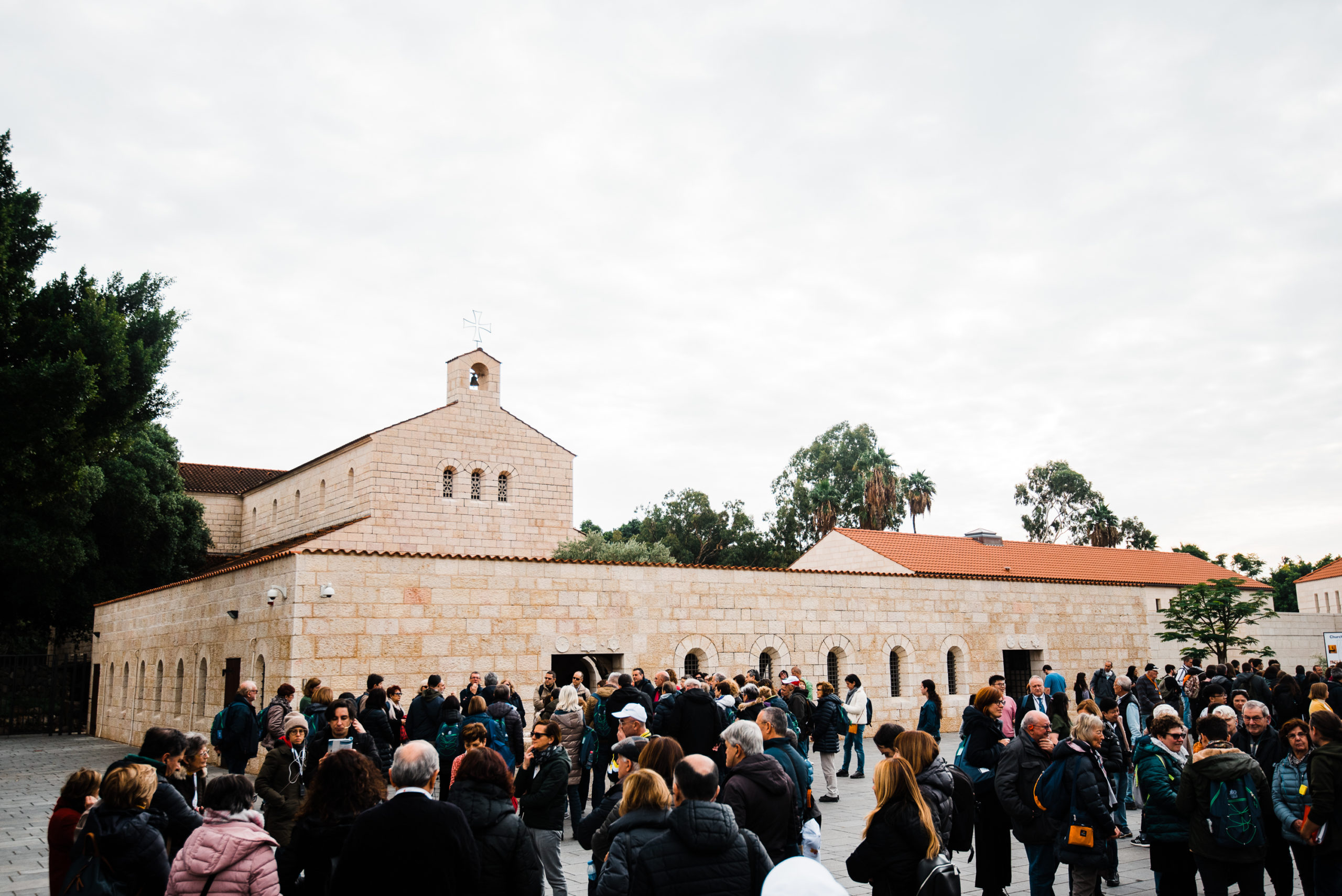
Next, we went to the Church of the Multiplication, which is the location where Jesus performed the miracle of multiplying the fish and the loaves. The church was built to commemorate the miracle, and there is a famous mosaic inside depicting the fish and loaves.
ua63r
Church of the Multiplication, which is the location where Jesus performed the miracle of multiplying the fish and the loaves.

Mosaic inside the Church of Multiplication depicting the fish and loaves.

Church of the Primacy of St. Peter

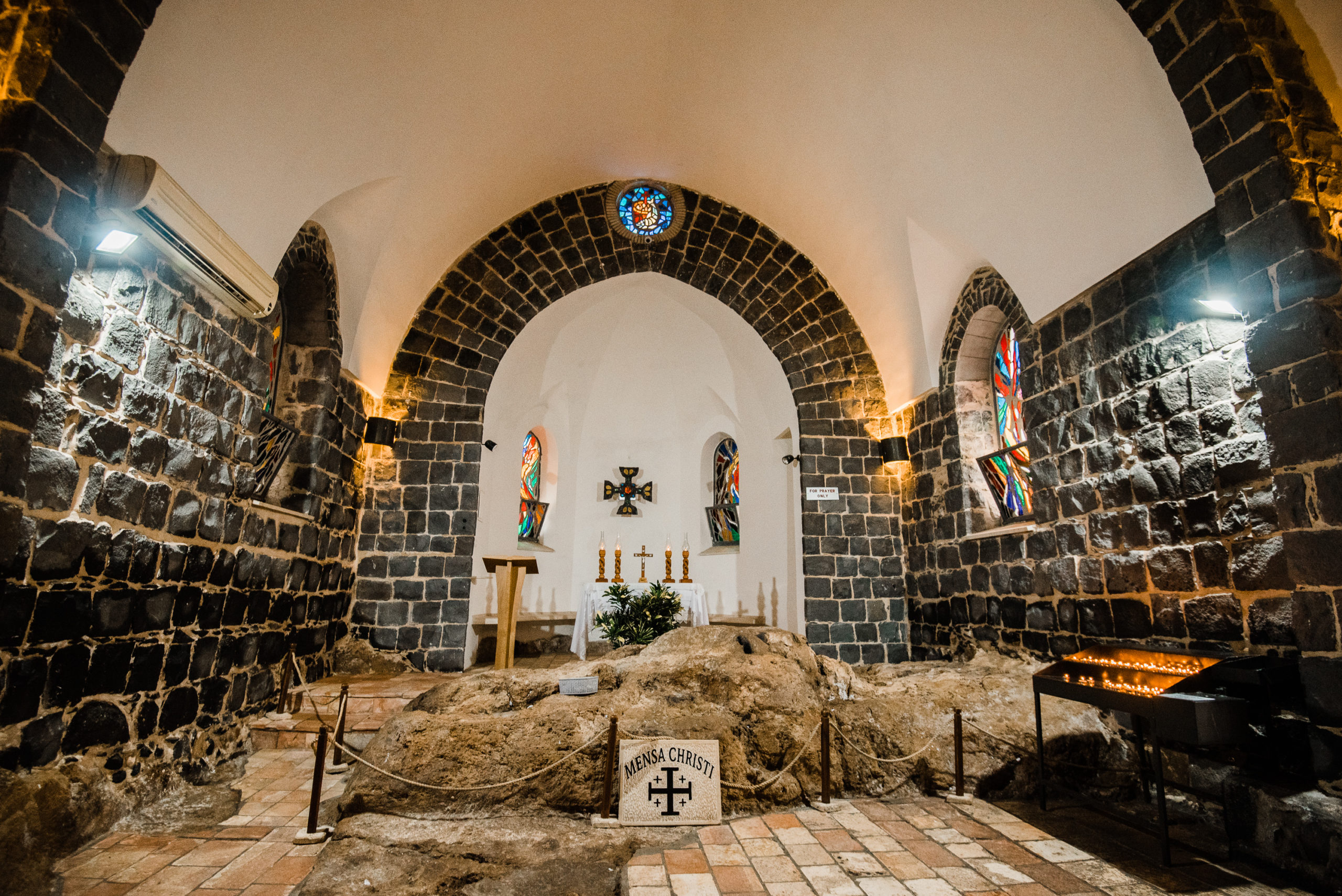
This church is a short walk from the Church of Multiplication, and it’s worth a stop. The church marks the spot of Jesus’ reinstatement of Peter as chief among the Apostles (Wikipedia). It also has great views of the Sea of Galilee.

Church of the Primacy of St. Peter
4dr78
Inside the Church of the Primacy of St. Peter. The rock marks the spot where Jesus reinstated Peter.

Sea of Galilee outside the Church of the Primacy of St. Peter

Sea of Galilee outside the Church of the Primacy of St. Peter

Mount Arbel National Park

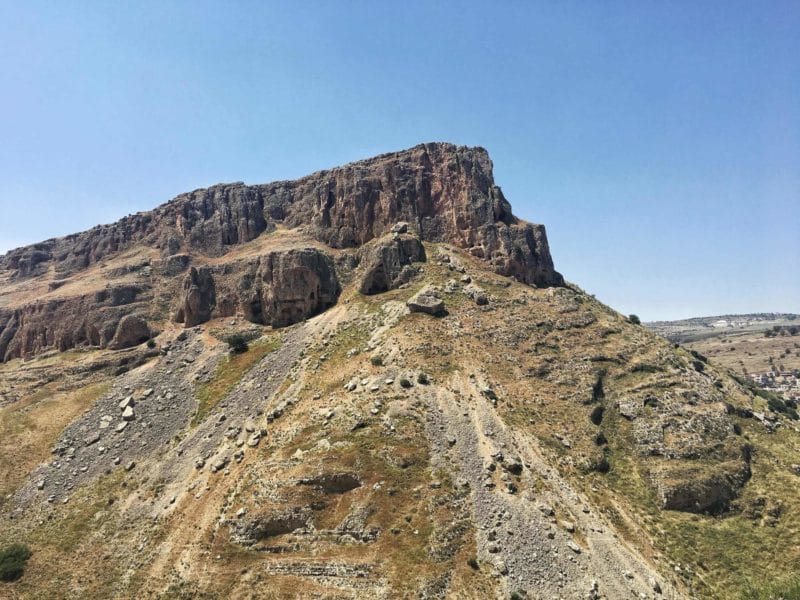
If you are looking for some hiking, this park is perfect. You can easily drive to this park, and then there are lots of trails starting from the top of the mountain. We did the Carob Tree Lookout trail, which is a pretty easy trail that only takes about 30 minutes. However, the lookout offers incredible views of the Jordan Valley and the Sea of Galilee.

Hiking to the Carob Tree Lookout at Mount Arbel National Park

Hiking to the Carob Tree Lookout at Mount Arbel National Park

Views from the Carob Tree Lookout at Mount Arbel National Park

 
Hiking to the Carob Tree Lookout at Mount Arbel National Park

Hiking to the Carob Tree Lookout at Mount Arbel National Park

Day 8: Bet She’arim National Park and Tel Aviv

Bet She’arim National Park

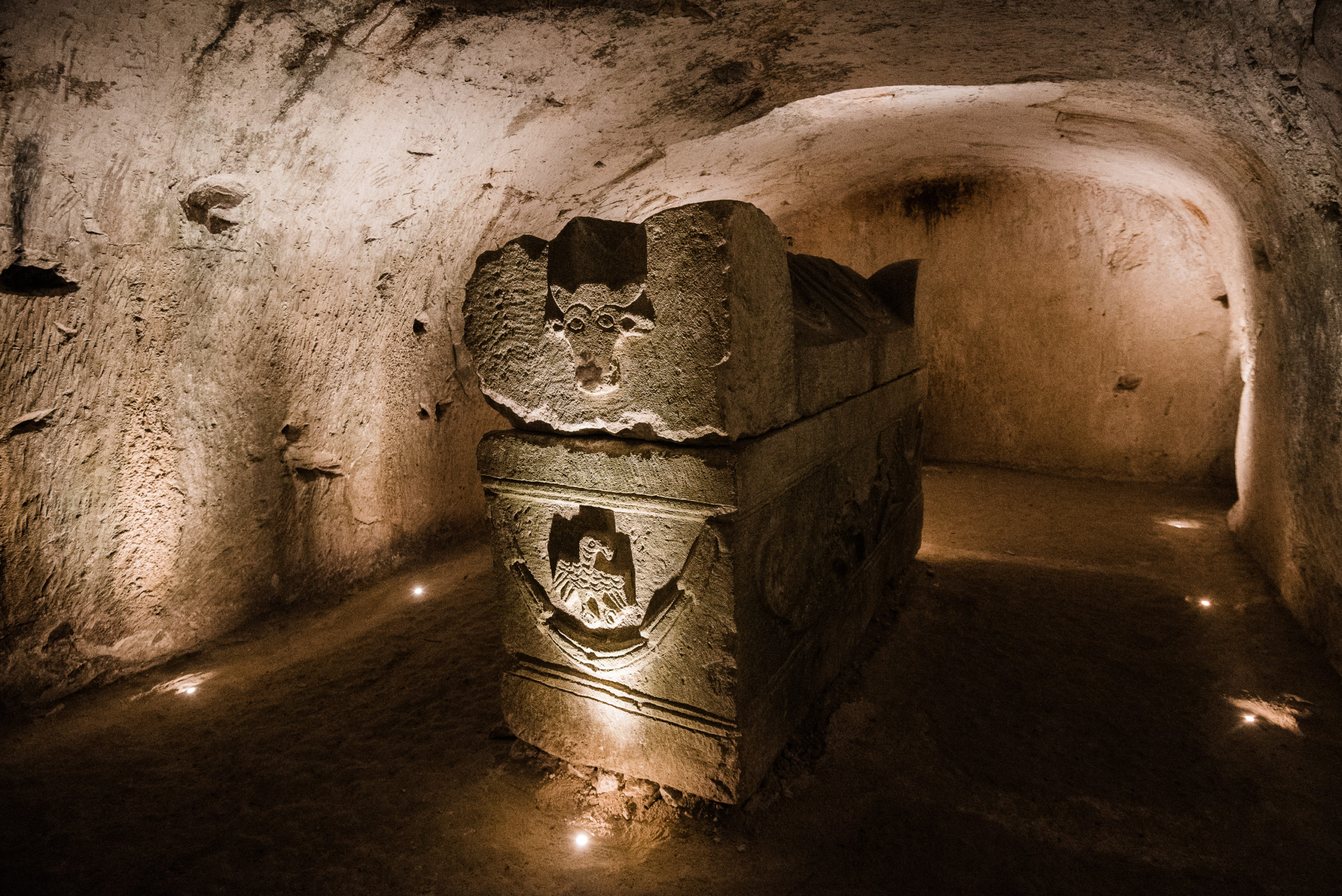
We started the day at Bet She’arim National Park, which is a total hidden gem. This park was amazing and one of the highlights of our time in the Galilee region. Bet She’arim was home to a great rabbi named Rabbi Yehuda HaNasi who was the religious, spiritual and political leader of the Jewish people at that time (Israel Nature and Park Authority). The park is famous for its huge necropolis of rock-cut tombs. There are 20 catacombs and over 400 stone burial places. How insane is that. You can also enter these catacombs and walk around the ancient tombs. It’s unlike anything I’ve ever seen.

Entrance to one of the catacombs at Bet She’arim National Park

Inside the Cave of Coffins at Bet She’arim National Park
rbjqs
Decorated sarcophagus inside the Cave of Coffins at Bet She’arim National Park

Nazareth-Basilica of the Annunciation

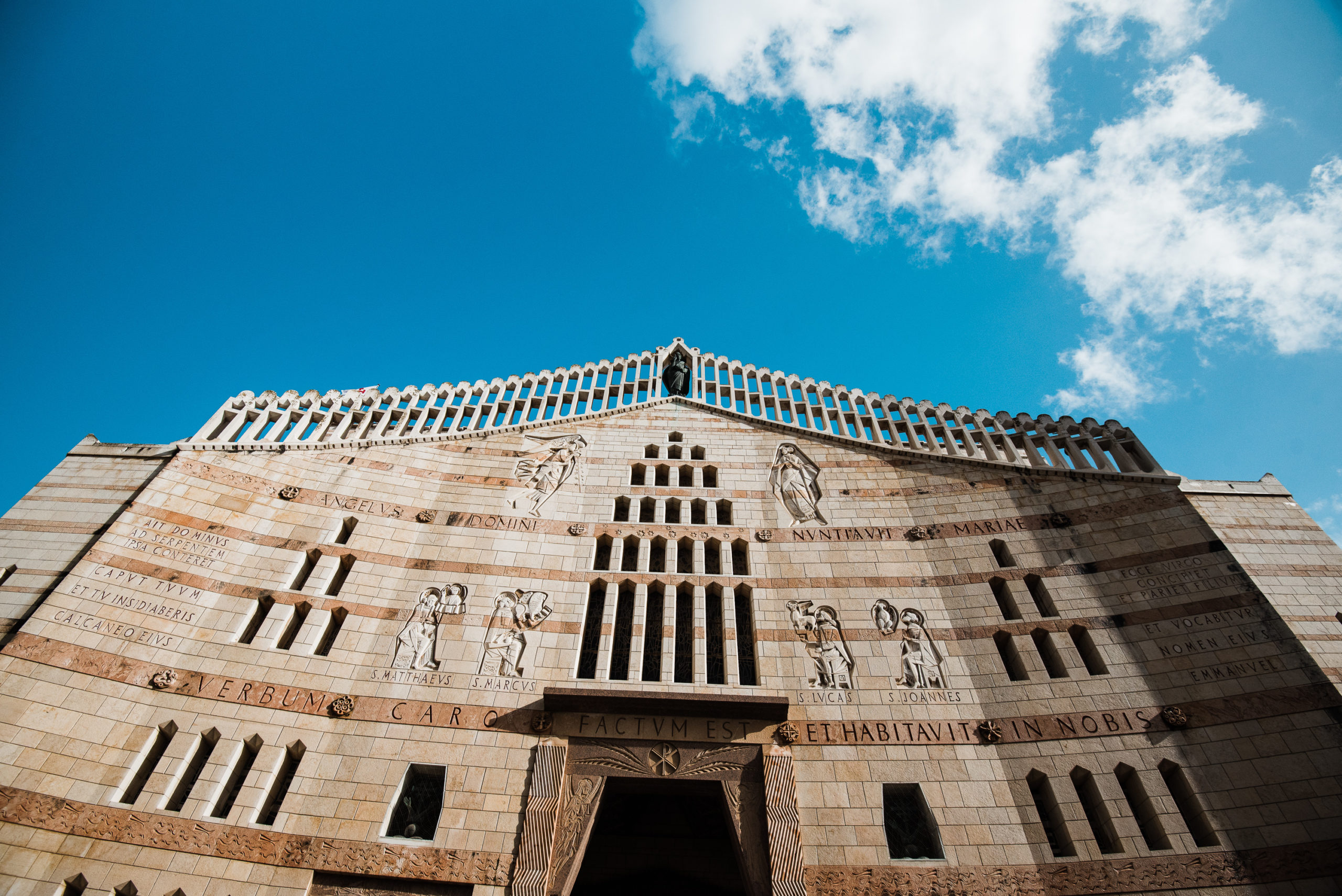
After the park, we stopped at the Basilica of the Annunciation in Nazareth on our way to Tel Aviv. Parking near the church is limited, but we managed to find a small lot that let us park there for 30 minutes before they were going to close. The Basilica is a modern Catholic church built over the site believed to be the house of the Virgin Mary, and where angel Gabriel appeared to her and announced that she would conceive and bear the Son of God, Jesus (the Annunciation).

The church is beautiful and has large panels of artwork depicting the Virgin that were done by different countries from all over the world.
n5bel
Basilica of the Annunciation

Inside the Basilica of the Annunciation-the ruins of the Virgin Mary’s house

The upper floor of the Basilica of the Annunciation

Tel Aviv

Next, we drove to Tel Aviv, which about an hour by car. We w[……]

Read more

EGYPT TRAVEL TIPS

For some reason I haven’t heard of many people visiting Egypt on their own, without going for beach holidays. I knew one person who did Egypt travel independently and enjoyed it but that wasn’t enough for me to be confident enough.

But then I read the article about Cairo and I knew I want to travel to Egypt really badly. Shortly after I gave myself a birthday present and booked flights to Cairo.

I spent 10 days in Egypt and I survived.

And, to my great surprise, everything was fine and rather smooth, even if annoying at times.

Egypt was worth all the effort and I really enjoyed my time there, even though on most of the days I was really exhausted.

I put together a list of Egypt travel tips that hopefully will be useful for you when you plan your own Egypt trip.

Best time to visit Egypt

I visited Egypt at the end of December/beginning of January and I think it’s a really good time if you want to focus on sightseeing.

It wasn’t too hot, usually around 20C and sunny although the day was a bit short for my taste, it was getting dark around 5pm.

I also found main touristic sights a bit too crowded and prices were slightly higher because of the New Year’s season so try to avoid the Christmas-New Year time but go around it for the chances of good weather.

In the seaside resorts you will be more lucky with warm (25C and above) weather, it should be good from late autumn to early spring.

Summer time is insanely hot everywhere and I’d generally avoid travelling in Egypt at that time.

5azjy
How to get to Egypt

There are few popular international airports in Egypt so if you’re going to fly you will most likely have to decide between Cairo, Sharm el Sheikh and Hurghada.

I didn’t want to go to the last two as these are the seaside resorts located a bit away from places I wanted to visit in Egypt and I didn’t have enough time to relax at the sea (although that could have been nice too) so I had to find flights to Cairo.

There are numerous European, African and Middle East airline flying to Cairo.

For me the cheapest option was with Ukrainian International Airlines, with a quick connection in Kyiv (as it later turned out it was too short on the way back when my flight from Cairo was over 2 hours delayed and the flight to Warsaw departed without me, fortunately the airline secured the hotel, meals and the seat in the next flight with no issues).

I paid around €250 for my return ticket, bought 4 months in advance and for the high season (Christmas and New Year period).

Usually you can get it even better deals with UIA. I use this airline fairly often and they are ok, almost always on time and with good service.

Also the airport in Kyiv is fine for transfer, everything is rather smooth, prices are affordable and the free wifi keeps you entertained when waiting for your flight.

Egypt visa on arrival at Cairo airport

Most likely you need a visa to Egypt.

You can do it online at this website or you can get a visa on arrival at the airport, the price is the same – $25.

I was planning to get the e-visa but I was too late.

You need to apply 7 days prior the arrival – it was exactly 7 days when I wanted to do it so I didn’t want to risk.

Fortunately getting the Egypt visa on arrival on Cairo airport was super easy and I didn’t waste all that much time for the procedure so to be honest I wouldn’t bother all that much with getting e-visa.

When you get to the arrival hall, with passport control at the end, you will find a bank on the right side directly after you leave the escalator.

It’s easy to miss this very random both with printed pages glued to the window saying that Visa on arrival costs $25.

You only pay the amount (it has to be in the US dollars but they will give you a change if you don’t have exactly $25 in cash), get a sticker with visa and that’s it, no paperwork is required. You have to put the visa to the passport yourself.

Before proceeding to the passport control you need to fill in the arrival migration card (the red one is for foreigners), you will find them on the shelf just before the passport queue.

It’s a standard form, you need to fill in your name, date and place of birth, nationality, passport number and the reason you’re visiting Egypt.

With visa stuck in your passport and a migration card filled you can proceed to the passport control. It was easy and straightforward, nothing extraordinary really.

I wasn’t asked even one question and after a minute or two I was handed my passport back, with the entry stamp to Egypt.

guoqe
How to get a SIM card at Cairo airport

Another thing you should do after arriving to Egypt is getting a local SIM card.

When you leave the arrival hall, still in the building, on the left you will find the booths of three mobile phone providers: Vodafone, Etisalat and Orange.

I got my card at Orange, only because at that moment it had the shortest line.

I was interested in internet data only so got 3,5GB of internet for 100 EGP. The whole procedure was straightforward, took maybe few minutes.

I only needed the passport to get the card, installing it and making everything work was taken care of.

I can’t complain about the coverage as the phone was working more or less everywhere I visited. Only sometimes on the train it was losing the signal but that happens in Poland too.

I was happy with the internet speed and I can recommend getting the card from Orange.

How to get from Cairo airport to the center

The reason why I wanted to get the SIM card as soon as possible was getting out of the airport smoothly.

Apparently there are some buses connecting Cairo airport with downtown but the moment I saw Uber is operating in Cairo at very reasonable prices I knew I’m going to use it.

It took some messages back and forth with the driver but we finally found each other and some 30 minutes later I was already in front of my hotel in downtown Cairo.

I paid 100 EGP for the ride which I think is a really fair price for a hassle-free journey from the airport after arriving.

wr5rb
How to get around Cairo

Cairo is huge and the main sights are located a bit far from each other.

The best way to get to some of the places (Egyptian Museum and the Downtown, Cairo Tower, Coptic Cairo or Khan el-Khalili) is by metro. It’s fast, cheap and easy to use (there are signs in both Arabic and English).

Before you go download to your phone Cairo metro map – you will definitely need it!

Once at the station you first need to get the ticket – the price depends on the distance but most likely you will pay 3 EGP as that’s the cheapest fare that covers up to 9 stations of the journey.

With the ticket go to the platform and off you go to your destination.

If you are a woman and don’t feel comfortable riding in mixed carriages there are woman-only carriages located in the middle of the train – signs at the platform will show you where you should wait for them.

Remember to keep the ticket with you – you will need it to leave the platform once you get to your destination.

If you need to go somewhere metro doesn’t reach (like the Citadel or Giza Pyramids) you should take Uber.

There are numerous mini buses going around but figuring them out is a lot of hassle so Uber is your best option, especially with affordable prices.

But I did had some issues using Uber in Cairo.

While it was no problem to get the ride for longer distances like the airport or Pyramids I couldn’t get it for shorter routes. I’ve tried few times and after a while drivers canceled on me, claiming they did arrive but I was not there (I was charged 10GBP for no-show but got refunded when I said I indeed was at the place but the driver didn’t show up).

Cairo is a walkable city and I had no problems with walking around although crossing the street was sometimes nerve-wracking.

If you don’t mind being surrounded by people and moving vehicles (in all directions and constantly beeping) you will be fine walking around in Cairo.

v7jc4
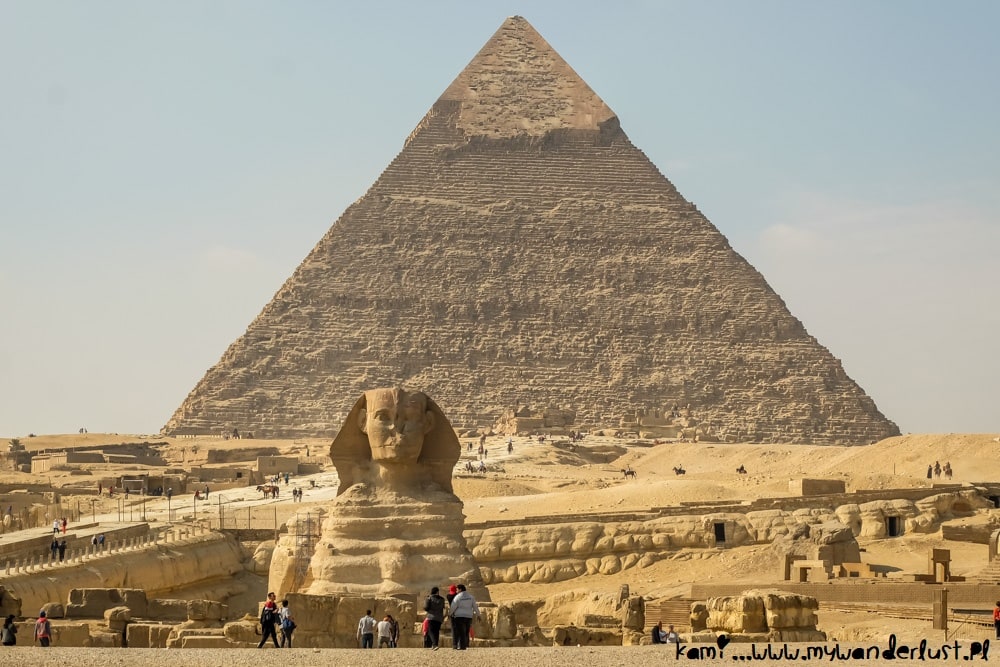
Visiting Pyramids

Visiting Pyramids deserves the whole separate post but just let me tell you it is possible to do it independently and it’s not difficult at all.

Just take the Uber to Pyramids (you should be drop off directly in front of the entrance), buy the ticket, go through the security and you’re free to explore the area.

But prepare yourself for the constant harassment of touts who will try to make you go for a camel / carriage ride, be your guide, sell you souvenirs or show you the view. It will be a big test of your assertiveness but it’s worth it, the Pyramids are incredible!

You can read more about my experience with visiting Pyramids here.
4u23j
Language in Egypt

The official language in Egypt is Arabic but many of the people and everyone in the touristic places speak at least decent English, enough to communicate.

And if there is a language barrier just smile and you will be fine too!

The only thing I would recommend is learning, or at least downloading to your phone, Arab numbers.

Knowing them will come handy when you will be looking for your Uber ride (license plates in Egypt are only in Arab) or when figuring out which platform you train is departing from.

Fortunately money has both Arab and European numbers on them.

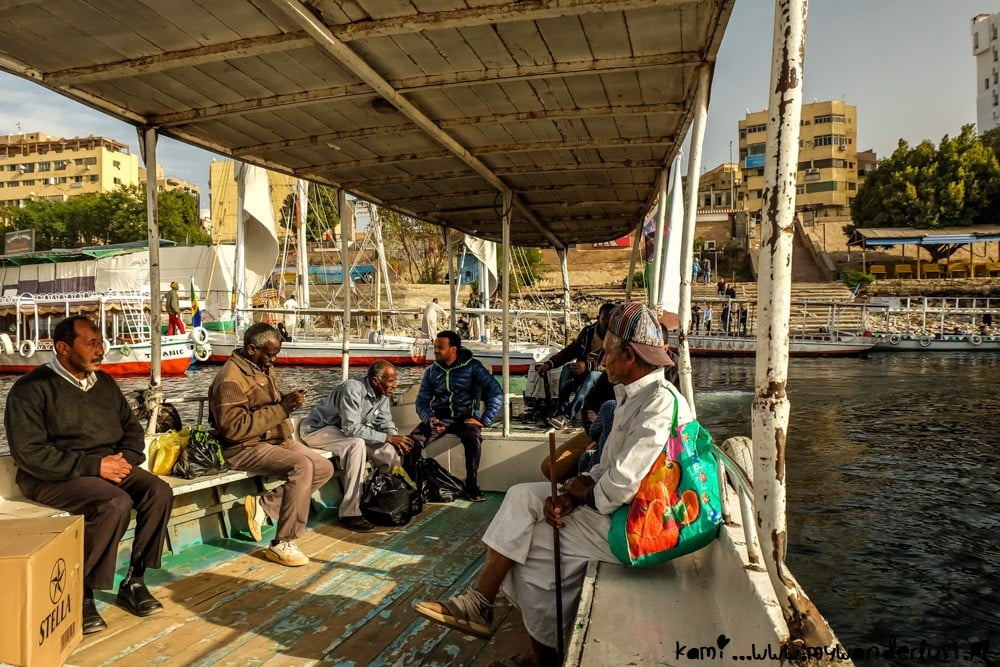
How to travel around Egypt

I used trains only and they were reliable and comfortable, even if a bit filthy.

I bought the tickets online, they were very affordable for the distances and the standards of the journey.

I took the following routes, all in AC1 class (the best available really):

Cairo – Luxor, 10 hours, I paid 204 EGP ($11,40 / €10)

Luxor – Aswan, 4 hours, I paid 53 EGP ($3 / €2,60)

Aswan – Cairo, 14 hours (but eventually I disembarked in Giza so the journey was shorter), I paid 245 EGP ($13,70 / €12)

To prepare for the journey be sure to take with you enough of snack and drinks (although you can buy them in the train during your journey too), something warm to put on as the air-condition is really efficient and a good book to read.

You will spend half of the time starting outside the window anyway as views are really amazing and you can see more of the real Egypt.
Apparently international tourists can’t get a ticket for the Cairo-Luxor-Aswan route at the station in Cairo due to some restrictions.

But you can easily buy the ticket online, they go on sale two weeks before the departure date.

You need to register at the website of Egyptian Railways and once you get the confirmation email you are free to book your trains.

It’s actually fairly easy, a standard procedure, and everything worked fine with my Polish passport and credit card.

The tickets are then sent via email, you can also check and download them from the website whenever you want to, using the reservation number.

Funny thing, when I paid for my Luxor-Aswan ticket the website didn’t want to refresh, but I still got my ticket and the reservation was valid when I checked it. Yet on the next day I got the money back to my bank account.

When I took that very train everything was fine and no one questioned my ticket.

To save the time you can also take the night train (but it’s a bit too expensive in my opinion, one way Cairo-Luxor is apparently around $80-$100) or fly.

That was my initial plan, to fly at least one way between Luxor or Aswan and Cairo, but I was too late to book the flights and then prices were way too expensive in comparison to the train (normally you can find the one-way flight from Aswan to Luxor for $50).

When you plan your trip to Egypt don’t make my mistake and look for flights not 2 weeks before the departure but earlier.

There are few local airlines that you can use when traveling around the country, you can find them on the flights’ search engine.

4wlhz
Safety in Egypt

That’s another topic that deserves the whole separate post.

But to give you a little overview: no, Egypt is not a completely safe destination but then what country is?

Few hours after my arrival to Egypt a bus with tourists from Vietnam was attacked in Giza resulting in 4 casualties.

For the whole time I spent in Egypt I felt safe and even if in few situations I was a bit anxious it was all my mind playing tricks as everything was completely fine really.

But of course you have to be careful and use your common sense, Egypt is not an easy destination to visit.

Every time you enter a metro station / train station / any monument and tourist attraction you have to go through the security, similar to the one at the airport. It is annoying but after a day or two you will get used to it.

1iztg
Solo female travel in Egypt

And another topic that needs more attention.

Even if I was afraid of solo female travel in Egypt (and I’m not ashamed to admit it) everything was surprisingly good. After few minor incidents in Iran I was worried I will have to deal with some harassment or even unwanted touching but nothing like that happened.

There was some catcalling, of course, but nothing more than that.

Even if I was really tempted to show my middle finger I just ignored those and kept walking, forgetting about the whole situation quickly.

In general Egypt was a bit annoying but that had nothing to do with me being a solo traveler. I assume I would be equally annoyed at touts if I was travelling with someone else.

 
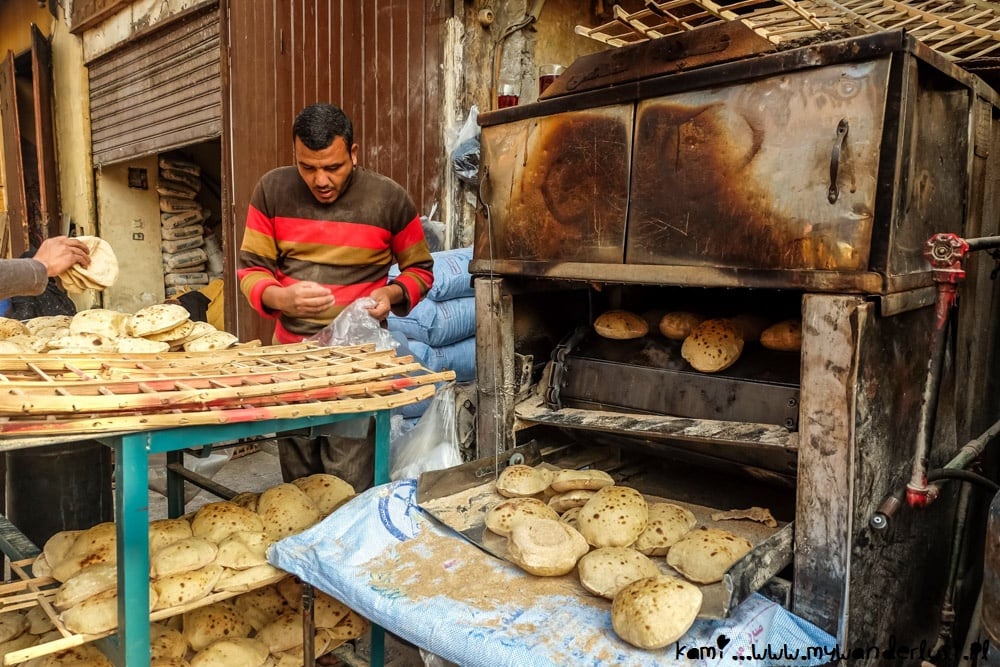
Food in Egypt

I’m a vegetarian so Egypt was a food paradise for me!

There were so many delicious options to choose from that I could finally try a variety of food but my favorite was of course falafel.

I bought it mostly from the street shops that would never pass the sanitary and health control but I never felt sick.

They were all so delicious and the cheapest I’ve ever tried.

If you are familiar and like Middle East food you know what to expect in Egypt.

I also ate a lot of fruits and drank so many fresh juices as they were so delicious! We don’t have such a good taste of fruits and vegetables in Poland!

3p9pg
Prices in Egypt

In general I found Egypt to be a rather cheap destination. Transport, food and accommodation were very affordable.

On the other hand a way too big part of my expenses were entrance fees.

Like in many other countries (Iran, Uzbekistan or Jordan, just to give you few examples) foreigners have to pay 5-10 times more for the entrance (if you learn the Arab numbers you will see this huge difference that just hurts the eyes).

Let’s say I can understand the whole idea behind it but I’d be fine if the extra money go for the restoration and taking care of the monuments. Sadly that’s not really the case with Egypt.

Anyway, during my 10 days in Egypt that’s what I’ve spent:

Accommodation (9 nights, single rooms with breakfast) – 5950 EGP ($332 / €291)

Transportation (trains, Uber, metro, ferries, taxis) – 2033 EGP ($114 / €100)

Entrance fees – 2670 EGP ($149 / €131)

Food and drinks – 1158 EGP ($65 / €57)

Other (SIM card, tips, toilet) – 220 EGP ($12 / €11)

Total amount I spent on my 10 days in Egypt is 12 031 EGP ($672 / €590).

2kg23
Entrance fees

As I said I found sightseeing in Egypt to be a bit expensive.

Single tickets are not all that much but once you add the amounts you’ve spent it really is a lot.

With a heavy heart I paid for every entrance fee, after all I don’t know if I will visit Egypt again and I travelled all the way there to see all the great ancient remnants and other interesting sights.

Most places were definitely worth it but some not really.

On top of that in few sights you had to pay extra for the photography permits and sometimes (in the Valley of the Kings) it was more expensive than the entrance fee itself!

Here are the prices of entrance fee, prices from January 2019:

Egyptian Museum – 350 EGP for everything (general entrance fee, Royal Mummies Hall, the photography permit)

Cairo Tower – 200 EGP

Coptic Museum – 100 EGP for the entrance and 50 EGP for the photography permit

Random mosque in the Islamic Cairo – 5 EGP

Tickets for 6 monuments in the Islamic Cairo – 100 EGP

Pyramids in Giza – 160 EGP for the area, 340 EGP for the Cheops Pyramid

Citadel in Cairo – 140 EGP

Mosque-Madrassa of Sultan Hassan in Cairo – 80 EGP but they didn’t have a change so I paid 100 EGP

Valley of the Kings in Luxor – 200 EGP entrance fee, 300 EGP photography permit

Hatshepsut Temple in Luxor – 100 EGP

Medinet Habu Temple in Luxor – 80 EGP

Karnak Temple in Luxor – 150 EGP

Philae Temple in Aswan – 140 EGP + 150 EGP for the boat

High Dam in Aswan – 75 EGP

The Obelisk in Aswan – 80 EGP

s51qx
Getting money in Egypt

You need the local currency, Egyptian Pound, and the best way to get it is at the ATM.

You can either withdraw it (that’s what I was doing) or you can exchange the US dollars at the ATM (I didn’t try that but a friend of mine confirmed it works fine).

I was always using ATMs of Banque Misr and they were always working well.

The only issue was that it didn’t allow me to withdraw more than 2.000 EGP, claiming I reached my daily limit (I didn’t). But it wasn’t such a big problem really.

There are plenty of ATMs everywhere so you shouldn’t worry about running out of money (as long as you have them on your account, that’s it).[……]

Read more