Divi WordPress Theme


ELEVEN EPIC TRAVEL EXPERIENCES TO HAVE IN CHILE

There is no place quite like Chile.

This long and skinny sliver of a country snaking down the western side of South America unifies climates, terrains and landmarks which feel like they should be worlds apart. The snow-capped peaks overlooking the capital of Santiago are only a few hours from the beaches of Viña, whilst the scorched red desert of Atacama in the north and the unrivalled glacial scenery of the Patagonian south top and tail a country from which acres of luscious vineyards bloom. Its complex topography and sheer size (stretching over 2,670 miles from tip to top), does present its challenges when planning a route but, for any traveller willing to put in the miles, venturing to Chile unlocks a cornucopia of experiences which can’t be rivalled elsewhere in the Americas.

Here are our eleven favourites travel experiences and things to do in Chile.

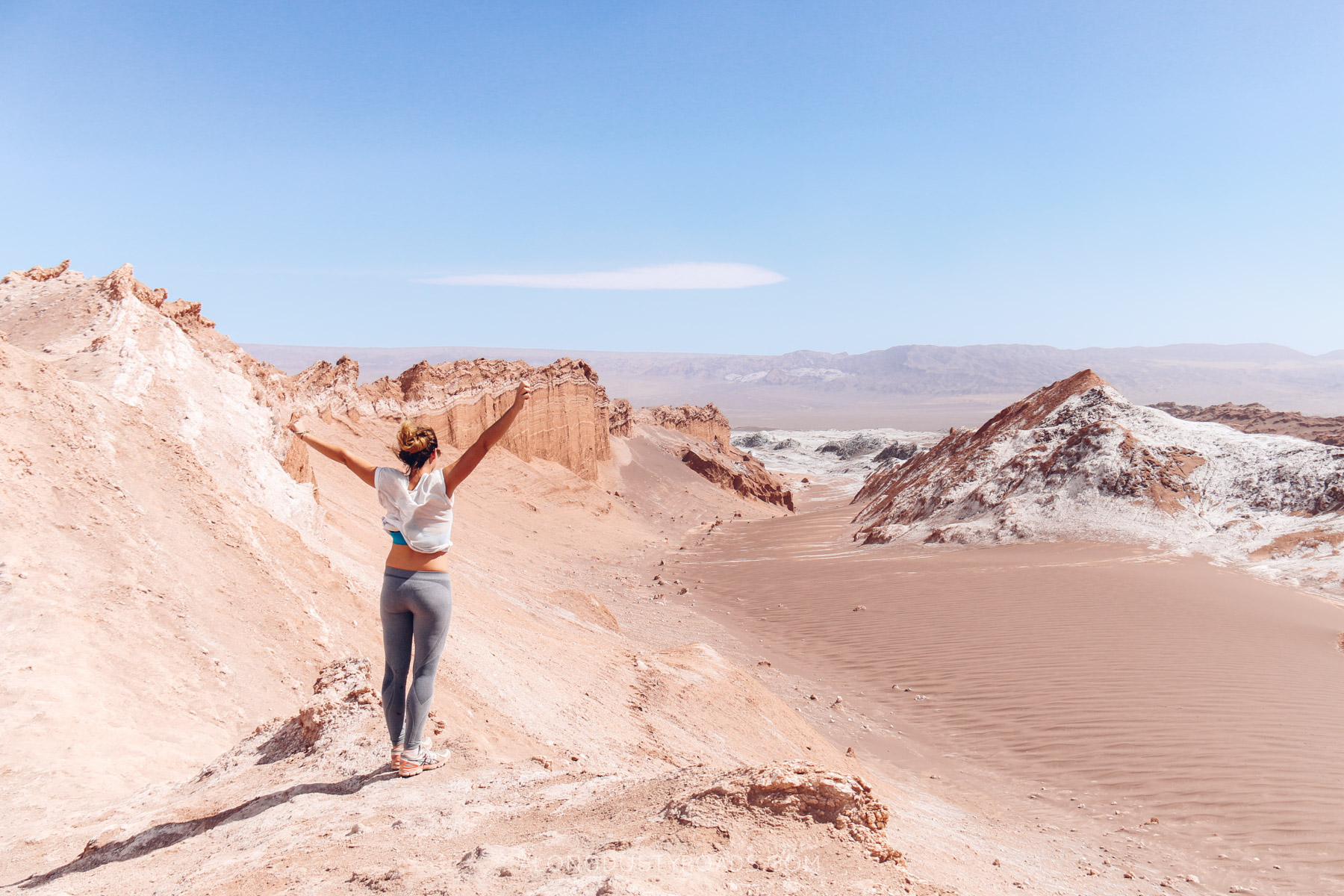
#1 EXPLORE THE ATACAMA DESERT

We did it on a budget by independently cycling and hiking around the cracked copper earth of driest place on earth, whilst others can spend a pretty penny on tours to visit gushing geysers, fabulous flamingos and saltwater lakes. Or you can rent a car and discover it in your own time.

77k55
Whichever way you do the Atacama Desert, best accessed via the town of San Pedro de Atacama, you will lose yourself amongst the endless stretches of tarmac and perfect landscapes which your wanderlust was made to go out and discover.

#2 SIP PISCO AND WINE IN THE VALLE DEL ELQUI

Valle Del Elqui is less visited than other parts of Chile, but it is responsible for two of Chile’s most important exports: wine and pisco!

Aside from the obligatory (multiple) visits to pretty vineyards and artisan pisco distilleries, this is a tranquil part of the country to explore at a slow pace, where locals welcome you with a smile across quaint villages and verdant countryside.

#3 GET PERSPECTIVE IN SANTIAGO

Most travellers will fly into Santiago, but we don’t really recommend anybody visiting Chile to spend a lot of their time here in the capital (and you can trust us because we stayed for six weeks doing a house sit!)

pv0gq
It is, fundamentally, a city like many others and, although it has its pockets of interest (the boho Bellavista area is great for some food, drinks and fun and Santiago is blessed with a constant backdrop of snowcapped Andean peaks), your Chile experience deserves more time elsewhere.

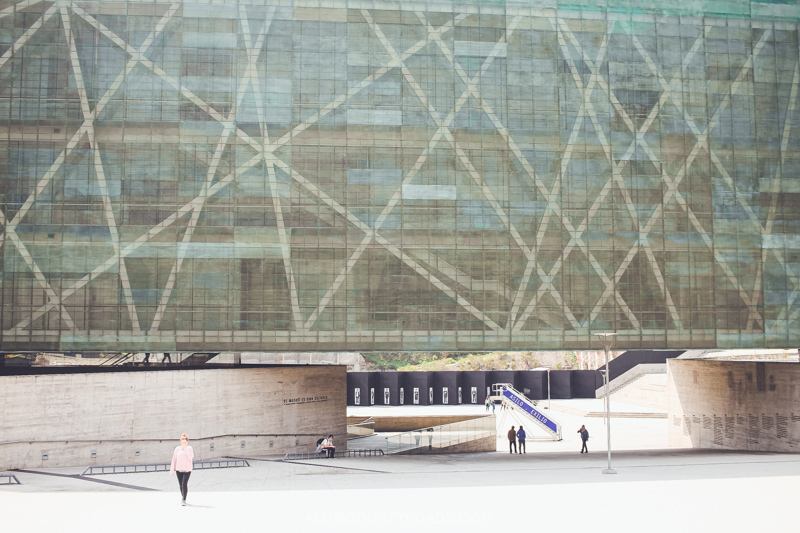
Santiago is however perfectly pleasant for a day or two, and does offer the 24-hour visitor an important insight into Chile’s recent past – the death of Allende, the rise of Pinochet, the disappeared and the transition to democracy – in the excellent Museum of Memory and Human Rights.

#4 FALL FOR VALPARAISO

The best thing about going to Santiago? It means you’re only a couple of hours from Valparaiso!

0x348
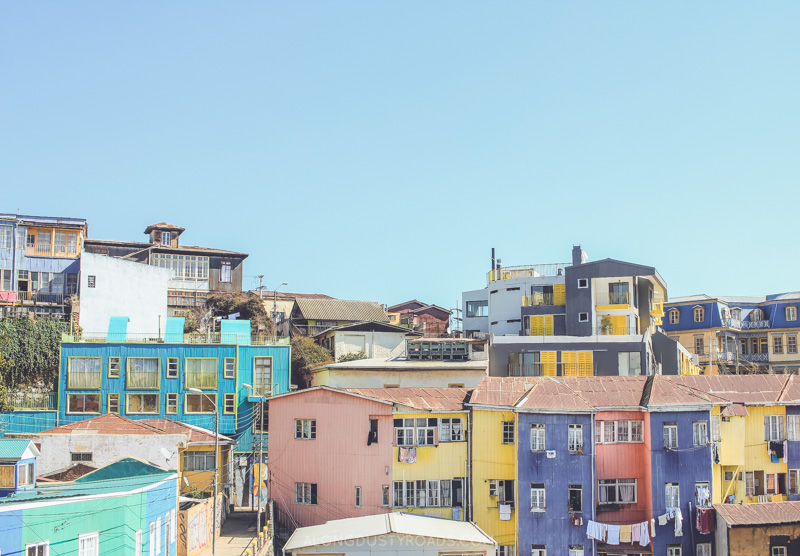
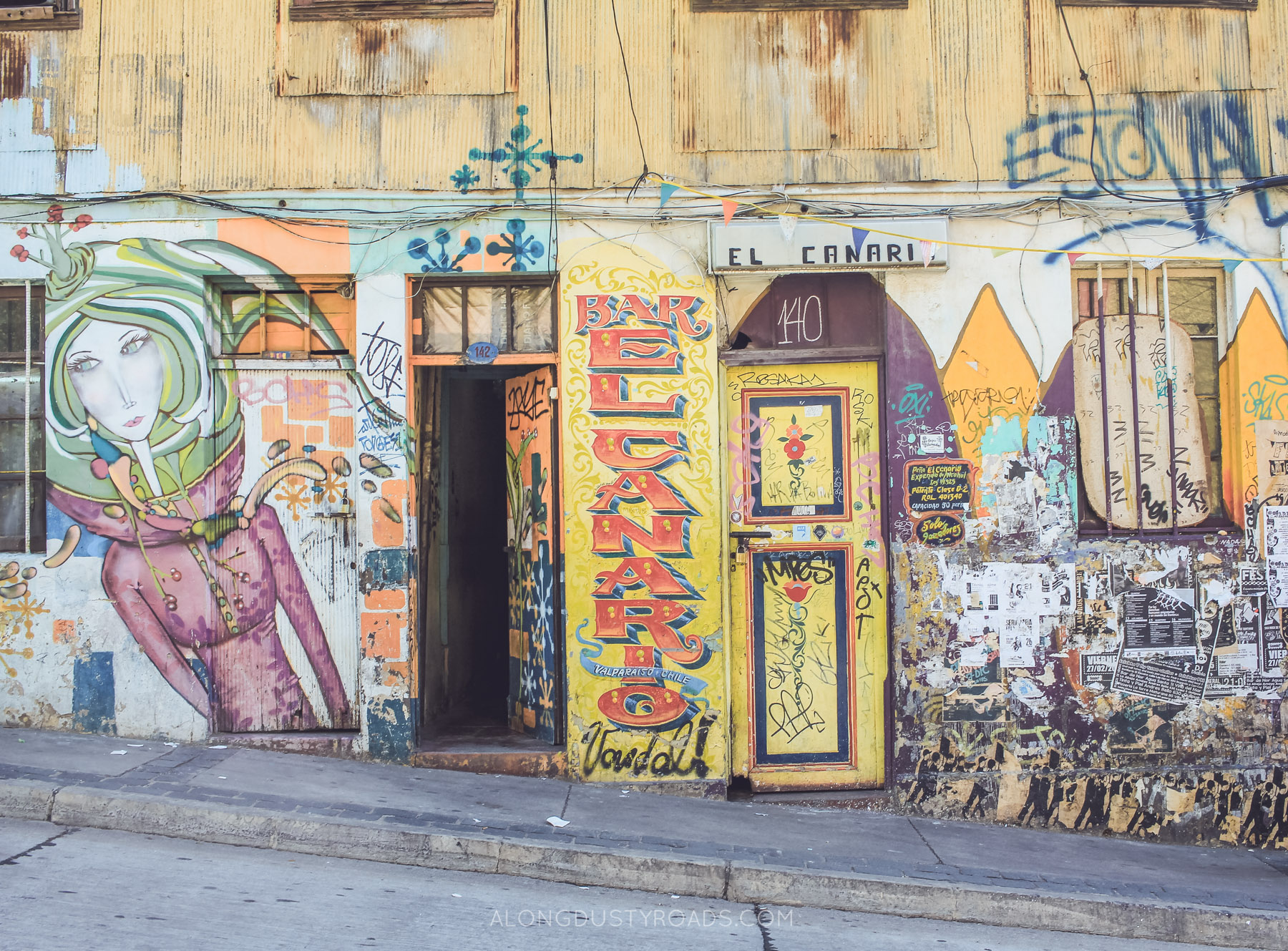
This colourful city, which sprawls up and around various cerros, got under our skin and we implore everyone heading to Chile to make sure that it’s part of their Chile itinerary. Now, with such a fantastic array of outdoors adventure experiences to be had, you may question why you’d want to spend time in a city? Well, not only is Valparaiso home to the best empanadas we tasted in all of South America and some of the region’s best graffiti, it is a place made by and for street artists, sailors, dreamers and poets.

Everyone’s soul will feel a little richer for having visited this place. In the words of one of Chile’s most famous sons:

VALPARAÍSO,

what an absurdity

you are,

how crazy:

a crazy port.

What a head

of disheveled

hills,

that you never finish

combing.

Never

did you have

time to dress yourself,

and always

you were surprised

by life.

— Pablo Neruda

blokv
#5 SPEND THE NIGHT STARGAZING

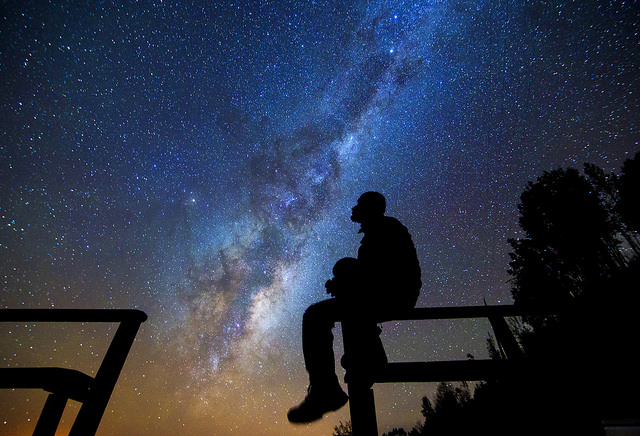
Chile is, without a doubt, one of the best locations in the world for observing the unfiltered and unadulterated night sky.

5m92n
The Atacama Desert is certainly the most popular place for astro-tourism, especially with tours of the new Alma Observatory now available. However, anybody may looking for a more intimate experience may wish to venture to Valle del Elqui, which offered up something equally spectacular. There, on a chilly evening with cups of warm wine, we sat in the garden of a sweet elderly couple who showed tourists the stars, and we gazed at the Milky Way which felt so close, we could almost reach out and touch it.

We were well and truly starstruck.

#6 TAKE IT SLOW IN THE PATAGONIAN FJORDS

Any visitor to Chile, aiming to go south, is faced with a dilemma – how exactly do you get there with all those fjords in the middle of the country!?

Our solution? To take an unforgettable three day boat journey through the Patagonian Fjords – the very definition of slow travel in South America. Leaving from Puerto Montt, the opportunity to get close to glaciers, visit tiny inhabited islands and look for dolphins & whales formed just part of the attraction.

If you don’t have the time to spare to take a boat from Puerto Montt to Patagonia, then read this post on how to get to Patagonia from Santiago.

#7 SURF IN ARICA AND IQUIQUE

For a country with so much coastline (sorry Bolivia), Chile really isn’t blessed with the sort of beaches one may expect of a South American country. It has some nice ones, but doesn’t lay a finger on those we visited in Brazil or the coast of Ecuador.

In fact, on the backpacker circuit, nobody really comes to Chile for its beaches. However, more and more are making their way here for its waves.

In summer the northerly port cities of Arica and Iquique become surf havens, whilst the central town of Pichilemu hosts international competitions for the brave (and the crazy) who take on 4 metre high waves in the crashing waters of the South Pacific.

#8 DISCOVER TORRES DEL PAINE

When it comes to natural wonders, Chile really is spoiled.

If it only had the Atacama Desert, it’d be doing well. But then it goes and brings out the big guns in the shape of Torres del Paine – a staggeringly beautiful national park in the Patagonian region.

With glaciers and glacial lakes, wildlife and mountain backdrops which literally make your jaw drop, a visit to Torres del Paine is for many the only reason they’re actually in Chile. Two multi-day treks – the ‘W’ and the ‘O’ – are world famous, but if you don’t have 4+ days to spare, you can cheat and do what we did by seeing Torres del Paine in a day.

if you’re visiting this part of Chile, then you have to bring a copy of one of the best travel books ever written – ‘In Patagonia’.

#9 EXPERIENCE NATURE IN PUCON

Did you know that you can ski in Chile? And climb an active volcano? And white water raft on a lake? And that you can do all of this in a town which looks like it should be in Aspen or the Alps?

Located in the heart of Chile’s Lake District, Pucon is a gem for anyone who likes outdoor activities in summer and winter. Many are drawn by the opportunity to ski down Volcan Villarica, but there is so much more on offer in an area with national parks, walking trails, watersports and hot springs.

#10 INDULGE IN EMPANADAS & TERREMOTOS

There’s a running joke in Chile, concerning it’s national cocktail – the terremoto. A weird concoction of bad white wine, fernet, grenadine and a big ole dollop of pineapple ice-cream, it’s said that anyone having more than three would hit the floor.

After sampling a few on Chilean Independence day, we can certainly agree that seismic activity or not, these things can certainly make the ground feel a little unsteady! Definitely not something to be glugged, but you absolutely can’t leave the country without trying one.

However, when it comes to the flavours of Chile, it’s the empanadas which will always stand out for us. Always baked, never fried, the classic Chilean empanada is the ‘pino’, which is a stuffing of beef, onions, raisins and black olives with a hard-boiled egg. Vegetarians rejoice however – there are usually some suitably tasty meat-free options.

#11 SOLVE THE MYSTERIES OF RAPA NUI

It’s easy to forget that Rapa Nui, more commonly known as Easter Island, is actually Chilean (and it wasn’t until 1888) given that it feels like such a standalone curiosity.

A dot of an island, thousands of miles from the mainland, Rapa Nui draws those curious to gaze at the 800 plus volcanic rock moai statues and to contemplate what they actually represent. To this day, nobody has a definitive answer to whether they were statues or gods, how they were moved or what importance they held…and it is the impenetrable nature of that mystery which makes it such a unique destination.[……]

Read more

The fullest Japan travel guide for first-timers

lvt4h
Japan is a country with so many worth places to go. For the first time, most visitors are only interested in some famous places such as Tokyo, Kyoto or Osaka. But Japan has a lot of interesting things more than that. From cities covered with cherry blossoms, the famous Mount Fuji, to small villages with unique nuances unmistakable anywhere. You can exploring Japan with just 7 days, enough to visit 2, 3 major tourist cities. Or 2 weeks (until the visa expires) to travel more, or spend a whole month to travel across the beautiful Japan. In order to have a full meaning trip and especially to ensure the budget does not exceed too much, you need a very details plan and preparation.

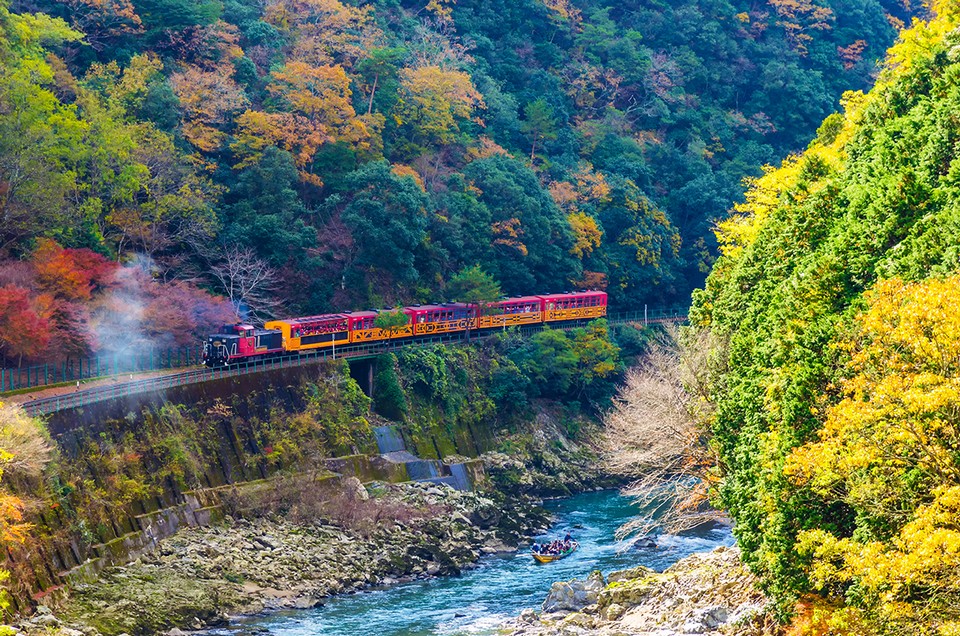
Arashiyama travel blog — The fullest Arashiyama travel guide with top things to do in Arashiyama

Tokyo best parks — 10+ best & most beautiful parks in tokyo

Yamanashi blog — The Yamanashi travel guide & top things to do in Yamanashi

When is the best time to visit Kyoto? — The best, worst, affordable & best season to visit Kyoto

When is the best time to visit Japan? — The best, worst, cheapest, affordable & best season to travel to Japan

sz4el
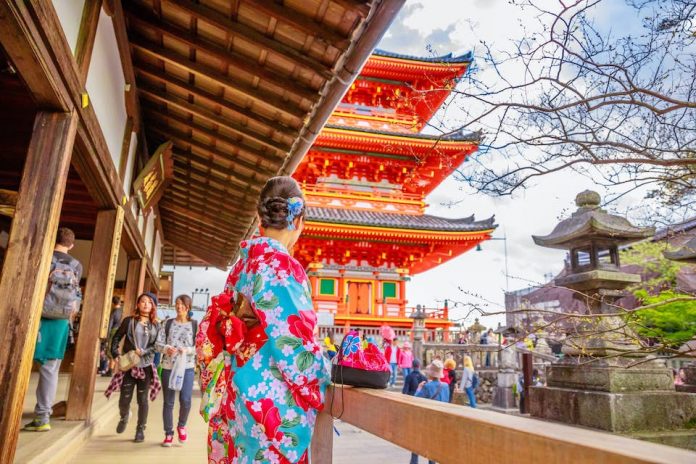
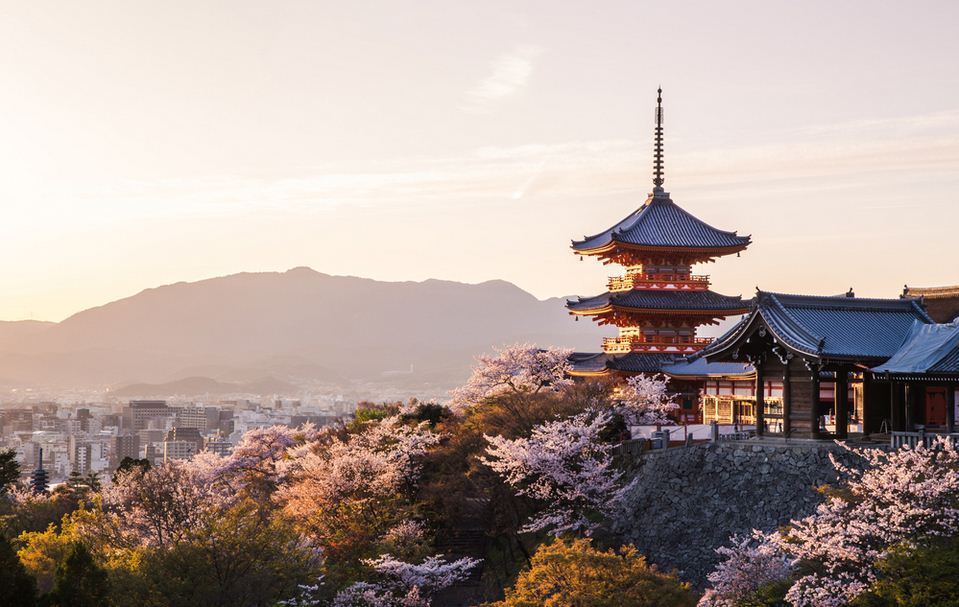
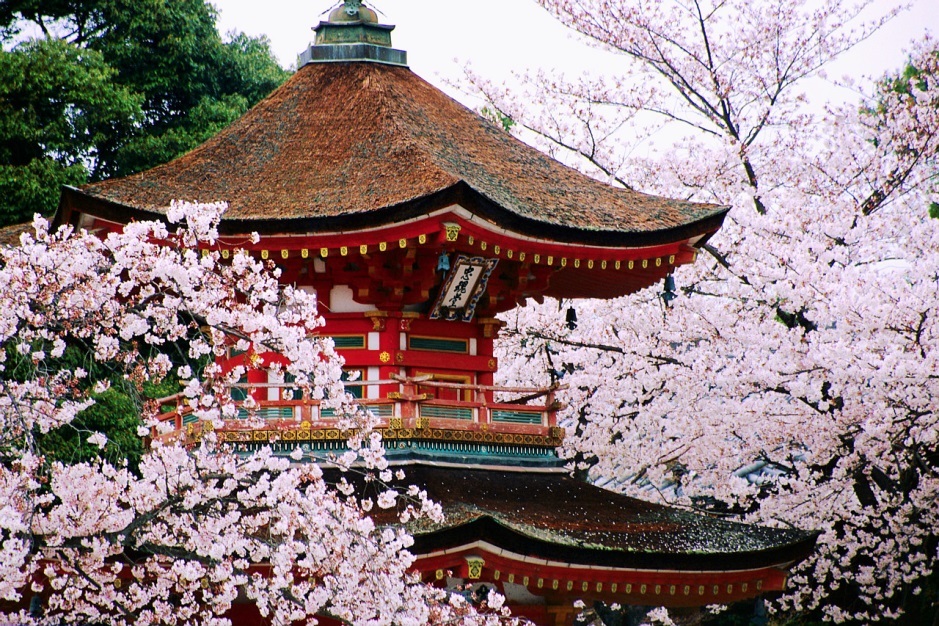
Cherry blossoms at Kiyomizu-dera Temple, the must visit place in Kyoto. | japan travel blog

4pe8g
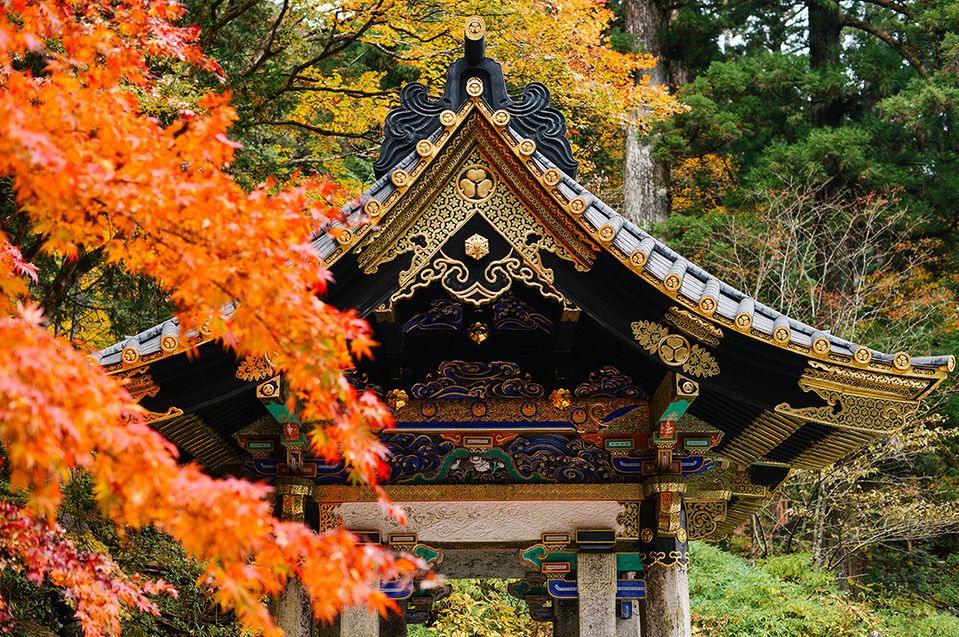
Nikko in Autumn | japan travel blog

zpksv
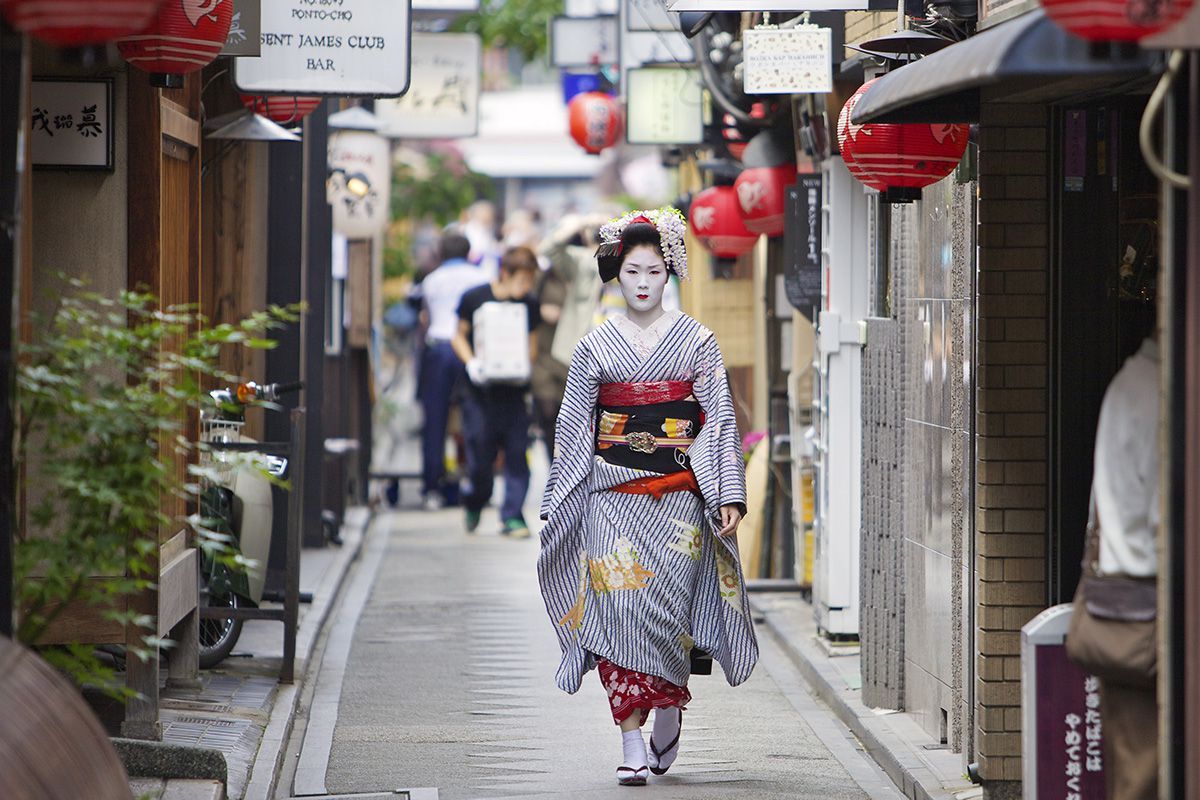
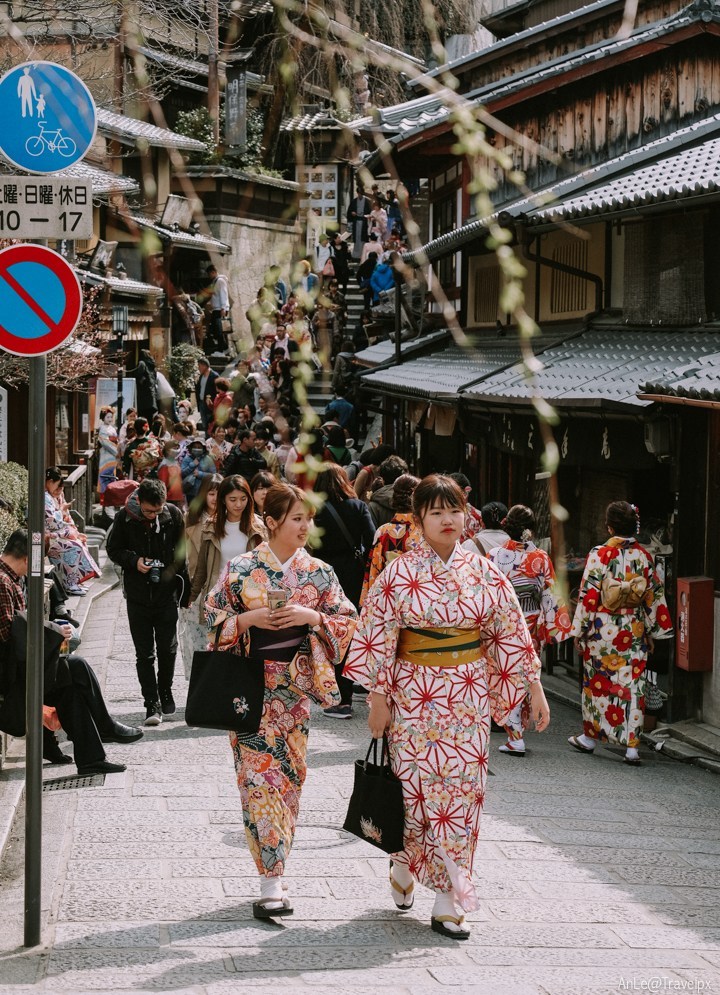
A geisha in Gion district

So, is Japan worth visiting, how to visit Japan, what to do in Japan and how to plan a budget trip to Japan for the first-time perfectly? Let’s check out our Japan travel blog (Japan blog) with the fullest Japan travel guide (guide to Japan, Japan tourist guide, Japan city guide, Japan guide) from how to get to Japan, best places to visit, best time to come, what to eat as well as top things to do in Japan to help you maximize your trip as follows!

zxegv
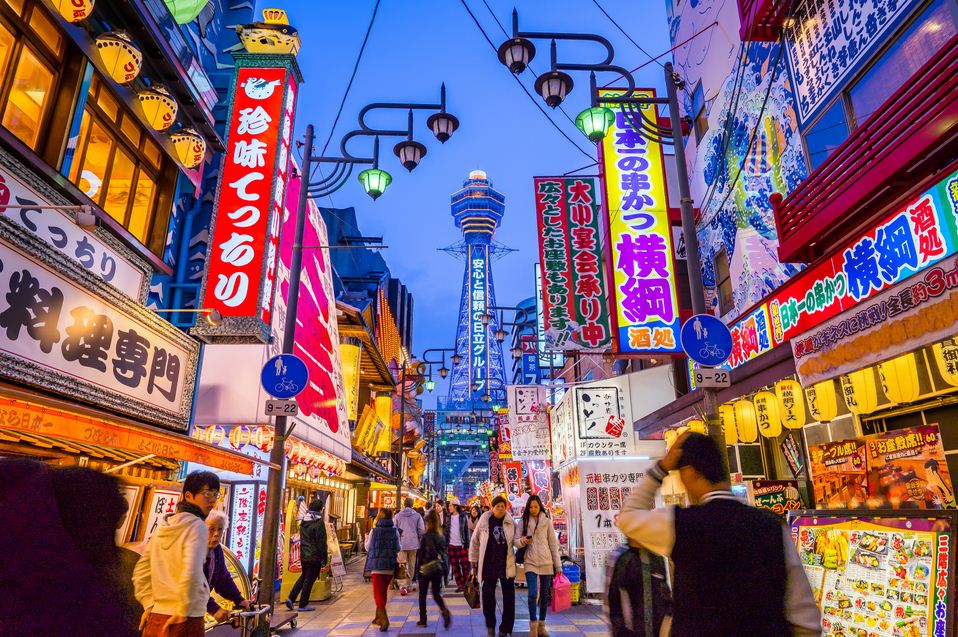
Vibrant Tsutenkaku at night in Osaka. | japan travel blog

6h68k
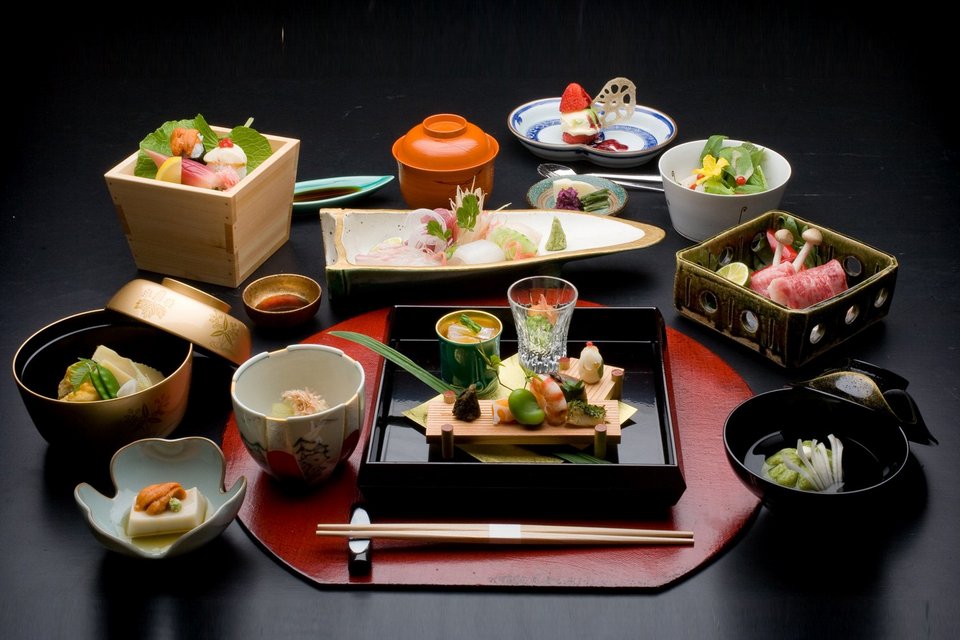
Kaiseki Cuisine

Japan travel guide: Making a feasible itinerary when traveling to Japan

Honestly, to going to all the beautiful spots in Japan can take several months. With a normal visa period of only 15 days for Vietnamese tourists you will have to consider the places to go, the places must visit.

Nakazakicho Osaka

Japan is inherently a collection of many isolated islands in the ocean, with some largest main islands and many small islands surroundings. There are many tourist destinations in Japan, the most famous are still Tokyo, Osaka, and Kyoto. But there are also many other places from north to south, from Sapporo in Hokkaido region in the North to Toyama, Kanazawa, Fuji Mount, and Hakone in central Japan. The South also is plenty with Kobe, Himeji, Fukuoka, Hiroshima, Okinawa…

1thyo
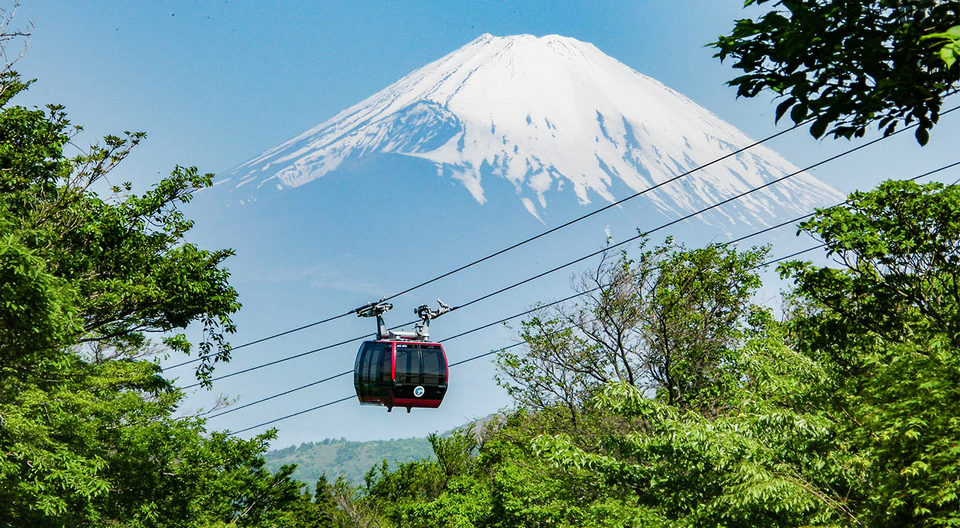
Hakone Ropeway with Mount Fuji in the Background | japan travel blog

ved8s
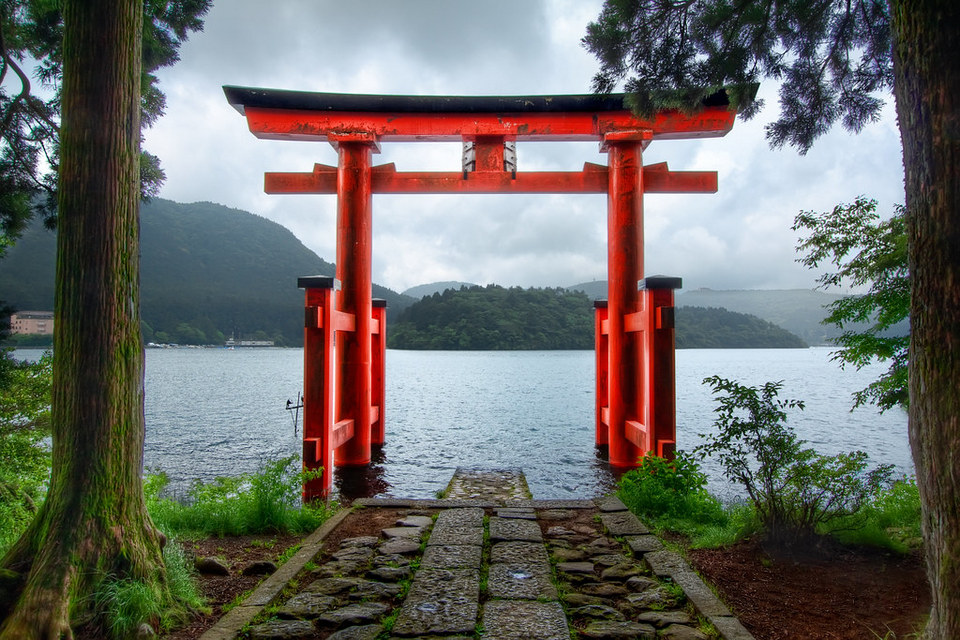
Jakone shinto shrine

l225v
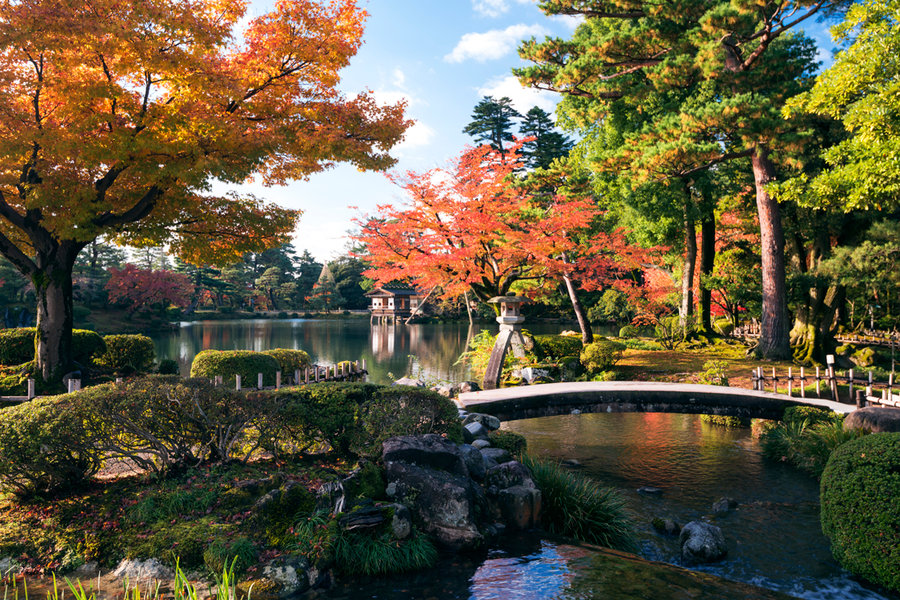
Kenroku-en Garden, one of three treasury gardens of Japan in Kanazawa in Autumn | japan travel guide blog

pue5k
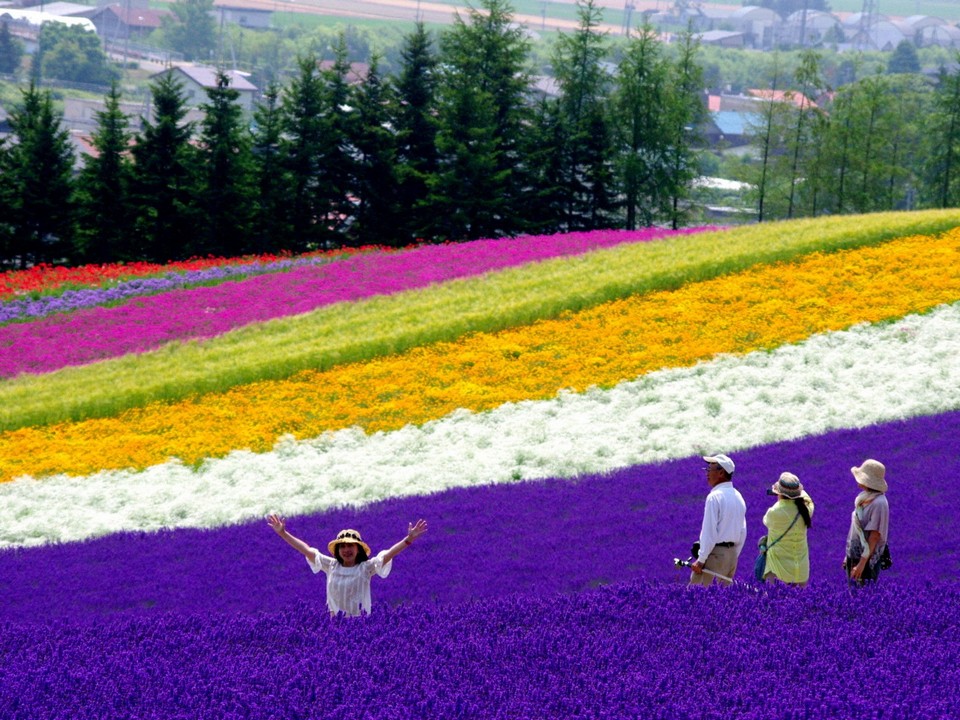
Hokkaido in spring

If you only have 7 days in Japan for the first time traveling, you can choose a simple itinerary with 3 big cities including Tokyo, Osaka, and Kyoto with a 7-day JR Pass (We made a 7-day itinerary here). If you have more time with 10 days, you can consider to explore more nearby areas such as Mount Fuji area near Tokyo, or Kobe, Nara, Himeji near Osaka. Or it is more simple, if you are decided to travel multiple times, each time is about 7-10 days, you should explore each region for each time with the JR Pass for that region, do not go too far to avoid paying high travel costs. We also made a 10-day itinerary here.

6rkoh
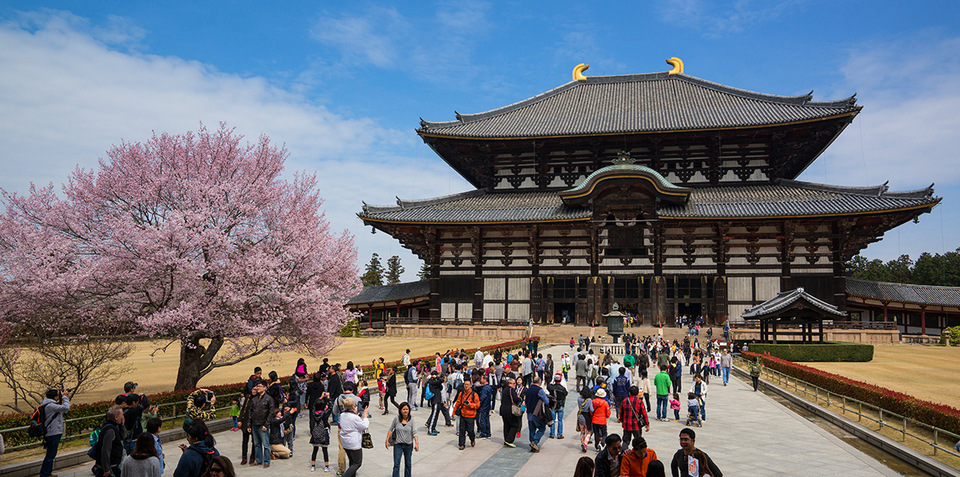
Todai-ji Temple, Nara | japan travel guide blog

t5ebe
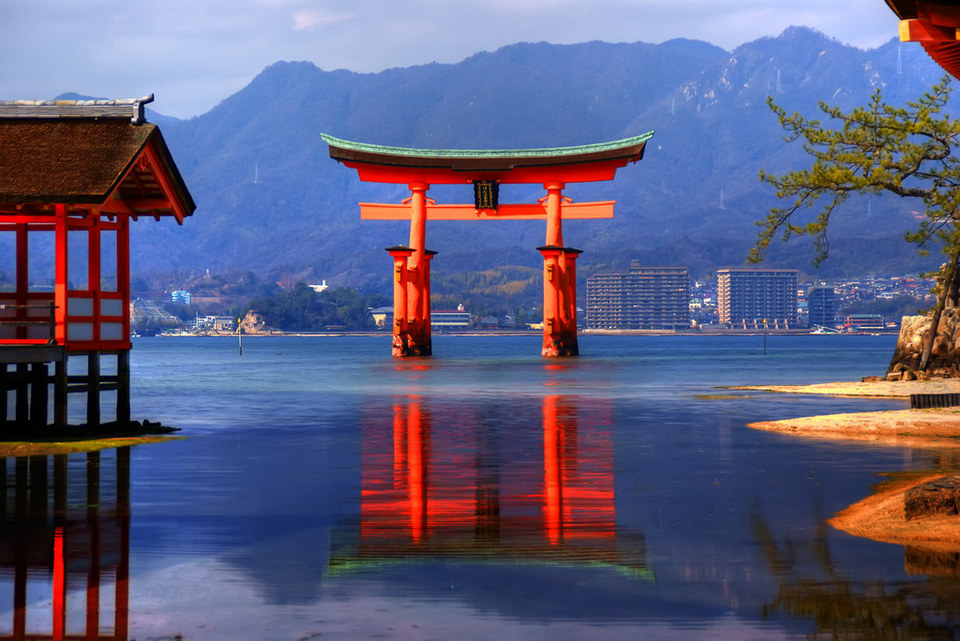
Miyajima Island & Itsukushima Shrine, Hiroshima

cfdnt
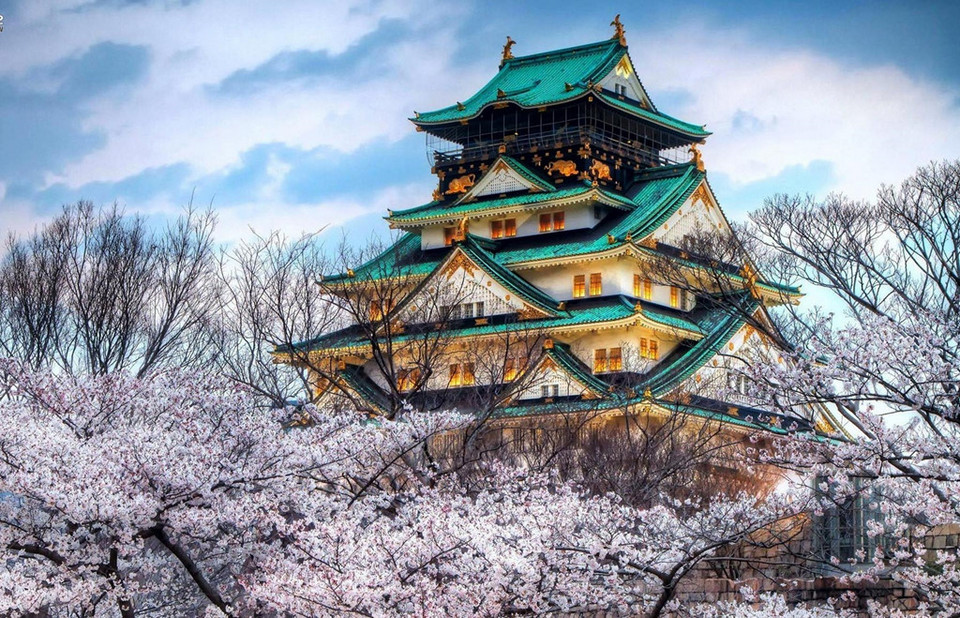
Osaka Castle | japan travel guide blog

ig31q
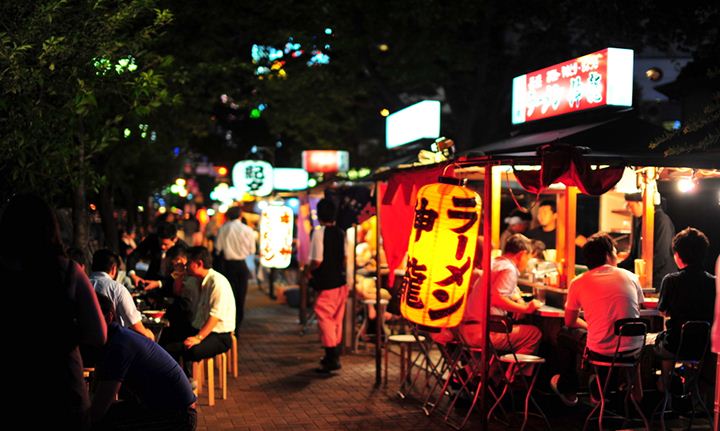
Yatai in Fukuoka

The best itinerary still is traveling for 15 days, actually it is not too long, but it is enough. Please refer to my 15-day trip itinerary to Japan here.

Japan travel blog: When is the best time to visit Japan?

nat2s
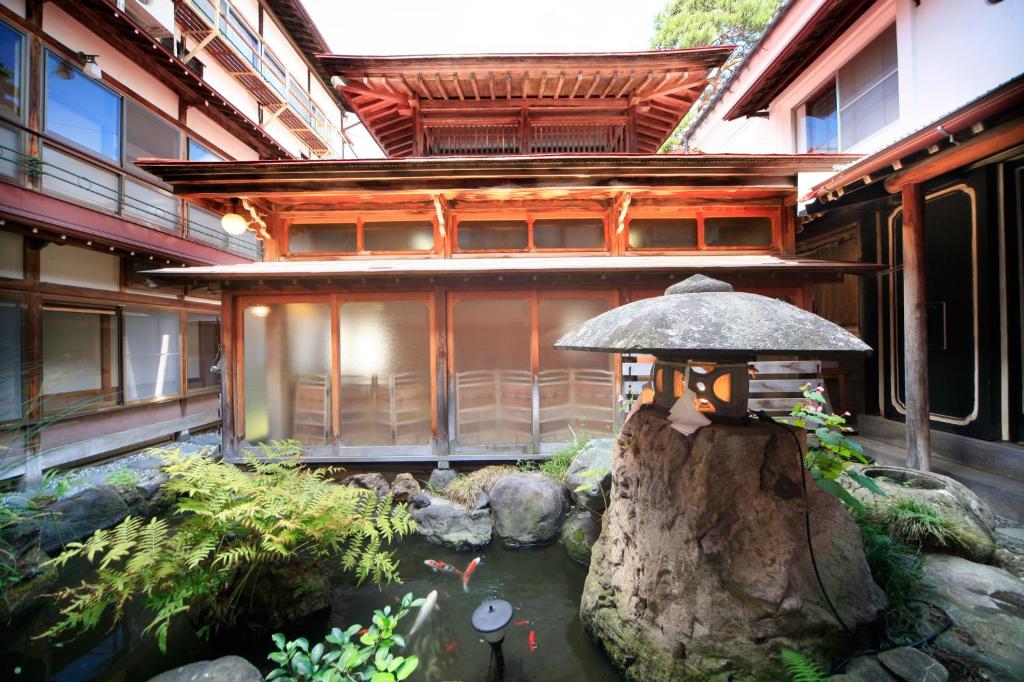
Yudanaka Onsen Seifuso

In Japan, there are many festive seasons and tourist seasons, each with a different feature. Traveling in each season means you will choose for yourself a unique and different time which only that season own in that year. If I love photography, I would only divide Japan into two separate seasons: Cherry blossoms season and red leaves season (momiji season).

7pq93
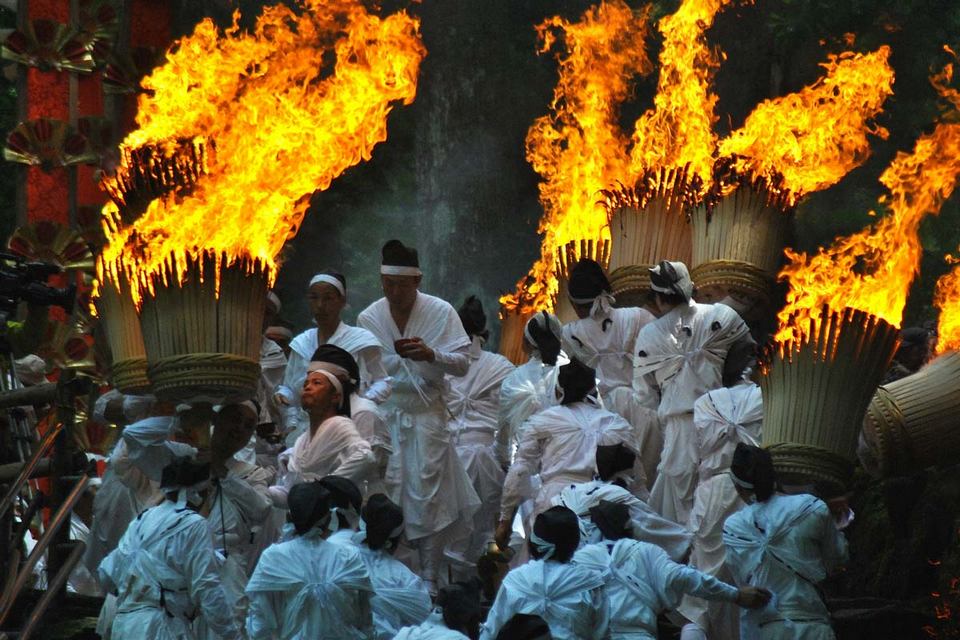
Nachi Fire Festial in Wakayama. One of the most unique festivals in Japan.

Spring – Cherry blossom season lasts from March to May

This is the time for cherry blossoms – Sakura blooms throughout Japan, from the coastline regions to the high mountains. However, the cherry blossoms only bloom most strongly in about 20 days from the end of March to the middle of April every year. You should watch the cherry blossoms forecast in Japan to update frequently.

8m5up
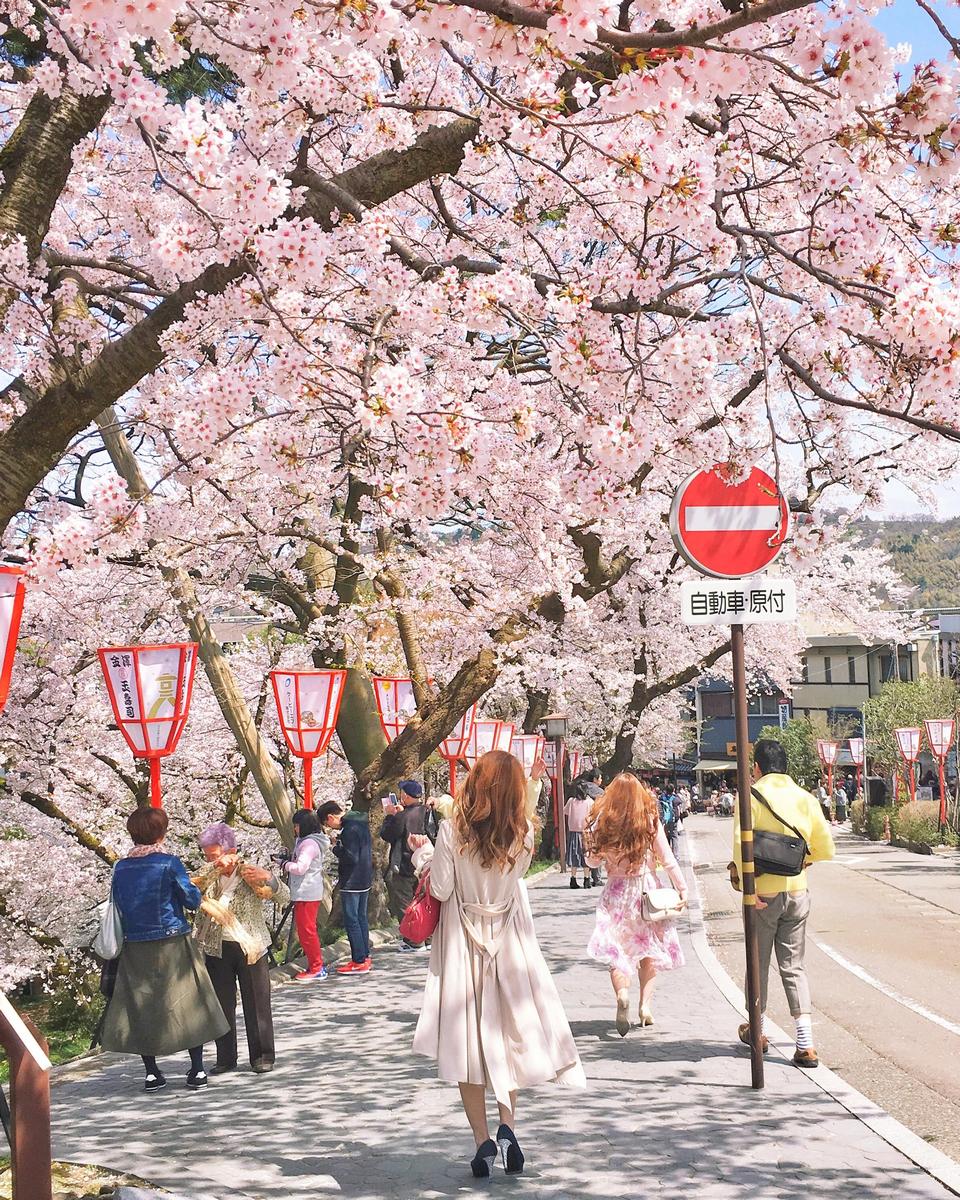
Full bloom cherry blossoms in Kanazawa

This is also the peak tourist season in Japan. Tourists from all over the world flock to Japan, extremely crowded, sometimes you have to hustle and jostle, very tired. At the end of March it was still very cold, and cherry blossom usually only bloom when it started to get warmer. Cherry blossom festivals are held everywhere.

doqa7
Kiyomizu-dera temple in cherry blossom season

Summer from June to August

This is a period with quite hot weather, with it rains a lot. You might consider to participating in a number of festivals such as fireworks, Mount Fuji climbing. In addition, going on vacation this season is also very interesting with many cool locations in high mountains and dreamlike beaches.

qnzns
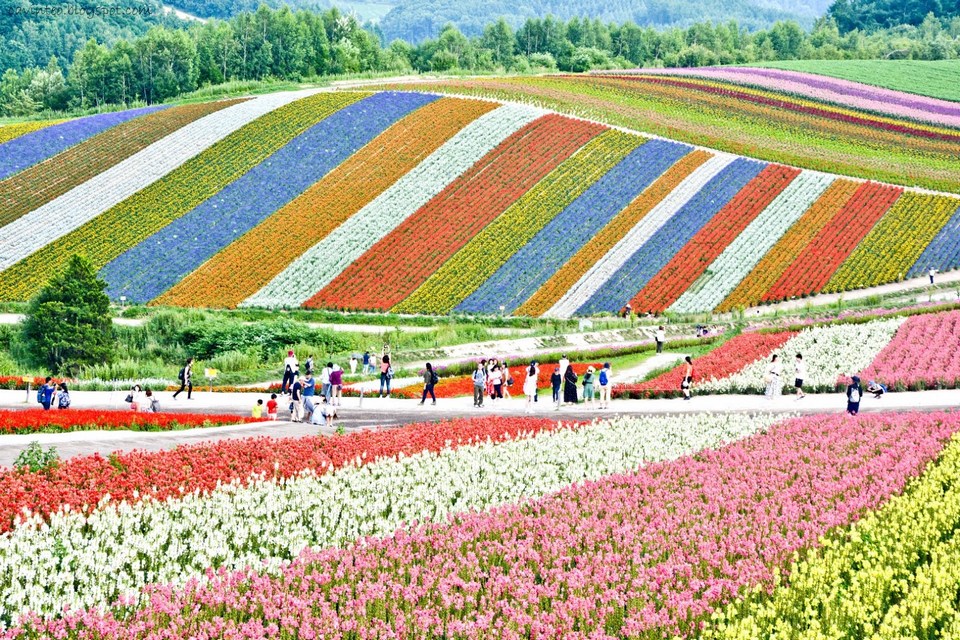
Summer is the great time to visit Sapporo, Hokkaido

Fall from September to November

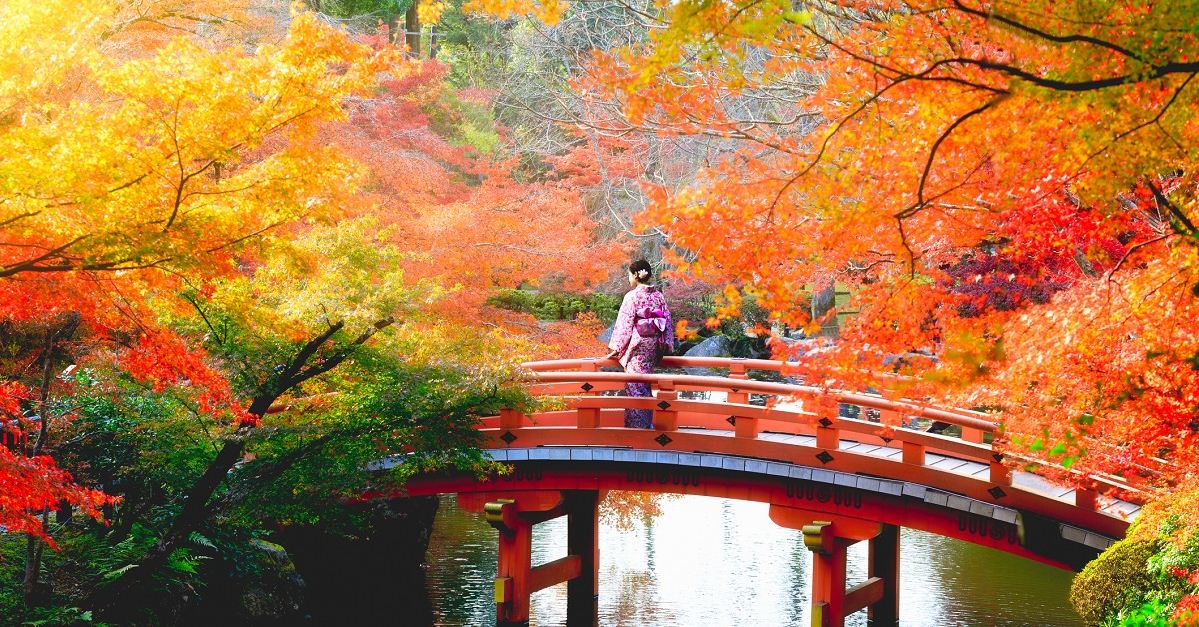
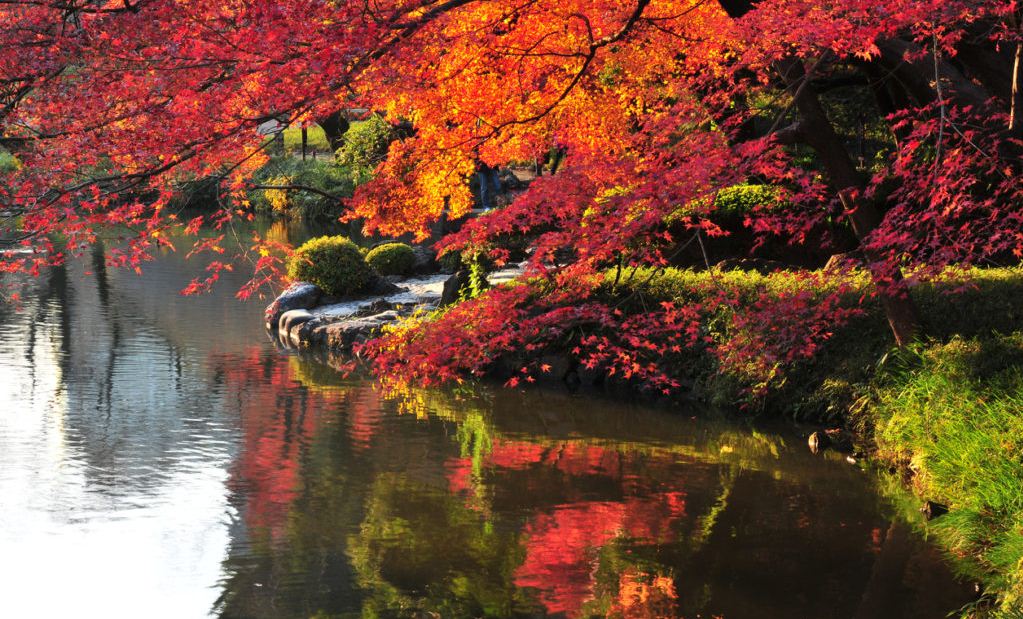
The season of red leaves (momiji) usually begins in October, the scenery is full of romance that any lovesick lover must flutter. If you are a photography enthusiast, this is a time not to be missed, the forests are filled with red leaves like colorful paintings.

ta4x0
Japan in Autumn

golu9
Winter from December to February

5eae9
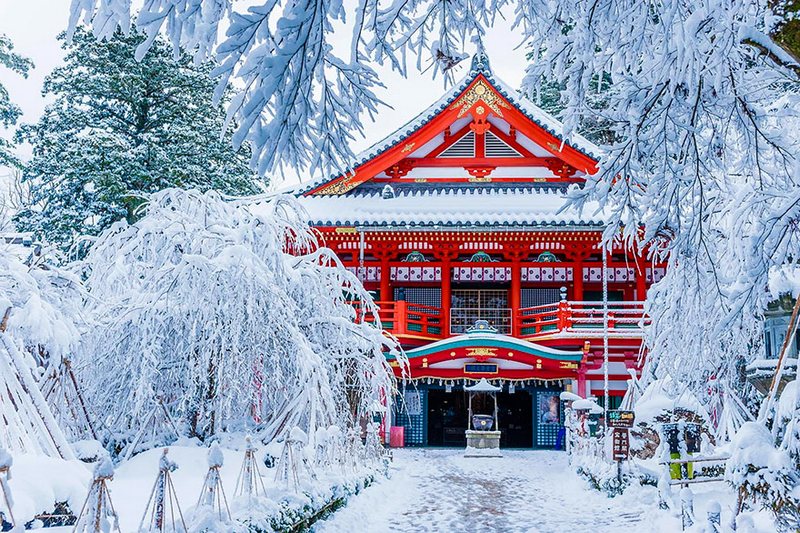
Natadera Temple In Winter

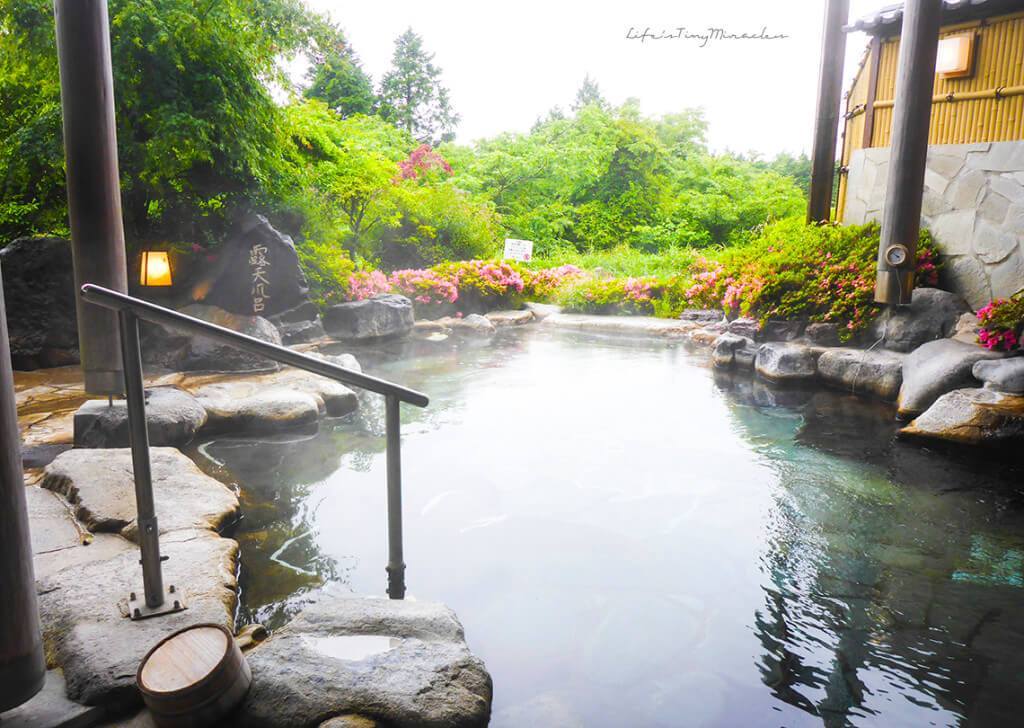
Although the weather is quite harsh in this season, visitors less coming to Japan. But this is the time for those who want to feel a Japan with tranquility, drowning in thick white snow. You can choose this time to skiing, choose the resorts in the high mountains for restingn, onsen bathing – a specialty of Japan.

sq24o
Hakone Onsen

Japan guide: Flying from Vietnam to Japan

First you need to determine which city to fly to in Japan first on your journey. There are 2 major cities that flights from Vietnam or other cities in the world to the most are Tokyo and Osaka with Narita and Kansai airports respectively. If you are planning for an itinerary to go to both cities, you can choose roundtrip tickets to one of these two cities, buy JR Pass to travel to the two cities and it only takes 3 hours.

4cs01
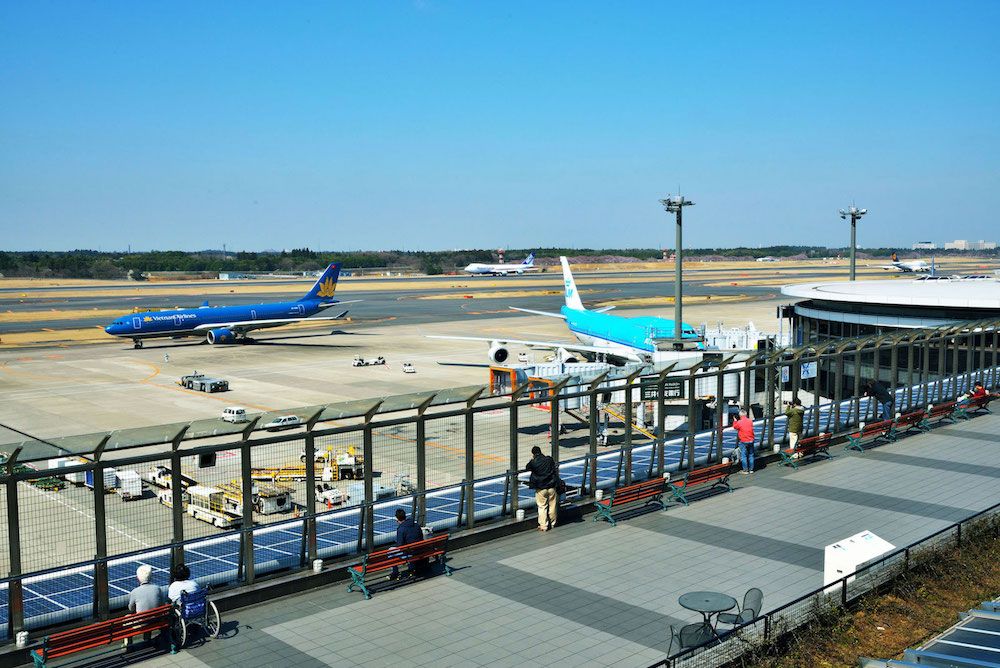
Narita International Airport

There are many airlines operating the flying routes between Vietnam and Japan, the most popular ones are Vietnam Airlines (VNA) and Vietjet. VNA air tickets are generally quite high, around $430 – $860/round trip. During the peak season when cherry blossoms, the tickets are even higher.

If you want buy cheaper airfares, you can consider flying with Vietjet. If you are lucky enough to hunt for cheap tickets of $0, the round trip tickets to Tokyo or Osaka and are only about $172 – $215/roundtrip. Another tip is that you can wait until the departure date and go to the travel forums, hunt for tickets of those who have bought cheap tickets and resell. Usually, those who have purchased cheap tickets for a long time but have could not get visa and they wishing to resell.

iclzq
Gion district, Kyoto

Japan travel guide blog: How to getting around Japan?

h0dcf
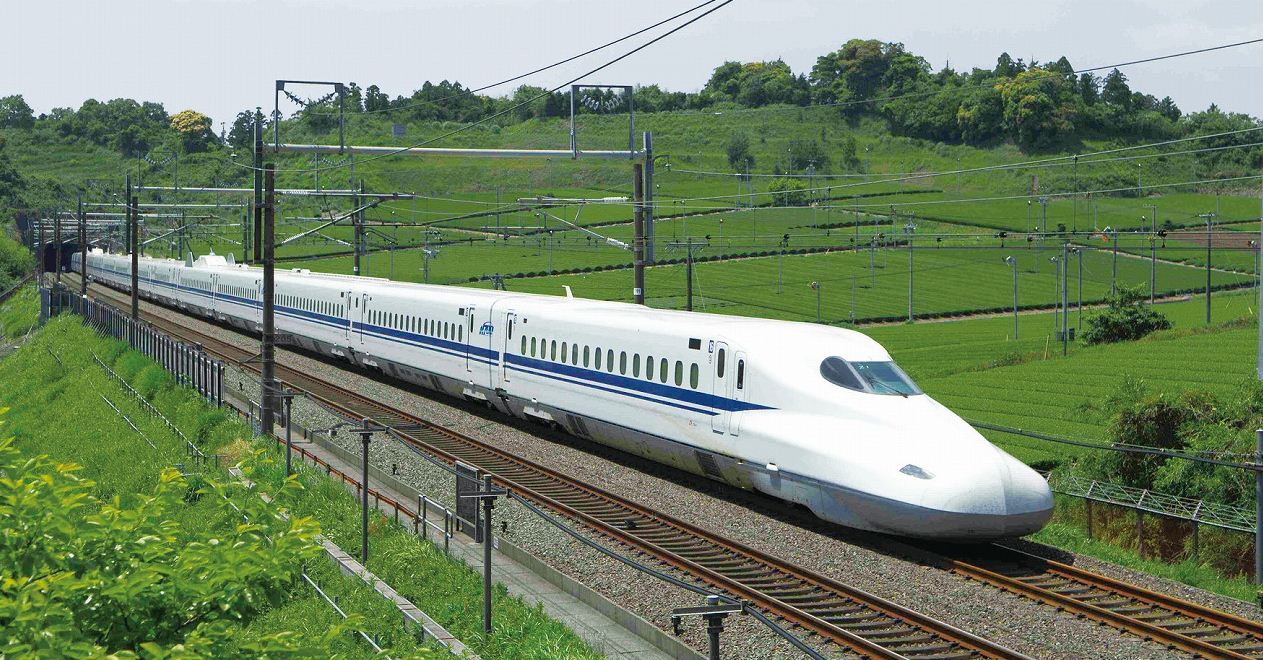
Shinkansen from Tokyo to Kyoto

Firstly, you need to find out an overview of Japan’s transportation. Travel in Japan is very convenient between provinces and major cities with railway system spread throughout the country. Just like in Europe, Japan has the following basic types of trains:

Shinkansen bullet train (Super high speed train): The train travels between provinces and major cities in Japan with speeds up to 320km/h.

High speed train transports passengers between provinces/cities.

Regional train (local train): Traveling around a region or between localities around a certain province.

Train in the city: Metro, subway travel in a certain city (will be more detailed guide in articles sharing travel experience of each specific city)

cl60l
Watarase Keikoku Railway (local train). One of the most scenic train ride in Japan

That are about the types of trains, but also you need to know that the cost of travel in Japan is extremely expensive. If you come to Japan and only stay in one city, no need to worry. But if you go with an itinerary of 7-10 days, each city stays for 2-3 days, you should consider buying Pass (day ticket) that is not limited travel in a region or the whole of Japan.

Using the JR Pass when traveling in Japan

qxntg
JR Pass cards are used by many visitors to navigate the city for convenience.

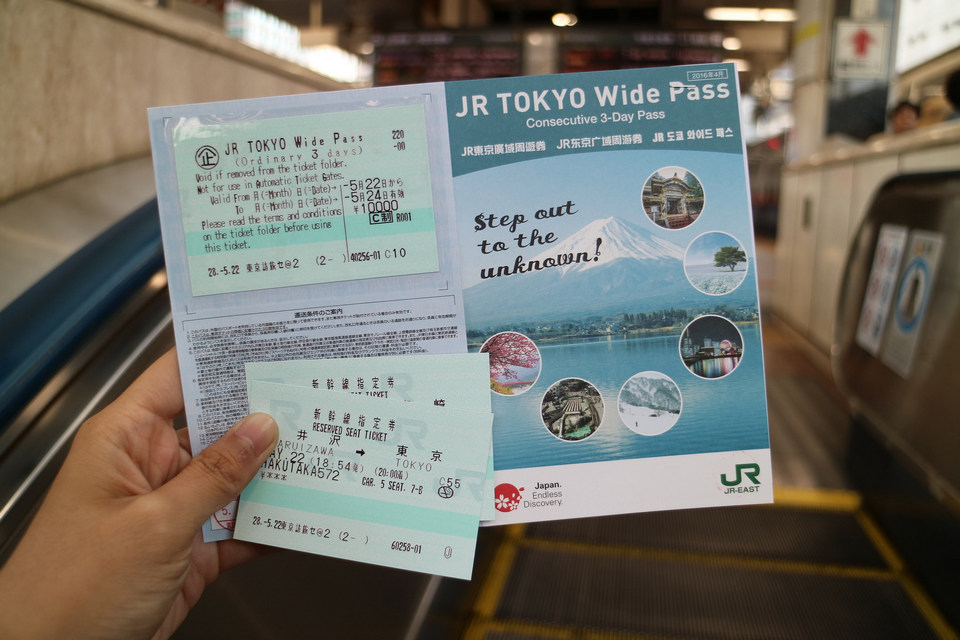
JR Pass is a type of train ticket of Japan that is sold only to foreign tourists (holding a non-Japanese passport). Visitors can use this pass to travel across Japan using the high speed trains, slow trains with validation in the pass without limited travel times.

Read more about the JR Pass here: JR Pass — Top 11 things about Japan Rail Pass you need to know.

How to buy JR Pass?

bgrwc
JR Pass Prices

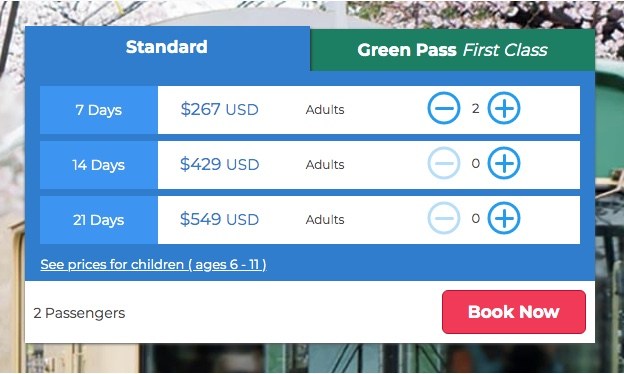
You can buy it right in Vietnam through the authorized distributor of JR Pass. Depending on the number of days you traveling in Japan, or the number of days you plan to use the pass for optimal selection, select the JR Pass type (7-day, 14-day and 21-day passes with prices of $267, $429, and $549 respectively) ). After payment is completed, the seller will deliver the “exchange order” to your home.

y9qss
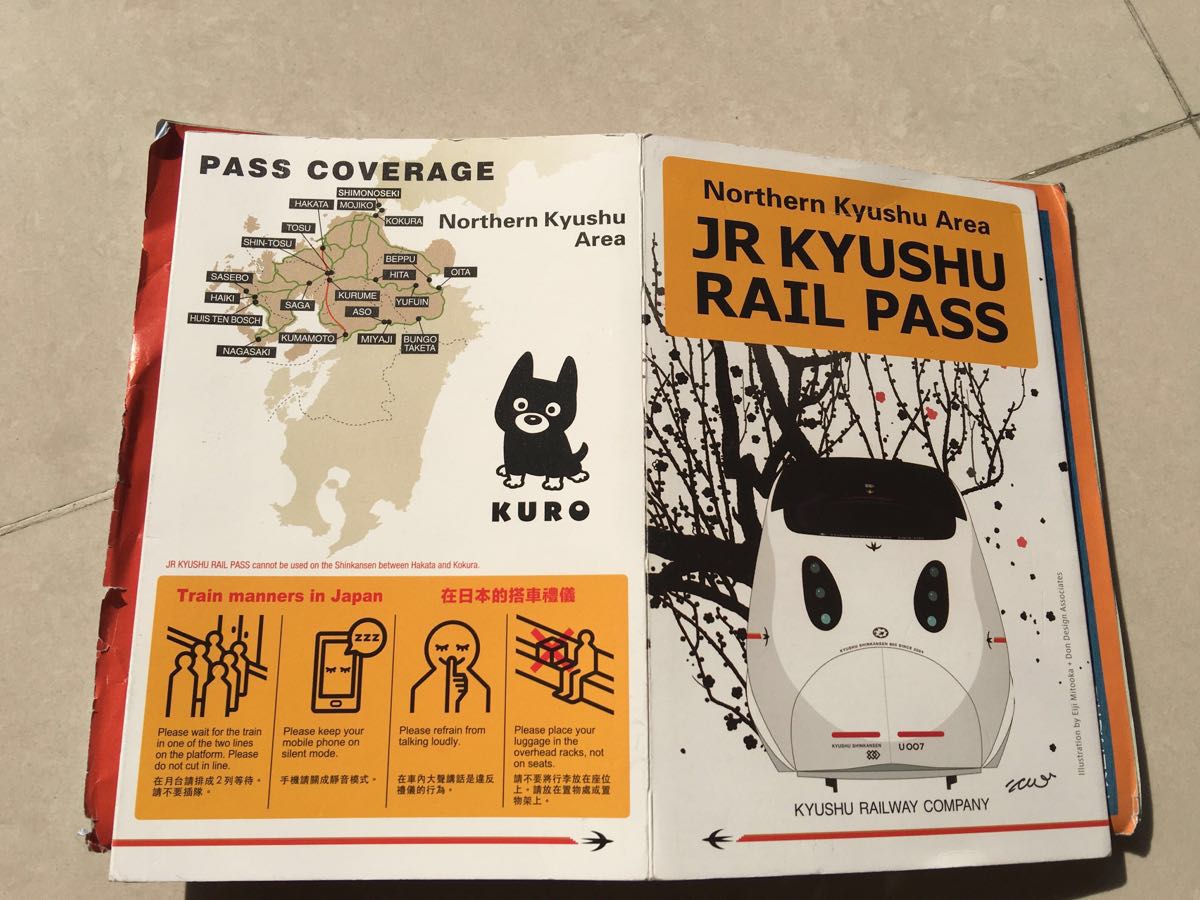
JR Kyushu Pass

After flying to Japan, you will bring this Exchange order to the JR Pass counter at the airport to exchange for a hard card. The effective date of the Pass will be decided by you, depending on your schedule.

You can also buy JR Pass in advance with cheaper price here: JR Whole Japan Rail Pass (Consecutive 7, 14, or 21 Days).

 
Snow monkey in Yudanaka

My trip lasted 15 days, so I bought the 14–day JR Pass. With this pass I can use a lot of long routes, and also the local trains, regional trains, .. wherever there is the JR line is jumping up. Which can be listed here as:

Osaka: Take 2 times from Kansai Airport to the city center and back, take the JR train from Osaka to Kobe, Himeji and return.

Kyoto: Take the train from Osaka – Kyoto, from Kyoto to Arashiyama bamboo forest. There is JR line in Kyoto, so you can access many attractions with the JR Pass.

Takayama: Take the train from Kyoto to Takayama (not Shinkansen but this is a very long route).

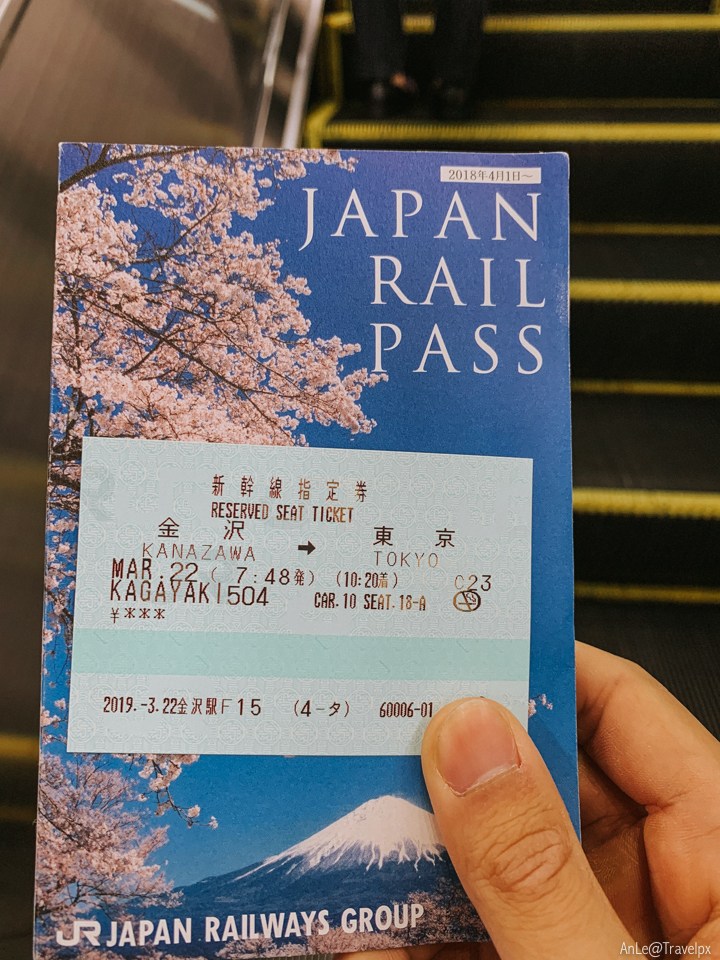
Tokyo: Take the Shinkansen from Kanazawa to Tokyo. From Hakone to Osaka.

jupsx
JR Pass 14 days I bought $410, it is also quite profitable compared to buying single tickets on each route. For example, buying single tickets for Shinkansen Osaka – Tokyo route will costs ~ 15.000 Yen/way, round trip is 30.000 Yen. In addition, I also travel a lot of other long and short distances which also exceed the purchase amount of $410 of JR Pass. And the most important thing was that I was able to travel freely without hesitation about buying expensive or cheap train tickets.

Japan travel blog: Where to stay in Japan?

lsei7
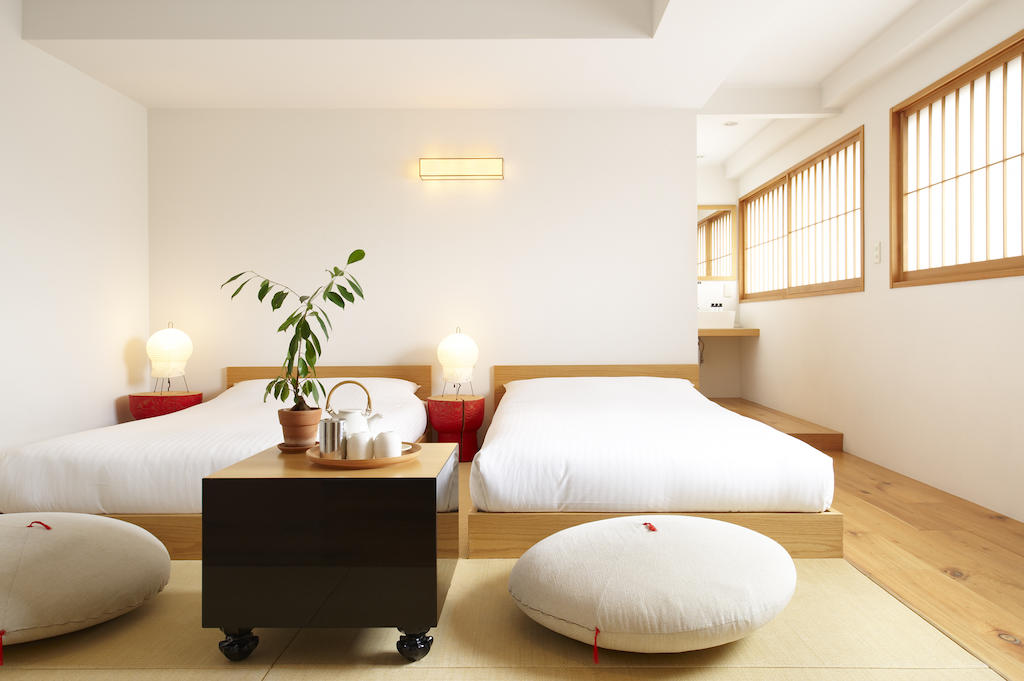
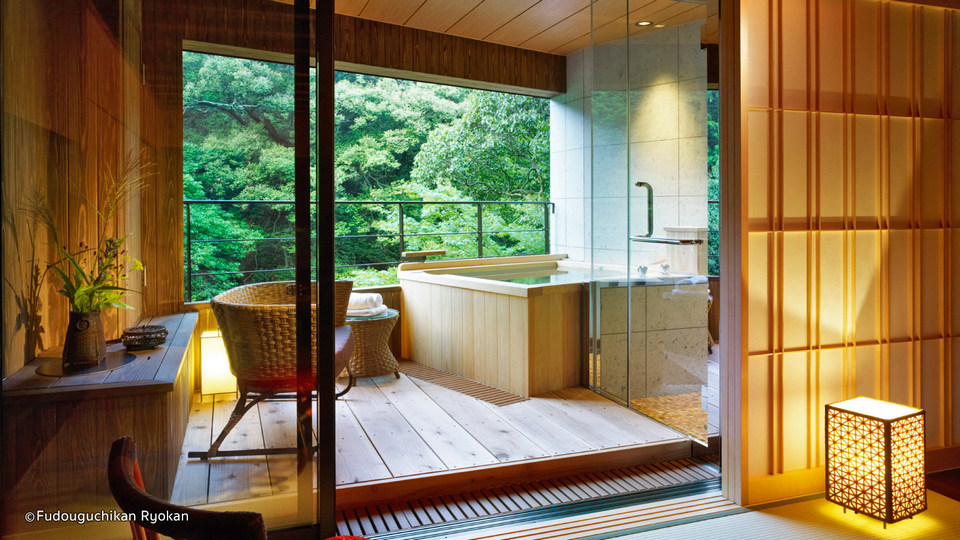
Coming to Japan, you should stay in the traditional homestays to experience like a true local Japanese. In addition, you can stay in a luxurious 5-star hotel in the traditional style, to enjoy both the superior service and the local culture.

7zqml
Fudouguchikan Ryokan

For booking sites, I still use the traditional tools are Booking.com, Agoda.com for hotels/hostels and Airbnb for homestays.

Hostel in Japan for solo travelers and backpackers

nu3o3
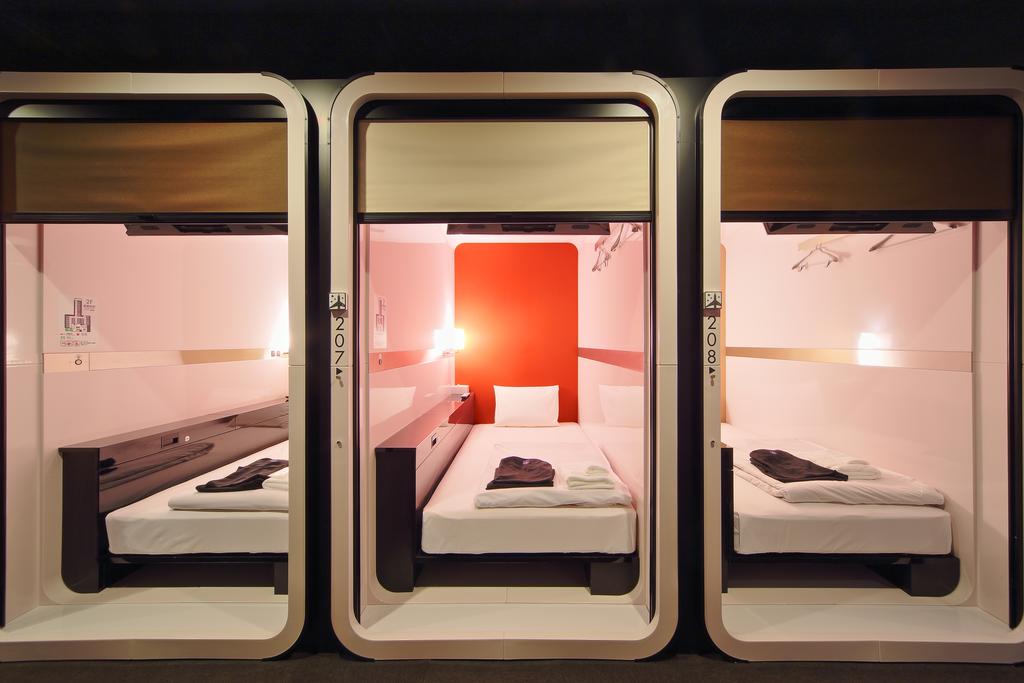
First Cabin

In this trip I stayed at both hotel and hostel, but most worth mentioning probably are the two largest hostel systems in Japan are First Cabin and 9Hours. These are hostel chains that are worth learning from architecture to how to manage and operate.

 
Imperial Hotel Tokyo with a large number of rooms. @hotelmix

hlylm
First Cabin, I stayed 1 night in Osaka and 1 night at Kansai airport. And 9Hours, stay 3 nights in Takebashi – Tokyo. Can compare a bit about these two systems as follows:

Similar:

These are 2 hostel systems with a wide network throughout Japan, especially in big cities like Osaka and Tokyo, from the center to the suburbs. Beautiful design from the campus to each dorm.

Amenities are super complete, equipped no less than 5-star hotels. You will not have to bring anything from home when you are here, because they are equipped with towels, shampoo, shampoo, dryer, comb, … and all day wear clothes (forgot I still have to bring underwear ^^).

Different:

First Cabin excels at dorm. The sleeping area is much more spacious, equipped with a television in the bedroom and fairly spacious shared bath (onsen type but not onsen ^_^).

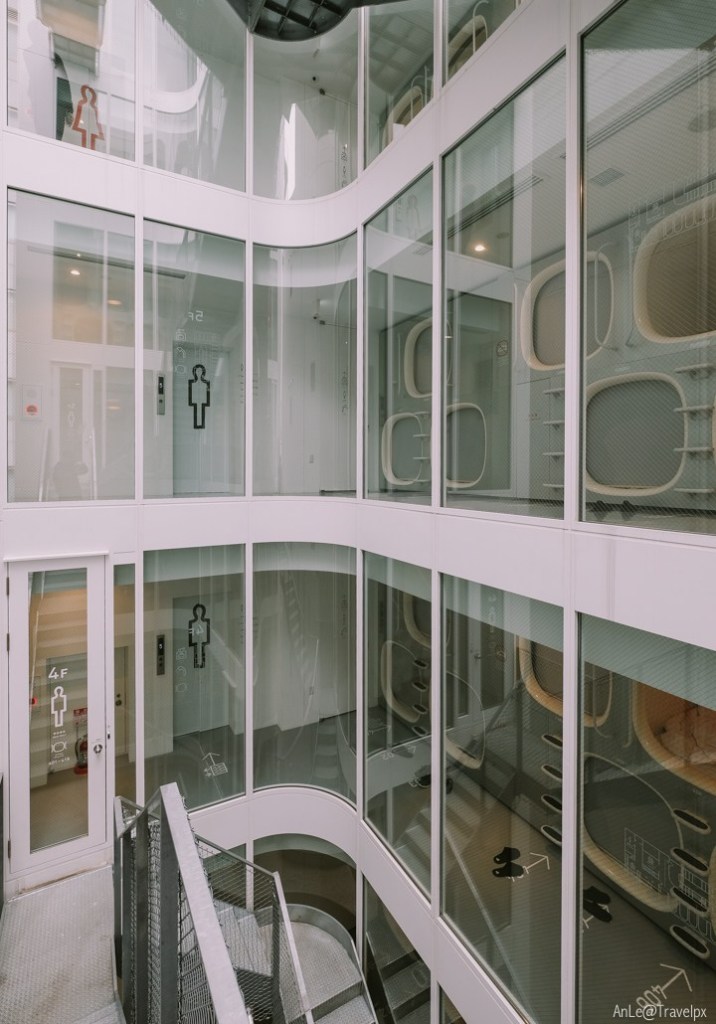
9Hours seems to maximize profits by building a dense dorm system, 2 layers on a floor. But 9Hours has a more unique management style, each guest will have a separate closet located in the Rest Room. Everything from guests’ luggage is stored here, you only bring in the dorm what is needed because the dorm doesn’t have a proper lock. if compares with First Cabin is a bit inconvenient because luggage is not 100% safe, despite having a locker in the bedroom.

z1ozw[……]

Read more

Everything you need to know if you’re travelling to India

Searching for India Travel Tips? India with its geographical, linguistic, spiritual and cultural varieties is too frustrating and leaves its visitors genuinely inspired and astonished. However, the negligent first-time tourists to India may be able to draw comparable feelings from their travel experiences in the country. Exploring India without good research study and planning might not only destroy your travel venture however may likewise deprive you of discovering the absolutely stimulating elements the land is understood for.

As quickly as the very first idea of India trip sprouts in your mind, focus on these necessary India Travel Tips for First Time Visitors that certainly would make a substantial difference.

5d07e
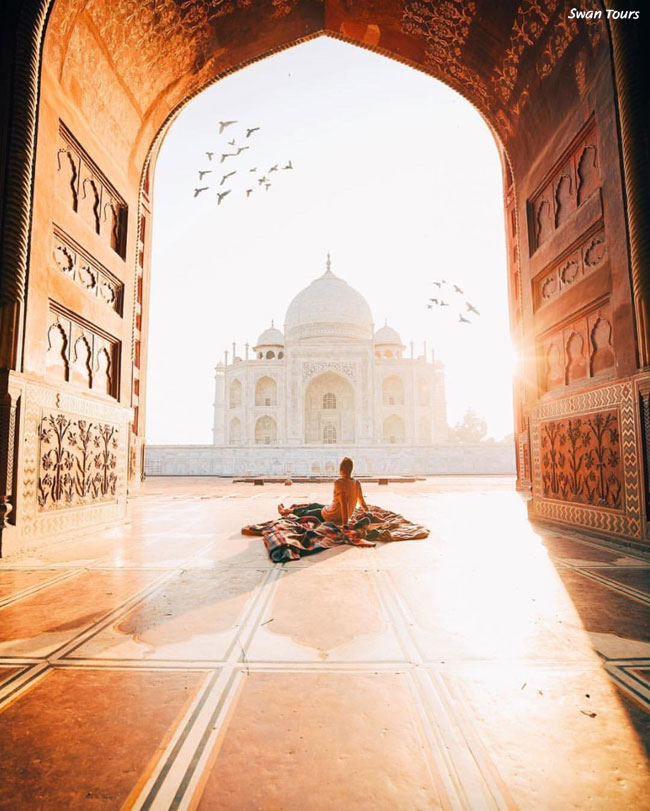
Taja Mahal, Agra

India Travel Tips – Planning Your India Trip

Following suggestions will assist you in the very first phase of preparing your trip to India:

Choose destinations inning accordance with weather. Not every place in India offers year-round tourism. For example, hill stations like Shimla, Mussoorie, Darjeeling, Manali are best visited in summertime’s. In contrast to this, many of the popular locations like Rajasthan, Kerala, Goa, Varanasi, Mumbai and Hampi take pleasure in great travel conditions in winters. Due to extreme weather conditions, this is one of the most important amongst the India travel tips.

It is much better to plan an itinerary clubbing together those falling either on a popular path (like Golden Triangle Tours including Delhi, Agra, and Jaipur) or in one classification (religious, nature, experience, history, heritage or wildlife).

Independent taking a trip in India is inexpensive; however prepared trips are more arranged.

Book air tickets, accommodations, and train tickets much beforehand with Swan Tours at best price. This suggestion is also among the most crucial among the India travel ideas.

Book you holiday packages in India with Swan Tours at economical price.

Preparing for Your Trip to India

Since you may not have gone to the sub-continent before, there are things which might appear unusual. Few of such things which you need to be psychologically ready about are:

Maddening crowds that are virtually everywhere.

Poverty is amongst the leading 10 things to learn about India. You may discover slums next to extremely developed areas. In reality, Mumbai, the financial capital of India is well understood for having sky scrapers with surrounding run-down neighborhoods.

Cows, though worshiped by Hindus, can be seen frequently wandering off in streets, at beaches and other places. In reality, for those who love photography, such sights use unmatched subjects on streets.

Beware of fraudsters who may start chasing you as quickly as you get out of the airport. Schedule through some travel business that is acknowledged by Ministry of Tourism, Government of India. You might send out an inquiry on information at Swan Tours offers totally free advisory to foreign visitors who want to go to India. Just recently, a 24 x 7 Toll-Free Tourist Info line in 12 International Languages including Hindi and English has been released by Dr. Mahesh Sharma, the Minister of State (I/C) for Tourism & Culture and Minister of State for Civil Aviation. The languages handled by the contact centers consist of 10 International languages besides English and Hindi, specifically, Arabic, French, German, Italian, Japanese, Korean, Chinese, Portuguese, Russian and Spanish. This information line will be for tourists taking a trip in India and will be definitely free of cost to be availed for either getting any information associated to travel in India or in case if any travelers are in Distress

Cultural shock! If it’s the very first genuine rendezvous with the Indians, be prepared to find them totally various, but a bulk of them are very friendly.

Communication gap. India has scores of languages which in turn are spoken utilizing different dialects. Even English can be heard in different versions.

Intrusive questions! Indians ask a lot! Do not mind answering about your profession or household; however understand where to draw the line.

eoo0q
Stay Safe in India

Dress up decently (specifically if you are a woman, alone or in a group) to avoid unnecessary attention.

Never go into the crowded areas without a regional guide, specifically if you are a woman.

Store your money and important thoroughly and never take them when visiting the congested locations.

Never leave your valuables ignored.

Stay Well in India

Consume Wisely: Take time to get accustomed to the tangy nature of food. Nevertheless, pay special attention to health while selecting street treats that may leave your stomach adversely upset.

Drinking Water: Never ever consume from faucet water. Always bring packaged drinking water and acquire the bottles from a decent vendor only after inspecting the seals.

Pollution: It is amongst the important things to understand about India that you need to clean your face routinely, wear a mask or headscarf and cover your hair.

Medicines: Always carry medications for a headache, level of acidity, diarrhea and other likely conditions. Don’t mind speaking with a medical specialist.

Stay On-time

Traffic: Whether you check out the cities like Delhi and Mumbai or the historical cities like Agra and Jaipur, traffic on roadway is exceptionally agonizing. What makes it worst is the condition of roadways which is quite unpleasant in couple of parts. Leave your hotel a couple of minutes previously than the schedule to prevent delays. For those who are eagerly anticipating visiting Agra, please note that Taj Mahal is closed for visitors on Fridays.

Taxis and Cabs: When in need to employ taxis for airport transfer or small trips within cities, utilize pre-paid services. You can also download OLA or UBER cab apps to book cabs in metro cities.

Cycle-rickshaws and Two-wheeler Rentals: The fastest mode to navigate through high-traffic locations and old narrow alleys.

Visiting Time: The opening and closing hours in addition to the closing days or months of various wildlife reserves, temples and monoliths are among the required things to understand about India prior to checking out.

4wroo
Know the Culture of India

Always utilize right hand while eating, touching and using things to the locals. In India, the left hand is used to tidy after defecating.

Elders in India are appreciated by touching their feet.

Prefer dealing with seniors as ‘uncles’ and ‘aunties’ than with their names or surnames.

Never go into a religious location (particularly those of Hindus, Muslims, Sikhs, Jains, and Buddhists) without getting rid of footwear (and socks too). You might likewise be required to cover your head before getting in couple of temples or Gurudwara.

Public screen of love, through kisses and hugs, is not the culture in India.

Avoid stepping your foot on something.

Pointing feet to people or spiritual items and buildings is considered bad.

cmhun
Things to Avoid in India

Don’t fall for beggars. They are usually everywhere.

Ignore the stares. Individuals in India typically looking at immigrants out of interest, although they may not have any incorrect objectives whatsoever.

Stay away from petting the roaming dogs and other animals.

Don’t travel alone during the night.

Don’t react to repeated smiles.

Never get into argument with promotes. They are best avoided

One of the very best India things to do is to bargain. You can easily secure discount rates and excellent costs on the real price being demanded. Nevertheless, bargaining is to be prevented at high street malls.

Carry devices with a great deal of applications and internet support. Bring power bank for mobiles.

United States and Canada utilize 110-volt electricity, while in India 220-volt electrical energy is utilized. Thus, do not forget to take your converters, adaptors, and transformers for your home appliances.

Spend on shopping fantastic handicrafts, but ensure you get the genuine ones. Select approved locations while purchasing silk fabrics in Mysore, marble operate in Agra embroidered clothes in Jaipur and other popular regional specialties.

Tip as you can quickly manage it in exchange for quality services.

Seeking recommendations from friendly-looking individuals. Indians the majority of the time is rather friendly.

While this was an effort to provide extensive suggestions about exactly what to learn about going to India, you can obtain more info from your Indian friends or the experienced and regular visitors to the nation. As an educated visitor, you will receive a far much better welcome to this multifaceted land. Hope you liked these India Travel Tips.[……]

Read more

How to see New Zealand’s South Island in 2 weeks

iq77e
New Zealand’s South Island is simply one of the most stunning places on Earth. The North Island is home to beautiful beaches and the country’s two most cosmopolitan cities, but the South Island’s untouched, wild beauty and diversity of terrains sets it apart. While there’s enough in New Zealand to keep visitors enthralled for months, seeing the South Island in as little as two weeks is certainly possible. Here’s how to do it.

Day 1 and 2: Marlborough

obprk
How about a glass of wine to help you adjust to what is a dramatic time change from most points of origins? After crossing the Cook Strait to Picton on the South Island via the Bluebridge Ferry, you can spend a couple of days exploring the Marlborough wine region. This northern section of the South Island is home to a number of world class wineries, including Cloudy Bay, Fromm Winery and Nautilus Estate. Wine tours of the region depart directly from Picton as well.

Day 3 and 4: Abel Tasman National Park

65uau
From Marlborough, head northwest to Abel Tasman National Park, which takes two days to fully explore. One of the most beautiful destinations in all of New Zealand, the park offers excellent day hikes, kayaking and plenty of beachfront camping. During your visit, make sure to try a burger at Fat Tui, located just outside the park. Yes, the burgers come with beetroot — and yes, they are delicious.

Day 5: Franz Josef Glacier

a8a60
Head southwest to Franz Joseph, home to a massive glacier located just beyond the tiny town. Weather permitting, a helicopter trip to the glacier is a must-do, and if you’re looking for a truly memorable experience, walking and climbing tours of the glacier are also available. Once you return to town, stop by the West Coast Wildlife Centre to see a bounty of kiwis, the country’s national symbol.

Day 6 and 7: Wanaka

hu5w0
Continue heading south to Wanaka, a quieter alternative to neighbouring Queenstown. If you’re looking for outdoor activities, hiking to nearby Roys Peak or paddling around Lake Wanaka are both great options. Wanaka is also home to a wide range of great bars and restaurants, along with the famous Cinema Paradiso, which traded its theatre seats for couches and offers delicious meals before, during and after screenings.

Day 8 and 9: Queenstown

t0ngv
Just south of Wanaka is Queenstown, the South Island’s most popular tourist destination and one of the most scenic towns in the world. Queenstown offers many activities, including mountain biking, bungee jumping and some of the best hikes in the country. After an afternoon spent working up a sweat, enjoy a few local beers at Atlas Beer Cafe, located right on Lake Wakatipu.

Day 10: Milford Sound

u35zq
Take a day trip south to Milford Sound, one of the South Island’s most stunning natural attractions. Located deep within Fiordland National Park, Milford Sound’s array of waterfalls and epic cliffs will leave you feeling transported to another planet. While the park offers many hiking trails, a cruise through Milford Sound itself is the best way to experience it.

Day 11: Mt. Cook

i1nct
Depart Queenstown for Mt. Cook, New Zealand’s highest mountain and the famous training grounds for Sir Edmund Hillary, the first Westerner to summit Mt. Everest. Mt. Cook also offers a wide range of hiking trails, helicopter trips and plane rides for those less interested in climbing the mountain itself.

Day 12: Christchurch

85m6k
Christchurch is the South Island’s largest city, and the community continues to rebuild and reinvent itself after enduring a series of catastrophic earthquakes in 2011. Make sure to stop by Christchurch’s cardboard cathedral, which was constructed entirely out of reusable materials.

Day 13: Kaikoura

vbo4f
During your return trip to Wellington, stop in the seaside town of Kaikoura for lunch at Cooper’s Catch, the hands-down, best spot in town for fish and chips. Kaikoura is also famous for whale watching and the large seal community that lives on its beaches year round.[……]

Read more

The BEST Peru Travel Guide

The BEST Peru Travel Guide

Thinking of going to Peru soon? Well, this is the perfect place to start! This is the BEST Peru travel guide which includes vital information for traveling to Peru. From the best places to visit in Peru to essential logistics such as getting cash, this Peru travel guide has it all!

Peru is one of the best places in South America to travel to as it literally has everything any traveler could want all in one country! What do I mean by this?

Well, there are beautiful hikes around snow-capped mountains, incredible surfing beaches, one of the largest cities in Latin America, wildlife, jungle, incredible history with Inca ruins, and last but not least, a unique culture.

That all being said, the great diversity of Peru makes planning your trip a little more challenging. Peru is a large country which can make it rather difficult to get around.

And on top of all of that, each city in Peru differs so much from the next in terms of culture and travel basics such as ATMs – that is why a Peru travel guide is so essential!

We’ve visited Peru twice over the last two years spending a combined total of more than 4 months in the country. So, we know Peru well and have a ton of advice to offer when it comes to logistics for planning your Peru trip.

This Peru travel guide will help get you well-equipped for a trip to Peru, no matter if you are traveling the entire country or just focusing on one area.

Topics included in this Peru travel guide are:

Visa and entry requirements

Currency & ATMs

The Weather

Dangers and Safety

What things cost

Daily budgets

Best places to visit

Best things to do

Peru Visitor Visas and Entry Requirements

The first topic for any Peru travel guide just has to be the entry requirements!

For most nationalities, a visa is not required for entry into Peru. Only some countries in Asia and Africa (and a select few in Central America and the Caribbean) require a tourist visa which must be applied for in advance at your home Peru Embassy.

If you aren’t sure if you need a visa or not, it is best to check on your country’s own government travel website for the latest rules.

If you don’t need a Peru tourist visa (most nationalities don’t) you will get a stamp in your passport upon arrival. Just be sure that your passport does not expire in the next 6 months.

Proof of Onward Travel or a Return Flight

czo5b
The city of Arequipa

You also need proof of exiting Peru. This is a technical requirement but most people are not asked by Peru immigration but rather by airline staff. Make sure you have a bus or flight booked out of the country to meet this requirement or you might not be allowed to board the plane.

Number of Days Granted for Visiting Peru

Once crossing the border the immigration officer will grant you a certain number of days to stay in the country and it will be written on your passport along with the stamp.

They usually grant 60 days to start off with, but we’ve heard stories of people getting more days just by asking. Other times though, people report being granted only 30 or the exact number of days that corresponds with their flight out of Peru.

When we entered Peru, we were granted 60 days each and we overstayed instead of trying to extend. We overstayed a total of ten days. The overstay fee was $1 USD per day and was paid at the border when we left. There was no fuss or problem at all.

Related Read: Peru is massive and because of that it might be hard to figure out where to spend your time at. In this case, check out our Peru Highlights that cover all of the best things to do in Peru!

Money in Peru
d9w8t
Currency

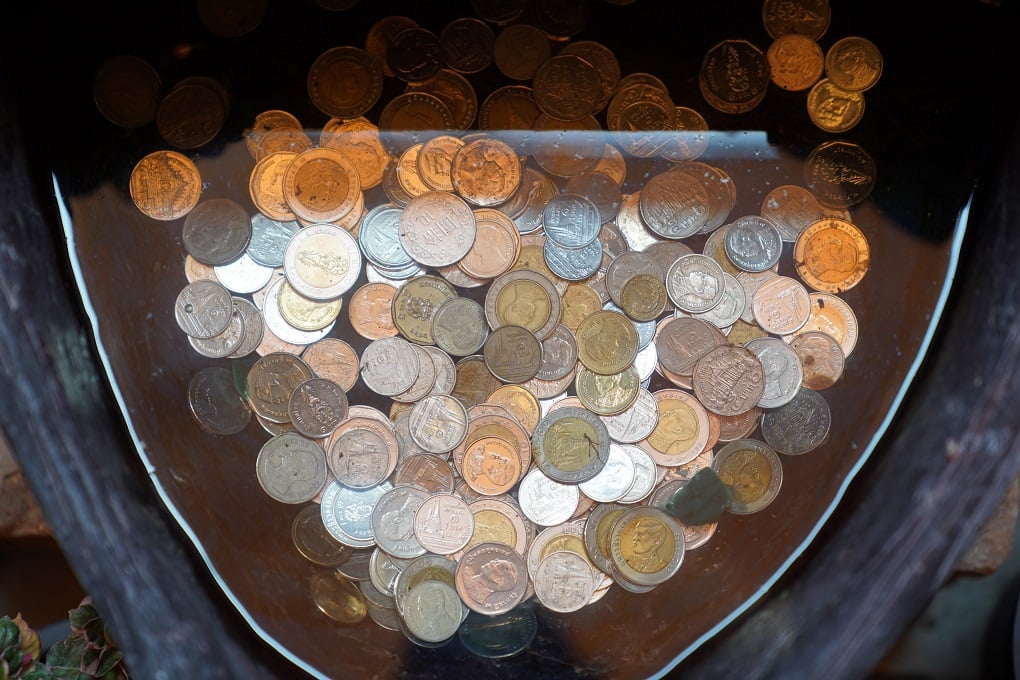
In Peru, the national currency is Peruvian soles. Currently (July 2023), 1 USD buys 3.60 soles. However, this is not the exchange rate you will get by paying in USD or exchanging money in Peru, expect to lose a lot to their favorable conversion rate.

In Peru, the best currency to pay with is soles. Although some travel agencies and hotels will take USD (mostly in tourist places like Cusco), soles are more widely accepted and as I said, will prevent you from paying a terrible exchange rate.

Card vs. Cash in Peru

Cash is also the best way to pay in Peru. While paying on a card (credit or debit) is becoming more popular, it is best to always carry some cash with you just in case.

Most hotels will accept cards but there is often a 2-5% surcharge.

Fancier restaurants and tour companies will accept credit or debit.

ATMs in Peru

If you don’t want to exchange cash, you can always withdraw money from ATMs in Peru.

There are many reliable ATMs in Peru but the best one is called Banco de la Nacion as it does not charge any fees (though your home bank will almost always charge a fee but it is better than being charged twice!)

Banco de la Nacion only allows 400 soles to be withdrawn per day. There are some occasions when I could withdraw twice by using a different ATM in a different area.

Other ATMs will have a much higher withdrawal limit but can charge up to 25 soles per transaction.

Weather and the Best Time to Visit Peru

No Peru travel guide would be complete without a thorough section on the weather!

The weather in Peru varies depending on the region. In Peru, there are various altitudes. For example, the Amazon is always hot, and up in the Andes it is always cold. That being said, there are ideal times to travel to each region.

Mountains in Northern Peru
mxghf
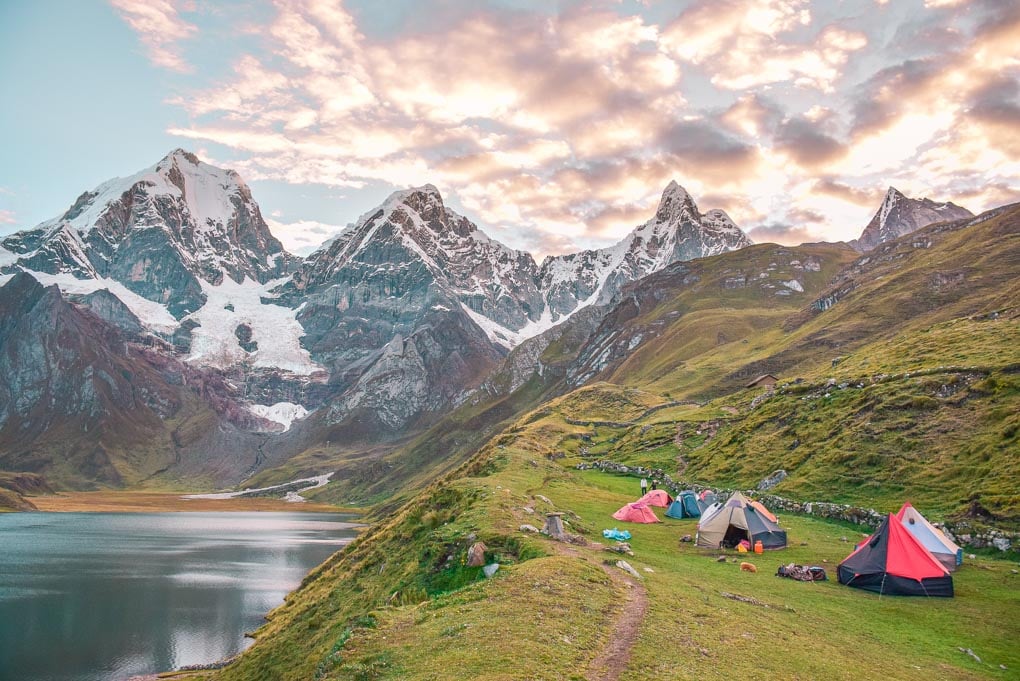
This region includes the city of Huaraz where many famous hikes are located. The best time of year here is May to September.

Cusco and Machu Picchu
a239y
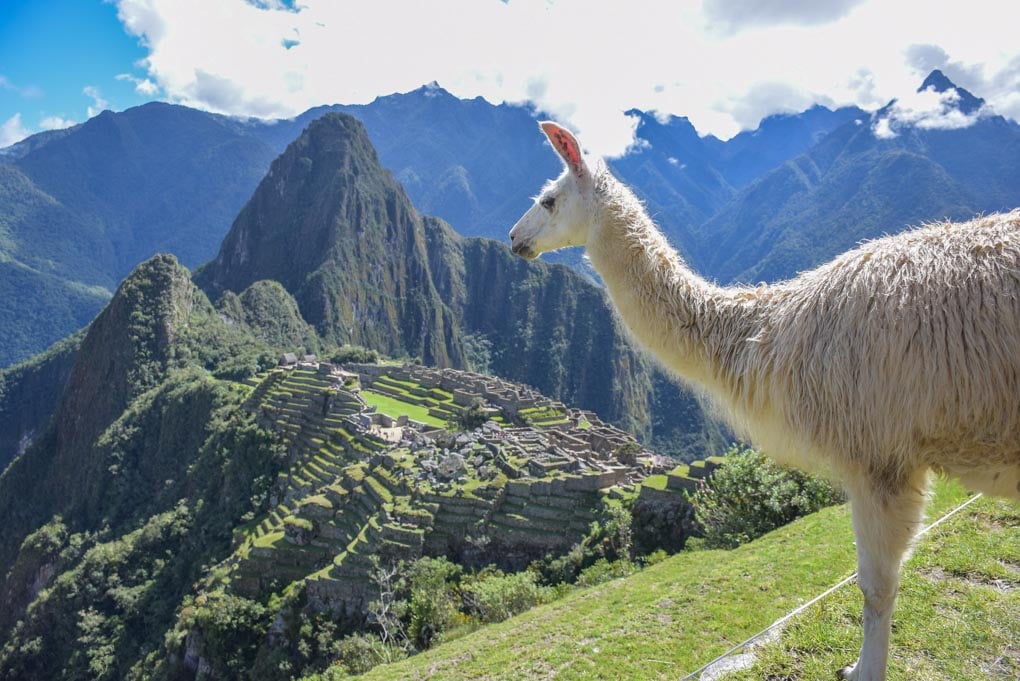
A llama at Machu Picchu

The dry season is the best from May to September. During the rainy months, the Inca Trail even closes for maintenance!

The Amazon

nlszf
Any time of year! While it may not sound ideal to visit the Amazon in the wet season, the rain brings a whole new range of animals to check out and the rivers are full of life.

Northern Coast
hazch
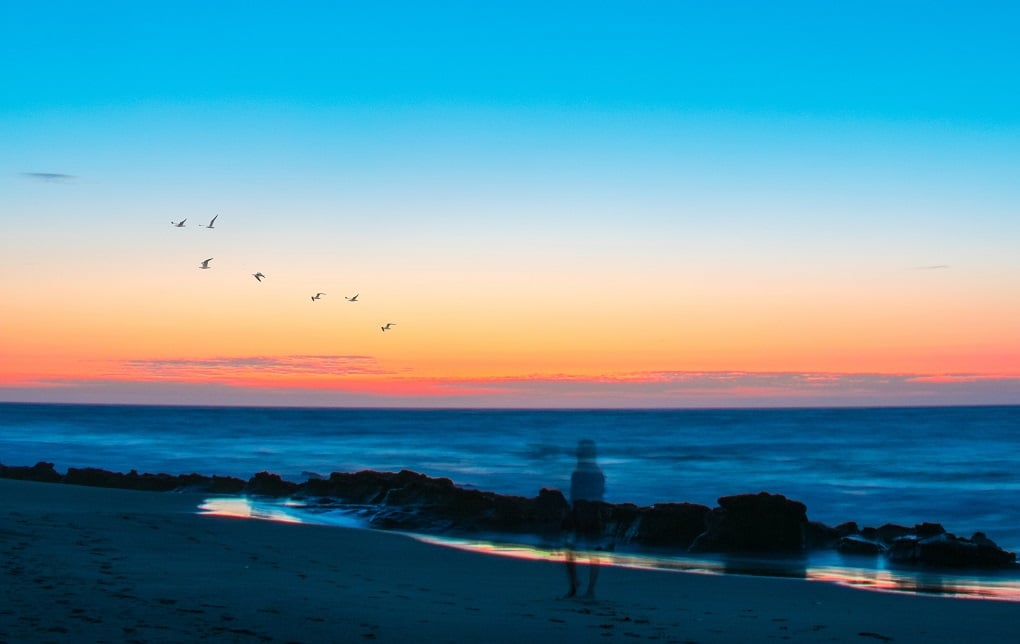
The biggest draw to the northern coastline of Peru is surfing. The surf is known to be best in the spring and summer from about September to February.

Lima and the Central Coast
5xwn7
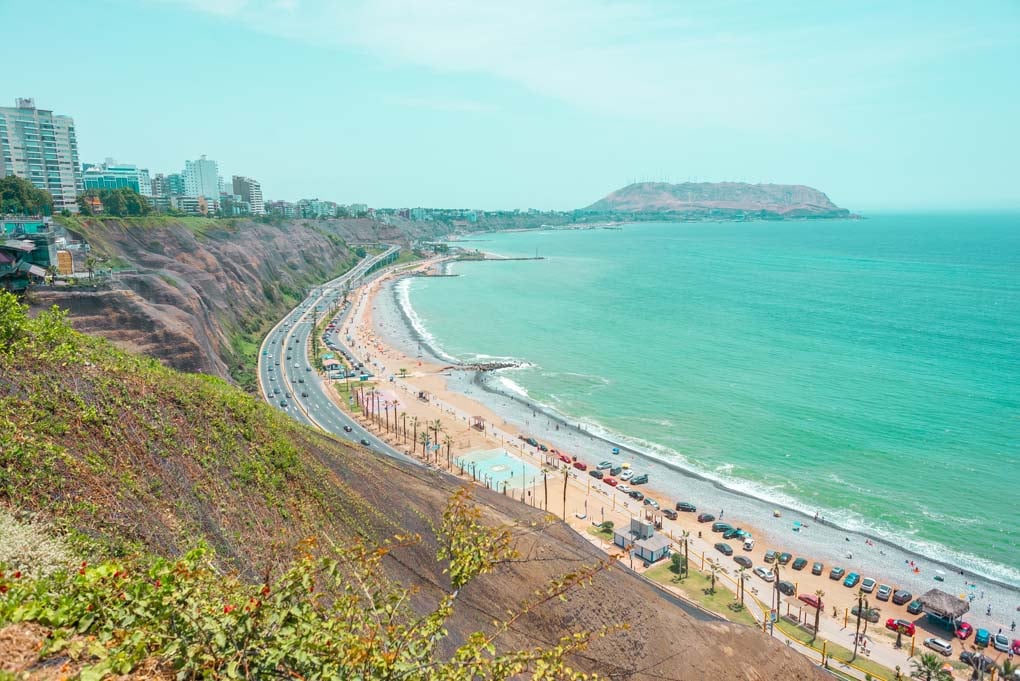
The winter months can be quite chilly for hanging out at the beach as the winter gets very windy and the ocean water temperature cools to around 10 degrees Celcius (50 degrees Fahrenheit) in Lima! Also during winter, the cold ocean waters cause low clouds to blanket the city and surrounding area.

Dangers and Safety in Peru
kiyvx
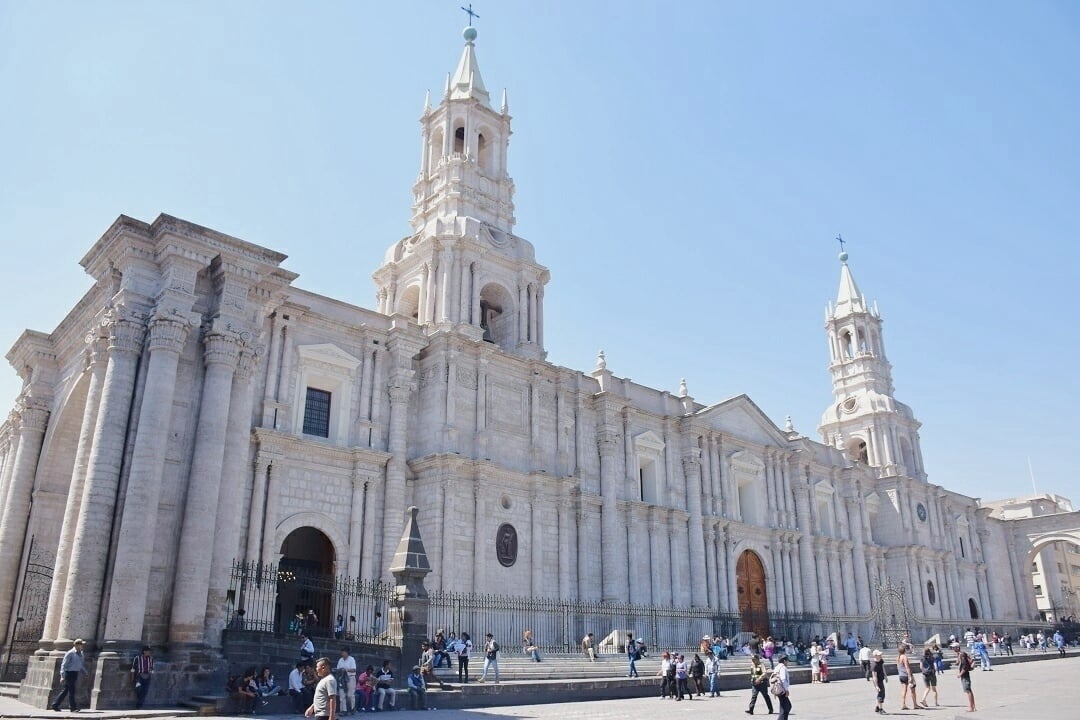
Every city has the most beautiful central square!

Peru is a relatively safe country but as with most countries in Latin America, you must always be cautious.

As a general rule, Peruvians are not violent people. However, we have been warned on a couple of occasions to be careful with taxi drivers in Peru. There have been incidents where taxi drivers kidnap their customers and make them withdraw all their money out of an ATM.

The best way to avoid this is to only take registered taxis and travel in groups. Another good option is to use Uber instead. With Uber, the driver is registered and you can be tracked via GPS with your phone. Uber is not available everywhere in Peru but it is in large cities is and well worth using.

It is also a good idea not to bring valuables out with you, especially at night, and be wary of pickpockets. Buses are also a very commonplace for discreet robberies to take place out of carry-on baggage.

Road safety is also something to be aware of in Peru. Bus accidents do happen fairly frequently and oftentimes result in several lives lost. It is best to book a bus journey through reputable companies like Peru Hop or Crus del Sur.

On another note, an equally big safety concern in Peru is altitude sickness which can be very serious for some people. Cusco sits at over 3,000 m (9,843 ft) above sea level and at that altitude alone people can experience some symptoms. Altitude sickness pills are very helpful and can be purchased at any pharmacy over the counter in Peru.

What Things Cost in Peru

A Peru Travel Guide (or any travel guide for that matter) just couldn’t be complete without telling you how much things cost! Here are some of the biggest things to budget for in Peru and what they cost.

Accommodation
2scuh
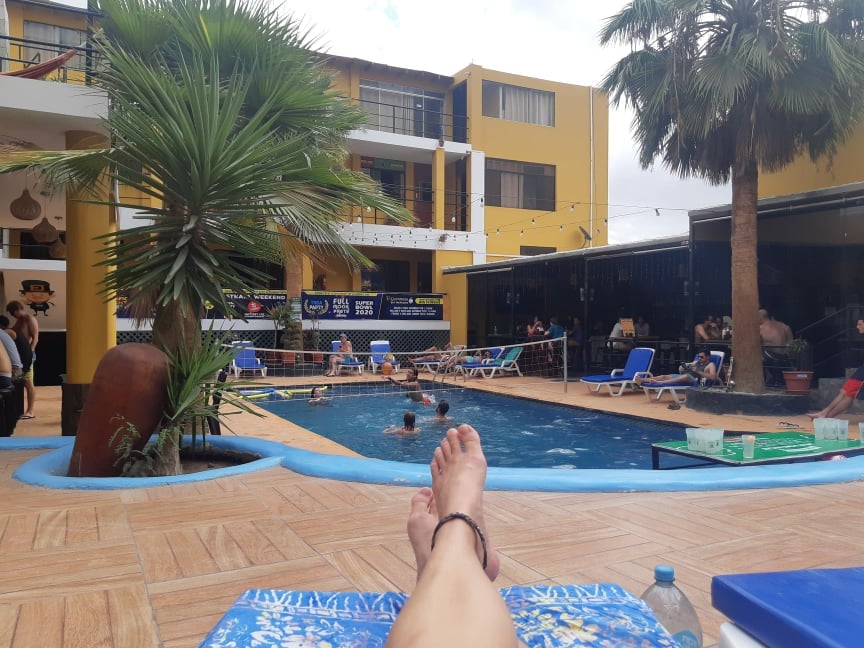
The Wild Rover Hostel in Huacachina, Peru is a dream!

Accommodation costs in Peru vary greatly. There are hotels that cost hundreds of dollars a night and dorm rooms for $8 USD a night.

A decent hostel room will go for about $13 USD. Expect to pay $30 to $60 USD for a basic private room.

Accommodation costs also vary from city to city, For example, in Huaraz, we stayed at an awesome hostel for $8 USD a night, and in Lima, we paid $15 USD for a very average hostel. The best way to know exactly how much it’ll cost where you are going is to search on Booking.com.

If you’re a backpacker we’ve actually created a guide on all the best hostels in Cusco for those on a budget!

Food
ndgx2
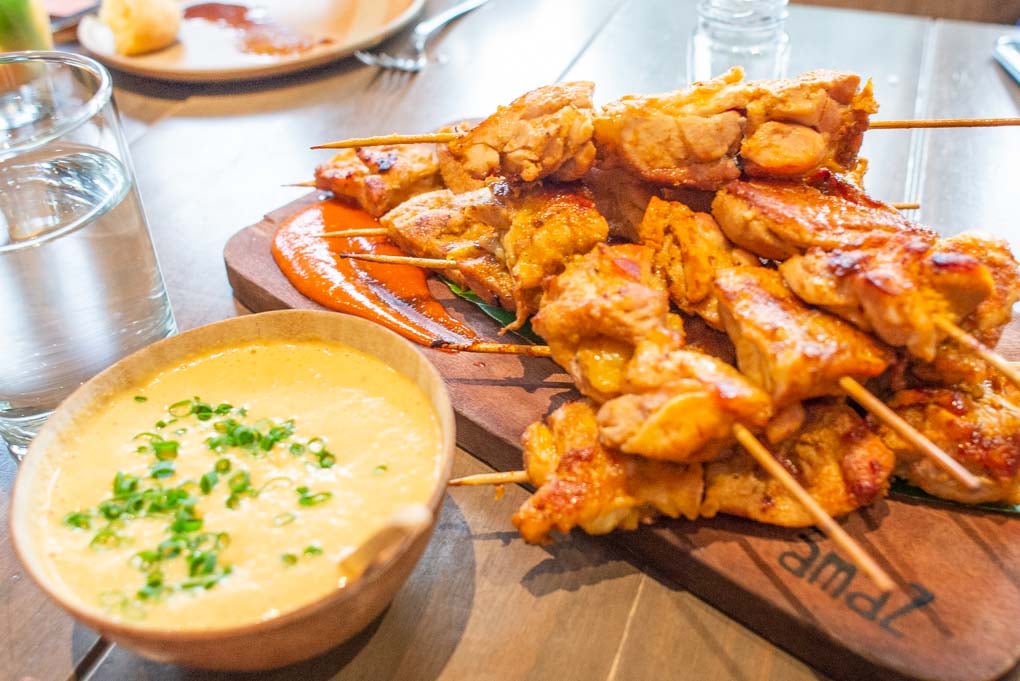
Food is very cheap in Peru if you eat what the locals do. If you need your “Western delicacies” such as pizza or a burger expect to pay more. It is very easy to get a local meal of meat or chicken, rice or potatoes, veggies or salad, and a juice for less than 6 soles ($2 USD.)

A pizza goes for around 25 to 40 soles ($7 to $11 USD) and a meal at a Western fast food joint will be well over 30 soles ($8 USD). A great tip for when you are craving fast food is to skip the iconic McDonald’s and KFC and check out the local place, Bambos is a great fast food franchise in Peru and is about half of the price of the international alternatives.

Transport
m06cq
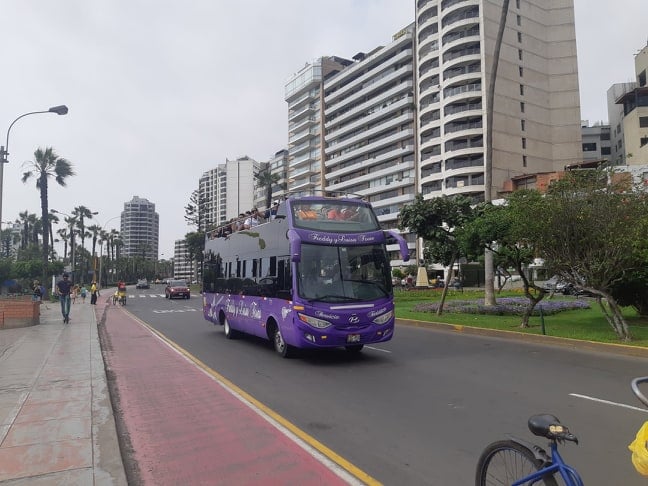
A tourist bus driving around Lima, Peru,

Intercity Transport:

Getting from city to city is easy in Peru by bus or plane.

Flying is much more expensive but buses can take forever. The roads in certain areas of Peru are very windy and bumpy. But there are very comfortable buses available to make the long journey bearable. For example, the journey from Lima to Cusco by bus is long (20+ hours) but it is a popular option for those traveling on a budget. To make the journey better, I highly recommend upgrading to a VIP bus!

Usually, the VIP or first-class buses are only a few dollars more than the lower-grade buses and it is well worth the upgrade – believe me! Cleanliness, bathrooms, space, and a layback chair that allows you to sleep are well worth the extra money.

The best way to book buses or at least compare prices is on the websites Busbud.com and Bookaway. Here, you can search and get an idea of how long it is from place to place and the different types of buses available.

Local Transport:

We never took local transport in Peru. From what we heard, it was unreliable and not always safe. To get around within a city we would always walk if possible, and if too far we would take an Uber. Some smaller cities don’t offer Uber so taxis are the only option.

Tours

Just look at that view!

Tours are very reasonable in Peru. We were able to do the 5-day Salkantay Trek to Machu Picchu for around $500 USD including a guide, porters, food, transport, and the Machu Picchu entrance fees. There are also some really good deals on tours of the Sacred Valley from Cusco.

We paid only $49 USD for a day trip from Cusco to Rainbow Mountain and $29 USD for a day trip to Laguna 69 from Huaraz. A half-trip on a boat from Lima to see the penguins and swim with the sea lions only costs $72 USD.

Day tours in Lima and other cities are also a good idea if you are short of time but still want to see a lot. There are some excellent city tours of Lima that are well worth your time.

On top of that, tours in Peru are usually really good value! Just don’t forget to tip as the guides often do not make much for wages due to the low tour prices.

Daily Travel Budgets in Peru

 
Pisco sours are soooo good! But, too many of them can break your budget quickly!

The below budgets are the average spending per day in Peru per person. this should give you an idea of how much spending money you’re going to need during your trip to Peru!

Low

A low budget in Peru would be between $15-$35 USD a day. This is staying in the very cheapest dorm rooms, eating street food or cooking for oneself, and not drinking much. This budget would allow for only a select few cheap tours.

Medium

A medium-range budget would be $80-$120 USD a day. This would allow for staying in budget private rooms or nicer dorms, eating out in restaurants occasionally, going on a few tours, and going out for drinks from time to time.

High

Over $120 USD would be a high budget in Peru and allow you to live in luxury! Things in Peru are not very expensive so with this budget one should be able to eat anything, stay at decently nice places, and go on many tours.

Best Places to Visit in Peru

There are so many places to visit in Peru that I just simply couldn’t list them all in this Peru Travel Guide. However, I have narrowed down some of the most common and my personal favorites!

Cusco
76rul
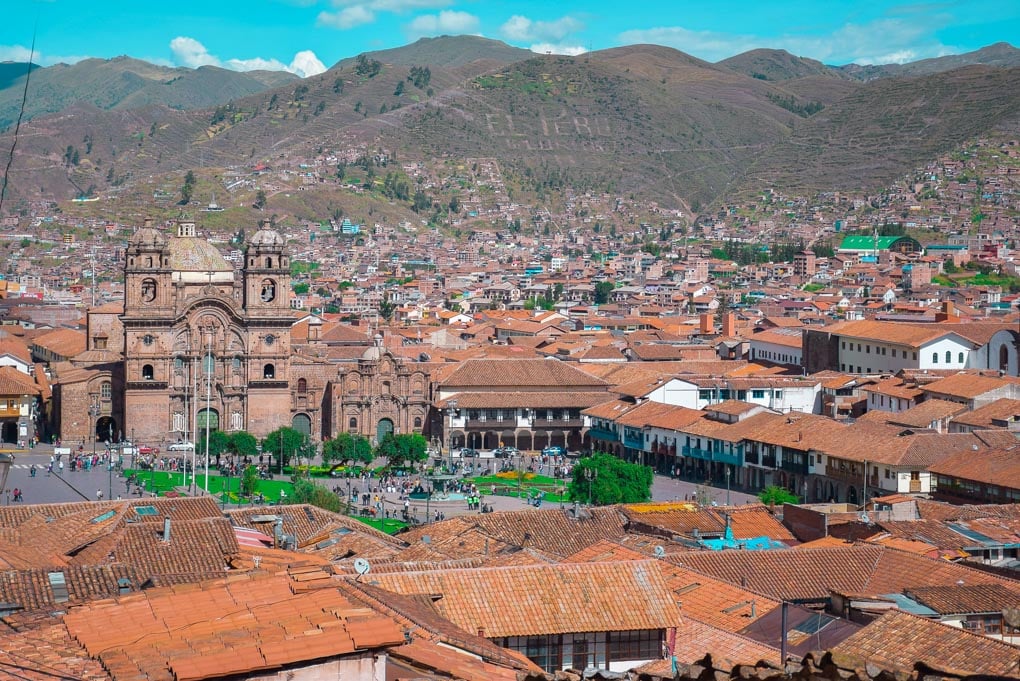
Panoramic shot of Cusco, Peru

Cusco is most famously known as the starting point for any journey to Machu Picchu, but as a city itself, it is actually really cool to spend a few days here. There are ruins within the city, in fact, Starbucks is located within the walls of Inca ruins!

There is so much to do in and around Cusco, so much more than just Machu Picchu. However, if that’s on your bucket list, some of the best Machu Picchu tours leave from Cusco.

Arequipa
y6386
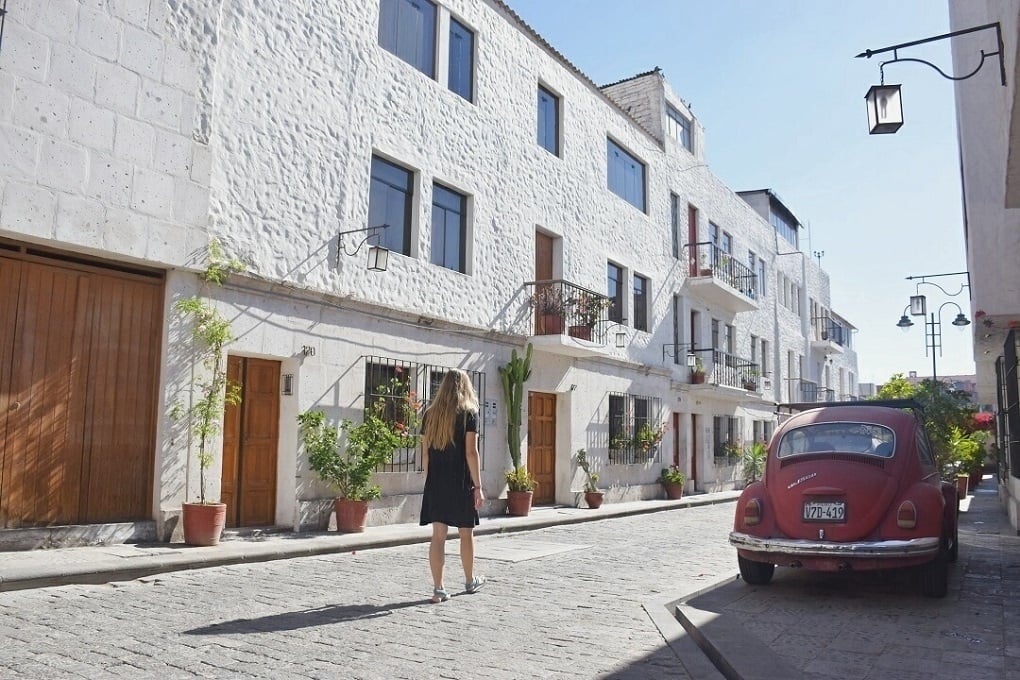
Exploring Arequipa! It’s such a beautiful city!

Arequipa is the largest city in the South of Peru. The city was built using Sillar which is actually white volcanic rock. This gave Arequipa the nickname “White City” or “Ciudad de Blanco”. The center square is simply stunning and the surrounding streets are charming.

For just $17 USD you can book this guided tour to the outskirts of Arequipa that will allow you to walk the Sillar circuit where you’ll be able to see some of the sillar that has been left in its original form.

One of the best things to do in Arequipa is to hike the Colca Canyon (the deepest canyon in the world) or one of the many nearby volcanos.

This 3-day Colca Canyon tour is what we did! For only $97 USD, it includes all of your meals and very nice accommodation. While it is a hiking tour, the hike is completed over 3 days at a nice slower pace with plenty of time to enjoy views, hot springs, and a pool with drinks!

If you’re not looking to commit to a hike of that length you can opt for this full-day Colca Canyon tour which will take you to some of the most scenic viewpoints and and includes breakfast and lunch for just $38 USD.

Puerto Maldonado
xp37f
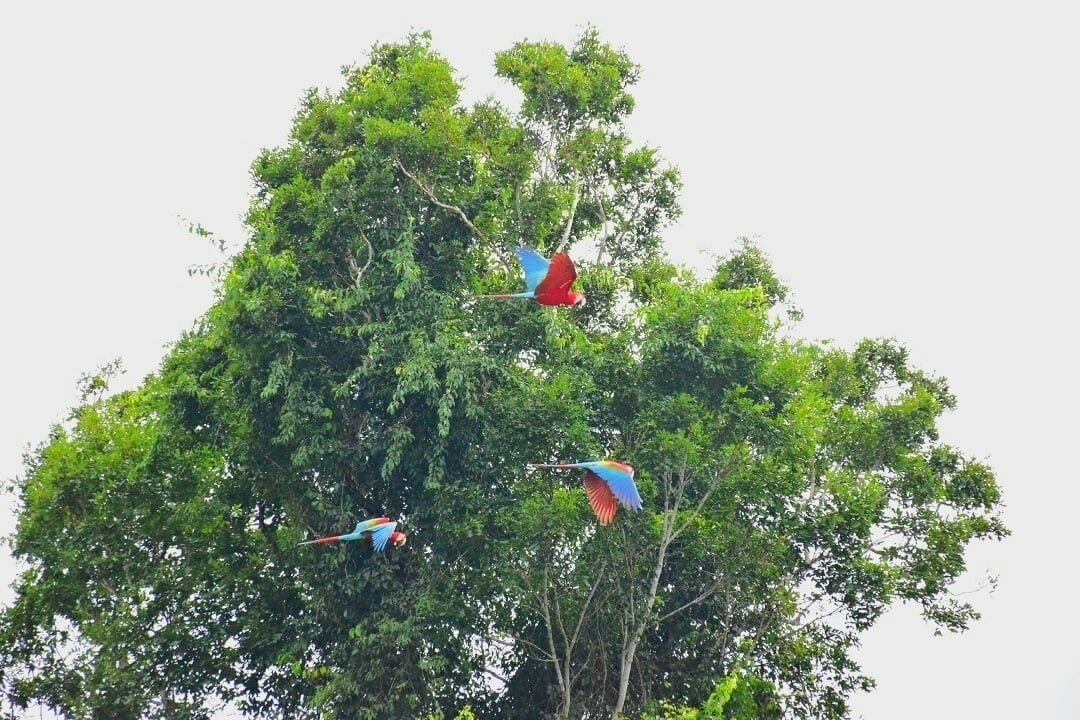
The Macaws!

Puerto Maldonado is rather unknown to many who visit Peru, However, it is one of the best places to see the Amazon.

Due to its remote location, you don’t need to venture out far to see amazing wildlife! From the edge of town, you are only an hour away from all the action. Also near the town is something called the “Clay Lick”, a natural phenomenon where Macaws, Parrots, and Parakeets come to nibble the nutrients from a clay wall.

This is the only tour that will only go for a full day, leaving early in the morning and coming back late. You’ll be able to take a boat up the river to see the famous Clay Lick but that’s about it due to time constraints. It costs $220 USD per person.

For this reason, I would highly recommend taking the time to do a 2-day tour like this one where in addition to the Clay Lick you will also explore Sandivol Lake and go on an evening walk to spot wildlife. Your accommodation will be at a lodge in the heart of the Amazon. The best part is that it is only $60 USD more than the 1-day tour!

Mancora
3lbxi
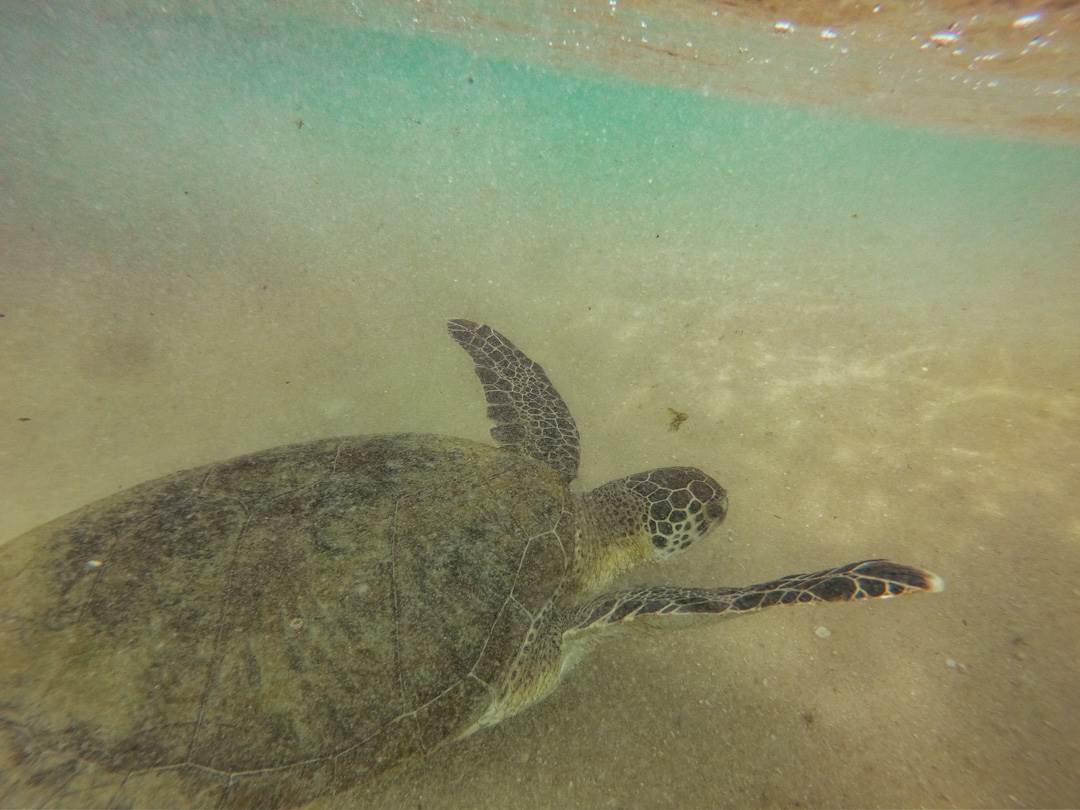
Swimming with these guys in Mancora is a must!

Mancora is a northern beach town located near the border of Ecuador. The town is very laid back and perfect for spending days relaxing at the beach.

For those who surf, visiting Mancora in Spring and Summer is a must as conditions are optimal. Near the town of Mancora at a small fishing village lives a colony of Sea turtles and it is possible to swim with them right from the shore!

Lima

7sn4j
Lima is the capital of Peru and nearly a third of the population resides there. The city is filled with amazing museums, great surf, and vibrant nightlife! Honestly, there are so many fun things to do in Lima that it can feel overwhelming.

I spent an entire month in Lima and some of my favorite things were trying Peruvian food on a food tour, seeing the murals in Barranco, learning about the local culture through a Water Fountain Light show, and trying delicious Pisco Sours!

One thing many travelers aren’t aware of though is the fact that the islands near Lima are home to over 10,000 Sea Lions. This colony has no predators so you can actually swim with them on an organized tour!

Huaraz

 
The Laguna 69 hike!

Located high in the Andes Mountain range, Huaraz is one of my favorite places in Peru. Huaraz is the gateway to the Cordillera Blanca (a small section of the Andes). The Cordillera Blanca offers some of the most amazing hikes in the world including Laguna 69, the Santa Cruz trek, and the Huayhuash.

The town is located at 3,400 m (11,155 ft) in elevation and is surrounded by white mountain peaks. Huaraz is a must for any hiking enthusiast!

Huacachina

 
The dune buggy tour in Huacachina is so much fun!

Who knew that Peru has sand dunes that rival those in the Middle East?! Well, it’s true, and only a short 4-hour drive from Ica you are smack dab in the middle of the dunes in the small town of Huacachina!

From Huacachina, you can hike the dunes, go on a buggy tour, or even have a try at sandboarding (like snowboarding but only in the sand!)

Our favorite of the three activities was the dune buggy tour! It was so exhilarating and the views you get from the dunes are awesome! You can book your tour for just $25 USD.

Best Things to Do in Peru

Just like the places to visit, the things to do in Peru are endless and can’t be covered in this Peru Travel Guide – but here are a few highlights!

Hike Rainbow Mountain

 
Rainbow Mountain

As the name implies, Rainbow Mountain in Peru is a rainbow-colored mountain peak. Located at over 5,000 m (16,404 ft) above sea level, Rainbow Mountain is a spectacular sight to see. Tours run daily from Cusco, just be prepared for a little altitude sickness!

Swim with Turtles

In Mancora one of the most popular things to do among tourists (besides surfing) is swimming with the sea turtles. These turtles have learned the time of day in which tours go out on the ocean and come to the boat in packs. Then, you are given the opportunity to jump in the water with the turtles!

They are massive sea turtles and it is a pretty cool experience.

Hike around Huaraz

 
Bailey enjoying another day hiking near Huaraz, Peru!

Huaraz often gets skipped by travelers due to its remoteness, but it’s that remoteness that makes the place so amazing. Huaraz is nestled smack dab in the middle of the Cordillera Blanca mountain range. Some of the most amazing hikes are around Huaraz with truly fantastic mountain views!

Hiking in the Colca Canyon
607vo
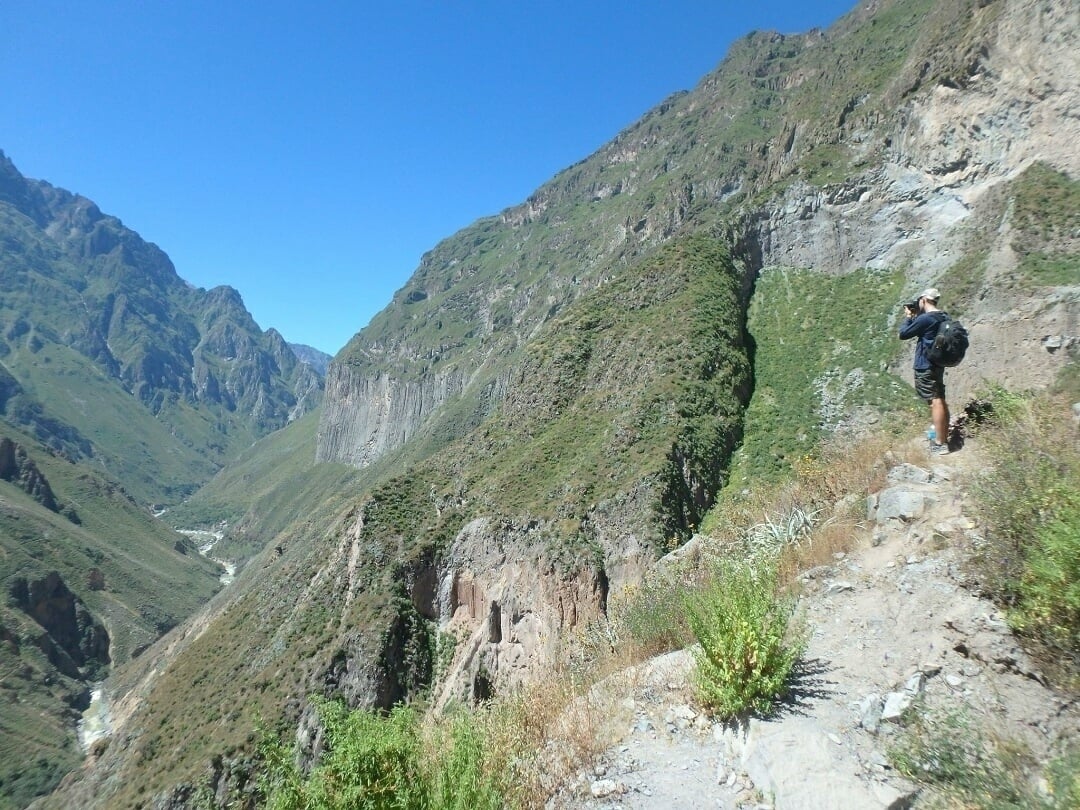
The Colca Canyon

Only a few hours from Arequipa, the Colca Canyon is a great place the get out of the city and explore. The Colca Canyon is one of the best places the see Condors up close. The viewing deck in the canyon is visited every morning by several Condors as they search for food.

The canyon is also home to natural hot springs and some spectacular views. Both camping and accommodation are available along the hiking trails (day trips are also possible!)

Explore the Amazon Rainforest
zwd6r
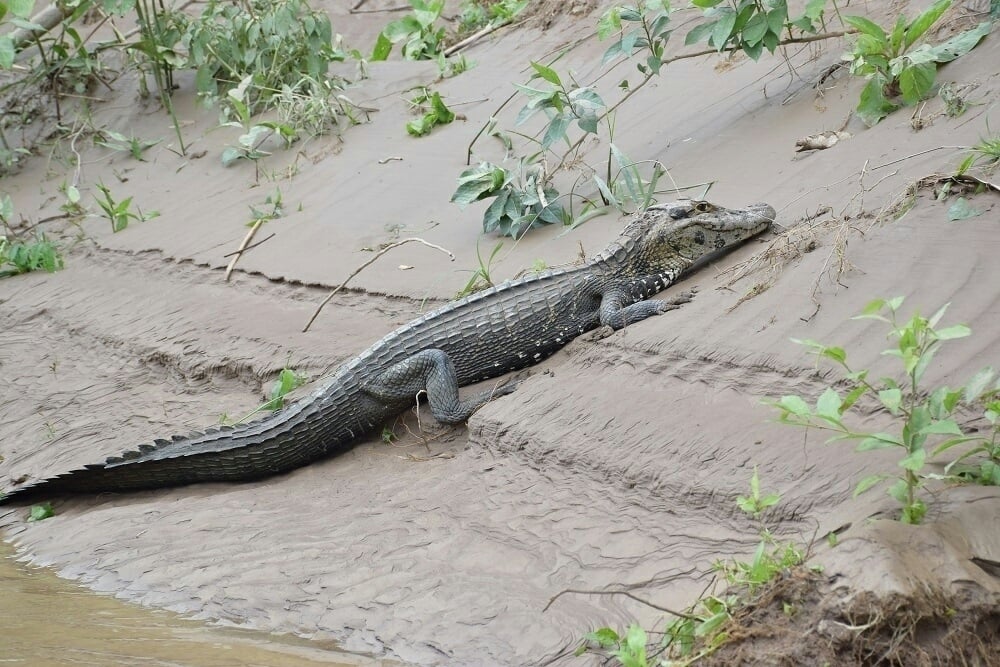
We saw this guy in the Amazon near Puerto Maldonado!

Peru is home to the most biodiverse parts of the Amazon Rainforest. In fact, Peru has the largest amount of bird species in the world! For this reason, it is one of the best places to visit the Amazon.

There are three main places to see the Amazon in Peru and they are Iquitos, Puerto Maldonado, and Cusco (Manu Nation[……]
Read more