Divi WordPress Theme


Cartagena: The Miami of Colombia

I knew that when planning my trip, I wanted to get at least a quick glimpse of the Caribbean coast, as it differs so greatly from the rest of the country. And I’m so glad I did, despite the weather so hot it left me breathless and the struggle to get there.

The journey to Colombia didn’t exactly go as planned when our evening flight was canceled in favor of one the following morning. This meant we missed our flight and had to rebook one and then another. After many hours in the Bogota airport, we finally made it to Cartagena in the late afternoon.

buaah
We checked into our room at Casa Zahiri and immediately left to find one of the many street bars within Getsemani for a much-needed mojito. Exhausted from an unexpected two days of travel, it was all I could do to keep my eyes open and not be overwhelmed by the music and movement of weekend revelers. Returning to our room, I didn’t make it long before passing out in my bunk.

Door knockers of Cartagena

The next morning, feeling rested, Sammi and I went in search of the most important thing: coffee. We ended up at Libertario Coffee Roasters, a very trendy coffee shop, for cold brew and avocado toast. We weren’t the only ones there as fellow travelers and locals had set up their laptops as a makeshift coworking space.

We took the time to walk around the city without a real plan, stopping to snap photos of the many murals as well as the kite festival going on outside the walls. We passed the house of Gabriel Garcia Marquez, whose book I was reading at the time, and popped in some stores, including Abaco Libros y Cafe and Tienda Escuelas Taller, a store selling crafts made by students. I wanted to buy everything, but it was still so early in the trip.

The city reminded me of so many others I’d been to like San Juan and Santo Domingo, with its colorful buildings and balconies with overflowing flowers. We tucked into the modest Gold Museum, which is small but free, so it’s worth the time in the air conditioning.

We tucked into a few spots for drinks, starting with Alma, a hotel restaurant that is casual by day and upscale at night. For lunch, I had seared tuna and a tiki-inspired cocktail at El Arsenal: The Rum Box, a few blocks from our hostel. We went back to our room and spent the rest of the afternoon relaxing in the pool with our new German friends, sipping cheap beers.

Continuing the night, our new friends took us to Casa de la Cerveza, a beer bar and restaurant on part of the city walls that overlooks the skyline. We sipped on craft beer and ate tacos before finishing the night at a rooftop bar in what became our only “big night out” of the trip.

Day Tripping to Islas del Rosario

en6lc
Islas Rosarias

Since we’d seen much of the city already, we booked the following day for a trip to the Islas del Rosario, a chain of barrier islands off the Cartagena coast. We booked through our hostel and were given vague instructions on what to do, making our way to the bustling port, where people tried to sell us sunscreen, hats, and other essentials.

Someone asked to see our ticket and told us to go wait, but we saw many boats load up over the course of an hour with no further instructions. Finally, someone pointed us toward a boat, a packed speedboat. We made our way out of the port, which felt a bit like Miami.

It’s a long story, but we didn’t end up liking our tour. The first few hours were spent dropping people off and picking up. We were forced to pay extra for either an aquarium or snorkeling, which ended up being in rocky water with mostly dead coral. The day ended at the beach for lunch, which was good.

Instead, I’d recommend one of the bigger catamarans like Bona Vida. You can also get a day pass for the beach clubs on Isla Tierra Bomba for under $50, which includes lunch and a welcome drink. Many of the hotels have their own setups there and there are also hotels on the island.

Beach lunch

Back on dry land, we changed clothes and went to our last dinner at El Beso, a delightful outdoor restaurant with a daily menu and cocktails. It was a favorite from the trip and the perfect spot to say farewell to Cartagena.

Things to Do in Cartagena

We didn’t make it to everywhere that was recommended to us, so I’m including them below for your own trip.

Tours and Attractions

Beyond Colombia– We took their tours elsewhere in the country and they were a great way to get introduced to a city!

Castillo de San Felipe de Barajas– The castle overlooking the city was built in 1536 to protect Cartagena from attacks.

Monasterio de La Popa– Built in 1607, this religious site operated as a convent and later as barracks for troops.

Palace of the Inquisition Cartagena– This museum covers the dark period of the Spanish Inquisition with artifacts, including instruments of torture.

Plaza de la Trinidad- This is where revelers gather on weekends for drinking and dancing.

Restaurants and Bars

Alquimico Bar– This hip bar is spread across three floors, including the rooftop, is known for its experimental cocktails and dishes.

Bohemia Restaurante- The modern Colombian restaurant has artfully prepared plates.

Café del Mar Ltda.– Come for sunset to this seafood and cocktail spot overlooking the water.

Cafe de la Manana– If your accommodations don’t have breakfast, start the day here for vegetarian-friendly dishes and coffee.

Colombitalia Arepas– Perfect for a snack on the go!

Demente BAR TAPAS– Featured in the New York Times for its cocktails and small plates.

La Cevichería– A favorite of the late great Anthony Bourdain, dine here for the refreshing seafood dish.

Restaurante Bar La Vitrola– The speakeasy-inspired restaurant has tapas and mojitos.[……]

Read more

The best time to visit Dubai

Dubai is a dream destination. But when’s the best time of year to visit Dubai? Let’s dive in.

fmtmn
People will tell you, the best time to visit Dubai is during the winter. That’s November to March, as the temperatures are more bearable and you’ll want to be outside. We’re talking highs of 35°C in November and 26°C in December. Temperatures hit 41°C in summer, so the air conditioned shopping malls will no doubt be calling. But while summer gets a bad rep because of the heat, there’s still plenty on offer.

When to visit Dubai: Make dreams a reality

6nkdt
Hit Dubai in the winter and it’s your oyster. Step off the plane, your feet are on UAE soil and it’s time to get stuck in to this desert playground with no worries about the weather. You can hit the beach and work on your tan, stroll around Dubai Marina and get a true feel for the soul of the city by checking out its historic squares and buildings. The views from the Burj are the best in winter and the sea is calling.

But it’s not the only time to come. You might spend more time in the shopping malls in summer, but you can still stroll along the sand on the beach in the morning or evening. The jacuzzi-like temperatures of the sea are always worth it too.

Heading here in April to October also means less crowds at major attractions as well. Think of April to May and September to October as shoulder season. The temps are high, but not as high as summer and it will be much quieter than high season. In 2024, Ramadan falls between March and April making this the perfect time to immerse yourself in the spiritual and holy side of Dubai – the temperatures will be spot on too.

What to do in Dubai, all year round

For many people, Dubai is a year-round destination. This is what you can get up to whatever the seasons in Dubai.

Sightseeing in winter

The cooler winter temperatures in Dubai open up the city to your every whim. Head up the world’s tallest building – Burj Khalifa – for breathtaking views across Dubai. The clearest skies in winter offer up the best views. Take a leisurely stroll along Dubai Marina in the colder temperatures to make the most of this spectacular setting. Head to Dubai Sports City for world class events.

Explore beyond the surface of Dubai in cooler months

The lack of blistering heat in winter means more chance to explore and discover what lies beneath Dubai’s shiny exterior. Visit Dubai Creek to discover the traditional markets and historical buildings of its Old Town. And don’t miss Dubai Miracle Garden – the world’s largest natural flower garden.

Shop to escape the heat in summer

Dubai Mall is the second largest shopping mall in the world. Its air con will be a gentle relief from the heat. Plus, you’ll find more than 1200 shops and boutiques, the largest gold souk in the world and more than 150 restaurants.

Get a little spiritual

Experience the spiritual side of Dubai with a visit to Jumeirah Mosque during Ramadan. It’s the most famous mosque in the city and one of the top cultural spots in the city.

Enjoy year-round culture

Get your cultural fix at any time of year at the Dubai Opera. This architectural masterpiece in Downtown Dubai hosts world class performances year-round.

8lrk2[……]

Read more

The Great British Travel Bucket List: 18 Things to Do in the UK

From the south of England to the north of Scotland, the UK is packed with incredible panoramas. While London may be home to some of the best attractions in the UK, there’s much more to see in the country beyond the English capital’s iconic monuments. Discover Wales’ most captivating castles, Northern Ireland’s awe-inspiring natural gems, Scotland’s picturesque scenery, as well as the charming English countryside.

Experience the best of what the country has to offer with 18 of the most unmissable things to do in the UK:

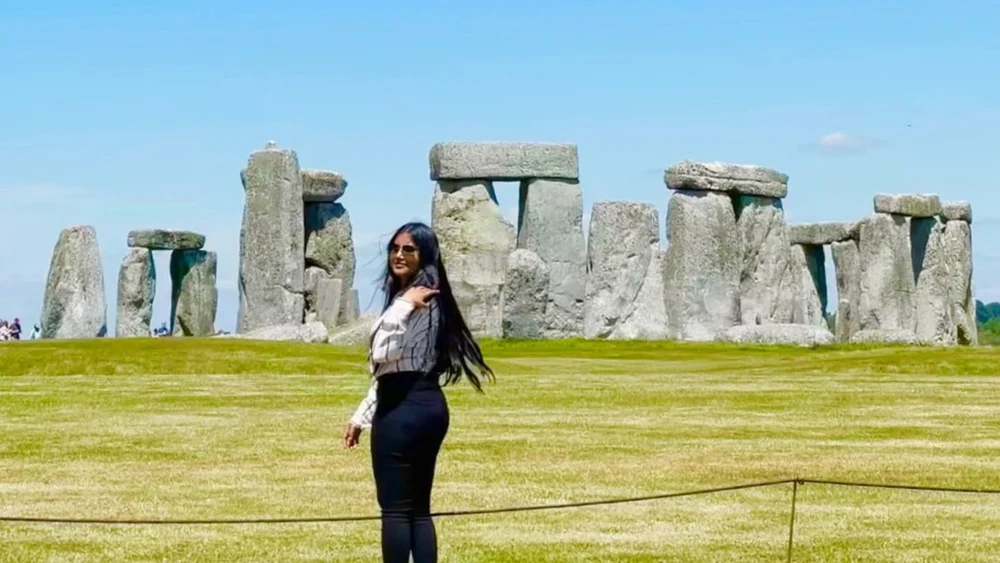
1. Marvel at Stonehenge

h70pl
Stonehenge is just around 2.5 hours away from London, making it an easy day trip. Credit: lays16__

No list of the finest attractions in the UK Is complete without mentioning Stonehenge. The 5000-year-old monument is not just one of the most renowned Wonders of the World, but it’s considered as an architectural feat that has stood the test of time. Easily accessible from London, see Stonehenge for yourself and marvel at the iconic monument in person.

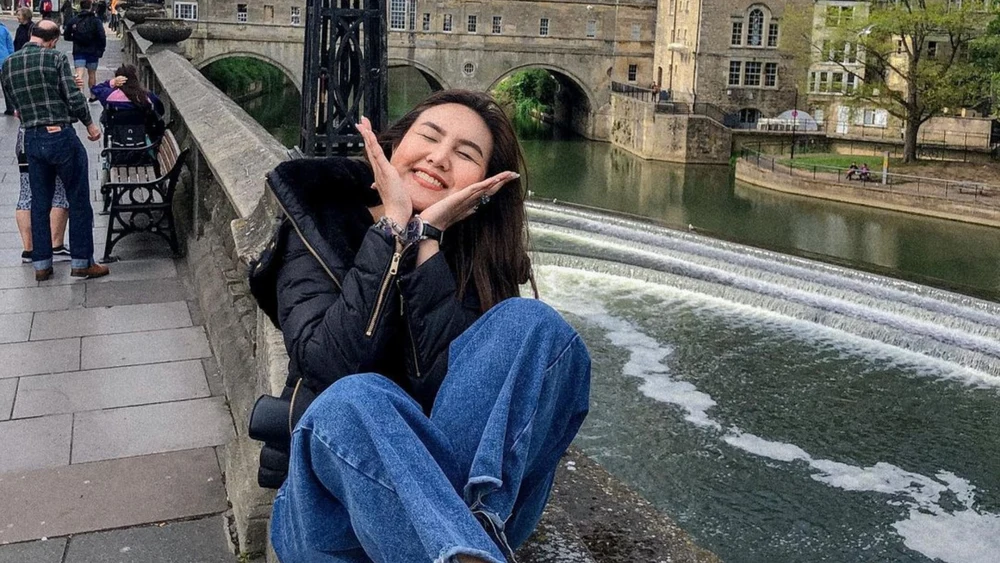
2. Explore the Roman Baths

gqol7
Take a trip to the town of Bath, a UNESCO World Heritage site. Credit: ninexst

Speaking of ancient gems, Bath is another historical gem that’s not to be missed. Walk through its cobblestone streets and find yourself surrounded by well-preserved Georgian buildings and Mediaeval cathedrals. Get uninterrupted views of the city from the top of Bath Abbey’s Tower or visit The Jane Austen Centre where you can view exhibits about Austen’s stay in Bath.

If you have limited time in London but you don’t wanna miss out on all the fascinating historical sites, join the Stonehenge, Windsor Castle, and Bath day tour! Explore three amazing attractions all in one day accompanied by an expert guide and learn about the mysteries of Stonehenge, the rich history of Windsor, and the cultural heritage of the ancient Romans.

3. Hike up Edinburgh Castle

jilkj
Visit the enchanting Edinburgh Castle, one of oldest fortified places in Europe. Credit: maarcomaia

Retrace the steps of soldiers, kings, and queens on your way up to Edinburgh Castle. The palace, which was built in the 11th century, has served as a royal residence, military garrison, prison, and fortress over the years. Delve into Scotland’s colourful history as you explore the castle and take in the view of the Edinburgh skyline from its deck.

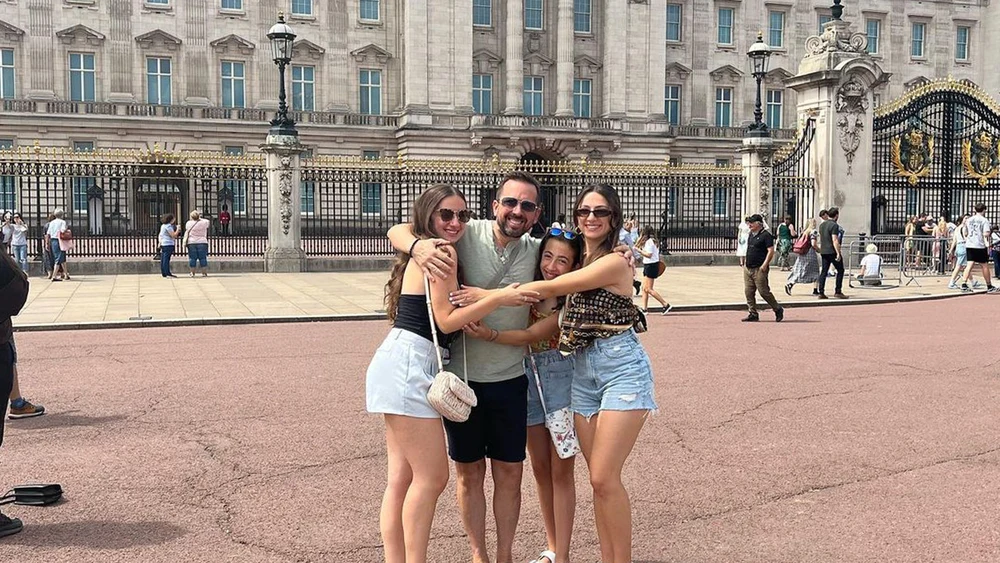
4. See Buckingham Palace

svn32
Feel like a royal when you visit the primary residence of the Queen herself. Credit: timsyrianos

When in London, visiting Buckingham Palace is an absolute must. As the primary residence of Queen Elizabeth II, it’s the host of the Royal Jubilee and other important ceremonies. You can explore the royal gardens, walk up the Grand Staircase, and glimpse the Throne Room. For the ultimate royal experience, catch the Changing of the Guard ceremony, which takes place on several days each week.

Klook tip: The State Rooms are only open for 10 weeks from July to October so make sure you time your visit correctly.

5. Cross the bridges of Bourton-on-the-Water

b6yyq
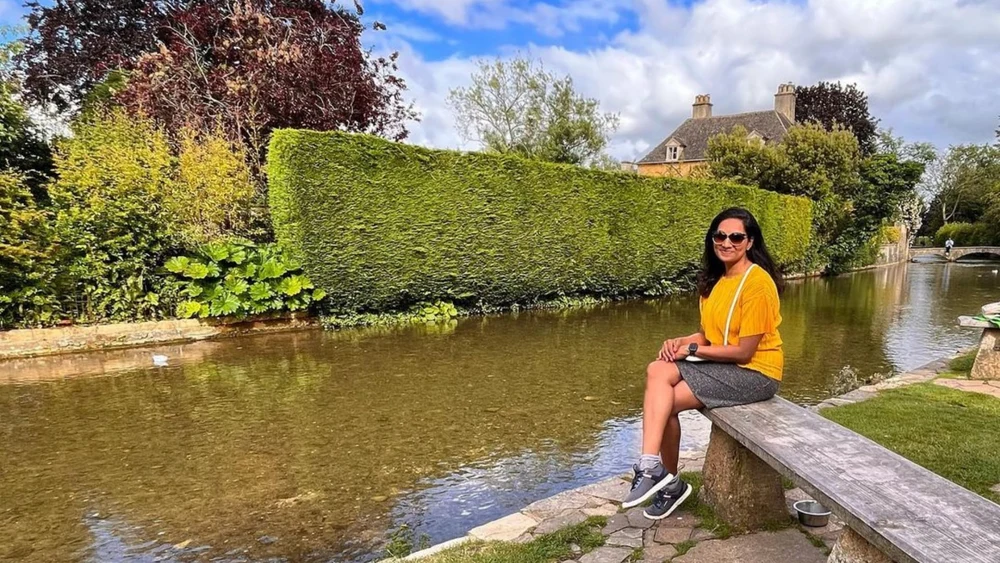
Bourton-on-the-Water is one of the best places to be during the summer. Credit: reachpriyanka_m

Visit Venice but make it British-style! Experience the charm and beauty of Bourton-on-the-Water. The quaint village is famous for the long-winding River Windrush that’s lined with traditional honey-coloured stone houses and five stone bridges. During your visit, you can watch artesans work their magic at the Cotswold Pottery and discover its rich history at the Cotswold Motoring Museum.

6. Cruise along Lake District

3nyju
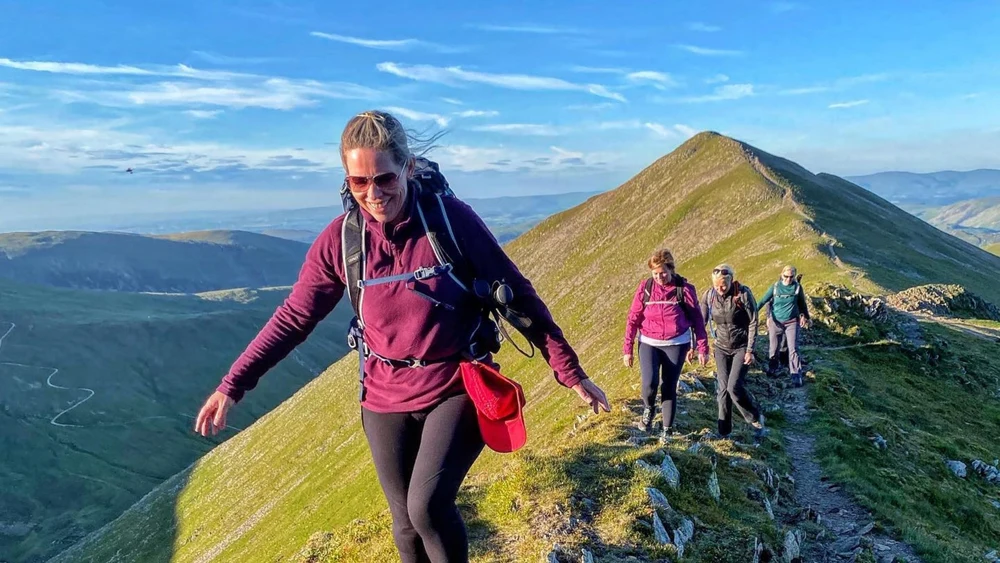
Besides charming villages, Lake District also has some great hiking trails like the one up Helvellyn.

Breathe in the fresh air and the lush views when you spend time at the Lake District. Thanks to its scenic lakes, endless mountain ranges, and quaint villages, it’s one of the most popular vacation destinations for locals. Spend a few days at the area and go on hikes, enjoy cruises, or even watch plays by the lake.

7. Walk along the streets of Cambridge

0lbt5
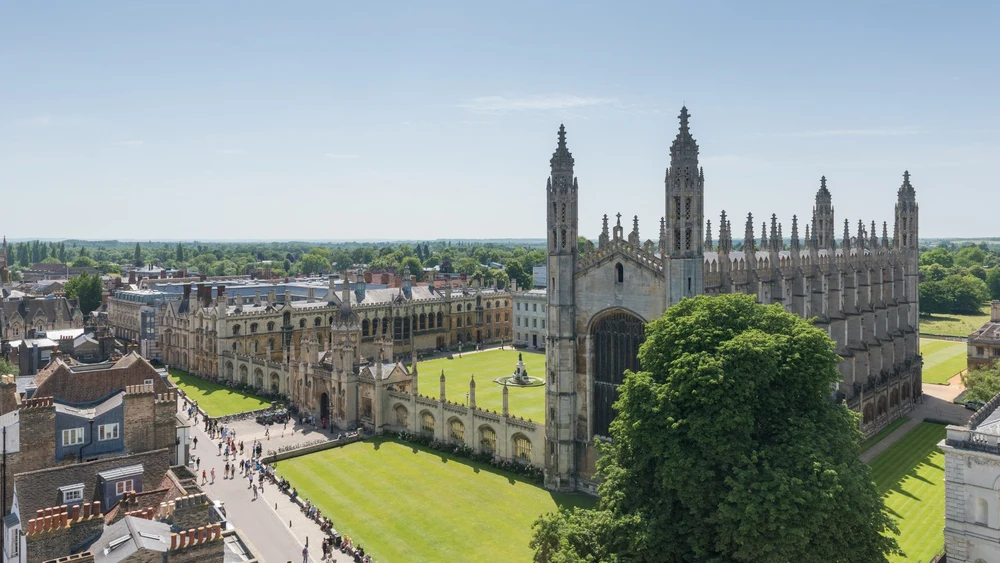
Admire the Gothic architecture of King’s College Chapel. Credit: Jean-Luc Benazet

Be charmed by Cambridge’s well-preserved Gothic buildings and lush greenery. Climb the tower of the Church of St. Mary the Great and soak up the incredible panoramas of the city. You can also visit Kings College and see the “graffiti” from Oliver Cromwell’s army. Keep your eyes peeled for the massive screen inside the chapel, which was gifted by Henry VIII to Anne Boleyn.

8. Take photos at Giant’s Causeway

d27sn
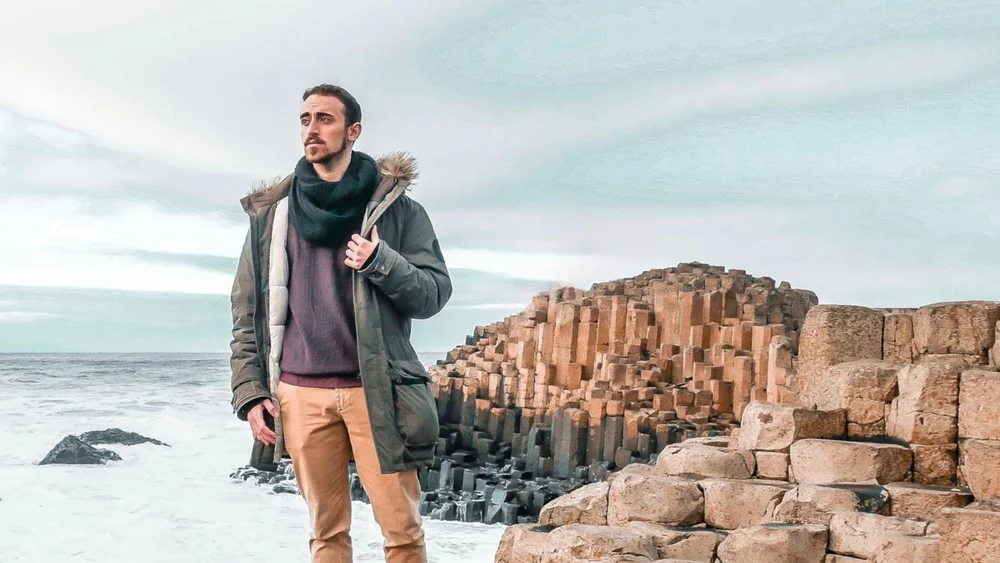
Revel in the unique landscape of the Giant’s Causeway. Credit: ntony103

Find one of the best attractions of the UK in Northern Ireland. Giant’s Causeway, which features 40,000 black basalt columns in the shape of hexagons, set against the aquamarine waters of the North Atlantic Ocean. The unique rock formations are said to have formed 50 to 60 million years ago because of volcanic activity.

9. Cross the Dark Hedges

r70uo
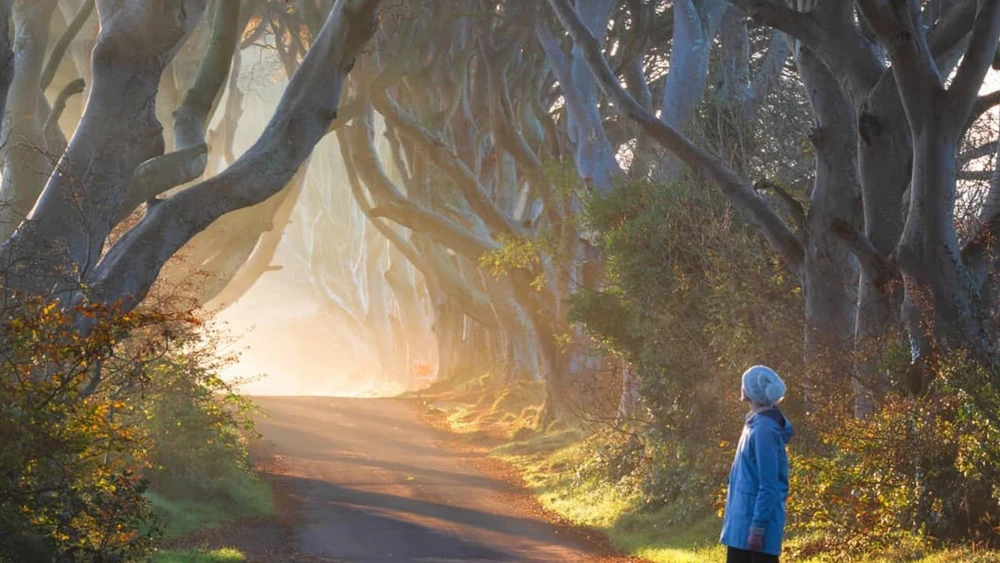
Feel like you’re on Game of Thrones when you walk through the Dark Hedges. Credit:chris_ibbotson_photography

Less than a half hour away from Giant’s Causeway, the Dark Hedges are another otherworldly site that you have to see to believe. Probably best known for being featured on Game of Thrones, you can walk down “King’s Road” and take IG-worthy photos along the ethereal avenue of beech trees.

10. Set sail on Loch Ness

42ias
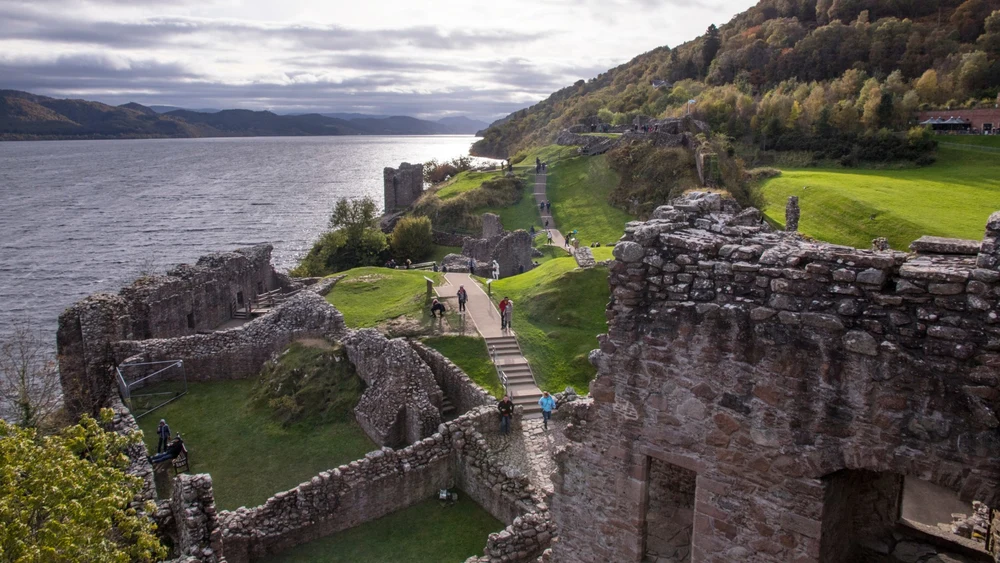
Besides the famous legend, the lake is also famous for the Urquhart Castle. Credit: Robin Canfield

Head to the Highlands and discover the site of arguably the most famous Scottish legend, the Loch Ness Monster. See where “Nessie” lives and even enjoy a cruise through the lake. Afterward, you can stop by Urquhart Castle along the lakefront and visit the Loch Ness Centre and Exhibition.

11. Discover Oxford’s highlights

278jz
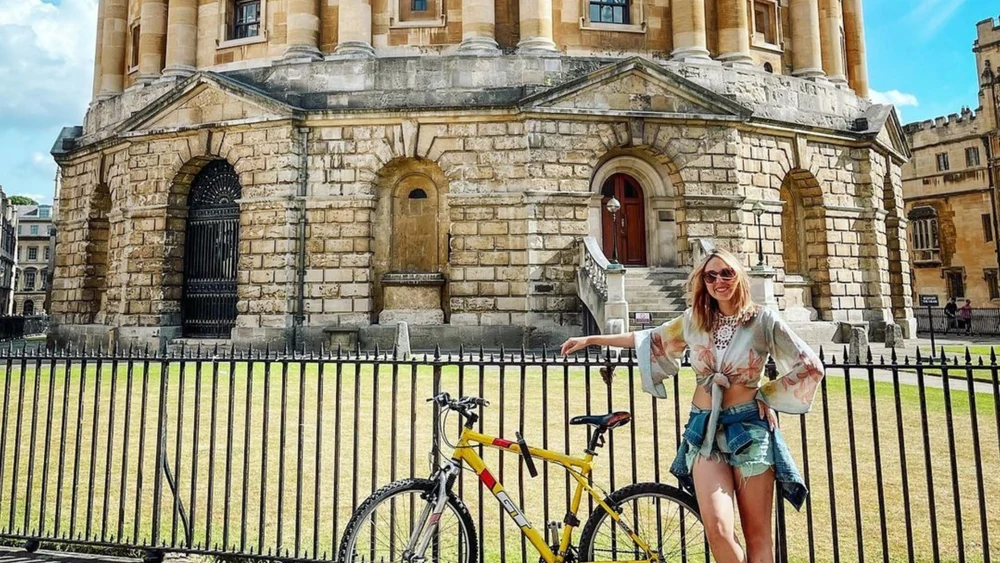
Admire Radcliffe Camera’s stunning architecture. Credit: ariadnajack

Oxford may be best known for its world-class university but it’s actually home to another famous school. Visit the uni’s Divinity School, where you can see the room that was used as the infirmary for Hogwarts in the first Harry Potter film. Then, spend some time at the mediaeval Oxford Castle and take in panoramic views from the top of the University Church.

12. Visit the Warner Bros. Studio Tour

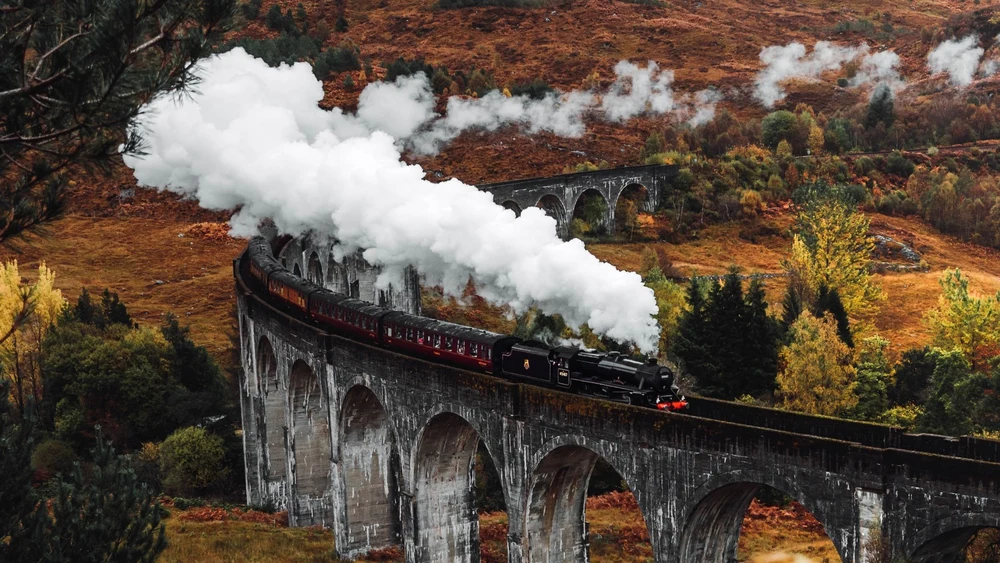
kdop7
Ride the Hogwarts Express for a magical adventure to the world of Harry Potter. Credit: prernamalhan

After visiting the filming site, take to the studios and continue your Harry Potter experience at the Warner Bros. Studio Tour. Channel your inner Hogwarts student as you go window shopping at Diagon Alley, exploring the Gryffindor Common Room, and checking out the little trinkets at Dumbledore’s office. Make sure you book your tickets online, so you won’t run out of slots!

13. Smell the lavenders at Norfolk

st5kx
Visiting the UK during summer? Head to Norfolk’s stunning lavender fields and see the flowers in full bloom. Credit: lailaoclaire

Looking to spruce up your Insta? Head over to Norfolk and put on your best outfit for IG-worthy images against the backdrop of vibrant lavender fields. With over 100 acres of lavender, you’ll get to see the lovely purple flowers in full bloom in June and July. For the perfect souvenir, grab a bottle of lavender perfume at the farm before you go.

14. Take a Stroll by Hadrian’s Wall

b3pil
See the UNESCO World Heritage-listed Hadrian’s Wall at the North East of England. Credit: jamina_box

Hedging over the border of Scotland and England, Hadrian’s Wall is a 117km-long fortification that was built during the Roman Empire. Built in 122 A.D., it still has forts and towers that you can view today. While there are several trails you can follow to enjoy the site in its full glory, we recommend the Chesters Trail, where you can enjoy riverside views and charming countryside towns along the way.

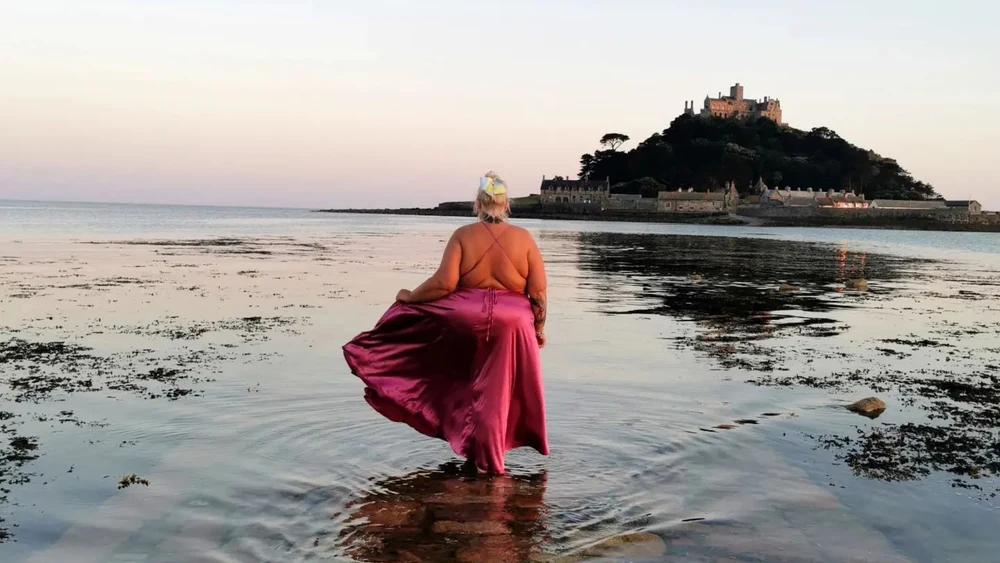
15. Spend the day at St. Michael’s Mount

0ocip
Visit the British counterpart of France’s Mont-Saint-Michel in Cornwall. Credit: joasiamakowej

Spending time in Cornwall? You have to visit St. Michael’s Mount, one of the best attractions in the UK. The tidal island is topped by a mediaeval church and castle, making for a panorama that looks like it belongs in a Disney film. As you explore the island, you’ll find old buildings dating to the 12th century and learn about the legend of Jack the Giant Killer.

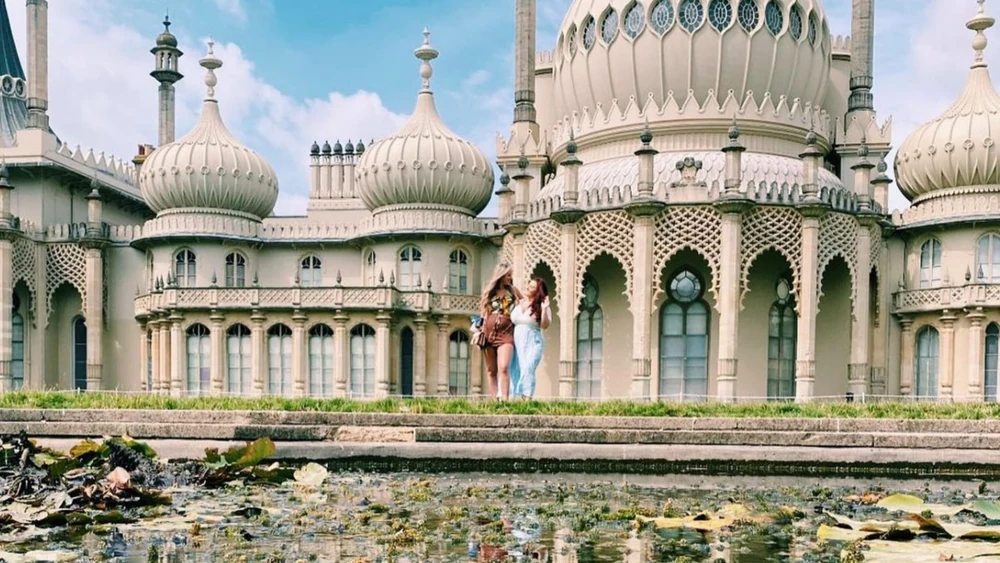
16. Admire the Brighton Pavilion

y7zu6
Admire the Eastern influence on Brighton Pavilion. Credit: hgbxo

East meets west at Brighton Pavilion. The palace, which served as King George IV’s holiday home, features classic Regency architecture combined with influences from traditional Chinese and Indian buildings. After exploring the former royal residence, you can walk along the Victorian promenade and grab some fish and chips on the pier.

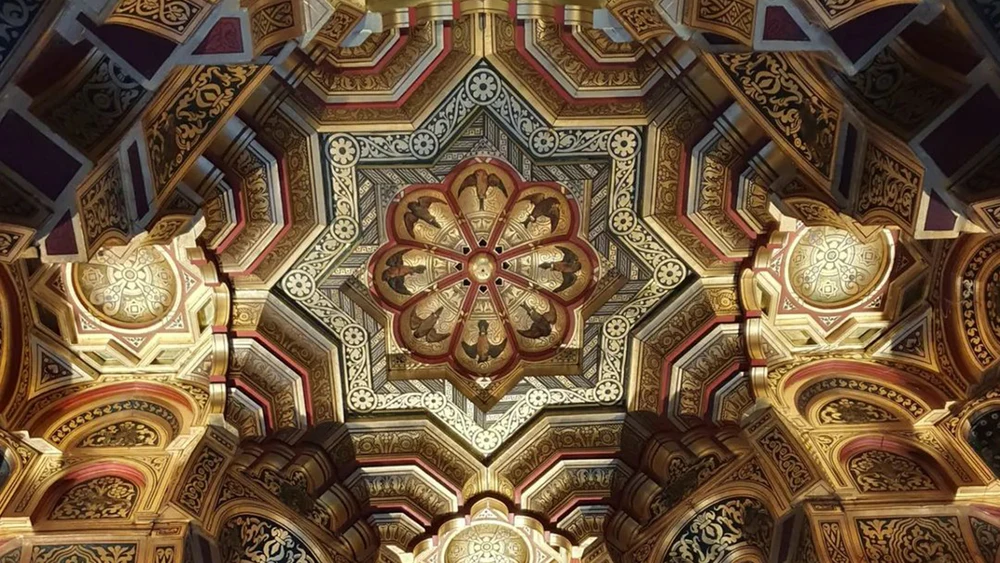
17. Fall in love with Wales’ Castles

s356q
Cardiff Castle’s interior may even be more stunning than its exterior. Credit: anna_little_kitsu

When in Wales, you’ve gotta see at least one of its 600 castles. History buffs and architecture aficionados will enjoy exploring Cardiff Castle, where you’ll find rooms with gilded walls, intricate wood carvings and vibrant stained glass. Just a stone’s throw away, Caerphilly Castle is also a great visit. As the biggest castle in Wales, it boasts cloud-scraping towers and a rich 2000-year-long history.

18. Watch a Wimbledon match

bxo1c
Experience the oldest tennis tournament in the world. Credit: _tyrelljae

Partake in one of the oldest British summer traditions and watch a live tennis match at Wimbledon. At the world’s oldest (and most prestigious) tennis tournament, you can see some of the greatest athletes in person. Do as the locals do and savour some strawberries and cream as you follow the action.

How can I travel to any of the attractions in the UK?

tbl0t[……]

Read more

GREECE TRAVEL GUIDE

yqugs
Greece is one of Europe’s most beautiful destinations, home to picturesque islands, delicious food, thousands of years of history, and wonderful people.

It’s also super affordable.

You can travel around Greece for a fraction of what you’d spend in Western Europe, which is just one of the many reasons why I absolutely love visiting Greece.

I’ve been to Greece four times and have spent months exploring this country. I cannot say enough good things about it.

Visiting Greece is always the highlight of my summer European travels. There’s just something magical about this country. There’s an energy in the air and you can’t help but think, “Maybe I should never leave?” It sucks you in.

And, while the Greek islands get the most attention, the interior of the country — with its small towns, historic ruins, and mountain hikes — is too often overlooked and underappreciated.

So, while you may have a strong desire to stick to the islands, try to get to some of the places in the interior if you can. You won’t regret it.

Top 5 Things to See and Do in Greece
gm2cr
1. Visit the Acropolis

Located in Athens, this magnificent hilltop complex from the 5th century BCE includes ancient buildings and ruins like the temple to Athena and the famous Parthenon. A UNESCO World Heritage Site, this is an excellent place to learn about the city’s history. You’ll also get to enjoy an expansive view of the skyline and the nearby ruins. During the summer, it’s swarming with tourists so get there early. Admission is 20 EUR, or for 30 EUR you can get a 5-day combined ticket that includes many other archaeological sites in Athens. For a guided tour, Athens Walking Tours runs guided tours for around 50 EUR (including admission) that skip the line.

2. Discover historic Crete

Crete has a long, long history. It was once home to the ancient Minoan civilization (which predated Greek civilization), and you can still visit the Bronze Age ruins of Knossos, the ancient capital of the Minoan empire (also considered the oldest city in Europe). The island is the largest in all of Greece and has beautiful beaches (including a beach with pink sand), plentiful hiking, quaint towns, and delicious food and wine. It’s affordable and because of the island’s size, you can still escape the summer crowds. Don’t skip this island!

3. Hike up Mount Olympus

Mount Olympus is the legendary home of the Greek gods. Any climb to Mount Olympus starts from the town of Litochoro, 150 kilometers (93 miles) south of Thessaloniki. At 2,917 meters (9,570 feet) high, it’s the tallest mountain in Greece. The hike up is both strenuous and mystical. As you climb, it becomes abundantly clear why Greeks thought it was this mountain from which the gods ruled!

4. See Meteora’s monasteries

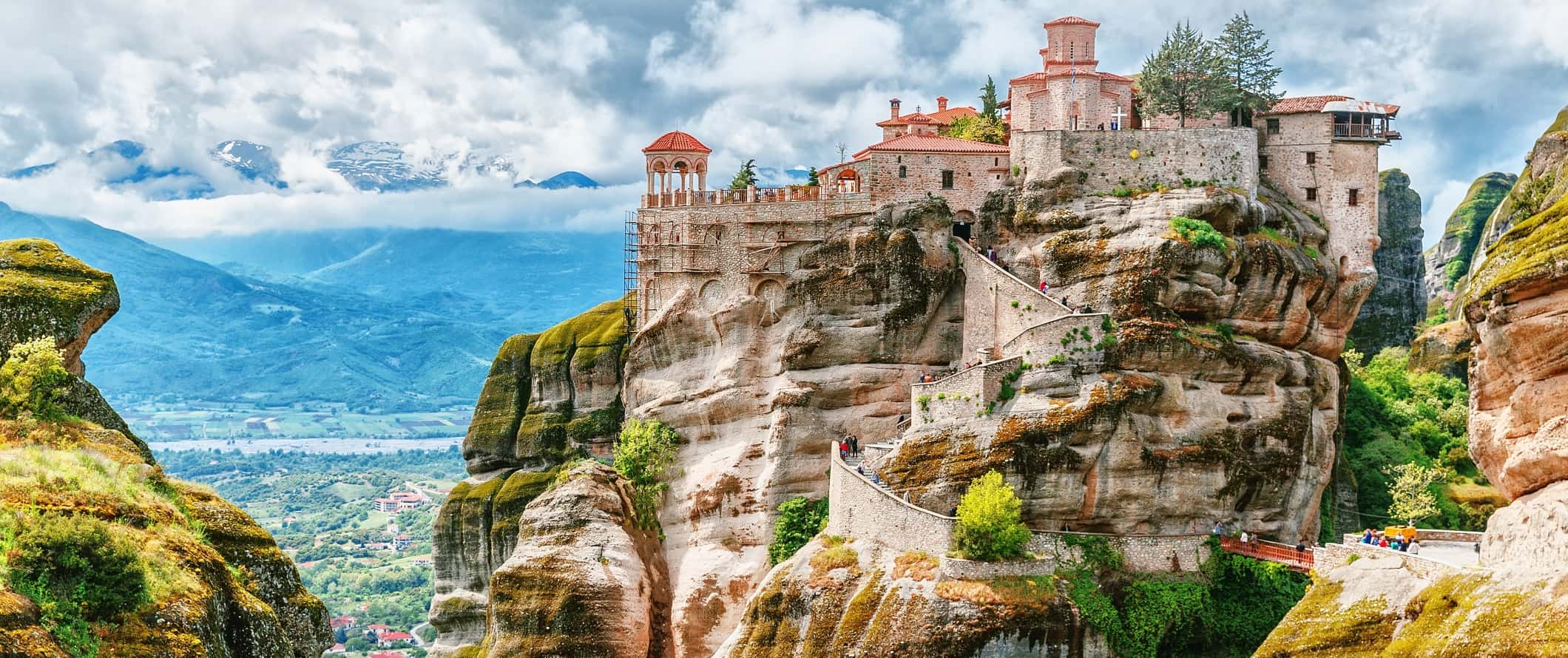
Meteora is famous for its monasteries that sit atop sheer rock mountains. They are a stunning sight to see and worth the steep trek up to the top. The monasteries date back to the 9th-10th centuries when Orthodox Christian hermit monks isolated themselves on the cliffs and in the many caves in the area. In the 12th century, the monastic community became more organized and in the 14th century the Great Meteoron Monastery was constructed (one of the ones that you can visit today). Although more than twenty monasteries used to perch on these sandstone cliffs, only six remain today. They are still active, with around 50 nuns and 17 monks living here. It’s a 3 EUR entrance fee per monastery.

5. Explore the islands

The Greek islands are some of the best and most popular in the world. Soak in the sun, admire the white sand and blue-roofed houses, see the windmills (an iconic feature of the Cyclades) and just relax. Some highlights are Milos, Santorini, Ios, Mykonos, Naxos, Zakynthos, Rhodes, and Kos. During the summer, the islands fill up so book early!

Other Things to See and Do in Greece1. Learn some history

Greece is where western civilization began and everywhere you turn you’ll find ruins that are thousands of years old. Start in Athens with the museums, the Acropolis and surrounding ruins in the Agora, and then set off to explore the ruins of Delphi, Sparta, Corinth, and Crete. There are also great archaeological museums everywhere to see artifacts up close and learn even more. This country is a history lover’s dream!

2. Explore Sparta

Sparta was the ancient rival of Athens and known for its fierce warriors (the entertaining but historically-inaccurate film 300 was based on the Spartans). The city has a long history and plenty of ruins to explore. There is no shortage of things to do, museums to visit, excursions to take, and places to eat when you visit the city. It’s an often-overlooked city even though it’s only a 2.5-hour drive southwest of Athens. It’s a great place to learn some history without the crowds.

3. Attend the Athens Epidaurus Festival

Every summer, the Athens Epidaurus Festival hosts concerts and performance theater, including reenactments of famous Greek plays. Started in 1955, it’s one of the country’s top cultural events and runs for the whole summer (May-October). If it coincides with your visit, you’ll see just how proud the Greeks are of their past. Tickets for each performance cost as little as 10 EUR.

4. Soak up the sun in Corfu

The Cyclades Islands may get all the press but sunny Corfu on Greece’s west coast is also a good place to enjoy the beach too. It’s a popular destination for young backpackers, but once you get out of the main town, you can avoid them and their partying ways and get the island to yourself! There are plenty of quiet beaches, ancient ruins, and beautiful villages to explore. You’re just a stone’s throw away from Albania too.

5. Explore the Delphi Ruins

Delphi was a place of spiritual significance to the ancient Greeks. Located around 2.5 hours northwest of Athens, this UNESCO World Heritage Site is where the omniscient Oracle would contact the god Apollo and give his advice to those seeking good fortune. Although the eternal flame no longer burns inside the temple, a visit to the Temple of Apollo is obligatory if you’re nearby. Admission is 12 EUR and includes entry to the museum as well as the archaeological site itself (which includes far more than just the Temple of Apollo).

6. Explore Melissani Cave

This otherworldly cave grotto can be accessed by a short yet postcard-worthy boat tour. Located on the island of Kefalonia on the western side of Greece, here you can admire the seemingly magical ultramarine waters and the monumental walls that envelope you as you make your way through this hidden underground landscape. Admission is 8 EUR and includes the boat ride.

7. Hike the Samaria Gorge

Samaria Gorge in beautiful Crete is one of Greece’s National Parks and a UNESCO World Biosphere Reserve. For outdoor enthusiasts, this is considered one of the best hikes in Greece. While it isn’t the shortest or easiest trek (it’s 16 kilometers/10 miles), the gorge does promise beautiful landscapes, fantastic photo opportunities, and a great workout. Make sure you bring water, sunscreen, and a hat as the heat can be overwhelming. The views are worth it though!

8. Experience the Patras Carnival

Every year in mid-January, the city of Patras (located 2.5 hours west of Athens) hosts what is basically a month-and-a-half-long party that starts on January 17th and runs to the beginning of Lent. There’s a slew of events both major and minor, increasingly crazy weekends, treasure hunts, and various costume parades (which even feature floats). It’s a lively time and as the largest such festival in Greece, attracting tons of revelers. If you want to attend, it’s a good idea to make hotel reservations well in advance as things fill up.

9. Tour the Archaeological Museum of Heraklion

The number one attraction in Crete, this museum also happens to be Greece’s second-largest archaeological museum (the museum in Athens is the largest). There is a stunning collection here that highlights the Cretan civilization (dating back from Neolithic times through to the Roman empire), with ancient pottery, jewelry, sarcophagi, colorful frescoes from Knossos, and more. Its Minoan collection is the most extensive in the world. You could easily spend hours here — especially if you love history like me. Admission is 12 EUR in the summer and 6 EUR in the winter.

10. Party on Ios

Ios has the wildest nightlife out of all the Greek islands. It is the summer party island where days are spent hungover on the beach and the nights are spent eating cheap food and drinking. If you don’t want to do that but still want to see Ios, it’s best to go to the eastern part of the island where it’s quieter. Don’t let Ios’ party reputation deter you from visiting though, it’s a beautiful, rugged island (and home to the grave of Homer, who wrote The Iliad and The Odyssey). It’s only busy from June-August so you can visit in the shoulder season to escape the party crowd.

11. Visit Thessaloniki

With more than 1 million inhabitants, Thessaloniki is Greece’s second-largest city after Athens. Although it dates back to 315 BCE, a lot of the city was destroyed by fire in 1917 and then by bombing during World War II. The result is a combination of more modern European city urban planning alongside Early Christian, Roman, and Byzantine monuments. In fact, Thessaloniki has more UNESCO World Heritage Sites (15!) than any other city in Europe. Be sure to visit the White Tower, the Rotunda, the Arch of Galerius, and Galerius Palace as well as the many churches (such as the Hagia Sofia and Hagios Demetrios). There are also several great museums here, including the Archaeological Museum, the Museum of Byzantine Culture, the Jewish Museum, and the Olympic Museum.

12. Go to Zakynthos

Just south of Kefalonia in the Ionian Sea is Zakynthos, one of Greece’s most popular islands. With its soft, sandy beaches and charming villages, it’s easy to see why this island is a fan favorite. It can be busy, particularly in the summer, so head away from the main tourist area (go north, west or inland) or visit in the off-season to escape the crowds. Zakynthos is also a breeding area for loggerhead turtles and you can see them on Lagana Beach or on Turtle Island but take care to do so responsibly. Other activities include seeing the Blue Caves, Marathonisi Islet, and Shipwreck Beach (you’ll need to take a boat tour to get there). There are also tons of churches, monasteries, and ruins to check out too.

13. Visit Monemvasia

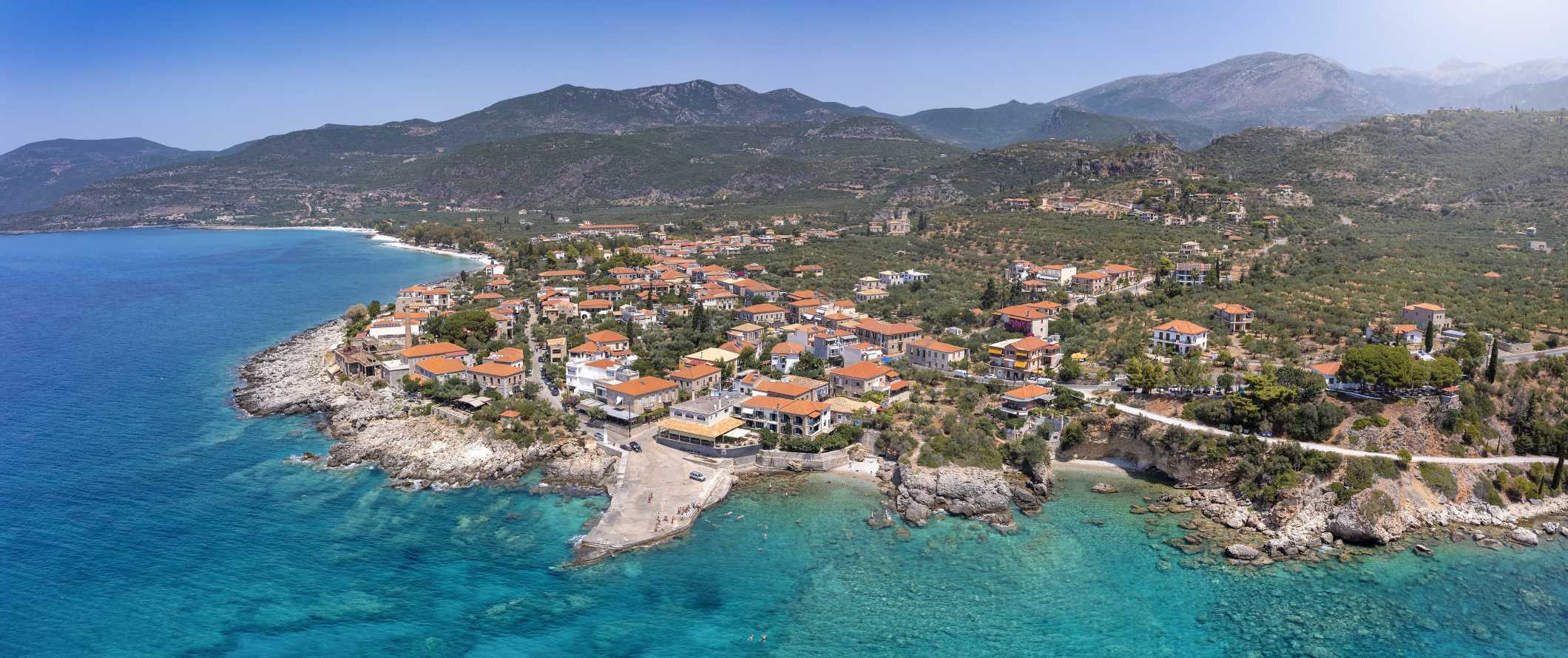
Monemvasia is a medieval castle town in Laconia, around 90 kilometers (56 miles) southeast of Sparta. It’s a spectacular island to visit as it is built into the side of a huge rock! Monemvasia’s a quiet town perfect for relaxing on the beach before dining under the stars at seaside taverns or on cobbled streets in the town. If you’re into hiking, there are some trails that will take you past chapels and settlements up to hilltops to admire the view or down to secluded beaches.

14. Explore Ioannina

Next to Lake Pamvotida in northwestern Greece, Ioannina is a castle town that is bursting with museums. Don’t miss the Byzantine Museum, the Ethnographic Museum, the Archaeological Museum, and the Silversmithing Museum (the area is well-known for its beautiful jewelry). Head to the castle at sunset for a peaceful end to your day. You can use the town as a base for exploring the nearby Pindus National Park, the Tzoumerka mountain chain, the Cave of Perama, and the Byzantine town of Arta as well. You won’t need more than a couple of days here but it is well worth stopping if you are passing through.

15. Go wine tasting

While Greece isn’t as internationally renowned for wine as other European countries such as France or Spain, it should be. The Greek wine-making tradition goes back at least 6,500 years and is still going strong. Wine regions are spread across the country, but Crete has one of the oldest wine-making traditions (and over 30 wineries to visit around the island), while the wineries of Santorini make for an interesting tour due to the way that grape vines must be grown here (to protect against harsh winds). Wine tours generally are around 85-125 EUR for a full-day tour.

16. Take a cooking class

Greek food is legendary. If you’re a foodie like me and want to learn more about the cuisine and culture behind it, try a cooking class. Bring a taste of your trip home by learning how to make some traditional recipes (including favorites like tzatziki and moussaka) while learning about the importance of each dish directly from a local chef. Cooking classes generally last 3-4 hours and cost 90-120 EUR.

17. Take a boat tour

A boat tour is one of the best ways to see the islands, especially as some beaches are only accessible by water. Most tours also have stops for snorkeling and lounging on the beach, and many include drinks and lunch. Half-day tours start at 50 EUR, while full-day tours are around 100 EUR.

18. Go diving

Diving has become increasingly popular in the Greek Islands. On Mykonos, Paradise Reef has a large variety of marine life, including sponges, barracuda, octopus, and starfish. Ios is popular with beginners due to its crystal-clear waters and relatively calm waves. On the other hand, Santorini has less marine life but tons of shipwrecks. Shore dives are generally 40-50 EUR, while a two-tank dive on a boat is 90-120 EUR. You can also take a beginner discovery course for 55 EUR or a variety of PADI courses starting at 280 EUR.

19. Tour an olive oil farm

Greek olive oil is considered the best in the world and has been central to the country’s culture for tens of thousands of years (the Olive Oil Museum in Sparta has fossilized olive oil leaves from 60,000 years ago!). Dive deep into the country’s olive oil tradition by visiting a farm and taking a tour to learn more about this iconic staple. Tours are generally a couple of hours and cost 40-45 EUR.[……]

Read more

WHAT’S IT LIKE TO LIVE WITH AN INDIGENOUS TRIBE IN PANAMA? ONE INTREPID TRAVELER SHARES HER EXPERIENCE

One of the main reasons people travel is to experience something new. Culturally immersive encounters and transformative trips that take us out of our comfort zone both enlighten us about the world and help us grow. Intrepid traveler and blogger at Girl In The City, Erica Olson, shares her experience living with an indigenous tribe in Panama, how it changed her and lessons learned.

1. IN PANAMA YOU HAD THE OPPORTUNITY TO STAY WITH AN INDIGENOUS TRIBE. WHAT WAS THE TRIBE, AND HOW DID YOU GET TO STAY WITH THEM?

I actually joined a non-profit organization that allowed me to travel for about six months in Central America. We spent about two weeks in Panama with the Ngabe Tribe, a diminishing indigenous tribe that has a language that is fast dying. A lot of the language is now mixed between Ngabe and Spanish. There are a lot of efforts to try to preserve the tribe and their values; however, they are integrated with a lot of modern culture. For example, the men wear standard Panamanian clothes, but the women still wear the traditional dress. The tribe is known for wearing bright clothing in different colors. We met an interpreter that was kind enough to take our traveling group to stay with them for two weeks. We had been going back in forth with him about it for weeks. They have really only let about two other groups visit them in the past, so it was a really rare experience. They want as little exposure to the outside world as possible. The truck ride alone up the mountain takes several hours with limited supplies, and from there we had to hike several hours as well.

bm3dp
2. WHAT WAS YOUR LODGING LIKE?

During our trip to Panama, we had a single concrete building that we stayed in. The building had open windows and open spaces with no doors. It was the only solid structure that they had, but we were happy to have a roof over our head. The Ngabe people actually sleep in traditional huts outdoors. We had a hole in the ground for a restroom that was covered by some wood, and no running water. No electricity, no plumbing. There was a river, but it was a really far journey. We went through A LOT of baby wipes.

1e66u
3. HOW DID YOU PREPARE FOR THE EXPERIENCE?

There really was no way to prepare. When I joined the organization I had no idea what I was in for. I thought we would be staying in people’s homes and hotels; however, we ended up sleeping on the floors of churches, hostels, and shelters. I was prepared for the worst as far as equipment went, but emotionally I was not prepared at all. I am certainly a girly girl, with big hair and fake nails. If I had known, I would have prepared myself more in advance. We spent six months as a team driving through Central America in a van, and this took place at the end of the trip, so we were all emotionally exhausted to say the least. We had a mix of several different cultures from I believe six different countries, so I’m sure you can imagine that tensions grow, relationships form, and stress with no alone time gets hard. I brought a hiking backpack with one outfit, a rain jacket, some water, some medicine, a thin blanket, a mosquito net, baby wipes and my camera.

4. WHAT WAS YOUR BIGGEST MOMENT OF CULTURE SHOCK?

I actually had a really hard time here. I was not as open-minded as I should have been, and I actually felt a little left out to be completely honest. The women gave traditional cultural dresses to a few girls in our group, and not the rest. It’s hard when you have no way to communicate except with a translator. So naturally, I spent most of my time exploring with the children. I found that with children, I could communicate simply with gestures and motions. I didn’t need to speak the language. I really bonded with the kids and a few of the little ones really took a liking to me. They would pick me fresh flowers every day, and bring me raw sugarcane that their dad chopped. Hiking in Panama was also part of the experience. One day we were trekking to the river and to an older woman’s house. On the way back, it started down pouring rain. I had all of my camera gear with me and no more clean clothing. I was frantic because I only had two pairs of clothes, and my second outfit was already soaked so I would be spending the entire night in wet clothing. We were in a mountainous area, so the water doesn’t exactly evaporate or dry out of your clothing quickly. Oh, and my camera got wet so we had some issues — which is why some of my images were not as clear after that point. The children held my hand and helped me across the river and made sure to get me back to our shelter. The kids really stayed with me and tried to console me.

pwwqz
5. WHAT WAS THE MOST IMPORTANT LESSON YOU LEARNED FROM THIS GROUP?

I really wish I had tried to bond more with the women. Now that I am older I have a lot more understanding of the women and how their lives were, but at the time I really gravitated towards the kids. I learned how to chop sugarcane and really learned how to communicate without words and simply by gestures.

6. HOW DID YOU CHANGE OR GROW FROM THE EXPERIENCE?

I was actually really moved by the stories some of the tribal members told us. They don’t have easy access to medical care and emergency services — something that we often take for granted. They had a little girl who’s mother actually drowned in a recent flood, so the tribe had to take it upon themselves to take care of her. Everyone really tries to help each other out. They live very simply, but very happy.

lokqm
7. HOW CAN TRAVELERS WANTING TO INTERACT WITH INDIGENOUS CULTURES DO SO RESPONSIBLY AND RESPECTFULLY?

I would say research. Until the day before, we had no knowledge of where we were going or who we would be staying with. Certain gestures are inappropriate or mean negative things, so it’s good to learn in advance. We had a great guide who spent years bonding with the people and established a trusted relationship which really helped us.

8. WHAT’S YOUR WILDEST/MOST UNBELIEVABLE STORY FROM THE TRIP?

Probably the bathroom situation. Let’s just say, as a female, not having access to restroom amenities is not exactly a fun situation. It was funny to all of us at the time, but at the same time pretty miserable. Ice cold bucket bathing is a new skill I’ve learned!

33lo8
9. WHAT WAS THE BIGGEST CHALLENGE FOR YOU DURING THIS TRIP, AND HOW DID YOU COPE?

Definitely being exhausted from the last six months. I just had no idea where we were going until the day before, so it was hard to prepare mentally.

10. WHAT’S YOUR PROCESS LIKE FOR PLANNING A CULTURE-FOCUSED TRIP?

I feel like I’ve experienced everything now. The biggest thing for me would be preparing for the worst, and really packing to be roughing it![……]

Read more