Divi WordPress Theme


PERU HOPPING TO PARACAS AND ISLA BALLESTAS

I knew very little about Peru when I arrived in Lima airport. I had spent so long researching and planning my time in Argentina and Antarctica that Peru had kind of become an afterthought. I had no idea what to expect, and honestly, I wasn’t expecting much.

I don’t know why, but for some reason, I just had the feeling that I wouldn’t be quite able to fall in love with Peru.

In the end, I ended up being both right and wrong about this.

While Peru may not have become one of those places that I talk about often and speak about with nothing but nostalgia, it did exceed many of my expectations, and I had a lot more fun than I had anticipated.

I am not usually one to take tours, but I only had a short time in Peru, so when I came across the Peru Hop company – which allows you to hop on and off in certain towns and cities across Peru – it seemed like an affordable and incredibly simple way to travel, so without much hesitation, I booked!

Amazingly, I think it really was my time with Peru Hop that made my last stops in South America so memorable.

After getting picked up from my hostel in Lima, we were off towards the little town of Paracas. We made several other stops along the way that I wasn’t particularly excited by, but it was during this time that I started making new friends, so by the time I actually got to Paracas, we were all pretty keen to go and get beach beers together – which is kinda perfect.

The next morning, we were off on our first ‘proper’ stop – a boat tour of the nearby Isla Ballestas. This small collection of islands are well known for being a sanctuary for many species of animal – including Humboldt Penguins and a couple of breeds of seal.

ai7sm
I’m not an avid birdwatcher by any stretch of the imagination, but it really was fascinating to see such a huge number of birds congregating in such a small space.

iqdz5
Apparently, this area is often referred to as ‘mini Galapagos’ and it isn’t hard to see why!

imutq
In addition to the huge abundance of wildlife, there are also some pretty stunning rock arches and formations to be seen around the place.

I am much more of an ocean enthusiast than a sky enthusiast, so as beautiful as the birds were, it was the seals that were really holding my interest.

x72zh
How cute is this teeny tiny baby seal pup?!

I was initially a little worried about this one (he looked a little, well, dead) but he barked at us when we got too close. I think he just favours a very strange sleeping position!

The boat tour lasted around two hours, which was kinda perfect. It was enough time to see everything, but not so long as to get dull or keep us in the sun for too long.

m5teu
After all of us Peru Hoppers had regrouped after our boat trip, it was time to head to the Paracas National Park to check out some truly stunning bits of coastline. I hadn’t really expected to see any beaches in Peru, and when I found out that we’d be visiting some, I had absolutely no idea that they’d be this damn pretty!

fk2vj
I just could not get over the incredible contrast between the deep greens and blues of the water and the rich orange colours of the sand.

I also really loved how when you turned your back to the coastline, it almost appeared as if you were in the middle of a desert, not right next to a beach!

By this point on the trip, I had already made a few really lovely friends.

First, there was the fricking hilarious brother duo from Canada, who can be seen in the next picture.

Also, there was this hilarious couple who got an unbelievable amount of use out of their selfie stick!

We ended our time at Paracas on a high and ready to explore our next Peruvian destination – Huacachina.[……]

Read more

Travel Guide to New Zealand: Things You Need to Know Before Going to NZ

kktrk
New Zealand is a beautiful and recommended country to visit at least once in a lifetime. You may enjoy its breathtaking views, lovely cities, sparkling lakes, majestic terrain, local food, and many more!

If you are planning your first vacation to New Zealand, you can refer to the travel recommendations and tips shared below to ease your trip. Let’s check it out.

Travel Guide To New Zealand As First Timer

mcmwt
Basic Things To Know – Quick Reference

New Zealand currency is the New Zealand dollar (NZD).

Country code for telephones: +64

It’s safe to consume tap water here.

Electricity: 240V 50Hz through Type I connectors (same as used in Australia and Argentina) – make sure you have a suitable adaptor.

English is often used as a first language. Additional official languages are Maori and New Zealand Sign Language.

Airlines from Malaysia to New Zealand

There are plenty of flights to New Zealand due to the country’s popularity as a tourist destination. You may quickly book a flight to New Zealand with AirAsia, Singapore Airlines, Air New Zealand, Malaysia Airlines, and two more airlines if you are flying from the international airports in Malaysia (Kuala Lumpur).

All of these airlines provide flights from Kuala Lumpur International Airport to Auckland International Airport in New Zealand.

Visa & Entry To New Zealand

Visitors’ entry requirements to New Zealand vary depending on their citizenship and residency.

Visitors with a Malaysian passport do not need a visa. Yet, they are authorized to apply for an ETA (Electronic Travel Authorization) to enter New Zealand. Malaysian citizens with an ETA will be permitted to stay in New Zealand for up to 90 days for each entry. The ETA is valid for two years from the date of issuing.

What To Bring And Not To Bring

As long as it complies with the norms and laws, you are allowed to bring anything into New Zealand. Make sure you bring appropriate clothing because New Zealand has four different seasons.

New Zealand has strict requirements for biosecurity. All food products, even those you bring off the plane, should be declared. Moreover, be sure to keep your sporting and outdoor equipment clean since it could carry harmful pathogens.

If you are unsure, disclose your products when you arrive or throw them in the garbage; otherwise, you may be fined.

How Many Days Enough To Travel New Zealand?

As New Zealand is a small country, two weeks will be enough time to see all of its top attractions. Spending three weeks or longer would allow you to see more of the regions and venture off the usual path.

Best Month To Visit New Zealand

Summer (December to February) is the busiest and most expensive season to visit New Zealand, however, it is the best season to travel to New Zealand.

Consider traveling in the spring (September to November) or autumn (March to May) seasons if you want a relaxing getaway.

Must-See Attractions In New Zealand For First Timer

mkcif
Considering your travel goals in New Zealand will help you decide which locations there are best to visit. Below are some popular attractions that you can visit:

Beautiful beaches: Maitai Bay, Bay of Plenty region, Anchor Bay

Nature spots: Hamilton Gardens, Waitomo Caves, Coromandel peninsula, Rotorua

Scenic spots: Cape Reinga, Aoraki Mount Cook National Park, Tasman Lake, Lake Tekapo, Lake Pukaki, Fox Glacier, Hooker Glacier, Franz Josef Glacier, Queenstown, Wanaka, Hokitika

Auckland – largest city

Which Part Of New Zealand Is Most Beautiful?

New Zealand has two parts which are the South Island and North Island. North Island and South Island are significantly different from one another.

The South Island has more attractive places and is bigger than the North Island. It has a beautiful coastline and is known for its numerous magnificent mountains and fjords.

How To Get Around In New Zealand?

o9dm2
You can use public transport to get around New Zealand. You can take a bus, uber, a flight, a ferry, or a train. No worries, public transportation in New Zealand is very efficient. Also, you can rent a car from reputable dealers if you want to self-drive.

What To Eat In New Zealand?

n74ey
New Zealand is famous for its incredible selection of fresh seafood straight from the Pacific Ocean. Fresh oysters and geothermal-farmed prawns are the must-try dishes if you are visiting the North Island. Meanwhile, while visiting the South island, you must try lobsters, crayfish, salmon, and bluff oysters.

For Muslims, there are a lot of halal food options in New Zealand. So, no worries.

Conclusion

Hopefully, this travel guide will benefit those planning to visit New Zealand, especially the first-timer. Let’s plan your most enjoyable and great holiday in New Zealand with Traveloka. Have a great holiday![……]

Read more

7 Reasons You Will Love Visiting Italy!

Have you ever been to Italy?

It’s a land of ancient monuments, beautiful art, stunning food and amazing natural landscapes. If you’ve never been there, here are 7 reasons Italy should be on your bucket list and you should be checking for flights right now!

If you’ve already visited before, stick around for a reminder of all there is to love about this incredible country!

#1 Stunning sightseeing

ecq5r
Italy has something for every kind of sightseer and visitor!

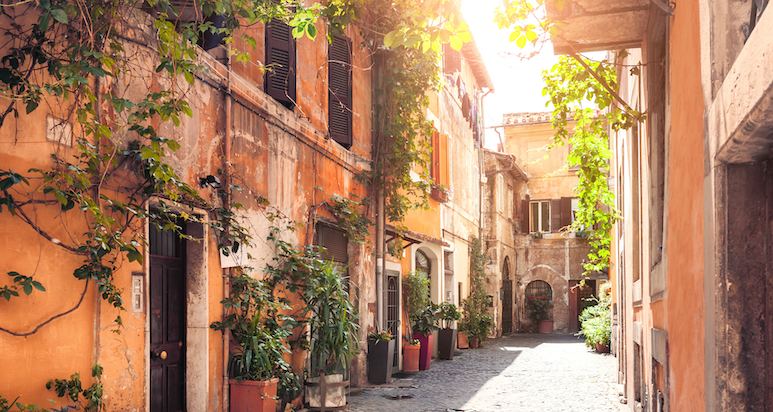
You can visit large and bustling cities such as Rome, Milan and Naples, where you can experience the day to day life of Italians and see the most incredible sights and landmarks!

You’ll also be able to discover small and quiet medieval villages rich in history and hidden away in the countryside, where you can relax and escape from the chaos of the city.

Whichever you prefer, you’re sure to visit places that will be forever in your memory!

#2 Great weather, beaches and nature

v2t70
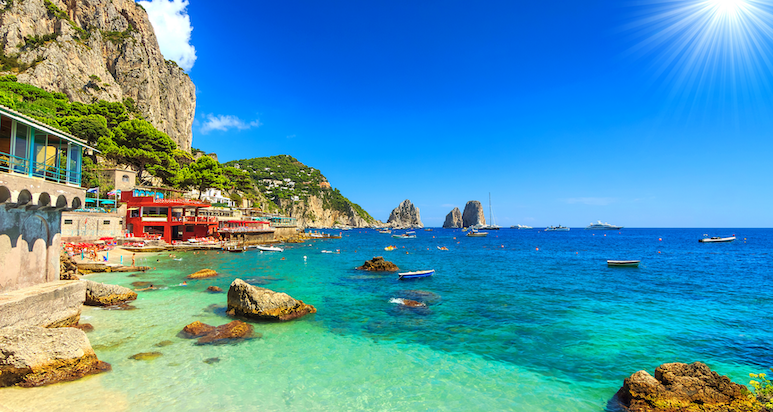
Along with amazing cities and towns, Italy also has amazing natural beauty and great weather all year round to go along with that!

There really is something for everyone, as the geography of the country is also incredibly varied, with both rocky and sandy beaches, forests, mountains, valleys and hilly countryside.

Head to the south for the best beach experiences, especially in Sicily, Sardinia and the famous Amalfi Coast!

Pro-Tip: Instead of going to the beach in the middle of the summer, go instead in mid September. The heat will be less suffocating, the prices more reasonable and the crowds mostly gone.

If you’re looking for an adventure, you can take on the massive mountains of the Alps in the north for some high altitude hikes and climbs, or visit the beautiful nature and national parks of the Apennines.

If you’re feeling brave, you can also hike to the top of one of Italy’s three active volcanoes, Vesuvius, Etna and Stromboli!

If it’s wild nature you want, Abruzzo is the place to go. This central region is renowned for its conservation efforts, national parks and natural beauty. If you’re very lucky, you might even spot a bear or a wolf in the distance!

#3 Friendly people

tnp4v
Italians have a reputation for being loud and short-tempered, and in a certain way it is true. They are generally very passionate about certain topics, and can easily be led into a loud discussion!

Know how to approach them though, and you’ll also find them to be some of the most welcoming, friendly and inviting people you’re likely to meet on your travels!

Italy is a country with a strong sense of national pride, and that is something Italians love to share with visitors. Show interest in the history, culture and traditions of the place you are visiting and they will surely welcome you with open arms.

Pro-Tip: Learn some basic Italian words before you visit. There is no need to be fluent, but knowing the basics such as salve (hello), grazie (please) and per favore (please) will make communication much easier. Also, the locals love it!

#4 Amazing Food

xc8cr
Italy’s cuisine is one of the most famous in the World, and alone is enough of a reason to come for a visit!

Italians are extremely proud of their food, and it is an integral and important part of the country’s culture, with each region having its own speciality based on local products, history and traditions. Examples are Pasta Amatriciana in Lazio, Polenta in Valle d’Aosta, Arancini in Sicily and, of course, Pizza in Campania!

There is so much variety, and you’ll be able to enjoy fresh ingredients straight from the farm, as well as amazing meat and seafood.

Pro-Tip: As I mentioned, food is a strong part of Italy’s cultural identity. Be mindful of requests that alter the dish in a significant way, as they can be the cause of some friction with the locals. Pineapple on pizza and chicken Alfredo come to mind…

Also avoid eating in very touristy areas. Restaurants in these locations are often over-priced tourist traps, with low quality dishes that do not reflect the true Italian cuisine. Look for small family owned businesses for the best food!

#5 Incredible History & Culture

sazsp
Italy’s history spans thousands of years, and some of the greatest ancient civilisation, such as Etruscans, Romans and Arabs, called it home.

This, along with the fact that Italy only became a unified country in 1861, has created a strong regional cultural heritage, with different traditions, ways and dialects that border on being different languages!

This essentially means that each region looks and feels very different from the others, which makes exploring the country even more fun and rewarding!

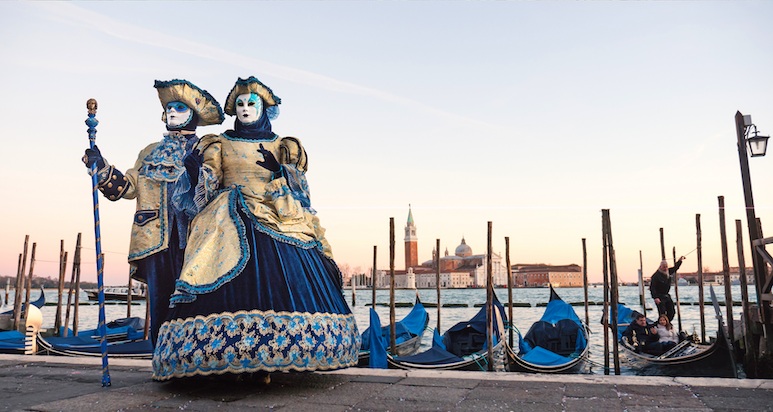
Pro-Tip: Research what the highlights and traditions of each region are and visit them at the right time. Examples are the Carnival of Venice in February and the Festa della Befana in Rome on January 6th!

#6 Unforgettable landmarks

5hx50
Italy’s long history has left it with 55 UNESCO World Heritage Sites (the most of any country, tied only with China), and is home to some of the most incredible and recognisable landmarks in the World!

Make sure you bring a camera, because wherever you go you’ll see incredible sceneries worthy of a postcard. Go to Milan for a visit of the Duomo, to Venice for the canals and the Piazza San Marco, to Florence for the amazing Renaissance architecture and art, to Rome for the ruins of the Roman Empire, and so much more!

Pro-Tip: Plan your trip ahead of time. Italy is a big country and you won’t be able to visit everything on your first time there, so make sure you decide what to see first!

Also, make sure to book your visits ahead of time when possible. Very often this will save you some cash and from having to spend hours in lines, especially during the high season!

#7 It won’t break the bank

pua1a
While it isn’t the cheapest country in Europe, well planned stays in Italy will be mostly reasonably priced, especially when it comes to eating out and accommodations!

Public transport is also very affordable, as are the visits to tourist sights. All in all, it will be money well spent for an amazing holiday!

Pro-Tip: In general, the further south you go the cheaper the cost of living. Just be careful when choosing the season to travel in, as the prices can skyrocket around the major holidays and the summer!

And there you have it, 7 reasons you’re sure to love your first visit to Italy!

If you were on the fence about choosing this wonderful country as your next holiday destination, I hope this list will be enough to convince you![……]

Read more

Spain Vacation Guide

Planning a trip to Spain? Awesome! This Spain Vacation guide shows you where to go, how to get there, what to eat there and much much more. Check it out.
87spa
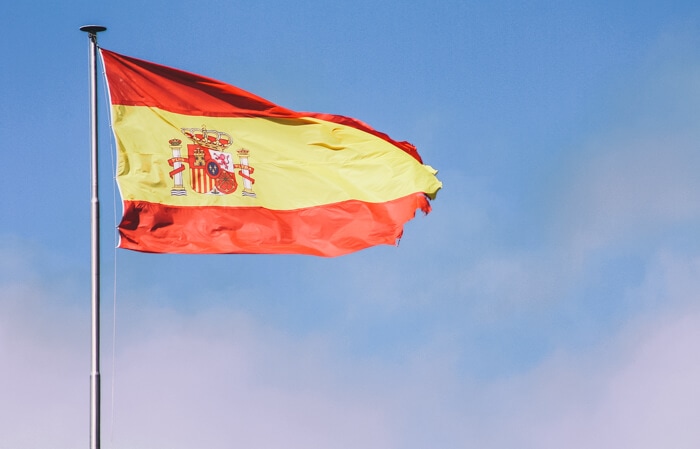
Spain country is divided up into 16 autonomous regions, each with their own character and identity. The country is best known for its delicious food (think tapas and paella), traditional dancing and music such as flamenco, and hundreds of years of art and culture. It’s hardly surprising that so many tourists visit! The Spain Vacation Guide holds all the information you need to plan your own trip to Spain.

Spain is located on the Iberian Peninsula, which it shares with Portugal and Andorra, in southwestern Europe. In 2018, it became the world’s 2nd most visited country by tourists, moving ahead of the USA. Only France receives more visitors annually.

Spain is Europe’s 4th biggest country. It has been a member state of the EU since 1986, and of NATO since 1992.

Spain Vacation Guide: quick facts

Size: 504,645 km² or 195,364 sq mi

People living there: more than 46,700,000

Capital: Madrid

Governmental structure: Constitutional Monarchy

National day: October 12

Time zone: Central European Time / UTC+1 / GMT+1 for mainland Spain, Western European Tome / UTC / GMT for the Canary Islands

Currency: euro (EUR)

Power voltage and socket type(s): 230V, plug types F and C. If these plug types don’t match your devices, make sure to bring a universal adapter

Official religion(s)/Freedom of religion: Freedom of religion. 2/3 of the population is Roman Catholic, followed by atheist and agnostic citizens, and mostly other Christians.

Official language(s) and general knowledge of English: Spanish is the official language, followed by regional languages like Catalan, and Basque. English is semi-widely spoken.

Drives on this side: right

International driver’s licence accepted? yes

Phone code: +34

Vaccinations needed? None

Can you drink the tap water? yes, so make sure to bring a reusable water bottle

Provinces of Spain

1. Andalusia
zhhi9
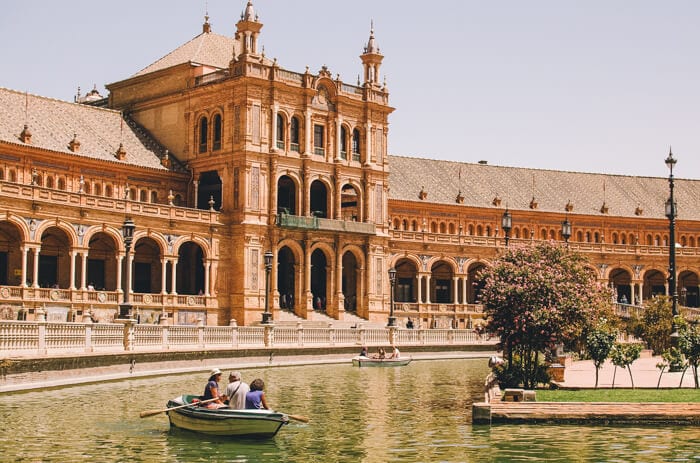
Andalusia is the second largest province in Spain and is one of the most popular tourist destinations in the country. Its rich culture has had many different influences over the years, from Jewish to Arabic. One of the best examples of Moorish architecture can be found near Granada – the Alhambra Palace. As well as vibrant, exciting, and historical cities like Malaga, Córdoba, and the capital Seville, Andalusia has a lot to offer in terms of nature.

There’s the volcanic Tabernas Desert, great beaches on the coast for sunbathing and swimming, and excellent hiking in the region’s hills and mountains. Although it almost touches Africa, you can ski in the Sierra Nevada mountain range too.

2. Aragon
ithwa
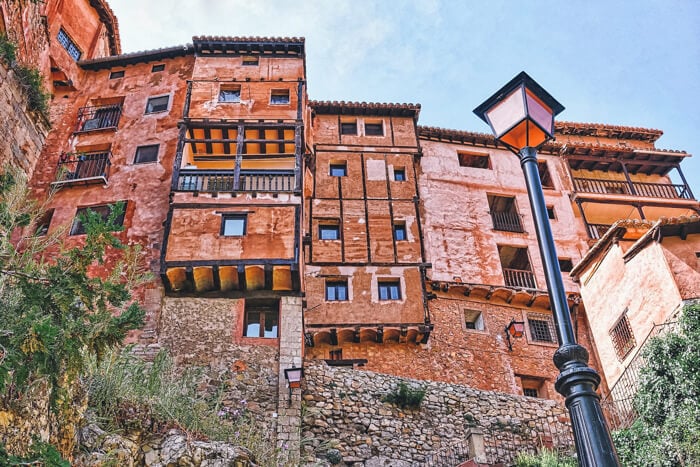
A large landlocked state in the northeast of Spain, Aragon consists of the provinces of Zaragoza, Huesca, and Teruel. Although not as renowned as in Andalusia, there are excellent examples of Múdejar (Moorish) architecture, as well as a number of monasteries and castles. For art lovers, this region was the birthplace of one of the great Spanish artists, Francisco de Goya.

Away from art and culture, Aragon is an excellent spot for natural attractions. In the north, you’ll find the Pyrenees where you can ski in winter and try a whole host of other activities during the summer. There’s also the Ordesa y Monte Perdido national park, a spectacular spot for adventure sports and relaxing alike. The region is also famed for its excellent gastronomy and wine.

3. Asturias
kxqo7
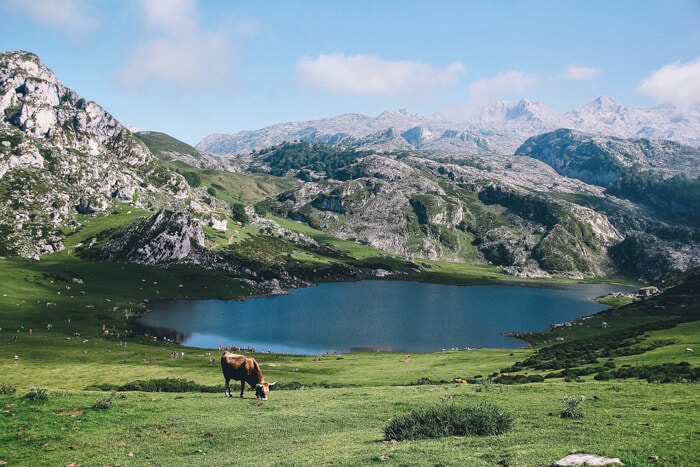
The principality of Asturias is on the north coast of Spain and is famed for its natural beauty. Home to protected landscapes, national parks, and the best-conserved coastline in Spain, it’s a paradise for those who want to get closer to nature. Along the coast, there are 18 picturesque fishing villages where you can immerse yourself in the traditions of Asturian culture, as well as the huge port city of Gijón.

Step back in time and discover the cave paintings in Cangas de Onis, otherwise known as the cradle of Spain, or perhaps even further at the Jurassic museum near Llastres. The food and drink traditions of Asturias are also worth exploring – try traditional flat cider poured expertly poured from above at an odd angle, the warming winter stew of fabada, or share an enormous cachopo with about 4 friends.

4. Cantabria
zeaan
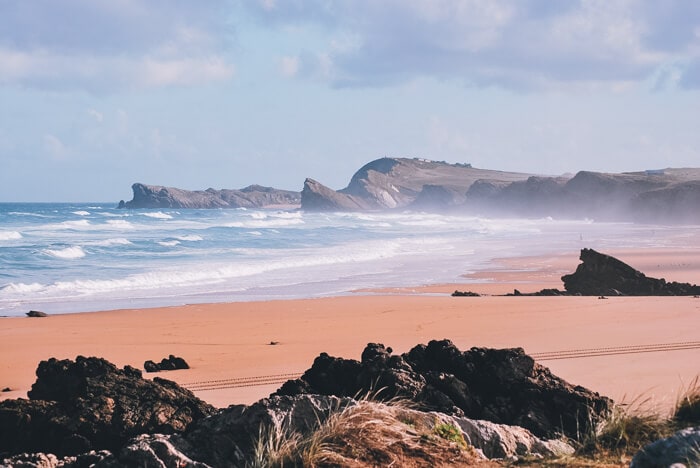
Cantabria is on the north coast of Spain and sits on the Bay of Biscay. The regional capital, Santander, is a large port known for El Sardinero beach and the Cabo Mayor lighthouse. The region is largely undeveloped by Spanish standards, meaning that outside of Santander you can get a true essence of traditional Spain.

Outdoor lovers will be happy in Cantabria, as it’s the location of some of Spain’s highest mountains on the mainland – the Picos de Europa, excellent for climbing, hiking, and mountain biking. There are over 60 caves with ancient paintings, and the most famous, Altamira, is one of nine UNESCO World Heritage sites.

5. Castilla – La Mancha
cr91v
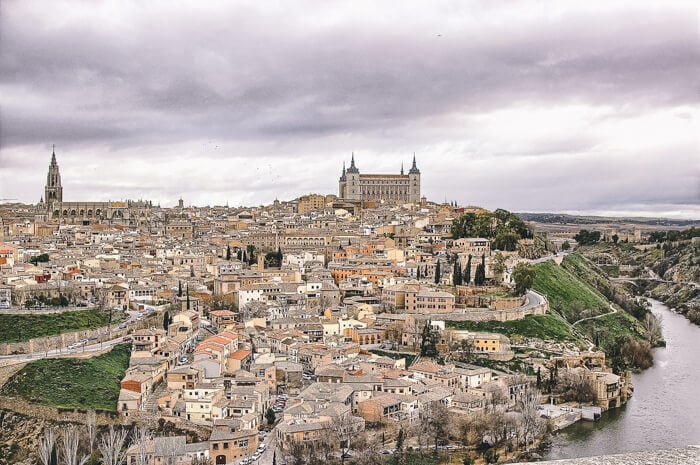
Castilla – La Mancha is the region to the south and east of Madrid and the 3rd biggest in Spain. It has been immortalized in arguably the most influential work of Spanish literature, Miguel de Cervantes’ great work of the 17th century, Don Quijote de La Mancha. You can visit the house where the author lived in the historic town of Alcalá de Henares.

The region is symbolized by wide open plains, vineyards, windmills, and castles. On the plains, you’ll find the ancient city of Toledo, a beautifully preserved walled city filled with medieval, Arabic, and Jewish architecture. You can see some of El Greco’s works in the cathedral there. Another city worth a visit is Cuenca, where the hanging houses look down into the ravine of the river Huécar.

6. Castilla y León
attic
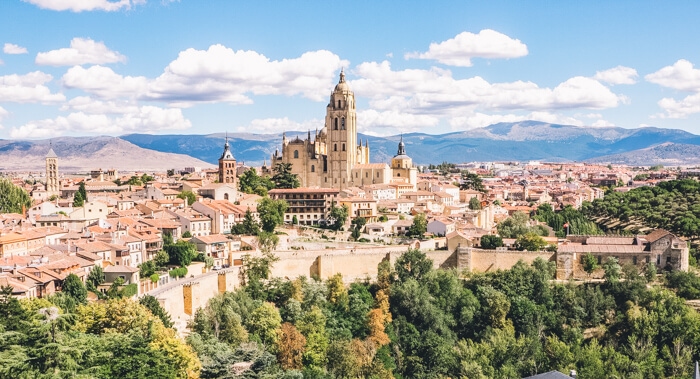
Castilla y León is Spain’s biggest province, set north of Madrid and bordering Portugal to the west. It is mostly a large plateau surrounded by mountains. The best-known cities in the region are Segovia, where you can visit the historical Roman aqueduct, Salamanca, one of the world’s oldest university cities, and Burgos, the regional capital.

Castilla y Leon is the birthplace of Spanish (hence the name Castillian) and is a great place to spend a few weeks if you want to do a Spanish course, or simply just get to grips with the language from speaking to locals over some tapas and a beer.

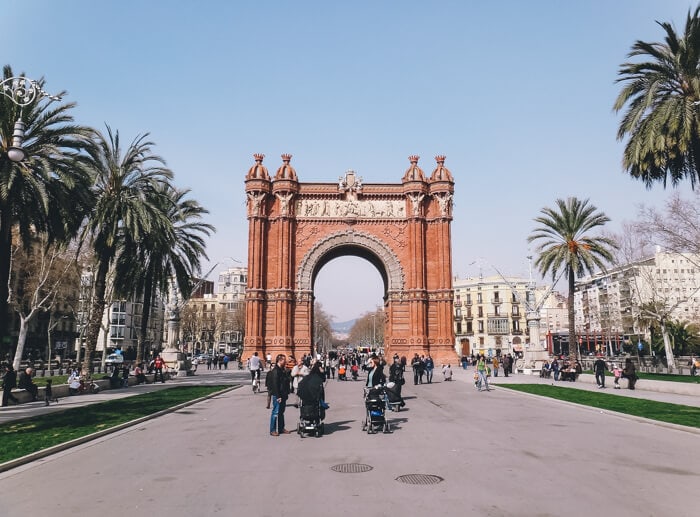
7. Catalonia
f9kdy
Catalonia, which is situated in northeast Spain and borders France and Andorra has rich culture and heritage, in addition to its own language, Catalan. It’s also where Spain’s second city is located – Barcelona.

The city is famous for Gaudi’s exquisite and unusual architecture, which can be seen in Park Güell, Casa Batllo, and the Sagrada Familia cathedral. Barcelona is one of the most popular tourist destinations in Europe. You can find my Barcelona itineraries here.

Outside of Barcelona, Girona is famed for its medieval architecture, whereas Tarragona boasts a Roman amphitheater. The Costa Brava is also found in Catalonia and is a popular destination with European tourists due to cheap flights, lots of family-friendly activities, and excellent beaches.

8. Extremadura
9mg5z
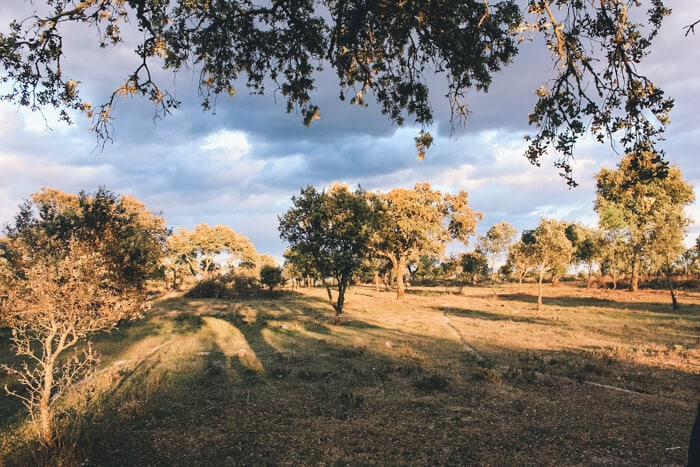
Extremadura is one of the lesser visited regions among tourists. The heart of old Spain is in the west, on the border with Portugal. The cities of Mérida, Trujillo, and Cáceres are considered some of the best-preserved historical cities in the country. The region is also home to some of Spain’s finest inland cuisine, with delicious stews, roasted meats, and strong and creamy cheese.

Settlements in Extremadura are few and far between, with the land dotted with hilltop castles and old, crumbling farmhouses. Nature lovers should head to Monfragüe National Park, which is one of the best places to visit in the country to view different species of bird life.

9. Galicia
tkz5s
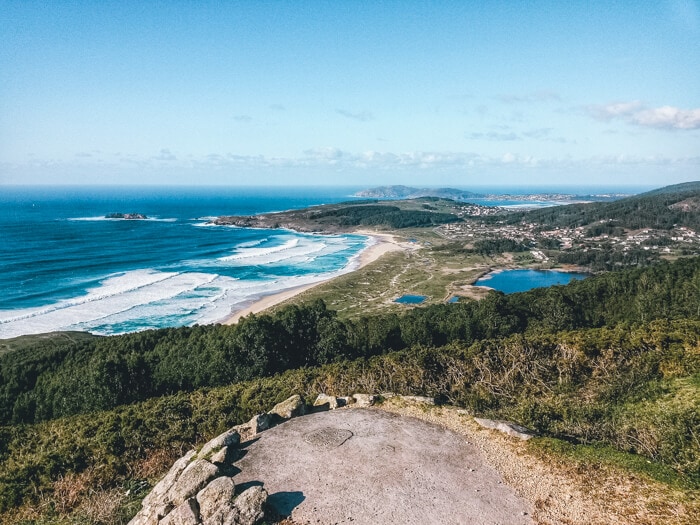
Spain’s most north-westerly region is also its wildest, famous for its green and rolling hills, excellent cuisine, and its Celtic-influenced culture. Many people who visit Galicia do so to complete the Camino de Santiago (the way of St James), a pilgrimage which ends at the cathedral in the beautiful old town of Santiago de Compostela. However, there’s a lot more to Galicia than just that.

The small city of Lugo is surrounded by the only complete Roman Wall in the world that’s still standing, A Coruña has an ancient Roman lighthouse, and Playa de las Catedrales near Ribadeo is a beautiful beach where you can walk among the limestone arches when the tide is out. The weather in Galicia has more in common with the UK and Ireland than the Costa del Sol and Ibiza, so don’t forget to pack waterproof clothing, whatever time of year you visit!

10. Islas Baleares (Balearic Islands)
br2xc
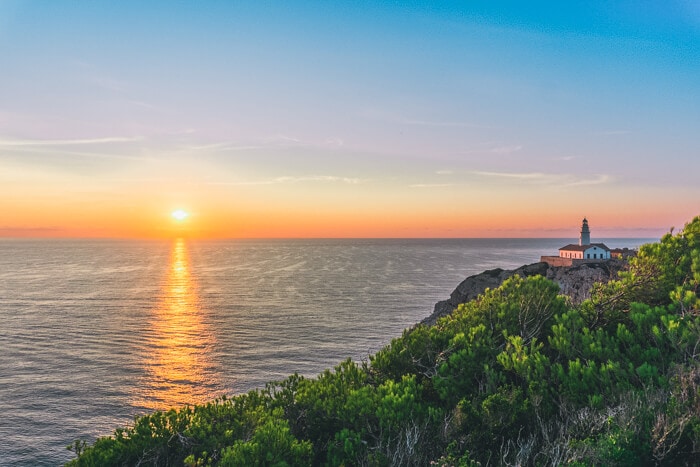
The Balearic Islands are situated in the Mediterranean Sea off the east coast of the Spanish mainland, the main islands are Mallorca, Menorca, and Ibiza, although there are smaller islands. Each island has its own distinct character and offers a different experience depending on your style of travel. Mallorca has a mix of everything, a family-friendly destination with lots of history, activities, and nightlife.

Ibiza is best-known for being a hedonist’s mecca, with mega clubs, all-night raves, and sets from the best DJs throughout the summer. Menorca is much quieter than its neighbors, with whitewashed villages in the center of the island, and white-sand beaches on its 216km long coastline.

11. Islas Canarias (Canary Islands)
ww5y0
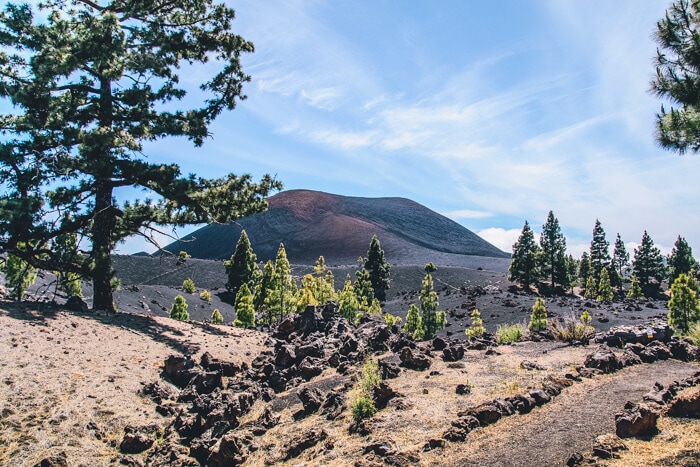
The Canary Islands are closer to Africa than Spain, and they consist of Gran Canaria, Tenerife, Lanzarote, and Fuerteventura among others. The islands are famous for their black and white sand volcanic beaches, and it’s here that you’ll find the highest mountain in Spain, Pico de Teide – the sometimes-snowy cap of the volcano reaching almost 4,000m.

Due to cheap flights and a pleasant climate year-round, the islands are a popular tourist destination and there’s plenty to do and see, as well as a range of accommodations to suit all budgets. A lack of light pollution means that it’s one of the best places in the EU to view the night sky, either with the naked eye or at one of the islands’ observatories.

12. La Rioja
wdhwf
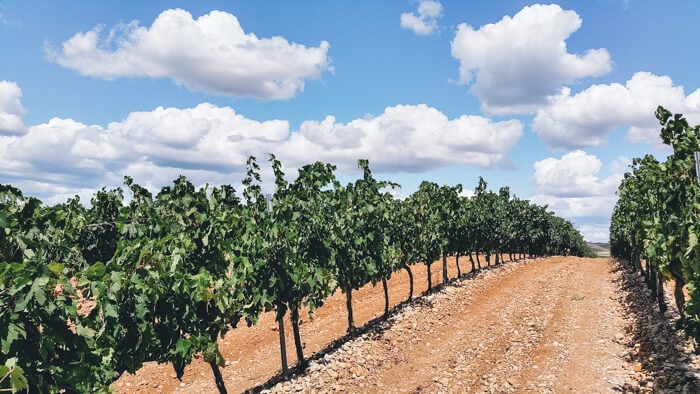
La Rioja is Spain’s smallest mainland region and is famed for its excellent wine. Vineyards dot the landscape south of the Cantabrian mountains, all through the Ebro valley. The town of Haro hosts a festival every summer called the Batalla de Vino (wine battle) which can get very messy! La Rioja boasts over 500 types of wines, renowned for their quality.

It’s not just about wine through – the regional capital Logroño is home to a cathedral complete with baroque towers, and arched stone bridge, and the Ebro park, through which Spain’s longest river flows. Outside of the city, there’s also hot-air ballooning, horse-riding, and 4 x 4 tours, through the Mediterranean forests and across the lunar mountain landscapes.

13. Madrid
9sexj
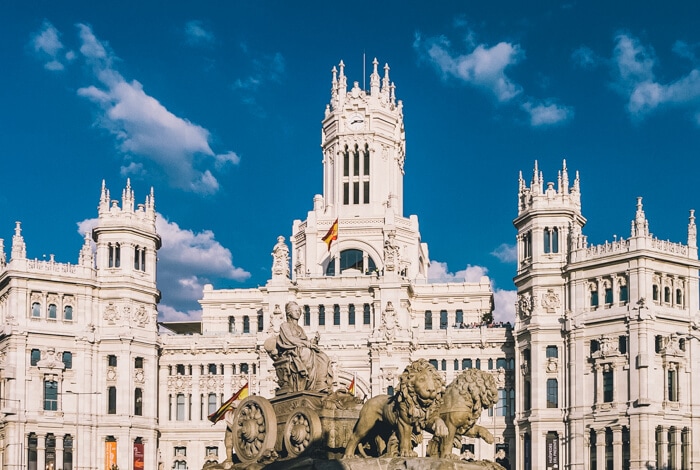
The capital of Spain is located right in the center of the country and is a vibrant and exciting city, home to a rich arts and culture scene, and a plethora of museums. For art lovers, the Museo del Prado is home to masterpieces from the great of Spain and further afield, while the Reina Sofia offers more contemporary art and where you’ll find Picasso’s epic Guernica.

It’s also known for its wide boulevards and leafy parks – rowing on the lake in the Parque del Buen Retiro is a great way to spend a lazy morning after indulging in the city’s lively nightlife scene or taking advantage of some of the country’s best restaurants. Outside of the city itself, take a trip northwest to the Monastery of El Escorial, the final resting place of many members of Spanish royalty.

14. Murcia
k1t7b
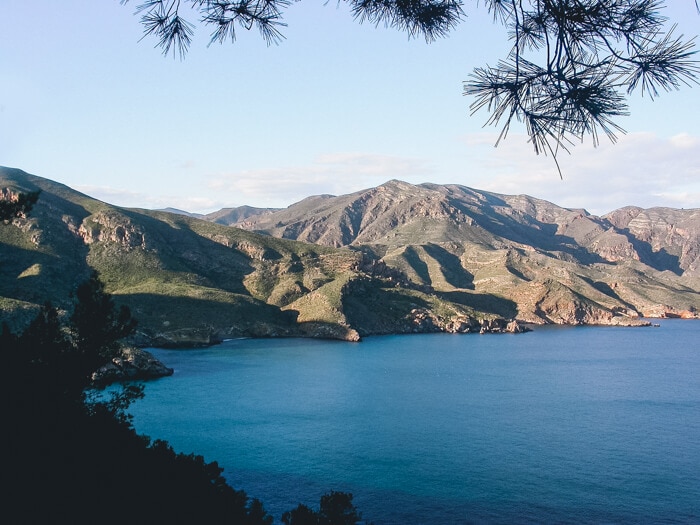
Murcia, in the southeast of the Iberian Peninsula, is a very popular region for tourists as it has more than 300 days of sunlight every year. The capital of the region is the city of Murcia, home to a beautiful Gothic/Baroque cathedral. However, most tourists flock to the Costa Cálida (the barmy coast), to spend their time on the shores of the Mar Menor and in the resort town of La Manga.

As well as sublime beaches, such resorts are dotted all along the course, some with a typical Spanish feeling, others – less so. There are parts of the region where it’s possible to spend 95% of your time interacting with English speakers.

Murcia is also famed for its golf courses. Although the region is semi-desert and doesn’t get a lot of rainfall, it has lots of lush fairways to practice your swing. Murcia is also home to a number of beauty resorts and spas.

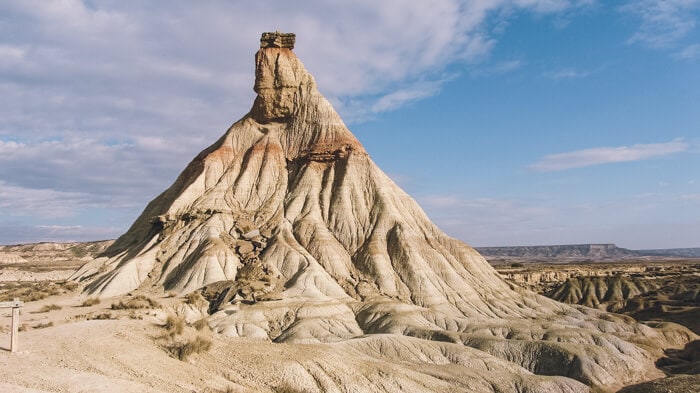
15. Navarra
oz5no
A small region in the north of the country, Navarra used to be part of the Basque country before it was annexed by Castile in the 16th century. The capital Pamplona has one of Spain’s most famous festivals, the Running of the Bulls, celebrated every July in honor of San Fermín.

Navarra is geographically diverse and is the region is one of the pioneers of rural tourism in Spain, with eco-friendly accommodations throughout the different landscapes. The Bardenas Reales are desert-like, the Pyrenees in the north are capped by snow, and green valleys, forests, and gorges are dotted throughout the region, meaning it’s perfect for nature lovers.

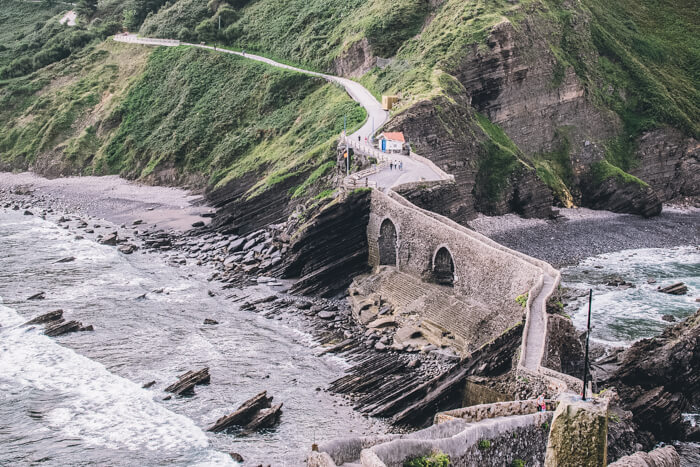
16. Pais Vasco (Basque Country)
4wwwf
Sat on the Bay of Biscay in the north of Spain, the Basque country is not like anywhere else in Spain. The region is fiercely proud of its strong cultural heritage. You’re more likely to hear Basque here, which pre-dates Romance languages, than Spanish. This can be tricky as the two have very little in common.

San Sebastián is known for its excellent gastronomy, while the formerly drab port of Bilbao was revitalized in recent decades with the arrival of the Guggenheim Museum, and has since become a hub of architecture and design. Outside of the cities, you’ll find excellent surfing at Mundaka, the stairway to heaven at the religious site of San Juan de Gaztelugatxe, and traditional villages sat atop cliffs along the road from Bilbao to San Sebastián.

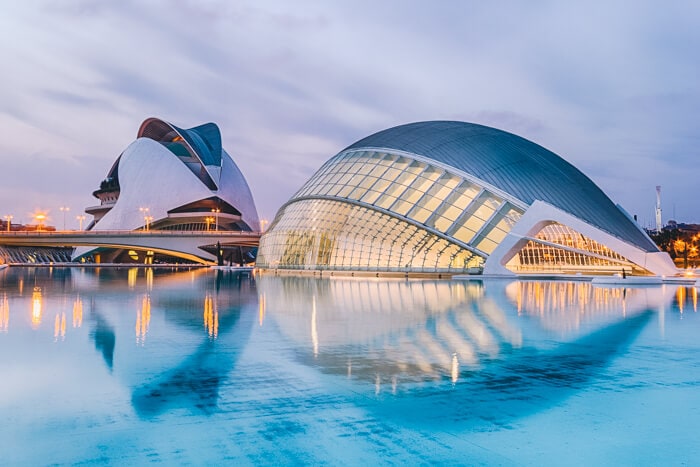
17. Valencia
dfbgd
The region of Valencia is situated on the east coast of Spain, and the capital city of the same name is the 3rd largest city in the country. Valencia is known for the futuristic city of arts and sciences, which consists of an interactive museum, oceanarium, and planetarium. Less futuristic but no less spellbinding is the old town, which is home to excellent Valencian cuisine in small and traditional tapas bars. The city’s fallas festival every March is one of the best-known festivals throughout Spain.

To the south of Valencia, the towns of Benidorm and Alicante welcome a huge number of tourists every year, some staying permanently and becoming expats. To get away from cities, try visiting La Albufera nature park on the coast, or head inland to the Carrascar de la Font Roja or the Desert de les Palmes National Park.

18. Ceuta and Melilla

As well as the mainland regions and islands, Spain has two enclaves on the North Coast of Africa, Ceuta and Melilla.[……]

Read more

ARGENTINA – Iguaçu Falls 2 day trip: a must see natural wonder!

I was on a business trip to South America, Brazil, Sao Paulo when I visited the Iguaçu Falls. I planned a few days to see the Iguaçu Falls as I wanted to see them from both the Brazil side as the Argentina side. I also wanted to do a helicopter flight over the Iguaçu Falls and see Sao Paulo by helicopter flight too. These waterfalls are a must see; enjoy them with me!

2bfbj
Argentina side of the Iguaçu Falls

It was the second day that I took off early in the morning with a driver to the Argentinian side of the Iguaçu Falls. On the way, I made a visit to the village to see the 3-country point (Argentina, Brazil, and Paraguay). The Iguaçu Falls are one of the most beautiful waterfalls in the world and therefore a UNESCO World Heritage Site. The area has also lots of endangered fauna and flora. It has over 170k HM of land and spans 2700 meters and up to a height of 80 meters. I walked most paths, at least those who gave the best views as in the afternoon my helicopter flight was waiting. Just look at the photo’s; aren’t the Iguaçu Falls amazing?

vgaho
Argentina – Iguacu Falls

I wanted to see the Iguacu Dam too, but I had no time to drive there. So, what do you do then? A 40-minute helicopter flight to see everything from the air too! So, great. Of course, there were no other people who wanted to do the 40-minute ride that included everything. Most rides go for 10-15 minutes to see only the Iguaçu Falls. I paid for 4 people to get the helicopter for myself. I invited the driver too; who was happy to ride along. I had a great time and I recommend everyone to include the Iguaçu Falls in their Brazil or Argentina itinerary. After my visit to the Iguaçu Falls I flew back to Sao Paulo where I would visit a coffee farm.

Stay tuned for more stories and subscribe to the newsletter or follow CTB on social media (Facebook, Twitter, Instagram including Instagram stories; on all social media you can find CTB @christravelblog) to get updated information.[……]

Read more