Divi WordPress Theme


Brunei travel guide

Apa khabar’! My name is Trisha, and I’ve traveled and have lead group tours to Brunei several times. In this Brunei travel guide, I will share with you everything I know about Japan travel including budget, things to do, cheap flights, affordable accommodations, what to avoid, and more!

Nestled on the northern coast of Borneo, Brunei Darussalam, or simply Brunei, is a hidden gem that offers a unique travel experience for those seeking a blend of rich culture, pristine nature, and unspoiled tranquility. Often overshadowed by its more prominent Southeast Asian neighbors, this tiny, oil-rich sultanate beckons intrepid travelers with its captivating charm and warm hospitality.

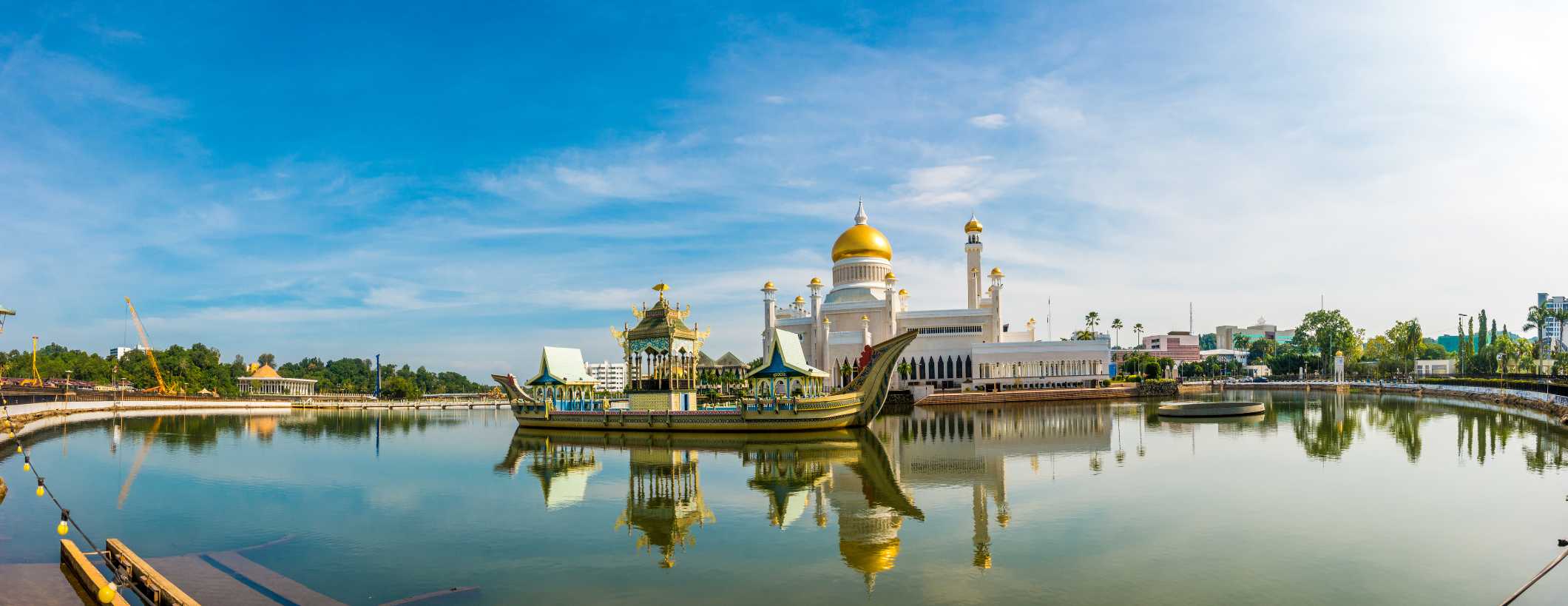
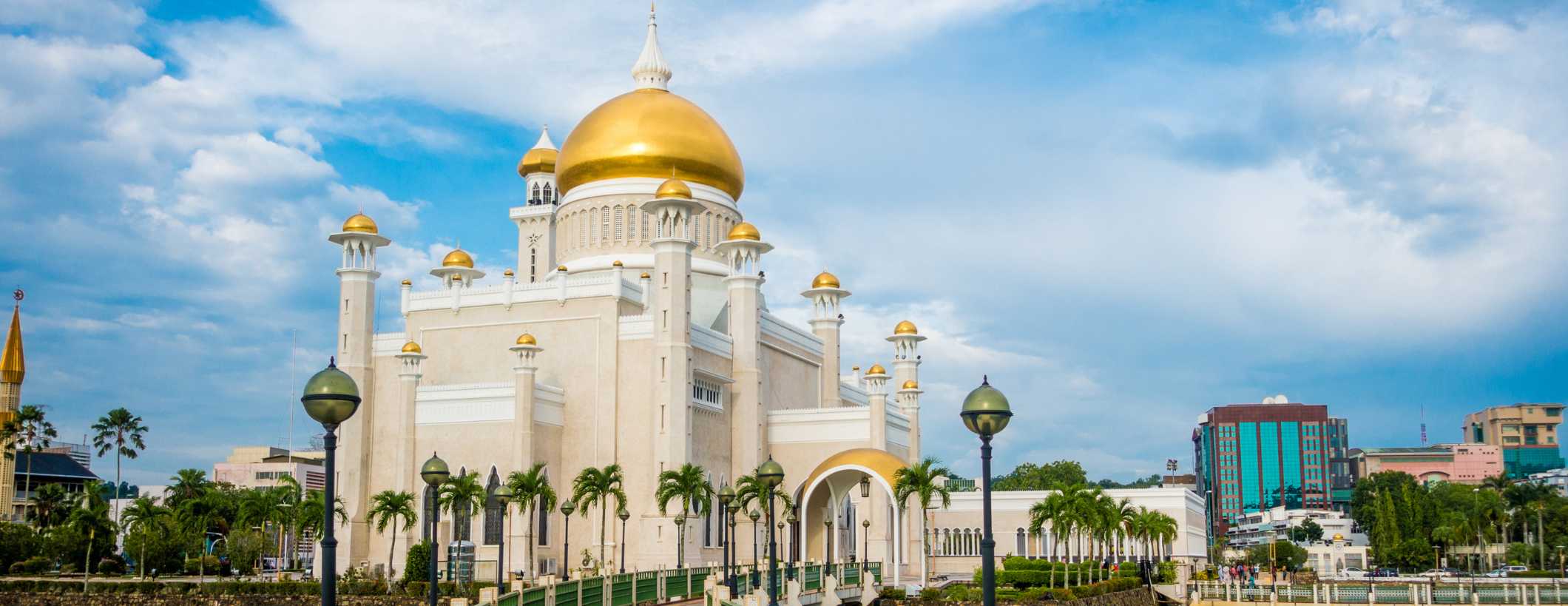
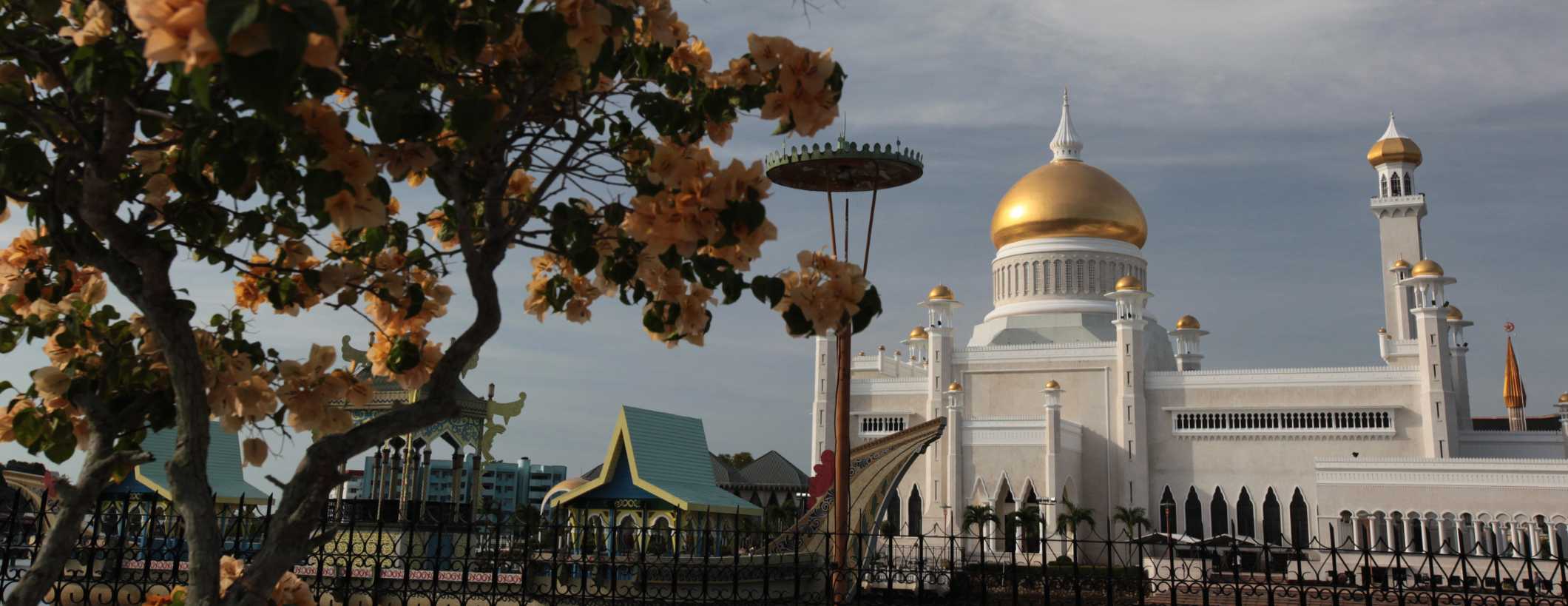
Stepping foot in Brunei, you’ll be immediately struck by the stunning architectural wonders of its mosques, adorned with shimmering golden domes and intricate designs that pay homage to the nation’s Islamic heritage. Delve deeper into the cultural tapestry by exploring the opulent Royal Regalia Museum or strolling through the bustling markets of Bandar Seri Begawan, the country’s vibrant capital.

Beyond the urban landscape, Brunei’s verdant rainforests and unspoiled ecosystems offer a haven for nature enthusiasts and adventure-seekers alike. Embark on an unforgettable journey into the heart of Ulu Temburong National Park, where you can traverse canopy walkways, encounter exotic wildlife, and relish the serenity of the lush Bornean jungle.

Join us as we explore the wonders of Brunei, uncovering its best-kept secrets and revealing the allure of this enchanting destination. Immerse yourself in the fascinating fusion of tradition and modernity that awaits you in this remarkable corner of the world.

🇧🇳 Brunei Travel Guide: quick info
if1ie
Currency

The currency in Brunei is the Brunei Dollar, abbreviated as BND and symbolized as B$. The Brunei Dollar is further divided into 100 cents. Banknotes come in denominations of 1, 5, 10, 20, 50, and 100 B$, while coins are available in denominations of 1, 5, 10, 20, and 50 cents. Interestingly, the Brunei Dollar is interchangeable with the Singapore Dollar at a 1:1 ratio, meaning both currencies can be used in either country. This interchangeability is due to a Currency Interchangeability Agreement between Brunei and Singapore that has been in place since 1967.

Power Plug

In Brunei, the electricity sockets used are of Type G. These sockets are the same as those used in the United Kingdom, Malaysia, and Singapore. They are designed for three-prong plugs with rectangular pins, and the standard voltage is 240V with a frequency of 50Hz. If you are traveling to Brunei from a country with a different type of plug or voltage, you may need to bring a travel adapter or a voltage converter to ensure compatibility with your electronic devices.

Visa

Whether or not you need a visa to enter Brunei depends on your nationality and the purpose of your visit. Citizens of certain countries, including the United States, the United Kingdom, Canada, Australia, New Zealand, and most European Union member states, are allowed visa-free entry for short stays, typically ranging from 14 to 90 days. However, the exact duration of visa-free stays varies depending on your nationality.

Wifi

In Brunei, internet connectivity and Wi-Fi speeds have improved over the years. In urban areas, such as Bandar Seri Begawan, you can expect reasonably fast Wi-Fi at hotels, restaurants, cafes, and shopping centers. However, the internet speeds may not be as fast as those in more developed countries or major cities in other parts of the world.

In rural areas or remote locations, the Wi-Fi coverage and speed can be less reliable and slower. If you require a consistent and fast internet connection during your stay in Brunei, you may want to consider purchasing a local SIM card with a data plan from one of the local mobile operators, such as DST or Progresif. This will allow you to have access to mobile internet, which can be helpful in areas with limited Wi-Fi availability or slow connections.

Language

The official language of Brunei is Malay, which is spoken by the majority of the population. Malay, or Bahasa Melayu, is a member of the Austronesian language family and is used in government, education, and media throughout the country. Brunei Malay, a distinct dialect, is spoken by locals and may have some differences in vocabulary and pronunciation compared to Standard Malay.

In addition to Malay, several other languages are spoken in Brunei due to the country’s ethnic diversity. These include Chinese dialects such as Hokkien, Hakka, and Cantonese, as well as indigenous languages like Iban, Dusun, and Tutong.

English is also widely spoken and understood in Brunei, particularly in urban areas and tourist centers. English is taught as a second language in schools and is often used in business, commerce, and official matters. Most signs and official documents are written in both Malay and English, and many Bruneians are proficient in English, making communication relatively easy for travelers from English-speaking countries.

Safety

Brunei is generally considered a safe country for travelers. The crime rate in Brunei is relatively low, and incidents of violent crime against tourists are rare. The country is politically stable, and the risk of civil unrest or terrorism is minimal compared to many other regions in the world.

However, as with any destination, it is essential to exercise common-sense precautions to ensure your safety during your stay. Petty crimes, such as pickpocketing and bag-snatching, can occur, particularly in crowded or touristy areas. To minimize risk, be aware of your surroundings, avoid displaying valuable items, and keep your belongings secure.

Additionally, Brunei has strict laws and regulations, particularly regarding drug offenses, which carry severe penalties, including the death penalty for trafficking. It is crucial to familiarize yourself with local laws and customs to avoid inadvertently violating any rules or regulations.

In terms of health and safety, Brunei has a well-developed healthcare system, and the risk of contracting infectious diseases is relatively low. However, it is always advisable to follow standard precautions, such as staying up-to-date on vaccinations, practicing good hygiene, and using insect repellent to protect against mosquito-borne diseases like dengue fever.

Brunei travel tips for first-timers
ihgux
Respect local customs and religion: Brunei is an Islamic country, and it is essential to be mindful of local customs and religious practices. Dress modestly, particularly when visiting mosques or religious sites, and refrain from public displays of affection. Be aware of the local prayer times, as some establishments may close temporarily for prayers.

Try local cuisine at night markets: Brunei offers a unique blend of Malay, Indian, and Chinese culinary influences. Visit the Gadong Night Market or Tamu Kianggeh for a taste of authentic Bruneian dishes, such as ambuyat, nasi katok, or satay.

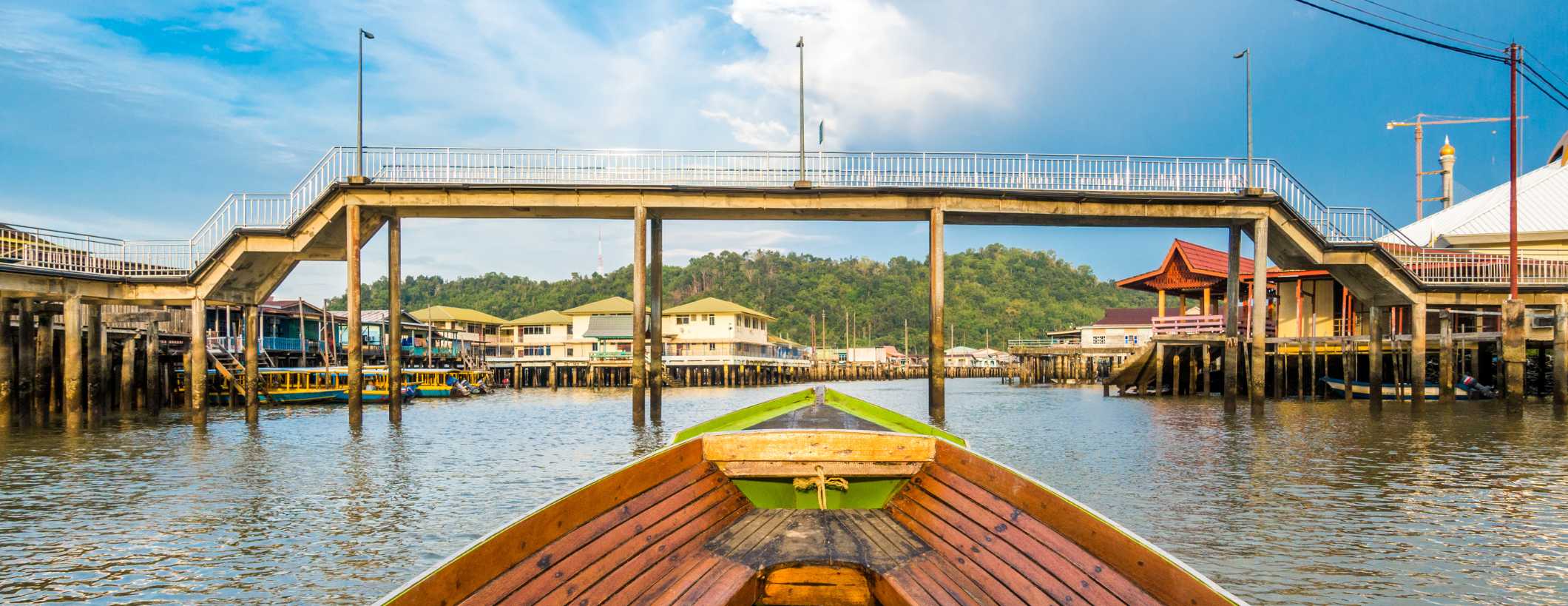
Visit Kampong Ayer, the “Venice of the East”: This historic water village in Bandar Seri Begawan is home to stilt houses, mosques, and schools built on the Brunei River. Take a water taxi to explore the village, and don’t forget to visit the Kampong Ayer Cultural and Tourism Gallery to learn about the area’s rich history.

Discover Brunei’s shipwreck diving sites: Brunei has several shipwreck diving sites worth exploring, such as the Cement Wreck and the Australian Wreck. With clear waters and an abundance of marine life, these sites offer fascinating diving experiences for both beginners and experienced divers.

Take note of the alcohol restrictions: Brunei is a dry country, and the sale of alcohol is prohibited. Non-Muslim visitors can bring a limited amount of alcohol for personal consumption, but be sure to declare it at customs upon arrival.

Be prepared for limited public transportation: Public transportation options in Brunei are limited, with infrequent bus services and no trains. Consider renting a car or using taxis and ride-hailing apps like Dart to get around more efficiently.

Visit the Oil and Gas Discovery Centre: Gain insight into Brunei’s oil and gas industry by visiting the interactive Oil and Gas Discovery Centre in Seria. The center features hands-on exhibits, multimedia displays, and educational programs that showcase the science and technology behind the industry that fuels the nation’s economy.

Learn about Brunei’s biodiversity at the Kuala Belalong Field Studies Centre: Located in Ulu Temburong National Park, the Kuala Belalong Field Studies Centre is dedicated to research and education on Brunei’s diverse ecosystems. Visitors can participate in guided tours and workshops to learn about the flora and fauna of Borneo’s rainforests.

Attend a traditional Bruneian wedding: If you have the opportunity to attend a traditional Bruneian wedding, don’t miss the chance to experience the customs, rituals, and lavish celebrations that accompany these events. Be sure to dress appropriately and follow any etiquette guidelines provided by your hosts.

Explore Brunei’s pristine beaches: While Brunei may not be famous for its beaches, the country boasts several unspoiled stretches of sand that are worth exploring. Visit beaches like Muara Beach, Serasa Beach, or Pantai Meragang for a quiet escape from the bustling city life.

Best time to visit Brunei by month
f0iw4
January in Brunei

Traveling to Brunei in January offers visitors the chance to experience the country during its northeast monsoon season. This period typically lasts from November to March and is characterized by more frequent rainfall than the rest of the year. While this may not seem like the ideal time to visit, there are still some advantages and unique experiences during this month.

The weather in January tends to be warm and humid, with average temperatures ranging from 23°C (73°F) to 31°C (88°F). Despite the increased likelihood of rain, the showers are usually short and heavy, often occurring in the late afternoon or evening, leaving much of the day dry and suitable for outdoor activities. When venturing out, it is essential to be prepared for sudden downpours by carrying an umbrella or raincoat.

One of the benefits of visiting Brunei in January is the potential for fewer tourists, which can lead to a more authentic and less crowded experience at popular attractions. Moreover, the lush vegetation flourishes during the rainy season, making it an excellent time to explore Brunei’s rainforests and national parks, such as Ulu Temburong National Park.

February in Brunei

Traveling to Brunei in February provides visitors with an opportunity to experience the country during the tail-end of the northeast monsoon season. While rainfall remains relatively frequent during this month, the weather gradually begins to improve as the dry season approaches. Despite the occasional rain, there are still plenty of opportunities to explore the beautiful landscapes and cultural attractions that Brunei has to offer.

February’s temperatures in Brunei are consistently warm and humid, with average highs of around 30°C (86°F) and lows of approximately 23°C (73°F). While rain showers can still occur, they tend to be short and heavy, typically taking place in the late afternoon or evening. This leaves the majority of the day suitable for outdoor activities, but it’s wise to carry an umbrella or raincoat as a precaution against sudden downpours.

One advantage of visiting Brunei in February is the possibility of encountering fewer tourists, which can lead to a more authentic and less crowded experience at popular attractions. Additionally, the abundant rainfall during this season ensures that the country’s rainforests and national parks, such as Ulu Temburong National Park, remain lush and vibrant.

March in Brunei

March is a great time to visit Brunei – temperatures are mild, with an average of around 25°C (77°F) during the day. March marks the beginning of the dry season, meaning days are generally sunny and pleasant.

When it comes to festivals, visitors may be lucky enough to experience the titah ceremony, in which the Sultan reads out his new commands for the year at the Istana Darul Hana Palace. Aside from this unique experience, there are also two Islamic holidays celebrated in Brunei – Maulidur Rasul and Isra Mi’raj – both of which involve processions and other festivities.

April in Brunei

April is a wonderful time to visit Brunei – temperatures are a pleasant 27°C (81°F) during the day, making it perfect for exploring the outdoors. April also marks the beginning of the holy month of Ramadan, meaning many food stalls and certain establishments close until sunset.

Festivities-wise, the Water Village Festival takes place in April, celebrating the traditional stilt houses and culture that’s so unique to this country. Many other festivities take place throughout Brunei during this time as well, such as fireworks displays on national holidays and religious celebrations like Isra Mi’raj.

May in Brunei

May is a lovely time to visit Brunei – temperatures are a pleasant 29°C (84°F) during the day, making it ideal for exploring the outdoors. May marks the end of Ramadan, so expect plenty of feasting and festivities around this time.

Festivities-wise, visitors can also witness the ceremonial titah ceremony at Istana Darul Hana Palace, in which the Sultan reads out his new commands for the year. In addition to this unique experience, there are also several other religious celebrations held throughout Brunei in May, such as Isra Mi’raj and Nuzul Al-Quran.

Overall, May is an excellent time to visit Brunei – perfect for those looking to take advantage of warm weather and explore all sides of this beautiful country.

June in Brunei

June is an ideal time to visit Brunei – temperatures are comfortably warm at 31°C (88°F) during the day. June also marks the beginning of the annual Sungei Liang Festival, which celebrates Brunei’s traditional boats and seafaring culture with parades, performances, cultural dances and activities.

Other festivities taking place throughout Brunei in June include Hari Raya Aidil Fitri and His Majesty’s Golden Jubilee. The latter event commemorates His Majesty Sultan Hassanal Bolkiah’s 50th year on the throne – it involves grand parades, fireworks displays and many other fun activities for visitors to enjoy.

Overall, June is an excellent time to visit Brunei – perfect for those looking to soak up some sunshine while experiencing all of the amazing sights that this wonderful country has to offer.

July in Brunei

July is an ideal time to visit Brunei – temperatures are hot and humid, reaching up to 33°C (91°F) during the day. For visitors looking for some respite from the heat, there are many air-conditioned attractions such as museums, galleries, shopping centres and cinemas.

One of the main festivities taking place in Brunei during July is Hari Raya Aidiladha. This religious holiday celebrates Prophet Ibrahim’s willingness to sacrifice his son for God and is marked by animal sacrifices, prayers and feasts. There are also several other cultural activities held throughout Brunei during this time of year, such as dragon boat races, Regatta Lepas Labuan Races and various festivals in Temburong district.

Overall, July is an excellent time to visit Brunei – perfect for those looking to get away from the hustle and bustle of everyday life while enjoying all that this wonderful country has to offer.

August in Brunei

August is an ideal time to visit Brunei – temperatures are hot and humid, reaching up to 33°C (91°F) during the day. It’s also worth noting that August is the beginning of the monsoon season in Brunei, so visitors should be prepared for rain and thunderstorms.

During this period visitors can experience a plethora of festivities including Ramadan, National Day and Royal Birthday Celebrations. The latter event commemorates His Majesty Sultan Hassanal Bolkiah’s 72nd birthday – it involves grand parades, fireworks displays and many other fun activities for visitors to enjoy.

Overall, August is an excellent time to visit Brunei – perfect for those looking to both escape from sweltering heat and get a closer look at this amazing country’s culture.

September in Brunei

September is an ideal time to visit Brunei – temperatures are warm and pleasant, typically ranging between 22°C (72°F) and 34°C (93°F). It’s also worth noting that this month marks the peak of the monsoon season in Brunei, so visitors should be prepared for rain and thunderstorms.

September marks the end of Ramadan and celebrates Hari Raya Aidilfitri, a religious holiday which commemorates Prophet Muhammad’s journey from Mecca to Medina. Other cultural events taking place during this time include National Day Celebrations, royal birthdays, and international competitions such as Regatta Lepas Labuan Race.

Overall, September is an excellent time to visit Brunei – perfect for both those looking to enjoy some cooler weather and those wanting to immerse themselves in local culture.

October in Brunei

October is an ideal time to visit Brunei – temperatures are cool and comfortable, usually ranging between 21°C (70°F) and 33°C (91°F). As with the previous months, visitors should be prepared for rain and thunderstorms due to the monsoon season.

October marks several important festivals in Brunei, including Hari Raya Haji, a religious holiday commemorating Prophet Abraham’s willingness to sacrifice his son Isaac; Chinese Mooncake Festival; and Deepavali, a festival of lights celebrating knowledge over ignorance. There are also plenty of cultural events taking place during this period such as National Day Celebrations and international sailing competitions.

Overall, October is an excellent time to visit Brunei – perfect for those seeking cooler weather and wishing to explore local culture.

November in Brunei

November is a great time to visit Brunei – temperatures are mild and comfortable, typically ranging between 20°C (68°F) and 32°C (90°F). As with the other months of the monsoon season, visitors should be prepared for rain and thunderstorms.

November marks several important festivals in Brunei, including Chinese Mooncake Festival and Deepavali, a festival of lights celebrating knowledge over ignorance. There are also plenty of cultural events taking place during this period such as National Day Celebrations and international sailing competitions.

Overall, November is an excellent time to visit Brunei – perfect for those seeking mild weather and wishing to explore local culture.

December in Brunei

December is a great time to visit Brunei – the temperature is mild and pleasant, usually around 21°C (70°F) to 30°C (86°F). The monsoon season is still in effect so visitors should be prepared for rain and thunderstorms.

December marks several important festivals in Brunei, including Hari Raya Haji, which commemorates Prophet Abraham’s willingness to sacrifice his son Isaac; Chinese Mooncake Festival; and Deepavali, a festival of lights celebrating knowledge over ignorance. There are also plenty of cultural events taking place during this period such as National Day Celebrations and international sailing competitions.

Overall, December is an excellent time to visit Brunei – perfect for those seeking mild weather and wishing to explore local culture.

Getting around Brunei
8ocrv
Getting around Brunei can be an interesting experience due to the country’s relatively limited public transportation options. However, there are several ways to explore the nation, each with its own advantages and drawbacks.

Public buses: Brunei has a public bus system, primarily concentrated in the capital city, Bandar Seri Begawan. Buses are an affordable means of transportation, but the routes and schedules can be infrequent and challenging to navigate for visitors. While they can be a[……]
Read more

27 Things You Need to Know Before Visiting Peru

Peru is one of the most popular destinations in South America, but this country is still a mystery for many first-time travelers. Here’s our travel guide, where we share things you need to know before visiting Peru. If you started to plan your ultimate trip to Peru, read this post before your travels!

Have you heard that Peru is a fascinating country? Well, you’ve heard it right. Without even planning it, we spent a bit over two months in this country, which was the advantage of being long-term travelers.

Although it was not the first South American country we visited, we knew we must approach it differently, learn new things, and keep our minds open because it would be the biggest mistake to expect Peru to be the same as, for example, Colombia or Ecuador.

And despite the fact that some of the customs and ways of life are very similar, Peru was in many ways special, and it quickly stole our hearts.

What is the first thing you need to know about Peru? First of all, it is a large, diverse country and it is not possible to see everything in just one trip. We realize we were lucky to spend two months in Peru during our first trip around South America, but there are still numerous places left on our bucket list we did not manage to see.

If you do not have that much time, the planning part before your trip starts is super-important, especially if you want to avoid unpleasant surprises along the way.

Therefore, we would like to steal a few minutes of your time and share with you 27 things you need to know before visiting Peru.

Traveling to a foreign country with an absolutely different culture can often be a daunting task. We believe that every piece of information is valuable, even though nothing can ever replace the actual experience, which you are about to get hopefully soon.

peru-guide

THINGS TO KNOW BEFORE VISITING PERU

High mountains, cloud forests, Incan ruins, ruins founded even before the most famous civilization ruled over the country, Amazon jungle, colorful markets, colonial towns, waterfalls, blue lagoons, long overnight journeys, coca tea, crazy traffic, or friendly people.

Peru evokes many memories, but before our trip, we, probably the same as you, had the country connected with its most popular attraction, Machu Picchu, and could not imagine much beyond.

And although the citadel high in the rolling hills is certainly worth your attention, we have good news – Peru is much more than that.

Feel free to get inspired and read detailed posts we’ve written about Peru, but now we would like to share with you the knowledge we gained on the road that we think you might find helpful.

ALTITUDE SICKNESS IS A REAL THING

It is a bit different when you see this information on paper. Still, the reality is that once you arrive in Cusco, Huaraz, or any other must-visit destination that is not located by the sea, you’ll instantly realize that the air is thinner.

You might be even welcomed by a mild headache.

The truth is that in other countries, we felt that we have a choice if we wanted to visit places at high altitudes because they were usually slightly off the beaten path, such as Los Nevados National Park in Colombia or Cajas National Park in Ecuador.

On the other hand, we found out that here in Peru we had no choice to avoid hiking in the altitude if we really wanted to see the absolute best the country has to offer.

Renowned treks like Inca Trail, Salkantay Trek, hike to Laguna 69, Laguna Churup or Laguna Paron, visiting Pastoruri Glacier, but also Lake Titicaca, Colca Canyon, or already mentioned cities such as Huaraz and Cusco.

These are places where you’ll have to stay above 3000 meters line, but be prepared to climb mountain passes at 4000 meters, sometimes even attacking 5000 meters!

This means only one thing. Before you start planning your perfect Peru itinerary, make sure to incorporate a few acclimatization days to lower the chance to suffer from altitude sickness.

Although there’s no way how to prepare yourself for the altitude except for being in the altitude, we’ve written an in-depth post about hiking in the altitude, where you can find a few helpful tips and learn more about what to expect.

laguna-69-peru

DRINK COCA TEA

No worries, we really do not want to encourage you here to try drugs, but coca tea is a part of everyday life in Peru, and it is only up to you if you want to try it or not – the tea is usually served in hotels during breakfast or on hiking tours during a break.

Coca tea tastes like a normal herbal hot drink; the only difference is that it helps people deal with altitude better.

For a better effect, it is even possible to chew coca – this is what porters who carry backpacks for travelers high in the mountains do. It is possible to buy coca leaves on markets or even in the supermarket.

It is not recommended to travel with a bag of coca leaves in your backpack if you plan on crossing borders by land, and definitely not if you’re coming back by plane to your home country.

It is also good to know that you can have traces of coca in your blood after drinking the tea for a few days, so stop drinking or chewing the leaves if you must undergo tests at your work.

KEEP CASH ON YOU

Peru is a country with a developing economy, which can mean many things, but it brings a small complication for travelers.

If you’re like us, you probably haven’t seen cash for a while, because we normally pay everything by credit card (one of the reasons why we loved our trip to Iceland so much).

It is important to know it does not work this way in Peru (the same as in most South American countries). Cash is the king here, and although the situation has already slightly improved, it is necessary to withdraw money and carry cash with you all the time.

We recommend you always check out first if your next destination has ATM, so you avoid carrying too much cash around.

More established companies offer the possibility to pay by credit card (especially in Cusco, where you can book multi-day treks that are slightly more expensive) but always check the often unfavorable rates.

DO NOT FLUSH TOILET PAPER

Unless you booked a four or five-star hotel, be prepared that the plumbing system in your accommodation won’t be top-notch.

What does it mean? In most South American countries, you should not flush toilet paper in the toilet but throw it to a bin that usually stands next to it.

It does not seem very hygienic, but believe us, it is not worth it to forget this rule, not even once. If you are not sure, always ask at the front desk; it will save you many troubles later.

OVERNIGHT BUSES

We’ve already mentioned that Peru is a large country. What is even more important, those must-visit places are not centralized, they are rather scattered, so to see the true top attractions, you will have to travel from north to south, which means only one thing.

You will spend plenty of time on a bus.

Of course, it is possible to travel by plane if you are short on time, but many destinations are still not connected by air, so unless you decide to base yourself for the whole stay in Cusco and explore the Sacred Valley thoroughly, you’ll have to, at least from time to time, survive the bus journey.

Because of the country’s size and the distance between major tourist points, consider taking night buses. Although it might sound dangerous and uncomfortable, it is actually the best way to get around the country and not lose precious time.

We got used to traveling this way, and even though we definitely were not 100% fresh after arrival at the next destination, we saved this way plenty of time and money for accommodation.

We felt pretty safe traveling by buses in Peru (we usually used a company called MovilBus or Cruz del Sur).

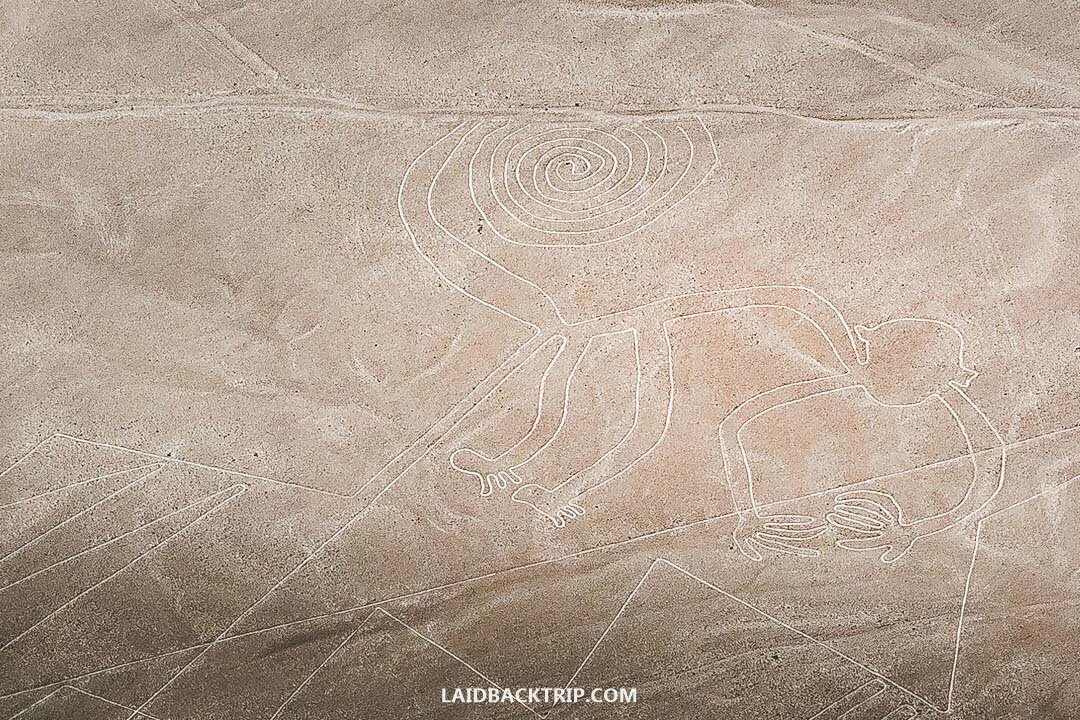
Being said that, our bus was involved in a car accident on the way from Nazca Lines to Arequipa. Fortunately, there were no casualties (at least on our side), and we got safely to our final destination, with only a few hours of delay.

nazca-lines-peru

TRY A GUINEA PIG

It is not possible to travel to Peru and not to eat Guinea pig at least once. Guinea pig is a local delicacy. At first, the meat was eaten by indigenous people only, but nowadays, it is one of the most common meals in the entire country.

Despite the name, the Guinea pig has origin in the Andes of South America, not in Guinea, and secondly, it is not a species of pig, but a rodent.

Although it does not sound somehow appealing (it does not look appealing on the plate either), the animal was domesticated, is raised solely for meat, and you would make a faux-pas if you spoke wrongly about this specialty.

Every family has its own original recipe, and in the touristy cities such as Cusco, you’ll hardly find a restaurant that does not have Guinea pig on the menu – you will find it under the local name cuy. One more thing.

Our guide on the Inca Trail told us a trick on how to make sure you’ll get a fresh Guinea pig on the table. He told us the food is perfect when the meat is fresh, but unfortunately, most restaurants use the meat they have in the freezer.

You have to call to a restaurant and simply order fresh Guinea pig and make a reservation, do not just show up. Of course, it means you must go to a bit upscale restaurant, not a local eatery, but we think this delicacy is worth the effort.

If you’re a foodie, another meal you should not miss when in Peru is ceviche. This meal is also served almost everywhere, but the culture is the most significant in Lima.

VISIT AMAZON

Visiting Amazon usually requires many hours spent on the road or even a flight to a remote area. Often this trip does not come cheap, but it is once in a lifetime experience you should not miss.

We were in Brazil, Colombia, or Ecuador, but the country where we decided to include Amazon in our itinerary, was Peru. And boy, it did not disappoint.

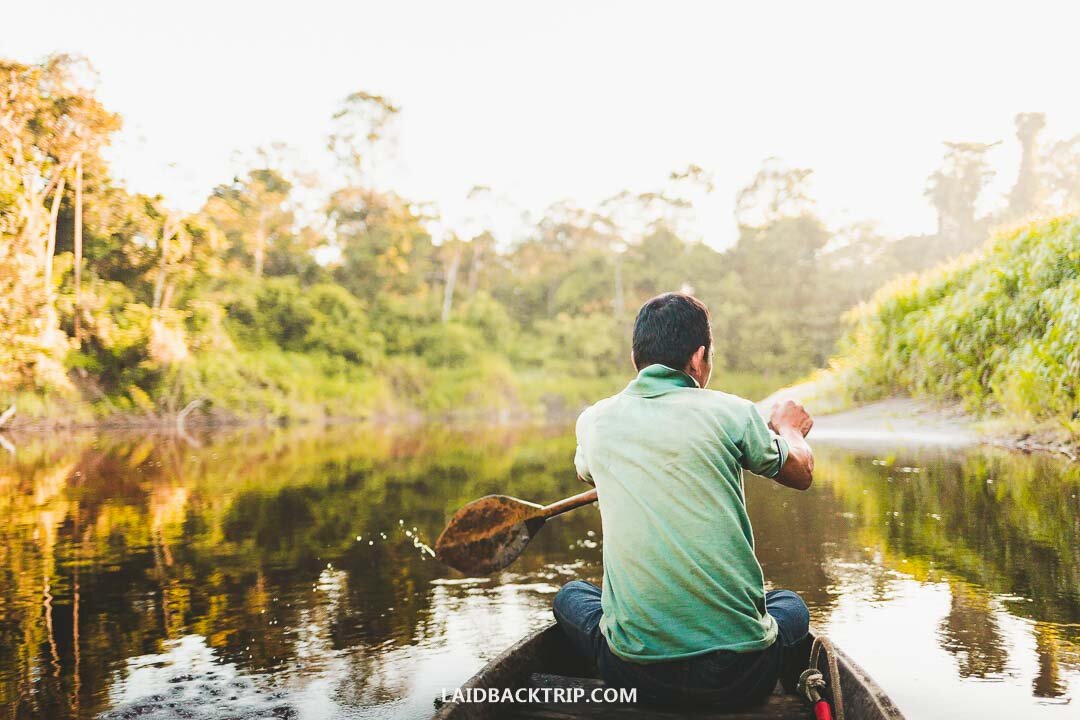
There are a few places to choose from, but in the end, we opted for Pacaya Samiria, a reserve that is accessible from Iquitos (we had to take a flight from Lima to Iquitos).

As we wanted to get a unique experience, we booked a one-week Pacaya Samiria camping trip and could not be happier as fauna was abundant and the jungle as wild as we imagined.

If you still hesitate, whether this trip is worth it or not, we have only one recommendation – go for it. In our opinion, three days is a bare minimum.

pacaya-samiria-peru-amazon

PERU HAS TWO DISTINCTIVE SEASONS

If you’re seriously thinking that Peru will be your next travel destination, another thing you need to know is that you have to consider travel seasons.

In general, you can experience two distinctive seasons in Peru, wet and dry.

The dry season that lasts roughly between May and September (or mid-October) is super-popular among travelers, so it is often necessary to book accommodation or trips in advance.

On the other hand, you’ll be rewarded with almost perfect weather – blue skies and it also rarely rains, which is great, especially if you have only limited time for your Peru trip. It is important to take into account that the dry season is also Peruvian winter, so temperatures are lower, especially high in the mountains.

The wet season lasts between October and April, and as the name suggests, you can expect rain – the rainiest months are December, January, and February. February is probably the worst time to visit Peru if you plan on hiking – the Inca Trail is closed for maintenance, and other trails are prone to landslides.

The rainy season also has pros, though. There are not that many travelers, prices are lower, temperatures higher (it is summer), and it also does not rain all the time.

We were in Peru in November and usually enjoyed nice weather with occasional afternoon showers. If we had a chance to get to Peru again in the future, we would have opted for shoulder months – April and May or September and October.

Because the country is very diverse, it is often hard to figure out what to pack – you basically need a bit of everything.

INCA TRAIL

Inca Trail is a chapter on its own. It is the fabulous and ancient trail that leads from the Sacred Valley to one of the most famous places in the world, the mythical Incan citadel, Machu Picchu.

So, what do you need to know about Inca Trail?

First of all, the number of hikers is strictly regulated by the Peruvian government. The first-minute reservation is essential if you cannot imagine your trip without this adventure.

Secondly, this hike does not come cheap. On the other hand, it is the only trail that will take you directly to Machu Picchu – all other hikes end in Aguas Calientes, from where you must take a bus or hike to the ruins.

Do we think Inca Trail is worth it and live up the hype? Definitely. Does the world end if you cannot afford it, or if there are no spots available? Definitely not.

The landscape around Cusco is wonderful, and although no other hike boasts that many ruins along the way, they also have a lot to offer. One of the most popular alternatives is Salkantay Trek, which is also a multi-day trail that is equally wonderful.

TAP WATER IS NOT DRINKABLE

We do not buy water in the shop all year round in our home country because it is possible to drink only tap water.

First of all, we save a lot of money, but more importantly, this approach is also great for our environment as lowering plastic consumption is the easiest thing we can do to help our planet breathe.

Unfortunately, this is not possible in Peru because tap water is not drinkable for visitors.

Of course, some of you might object that it is just a matter of training, but simply put, our bellies are not used to the bacteria in South American water, and drinking the water out of the tap is always hit or miss.

And if you are on a short, two to three-week vacation, you certainly do not want to risk it and ruin your holiday.

Honestly, we did not want to risk it even when we had two months.

Buying bottled water is the easiest way to get water in Peru, but it is not environmentally friendly. Some hotels provide water to customers so you can refill your reusable water bottle, but it is also not possible all the time.

When we searched for the best options, we came across a modern solution for treating water, even in countries like Peru.

Consider investing in SteriPen or water bottle with integrated filter – we believe you’ll find this gear handy not only in this country but on your multiple future trips.

HOW TO GET TO MACHU PICCHU

It is impossible to write a post about things you need to know before traveling to Peru and not to talk more closely about Machu Picchu. We do not think there’s a single traveler who does not have Machu Picchu on the itinerary.

We know that every country has an overhyped attraction, but Machu Picchu is definitely not the one. We visited the place twice in a row and would come back in a heartbeat.

There are several ways to get to Machu Picchu, and you should consider all the options to make sure you choose the one that fits your schedule best same as your level of fitness.

We’ve already mentioned that hiking is one of the popular alternatives among backpackers and active travelers who want to combine history with the incredible scenery.

You can choose from famous treks to off-beaten paths, and these treks can take from two to seven days (or even longer if you want to customize a private trek).

All other alternatives mean you have to get first to Aguas Calientes, the town closest to Machu Picchu.

From Cusco, the most common, iconic, and safest way to get to Aguas Calientes is by train. Here, you can purchase train tickets in advance.

Once you get to Aguas Calientes, you can either spend here a night or go directly to Machu Picchu.

You can either take a round-trip bus or opt for a hike, which is budget-friendly, but we think it is better to save energy for the citadel itself.

The visit to Machu Picchu is strictly regulated, and rules change in time, so we recommend you to read our up-to-date post on Everything you need to know before visiting Machu Picchu. It is compulsory to book a ticket for a certain time.

TAXIS IN PERU

When we were in Colombia, we learned that Uber is illegal in this country, and although it works, it is better not to use it or act like a Colombian friend picked you up.

Fortunately, this is not the case in Peru, and not only Uber is legal here, but it also works well. If you prefer to know the cab’s price without bargaining, this might be the best option for you.

Overall, we found taxis in Peru safe and reasonably priced, but it is always necessary to agree on a price before the ride.

IS PERU SAFE?

We consider Peru a safe country. We visited quite many destinations and never had the slightest problem, but it is also necessary to say we did not walk around lightheaded, especially not at night.

There were a few sketchy places where we did not feel comfortable – one place was in the capital city of Peru, Lima, but it was rather our fault as we decided to find a cheap hotel in the city center than in the more touristy part called Miraflores.

The other place was Chiclayo – the bus driver dropped us off in the suburb further from the center, and one lady that saw us with a phone in hands told us we should rather keep it out of sight (we were warned about this area even when we first arrived in the city).

The rule of thumb is always to use your common sense.

It should go without saying it is better to keep your valuables such as laptops, passports, or cash in your hotel room.

We are aware that you want to carry a phone for navigation, a travel camera to take awesome pictures, and a credit card just in case – it is always better to store it in your backpack (not in a pocket) and use it only when necessary.

Solo travelers should also feel safe in Peru; just be careful when getting back to your hostel from a bar – it is always wiser to join fellow travelers.

Although the bag snatching on buses is not that common like in neighboring Ecuador, keep your hand luggage close and never leave it under the seat or in the overhead compartment.

Travel Insurance

We never leave home without travel insurance that was designed to cover our expenses if something goes wrong during the trip.

Travel insurance protects against theft, flight delays, injury, illness, cancellations, and much more.

World Nomads provides travel insurance for travelers to cover their trip essentials, including sports and adventure activities.

SafetyWing is affordable travel insurance for backpackers, long-term travelers, and digital nomads.

Travel smarter and safer!

AVOID AYAHUASCA

There are many travel styles and reasons to travel. What we actually did not know before our trip to Peru was that there’s a new trend and people who travel to this country solely to get an experience with ayahuasca.

Ayahuasca is a brew from a plant that is native to South America, and this brew has psychedelic effects on people, especially in combination with shaman rituals.

What we could read and hear, ayahuasca seemed to us as any other drug, and that’s why we would recommend you to avoid it.

We really do not think it’s cool; you are certainly not about to reach some sort of revelation, and last but not least, most of the people we met in a hostel in Iquitos (these ceremonies are common in the Amazon) who had the personal experience were not somehow excited.

If you want to be wasted for the whole day, puke, and suffer from diarrhea, you can drink tap water for free; this so-called ritual staged for Gringos is certainly something you should skip.

ENGLISH IS NOT WIDELY SPOKEN

If you plan on traveling to Peru and have more time for preparation, you won’t make a mistake when you start learning at least the most common phrases.

Although Peru is quite a well-established travel destination, English is not widely spoken.

It is a bit different in Cusco, where the market is very competitive, but in the more remote parts and even in bigger cities, you will have to either use your broken Spanish or hands and legs. We wish we realized it before our trip to South America.

The truth is we picked up quickly[……]

Read more