The best time to visit Argentina
As you might expect from a country that stretches across 2,360 miles (3,800 km) of land, Argentina is more than a tad diverse. Think lush, subtropical rainforests sitting alongside ethereal blue glaciers as well as snow-capped mountains sprinkled with ski resorts, and grape-dappled valleys. As you can imagine, the climate varies wildly in each of these landscapes and is very much dependent on the time of year you choose to travel. This useful guide contains everything you need to know about the best time to visit Argentina for you.
December – February
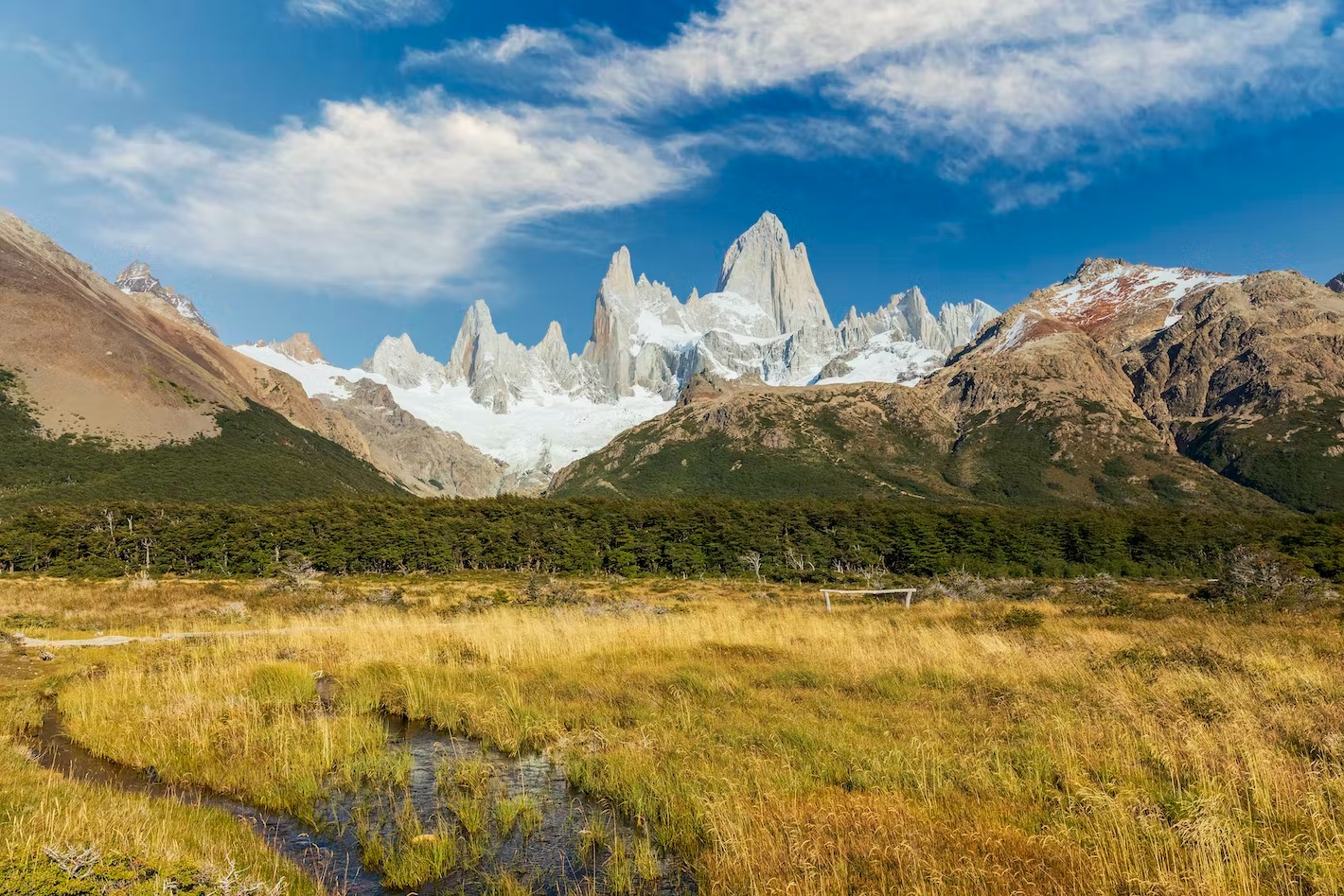
This is Argentina’s summer and whilst you might assume that it must be the best time to explore, it’s only partly true in Argentina. Let’s start with the good – for those longing to get stuck into the breathtaking Argentinian Patagonia, make a journey to ‘the end of the world’ (Ushuaia & Tierra Del Fuego), and trek the jagged slopes of El Chalten, this is when you need to travel. Here, the bitter winter weather has retreated and daily temperatures are a balmy 18°C. It’s also much safer for trekking and climbing, and local businesses are open and ready to welcome visitors. Sitting so far south, you’ll also experience those gorgeous, long days where you can make the most of every last atom of sunlight.Our adventure to the ‘end of the world’ trip is perfect for those looking to take in everything southern Argentina has to offer. You’ll begin with a little art and culture in the capital before ticking off the glaciers of El C[……]