Divi WordPress Theme


10 best things to do in Finland

Dreaming of a holiday in Finland but not sure where to start?Winter or summer, north or south, Finland has plenty of great experiences in store. Here are 10 things to put on your bucket list.

ndyyk
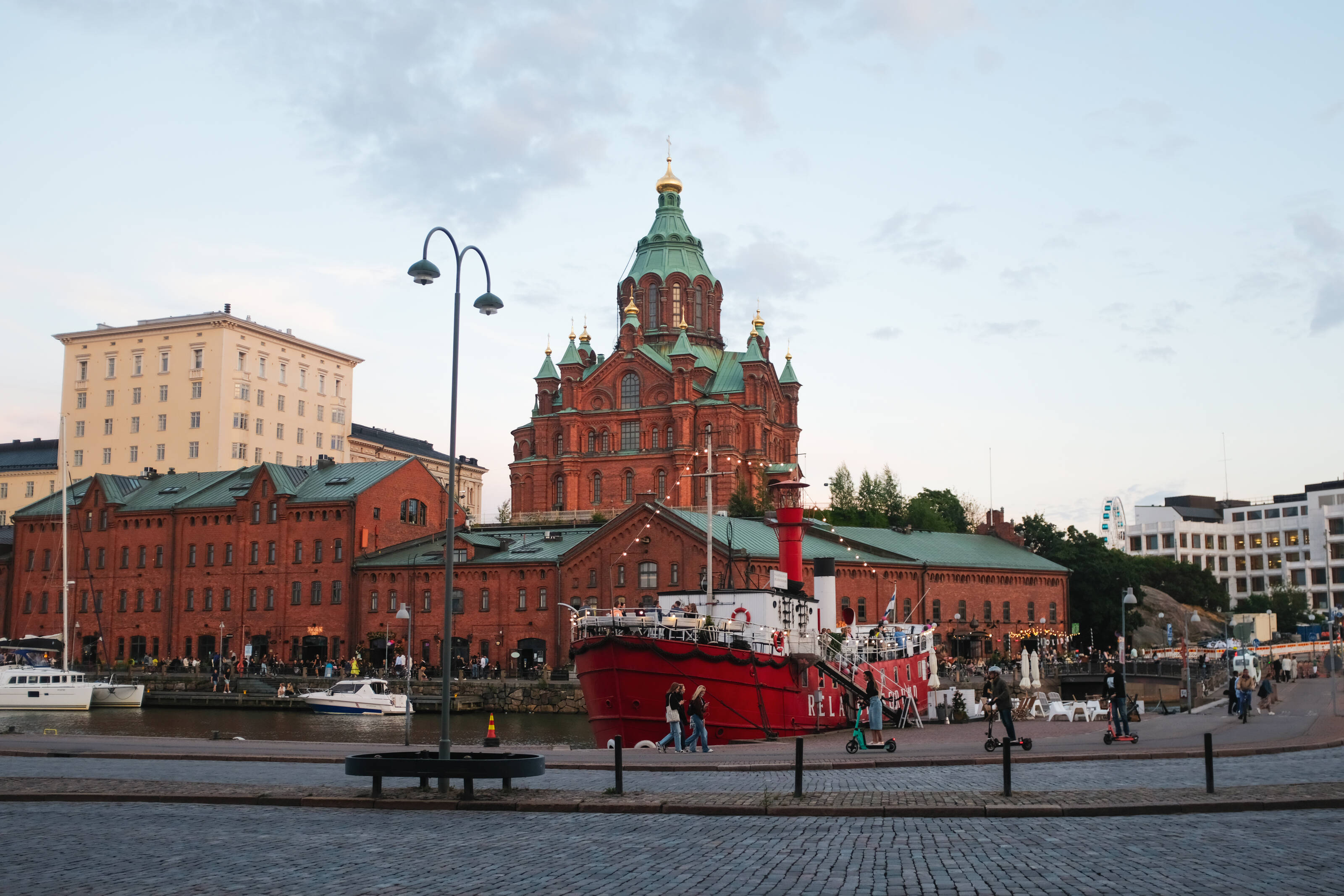
The capital of Finland, Helsinki, is typically the first stop for many visitors to this Nordic country.

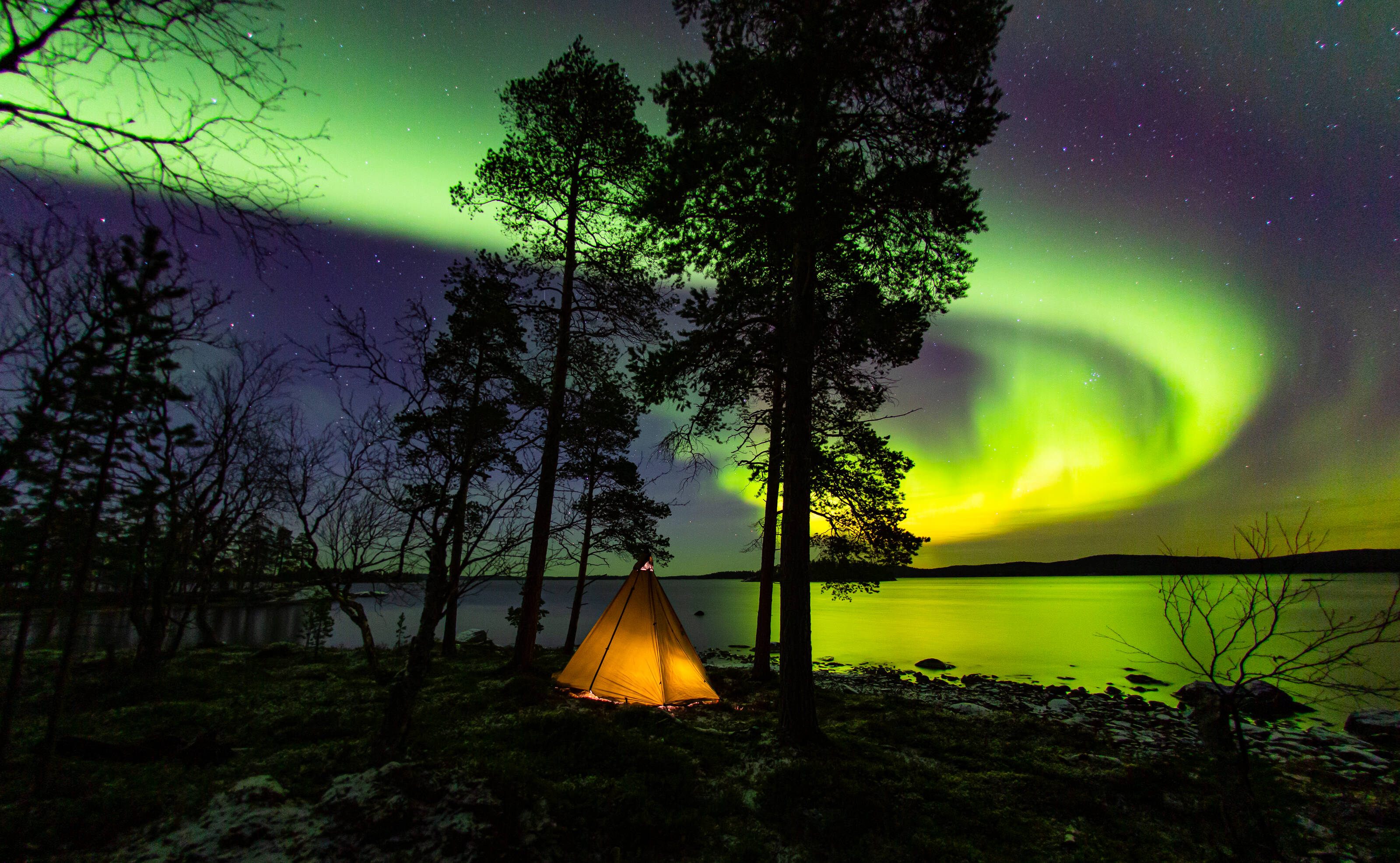
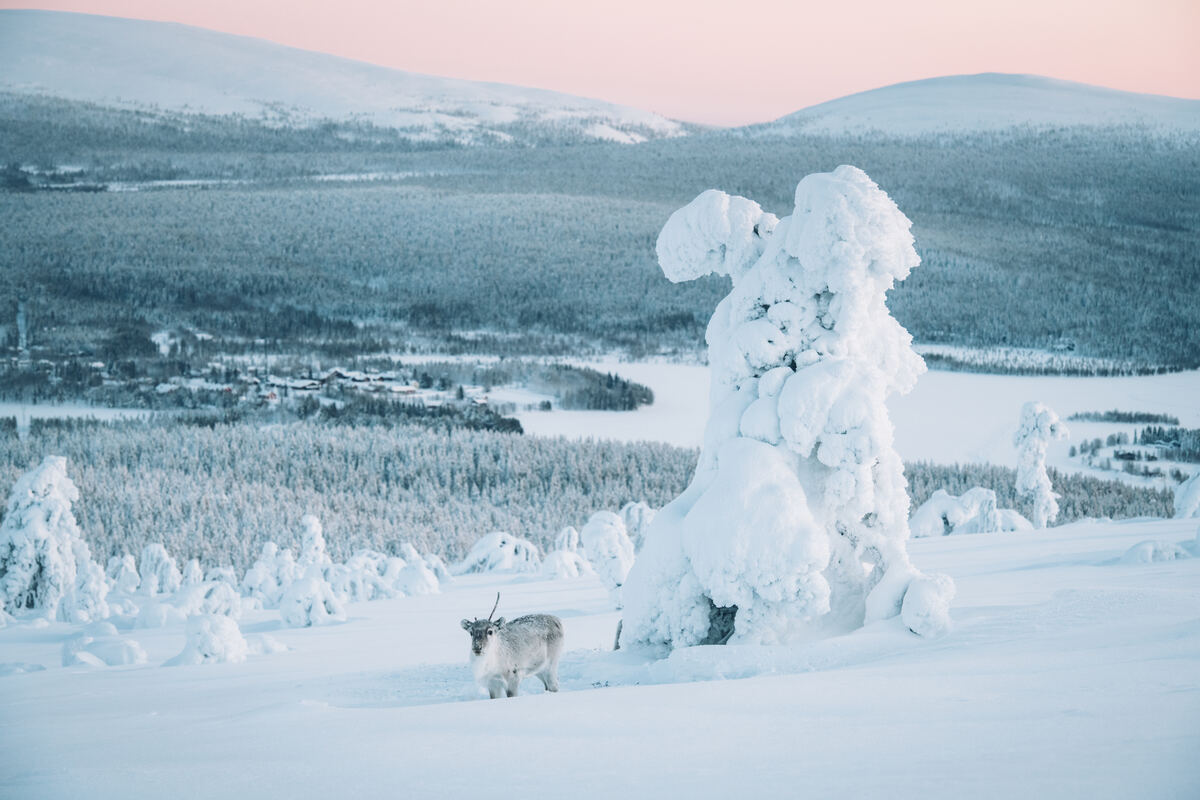
Credits: Mariia KauppiSleep under the Northern LightsFinland is a land of stark contrasts. In the summer months, the sun doesn’t set at all in the northernmost parts of the country, hence the nickname “The Land of the Midnight Sun.” In the winter, the opposite happens, and the sun disappears for months. This time, called “kaamos,” isn’t completely dark, though. The white snow, bright moon and stars, and – if you’re lucky – the colourful Northern Lights, create a surprisingly light and magical nightscape.

One of the best ways to experience these two extremes is to sleep in a glass hut or cottage, surrounded by nature. If the outdoors isn’t your thing, you’ll stay warm, dry and cosy while gazing at the night sky and hopefully, the Aurora Borealis.

rrrj7
The most active seasons for the Northern Lights are autumn and spring, when Earth’s orientation towards the sun maximises the probability of solar flares interacting with the planet’s magnetic field. Credits: Pertti TurunenVisit a public saunaFinland’s national pastime is going to the sauna – some people go every day. The reason for the Finnish love of sauna? Relaxing in darkness, often in silence, cleanses the mind and body. And with more than three million saunas in Finland, visitors and residents both have many to choose from. One easy option is to head to one of the great public saunas located in all of Finland’s major cities. You’ll find there’s a sauna for every style – from modern design meccas to old rustic classics – and they’re all authentically Finnish. Choose your favourite, then sit back, relax and rejuvenate!

xv7nh
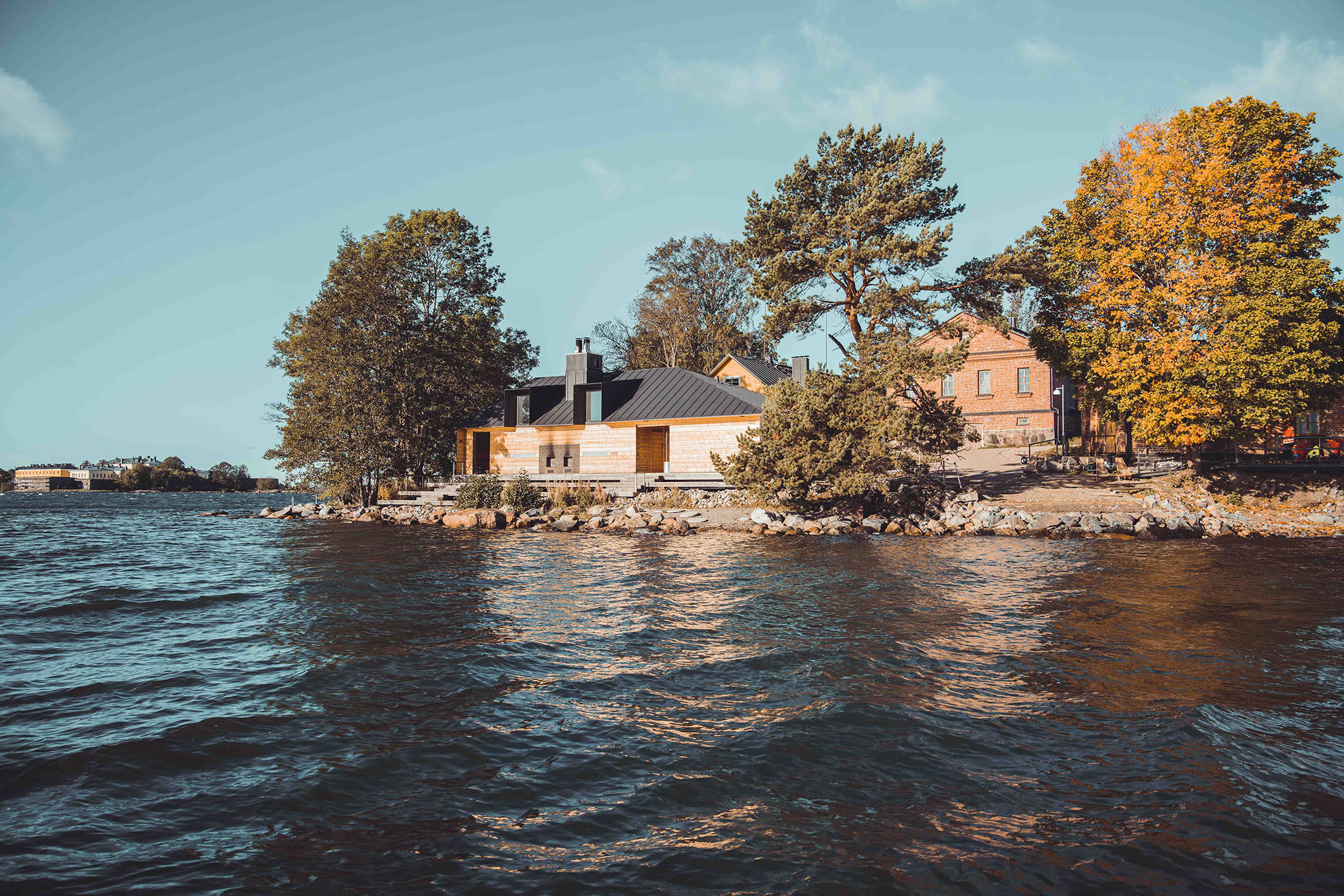
Helsinki has many interesting public saunas, like Lonna, to try year-round.

Credits: André Alexander BaumannExplore a lighthouse islandFinland has the largest archipelago in the world. Where there are islands, there are lighthouses. And what lighthouses these are! While most lighthouses in Finland are now automated, they’re not abandoned, and many make ideal destinations for day trips or weekend escapes.

To see for yourself, head to a secluded island for a day or two – their distant location guarantees peace and quiet, save for the sounds of the sea. Even the trip over is sure to relax you – just hop on a boat or ferry and leave your worries behind.

5k5g1
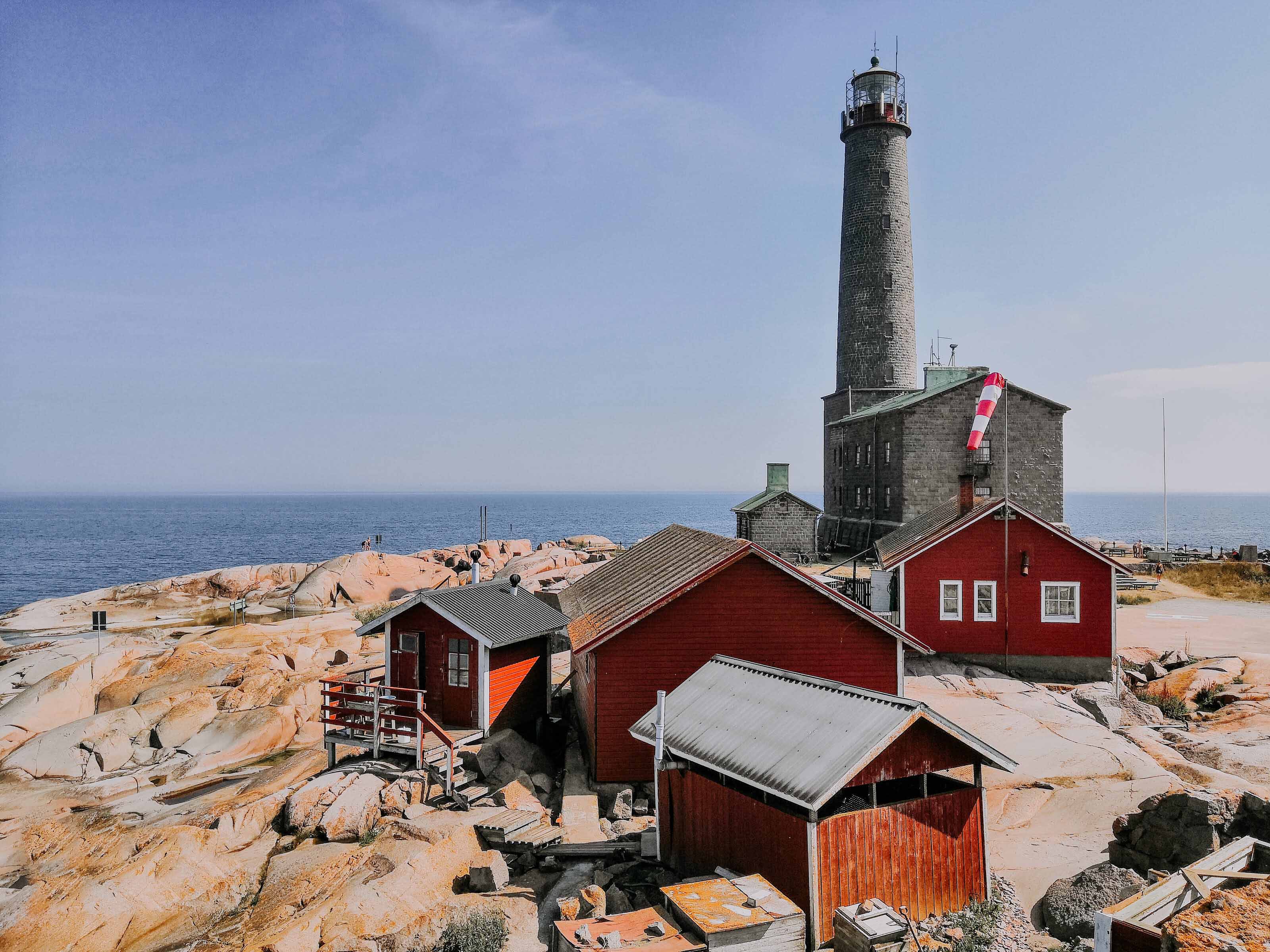
Bengtskär Lighthouse, located on an island near Hanko, is the tallest lighthouse in the Nordics. In addition to its height, it has a rich history. Bombs and grenades have been hurled at this lighthouse, and battles have even been waged inside it.

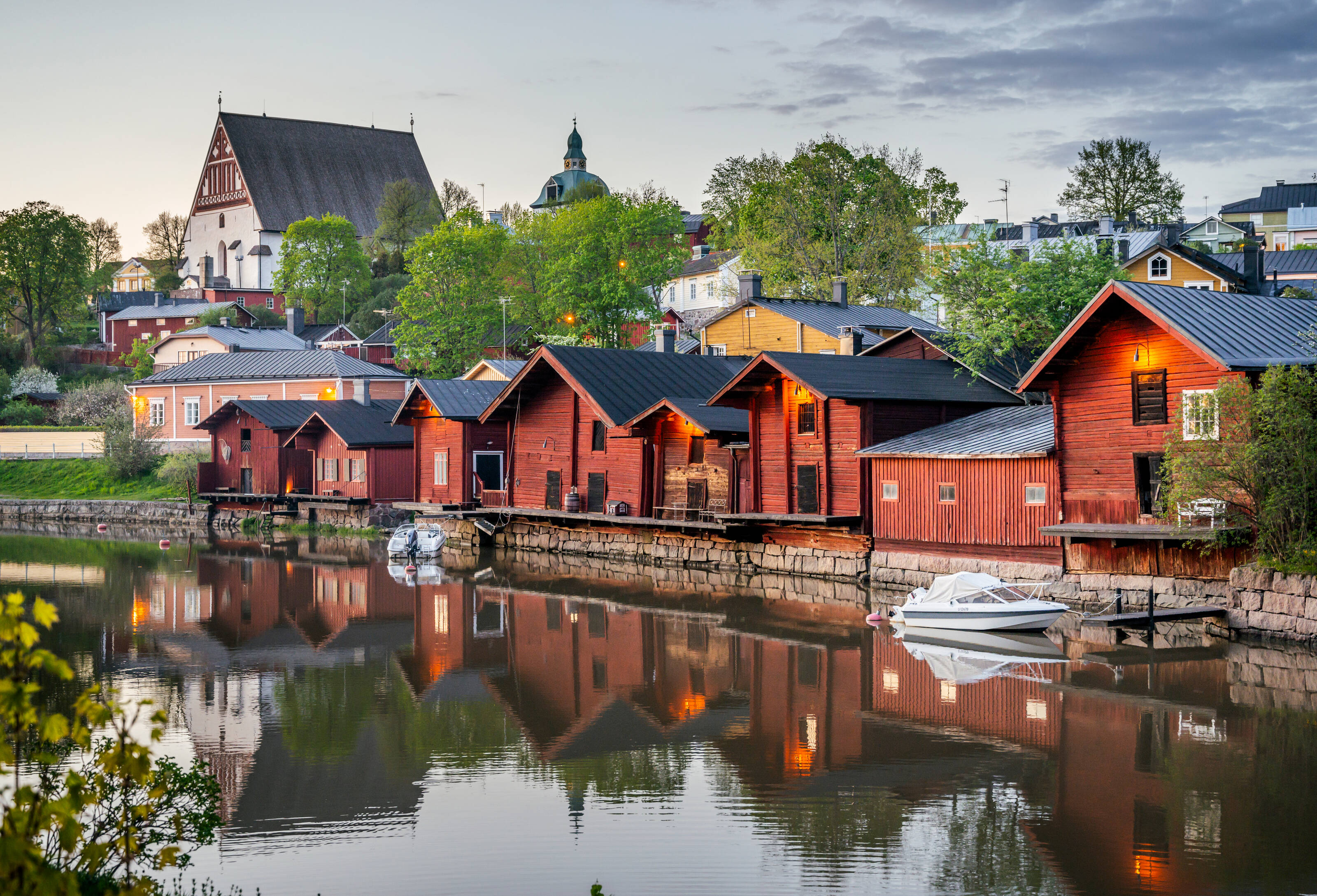
Credits: Julia KiveläStroll around an old wooden townIn the past, all of Finland’s houses were built of wood and usually painted red, with a few blue and yellow thrown in. Even today, Finland has many entirely preserved wooden towns that sit just as they did decades or centuries ago, and visiting these picturesque places is like entering a living time capsule.

The Helsinki districts of Käpylä and Vallila are good places to start your explorations into Finland’s wooden towns. Old Porvoo, an hour’s drive from the capital, is another easy stop. Beautiful wooden towns can be also be found in Rauma in the west and Loviisa in the south. All three offer charming little B&B’s should you wish to stay longer – and you will.

0paxx
Porvoo’s river view is one of the most iconic sights in Finland. The red buildings on the shore were once used to store merchandise and exotic delicacies, but nowadays, many of them house lovely restaurants and B&Bs.

Credits: Niko LaurilaTry Finnish cuisineFinland’s cuisine is built around fresh, natural ingredients gathered straight from the water, land and forests. The country’s short but sweet growing season means many products are only available for a limited amount of time and are chock-full full of vitamins, flavour and colour.

Try iconic Finnish foods – or the latest versions of them – and you’ll be in for a treat. Whether its traditional salmon soup, plant-based meat and dairy alternatives, or mouth-watering bilberry pie, be prepared to clear some space on your list of favourite foods! You’ll also find many of these organic and delicious treats at Finland’s best restaurants.

ttbee
Finland’s best summer produce includes fresh berries, sweet carrots, red onions and new potatoes. The freshest ingredients are sold in market squares.

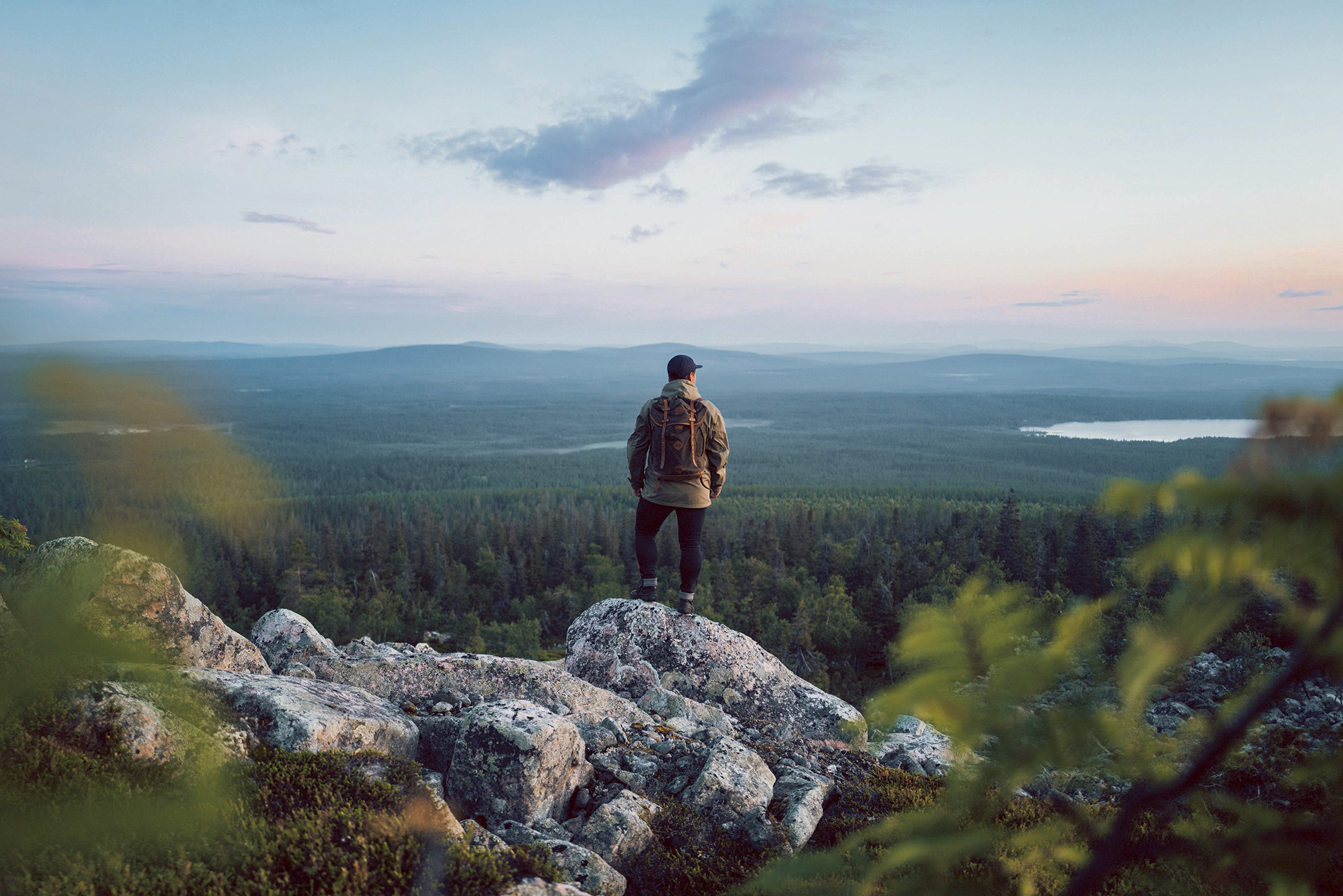
Credits: Harri TarvainenHike a national parkExploring and enjoying nature is easy in Finland! There are over 40 national parks scattered around the country’s islands, lakes, forests, peat lands and fells offering pristine nature and plenty of recreational activities, including hiking, canoeing, climbing and snowshoeing.

Most importantly, Finnish “Everyman’s rights” enable anyone to venture just about anywhere as long as they respect the environment and clean up after themselves. All Finnish national parks have marked hiking routes, nature trails, information boards and picnic sites, many of them with a campfire site. In most parks, there are also tent sites, rentable cabins and unlocked huts where anyone can stay, so pack your bags and go!

a85rc
The view from Lapland’s Salla fell – Sallatunturi – is quintessentially Finnish. No high mountains and dramatic views but tranquil landscapes of forest, lakes, and rivers as far as the eye can see.

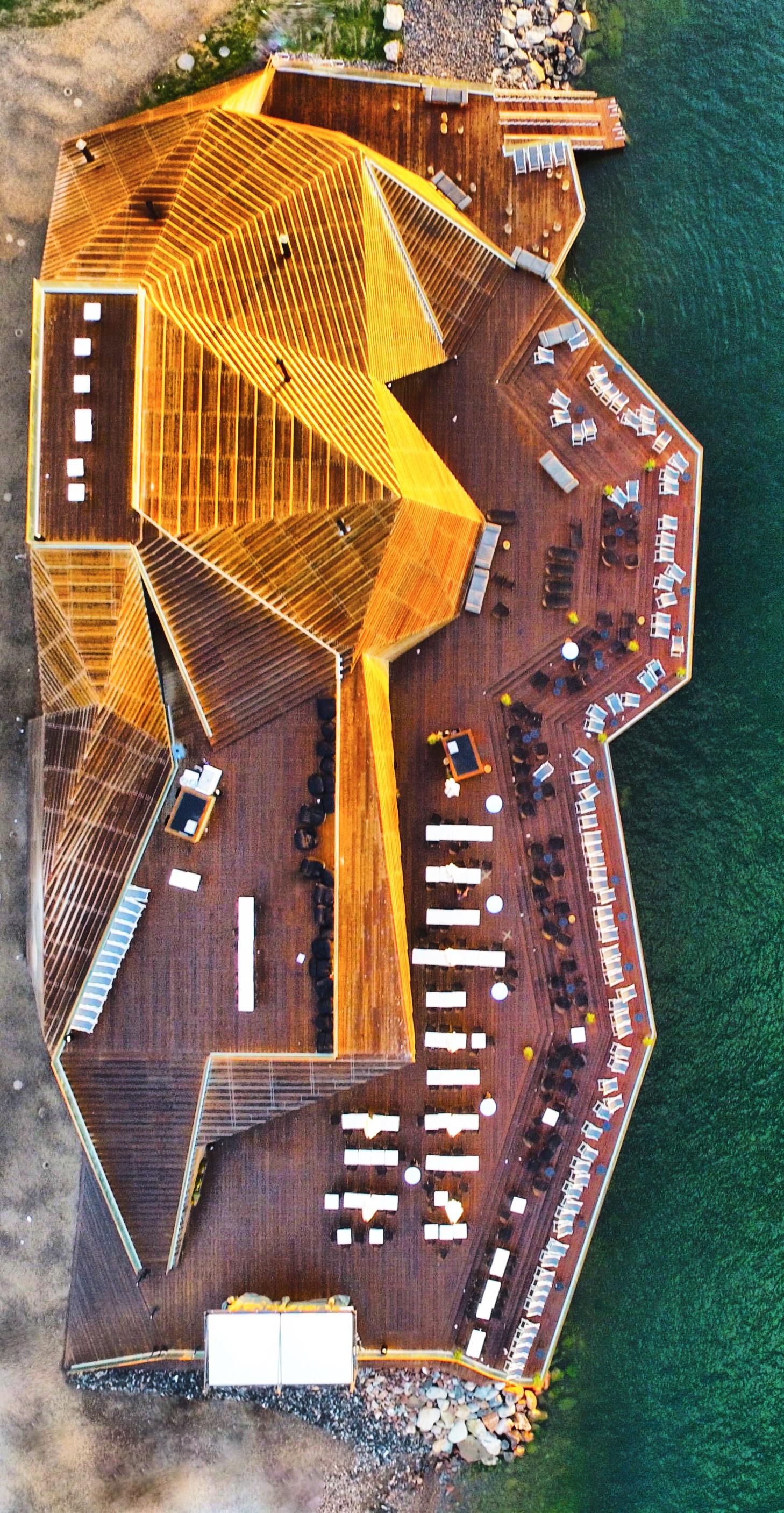
Credits: Daniel TaipaleSee iconic Finnish architecture and designFrom Helsinki to Lapland, Finland is a magnet for architecture lovers who want to explore everything from old wooden churches to works by famous architect Alvar Aalto and beyond. Helsinki’s newest design icons, like the Oodi Library, Amos Rex Museum and Löyly Sauna, have been featured in publications the world over. In Finland, even visiting a small-town library can give a design aficionado a thrill (like the new Fyyri library in Kirkkonummi!). Most of these places are best experienced in person, as many Finnish architects showcase the interplay between ever-changing light and nature.

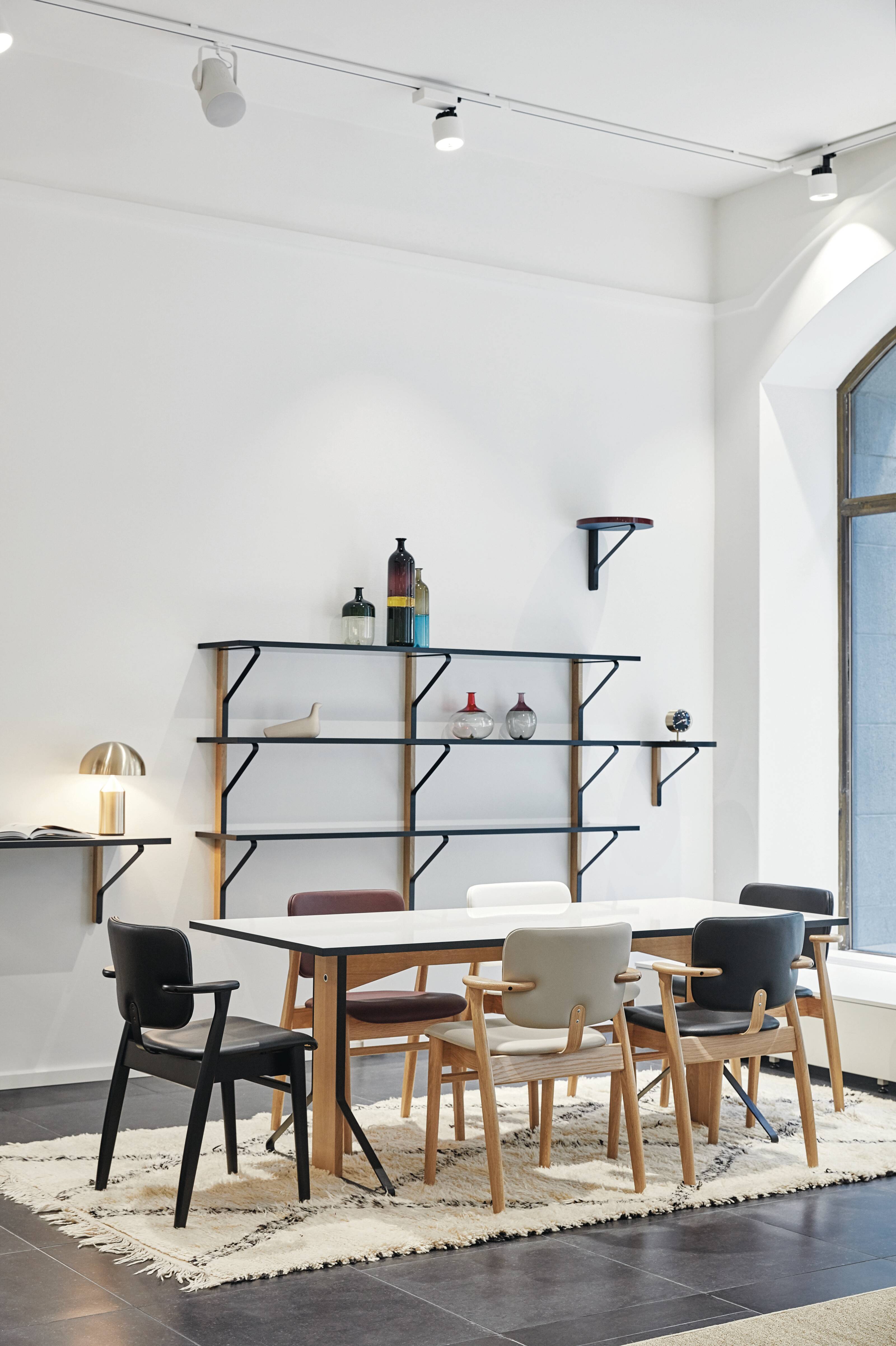
Along with architecture, Finnish modern art and design also derive inspiration from nature. A design lovers must-see list should include iconic Finnish stores like Artek, Iittala and Marimekko, but the capital is also a perfect place to discover future design classics.

b4s2n
Löyly is one of Helsinki’s most famous public saunas and has become an iconic example of wooden architecture. Credits : Joel Pallaskorpi / Royal Restaurants

o0f4e
Celebrated Finnish designer and architect Alvar Aalto designed the Aalto vase in 1936. This Iittala-produced vase is still a staple of modern Nordic design.

sarvl
You’ll find classic Artek furniture – from shelves to tables – in many Finnish homes, public spaces, and offices.

Credits: ArtekMeet the real Santa ClausMany people know Santa comes from Finland. What some don’t know, however, is that it’s possible to meet him in person all year. Yes, Santa’s official office, which is located in Rovaniemi in the Arctic Circle, is open every day! There, both children and adults can enjoy a private chat with Father Christmas and revel in the enchanted atmosphere. Grab the kids – or your inner child – and have the experience of a lifetime.

zatcg
Breathe the world’s cleanest airOne of the best things in all of Finland is invisible, abundant and totally free. Just take a deep breath! In all seriousness, the air quality in Finland is the best in the world according to data from the World Health Organisation (WHO). Go for a walk by a lake or through the forest or simply rest on a smooth rock by the sea. Take in Finland’s gorgeous surroundings and breathe.

tzry1
According to WHO data, the world’s cleanest air has been measured at Pallas, Lapland.

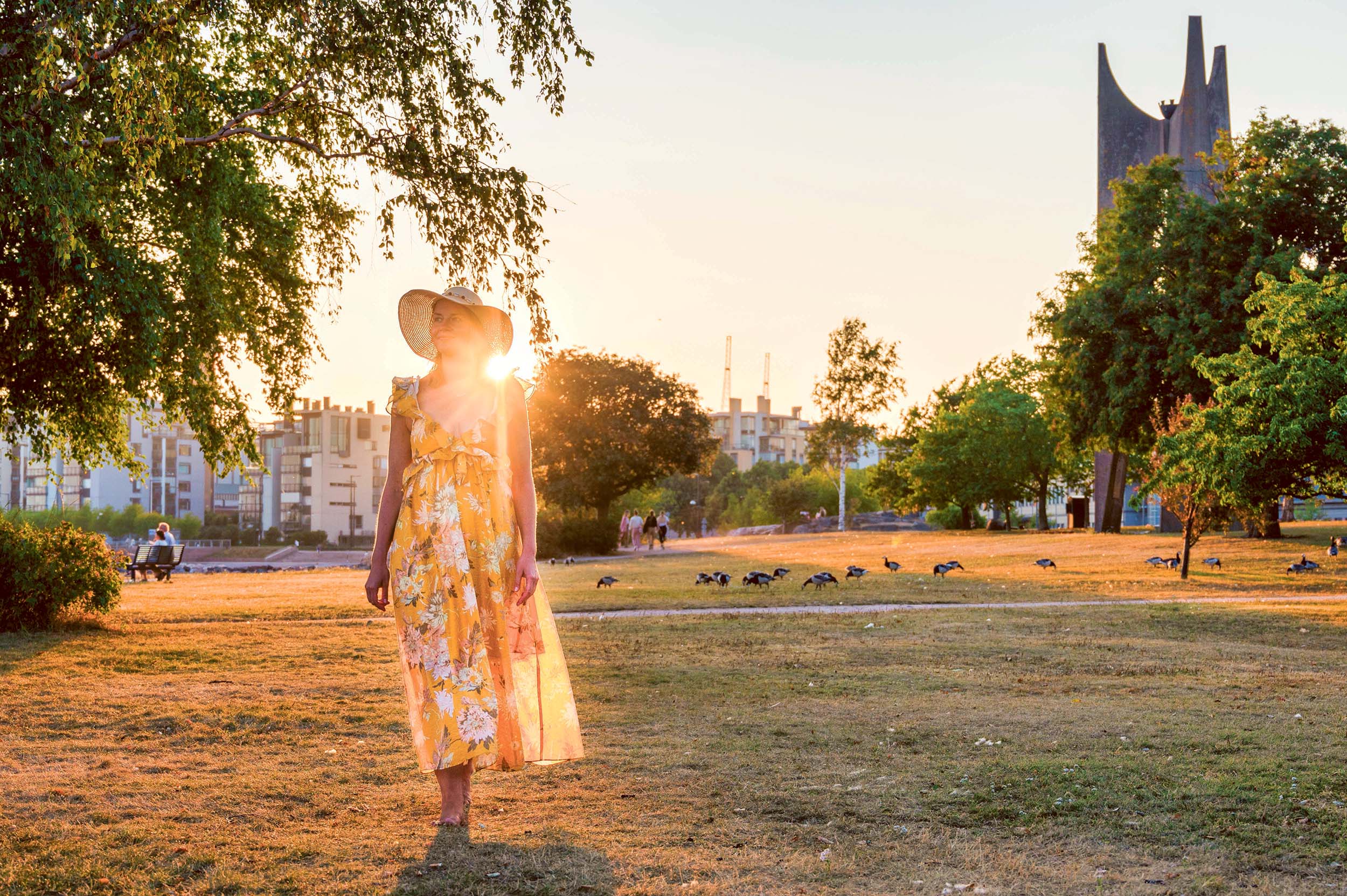
Credits: Eeva MäkinenCelebrate under the Midnight SunPerhaps the most Finnish celebration of all is Midsummer, which takes place at the end of June. Originally a celebration of the summer solstice, it’s typically spent with friends and family at a summer cottage away from the city. Lighting bonfires and bathing in saunas are two of the most common traditions, but some choose to spend Midsummer in the city, where young people have recently revived the open-air Midsummer dance tradition.

Even outside of Midsummer, the white nights of a Finnish summer are perfect for celebrations, parties and festivals – and Finns tend to make the most out of their short summer season.

bv8mz[……]

Read more

Top 5 unmissable tourist attractions in Egypt

Ever wondered what the top tourist attractions in Egypt are? The ‘Land of the Pharoahs’, Egypt is an eternally popular travel destination. Not only is it the birthplace of one of the world’s most enigmatic and ancient civilisations, but Egypt is also a land of epic landscapes and captivating culture. On the one hand, you have jaw-dropping archaeological sites. On the other, you have the flowing waters of the Nile and the abundant beaches of the Red Sea. An all-round great destination, plan your trip to Egypt today and get inspired with these Egypt sightseeing highlights!

Pyramids of Giza

rpfc3
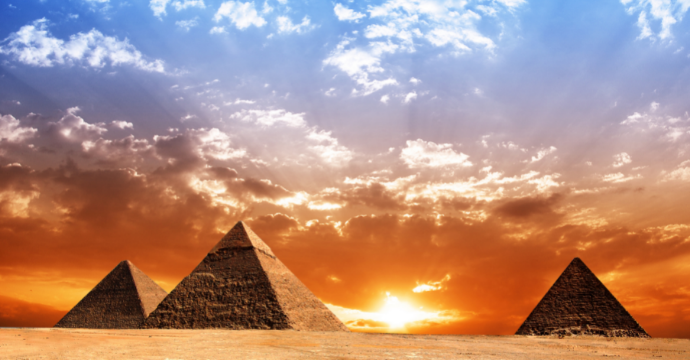
One of the 7 Wonders of the World, the Pyramids of Giza have inspired many of our imaginations since we were children! Standing on the Giza Plateau, not far from Cairo, these three pyramids hold the keys to our understanding of Ancient Egyptian civilisation. Of course, it’s simply unthinkable to travel to Egypt without visiting the Pyramids! Guarded by the mysterious Great Sphinx, the pyramids are the tombs of three famous Egyptian pharaohs: Khufu, Khafre and Mycerinus. Dating back to Egypt’s Old Kingdom era, the pyramids are around 4,500 years old.

Visiting the Pyramids from Cairo is simple, with a number of transport options linking the capital with this wonder of the world. Once there, visitors can even venture inside each of the pyramids. A vast network of tunnels, walkways and rooms can be found within the pyramids and a guided tour is a great way to understand the hidden meanings and history of these incredible monuments. Undoubtedly, an adventure of a lifetime and the best tourist attraction in Egypt!

Karnak Temple

askze
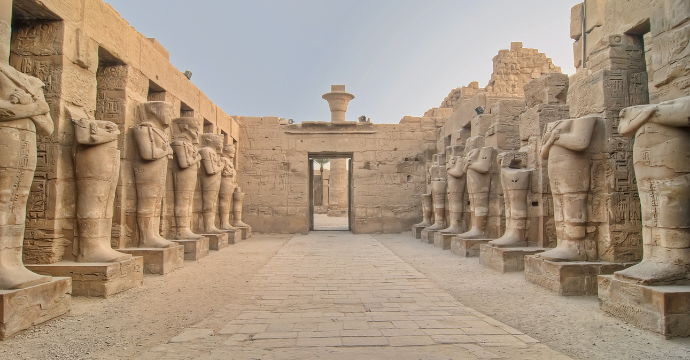
Constructed between the Twelfth and Twentieth Egyptian Dynasties, Karnak Temple is a sight to behold! Situated in Luxor (once the capital city of Thebes), Karnak Temple is thought to be the largest religious building ever constructed. Furthermore, it was a cult temple, in honour of the Egyptian gods of Amun, Mut, and Khonsu. Karnak Temple is in fact a collection of temple buildings. Today, the remains of this vast complex include decayed temples, pylons, chapels, and other buildings. A key Egyptian sightseeing spot, visiting Karnak is the first step in understanding the complex belief systems of Ancient Egypt.

Conveniently, the complex is divided into three sections: the precincts of Amun, Mur and Khonsu. In this way, the Ancient Egyptians would visit the section of the god that they particularly wanted to honour on any given day. Today, you’ll find the most spectacular sights within the Amun precinct, such as the famous Great Hypostyle Hall.

Valley of the Kings

fxug7
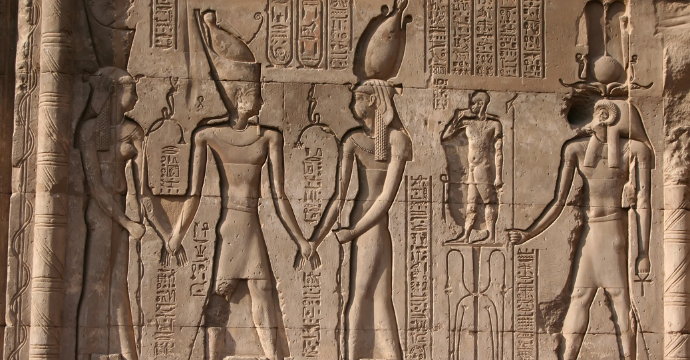
Shrouded in mystery, the Valley of the Kings is famously the resting place of Tutankhamun. With the discovery of his tomb in the 1920s, the Valley of the Kings became a focal point for interest in Ancient Egypt. Sightseeing in Egypt would be incomplete without visiting this ancient necropolis. The burial location of various high-ranking nobles and pharaohs of the New Kingdom, the Valley of the Kings contains 62 known tombs at present. Explore these spooky tombs reveals the complex burial techniques and afterlife beliefs of the Ancient Egyptians. Decorated with impressive paintings and hieroglyphs, these ancient tombs are like a window into a lost world.

Located on the west bank of the Nile, the Valley of the Kings can be easily reached from nearby Luxor. Furthermore, if you take a tour of the Valley of the Kings, you’ll likely gain access to three tombs, more than enough to spark your imagination and transport you back to the days of Ancient Egypt. Alternatively, access to the famous tomb of Tutankhamun can also be arranged.

Abu Simbel

2rpmx
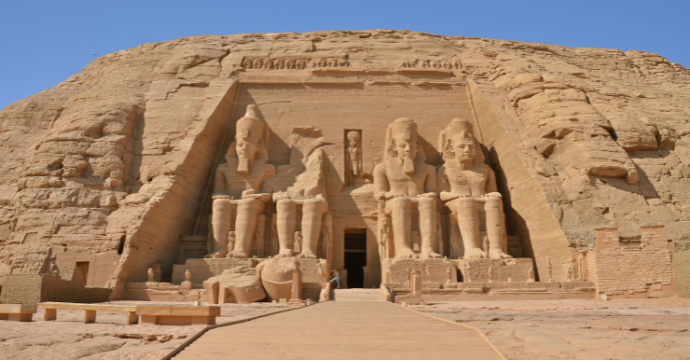
Built by Egyptian king Rameses II, the temples of Abu Simbel are located in Aswan. Dating back to the 13th-century BC, Abu Simbel is one of the most striking tourist attractions in Egypt. Originally carved out of the mountainside, towering figures of Rameses II guard the entrances, accompanied by smaller statues of his immediate family. Interestingly, it took around 20 years to complete these gigantic statues! In the interiors, you can admire the complex triangular layout of temple rooms and chambers. Furthermore, if you visit Abu Simbel in the evening you can watch the nightly sound and light show.

Egyptian Museum

jdfyh
One of the most famous museums in the world, the Egyptian Museum is one of the top tourist attractions in Egypt. Located in Cairo, this extensive collection houses the largest treasure trove of Pharaonic antiquities in the world! Indeed, if you want to delve deeper into the beliefs, cultures and art of Ancient Egypt, this is the place to go! Of course, as the oldest archaeological museum in the Middle East, the Egyptian Museum contains many invaluable artefacts. Highlights include statues of the great kings Khufu, Khafre, and Menkaure and extensive collections of papyri, sarcophagi and jewellery.[……]

Read more

Fun Times in Finland

The flight to Helsinki, the capital of Finland, was only around two and a half hours. I spent that time finishing up some Theology homework and thinking of all the fun things my friend and I would do once at his hometown. The entire plane ride felt like 20 minutes thanks to a combination of doing homework and trying to figure out the Finnish words the captain would occasionally say over the intercom. Going into Finland, I only knew two words: “Kiitos,” which means “thank you,” and “Perkele,” which means “devil.”

Once at the airport, I tried to find a place to sleep. I was a little anxious that some of the people at the airport wouldn’t speak English, but I mustered up the courage and confidence to ask a person at a flight connection kiosk. She told me, in perfect English, that I could sleep in the area right beside the kiosk, which I am fairly certain was specifically designed for layover passengers. I thanked her, then made my way around the corner to the rest area.

ntzdz
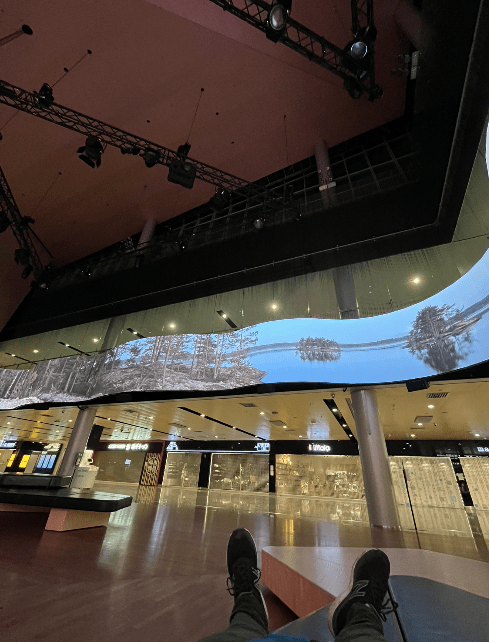
An immersive place to spend the night…

The layover room was immaculate: it was a giant room filled with speakers that played nature noises at a peaceful volume with a 360º LED display of the Finnish wilderness above my head. There were padded benches for passengers to lie on as they waited for their next flight. As the different displays and nature noises echoed as background noises and lights, I passed out hugging my backpack, which contained everything I had brought for the trip.

e92po
Nordic themes abound! And not another soul in sight!

lr4p5
This reminded me of a wasp nest…

plmqe
Santa wasn’t home…

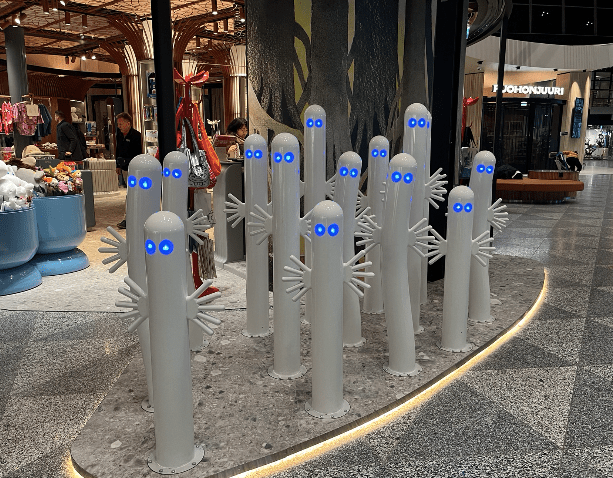
I awoke a few hours later to an empty terminal. Nobody had disturbed me during my slumber, and I am confident that there weren’t even any night guards patrolling the place. The lights and sounds of the layover room had been shut off, mostly because it was still late at night. As I walked around the terminal, I passed by a Moomin Cafe (Moomin is basically the cartoon “mascot” of Finland), got jumpscared by the floor escalators roaring to life for the day, walked into a Santa House for tourists (apparently in much of Europe, many middle and upper-class families will fly to Finland to “see Santa” as that is where the parents tell the children where he lives), and saw a self-serve pizza machine. After loitering around and admiring the Nordic themes of the terminal, I decided to finally go through border patrol.

41suq
Horrifying creatures staring into my soul at 4:30am

Going through border patrol was a bit awkward: typically, most international travelers would go through customs first and then find another place in the airport to sleep. The lady at the kiosk that I had talked with previously said that it was fine if I stayed the night in the terminal even though I would not have my passport stamped until the morning. Since no flights had arrived for a solid seven hours since I arrived, I was the only person in the massive passport and security room. There was only one passport kiosk open, and the burly Finnish border guard looked at me with confusion as to why I was the only passenger at going through security at 5am. Even though he stamped my passport after I told him my reason for visiting, I could see the skepticism in his eyes as he continued to gaze at me as I walked past the checkpoint.

vojbr
my first meal in 12 hours

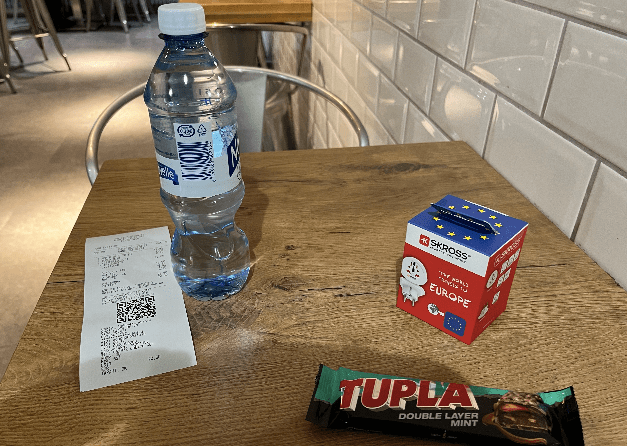
So nutritious!

My layover in Helsinki was 10 hours in total, and I had another connecting flight to Kajaani airport that morning. I had gotten the only flight into and out of the regional airport during my stay, so I prayed to God that there would be no delays. As I waited, I realized I had forgotten my charging adapter in Dublin for my phone. So, at 6:30am, I bought an adapter along with a Finnish protein bar and water to act as my breakfast for the day.

kxs46
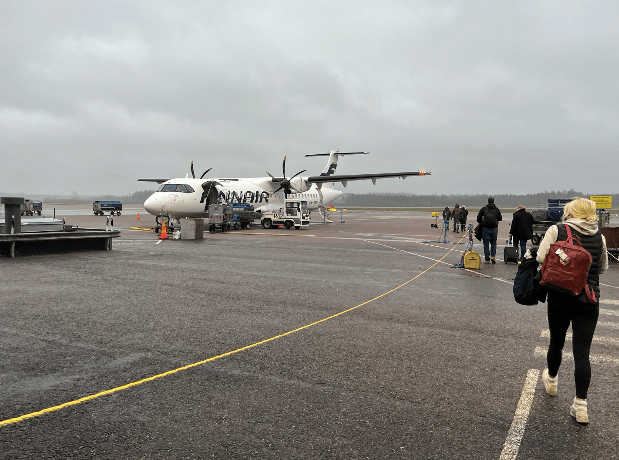
This was the first time I was outside of the airport building in Finland. It was cold, to say the least.

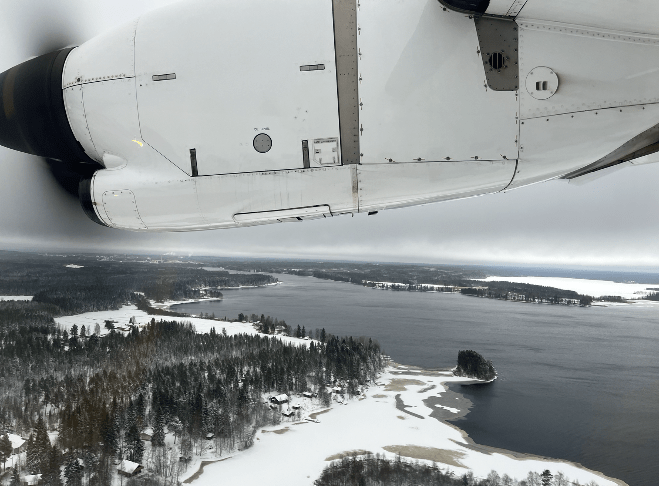
Shortly after eating my “scrumptious” travel breakfast, I heard the roar of a prop plane’s engines pulling into my gate. It was also my first time traveling on this type of plane, and I got a window seat right next to the beautiful fan blades. There were around 15-20 people total for the entire flight, which I expected for a flight that was heading towards a town in the middle of the Finnish wilderness. The small-ish regional plane took around five minutes total from gate push-off to getting in the air to my flight to Kajaani, which was by far the fastest I’d ever experienced such a turnaround. I fell asleep for most of the one-and-a-half-hour flight.

khvjt
My first thoughts of Finland was that it reminded me of a flatter Colorado.

Five minutes before landing, the captain played a pre-recorded message in both Finnish and English saying that the plane would be landing soon. As I peered out the window, a massive lake appeared with its surroundings covered in six inches of freshly fallen snow. As the plane landed on the regional airport’s only (and snow-covered) runway, I took a deep breath of Kajaani’s fresh air. The entire airport building was no bigger than a typical American McDonald’s, and it had the city crests of Kajaani and all the nearby settlements in Finland’s Kainuu province. I texted my parents that I had landed safely and that the Finnish town gave off a vibe similar to that of Colorado. After waiting for twenty minutes in the five-seat large waiting room, I heard a whistle from just outside the doors. My friend and his mother had come to pick me up in their silver Mercedes-Benz, and thus I departed the airport and towards a weekend filled with fun and adventure.[……]

Read more

The best time to visit Argentina

As you might expect from a country that stretches across 2,360 miles (3,800 km) of land, Argentina is more than a tad diverse. Think lush, subtropical rainforests sitting alongside ethereal blue glaciers as well as snow-capped mountains sprinkled with ski resorts, and grape-dappled valleys. As you can imagine, the climate varies wildly in each of these landscapes and is very much dependent on the time of year you choose to travel. This useful guide contains everything you need to know about the best time to visit Argentina for you.

oss3g
December – February

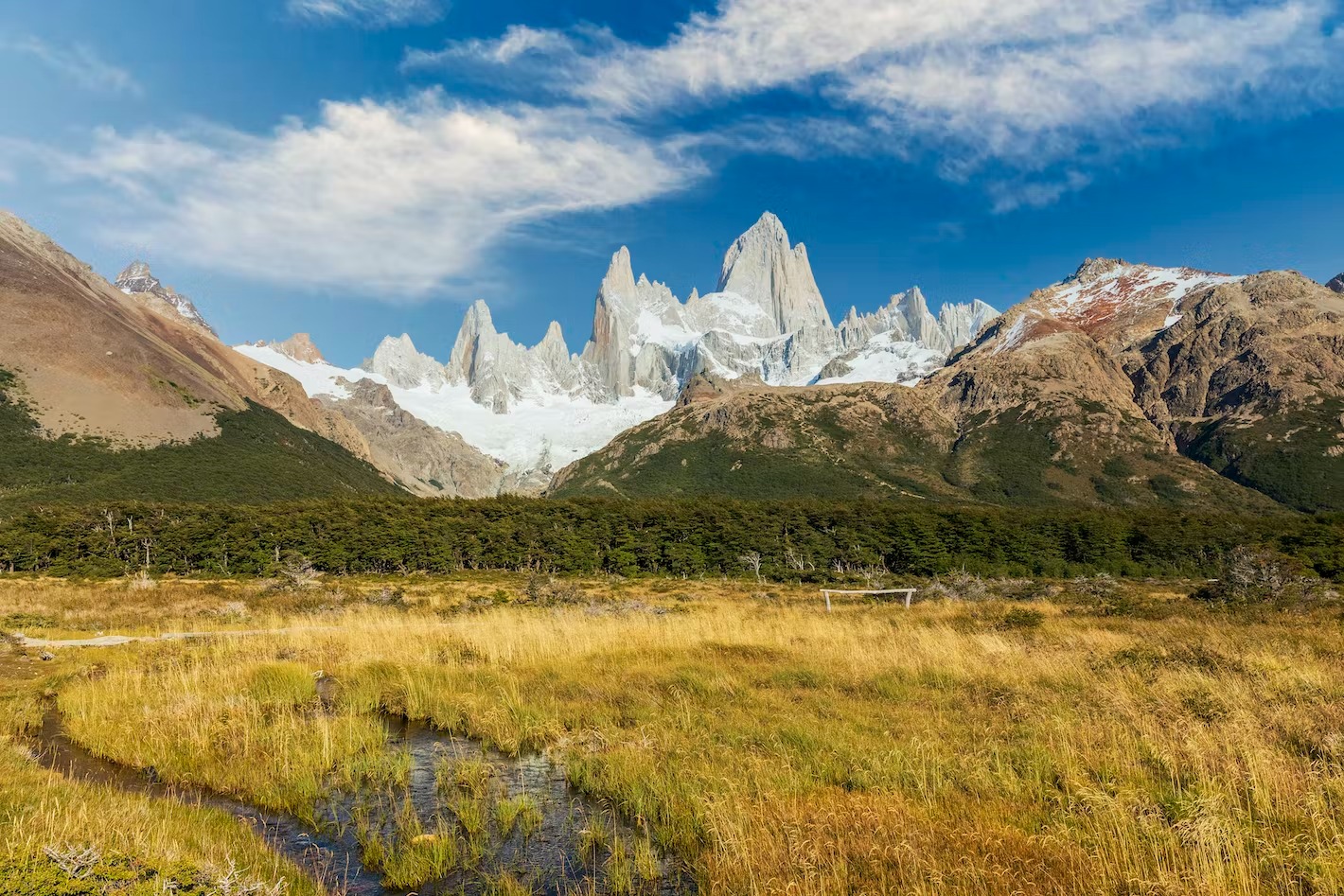
This is Argentina’s summer and whilst you might assume that it must be the best time to explore, it’s only partly true in Argentina. Let’s start with the good – for those longing to get stuck into the breathtaking Argentinian Patagonia, make a journey to ‘the end of the world’ (Ushuaia & Tierra Del Fuego), and trek the jagged slopes of El Chalten, this is when you need to travel. Here, the bitter winter weather has retreated and daily temperatures are a balmy 18°C. It’s also much safer for trekking and climbing, and local businesses are open and ready to welcome visitors. Sitting so far south, you’ll also experience those gorgeous, long days where you can make the most of every last atom of sunlight.Our adventure to the ‘end of the world’ trip is perfect for those looking to take in everything southern Argentina has to offer. You’ll begin with a little art and culture in the capital before ticking off the glaciers of El Calafate and El Chalten and journeying down into the depths of Ushaia, the world’s southernmost city.If you don’t mind the heat, Buenos Aires is still manageable at this time of year but be warned that it can get a little hot and sticky. The same can be said (and then some) for the country’s north, where the subtropical climate can peak at over 35°C – not for the faint of heart.

8gqvk
March – May

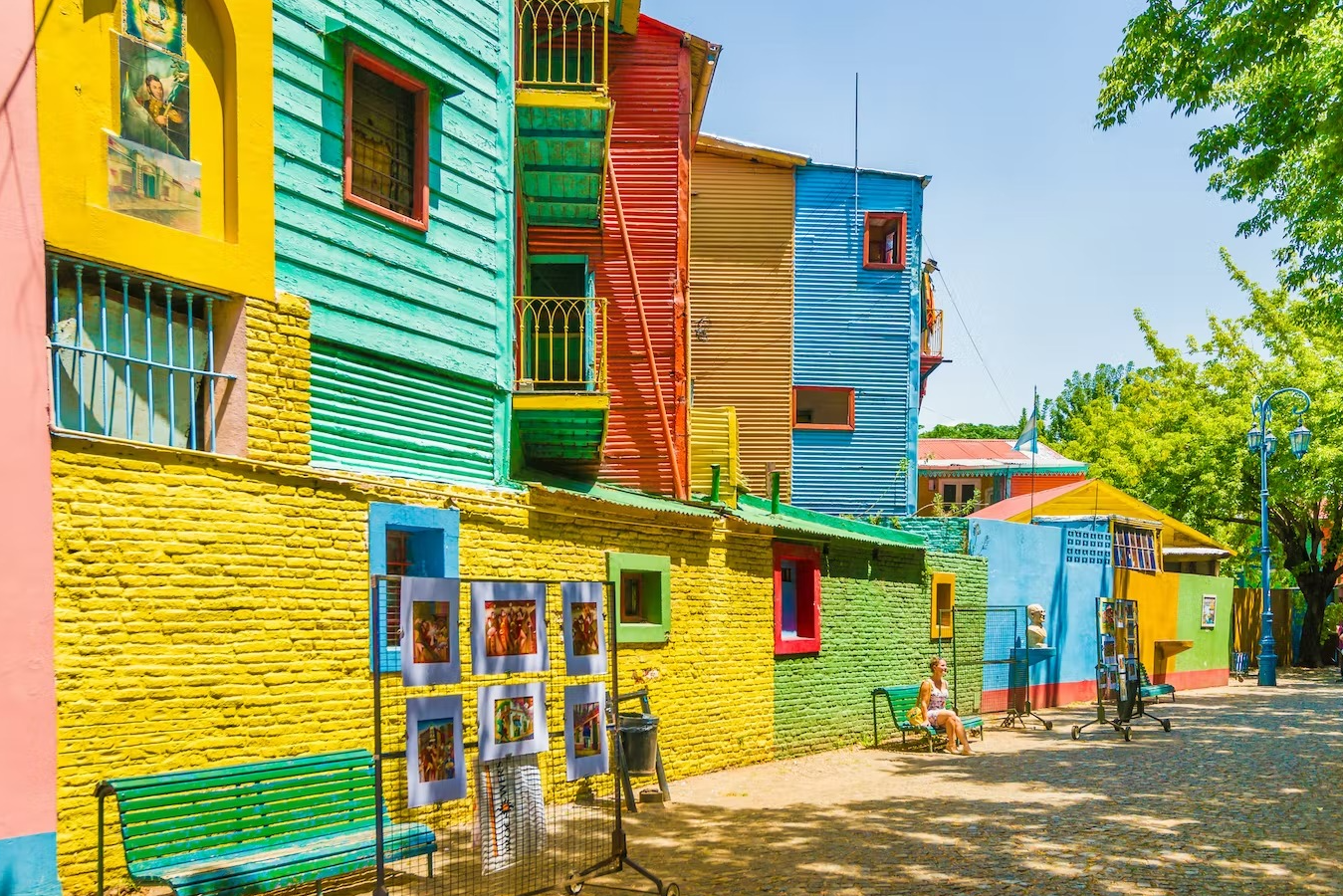
Autumn in Argentina is an all-round winner. The temperatures have cooled slightly, making the northern and central regions more bearable, and the deep south hasn’t yet reached its freezing winter, allowing plenty of time to explore. Buenos Aires is beautiful at this time of year and without the stifling heat, you can really pound the streets and explore everything that’s on offer. Also in the central region, Mendoza is picture-perfect in autumn. Visit now to see the leaves of the trees turning from golden to red in a display that could give New England a run for its money. The temperature is also delicious – think warm, sunny days (ideal for wine tasting and exploring vineyards), but a little chilly at night allowing for roaring fires and a good red.In the north, it’s not as wildly hot as the summer months but the subtropical climate means it’s still quite humid all day long. It’s a good time to explore Patagonia but the weather isn’t as predictable in autumn, so it can be a little hit-and-miss.With the weather being peachy just about everywhere, this is a great time of year to take in our highlights of Argentina trip. You’ll whizz from the top to the bottom, visiting just about every epic sight the country has to offer, including the falls of Iguazu, the vineyard-lined mountains of Mendoza, and the peaks in the deep south.

eherq
June – August

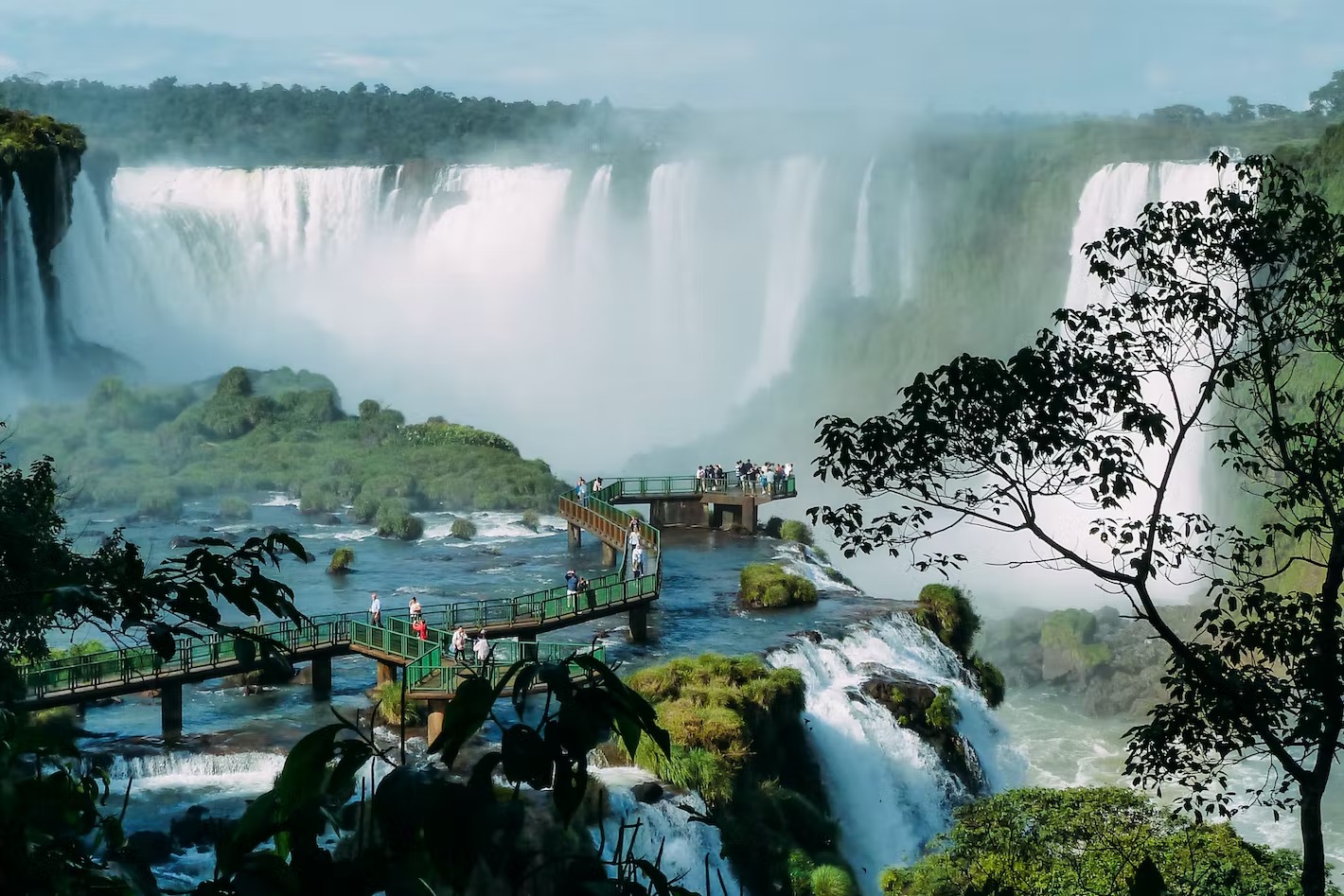
You might not think you want to visit a country in its coldest season (especially if you’re leaving summer behind at home), but Argentina in winter is quite magical. Winter travel often means snow and skiing – and happily, Argentina has a lot of both! You might have explored the slopes of North America and Europe, but a ski session in the Andes is really quite something – where else can you slip off the slopes and into a restaurant serving some of the world’s best steak? Those who want to see Argentina’s tropical north but don’t want to face the summer’s heat should consider a winter trip too. The rainforests aren’t quite as stifling and Iguazu Falls will be much less crowded than at other times, meaning no jostling in the crowds for the top spots.Pair our secrets of Argentina’s north trip with a spot of skiing for an adventure unlike anything you’ve experienced before. Begin by hitting the slopes, before making your way through the vineyards of Mendoza to the pink mountains of Salta and Iguazu Falls, and of course, with some time in beautiful Buenos Aires.The only spot we really couldn’t recommend in the winter months is the south. Cold weather makes hiking through this region dangerous, and most business shut up shop due to the inclement weather.

vzsjd
September – November

Spring across the world is lovely and Argentina is no different. Much like the autumn months, this is a great time to visit just about anywhere in the country. The central and northern regions aren’t as sticky and humid as they are in the summer, resulting in comfortable explorations without the stifling heat. Mendoza is as lovely as always in spring; not only are the vines green and fresh but colourful flowers are popping up in abundance – you’ll be hard-pressed to find a dreamier spot to sip on local wine. In the far south, the weather can still be unpredictable, but it’s an amazing time for wildlife lovers who can expect penguins, whales, and seals in their droves. Argentina’s Lake District might not be as well-known as the country’s other regions but if you are looking to visit, now’s the time to go – in spring it’s resplendent with blooms and tangled wildflowers.Our natural highlights trip is twinned with Chile and ideal for those looking to take in the best of Mother Nature in both countries. You’ll travel from the falls of Iguazu to the wine valleys of Mendoza and the mountains of Bariloche in Argentina, to Chile’s Lake District and the iconic peaks of Torres Del Paine. Lovers of mindblowing topography will be in awe.[……]

Read more

THINGS TO KNOW BEFORE YOU TRAVEL TO EGYPT

If you are planning a trip to Egypt, there is no doubt that you have a lot of questions. Should you hire a guide? What places should you visit? What do you need to pack? And the most popular question of all…is Egypt safe to visit?

we visited Cairo, Giza, Luxor, Abydos and Dendera, Aswan, and Abu Simbel. For various reasons, we chose to drive along the Nile River from Luxor to Aswan, rather than taking a cruise, which I will address in this article. We learned a lot during our visit and have a lot of valuable information to share with you.

Since arriving home, we have received an overwhelming number of emails about safety and the expectations of a trip to Egypt. Tim has been answering these questions in great detail and we decided that it would be worth writing an article with answers to all of your questions.

Here are our Egypt travel tips. If you still have questions, let us know in the comment section at the end of this post.

WHERE SHOULD YOU GO?

Egypt contains some of the oldest, grandest sites in the world. Sure, everyone is familiar with the great pyramids on the Giza Plateau, but there is a lot more to Egypt than just the pyramids. The lesser known and more fun to visit pyramids in Saqqara and Dahshur are well worth the day trip from Cairo. You can also spend a day or two visiting the churches and mosques in Cairo, walking through Old Cairo, and getting a history lesson at the Egyptian Museum.

Alexandria, with its location on the Mediterranean Sea, makes a nice day trip from Cairo.

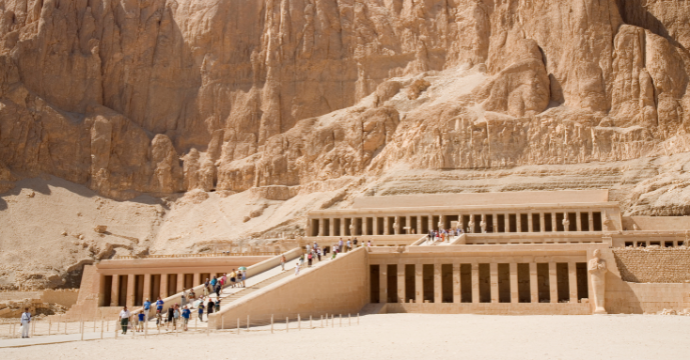
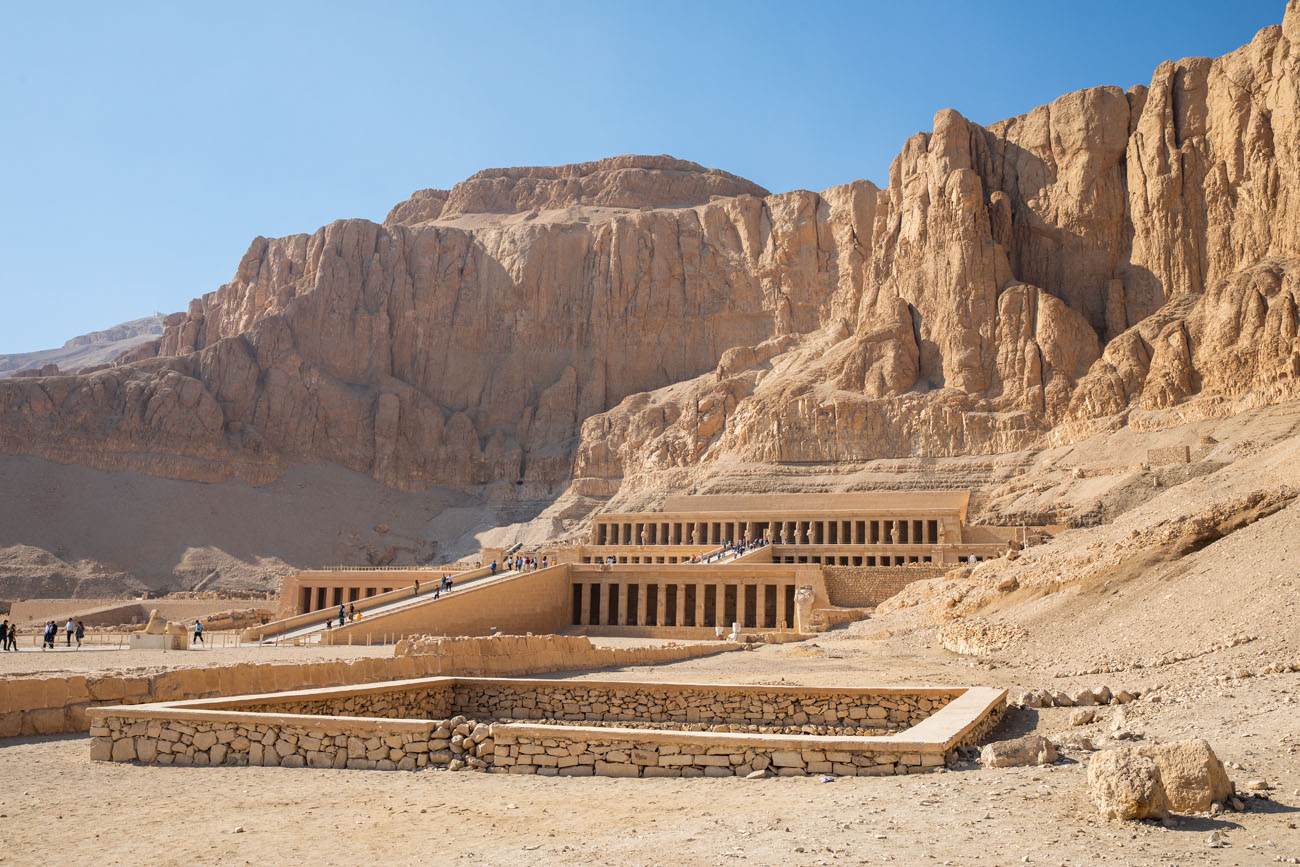
In Luxor, not only can you visit the exquisitely decorated tombs of the ancient kings and queens of Egypt, but there is also the enormous Karnak Temple and the Temple of Luxor. The West Bank contains so many tombs and temples that it takes days, yes days, to see all of them. It is one of the largest open air museums in the world.
rfhtp
Temple of Queen Hatshepsut on the West Bank of Luxor

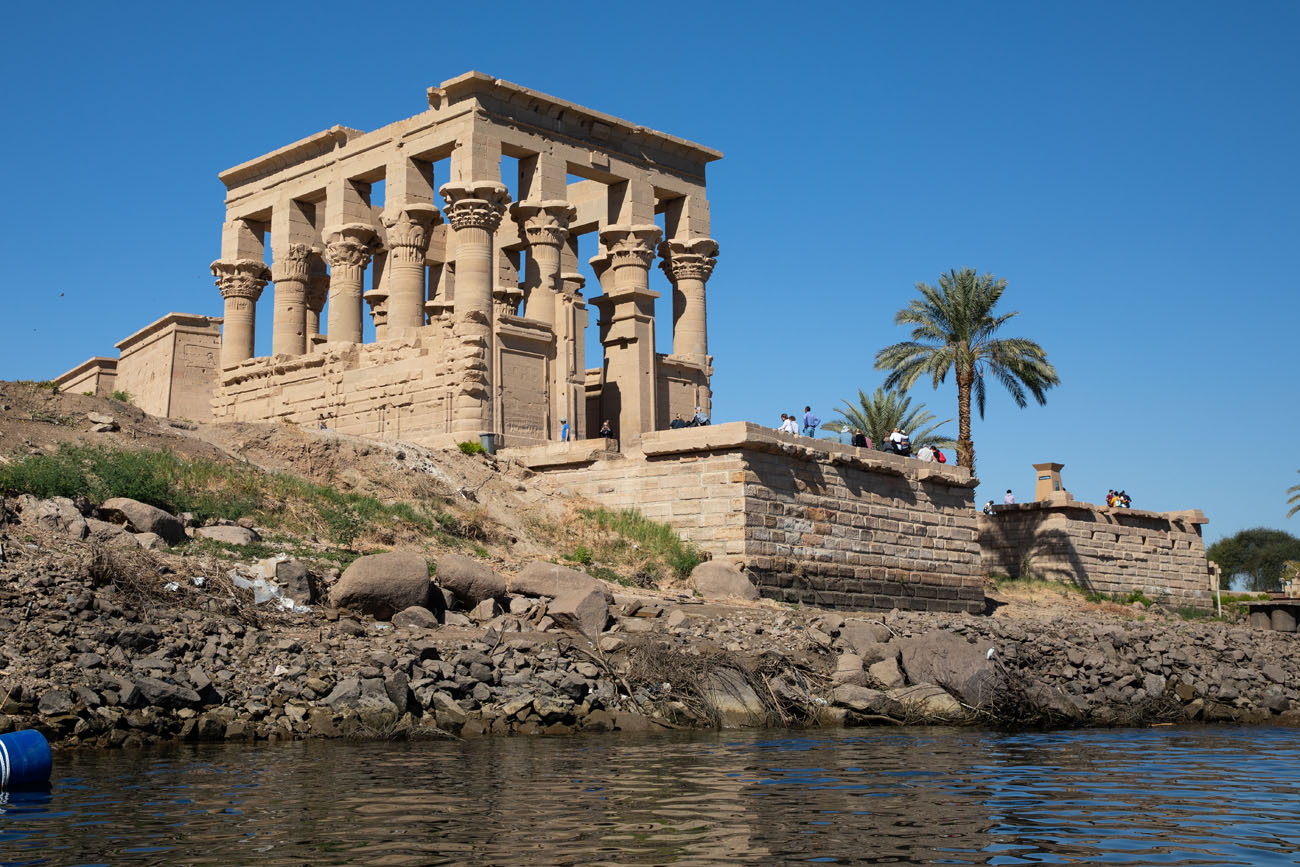
In Aswan, drift on the Nile in a felucca and visit the beautiful Philae Temple.
baj2p
Philae Temple

Abu Simbel, a temple that is located near the border with Sudan, is well worth the time. This temple is dedicated to the Ramesses II. In the 1960’s the entire temple, including the mountain of rock it was carved into, was painstakingly disassembled and moved to higher ground, as water levels rose after the construction of the Aswan High Dam.

Tim and Tyler at Abu Simbel

If you want some chill time, check out the opulent resorts in Hurghada.

Finally, add some adventure to your trip by visiting an oasis in the Sahara Desert.

We didn’t have enough time to get to everything on this list, so hopefully you’ll see us back in Egypt within the next few years to explore some new places.
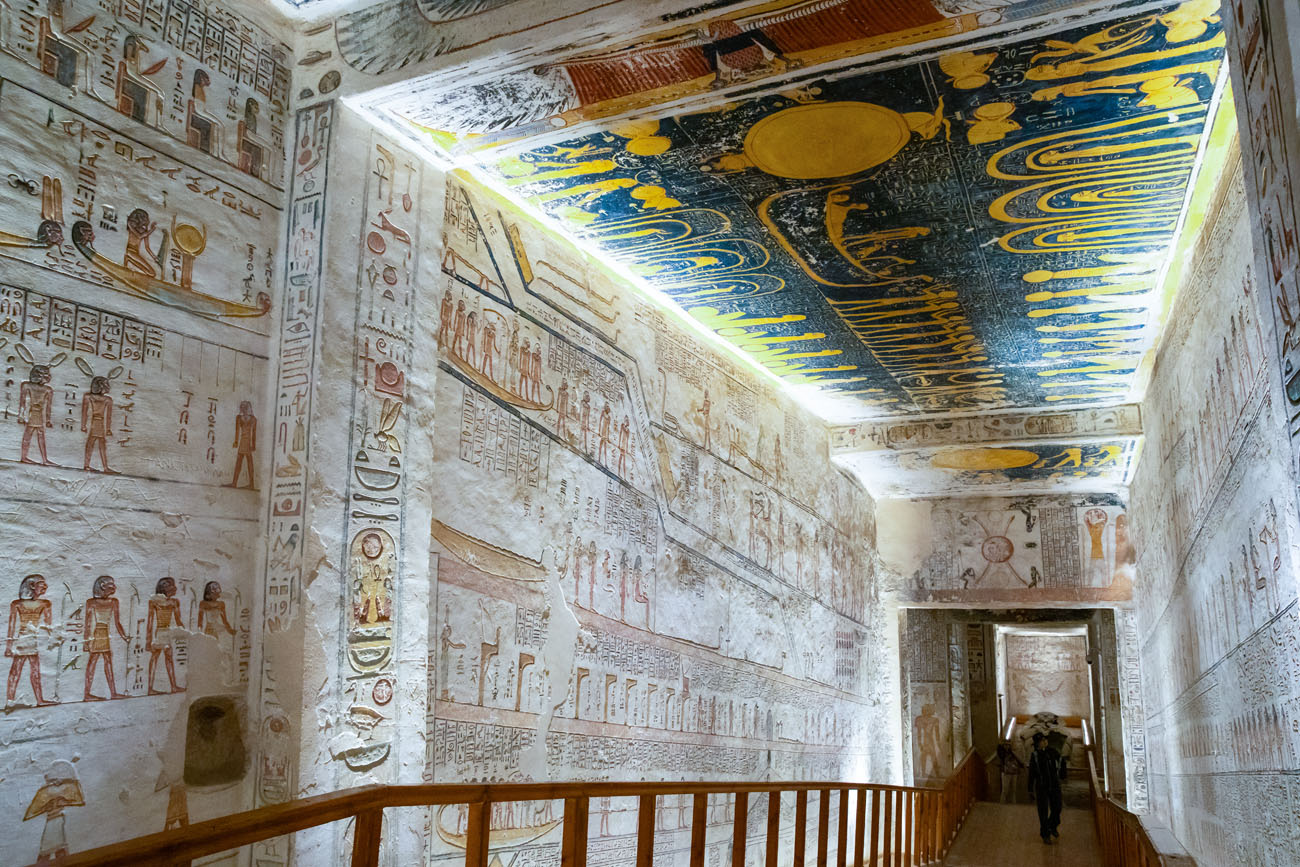
ihr5u
The tomb of Ramesses V and VI in the Valley of the Kings

WHEN SHOULD YOU VISIT EGYPT?

The best time to visit Egypt is the cooler months of the year: November through March. In the southern part of the country, at Luxor and Aswan, rain is unlikely. In Cairo, haze can be an issue in the morning during the winter months, so it’s best to time your visit to outdoor sites (such as the pyramids of Giza) to the afternoon hours. During the winter months, it can rain in Cairo and Alexandria.

Expect the biggest crowds in December and January.

During the summer months, temperatures can be oppressive. Temperatures can range from 40 to 55°C (104 to 130°F). In Luxor and Aswan, this is a dry heat, but up north around Cairo and Alexandria, the humidity can make the heat feel even worse.
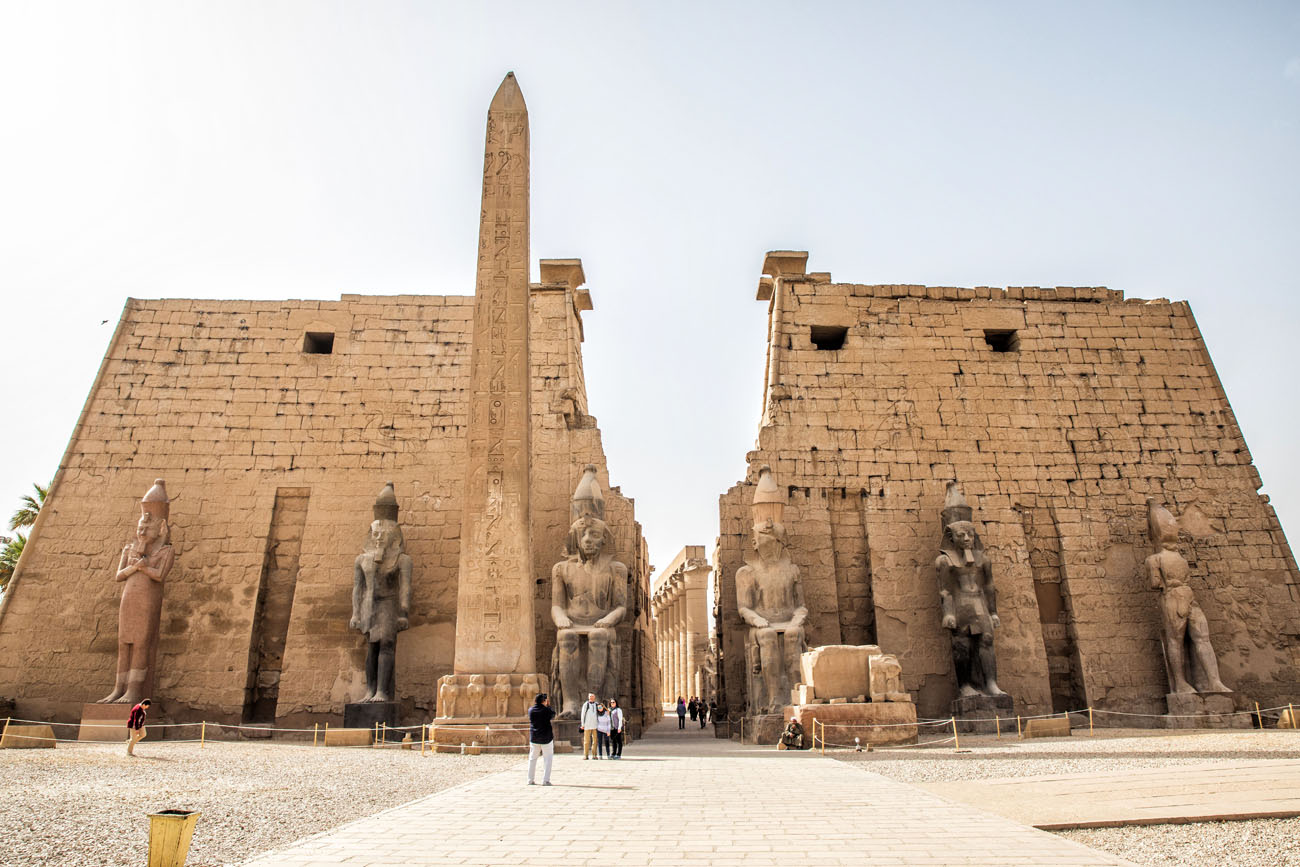
pmydm
Luxor Temple

VISA ON ARRIVAL

Most visitors to Egypt will need a Visa.

If you are a citizen of the USA, the European Union, Australia, New Zealand, Japan, Norway, Russia, and a handful of other countries, you can obtain a Visa on Arrival at the airport.

We recently received an update that Canadian citizens have to apply for a Visa with the consulate before arrival.

In the Cairo International Airport, just before passport control, there is a bank window where you will purchase your visa. It costs $25 USD and you will pay cash. Take the visa and your passport to passport control. The officer will add this visa to your passport and stamp your passport. It’s a very easy process.

SIM CARDS

If you want a SIM card for your trip to Egypt, there is an Orange kiosk in the Cairo International Airport (near baggage claim) that can provide you with a SIM card. The process is fast and relatively cheap. You will need to show your passport and make sure that your phone is unlocked before your trip to Egypt. We had great cellular service throughout Egypt with Orange.

We have also had very good luck using Airalo, which is a company that sells e-SIM cards, in various countries in Europe. You can purchase your e-SIM prior to your trip and activate once in Egypt. This saves you time, since you don’t have to buy a SIM card once you arrive in Egypt. We have not used Airalo in Egypt but our experience in Europe has been fantastic, even in more remote areas.
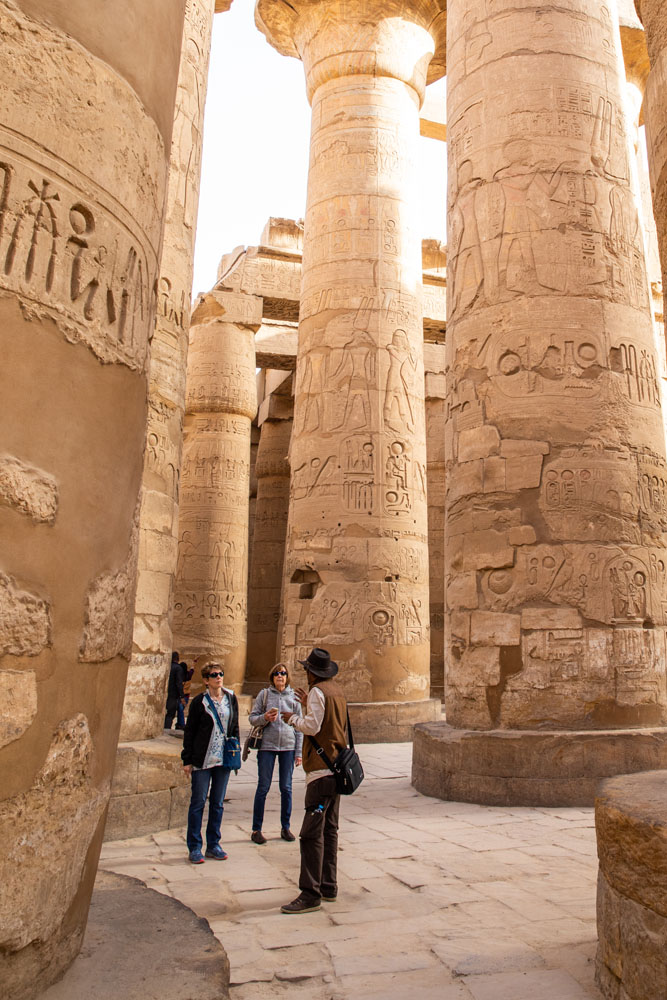
q1kjk
Inside Karnak Temple in Luxor

IS IT SAFE TO DRINK THE TAP WATER?

Do not drink the tap water, brush your teeth with the tap water, or eat uncooked foods that may have been washed with tap water (such as lettuce, uncooked fruits & vegetables, etc.). We used bottled water for drinking and to brush our teeth.

BRING YOUR OWN TOILET PAPER

The bathrooms at the tourist sites are not typically stocked with toilet paper, so it is a very good idea to bring some with you.

BE PREPARED TO TIP THE BATHROOM ATTENDANT

In Egypt, most bathrooms have an attendant, a person who keeps the stalls clean, provides a small amount of toilet paper, and hands you a towel to dry your hands (in some cases). It is customary to tip this attendant before or after you use the bathroom. It doesn’t have to be much, 5 EGP is sufficient. But small change can be hard to come by, so save this for when you need to use the bathroom.

BE PREPARED TO TIP… A LOT

There are numerous scenarios when you will be expected to tip for a “service” that was provided.

When visiting tombs and temples, the attendants will offer to take a photo of you. If you agree, you are expected to give him a small tip in return. If you take a photo of a camel or if you take a photo of a tomb attendant, you will also be expected to give a tip. After camel rides, felucca rides, etc., it is also expected that you will give a small tip at the end of the experience.

Tipping is always optional, but there is an expectation for it.

How much you tip depends on the service provided. For things like photos, we gave the person our spare change or 5 to 10 EGP. For tips after meals and things such as a camel ride, 5 to 10% of the price what you paid is customary.

Tipping is not expected but it is appreciated in restaurants.
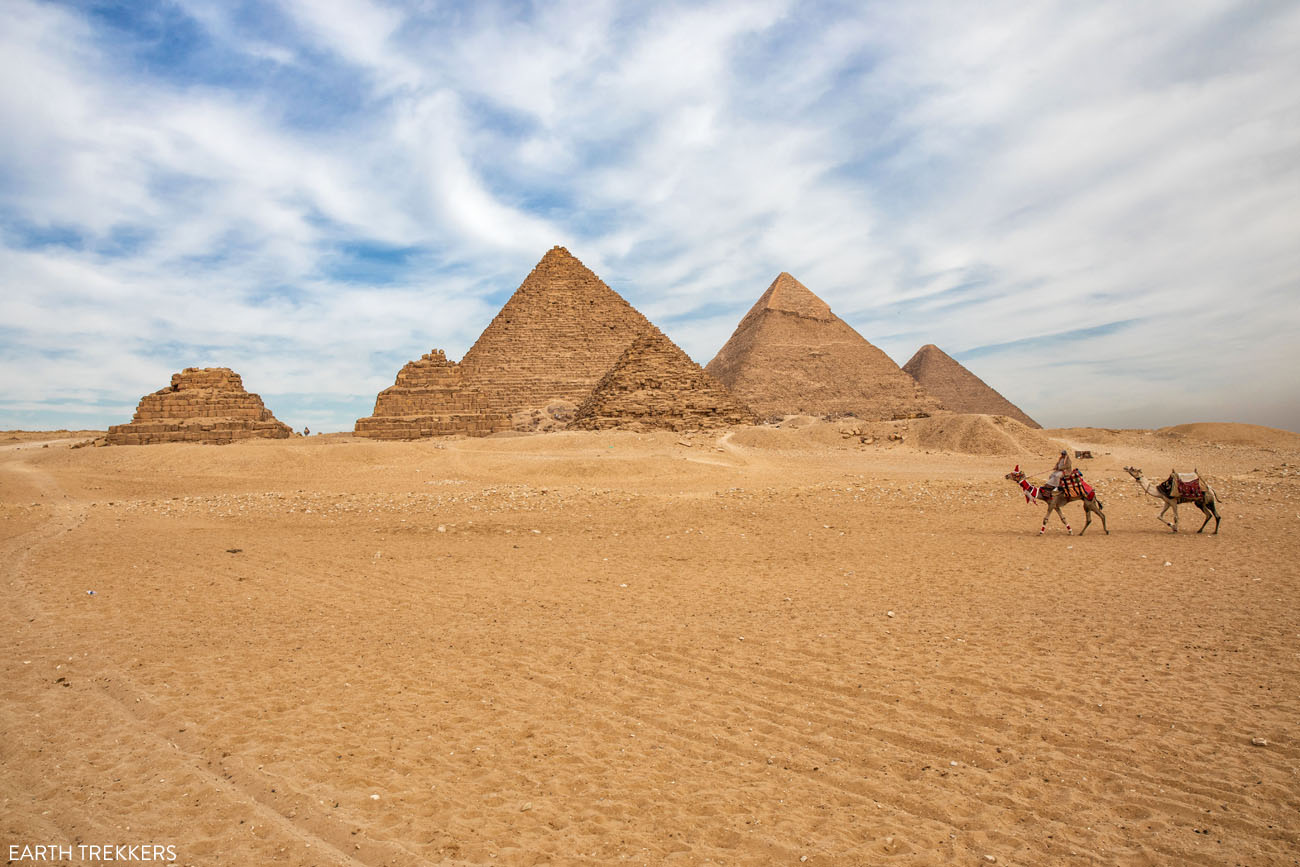
xdxns
Pyramids of Giza

USING CASH IN EGYPT

In Egypt, the currency is the Egyptian pound (EGP). $1 USD is equivalent to 31 EGP (as of January 2024).

Until 2023, all tourist attractions and activities needed to be paid for in cash. Now, attractions are only accepting credit cards. I still recommend having some Egyptian pounds, for tipping and to make purchases in markets, but visitors no longer need to carry huge amounts of cash.

We withdrew all of our Egyptian pounds from ATM’s in Egypt. There are ATM’s in the Cairo International Airport, so this is a great place to make your first withdrawal. Our hotels in Luxor (the Hilton) and Aswan (the Movenpick) had ATM’s and we used these every day to withdraw more money.

The maximum any ATM would ever allow us to withdraw per transaction was 3,000 EGP. On some occasions, we had to use the same ATM card multiple times in order to have enough cash for the day.
j9sne
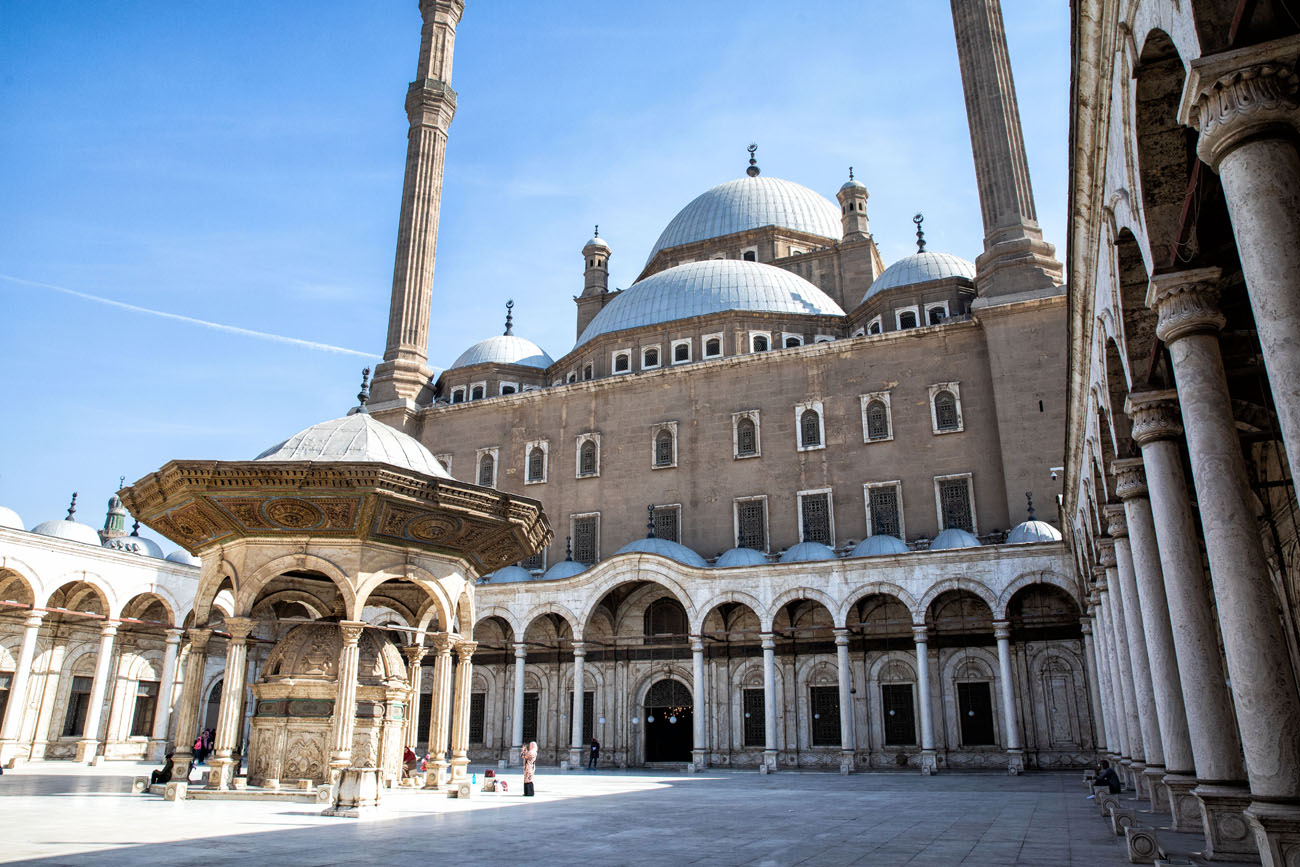
Mosque of Muhammed Ali in Cairo

DISCOUNTS ON ENTRY TICKETS FOR CHILDREN AND STUDENTS

If you are traveling with children, they might qualify for a discount ticket. One of our guides told us that at most tourist sites (museums, temples, tombs, pyramids, etc.), kids 5 years and younger can get free entry. Children ages 6 years to 12 years get a 50% discount. And those aged 12 to 30 can qualify for a student discount (50% discount) if they have a valid International Student Identification Card (learn more here).

You must bring the plastic card with you because a copy or a photo of the card is not typically accepted.

We did not know about this Identification Card before our visit. Tyler and Kara were 16 and 15 years old during our visit. Sometimes, the attendant would accept their passport as identification, but it didn’t always work so sometimes we had to pay full price.

If you are traveling with kids under the age of 12, it might be a good idea to bring a passport or another form of identification to prove their age. Some attendants were very strict with offering discounted tickets.
0oyc2
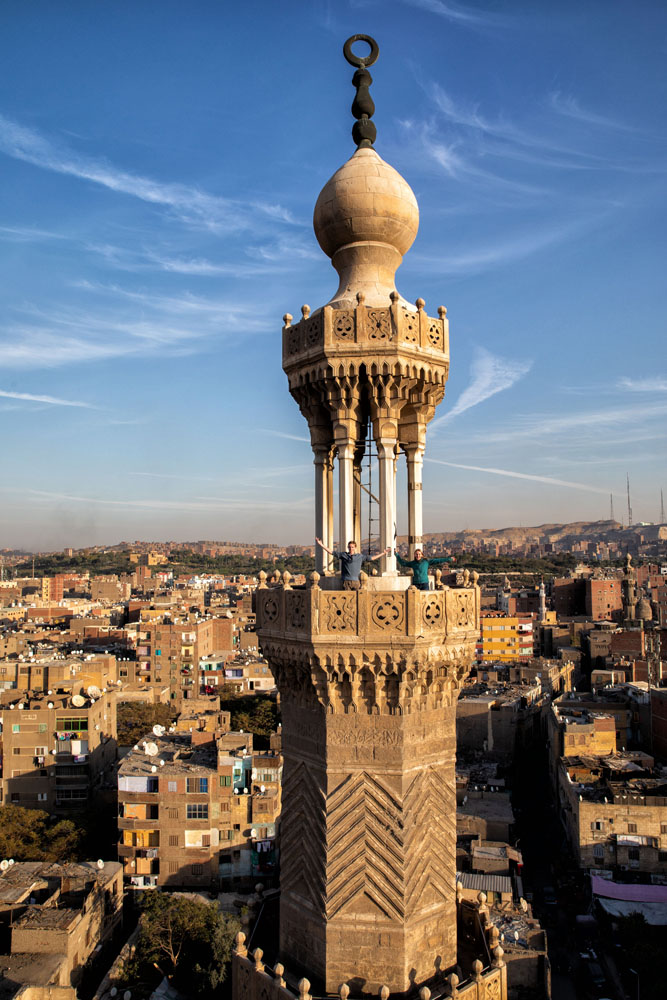
Tyler and Kara at Bab Zuwayla in Cairo

LUXOR PASS AND CAIRO PASS

The Cairo Pass is a ticket that allows you to visit all of the main sites in Cairo and Giza. The Luxor Pass is ticket that allows you to visit all of the archaeological sites on the East Bank and West Bank of Luxor.

These are expensive passes (costing $130 to $250 USD, depending on the pass) so they are not worth it for everyone. But if you plan to spend a lot of time in either Cairo or Luxor, they could save you some money.

PHOTOGRAPHY PASSES

The rules for this change constantly.

Recently, the rules have changed, allowing tourists to take photos with their cellphones in most tombs and temples for free without a photography pass.

We have also heard reports in 2023 that photography passes might be a thing of the past. Many people have been writing in that DSLR cameras are now allowed and no photography passes are necessary.

For most people, taking photos with a cellphone is sufficient. We typically purchased the photography pass at each site (this was in 2019), since it’s important to capture great photos for this website, but honestly, in some tombs, our iPhones were almost as good as my DSLR.

If you plan to use a tripod, there is an additional fee for this (typically 20 EGP).
qscy5
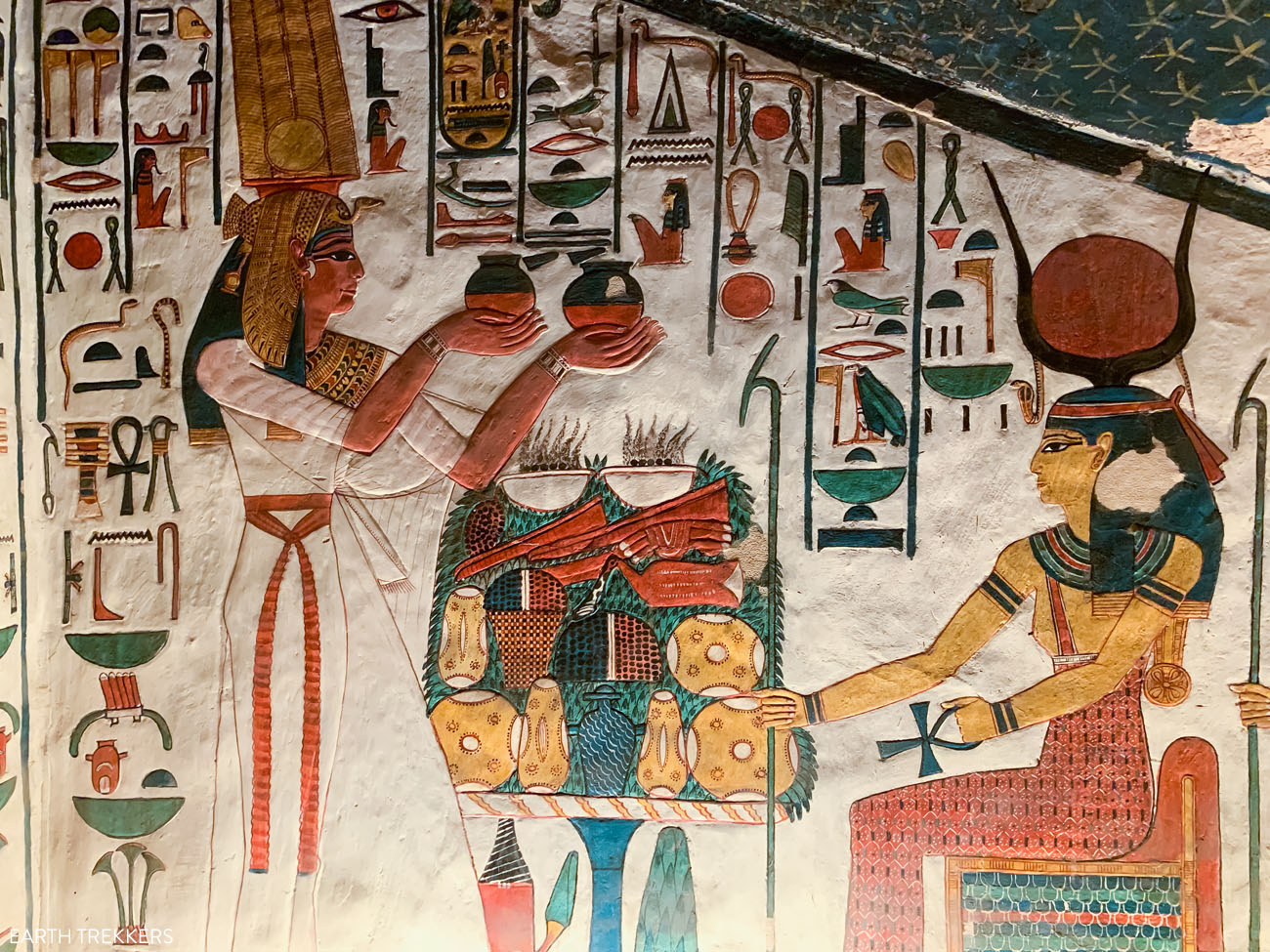
Inside the tomb of Queen Nefertari in the Valley of the Queens

HOW MUCH DOES IT COST TO VISIT EGYPT?

Traveling through Egypt is similar in price to traveling through Southeast Asia. If you are a budget traveler, you can see and do a lot in Egypt without spending a lot of money. And if you like the idea of adding in upscale hotels and a cruise on the Nile River, you can do so without spending a small fortune.

SHOULD YOU RENT A CAR IN EGYPT?

We do not recommend driving in Egypt.

The roads in Egypt are congested and chaotic. Traffic rules are different in Egypt than in places like the United States and Europe, and at times, it almost seems as if there are no rules.

The streets of Cairo and Giza are so congested and chaotic that it is not worth the stress of navigating them yourself. Cars fill every available space on the road and there is no effort to paint lines on the road, since they would be ignored anyway. It is not unusual for tuk-tuk’s or motorbikes to drive against traffic on these roads, adding to the chaos.

All the while, it is an almost constant cacophony of car horns. The horn plays a vital role in friendly communication between drivers. There is no road rage here, everyone seems to be very patient even though they are sitting in some of the worst traffic we have seen.

There is a different flow and rhythm to the traffic in Egypt, and if you are not accustomed to it, driving can be stressful and difficult.

On the rural roads, there are security checkpoints and you need to be able to effectively communicate with the officers. We had a driver and a guide. Our guide conversed with the officers at these checkpoints in Arabic. It did not seem as if the police at these checkpoints spoke much English, so if you were on your own, getting through these checkpoints would be much more stressful than if you had a guide and driver.

Finally, the rural roads are just as crazy as the city roads, but in a different way. Congestion is lower but speeds are higher. These two-lane roads are treated as three lane roads. The center of the road is the passing lane, for both directions of traffic. That means you will play a lot of games of “chicken” with the oncoming cars. Meanwhile, you or your driver are keeping a lookout for donkeys, tuk-tuks, motorbikes, tractor trailers, and pedestrians.

We highly recommend hiring a driver, rather than renting a car, for your trip to Egypt.
7a001
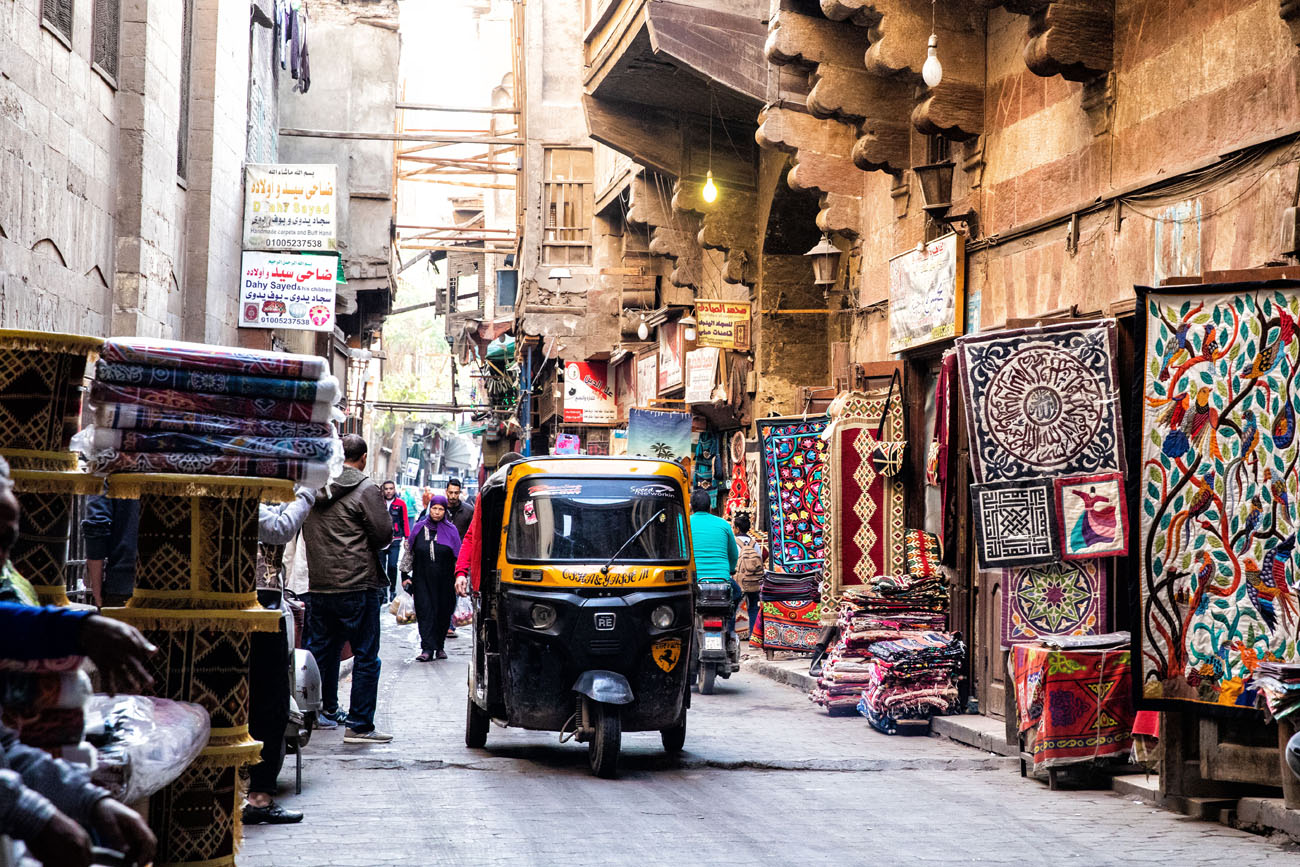
Tuk-tuk in Old Cairo

SHOULD YOU HIRE A TOUR COMPANY/EGYPTOLOGIST?

Typically, we prefer to travel independently. Rarely do we book a tour. And never do we take packaged, multi-day tours when we travel.

However, with concerns about safety and hearing “horror” stories about how independent visitors felt like they were constantly hassled for tips, we decided to hire a guide.

After a lot of research, we hired the company Egypt Tailor Made, based on their impeccable reviews on Trip Advisor. Basically, we took nine of their day tours and strung them together to form a customized itinerary. They exceeded all of our expectations. One of the reasons our trip to Egypt was so positive is because of the exceptional service this tour company provided.

For each day of our trip in Egypt (with the exception of our day trip to Abu Simbel, which we did independently), we had a guide and a driver. This took away all of the hassles of transportation, negotiating fees for certain services, and knowing the best times to visit each place. Our guides would shoo away persistent shop owners and introduce us to local foods that we would never have tried, had we been on our own.

We could just sit back and enjoy the trip and let our guides handle the logistics.

Since we traveled in a small group (it was just the six of us…the four Earth Trekkers and our moms), we got personalized attention and we could easily customize what we did each day.

If you like the idea of taking the hassle out of getting around Egypt and want knowledgeable guides to teach you about the places you are visiting, it is worth the small extra expense to hire a guide and driver in Egypt.

IS A NILE CRUISE WORTH IT?

We did not cruise the Nile River for various reasons.

For one thing, it’s expensive, especially to cruise with a company that gets good reviews. Plus, on a cruise, you have very limited time at each location. Most of your time is spent drifting along the Nile River, which I am sure is an amazing experience, but we wanted more time at each site.

On a cruise, you tend to do your sightseeing on a set schedule with a large group of people, and that was not the experience we wanted.
6v9uf
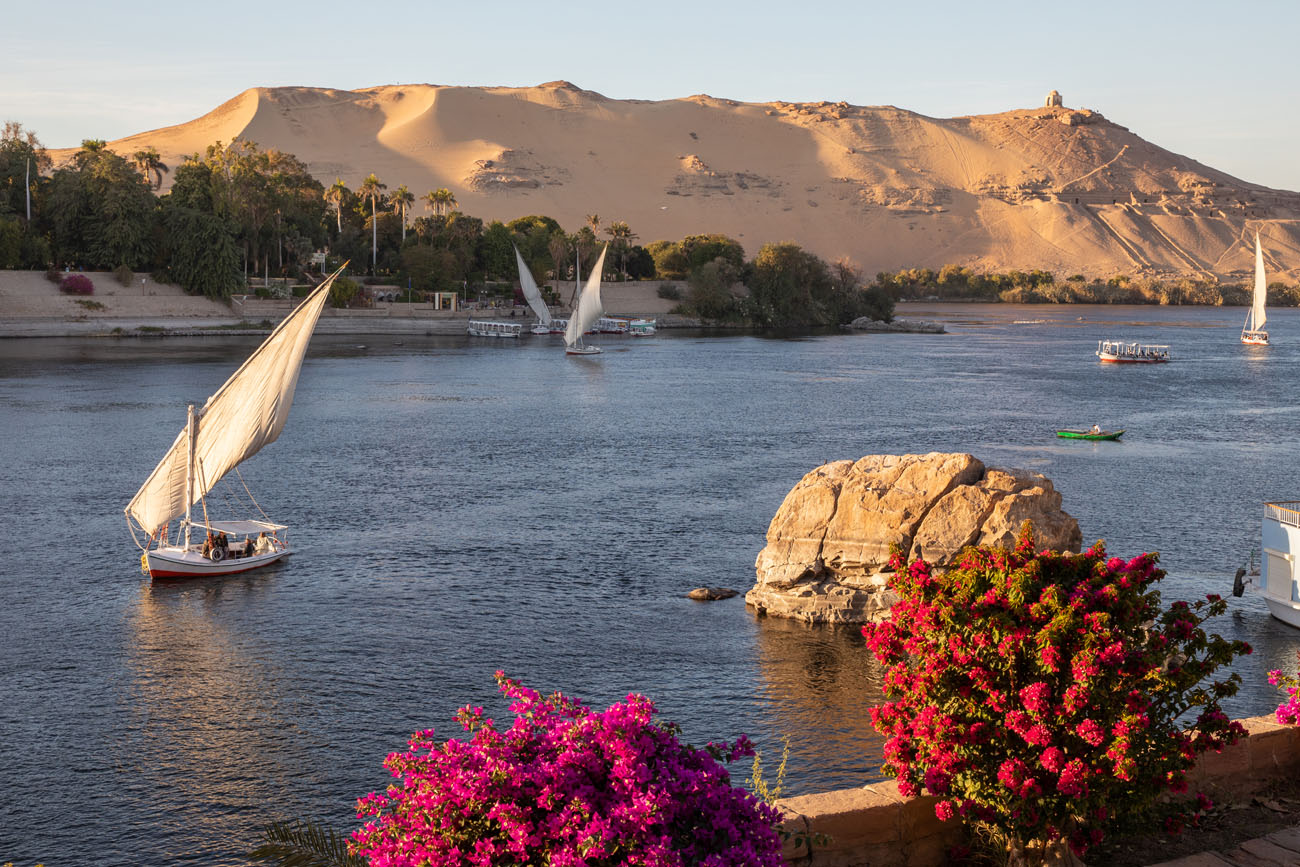
Feluccas on the Nile River in Aswan

We booked hotels in Luxor and Aswan with views of the Nile River, so that we could still get the “Nile experience.” In Aswan, we frequently rode the motorboats on the Nile River and we took a sunset felucca cruise. These boat trips, along with our hotel stays, made us feel like we had a great Nile River experience. Plus, we got to spend as long as we wanted at each site, in our private group.

We don’t feel like we missed out on anything by not taking a Nile Cruise.

IS EGYPT SAFE?

Safety is a big concern for most people when deciding whether or not to visit Egypt. We were no different.

In recent years, tourism to Egypt has increased and more and more visitors are coming home with reports of how safe they felt while in Egypt.

So, we booked our trip with a little bit of trepidation. During the months leading up to our flight to Cairo, we kept an eye on the US State Department website and we wondered, once here, how safe would we feel?

Never once did we feel unsafe. Yes, there is a big police and military presence. Seeing guards with rifles and driving past numerous police checkpoints on the roads can be unnerving at first. Every time you enter a hotel or enter a tourist site, you will pass through a metal detector.

But all of this is being done to keep tourists safe. Tourism is a very valuable industry in Egypt so a lot is being done to protect tourists.

The Egyptians are some of the friendliest, most welcoming people we have met. They would approach us, ask us how we were enjoying our visit to Egypt, and ask us to spread the news on how safe we felt.

Egypt is a big country, and safety depends a lot on the area that you will be visiting.

If you stick to the main tourist areas, which include Cairo, Alexandria, Hurghada, Luxor, Aswan, and Abu Simbel, Egypt is safe. During our visit, we never felt unsafe in Egypt. However, we did stay in the popular touristy regions and we traveled with a guide and driver.

Places to avoid include the Sinai Peninsula and the western Sahara Desert, near the border with Libya.

HERE ARE SOME THINGS TO BE AWARE OF WHEN TRAVELING THROUGH EGYPT:

Security Checks: As you enter most sites, as well as many hotels, you will go through security. You will put your bags through an x-ray machine and you will walk through a metal detector (similar to airport security but not quite so rigorous).

Military and Police Presence: It is common to see armed guards and armored vehicles at the sites you will be visiting and along the roadways. They are there to protect you and the site you are visiting.

Convoys: Prior to our trip I had read that when hiring a driver for road trips, for example from Luxor to Abydos (or Luxor to Aswan, or Aswan to Abu Simbel), you have to leave at designated times in order to travel with other vehicles, all in a convoy escorted by police. That no longer applies and tourists no longer travel in convoys. They now rely on the security checkpoints along the roads to help ensure your safety. However, we did still receive a police escort several times on the drive between Luxor and Abydos.
ve23l
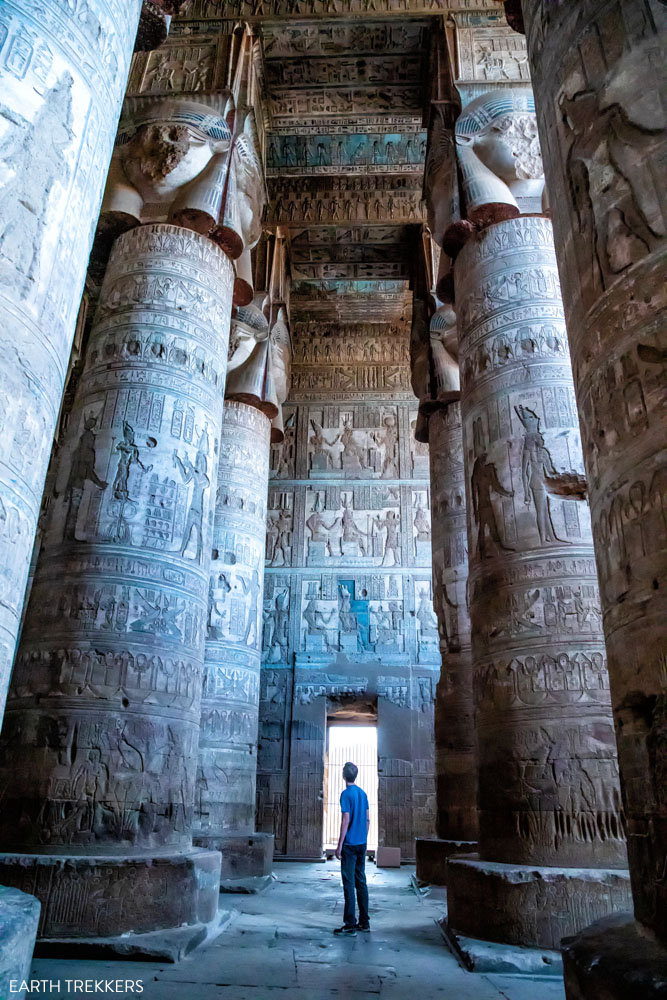
Hathor Temple in Dendera[……]

Read more

11 Steps To Planning A Trip To Israel

December and January are a bit colder – the average temperature in Tel Aviv is around 16 degrees Celsius, while it can be much colder in Jerusalem (9 degrees during the day), where it can even snow. Winter in Israel usually means rain, with terrible thunder storms that can last for days and often cause flooding – and will force you to change your plans.

One more thing to consider is the religious (or even non-religious) holidays – theirs, not yours! The reason I say this is that if you visit during a local holiday, accommodation is often more expensive and it books up much faster.

These are only a few of the Israeli / Jewish holidays to keep in mind:

Pesach (Easter) – it usually overlaps with Christian Easter.

Roshashana (Jewish New Year) – it takes place in September and it’s huge. That’s when most Israelis travel, either domestically or overseas.

Yom Kippur and Sukkot – they fall right after Roshashana.

Hopefully this will help you decide when to visit.

cdavz
How long to stay in Israel

Despite being a small country, there is a lot to see and do in Israel and it will take you multiple visits to get to know it.

This is a place that you can truly appreciate even if you have a short break – in fact, one of the most successful marketing campaigns by the Israeli Tourist Board has been the “Two Cities, One Break” which ideally pairs Tel Aviv and Jerusalem as a perfect trip that combines culture, history, fun, glamor, sunshine and more.

Having said that, I would say that ten days to two weeks are ideal to get a proper feel for the country. With that amount of time, you can visit Jerusalem and the Dead Sea, Tel Aviv, the Galilee and the North, and you may even be able to stretch it all the way to Eilat and the Red Sea.

Traveling to and from Israel

Israel is well connected to the rest of the world through its Tel Aviv Ben Gurion International Airport. Low cost flights land both in Tel Aviv (at terminal 1) and also in Eilat, in the Red Sea. This makes it incredibly easy and fairly cheap to travel to Israel.

Security for flights to and from Israel tends to be stricter than average, especially on El Al (Israel’s national airline) flights. Whether flying to or from Israel, plan to be at the airport well in advance.

In my experience, depending on the stamps you have on your passport, the questioning and searches are more thorough. The way to go about it is pretty obvious: answer the questions in all honesty and just be patient, as the security staff are just doing their job.

wxbvd
Crossing the border to and from Jordan

Many travelers try to join a trip to Israel with one to Jordan, either to just visit Petra for a few days, or to explore the rest of the country. You will be able to cross the border in 3 places: Wadi Araba, which is located between Eilat and Aqaba, in the South; Allenby / King Hussein Bridge, which is the closest one to Jerusalem and Amman; and Sheikh Hussein at the North, closer to Nazareth and Lake Tiberias.

Crossing the border is relatively easy and pain free (there’s a small exit fee on both sides, but in Jordan that depends on the duration of your stay). However, keep in mind that while it is possible to travel to Israel from the 3 borders, it is only possible to enter Jordan from the North and the South borders.

v0kah
How to move around Israel

My Israeli friends will likely disagree, but Israel has quite good infrastructure and the public transportation system is efficient yet cheap. Buses and trains go literally everywhere in the country.

A thing to keep in mind, however, is that public transportation doesn’t work at all during Shabbat, which pretty much signals the weekend in Israel and starts right before sunset on Fridays and ends right after sunset on Saturdays.

On those days, do like the Israelis do and rely on sherut, or shared taxis, or use Gett – an app that is similar to Uber that allows you to book taxis for a cheaper price than those you commonly find in the streets.

Avoid flying to and from Israel on Saturdays, because getting to the airport then can be a real hassle – not to mention expensive.

Unless you are traveling alone and it ends up being expensive, renting a car is a great idea, and quite cheap to do (though gasoline isn’t).

If you intend to move around by public transportation, make sure to get a Rav Kav. This magnetic card can be used on all public transportation in Israel. You can upload credit at kiosks, stations and bus and metro stops, and it makes traveling a bit cheaper.

pehnt
Rough itinerary

Your itinerary around Israel will inevitably vary depending on a number of factors – first and foremost your interests, but also how long you are going to stay and on how you plan to move around the country.

Keep in mind that Tel Aviv and Jerusalem are pretty much at the heart of the country, and you can easily take many day trips from there – either with your own car or on organized day trips. However, there are places such as Galilee and Eilat that can’t really be visited on day trips.

If you have 2 full weeks, I recommend splitting your time this way:

5 nights in Jerusalem;

2 nights in the Dead Sea;

3 nights in Tel Aviv;

4 nights in the Galilee, with a stop to Caesarea on the way.

If you have 10 days, this is a good rough itinerary:

4 nights in Jerusalem, with a day trip to the Masada and the Dead Sea;

3 nights in Tel Aviv;

3 nights in Galilee.

For shorter trips, I recommend only focusing on Jerusalem and Tel Aviv and at opting for day trips from there. Keep in mind you don’t need a car in either of them.

8pwo4
Things to do

I can’t possibly go through all the things to do in Israel in this post, as there is simply too much to see and do.

Having said so, there are some things that are simply unmissable – namely:

Visiting the Western Wall and Temple Mount;

Visiting Yad Vashem, the Holocaust Museum;

Exploring Old Jaffa;

Taking a walk on Tel Aviv Waterfront;

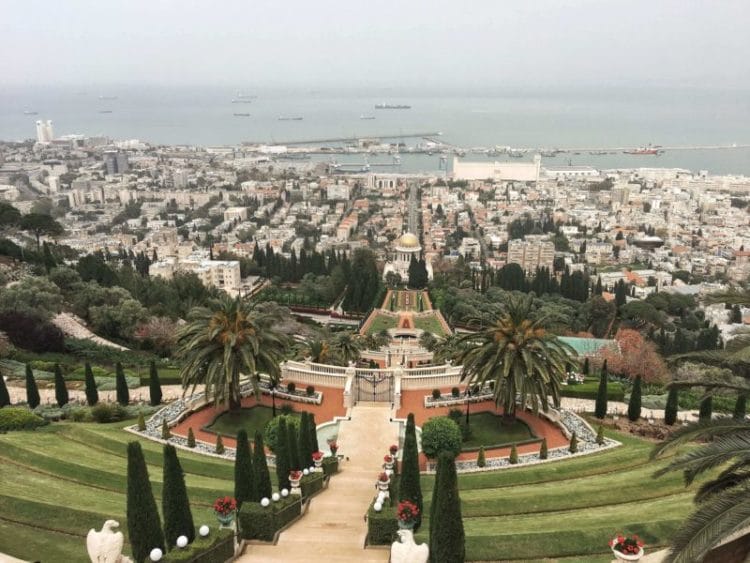
Taking in the view from the Bahá’í Gardens in Haifa;

Walking around Old Akko;

Floating on the Dead Sea;

Hiking to the top of the Masada.

The best way to experience the cities is to walk around – that’s how you discover the most hidden corners and the true local gems. Also remember that Israel is a fantastic hiking destination! Definitely take your time in appreciating each place, and look out for local tips (and come back to this blog) on what to see and do.

l0zqr
Where to stay in Israel

Israel has an incredible range of accommodation options – from campsites to hostels, from nice airbnbs to boutique hotels and large luxury chains. Deciding where to stay will mostly be a matter of budget.

Jerusalem and Tel Aviv will have the largest choice of accommodation options.

In Jerusalem you will find large historic hotels such as The YMCA and The American Colony. Inbal is a great affordable luxury option. The Post and Abraham are both excellent hostels in the center of town. And there are many good Airbnbs such as this one.

In Tel Aviv, you will find some fantastic hotels right by the waterfront such as The Dan; or you can opt for fabulous boutique hotels such as Poli House. Abraham remains one of the best accommodation options in town for budget travelers and backpackers; and there are some great Airbnbs such as this one.

If you decide to spend a couple of nights in the Dead Sea, look a good resort with a fabulous spa as that will be the highlight of your stay. In Galilee, there are plenty of hotels and smaller bed and breakfast-style accommodation usually called Zimmers. If you go to Eilat, there are plenty of large hotels too.

jgiw4
What to pack for your trip to Israel

Remember to pack wisely.

If you plan on visiting religious sites – Jewish, Christian or Muslims sites in Jerusalem – or even simply take a walk around certain neighborhoods, you will have to dress modestly. For example, if you go on this guided tour of the Ultra-Orthodox neighborhood in Jerusalem, you will need to cover your arms, knees, chest and shoulder, and on some occasions even your hair.

Other than that, Israel is super easy going in terms of what to wear (unless you are a fashion victim visiting Tel Aviv, that is!) and casual wear is pretty much the rule here. I recommend packing according to the weather you expect to get, and make sure to bring comfortable shoes and a swimsuit – no matter the season, because chances are you’ll swim in the Dead Sea. A light jacket may come in handy even in the summer months – air conditioning in some restaurants may cause you to freeze.

3c1o1
Getting online in Israel

Good news! Wifi works really well in Israel, and it is basically available in the entire country. Hotels, hostels, restaurants, bus and train stations, buses and trains usually have wifi. Even most cities have free wifi.

Yet, I believe it’s better to get a local SIM card once you get to Israel – it will make your life much easier, especially if you need to use apps such as Google Maps, or even just Gett to urgently call a taxi.

You can get a local SIM card directly at the airport for a convenient price. Just opt for a plan that gives you data only and just for the duration of your stay.

dhaes
Other useful things to know before planning a trip to Israel

I bet that before planning a trip to you will be wondering a few more things.

Is Israel expensive?

I can’t really sugar coat it: Israel is an expensive country and you really can’t expect to visit Israel on a $10 USD per day budget. Keep in mind that a bed in a dorm costs around $25 USD; a meal in a local fast food chain (think stuffed pita, or hummus and pita) is around $10 USD; and a pint of beer costs around $7 USD.

The official currency in Israel is the Israeli Shekel (NIS). At the time of writing, the exchange rate is NIS 3.25 to $1 USD and NIS 3.5 to €1 euro.

Is the food in Israel good?

To make a long story short, yes. You will find food to accommodate any taste, diet, and craving. If you are vegan, it will be a feast.

Is Israel safe?

This is the most common questions I get asked. And yet, I have left it at the very end of the post. You see, despite what many foreign affairs government websites say about Israel being a high risk area, this is actually a very safe country, even for solo female travelers – you will realize this the moment you arrive.

Final Considerations

Israel really is an incredible place. It’s my home away from home, my favorite place outside of Italy, and I promise you – you will love it. Go to Israel with an open mind, and you will meet many fantastic people; you will experience a country that is so underrated, enigmatic and beautiful. You will hopefully grasp a but more of its difficult past and present, and end up having the time of your life.[……]

Read more

10 THINGS TO DO IN ISRAEL

Israel is a fascinating country that may be small in size, but huge in terms of things to see and do. There can’t be a better example of an amazing marriage of old and new than what you see in Israel. Every corner of Jerusalem has thousands of years of history staring at you; while Tel Aviv is uber modern that boasts of free Wi-Fi throughout the city. Here is a list of ten things you must-do if you visit Israel.

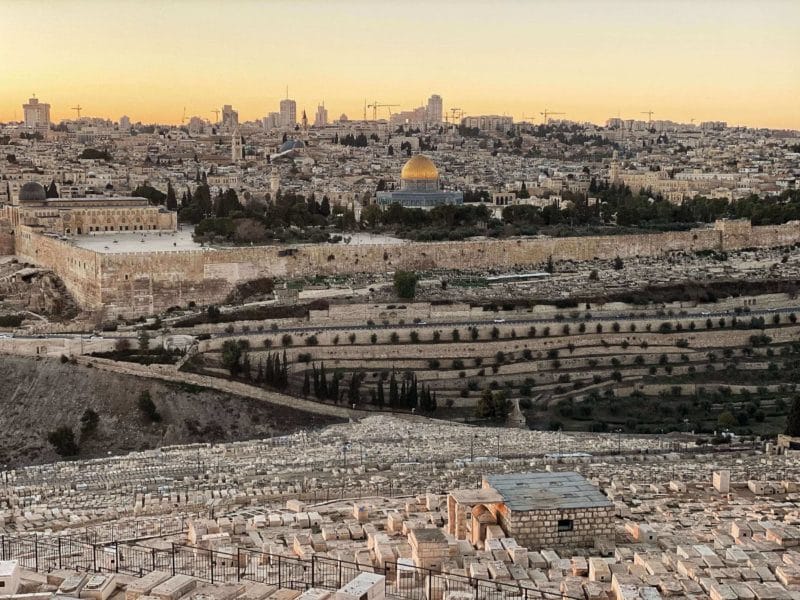
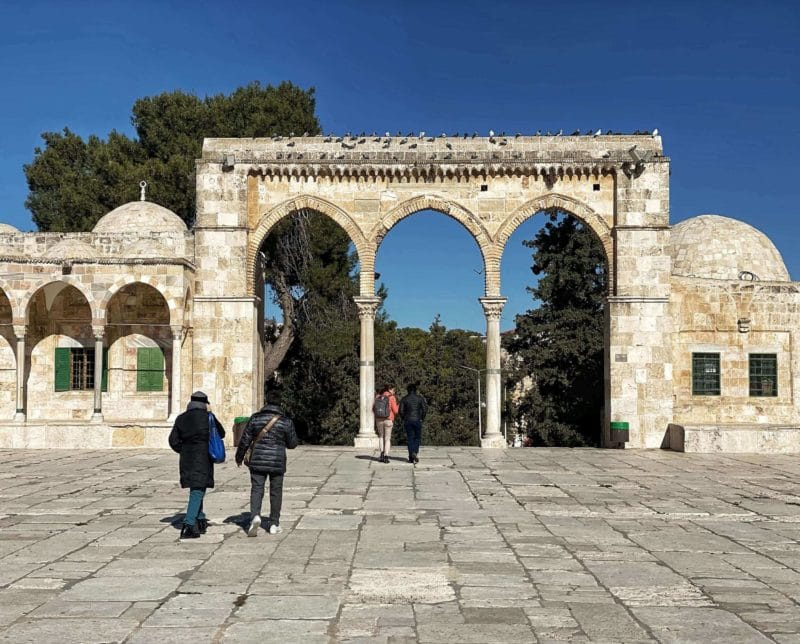
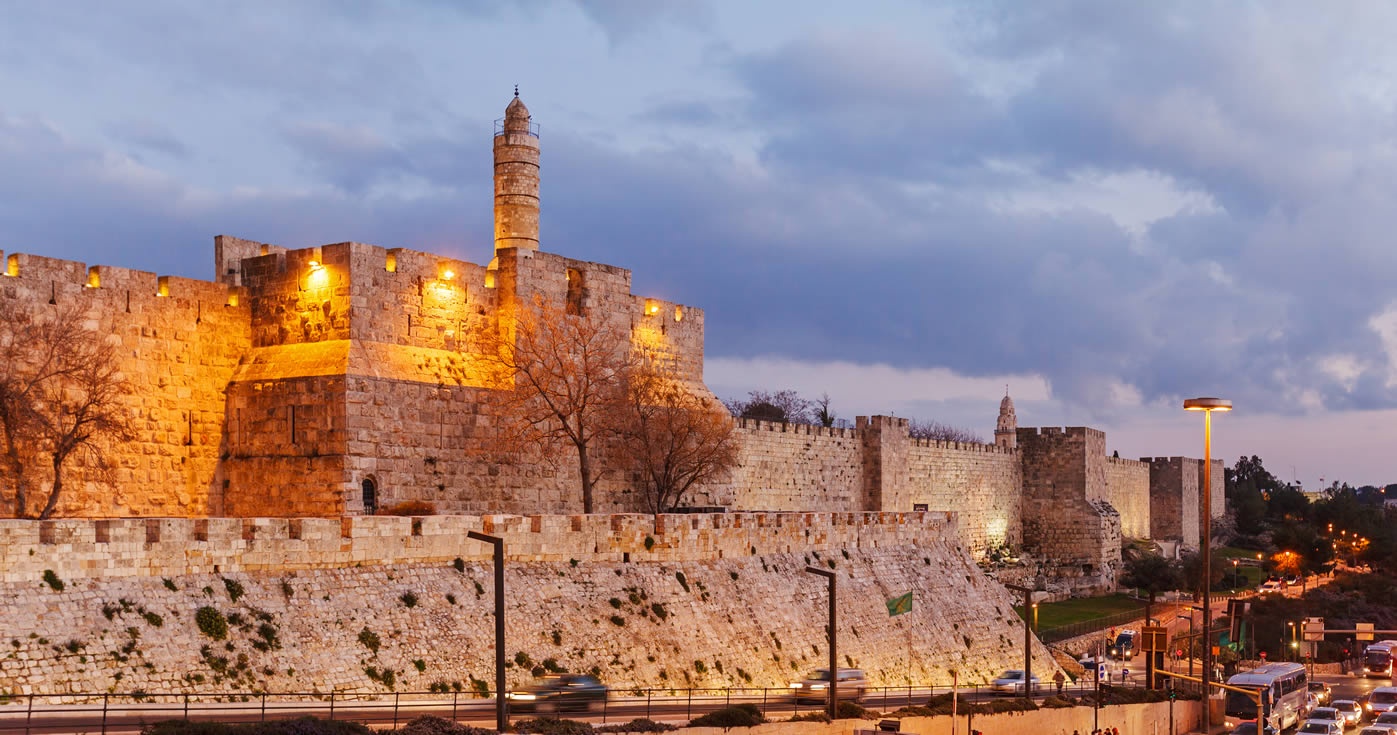
Visit the Holy Sites – Jerusalem is the capital city of Israel and one of the most sacred places in the world to the three major religions: Christianity, Judaism and Islam. The ancient Old City is encircled by imposing stone walls that date to the Ottoman period and contain within it such holy sites as the Western Wall, The Dome of the Rock and Church of the Holy Sepulchre.

kc29f
Leave a prayer at the Western Wall – The Western Wall or Wailing Wall has so much history that the place will surely overwhelm you. Jewish people believe that a divine presence rests within the Western Wall, so they leave hand-written prayers on paper and insert them in cracks of the Wall in the hope that they will be answered. More than a million prayer notes or wishes are placed in the Western Wall each year. The challenge will be to find a spot to place your own prayer note.

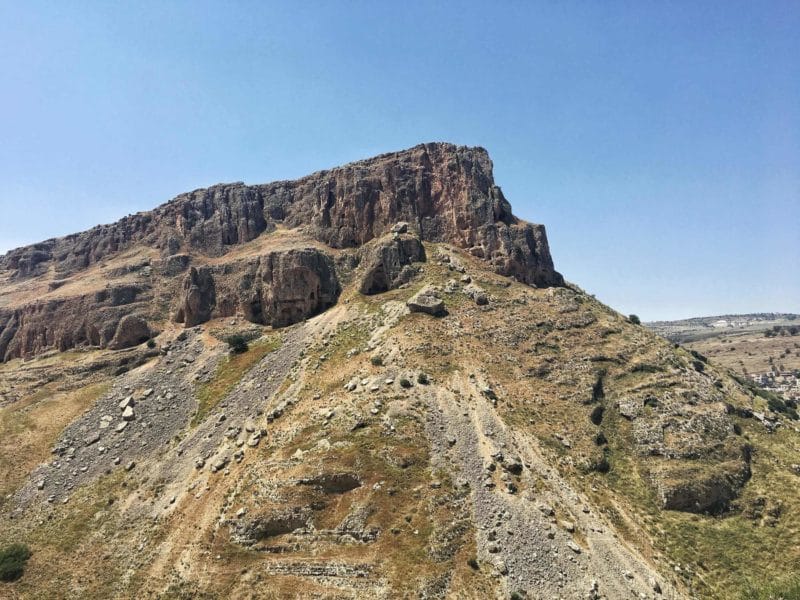
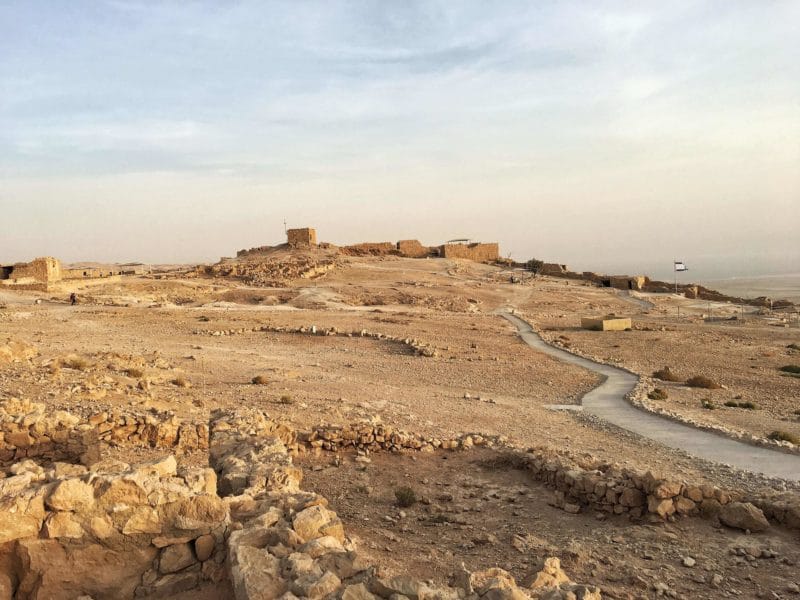
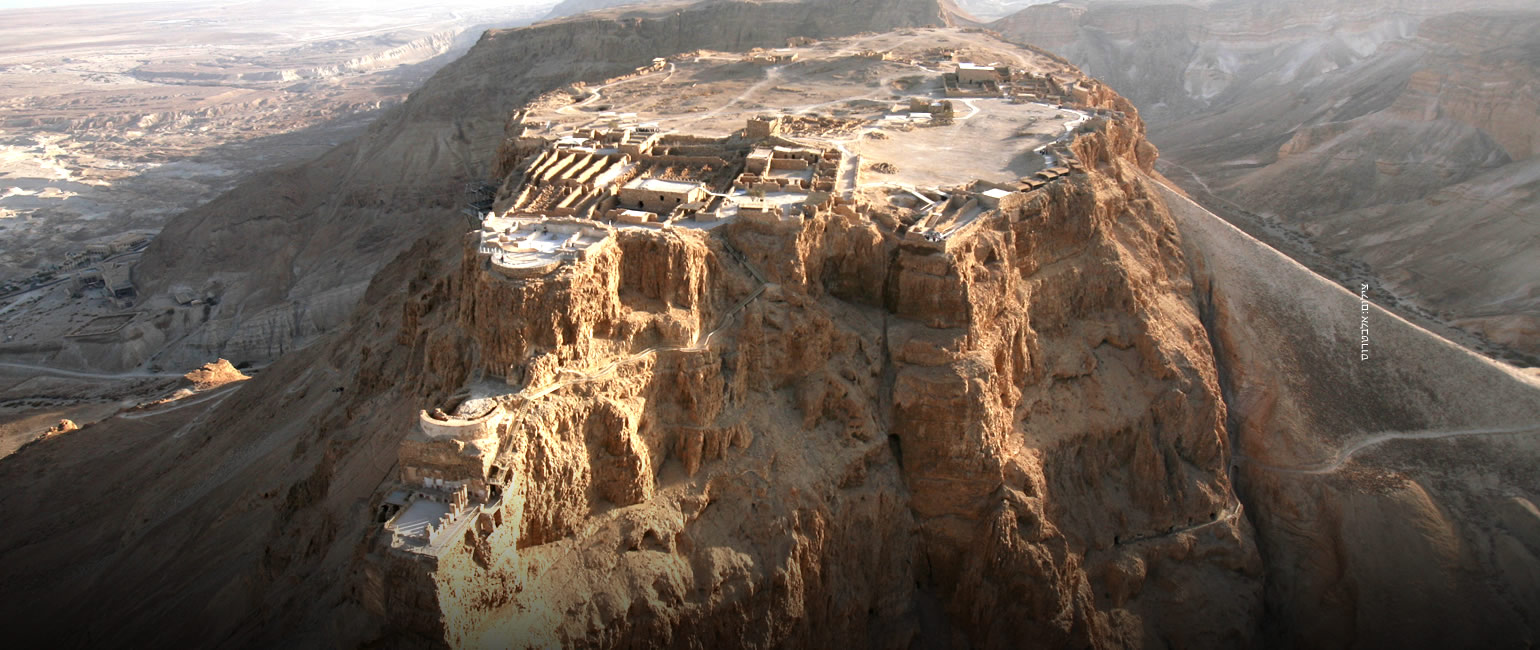
Explore Masada – This 1st century fortress was the site of one of the most dramatic revolts of the Jewish-Roman wars. The mountain fortress of Masada stands on an isolated rock plateau in the south east of Israel and was built in the Roman style by Herod, the king of Judea. The story of Masada is of 1000 inhabitants that committed mass suicide rather than surrendering to their Roman enemies. The remains of many buildings in the complex have been restored, including Herod’s private palace with its hanging terraces, bathhouses with preserved mosaics and murals, a synagogue, and the siege ramp and camp set up by the Romans. You can take a walk up the Snake Path to the top of Masada if you’re feeling adventurous, otherwise take the cable car.

fxzjp
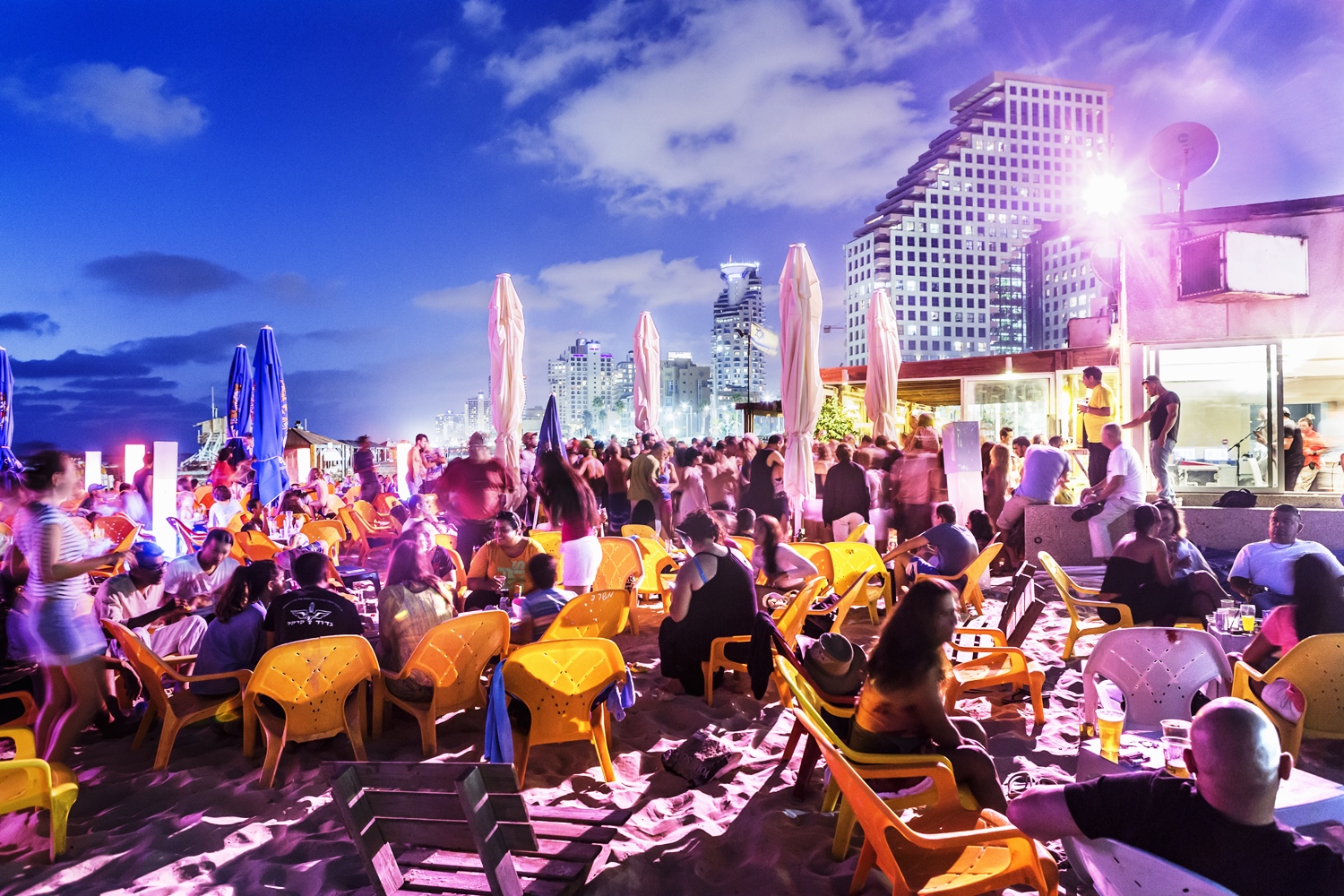
Pub crawls in Tel Aviv – Tel Aviv could easily be nicknamed as the Sin City of the Middle East. During the day, the city has a very formal commercial vibe but when the sun goes down it gyrates to a different tune, literally! Tel Aviv boasts of some of the coolest and trendiest concentration of night clubs and bars. The streets wear a different look at eight in the night (partly deserted) and at three in the morning (filled with street parties) as the locals work hard during the day and party harder at midnight.

zld2r
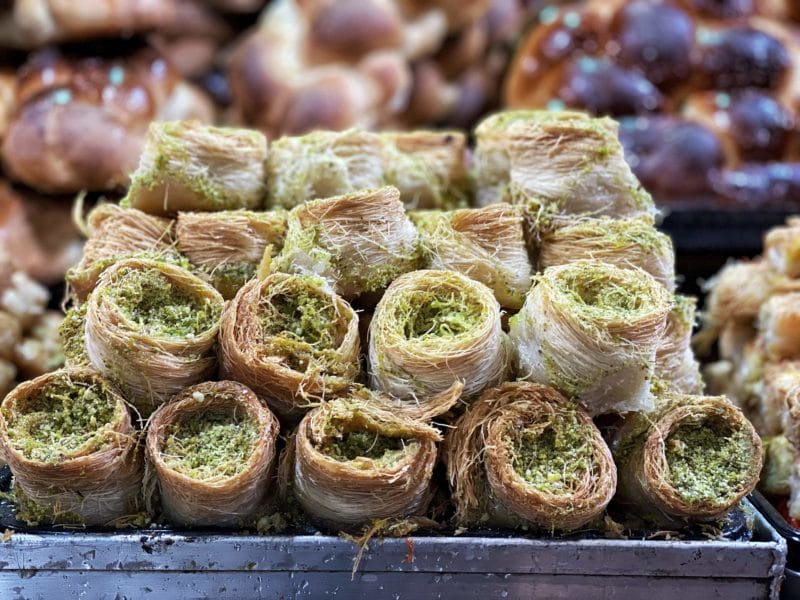
Taste Israeli Halva – Israeli Halva is sesame based sweet dish and easy to find in almost all the markets around the country. The halva has a light but sweet flavour and easily crumbles. There are many variations of havla that can be found, including nuts, dried fruits, chocolate, juice and vanilla. Definitely a unique dish worth tasting.

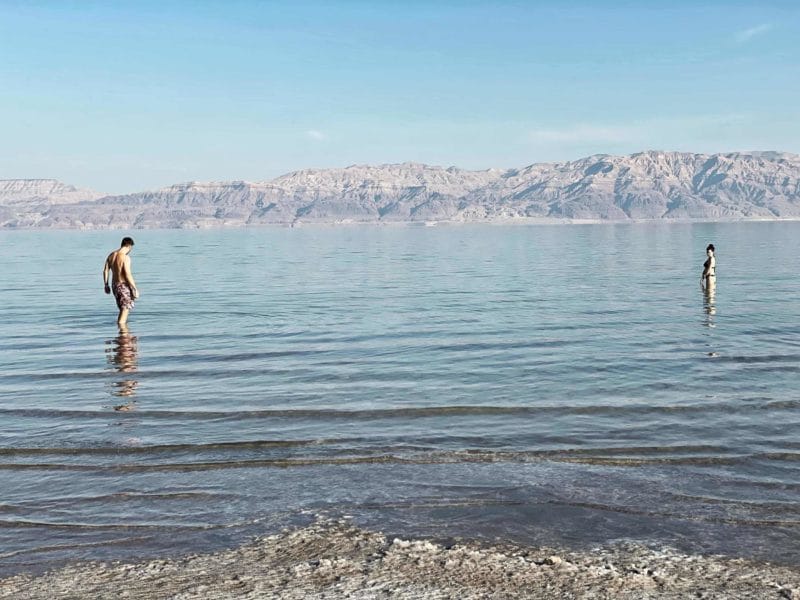
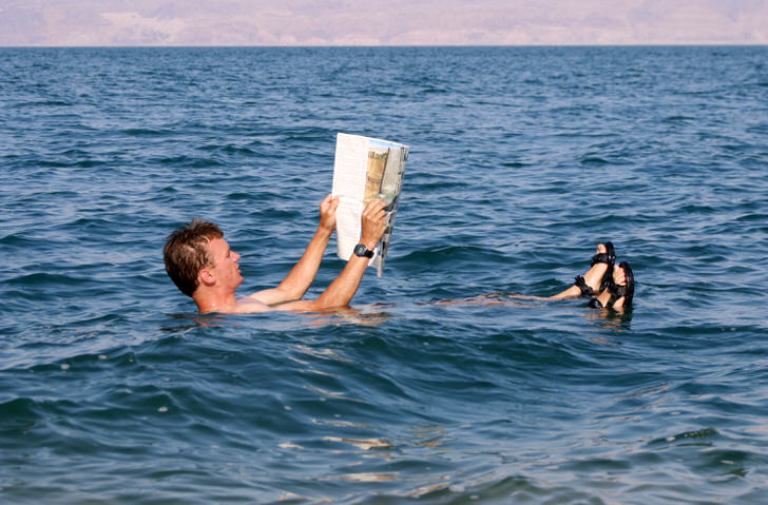
Float in the Dead Sea – At 1,360 feet below sea level, the Dead Sea is the lowest point on earth. Its water is about ten times saltier than the ocean’s, making it possible to float on the water without having to move a finger. It is called the Dead Sea since it’s too salty for any live organism to live in. So all you can find inside the water is more and more salt. The mineral-rich water can be very beneficial for those with skin problems and the mud is worth applying on your body.

ydlua
Snorkel in Red Sea – The Red Sea is considered the most accessible coral reef in the world. Home to schools of fancy fish – each dressed in unimaginably frivolous outfits: whiskers, polka dots and wings. Visit the Dolphin Reef at Eilat and go snorkelling with the dolphins. For those who do not want to dive or snorkel but still want to explore the mysteries of the seas, you can always Snuba – an Israeli invention that is a cross between snorkelling and deep-sea diving; whereby one breathes through a tube connected to a tank carried on a rubber boat. Try it at Caves Beach in Eilat.

Have Shakshouka for breakfast – Shakshuka or shakshouka is a dish of eggs poached in a sauce of tomatoes, sweet and spicy peppers, onions, and is often spiced with cumin and topped off with freshly cut herbs. This delicious dish is commonly found in Israel and often eaten at breakfast.

Sunbathe at the beaches of Tel Aviv – Be warned, it will be a battle to discover and hunt down the least crowded beach in Tel Aviv. But once you find it, it is sure to be BLISS. Even if you don’t want to step into water, just lazing around the beach or strolling by is highly recommended. No one should leave Tel Aviv without seeing its pristine blue beaches.

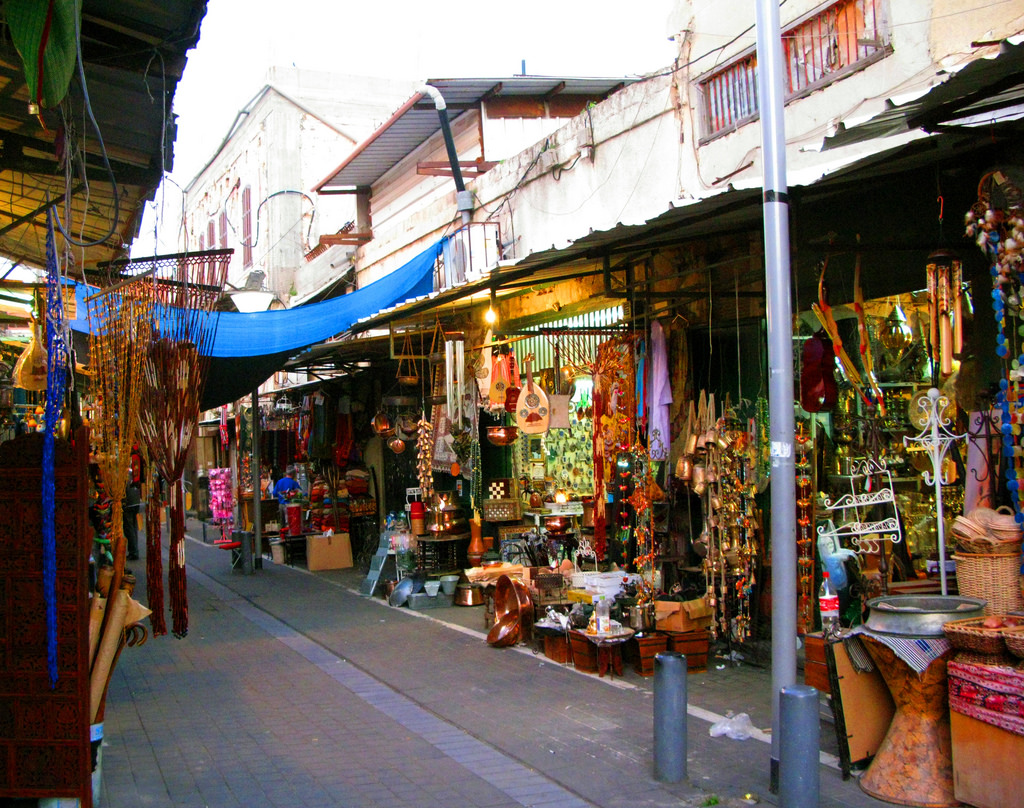
Shop at Jaffa Flea Market – One of the oldest markets in Israel, Jaffa Flea Market is a biggest market for second hand and inexpensive objects. Situated alongside the Olei Zeon Street, the market offers almost each and every thing that one can think of. The market is stocked with numerous stalls offering trendy furniture, clothing, ceramic items, Arabic Pottery, household items, homemade handlooms and crafts. However your negotiating skills determines how much you shell out at this hippy market.

me2ew[……]

Read more