Divi WordPress Theme


São Paulo, Brazil: The Best Bits

Our list of the best places to visit, eat and drink in Brazil’s largest city of São Paulo
r2kg3
In comparison with Rio de Janeiro and other areas of Brazil, São Paulo doesn’t always inspire the most positive of write ups. Nevertheless, most visitors to the region will likely find themselves passing through this economic powerhouse in one way or another, and it is a shame if they miss out on what the city does have to offer.

Brazil’s largest city is also the largest in Latin America, and by some estimates the third biggest in the world. Therefore, it is unsurprising that there are some genuine delights to be found amidst the concrete sprawl. Having visited São Paulo numerous times over the past 12 years, I have become adept at hunting down some real highlights, that I tend to visit time and again whenever I return.

So, from food and drink to parks and cultural experiences, here is our run down of the best that São Paulo has to offer:

Parque Trianon

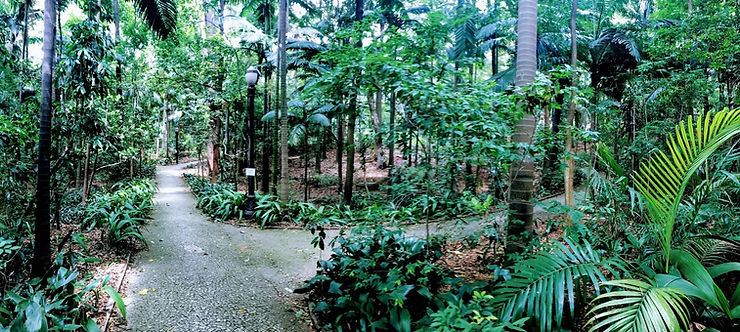
Located opposite the MASP art gallery on the famous Avenida Paulista, Parque Trianon is a slice of tropical rainforest right in the centre of São Paulo. With its cobbled walkways, gently undulating paths and beautiful vegetation, the park is the quintessential oasis of calm amidst the non-stop go of São Paulo.
bix3j
Whether because it is taken for granted or simply because the executives working on nearby Avenida Paulista are simply too busy, the park is often pleasantly quiet. The layout and vegetation means that it has a very different feel to most other urban parks, and is well worth a stroll around.

Bar Salve Jorge

Located in São Paulo’s historic centre, directly opposite the stock exchange and within striking distance of the municipal market, cathedral and opera house, Bar Salve Jorge is somewhere that you will want to return to again and again.

The reason is that it is a true classic. With two levels and an expansive outdoor seating area, Salve Jorge has echoes of mid-twentieth century São Paulo, and its lovely interior is adorned with caricature pictures of famous Jorges (or Georges) from around the world.
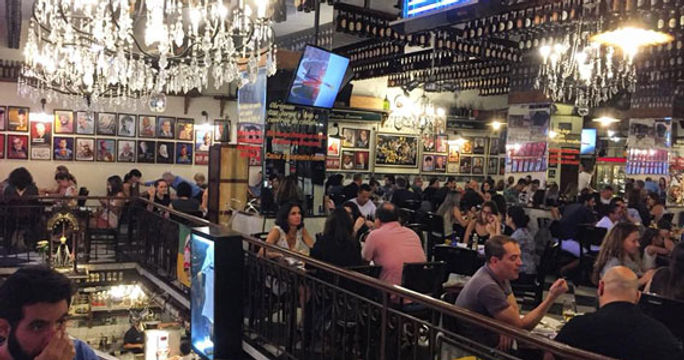
qfa9s
The thing to drink here is a chopp, or traditional Brazilian draft beer, served in small glasses and chilled to perfection. The service is reliably excellent, with fresh beers miraculously arriving before you have even finished your last one. Throw in some excellent snacks and sharing portions, and this is somewhere that you could happily spend an entire day.

More recently, Salve Jorge have also opened at outpost in the lively Vila Madalena district. Great though that is, it is at the original that the real magic happens.

Municipal Market

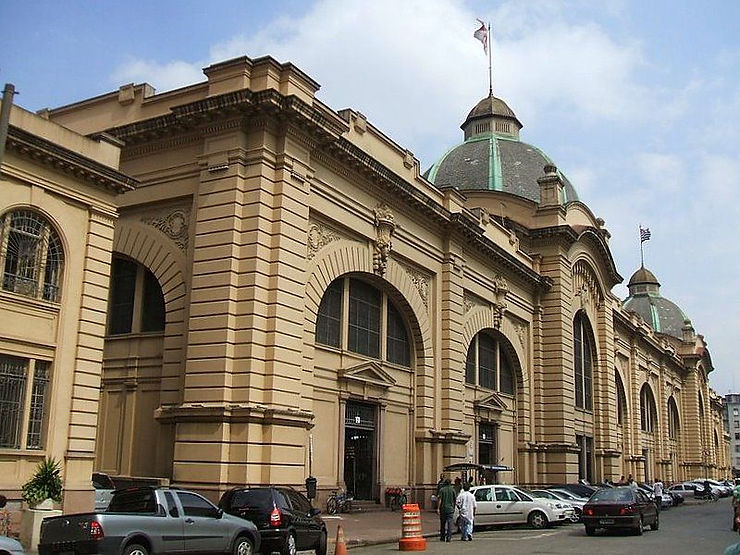
Known to the locals as the Mercadão (literally ‘big market’), São Paulo’s municipal market is a ‘must-visit’ whilst in the city. Constructed in 1933, the imposing and spacious building with its huge stained-glass windows is home to an endless range of gastronomic delights. Just walking around is an experience in itself, but the reality is that you will have samples of exotic fruits, cheeses, cured meats and any number of other treats thrust into your hands as you go.
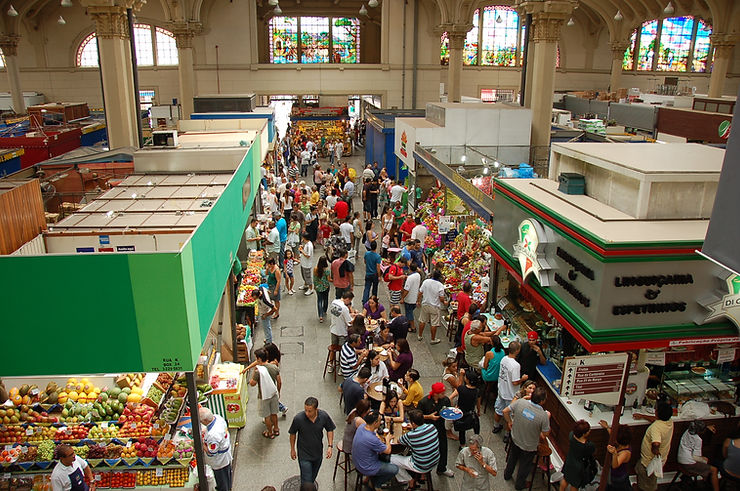
bib7y
Don’t completely fill up on free samples though because there is also serious eating (and drinking) to be done here. The Mercadão is one of the best places to try a pastel (or pasteis in plural), one of Brazil’s most beloved street food snacks. Effectively, pockets of deep-fried savoury pastry filled with your choice of fillings, the Mercadão has a number of excellent places to sample one. Traditional fillings include cheese, cheese & tomato, and the ubiquitous bacalhau (dried cod).
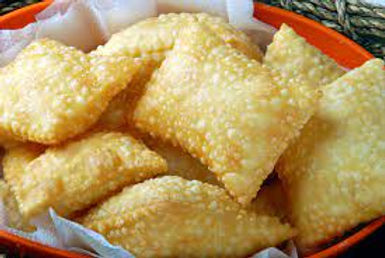
lsie5
Although a pastel can be filling, you really need to make sure that you leave space for the truce icon of São Paulo’s Mercadão: the mortadella sandwiches. On the upper mezzanine level, a series of excellent restaurants churn out these overstuffed delights, packed with mortadella, cheese, sundried tomatoes and an array of other options. Perfectly accompanied by either a cold beer or a caipirinha cocktail, these are a staple for tourists, locals and those visiting from other parts of São Paulo state.

Eating aside, the Mercadão is also a great place to pick up souvenirs, from metre-long cinnamon sticks and jars of local chilli peppers to bags of fresh herbs and herbal tea.

The surrounding area is also home to a somewhat chaotic series of market streets geared towards clothing and household items.

Praça da Sé

The Praça da Sé is the tree-lined square in front of the city’s main cathedral, the Catedral Metropolitana. This is very much the centre of old São Paulo, and offers easy access to a host of other sites of interest in the surrounding area, including the Mercadão.

For many it can come as a shock to find clusters of historic buildings remaining in a city in which development appears perpetual and respect for older buildings is sometimes negligible. Here however, there are quite a few including the rebuilt Jesuit mission, the Pátio do Colégio.

Vila Madalena

The bohemian district of Vila Madalena plays host to an array of shops, galleries and cafes. The thing that is truly special however is the area’s botecos. These establishments are part bar, part bistro, with excellent food and drink, often accompanied by live music. Think an endless procession of beers and cocktails accompanied by flame-grilled steaks set to a soundtrack of bossa nova or samba.
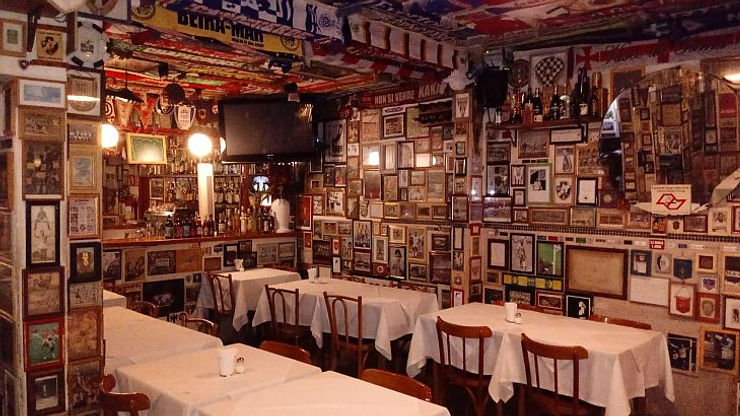
mbii4
Popular across Brazil, they reach arguably their finest expression in Vila Madelena. A personal favourite is São Cristóvão, but there are plenty of equally appealing options to choose from.

Museu do Futebol (Museum of Football)

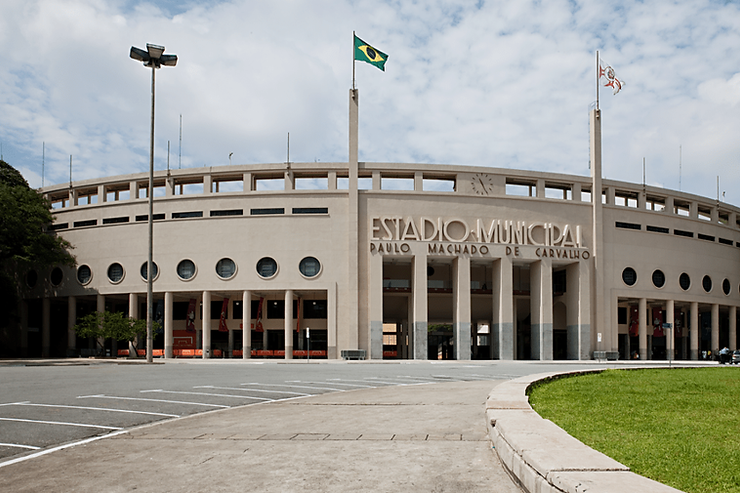
Located at the municipal Pacaembu Stadium in central São Paulo, the fantastic Museu do Futebol charts the origins and growth of football in Brazil. In doing so, it covers everything from the sport’s introduction from Britain by Charles Miller through to the dominant social and cultural force that it is today.
j7rl6
Whilst fans of the beautiful game will therefore be in their element, the fact that the museum embeds football within the wider historical, social and cultural context means that it will also likely be of real interest even to those with limited or no interest in football itself.

On a similar note, if you do find yourself in the nearby port city of Santos, then the Museu Pelé (Pelé Museum) is truly excellent.

Take in a football match

Given the importance of football in Brazil and the fact that São Paulo is home to three of Brazil’s biggest clubs, taking in a match is something that features on many visitors’ to do lists. The city’s three giants (São Paulo FC, Corinthians and Palmeiras) are domestic heavyweights who hold multiple Brazilian, South American and world club championships between them. In addition, an hour’s drive away are the iconic Santos (the team of Pelé and Neymar no less), located in the satellite port city of the same name.

If the São Paulo giants are playing away, or something slightly more low key is more to your taste then there are also a range of other historic, if slightly less successful teams dotted around the city including Portuguesa and Juventus.

1h6yi
Corinthians do battle with Sao Paulo FC

Traditionally, support for the clubs from São Paulo itself have tended to focus around their respective identities as the club of the people (Corinthians), the club of the elite or more well-to-do (São Paulo FC), and the club of the large Italian community (Palmeiras). Even if these divisions are not so absolute today, they continue to play an important role in supporter identification and mythology.

In terms of stadiums, São Paulo FC play at the historic and atmospheric Morumbi. Opened in 1952, and with a capacity of almost 70,000 people, the Morumbi represents an archetypal South American design of stadium. Corinthians and Palmeiras have both constructed new stadiums within the last decade, with the Arena Corinthians and Allianz Parque respectively likely to feel more familiar to those that have visited modern European football stadiums. These might therefore tick the boxes for those who enjoy the mod cons, but for those seeking nostalgia and tradition, the Morumbi is likely the best bet of the three.

Another gem is the centrally-located Estadio do Pacaembu, the city’s municipal stadium. This historic venue has been the site of numerous important matches and continues to host the city’s teams when their own stadiums are being renovated or used for concerts. Whether for a game, or a tour, the Pacaembu will provide a real sense of football history.

Hotel Unique

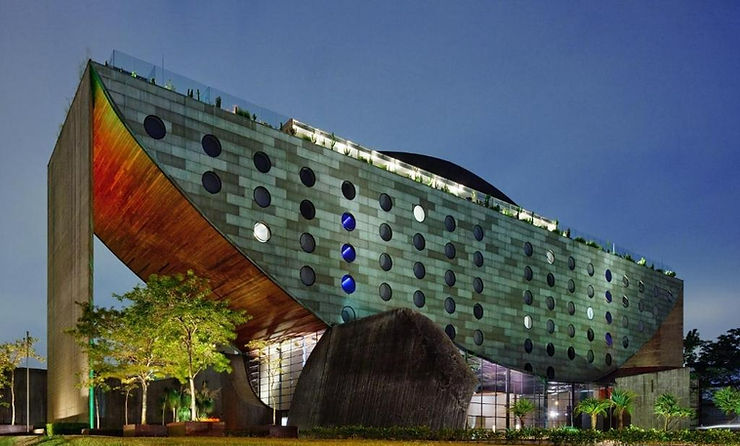
Shaped either like a boat or a slice of watermelon depending upon who you ask, the Hotel Unique is certainly a striking building that lives up to its name. One of São Paulo’s top luxury hotels, it is set apart both by its design and its elegant roof terrace, which boasts spectacular views of the city’s skyline.
d4o7n
If you are in the mood to treat yourself to a couple of drinks with a view, then you would do well to find anywhere better.

Lanchonete

A quick stroll through any area of São Paulo will likely take you past several lanchonetes. But, what is a lanchonete? The closest approximation would be a sort of diner, where you can get anything from savoury snacks to a hearty meal and a few drinks. Beloved of Paulistanas (including for sit-down working lunches), the lanchonete is very much a São Paulo institution with different set lunches available on different days of the week. Prices are fair, and quality is usually excellent so beginning the hunt for your favourite lanchonete is generally a very rewarding endeavour.

Avenida Paulista

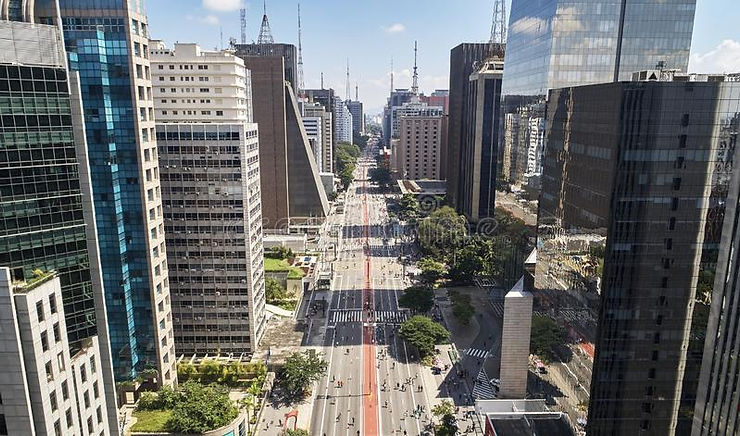
This skyscraper-lined three-kilometre avenue is arguably the city’s principal commercial artery, and is an often-used symbol of the city. Whilst newer clusters of high-end office buildings have started to challenge Paulista’s throne, this remains the beating heart of commercial São Paulo and also home to some of its leading shopping centres.
pbc50
Throw in some excellent bars, the MASP art gallery and Parque Trianon, and Avenida Paulista is still likely to be somewhere that everyone should visit. The street also has excellent metro connections to elsewhere in the city, and provides easy access to pleasant areas such as Jardins and Paraíso.

Jardins / Paraíso

The upmarket, largely residential area of Jardins sits to one side of the Avenida Paulista. The contrast with the hectic thoroughfare however is stark, with pleasant tree-lined streets, gentle hills and upscale apartment blocks and villas providing a pleasant area in which to wonder around.

Neighbouring Paraíso is perhaps one notch down in terms of real estate prices, but is also a very pleasant area to explore. Both areas also have numerous appealing eating and drinking establishments.

Parque Ibirapuera

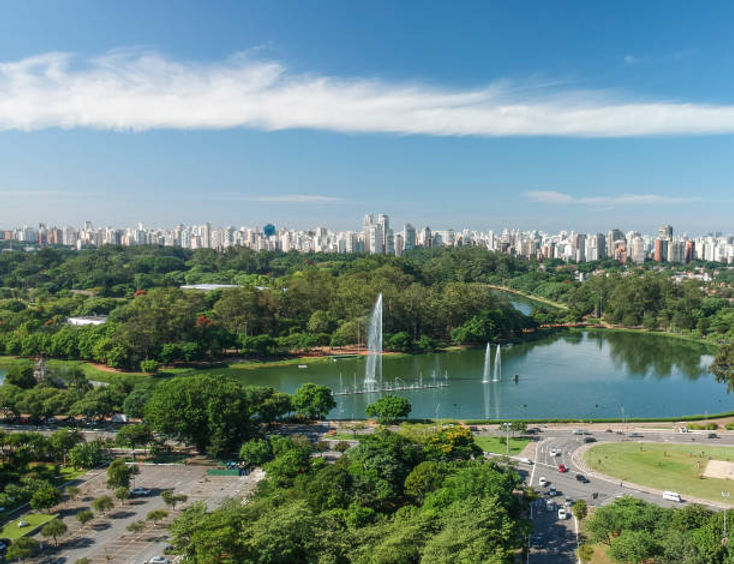
The largest park in central São Paulo, Parque Ibirapuera occupies a central place in the hearts and minds of many residents. Constructed to mark the 400th anniversary of the city’s foundation in 1954, it was built along the lines of classical English landscape gardens and combines greenspace, lakes and sporting facilities, as well as a cluster of buildings by the celebrated Brazilian architect Oscar Niemeyer. If you want to jog or run whilst in São Paulo, this is the place to head for.
lrtk8
MASP

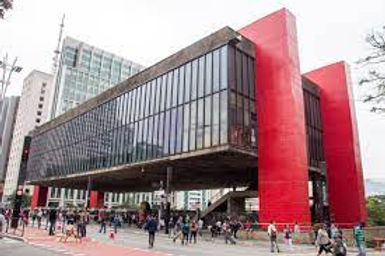
Sited in the middle of the Avenida Paulista, the Museu de arte de São Paulo or MASP as it is universally known, is a striking building that houses both an important collection of Brazilian art and also Latin America’s most significant collection of Western art.
yty1s
Even if personal interests don’t extend as far as visiting the collections themselves, the building itself, which sits on stilts remains striking.

Get up high

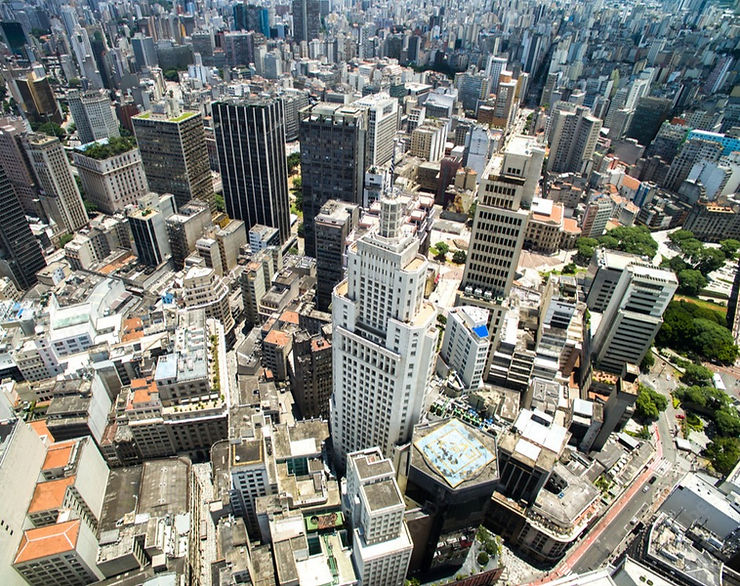
The view from the Hotel Unique is wonderful, but there are numerous taller buildings that provide an even greater panorama view of this enormous city.
ifr88
The view from the Banespa building

The location of the central Banespa building together with the fact that it has a free observation deck, makes it a personal favourite, but there are also a range of other options dotted across the city.

The São Paulo Coast

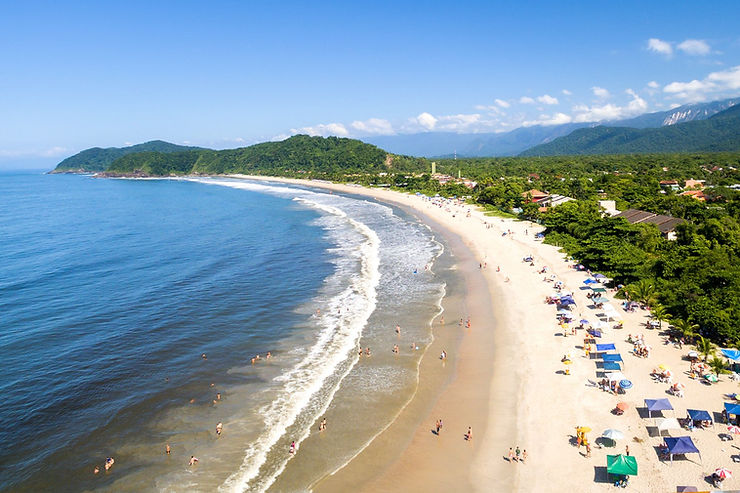
Although the beaches of other areas of Brazil loom large in the popular imagination, it should come as no surprise that the coast of São Paulo state is also home to some excellent beach destinations.
rxy6f
I have written elsewhere about some of the different destinations on the São Paulo coast for those seeking a beach break and given that the coast is only an hour away from hectic São Paulo, it is well worth the journey.

Museo do Ipiranga

Recently re-opened after an extensive period of restoration and modernisation, the Museo do Ipiranga has a range of collections associated with the history of Brazil, and particularly the independence period.

Named after (and located near) the spot on the Ipiranga river where Emperor Dom Pedro I supposedly proclaimed Brazilian independence, the museum sits in a beautiful nineteenth century building set amongst ornate gardens.

Memorial da Resistência de São Paulo (Memorial of the Resistance)

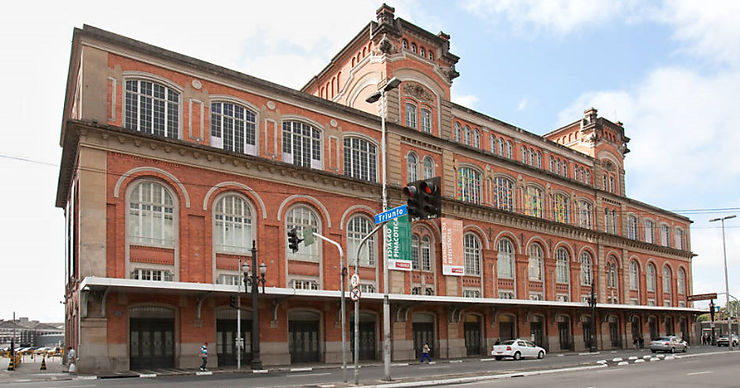
Located close to the Luz train station, the Memorial da Resistência de São Paulo is a museum dedicated to the victims of Brazil’s military dictatorship.
2h16c
The fact that it is located in the imposing (and beautiful) building that was previously the headquarters of the State Department of Political and Social Order of São Paulo makes it even more poignant. Whilst not an emotionally easy place to visit, the museum provides some real insight into a dark period of Brazilian history.

Another interesting area to walk around is the Liberdade district. São Paulo is home to the world’s largest Japanese population outside of Japan, and Liberdade has traditionally been home to one of their largest communities. Therefore, expect good traditional Japanese food and some interesting and unexpected architectural adornments.[……]
Read more

Travel Guide to Israel: 8 Days in Israel

Every year, my family takes a trip for Christmas. This year, we went to Rome, Israel and Jordan and I was in charge of planning the whole trip. We spent 8 days touring Israel on our own with almost no guided tours.

This blog will focus on Israel: where we went, what to do, where we stayed, and how to celebrate Christmas in Israel.

Here is what we did and how I planned the trip! First, a few things you should know:

Day 1: Fly to Tel Aviv and drive to Jerusalem

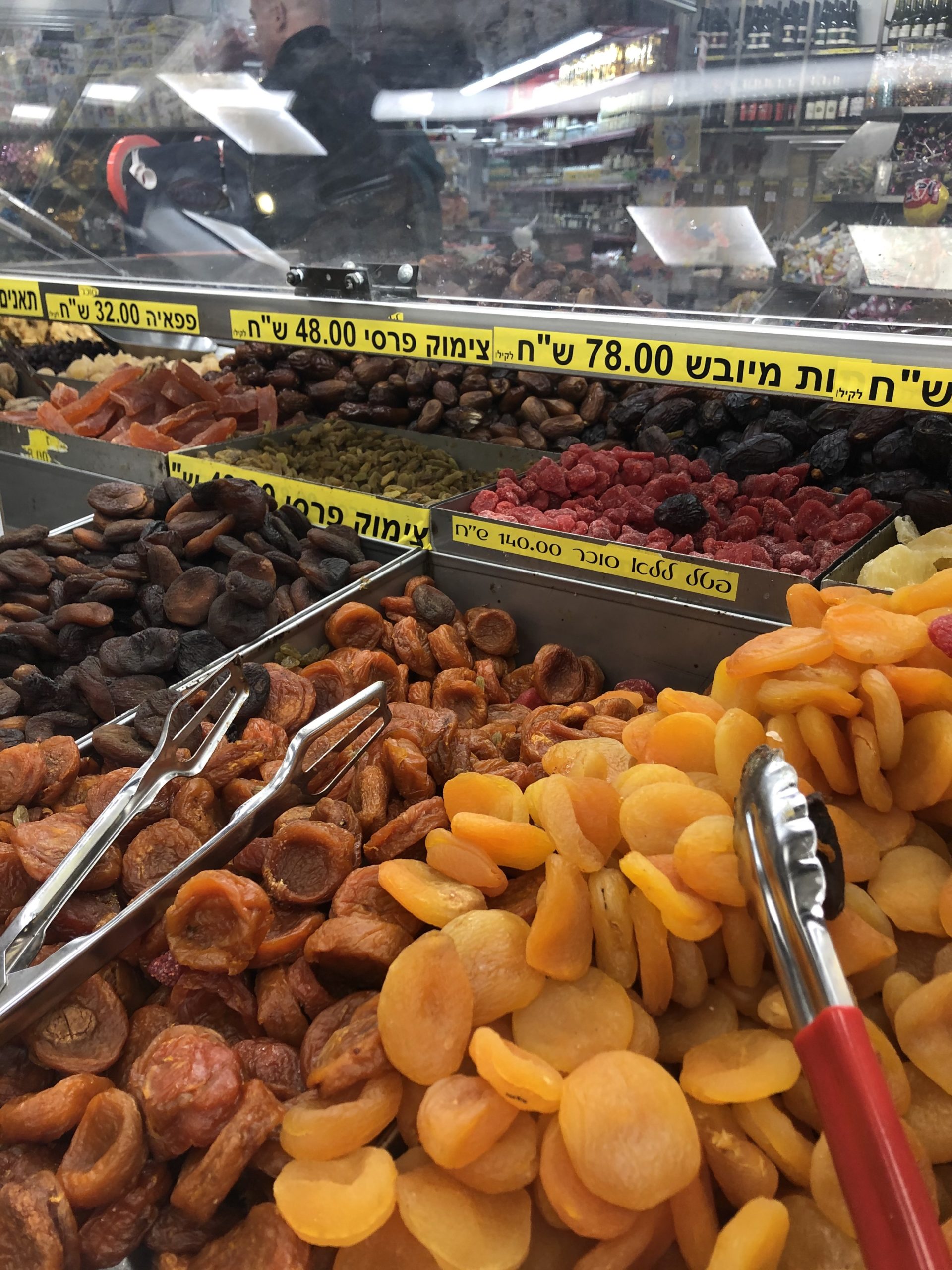
The Ben Gurion Airport in Tel Aviv is the main international airport in Israel. We rented a car from a rental car company at the airport and drove to Jerusalem (about an hour drive). On the way, we stopped for dinner in a town called Modi’in, which is a very non-touristy town. We ate at a cool restaurant called פדריק. The staff were excited to speak with Americans, and the food was great! Right across the street is a bulk Israeli grocery store. We had lots of fun walking around and stocking up on tea, dried fruit, and candy. Then we continued on to Jerusalem for the night.

hza3i
A bulk food market in Modi’in, Israel.

Day 2: Jerusalem: Mahane Yehuda Market, Old City, and Bethlehem for Christmas Eve

Mahane Yehuda Market

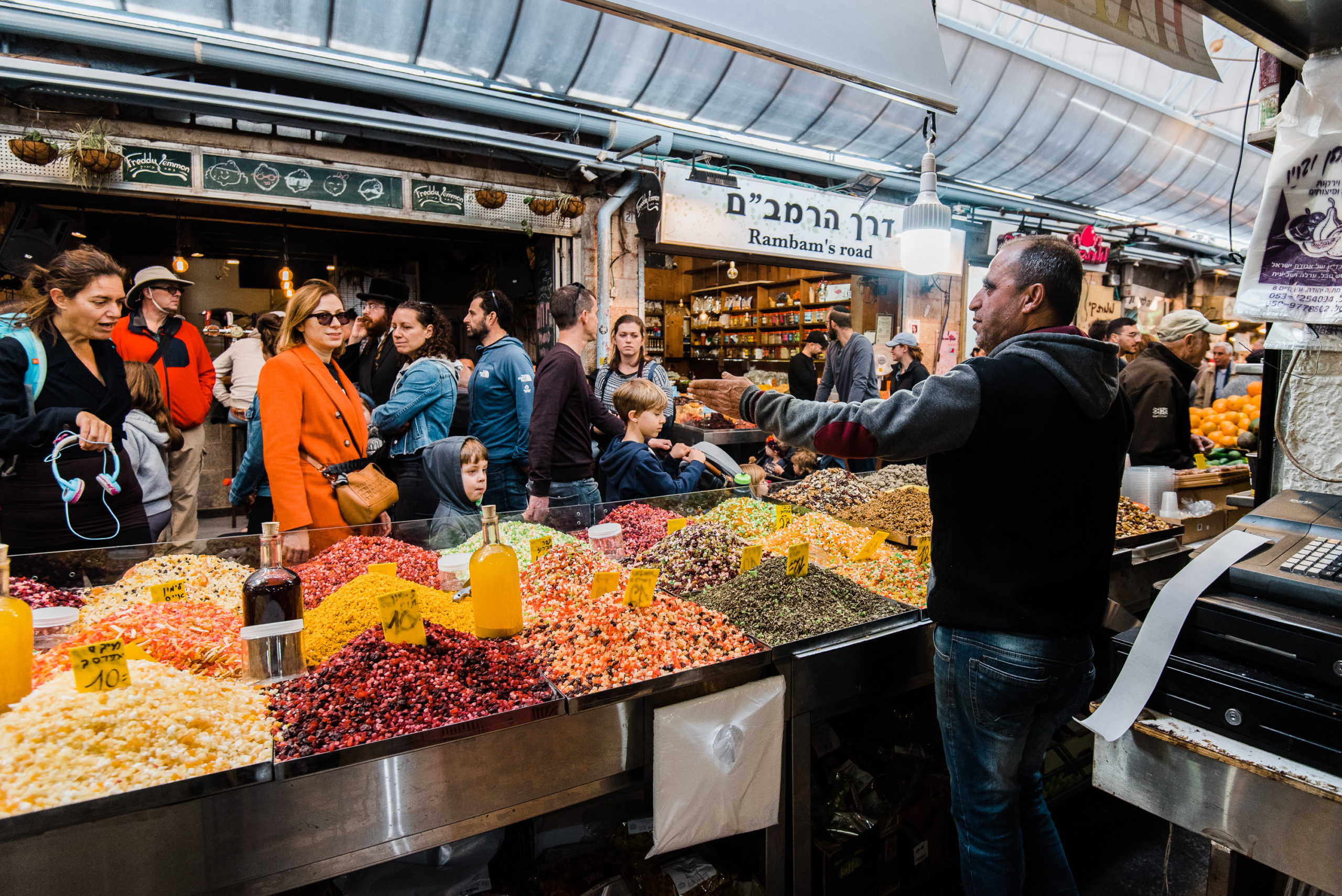
We started Day 2 at the Mahane Yehuda Market in Jerusalem, a busy street market also known as “The Shuk”. There are lots of vendors selling fruit, teas, sweets, and other goods. You can easily walk to the market from Jaffa Street or from the Old City. We bought some fruit and tea then ate lunch at a little place that served seasoned eggplant in a pita.

A man shopping for fruit at the Mahane Yehuda Market in Jerusalem

One of our favorite things to buy in Israel was dried fruit tea. There are lots of different flavors, and lots of stands sell it throughout Jerusalem. You take the small pieces of dried fruit and add them to hot water to create a delicious tea. We ended most nights with hot fruit team. Yummm.

ddcy6
A vendor selling dried fruit tea at the Mahane Yehuda Market in Jerusalem

Fruit tea at the Mahane Yehuda Market in Jerusalem. We LOVED these fruit teas.

The donuts in Israel are also excellent and plentiful.

Donut shop in the Mahane Yehuda Market in Jerusalem

The Old City

The Old City is what most people come to Jerusalem to see! It is a walled area within the modern city of Jerusalem and is home to several super significant religious sites for Christianity, Judaism, and Islam. The Old City is divided into 4 sections: The Jewish Quarter, The Armenian Quarter, The Christian Quarter, and The Muslim Quarter. The walled area is entered by one of seven entry gates with the Jaffa Gate being the most popular for tourists.

j4veb
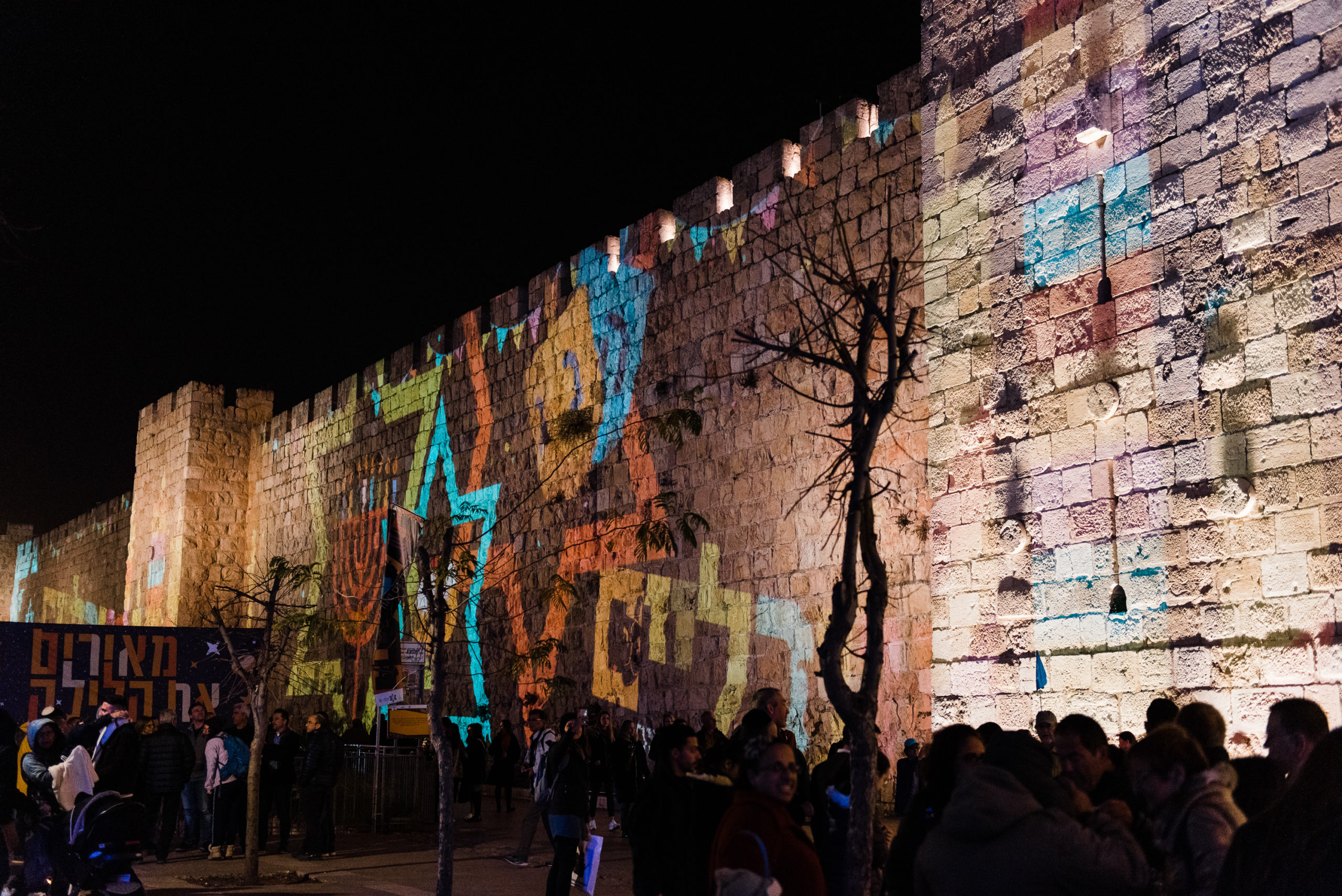
Jaffa Gate at night on Christmas Eve in Jerusalem

This part of Jerusalem is incredible and packed with history, culture, and religious significance. We wandered through Old City on our own quite a bit, but we also took a guided tour of the area with Tourist Israel. The group was big, but the guide did a great job. I would recommend taking a guided tour, but also wandering through the streets on your own.

Wanding the narrow streets of The Old City in Jerusalem is a magical experience.

Church of the Holy Sepulchre

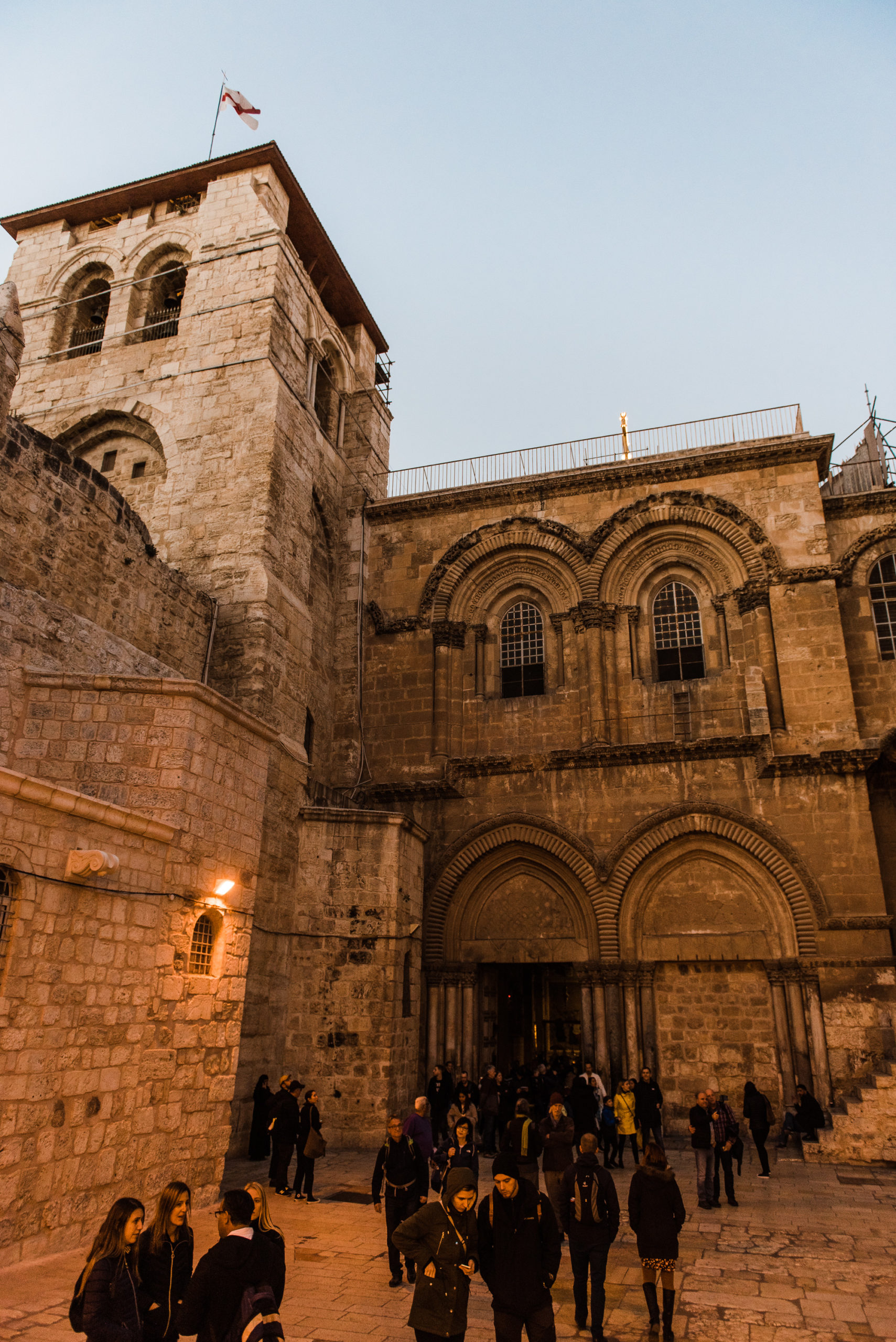
This Church of the Holy Sepulchre is located in the Christian Quarter of the Old City and contains some of the holiest sites for Christianity including the place where Jesus was crucified and the location of Jesus’ tomb.

s65jq
Church of the Holy Sepulchre in The Old City of Jerusalem

This is the site where it is believed that Jesus was crucified-also known as Calvary or Golgotha. The church was literally built around the mount where the crucifixion took place, and you can see the actual rock under the glass on either side of the cross.

Golgotha: The site where it is believed that Jesus was crucified

This is where it is believed Jesus was buried and resurrected. This chapel was built around the site of the tomb.

The site where it is believed Jesus was buried and resurrected

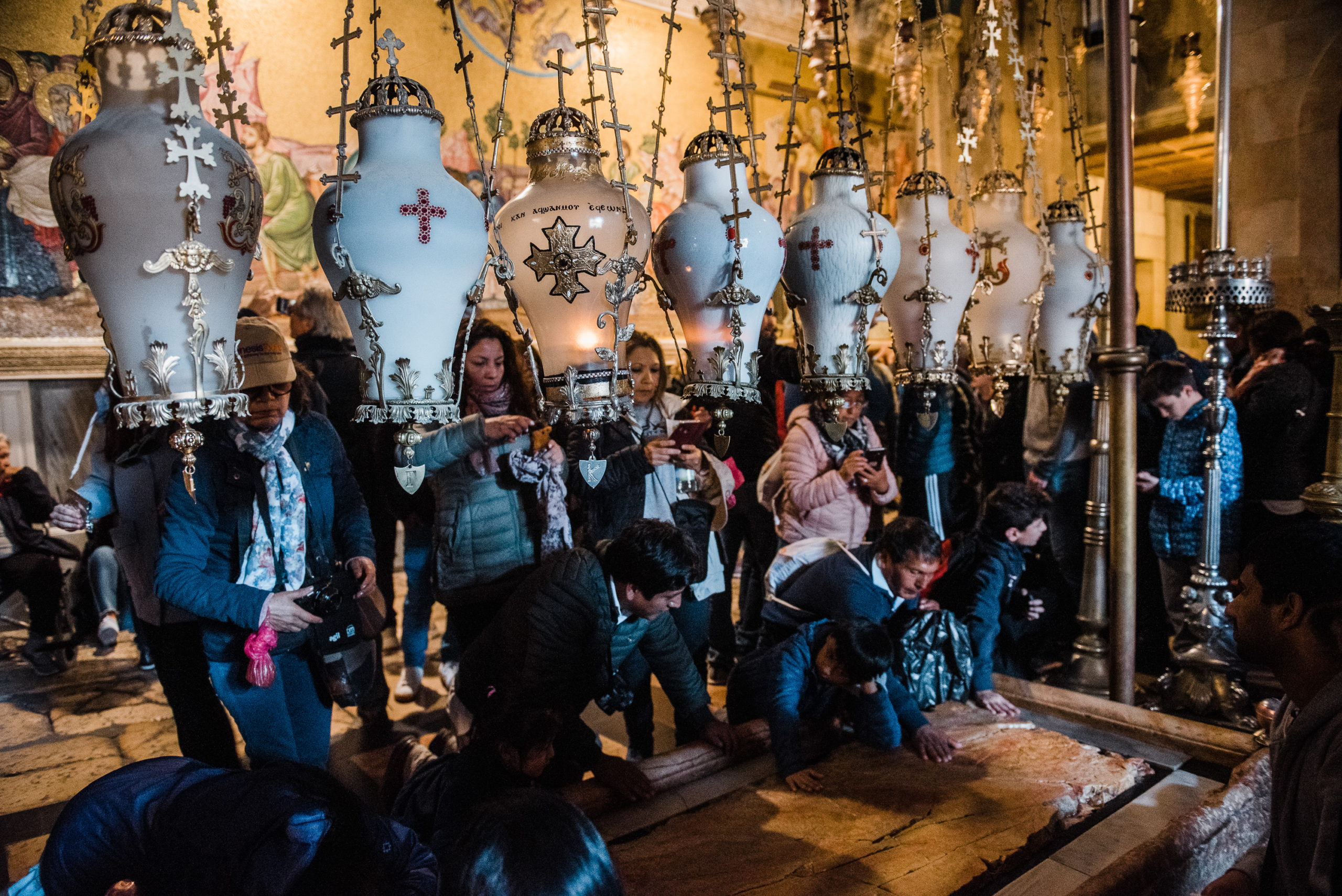
The Stone of Anointing, where it is believed Jesus’ body was rubbed with oil and prepared for burial. Today, people touch the stone and rub items on the stone hoping to absorb some of the oil that was once used on the body.

jikpv
The Stone of Anointing, where it is believed Jesus’ body was rubbed with oil and prepared for burial.

Western Wall

The Western Wall is the last remaining wall of the ancient Jewish Temple in Jerusalem. It is considered the holiest place where Jews are permitted to pray. Today, people of any faith are allowed to visit the wall and pray. Visitors are split separated by gender, and you’ll see people of all ages reading and praying at the wall. It’s an amazing experience to be there and take it in.

The Western Wall in the Old City of Jerusalem

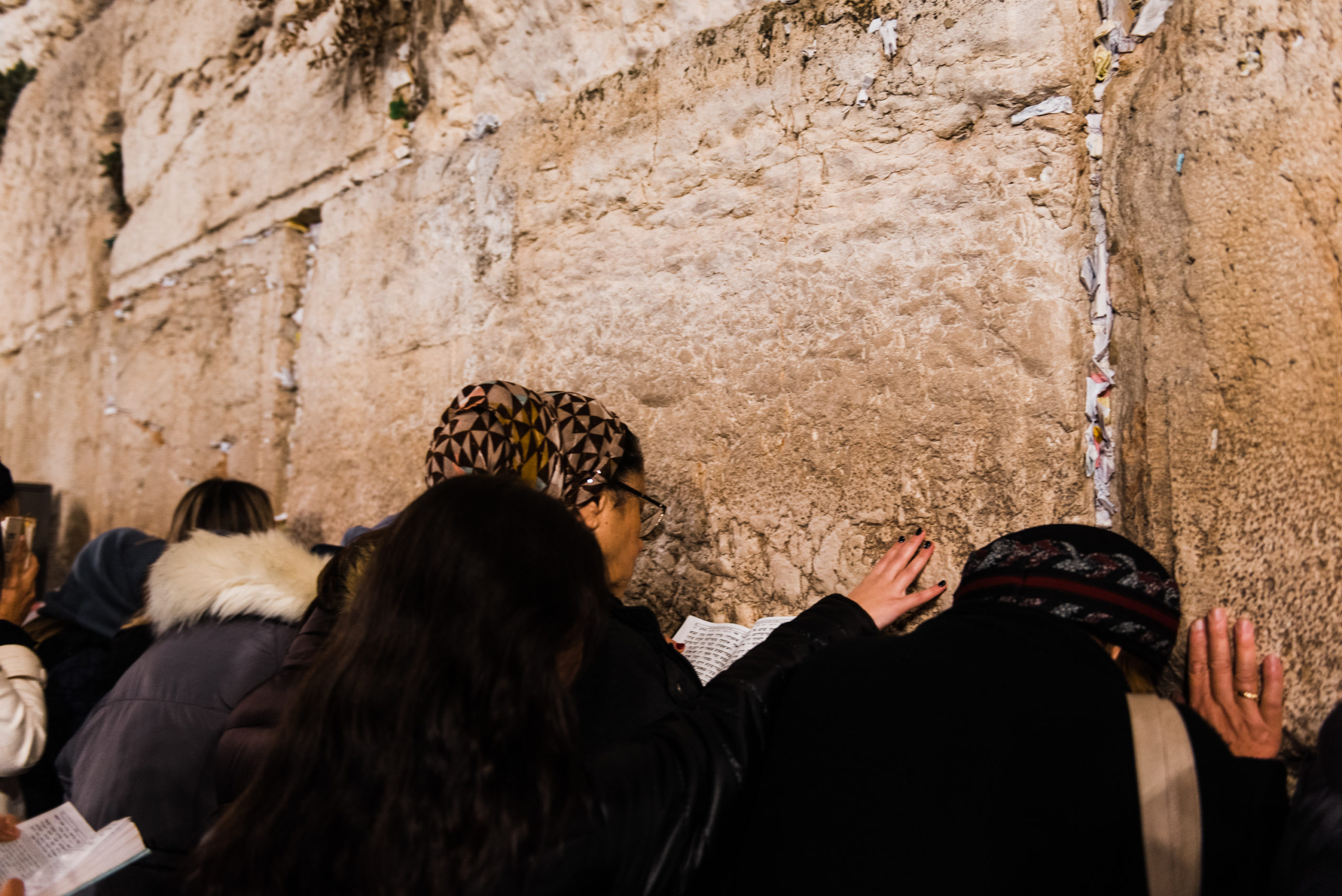
People will write letters and prayers and stick them in the cracks of the Western Wall.

xqlpx
People praying at the Western Wall in the Old City of Jerusalem

More sites from Old City

Midnight Mass in the City of Bethlehem for Christmas Eve

Let me start by saying I do NOT recommend going to Bethlehem for midnight mass on Christmas Eve.

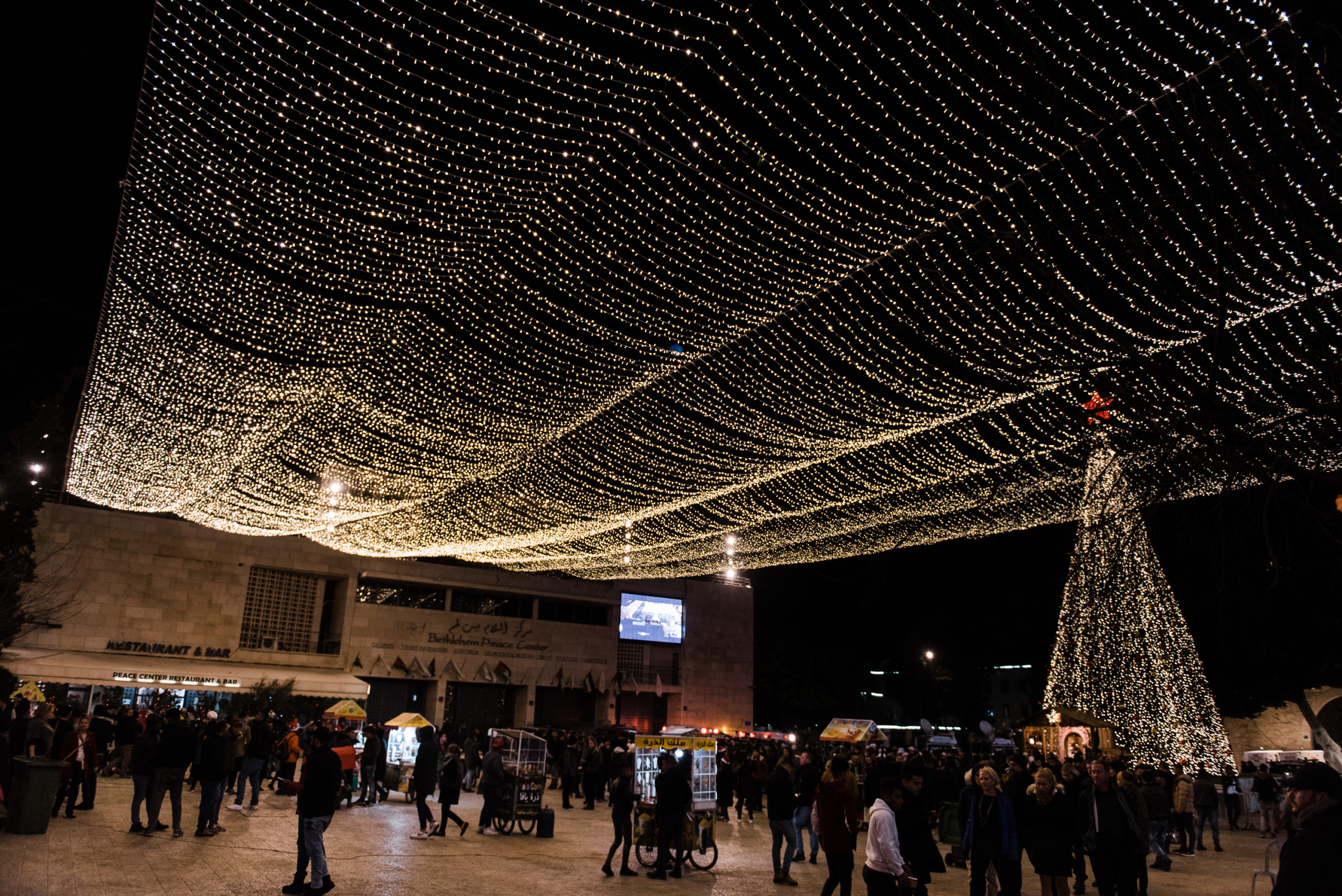
Since Bethlehem is controlled by Palestine, you cannot drive an Israeli rental car into Bethlehem. For this reason, we took a special midnight mass tour to Bethlehem through Tourist Israel. The tour company didn’t do a very good job, but it’s just not worth going to Bethlehem for Christmas eve in general. There is really nothing to see on Christmas Eve, and your time would be better spent staying in Jerusalem. There is a midnight mass in Manger Square, but there is no sound and only one small tv broadcasting the mass. We saw Manger Square and about 15 minutes of the mass before we headed back to Jerusalem.

If you want to see Bethlehem, I think your best bet is to take a taxi from Jerusalem to Bethlehem or take a tour on a regular day. there are other cool things to see in Bethlehem, but midnight mass on Christmas Eve is not one of them.

tev3k
Manger Square in Bethlehem on Christmas Eve

Church of the Nativity in Bethlehem

Day 3: Mount Zion and Mount of Olives

Mount Zion

After being up late the night before, we slept in and relaxed for a bit on day 3. Then we headed back toward Old City to see Mount Zion, which has more religious and historic sites. Mount Zion is located just outside of Old City, and we easily walked there from Jaffa Gate.

e4ld6
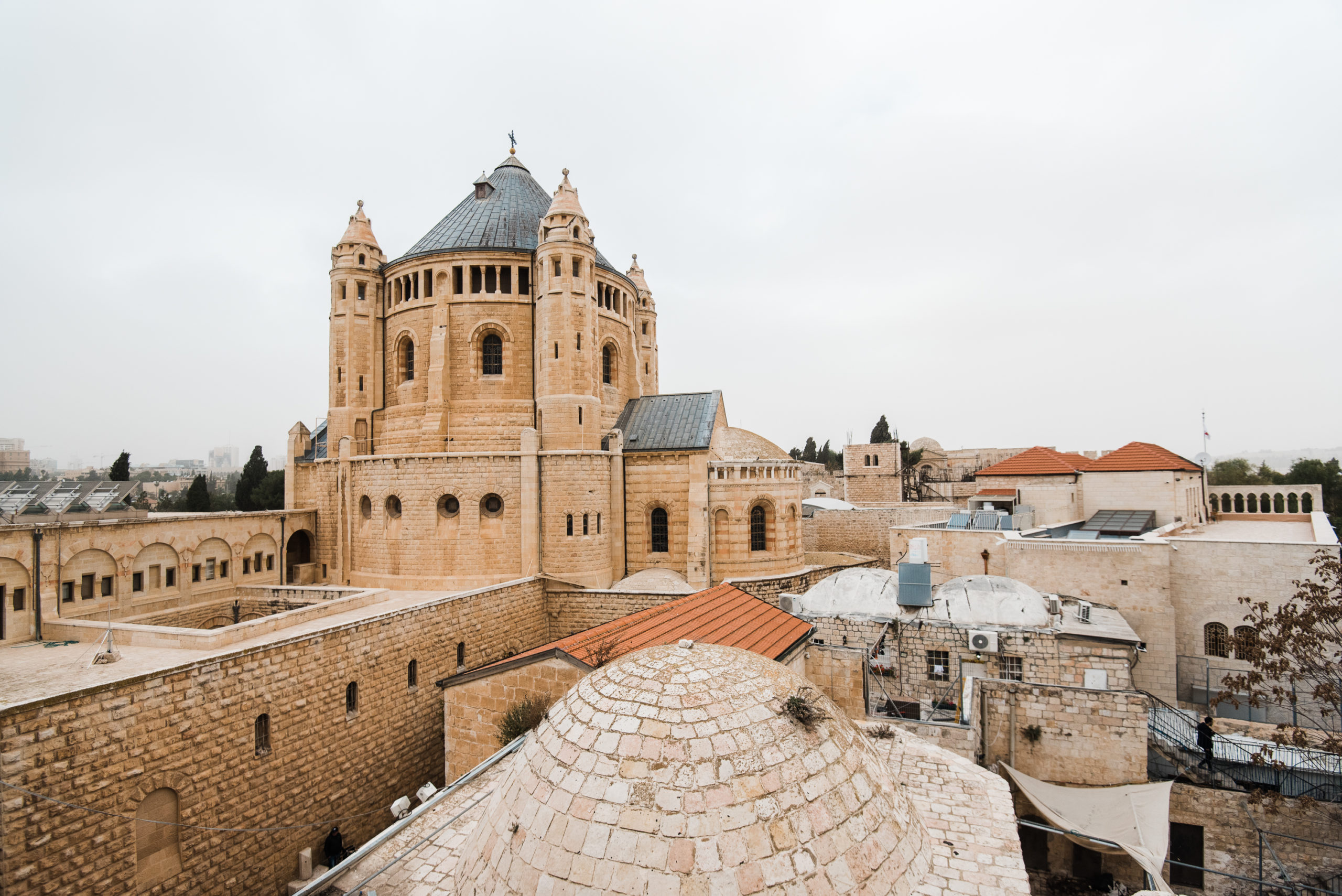
Dormition Abbey at Mount Zion

Dormition Abbey

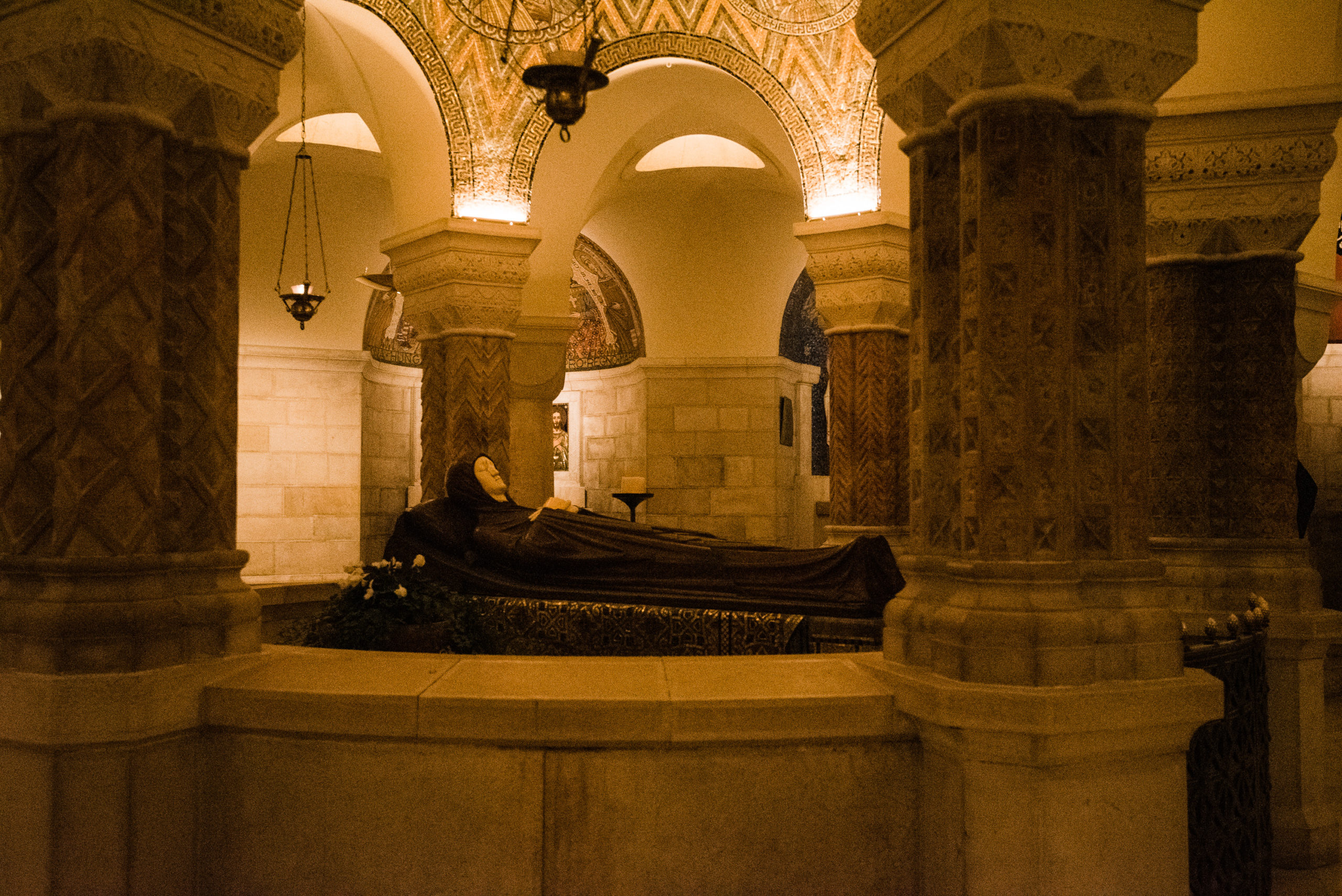
Dormition Abbey is an ancient monastery at Mount Zion and is believed to be the place where the Virgin Mary died. It’s a beautiful structure, and you can go inside to see the stunning interior and the crypt.

Inside Dormition Abbey at Mount Zion

bnzuh
The crypt in the Dormition Abbey where it is believed the Virgin Mary died.

Mount of Olives

Mount of Olives is another Biblically important site just outside of the Old City. We didn’t exactly do Mount of Olives the best way, but we saw it! After Mount Zion, we walked through Old City to Damascus Gate and caught a bus to the top of Mount of Olives. The bus was easy and cheap and took us right to the top where Chapel of the Ascension is. The chapel is believed to be the place where Jesus ascended into heaven after his resurrection. There is a small fee to enter the chapel area.

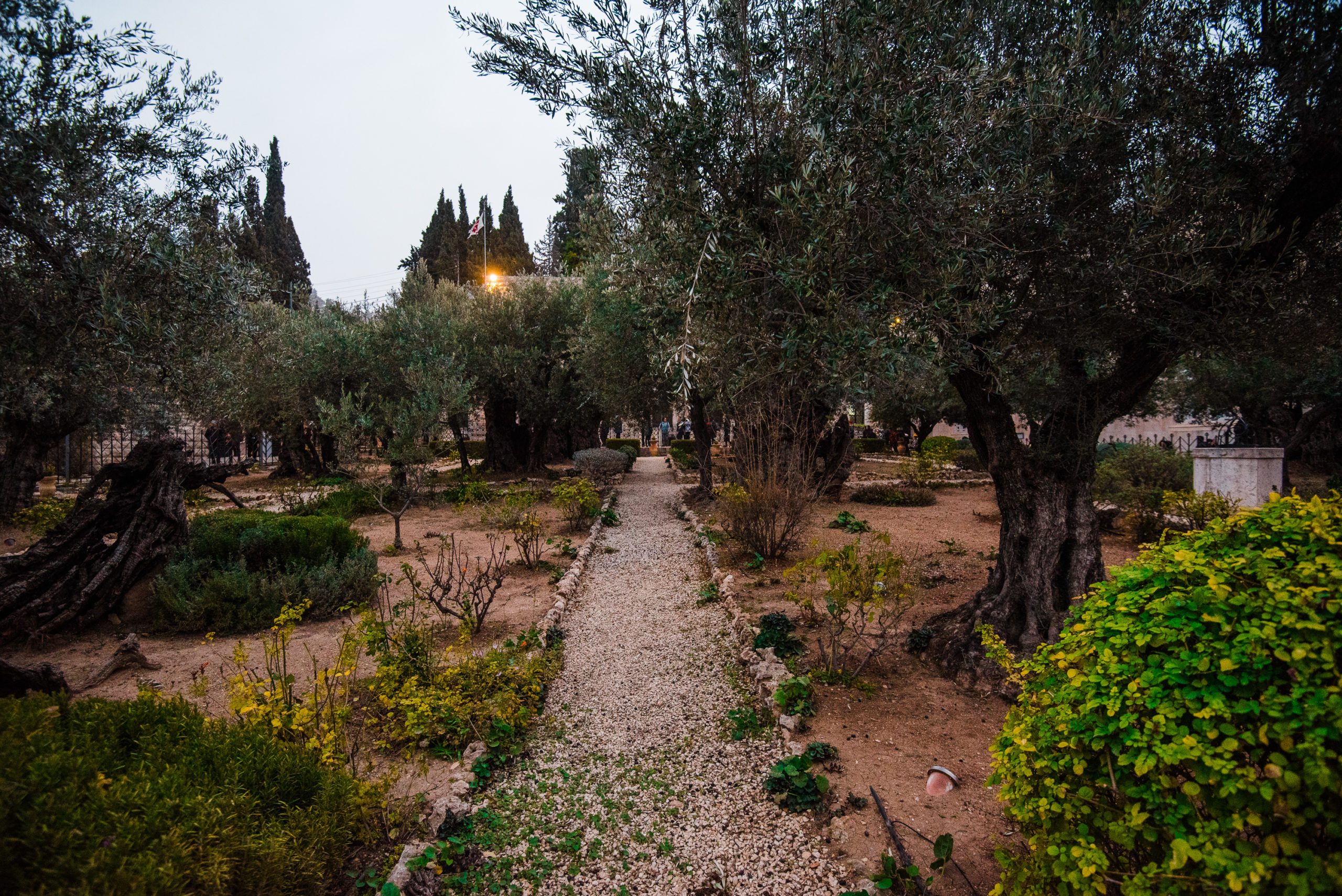
From the chapel, we walked down a steep hill to the Garden of Gethsemane, where Jesus was arrested. The garden is beautiful and is also the site of The Church of All Nations, also known as the Church or Basilica of the Agony, where Jesus prayed before his arrest.

2ke0u
Garden of Gethsemane

Inside the Church of All Nations, also known as the Church or Basilica of the Agony, where Jesus prayed before his arrest.

Day 4: Jerusalem: Temple Mount and City of David

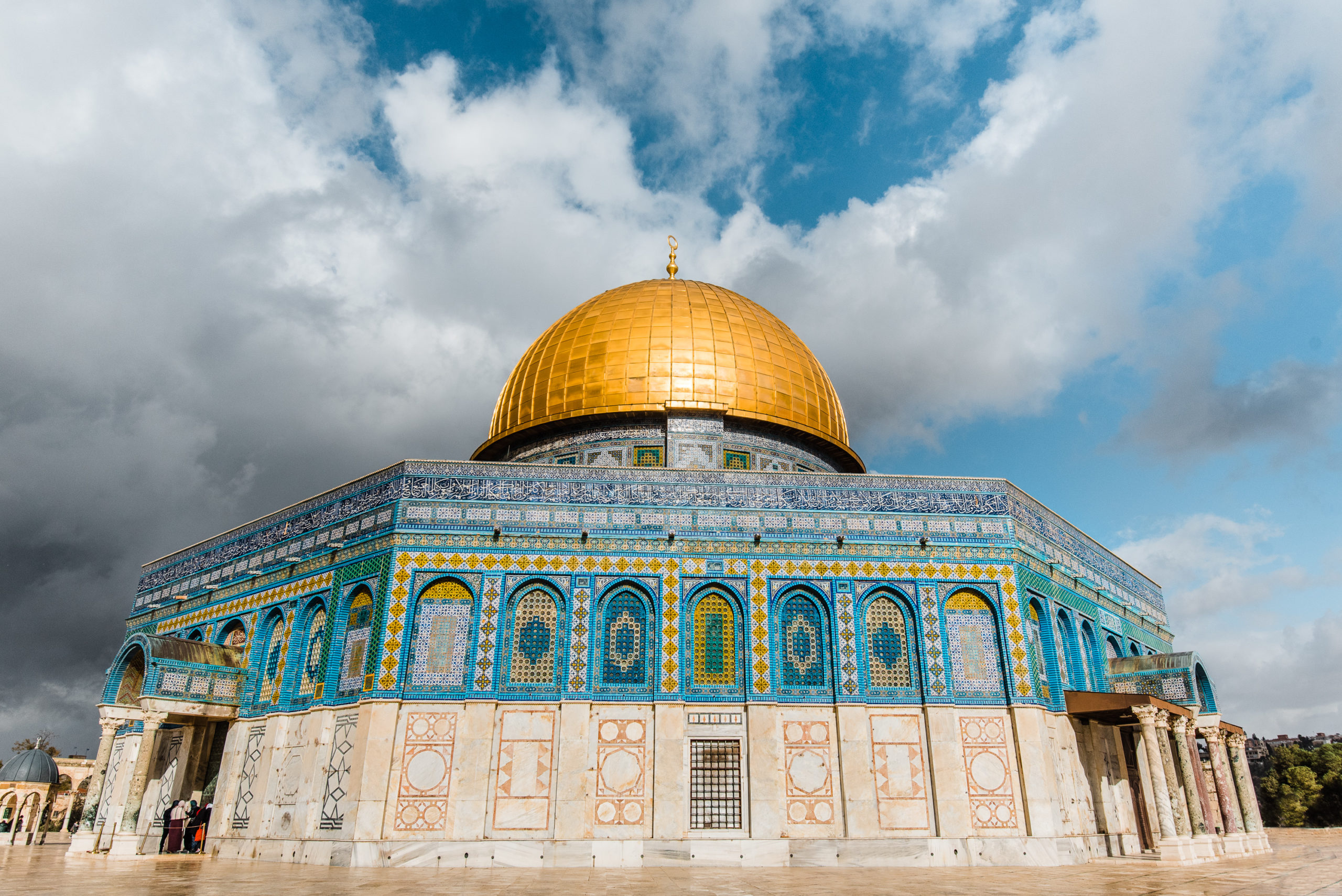
Dome of the Rock at Temple Mount

I was so excited to see Temple Mount. Not only is it absolutely stunning, but this place is a sacred site for Judaism, Christianity, AND Islam. In Judaism, it is believed that here God gathered the dust to create the first man. In Christianity, it is believed that Dome of the Rock is where Abraham almost sacrificed his son Isaac. In Islam, it is believed that this is where Muhammad ascended into heaven.

IMPORTANT: There are only certain times of day when Temple Mount is open for non-Muslims. We didn’t know this and were turned away the first time we tried to visit. There is usually a morning time slot and an afternoon time, and the guards will kick you out of the area as soon as opening hours are over. We went during the last 15 minutes of the afternoon timeslot and had no trouble getting in, but I’ve heard that lines can get long, so it is best to go first thing in the morning. Find opening times here.

1tvpd
Dome of the Rock at Temple Mount in JerusalemDome of the Rock at Temple Mount in Jerusalem

City of David National Park

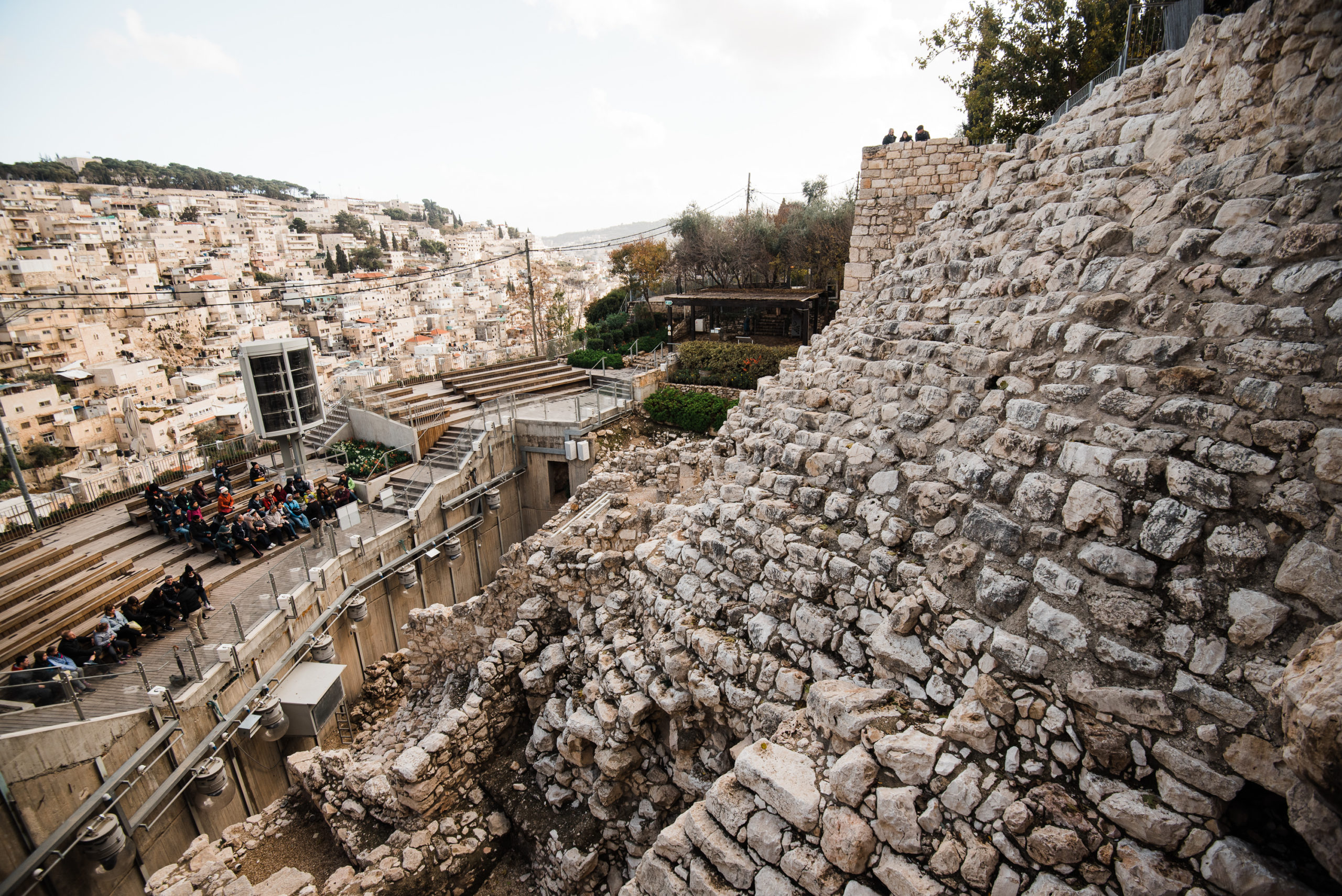
This was one of my favorite things we did in Jerusalem! Jerusalem is said to have begun about 3,000 years ago when King David “conquered a narrow hill south of today’s Old City, making it the capital and spiritual center of Israel“. Today the area is a National Park that includes ruins of David’s original palace. It’s amazing.

Ruins of King David’s palace

oj9bq
Ruins of the ancient city in the City of David

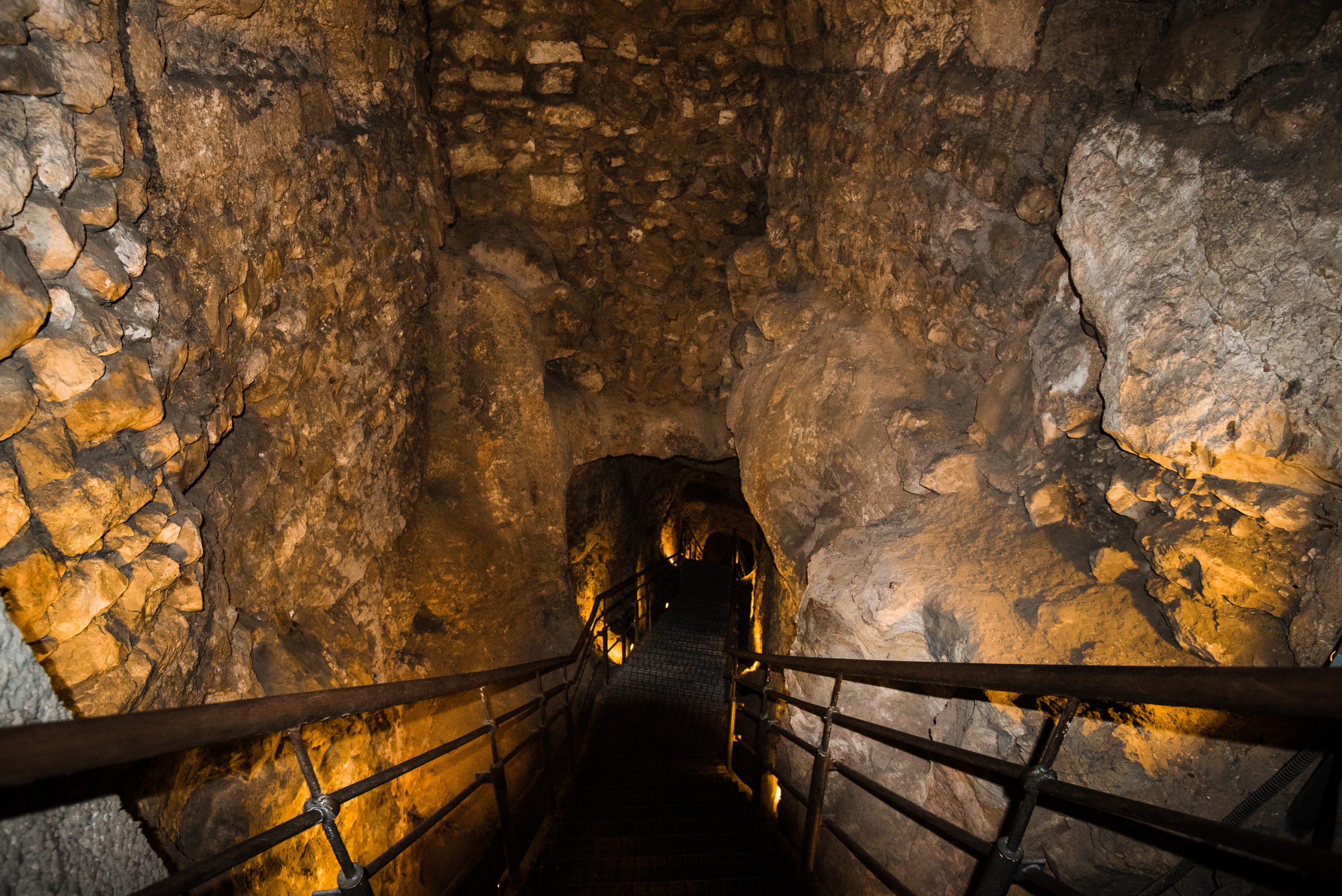
One of the coolest things about the City of David is the Siloam Tunnel also known as Hezekiah’s Tunnel, which is a water channel that was carved beneath the City of David. The tunnel still exists, and you can walk through it if you’re willing to get your feet wet!

The tunnel is pitch black and covered with water that ranges from ankle-deep to thigh-deep. It takes about 20-30 minutes to walk the length of the tunnel and it was such an amazing experience. There is also a shorter, dry option of Hezekiah’s Tunnel, but the wet option is way more fun.

97z9e
Steps descending into the Siloam TunnelWalking through Hezekiah’s Tunnel

Day 5: Day Trip from Jerusalem: Masada National Park and the Dead Sea

Masada National Park

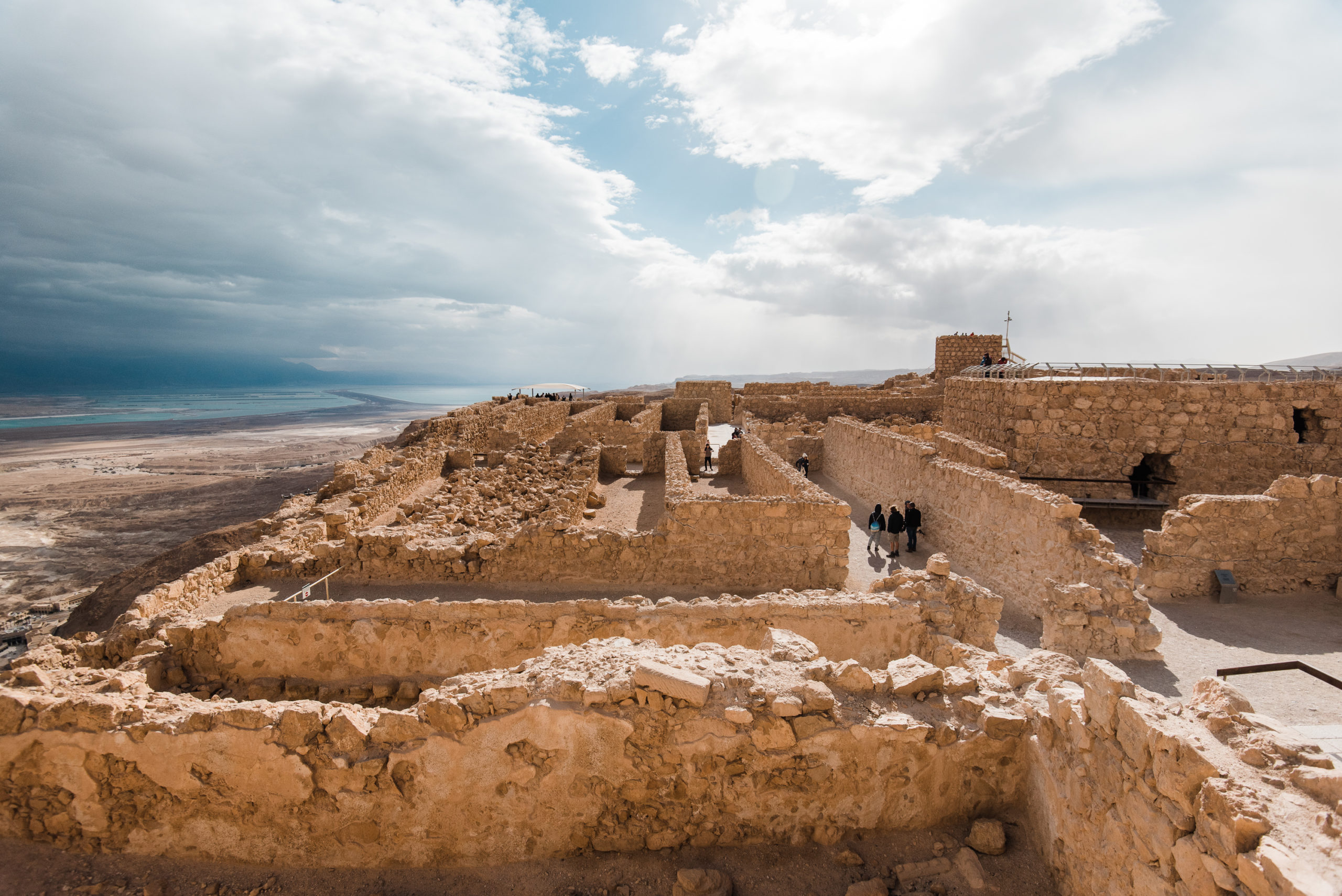
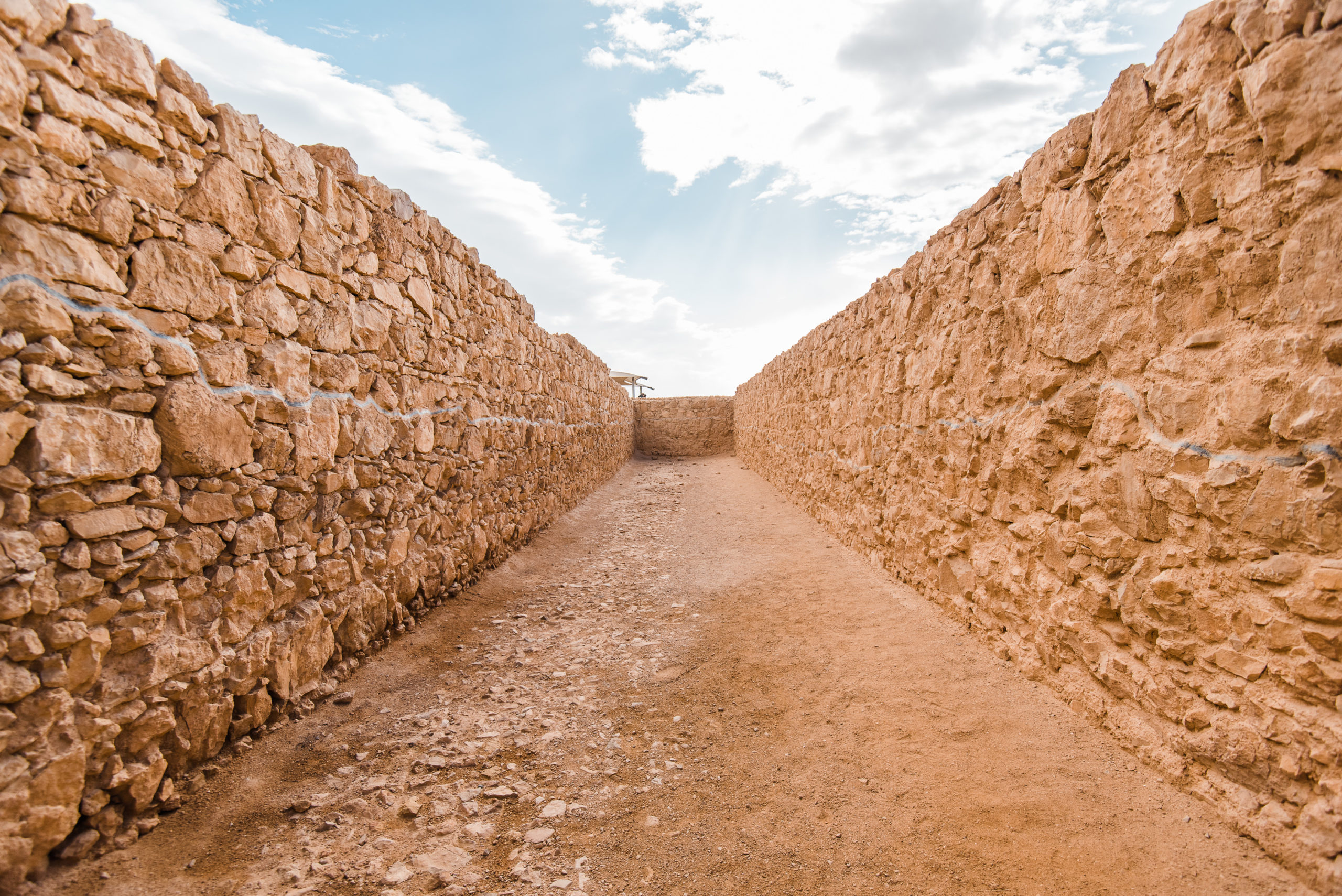
Masada is only about an hour and a half drive from Jerusalem, making an easy day trip from the city. Located in the southern Judean Desert, Masada is a famous ancient fortress located on a large plateau overlooking the Dead Sea. Herod the Great built two palaces for himself on the plateau. Then, after Rome conquered Israel, the last of the rebels against Rome took refuge at Masada. The siege of Masada by Roman troops from 73 to 74 CE, at the end of the First Jewish–Roman War, ended in the mass suicide of the 960 rebels who were hiding there. Masada is an amazing site with so much history.

o4gxa
The ruins at Masada National Park

One of the palaces at Masada

This structure was used to house pigeons! Each hole was home for a bird.

Ancient mosaics on the floor of one of the palaces

pvw55
Storage units

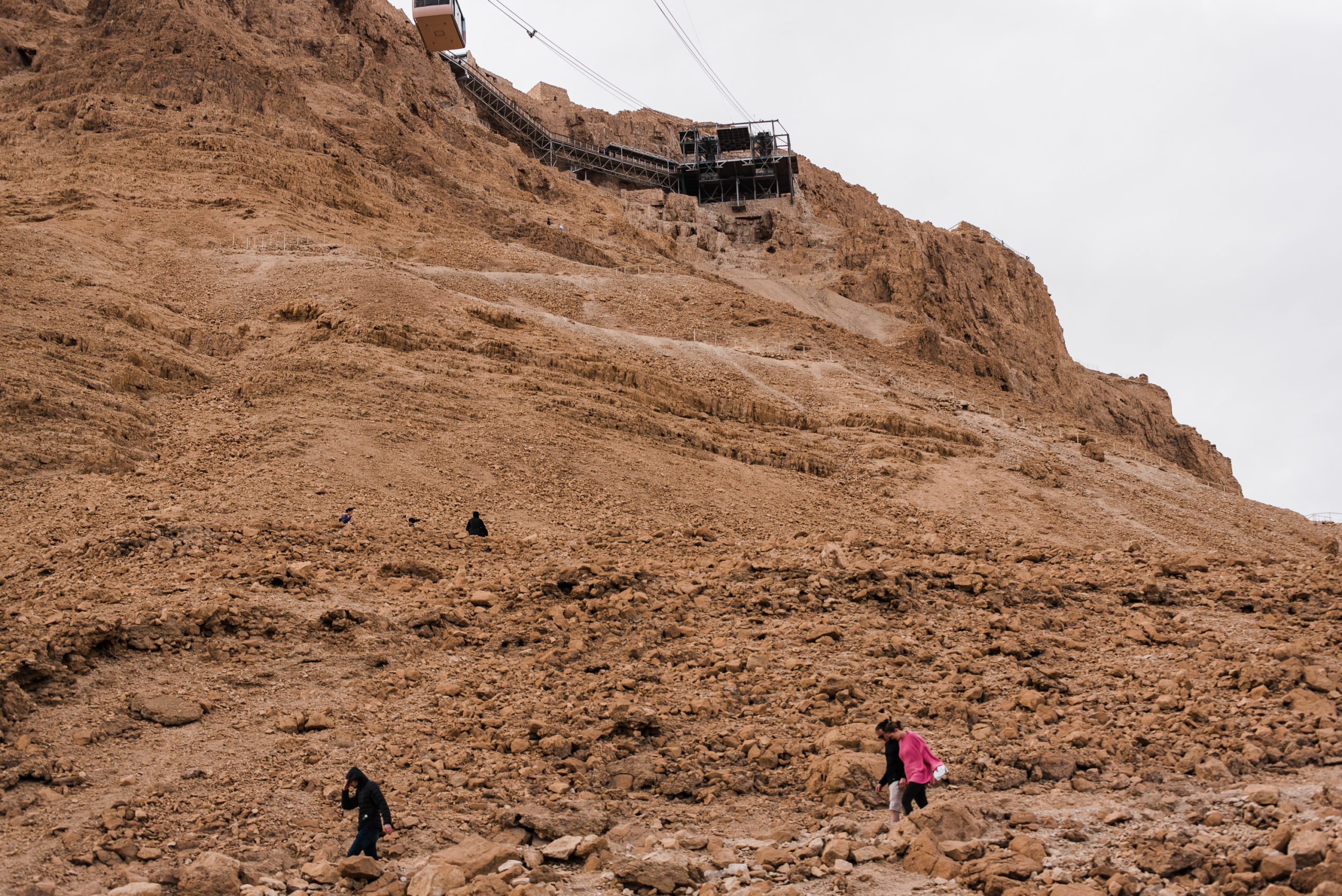
You can easily drive to Masada, and then there are 2 ways to get up the massive plateau: hike of the Snake Path or take the cable car. We chose to take the cable car up and hike down. Good decision all around. There are great views from the path, but the trail is steep and it was much faster to take the cable car up.

Cable car up to Masada

hqrt3
Snake Path up to Masada

Views from the Snake Path

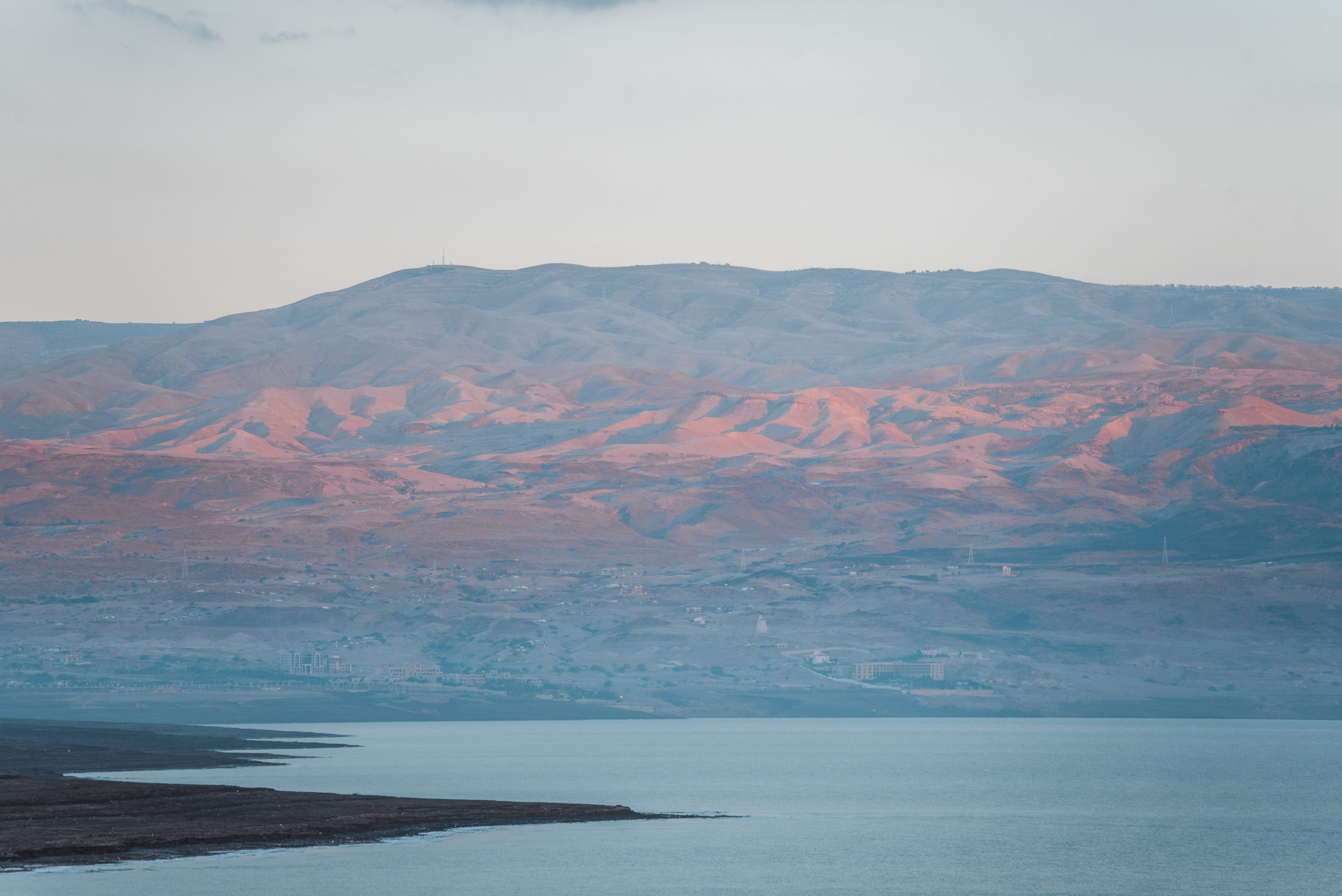
If you drive to Masada from Jerusalem, you will be driving right beside the Dead Sea for most of the journey. We stopped at Kalia Beach on our way back from Masada to take a swim in the Dead Sea. In this area, there really aren’t many places to just pull over on the side of the road to swim in the Dead Sea, so we opted to stop at a designated beach. Plus, if you go to an actual beach, there are usually showers. The beaches can be a bit expensive, but it was worth it to have the experience of swimming in the Dead Sea!

Swimming in the Dead Sea

e1khr
The Dead Sea at sunset at Kalia Beach

Kalia Beach

Sunset at Kalia Beach on the Dead Sea

Day 6: Qumran National Park, En Gedi National Park and Driving to Galilee Region

We could have planned this day a little better. It’s possible to do Masada, En Gedi National Park, AND swim in the Dead Sea all in one day. However, we didn’t feel like rushing, so we ended up doing En Gedi the same day we drove to the Galilee region, which doesn’t make much sense because En Gedi is south of Jerusalem and Galilee is north. We made it work though!

Qumran National Park

Qumran National Park is an easy 4o minute drive east of Jerusalem. It’s on the way to Masada and En Gedi National Park, so if you are visiting either one, plan to stop at Qumran on the way. This park was a bit of a spontaneous visit for us, but we are so glad we went!

zwwyx
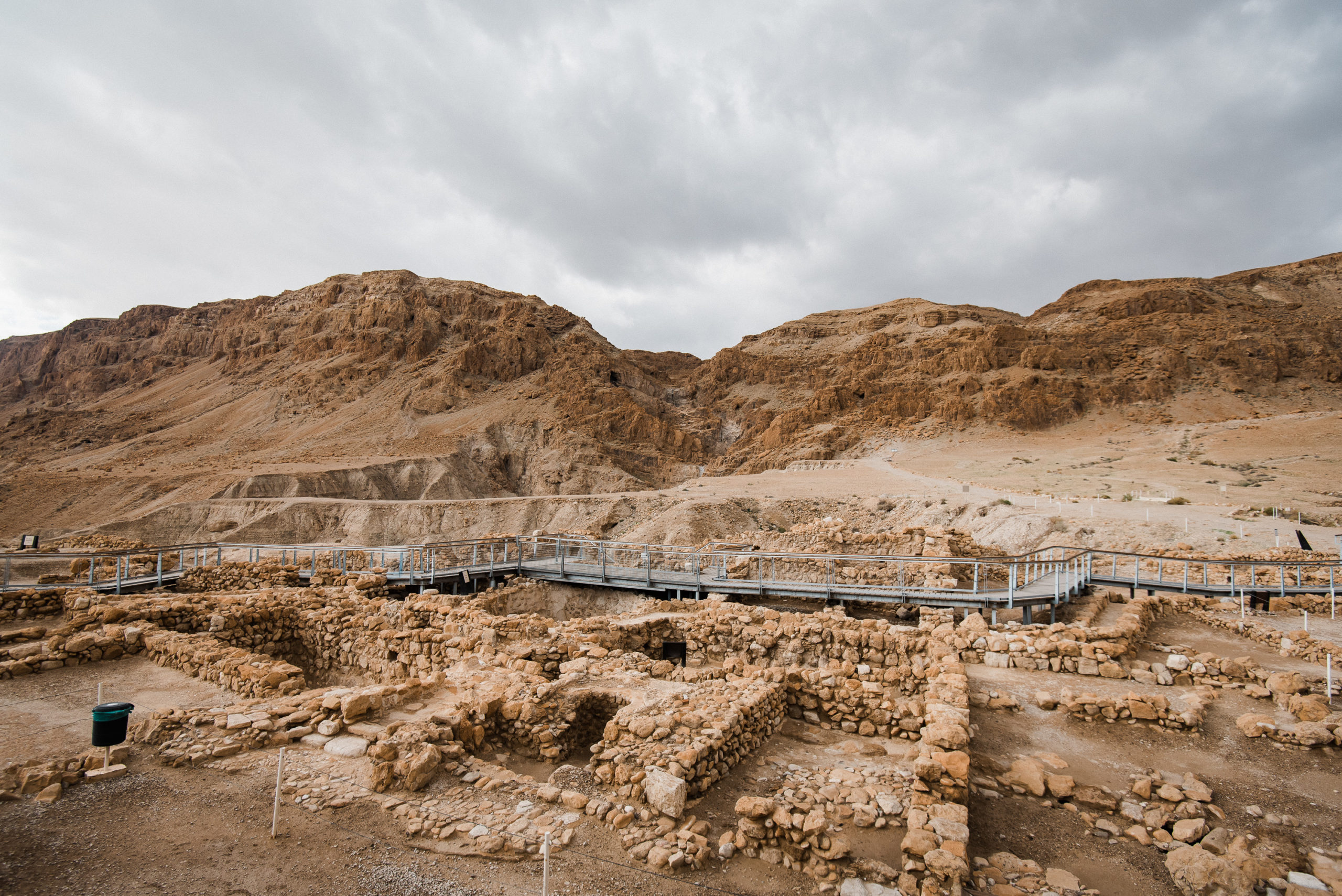
Ruins of Qumran

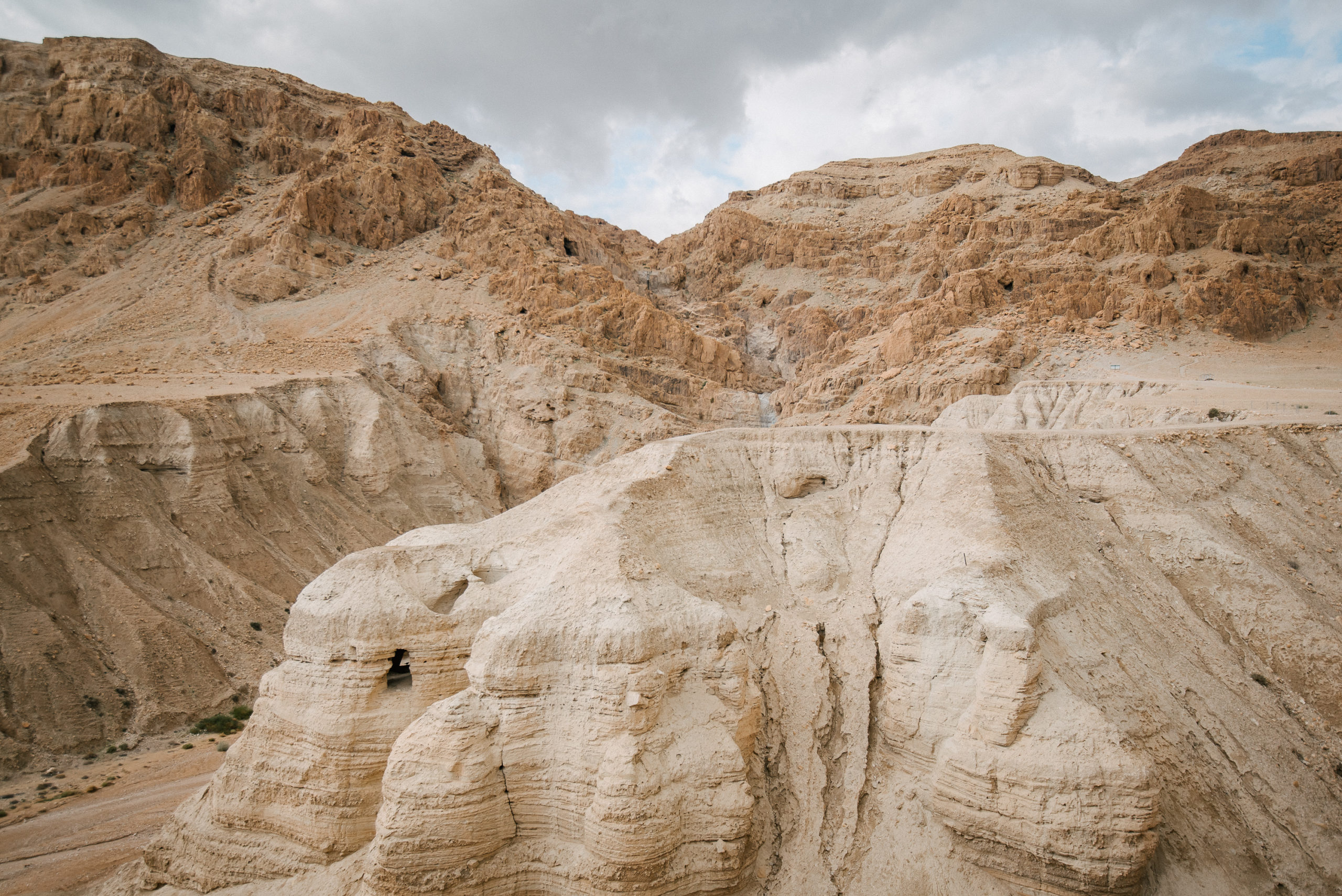
Qumran was established during the time period of 134-104BC. Archaeologists excavated multi-level structures, ritual baths, kilns and houses in the area. A community of people called the Essenes Jewish sect settled here, and from information found in the Dead Sea Scrolls scholars have managed to get a clear picture of the community’s way of life and beliefs. (Info from Tourist Israel).

Walking through the ruins of Quaran National Park

Qumran National Park is known for being the settlement nearest to the Qumran Caves where the Dead Sea Scrolls were discovered. In 1947, local Bedouins (nomadic people) discovered a clay jar containing 7 scrolls in a cave about 1.5km from Qumran. Further exploration of the area uncovered a total of 972 texts, which included the oldest known existing copy of the Old Testament.

3dm6m
Caves at Qumran National Park

En Gedi National Park

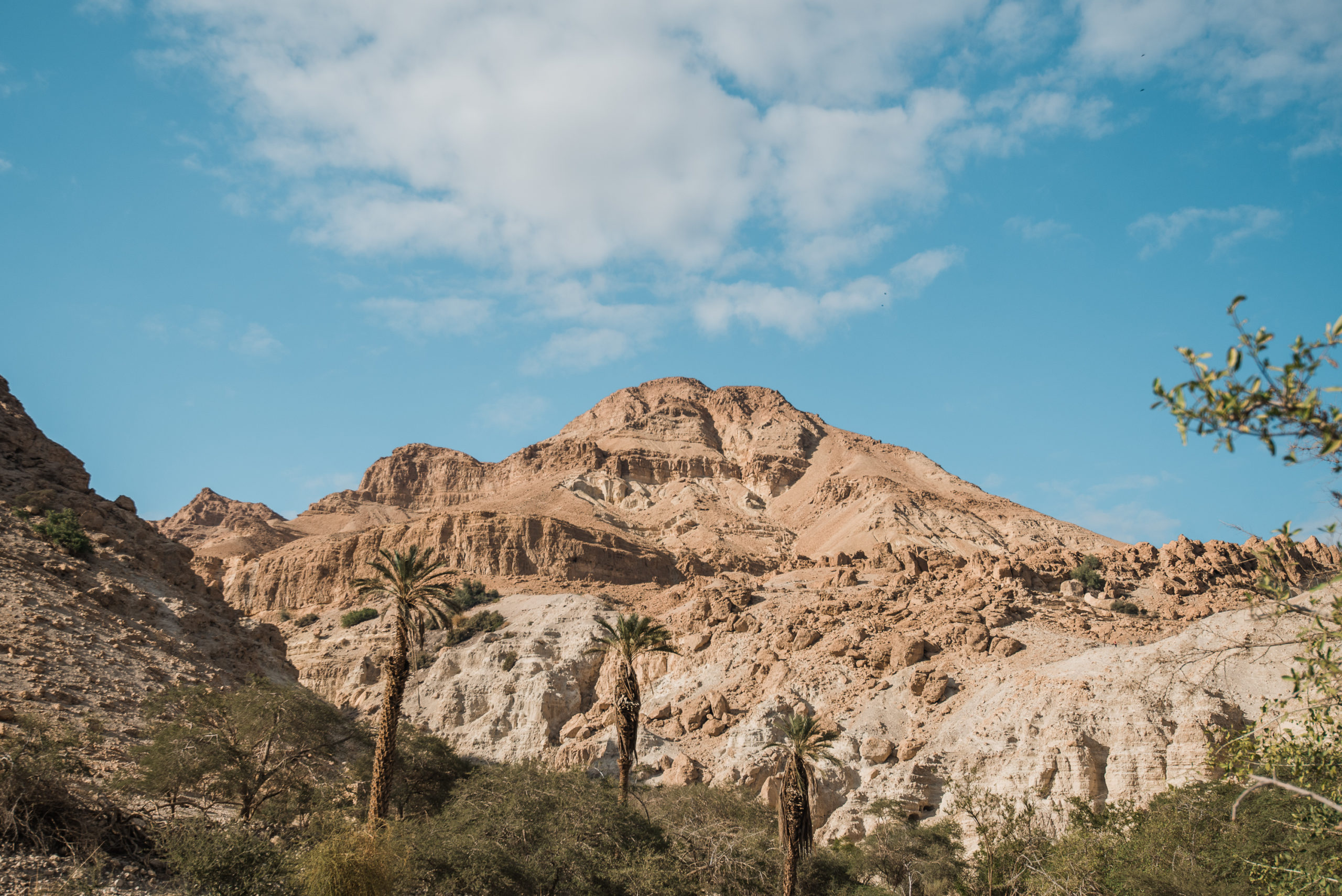
En Gedi is the biggest oasis in Israel with hiking trails, springs and waterfalls. The park was our main destination for the day, and it definitely worth visiting! You could spend a whole day hiking here, but we just did the David Waterfall Trail, which takes about an hour.The David Waterfall goes through the Wadi David (valley) and trail loops from the ticket office, to the waterfall, and back. You’ll see waterfalls, springs, epic desert views, and maybe even some wildlife!

NOTE: Entrance to En Gedi National Park ends one hour before the actual closing time. Plus, certain trails will start to close even earlier. Make sure you plan to arrive with plenty of time until the listed closing time!

8p5dy
David Waterfall in En Gedi National Park

We also saw wild ibex and rock hyraxes.

Ibex at En Gedi National Park

Rock hyrax at En Gedi National Park

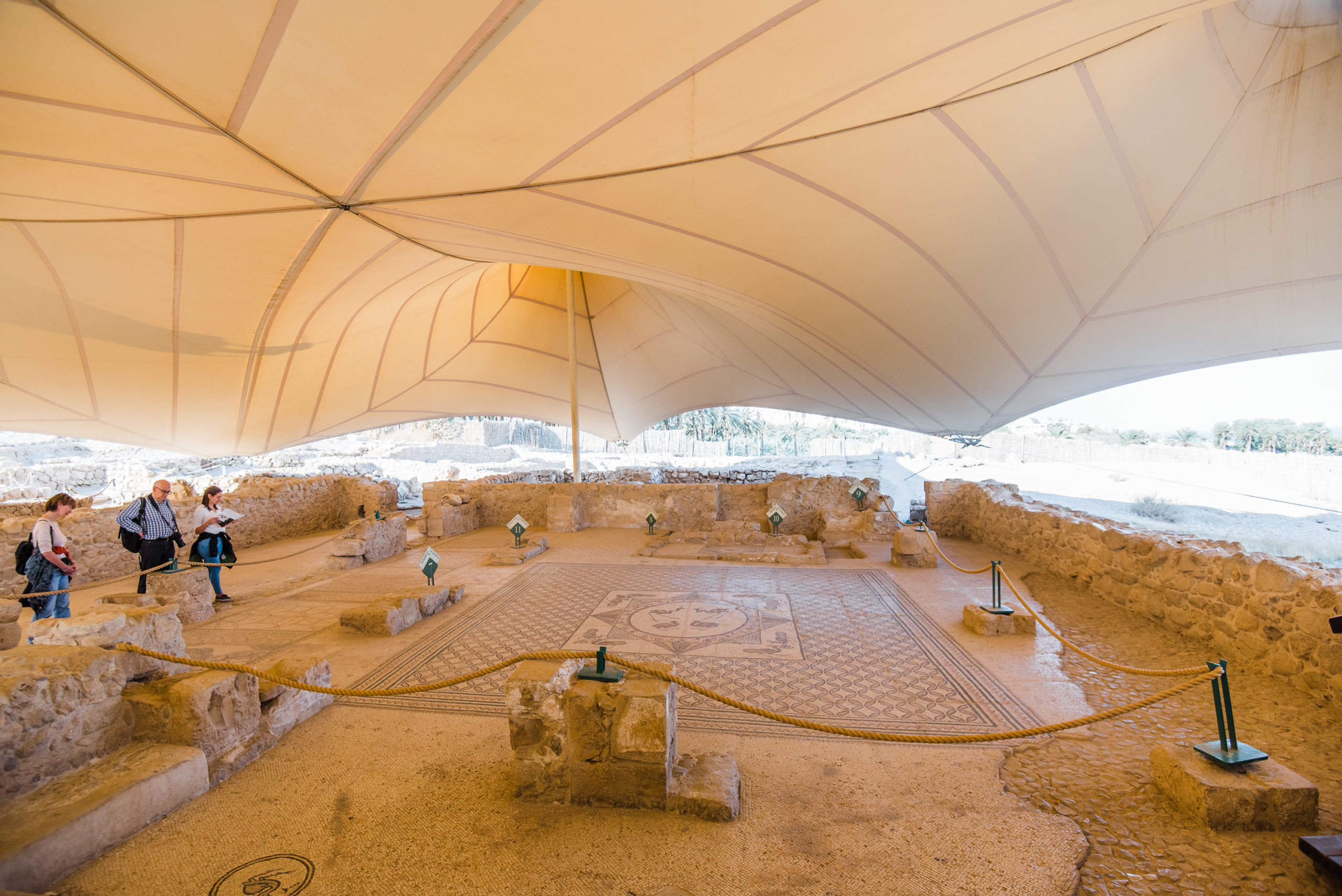
If you have a little time after hiking in En Gedi, take a short walk to the ancient synagogue, which is about a 15-minute walk from the En Gedi parking lot. Your entrance ticket to En Gedi should also get you into the synagogue. The mosaic floor of the synagogue is impressive.

9mqnh
After En Gedi National Park, we drive north to the Galilee region of Israel, which is about a 2-hour drive. You can do the Galilee region as a day trip from Jerusalem, but we chose to spend 2 nights near Nazareth.

Views on the drive from En Gedi to Galilee

Day 7: Galilee Region: Capernaum, Church of the Multiplication, Mount Arbel

The Galilee Region is where Jesus grew up and spent a significant amount of time throughout his life. It’s a beautiful part of Israel with lots of important religious sites. We stayed in an Airbnb in Kiryat Tiv’on, which was a good location for seeing the area, though you could stay closer to Nazareth or Capernaum.

Note: Check opening times of all the religious sites in this area. Many churches or sites will close for an hour or two in the afternoon. We missed the Mount of the Beatitudes because we didn’t read the opening times right!

Capernaum National Park

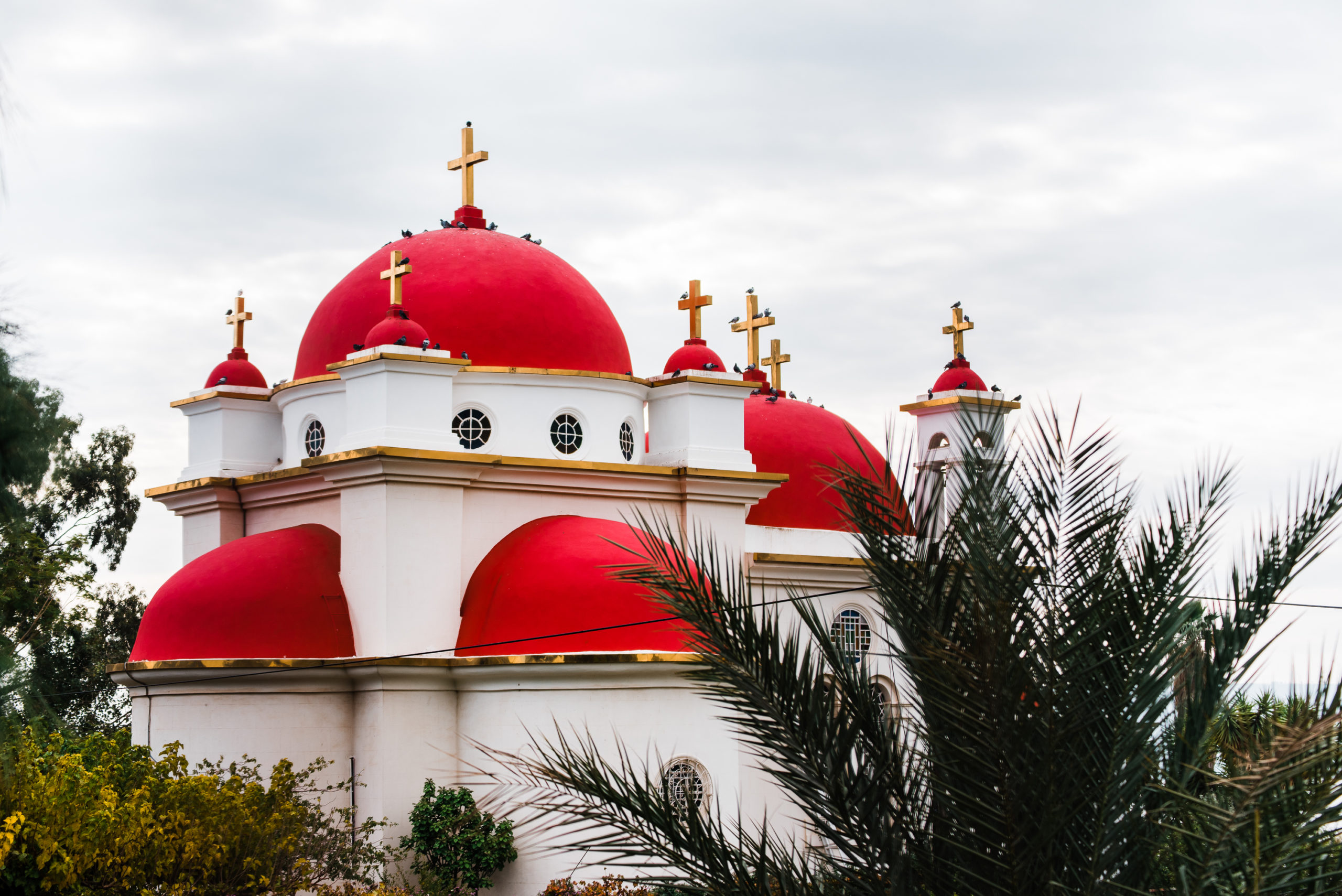
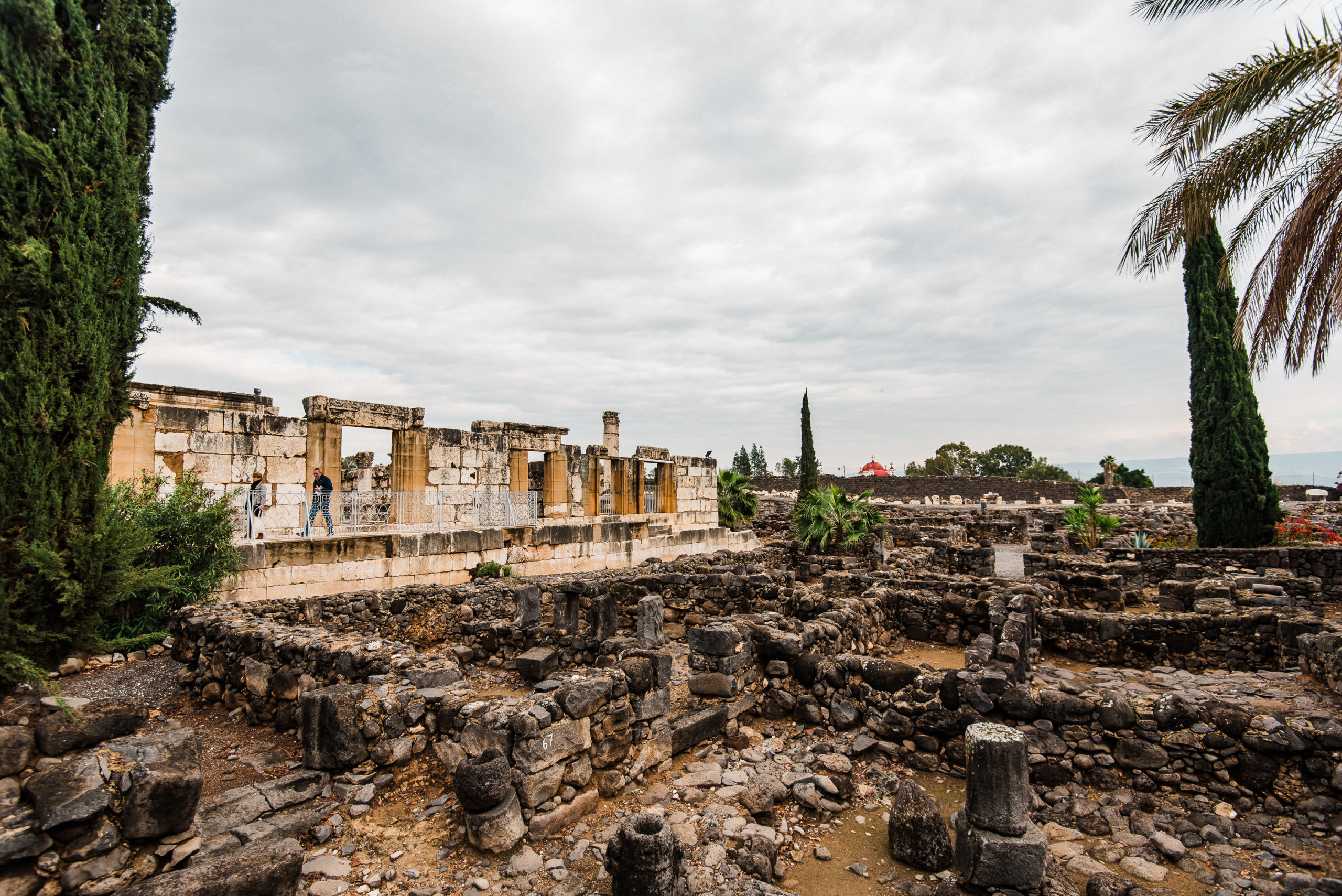
First, we stopped at Capernaum National Park, not to be confused with the Capernaum archaeological site. We were actually a little confused as to which Capernaum we were trying to find. Turns out this was the wrong Capernaum. However, it was still a nice park for a quick visit. Capernaum National Park (Kfar Nahum) is the site of a Franciscan monastery and a Greek Orthodox church, and you can also see beautiful views of the Sea of Galilee.

ohi1q
Greek Orthodox Church in Capernaum National Park

Inside the Greek Orthodox Church

Capernaum Archeological Site

Capernaum is the small fishing village where Jesus lived, and THIS is the Capernaum that most people see. The archaeological site features the ruins of the Biblical town and includes the House of Peter and the synagogue where Jesus gave the Sermon on the Bread of Life. The site isn’t large, but it’s definitely worth a visit.

xhe6r
Capernaum was a small fishing village where Jesus lived.

The House of Peter in Capernaum. A church was built over the ruins of the house.

The synagogue where Jesus gave the Sermon on the Bread of Life

Church of the Multiplication (Tabgha)

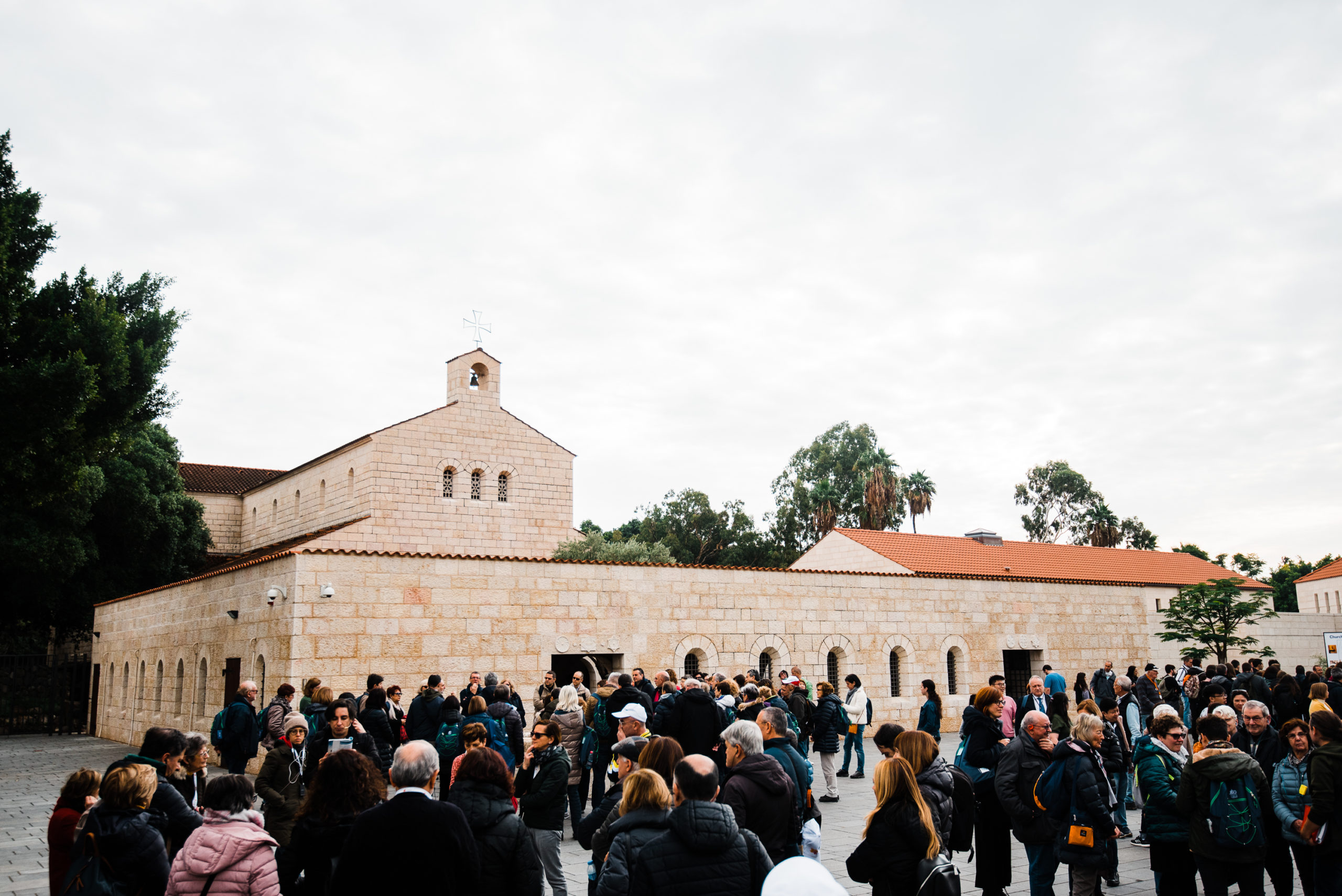
Next, we went to the Church of the Multiplication, which is the location where Jesus performed the miracle of multiplying the fish and the loaves. The church was built to commemorate the miracle, and there is a famous mosaic inside depicting the fish and loaves.

ua63r
Church of the Multiplication, which is the location where Jesus performed the miracle of multiplying the fish and the loaves.

Mosaic inside the Church of Multiplication depicting the fish and loaves.

Church of the Primacy of St. Peter

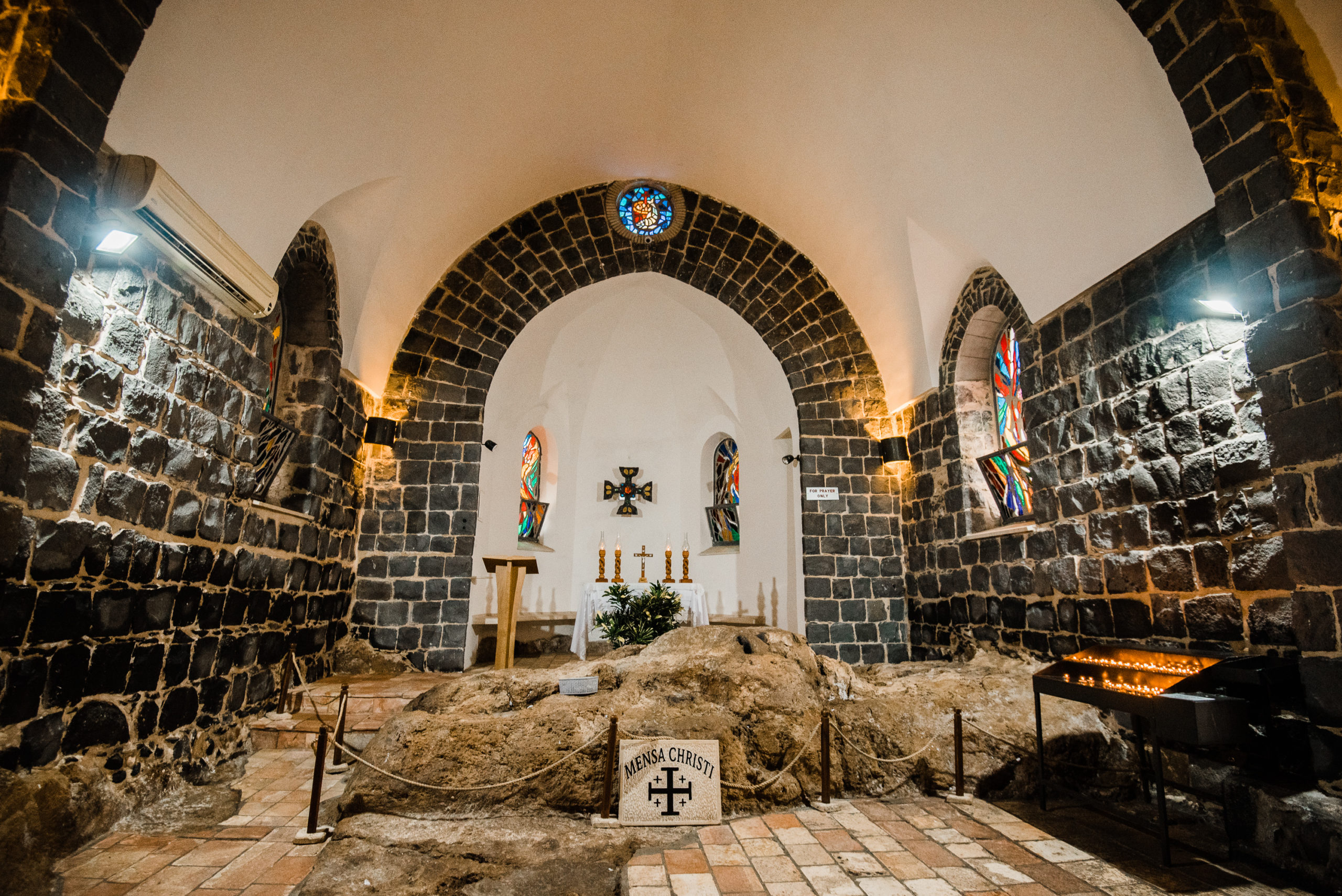
This church is a short walk from the Church of Multiplication, and it’s worth a stop. The church marks the spot of Jesus’ reinstatement of Peter as chief among the Apostles (Wikipedia). It also has great views of the Sea of Galilee.

Church of the Primacy of St. Peter

4dr78
Inside the Church of the Primacy of St. Peter. The rock marks the spot where Jesus reinstated Peter.

Sea of Galilee outside the Church of the Primacy of St. Peter

Sea of Galilee outside the Church of the Primacy of St. Peter

Mount Arbel National Park

If you are looking for some hiking, this park is perfect. You can easily drive to this park, and then there are lots of trails starting from the top of the mountain. We did the Carob Tree Lookout trail, which is a pretty easy trail that only takes about 30 minutes. However, the lookout offers incredible views of the Jordan Valley and the Sea of Galilee.

Hiking to the Carob Tree Lookout at Mount Arbel National Park

Hiking to the Carob Tree Lookout at Mount Arbel National Park

Views from the Carob Tree Lookout at Mount Arbel National Park

 
Hiking to the Carob Tree Lookout at Mount Arbel National Park

Hiking to the Carob Tree Lookout at Mount Arbel National Park

Day 8: Bet She’arim National Park and Tel Aviv

Bet She’arim National Park

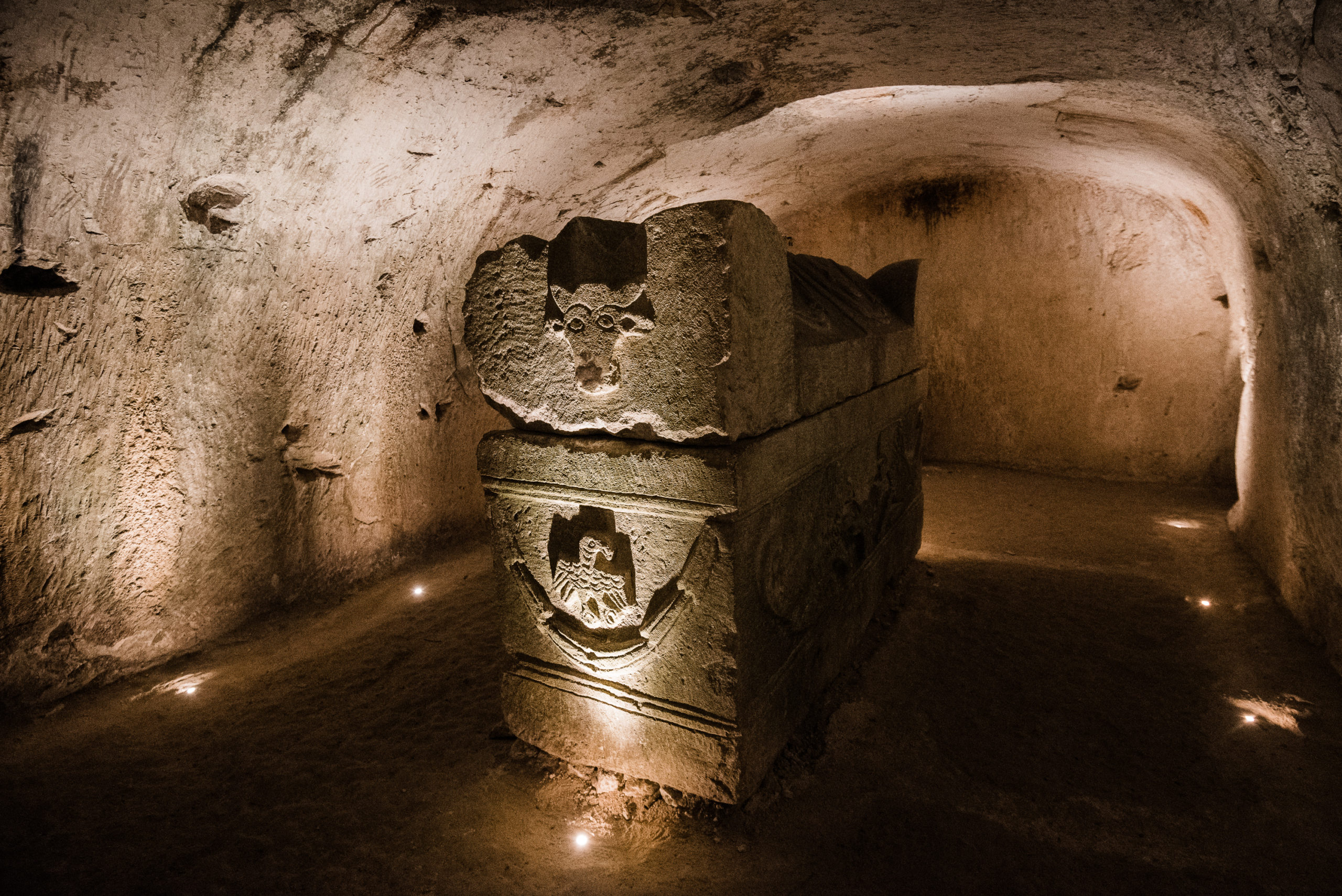
We started the day at Bet She’arim National Park, which is a total hidden gem. This park was amazing and one of the highlights of our time in the Galilee region. Bet She’arim was home to a great rabbi named Rabbi Yehuda HaNasi who was the religious, spiritual and political leader of the Jewish people at that time (Israel Nature and Park Authority). The park is famous for its huge necropolis of rock-cut tombs. There are 20 catacombs and over 400 stone burial places. How insane is that. You can also enter these catacombs and walk around the ancient tombs. It’s unlike anything I’ve ever seen.

Entrance to one of the catacombs at Bet She’arim National Park

Inside the Cave of Coffins at Bet She’arim National Park

rbjqs
Decorated sarcophagus inside the Cave of Coffins at Bet She’arim National Park

Nazareth-Basilica of the Annunciation

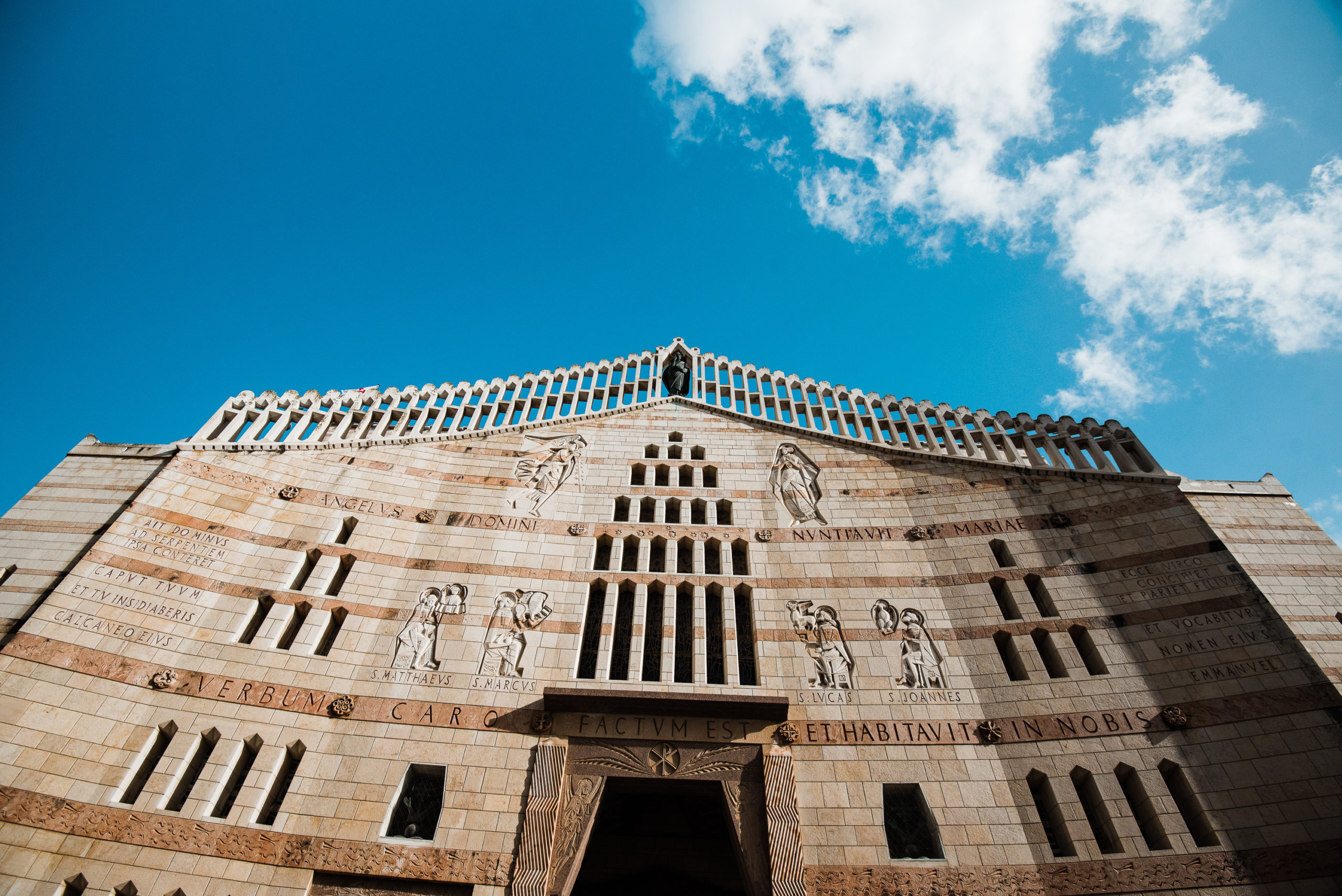
After the park, we stopped at the Basilica of the Annunciation in Nazareth on our way to Tel Aviv. Parking near the church is limited, but we managed to find a small lot that let us park there for 30 minutes before they were going to close. The Basilica is a modern Catholic church built over the site believed to be the house of the Virgin Mary, and where angel Gabriel appeared to her and announced that she would conceive and bear the Son of God, Jesus (the Annunciation).

The church is beautiful and has large panels of artwork depicting the Virgin that were done by different countries from all over the world.

n5bel
Basilica of the Annunciation

Inside the Basilica of the Annunciation-the ruins of the Virgin Mary’s house

The upper floor of the Basilica of the Annunciation

Tel Aviv

Next, we drove to Tel Aviv, which about an hour by car. We w[……]

Read more

EGYPT TRAVEL TIPS

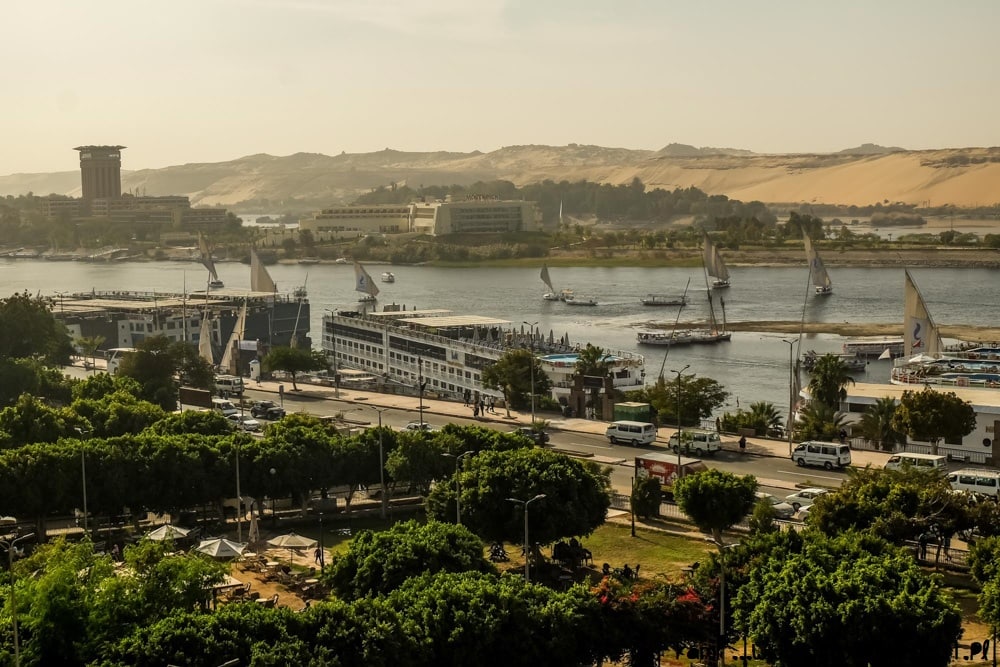
For some reason I haven’t heard of many people visiting Egypt on their own, without going for beach holidays. I knew one person who did Egypt travel independently and enjoyed it but that wasn’t enough for me to be confident enough.

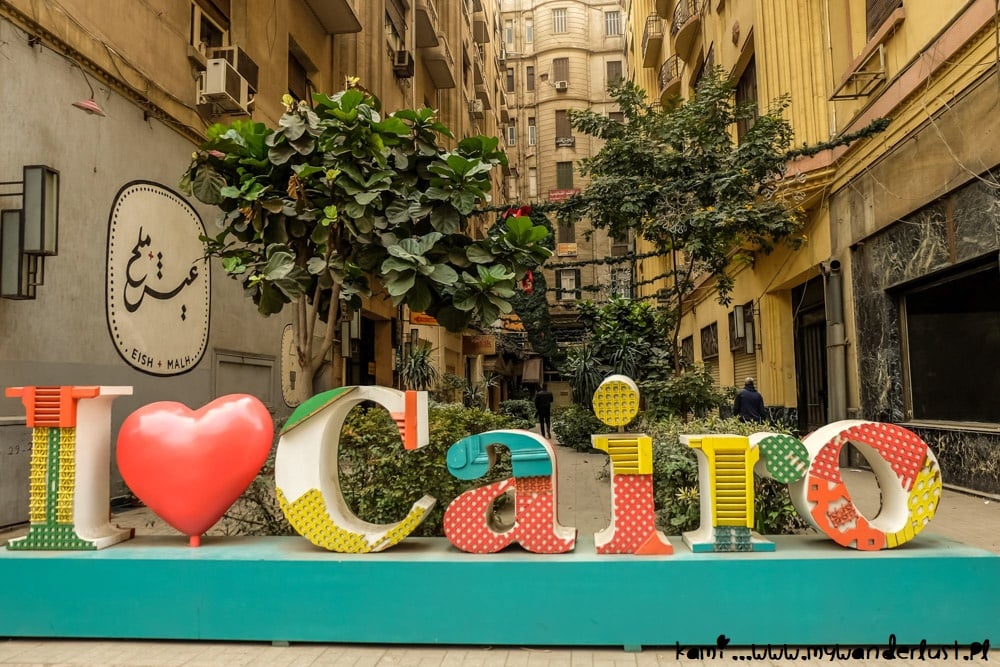
But then I read the article about Cairo and I knew I want to travel to Egypt really badly. Shortly after I gave myself a birthday present and booked flights to Cairo.

I spent 10 days in Egypt and I survived.

And, to my great surprise, everything was fine and rather smooth, even if annoying at times.

Egypt was worth all the effort and I really enjoyed my time there, even though on most of the days I was really exhausted.

I put together a list of Egypt travel tips that hopefully will be useful for you when you plan your own Egypt trip.

Best time to visit Egypt

I visited Egypt at the end of December/beginning of January and I think it’s a really good time if you want to focus on sightseeing.

It wasn’t too hot, usually around 20C and sunny although the day was a bit short for my taste, it was getting dark around 5pm.

I also found main touristic sights a bit too crowded and prices were slightly higher because of the New Year’s season so try to avoid the Christmas-New Year time but go around it for the chances of good weather.

In the seaside resorts you will be more lucky with warm (25C and above) weather, it should be good from late autumn to early spring.

Summer time is insanely hot everywhere and I’d generally avoid travelling in Egypt at that time.

5azjy
How to get to Egypt

There are few popular international airports in Egypt so if you’re going to fly you will most likely have to decide between Cairo, Sharm el Sheikh and Hurghada.

I didn’t want to go to the last two as these are the seaside resorts located a bit away from places I wanted to visit in Egypt and I didn’t have enough time to relax at the sea (although that could have been nice too) so I had to find flights to Cairo.

There are numerous European, African and Middle East airline flying to Cairo.

For me the cheapest option was with Ukrainian International Airlines, with a quick connection in Kyiv (as it later turned out it was too short on the way back when my flight from Cairo was over 2 hours delayed and the flight to Warsaw departed without me, fortunately the airline secured the hotel, meals and the seat in the next flight with no issues).

I paid around €250 for my return ticket, bought 4 months in advance and for the high season (Christmas and New Year period).

Usually you can get it even better deals with UIA. I use this airline fairly often and they are ok, almost always on time and with good service.

Also the airport in Kyiv is fine for transfer, everything is rather smooth, prices are affordable and the free wifi keeps you entertained when waiting for your flight.

Egypt visa on arrival at Cairo airport

Most likely you need a visa to Egypt.

You can do it online at this website or you can get a visa on arrival at the airport, the price is the same – $25.

I was planning to get the e-visa but I was too late.

You need to apply 7 days prior the arrival – it was exactly 7 days when I wanted to do it so I didn’t want to risk.

Fortunately getting the Egypt visa on arrival on Cairo airport was super easy and I didn’t waste all that much time for the procedure so to be honest I wouldn’t bother all that much with getting e-visa.

When you get to the arrival hall, with passport control at the end, you will find a bank on the right side directly after you leave the escalator.

It’s easy to miss this very random both with printed pages glued to the window saying that Visa on arrival costs $25.

You only pay the amount (it has to be in the US dollars but they will give you a change if you don’t have exactly $25 in cash), get a sticker with visa and that’s it, no paperwork is required. You have to put the visa to the passport yourself.

Before proceeding to the passport control you need to fill in the arrival migration card (the red one is for foreigners), you will find them on the shelf just before the passport queue.

It’s a standard form, you need to fill in your name, date and place of birth, nationality, passport number and the reason you’re visiting Egypt.

With visa stuck in your passport and a migration card filled you can proceed to the passport control. It was easy and straightforward, nothing extraordinary really.

I wasn’t asked even one question and after a minute or two I was handed my passport back, with the entry stamp to Egypt.

guoqe
How to get a SIM card at Cairo airport

Another thing you should do after arriving to Egypt is getting a local SIM card.

When you leave the arrival hall, still in the building, on the left you will find the booths of three mobile phone providers: Vodafone, Etisalat and Orange.

I got my card at Orange, only because at that moment it had the shortest line.

I was interested in internet data only so got 3,5GB of internet for 100 EGP. The whole procedure was straightforward, took maybe few minutes.

I only needed the passport to get the card, installing it and making everything work was taken care of.

I can’t complain about the coverage as the phone was working more or less everywhere I visited. Only sometimes on the train it was losing the signal but that happens in Poland too.

I was happy with the internet speed and I can recommend getting the card from Orange.

How to get from Cairo airport to the center

The reason why I wanted to get the SIM card as soon as possible was getting out of the airport smoothly.

Apparently there are some buses connecting Cairo airport with downtown but the moment I saw Uber is operating in Cairo at very reasonable prices I knew I’m going to use it.

It took some messages back and forth with the driver but we finally found each other and some 30 minutes later I was already in front of my hotel in downtown Cairo.

I paid 100 EGP for the ride which I think is a really fair price for a hassle-free journey from the airport after arriving.

wr5rb
How to get around Cairo

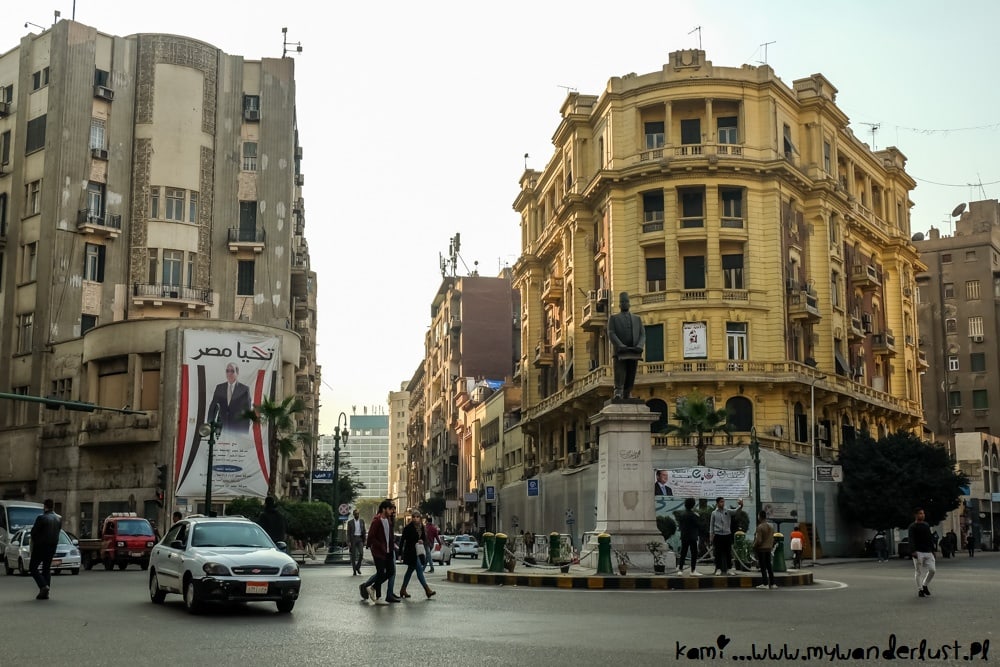
Cairo is huge and the main sights are located a bit far from each other.

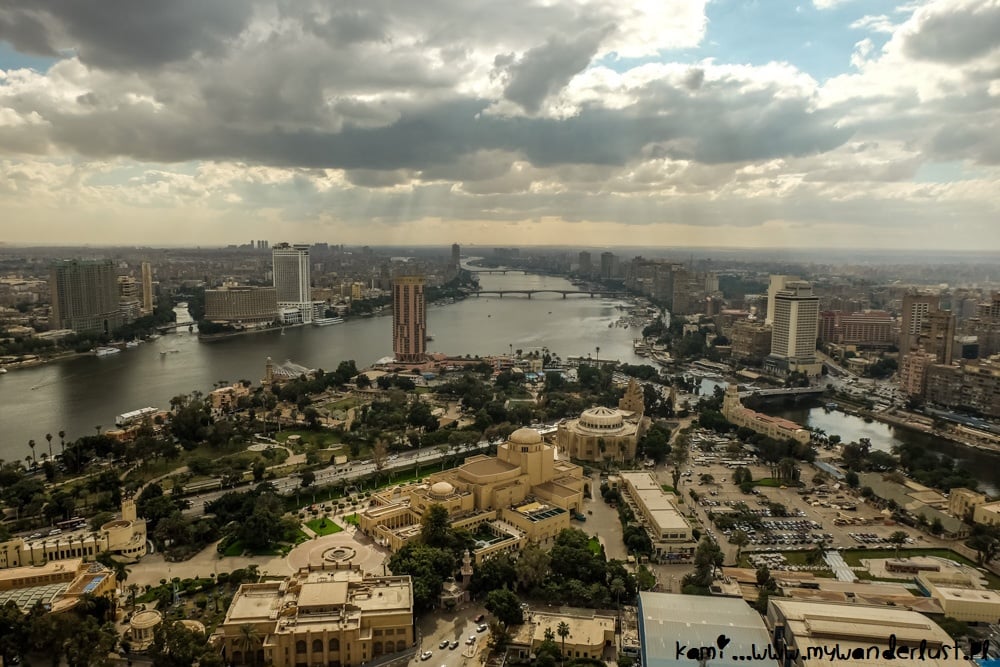
The best way to get to some of the places (Egyptian Museum and the Downtown, Cairo Tower, Coptic Cairo or Khan el-Khalili) is by metro. It’s fast, cheap and easy to use (there are signs in both Arabic and English).

Before you go download to your phone Cairo metro map – you will definitely need it!

Once at the station you first need to get the ticket – the price depends on the distance but most likely you will pay 3 EGP as that’s the cheapest fare that covers up to 9 stations of the journey.

With the ticket go to the platform and off you go to your destination.

If you are a woman and don’t feel comfortable riding in mixed carriages there are woman-only carriages located in the middle of the train – signs at the platform will show you where you should wait for them.

Remember to keep the ticket with you – you will need it to leave the platform once you get to your destination.

If you need to go somewhere metro doesn’t reach (like the Citadel or Giza Pyramids) you should take Uber.

There are numerous mini buses going around but figuring them out is a lot of hassle so Uber is your best option, especially with affordable prices.

But I did had some issues using Uber in Cairo.

While it was no problem to get the ride for longer distances like the airport or Pyramids I couldn’t get it for shorter routes. I’ve tried few times and after a while drivers canceled on me, claiming they did arrive but I was not there (I was charged 10GBP for no-show but got refunded when I said I indeed was at the place but the driver didn’t show up).

Cairo is a walkable city and I had no problems with walking around although crossing the street was sometimes nerve-wracking.

If you don’t mind being surrounded by people and moving vehicles (in all directions and constantly beeping) you will be fine walking around in Cairo.

v7jc4
Visiting Pyramids

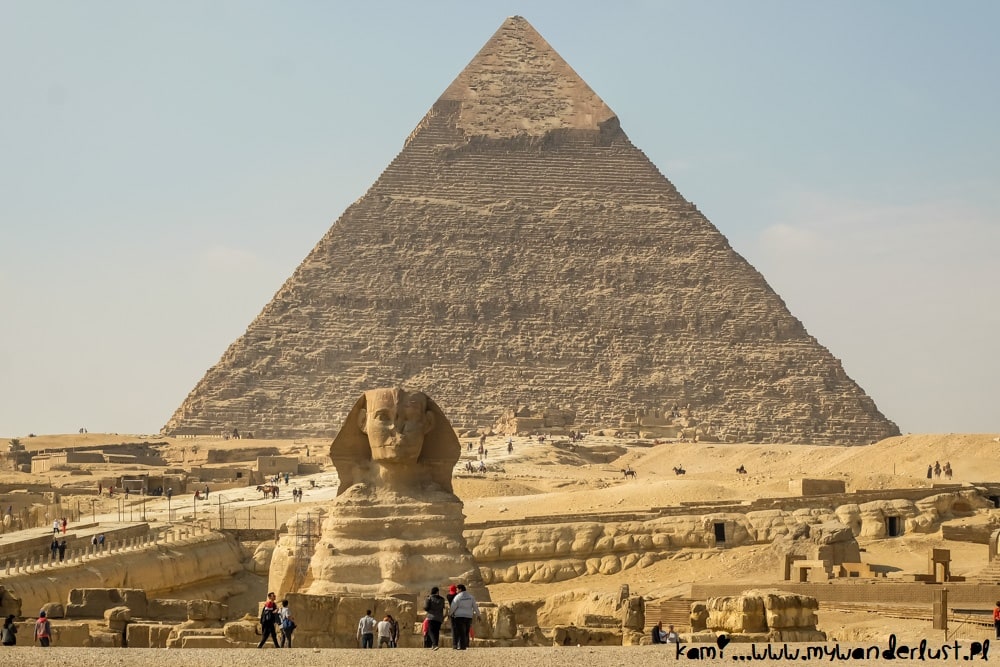
Visiting Pyramids deserves the whole separate post but just let me tell you it is possible to do it independently and it’s not difficult at all.

Just take the Uber to Pyramids (you should be drop off directly in front of the entrance), buy the ticket, go through the security and you’re free to explore the area.

But prepare yourself for the constant harassment of touts who will try to make you go for a camel / carriage ride, be your guide, sell you souvenirs or show you the view. It will be a big test of your assertiveness but it’s worth it, the Pyramids are incredible!

You can read more about my experience with visiting Pyramids here.

4u23j
Language in Egypt

The official language in Egypt is Arabic but many of the people and everyone in the touristic places speak at least decent English, enough to communicate.

And if there is a language barrier just smile and you will be fine too!

The only thing I would recommend is learning, or at least downloading to your phone, Arab numbers.

Knowing them will come handy when you will be looking for your Uber ride (license plates in Egypt are only in Arab) or when figuring out which platform you train is departing from.

Fortunately money has both Arab and European numbers on them.

How to travel around Egypt

I used trains only and they were reliable and comfortable, even if a bit filthy.

I bought the tickets online, they were very affordable for the distances and the standards of the journey.

I took the following routes, all in AC1 class (the best available really):

Cairo – Luxor, 10 hours, I paid 204 EGP ($11,40 / €10)

Luxor – Aswan, 4 hours, I paid 53 EGP ($3 / €2,60)

Aswan – Cairo, 14 hours (but eventually I disembarked in Giza so the journey was shorter), I paid 245 EGP ($13,70 / €12)

To prepare for the journey be sure to take with you enough of snack and drinks (although you can buy them in the train during your journey too), something warm to put on as the air-condition is really efficient and a good book to read.

You will spend half of the time starting outside the window anyway as views are really amazing and you can see more of the real Egypt.

Apparently international tourists can’t get a ticket for the Cairo-Luxor-Aswan route at the station in Cairo due to some restrictions.

But you can easily buy the ticket online, they go on sale two weeks before the departure date.

You need to register at the website of Egyptian Railways and once you get the confirmation email you are free to book your trains.

It’s actually fairly easy, a standard procedure, and everything worked fine with my Polish passport and credit card.

The tickets are then sent via email, you can also check and download them from the website whenever you want to, using the reservation number.

Funny thing, when I paid for my Luxor-Aswan ticket the website didn’t want to refresh, but I still got my ticket and the reservation was valid when I checked it. Yet on the next day I got the money back to my bank account.

When I took that very train everything was fine and no one questioned my ticket.

To save the time you can also take the night train (but it’s a bit too expensive in my opinion, one way Cairo-Luxor is apparently around $80-$100) or fly.

That was my initial plan, to fly at least one way between Luxor or Aswan and Cairo, but I was too late to book the flights and then prices were way too expensive in comparison to the train (normally you can find the one-way flight from Aswan to Luxor for $50).

When you plan your trip to Egypt don’t make my mistake and look for flights not 2 weeks before the departure but earlier.

There are few local airlines that you can use when traveling around the country, you can find them on the flights’ search engine.

4wlhz
Safety in Egypt

That’s another topic that deserves the whole separate post.

But to give you a little overview: no, Egypt is not a completely safe destination but then what country is?

Few hours after my arrival to Egypt a bus with tourists from Vietnam was attacked in Giza resulting in 4 casualties.

For the whole time I spent in Egypt I felt safe and even if in few situations I was a bit anxious it was all my mind playing tricks as everything was completely fine really.

But of course you have to be careful and use your common sense, Egypt is not an easy destination to visit.

Every time you enter a metro station / train station / any monument and tourist attraction you have to go through the security, similar to the one at the airport. It is annoying but after a day or two you will get used to it.

1iztg
Solo female travel in Egypt

And another topic that needs more attention.

Even if I was afraid of solo female travel in Egypt (and I’m not ashamed to admit it) everything was surprisingly good. After few minor incidents in Iran I was worried I will have to deal with some harassment or even unwanted touching but nothing like that happened.

There was some catcalling, of course, but nothing more than that.

Even if I was really tempted to show my middle finger I just ignored those and kept walking, forgetting about the whole situation quickly.

In general Egypt was a bit annoying but that had nothing to do with me being a solo traveler. I assume I would be equally annoyed at touts if I was travelling with someone else.

 
Food in Egypt

I’m a vegetarian so Egypt was a food paradise for me!

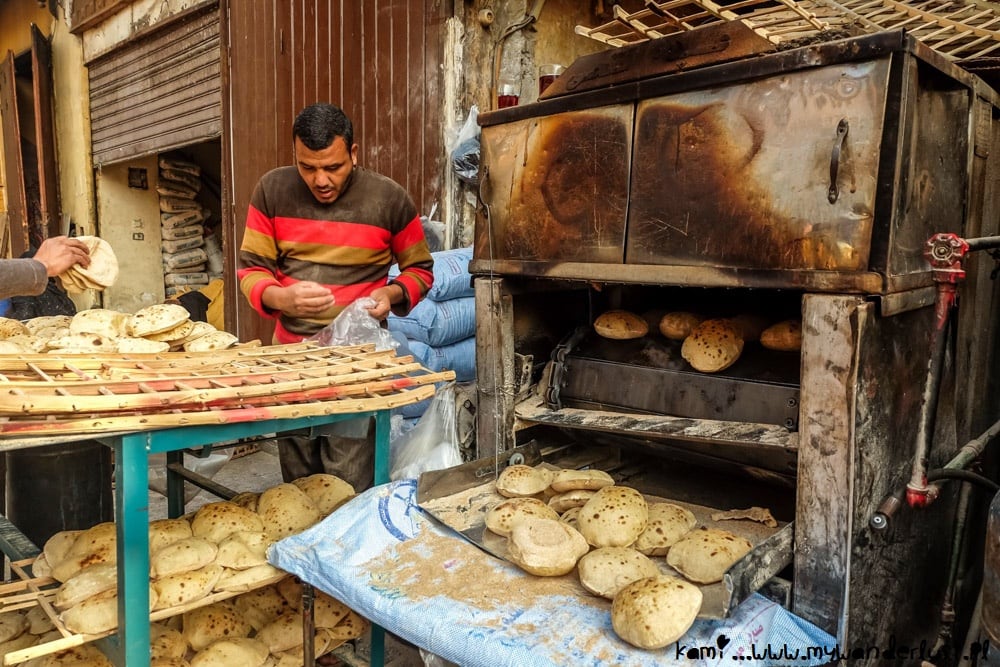
There were so many delicious options to choose from that I could finally try a variety of food but my favorite was of course falafel.

I bought it mostly from the street shops that would never pass the sanitary and health control but I never felt sick.

They were all so delicious and the cheapest I’ve ever tried.

If you are familiar and like Middle East food you know what to expect in Egypt.

I also ate a lot of fruits and drank so many fresh juices as they were so delicious! We don’t have such a good taste of fruits and vegetables in Poland!

3p9pg
Prices in Egypt

In general I found Egypt to be a rather cheap destination. Transport, food and accommodation were very affordable.

On the other hand a way too big part of my expenses were entrance fees.

Like in many other countries (Iran, Uzbekistan or Jordan, just to give you few examples) foreigners have to pay 5-10 times more for the entrance (if you learn the Arab numbers you will see this huge difference that just hurts the eyes).

Let’s say I can understand the whole idea behind it but I’d be fine if the extra money go for the restoration and taking care of the monuments. Sadly that’s not really the case with Egypt.

Anyway, during my 10 days in Egypt that’s what I’ve spent:

Accommodation (9 nights, single rooms with breakfast) – 5950 EGP ($332 / €291)

Transportation (trains, Uber, metro, ferries, taxis) – 2033 EGP ($114 / €100)

Entrance fees – 2670 EGP ($149 / €131)

Food and drinks – 1158 EGP ($65 / €57)

Other (SIM card, tips, toilet) – 220 EGP ($12 / €11)

Total amount I spent on my 10 days in Egypt is 12 031 EGP ($672 / €590).

2kg23
Entrance fees

As I said I found sightseeing in Egypt to be a bit expensive.

Single tickets are not all that much but once you add the amounts you’ve spent it really is a lot.

With a heavy heart I paid for every entrance fee, after all I don’t know if I will visit Egypt again and I travelled all the way there to see all the great ancient remnants and other interesting sights.

Most places were definitely worth it but some not really.

On top of that in few sights you had to pay extra for the photography permits and sometimes (in the Valley of the Kings) it was more expensive than the entrance fee itself!

Here are the prices of entrance fee, prices from January 2019:

Egyptian Museum – 350 EGP for everything (general entrance fee, Royal Mummies Hall, the photography permit)

Cairo Tower – 200 EGP

Coptic Museum – 100 EGP for the entrance and 50 EGP for the photography permit

Random mosque in the Islamic Cairo – 5 EGP

Tickets for 6 monuments in the Islamic Cairo – 100 EGP

Pyramids in Giza – 160 EGP for the area, 340 EGP for the Cheops Pyramid

Citadel in Cairo – 140 EGP

Mosque-Madrassa of Sultan Hassan in Cairo – 80 EGP but they didn’t have a change so I paid 100 EGP

Valley of the Kings in Luxor – 200 EGP entrance fee, 300 EGP photography permit

Hatshepsut Temple in Luxor – 100 EGP

Medinet Habu Temple in Luxor – 80 EGP

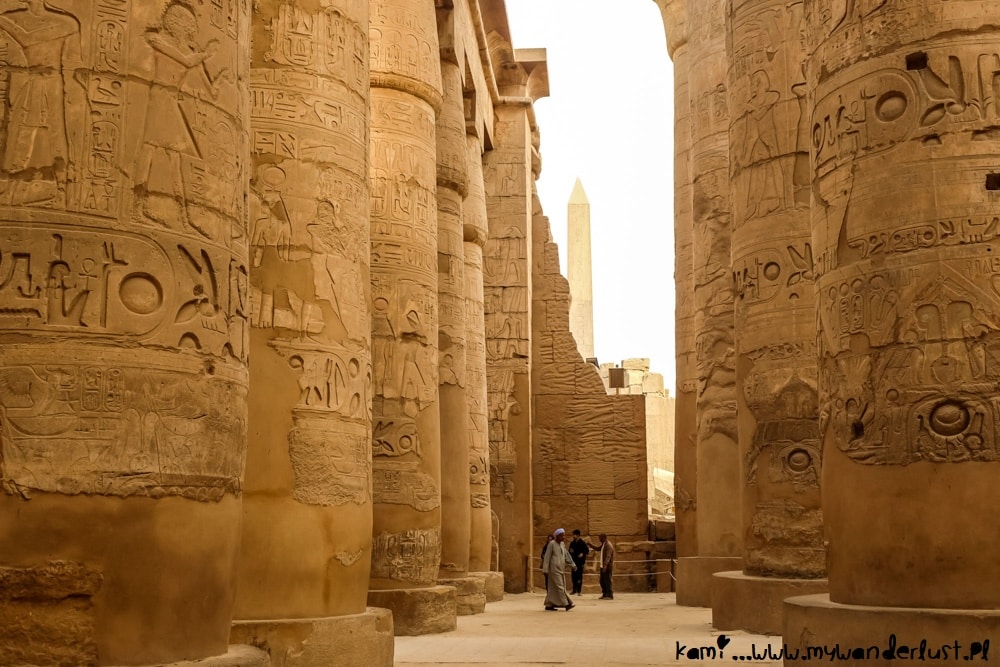
Karnak Temple in Luxor – 150 EGP

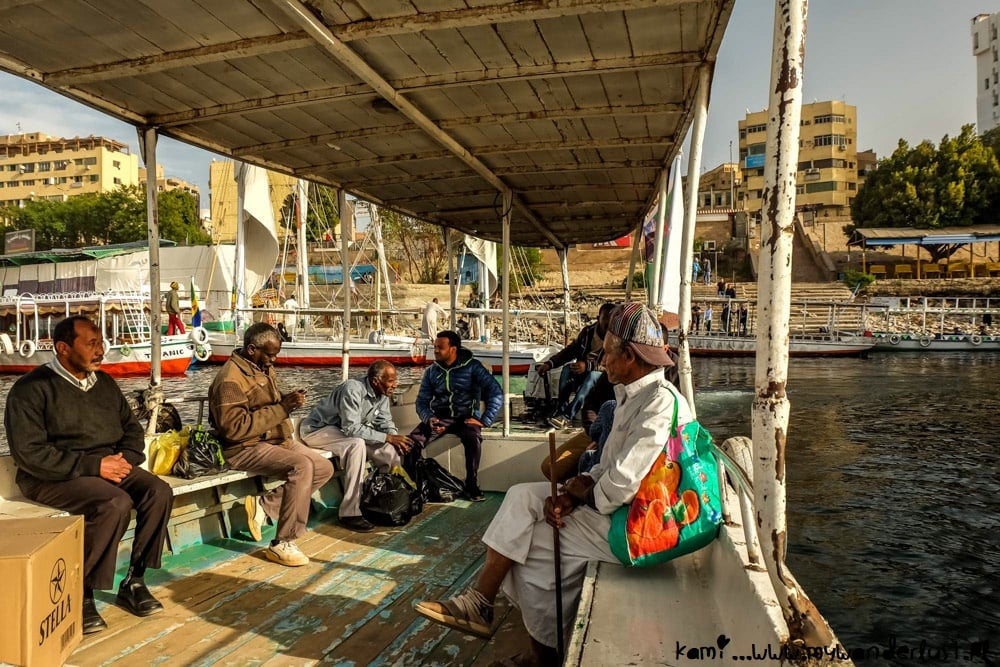
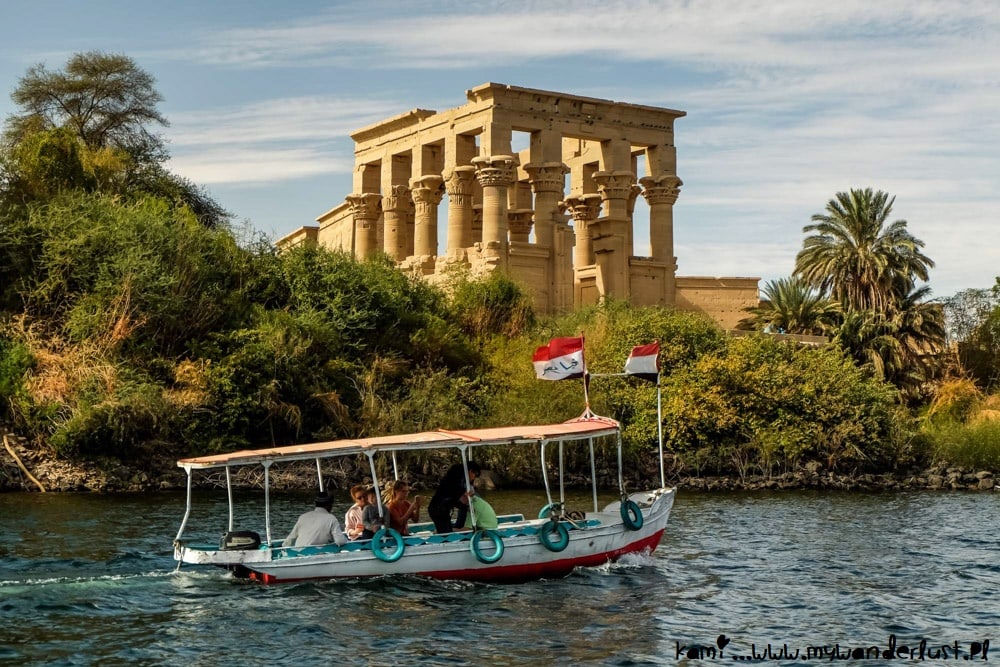
Philae Temple in Aswan – 140 EGP + 150 EGP for the boat

High Dam in Aswan – 75 EGP

The Obelisk in Aswan – 80 EGP

s51qx
Getting money in Egypt

You need the local currency, Egyptian Pound, and the best way to get it is at the ATM.

You can either withdraw it (that’s what I was doing) or you can exchange the US dollars at the ATM (I didn’t try that but a friend of mine confirmed it works fine).

I was always using ATMs of Banque Misr and they were always working well.

The only issue was that it didn’t allow me to withdraw more than 2.000 EGP, claiming I reached my daily limit (I didn’t). But it wasn’t such a big problem really.

There are plenty of ATMs everywhere so you shouldn’t worry about running out of money (as long as you have them on your account, that’s it).[……]
Read more

Colombia Travel Guide

Colombia is famous for being the second most populated country in South America. Not only does it have a large population of people, but it is also home to a whopping 10% of the world’s biodiversity. Over the years, it has transformed into one of the best places to visit in South America.

From the many museums of Bogota to the beautiful beaches on the coast, Colombia has something for every kind of traveler. If you’re planning a trip to Colombia or is visiting the country on a budget, you can use the travel tips here to plan the perfect trip.

Important Information About ColombiaColombia at a Glance: With mountains, jungle, surfing and white sand beaches, colonial architecture and bustling cities, Colombia is one of the most incredible countries around the globe. Once you step step foot here, you will find yourself falling in love with the cultural and ecological diversity.

Most popular places to visit in Colombia:

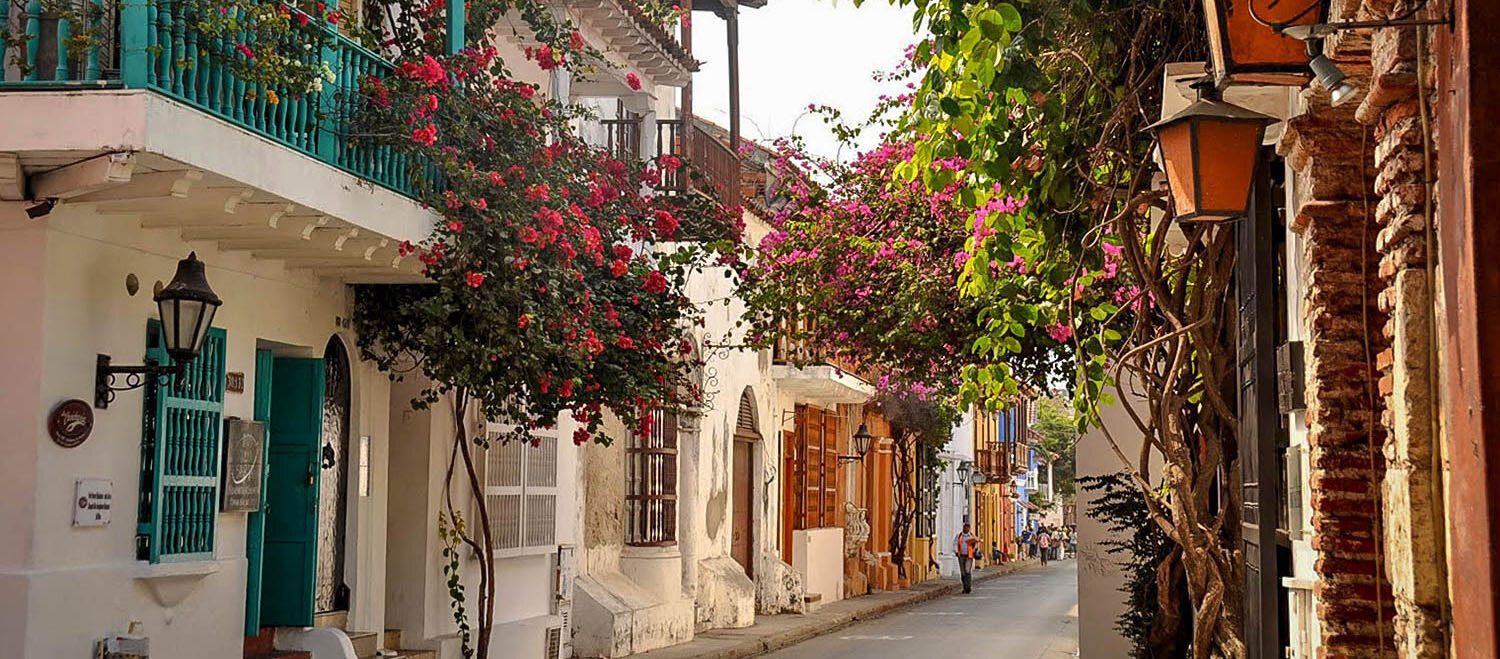
Cartagena: Fall in love with this bustling and colorful colonial city on the Caribbean coast of Colombia.

Cali: If you love to eat, definitely visit Cali. It’s the salsa capital of the world!

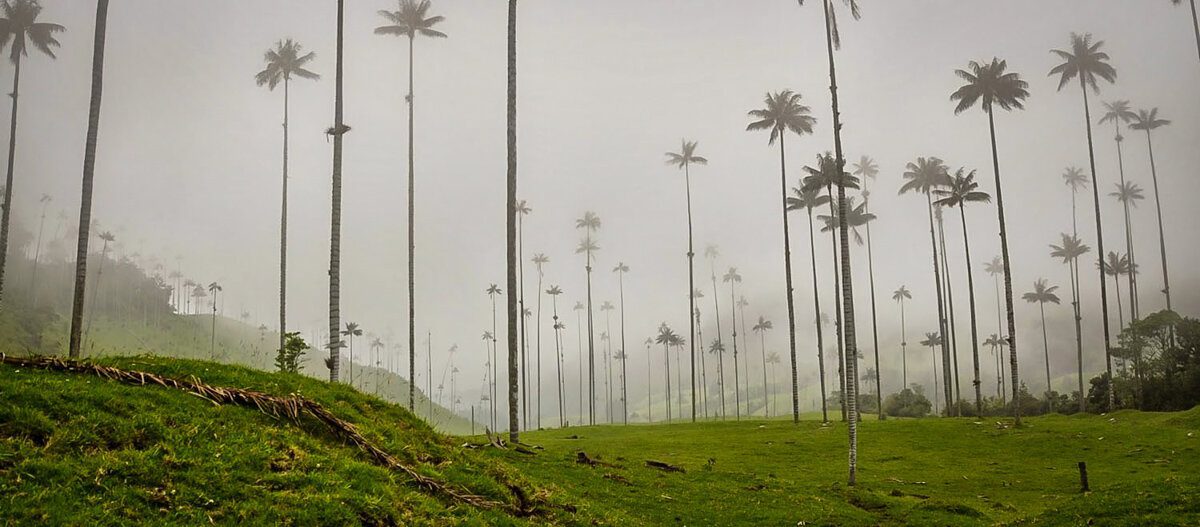
Valle de Cocora: Is hiking what you’re into? You will be blown away by how beautiful Valle de Cocora is. It’s one of the must-hike places in Colombia.

Salento: A coffee lover’s dream. Salento is a quaint little village situated right in the heart of Colombia’s coffee region.

Currency in Colombia: Colombian Peso | 2018 Conversion Rate: 100 COP = $0.031 USD

Tipping in Colombia: For hotels, a tip of $1 per bag for the bell boy or porter would be enough. On the other hand, a $1-2 tip for housekeeping would suffice.

Restaurants usually have a 10% voluntary tip (propina voluntaria). You’re not required to pay it but almost everybody does. This is typically shared among staff members. For tour guides, a 5 to 10% tip is enough. You are not expected to tip taxi drivers.

Language & Helpful Phrases: Spanish

Hello = hola

Thank you = gracias

Beer = cerveza

Delicious = delicioso

Bathroom = Baño

How much? = Cuánto cuesta?

Too expensive = Muy caro

Don’t want = No quiero

Religion and Culture: There is no official religion in Colombia but Roman Catholicism is the most common faith. The country was under the influence of Spain for around 300 years until 1819. However, the colonization has had a deep impact on the culture and religion of Colombia.

Transportation around Colombia: Riding a taxi in Colombia is cheap and convenient. In smaller towns, there are tuk-tuks and motorcycle taxis which can help you get around quicker. Buses are often crowded and slow. One of the cheapest transportation options available is colectivos – a shared hop-on-hop-off style van that usually runs in a loop. This is the primary transportation the locals use.

schei
Best Time to Visit ColombiaClimate in ColombiaColombia has stable temperatures all year round because of its proximity to the equator. Depending on the season, the country will experience some rainfall.

Dry season: December to March and July to August (Andean region)

Rainy season: May to July and October to December (Andes), September to October (Carribean coast)

Peak season for tourists is December through February and the week before the Easter holiday known as Semana Santa. This is when prices are at their highest.

Times to avoid traveling in Colombia:

If you are on a budget, avoid traveling to Colombia during the Semana Santa. Most hotels double their rates as it is one of the peak seasons for tourists.

Major Festivals in ColombiaCarnaval de Barranquilla, occurs in the days leading up to Lent: This is the second largest carnival celebration around the world. It is celebrated four days before Ash Wednesday.

Festival de las Flores, the first two weeks of August: During this festival, you will see a lot of flowers especially during the “El Defile de Los Silleteros” parade.

Festival Iberoamericano de Teatro, before and during Semana Santa: As one of the biggest performing festivals around the world, you can expect some performing arts presentations, street performances, plays, concerts, interpretative dances and conferences.

thf8g
Top Things to Do in ColombiaHike Pico de LoroIf you’re in Cali, the Pico de Loro is one of the most recommended hikes. You can either go on a day trip or a 2-day hike. Be sure to arrive early since the amount of people allowed to hike per day is limited.

Visit a Coffee FarmAttention coffee addicts! Coffee is one of the main exports of Salento. Enjoy your favorite beverage by visiting a coffee farm. You can even pick your own beans and make your own coffee! How cool is that?

Go on a walking tour of the Old CityGet lost in the beautiful plazas and colorful doors of Cartagena. You can either join a free walking tour or create your own by following the tips in this guide.

Check out Volcan del TotumoHave fun and let loose at this faux volcano. Get a muddy massage or get bathed by local women. It’s your choice, or you can always do both. Come prepared to laugh and giggle a lot while covered in mud!

o6pd2
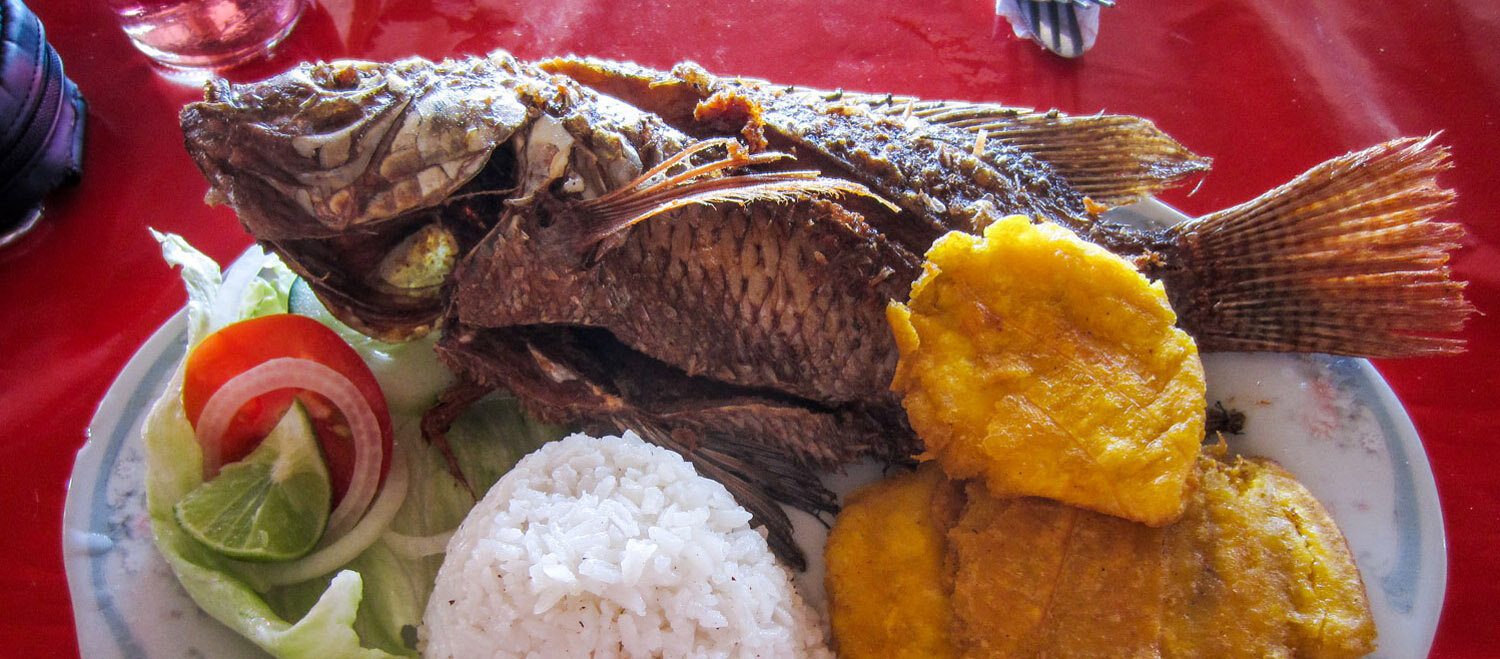
Foods to Eat in ColombiaPacked with flavor, Colombian cuisine is a blend of indigenous and European ingredients including corn, beans, chicken potatoes, pork, and rice. A lot of Colombian dishes are worth trying.

Here are some of our favorites:

Arepa: The most commonly served food in the country, arepa is made from cornmeal and usually served with corn or butter.

Ajiaco: This is a popular soup that contains chicken, three kinds of potato, avocado, corn, capers, and sour cream.

Lechona: Often served as a specialty, lechona is a roasted pig stuffed with peas, onions, rice, and spices.

Fritanga: Another meat-filled dish, fritanga is a plate full of grilled meat and fried cow intestines. It is often served with plantain, manioc or arepas.

Empanadas: This is a great snack that can be found all around South America. The dish’s origin goes back to Portugal and Spain. These are usually fried and contain several fillings.

Churros: One of the most popular Colombian breakfast are churros. These are long pieces of fried dough. It is often served with egg, sausage, arepa, beef and hot chocolate.

en0dz
Typical Budget for ColombiaWhen it comes to costs, Colombia is on the average side for South American countries. It is more expensive compared to Peru and Ecuador, but it is way cheaper than most countries around the world.

Good to know: Don’t be afraid to negotiate. However, don’t haggle too much. A small amount may not mean much to you, but it could make a big difference to the vendor.

How Much to Budget in Colombia Per DayBudget traveler: If you are on a tight budget and watch your spending closely, $28 – $30 could be a sufficient budget.

Mid-range traveler: If you want to have a few splurges and stay in nicer accommodation, plan to budget $40 – $60 per day.

Dorm bed = $6-$14

Budget room = $11-$44

Mid-range = $45-$60

Luxury hotel = $60+

Street food = $1+

Mid-range restaurant = $3-$5.50

Fancy restaurant = $11-$17

Local beer = $0.85

City buses = $0..65-$1

City taxi = $2.30-$5.50

Regional buses = $5.50-$11

Domestic flights = $55+

Palace of Inquisition = $6

Bike Rental = $1.55

Coffee Plantation Tour = $5

j3e7z
Responsible Travel Tips for ColombiaWe are passionate about sharing tips anyone can use to travel more responsibly. Here are some easy ways you can travel better in Colombia.

1. Cut out plasticMake it a habit to remove and recycle plastic packaging of things you buy. Also, bring an eco bag for your shopping and politely refuse plastic bags at markets and shops.

2. Support locally-owned businessesTry the local cuisine, brews and brands. Check out the locally-owned shops in the marketplace and support their crafts.

3. Bring rechargeable batteriesDisposable batteries leach toxic chemicals when they degrade. Often, these things are not recycled. Help the environment and be responsible by using rechargeable batteries.

4. Do your researchCultural differences can make traveling confusing if you don’t know what to expect ahead of time. For example, there are certain hand gestures that may be considered impolite in another region of the world. Beyond this travel guide, read about the country’s culture, religion, language and rules before your trip.

5. Keep an open mindIn a new place, it’s hard to know when to be suspicious or friendly. One thing you can do is to keep and open mind and be cautiously optimistic while assuming people to be honest and genuine. If you aren’t sure, ask a tour leader or trusted local about specific customs you don’t understand.[……]
Read more