Divi WordPress Theme


How To Plan The Perfect Singapore Family Holiday
sx2k7
There’s something so comforting about stepping off the plane into the brown tones of Singapore Changi airport. I couldn’t even count how many hours I’ve spent in that airport in my life so far, and there’s a reason why it’s consistently ranked the best airport in the world. But more than that, stepping foot in Changi means (if you’re lucky) the opportunity to enjoy a Singapore holiday.

Working in travel I used to hear all the time “meh, Singapore is so boring.” This perception that it’s tame, bland and uninspiring was really pervasive in the tourism industry (in my experience anyway). And I always delighted in the challenge of changing someone’s mind. Because to me, Singapore is absolutely full of excitement and adventure.

On our Malaysia and Singapore holiday, I really would have liked to spend more time in Singapore. Alas, we were really restricted with available days. I’m still so glad we made it happen though because we got to show our kids the wonder of Singapore. And now they want to go back as much as we do.

So here are our tips for planning the perfect family holiday to Singapore. I hope this helps you to plan your own Singapore holiday!

Singapore is one of the best-connected cities in the world (and with the best airport, as mentioned above). This means there will likely be available flights to Singapore from your closest international hub. Flights take approximately 8-9 hours from the east coast of Australia, 18 hours from Los Angeles, 10-14 hours from various cities in Europe, and 10 hours from Johannesburg. Singapore is particularly well-connected to the rest of Asia, so you could be there from Bangkok, Ho Chi Minh City, or Beijing in just a few hours.

Given that flights to Singapore from destinations outside of Asia can be so long, you want to pick a good airline. This is not the time for US carriers (sorry!) – this fan girl says it’s Singapore Airlines all the way.

The Best Time To Travel To Singapore

Singapore is HOT all year round, and there’s no getting around that. However, some months are definitely better than others. You’ll find the humidity less oppressive from December to June; February, March, and April are the best of these in terms of minimising humidity.

Air quality can be poor from June to October, as this is burning season in nearby Malaysia and Indonesia.

All this being said, no matter what time of year you visit, Singapore is wonderful.

Where To Stay In Singapore

The last time we visited, we stayed in an Airbnb (see below for information on this). However, I’ve been to Singapore several times and also sent many clients on Singapore adventures. Here’s what I recommend:

The Ritz-Carlton Millenia is absolutely gorgeous. Our friends who travelled with us stayed here for a night after we left and confirmed it’s just as amazing as ever. Click through to book the Ritz-Carlton Millenia.

The Andaz Singapore is a funky modern option in Kampong Glam, with easy access to the Marina and the National Museum. You can read a full review here. Click through to book the Andaz Singapore.

The York Hotel is a great 4-4.5* option just off Orchard Road. It’s not extra fancy but it’s really clean and comfortable, the service is excellent and the rooms are really big. A family would fit in a superior twin quite easily and it’s always been a popular option for my family-traveller clients. Click through to book the York Hotel.

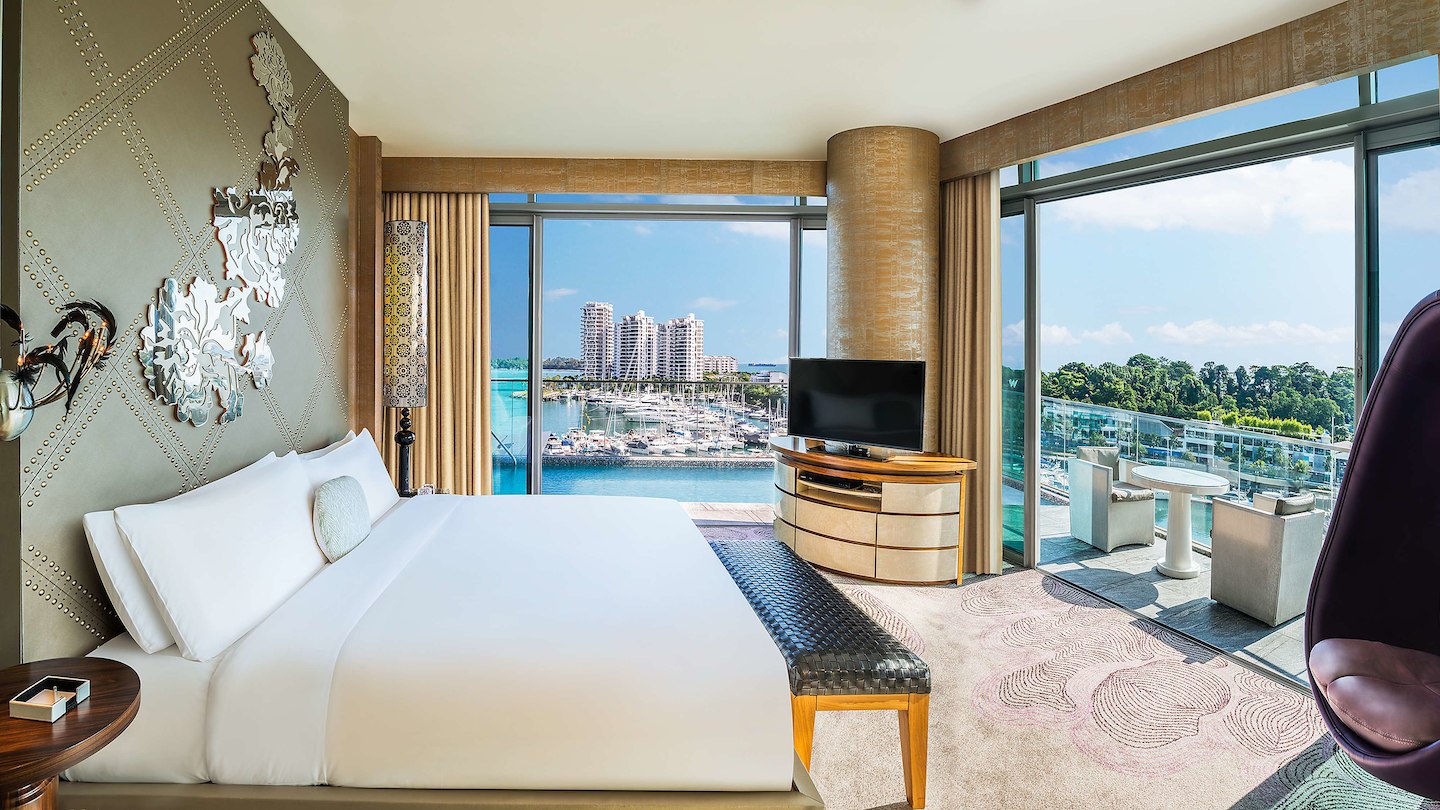
The W Sentosa is my absolute dream property (as is any W property, actually). If you’re after something a little extra, the W Sentosa is for you (click through to book).
dollf
Image courtesy of Marriott Hotels and Resorts

I’d be remiss not to mention the Marina Bay Sands. Not sure I could actually call myself a travel blogger if I didn’t. The lead-in rooms are exxy but of course, you can’t use that infinity pool if you’re not staying at the property. That said, I had clients (a family with young kids) stay in the Orchard Suite and they were suitably impressed. Definitely book the Marina Bay Sands if you can.

What’s The Deal With Airbnb In Singapore?

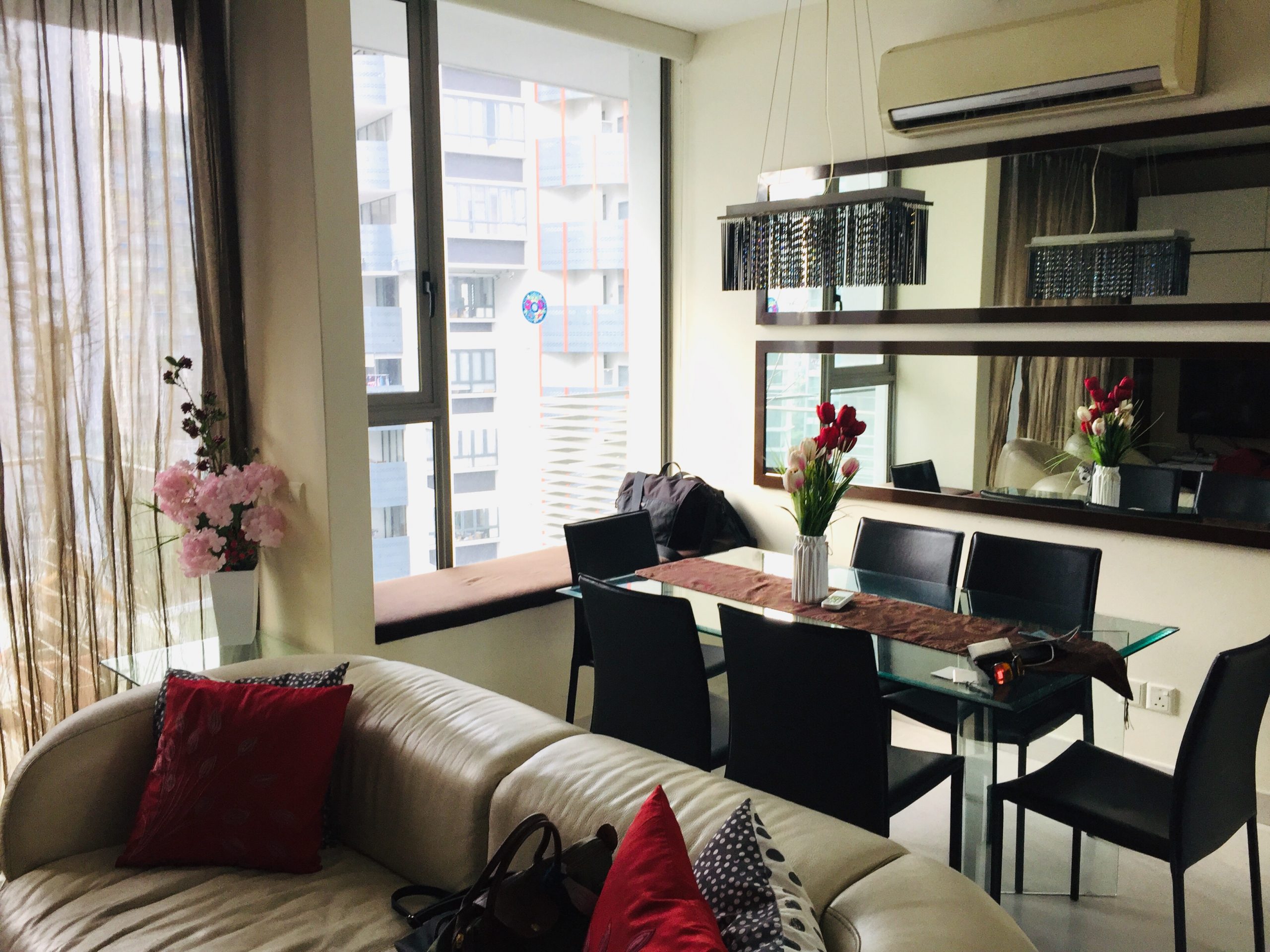
We stayed in an Airbnb apartment in Novena, which is a suburb over from Newton. That meant we were an easy ten-minute walk to Newton Circus food court, and another five minutes on to Orchard Road. In Novena itself, the United Square shopping mall on Thomson Road has great high street fashion stores, a supermarket (with booze section) and several decent places to eat.

Staying in an Airbnb apartment was great for us: we had our own kitchen to whip up food for the kids, and we could sit around at night when they went to bed playing music and having a few drinks with our friends. On our last night, we ordered food delivery through Foodpanda.
o0y8m
There is, however, a big BUT when it comes to using Airbnb in Singapore… it’s not technically legal. This post explains the laws with regard to rentals in Singapore. In short, Singapore is one of the most densely populated places on Earth and renting out scarcely available flats to tourists can cause big problems… which is why it’s heavily regulated.

Unfortunately, I didn’t know this before booking our apartment on Airbnb. I point it out now to save anyone else the worry. Whether you book anyway is your own ethical and financial decision, but it’s worth knowing I think.

Practically, we had no issues, but I’ll admit to being a little bit worried about what would happen if something went wrong. Singapore is expensive enough as it is… Without having to book last-minute accommodation for six people because you’ve booked your accommodation in a dodgy way. I don’t think travel insurance would cover that one.

Practical Considerations

Singapore Travel Costs

Singapore is NOT cheap, especially coming from Australia. Last time I was there, costs were pretty reasonable but this time, the exchange rate was actually 1:1. Travelling in Singapore is definitely not like travelling in Malaysia or Thailand, cost-wise. That being said, while you’ll pay more or the same for accommodation and consumer goods, some things such as food can be cheaper. Stick to Singaporean food and drink, for example, and this will shave a bit off your budget. Make sure you read our post on Singapore holiday costs for more information.

Getting Around In Singapore

In terms of getting around, taxis are pretty cheap (again, because of the change in exchange rate, it wasn’t as cheap this time as our other trips). Grab (a rideshare service like Uber) is big in Singapore and having used it a lot in Malaysia, we automatically went to use it in Singapore. However, laws are stricter in Singapore than Malaysia when it comes to carrying children. Only taxis in Singapore are insured to carry children without car seats so unless you have your own, you can’t catch a Grab with kids. Obviously, car seats are ideal but sometimes this isn’t possible.

Buy A SIM Card

Several phone carriers offer international SIM cards for short-term travellers. This was wonderful for us. We paid a small setup fee and pre-loaded our SIM, and we were able to make calls and access the internet, with a generous amount of data.

Things To Do In Singapore

Singapore Zoo And River Safari

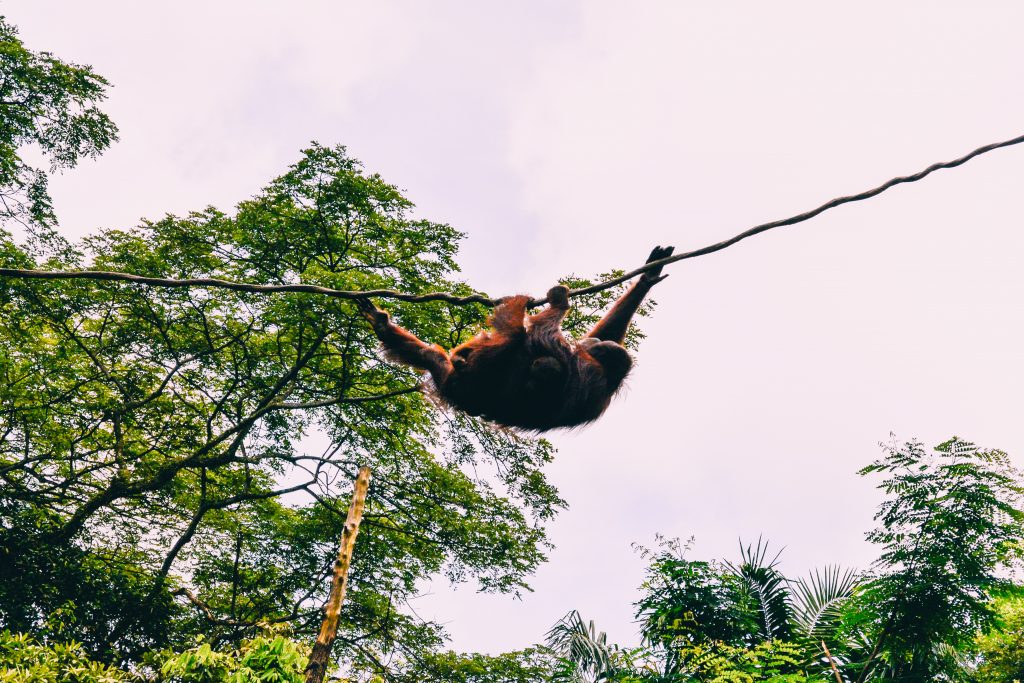
Singapore Zoo is often heralded as one of the best in the world, and there’s a reason for that. Aesthetically, it’s incredible. Set around a beautiful lake, from tropical plants to multiple water features, there’s always something to see even when you’re not looking at animals. But the enclosures themselves are great. MY favourite example: the orangutans are free to roam around the zoo. You just look up and, oh hey! There they are! The zookeepers follow them around to make sure they don’t get up to too much mischief… But it’s amazing to see them out and exploring right above you.

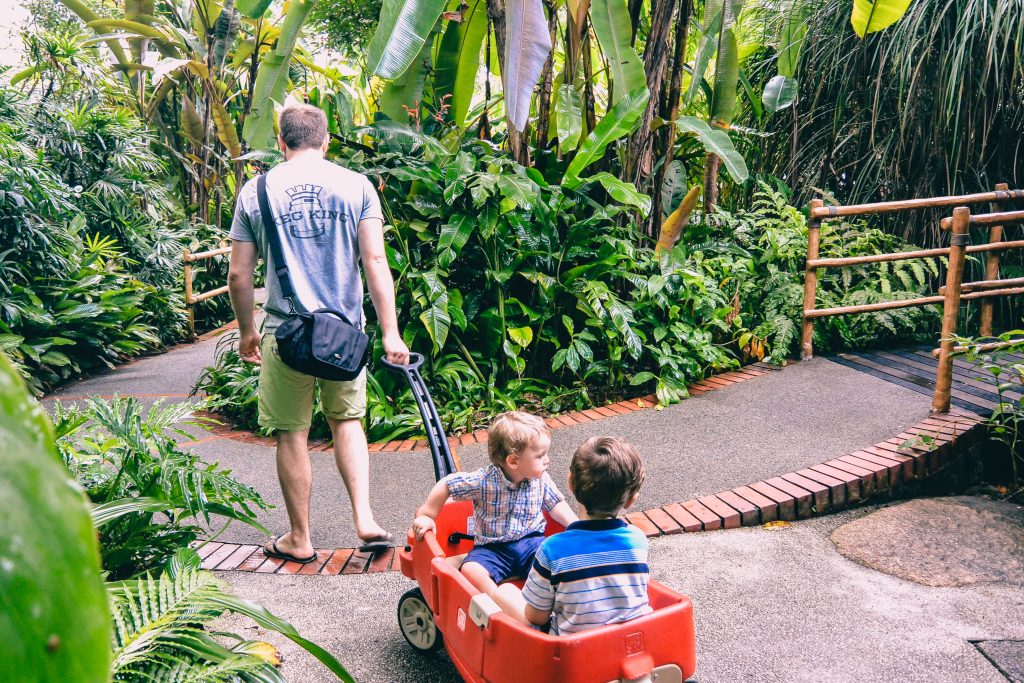
It’s a huge zoo, so having a ticket for the tram that travels around the complex is great. But if you don’t, just strolling around is wonderful. In terms of hitting the zoo with kids, you can hire a stroller or a little drag-along cart; we took the cart and, well these pics speak for themselves…
n7qtb
8t3we
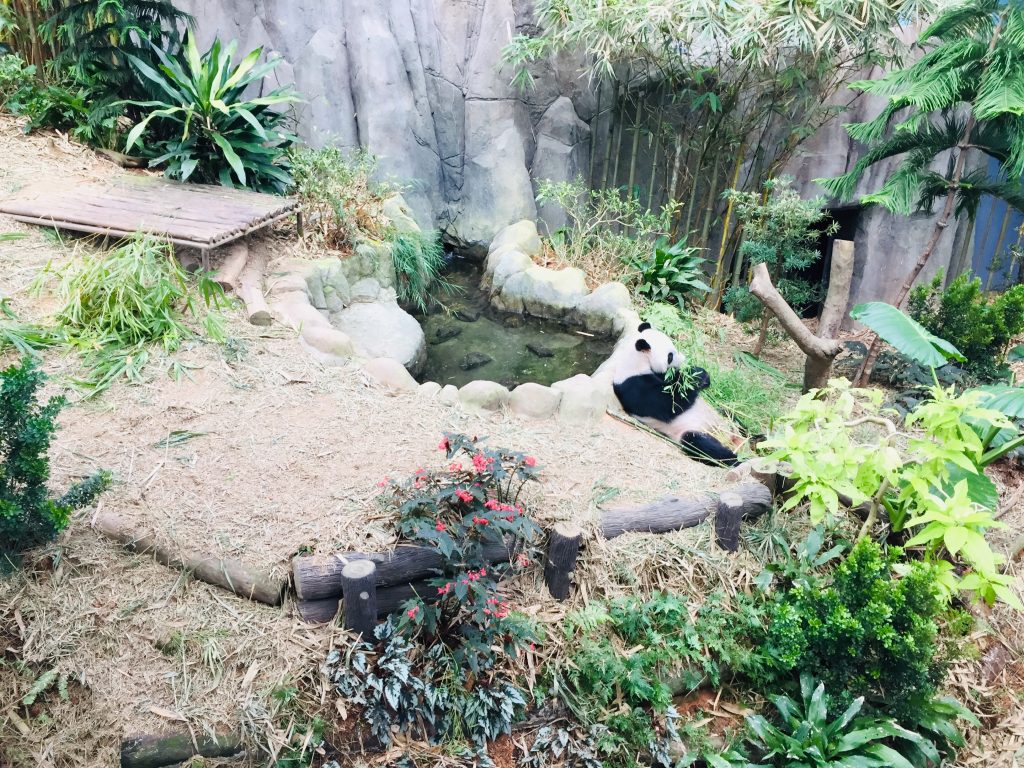
We also hit the River Safari, which wasn’t part of the complex last time we were in Singapore. It’s kind of a smaller-scale Aquarium, but for freshwater and brackish water dwellers. Mr. Winter is a fish fiend so he always gets a kick out of anything fish-related, but the Amazon exhibit, in particular, was a highlight for him. For me and the kids, seeing the dugongs was an incredible experience. There’s also a (slightly randomly-placed, in my opinion) Giant Panda exhibit in the middle of the complex.
jkkr4
s868t
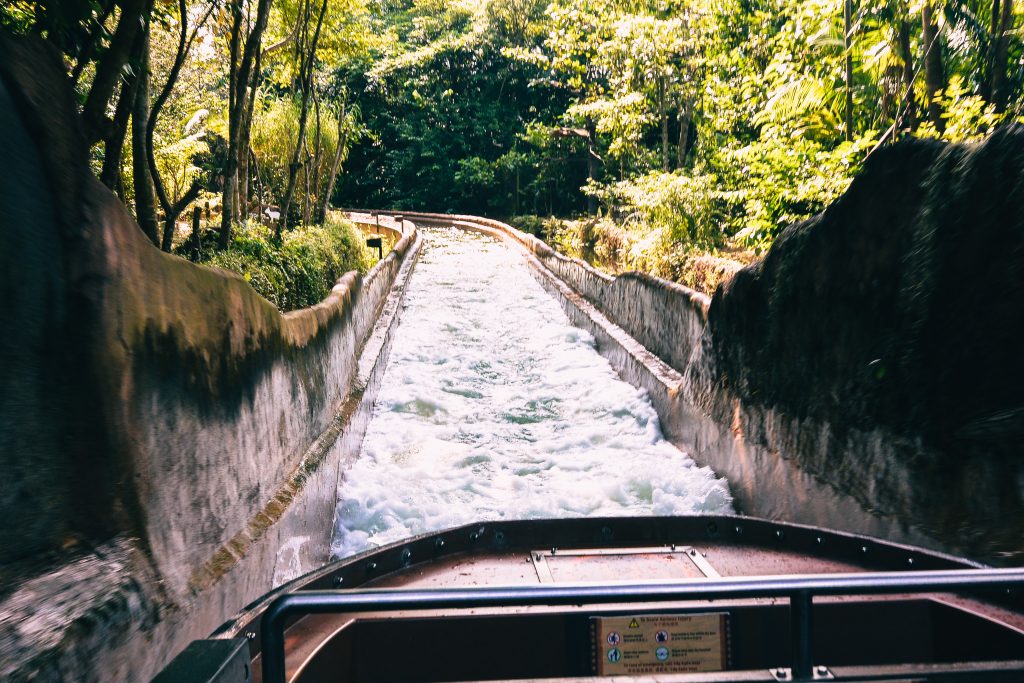
If you feel like something different, take a boat ride around the complex (Mr. Winter and the kids did that) or take a log-flume ride (our friends and I did this – the kids were too small). Let’s just say the log-flume-thingy won’t get your adrenaline pumping (AT ALL). But it was good for a laugh.

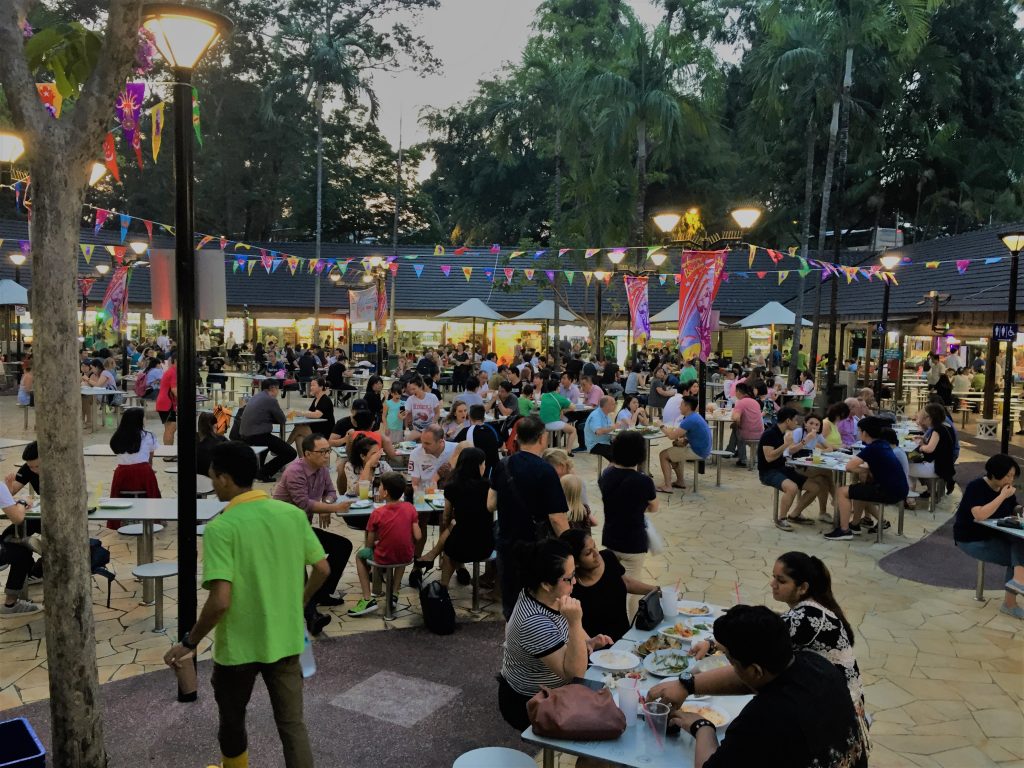
Newton Circus Food Court

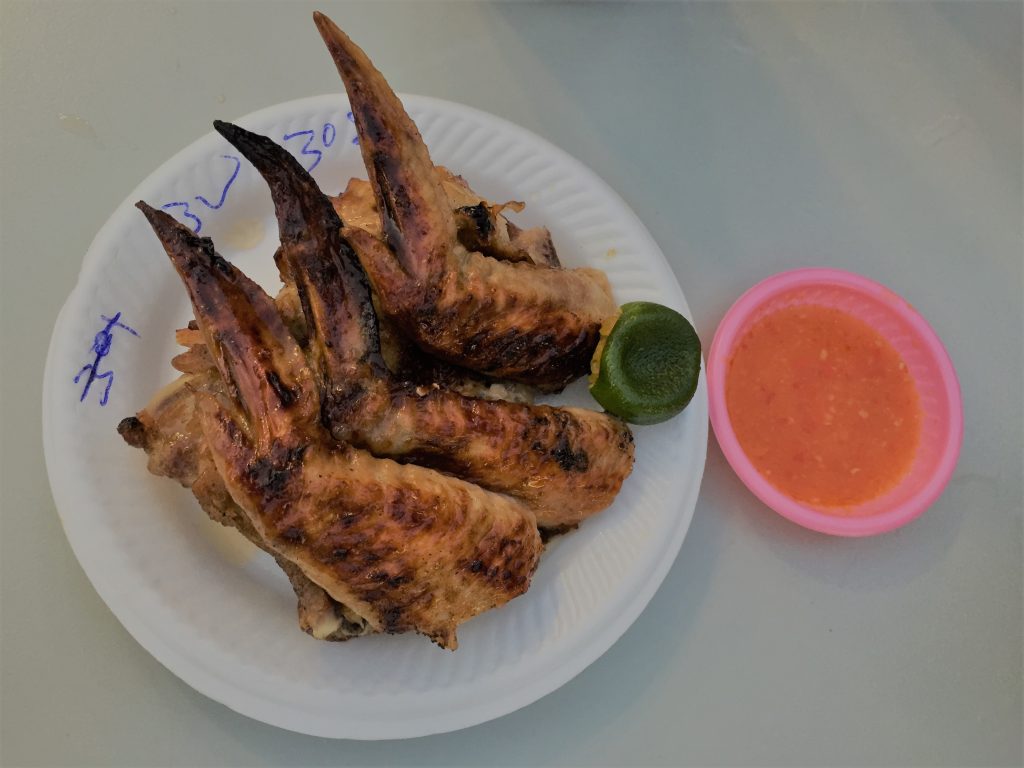
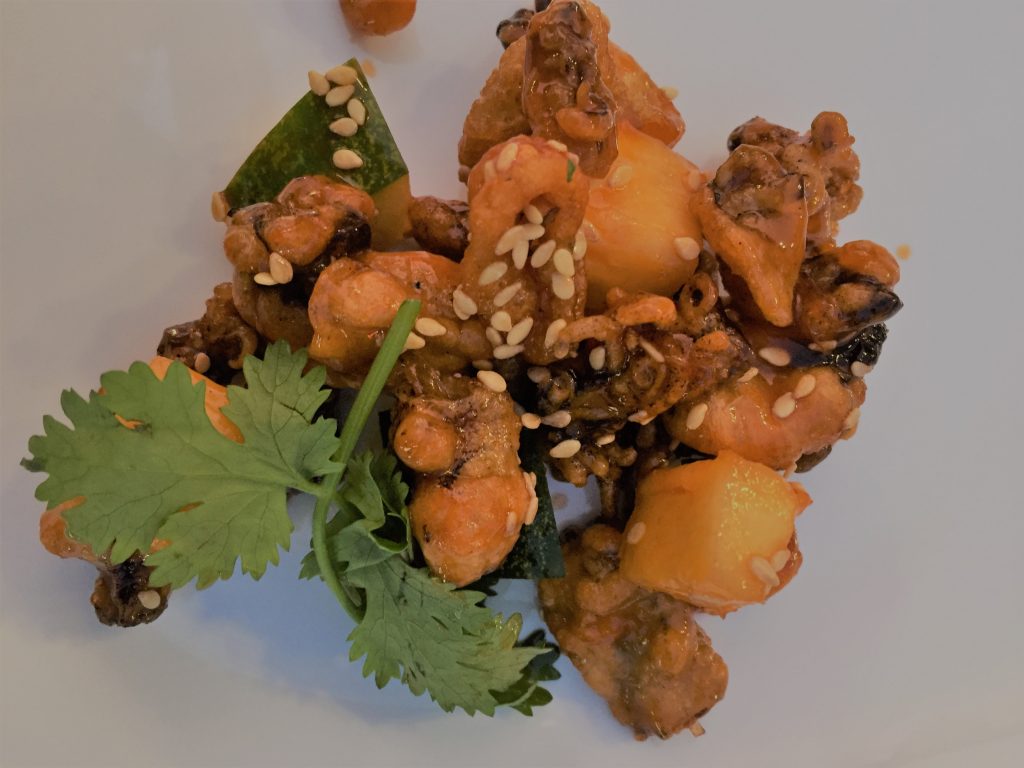
Newton Circus is an institution in Singapore. It’s changed a bit since I was last there in 2011… a bit of a facelift and seemingly an accompanying price rise. But you’re absolutely guaranteed to have an amazing meal and the atmosphere is top-notch.
sj144
n2ja7
vp7ht
rts38
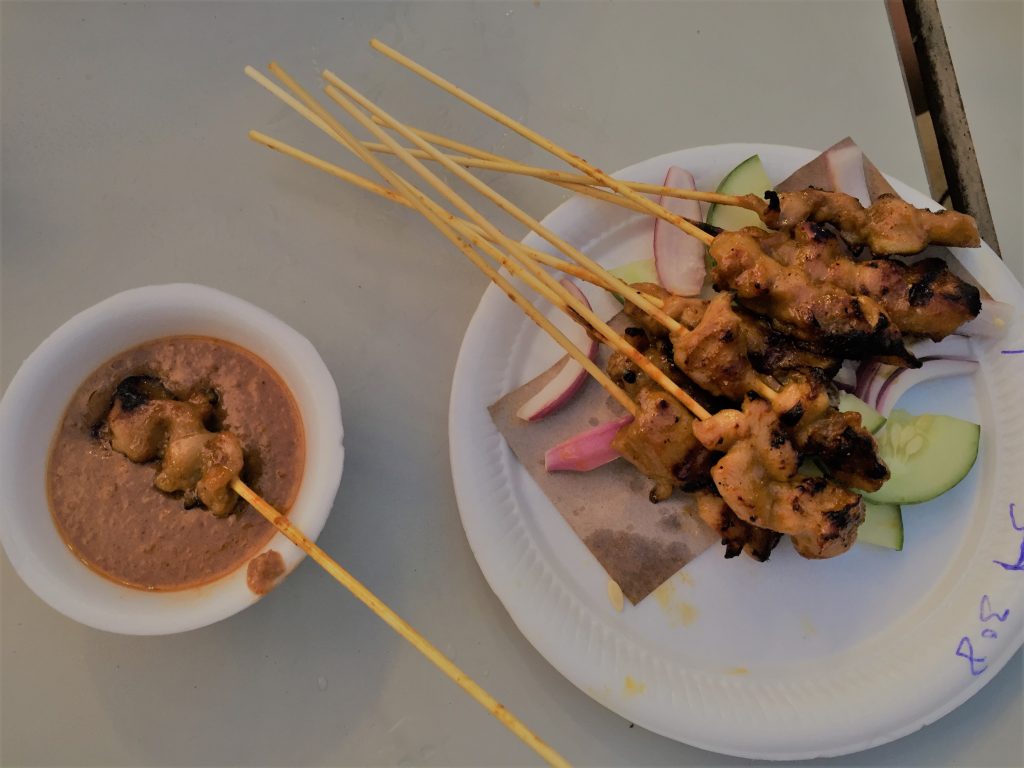
Tuck into a delicious chilli crab (Singapore’s specialty), devour delicious satays, or grab a huge plate of char kway teow. Knock it all back with a longneck of Tiger beer.

Sentosa Island

You could travel to Singapore, stay on Sentosa, and never even leave this fun little island. It’s just jam-packed with things to do. Our highlights were:

SEA Aquarium

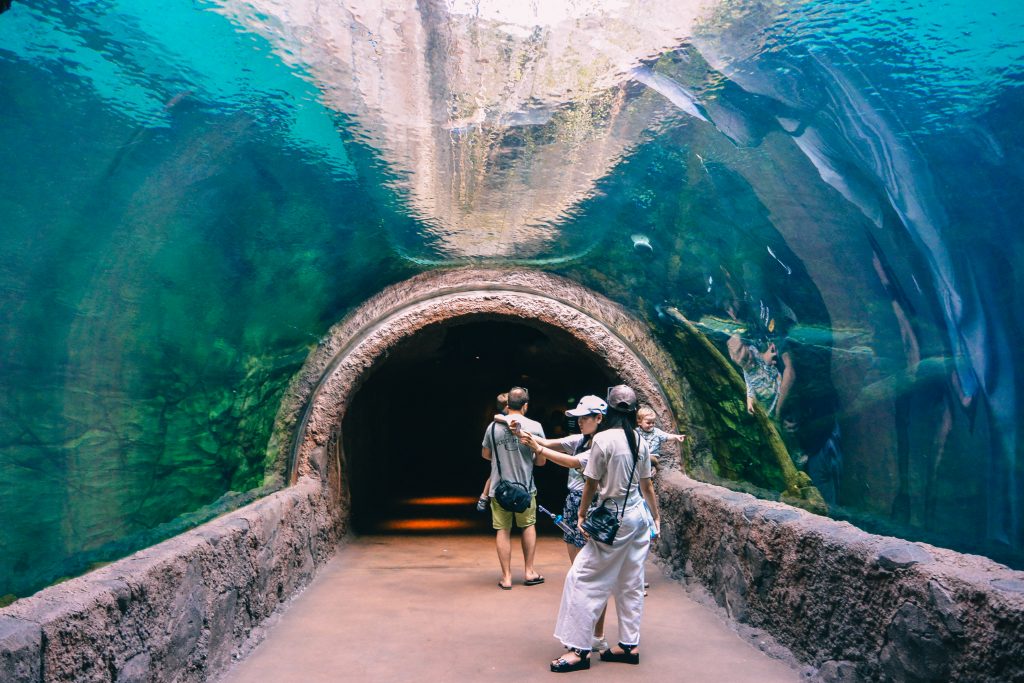
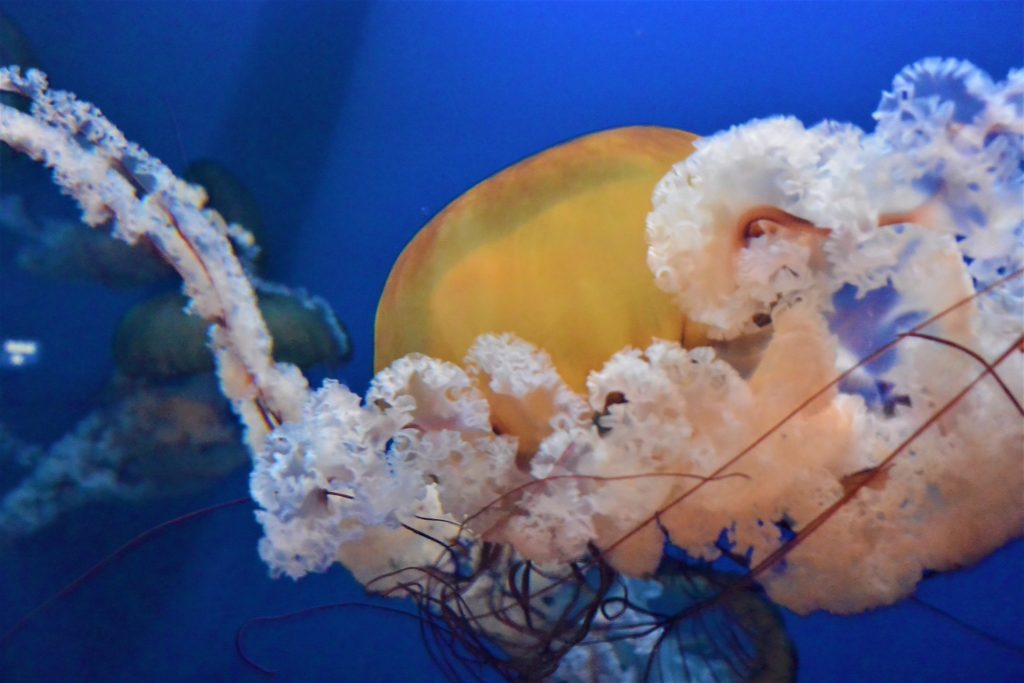
Like I said above, I live with some very fish-obsessed individuals so aquariums are always high on our list. The Singapore option is certainly impressive in size and scope, and its location is great. It’s not the cheapest activity, but I’m always prepared to pay more for animal-related activities if it ensures they’re well taken care of. Singapore Aquarium achieves this. I love the interactive learning opportunities scattered around, offering visitors the opportunity to reflect on our environment. There’s a lot of promotion of conservation and what we can do to look after our oceans and waterways. Issues such as pollution and climate change are tackled well for both smaller and bigger humans.
zxmj3
6uwpl
Eat, Eat, Eat!

There are SO many amazing places to eat on Sentosa. I’m not kidding: there are five Michelin-starred restaurants for a start: Forest, Feng Shui Inn, Osia, Syun and Tunglok Heen. They’re all located in the ResortsWorld complex and focus on their own contemporary Asian cuisine.

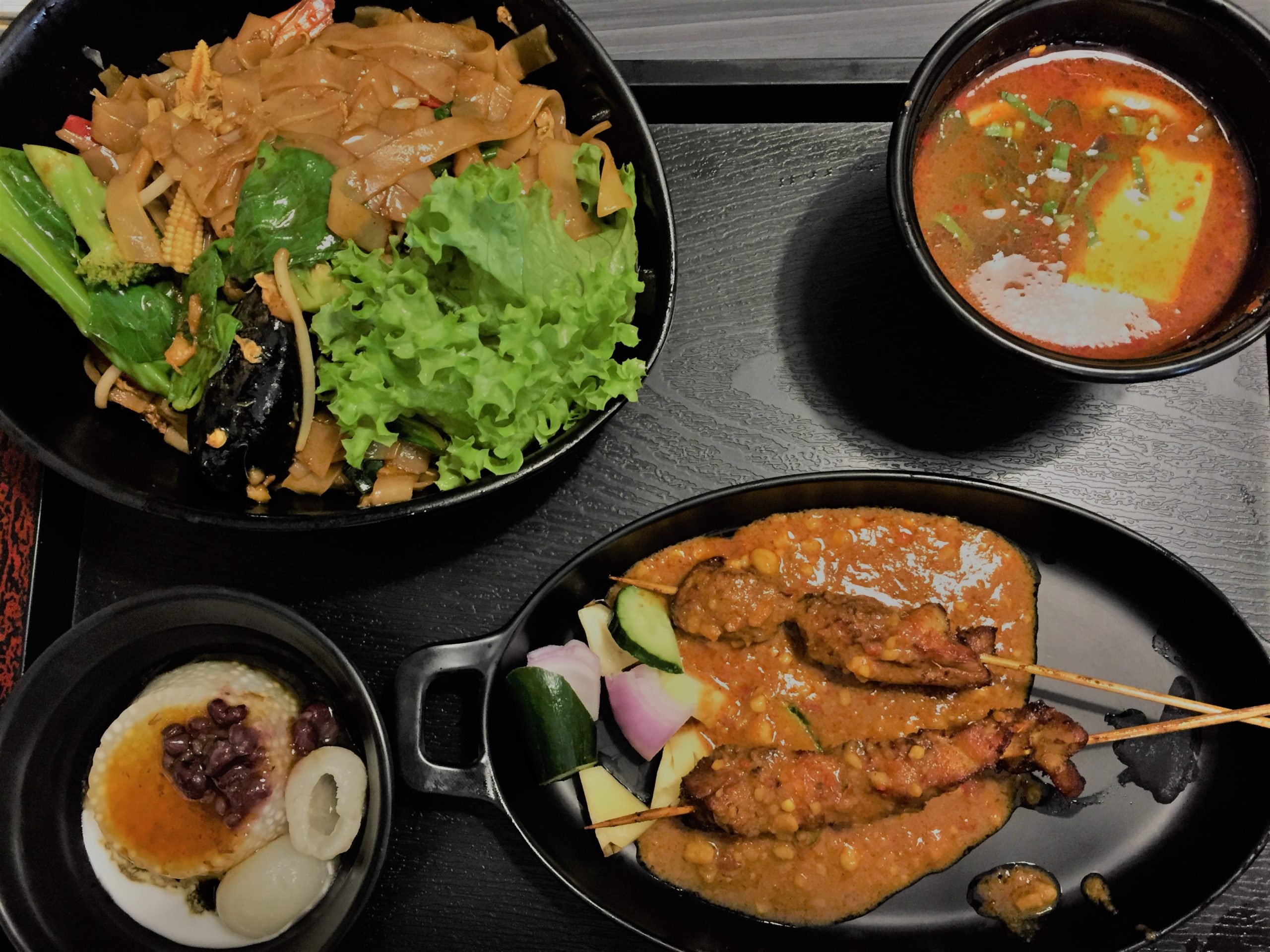
For us, we needed to focus on two things: keeping costs down, and keeping the kids happy. So no Michelin stars for us. In the ResortsWorld complex, where we were after enjoying the Aquarium nearby, there are still several decent options: a Hard Rock Café, Malaysian Food Street (a hawker centre!), and chain restaurants Ruyi and Streats. We opted for Streats because we liked the menu, but we didn’t have overly high expectations. Our meals were absolutely delicious though; I had the char kway teow and satay combo.
xj6xe
Heading down to Siloso Beach, Coastes and Mambo Beach Club looked like wonderful options (I had a quick chance to check them out while waiting for the luge riders – see below). We kept walking down the Beach Walk to Tanjong Beach Club for dinner… keep reading for a wrap-up.

Skyline Luge

If you take the Sentosa Express train over to Siloso Beach, the Skyline Luge is right there when you disembark. The luge has four tracks, each 600-700m long: the Jungle Trail, the Dragon Trail, and two new tracks that go through the forest. The luge is open at night too, so make sure you leave a ride or two for after sunset!

Siloso Beach

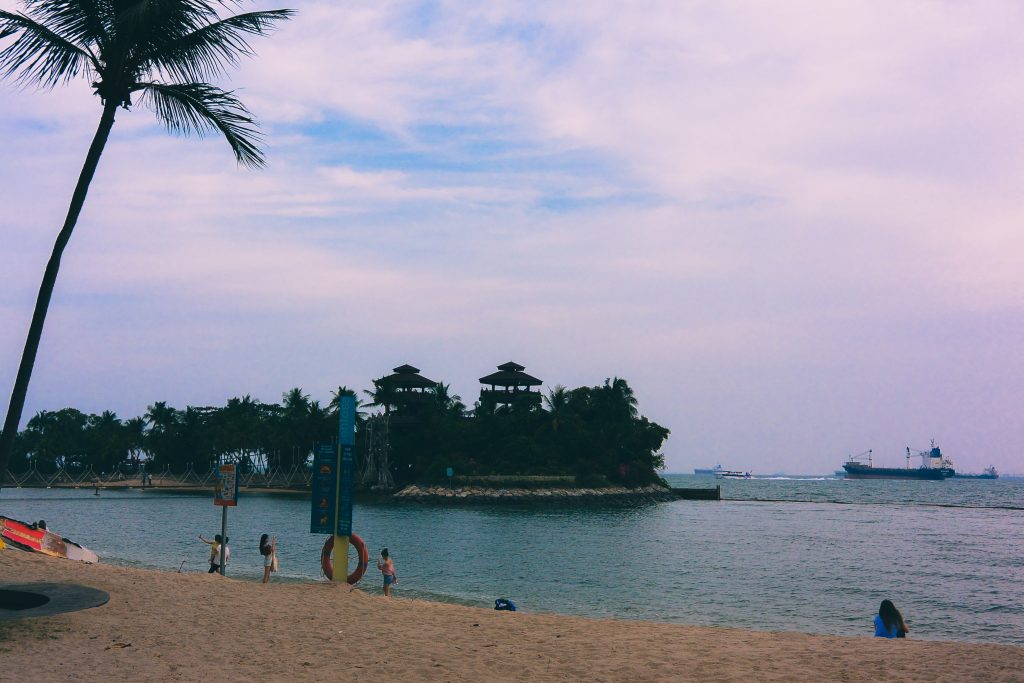
Our little fella was too small to go on the luge, so I drew the short straw and looked after him while everyone else went. H and I hung out on Siloso Beach instead. You wouldn’t really think of Singapore as a beach destination and that is absolutely fair… but it IS possible to swim.

The Sentosa Express takes you to Siloso to get on the Luge, and from there it’s a nice stroll along the Beach Walk from Siloso Beach to Palawan Beach, and then Tanjong Beach where we ended our day. It takes about 15-20 minutes: S had a quick nap in the backpack during the walk!
ks3qo
Tanjong Beach Club

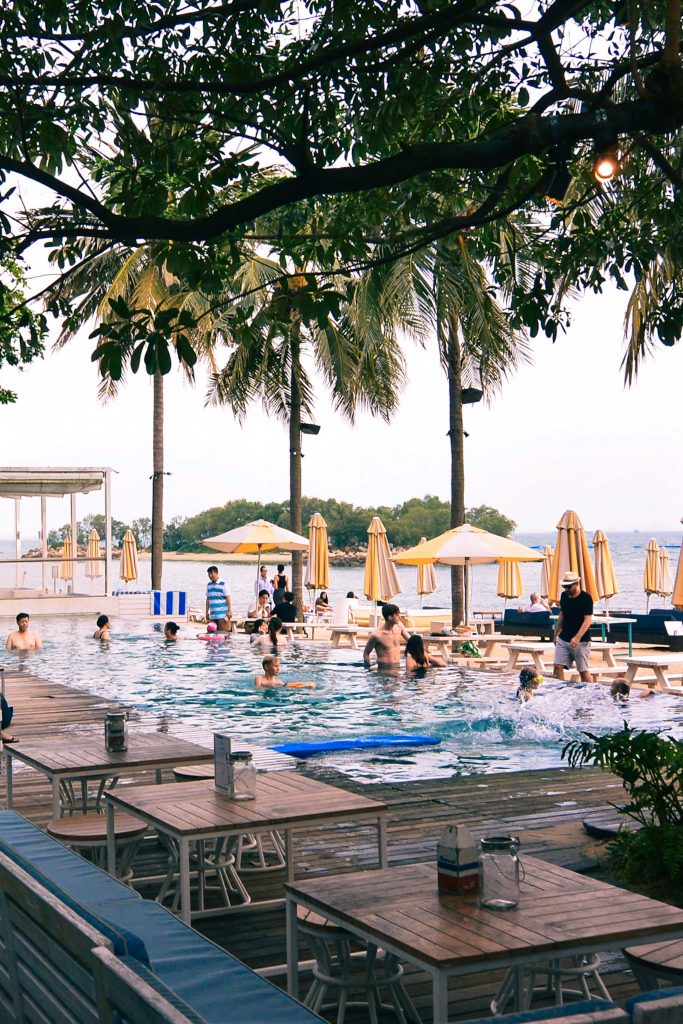
You guys know I looove a good beach club (click through to read about the best Bali beach clubs) ones are here). So I was pretty keen to try one in Singapore. Compared to Bali, the vibe of Tanjong Beach Club is certainly different, but so is Singapore as a whole. The whole beach club thing doesn’t represent as good value as those in Bali either (pay for entry, pay for towels, pay for food etc) but it was still a fantastic spot to spend an evening.

We watched the sunset over Tanjong Beach while sitting in the pool drinking sangria and eating the most amazing truffle fries. The busiest shipping lane in the world was right in front of us, slightly obscured by palm trees and fairy lights. I can’t think of anywhere else in the world you’d experience a view like that.

On Sentosa as a whole, there are some other amazing activities to try too, such as the Cable Car (we didn’t bother since we went on a huge one in Langkawi), iFly, KidZania, and Universal Studios. I really could talk for days about Sentosa.
qggjw
Kampong Glam

Kampong Glam is the traditional Malay quarter of Singapore. There are several sights to see in Kampong Glam, such as the Malay Heritage Centre and the Masjid Sultan mosque. For me though, Kampong Glam is all about the cruisey nightlife. From the Atap Bar speakeasy on Arab Street to craft cocktail bar Maison Ikkoku on Kandahar Street, there are so many trendy options to choose from.

My personal fave though is Piedra Negra in Haji Lane. Probably some of the absolute best Mexican food I’ve eaten outside Mexico, and a super funky place to sit back eat and enjoy a Corona or ten. My recommendations: the Esquites and the Ceviche de Molcajete (though any Ceviche option on the menu is divine). There were plenty of options suitable for kids on the menu too, though our littles were the only ones there. They loved it!

Singapore Unlimited Attractions Pass

If you’re planning on staying a few days and trying to see as much as possible, the Singapore Unlimited Attractions Pass represents excellent value. There are so many attractions included in the pass: the Zoo, SEA Aquarium, Universal Studios, Singapore Flyer, Kidzania, Gardens By The Bay… over 35 activities all on one pass. It also comes with a handy little guidebook so you can make sure you know exactly what you want to do.

Book Your Singapore Unlimited Attractions Pass

We also recommend doing the Singapore River Cruise.

What Would I Add Or Change From My Own Recent Trip?

There are so many things I would have liked to do on this trip that we didn’t get a chance to. Gardens By The Bay is probably the number one activity on this list and I think the kids would have got a real kick out of it. I also really wanted to visit the ArtScience Museum at the Marina Bay Sands. We did also spend a couple of hours strolling along Orchard Road… In hindsight, this was a waste – we didn’t buy anything other than a Boost Juice or see anything particularly interesting. We just went because it was close-by and we wanted to get out of the apartment before dinner. I think we could have used that time to do something a bit more fun.

The thing is, though, my kids still need naps. And when travelling in a hot, muggy climate they’re not used to (not to mention taking in so many different sights, sounds, and smells) they got tired really easily. I’ve mentioned in other posts that we tend to work our itineraries around naptimes. This breaks the day into morning and afternoon activities. We can either head back to our rooms for naps or structure the day so there’s a restful spot (such as a beach club) or a long drive in the middle of the day. All that said, the reality is we were never going to cover all the things on our list with a three-day/four-night itinerary.

We’ll certainly be back, and Mr. Winter and I will likely have a night or two on our own in Singapore when we next travel kid-free. Marina Bay Sands, ArtScience Museum and Gardens By The Bay will be our top priority.[……]
Read more

Useful Malaysia travel tips you should know before you go

roubi
Diversity. This is the first thing that hits you when you start reading about Malaysia. Mixed cultures, languages and religions, vibrant cities and remote jungles, modern skyscrapers and UNESCO historical sites, beautiful beaches and wildlife-packed rainforests…Not to mention the variety of delectable food. Sounds like Malaysia in fact has it all.

Having not been to any other Asian country before, I can’t really vouch for a very popular Malaysian slogan: “Malaysia truly Asia”, but choosing it as my first Asian country to visit was definitely the best decision. Being one of the most developed countries in South East Asia and keeping its rich tradition and culture at the same time, Malaysia delivers a wealth of unique experiences.

No matter if you’re an Asia first-timer or 50-timer this blog post will reveal all the Malaysian secrets. If you want to know when is the best time to visit Malaysia, how to get there, what to eat and even how to dress, keep reading to discover:

useful Malaysia travel tips you should know before your trip!

And don’t forget to check out my “Malaysia Itinerary” blog post to plan your 2 perfect weeks in this beautiful and diverse country.

Ok, but where is Malaysia?

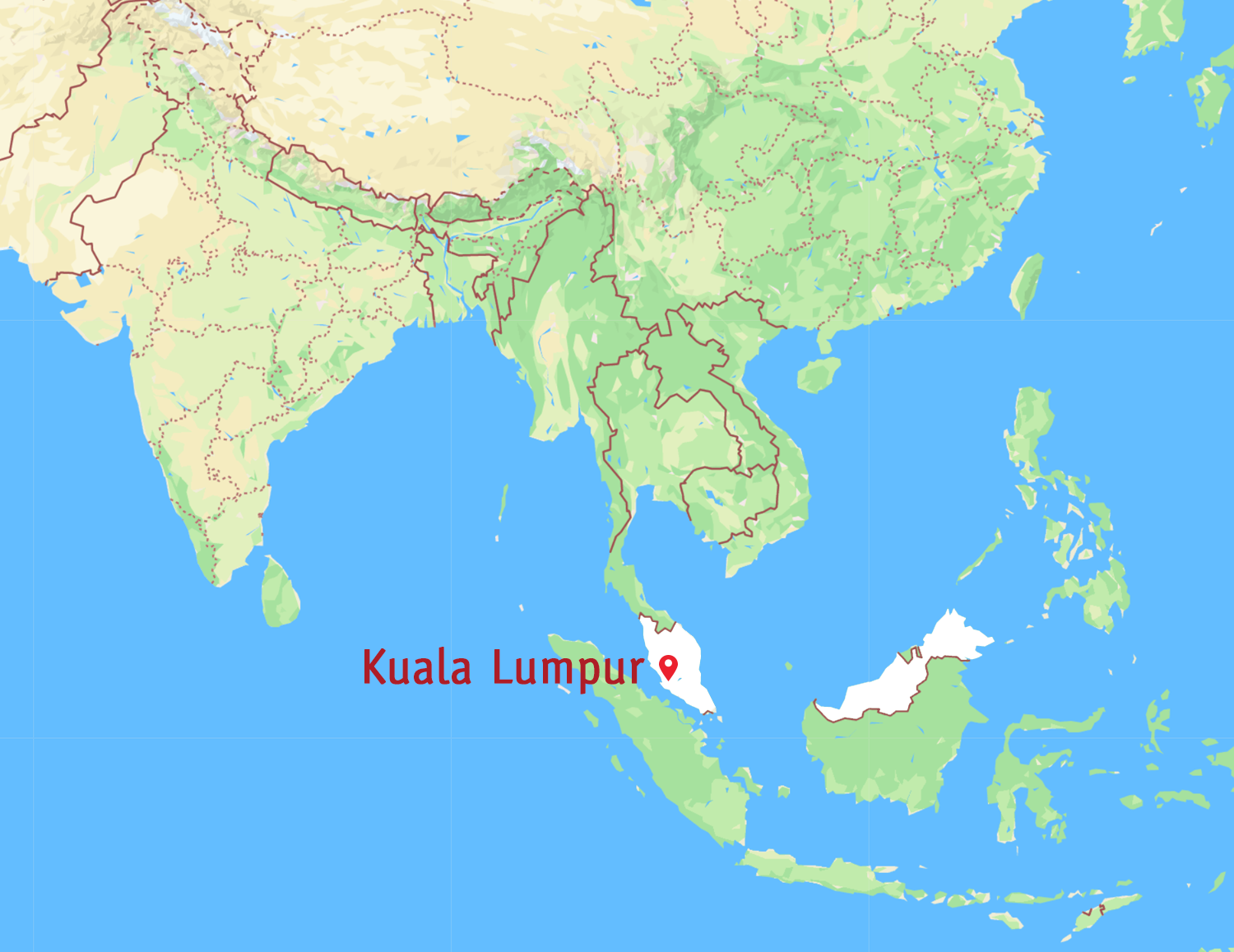
Malaysia is a country in Southeast Asia and consists of 2 parts separated by the South China Sea. There is Peninsular Malaysia, which shares a border with Thailand and East Malaysia which is the Malaysian part of the Borneo Island. When researching travelling in Malaysia, you will mainly find recommendations for places in the Peninsular (western) Malaysia. That’s why it’s worth remembering, that this country also has another – less touristy part.

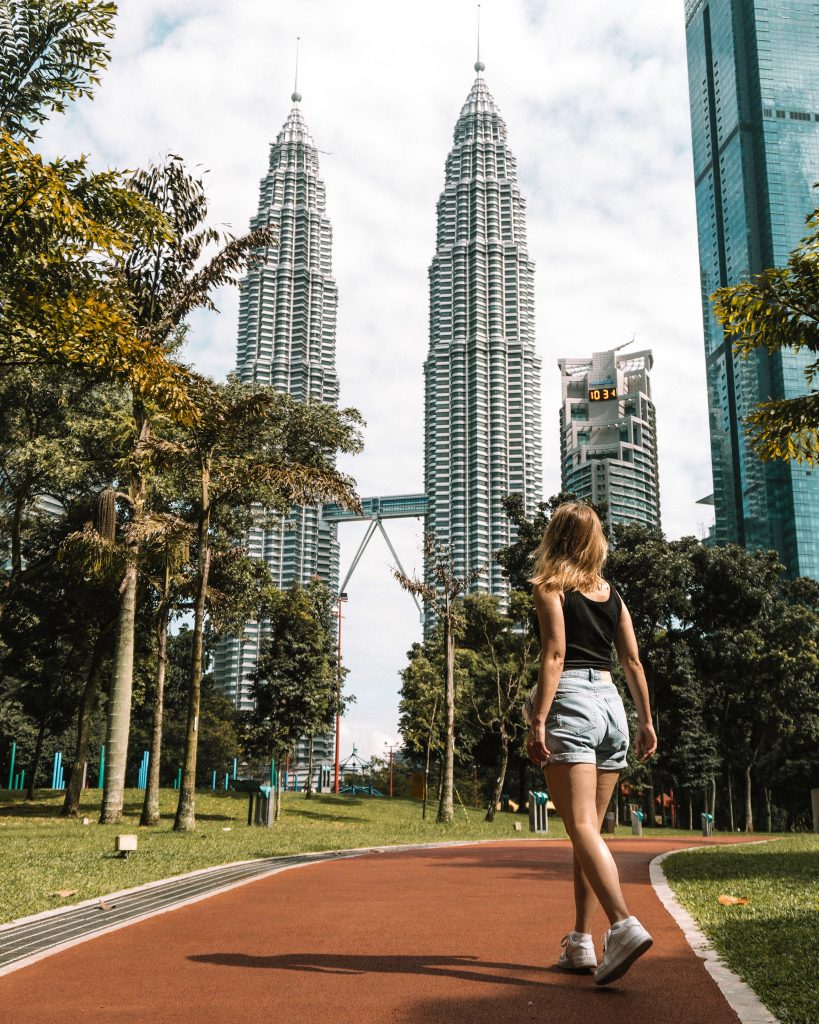
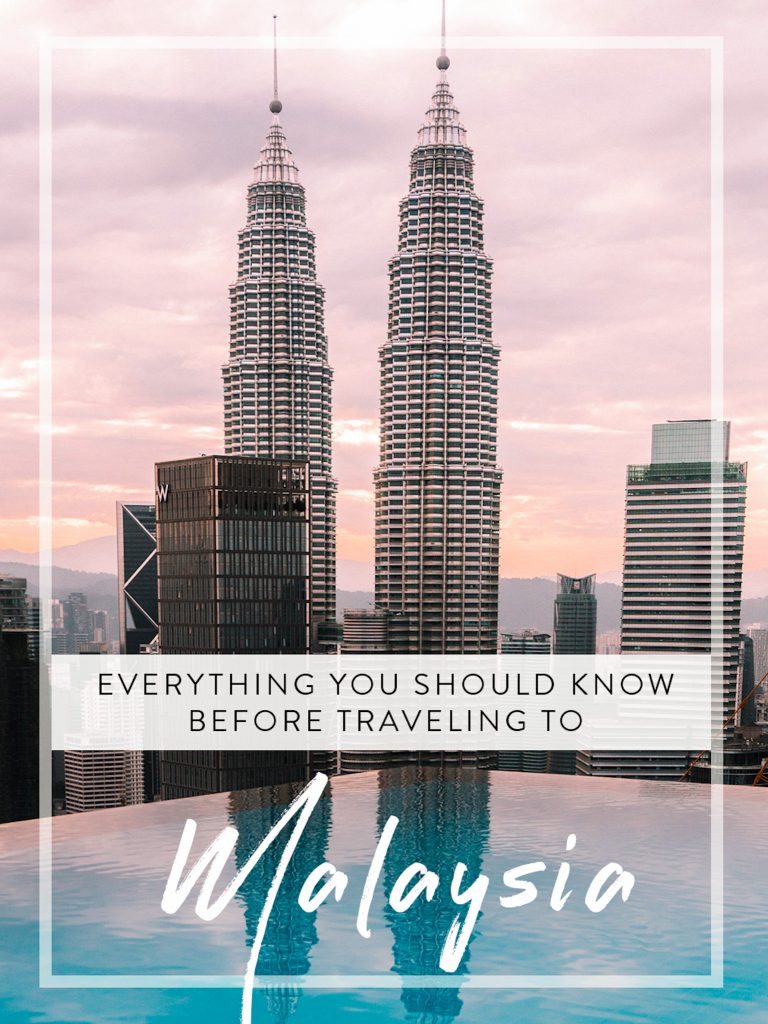
The capital of Malaysia is Kuala Lumpur. Being also the biggest city, KL is the cultural, financial and economic centre of Malaysia and one of the fastest growing metropolitan regions in Southeast Asia. Founded as a settlement for the tin-industry, KL grew rapidly, becoming the perfect mixture of tradition and modernity it is today. Historic colonial buildings, buzzing markets and botanical gardens synchronise perfectly with tall skyscrapers, impressive Petronas Towers, and luxurious shopping malls, which you’ll find very useful when escaping the heat or rain.

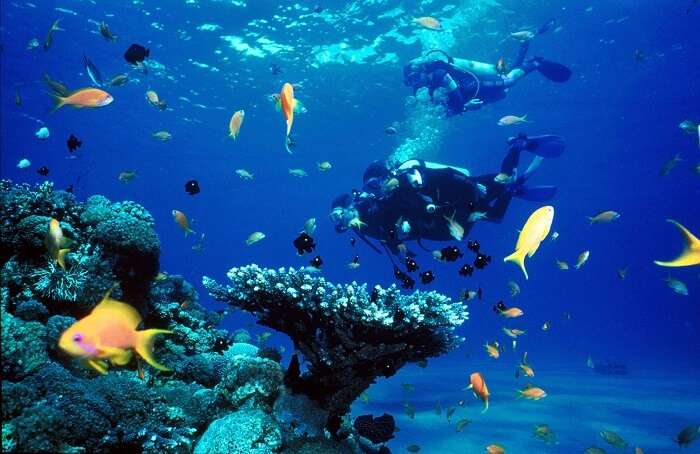
Malaysia has more than 800 islands along the coastline. Pulau (Malaysian word for “island”) Langkawi is the biggest and most visited island of the country, but you will also come across names like: Perhentian Islands (for divers, snorkelers and backpackers) Penang Island (colonial and metropolitan), Tioman Island (once voted the most beautiful beach in the world) or Pangkor Island (empty beaches and clear waters).

mi7uk
How do I get there?

By plane.

– Wow, really?

– Yes!

All major intercontinental airlines offer flights to Kuala Lumpur, which is the main airport of Malaysia. So if you’re travelling from Europe, take a plane. If you’re travelling from America, take a plane. When you’re travelling from Australia, take a plane. When you’re travelling from different Asian countries, you have more options, but plane is the surely the fastest and most convenient one. If you decide to visit Singapore first (travellers usually combine those 2 countries, due to their proximity), you can take a plane (yes, again), a train or a bus. The same if you’re travelling from Thailand.

oz2bu
Will they let me in?

Travellers from most of the countries in the world DO NOT NEED a visa to enter Malaysia. You will normally be given permission to stay either for 90 or 30 days (depending on the country) on arrival. The customs officer might get your fingerprints and ask you a few questions regarding your stay in Malaysia. Visas for longer stays or for non-tourist purposes must be obtained from the nearest Malaysian diplomatic mission before you travel. Check your country’s government website to make sure you’re free to go.

Do I need a shot?

No specific vaccinations are required for tourists travelling to Malaysia. In general it’s good to be vaccinated against Tetanus, Hepatitis A and Typhoid. There are no particular sanitary and epidemiological threats in Malaysia, but it’s also better to check properly before your trip. If some unfortunate event happens and you’re forced to go to the hospital, don’t worry, medical care is generally available and inexpensive. For all the minor conditions, I suggest asking a pharmacist first.

f377m
Plane, train…? How do I get around?

If you follow my Malaysia travel tips and you successfully make it to Malaysia, you have plenty of options to travel within the country. Public transport in Malaysia is reliable, inexpensive and easy to use.

BY BUS

Much of your travelling, particularly in Peninsular Malaysia, will be by bus. Most popular routes are running several times a day with frequent connections for very reasonable prices. Coaches are usually spacious, comfortable (only 3 seats in one row…wooo), air-conditioned (don’t forget to take a hoodie on board) and have WiFi. There is one thing you won’t find on board though – toilets. On the longer routes the bus driver will simply stop once or twice for a rest and bathroom break. So drink freely. Buying the tickets is also easy. Most of the time you can show up at a bus station and get a ticket for the next coach, but I recommend buying them online. Easybook.com is a website where you can choose the best connection and book the tickets in a few simple steps. My favourite bus operator was: Unititi Express.

BY TRAIN

Travelling by train is also a great option for getting around Malaysia. There are two main classes of train: express services – modern, fully air-conditioned and well maintained, and local trains – often not air-conditioned and of variable quality. Travelling by train is good if you want to commute between major locations or if you want to travel internationally. The route Singapore – Kuala Lumpur – Thailand offers sleeping services, which can save you a few bucks on accommodation. Train connections are however more limited than bus connections, the journeys usually take longer and the prices are a little bit higher.

BY PLANE

Thanks to low-cost airlines flying in Malaysia is fast and inexpensive. Malaysian domestic flights are operated by Malaysia Airlines (MAS) and the budget carriers AirAsia and Firefly. Planes fly between most of the state capitals, as well as Langkawi Island and Singapore.

BY BOAT

To get to some islands though, like Perhentian, Tioman and Pangkor you can only go by a boat or a ferry. You generally buy your ticket in advance from booths at the jetty, sometimes you can simply just pay on the boat.

BY CAR

Roads, expressways and highways in Malaysia are good and well maintained, making travelling by car an alternative option. You have to remember that there is left-hand traffic in Malaysia and driving in the cities can be very…challenging. Like one of our Grab drivers said: “in Malaysia when you wanna go, you just go”.

OR…GRAB A GRAB!

Oh yes, Grab (Malaysian Uber) is also a very popular, convenient and cheap mode of transportation. They operate in most Malaysian tourist destinations and grabbing a Grab is a great and sometimes much needed way of cooling down in the air-con.

00e78
Malay or Malaysian? How do I not offend anyone?

This is one the Malaysia travel tips you have to pay attention to!

Malaysia is a very multicultural nation, but it doesn’t just mean that there are people of many different races living there. Malaysia is made up of 3 main ethnicities: Malays (first inhabitants of Malaysia, that now make more than a half of population), Chinese and Indian. It doesn’t seem so different from other countries, does it? However, in Malaysia the multicultural and multiethnic background of the nation is celebrated by all Malaysians. For example, there are bank holidays for different nations’ and religions’ celebrations, like Chinese New Year, Diwali or Christmas and you can see the shops and streets being decorated honouring all different holidays throughout the year.

It’d be also nice, if before going to Malaysia you understood the difference between Malays and Malaysians. ‘Malaysian’ refers to nationality. ‘Malay’ refers to the ethnicity. So for example, a Chinese person who was born and is currently living in Malaysia is called “Malaysian”, NOT “Malay”. The same with an Indian person born and raised in Malaysia. So all the Chinese, Indian and Malay people born and living in Malaysia are called “Malaysians”. But only Malay ethnicity people are called “Malays”.

Do I need to learn another language?

The national language of Malaysia is…again – Malay (Bahasa Melayu – to be more specific). All lessons are taught in Malay at school. However, because of the different racial backgrounds, especially in the bigger cities, you will hear Malaysian ethnicities speaking with each other in English. English is commonly spoken in Malaysia and almost every Malaysian citizen can communicate in this language.

gs067
And what’s the religion?

Islam is the official religion of Malaysia. So bear in mind, that 5 times a days, including one around 5 am, you will hear calls to prayer coming from multiple mosques in the area. Perfect wakeup call to watch the sun rise. The rest of the population practices either Buddhism, Hinduism or Christianity. Thanks to the religious diversity you will find beautiful and fascinating Muslim, Buddhist, Hindu and Christian temples all over the country.

JUST REMEMBER TO WEAR A PROPER OUTFIT WHEN VISITING THE TEMPLES.

You can’t march into a mosque or Hindu temple wearing shorts and a T-shirt. It applies to both, men and women. In most of the mosques you will be given the chance to borrow robes for your visit. Taking your shoes off is also a must when entering the most sacred “chambers” in the temples. The most “chilled”, regarding outfits, are Buddhist temples, although you also might be asked to cover your shoulders with a scarf.

Apart from religious and historic places, there is no specific dress code for visitors in Malaysia. Wearing shorts, T-shirts and dresses is totally fine. Just in general, be respectful of the people and the culture.

Will I be sweaty?

Yes!

Hot, hot, hot! And humid! All year round. This is how you can describe the weather in Malaysia. If you’re coming from a cold country like England, Norway or Canada the amount of times you will say: “It’s so hot”, “I’m melting” or “Let’s take those stupid Instagram pictures and go some place cool” is countless. Even if you’re you travelling from hot and sunny Italy, Spain or Egypt…it’s the humidity that will destroy you. So happy travelling! Kidding, the heat and humidity are definitely a part of the Malaysian experience.

Malaysia is a tropical country located close to the equator, therefore warm weather is guaranteed. Temperatures generally range from 32°C/89.6ºF at noon to about 26°C/78.8ºF at midnight. But like most Southeast Asian countries, Malaysia’s sunny days are interrupted by Monsoon season. But it’s not only one Monsoon season. Different parts of Malaysia are touched by heavy rains at different times. So pay attention, because it’s one of the most useful Malaysia travel tips!

The east coast monsoon begins in mid October and lasts until the end of March. The weather is usually very rough then, sometimes it can rain for days and some of the islands, like Perhentian or Tioman are even “closed” for tourists.

The west coast monsoon begins in April/May and lasts until end of October. West coast monsoon is much milder, you won’t usually even notice that it’s there.

Besides the monsoon seasons it can always rain in Malaysia. Rain falls usually happen between 4 and 6 pm and are intense but brief.

SO “WHEN IN THE BEST TIME TO VISIT MALAYSIA?” YOU MIGHT ASK.

If you’re planning to stay on the east side, the best time would be between April and September.

But, if you, like most tourists, want to travel on the west coast, go between November and March.

I, despite what I just wrote in my Malaysia travel tips, went to the western part of Malaysia at the turn of June and July and didn’t experience much rain. It literally rained 3 times when I was there, for max of 1 hour each time, so the rain fall was indeed short, but intense and actually very refreshing. The temperatures tend to be cooler in Cameron Highlands or in certain parts of Borneo, like Mount Kinabalu. If you include those places in your itinerary, make sure to take at least one hoodie

One more thing, don’t trust Google weather and any other weather app. They will always show you rain when it’s not actually there.

Let’s talk about money!

The currency of Malaysia is called Ringgit (MYR), which is made up of sen: 1 RM=100 sen.

Most of the hotels, stores, bars and restaurants accept Visa and MasterCard. ATMs are also widely available (they only might be limited on the islands) and you will definitely need cash when going to the popular night markets and food markets. Practice your haggling skills – a certain amount of bargaining is required when buying stuff at night markets. Just don’t be too aggressive, that’s not a part of Malaysian shopping culture.

Currency exchange “places” are also quite popular and usually offer better exchange rate than the banks.

And one of the best Malaysia travel tips: Travelling in Malaysia is generally not expensive! It’s suitable for both backpackers and travellers who seek luxurious facilities. It obviously all depends on your accommodation and the entertainment you provide for yourself, but on average you’ll need 300 Ringgit per day in Malaysia. Food will definitely be the smallest part of your expenses.

Ok, now I’m hungry!

If food is also your favourite “F” word, you couldn’t find a better country to travel to. Malaysians are obsessed with food! Food courts, food street markets and food hawkers are very popular in Malaysia, due to the fact that Malaysians very rarely cook and eat at home. Eating out is a part of Malaysian culture. And the choice is endless. Thanks to the cultural diversity, you will be able to try traditional Malaysian food, aromatic Chinese food and flavourful Indian food. And there is something for everyone.

Most dishes in Malaysia are based on either rice or mee (noodles), but: Malay dishes often contain beef, chicken, mutton or fish (never pork as Malay food needs to be halal), Chinese dishes are often with pork, and Indian dishes are usually vegetarian (never with beef). But the most important thing: food is cheap!

SO WHAT DO YOU NECESSARILY HAVE TO TRY?

Nasi Lemak – is the national Malaysian dish, often eaten for breakfast. It consists of coconut rice, sambal, fried anchovies, peanuts, cucumber slices. There can be variations of Nasi Lemak, such as vegetarian, even vegan option, but the rice, cucumber, and peanuts are pretty much staple.

Laksa – is a spicy rice noodle soup, served with chicken, prawn or fish. You can also find a curry laksa served with coconut milk. The most famous one is the Penang Asam Laksa.

Roti canai – is a light flatbread served usually with 3 dipping sauces of varying levels of spiciness.

YUM YUM YUM! WHAT ELSE?

Mee Goreng – is yellow noodles mixed with beef or chicken, shrimp, soy sauce, local vegetables and egg. Topped with chilies and chili sauce.

Char Kuey Teow – is flat rice noodles, fried with pork, soy sauce, bean sprouts, chili and most importantly cockles (a kind of shellfish). Sometimes egg and prawns are added too.

Murtabak – is a pan fried bread mixture, filled with minced meat, onions and dipped in a spicy/sour sauce.

Rendang – is similar to a curry. It’s a mix of coconut milk, spices and meat, normally beef, chicken or lamb. Slow cooked so the sauce is thick and rich.

If you’re a vegetarian or a vegan, you’re probably thinking: “What on Earth will I be eating there?”. The answer is: Indian food. The choice of vegetarian and vegan options in Indian food corners is huge. But even within traditional Malaysian or Chinese cuisine you will find dishes without meat. If they are not on the menu, you can always ask for a recommendation.

AND SOMETHING TO DRINK?

If after all this food you suddenly feel thirsty, don’t forget to try Teh Tarik. It’s the national drink of Malaysia. And no, it’s not an alcoholic cocktail, it’s a hot milk tea.

You also can’t pass by the fruit stands and not try pineapples, coconuts and…durians! If you can smell garbage from afar, you know they sell durian there. This fruit, native to Malaysia, Indonesia and Borneo is super healthy, but incredibly stinky and will give you an experience you will never forget

Laksa

Nasi Lemak

Is there anything else I should know before travelling to Malaysia?

Yes!

There are a few more useful Malaysia travel tips:

– even though drinking tap water in Malaysia is safe, you might not want to risk it. Purchase a water bottle with built in filter (like I did) and you’re good to go. I was drinking filtered tap water throughout the whole trip and never had any problems.

– and those infamous ice cubes? I had many beverages with ice cubes and again – didn’t experience any stomach problems.[……]
Read more

Top 37 Hidden Tourist Spots in the Philippines Travel Pros Rave About

Danjugan Island 1/37Cauayan, Negros Occidental (Check available Flights and Hotels)

id73h
© Yoshke Dimen and Vins Carlos, The Poor Traveler

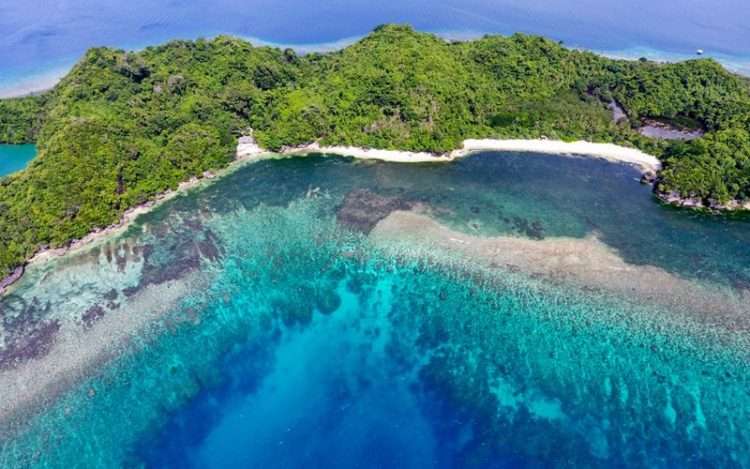
Yoshke Dimen and Vins Carlos of The Poor Traveler say- “Danjugan Island is a rainforest-covered island and rich marine sanctuary that can be reached after a 4-hour drive from Bacolod and a 30-minute boat ride from mainland Cauayan. The island has five lagoons, two of which you can explore by kayak. Since it’s a protected area, fishing is not allowed here, allowing marine life to explode in full color. The best part is, you don’t need to be a scuba diver to enjoy it, you can simply do so by snorkeling. There you can see the bluest giant clams, humongous table corals, and all sorts of fish including juvenile black-tip sharks (if your timing is right). Danjugan Island can accept only a handful of guests per day – this ensures that the island’s pristine conditions will remain so for a long time.”

Sundang Island 2/37Lumot Mahipon Lake, Cavinti, Laguna(Check available Hotels)

nei13
© JB and Renee Macatulad, Will Fly for Food

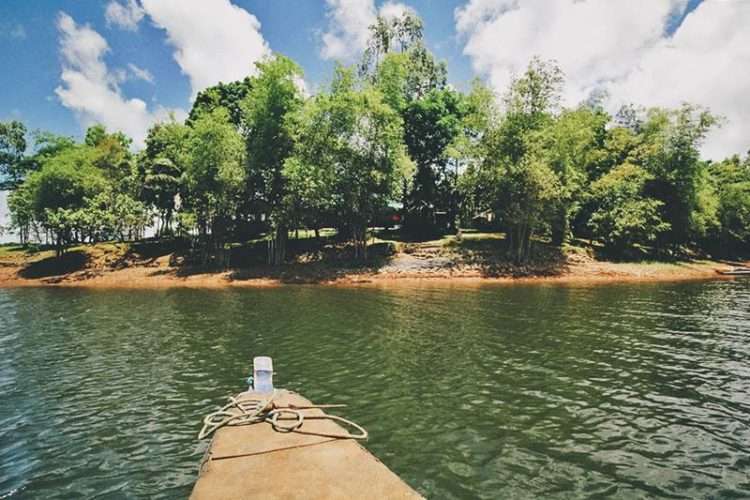
JB and Renee Macatulad of Will Fly for Food say- “Have you ever fantasized about having your own private island? Well, you can with Sundang Island in Cavinti, Laguna. For as low as about P3,400 a night, you can rent this small island and house in the middle of a lake. The island in Lumot Mahipon Lake can be booked online, and it comes complete with boat transfers for groups as big as ten. Just hop into your car and make the 3-4 hour drive southeast of Manila to become king or queen of your very own island. Awesome!”

Bayugin Falls 3/37Bulusan, Sorsogon(Check available Flights and Hotels)

7cx2l
© Nina Fuentes, Just Wandering

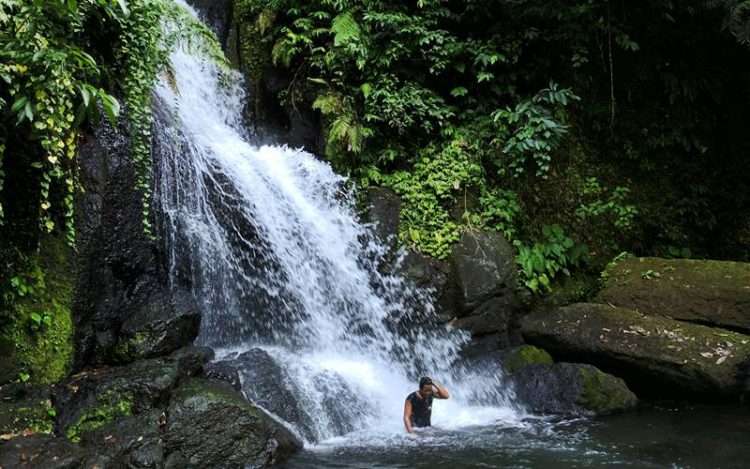
Nina Fuentes of Just Wandering says- “Visitors in Bulusan flock to the Bulusan Volcano National Park, but not many make it to Bayugin Falls. It’s a small waterfall, but the water is very cold and refreshing, especially on a hot and humid day.To get there, drive or take a tricycle up to Bgy. San Francisco. Admission fee is only 15 pesos per guest, vehicle parking costs 20 pesos, and cottages can be rented for 150 pesos. You can also get a guide, but there is no set amount for his fee. Once there, you need to take a short trek, and climb 278 steps down to reach the waterfalls. You can swim and take countless selfies near or under the waterfalls, but there is also a bigger swimming area towards the other end where the water flow is not as strong. Make sure to bring some food and drinks with you, because there are no stores there!”

Bonbon Beach 4/37Romblon, Romblon(Check available Flights and Hotels)

eifoq
© J.P. Leo Castillo,Shoestring Travelers

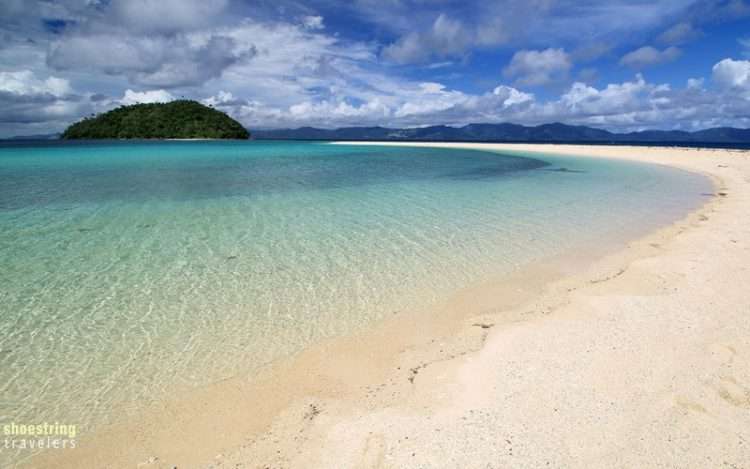
Joshua Berida of The Wandering Juan says- “Bonbon Beach in Romblon has fine, white sand, clear waters and a beautiful view. I first learned about Bonbon from another travel blog and decided to visit when I was in the province. Luckily, there weren’t too many people around! Make sure to wait until sunset so you get to see the sky turn into variants of red and orange before getting dark. The beach is easily accessible by public transport from the town. Simply board a tricycle, and tell the driver you’d like to go to Bonbon Beach. There are now flights from Manila to Tablas Island, Romblon, your next gateway to the beach.”

Kiokong White Rock Wall 5/37Quezon, Bukidnon(Check available Flights and Hotels)

o84mn
© Kara Santos, Travel Up

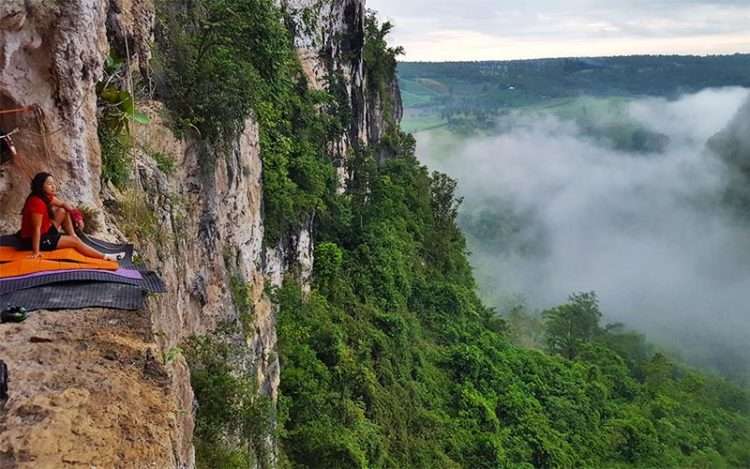
Kara Santos of Travel Up says- “The Kiokong White Rock Wall is visible from a bridge along the Davao Bukidnon Highway. It’s one of the main attractions at the Kiokong Eco-Tourism Project site where you can also go rock climbing, rappelling from a bridge or swimming in the Blue Water Cave Pool nearby. Adventure Technology Outfitters, an outdoor group based in Bukidnon, offers tours where guests can ascend and stay overnight on the ledge of a cliff, 400 feet above the ground. For extreme adventurers, this is an amazing experience definitely worth putting on your bucket list.The site is accessible by land travel from Davao City or Cagayan de Oro City. I booked my return flight to Davao via Traveloka to get to Bukidnon, but if you want to see more of the province, you could go on a road trip and fly back via Cagayan de Oro instead.”

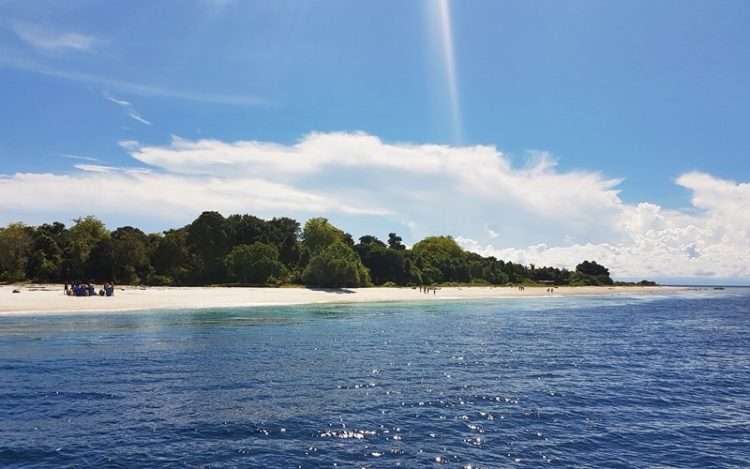
Mausonoan Island 6/37Linapacan, Palawan(Check available Flights and Hotels)

02hf2
© Ferdz Decena, Ironwulf

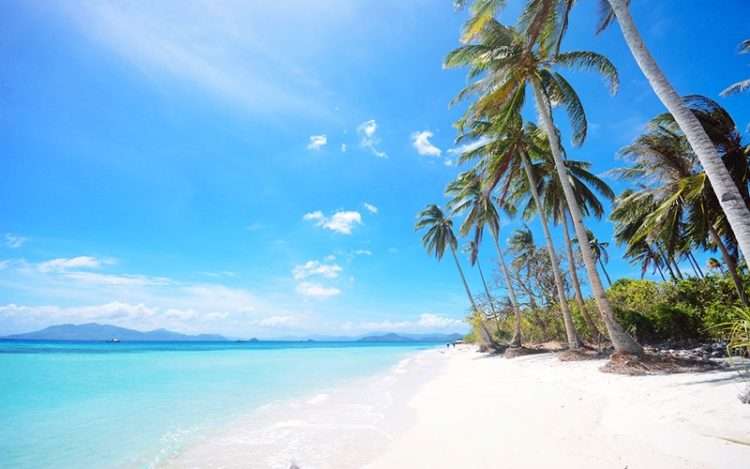
Ferdz Decena of Ironwulf says- “Mausonoan Island is easily accessible from Sibaltan, El Nido. Unspoiled by tourists and development, the island boasts of white powdery sand and incredibly clear turquoise waters. While you’re there, make sure to visit the nearby islands of Magransing and Binulbulan for excellent snorkeling.”

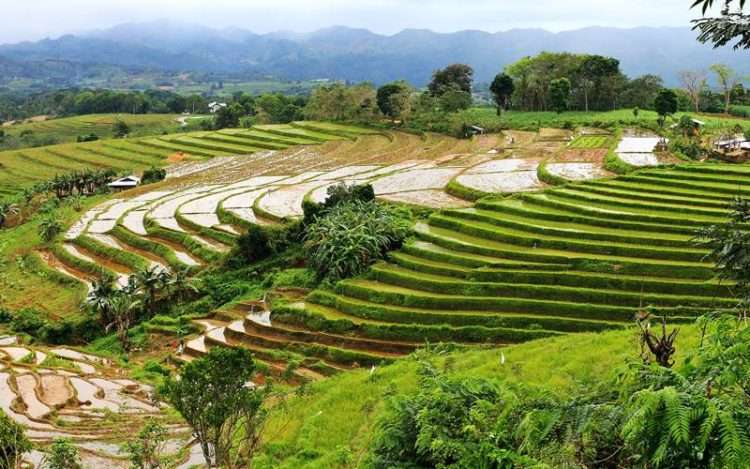
Codcod Rice Terraces 7/37San Carlos City, Negros Occidental (Check available Flights and Hotels)

fdocx
© Jeffrey Rilles, Traveling Morion

Jeffrey of Traveling Morion says- “The Codcod rice terraces are the results of the artistic labor and dedication of the Codcod locals. With the cool weather, stunning views of Mt. Kanlaon, and the wonderful people, the terraces could possibly be the next ecotourism site. The Codcod Rice Terraces are located in Barangay Codcod, an upland barangay of San Carlos City.From San Carlos City, take a bus bound to Bacolod. Alight at the crossing going to Barangay Quezon. From there, hire a habal-habal that will take you to Barangay Codcod after passing Barangay Quezon. Alternately, you can also hire a habal-habal from San Carlos City proper to go directly to Barangay Codcod.”

Panguan Island 8/37Sitangkai, Tawi-Tawi(Check available Flights and Hotels)

frvce
© Ervin Malicdem, Schadow1 Expeditions

Ervin Malicdem of Schadow1 Expeditions says- “Around 30 minutes away from Semporna, Sabah, and under the municipality of Sitangkai in Tawi-Tawi, Panguan Island is considered one of the most remote islands in the southern part of the Philippines. Also known as “Malamanok” in the local dialect, the island is where sea farers from the Sulu archipelago head over to roast their chicken for meals before heading to Malaysia. Luckily, I was able to get to Panguan Island through an invite from the marine corps for my mapping expedition, reconnaissance, and extraction mission. If you plan a visit, it can be reached via a 6-hour boat ride from Bongao.”

Bulusan Volcano Natural Park 9/37Bulusan, Sorsogon(Check available Flights and Hotels)

vw92h
© Lilliane Cobiao, Wanderlass

Lilliane Cobiao of Wanderlass says- “The town of Bulusan, Sorsogon is embraced by lush tropical greenery. In fact, the town’s pride, Bulusan Volcano National Park is located at the foot of the country’s fourth most active volcano in and serves as a sanctuary for a variety of plants and birds.Guests can choose to hire a guide to explore the area, or they can simply rent a kayak (about P100 per boat) to paddle around the clear waters. The park has hanging bridges that give you aerial views of the lands, as well as different treks, and areas for resting.”

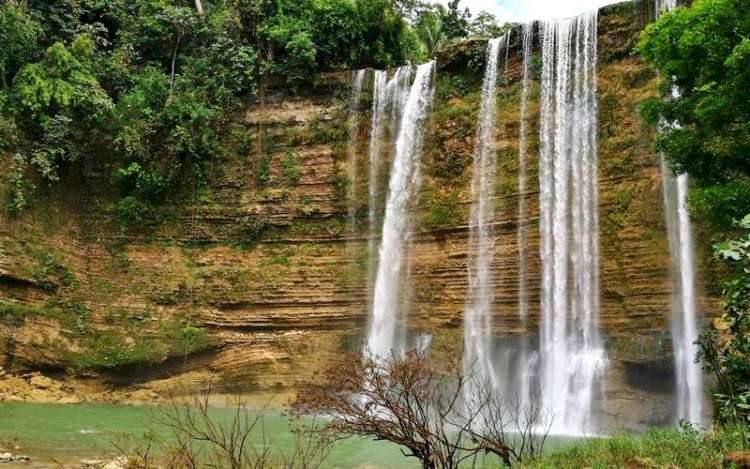
Niludhan Falls 10/37Bayawan City, Negros Oriental(Check available Flights and Hotels)

r9fq2
© Jeffrey Rilles, Traveling Morion

Jeffrey of Traveling Morion says- “Niludhan falls is the pride and joy of Negros Oriental. It is a natural attraction that has yet to be explored by most. This waterfalls is hidden deep within the city’s forests and sugarcane plantations. Despite the different projects created to make it more accessible, Niludhan falls is still quite a long travel. But it’s actually the best part about it. It leads you so far from the urbanized city, making you feel like you are one with nature.The waterfall is around 25 meters wide and has a 40-meter vertical drop that builds a beautiful curtain of water. The plants around the area are also magnificent. The white color of the falls combined with the green of the plants and the blue of the sky make every angle a perfect shot.There are flights that can be booked headed to Dumaguete City. Once you are there, you can choose which one of the routes you would like to take. From there you can take the Bayawan Route (ride a Ceres bus near Robinson’s Place mall headed to Bayawan City. From there, ride a bus to Mabinay and go down on the stop of Niludhan Falls.”

Aglicay Beach 11/37Tablas Island, Romblon(Check available Flights and Hotels)

bqzid
© Carlo Domniguez, Travelosyo

Carlo Dominguez of Travelosyo says- “Tablas Island is the largest of the islands that comprise Romblon. When people hear the word Romblon, they will immediately think about marble. Indeed, the province is the marble capital of the country, but only a few know that it is also home to some of best beaches just waiting to be discovered.Overshadowed by its neighboring superstar, Boracay, Tablas Island is just a few hours boat ride from Caticlan. Aglicay Beach is one of my favorite beaches. Its shoreline features almost a half-kilometer stretch of white sand, while the surrounding water is calm, clear and turquoise green. This place is perfect for people who are looking for a relaxing vacation.Aside from Aglicay Beach, there are so many things to see and do on Tablas Island. That is why you should visit Romblon before everybody does. To get here You can book a flight from Manila to Tablas Island via Traveloka.”

Panampangan Island 12/37Sapa-Sapa, Tawi-Tawi(Check available Flights and Hotels)

loy83
© Marky Ramone Go, Nomadic Experiences

Marky Ramone Go of Nomadic Experiences says- “Panampangan island is a 12-hectare property located in between the municipalities of Panglima Sugala and Sapi Sapi. Though the island is undeniably breathtaking with its white sand and towering palm trees, it still remains to be fairly unvisited by tourists.During low tide, the island reveals a 3.1-kilometer long sandbar that extends its reach to the neighboring island in the same reef. Wade a few hundred meters offshore and you’ll be greeted by one of the richest marine life you’ll ever see. Sea urchins, turtles, colorful fishes, and pristine corals — still unspoiled. Today, the island has a few simple huts for visitors looking for a relaxing retreat. It’s managed by a family of friendly locals who will gladly provide you with a delicious feast straight from the sea. The nearest jump-off point is about 24 kilometers away in Panglima Sugala where you can take a two-hour boat ride to the island.”

Cabgan Islet 13/37Barobo, Surigao del Sur(Check available Flights and Hotels)

lwb8s
© Gabz Gabiano, Pinoy Travel Freak

Gabz Gabiano of Pinoy Travel Freak says- “Surigao del Sur has plenty of hidden gems and one of my recent discoveries is the Cabgan Islet in Barobo It’s one of the three islands that you can visit in Barobo along with Turtle Island, but Cabgan Islet is the best for me in terms of sand quality, clarity of water and fantastic view! I first learned about it when I was looking at the Google Maps during my backpacking trip in Mindanao. To get there, just take a bus from Butuan City, Surigao City or Davao City that passes by Barobo. From the bus terminal of Barobo, take a tricycle to the port where you can hire a boat for an island hopping tour which costs P1,500 for three islands.”

Cambais Falls 14/37Alegria, Cebu(Check available Flights and Hotels)

yaa04
© CJ Estrada, Four Eyed Laagan

CJ Estrada of Four Eyed Laagan says- “Cambais Falls is a gorgeous waterfall in Alegria, Cebu. It is located 11.3 km from the highway, thus a long and adventurous ride awaits.The 2-tier waterfall is undeniably worthy of its distance. The cold spring and the awe-inspiring view of the waterfall itself say it all. The wide pool of icy cold water and second level tier makes for a great jumping-off point for adventurous travelers.To get there, you can ride a bus from Cebu City straight to Alegria Market for P160-180 (depends on the bus type). From there, you can ride a motorcycle taxi (habal-habal) going to Cambais Falls for P150-200 each (depends on negotiation). Entrance fee to the waterfall is P30 per person. You can also opt in to bring your own vehicle but I would advise to bring a vehicle that can handle rough roads.”

Casino and Kandungaw Peaks 15/37Dalaguete, Cebu(Check available Flights and Hotels)

j9xfy
© Mel Jun Mendoza, D’YAN LANG

Abbie Ruiz of D’YAN LANG says- “Aside from the more famous attractions like the highest Osmena peak, Dalaguete has more mountains to climb. They say it’s a 20-minute trek up Casino Peak, but it took us a good 45-minutes thanks to the instagram-worthy scenery. Once you get to the top, you’ll be greeted by the breathtaking views of the hills that resemble the Chocolate Hills in Bohol. In fact, the view is so beautiful that travelers come all the way just to see it. The trek to Kandungaw is a more challenging experience. To get to the top, you have to climb 195 steps, pass through muddy trails, and climb steep rocks. It’s not for the faint of heart, but if you’re up for an adventure, the view is more than worth it. To cap off your trip, you can pass by Sergio’s Farm where you can pick and pay for some strawberries and all kinds of herbs depending on the season.”

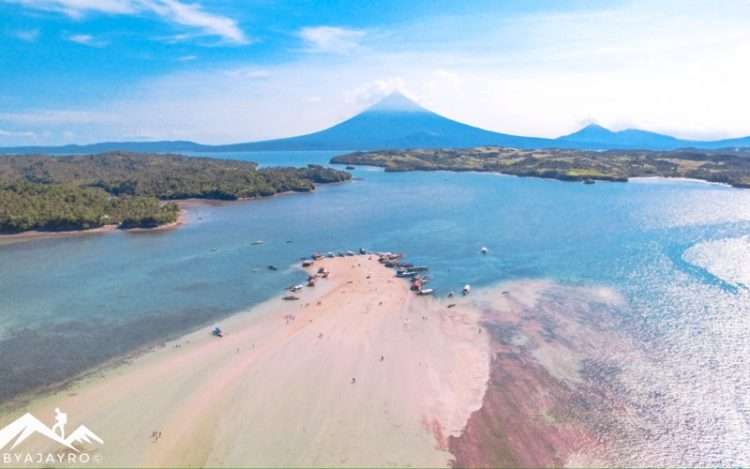
Alibijaban Island 16/37San Andres, Quezon(Check availableHotels)

b9yhw
© Jay Noma Ramos and Angelo Nivera, The Byajayro

Jay Noma Ramos and Angelo Nivera of The Byajayro say- “Alibijaban Island is a virgin paradise located at the most southern tip of Quezon and is in the municipality of San Andres.From Manila, you will need to take a nine to ten-hour bus ride or six to seven hours of driving, if you have your own car. Having to endure the bumpy and itchy trip to San Andres pays huge rewards at the end, as the island is amazing.Alibijaban Island offers a very scenic and picturesque view of golden to white sand, crystal clear waters and undisturbed forests. To get there, take a bus going to San Andres, Quezon via Barney Bus (Alabang Starmall). Travel time is at least 8 hours.”

Palani Beach 17/37Balud, Masbate(Check available Flights and Hotels)

2vy9f
© Lloyd Salac, The Lost Boy Lloyd

Lloyd Salac of The Lost Boy Lloyd says- “To manage expectations, I’d be honest and say Palani Beach isn’t exactly at par with Boracay’s White Beach. Nonetheless, it has the trifecta of what makes a great beach: an unspoiled stretch of white sand, crystal clear waters, and a pure breeze that wafts towards the shore. The beach resort was developed with the inspiration of “old Boracay” in mind — calm, beautiful and away from pollution.From Masbate Airport, you can take a jeep or a bus heading towards Balud Town. About 10 kilometers before you hit the town proper, along the National Highway, there will be an access road on the right that will lead you to Palani. From there, habal-habal drivers can be hired to take you straight to the beach.”

Pinipisakan Falls & Sulpan Cave 18/37San Jorge, Samar(Check available Flights and Hotels)

8cb39
© Joni Bonifacio, Trexplore the Adventures

Joni Bonifacio of Trexplore the Adventures says- “Hard to get to, Pinipisakan Falls & Sulpan Cave are truly Samar’s hidden gems because even locals are hesitant to take the trip.The journey requires a lot of physical strength and determination with its treacherous climbs, strong currents, and slippery terrain. But the sight of the falls alone will cure any aches and pains the trek might have caused you. After crossing the crystal clear river, the towering curtains of water will greet you — you’ve made it! Though you can choose to camp by the pool, it’s is advisable to climb the 4 layered falls to reach the hidden Sulpan Cave. From there, you can traverse from one opening of the cave to the other, marvel at the rock formations, and jump off cliffs to the cool water below.”

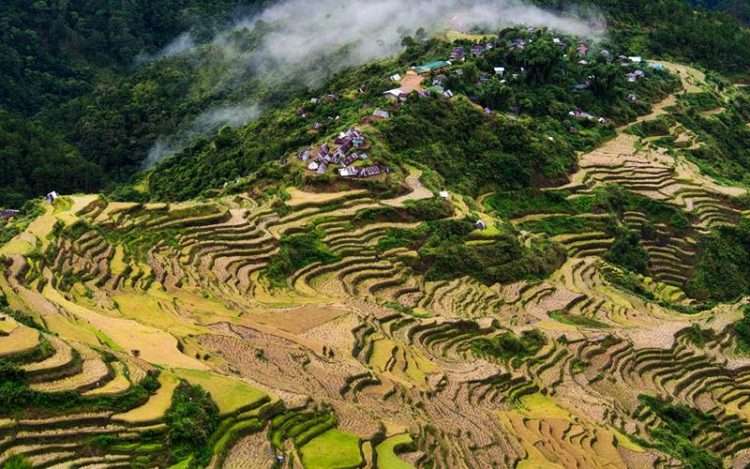
Maligcong Rice Terraces 19/37Bontoc, Mountain Province(Check availableHotels)

fcx8z
© Ferdz Decena, Ironwulf

Adah Grace Dela Cruz of Pinay Wanderess says- “Bontoc, Mt. Province is the road less traveled of the Cordillera region. Whenever we’d talk about Cordillera terraces, we would often have Banaue and Batad in mind. But what everyone does not know is there’s this hidden and equally gorgeous slopes of rice fields. I discovered this hidden gem in 2015 during my first solo backpacking trip in Cordillera. My friend who had been there first told me about it and he wasn’t kidding when he told me that it is indeed stunning. The best time to see this paradise is in the morning as the glorious flares of sunrise reflect on the magnificent rice terraces. It requires an easy hike that is totally perfect for beginners! I’d been here in November, February, and May; and the best month by far was November. You can take the van from Banaue to Sagada and ask the driver to drop you off at Bontoc proper. There should be a jeepney terminal near the tourism office that will bring you to Maligcong. Look for Ate Suzette, she has always been my host and a friend. She also has the best oatmeal cookie in town!”

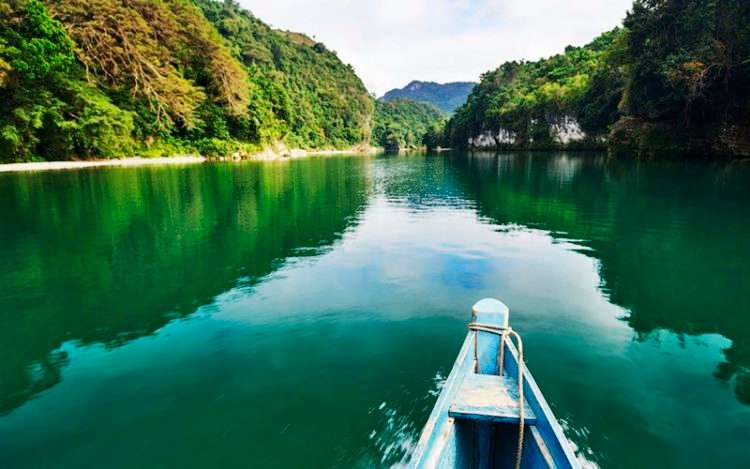
Pinacanauan River 20/37Penablanca, Cagayan(Check available Flights and Hotels)

lg319
© Estan Cabigas, Langyaw Travel

Estan Cabigas of Langyaw Travel says- “Pinacanauan River is pristine, cool and meanders through some of the amazing natural landscapes in Cagayan province. You can take a cruise, or paddle through its rapids, stop and watch the circadian bat flight at dusk or just enjoy the rock walls and rock formations along it’s route. I happened to know it during a trip to Callao Caves. From Tuguegarao, head to Peñablanca where Callao and Sierra Caves are.”

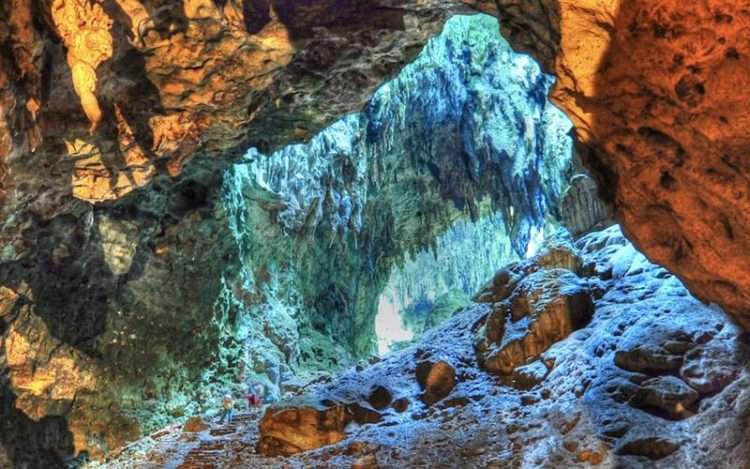
Callao Cave 21/37Penablanca, Cagayan(Check available Flights and Hotels)

95ark
© Omar Chad M, 500px

Roxainne Ritual of Dorang Petite says- “Callao cave is a limestone cave with seven chambers situated at the northern tip of the Philippines. There are also several spectacular formations inside the cave.Getting to the cave itself requires you to climb 184 concrete steps. It has natural crevices that let light into it, giving you lots of opportunities for Instagram-worthy moments. If you’re particularly religious, its first chamber has actually been turned into a chapel by the community because of its cathedral-like dimensions. The Callao Cave is also near the Bat Cave, where you can watch the daily circadian flight of bats at dusk.To get to the Callao Cave, take a bus to Tugegarao City. This is a 10 to 14 hour drive, so if you can’t stand that, book a flight to Tugegarao City. The flight cuts down your travel time to one hour. From Tugegarao, take a 20-minute tricycle ride to Penablanca. After that, take another tricycle from Penablanca to the Callao Cave. Total trip time is 40 minutes.”

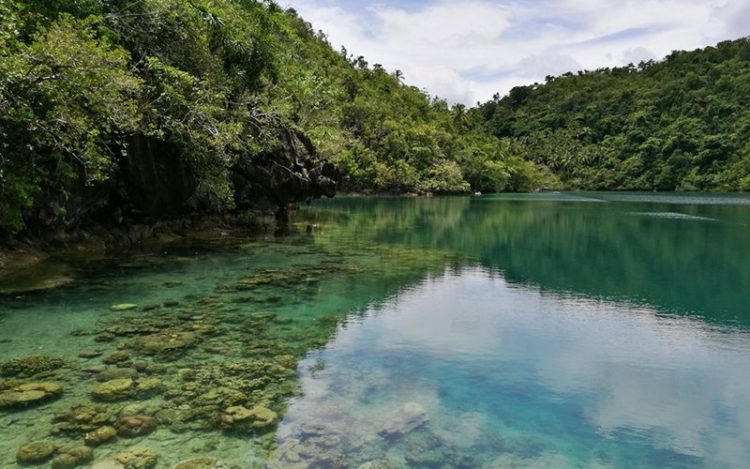
Lapsay Lagoon 22/37Taganaan, Surigao del Norte(Check available Flights and Hotels)

j63fg
©Jeffrey Rilles, Traveling Morion

Jeffrey Rilles of Traveling Morion says- “Surigao del Norte never fails to amaze me! I have good memories of the place, especially of the beaches, the fresh seafood, wonderful people and its newest gem, the beautiful Lapsay Lagoon located in Tinago island in the municipality of Tagana-an. I don’t want to compare but the lagoon is similar to the Kayangan Lake in Coron or Sohoton of Bucas Grande (located also in Surigao del Norte). It’s definitely paradise on earth!”

Vanishing Island 23/37Malilipot, Albay(Check available Flights and Hotels)

xfu73
© Jay Noma Ramos and Angelo Nivera, The Byajayro

Jay Noma Ramos and Angelo Nivera of The Byajayro say- “In the middle of the ocean of Malilipot, Albay you will discover a spell-binding sight that emerges when the tide recedes. It is believed to have come about as a result of the huge waves that hit the area during strong typhoons. It is not surprising how this charming and beautiful island has become a main tourist attraction of Albay.Vanishing Island was the name given to this magical place because it literally vanishes during high tide – not there, gone, nada!The island is an hour away from either Tabacco or Bacacay Port. You will know you are near when you can see in the distance tiny cottages that appear to be floating on the ocean.During high tide, most adults can wade through the knee-high water, but maybe that might be too deep for the younger kids. It’s deep enough to swim in and t[……]
Read more

Palawan Island: A Handy Guide For A Visit To The Most Exotic Place On Earth!

Looking for an exotic and exquisite destination for your next vacation? Consider Palawan Islands. Palawan Island, Philippines– a UNESCO World Heritage site, is truly a slice of heaven, and a sliver of an island that teems with quaint fishing villages and exotic wildlife. Palawan isn’t short of admirers who travel the length and breadth of the world to revel in the beauty, calm, and serenity of this gem tucked away from peering eyes.

With over 1200 miles of beautiful coastline, and over 1,750 islands and islets, there is a plethora of great places to visit and things to do on your Palawan vacation. Though the island is rather underdeveloped at this time, it still offers some fabulous vacation spots and great avenues to make the best of your vacation, no matter which part of the world you are coming from.

Best Time To Visit Palawan Island

3nmhe
Be sure to check Palawan island weather before you book your tickets to the island. Travelers planning to head out to Palawan must know that there is a long rainy season on the island, that is best avoided. While the dry season can be a tad bit humid, it is the best time to plan a vacation to Palawan wherein Early March is the best time as the weather is not unbearably hot and the rains would have tapered off.

Palawan Island Map

Best Places To Visit In Palawan Island

Listed below are a few must-visit Palawan island destinations:

1. El Nido

0wye8
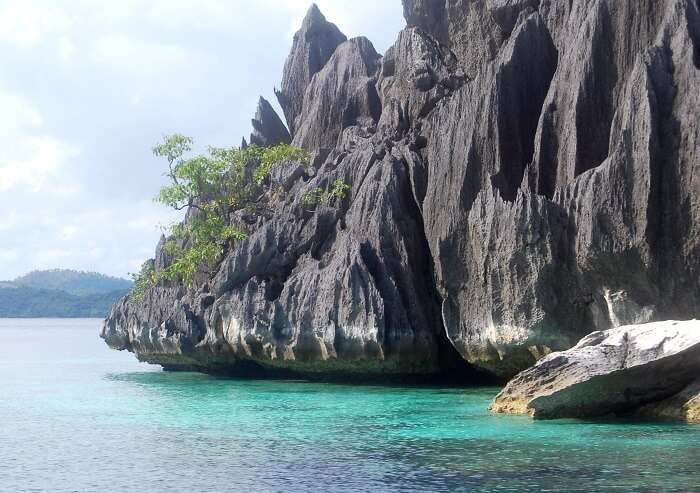
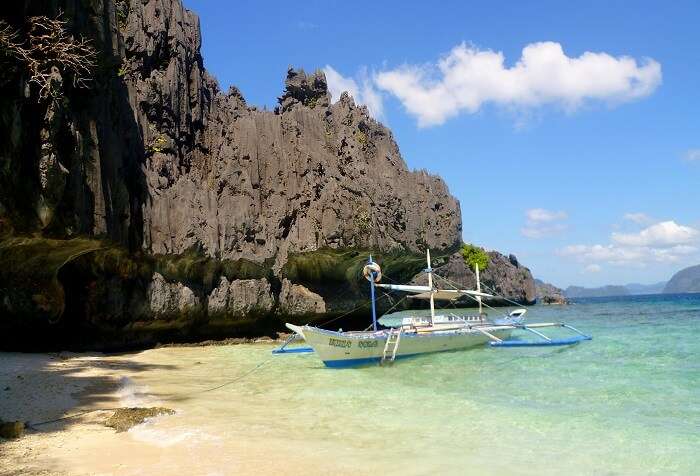
If you love nature, be sure to visit El Nido, located at the very northernmost tip of the mainland to enjoy some of the best overwater scenery. The island is filled is with majestic karst mountains that act as a perfect backdrop for various adventurous activities in this tropical paradise. It is also a sanctuary to various forms of exotic wildlife particularly different kind of fish wherein manta rays are common. A number of tour operators throw a trip to this island as part of a Palawan island all-inclusive package.

2. Puerto Princesa

m5lzp
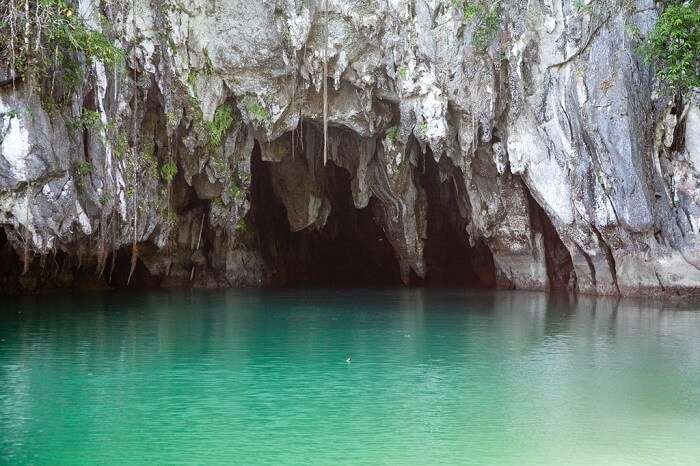
The capital of Palawan, Puerto Princessa is popular among El Nido bound tourists as this beautiful city has a number of spectacular sites that you can explore. Start with a trip to the underground river in Puerto Princessa. This Palawan island underground river is listed as a World Heritage Site by UNESCO. After an underground adventure, spend a day lazing and snorkeling on an island-hopping tour around the Honda Bay. In the evening, be sure to feast on some fresh sea food delicacies in the many restaurants that dot the beachside.

3. Taytay

av2cw
Taytay can be found on your way to Puerto Princessa. These set of islands are just south of El Nido and make way for a great town experience. While at Taytay, stop by at the famous Taytay Fort – a Spanish-colonial fortress made of stone that was built way back in 1667. Other notable attractions include Pinto Art Museum, Tres Escalon Falls, and Blanco Family Art Museum. Be sure to check if a trip to this beautiful island is a part of your Palawan

island tour package.

4. Linapacan Islands

55yur
If you want to go off the grid and have a real blast, set sail to Linapacan islands. This group of 52 untouched islands lie in the waters between Coron and El Nido. This island was featured in a list of places with the clearest waters in the world. Tourists can enjoy activities such as snorkeling, diving and underwater photography here.

Top Things To Do In Palawan Island

There is a lot that you can do on Palawan island tours. Tourists who frequent the island, claim that Palawan island nightlife must be experienced at least once in a lifetime. Here are a few of the many thrilling activities you can indulge in on your Palawan island holidays.

1. Diving The Reefs

thjtz
The Tubbataha Reef national park is no less than a treasure trove of the most exotic and beautiful coral reefs. Rising from the volcanic depths of the sea, these magnificent atolls encompass a bewildering and stupefying diversity of marine life. This underwater sanctuary is the very first national marine park in Philippines and has also been declared as a UNESCO World Heritage Site.

2. Explore The Caves

fjyat
Tabon caves is the perfect place for an off-the-beaten path adventure. The caves are located in Quezon town in South Palawan. It is an important archaeological site. History lovers are bound to enjoy exploring the cave formations and learning more about the archaeology diggings in the Tabon Cave Complex.

3. Sunbathe On San Vicente Long Beach

jb9sj
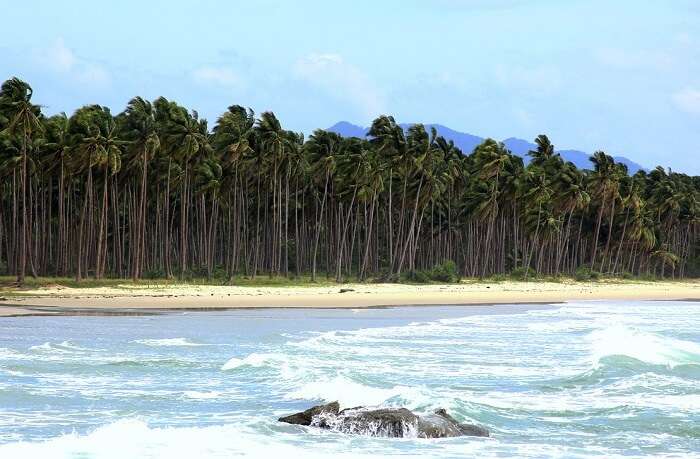
San Vicente is yet another town that you can stop by at on your way between El Nido and Puerto Princesa. This dreamy town is home to Long Beach. This Palawan island beach is touted to be the longest and uninterrupted white sand beach. This is one of the few beaches in Philippines that is relatively quiet and a great place to soak up some sun in solitude.

4. Eat Locally

0xss3
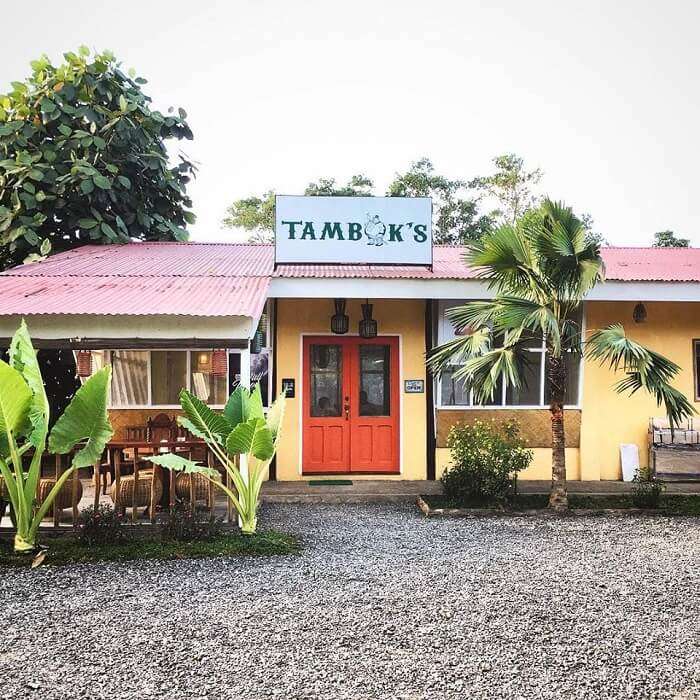
Palawan restaurants are considered among the very best in the Philippines as they cater to international food choices and tastes and dish out both local as well as foreign cuisines in a rustic and simple ambience. These restaurants add charm to your vacation and promise a unique Palawan experience. Reef café and Tambok’s El Nido are a few of the many restaurants that serve up a gastronomical experience ranging from spicy street food to Filipino delicacies.

Where To Stay In Palawan Island?

There are a number of Palawan island resorts that you can book online. Listed below are three such accommodations, that are truly value for money. Each resort has its own uniqueness and price range.

1. Princesa Garden Island Resort And Spa

nhc7p
This is an upscale waterfront resort that not just offers cozy accommodation in chic rooms and luxurious amenities but also myriad water sport options. The resort has over water villas that feature decks. Some of the suites have hot water tubs, and direct pool access. A floating restaurant and bar, 5 other eateries, a kid’s club, a gym and spa, are just a few of the many luxuries you can enjoy during your stay at this posh resort on the shores of Sulu Beach.

2. The Ivywall Hotel

yb4te
This Palawan island hotel is located on a leafy street in the city center and is at walkable distance from the airport. The hotel offers warm and informal rooms with wooden furnishings. The rooms have sitting areas with city views and are equipped with a mini bar and coffee makers. An outdoor pool with bar service, a grill and gym are other amenities that are offered to guests that make this hotel, the best Palawan island accommodation.

3. Marie Ville

a906r
This is a simple and modest bed and breakfast located in Puerto Princesa and is ideal for backpackers. The property provides simple accommodation and complimentary breakfast. It also arranges tours and Palawan island airport transfer at an additional charge. There is also a kitchen and barbecue facilities on the premises.

How To Get To Palawan Island?

q9i8o
You can easily reach Palawan Island from Manila and other parts of the Philippines.

By Air:

Travelers can book a flight to one of the four gateways – Puerto Princesa Airport, El Nido Airport, Francisco Reyes Airport in Busuanga, and Cesar Lim Rodriguez Airport in Taytay. There aren’t any flights between Puerto Princesa and El Nido, so travelers will need to rely upon one day shuttle van transfers to visit both areas.

By Ship:

Travelers may also reach Palawan island via ships from Manila that anchor in Peurto Princesa and Coron.[……]
Read more

The Ultimate Guide to Driving Up To Malaysia

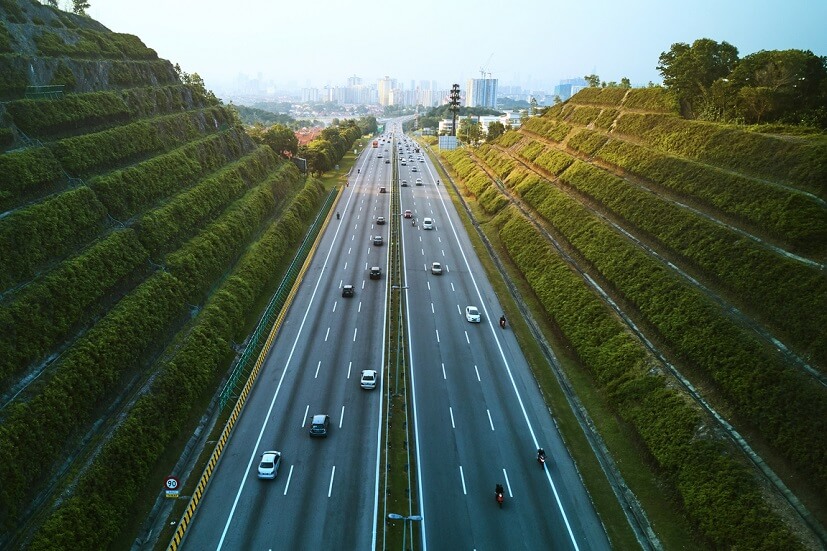
View of the road leading to Kuala Lumpur.
View of the highway leading in to Kuala Lumpur.

That first road trip to JB has become a time honoured rite of passage for many Singaporeans, but it’s important to be abreast of the ever changing rules, regulations and roads. Here’s what you need to take note of on your driving adventure.

Where to go?

There are two main arteries that cut through the length of Malaysia: the North South Highway (NSH) is more popular and leads to Malacca and KL, while the Eastern Coastal Route offers some idyllic views of the South China Sea.

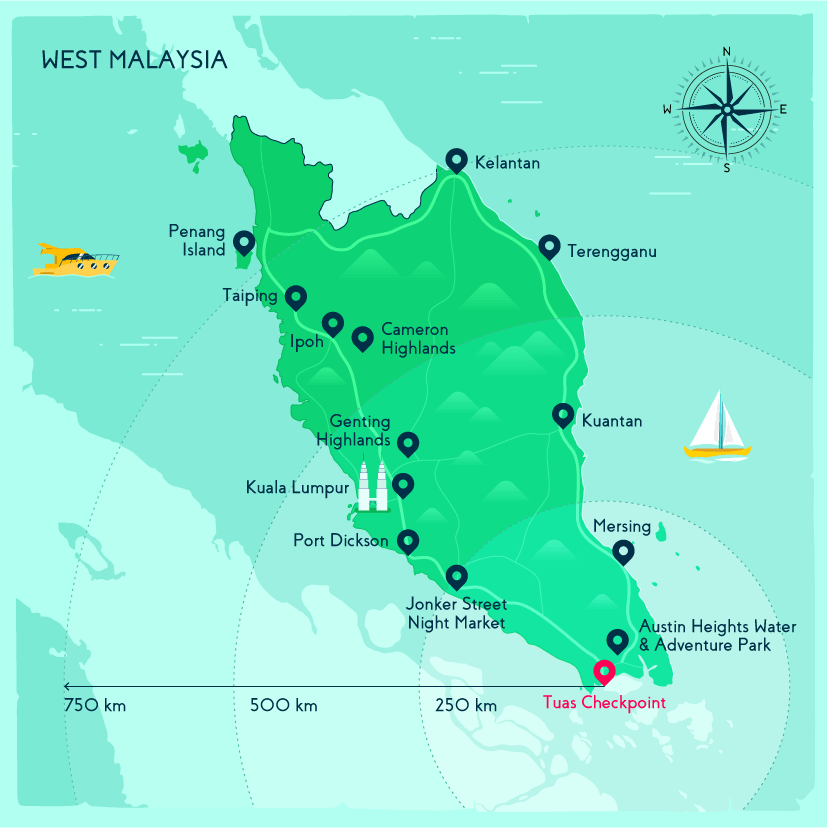
Map showing interesting places in Malaysia, with distance from Singapore shown.
Here are some of the interesting places each route presents:

North South Highway

Johor – Perhaps the most well-known destination for Singaporeans, Singapore is connected to the state of Johor via two bridges. Known as a shopping and food haven for many, the city centre can get pretty congested especially on weekends.

Malacca – A seaside town made up of a mostly Chinese community, Malacca is a popular tourist destination. Jonker Street is where much of the tourism is centred as it forms a nexus for food and souvenir hunters.

Kuala Lumpur – The capital of Malaysia and home of the Petronas Twin Towers, for those looking for some fine dining and night life, the capital is where it’s at.

Kuala Lumpur
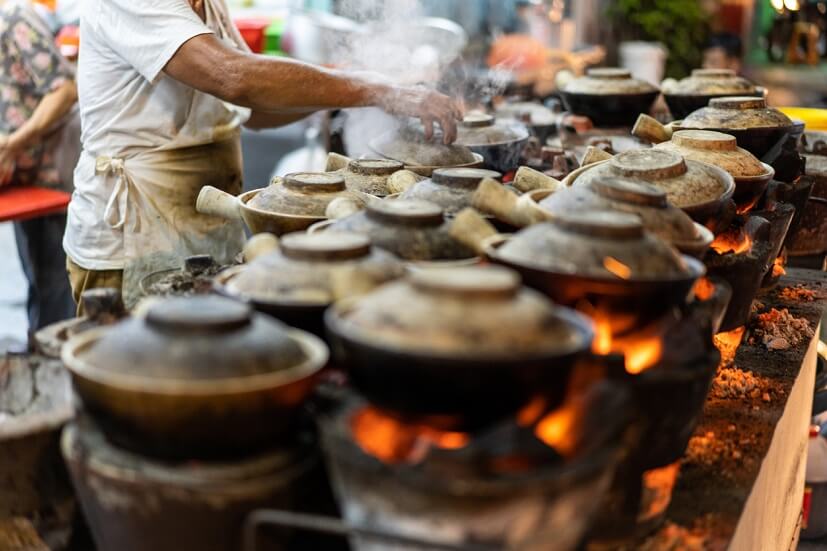
Kuala Lumpur’s food culture is diverse and a must-try.​

Ipoh – What used to be a tin mining town, this city has become another epicentre of Malaysian food culture after Penang. There are cave temples as well as colonial architecture for the hobby photographer’s delight. And did we mention the food?

Penang – This island is served by the E28 bridge that stretches 24km over the water from the main peninsula and offers incredible views when entering (or leaving) the island at sunrise and sunset. Having personally done this trip myself, I can attest to the beauty of the island and its rich diverse heritage. And yes, the food is excellent as well.

Penang impresses with it
Penang impresses with it’s culture and beauty.

Eastern Coastal Route

Kota Tinggi – Situated relatively close to Singapore, this small town in the state of Johor offers a quick day trip getaway. Drive to Desaru beach for an unobstructed view of the South China Sea or visit the nearby waterfall.

Tioman Island –Tioman Island holds some of the best diving sites in Malaysia. Parking is available at the jetty in Mersing (on the mainland) with 24 hours security so your wheels will be reasonably safe. If you’re a navy buff and diving enthusiast, you’ll be pleased to know that you can explore the remains of Britain’s most powerful WW2 battleships, HMS Repulse and HMS Prince of Wales, here in Tioman’s beautiful tranquil waters.

Tioman Island holds some of the best diving sites in Malaysia.
Tioman Island offers natural beauty and great diving.

Perhentian Islands – Like Tioman Island, the main attraction of this place is its beautiful beaches and poster sunsets. Due to the monsoon seasons, this heavenly destination is only open between April to October so you will need to plan accordingly.

Pahang – Further up from the last destination on the list, the state of Pahang offers many attractions along the Eastern route. Balok is a popular seaside destination where several seafood restaurants reside.

Terengganu – Like Pahang, this state offers numerous attractions and activities that are difficult to sum up in this short description. All along this route, there are several camping sites next to unspoilt beaches where you can stop, pitch a tent and have a barbeque by the sea with your family as you wind down with some sundowners with the cool sea breeze as a backdrop.

Preparing for your trip

Making the right preparations before embarking on a road trip will lessen the impact of any hiccups that might occur on your trip, so here’s a short list of things to prep before your trip.

VEP (Vehicle Entry Permit) – The hot topic on the minds of every Singaporean tourist driving into Malaysia is the implementation of the VEP. If you haven’t registered for the VEP, you should do so here before even heading towards the border. Cars that cross the border without any proof of having registered for their VEP can be fined upwards of RM$300. Once you have registered for the VEP, the Malaysian Road Transport Department (JPJ) will contact you via email to head down to one of their collection centres to have your RFID tag installed. Here’s a complete guide on the VEP process. The VEP RFID tag will cost RM$10.

Touch ‘n Go Card – Basically the Malaysian equivalent of our ERP Cashcard, this is an essential payment mode for tolls and parking in Malaysia. If you don’t already have one, the cards can only be purchased if you enter Malaysia through the Tuas Immigration Checkpoint at a kiosk just before the Malaysian Immigration Building.

Malaysian SIM Card –The three major telcos in Malaysia are Celcom, Digi and U-mobile and there are numerous kiosks within town centres where you can purchase their SIM cards. Here’s where you can find the stores for U mobile and DIGI. If you already have a Malaysian SIM card that isn’t expired, top-up coupons are available at certain petrol stations along the North-South Highway. Alternatively, there are numerous data roaming plans by local telcos with pretty decent rates. Here’s a detailed guide on Singapore’s data roaming plans.

Insurance – Having an adequate insurance coverage will do wonders by giving you a peace of mind on your holiday. NTUC Income’s Drivo car insurance provides comprehensive coverage for both driver and passengers in the event of an accident. The policy will also connect you with 24 hour emergency services and road assistance when needed. Additionally, having travel insurance, such as Income’s FlexiTravel Hourly Insurance, will help to ensure that you can stay protected against losses due to food poisoning, robbery and more. With travel insurance by the hour, you can go on your trip with a peace of mind.

Car maintenance – Before heading out, make sure to do a thorough check on your car’s fluids, tires, tools, etc. Better yet, bring it in to your mechanic and get a professional to look over your car if you haven’t done it in a while.

Genting is another popular destination among Singaporeans.
Genting is another popular Malaysian destination among Singaporeans.

Driving in Malaysia

Driving in other countries is vastly different from driving here in Singapore. While it might be daunting, just smile and always be courteous, and more often than not, you’ll be surprised at how generous and helpful strangers can be.

Driving etiquette – While cutting people off and being cut off when lane changing in Singapore is the norm, it’s best to adopt good driving etiquette when driving overseas. If you’ve driven enough in Malaysia, you’ll be surprised to learn that most Malaysian drivers are pretty considerate. Indicate right when you’re in the fast lane on the NSH, and more often than not, the Malaysian driver will let you pass. And if he/she does, make sure to give a wave to show your appreciation.

Speed limits – The posted speed limits on the NSH is 110kmh but most local drivers go way above that. Speed demons have been known to clock in excess of 250kmh on the NSH. If you’re in the fast lane, check your mirror every few seconds to make sure no one is coming up fast from behind. If you do see someone approaching at high speed, do the decent thing – signal left and give way at the earliest opportunity. There are no winners in a high speed collision.

Parking – When choosing a parking spot, be sure to park in a well-lit area or at least not far from other cars. If you’re parking anywhere overnight, it’s smart to take a few more precautions. Invest in a steering lock made of solid steel and disconnect your battery if you’re leaving your car parked for a long time (e.g. heading to Tioman Island). Criminals are typically looking for easy targets, so do anything to make your care a less enticing mark.

It’s also important to plan your route carefully, so that you don’t drive for more hours than you can handle. Make sure to take your car’s range into account when planning this and take frequent fuel stops, instead of waiting for the ‘fuel low’ warning light to come on.

With the right prep, a Malaysia road trip could be your next adventure.
With the right prep, a Malaysian road trip could be your next adventure.

What to do if you’re involved in an accident?

Stay calm and assess yourself and your passengers to see if anyone is injured. If someone is injured, make sure their injuries are not life-threatening. If they are, call one of the emergency numbers listed below. Take note of all the injuries suffered by all parties and take photos if possible. If there are no injuries, drive the vehicles to the road shoulder after taking photos of the accident.

Call your insurance company for assistance. For drivers insured with NTUC Income’s Drivo Car Insurance, the 24-hour hotline number is +603 7965 3865.

DO NOT move either vehicle (if the accident involved another party) until photos have been taken of the accident. Take as many as you can and try to capture both close up photos of the vehicles as well as the whole scene. Include road markings if they help to prove your case. Make sure to include the number plates of all vehicles involved in the accident.

Secure your dash camera footage by ejecting the memory card or turning the power off if you’re going to be driving your car after the accident.

Exchange particulars (Full name, NRIC no., Contact number, Home address and name of insurer) with all parties involved in the accident. If you had an accident with a Malaysian car, make sure to take a photo of the owner’s driving license and road tax sticker as an added measure of identification.

There have been a recent spate of scammers working with rogue workshops causing an accident in order to con unsuspecting drivers to pay exorbitant amounts for towing services or car repair. Some even go as far as to hold your car ransom until they are paid. Gullible Singaporeans tend to be easy targets. DO NOT under any circumstances let your car be towed by a random tow truck or one that you don’t recognise as this might complicate your insurance claim later.

Take note of these emergency numbers while in Malaysia:

Police and Ambulance: 999

Fire brigade: 994

Accidents: 991

St John’s Ambulance: 03-9285-1576

NTUC Income emergency hotline: +603 7965 3865

Road trips can be a great way to see and experience a country, but we can’t stress enough how important it is to be prepared for any emergency. Make sure insure with a good insurance plan, like Income’s DrivoTM Car Insurance, so that you’re covered in case of a traumatic accident especially when you’re overseas.

With the proper preparations and safety precautions, a road trip in Malaysia (or any other country) can be an enjoyable and memorable experience and you will soon discover why so many Singaporeans have made that trip.[……]
Read more

35 Things to know before visiting Japan for the first time: Etiquette and Cultural Guide

Japan is an up and coming destination, with more and more people choosing to visit this unique country every year. But Japanese culture and etiquette is unique and very different from other cultures around the world.

So in this etiquette guide to Japan, I’m sharing the things that every traveller should know before traveling to Japan for the first time.

It’s important to understand the culture and traditions with these Japan etiquette tips, not only to be a respectful visitor, but also to get the most out of your trip to this spectacular country.

Here you will find my complete guide to Japan etiquette for tourists and tips for traveling to Japan for the first time.

gfq1k
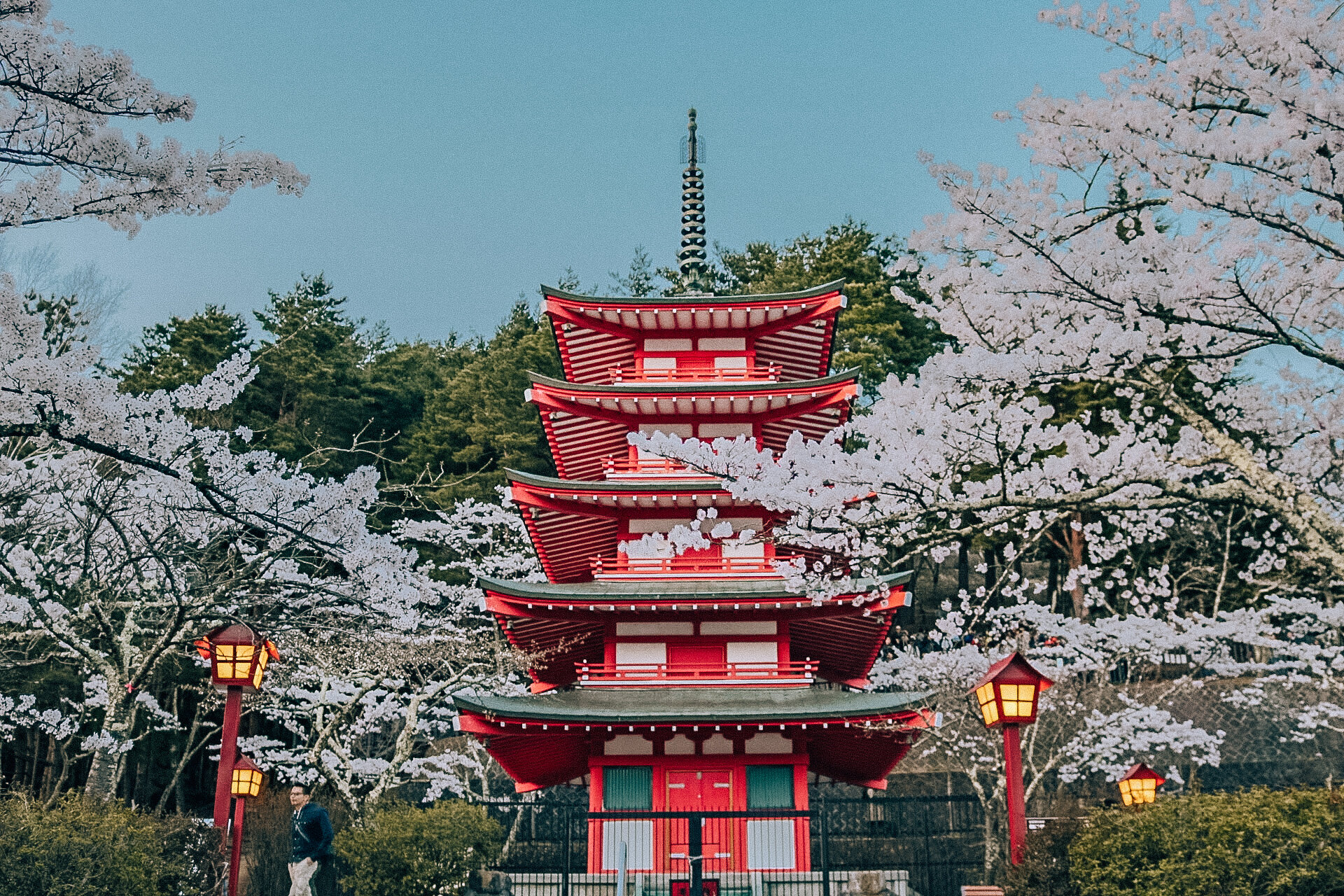
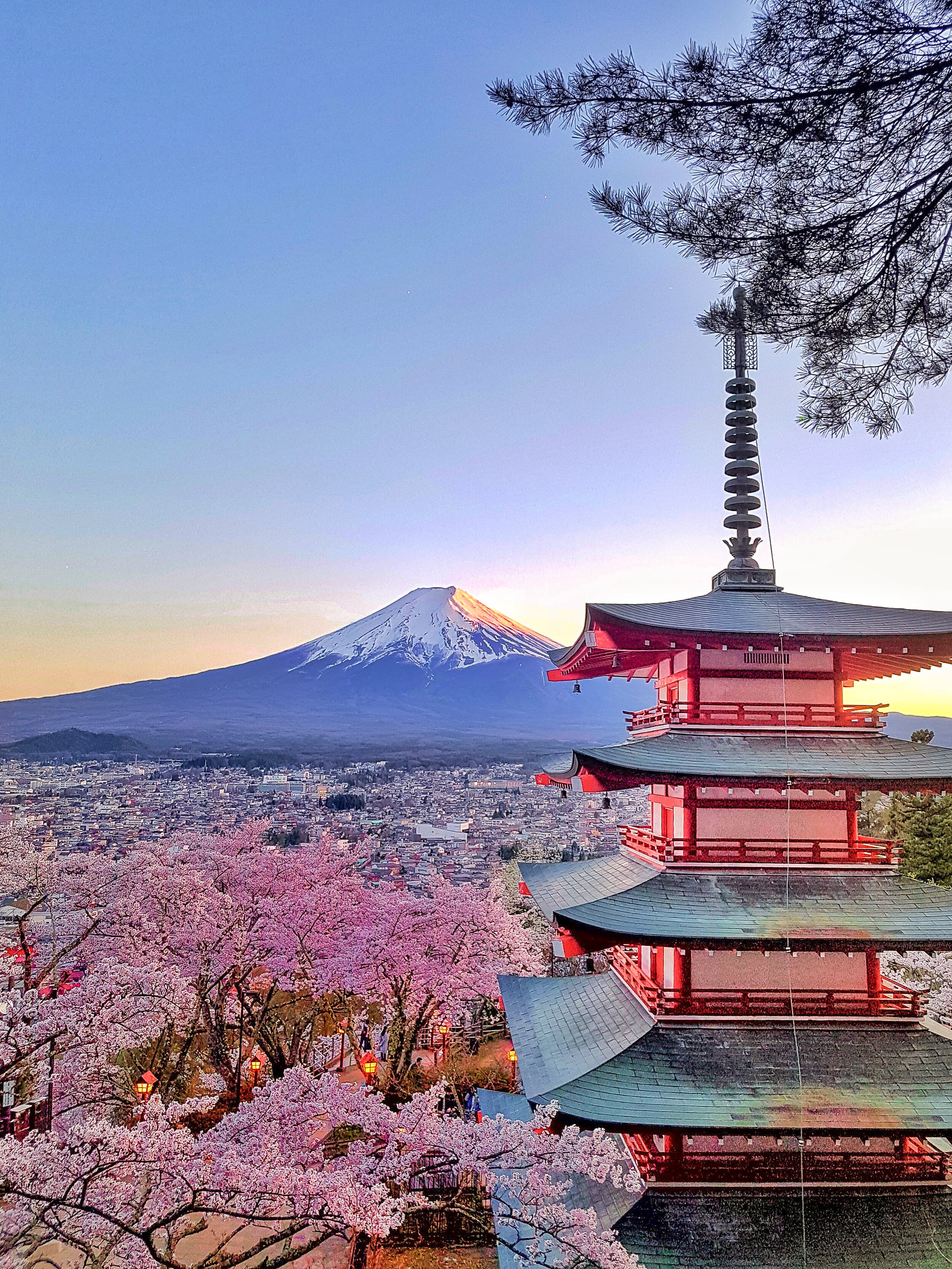
Chureito Pagoda

Tips for traveling to Japan for the first time: etiquette and travel guide

1. Plan which season to visit Japan

If you want to see the Sakura (blossom) season then you will need to visit in Spring (March – April). Autumn is also famous in Japan and is best seen in October-November. However, if visiting in these particular times are not important to you then visiting in the low season (June – September or December-February) can be a great idea, with less crowds and some cheaper deals.

Summer is typhoon season but generally rain storms pass quickly. Alternatively, if you’re a skier then winter is a great time to visit.

We recently visited in late November until mid December and with autumn being later than usual, we were able to see autumn foliage in Kyoto in early December, then fly up to Hokkaido and experience the snow!

Winter is a truly beautiful time to visit and we’re already planning a trip next winter. So I definitely recommend travelling in winter months for a unique Japan experience and for lower costs and crowds!

stoam
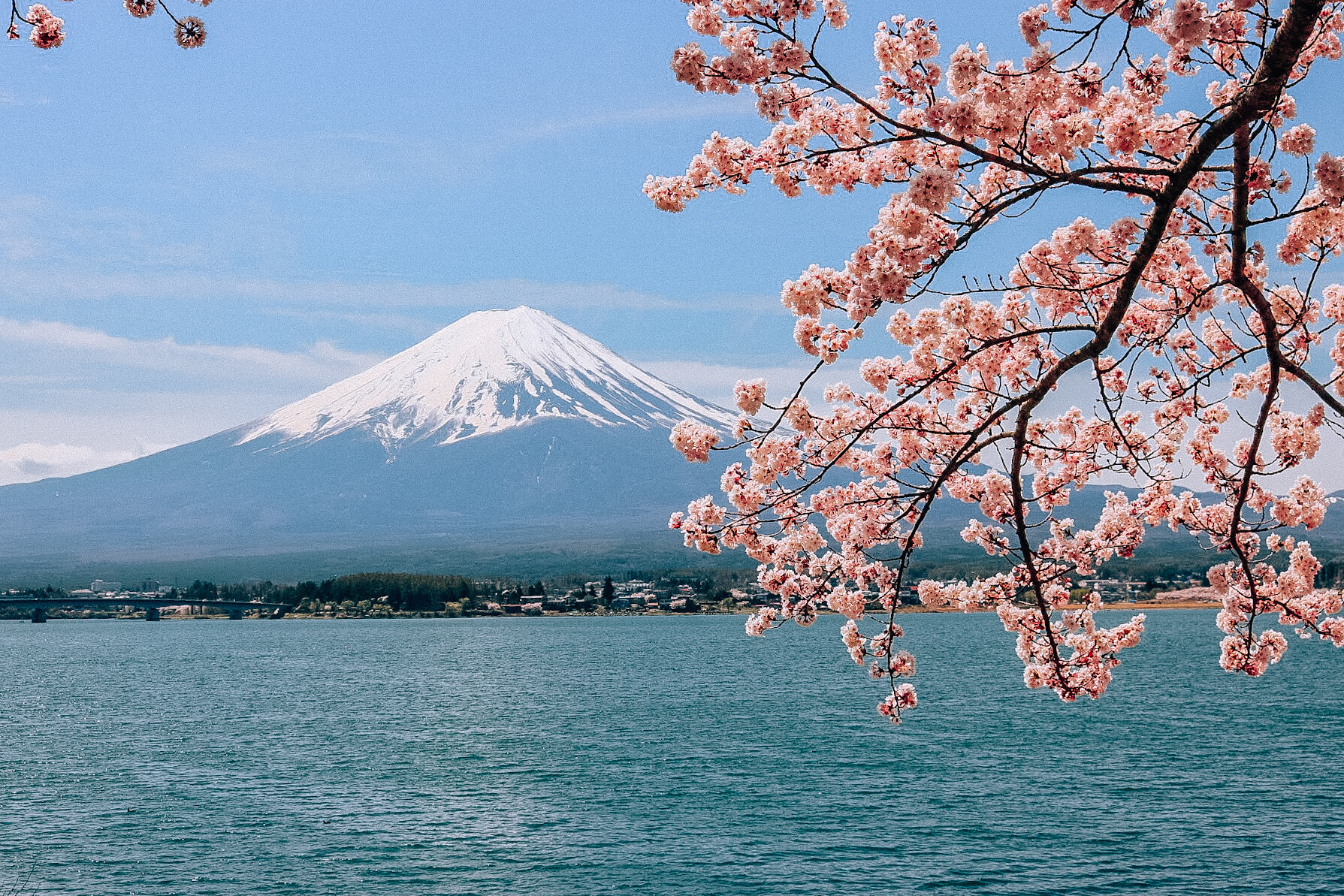
Mt. Fuji

2. Download offline maps (Google Maps or map.me)

Download maps or take a physical map on your trip with you. Alternatively, ask your accommodation for any local maps.

While Wifi is common in cities, is not always common or secured in smaller towns and rural areas.

I use Airalo eSIMs to access data abroad. Simply download the app and purchase a virtual eSIM for over 180 countries. As long as your smartphone is eSIM enabled (most new ones are), this is a great, affordable way to stay connected while you travel.

3. Download translation apps

vg5yp
One of my biggest tips for first time travelers to Japan is to download Google Translate or get a phrases book before you go.

Whilst signage in big cities is fairly navigable (I had almost no trouble navigating the metro system in Tokyo using the colours and symbols available), but elsewhere this is trickier.

English is not widely spoken either except by younger Japanese people. People are very helpful and even being able to say ‘thank you’ in Japanese will get you a long way.

The camera function in Google Translate is particularly good, you can point the camera at any text (great for signage, menus in restaurants etc) and it will live translate on your phone screen!

4. Don’t wear your outdoor shoes indoors

qd3lz
Kyoto

It is considered rude to wear outdoor shoes in a lot of indoor areas. Get used to changing into slippers/slip-on type shoes at the entrance of all homes and some restaurants and shops too – slippers will be provided for you.

But if you are in Japan for a prolonged period, it might be worth buying your own pair of indoor slippers to carry around with you.

5. Stay in a capsule hotel or hostel

These fun accommodation types are well-known in Japan and other Asian countries and they give you all the budget-friendly benefits of staying in a hostel but with your own private capsule space, complete with bed, bedding, light, shelving, storage and sometimes more in luxury capsules. Also consider staying in a Ryokan – a traditional Japanese style accommodation.

It’s worth bearing in mind that Airbnb is hugely unpopular with Japanese people and there have been several court cases attempting to rid the country of these properties which are deemed as rented out illegally.

I would avoid using Airbnb all together and look for the traditional Ryokan or capsule hostels instead.

6. Don’t consume food while you’re out in public

It is not polite to eat in the streets in Japan. Eating and walking is bad etiquette unless you’re in a special situation such as at a food market. This is also partly why there are no rubbish bins anywhere.

You will notice that Japanese cities are incredibly clean and it is rare to see litter. If you have any wrappers or waste just keep them in your bag and dispose of them when you get home.

If you buy food or a snack from a convenience store or street food, stand still and eat it where you purchased it. It’s also more likely there is a trash can where you purchased it, so you don’t need to walk around with rubbish in your pockets.

lny9a
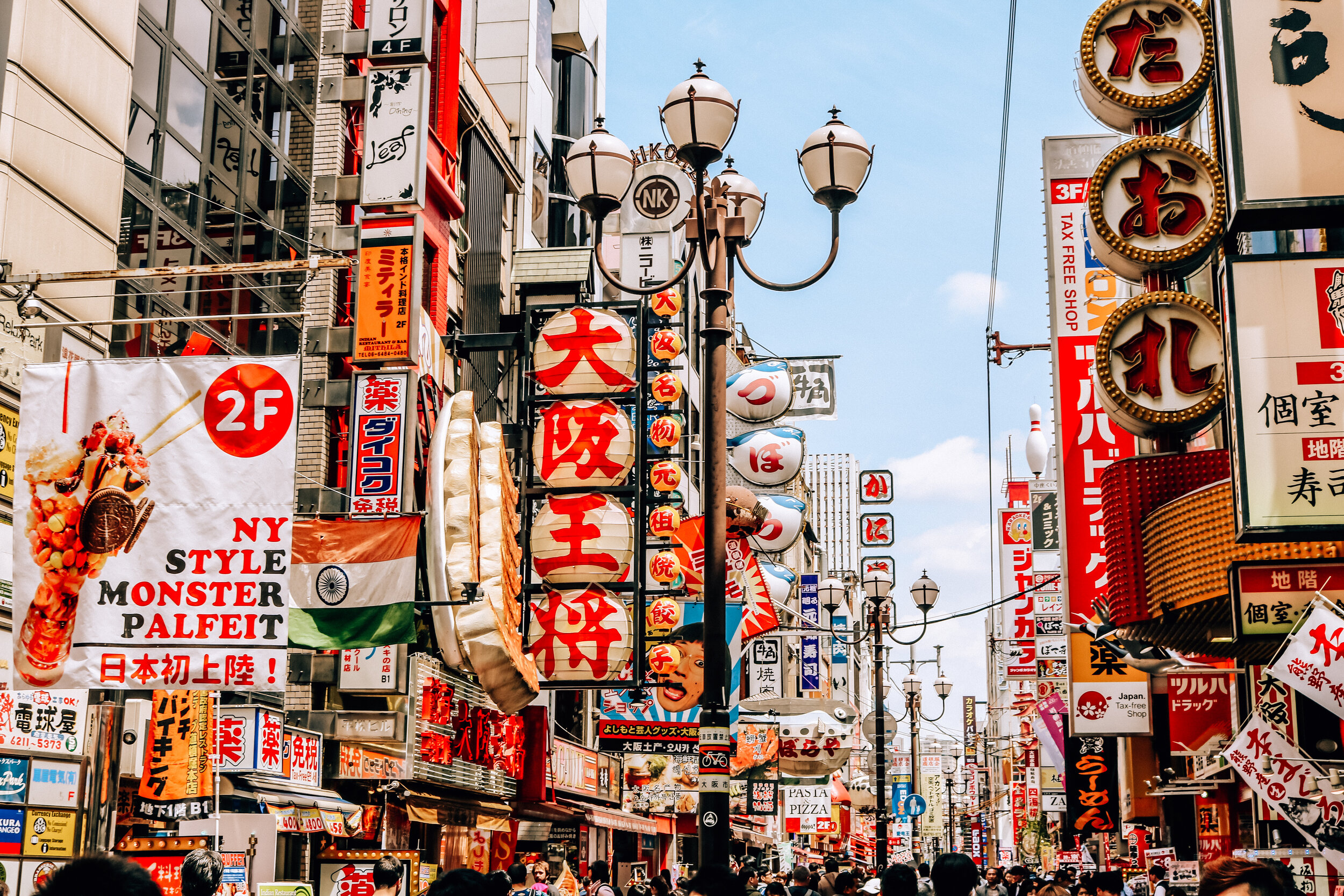
A street in Japan

7. Don’t blow your nose in public

This may be surprising advice for travelling to Japan but it is bad etiquette to blow your nose in public.

If you’re someone who hates the sound of sniffing, then unfortunately you’ll need to get used to it and probably do it yourself! Wait until you’re in private to blow your nose.

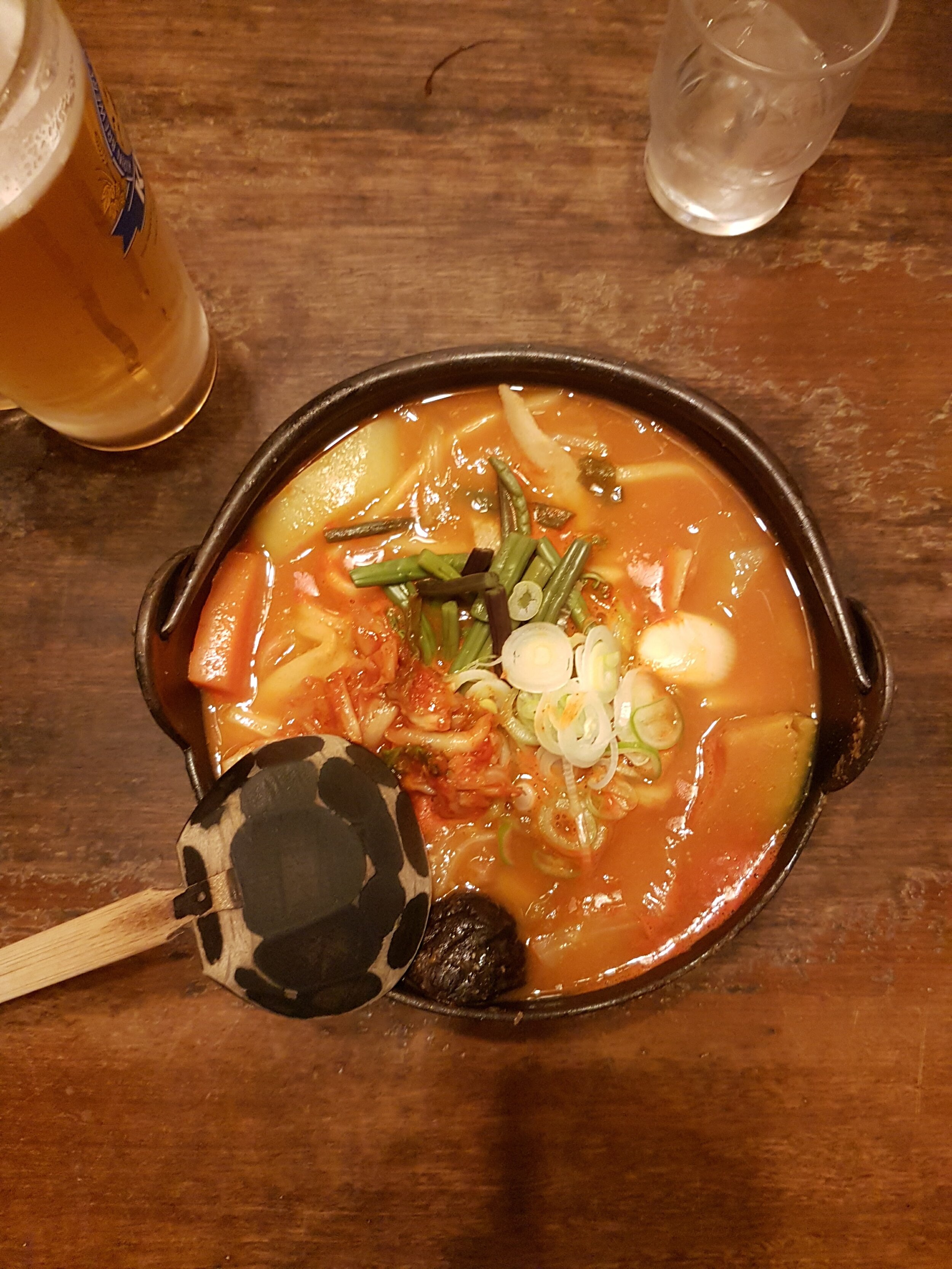
8. Slurping your food shows your appreciation!

5rdz0
Hoto Noodles

Get used to slurping your food here – slurping is a sign that you’re enjoying your food, the louder the slurp the more satisfied you are. This applies for any noodles, soups or broth-based foods you’re enjoying.

9. Don’t tip in Japan

Great news for your budget, tipping is considered rude and bad etiquette in Japan. as the expectation for a high standard of service is already there.

This is usually one of the most surprising tips for first time travelers to Japan if you’re visiting Japan as an American.

If you do feel the need to in certain situations like an exceptional homestay, put the money in an envelope.

10. Have cash with you

Take a suitable amount of cash with you to Japan. Either exchange it before you go, use ATMs at the airport, or find a convenience store like 7-11 with an ATM inside.

11. Consider if you need a JR Rail Pass

If you’re in Japan for a longer length of time, you might want to consider buying a JR Rail Pass. But make sure you do it before you arrive, buying in advance is cheaper.

I did train journeys from Tokyo to Fuji, then Fuji to Kyoto and Kyoto to Osaka, already these three journeys meant I broke even on my Rail Pass.

NOTE: As of October 2023, the JR Pass price has increased by 70%! It is no longer viable for most people who spend 2 weeks in Japan and you will no longer break even doing the journeys I shared above. I recommend using this JR Rail Pass calculator to check if the pass is worth it for you.

However, check which trains you plan to use on your trip, not all trains are covered by the pass, such as the fastest bullet trains or some privately owned regional train companies.

shnsu
Mt. Fuji

12. Buy a Suica Card or Pasmo Card in Tokyo

When you’re in Tokyo, consider buying a Suica or Pasmo card. These are IC travel cards which are re-loadable travel card for the transport system and you can withdraw any leftover balance from the card before you leave Japan.

There are equivalent cards to the Suica card all over Japan (for example in Osaka they’re called Icoca) these are called IC cards and again make the swipe in/swipe out process so much easier at train stations rather than having to queue and buy a new ticket every time.

If you are an iPhone user, you can also purchase a Suica Card on your phone and add it to your Apple Wallet. (sorry Android users, this feature isn’t available for you yet!)

NOTE: As of 2024, there is a shortage of chips used to make IC cards and they are not readily available for purchase in many stations. If you are an iPhone user you can purchase a Suica and save it to your Apple Wallet. Otherwise if you need a physical card, these can be purchased at the Travel Center in Haneda Airport or there is some availability at major stations in the city such as Shinjuku, Shibuya and Ueno.

c0k6b
A bright Japanese street at night

13. Keep to the left!

As a British person I was thrilled to discover Japan also keeps to the left. This applies to cars, bikes and pedestrian traffic.

Punctuality is important in Japan so don’t hold up someone’s day by standing on the wrong side of the escalator!

14. Jaywalking is illegal

Use the crossings provided!

pq3wh
Shibuya Crossing

15. Don’t open a taxi door yourself

Don’t try and open a taxi door – they’re automatic! A taxi door will open automatically for you as it pulls up and again when you are ready to exit. So don’t try and touch the doors yourself!

16. Get to grips with chopsticks (no pun intended!)

You’re very unlikely to find knives and forks in most places, especially once you leave cities so make sure you can at least kind of use chopsticks – and don’t use them to stab your food either, this is also rude.

One of my hot tips for traveling to Japan for the first time is to practice at home by wrapping a rubberband around chopsticks and putting a tight roll of paper in between. This helps to mimic the pincer movement so you can get use to it!

17. Know how to place your chopsticks

When you put down chopsticks, always either rest them across your bowl or on the chopstick rest provided. Do not stick them upright in your rice or put them on the table directly.

7y8yi
Traditional Japanese meal

18. Don’t be afraid to ask for help if you get stuck

gnfc7
Torii Gates

A lot of Japanese people are very willing to help you even if they can’t speak your language. On several occasions when I was obviously looking lost, people came over to help me and I was able to show them a place name I was trying to get to on my phone or map.

What is really nice is to learn how to say ‘Please’ or ‘Thank you’ or ‘Where is…’ as it really shows you’ve made an effort as a visitor to their country.

19. Bow to greet someone

It is customary to bow in Japan to convey yourself in certain situations. Usually it is for greeting someone, thanking someone or to apologise.

It’s often easiest to learn from the locals here, if someone bows at you, then return the bow.

20. Food at convenience and grocery stores is amazing

Make sure to buy snacks and meals from the convenience stores, I found some of the best snacks in them to keep me fueled up during the day, they have an amazing variety and very fresh too.

My favourites were Onigiri, pork buns and Mochi balls. The fresh sushi was better than some I’ve had in Japanese restaurants at home.

You can also go to grocery stores where they have a prepared food section with many meals including sushi to choose from

Pro tip: Go in the late afternoon/early evening, there will be less selection but they will be significantly discounted (usually around 5pm).

21. Put your money in the tray

When you pay for things there is a small tray to put your money in on the counter, don’t put your money directly into the hand of the person selling.

Ignoring the tray is bad etiquette. Also don’t count the change to make sure it’s correct, Japan is a very polite culture and they would never rip you off as a tourist.

ufr13
Bar alley

22. Accept items with both hands

If someone hands you something, accept it with both hands and palms laid flat. This is often the case with business cards which are significant in Japan and it would be insulting to not accept one and treat it with the respect you would the person handing it to you.

23. Carry your passport with you at all times

By law, foreign visitors are required to carry their passport on them at all times in Japan to show their ID and visa status.

While I was never asked to show it, it’s a good idea to keep it with you and have a photocopy as a back up at your accommodation, just in case!

24. Cover up your tattoos

If you have obvious tattoos, it would be wise to cover them up. Japan has a long history with tattoos and they were illegal until after World War II.

However there is still a strong association with criminals and tattoos, as well as being associated with the Yakuza – Japanese mob/organised crime gangs. Because of this, you still don’t see many tattoos in Japan today.

If you want to use a traditional Onsen, you may be required to cover your tattoo with a bandage or you may be refused entry completely.

2j674
Sake Barrels

25. You won’t get caught short!

There are free public toilets everywhere! And like everywhere else in Japan, they are extremely clean.

Although be prepared for a toilet like nothing you’ve seen before, with toilets having several buttons and functions such as heated seat, a massage, a wash and dry service. Going to the toilet becomes quite a fun event!

26. Vegetarians may struggle in Japan – download the Happy Cow App

jqdsv
Seafood stall at Fish Market

If you are vegetarian, you will probably struggle in Japan! Vegetarianism is not a recognised concept in Japan and confusingly fish and chicken are generally not considered ‘meat’ so just saying ‘no meat’ still won’t always work.

Your best option is to look at the side dishes and noodle soups although be aware that a lot of places will use meat to make the broths. Again, Google Translate is probably your best friend here!

There is also an app called Happy Cow which has really expanded it’s reach and can be used to fin vegan and veggie restaurants wherever you are – of course this is much easier in cities than rural areas.

27. Use the luggage forwarding service

It is often frowned upon to take your luggage on the commuter trains, especially at rush hour. No one will stop you but we usually tried to travel to the airport or our next stop outside of rush hours so we didn’t inconvenience anyone with our huge suitcases!

There is also limited accessibility in Japan, some stations just don’t have elevators. So if you’re disabled, travelled with a child in a pram or just have lots of luggage – it can be a nightmare.

Of course Japan prepares for this though with their Yamato Transport luggage delivery service. They can hold, store and ship your luggage to your next destination within Japan for around £11/$15 per case. This is great if you don’ t have luggage space reserved on the Shinkansen, or if you’re travelling in more rural areas with a small bag for a few days and want to forward your big luggage to your next city destination in Japan.

To do this, look for “Hands-Free Travel” services at your hotel reception or the baggage services counter at major train stations. Yamato Transport has the cute yellow logo with the black cat on it.

28. Prebook luggage space on Shinkansens

This is one of the biggest tips for first time travel to Japan that many people don’t know. Unfortunately luggage racks are not first-come-first-serve on Shinkansen bullet trains.

While the small overhead racks are, the bigger luggage storage spaces have to be reserved in advance with your ticket. These spaces are limited so they sell out fast and the rail conductor will check/ask you to move your luggage if you’ve put it in someone else’s booked space.

Make sure you book the luggage space you need, or use the luggage forwarding service I mentioned above.

This also goes for prams/buggies or any other large items you’re travelling with for kids.

29. Allow plenty of time for catching trains

I cannot emphasise enough how HUGE some of the stations are in Japan. And trains always run on time (sometimes leaving a minute early in my experience).

I absolutely suggest you arrive at a major station at least 30 minutes before. This includes Tokyo Station, Shibuya, Shinjuku, Ueno, Osaka Main Station, Kyoto Station etc.

Rural towns and smaller metro stations are fine.

30. Don’t skip affordable Japanese chain restaurants

Japanese versions of fast-food are just so much better than McDonalds or any of the other stuff we have at home.

For incredible and affordable Japanese curry, check out CoCo Curry.

For an affordable ramen chain, check out Ichiran.

I also loved Yoshinoya (Gyudon rice bowls), Sukiya (Gyudon bowls with lots lof toppings) and Matsuya (beef rice). These are all fast-food chains with specific menu items at great prices.

31. How to use ramen ticket vending machines

Many ramen shops in Japan use a food ticket system where you place your order on a vending machine, pay the machine and receive a ticket which you give to the staff.

In general, ramen shops are either full service or food ticket service. This system speeds up the food ordering process when often many of the ramen restaurants are tiny – some only seat 5-8 people.

So to speed things up, you place your order in advance as soon as you arrive to reduce the delay on food and the time a seat is occupied.

When you arrive, check the food menu outside and pick what you want (if it’s in Japanese, use the translator app). Then go to the machine, press the buttons for the dish or dishes you want to order (some include buttons to order drinks too). Then insert the amount of money needed. Take your tickets. The tickets will either be collected by the restaurant staff if you’re queueing outside, or given to the staff as soon as you walk in.

32. Use the fare adjustment machines if you’re unsure which ticket to get

Public transport on the metro system in Tokyo and other major cities is based on distance travelled.

However if you’re purchasing single tickets (not using an IC card) it can be confusing to figure out what station you’re going to or what the fare is.

Fortunately, Japan is great with this and offers fare adjustment at every station, so you can always make up the difference if you have the wrong ticket – you won’t get in trouble!

So my tip: if you’re unsure which ticket to buy, just buy the cheapest one. Then when you reach your destination station, simply go to the Fare Adjustment machine and it will tell you the difference in fare you need to pay.

33. Wearing a mask is respectful

Although not required by rules, mask wearing is much more common in Japan and in crowded situations such as on public transport, it is respectful to wear a mask.

34. Don’t eat on public transport

The only exception to this rule is the Shinkansen when you can buy bento boxes for your trip.

But for metro, subway or local trains, it is not normal or common to eat or drink on transport.

35. Don’t mess up the flow of people

Japan is all about efficiency and most people are just going about their day and want to do it as quickly as possible.

So if you need to stop to check your phone or map or read a sign or just to look at a sight or attraction, step to the side – ideally close to a wall, edge or waiting space so you don’t block and disrupt the flow of people.

While this tip should be implemented everywhere because it drives me nuts, stopping in the middle of the streets is a big no-no when it comes to etiquette in Japan.

36. Be prepared for small hotel rooms

This tips is mostly for Tokyo but this city is a place where space is a premium.

Unless you’re staying in 5* hotels, many of the affordable hotels are affordable because they’re small.

Pro tip: most of these hotels have space under the bed to store your big luggage.

37. Check flight prices as well as train for long distance

if you’re travelling extensively in Japan, perhaps to Hokkaido in the north or Fukuoka in the south, it’s tempting to assume that trains are your cheapest option.

However with the recent rise in JR Pass prices and the standard cost of Shinkansens already being high, you might want to check flight prices instead.

Japan has great lowcost domestic carriers which include Peach, Jetstar, ANA, Air Do, Japan Airlines (JAL) and Skymark.

38. You will need an International Driving Permit to hire a car

It’s common to hire a car in more rural areas of Japan if you’re doing extensive travel. But be warned you will need a valid International Driving Permit (IDP) from your home country, your standard license is not enough to be accepted.

39. Check if you need permissions to bring your medication

There are[……]
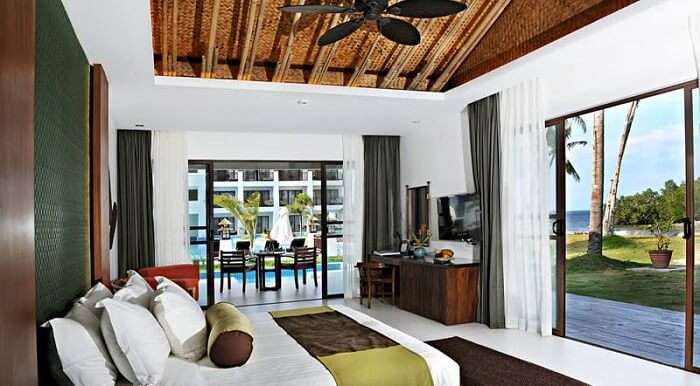
Read more

Not Your Typical Travel Guide to Taiwan

y3unq
Where to go in Taiwan? In this offbeat Taiwan travel guide, I explore Taiwan places to visit, cherry blossom in Taiwan, cycling Taroko gorge, vegan Taiwan, vegetarian food in Taiwan and offbeat things to do in Taiwan. My Taiwan travel tips include lesser known points of interest in Taiwan as well as where to go in Taiwan if you want to get off the tourist trail.

The mist rolled in as we drove on the winding road, engulfing the tea plantations, the cherry blossoms, the road, the mountains and even the darkness, casting a magical kind of aura that my Taiwanese host – a tea farmer – maneuvered expertly despite zero visibility. But we weren’t driving to the bamboo groves in the middle of the night for the mist. On that dark, foggy night, we were looking for fireflies that come to Fengchihu in spring, and light up the forests like blinking Christmas lights.

To tell you the truth, I knew nothing about Taiwan except stinky tofu – a dish I once had a smelly encounter with in Singapore – that has acquired something of a national status. I decided to join a friend to travel there simply because I found a cheap flight and could get visa on arrival with my US visa. Even as we landed in Taipei, a city with industrial buildings, dense forests and a charming cafe culture, I had no idea that we were going to cycle down a dramatic gorge, share a meal with an aboriginal family (short of monkey brains!) and get lucky enough to see the season’s first cherry blossoms.

y2cly
First glimpse of Taiwan’s countryside in Taroko… and a stuck camera shutter!

This blog post is less of a travel guide to Taiwan, and more of a collection of serendipitous, unique, offbeat experiences that became the recipe for one incredible trip:

Cycle the Taroko Gorge

x1n2g
Cycling up the dramatic Taroko Gorge!

I was a little intimidated as we piled into a car with mountain bikes and drove halfway up the dramatic Taroko Gorge, but adrenalin took over the moment I got on the bike. We trudged up along the incredible cliff-side scenery, then whizzed downhill through dimly lit winding tunnels, under precariously cut mountains hanging over the road (reminding me of the high Himalayan roads), past dense forests with centuries old Buddhist temples, down to the Liwu river gushing with the intensity of my adrenalin. Plenty of tour buses do ‘sightseeing day trips’ along the Taroko Gorge, but experiencing its wild side on two wheels was pure exhilaration.

Most accommodations near Taroko Gorge offer mountain bikes (check before booking). The initial part of the ride is steep and not too exciting, so it’s a good idea to start early, get dropped midway and make stops while cycling along the well-marked trail. The stops I loved most were the unnamed, unpopular ones, with old hanging bridges across the gorge leading to old Buddhist temples or dense forests. Take a train from Taipei to Taroko Gorge.

Experience life with an aboriginal Truku family

History suggests that when China became a communist nation back in 1949, many people fled to nearby Taiwan, then a small island with a small indigenous population of Trukus scattered on the eastern side. So even though the majority of Taiwan is culturally representative of mainland China, the descendants of the Trukus keep much of their aboroginal culture, cuisine and way of life alive – and we were lucky enough to experience it first hand, in an Airbnb that was built entirely by hand by our host Truku family!

In their living room, we found the head of a goat, the blood still fresh from the hunt, learnt to smash bamboo sticks on a stone to get the sticky rice out for dinner, and saw a glimpse of the forests where their grandparents once lived. In my traditional Truku (vegan) dinner, I tasted purple yam quoted with rice flour, cabbage and bean curd rolls, some sort of leaf fried in rice flour (and cut into the shape of a fish!), sautéed crispy tofu, baby corn steamed with the leaves, a soup made with wild leaves and plants (literally, it had nothing else, not even salt or pepper). The other guests, who didn’t opt for vegan/vegetarian, could hardly palate their wild boar meat and gooey mambo fish… and midway through the meal, our Truku host showed up with his rifle. “Monkey very good”, he said… “to eat”. Luckily he hadn’t been able to shoot one in time for dinner!

We stayed with a Truku family through Airbnb (managed by their daughter who speaks a bit of English), and communicated mostly through sign language and Google translate. Their home is located in a picturesque little village called Xiulin, not far from Taroko Gorge, and a short drive from Xincheng train station. I could have easily spent a week exploring this mountain neighborhood, but a short trip combined with cycling Taroko Gorge was fun too.

Feast on vegan (Buddhist vegetarian) food

c0haq
A traditional (vegan) dinner with my Truku hosts.

I was surprised to learn that a considerable part of the Taiwanese population eat only Buddhist vegatarian food – no meat, no seafood, no eggs, no onions or garlic (similar to Jain food in India). And considering dairy doesn’t feature much in the cuisine anyway, Buddhist vegetarian is also vegan and easily available.

However, I have to confess I had mixed food experiences in Taiwan. I loved the spicy, herb-infused, Sichuan influenced flavors on the eastern part of the island, dominated by the aboriginal people. Even at small roadside shacks, I feasted on local food like sesame paste noodles and stir fry made with tofu, mushroom or other veggies. But in the western part of the country, I struggled, not because I couldn’t find anything vegan but because the food felt somewhat flavorless. Many times, I had to force myself to eat bland boiled or steamed leaves, and on one unlucky occasion, I ate some sort of fermented tofu (not as fermented as stinky tofu) that my body had a hellish time trying to digest.

Taipei, though, turned out to be a vegan paradise! We spent most of our two days in the city eating, and I even ran into friends who flew in from Hong Kong over the weekend just to eat. Steamed veggie dumplings at the original Din Tai Fung shophouse, Sichuan style leeks and tofu at the late night Fifi Tea House, cheesy vegan pizzas at Tofunia, power smoothies and fusion burritos atAbout Animals… I’m salivating even as I type this.

I was sad to miss out on this vegan-friendly stay and night market sojourn in Taipei… next time!

Feel the magic of a million fireflies!

xuuks
Fireflies shimmer in the dark in Fenchihu.

To stand there, in the bamboo groves of Fengchihu, on a dark, foggy night, and watch thousands of fireflies twinkle and send lightwaves… there are some feelings no photos or words can capture, you just have to travel for them.

I was surprised to learn that adult fireflies, the ones with the glowing light, live only for 10-15 days… but it takes them almost a year to grow from egg to larva to pupa to an adult. Their biggest enemy? Manmade lights. Because the male finds and attracts the female to reproduce by sending lightwaves.

We did a night walk with our hosts at TianYi homestay in Fenchihu. I appreciated their responsible approach to observing the fireflies – we were given dim lanterns, and asked to keep silent and avoid flash photography / LED lights on electronic devices. Take a train to Chiayi station, then a bus to Fenchihu.

Get lost amid cherry blossoms

awudu
Mesmerized by my first cherry blossoms!

Most people flock to Japan for the cherry blossom season, but we got lucky in Taiwan. The cherry trees bloom only for 2 weeks in a year, and with the weather patterns all haywire, we had no idea of the status even when we impulsively got on the train and bus to Fenchihu.

We spent our days walking around old cypress forests and abandoned railway lines in Alishan, surrounded by cherry blossoms in shades of white, pink and magenta. In retrospect though, the selfie-snapping crowds definitely took away from the experience. Next time, I would plan better and try to get to a further away mountain for a real wilderness feeling.

Explore the East Rift Valley on two wheels

1x5ui
Cycling the East Rift Valley.

After cycling the Taroko Gorge, we couldn’t wait to get on bicycles again, and Taiwan’s East Rift Valley – with the dramatic Eastern Coastal Mountain Range on one side and the roaring Pacific Ocean on the other – is perfect for a mix of cycling trails, cafes tucked away into the mountains, black sand beaches and lush rice paddies. We chose to spend lazy, do nothing days in our artsy apartment, but you can also choose to cycle one of the longer trails.

I loved our independent house in a little village off Dulan, an Airbnb designed by a young Taiwanese artist using light and color in a unique and soothing way. It was an easy walk into town for food, and down to the Pacific coast. Take a train to Dulan, then a bus to Donghe.

Live on a tea farm

A rare sea of clouds in Fenchihu.

In search of cherry blossoms, we impulsively booked TianYi homestay in Fenchihu – and it turned out to be an experience in itself. Surrounded by mist-clad tea plantations, this was the home of a small-scale tea farmer, where we spent our days sampling local oolong teas in elaborate tea ceremonies, sleeping in a wooden cabin, and hearing stories (from their son, who spoke good English) of life in these mountains. Then one morning, we woke up to a rare sea of clouds engulfing the valley below; I’ve never seen anything like it.

Since we booked TianYi homestay last minute, we took the bus all the way to Fenchihu town, only to hitch a ride back towards the main road. The nearest bus stop is at Seven Eleven; ask the hosts to pick you up from there.

***

Practical Information

Getting around by public transport in Taiwan

a943u
Traveling by train in Taiwan – scenic and eco-friendly!

Taiwan has a great train system – comfortable even for long distances, affordable and scenic. We travelled in April and comfortably got train and bus tickets on the spot, including the High Speed Rail.

Taipei Airport to Taipei City: The Airport MRT started in Taipei only in March 2017 and many hotels / B&Bs are still unaware of it. There is a dedicated terminal at Taipei Main Station, where express check-in for some flights is also possible. The trains run frequently, take about 40 minutes to the airport, are much more efficient than the airport bus to the city, and much cheaper than taxis.

Bullet trains (High Speed Rail): Taiwan’s High Speed Rail mostly runs from Taipei towards the western part of the country, and is an experience in itself, covering distances in almost half the time of normal trains. Regular train stations don’t sell High Speed Rail tickets (and even seemed to discourage us from buying them); HSR stations are located separately, but there’s usually a shuttle bus connecting the two.

Vegan / vegetarian food in Taiwan

33xrc
Rice rolls stuffed with veggies, and wild herbal tea – breakfast at my Truku homestay.

Taipei has plenty of choices for vegan/vegetarian food and staff at nearly all restaurants/cafes speak some English. But on the countryside, it is really important to be able to communicate what you eat and what you don’t. Google translate rules! Mandarin is a tricky language, and I was only able to get my pronunciation right on the last couple of days… however, showing a translated message on my phone always worked. Since dairy is not a big part of Taiwanese cuisine, most vegetarian food is also vegan.

Wifi in Taiwan

Imagine my joy when I heard that the entire island nation of Taiwan is connected by public wifi! Indeed, you can register for a free tourist wifi at the information counter at the airport (when you step out after collecting your bags), and use it at all railway and MRT stations. Most accommodations and eateries offer free wifi as well.

Weather and what to pack for Taiwan

nkan3
Reflections on a rainy day in Taipei.

We were lucky to have mostly cloudy, partly rainy weather in Taiwan in April, which made for cool days and chilly nights, especially in the mountains – layers work best in such weather. Clear days tend to have very strong sun, so carry sun protection, including sun hats, sunscreen and shades.[……]

Read more