Divi WordPress Theme


5 Reasons Why Malaysia Is The Perfect Workcation Destination For Digital Nomads

o0zjv
As we enter the era of digitalization, we have seen face-to-face the changes brought upon many aspects of life, especially to the outlook of the traditional workplace. We can now push the limitations of our career beyond the four walls of offices and cubicles, creating the modern field of digital nomads: a term that describes freelancers, remote workers and independent contractors.

To encourage the rise of digital nomads, Malaysia has dedicated its resources and collaborated with partners that are effectively involved in supporting the nomadic lifestyle. If you are a digital nomad yourself, keep on reading to learn all 5 reasons why Malaysia is the best destination for you!

5 Reasons Why Malaysia Is The Best Destination For Digital Nomads

1. You Are Represented

bba65
DE Rantau is a programme established by the Malaysia Digital Economy Corporation to boost digital adoption and promote digital professional mobility and tourism across the country. It aims to benefit both local and foreign nomads via the creation of a vibrant ecosystem that supports the ‘on-the-go’ lifestyle.

Digital nomads who are affiliated with DE Rantau can travel and work remotely across various locations in Malaysia with access to stable broadband connectivity and various facilities and services, including transportation, food, accommodation and so on.

2. Access To Hubs Across The Country

9q10r
To facilitate the mobility of digital freelancers, DE Rantau has partnered with local merchants and service providers to make you feel at home. Work remotely in the comfort of co-working spaces such as Settlements Penang, a co-working space based in Georgetown. They offer 24/7 access via card access system, high-speed Internet, discussion rooms, printing services and many facilities to accommodate your needs.

9lx79
You can also settle your meals by ordering via food delivery apps such as TapawFood, airasia food and Grab. Furthermore, travel around the country with ease when you book your transportation using Easybook.

o5b1a
3. Connect With Your Community

5af96
You are not alone here! DE Rantau provides you with the opportunity to connect with other like-minded people in Malaysia. Get acquainted or collaborate with other digital professionals through the programme’s community.

Moreover, the community can help you deal with enquiries and concerns you have when you reach a new environment. You can also reach out to DE Rantau whenever any problems occur during your stay at a hub.

4. Digital Nomad Pass For Foreigners

r03kd
The programme is open to every digital nomad around the world who wishes to set up their personal workspace in Malaysia. Eligible digital professionals can get an exclusive nomad pass that exceeds the limitations of a normal tourist pass for RM1000. You are free to roam around while focusing on your work. Not to mention you can enjoy amazing perks and exclusive offerings by DE Rantau’s partners.

The pass is a Professional Visit Pass (Pas Lawatan Ikhtisas PLIK) which allows you to stay for 3 to up to 12 months. Furthermore, it is renewable for up to an additional 12 months if you wish to continue your freelancing here. You can also bring your spouse and children with a fee of RM500 for each dependant.

5. Multicultural Country With Great Places To Explore

7no0h
And lastly, what makes Malaysia a great place for digital nomads is its multicultural society and beautiful spots. Most Malaysians can communicate in English, so there would not be any issues regarding the language barrier. Also, the country provides affordability in terms of food, accommodations and travelling.[……]

Read more

The fullest Japan travel guide for first-timers

lvt4h
Japan is a country with so many worth places to go. For the first time, most visitors are only interested in some famous places such as Tokyo, Kyoto or Osaka. But Japan has a lot of interesting things more than that. From cities covered with cherry blossoms, the famous Mount Fuji, to small villages with unique nuances unmistakable anywhere. You can exploring Japan with just 7 days, enough to visit 2, 3 major tourist cities. Or 2 weeks (until the visa expires) to travel more, or spend a whole month to travel across the beautiful Japan. In order to have a full meaning trip and especially to ensure the budget does not exceed too much, you need a very details plan and preparation.

Arashiyama travel blog — The fullest Arashiyama travel guide with top things to do in Arashiyama

Tokyo best parks — 10+ best & most beautiful parks in tokyo

Yamanashi blog — The Yamanashi travel guide & top things to do in Yamanashi

When is the best time to visit Kyoto? — The best, worst, affordable & best season to visit Kyoto

When is the best time to visit Japan? — The best, worst, cheapest, affordable & best season to travel to Japan

sz4el
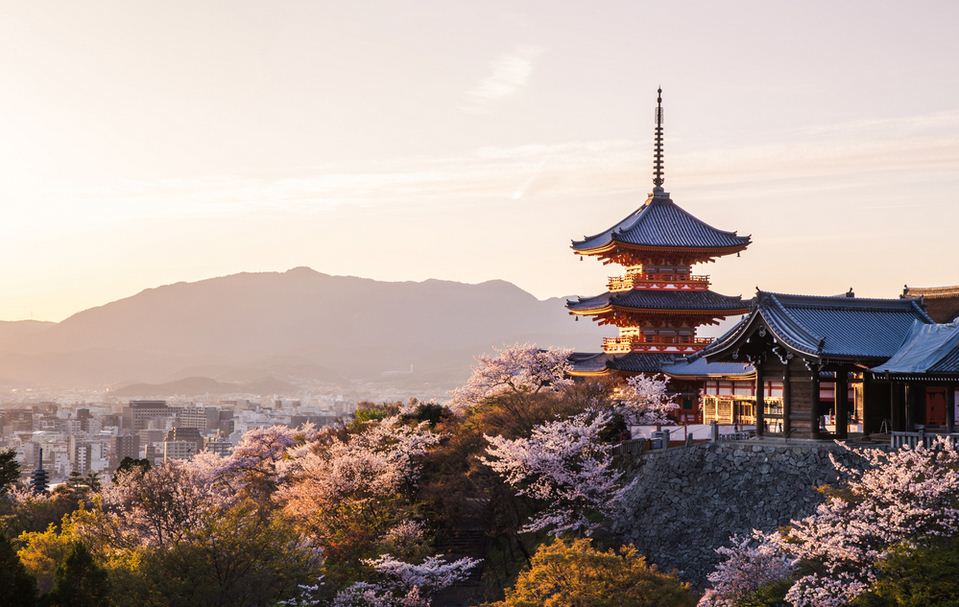
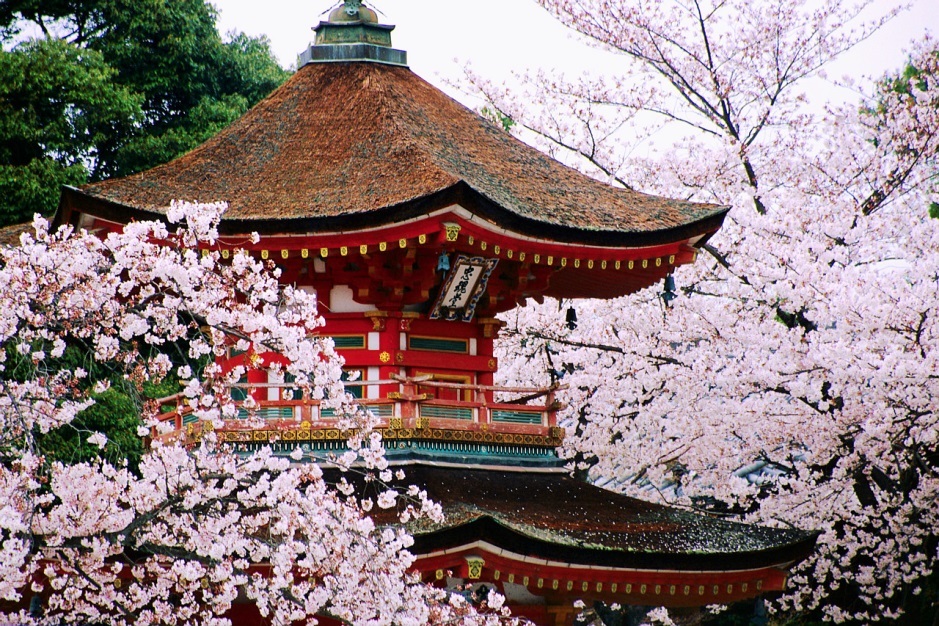
Cherry blossoms at Kiyomizu-dera Temple, the must visit place in Kyoto. | japan travel blog

4pe8g
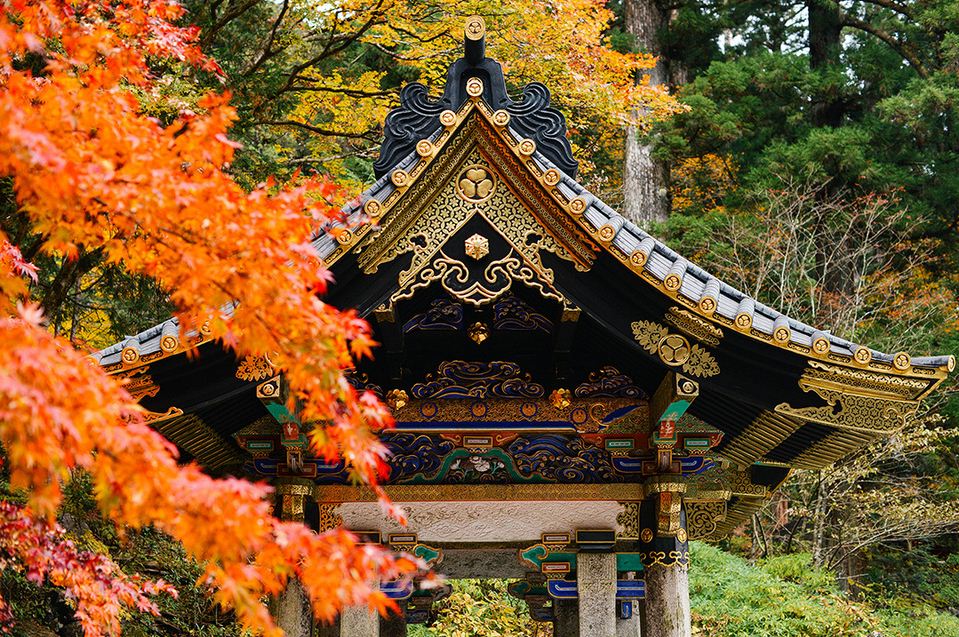
Nikko in Autumn | japan travel blog

zpksv
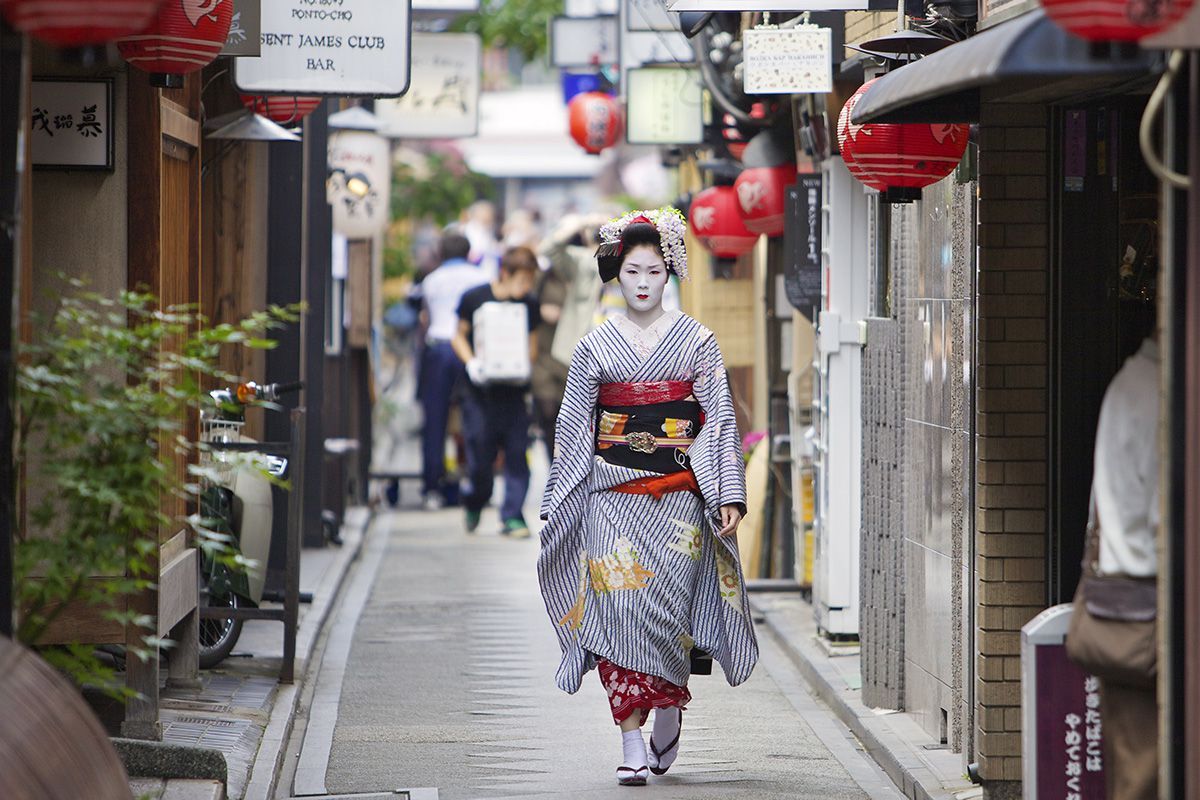
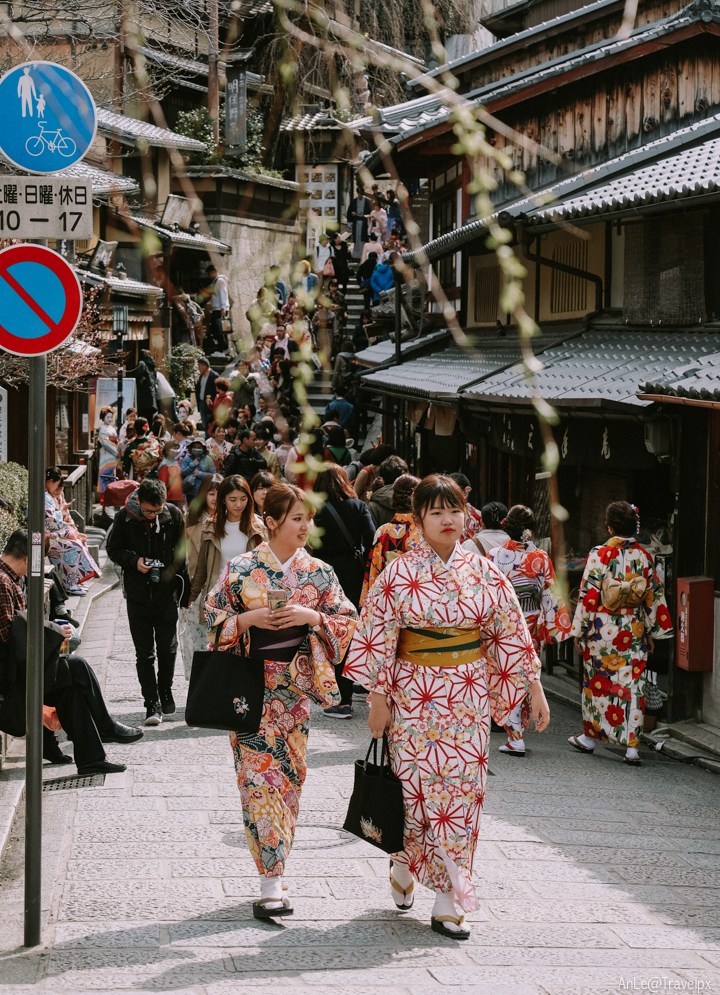
A geisha in Gion district

So, is Japan worth visiting, how to visit Japan, what to do in Japan and how to plan a budget trip to Japan for the first-time perfectly? Let’s check out our Japan travel blog (Japan blog) with the fullest Japan travel guide (guide to Japan, Japan tourist guide, Japan city guide, Japan guide) from how to get to Japan, best places to visit, best time to come, what to eat as well as top things to do in Japan to help you maximize your trip as follows!

zxegv
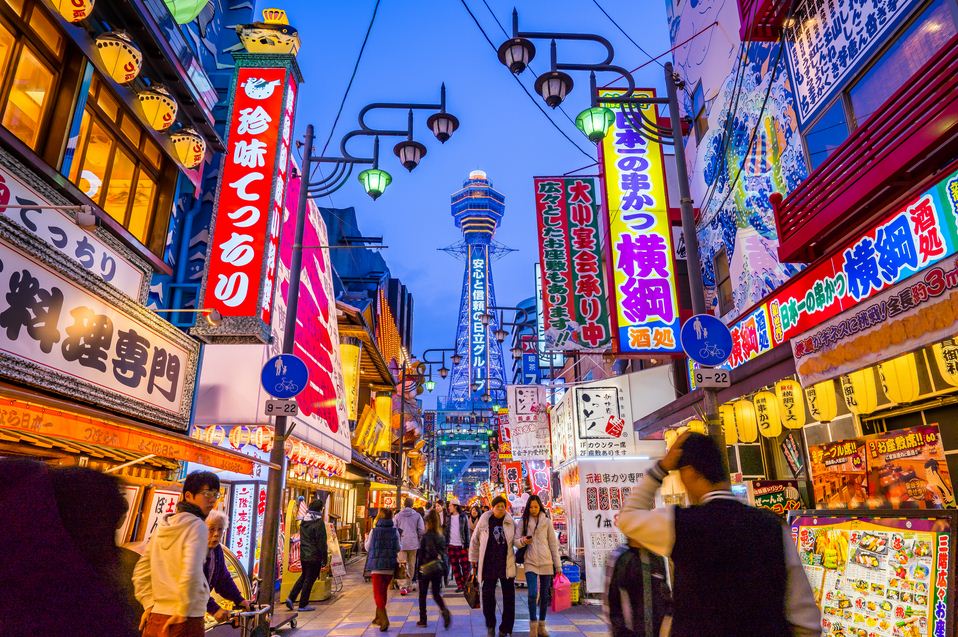
Vibrant Tsutenkaku at night in Osaka. | japan travel blog

6h68k
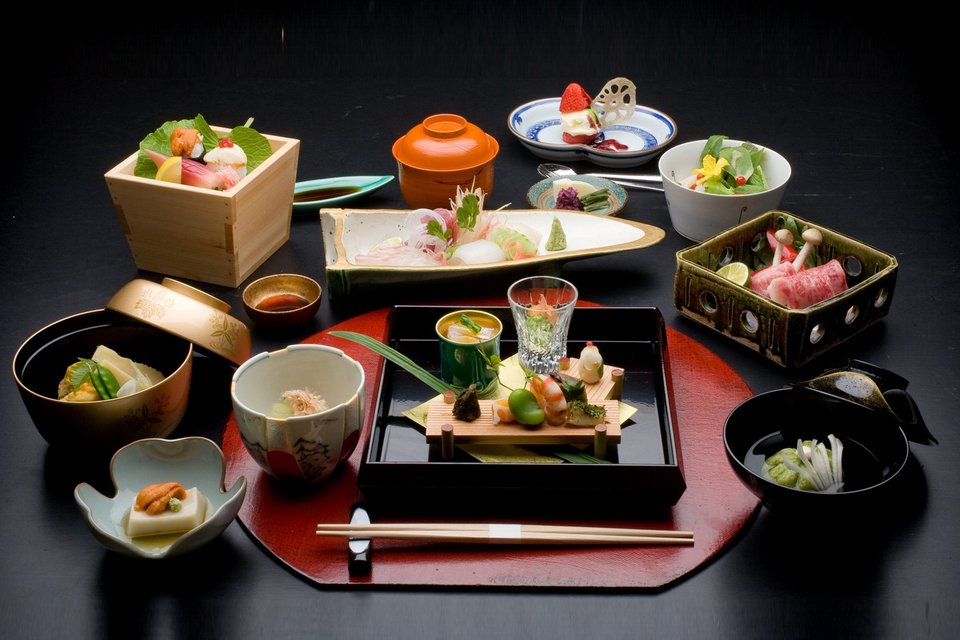
Kaiseki Cuisine

Japan travel guide: Making a feasible itinerary when traveling to Japan

Honestly, to going to all the beautiful spots in Japan can take several months. With a normal visa period of only 15 days for Vietnamese tourists you will have to consider the places to go, the places must visit.

Nakazakicho Osaka

Japan is inherently a collection of many isolated islands in the ocean, with some largest main islands and many small islands surroundings. There are many tourist destinations in Japan, the most famous are still Tokyo, Osaka, and Kyoto. But there are also many other places from north to south, from Sapporo in Hokkaido region in the North to Toyama, Kanazawa, Fuji Mount, and Hakone in central Japan. The South also is plenty with Kobe, Himeji, Fukuoka, Hiroshima, Okinawa…

1thyo
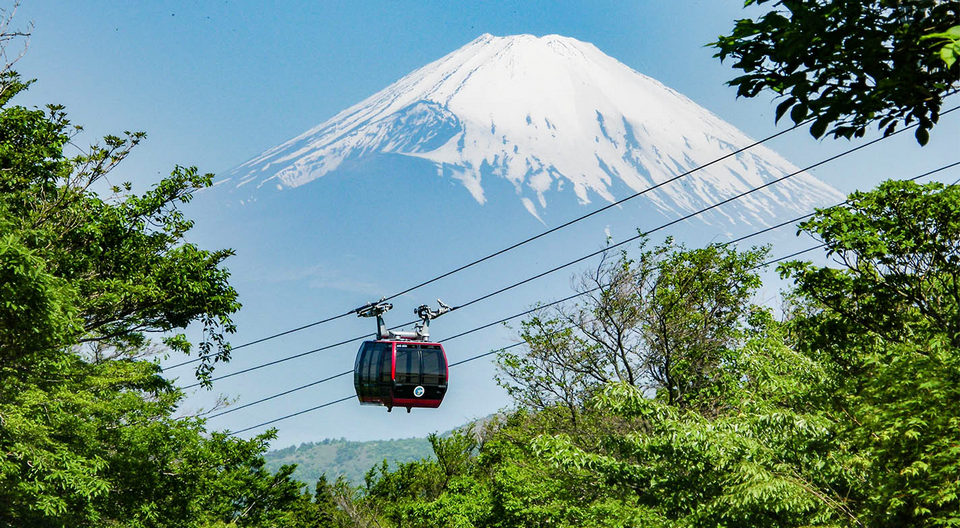
Hakone Ropeway with Mount Fuji in the Background | japan travel blog

ved8s
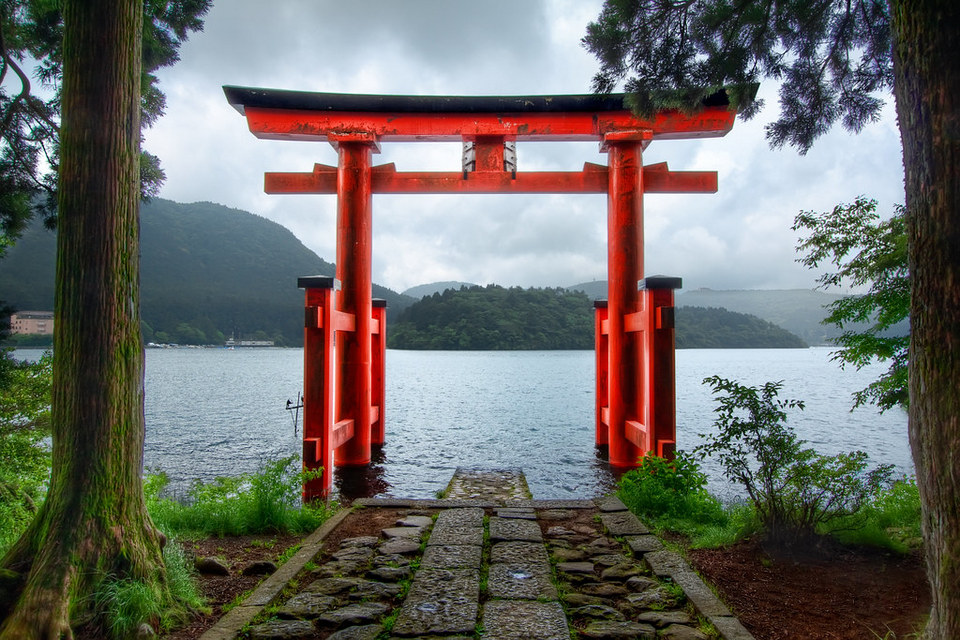
Jakone shinto shrine

l225v
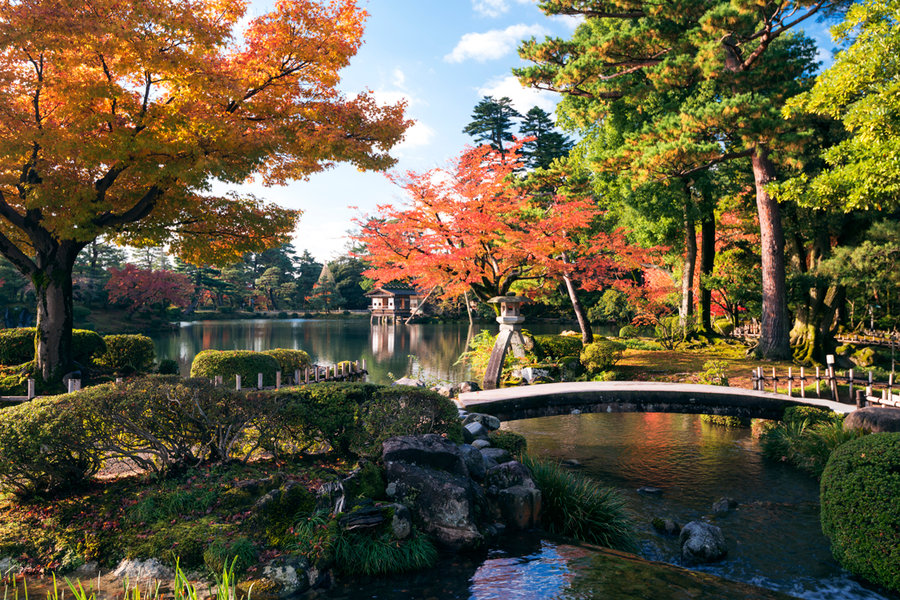
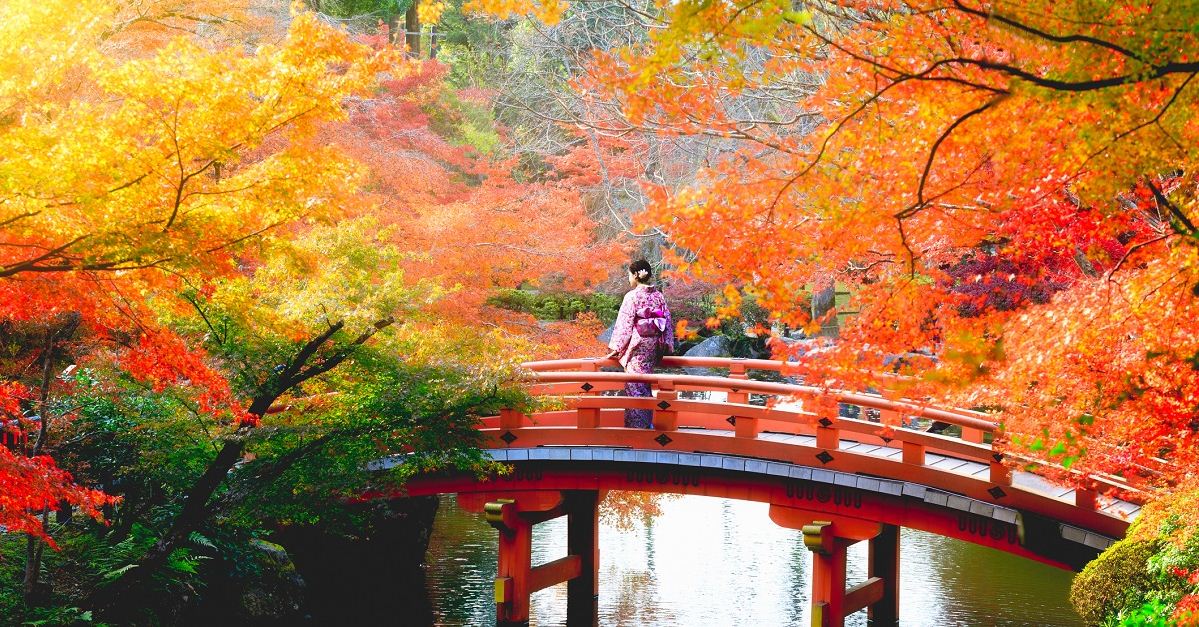
Kenroku-en Garden, one of three treasury gardens of Japan in Kanazawa in Autumn | japan travel guide blog

pue5k
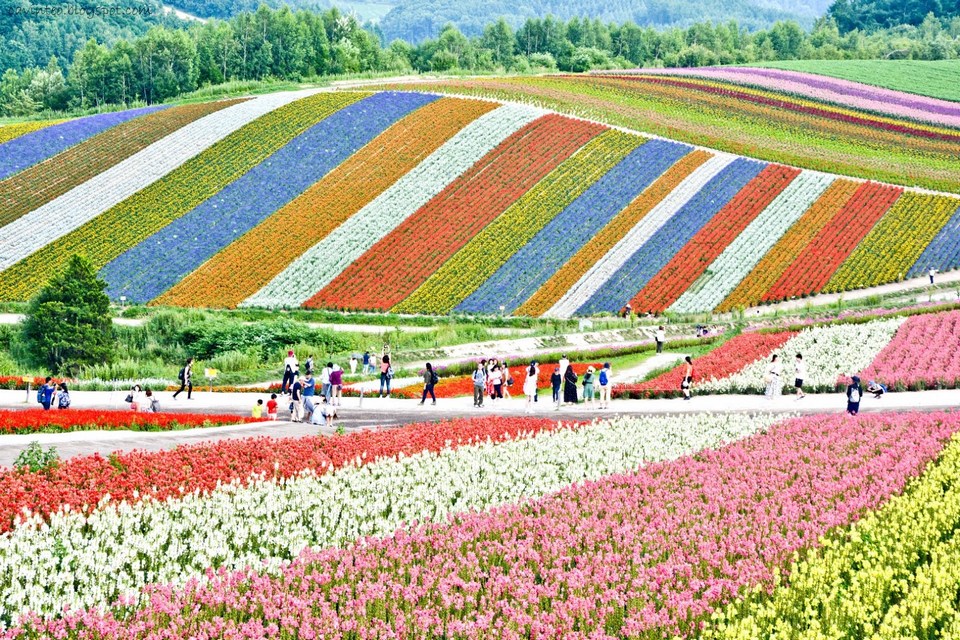
Hokkaido in spring

If you only have 7 days in Japan for the first time traveling, you can choose a simple itinerary with 3 big cities including Tokyo, Osaka, and Kyoto with a 7-day JR Pass (We made a 7-day itinerary here). If you have more time with 10 days, you can consider to explore more nearby areas such as Mount Fuji area near Tokyo, or Kobe, Nara, Himeji near Osaka. Or it is more simple, if you are decided to travel multiple times, each time is about 7-10 days, you should explore each region for each time with the JR Pass for that region, do not go too far to avoid paying high travel costs. We also made a 10-day itinerary here.

6rkoh
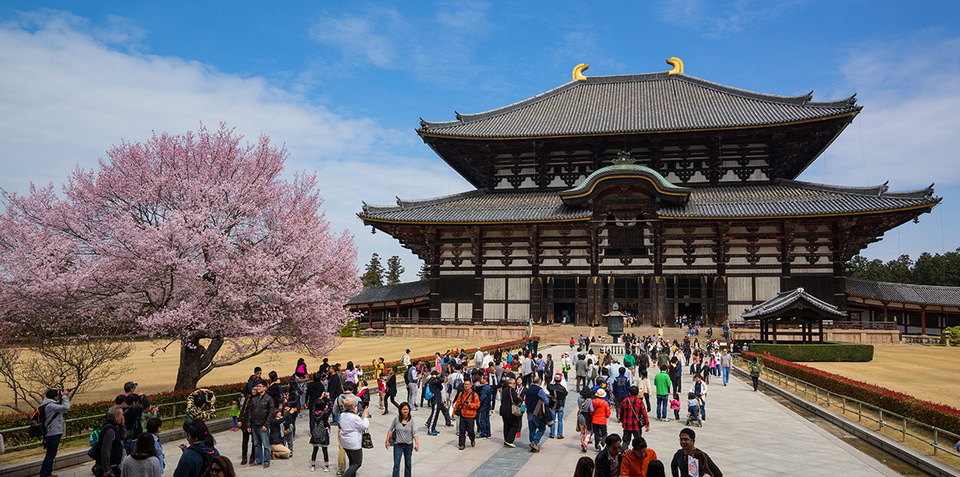
Todai-ji Temple, Nara | japan travel guide blog

t5ebe
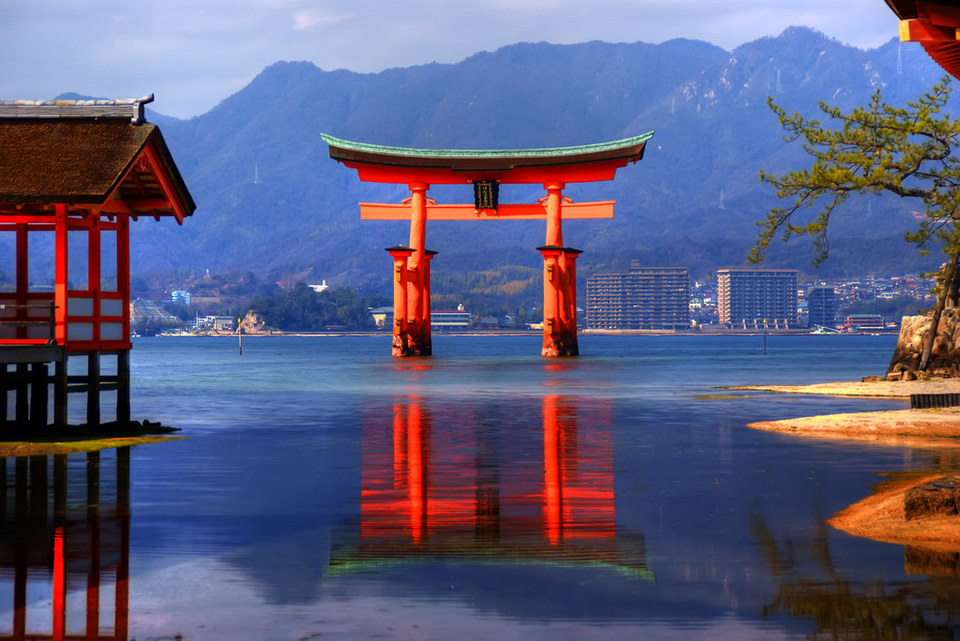
Miyajima Island & Itsukushima Shrine, Hiroshima

cfdnt
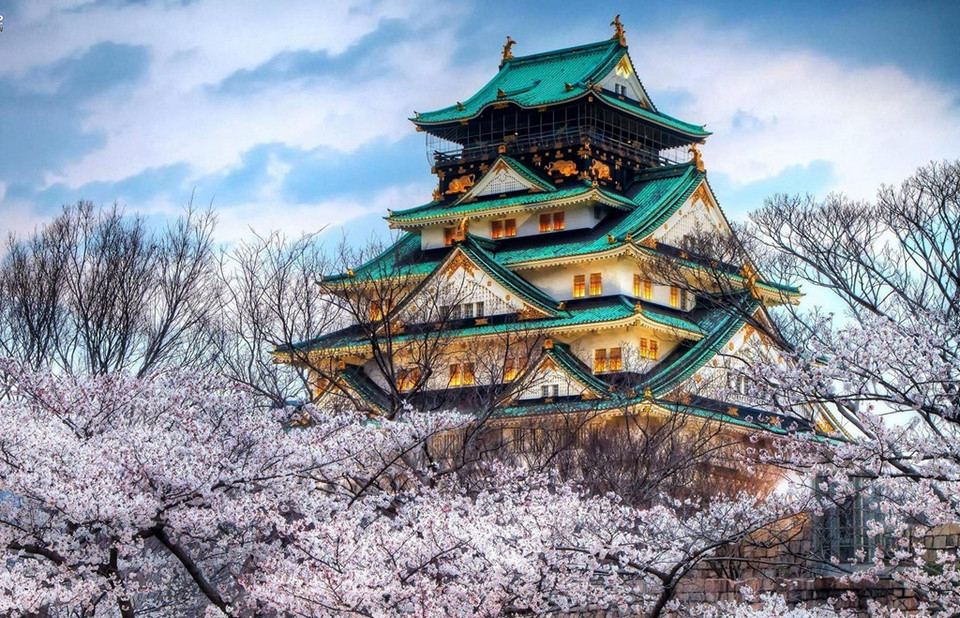
Osaka Castle | japan travel guide blog

ig31q
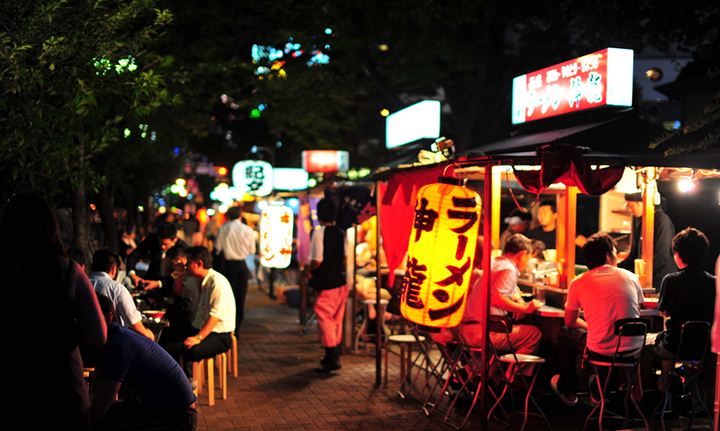
Yatai in Fukuoka

The best itinerary still is traveling for 15 days, actually it is not too long, but it is enough. Please refer to my 15-day trip itinerary to Japan here.

Japan travel blog: When is the best time to visit Japan?

nat2s
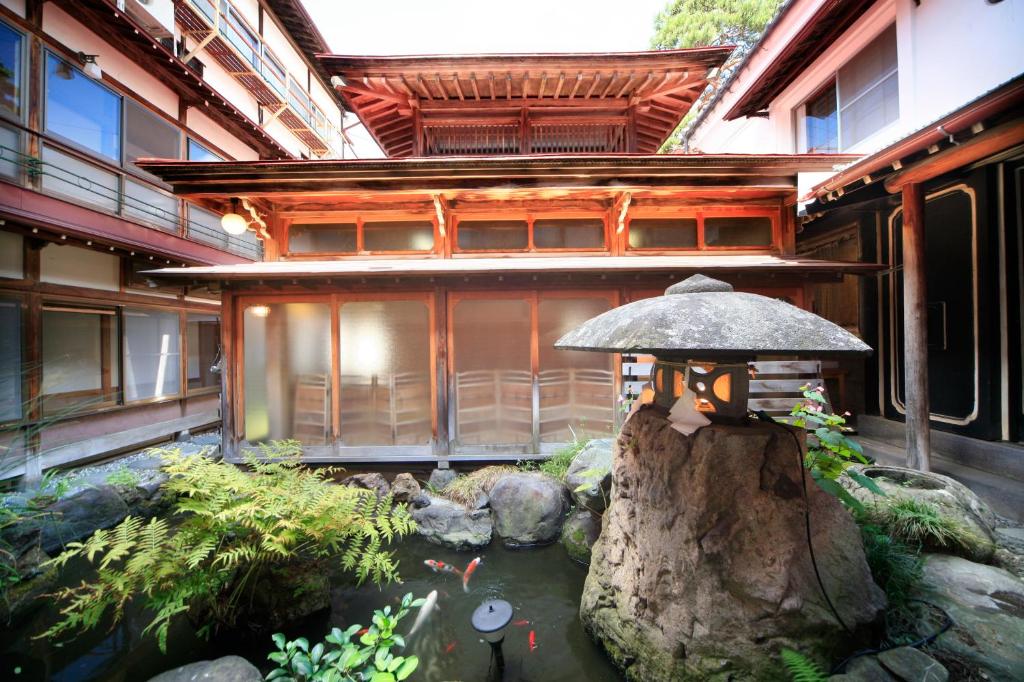
Yudanaka Onsen Seifuso

In Japan, there are many festive seasons and tourist seasons, each with a different feature. Traveling in each season means you will choose for yourself a unique and different time which only that season own in that year. If I love photography, I would only divide Japan into two separate seasons: Cherry blossoms season and red leaves season (momiji season).

7pq93
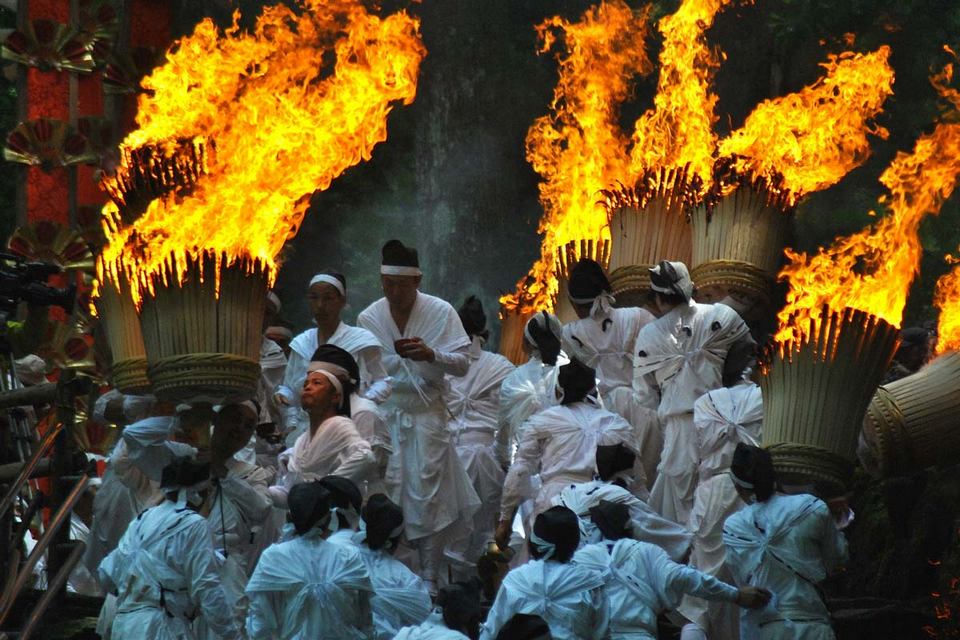
Nachi Fire Festial in Wakayama. One of the most unique festivals in Japan.

Spring – Cherry blossom season lasts from March to May

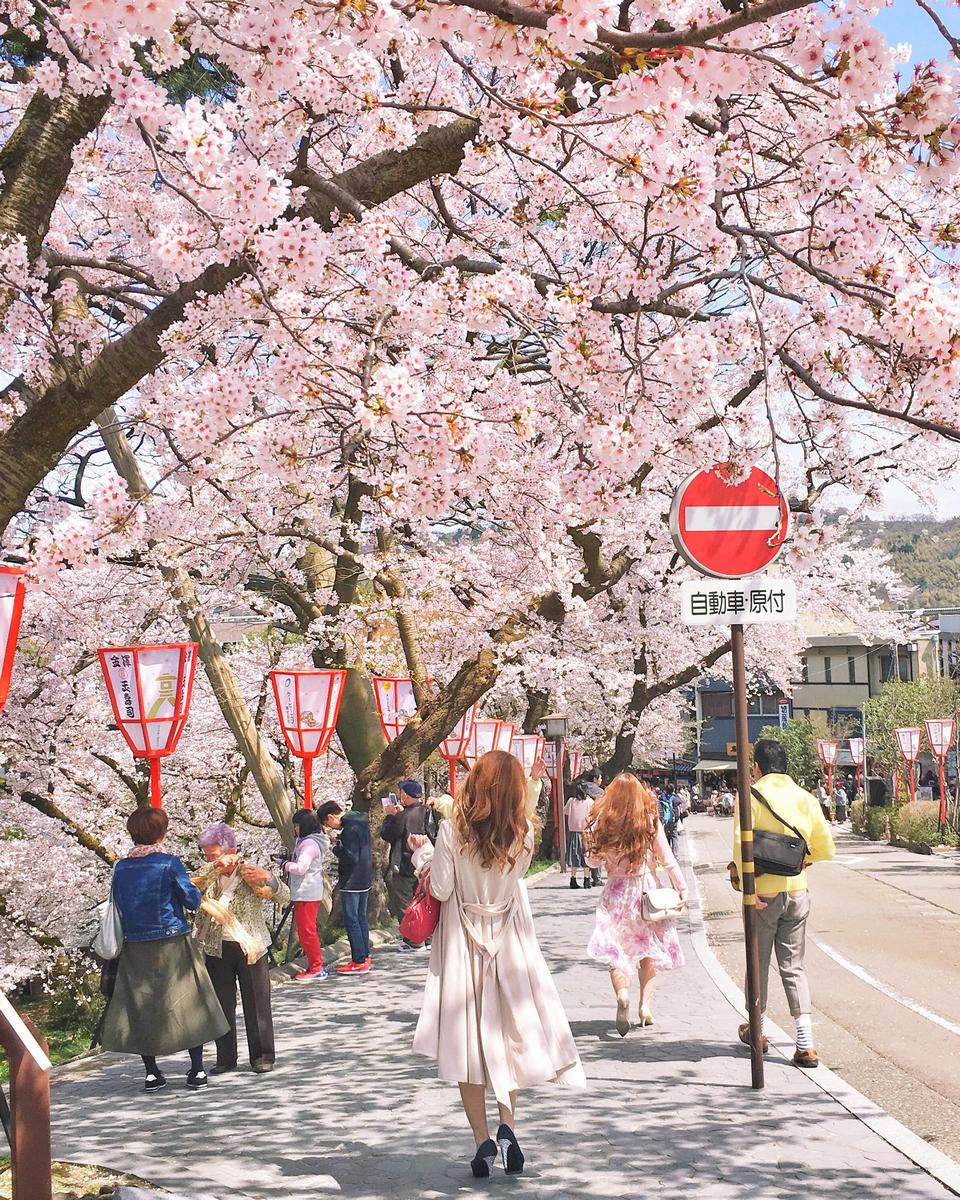
This is the time for cherry blossoms – Sakura blooms throughout Japan, from the coastline regions to the high mountains. However, the cherry blossoms only bloom most strongly in about 20 days from the end of March to the middle of April every year. You should watch the cherry blossoms forecast in Japan to update frequently.

8m5up
Full bloom cherry blossoms in Kanazawa

This is also the peak tourist season in Japan. Tourists from all over the world flock to Japan, extremely crowded, sometimes you have to hustle and jostle, very tired. At the end of March it was still very cold, and cherry blossom usually only bloom when it started to get warmer. Cherry blossom festivals are held everywhere.

doqa7
Kiyomizu-dera temple in cherry blossom season

Summer from June to August

This is a period with quite hot weather, with it rains a lot. You might consider to participating in a number of festivals such as fireworks, Mount Fuji climbing. In addition, going on vacation this season is also very interesting with many cool locations in high mountains and dreamlike beaches.

qnzns
Summer is the great time to visit Sapporo, Hokkaido

Fall from September to November

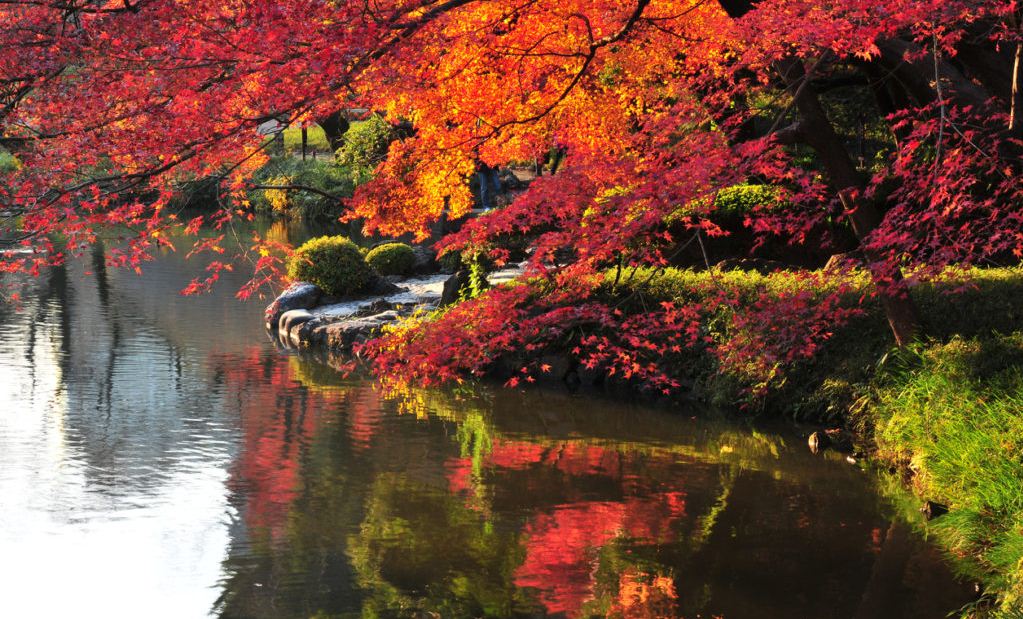
The season of red leaves (momiji) usually begins in October, the scenery is full of romance that any lovesick lover must flutter. If you are a photography enthusiast, this is a time not to be missed, the forests are filled with red leaves like colorful paintings.

ta4x0
Japan in Autumn

golu9
Winter from December to February

5eae9
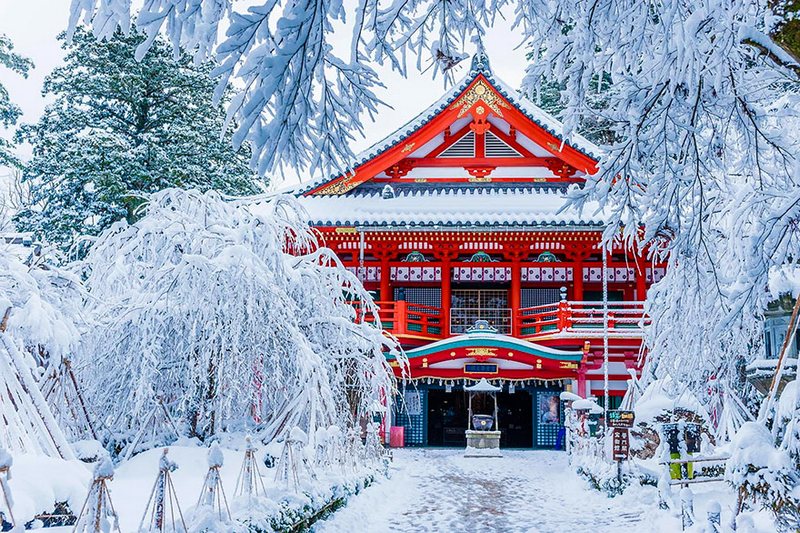
Natadera Temple In Winter

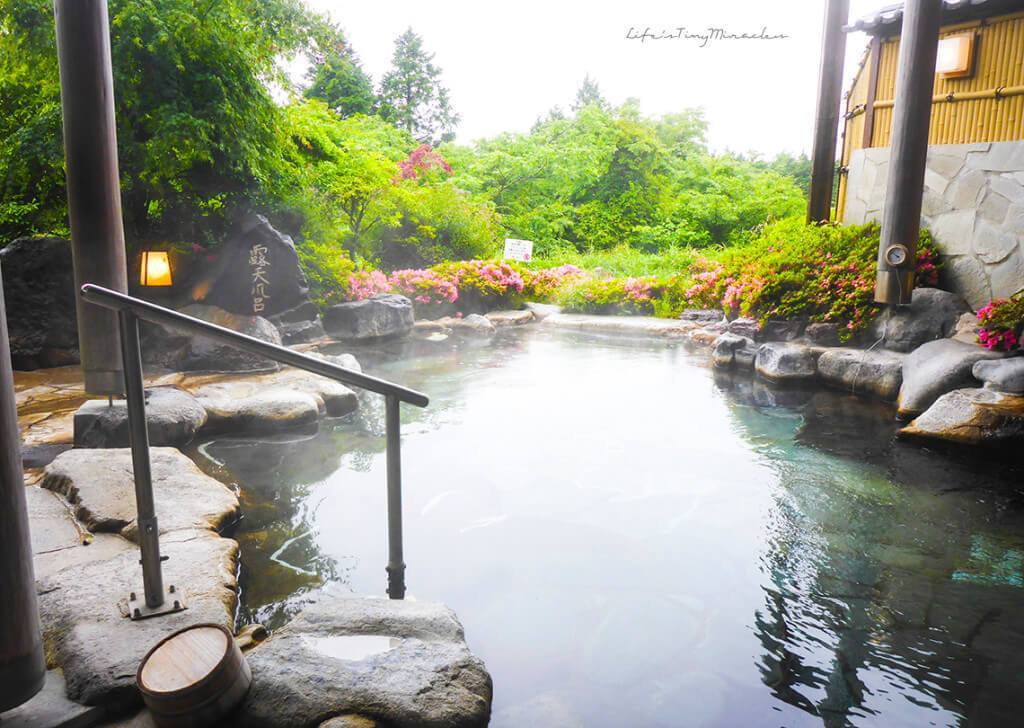
Although the weather is quite harsh in this season, visitors less coming to Japan. But this is the time for those who want to feel a Japan with tranquility, drowning in thick white snow. You can choose this time to skiing, choose the resorts in the high mountains for restingn, onsen bathing – a specialty of Japan.

sq24o
Hakone Onsen

Japan guide: Flying from Vietnam to Japan

First you need to determine which city to fly to in Japan first on your journey. There are 2 major cities that flights from Vietnam or other cities in the world to the most are Tokyo and Osaka with Narita and Kansai airports respectively. If you are planning for an itinerary to go to both cities, you can choose roundtrip tickets to one of these two cities, buy JR Pass to travel to the two cities and it only takes 3 hours.

4cs01
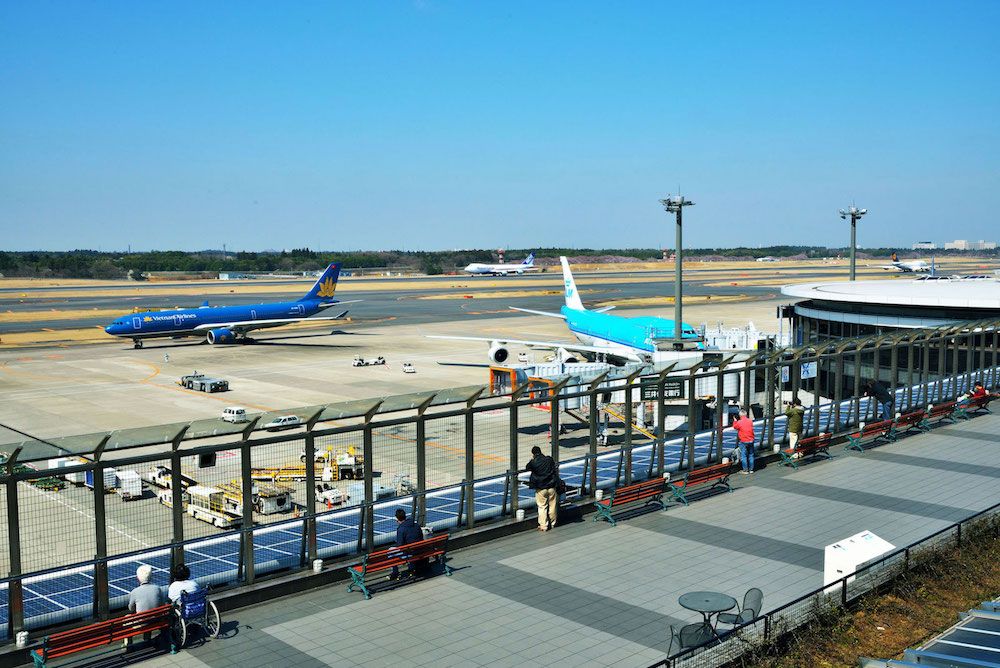
Narita International Airport

There are many airlines operating the flying routes between Vietnam and Japan, the most popular ones are Vietnam Airlines (VNA) and Vietjet. VNA air tickets are generally quite high, around $430 – $860/round trip. During the peak season when cherry blossoms, the tickets are even higher.

If you want buy cheaper airfares, you can consider flying with Vietjet. If you are lucky enough to hunt for cheap tickets of $0, the round trip tickets to Tokyo or Osaka and are only about $172 – $215/roundtrip. Another tip is that you can wait until the departure date and go to the travel forums, hunt for tickets of those who have bought cheap tickets and resell. Usually, those who have purchased cheap tickets for a long time but have could not get visa and they wishing to resell.

iclzq
Gion district, Kyoto

Japan travel guide blog: How to getting around Japan?

h0dcf
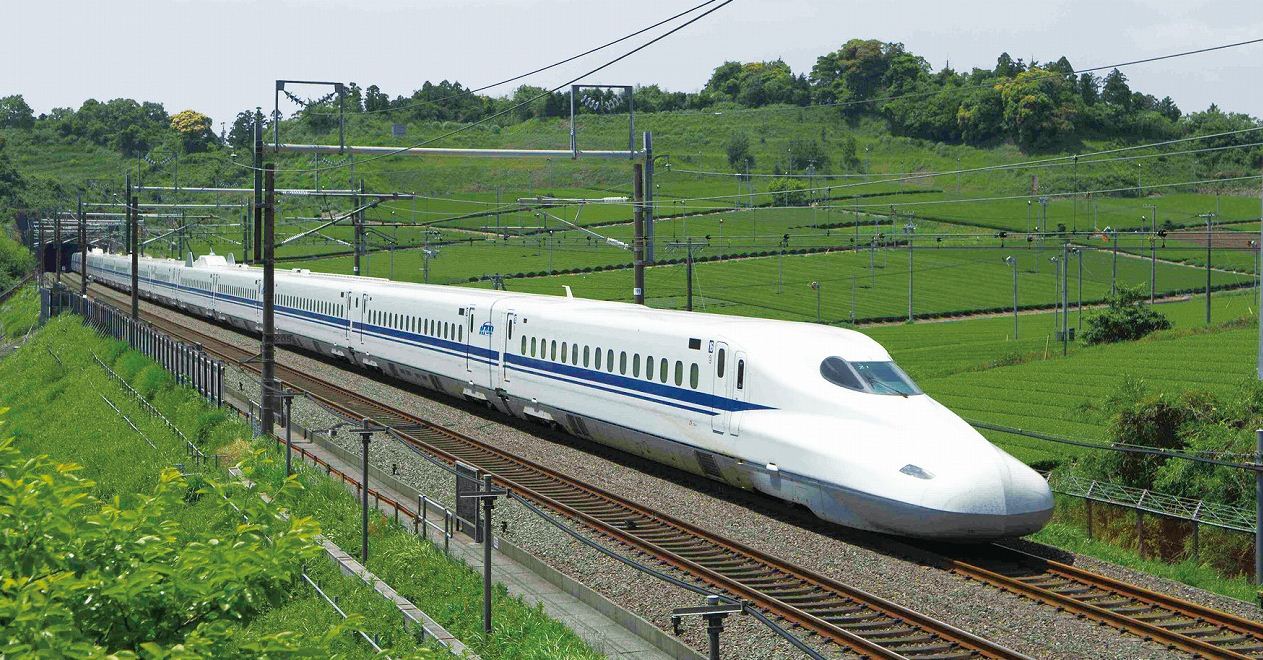
Shinkansen from Tokyo to Kyoto

Firstly, you need to find out an overview of Japan’s transportation. Travel in Japan is very convenient between provinces and major cities with railway system spread throughout the country. Just like in Europe, Japan has the following basic types of trains:

Shinkansen bullet train (Super high speed train): The train travels between provinces and major cities in Japan with speeds up to 320km/h.

High speed train transports passengers between provinces/cities.

Regional train (local train): Traveling around a region or between localities around a certain province.

Train in the city: Metro, subway travel in a certain city (will be more detailed guide in articles sharing travel experience of each specific city)

cl60l
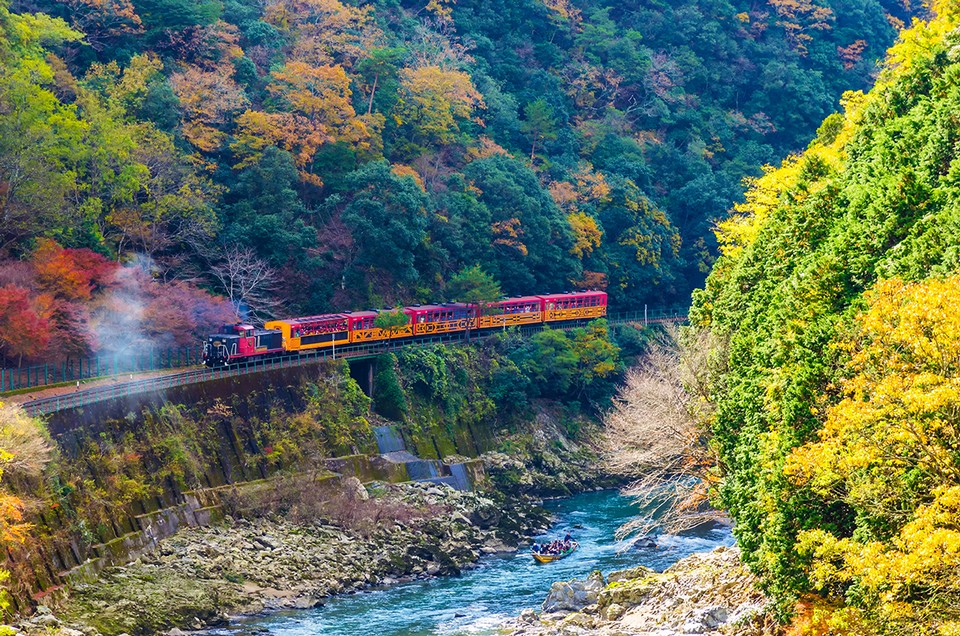
Watarase Keikoku Railway (local train). One of the most scenic train ride in Japan

That are about the types of trains, but also you need to know that the cost of travel in Japan is extremely expensive. If you come to Japan and only stay in one city, no need to worry. But if you go with an itinerary of 7-10 days, each city stays for 2-3 days, you should consider buying Pass (day ticket) that is not limited travel in a region or the whole of Japan.

Using the JR Pass when traveling in Japan

qxntg
JR Pass cards are used by many visitors to navigate the city for convenience.

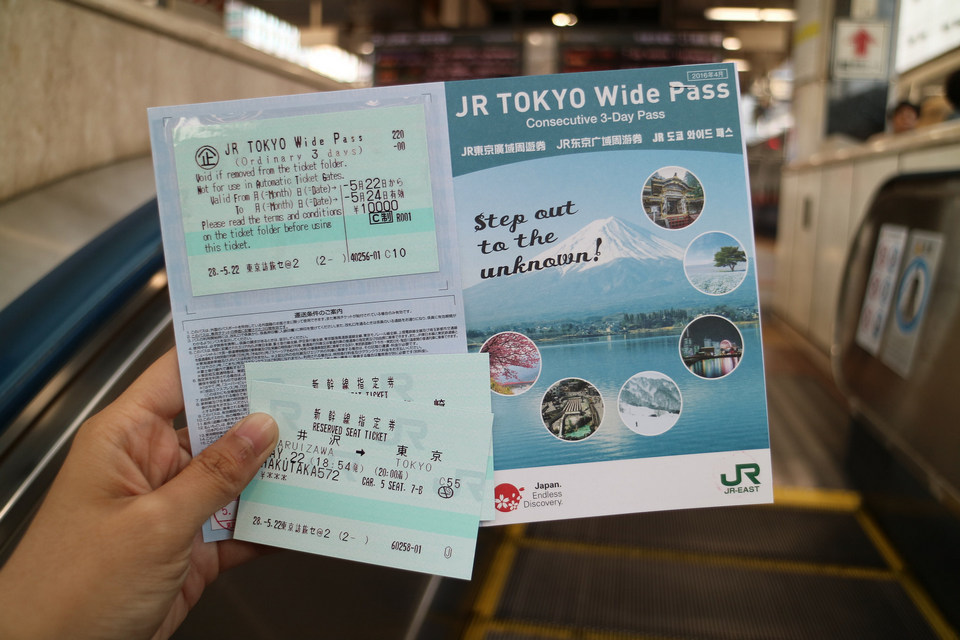
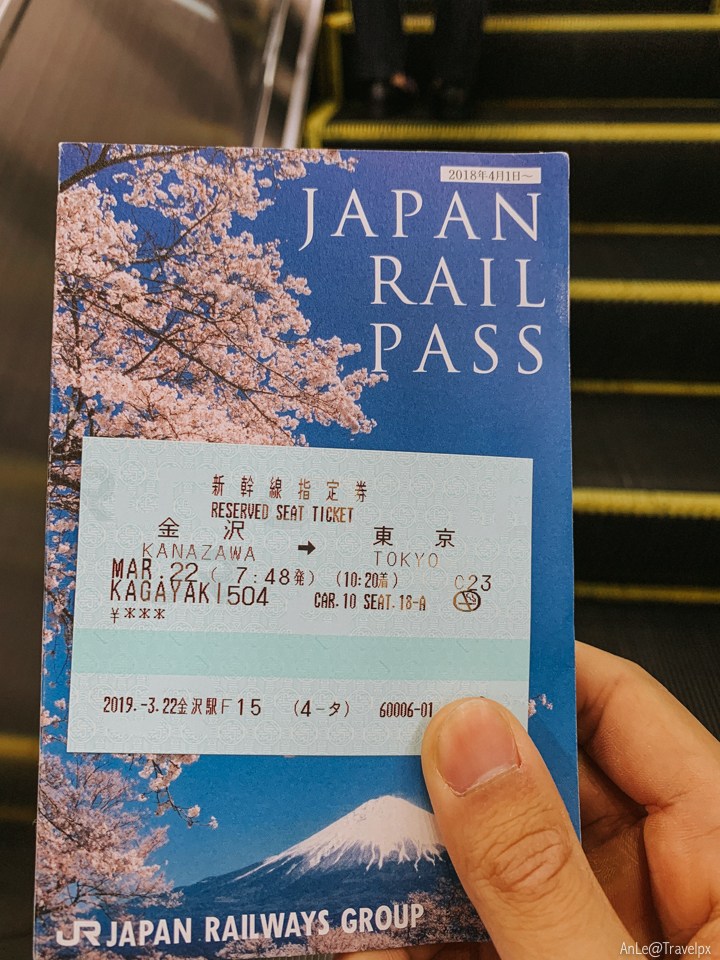
JR Pass is a type of train ticket of Japan that is sold only to foreign tourists (holding a non-Japanese passport). Visitors can use this pass to travel across Japan using the high speed trains, slow trains with validation in the pass without limited travel times.

Read more about the JR Pass here: JR Pass — Top 11 things about Japan Rail Pass you need to know.

How to buy JR Pass?

bgrwc
JR Pass Prices

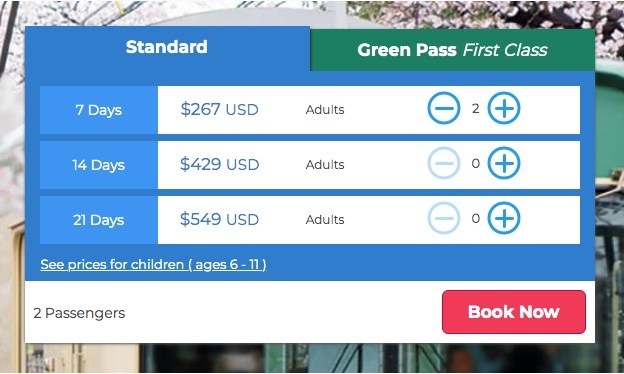
You can buy it right in Vietnam through the authorized distributor of JR Pass. Depending on the number of days you traveling in Japan, or the number of days you plan to use the pass for optimal selection, select the JR Pass type (7-day, 14-day and 21-day passes with prices of $267, $429, and $549 respectively) ). After payment is completed, the seller will deliver the “exchange order” to your home.

y9qss
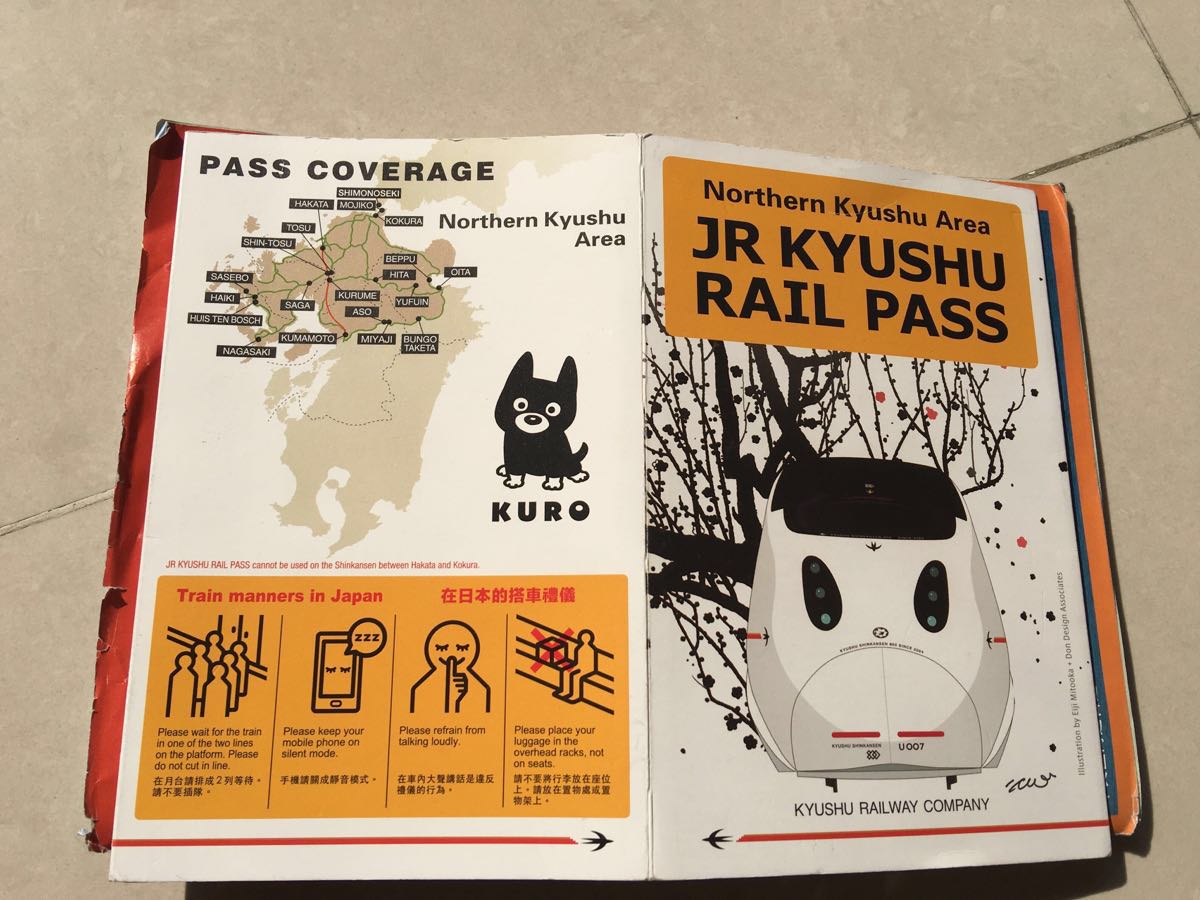
JR Kyushu Pass

After flying to Japan, you will bring this Exchange order to the JR Pass counter at the airport to exchange for a hard card. The effective date of the Pass will be decided by you, depending on your schedule.

You can also buy JR Pass in advance with cheaper price here: JR Whole Japan Rail Pass (Consecutive 7, 14, or 21 Days).

 
Snow monkey in Yudanaka

My trip lasted 15 days, so I bought the 14–day JR Pass. With this pass I can use a lot of long routes, and also the local trains, regional trains, .. wherever there is the JR line is jumping up. Which can be listed here as:

Osaka: Take 2 times from Kansai Airport to the city center and back, take the JR train from Osaka to Kobe, Himeji and return.

Kyoto: Take the train from Osaka – Kyoto, from Kyoto to Arashiyama bamboo forest. There is JR line in Kyoto, so you can access many attractions with the JR Pass.

Takayama: Take the train from Kyoto to Takayama (not Shinkansen but this is a very long route).

Tokyo: Take the Shinkansen from Kanazawa to Tokyo. From Hakone to Osaka.

jupsx
JR Pass 14 days I bought $410, it is also quite profitable compared to buying single tickets on each route. For example, buying single tickets for Shinkansen Osaka – Tokyo route will costs ~ 15.000 Yen/way, round trip is 30.000 Yen. In addition, I also travel a lot of other long and short distances which also exceed the purchase amount of $410 of JR Pass. And the most important thing was that I was able to travel freely without hesitation about buying expensive or cheap train tickets.

Japan travel blog: Where to stay in Japan?

lsei7
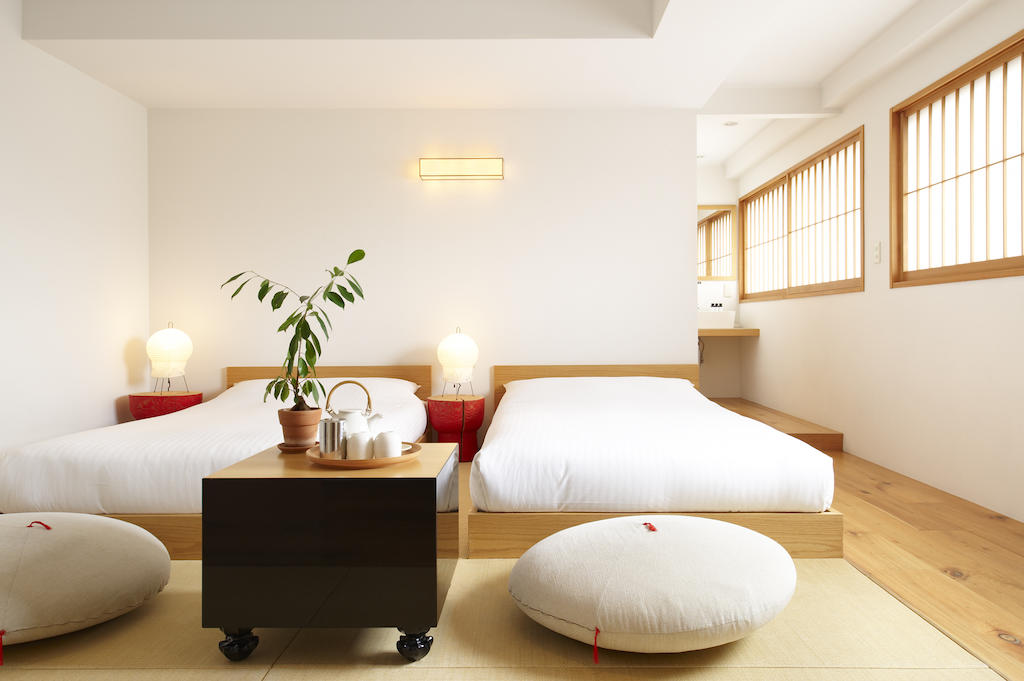
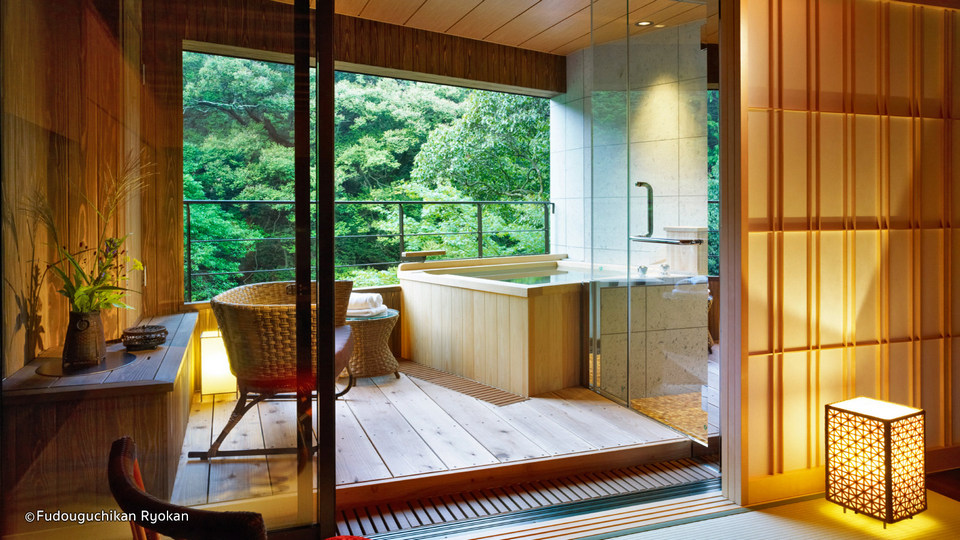
Coming to Japan, you should stay in the traditional homestays to experience like a true local Japanese. In addition, you can stay in a luxurious 5-star hotel in the traditional style, to enjoy both the superior service and the local culture.

7zqml
Fudouguchikan Ryokan

For booking sites, I still use the traditional tools are Booking.com, Agoda.com for hotels/hostels and Airbnb for homestays.

Hostel in Japan for solo travelers and backpackers

nu3o3
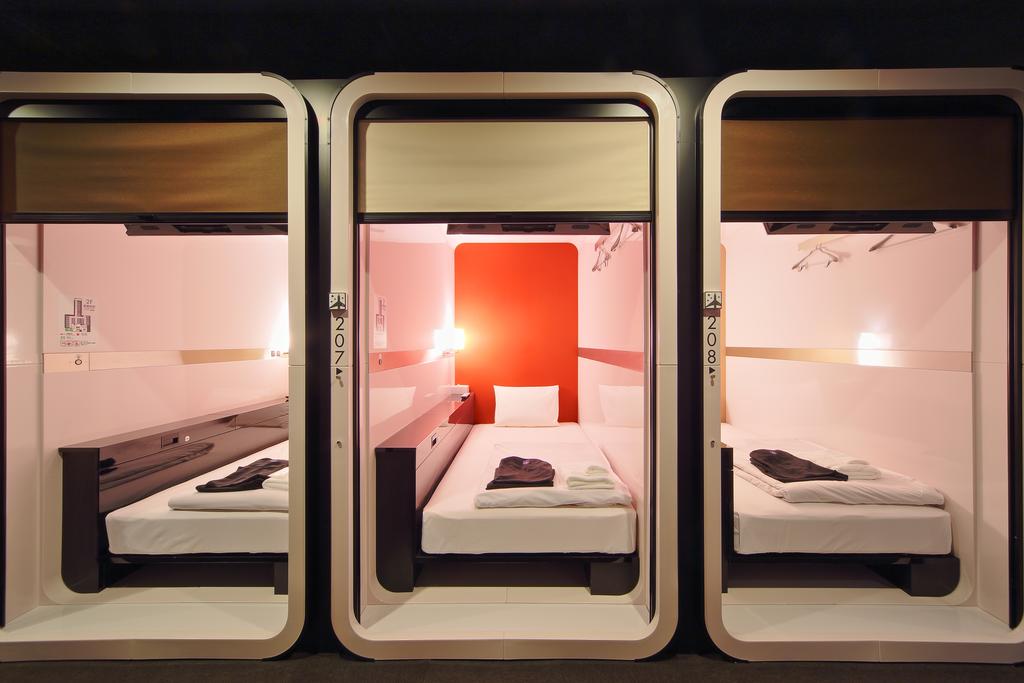
First Cabin

In this trip I stayed at both hotel and hostel, but most worth mentioning probably are the two largest hostel systems in Japan are First Cabin and 9Hours. These are hostel chains that are worth learning from architecture to how to manage and operate.

 
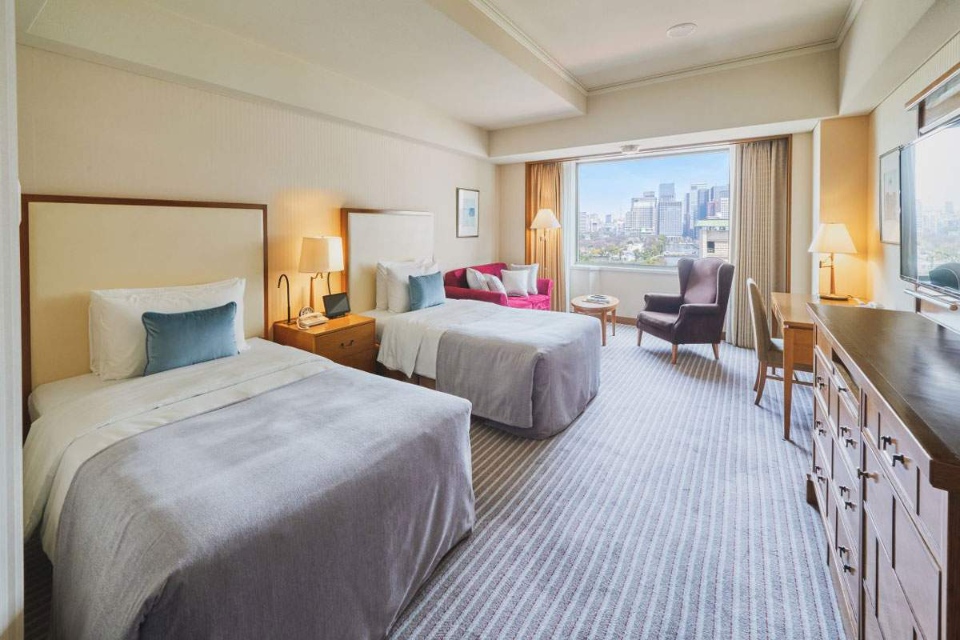
Imperial Hotel Tokyo with a large number of rooms. @hotelmix

hlylm
First Cabin, I stayed 1 night in Osaka and 1 night at Kansai airport. And 9Hours, stay 3 nights in Takebashi – Tokyo. Can compare a bit about these two systems as follows:

Similar:

These are 2 hostel systems with a wide network throughout Japan, especially in big cities like Osaka and Tokyo, from the center to the suburbs. Beautiful design from the campus to each dorm.

Amenities are super complete, equipped no less than 5-star hotels. You will not have to bring anything from home when you are here, because they are equipped with towels, shampoo, shampoo, dryer, comb, … and all day wear clothes (forgot I still have to bring underwear ^^).

Different:

First Cabin excels at dorm. The sleeping area is much more spacious, equipped with a television in the bedroom and fairly spacious shared bath (onsen type but not onsen ^_^).

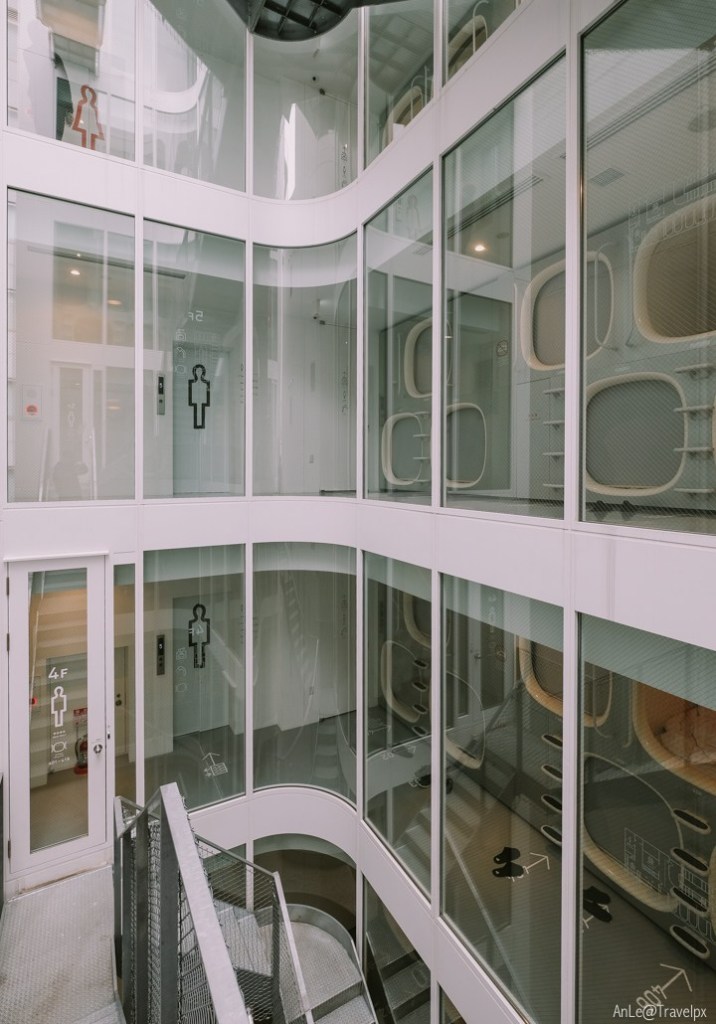
9Hours seems to maximize profits by building a dense dorm system, 2 layers on a floor. But 9Hours has a more unique management style, each guest will have a separate closet located in the Rest Room. Everything from guests’ luggage is stored here, you only bring in the dorm what is needed because the dorm doesn’t have a proper lock. if compares with First Cabin is a bit inconvenient because luggage is not 100% safe, despite having a locker in the bedroom.

z1ozw[……]

Read more

Everything you need to know if you’re travelling to India

Searching for India Travel Tips? India with its geographical, linguistic, spiritual and cultural varieties is too frustrating and leaves its visitors genuinely inspired and astonished. However, the negligent first-time tourists to India may be able to draw comparable feelings from their travel experiences in the country. Exploring India without good research study and planning might not only destroy your travel venture however may likewise deprive you of discovering the absolutely stimulating elements the land is understood for.

As quickly as the very first idea of India trip sprouts in your mind, focus on these necessary India Travel Tips for First Time Visitors that certainly would make a substantial difference.

5d07e
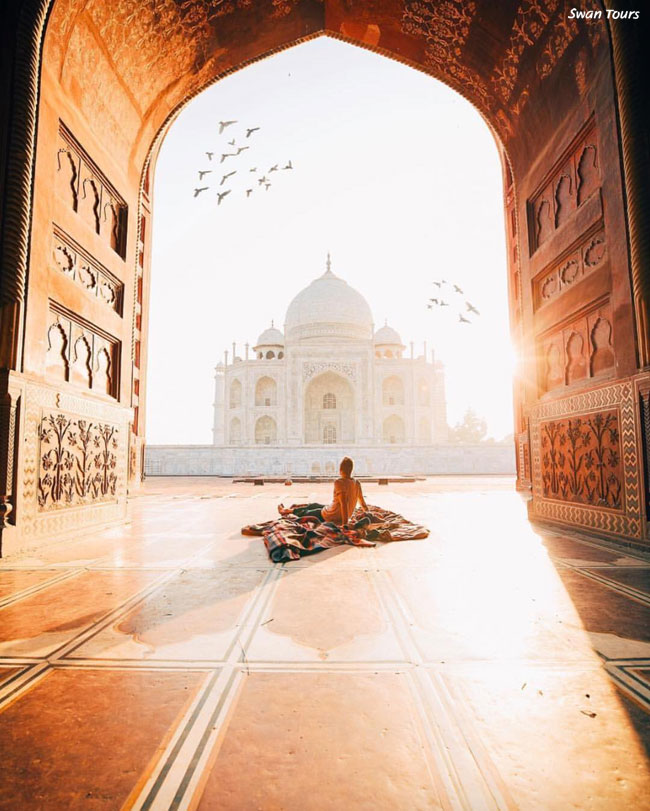
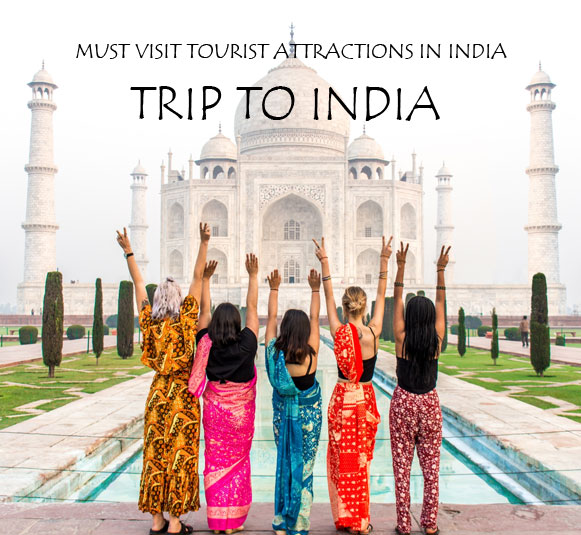
Taja Mahal, Agra

India Travel Tips – Planning Your India Trip

Following suggestions will assist you in the very first phase of preparing your trip to India:

Choose destinations inning accordance with weather. Not every place in India offers year-round tourism. For example, hill stations like Shimla, Mussoorie, Darjeeling, Manali are best visited in summertime’s. In contrast to this, many of the popular locations like Rajasthan, Kerala, Goa, Varanasi, Mumbai and Hampi take pleasure in great travel conditions in winters. Due to extreme weather conditions, this is one of the most important amongst the India travel tips.

It is much better to plan an itinerary clubbing together those falling either on a popular path (like Golden Triangle Tours including Delhi, Agra, and Jaipur) or in one classification (religious, nature, experience, history, heritage or wildlife).

Independent taking a trip in India is inexpensive; however prepared trips are more arranged.

Book air tickets, accommodations, and train tickets much beforehand with Swan Tours at best price. This suggestion is also among the most crucial among the India travel ideas.

Book you holiday packages in India with Swan Tours at economical price.

Preparing for Your Trip to India

Since you may not have gone to the sub-continent before, there are things which might appear unusual. Few of such things which you need to be psychologically ready about are:

Maddening crowds that are virtually everywhere.

Poverty is amongst the leading 10 things to learn about India. You may discover slums next to extremely developed areas. In reality, Mumbai, the financial capital of India is well understood for having sky scrapers with surrounding run-down neighborhoods.

Cows, though worshiped by Hindus, can be seen frequently wandering off in streets, at beaches and other places. In reality, for those who love photography, such sights use unmatched subjects on streets.

Beware of fraudsters who may start chasing you as quickly as you get out of the airport. Schedule through some travel business that is acknowledged by Ministry of Tourism, Government of India. You might send out an inquiry on information at Swan Tours offers totally free advisory to foreign visitors who want to go to India. Just recently, a 24 x 7 Toll-Free Tourist Info line in 12 International Languages including Hindi and English has been released by Dr. Mahesh Sharma, the Minister of State (I/C) for Tourism & Culture and Minister of State for Civil Aviation. The languages handled by the contact centers consist of 10 International languages besides English and Hindi, specifically, Arabic, French, German, Italian, Japanese, Korean, Chinese, Portuguese, Russian and Spanish. This information line will be for tourists taking a trip in India and will be definitely free of cost to be availed for either getting any information associated to travel in India or in case if any travelers are in Distress

Cultural shock! If it’s the very first genuine rendezvous with the Indians, be prepared to find them totally various, but a bulk of them are very friendly.

Communication gap. India has scores of languages which in turn are spoken utilizing different dialects. Even English can be heard in different versions.

Intrusive questions! Indians ask a lot! Do not mind answering about your profession or household; however understand where to draw the line.

eoo0q
Stay Safe in India

Dress up decently (specifically if you are a woman, alone or in a group) to avoid unnecessary attention.

Never go into the crowded areas without a regional guide, specifically if you are a woman.

Store your money and important thoroughly and never take them when visiting the congested locations.

Never leave your valuables ignored.

Stay Well in India

Consume Wisely: Take time to get accustomed to the tangy nature of food. Nevertheless, pay special attention to health while selecting street treats that may leave your stomach adversely upset.

Drinking Water: Never ever consume from faucet water. Always bring packaged drinking water and acquire the bottles from a decent vendor only after inspecting the seals.

Pollution: It is amongst the important things to understand about India that you need to clean your face routinely, wear a mask or headscarf and cover your hair.

Medicines: Always carry medications for a headache, level of acidity, diarrhea and other likely conditions. Don’t mind speaking with a medical specialist.

Stay On-time

Traffic: Whether you check out the cities like Delhi and Mumbai or the historical cities like Agra and Jaipur, traffic on roadway is exceptionally agonizing. What makes it worst is the condition of roadways which is quite unpleasant in couple of parts. Leave your hotel a couple of minutes previously than the schedule to prevent delays. For those who are eagerly anticipating visiting Agra, please note that Taj Mahal is closed for visitors on Fridays.

Taxis and Cabs: When in need to employ taxis for airport transfer or small trips within cities, utilize pre-paid services. You can also download OLA or UBER cab apps to book cabs in metro cities.

Cycle-rickshaws and Two-wheeler Rentals: The fastest mode to navigate through high-traffic locations and old narrow alleys.

Visiting Time: The opening and closing hours in addition to the closing days or months of various wildlife reserves, temples and monoliths are among the required things to understand about India prior to checking out.

4wroo
Know the Culture of India

Always utilize right hand while eating, touching and using things to the locals. In India, the left hand is used to tidy after defecating.

Elders in India are appreciated by touching their feet.

Prefer dealing with seniors as ‘uncles’ and ‘aunties’ than with their names or surnames.

Never go into a religious location (particularly those of Hindus, Muslims, Sikhs, Jains, and Buddhists) without getting rid of footwear (and socks too). You might likewise be required to cover your head before getting in couple of temples or Gurudwara.

Public screen of love, through kisses and hugs, is not the culture in India.

Avoid stepping your foot on something.

Pointing feet to people or spiritual items and buildings is considered bad.

cmhun
Things to Avoid in India

Don’t fall for beggars. They are usually everywhere.

Ignore the stares. Individuals in India typically looking at immigrants out of interest, although they may not have any incorrect objectives whatsoever.

Stay away from petting the roaming dogs and other animals.

Don’t travel alone during the night.

Don’t react to repeated smiles.

Never get into argument with promotes. They are best avoided

One of the very best India things to do is to bargain. You can easily secure discount rates and excellent costs on the real price being demanded. Nevertheless, bargaining is to be prevented at high street malls.

Carry devices with a great deal of applications and internet support. Bring power bank for mobiles.

United States and Canada utilize 110-volt electricity, while in India 220-volt electrical energy is utilized. Thus, do not forget to take your converters, adaptors, and transformers for your home appliances.

Spend on shopping fantastic handicrafts, but ensure you get the genuine ones. Select approved locations while purchasing silk fabrics in Mysore, marble operate in Agra embroidered clothes in Jaipur and other popular regional specialties.

Tip as you can quickly manage it in exchange for quality services.

Seeking recommendations from friendly-looking individuals. Indians the majority of the time is rather friendly.

While this was an effort to provide extensive suggestions about exactly what to learn about going to India, you can obtain more info from your Indian friends or the experienced and regular visitors to the nation. As an educated visitor, you will receive a far much better welcome to this multifaceted land. Hope you liked these India Travel Tips.[……]

Read more

Your Ultimate 14-Day Japan Travel Itinerary

78wyc
A place that embodies timelessness, Japan is the perfect travel destination to experience the sheer fusion of ancient traditions and modern life.

You’ll find shimmering, neon-lit streets only a car ride away from dancing geishas, and Zen rock gardens juxtaposed with a raucous nightlife. The country of contrasts, Japan offers a mixture of experiences and backdrops to satisfy every traveler’s dream.

Whether you’re interested in navigating the hustle and bustle of Tokyo, skiing the snowy mountains of Hokkaido, or immersing yourself in Japan’s traditional culture, this Japan travel itinerary for 14 days covers it all.

Are you ready to fall in love?

But First – When is the Best Time to Go to Japan?

Japan is a year-round destination, so deciding when to go depends entirely on you. The season you choose will only affect your packing.

Peak Season: April – August

Spring and summer are Japan’s peak seasons. Experience cherry blossom season in April or enjoy warm summer days in August. August is especially popular because of all the festivals – from Obon Festival to Daimonji Fire Festival in Kyoto.
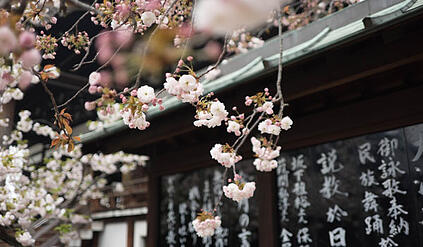
fuq2l
Best Months for Winter Travel: January – March

January through March is the best time to go to Japan if you love winter. Participate in all sorts of winter activities in the Japanese Alps or get low rates for accommodations (apart from Japanese New Year) in Tokyo.

Transportation Hassle: Solved!

The public transport system in Japan is exceptionally clean and hassle-free.

Consider purchasing the Japan Rail Pass if you plan to follow this Japan travel itinerary for 14 days (or if you’ll be in Japan for at least 7 days). This will help you hop on and off trains without ever having to worry about purchasing tickets.

The JR Pass is available for 7, 14, or 21 consecutive days, but you will need to book in advance before you arrive in Japan.

5cqqh
PRO TIP! Visit the Hyperdia website for updated timetables and transport options. This site makes it easy to get from one place to the other in Japan.

Day 1 – 4: Bustling Tokyo!

Tokyo is a great first stop when it comes to visiting Japan. The city is, simply put, unreal – its bustling metropolis buzzes with endless possibilities and constant life. It also offers a plethora of attractions for every type of traveler.
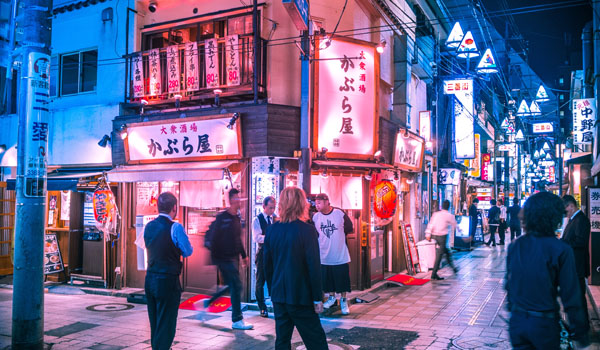
k4q7p
Arrival – Main Airport

Tokyo has two main airports:

Narita Airport

Haneda Airport

We recommend flying into Haneda Airport if possible – it’s closer to central Tokyo. If you’re flying into Narita Airport then the easiest way to get to the city center is via the Narita Express Train.

Where to Stay in Tokyo

Luxury: The Grand Hyatt Hotelis one of the best places to stay for an ultra-luxurious experience. Or you can spend your time at Park Hyatt Tokyo, the hotel from Lost in Translation.

Mid-Range: Akasaka Excel Hotel Tokyo is ideal for its convenient location and proximity to a subway station. The Gate Hotel by Hulic is another mid-range hotel that feels luxurious but offers more affordable prices than the rest of Tokyo.

Budget: One of the most popular budget hotels in Tokyo is the Richmond Hotel Asakusa, known for its walking distance to the Sensoji Temple.

Where to Eat in Tokyo

Choosing where to eat in Tokyo is exceptionally hard because everything is just way too good. You’ll find everything from cheap eats to fine dining, incredible vegan restaurants, and the greatest number of Michelin-starred restaurants in the world.

Some of our top picks include:

Umegaoka Sushi No Midori – best for affordable sushi

Kotaro – for dishes that are made right in front of you (by Chef Kotaro Hiyashi)

Tamawari – for the most flavorful soba in Tokyo

Ginza Adachi Naoto – for a creative approach to traditional Japanese dishes

Get the Tokyo City Guide and discover more things to do, where to stay, and how to get around in Tokyo!

What to Do in Tokyo – Day 1

The possibilities for your first day in Tokyo are endless. Pass through the gates of Kaminarimon and spend your first few hours exploring the Nakamise Shopping Street in Asakusa (the center of Tokyo’s “low city”). Embrace the old-town vibe as you make your way to the world-renowned Sensoji Temple, which dates back to 645 A.D.

Next, head over to Tokyo Skytree for panoramic vistas that’ll give you a glimpse of Tokyo’s unique fusion of tradition and modernity.
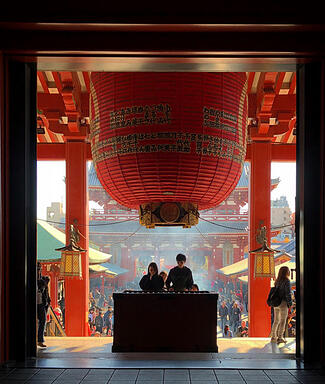
gug3u
Spend the latter part of your afternoon strolling around Ueno Park. Museum buffs will enjoy this haven of museums, which includes:

Tokyo National Museum

National Museum for Western Art

Tokyo Metropolitan Art Museum

National Science Museum

Spend your first evening amidst the lively streets of Shibuya. The neon lights, the atmosphere that teems with young energy, and the busiest crossing in the world – sign us up, please!

What to Do in Tokyo – Day 2

Here’s the good news: breakfast at Tsukiji Fish Market will give you a first-hand experience of Japanese culture and life. The bad news? You’ll have to wake up before dawn to avoid the crazy long lines.

After you’re done having fresh sushi for breakfast, take a walk down Omotesando, Tokyo’s high-end, tree-lined shopping street. You choose whether you window shop or splurge at the top designer boutiques!

Next, visit the architecturally-impressive Tokyo International Forum. Walk for 10 minutes to visit the symbolic Imperial Palace and its surrounding parks and imperial buildings.

For your second evening, see if you can snag a seat at a Michelin starred-restaurant in Roppongi – or stop for dinner at any one of the bars or clubs!

What to Do in Tokyo – Day 3

Find the epitome of Japanese culture at Harajuku. Walk around Yoyogi Park for some people-watching and see if you can spot any cosplayers in extravagant costumes or traditional musicians performing!

Adjacent to Yoyogi park is the Meiji Shrine. Tucked into the heart of a leafy forest, the Meiji Shrine is dedicated to the spirits of Emperor Meiji and his wife. Take a leisurely stroll through the 100-year old urban forest that surrounds the shrine.
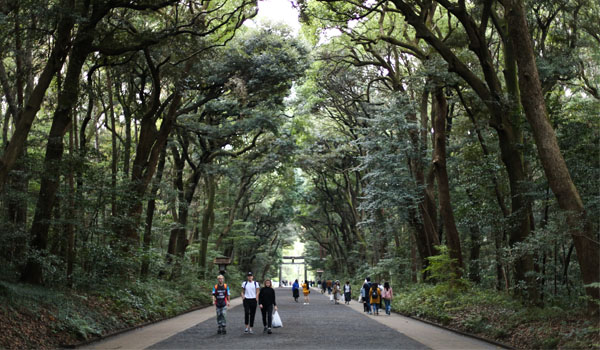
x009d
Spend the rest of your day in Shinjuku, one of 23 city wards in Tokyo. Have a drink at New York Bar and enjoy reenacting Bill Murray’s scenes from Lost in Translation!

What to Do in Tokyo – Day 4

One taste of Shibuya isn’t enough for most visitors to Japan. Head back over to Shibuya to admire the renowned Hachiko dog statue dedicated to the Shiba Inu (which inspired a whole movie). Then travel the largest pedestrian crossing in the world – the Shibuya Crossing.
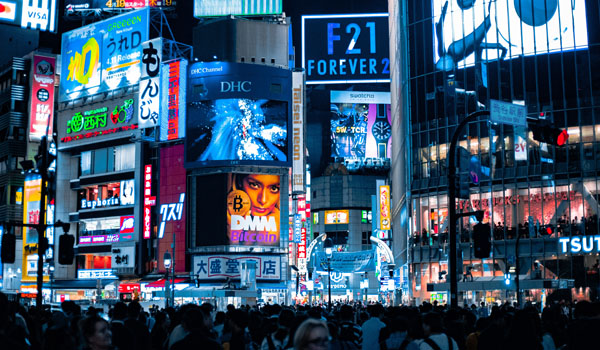
emget
Take the train back to Shinjuku to experience the diversity of Shinjuku Gyoen National Garden. There you can find:

A traditional Japanese garden

An English garden

A French Garden

PRO TIP! If you’re visiting during April, this is the perfect place to view cherry blossoms!

Day 5: Day Trip to Hakone

Ah, Hakone. Pristine blue lakes, hot springs, peaceful forest walks, traditional ryokans, and the majestic backdrop of Mount Fuji make Hakone the ultimate day-trip from Tokyo.

How to Get There

Duration: About 2 hours.

Use your JR Pass to take the train from Tokyo Station to Odawara. Then ride the Hakone Tozan train to Hakone-Itabashi (not included in the JR Pass, so you’ll need to buy a separate ticket).
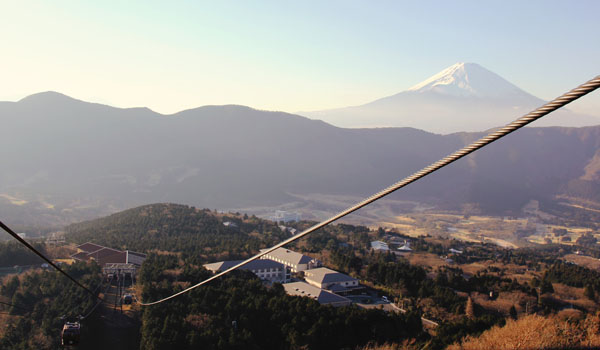
j7owb
Where to Eat in Hakone

Tamura Ginkatsutei – the best restaurant for the traditional style of pork katsu

Pannomimi – get ready for all-things cheese at this quirky restaurant

Yamahikozushi – find quality, affordable sushi at this restaurant located across the river

Kirakusou – traditional soba restaurant with hand-made soba noodles

What to Do in Hakone

Once you get to Hakone, spend your morning by Lake Ashi to enjoy the views of the iconic Mount Fuji. Then hop on a pirate boat (seriously!) to get full views of the surrounding mountains and the sprawling lakes.

Visit the Hakone Open Air Museum, which features indoor and outdoor exhibitions, modern sculptures, and an entire Picasso Pavilion exhibit showcasing 300+ of his pieces.

Relish in the sheer grandeur of the Hakone Shrine and wander through Hakone Cedar Avenue. You’ll feel as though you’re in a fairytale in this forest of ancient, 500-meter-tall cedar trees.

Day 6 – 7: Kyoto

The ancient city of Kyoto is one of the top places to put on your Japan travel itinerary. The epitome of traditional Japan, here you will see shrines, temples, wooden buildings, and Japanese gardens. It’s no surprise that Kyoto is home to 17 UNESCO World Heritage sites.
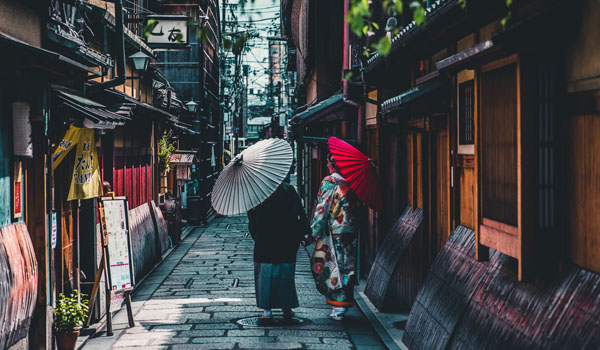
ai90d
How to Get There

Duration: 2 hours and 40 minutes.

Take the Hikari Shinkansen train to Kyoto.

Where to Stay in Kyoto

Luxury: Hiragiya Ryokan is an authentic and traditional Japanese inn. Another option is the Ritz-Carlton Kyoto, which features pure elegance, large swimming pools, and spacious rooms.

Mid-Range: The Kyoto Hotel Okura is classy, traditional, and quiet. It’s also in close proximity to Kyoto’s top attractions, thanks to the Kyoto Shiyakusho-maeSubway Station next door. Royal Park Hotel the Kyoto is right in the city center and close to top geisha areas. Hotel Granvia Kyoto is another large hotel with plenty of shopping and dining opportunities nearby.

Budget: You’ll get the most value for your money at Hotel Gracery Kyoto Sanjo. Despite it being a budget hotel, its rooms are large, there’s free Wi-Fi, and it’s in a great location.

Where to Eat in Kyoto

Saga Tofu Ine – enjoy local tofu and try the yuba and yudofu

Nishiki Market – explore traditional food stalls and try some of the most delicious food in all of Kyoto

Gion Karyo – have a traditional Japanese-style meal at an old Kyoto house

What to Do in Kyoto – Day 6

Start your first day in Kyoto with a stop at one of the city’s top tourist attractions, the Tenryu-ji Temple. This eminent Zen temple and its mountainous backdrop are perfect for a calm morning stroll.

After you explore the temple, experience the magic of the Arashiyama Bamboo Grove. Listen as the bamboos calmly sway with the breeze, and soak in the beautiful views from Togetsukyo Bridge. Make sure to take a rickshaw ride to get the full local experience!

Head over to the Ryoan-ji Temple for a serene afternoon. Walk through the Zen garden, reflect on your trip thus far, and check this UNESCO World Heritage Site off your list!

Next, stop by Kinkaku-ji Temple, an incredible two-floor Zen temple adorned with golden leaves. This temple offers sprawling views of its peaceful surroundings.
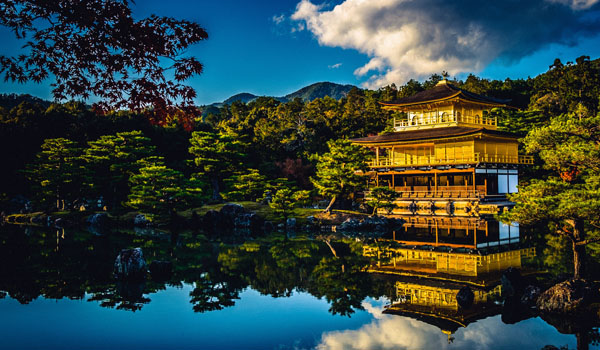
b8d5s
Finally, take a stroll down Hanami-koji street to get a first-hand experience of a geisha district. Get an introduction to several Japanese arts at the cultural show held every day on Gion Corner (at the end of Hanami-koji).

What to Do in Kyoto – Day 7

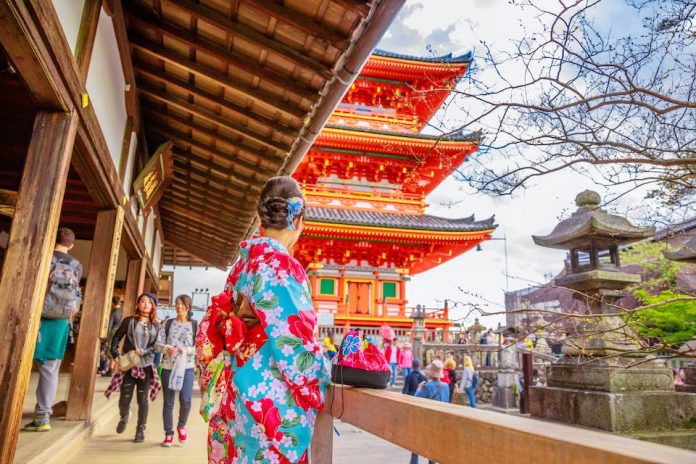
Today you’ll visit one of Japan’s most iconic temples – the Kiyomizu-dera Temple. This ancient temple offers incredible views of Kyoto from its wooden balcony.

Do some shopping at Sannen-zaka and take some time to gawk at the traditional architecture surrounding you.

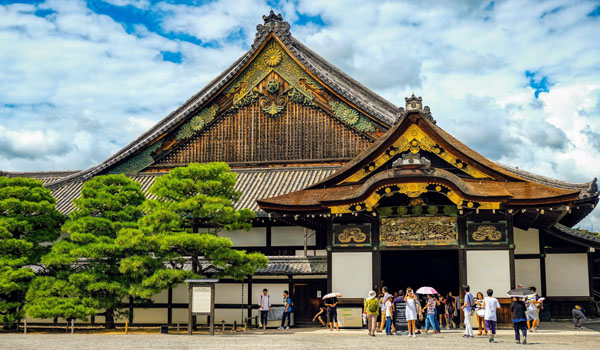
If you want to see what a real samurai castle looks like, head over to the magnificent Njio Castle. Ogle at its nightingale floors, gorgeous gardens, and intricately-decorated ceilings, floors, and rooms.
iqupu
Your last stop in Kyoto is Heian Jingu Shrine, which was built to celebrate the 1100th anniversary of Kyoto as the capital of Japan.

Day 8 and 9: Osaka

Osaka should be a priority in your Japan travel itinerary. The thriving metropolis retains a distinct culture and an energetic vibe unlike anywhere else in Japan.
jlyy0
How to Get There

Duration: 12 minutes.

Take the high-speed shinkansen bullet train from Kyoto to Shin-Osaka.

Where to Stay in Osaka

Luxury: The Ritz-Carlton Osaka is the top choice if you’re looking for luxury accommodation and superb rooms. The St. Regis is another perfect centrally-located hotel.

Mid-Range: Nikko Hotel Osaka offers rooms with breathtaking views of Osaka.

Budget: Dorm Hostel Osaka features a library lounge, plenty of dorms, and is very close to most attractions. It’s great for students!

Where to Eat in Osaka

Janjan Yokocho Alley – a must if you want to try kushikatsu (deep-friend skewered meat or vegetables)

Dotombori – try the food at any of the stalls for a truly immersive Japanese experience

Eggs & Things – the most popular brunch place in Osaka

Salon de Amanto – a restaurant run by artists that host talks and live performances

The Conrad’s 40 Sky Bar & Lounge – the best bar to take in the breeze and sip on a cocktail after a long day exploring

Explore the Osaka City Guide for more must-see sites and activities!

What to Do in Osaka – Day 8

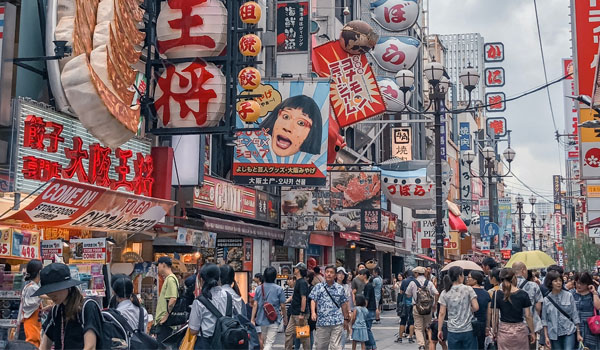
Take the first few hours in Osaka to acquaint yourself with Dotonbori. A popular tourist destination, this street runs parallel to the Dotonbori canal and is filled with the original charm of Osaka.

There you’ll find markets, theaters, towering neon-lit buildings, shops, and a plethora of street stalls. You’ll probably pass by the famous Gilco Man sign, so be sure to take a picture!

You can also take a river cruise across the Tonbori River or shop your trip away at Shinsaibashi-suji.

Locals hang out, drink, and mingle at Triangle Park, so this is a great spot if you’re interested in a chill, local evening. If you want more of a lively evening that you won’t forget, Shinsaibashi should be on your list!

What to Do in Osaka – Day 9

Otaku Road is a must-see destination for fans of all-things video games and anime. Next, juxtapose that modernity by visiting Osaka’s most famous shrine, the Sumiyoshi Grand Shrine.

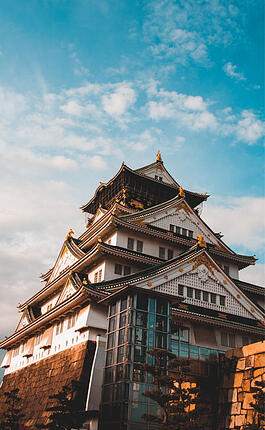
Visit the Osaka Castle to experience the sheer grandeur of its park complex, its impressive grounds, and its stunning castle walls.

Finally, enjoy panoramic views of Osaka via the Umeda Sky Building – and have dinner after on the basement floor!
syx1l
Day 10 – 11: Hiroshima and Miyajima

Hiroshima is much more than its tragic past and deserves to be explored. You’re bound to put it on your favorites list after exploring its historical sights, fun galleries, and delicious cuisine.

How to Get There

Duration: 1 hour and 30 minutes – 2 hours and 13 minutes.

Take the train from Shin-Osaka Station to Hiroshima Station. You can choose between Sakura (1 hour and 30 minutes) or Hikari (2 hours and 13 minutes).

Where to Stay in Hiroshima

Luxury: The Sheraton Grand Hotel is modern, high-end, and boasts beautiful wide rooms.

Mid-Range: Mitsui Garden Hotel Hiroshima is a modern hotel that is only a few minutes’ walk to the Peace Memorial Park.

Budget: J-Hoppers Hiroshima Guesthouse – This hostel is a perfect budget gem.

Where to Eat in Hiroshima

Yakigaki-no-Hayashi – a fantastic seafood restaurant which reflects Japanese cuisine in all its dishes

Okonomi-Mura – try the local delicacy called okonomiyaki

Shanti Vegan Café – healthy, vegan choices – great for breakfast!

Hassei – another okonomiyaki restaurant catered more towards locals

What to Do in Hiroshima – Day 10

Visit the Atomic Bomb Dome to learn about the history and significance of Hiroshima. This UNESCO World Heritage Site is the only building that remained standing after the U.S. dropped the atomic bomb in 1945.

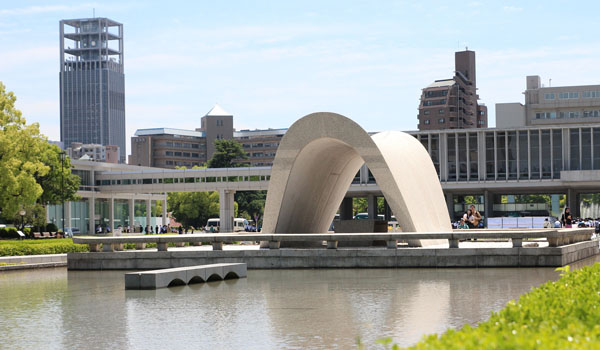
Continue your path of reflection and walk through the Hiroshima Peace Memorial Museum. Spend time looking at the award-winning architecture and talk to the A-Bomb Legacy Successors to hear first-hand accounts of survivors’ experiences.
mh7xy
The museum can get graphic, but it presents an unforgettable tragedy in Japanese history that should be a focal point of any trip to Hiroshima.

Unwind and decompress by visiting Shukkei-en, a Japanese garden that sees cherry blossoms in spring. You’ll almost certainly get to see a Kimono-clad couple or two getting their weddings pictures taken.

Discover masterpieces by Monet, Picasso, and the like at the Museum of Art or visit Hiroshima Castle on a Sunday to attend a traditional dance performance and see the Samurai history exhibit.

What to Do in Miyajima – Day 11

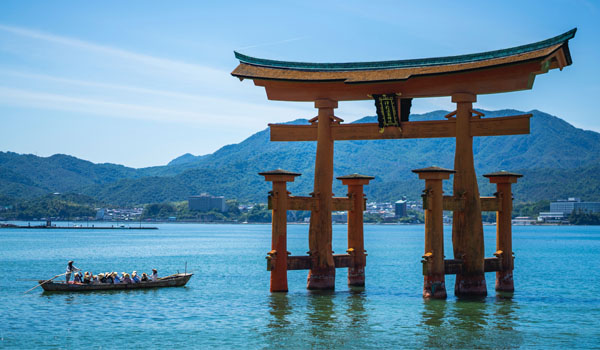
Take a 25-minute morning ferry (covered by the JR pass) to the islands of Miyajima. Spend the ferry ride above deck so you can enjoy the views of the Torii (traditional Japanese gates) as they stand tall above the waters.
qtsy0
Once on land, you’ll be met by the island’s friendliest locals: the mini deer. It will be hard to resist getting close to them, but be sure to keep your distance!

Spend your day exploring Itsukushima Jinja, a UNESCO World Heritage Site and one of the most stunning shrines in Japan. Try to stick around for low-tide so you can get as close as possible to the grand structure.

The final attraction you should see in Miyajima is Senjokaku Hall. Senjokaku Hall dates back to 1587 and is strikingly sparse. The size of one thousand tatami mats, the building itself lacks proper ceilings and a front entrance. The awe-inspiring hall also gives you the absolute best views of Satonaikai National Park.

Day 12: Nagoya

How to Get There

Duration: 3 hours and 20 minutes

Take the Hiraki train from Hiroshima to Nagoya and get ready to experience this diverse little city.

Where to Stay in Nagoya

Luxury: Book a room at either Nagoya Kanko Hotel, located right in the Naka Ward, or Hotel Nagoya Castle, perched in the center of the most luxurious area in Nagoya.

Mid-Range: Get great value from a stay at either Nishitetsu Inn Nagoya or Hotel Vista Nagoya.

Budget: Cozy and clean, Café & Guest House Nagonoya offers great access to public transport.

Where to Eat in Nagoya

Misokatsu Yabaton – the best place to try traditional street food from the heart of Nagoya

Nikomi No Takara – try the renowned Misonikomi

Atsuta Houraiken honten – be sure to taste Hitsumabushi, Nagoya’s signature dish

What to Do in Nagoya

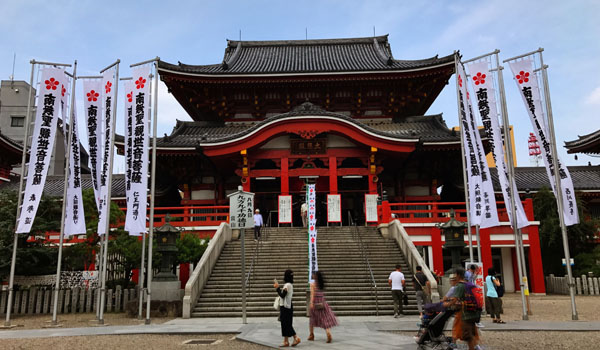
Head towards Osu for some top-notch shopping, specifically for handicrafts and quirky fashion. Meander for a few hours at the Tokugawa Art Museum and observe timeless treasures from three different Heian periods.
vwkyd
No trip to Nagoya is complete without a stop at Nagoya Castle. One of the most symbolic castles in Japan – and one of the largest – Nagoya Castle has been restored quite a few times since it was built in 1612. To this day it still emanates an unparalleled sense of magnificence.

Day 13: Nikko

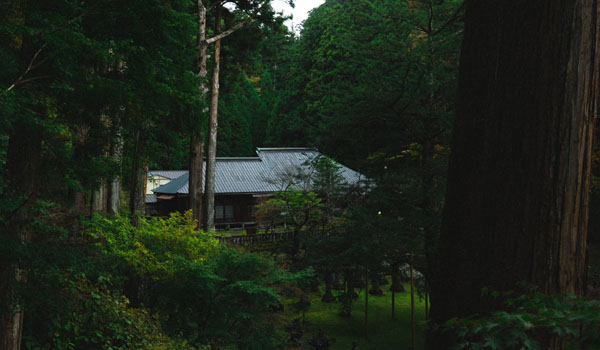
Explore the unspoiled nature that Nikko has to offer on your last day before you head back to Tokyo. It’s a great weekend escape from Tokyo, and it’s the perfect way to end your Japan 14-day itinerary.
3lth4
Where to Stay in Nikko

Luxury: Okunoin Hotel Tokugawa is a luxurious hotel with an indoor onsen, an incredible restaurant, and beautiful rooms.

Mid-Range: Nikko Park Lodge Tobu Station is conveniently located next to a train station.

Budget: Rindo-no-le is a small ryokan that reflects Japanese hospitality.

Where to Eat in Nikko

Yasai Café Meguri – a vegan café located inside an art gallery

Komekichi Kozushi – ideal for sushi

What to Do in Nikko

Start your day at the bright red bridge that is symbolic to Nikko – Shinkyo Bridge. From there, you will find temples and shrines all the way through the forest. We recommend visiting the mausoleum of Japan’s most successful shogun, known as Tokugawa Leyasu.

The highlight of your visit to Nikko will be the Toshogu Shrine. It’s easily one of the most stunning temples you will ever visit. The shrine is lavishly decorated and consists of more than a dozen buildings set in the beautiful forest. This shrine is particularly unique, as gold leaf and wood carvings decorate the buildings – a break from the traditional simplicity of shrine architecture.

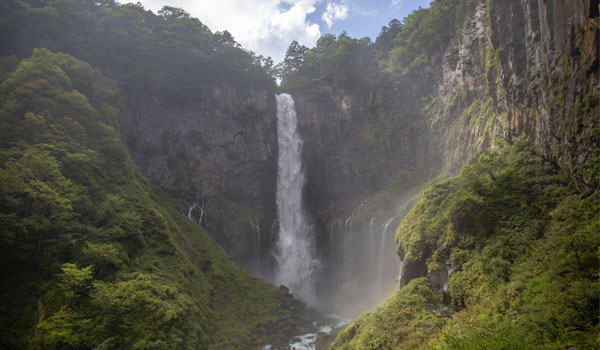
Spend the rest of your day adventuring through Nikko National Park. Then make your way to Lake Chuzenji to see Japan’s most favorite waterfalls: the Kegon Falls.
wq46t
Day 14: Tokyo and Departure

Sadly, you’ll spend your last day checking out, heading back to Tokyo, and bidding farewell to everything that Japan has to offer.

Final Thoughts

This 14-day Japan travel itinerary only scratches the surface of all the history, art, and culture you can immerse yourself in when you visit Japan. The country needs months for true exploration, but this two-week itine[……]

Read more

A Guide to Travelling in India

India is vast. It is the world’s seventh largest country by land mass and has more than one billion people living here, making it the world’s second most populous country after China. Cradled within this huge mass is a nation full of seemingly endless diversity with regard to landscapes, language, culture, food and people. India has the capacity in equal measure to overload the senses of and delight to the extreme all those who venture here.

India is not for everyone; there are those who will tell you that while visiting India you cannot fail to come across displays of abject poverty on an almost constant basis – something which can push your emotional buttons to the max. They will speak of the seemingly ever-present dust-clouds, odours of dung-smoke and diesel fumes which serve to irritate both body and mind.

q3zf6
However, tourists and travellers still flock here in vast numbers every year and for every detractor who relates all that is negative, there are also those who will describe India as something very different. These are the people who have become beguiled and bewitched by a land in which Buddha lived and which still practices rituals so ancient no-one knows exactly where and when they began. These are the people who have enjoyed India’s fantastic cuisine and its stunning wildlife or perhaps wandered – full of wonder – around bazaars teeming with the exotic and colourful or found themselves constantly face-to-face with quirky reminders of the British Raj. These are the people who have set off to explore structures, sites and places where some of the most historically and diversely religiously significant ancient buildings and curiosities exist on the planet. There is no doubt India offers certain challenges to the traveller but so too does it offer the especially magical in vast quantities.

Visas

Unless you are a citizen of Nepal, Bhutan or the Maldives you will have to have a visa to visit India. The citizens of over 100 countries – including the UK, Australia, New Zealand, Canada and the US – can apply online for a 30 day e-visa or visa on arrival. The visa is valid from the day you land in the country.

If you want to remain in the country for longer than this standard 30 days you will have to apply for a 6-month tourist visa before arriving in the country which is available for the vast majority of nationalities. Be aware that this type of multiple-entry visa is valid from the day it is granted and not the date of your arrival in the country.

Proof of onward travel is a proviso of most visa awards although this may or may not be checked. There are areas of India – mainly in the north – in which foreign travellers can’t enter without special permits. In most cases these permits are applied for on your behalf when you travel with tour companies.

Weather & Seasons in India

Besides from being a vast country already affected by a variety of weather patterns anyway, the country is also packed with varied terrain and environments which include mountains, jungles, coastal areas and deserts. This makes generally describing as a whole what the weather is like in India – a country which experiences both sweltering tropical climes and heavy snow – very difficult. In total, India’s territory is classified as having six major climatic subtypes.

Expect the highest temperatures – those in excess of 27.5ºC – in the country’s south-east corner around the state of Andhra Pradesh. The lowest are found in the far north of India in an area which borders Pakistan and Nepal – which includes the states of Jammu and Kashmir along with Himachal Predesh – and experience temperatures which drop below 20º C. The mountain ranges which run along the country’s south-west corner in the state of Karnataka also experience lower averages, although slightly higher than the north. The rest of the country, with a few exceptions, has temperature averages of around the 25º C mark.

Otherwise, the country’s weather is all about the monsoons or periods of heaviest rainfall. There are two monsoons – the north-east monsoon which affects southern India from October to December/January and the south-west monsoon which lasts from June to September and affects much of the country, especially along the western coastal regions. The north-eastern region of India is affected by both monsoons which makes it one of the world’ wettest places.

From a tourist point of view India does have low and high seasons which will affect the prices you pay and the tourist numbers. Generally high season runs from December to March when rain is minimal and temperatures the most comfortable. Low season runs from around April to June and experiences some extra high temperatures and monsoon rains.

Health & Personal Safety Issues in India

Health

One of the main issues facing travellers to India revolves around the poor levels of hygiene which gives rise to many potential illnesses and conditions brought about by contaminated food and water. Travel in India for any length of time and it is almost certain that you will experience at least one period of ill health, although for the majority of people this is nothing more serious than the fabled ‘Delhi Belly’ when you will need to be within quick running distance of a toilet. As many as 70% of travellers to India will be affected by this and usually within a week or two of arriving as the body adjusts. Keeping a supply of necessary and basic medication with you at all times so you are prepared for any sickness bouts is a wise decision.

aztf5
India is also a country which has a number of insect-borne diseases present including dengue and malaria. Make sure you use insect repellent containing at least 50% DEET and consider taking anti-malarial medication if you’re travelling to areas with a high risk of Malaria. A number of vaccines are often recommended for travel to India as things such as rabies typhoid, hepatitis and cholera are all risks. If skipping some recommended vaccine is tempting due to cost it might be worth bearing in mind that medical facilities in many places in India is extremely basic. Prevention is always better than cure and something vital for keeping the chances of a trouble-free trip high.

Otherwise, sun-burn, dehydration and altitude sickness are some of the more common issues for travellers.

Safety

As we may have mentioned a few times India is vast and has a gigantic population. Such factors mean crime statistics are reflected accordingly although generally India for the majority of travellers is a safe destination. The following need taking particular note of:

Theft – while thefts with violence do occur the most common take the form of petty pilfering and pick-pocketing. If you’re worried about pick-pockets getting their hands on your stuff you may want to invest in an under clothes wallet to store your cash and valuables out of sight.

Sexual assault – There have been a few serious national headline cases in India and a reported rise in crimes against women including foreigners. If you are a female travelling in India do some homework to ensure you know how to minimise the risks. Much of it is of course common sense and the same things you would have been doing all your life to keep yourself safe as a woman such as avoiding walking alone in certain places, not wandering around after dark, being careful about how and when you take public transport, not leaving drinks unattended and so forth. It is also sensible to dress conservatively to avoid attracting unwanted attention. It is worth noting that local trains often provide women-only cars which tend to be located at the front of the train.

LGBT travellers – Same-gender sex is illegal and punishable by law in India although a new law in 2017 ruled that any member of the LGBT community was free to express their sexual orientation. This leaves the waters a little muddy where legalities are concerned but that doesn’t mean the society as whole is tolerant. Discrimination is commonplace and it is not unknown for police officials themselves to dish out harassment at best and blackmail attempts at worst.

Scams – South-East Asia and India are places in the world with scams by the bucket-load, some of them incredibly ingenious. Several have been running for years and still successfully catch out the unwary while new ones are being concocted all the time. At best these scams are an inconvenient irritation but rob you of nothing more than your time while others can see you bereft of huge chunks of your hard-earned travel money. Scams are always more plentiful around tourist areas as the number of potential victims are way higher and therefore common stomping grounds for the scammers. Do a little bit of homework to find out about the most common scams to avoid being a target.

Accommodation Options in India

Where accommodation is concerned India truly does have it all – from the rough and ready low low budget choice to the height of palatial luxury. Quite what bang you get for your buck will very much depend on where you are, with well-established tourist centres such as Goa and bigger cities generally attracting higher prices.

Budget-backpacker options – Once upon a time it was possible to grab yourself a room in India for a handful of pennies. Times are changing and generally speaking the days of mega-bargains are disappearing however that doesn’t mean there isn’t still tons of choice for the thrifty traveller on a tight budget. India is also still a destination which will get you something really rather upmarket for considerably less than you would pay for equivalent accommodation types and standards in the rest of the world. That means the weary or jaded traveller can afford to book themselves into something with a few more home comforts and touches of luxury should the need kick in from time to time. Be aware that the lowest priced options are almost always with shared bathroom facilities and ‘bathroom’ may be nothing more than a cold water tap and a bucket.

Hostels – Always a good friend to the backpacker, India is no exception and has tons of hostels, even in some well off-the-beaten path destinations. Private rooms are extremely cheap and if you are happy to stay in a dorm you can pay next to nothing.

Dharamshalas & gurudwaras – Intended as accommodation for pilgrims, this type of religious-based choice – both tiny and vast sized – often also offers foreign visitors simple and basic lodgings, typically on a donation basis or with a set ultra-low cost fee.

Guest-houses – This type of accommodation will also often offer dorm options or good value private rooms and tend to come complete with an especially homely atmosphere.

Railway retiring rooms – You might find the occasional dorm on offer but most of the retiring rooms attached to railway stations offer a private room complete with bathroom. This option can’t be booked ahead – if they have a room when you turn up you can have it. Great budget option but not for light sleepers; these places get super noisy much of the time.

Couchsurfing – If you are not familiar with this concept check out www.couchsurfing.com to see what this wonderful community of millions of individuals from every corner of the planet can offer you (besides a free bed for the night). India has hundreds of hosts, most of them located in the larger urban sprawls.

Other options – Once you move away from the rock-bottom priced options there are all kinds of choices. Generally speaking, if you are prepared to shell out a little extra you will automatically find yourself with such extras as a private bathroom, mosquito nets and even AC.

Home-stays and farms – A great choice for all those seeking the more authentic experience and who really want to immerse themselves in the culture instead of hanging round other travellers, home-stays and farms are now a growing trend in many parts of the world including India. If you are harbouring dreams of an intimate stay with an Indian family you might need to research your choices well. Some home-stays are operated almost on a hotel-like basis but there are plenty of others which are just family homes opened up to guests who are treated to welcomes of extreme warmth and home-cooking of the impossibly wonderful kind. Many of the home-stay options are offered by wealthier families in grander family homes who have higher levels of educational background and although far from being always the case some of these can be a little pricier.

Havelis – If we explain that ‘haveli’ means mansion you might start getting an idea of what’s on offer here. The boutique havelis of India – which now run as hotel-type set-ups – are lovingly restored former homes of high class families which typically occupy some stunning spots and are especially prevalent around Rajasthan. Many cost less than you might imagine on first glimpsing them.

Dak bungalows – Frequented by Indian professionals on business away from home, British colonial-built ‘dak’ bungalows all once served as accommodation for wandering officials and continue to be used by both national and state government bodies for the same reason. Travellers are also accepted at most of these clean and comfortable establishments which often have lovely grounds, sometimes provide meals and are scattered throughout the country.

Food & Drink

While trying to describe the Indian climate in general terms is tricky, trying to do the same with Indian cuisine is completely impossible. Whole books have been written on the subject, not just because the food is wonderful but because it varies in the extreme depending on what part of the country you happen to be in at the time.

India is a paradise for vegetarians – so much so that in some parts of the country non-meat eaters are the norm and the non-vegetarians considered the marginalised few. It is also a wonderland for all those who want to eat incredible food at prices which wouldn’t buy you a bag of crisps back home. Street food can be found everywhere.

g1phw
As a popular ethnic food choice easily found in Western countries, most travellers will have tried Indian cuisine to some degree before they even set foot in the country but this will be just the tip of an iceberg. If your local Indian takeaway is owned by individuals who trace their descent to Kerala, for example, you might recognise a few dishes if you happen to travel through Kerala but elsewhere everything you come across will be a brand new culinary delight to discover.

Rice, lentils, beans and endless spices are a food staple In India but otherwise you are just going to have to find out as you go (or read a few books).

Where drinks are concerned India is of course a land of tea but yoghurt-based lassi is also popular. Where alcohol is concerned, be aware that the legal drinking age in India varies from state to state and is set at 30 years of age at its highest. There are even a few places where alcohol is illegal.

Language

India is one of a few countries in the world which has no national tongue. With more than 400 languages currently spoken throughout the country, English acts loosely as an official language to unite everyone and is generally the second language for most after their own native tongue. However, quite what fluency level of English you will find when you travel here will depend although as a general rule of thumb it is easier to get by in towns, cities and tourist hubs.

Money Matters

The official currency of India is the Rupee.

ATMs are not hard to find, even in quite small towns although if you intend to head out well off the beaten path it might be wise to stock up on cash. Credit cards are accepted at larger establishments such as bigger hotels, restaurants and shops but elsewhere it will be somewhat hit and miss.

Bargaining your price is the standard norm in Indian with most of what you can buy although there will be some places and certain goods and services which have set prices.

Everything in India – accommodation, transport, food, services, entry to historic sites etc. – are a budget traveller’s delight although of course expensive versions of everything can be found if you want them and look for them. However, be aware that costs vary considerably for exactly the same thing with places such as Mumbai, Delhi and Bangalore traditionally having a higher cost of living generally.

Cultural Issues

Traditions and religions – While many cultural nuances that exist around the world stem from tradition, just as many have their roots in religion, spiritualism or belief systems and India is no different. India is a land of many religions, each of which have their own customs, traditions and sets of rules – some of which are relaxed, others of which are very strictly applied. To avoid causing any offence through ignorance it is as well to do a bit of homework especially if you plan to wander off the beaten path and into areas less used to tourists and their odd ways.

The caste system – Compared to a few decades ago the caste system in India has lost some of its strength but society still remains distinctly multi-layered and individuals are given value according to what they own, the jobs they do and their educational and family background. This of course is really no different from the way things function in the western world. Where skin colour is concerned, you are unlikely to be discriminated against on these grounds but like so much of Asia pale skin is considered the most desirable and also a symbol of wealth. (Rich people don’t have to work outdoors in the sun.)

Eating with your hands – Seeing folk eating without utensils is a common sight in India (even for rice dishes, curries and the like) and it is something you will probably become more skilled at as you go. Generally speaking, the right hand is for eating, the left hand is the dirty one used for toilet duties.

Public displays of affection – Once you move out of the larger metropolitan areas seeing couples holding hands, hugging or kissing is unusual. It is just not part of the culture and you will attract stares and attention at best and truly offend at worst if you choose to do such things.

Smoking – It is illegal to smoke in public places in India although in many areas it is rarely if ever reinforced. However, don’t rely on this if you are a smoker because on the spot fines do happen – in some places more than others. Also, if you happen to be a female smoker expect to attract a lot of stares and even unwanted attention as this is still a very unusual sight in India and something historically associated with women of questionable character.

Conservative dress – Unless you are in more liberal-minded areas totally accustomed to foreign visitors such as the beaches of Goa or the large cities you would be well advised to keep your dress conservative and refrain from baring too much flesh if you are a female. This even applies to the non-touristy beaches where you might think a bikini is totally the norm but might actually be far from acceptable to locals.

Sensitive topics – Most countries have them. In India some of these are Pakistan, China and the caste system. That is not to say you won’t find those happy to discuss such themes – just tread sensitively.

A helpful culture – Although every country has its bad element of society as a whole the culture of India is one of helping each other and such kindness is extended to foreign travellers. Such acts are super common especially once you get away from the big cities and usually nothing is expected in return. Where the hospitality industry is concerned you are likely to find yourself treated – even in the most humble places – as a valued guest whose every wish is the staff’s command. Don’t be one of those visitors who milk this incredible attitude to death and become a spoiled brat making continuous demands.

Transport Options

Travelling around India takes a little patience. Although there is a vast networ[……]

Read more
ULTIMATE BRUNEI ITINERARY – HOW TO FULLY COVER THE COUNTRY IN 3 DAYS

Nestled in the northern part of the island of Borneo, the oil-rich state of Brunei is one of the smallest countries in Asia and also one of the least visited. If you fancy history and amazing architecture (particularly Islamic) with a bit of the tropical vibe thrown in, then Brunei is for you. As a developed country and owing to its small size, it is relatively easy to get around and you can conveniently see the sights of Brunei within a few days. Personally, I found three nights to be enough to see Brunei. Here is my suggested itinerary for a trip to the country:

3mqdf
DAY 1 – BANDAR SERI BEGAWAN / KAMPONG AYER

Morning

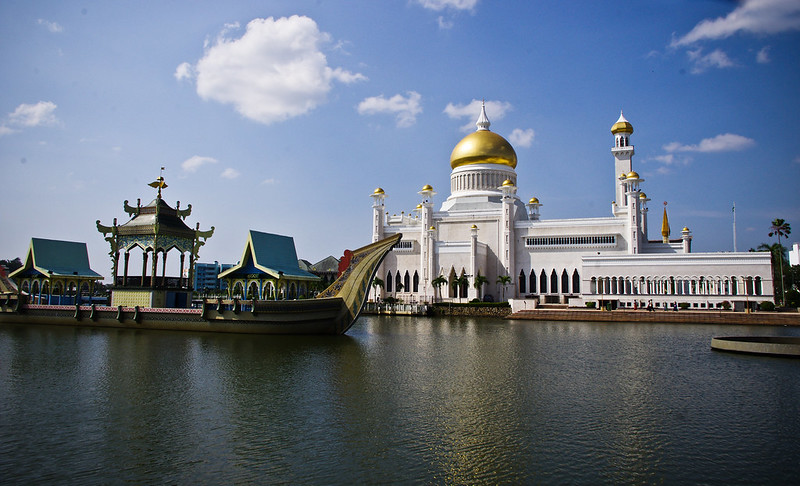
Stroll the grounds of the Sultan Omar Ali Saifuddien Mosque and marvel at its ornate marbled exterior. Do this as your first stop in the morning to “whet your appetite” on Brunei. Check out the main dome which is covered in pure gold. Admission is free and you can enter the mosque outside of prayer hours.

From here, it is just a short walk from the Yayasan Complex from where you can buy souvenirs or stock up on groceries if you are ever in need of any. The area is also filled with restaurants and you can stop here for lunch. If you’re not feeling peckish, the area immediately east of Yayasan Complex contains the Teng Yun temple (the oldest in Brunei) and has a number of traditional family-run stores – an interesting place for a short stroll.

zto3y
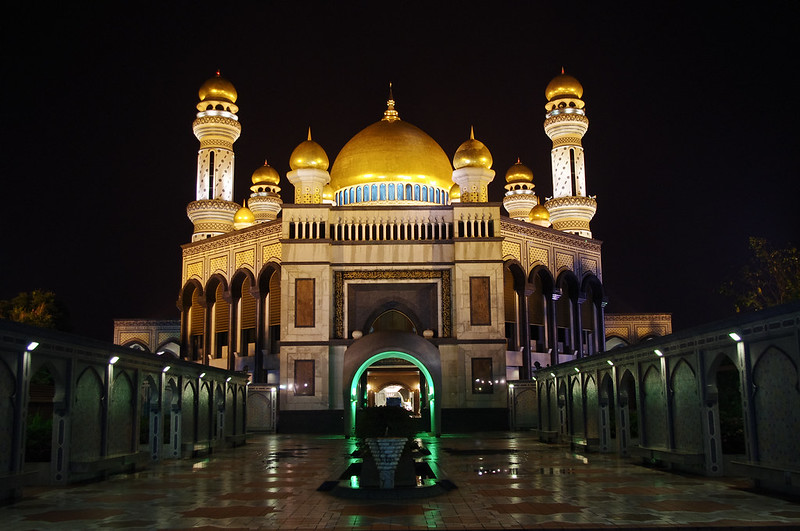
the jame asr bolkiah mosque

Afternoon

It’s a short walk to the Royal Regalia Museum which features a number of objects including gifts the Sultan of Brunei has received over the years as well as equipment used during his coronation and silver jubilee (check out the royal chariot in the entrance hall). Opening hours: Sun-Thu from 9am to 5pm, Fri 9-11.30am & 2.30-5pm, Sat 9.45am-5pm, last entry 4.30pm.

Head over to the Jame Asr Hassanil Bolkiah Mosque. Built in 1994, this is Brunei’s largest mosque and it boasts of 29 golden domes. Surrounded by a landscaped garden as well as fountains, it’s also a noteworthy sight in the evening when the mosque is floodlit. From the city center, you can take Bus #1 and stop right by the gate. Do note the opening hours: 8am-noon, 2-3pm & 5-6pm Mon-Wed & Sat, 10.45am-noon, 2-3pm & 5-6pm Sun, closed Thu & Fri

Take the #1 bus again and head back to Bandar Seri Begawan in the late afternoon. By this time, it won’t be too hot to visit Kampong Ayer (the water village). Point to point rides around Kampong Ayer cost $1 while a one hour boat ride around Kampong Ayer should not cost more than $10. So what will you get to see within that hour? You’ll be shown places such as the floating fire station, floating mosque, floating school and plenty of houses built on stilts. You can also ask the boat man to take you for a glimpse of the Istana Nurul Iman, the residence of the sultan. If you have time, you should also check out the Kampong Ayer Museum which details the history of the area. An overnight stay in one of the houses on stilts is also possible if you wish to spend more time there.
xpl44
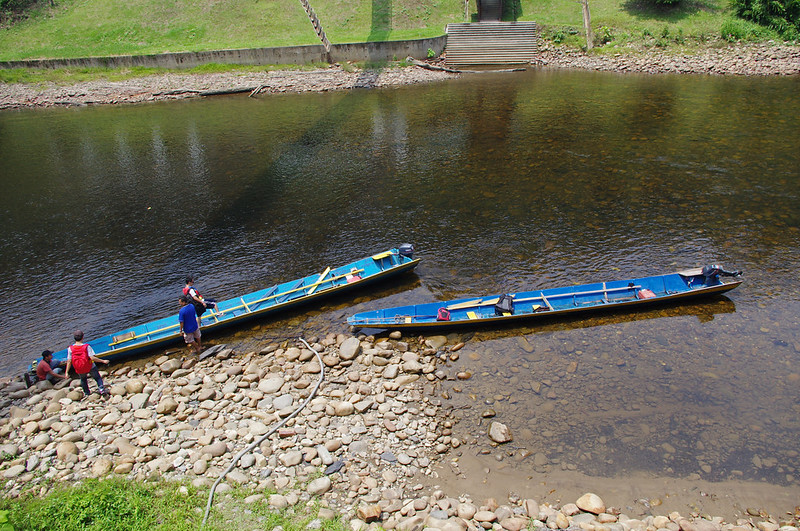
long boats at the ulu temburong national park

DAY 2 – ULU TEMBURONG NATIONAL PARK

Morning & Afternoon

Head out to Ulu Temburong National Park – a trip which will take you the entire day. The journey is an adventure in itself where from downtown BSB, you’ll take a ride through mangroves on a speedboat to the lodge before being transferred to a longboat. Exploration of the national park generally includes various attractions such as the waterfall with “fish spa” and an exhilarating climb up a rickety set of stairs to the canopy walk for a bird’s eye view of the rainforest.

52x8l
translucent waters at the national park

Most tours start at around 7:30AM from the pier in Bandar Seri Begawan and end at around 5pm.

g8kqo
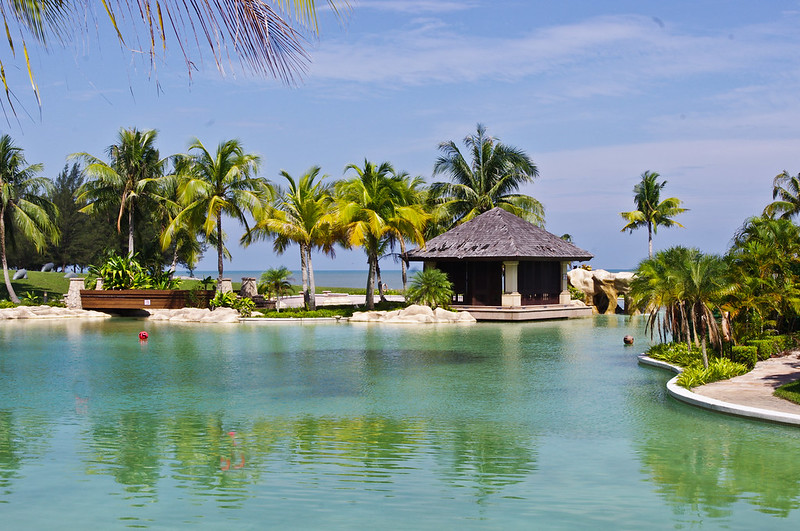
enormous pool area of the empire hotel, brunei

Tip: Singapore Dollars can also be used in Brunei at a rate of 1:1.

DAY 3 – GADONG & CHILLING AT EMPIRE HOTEL

Morning

Chill at one of the most resplendent hotels in the world, the Empire Hotel & Country Club – where you should give yourself a treat and stay at least a night. A self-styled 6-star property, you can either have a relaxing time inside the luxurious room or chill outdoors. There’s a decent beach with a lagoon that is good for swimming and kayaking. For sports enthusiasts, the property has actually won a couple of awards for golfing.

ijzx7
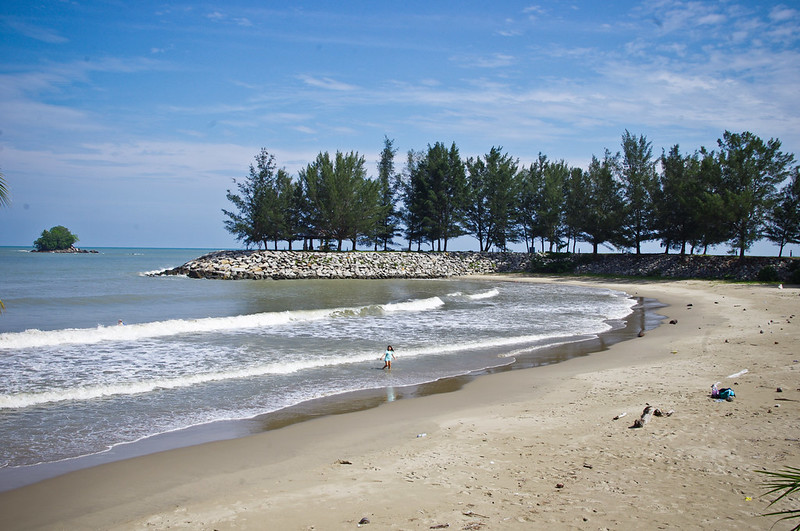
the beach of the empire hotel

Afternoon & Evening

For some last minute shopping, go to The Mall at Gadong – Brunei’s largest shopping center. It’s a mostly modern affair where you can find high street brands. From Empire Hotel, #57/58 bus will take you there.

A short walk from the shopping center is Gadong Night Market. You will find a lot of interesting eats in the outdoor space from 4PM onwards. Make sure to try the pulut panggang (rice stuffed with meat and wrapped in banana leaves), local kueh (small cakes) as well as the grilled seafood.

IF YOU HAVE EXTRA TIME IN BRUNEI…

Not a must-see but if you find yourself with extra time in Brunei, consider making the 1.5 hour trip to Seria in western Brunei to gain a better understanding of the industry that’s powering the economy of the nation. There is a monument dedicated to the billionth barrel of oil extracted in Brunei and it’s erected in the site of the first oil well discovered in the country.

TRAVEL TIPS FOR BRUNEI

Singapore Dollars can also be used in Brunei and the exchange rate is 1:1. Likewise, if you have leftover Brunei Dollars, you can easily use them in Singapore.

As a rule of thumb, taxi fares from the airport to downtown Bandar Seri Begawan should cost no more than B$25. If you’re heading to Empire Hotel from the airport, the fare should be around B$15.
Brunei is under Sharia law and all restaurants and eateries are closed from 12 noon to 2pm every Friday. To save yourself from getting hungry during lunch time, you may take an early lunch or buy a takeaway meal.

I typically shop around when buying travel insurance and using this travel insurance aggregator allows me to compare prices and benefits in one glance.

WHERE TO STAY IN BRUNEI

I have stayed in a number of lodging options in Brunei. To experience the best that the country has the offer, do book at least one night at Empire Hotel and Country Club. The property is an attraction in itself. For something closer to the city, the recently renovated Radisson Hotel Brunei is an excellent choice.[……]

Read more