Divi WordPress Theme


THE ULTIMATE 10-DAY ITINERARY ICELAND

DISCOVER ICELAND: A 10-DAY ITINERARY

We have made this 10-day itinerary in Iceland for you. Start and finish are in the capital of beautiful Iceland, Reykjavik.

After leaving Reykjavik we will explore the Golden Circle, which includes the famous Geysir geothermal area, Gullfoss waterfall, and Thingvellir National Park. From there, we head to the south coast to witness the stunning black sand beaches, glaciers, and waterfalls.

After we have visited the South Coast we follow the East fjords to Akureyri and Husavik. We end this 10-day itinerary in Iceland with the Snaefellsnes Peninsula and the Blue Lagoon.

BEST TIME TO VISIT ICELAND

The best time to visit Iceland depends on what you want to see and do. The peak tourist season in Iceland is during the summer months, from June to August when the days are long and the weather is mild. However, this is also the time when the country is the most crowded, and prices for accommodation and tours are higher.

For those who want to experience the famous Northern Lights, the best time to visit Iceland is during the winter months, from November to February. During this time, the days are short, and the weather is cold, but the dark nights provide the perfect conditions for viewing the Aurora Borealis. Keep in mind that the Northern Lights are a natural phenomenon, and there is no guarantee that you will see them, even during the best time of the year.

For outdoor enthusiasts, the best time to visit Iceland is during the shoulder season, from May to June and September to October. During these months, the weather is still mild, and there are fewer tourists, which means that you can enjoy Iceland’s natural beauty without the crowds.

We were in Iceland in April. There were not many tourists and the weather was already pleasant. Although there were also a few very cold days in between. But with the right clothing and the right material, this should not be a problem.

IS 10 DAYS ENOUGH FOR ICELAND?

If you want to visit Iceland in 10 days, we highly recommend renting a car or campervan and driving through the country yourself. Driving through Iceland is a big part of the adventure and offers some of the most breathtaking landscapes you’ll ever see.

We suggest renting your vehicle from Keflavik airport, and we recommend using Rentalcars for cars and CampEasy for campervans. While a 4WD is always handy in Iceland, it’s not necessary for this 10-day itinerary, especially in the summer.

Driving in Iceland can be safe and doable depending on the season you plan to travel. It’s important to be well-prepared, especially during the winter months from October to April. We have a dedicated article on driving in Iceland during the winter months, but even during the summer, it’s essential to be aware of potential bad weather.

By driving yourself, you’ll have the freedom to explore Iceland at your own pace and save money on accommodation by staying at campgrounds and cooking your food.

HOW DO I PLAN AN ICELAND ITINERARY?

Here are some tips for planning an Iceland itinerary:

Decide how many days you’ll be in Iceland. Most itineraries take 7-10 days to see the highlights…

The most popular spots include Blue Lagoon, Gullfoss, Geysir, Jokulsarlon Glacier Lagoon, Westman Islands, Lake Myvatn, Snæfellsnes Peninsula. These are all included in our 10-day itinerary for Iceland.

Book the popular activities like whale watching, glacier hiking, caving, snowmobiling, and hot springs in advance.

In summer, plan to see the midnight sun in the north and Northern Lights in the east/north in winter.

Download offline maps before trips to remote areas with no data coverage. Maps.me is very good for hiking

Rent a 4WD vehicle for flexibility on F-roads, or take tours if uncomfortable driving independently.

Check weather and road conditions regularly via road.is

DAY 1: REYKJAVIK

Exploring the City

On the first day of your 10-day itinerary in Iceland, you’ll explore the city and its many attractions. Start your day with a visit to Hallgrimskirkja, the iconic church that dominates the Reykjavik skyline. This unique church is inspired by the Icelandic landscape and features a towering spire that offers panoramic views of the city.

After admiring the views, head to the nearby Harpa Concert Hall and Conference Centre. This stunning building, with its distinctive glass facade, is home to some of Iceland’s best cultural events and exhibitions.

Next, take a stroll down Laugavegur, the city’s main shopping street. Here, you’ll find an array of shops, cafes, and restaurants, as well as street performers and artists.

If you have more time and like museums, you can go to the National Museum of Iceland or the Reykjavik Art Museum. Both offer a fascinating insight into Icelandic history, culture, and art.

Where to stay in Reykjavik

Hotel Borg by Keahotels – This historic hotel is situated on Reykjavik’s main square and features elegant rooms, a spa, and an on-site restaurant. Guests love the luxurious atmosphere and central location. Prices start from €250 for 2 pers.

Fosshotel Reykjavik – This modern hotel is situated near the city center and offers spacious rooms, a fitness center, and an on-site restaurant. Guests love the sleek design and convenient location. Prices start from €170 for 2 pers.

Kex Hostel Reykjavik – This trendy hostel is situated near the city center and features affordable dormitory-style rooms, a bar, and a restaurant. Guests appreciate the unique decor and social atmosphere. Prices start from €45 per person.

DAY 2: GOLDEN CIRCLE

On the second day of the Iceland itinerary, we head out to explore the famous Golden Circle. This popular route is a must-see for anyone visiting Iceland. You can choose to drive back to Reykjavik for spending the night or drive to the South Coast and spend the night in Selfoss or Eyrarbakki (one of our favorite places…)

The Golden Circle route in Iceland is 186 miles (300km) long. It should take you four hours without any stopping time or sightseeing. That is when you start and end your day in Reykjavik.

Thingvellir National Park

The first stop on the Golden Circle is Thingvellir National Park. This UNESCO World Heritage Site is located in a rift valley caused by the separation of two tectonic plates. You can walk between the plates and see the unique landscape that has formed over thousands of years.

The park also has historical significance as it was the site of Iceland’s first parliament in 930 AD. Check the visitor center for more info about the history of the park.

In the Thingvellir National Park, you can go diving or snorkeling in Silfra. That is one of the best diving spots in the world. The best thing is to book in advance to secure your spots. Check the Get your Guide site for the best promotions and reviews.

Geysir Geothermal Area

Next on the itinerary is the Geysir Geothermal Area, home of the famous Strokkur geyser. This natural wonder erupts every few minutes, shooting water up to 30 meters into the air. You can also explore the other geothermal features in the area, including bubbling mud pools and steam vents. Next to the Geysir area you can find toilets and a small restaurant.

Gullfoss Waterfall

The final stop on the Golden Circle is the stunning Gullfoss Waterfall. This massive waterfall has two stages. One of them drops 21 meters, the other one 11 meters. It’s one of the most spectacular waterfalls of Iceland.

EXTRA:

If you have more time you can also visit these spots along the way:

Kerid Crater

The Kerid Crater is a volcanic crater located in southern Iceland, approximately 30 minutes from the town of Selfoss. The crater is approximately 270 meters wide and 55 meters deep, with a stunning blue-green lake at the bottom.

Visitors can walk around the rim of the crater for panoramic views of the surrounding landscape, and there is a path down to the lake for those who want to get a closer look.

Reykjadalur thermal river

To explore the Reykjadalur thermal river, visitors can take a hike through the Reykjadalur valley, which takes approximately 45 minutes to an hour each way. The hike is relatively easy and suitable for most fitness levels, with a well-marked trail that leads through the valley past bubbling hot springs and steaming vents.

This is the starting point of the hike. There is a small cafe.

The Secret Lagoon

The Secret Lagoon is a natural hot spring located in the small village of Flúðir in South Iceland. The lagoon is fed by geothermal springs and has a temperature of around 38-40°C. Entry is 3000 ISK for adults and free for kids from 14 years and younger.

Where to stay in Eyrarbakki or Selfoss

Selfoss is one of the bigger towns. You can buy food or other stuff here. Hostel Selfoss is a great place to stay in this area. Prices start from €100 for 2 persons.

Closer to the sea we have Eyrarbakki, a small fishing town. Sea Side Cottages or Guesthouse 77 are good places to stay.

If you want some more luxury, you can check Hotel Ranga. One of the best hotels in Iceland, but that comes with a price. Prices start from €600 for 2 people.

DAY 3: SOUTH COAST

On the third day of the Iceland itinerary, we will discover the South Coast which is known for its stunning waterfalls, black sand beaches, and breathtaking scenery.

From Eyrarbakki to the Black Sand beach in Vik it takes about 140km or 87 miles.

Seljalandsfoss Waterfall

The first stop on the South Coast tour is the Seljalandsfoss Waterfall. This waterfall is unique because visitors can walk behind it, providing a unique and unforgettable experience. The waterfall is over 60 meters tall and is surrounded by lush greenery, making it a popular spot for photographers.

Skogafoss Waterfall

The next stop on the South Coast tour is the Skogafoss Waterfall. This waterfall is one of the largest in Iceland and is over 60 meters wide. Visitors can climb up a staircase to the top of the waterfall to enjoy the stunning views of the surrounding landscape.

Black Sand Beach

The final stop on the South Coast tour is Black Sand Beach, also known as Reynisfjara. This beach is famous for its black sand and basalt rock formations. Visitors can also see the Reynisdrangar rock formations, which are said to be trolls that were turned to stone by the sunlight.

Be careful on this beach as several people died here because of the waves. Never turn your back to the ocean.

EXTRA:

Sólheimasandur plane wreck

You can park your car, approximately 10 kilometers east of the town of Vik. From there, you must hike approximately 4 kilometers (2.5 miles) to reach the plane wreck. The trail to the plane wreck is flat and easy to follow.

Dyrhólaey viewpoint and lighthouse

As you travel towards Vík, you will come across the easily accessible Dyrhólaey viewpoint, which marks the southernmost point of Iceland. From here, you can take in the breathtaking sight of the magnificent stone archway and the vast expanse of the black beach.

If you wish to explore the lighthouse, you will need a 4×4 vehicle or can opt to hike up there. During summer, there is a chance of spotting puffins in the area. However, it is important to note that sometimes cars are not permitted as the cliffs are home to nesting birds.

DAY 4: VATNAJOKULL NATIONAL PARK – VESTRAHORN

From Vik, we follow the coast to Hofn. That’s about 270km or 170 miles.

Skaftafell Glacier Hike

On day four of the 10-day Iceland itinerary, you will explore the stunning Vatnajokull National Park. The first stop is the Skaftafell Glacier, where you can embark on a guided glacier hike. The hike takes about 3-4 hours and covers approximately 8 kilometers.

Along the way, you will witness breathtaking views of the surrounding mountains, glaciers, and rivers. The hike is suitable for all skill levels and is led by experienced guides who provide all necessary equipment.

Jokulsarlon Glacier Lagoon

After the glacier hike, visitors can head to the Jokulsarlon Glacier Lagoon, located just a short drive away. The lagoon is a natural wonder and is filled with floating icebergs that have broken off from the nearby glacier.

Visitors can take a boat tour to get up close to the icebergs and even spot seals swimming in the water. The boat tour lasts about 45 minutes and is led by knowledgeable guides who provide interesting information about the lagoon and its surroundings.

The Jokulsarlon Glacier Lagoon is also a popular spot for photographers, as the scenery is truly spectacular. Visitors can capture stunning photos of the icebergs, the glacier, and the surrounding mountains. After the boat tour, visitors can explore the nearby Diamond Beach, where the icebergs wash up on the black sand beach, creating a stunning contrast.

Stokness – Vestrahorn

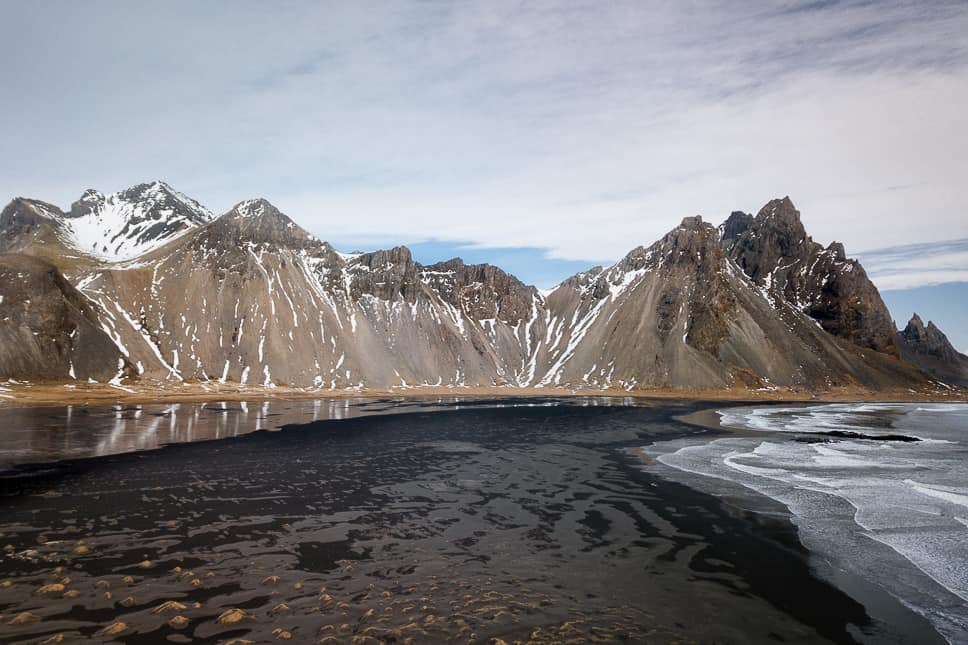
Vestrahorn is a stunning mountain located on Iceland’s southeastern coast, near the town of Höfn. The mountain is known for its distinctive shape and dramatic peaks, which rise up from the surrounding black sand beach and lagoon.

There is a small entrance fee (€5 /$6). At the entrance you will find the Viking Café, it is also possible to spend the night with a camper next to the pub.

If you have more time you can visit an old Viking village built as a set for film decor but it was never used.
ao6g2
Where to sleep in Höfn

Guesthouse Hvammur offers affordable rooms in a great location, just a short walk from the harbor. Guests appreciate the clean and comfortable rooms, as well as the friendly staff. Prices start from €100 for 2 people.

Fosshotel Vatnajökull is located north of Hofn and offers comfortable rooms with modern amenities, as well as an on-site restaurant and bar. Guests love the convenient location and stunning views of the surrounding mountains and glaciers. Prices start from €200 for 2 people.

Hotel Höfn offers luxurious rooms with stunning views of the surrounding landscape, as well as a spa, restaurant, and bar. Prices start from €200 for 2 people.

We also listed 10 unique hotels in Iceland in this article. The Fosshotel is one of them.

DAY 5: EAST FJORDS

On the fifth day of the 10-day Iceland itinerary, we will explore the stunning East Fjords region. We do have a long but scenic drive from Höfn to Egilsstadir. From Egilsstadir you can make an extra trip to Bakkagerði, the puffin capital of Iceland.

Seydisfjordur

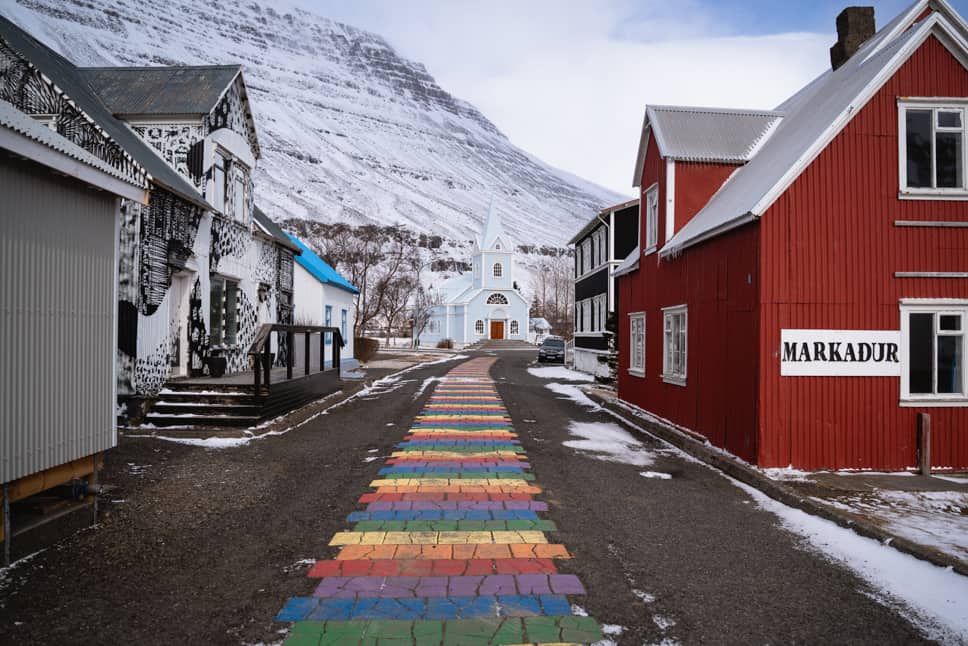
The first stop of the day is Seydisfjordur, a small town surrounded by snow-capped mountains and cascading waterfalls. Visitors can stroll through the town’s colorful streets, admire the local art scene, and visit the Skaftfell Center for Visual Art.
qyzv5
Seydisfjordur

Hengifoss Waterfall

Next on the itinerary is Hengifoss Waterfall, one of the tallest waterfalls in Iceland. The hike to the waterfall is approximately 4km or 2.5 miles and takes visitors through a stunning canyon and past several smaller waterfalls. At the top, visitors can enjoy breathtaking views of the surrounding landscape and take in the beauty of the 420-foot waterfall.

Bakkagerði or Borgarfjörður, capital of the Puffins

One of the most popular attractions in Bakkagerði is the Hafnarhólmi nature reserve, which is home to a variety of seabirds, including puffins, guillemots, and kittiwakes.

You can take a hike along the cliffs for stunning views of the surrounding landscape and the chance to spot these beautiful birds in their natural habitat.

Read this article about puffins when and how you can see them.

Where to sleep in Egalsstadir or Borgarfjörður

A good budget option is the Lyngás Guesthouse. This guesthouse offers affordable rooms in a great location, just a short walk from the town center. Guests appreciate the clean and comfortable rooms, as well as the friendly staff. Prices start from €100 for 2 people.

Located in the heart of Egilsstadir you can find Hotel Herad. Prices start from €250 for 2 people.

If you want to stay in Borgarfjördus you might have a look at Blabjorg Resort. Prices start from €124 for 2 people.

DAY 6: MYVATN

On the sixth day of the Iceland itinerary, visitors will explore the Myvatn area, which is known for its lake, wellness, and geothermal activity. From Egilsstadir it is a 2h15 drive to the lake.

Myvatn Nature Baths

Nestled in the breathtaking region of Myvatn in Iceland, lies a hidden gem that is a must-visit for any traveler. The Myvatn Nature Baths are a series of natural hot springs that offer visitors a unique and relaxing experience in the midst of Iceland’s stunning natural beauty.

You can purchase tickets to access the pools and enjoy the warm, mineral-rich water that is said to have healing properties. In addition to the pools, the Myvatn Nature Baths also offer a variety of amenities, including a steam bath, sauna, and a restaurant that serves traditional Icelandic cuisine.
aynqe
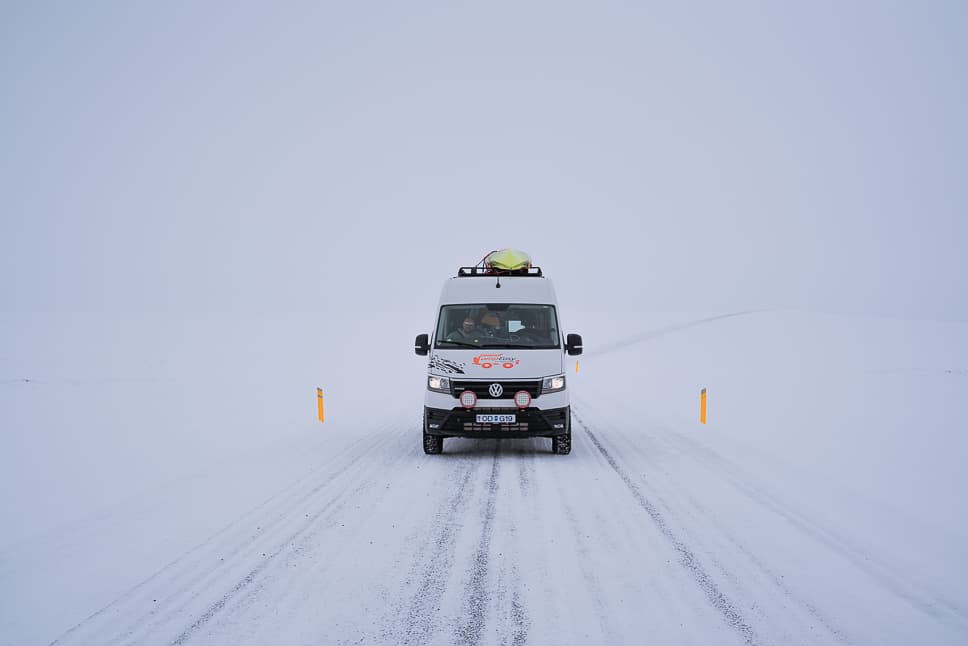
On our way to Myvatn, be always sure to check the weather in advance

Myvatn Geothermal Area

The first stop is the Myvatn Geothermal Area, a unique and otherworldly landscape of bubbling mud pools, steam vents, and colorful mineral deposits. Visitors can walk along a boardwalk to get a closer look at the geothermal activity and learn about the science behind it.

It is important to note that the smell of sulfur can be quite strong in this area, so visitors should be prepared.

We found this article about Lake Myvatn and the surroundings very interesting.

Dimmuborgir Lava Fields

Next, visitors will head to the Dimmuborgir Lava Fields, which are a series of volcanic rock formations that were created during a lava flow thousands of years ago.

DAY 7: HUSAVIK – AKUREYRI

On our seventh day of this fantastic 10-day Iceland itinerary, we will visit Akureyri.

But before we drive to Akureyri we go to Husavik, the capital of Europe for whale watching! We wrote an entire article about whale watching in Iceland. You better read it before you travel to Husavik.

From Myvatn to Husavik it’s about a 45min drive. From Husavik to Akureyri it is 1h. You will probably do a whale-watching tour in Husavik which is normally 2h-3h.

Godafoss waterfall

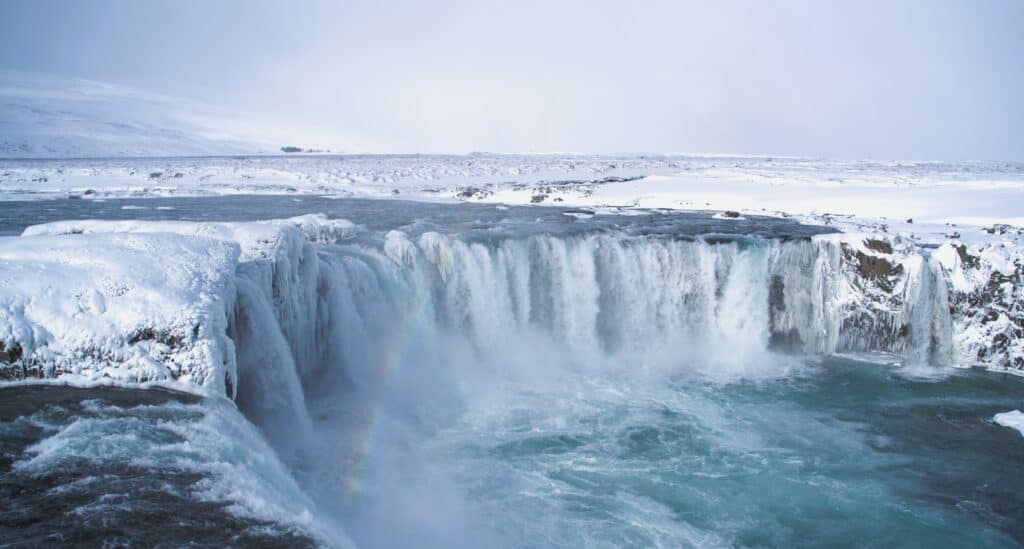
The Godafoss waterfall is situated along the country’s main ring road, about 45 minutes away from Akureyri, Iceland’s second-largest locality. The river Skjálfandafljót falls from a height of 12 meters over a width of 30 meters, creating a single-drop type of waterfall that is 39 feet tall.

The waterfall is known for its curved shape and is often compared to the famous Niagara Falls.
rsuzd
Husavik

Husavik is known as the whale-watching capital of Iceland, with a variety of tours available that offer visitors the chance to see these magnificent creatures up close in their natural habitat.

Whale-watching tours depart from the town’s harbor and take you out into the open sea, where you (if you’re lucky) can spot a variety of whale species, including humpback whales, minke whales, and blue whales.

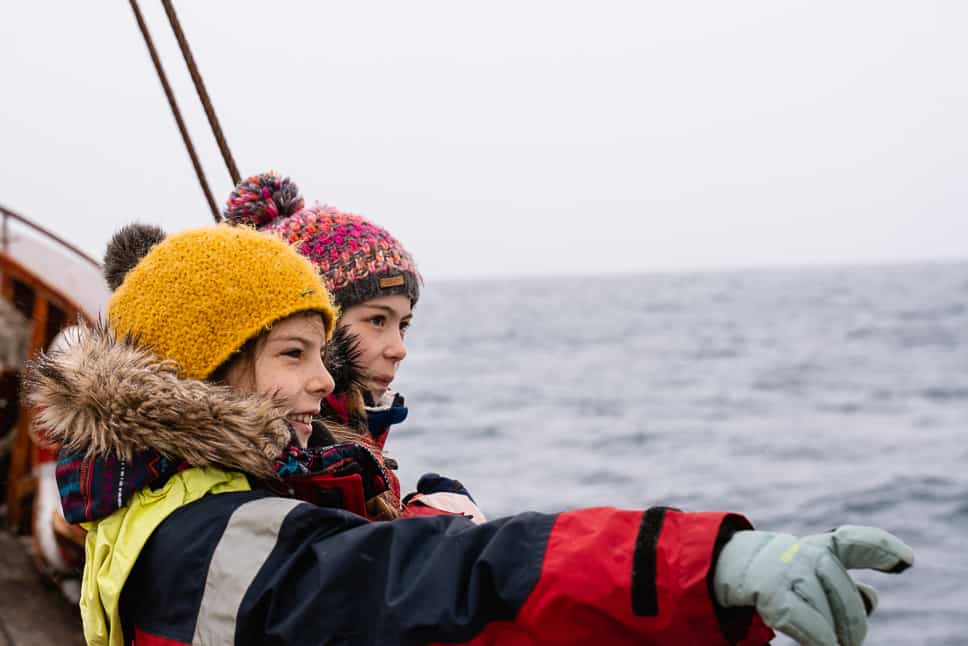
We went on a whale-watching tour with North Sailing. We did a tour in April and didn’t see any whales as this was quite early in the season. Check our article about whale watching in Iceland for more information.
hwx4o
Akureyri

Akureyri is the second-largest city in Iceland and one of our favorite towns. It is situated on the north coast of the country. Akureyri is a charming town with a population of around 19,000 people. We love the traffic lights… but we won’t tell why

One of the main attractions in Akureyri is the Akureyri Church, a Lutheran church that stands tall on a hill overlooking the city. Visitors can climb to the top of the church tower for stunning views of the surrounding area.

Another popular spot in Akureyri is the Botanical Garden, which boasts a variety of plant species from around the world. The garden is a peaceful oasis in the middle of the city and is a great place to relax and take in the scenery.

Travelers can also visit the Akureyri Art Museum, which showcases the works of Icelandic and international artists. The museum is housed in a beautiful building that was once a school and is worth a visit for its architecture alone.

DAY 8: AKUREYI[……]
Read more

Switzerland Travel Guide: Everything You Need To Know

v7wfk
Scenic Switzerland is a must-visit for any traveler. From the majestic Alps to picturesque villages and urban culture, it has something for everyone. In this comprehensive guide, we’ll cover everything you need to know to plan your perfect trip to Switzerland, including the best time to visit, top attractions, travel tips, and more.

cjiod
Source: Unsplash

Best Time to Visit Switzerland

Choosing the best time to visit Switzerland will depend on your interests and what you want to experience during your trip. With its varied climate and range of activities throughout the year, Switzerland offers something for every season. Here’s a breakdown of the seasons and what they offer:

Spring (March to May): In spring, snow starts to melt, and Alpine meadows begin to bloom. Trails open up, and mild weather makes for ideal hiking conditions. Spring also brings fewer tourists, making it a fantastic time to explore cities and popular attractions.

Summer (June to August): Summer is Switzerland’s peak tourist season, thanks to warm weather and longer daylight hours. It’s a great time for outdoor activities like hiking, biking, and swimming. But be prepared for larger crowds and higher prices.

Fall (September to November): Fall in Switzerland is a great time for hiking, enjoying fall festivals, and savoring local cuisine. The weather is still pleasant during early fall, but it gets cooler as the season progresses.

Winter (December to February): Switzerland is known for its world-class skiing and winter sports. Winter is the perfect time to hit the slopes and experience the Swiss Alps. Christmas markets, ice skating, and cozy Alpine retreats add to the winter charm. Keep in mind that the ski resorts can be crowded during this season, so plan accordingly.

Top Attractions in Switzerland

Switzerland is home to some of the most iconic attractions in Europe. From breathtaking landscapes to cultural landmarks, there’s something for everyone. Here are five top attractions that should be on every traveler’s list.

6h0v6
Source: Unsplash

Zermatt and the Matterhorn

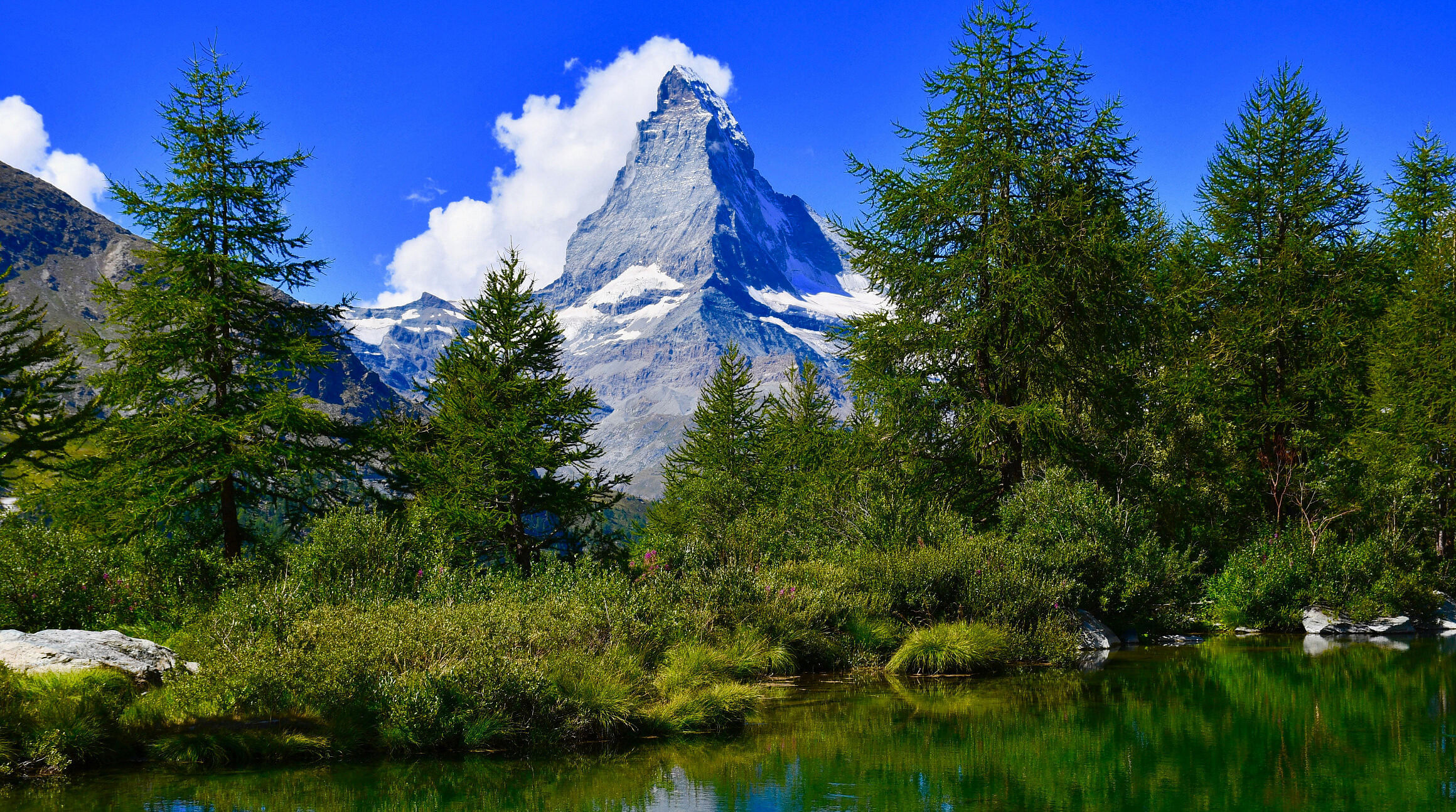
Zermatt, a car-free Alpine village, is the gateway to the majestic Matterhorn, one of the world’s most iconic mountains. Whether you choose to hike, ski, or take a cable car, the views of the Matterhorn are guaranteed to be showstopping.

The best things to do in Zermatt:

Go skiing, hiking, and mountaineering: Zermatt is a popular destination for outdoor activities, with a vast list of hiking trails and world-class skiing opportunities. Some notable peaks to visit include Matterhorn Glacier Paradise, Gornergrat, and Rothorn.

Visit the Matterhorn: Zermatt is famous for its close proximity to the iconic Matterhorn, one of the world’s most recognizable mountains. Enjoy the stunning views of this majestic peak from various vantage points in Zermatt.

Ride the Gornergrat Railway: Take a ride on the Gornergrat Railway, one of the highest open-air railways in Europe. Enjoy breathtaking panoramic views of the surrounding mountains and glaciers from the summit station.

Explore Glacier Paradise: Ride the cable car to the Matterhorn Glacier Paradise, the highest cable car station in Europe. Experience the stunning ice palace, observation platform, and panoramic views of the surrounding peaks.

Visit the Hinterdorff: Don’t miss the opportunity to explore Zermatt’s Hinterdorf, also known as the “back village.” This charming neighborhood is filled with traditional wooden houses, cobblestone streets, and a peaceful atmosphere that offers a glimpse into Zermatt’s past.

dnrw4
Source: Unsplash

Lucerne

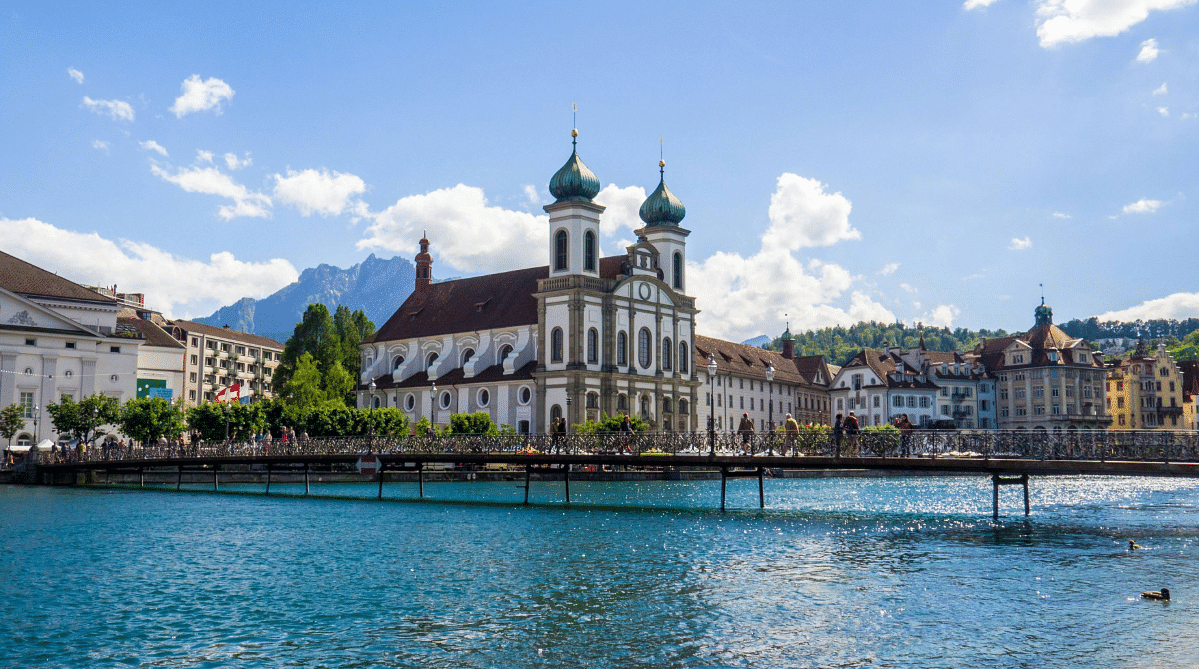
Nestled on the shores of Lake Lucerne, this picturesque city blends natural beauty with charming architecture. Don’t miss the Chapel Bridge, the Old Town’s colorful squares, and the Lion Monument.

Walk over Lucerne’s iconic Kapellbrücke: This covered wooden footbridge offers stunning views as it spans the Reuss River. It is one of Lucerne’s most recognizable landmarks and a symbol of the city.

Visit the Lion Monument: This famous sculpture carved into a rock commemorates the Swiss Guards who lost their lives during the French Revolution.

Explore the Old Town: Take a stroll through Lucerne’s charming Old Town with its beautiful squares, narrow streets, and well-preserved medieval buildings. Don’t miss the historic Ritter Palace and the Weinmarkt Square.

Explore Lake Lucerne by boat: Take a scenic boat ride on Lake Lucerne to enjoy breathtaking views of the surrounding mountains and picturesque towns along the shoreline.

Visit Mount Pilatus: Standing to the south of Lucerne, Mount Pilatus is a majestic peak known for its panoramic views. You can reach the summit by taking a cogwheel railway, gondolas, and cable cars. At the top, you’ll be rewarded with stunning views and the opportunity to hike or enjoy other activities.

ysom7
Source: Interlaken Tourism

Interlaken and the Jungfrau Region

Known as the adventure capital of Switzerland, Interlaken is a hotspot for adrenaline junkies. Base yourself here to explore the Jungfrau Region, with its snow-capped peaks, crystal-clear lakes, and thrilling activities like skydiving, paragliding, and canyoning.

The best things to do in Interlaken and the Jungfrau Region:

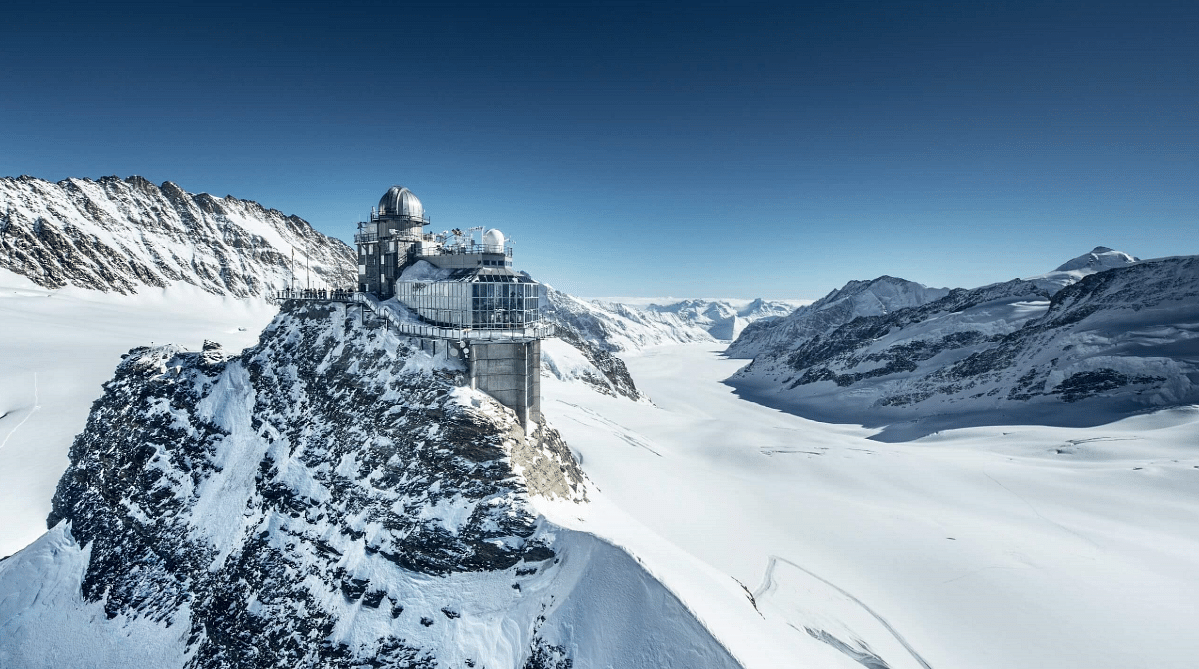
Experience the Jungfraujoch: Known as the “Top of Europe,” the Jungfraujoch is a must-visit destination. Take a scenic train ride from Interlaken to the highest railway station in Europe and enjoy breathtaking panoramic views of the surrounding Bernese Alps.

Adventure sports: Interlaken is renowned for its adventure sports offerings. From paragliding above the picturesque landscapes to skydiving with magnificent views of the Jungfrau, there are plenty of adrenaline-pumping activities to choose from.

Explore Lake Thun and Lake Brienz: Interlaken is situated between two stunning lakes, Thun and Brienz. Embark on a boat cruise to soak in the beauty of these crystal-clear turquoise waters, surrounded by majestic mountains. You can also rent a kayak or paddleboard to explore the lakes at your own pace.

Hike in the Bernese Oberland: Lace up your hiking boots and explore the numerous hiking trails in the Bernese Oberland region. From gentle walks to challenging mountain treks, there’s something for every level of hiker.

Visit Trummelbach Falls: Located in the Lauterbrunnen Valley, Trummelbach Falls is a natural wonder worth visiting. These impressive waterfalls are created by the meltwater from the glaciers of the Jungfrau and cascade through the mountain walls. Take an elevator up to experience the powerful roar of the falls as you walk along the narrow galleries inside the mountain.

wwonh
Source: Forbes

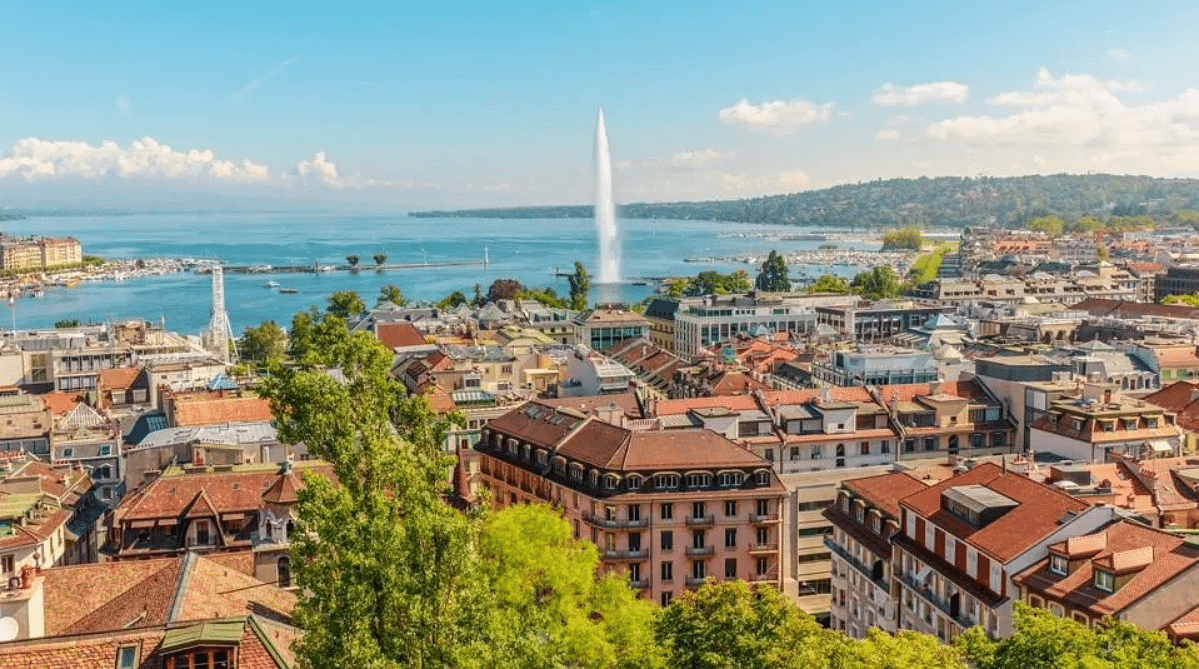
Geneva

Geneva boasts a rich history, beautiful lake views, and a vibrant cultural scene. Explore the Old Town’s cobblestone streets, visit the Jet d’Eau fountain, and learn about the city’s diplomatic heritage at the United Nations headquarters.

The best things to do in Geneva:

Visit the Jet d’Eau: This iconic water fountain is one of the main attractions in Geneva. Located at the point where Lake Geneva meets the Rhône River, the Jet d’Eau shoots water 140 meters into the air, creating a stunning spectacle.

Explore the Old Town: Geneva’s Old Town, also known as Vieille Ville, is a charming area filled with narrow cobblestone streets, historic buildings, and picturesque squares. Visit St. Peter’s Cathedral, explore Place du Bourg-de-Four (the oldest square), and wander through the quaint streets lined with shops, cafes, and restaurants.

Visit the United Nations Office: Geneva is known as the “Capital of Peace” and is home to the European headquarters of the United Nations. Take a guided tour of the United Nations Office to learn about its important work in promoting peace, human rights, and global cooperation.

Explore Lake Geneva: As one of the largest lakes in Europe, Lake Geneva offers a range of activities for visitors. Take a leisurely stroll along the lakeside promenades, rent a paddleboard or a kayak to explore the calm waters, or simply relax on one of the many beaches.

Visit the International Red Cross and Red Crescent Museum: Geneva has a rich humanitarian history, and the International Red Cross and Red Crescent Museum showcases the important work of these organizations. Explore the interactive exhibits that shed light on humanitarian issues, the history of the Red Cross movement, and the impact of conflicts and natural disasters on communities around the world.

30nxt
Source: Unsplash

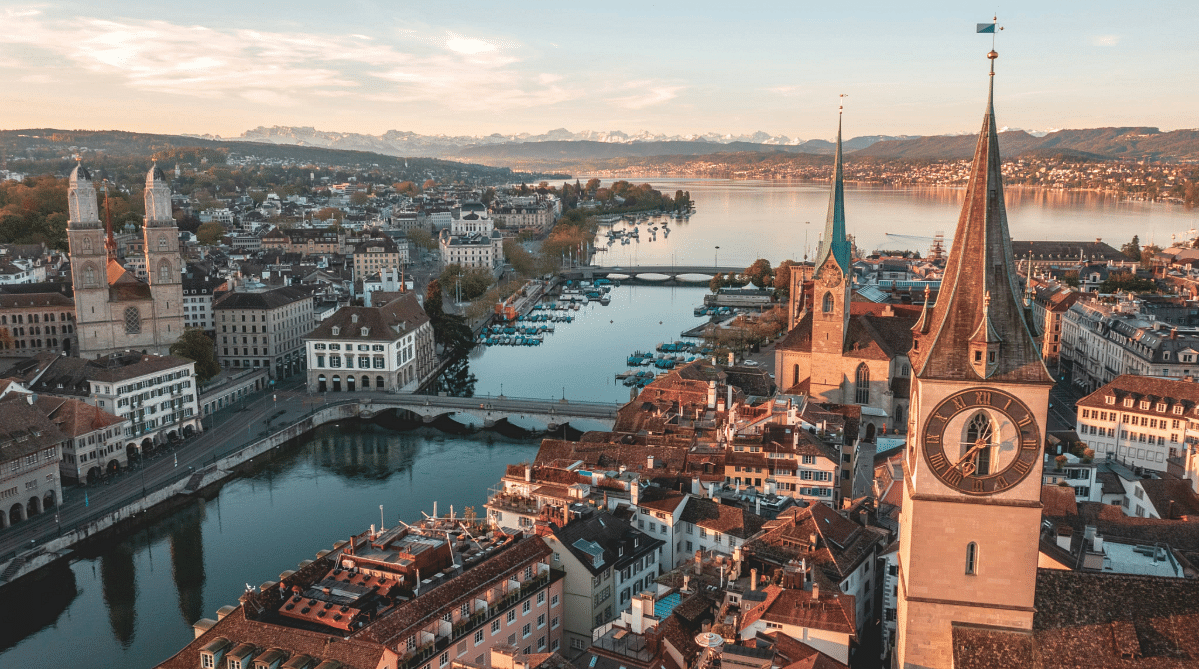
Zurich

Nestled on the shores of Lake Zurich, this Swiss gem is a must-visit. Wander the streets of the Old Town, explore Lake Zurich, and take in breathtaking views from the top of Uetliberg.

The best things to do in Zurich:

Explore the Old Town: Zurich’s Altstadt, or Old Town, is full of charm and history. Wander through the narrow streets lined with colorful buildings, visit the Grossmünster and Fraumünster churches, and explore the vibrant squares like Lindenhof and Weinplatz.

Visit Lake Zurich: Located right in the heart of the city, Lake Zurich is a picturesque spot that offers stunning views and outdoor activities. Take a leisurely boat cruise or rent a paddleboard to explore the lake’s serene waters. There are also several parks and promenades along the shoreline where you can relax, have a picnic, or simply enjoy the beautiful surroundings.

Kunsthaus Zurich: For art lovers, a visit to the Kunsthaus Zurich is a must. This renowned art museum houses an extensive collection of classical and modern art, including works by Picasso, Monet, Munch, and many more.

Uetliberg: If you’re in the mood for some outdoor adventure, head to Uetliberg, Zurich’s very own mountain. Take a short train ride from the city center and enjoy panoramic views of Zurich and Lake Zurich from the summit. There are also hiking trails that lead you through beautiful forests and meadows, making it a perfect escape for nature lovers.

Zurich West: This former industrial area has been transformed into a trendy and vibrant district. Stroll through streets filled with art galleries, boutique shops, trendy cafes, and innovative restaurants. Don’t miss the chance to visit the Schiffbau, a cultural center housed in a former shipbuilding factory, which hosts theater performances, concerts, and exhibitions.

itgtb
Source: Unsplash

Hidden Gems in Switzerland

Switzerland has plenty of hidden gems waiting to be discovered by intrepid travelers. Here are five lesser-known destinations that offer a unique and authentic Swiss experience:

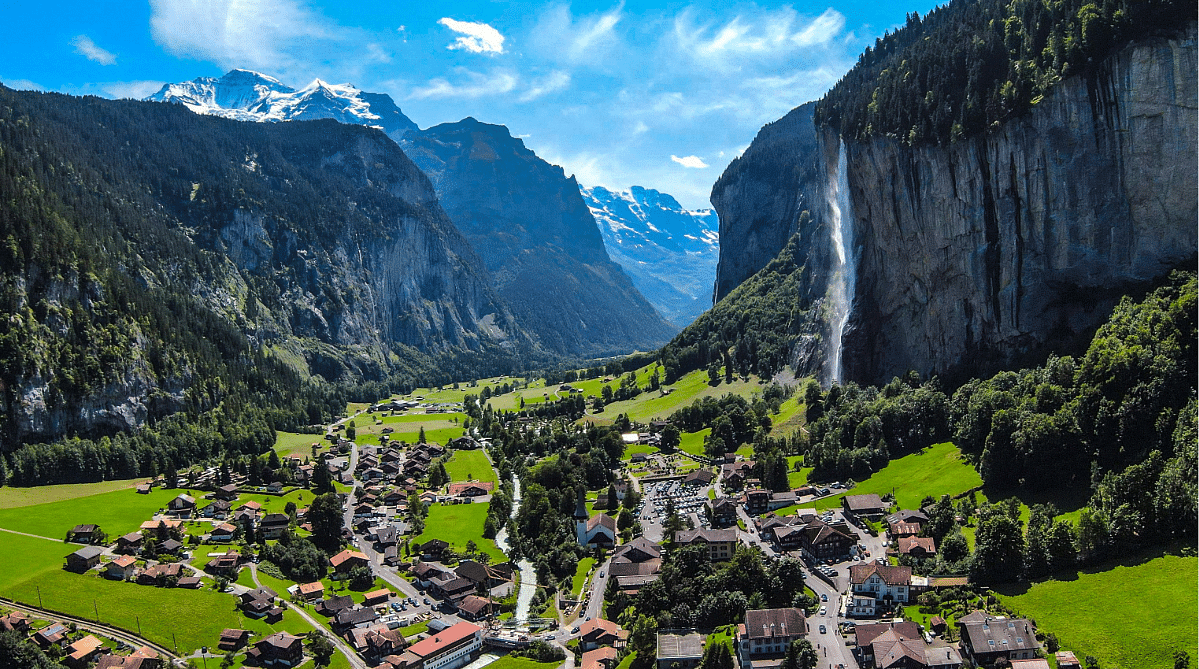
Lauterbrunnen Valley

This picturesque valley is often referred to as the “Valley of Waterfalls.” Immerse yourself in the beauty of 72 cascading waterfalls, charming alpine villages, and panoramic hiking trails.

Ticino

Switzerland’s only Italian-speaking canton, Ticino, offers a Mediterranean ambiance with palm-lined lakeshores and charming medieval towns like Lugano and Bellinzona. Explore the stunning Verzasca Valley and indulge in delicious Italian cuisine.

St. Moritz

Known for its luxury resorts and glamorous skiing, St. Moritz is also a summer paradise. Experience the thrill of the Cresta Run, explore the Engadine Valley, and soak in the healing waters of the famous mineral springs.

Aletsch Glacier

Visit the Jungfrau-Aletsch region, a UNESCO World Heritage site, and witness the largest glacier in the Alps. Take a hike along the Glacier Trail, or ride the cable car for views of this natural wonder.

The Emmental

Discover the Swiss countryside in the Emmental region. Home to Emmental cheese, this scenic area boasts rolling hills, traditional Swiss farms, and charming villages.

0ks4z
Source: Unsplash

Bucket List Experiences in Switzerland

Switzerland offers a plethora of unforgettable experiences that will leave a lasting impression on any traveler. Here are ten bucket list experiences you won’t want to miss:

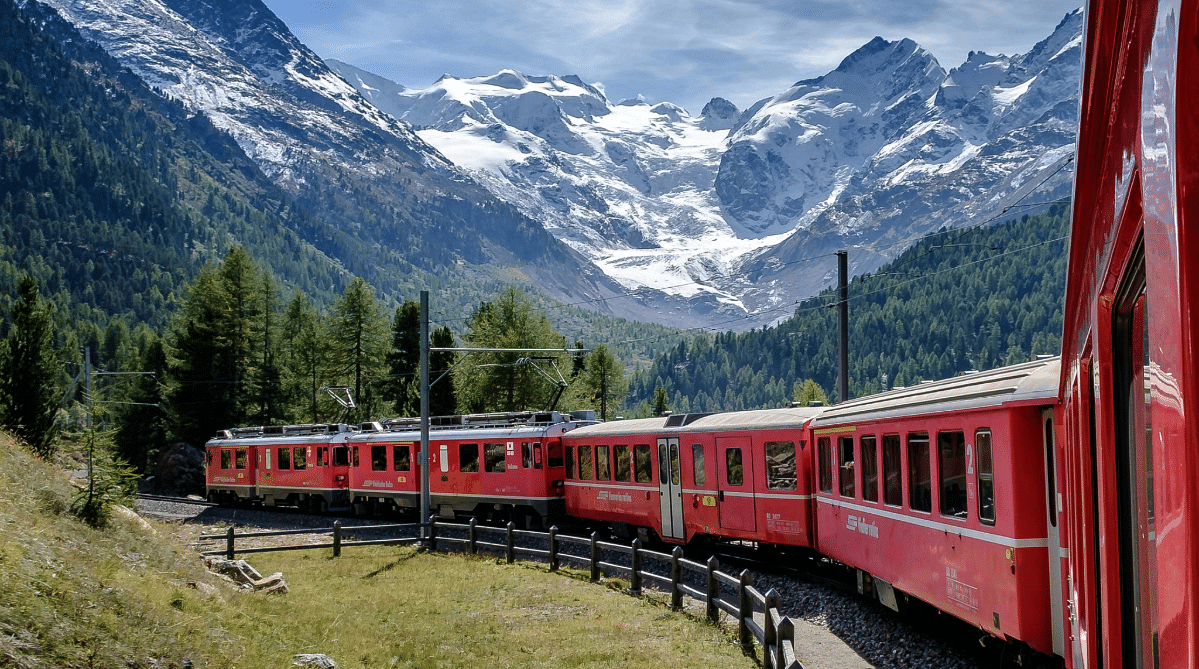
Take a scenic train ride on the Glacier Express, known as the “world’s slowest express train,” for breathtaking views of the Swiss Alps.

Explore the charming medieval village of Gruyères and indulge in a traditional Swiss cheese fondue.

Hike in the picturesque Lauterbrunnen Valley and marvel at the stunning waterfalls cascading down the cliffs.

Go skiing or snowboarding in the world-renowned ski resorts of Zermatt, Verbier, or St. Moritz.

Cruise on Lake Geneva and soak in the beauty of Geneva, Lausanne, and the surrounding vineyards.

Take a scenic cable car ride to the top of Schilthorn to admire the panoramic views of the Swiss Alps made famous by the James Bond film “On Her Majesty’s Secret Service.”

Visit the Château de Chillon, a medieval fortress on the shores of Lake Geneva, and discover its rich history.

Explore the cultured city of Basel and immerse yourself in its thriving art and museum scene.

Go on a chocolate tour in Zurich or Lausanne, and indulge your taste buds with the finest Swiss chocolate.

Visit the Rhine Falls, Europe’s largest waterfall, and take a boat ride for an up-close and exhilarating experience.

g0txe
Source: Unsplash[……]

Read more

Switzerland itinerary: A Complete Travel Guide

Here are some of the best things to see and do in Switzerland in seven days. We hope our Switzerland itinerary in this travel guide blog can help you plan your memorable trip to Switzerland!

Home to the breathtaking Alps, numerous lakes, historical culture, and traditional Swiss villages, Switzerland is like a living fairy tale. It’s incredibly beautiful, with incredible mountain scenery and scenic train, that it almost doesn’t seem real. It is a country I have long wanted to visit, one of the most popular tourist destinations in Europe.

Switzerland is not a very big country, but it has many interesting things to see and do. If you are visiting Switzerland for the first time, a bit of planning is necessary. It’s hard to experience everything that’s great about Switzerland in just a few days of a brief visit. To truly appreciate Switzerland’s charms, we recommended slowing down your pace and trying not to rush around.

In this section of the Switzerland Travel Guide, you will find the articles to help you plan the perfect trip to Switzerland. When to go, what to see, and how much it costs for your budget planning. I will show you how to explore Switzerland in just 7 Days with the Switzerland travel blog!

Traveling to Switzerland

xblhg
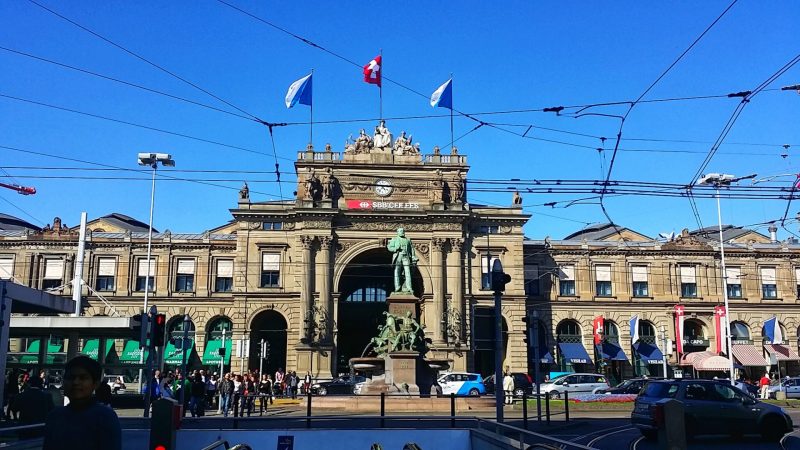
Traveling to Switzerland – Zurich Hauptbahnhof

We took a night train to Zurich, Switzerland from Munich but there are several ways to get there depending on where you are.

By Flight

Many international and budget travelers choose to land in Zurich as flight connectivity to and from Zurich is amazing. Zürich is served by Flaugen airport and it connects you to over 196 destinations across the globe.

The Zurich International airport is 25 minutes away from the city center (by tram). You can make your way to the city center in one of the following ways.

Public Transport – Trains are very efficient in Switzerland and Zurich is no different. You have to pay for tickets at the station (credit cards accepted, cash accepted in some).

Private transport or taxi – A more convenient way if you book a chauffeur-driven transport to your hotel. It will drop you off right at your hotel or at designated points in the city center. A good option if you have tons of luggage and are traveling in a group.

By Train

If you’re already in Europe, then traveling by train may be the more convenient option. The train from Munich Hbf to Zurich Hbf took about 6 hrs 45 mins.

By Car

Traveling by car is one of the best ways to experience Europe. Unlike public transportation, driving in Switzerland will give you the freedom to follow your schedule and stop wherever and whenever you wanted. If you’re looking to rent a car and drive to Switzerland, then you can do so on Rentalcars.com.

7 Days in Switzerland

Given the size of Switzerland, we thought our 7 days Switzerland itinerary was ideal for someone on their first trip to Switzerland. It included a lot of Switzerland’s main attractions and a few lovely day trips to the Swiss Alps, but it wasn’t so packed that we felt rushed or overwhelmed.

For this Switzerland itinerary, I strongly recommend using the Swiss Travel Pass and getting around via public transportation. Also, most boat cruises on most lakes are included. I will cover this in more detail in the sections below.

uq7jp
Here are the suggested 7 days in Switzerland itinerary:

DAY 1: Arrive in Switzerland. Explore Zurich

Start your Switzerland itinerary in Zurich, the first gateway to this dreamy country. On your first day in Zurich, head to the Bahnhofstrasse and slowly walk to Lake Zurich. Spend your afternoon in the old town to visit Grossmuster, Fraumunster, and Peterskirche, and wander around the Altstadt.

DAY 2: From Zurich to Lucerne. Explore Lucerne

Spend your second day exploring the historic town of Lucerne. The iconic landmark places of Lucerne include the Chapel Bridge or Kapellbrücke, the lion monument, and climbing up to the Museggmauer and the Nine Towers.

DAY 3: Take A Day Trip to Mt Titlis

Take an entire day to explore Mt Titlis from Lucerne and enjoy the spectacular view of the Swiss Alps. Take a ride on a cable car to reach the top of Mount Titlis, enjoy the ice flyer and the view on the Titlis Cliff Walk is extraordinary. A great day trip from Lucerne.

DAY 4: Interlaken

The town itself is a compact tourist town but it holds a few attractions to keep you busy. Spend your day in Interlaken with a scenic boat ride to Brienzersee or Thunersee, and stop at one of the lakefront picturesque villages along the journey.

DAY 5: Grindelwald and Lauterbrunnen

Many beautiful Swiss towns and villages can be visited from Interlaken. The fairy tale charming Grindelwald and Lauterbrunnen will win you over. Take time to appreciate the beautiful Swiss scenery and historical buildings when sightseeing in town.

DAY 6: Jungfraujoch

The world-famous, Jungfraujoch is Europe’s Highest Train Station and from here you can view the Jungfrau mountain. It is easy to reach Jungfraujoch by train from Interlaken. Enjoy the panoramic views as you reach the summit.

DAY 7: Day Trip To Bern

On your last day of Switzerland itinerary, explore the capital city of Bern on a day trip. Enjoy a stroll to Altstadt of Bern and wander the cobbled streets of Old Town, and visit Einstein’s House and Zytglogge – an Astronomical Clock from the 15th century.

For more information on all of the sights and activities in this Switzerland itinerary, make sure to read through the detailed itinerary at each city. We included our Switzerland travel blog in each section below.

My Trip to Switzerland

Here started the complete guide from my trip to Switzerland to help you plan for your first visit to Switzerland.

My 7 Days Switzerland itinerary started from Zurich and covered what to do and see, where to stay, and a budget breakdown on a day-by-day basis:

Day 1: Zurich

Day 2: Lucerne

Day 3: Day Trip to Mt Titlis

Day 4: Interlaken

Day 5: Grindelwald and Lauterbrunnen

Day 6: Jungfraujoch

Day 7: Bern

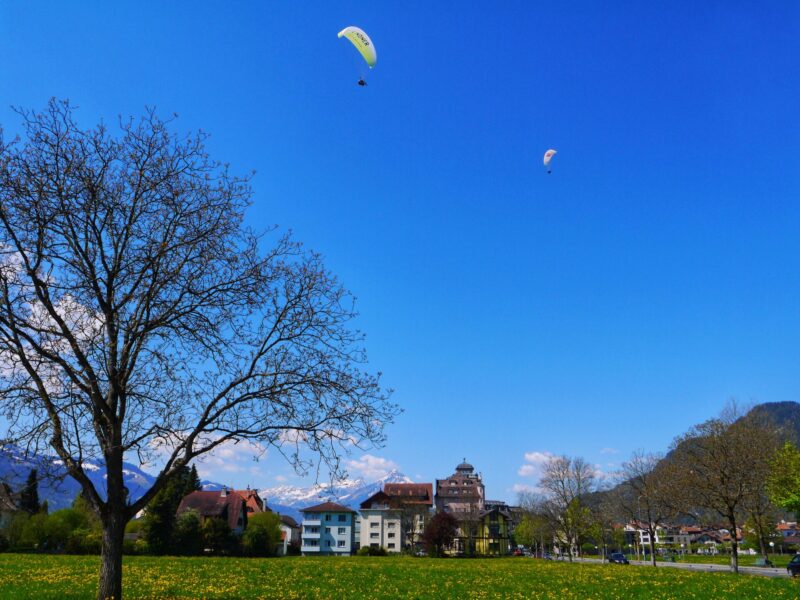
Above Switzerland itinerary for how to spend 7 days in Switzerland is just a suggestion and should be altered based on your interests. We were actually spending another day in Jungfrau as we were doing the Paragliding Adventure from Murren. You may consider slotting into your Switzerland trip if you want to sail over the Swiss Alps!

Day 1: Zurich

mjhdu
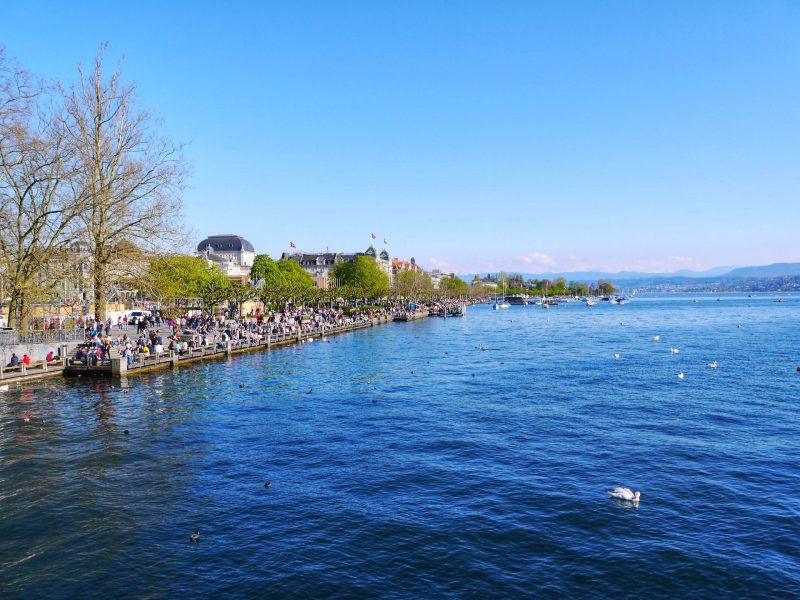
Lake Zurich

Getting there: From Zurich Airport (ZRH) to Zürich Hauptbahnhof (Zurich Hb). Travel time is approximately 11 minutes.

Start this classic Switzerland itinerary in the iconic city, Zurich. This city is the main gateway to Switzerland and a great city to explore. Zurich is also the largest city in Switzerland and is known as the financial capital of the country.

Be sure to allow yourself at least 1 day in this city as there is much to see and do. Put on your comfy walking shoes and join in and explore the city. All the sightseeing attractions mentioned below can be explored on foot, once you are in the city.

96lrn
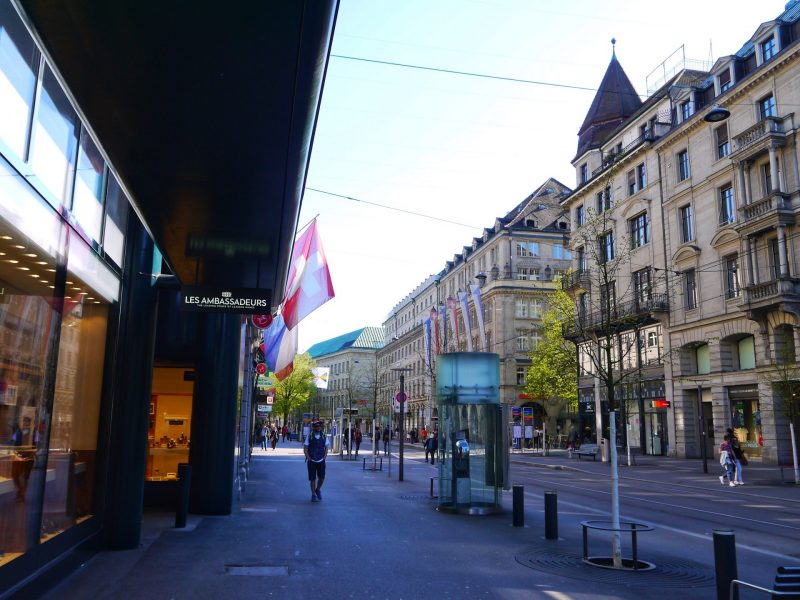
World-famous street, Bahnhofstrasse

Zurich has more to offer than its beautiful views and upscale shopping scene. Make sure to take the time to visit all the top spots in Zurich. Starting from the world-famous street, Bahnhofstrasse, and walk to Lake Zurich. Stroll around Lake Zurich admiring its pristine waters and birdlife.

Next, spend the remaining time wandering around in the Altstadt (Old Town) of Zurich. The Altstadt is filled with cobblestoned lanes, cafes, and shopping areas that you shouldn’t miss. As you stroll through the Old Town, there’s no doubt you will visit the city’s iconic landmarks. The three notable churches: Grossmuster, Fraumunster, and Peterskirche are located in the old town.

You can also take a boat cruise across the lake, or explore the city by bicycle. If you’re looking for a sweeping and stunning view of the city, stop by Lindenhof Hill.

What To Eat in Zurich

f0n8v
It’s also vital that you take the time to sample some traditional Swiss cuisine in Zurich. There are a lot of dining options near the riverside in Zurich’s old town. This area is touristy, but it is a lovely place to taste authentic Swiss cuisine. Alternatively, there are many local or international cuisine that can be found here.

We recommend trying the Swiss Fondue at Swiss Chuchi. No trip to Switzerland is complete without a fondue, so this is your chance to taste it! The fondue was made with high-quality cheese and was very strong in taste. Dipping the bread into the cheese fondue was so tasty!

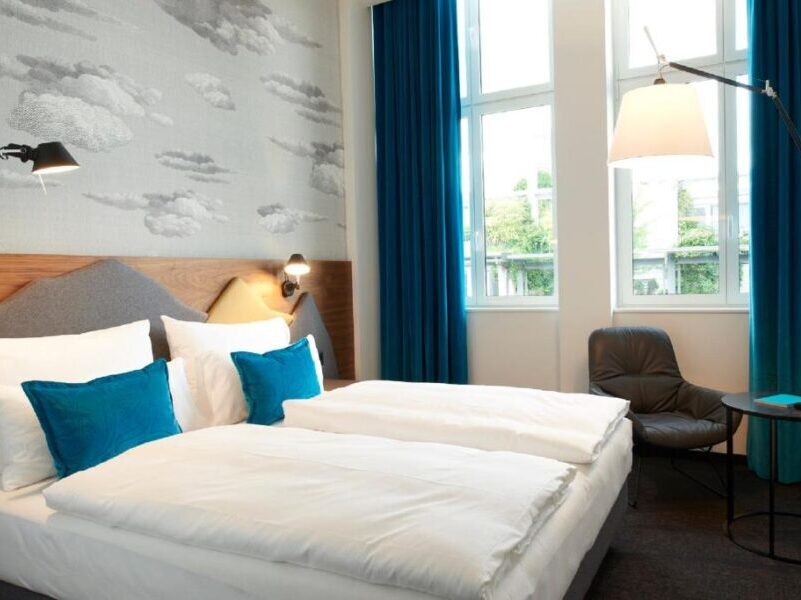
Stay: Motel One Zurich

cxdj9
Stay near the city center or train station in Zurich so that you are located closer to sightseeing areas or the transportation hub. There are many great selections of hotels located nearby the train stations.

Motel One Zürich is our top pick to spend your night in Zurich, with a 2-minute walk from the tram station and good accessibility to the city center. A beautiful design hotel, spacious comfortable room with a clean bed.

Day 2: Lucerne

491r2
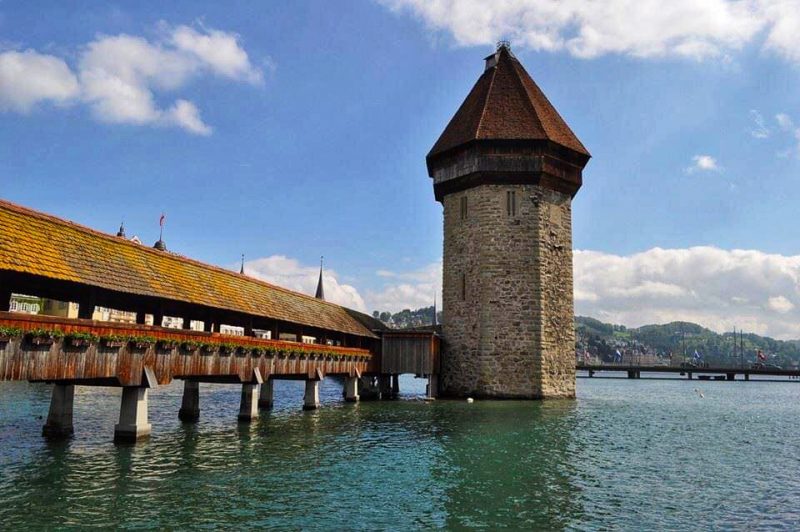
Chapel Bridge, Lucerne

Lucerne is located only 50 minutes from Zurich with a train departing from Zurich to Lucerne every hour. Once you are in Lucerne, this charming city is easy to get around and you can reach almost all the attractions within walking distance.

We recommend that you start your city tour with a walk through the Chapel Bridge (Kapellbrücke), the oldest wooden covered bridge in Europe to give you a glimpse of the past. From there, walked and climbed up to the Museggmauer and the Nine Towers to have an aerial view of the city. The descent down from the hillside to the lion monument to give respect to the Swiss soldiers who lost their lives defending King Louis in the 18th century during the French revolution.

r6yo7
The next thing you’ll want to do is head back to the Old Town, where all the city highlights are located. The historic center of Lucerne, Altstadt (Old Town) is filled with winding cobblestone of alleyways and passages with a few magnificent Squares that seem to take you pleasantly by surprise. Get lost wandering in the cobblestone of the old town and viewing the historical building. Many cafes, shops, and restaurants can easily spend your whole day here.

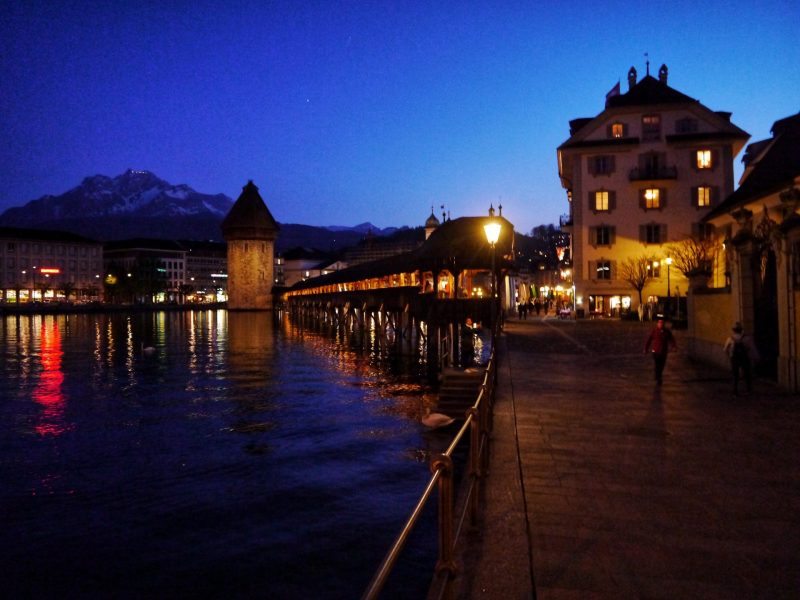
Besides, Lucerne is very absolutely dreamlike in the nighttime. Being on the Chapel bridge feels like a fairy tale when the light lit up.

Getting there: From Zürich Hauptbahnhof (Zurich Hb) to Lucerne train station. Travel time is approximately 50 minutes.

Stay: Altstadt Hotel Krone Luzern

6p4tc
Similar to most towns in Switzerland, everything is walkable in Lucerne, especially if you are staying in an old town near the river. The Hotel des Balances is perfectly located in a picturesque location on the Reuss river in the heart of Old Lucerne. Getting off from train in Zurich to the hotel was an easy 10-minutes walking journey across the gorgeous river.

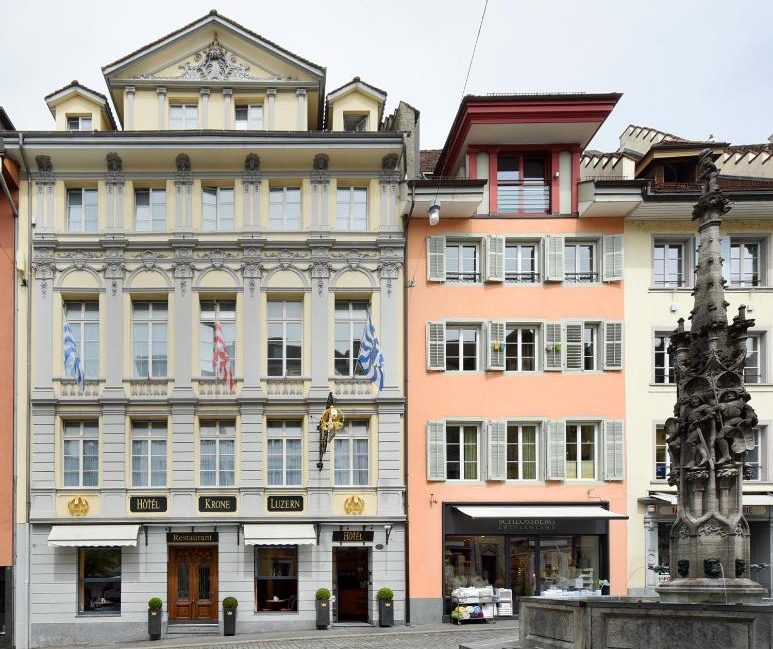
Alternative, Altstadt Hotel Krone Luzern is our mid-range pick for the best hotel in Lucerne. Set in Altstadt, the hotel is exceptionally located with a beautiful view of historic buildings in the Weinmarkt. It is also within walking distance from the train station, and nearby to many restaurants and cafes

Read more if you need more selection for your best stay in Lucerne.

Day 3: Day Trip To Mt Titlis

ojt67
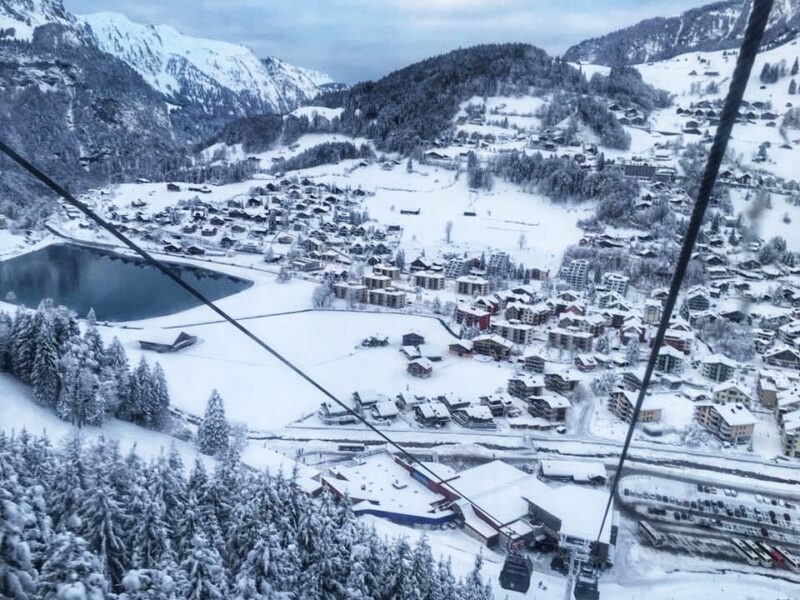
Getting there: From Lucerne train station to Engelberg train station, with a travel time of approximately 40 minutes. From there, take the cable car to Mt Titlis.

Mt Titlis is a great day trip from Lucerne, Zurich, or other towns in Switzerland. Based on our Switzerland itinerary, we choose Lucerne as the base to Mt Titlis to make it easy for the next destination.

From Lucerne, you need to go to Engelberg (the last stoppage to Mt. Titlis) by train. Regular trains departed from Lucerne to Engelberg, with at least one train per hour. It takes about 40 minutes to reach Engelberg by train and the train route is included in the Swiss Travel Pass. From there, you can take a free shuttle bus service (free of cost) to reach the entry point of Mount Titlis. You can find the time of the bus service at the station. If you are interested to see the scenic beauty then a 10-12 min walk is there to reach the entry point. It is an easy and flat walk.

Next, the Mt Titlis can be reached by taking a gondola from Engelberg to Stand, followed by a fully rotating cable car from Stand to the top of Mt Titlis. The cable car journey is less than 10 minutes. The whole panoramic view is lovely and worth clicking.

Switzerland Travel Tips: The Swiss Travel Pass provides a 50% discount on the cable car ticket from Engelberg to Mt Titlis.

q5itk
Titlis Cliff Walk

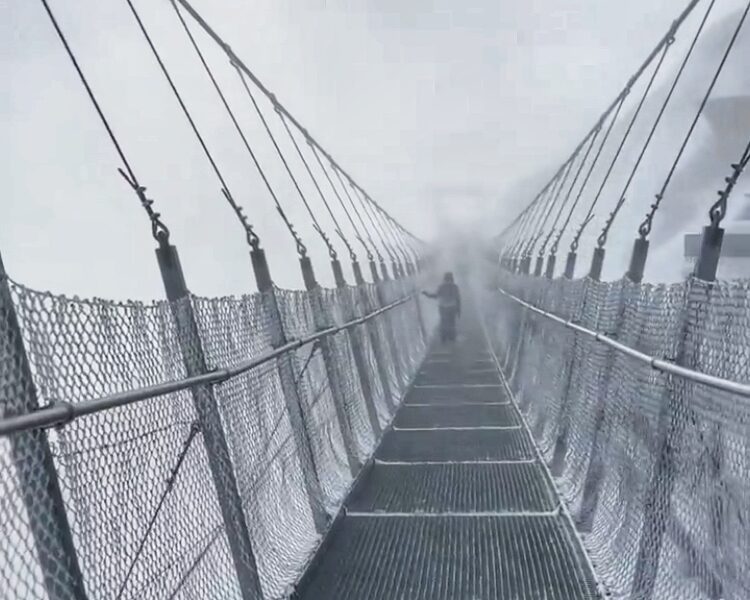
We spend about 2 hours on top of Mt Titlis to enjoy the spectacular views of the Swiss Alps. The Titlis Cliff Walk is the most memorable journey experience and adds excitement to the trip. In short, we spend about 5 hours on a visit to Mt Titlis after including all the traveling journey and waiting time.

The total cost for the Mt Titlis ride is not cheap and it costs about CHF101 without any discount card. With the Swiss Travel Pass, you can travel on Mt Titlis at a 50% discount. If you opt for a hassle-free arrangement, here are the best day tour to Mt Titlis with great customer ratings. Take a look if you are interested.

Half Day Trip to Mount Titlis with Cable Car from Lucerne

Day Trip From Mt Titlis From Zurich – included with tour to Lucerne town

After enjoying two days in Lucerne, it’s time to head on to your next destination!

Day 4: Interlaken

foo35
Getting there: From Lucerne train station to Interlaken OST. Travel time is approximately 110 minutes.

The next morning, catch a train and head to the Interlaken in the Bernese Oberland for the next Swiss Adventure. We took the Golden Pass Line, a beautiful scenic train ride from Lucerne via the Bernese Oberland lakes to Montreux. From Lucerne to Interlaken, it took us about 110 minutes with beautiful scenery along the train journey.

Once we reached Interlaken, we checked in to our hotel, Carlton-Europe Vintage Hotel, and started our next adventure. There are many attractions so please allocate at least two to three days to explore the Bernese Oberland and the nearby region. We spend our remaining 4 days in this one of the most beautiful regions in Switzerland.

We choose Interlaken as our based in the Bernese Oberland. It is one of Switzerland’s most popular tourist towns and has easy access to nearby attractions with great transport accessibility. There are countless cable cars, funiculars, gondolas, and cogwheel trains ready to take you up to high alpine scenery.

Boat Trip Lake Brienz

q5va6
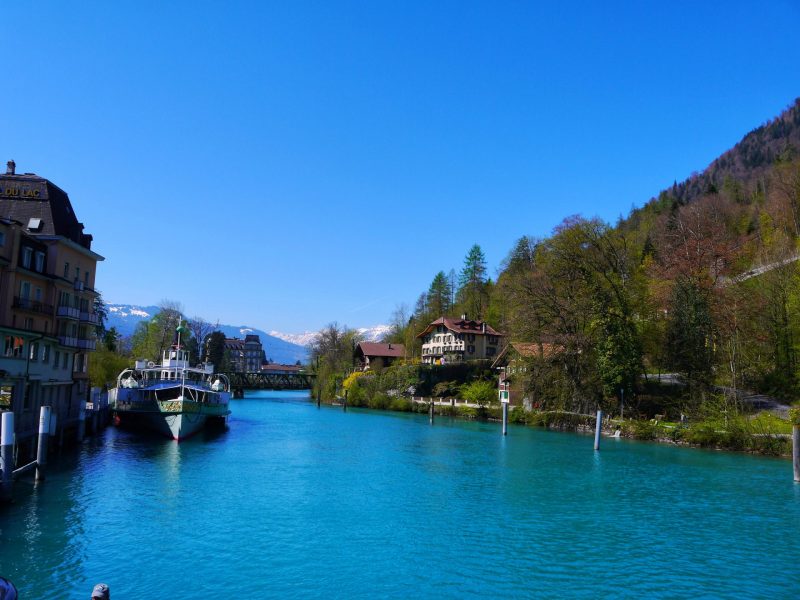
Situated between the beautiful Lakes Thun and Brienz, a boat ride is a must-do in Interlaken. We recommended choosing one of the boats rides from two, either Brienzersee (about 2.5 hours for round trip) or Thunersee (4-5 hours for round trip), and combining it with the town touring for a perfect round trip journey.

We opted for lake Brienz during our trip to Interlaken. The boat ride departed from Interlaken OST, nearby the Interlaken railway station. It is a scenic boat ride with azure blue water and a picturesque view along the journey.

There is plenty of stop point along the way, but we choose to stop at Brienz town, a scenic lakefront village known for its wood craving. We spend time wandering in the Brienz town and taking a lot of photos. At the end of the town, we take the train instead of a boat ride back to Interlaken.

What To Eat in Interlaken

2rt41
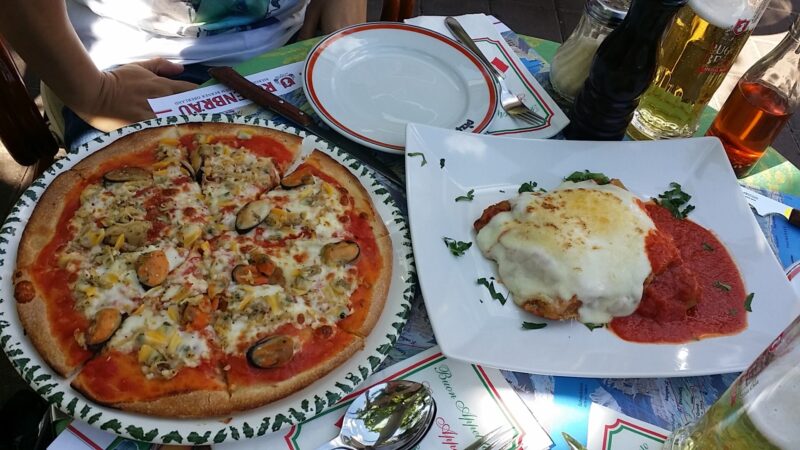
Most of the restaurants are located on the main street and you can choose the best restaurant in Interlaken based on your liking. We choose to have a piping hot slice of deliciously cheesy pizza at one of the pizzerias in Interlaken. The food was not too bad with a good choice of toppings. Very reasonably priced for dining in Interlaken.

du9eq
The food in Switzerland is expensive, especially in the tourist town of Interlaken. For the money-saving purpose, we get the cooked food from Coop supermarket in Interlaken. It has all the things you need during your stay in Switzerland. The food is not as pricey and had quite a good variety to choose from. Vegetarians could also get food from there. One gets cheap food that can heat in the microwave or also be eaten directly.

We had the seasoned well chicken, good salad, and cool beer for dinner during one of our days in Interlaken. The best cheap eats for a budget traveler when looking for what to eat in Interlaken.

Stay: Carlton-Europe Vintage Hotel

qq16v
Given its proximity to several other beautiful and exciting destinations, as well as its affordable accommodation, we recommend using Interlaken as your home base for your Switzerland itinerary. There are several great places to stay in Interlaken that will suit any travel style.

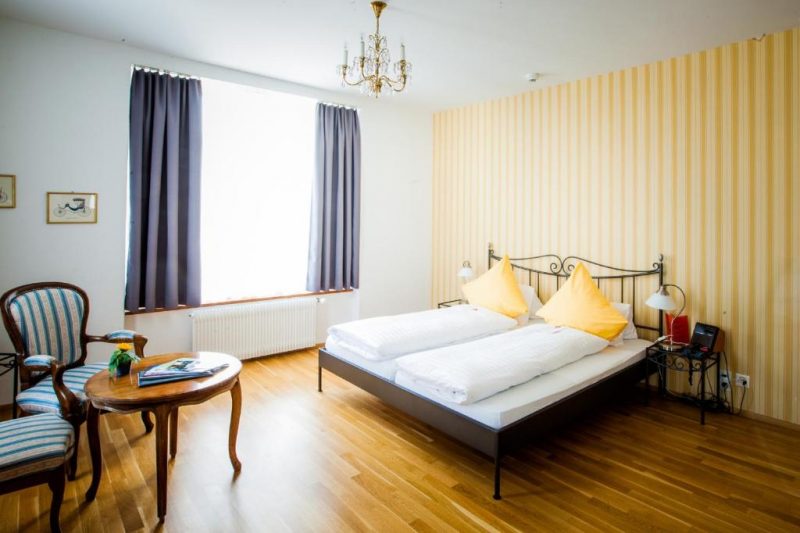
The Carlton-Europe Vintage Hotel is a great, centrally located hotel that is situated close to the Interlaken OST station. They have several clean and comfortable rooms and there is an option to include breakfast in the morning. Extremely popular in Interlaken and reserve your room early to secure your stay.

If you’re still looking for a great place to rest your head, check out our top suggestions. Click here to know more about where to stay in Interlaken or nearby areas.

Day 5: Grindelwald and Lauterbrunnen

No visit to Switzerland would be complete without spending a least a little bit of time relaxing in a Swiss village that Switzerland is so well known for. There are countless amazing places to visit from Interlaken and it is sure to give you a great view of what life is like in Swiss. The popular places is to the lovely Swiss town of Grindelwald, Lauterbrunnen, Mürren, Grindelwald, Wengen, Isenfluh and more.

We visited the Grindelwald, Lauterbrunnen, Mürren, Grindelwald, and Wengen during our four days visit to the Bernese Oberland. Among all the villages, we recommended spending one day exploring the Grindelwald and Lauterbrunnen. Of course, here is our recommendation after our actual visit. You can adjust your Switzerland itinerary based on your interest and the time when you are there. Take note that you need to include the traveling time from one place to the next destination.

From Interlaken OST to Grindelwald

y7xni
Grindelwald – First Cliff Walk by Tissot

Getting there: From Interlaken Ost to Grindelwald Bahnhof. Travel time is approximately 28 minutes.

One of the most iconic Swiss villages in Bernese Oberland to have on any Switzerland itinerary has got to be Grindelwald. In the morning, hop on a train from Interlaken to the Grindelwald! The village of Grindelwald itself is gorgeous. You can enjoy the village view and witness the Eiger Mountain.

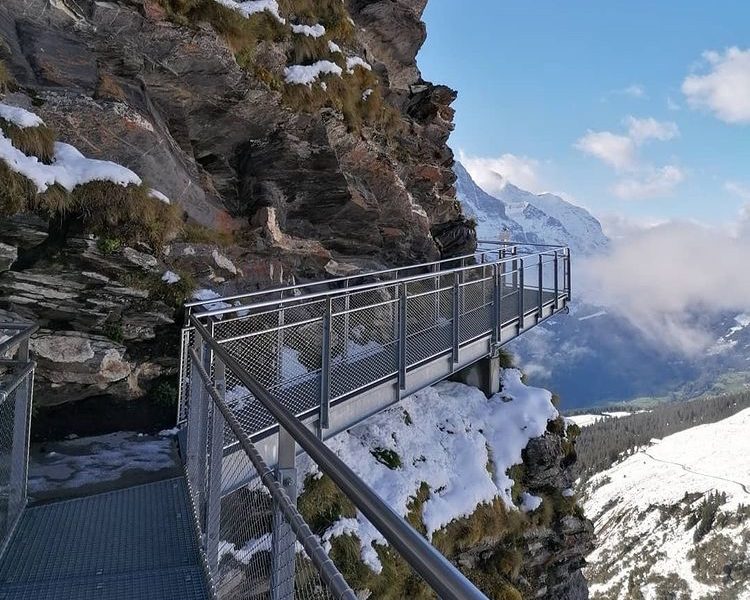
Next, take a 25-minute cable car ride and head to the famous First Cliff Walk by Tissot. There are a lot of fun activities on offer to spend your time at the summit.

From Grindelwald to Lauterbrunnen

1ta6s
Lauterbrunnen

Getting there: From Grindelwald Bahnhof to Lauterbrunnen. Travel time is approximately 37 minutes.

From the chilled-out vibes of the Swiss mountains, it’s time to head to another of the most iconic village in Bernese Oberland. Arguably one of the most beautiful villages in the world, Lauterbrunnen is full of breathtaking views that can not be described in words or photos.

There are 72 waterfalls in the Lauterbrunnen Valley with amazing views of the Alps mountain region. You can hike around the waterfall or just simply stroll in the village to enjoy the breathtaking view.

Day 6: Day Trip to Jungfraujoch

rtxr6
The Jungfraujoch – Top of Europe is a true highlight of our 7 days Switzerland itinerary. This highest train station in Europe is located in a magnificent landscape of eternal snow and glaciers. It’s simply spectacular to visit the world of eternal snow.

There are two routes to get to the Jungfraujoch; via Lauterbrunnen and via Grindelwald, and both routes offer an amazing view of the Alpine Alps. We recommend going up via one route and going down via the other. That way you see the most of this stunning alpine area.

Getting there: Fr[……]

Read more

The Best Places to Visit in Germany When Travelling from USA

Germany is the economic powerhouse of the European Union. It also doubles as one of the continent’s best and most exciting vacation spots. Germany comprises towns of varying sizes interconnected by railways and highway networks called Autobahn. Every turn within the country has nice things to offer, from the magnificent capital city – to the historic city of Munich and everything in between.

Germany is full of good beer, culture, and lively locals and appeals to various visitors. American citizens think, accessibility, sights, culture, food, and value have been used to rate these German locations, and here are the best places to visit in Germany. Whatever you seek, be it an exciting outdoor experience, culture, art, or partying at Oktoberfest, Germany has covered you.

4f3nb
Berlin

London is the capital city of England; New York is to the US, and so is Berlin to Germany. Berlin is a large city and the center of tourist attractions in Germany. It offers beautiful green spaces, art expositions, and nightlife. It also pays attention to its rich cultural history. The Great Berlin Wall fell in 1989, uniting West and Eastern Berlin. It has led to beautiful memorials like the Berlin Wall Memorial, Memorial to the Murdered Jews of Europe, and Checkpoint Charlie Museum reminding Germans and their visitors of their history.

To enjoy leisurely strolling in the city, cafe sitting, or days at the park, visiting Berlin between May and September is best. The temperature during this period is usually optimal for outdoor activities. Winter is generally cold and inappropriate for outdoor activities, but hotel rates and airfares are generally cheaper, making it ideal for budget travelers.

Munich

Munich has multiple museums scattered across the city that are worth exploring. It is the most expensive German city to visit and the largest. It is home to the famous Oktoberfest, a two-week-long festival, and features the best of Germany’s beer. Stunning church buildings and breath-taking gardens are also present in the town and attract tourists year on year. Aside from Oktoberfest, Munich is also home to technology and publishing; many shiny BMWs are easily sighted on the streets.

Unless you are a fan of the Oktoberfest fest that occurs in fall and brings millions of people together in Munich, the best time to visit Munich remains from March to May. The period has optimum temperature and weather conditions for outdoor activities. At this time, the peak of the summer season has not arrived, and the crowd from fall has receded.

Hamburg

Hamburg is a great city to visit via boats, as multiple canals and the Elbe River seamlessly flow through the city center. Hamburg is home to the largest cruise port in Germany due to its numerous water bodies. The city is clustered around its center and can be explored on foot. Visitors who come by boat can easily stroll out to the city center to explore the beauty.

Music lovers find Hamburg a haven as it is home to the Elbphilharmonie complex. The complex has two concert halls that give a great view of the city. The city enjoys its best weather conditions between May and September, which is the best time to visit Hamburg as a tourist.

Its proximity to water bodies makes it an excellent place for seafood delicacies. Hamburg is a green town, and they treat their visitors to exquisite delicacies with green foods and seafood, not leaving out great German beer.

Nuremberg

Although the thought of traveling to Germany during winter can be tough and somewhat gruesome, Nuremberg offers one of the best Christmas experiences in Germany. One of the most visited locations is Christkindlesmarkt, Germany’s biggest Christmas market.

Medieval structures like the Nuremberg Castle and other remains from WWII, safely tucked away in museums, cause tourists to visit every year. Many tourist attractions are safely stored and protected from the elements of nature so that they can be preserved.

Neuschwanstein

The city of Neuschwanstein is popularly known for the King’s castle present therein. Although the castle was initially built and commissioned by King Ludwig II to be a safe place against public life, and was prohibited for outsiders, today, the castle welcomes thousands of visitors yearly. The castle gives a grand view of the surrounding mountains, Bavarian alps, and Alpine lakes.

The castle in Neuschwanstein is typical of the make-believe in bedtime stories. There have been rumors that it inspired the castle in Walt Disney. The road leading up to the castle sets a romantic tone and welcomes a myriad of visitors yearly.

Black Forest

The Black Forest has villages scattered along long valleys. Lakes, forests, and hills are characteristic of the Black Forest. The Black Forest and Baden are known for their exotic spas that help you relax. Tourists travel from far and wide to enjoy Spa sessions in the city. A trip to the Black Forest cannot be complete without a soothing spa session.

Mainz

Mainz is the wine capital of Germany and is a sight to visit, especially for wine lovers. It is located to the left of the Rhine River, where Main joins the Rhine. The Rheinhessen area, together with Mainz, forms the largest wine-producing region in Germany. Apart from wine, Markt and the Kirschgarten also have great architecture to acquire while taking long strolls along the city center.

Sights to see in Mainz include The Gutenberg Museum, The Mainz Old Town, Romano-Germanic Central Museum, the Mainz Cathedral of St. Martin, which is over 1000 years old, The Deutschhaus, the House of Parliament of Rhineland-Palatinate, and Christ Church which was built between 1898 and 1903.

Frankfurt

Frankfurt is the financial capital of the Eurozone and has the European Central Bank in it. It is also home to the Städel Museum, Frankfurt Museum Embankment, and a beautiful botanical garden. Frankfurt serves as a great base from which you can explore the countryside.

Although Frankfurt has its rich supply of medieval architectural masterpieces, it is also home to modern architectural designs, packed full of skyscrapers, and hosts trade shows like the Frankfurt book fair. The Museum of Ancient Sculpture and the Museum of World Cultures is also present in Frankfurt.

Leipzig

Leipzig is known for its markets and traditional fairs and has a wholesome Christmas market. Culture, art, and education are highlights of the city. Leipzig is only about an hour away from Berlin.

It is the hub of learning and literature and houses the German National Library. The Museum of Fine Arts houses thousands of years old paintings on display for visitors and citizens to enjoy. Botanical gardens, green spaces, and parks are scattered all around the city, giving visitors an excellent opportunity to have some outdoor time. To commemorate the defeat of Napoleon, the Battle of the Nations Monument was built in 1913.

Heidelberg

Heidelberg is located along the Neckar River and has the country’s oldest university. It is a small historic town with a lot of beauty to offer. A brisk walk along the city center and across its Old Bridge reveals the beauty hidden in plain sight.

Heidelberg University – the oldest university founded in 1386, is a scientific hub of Europe. It also influenced the existence of research facilities like four Max Planck Institutes and the European Molecular Biology Laboratory, located just adjacent to the university. Other tourist attractions include the Heidelberg Palace, Students’ Prison at Heidelberg University, and Heidelberg Zoo.

Bonn

Bonn exists in the southern part of the Rhine-Ruhr region, is the largest metropolitan area in Germany, and was once Germany’s capital city. It is an excellent location for music lovers, as there is always enough good music.

Like other parts of Germany, museums play a significant role in the city’s history. Bonn Museum of Modern Art, Museum of the History of the Federal Republic of Germany, and Kunstmuseum are significant museums in the city. Leisure parks and protected natural reserves are also present in Bonn, attracting several tourists yearly.

Saxon Switzerland National Park

Saxon Switzerland National Park has unique rock formations in varying shapes and sizes. They are scattered around the park, with the most prominent being the Bastei Bridge, which has unique formations around it. It has an outdoor theater integrated into the park’s rocks. Other spots in the park include the Elbe Cycle Route, Painter’s Way, and Felsenbühne Rathen.

The National Park was established in 1990 and covers a landmass of 93.5 km². Rules are put in place to preserve its nature as a natural park. Such rules include no climbing when the rock is wet, forbidding metal safety equipment and other chemical aids.

Lübeck

Lübeck is in the Northern part of Germany and is a maritime commerce center, as it is located on the Baltic Sea and is a hub for maritime commerce. Between the 12th and 16th centuries, it was one of the highest trading ports in Europe. It has lots of historic architecture and significance and was tagged as a World Heritage Site in 1987 by UNESCO. The city can be seen in its beauty by boat tours on its numerous waterways.

Some of the fancy tourist sites in Lübeck include the City hall, St. Mary’s Church, Salzspeicher, and Hospital of the Holy Spirit, which is one of the city’s oldest establishments in Lübeck in 1260. The hospital is a nursing home and is one of the most important buildings in the town.

Hannover

In the Northern part of Germany, Hannover is known for its numerous gardens, parks, and serene relaxation facilities. It is the third-largest city in the Northern part of Germany after Hamburg and Bremen.

Autobahnen or motorways and rail lines connecting Berlin, the Ruhr area, Düsseldorf, and Cologne of east-western Germany to Hamburg, Frankfurt, Stuttgart, and Munich in the North-Southern part all have their crossing point in Hannover.

The Leibniz University Hannover, Hannover Medical School, and its university hospital are some of the great educational institutions in Hannover. It is home to the world’s leading transport, logistics, and mobility trade show that comes up biannually – the IAA Commercial Vehicles show. It also hosts the largest sharpshooters’ festival in the world.

Stuttgart

Stuttgart is home to a myriad of museums present in it; some of the most spectacular being the Mercedes-Benz Museum and the Porsche Museum, giving it the title – the cradle of automobiles. It has high-tech industries and is home to companies like Mercedes, Porsche, and Bosch. It also has the highest standard of prosperity of any German city. It is famous as a transport junction and has the second-largest stock exchange in Germany.

It is one of the most congested European cities and filled with many immigrants. Reports say that one in every three individuals in the city is an immigrant. Stuttgart’s most iconic architectural landmarks include the Solitude Palace, Alte Kanzlei, the Collegiate Church, the Old Chancellery, and the King’s Building, constructed in 1850.

Dresden

After its destruction in February 1945, Dresden saw a total buildup in a comeback that was not short of a miracle. It is beautifully littered with art and masterpieces in the right places. A great example of the rebuild was Frauenkirche, the famous cathedral built in 1743. It was destroyed in WWII in 1945 but was restored in 2005.

Neumarkt is the city’s main square and is a great place to visit. Other sights include the Dresden Castle, Zwinger Palace, Brühl’s Terrace, museums, and art galleries.

Trier

Trier was founded in 15 BC by the Romans, making it the first German city. The town has a Roman touch to it, some of which include the Imperial Baths, Porta Nigra, St. Peter’s Cathedral, and the Basilica of Constantine. The University of Trier, the Trier-Saarburg district, and the Academy of European Law are central places to visit in Trier.

Like other parts of Germany, museums play a central role in retaining the city’s history. Some of the most iconic museums include Rheinisches Landes museum, Domschatzkammer – Treasury of Trier Cathedral, Karl Marx House, Toy Museum of Trier, and Fell Exhibition Slate Mine.

Potsdam

Potsdam is located only about 22 miles off the Southwest of Berlin. Thanks to its preserved landmarks and parks scattered strategically around the city, it offers a great time to sync with nature. The Sanssouci Palace, built by King Frederick the Great, is the central attraction point of the city and gives its visitors breath-taking experiences.

On your visit to Berlin, ensure to take time off to visit Potsdam. UNESCO recognized it in the 18th century as a cultural and artistic cultural site. It offers a calmer and nature-oriented experience of Germany.

Bamberg

Bamberg stands as one of Germany’s most attractive towns but is often overlooked. It majestically sits between two waterways, the Rhine-Main-Danube Canal and the River Regnitz. The town is famous for Rauchbier, or smoked beer, which tastes like bacon. Major sights include the Old Town Hall, the Bamberg Cathedral, and the dreamy rose garden sitting in the New Residence palace.

Berchtesgaden

Berchtesgaden is beautiful, with mountains, peaks, deep valleys, forests, alpine lakes, and rivers scattered around the city. Jenner mountain is covered with snow in winter and is a go-to place for ski enthusiasts. The Eagle’s Nest – a beer garden on the mountaintop- was once owned by Adolf Hitler and sits comfortably in Berchtesgaden. It is a great vacation space in the Bavarian Alps.

Rhine Valley

The Rhine River flows from Rüdesheim to Koblenz. The valley comprises a mix of wild, agricultural, medieval, and modern structures. Panoramic viewpoints, stone fortresses, and beautiful forests are highlights of the valley. After a long day of touring, ensure to relax with locally sourced wine.

Cologne

Cologne is famous for its twin-towered cathedral and its numerous artworks in museums. It speaks volumes about history and architecture. History enthusiasts and lovers of chocolate and sports often find their way down here.[……]

Read more