Divi WordPress Theme


3-MINUTE TRAVEL GUIDE:BARCELONA, SPAIN

DON’T FORGET TO PACK Copies of prescriptions (including the one from your eye doctor for glasses or contact lenses). Adapters for small electronics like your tablet or phone. Color copies of the signature page of your passport to carry in your wallet (useful for verifying your identity without having to carry your passport everywhere). Before you leave, check whether any over-the-counter medication you regularly need will be available in Spain. Some common medicines like ibuprofen are only available with a prescription. You may be able to bring a small amount into the country, but be sure it’s in the original container so it’s easily identifiable by customs agents. Finally, bring some Ghirardelli bars. It may sound strange, but they make great presents for new friends, you can’t get them in Spain, and they’re easily packed.

BEST LEFT AT HOME Appliances like hair dryers or straighteners. Spain doesn’t have the voltage for them and converters can be faulty and even ruin the appliance. You can get dual-voltage versions in the US or just buy one in Europe when you arrive.

gun79
WHERE TO LIVE Near a metro stop! While the city’s transit cards work on any form of public transportation, the metro line is the fastest and most convenient way to get around. As for which neighborhood to live in, districts like the Eixample, Gràcia, and Sants are good places to look for housing.

BEST EATS NEAR CAMPUS Veggie Garden is a vegan Indian-Nepalese restaurant near Plaça Universitat with delicious food and student-friendly prices. DeLaCrem is just behind the central UB campus and has amazing seasonal ice cream flavors. If you’re interested in trying traditional Catalan food, take a short walk to the Sant Antoni neighborhood. It has tons to offer from old-school restaurants to trendy bars.

9zwf4
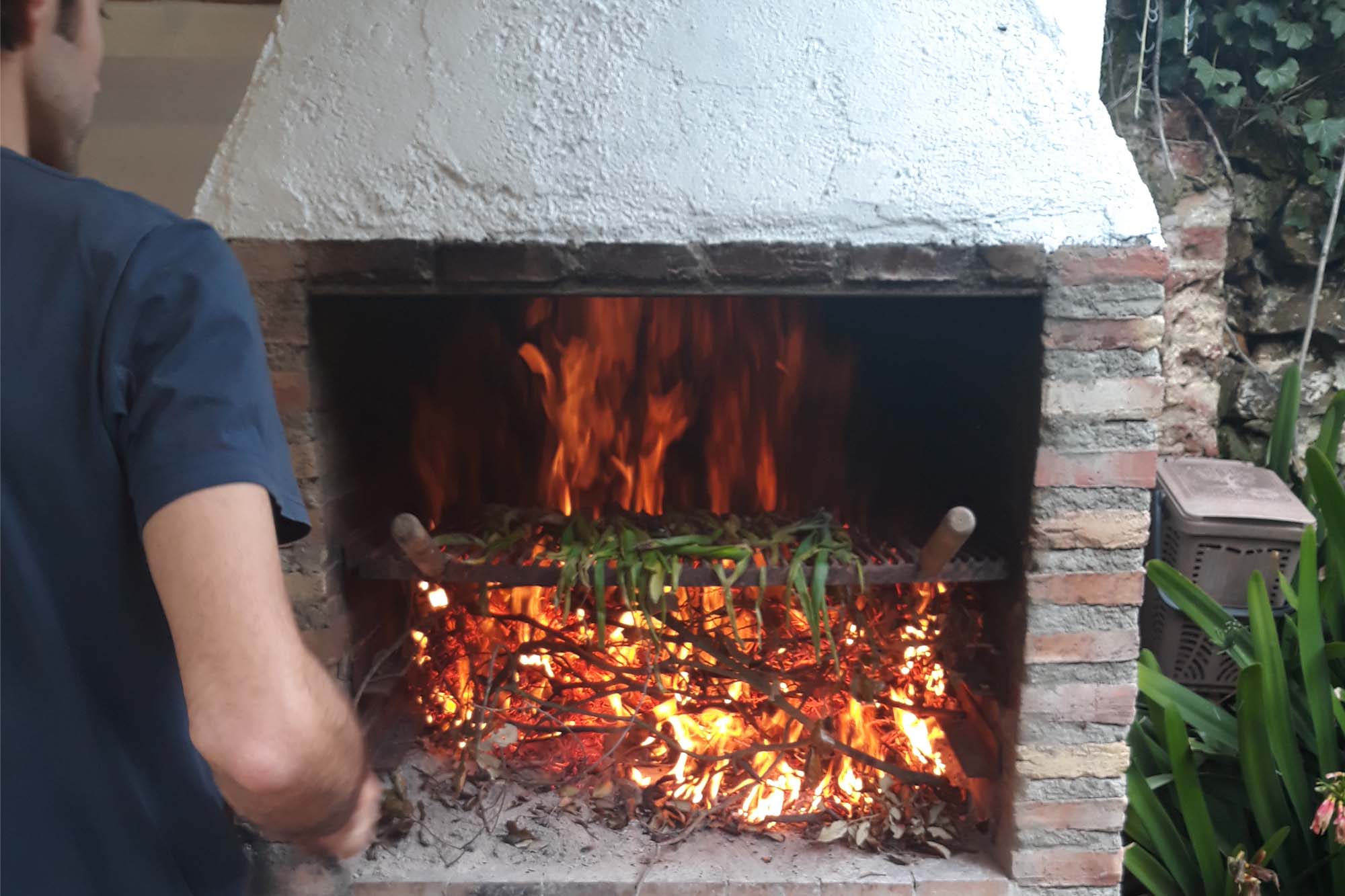
FAVORITE SPANISH ACTIVITY In late winter, people hold calçotades, or outdoor group meals featuring roasted green onions called calçots. These are peeled and dipped in romesco sauce before eating. Neighborhood associations (“associacions de veïns” in Catalan) often hold large calçotades to raise money, with tickets at around €10. This is a great way to build local spirit while trying a beloved Catalan tradition.

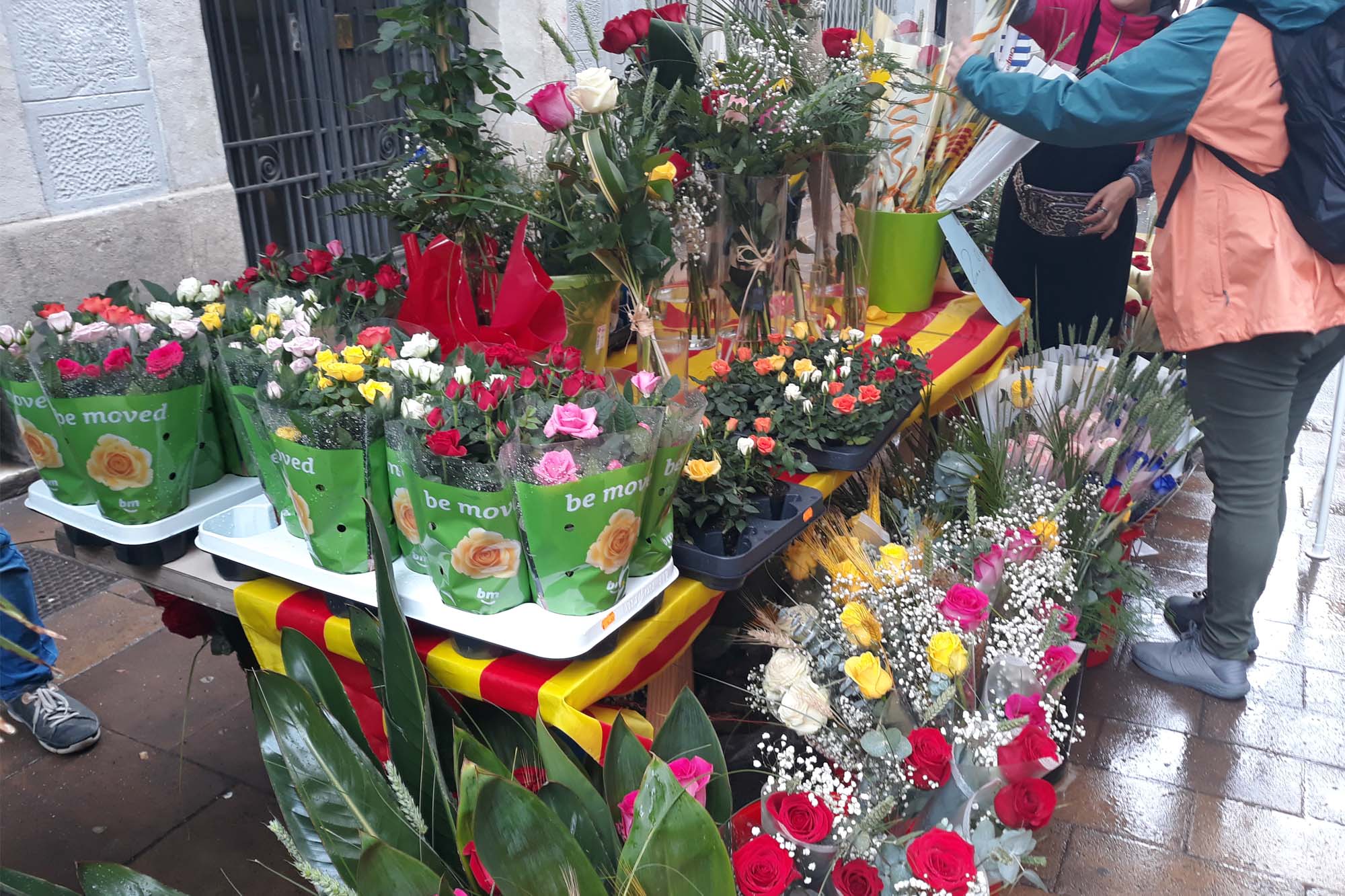
BEST LOCAL EVENT Sant Jordi, which is on April 23rd every year, is the feast day of Catalonia’s patron saint. The streets fill with stands selling books and roses, and famous authors participate in signings throughout the day. It’s a magical and unforgettable day.

WHERE TO STUDY Both UB and UPF have picturesque and central libraries. You can also check out the city library in your neighborhood – there are 40 throughout Barcelona, many of them in beautiful modern or restored historic buildings and worth the effort to locate. Finally, if you like to accompany your studying efforts with a mug of café or té, you can usually use the Wi-Fi at inexpensive chains like 365 or indie cafés like Onna in Gràcia.

MUST-TRY LOCAL DISH Seafood fideuà (similar to paella, but with short noodles called “fideus”) with aïoli is my all-time favorite. I also love croquetas: they come in so many flavors and it’s fun trying them all.

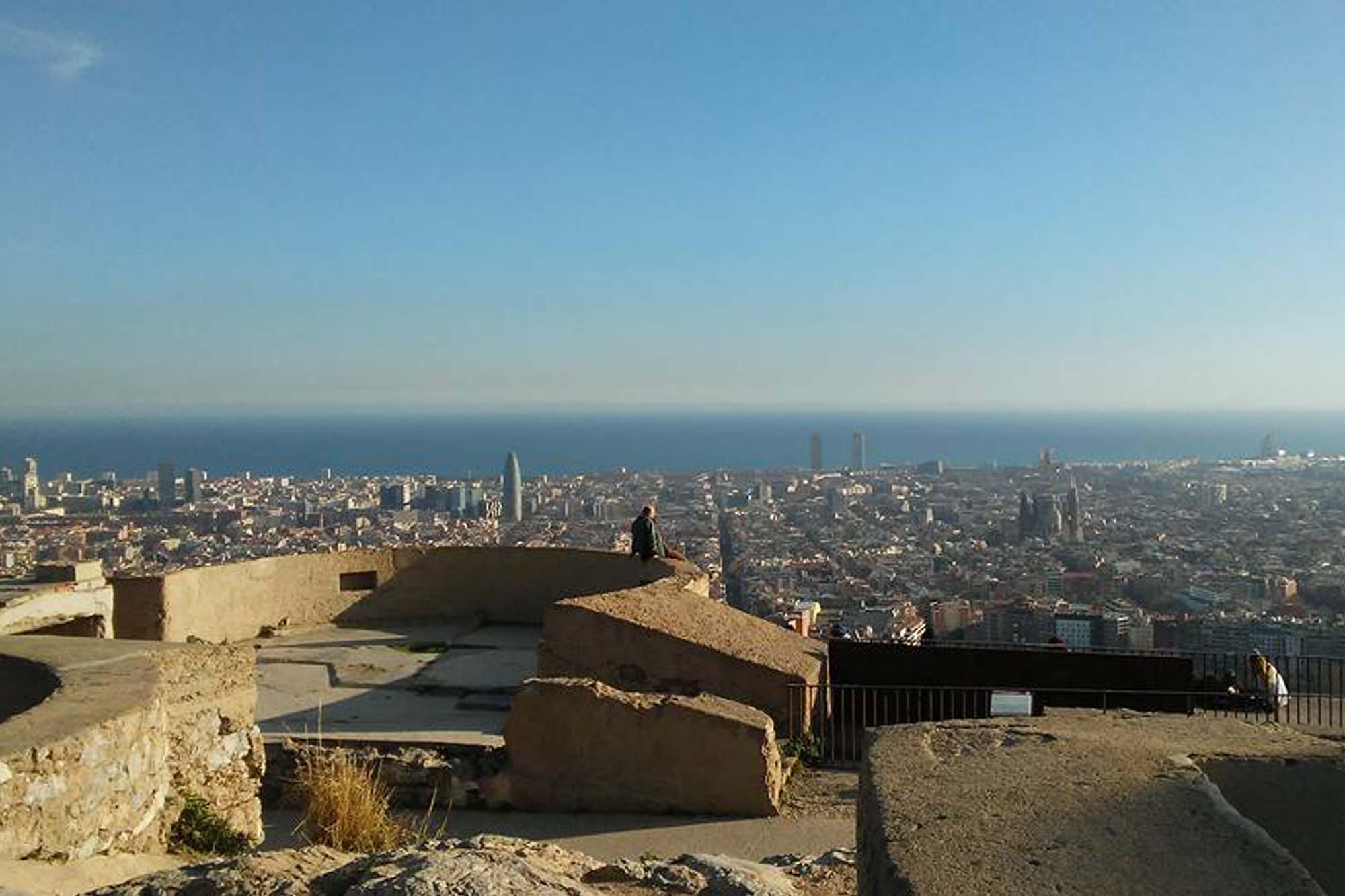
BEST PHOTO OP The church at Tibidabo is like Barcelona’s north star. Every night it illuminates the city from a perch atop the Collserola mountains. The views couldn’t be better, and Tibidabo’s old-time amusement park is a fun place to spend a few hours.

yga0z
BIGGEST FAIL Using the blue Aerobus to travel to the airport from Plaça Catalunya. Ugh! These buses are super visible and convenient, but your metro pass will let you take the R2 train or the 46 bus from equally central locations without the €12 round-trip fee.

BUY THIS Avarques (also spelled avarcas, abarcas or albarcas in Spanish) are comfy sandals from the Balearic Islands. They’re great for the warmer months and make a cool souvenir.

NOT THAT Don’t buy or eat anything off of Las Ramblas!

MOST INTERESTING CLASS I took Catalan Dialectology and Catalan Judaism while in Barcelona. I highly recommend choosing courses that aren’t offered at home in California. It makes the experience that much more unique!

FAVORITE UCEAP TRIP Visting Besalú, a medieval town with a restored Jewish quarter.

BEST PART OF THE PROGRAM The people I met! Some of them are still among my closest friends.

UNFORGETTABLE WEEKEND TRIPS Donostia (San Sebastián) in the Basque country was one of my favorites – beautiful landscapes and some of the best cuisine in the world![……]

Read more

Everything You Know About Planning Family Travel To Greece

0vck7
Explore Our Family Travel To Greece Guide

One of the greatest things about family travel to Greece is the diversity of experiences that it offers. This southern European country is baked in history that dates back thousands of years, and the atmosphere of the country changes dramatically from region to region and island to island.

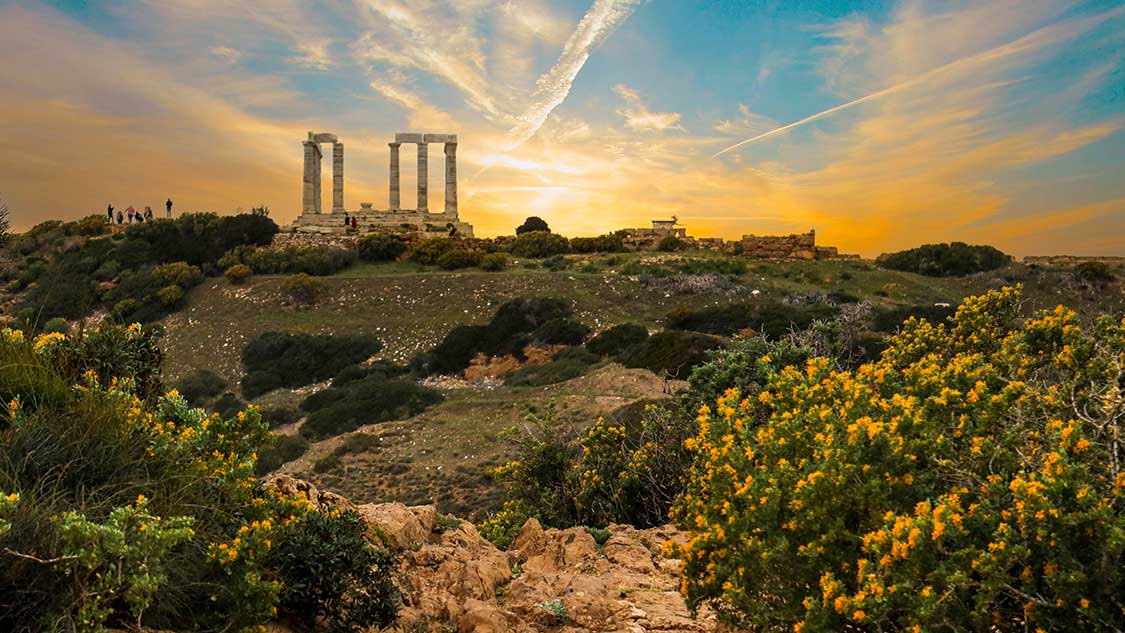
From the blue rooftops of Santorini to the Athena Parthenon in Athens, Greece is a breathtaking destination that is as much a feast for the eyes as it is for the belly. With 4,500 years of history loaded with some of the most fascinating mythology to have been put to words, Greece is an epic destination that should be on every family travel lover’s radar.

Whether you’re planning on taking a road trip through the mainland to places such as Mythras or taking a Greek island-hopping cruise between Mykonos and Milos, family travel in Greece offers an unforgettable array of adventures.

Tips For Family Travel in Greece

Greece is an absolutely wonderful country for family travel. Whether you’re enjoying multi-generational travel or travel with kids, Greece hits a little bit differently. The people are warm, caring, and generous, and the landscapes and scenery are beyond words.

And then there’s the food. Greek food is famous around the world for a good reason. It’s healthy, delicious, and packed with flavor.

Here are a few things to know before you travel to Greece to help make your visit easier. If you’re new to international family travel, I highly recommend checking out our well-researched trip planning resources. It’s full of proven family travel hacks.

Currency in Greece

Greece is a member of the European Union and uses the Euro as its primary currency. The value of one US dollar is approximately 0.90 Euros. This rate can change depending on the market. You can check the current value of the Euro here.

Capital of Greece

The Capital of Greece is Athens. Draped in the tapestry of ancient history and modern energy, Athens stands as a historic gateway to the heart of Greece. As the cradle of Western civilization, this city boasts iconic landmarks like the Acropolis and Parthenon, inviting visitors to step back in time. Among its bustling streets and lively neighborhoods, Athens blends its rich historical heritage with a contemporary urban charm, promising an enriching journey through the ages.

Electricity In Greece

Greece uses the Europlug Type C and Type F plugs. Type C plugs consist of two round prongs, and type F plugs include two round prongs and a grounding pin. Type F plugs are essentially an earthed version of Type C plugs. You can find our favorite power adapter here, which will allow you to use your electronics in Turkiye.

Cellular Phone Service In Greece

Greece has a well-developed cellular service infrastructure with widespread accessibility in urban areas, towns, and major roadways. Major cities like Athens and Thessaloniki and popular islands, including Crete and Santorini, typically have reliable mobile network coverage for voice calls and data services. However, more remote and rural areas might have less consistent coverage. It’s important to note that the availability and quality of cellular service can vary depending on the location. I recommend checking with local mobile service providers or official sources for the most accurate and up-to-date information. I have used the Airalo eSim app for all of my international travel.

Roads, Driving, and Public Transit

Roads and highways in Greece are well-maintained. The landscapes and geography of this large country mean that driving conditions can change dramatically based on the location and the time of year you’re visiting. In the coastal areas, warmer weather is the norm. Driving in Greece is relatively straightforward outside of the challenges of driving in ancient cities, where car access is an afterthought rather than a plan.

Travel in Greece with Kids

Traveling to Greece with children offers an enriching blend of history and adventure as young minds explore ancient ruins, mythical landscapes, and charming villages. The warm Mediterranean climate and picturesque beaches create an ideal family bonding and relaxation setting, while the kid-friendly activities and welcoming locals ensure a memorable experience for both young and old. From mythical tales to cultural discoveries, Greece provides an educational and captivating journey that sparks curiosity and creates lasting family memories.

What Language Is Spoken In Greece?

The main language in Greek is Greek. English is widely spoken within the country as well, especially in major cities and areas with large tourist infrastructure. Over 51% of Greeks speak English, so most visitors will find it easy to navigate.

Important Greek Words To Know:

Yes: Νai

No: Ochi

Thank You: Efcharistó

Thank You Very Much: Efcharistó polý

You’re Welcome: Parakaló

Please: Sas parakaloúme

Excuse Me: Me synchoreís

Hello: Geiá sou

Goodbye: Antio sas

Bathroom: Toualéta

How To Stay Connected And Get Internet And Phone Service In Greece

Most major cities throughout Europe have excellent cellular service. If you have an older phone, I highly recommend purchasing a sim either at the airport or as one of your first stops on your travels.

If you have a newer eSim capable phone, you can save yourself time by purchasing an eSim ahead of time and having it activated before you arrive.[……]

Read more

COMPLETE GERMANY TRAVEL GUIDE, WHAT YOU NEED TO KNOW

d2bms
Germany is well known for the Berlin Wall, Oktoberfest, and Neuschwanstein Castle. The country is full of history and has many fairytale-like villages and castles to explore. Germany is a popular tourist destination and receives over 179 million visitors each year. Planning international travel can be overwhelming and time-consuming while working full time. Use this Germany travel guide and the following Germany travel blog posts to plan your perfect vacation. The top destinations in Germany are Berlin, Munich, Dresden, and Hamberg.

ylmzk
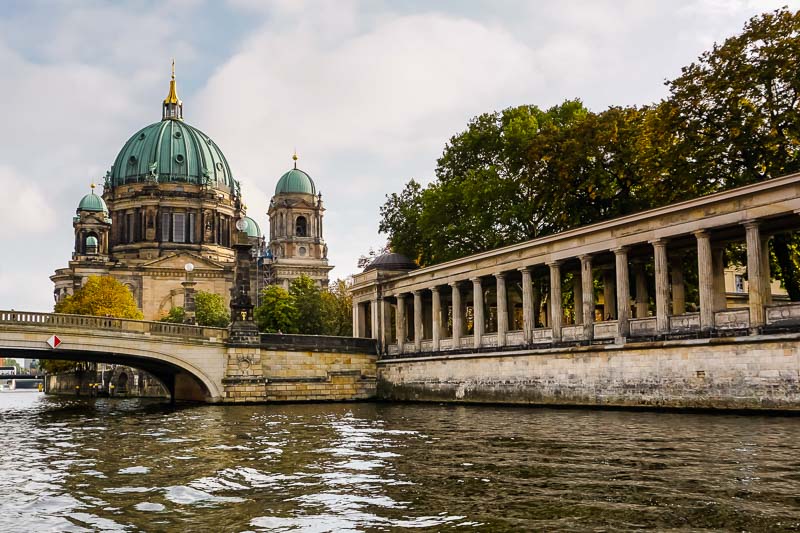
Museum Island Berlin Germany

BERLIN GERMANY TRAVEL GUIDE

Berlin Germany is well known for its Wall. Today you will find Art Nouveau mixed with Communist blocks, palaces, outdoor art, museums, currywurst, beach bars, huge parks, memorials, and history EVERYWHERE.

smeme
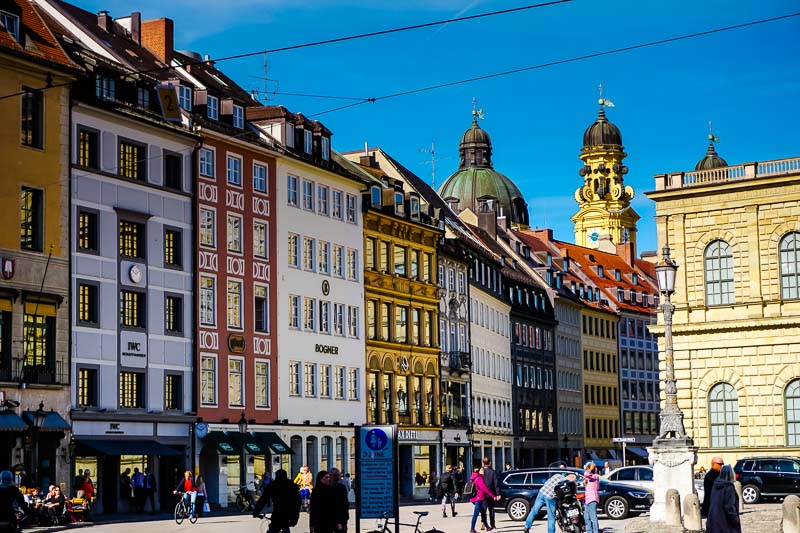
Max-Joseph-Platz Munich Germany

MUNICH GERMANY TRAVEL GUIDE

Munich is famous for its Oktoberfest celebration and the Hofbräuhaus Beer Hall. The city is full of beer halls, Baroque churches, medieval gates, palaces, old town, subway art, city surfing, Maypoles, an Olympic Park, a BMW factory, and a schnitzel.

q06ue
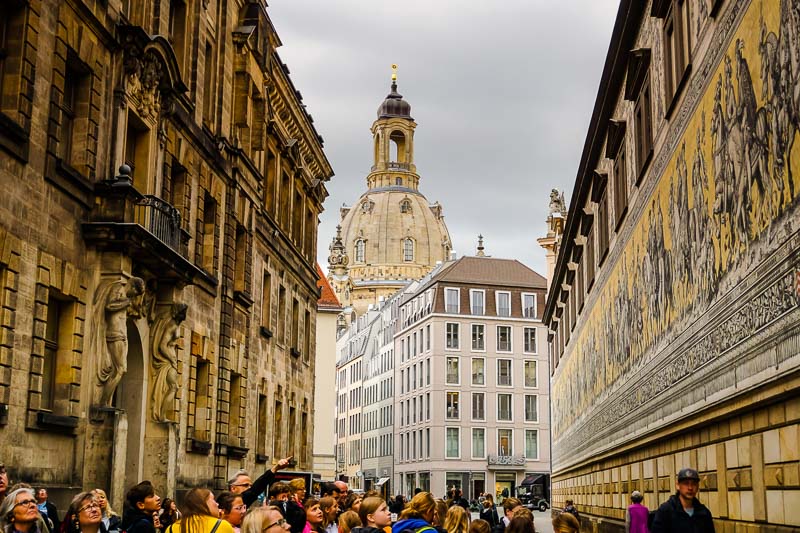
Processions of Princes Dresden Germany

DRESDEN GERMANY TRAVEL GUIDE

Dresden is full of WWII history. The city also has gorgeous Baroque architecture, Gothic churches, Bruhl’s Terrace, the most beautiful dairy store in the world, the largest porcelain mural in the world, and the largest treasure collection in Europe.

s2wz4
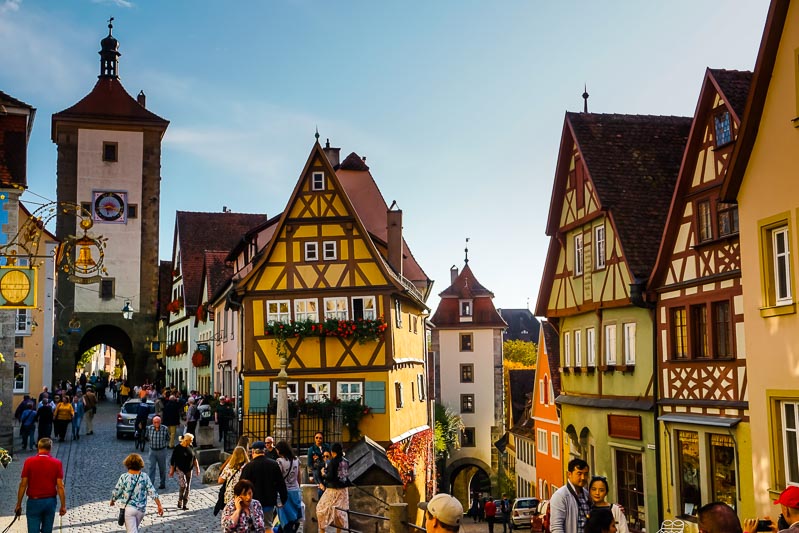
Plönlein Corner Rothenburg Germany

GERMANY’S ROMANTIC ROAD

Southern Germany’s Romantic Road is a 220-mile scenic byway between Wurzburg and Fussen. The route travels through Bavaria’s rolling hills of vineyards, past medieval towns, and castles. Top day trips to take on the Romantic Road are Nuremberg, Bamberg, Rothenburg, Harburg Castle, Neuschwanstein Castle, and Heidelberg Castle.

WHAT YOU NEED TO KNOW WHEN PLANNING A TRIP TO GERMANY

WHERE IS GERMANY?

Germany is in West-Central Europe. It is the 7th largest European country. The country is bordered by the Baltic and the North Sea, Denmark, Poland, the Czech Republic, Austria, Switzerland, France, Belgium, Luxembourg, and the Netherlands. Berlin is the capital. It is also the largest city and most populous city with 3.3 million people.

WHAT IS THE LANGUAGE IN GERMANY?

The national language of Germany is German Deutsch. Over 95% of the population speak it. German is also an official language of Austria and Switzerland and is the language with the most native speakers in Europe. It is the most widely taught third language across the world. Schools begin teaching English to students at age 5. Around 56% of the population speaks English. You will have no problem speaking English at restaurants, and tourist attractions. Most train stations also make announcements in English. Be sure to learn a few key phrases as well as some slang. FluentU offers a helpful list of common words and phrases to learn before you travel.

DO I NEED A VISA TO VISIT GERMANY?

According to Project Visa, US citizens do not need a visa for a visit up to 90 days in a 6 month period.

WHAT IS THE CURRENCY IN GERMANY?

The currency in Germany is the euro. US dollars are not accepted at restaurants, attractions, or stores. Be sure to download a free currency calculator before you arrive.

CAN I USE CREDIT CARDS AND ATMS IN GERMANY?

ATMs are widely available in Germany. Avoid large fees by using your bank’s international partner in Germany and google its location before you travel. Visa and Mastercard are accepted, American Express and Diners Club may be accepted. You will need a 4 digit PIN from the bank. Save money on fees with a credit card that waives foreign transaction fees and make purchases in euro. Cash is king in Germany. Most grocery stores do not accept credit cards and some businesses may require a minimum purchase.

HOW MUCH SHOULD I BUDGET PER DAY IN GERMANY?

According to Budget Your Trip, the average daily cost of traveling in Germany is $128. Expect to pay $1,781 + airfare for a one-week trip for 2.

WHEN IS THE BEST TIME TO VISIT GERMANY?

The high tourist season is from May through September. Oktoberfest celebrations actually occur in September. April and October are shoulder seasons with fewer crowds and some rain. April is the best time to visit wine country. The end of November through December is the Christmas Market season, expect higher prices and crowds. Winter is cold with gray skies and snow.

rxkwc
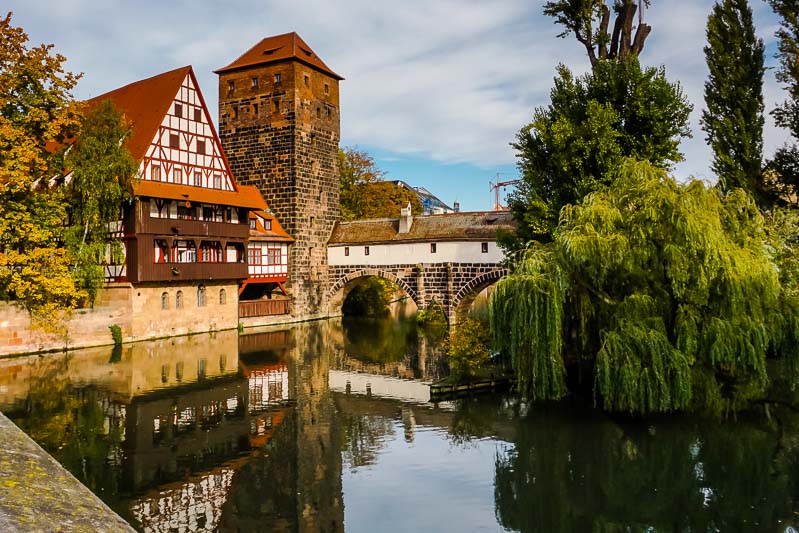
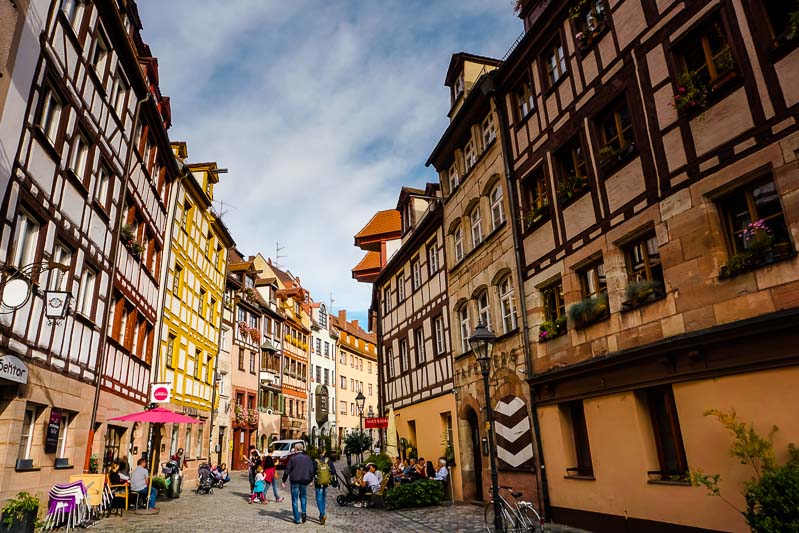
Tanners Lane Nuremberg Germany

WHAT TRANSPORTATION DOES GERMANY USE?

Germany’s public transportation system utilizes the U-Bahn (subway), S-Bahn (express trains to outside the city center), tram & bus. Download the DB Navigator app before you go. Unlimited transportation tickets can be purchased for 1-Day, 3-Day, or 1-Month. Be sure to validate tickets and pay attention to transportation zones. The country is well connected by local trains making travel within the country simple. Train doors do not open automatically, you must push the button. Do not put your suitcase in the chair next to you. Uber or Lyft are not available, taxis are expensive. Driving in Germany is easy and the roads are well maintained. 65% of the highways in Germany (Autobahn) have no speed limit and it’s illegal to run out of gas on the Autobahn. Be aware that the country uses photo radar.

WHAT KIND OF ADAPTOR DO I NEED IN GERMANY?

The plugs in Germany are type C and F. The standard voltage is 230 V, and the standard frequency is 50Hz. I recommend buying a universal adapter with surge protection. You will need a converter if you plan to use an electric razor or blow dryer from the US.

WHAT SHOULD I PACK FOR GERMANY?

Locals tend to dress conservatively in dark colors. Dark blue or black denim jeans are common. An umbrella is essential in case of rain during the shoulder season. Bring a sweater or light jacket for boat rides and relaxing in street cafes. A comfortable pair of walking shoes with a good soles for cobbled streets is important.

IS GERMANY A SAFE COUNTRY FOR SOLO TRAVELERS?

According to Travel Safe Abroad, the risk of traveling in Germany is low. Be aware of pickpockets on public transportation and in tourist areas. Avoid areas where street demonstrations are occurring, they often result in clashes with police. Germany has had several terrorist attacks, but the attacks did not target tourists. Dial 112 in an emergency. Contact the US Embassy for non-urgent emergencies, such as a lost passport.

WHAT GERMAN FOOD DO I NEED TO TRY?

Bratwurst, currywurst, schnitzel (fried breaded cutlet), rouladen (bacon, onions, mustard, and pickles wrapped beef or veal), sauerbraten (pot roast with dark gravy), reibekuchen (fried potato pancakes), kartoffelsalat (potato salad with bacon, chives and vinegar), kartoffelkloesse (potato dumplings), maultaschen (dumplings stuffed with meat, bacon, ham, spinach), sauerkraut, rotkohl (pickled pink cabbage), speckpfannkuchen (crepes with bacon), spätzle (egg noodles), käsespätzle (mac and cheese), brezel (pretzel), spaghetti eis (spagehtti shaped ice cream), apfelkuchen (apple pie with raisins), schwarzwälderkirschtorte (black forest cake), and Ritter Sport (chocolate bars).

TIPS FOR TRAVELING IN GERMANY

Tipping is generally 10%.

The internet is slow.

Wifi is available in many restaurants, cafes, and train stations.

Water isn’t free and usually is carbonated, tap water is looked upon as disgusting.

Drinks do not come with refills.

Expect to pay .50 to use a restroom.

Smoking is banned in public places, but drinking in public is legal.

To get 1 beer in Germany, show your thumb. Show your thumb and first finger for 2 beers.

Greet Friends by knocking on the table.

Cheers with water are wishing death on the person.

Germans like personal space and dislike small talk.

Germans follow the rules and are direct, they will call you out.

Do not jaywalk or walk in the bike lane.

Stoplights flash yellow before the green, never walk against the light.

Nudity isn’t weird in Germany, expect it at swimming pools.

Sunday is a day of rest by law, stores are closed.

Expect to take the stairs, elevators are very small when they are available.

Pillows are square and blankets do not cover the whole bed in hotels.

Take your own bag with you to the store and you will have to bag your own things, quickly.

Recycle, recycle, recycle!

TOP 10 THINGS TO SEE AND DO IN GERMANY

See the Berlin Wall.

Enjoy a boat ride through the Hamberg Canal.

Visit Neuschwanstein Castle.

Attend Oktoberfest in Munich.

Take a boat ride down the Rhine River and visit as many castles as possible.

See the white cliffs of Rügen and relax on the white-sand beaches.

Explore the fairy tale towns on the Romantic Road (Nuremberg, Bamberg, Rothenburg, Regensburg).

Visit the Aachen Cathedral and the Cologne Cathedral.

Drive through the Black Forest on the Brothers Grimm Fairytale Route.

Relax in a thermal bath in Baden-Baden.

Be sure to check the Germany Office of Tourism website for upcoming festivals, special events, and what’s happening during your stay.

INTERESTING FACTS ABOUT GERMANY

One-third of Germany is still covered in forests and woodlands.

College education in Germany is free, including international students.

There are over 2,100 castles in Germany.

There are over 1,500 different beers in Germany.

Berlin has the largest train station in Europe.

The largest department store in Europe is in Berlin, the KaDeWe.

There are 2.5 million half-timbered houses in Germany.

Berlin is 9 times bigger than Paris and has more bridges than Venice.

There are over 300 bunkers and hundreds of kilometers of underground tunnels in Berlin.

The first printed book was in German.

The first magazine was launched in 1663 in Germany.

Germans invented the light bulb, calculator, automobile, insulin, accordion, clarinet, pocket watch, gummy bears, paraffin, the motorcycle, the jet engine, the LCD screen, and the Walkman.

Germany was the first country in the world to adopt Daylight saving time.

Germany has the largest population in the EU, 81 million people.

Germany has a legal say on what babies can be named.

Germans believe it’s bad luck to celebrate birthdays early (don’t count your chickens before they hatch).

Germans also believe if you bury your deceased dog under your doorstep, its ghost will guard the house.

There are over 1,000 kinds of sausages in Germany.

Germans are the world’s second-biggest beer drinkers.

Beer is considered a food in Bavaria.

The Christmas tree (Tannenbaum) tradition came from Germany.

Most taxis in Germany are Mercedes, and garbage trucks are too.

Prison escape is not punishable by law in Germany.

It is illegal to declaw cats in Germany.[……]

Read more

26 Things You Should Know Before Traveling to Iceland

If there was ever a country guaranteed to capture the hearts and imaginations of travelers, it would be Iceland. A small Nordic nation in the North Atlantic Ocean, this is an isolated island practically packed with dramatic landscapes.

Traveling to Iceland will introduce you to more natural wonders than just about any other small island on the planet. Here you’ll find a hotbed of volcanoes, lava fields, glaciers, geysers, green fjords, and elves (yes, elves!).

It wasn’t that long ago that Iceland remained relatively unknown to mainstream travelers. But word of the island’s mythical beauty has spread like wildfire over the past decade, and the spectacular array of things to do in Iceland have firmly cemented it among the world’s hottest ecotourism destinations.

Fortunately, while Iceland travel has been growing rapidly, the country has managed to avoid becoming a mass tourism cliché. The country emphasizes preserving and protecting its fragile environment and has successfully achieved a delicate balance between maintaining the authenticity of its wild and untouched landscapes while still making them accessible to tourists.

If you’re planning to travel to Iceland, here are 30 things you should know before you go:

PLACES TO SEE IN ICELAND

1. Volcanoes

Iceland’s location between two tectonic plates means the country has one of the highest concentration of active volcanoes in the world. There are 30 active volcano systems in Iceland, and the country tends to see an average of one eruption every five years.

Most of the time these are harmless (they’re known as “tourist eruptions”), offering spectacular photo opportunities while causing minimal damage. But the 2010 eruption of Eyjafjallajökull sent volcanic ash skyrocketing across Europe, which disrupted air travel all around the world.

The most popular volcanoes to visit in Iceland include Helka (which has erupted over a dozen times since the days of Viking settlement), Eyjafjallajökull, and Öræfajökull (Iceland’s tallest). Covered by a vast glacier, Snæfell is also a must-see volcano: It became world-famous after Jules Verne described it in his book A Journey to the Center of the Earth.

2. Waterfalls
ulbi4
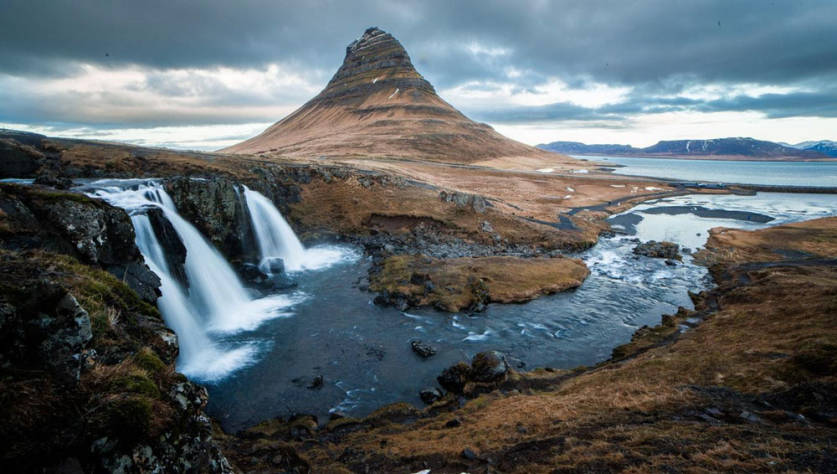
With so many dramatic mountains and anywhere from 20-80 inches of precipitation each year (the Southern side is wetter), your hardest decision will be narrowing down your list of the best Icelandic waterfalls to visit.

Iceland has a great diversity of waterfalls, offering everything from glacial falls (which are the result of meltwater that flows down from glaciers) to those which rip through canyons and fall dramatically onto black sand beaches.

Some of the country’s most notable falls include Dettifoss, which is the largest and most powerful waterfall in Europe. There’s also Selfoss, a horseshoe-shaped falls located on the same glacial river as Dettifoss, and Godafoss, which is nicknamed “the Waterfall of the Gods” (named during Iceland’s conversion to Christianity).

Svartifoss is also of particular note: It’s a strikingly beautiful waterfall that plummets down a dramatic cliff of pitch black basalt columns.

3. National Parks
m4f30
Iceland has three national parks, though the largest of these is now made up of what was once five separate parks.

Þingvellir National Park has the longest history: It was here that the world’s oldest existing Parliament first assembled, and for this reason it is recognized as a UNESCO World Heritage Site. The park is home to the largest lake in Iceland, where you can snorkel or scuba dive between the two tectonic plates that represent the geographical separation of North America and Europe.

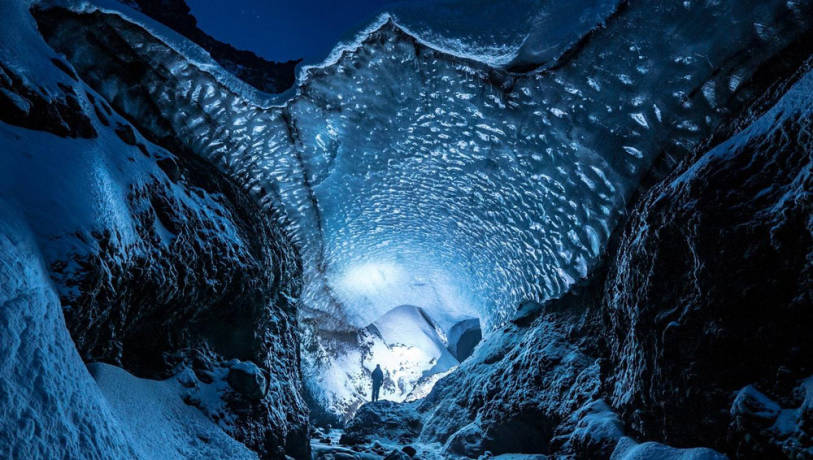
Snæfellsjökull National Park is the only one in Iceland that runs along a coastline. It offers such a diverse range of landscapes that you’re able to spend time on the beach, visit a glacier, and head into a lava cave, all in the same day!

Last but not least, Vatnajökull National Park is the largest national park in all of Europe. It offers access to Hvannadalshnjúkur, Iceland’s highest mountain, and a wide range of waterfalls, including Dettifoss and Svartifoss.

4. Cities & Small Towns In Iceland

Iceland isn’t all about wild nature. There’s also a huge range of charming small towns and larger cities (though Reykjavik would be considered small when compared to most other capital cities). Most travelers fly into Reykjavik, and you should leave at least two days to explore this colorful seaside city.

Akureyri is another notable city: Located on the other side of the country from Reykjavik, it is known as Iceland’s capital of the North. The town is set amidst a range of beautiful mountains and is the country’s main base for whale watching.

Hvammstangi is another town you won’t want to miss. This small town of around 580 residents is a charming stop along the world-renowned Ring Road, with the ocean on one side and beautiful rolling hills on the other.

You should also try to take in Hofn, a small seaside town from which you can visit the gorgeous glacial lagoon, Jökulsárlón; Vik, a small village that’s home to Iceland’s famous stranded airplane on a black sand beach; and Seyðisfjörður, with its quaint traditional houses backed up against a dramatic fjord.

Things To Do in Iceland

5. See the Northern Lights
85j67
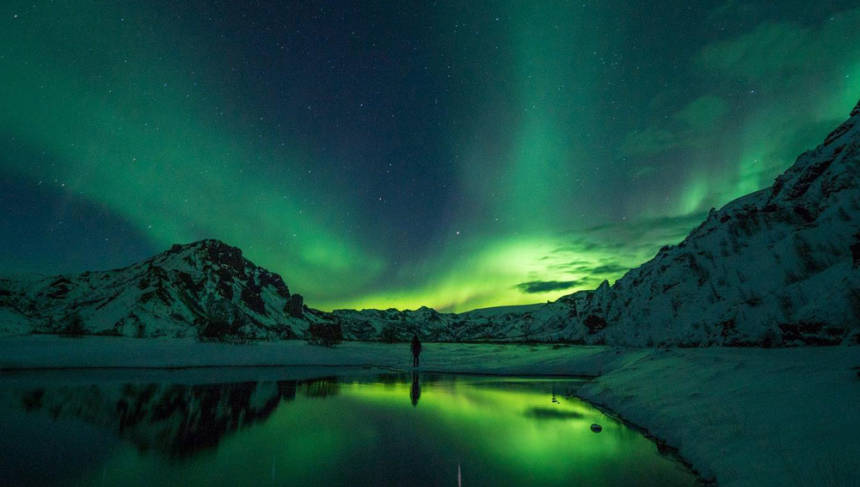
The Northern Lights are one of the biggest reasons to visit Iceland in winter. On a clear night, you can see them throughout most of the country from late September to early April. But it’s important to remember that, as a natural phenomenon, seeing them is never a guarantee.

Give yourself at least a couple of days in the country if you plan on chasing the Northern Lights. It’s best to make your way as far out of the city limits as possible: The least amount of light pollution will allow the glowing lights to show more vividly.

Pingvellir National Park is particularly known for offering spectacular views of the Northern Lights.

6. Go For A Hike

Hiking is one of the best ways to get up close and personal with Iceland’s dramatic natural landscapes.

The country offers a wide range of walking trails, through some incredibly diverse ecosystems. With hikes that lead you through lava fields, glacial ice fields, grassy meadows, and black sand deserts, the hiking terrain options here are vast and varied.

Established treks throughout the country can range anywhere from a few hours to a few weeks, so it’s important to research which hikes you want to undertake. The most popular include the trails at Jökulsárgljúfur National Park, Skaftafell, and the four-day Laugavegur trail.

7. Drive Around the Ring Road

Road tripping is one of the best ways to discover Iceland’s natural beauty, and you can easily take in most of the country by following one road.

The 1300-kilometre Ring Road wraps its way around the entire country, taking you past all of the aforementioned places.

The Ring Road will be your main route, but there are many secondary roads that break off from the highway, leading to local villages and attractions worth taking in along the way.

8. Watch Out for Elves!

Elves are a big part of the cultural landscape in Iceland, and many locals still believe in the existence of the Huldufolk, or hidden people. The perceived existence of elves sparks environmental protests to this day.

Whether it’s laying a public road or building a new home, if the proposed construction has the potential to disrupt the lives of elves believed to be living in its path, it is likely to spark a public protest.

9. Go Hot Tubbing

Iceland is blessed with countless natural hot springs and geothermal lagoons, so hot tubbing is a prominent part of Icelandic culture. Almost every Icelandic town features an outdoor geothermal swimming pool, with accompanying hot tubs, saunas, and maybe even a luxury spa on site.

The Blue Lagoon is the country’s most famous and well-established geothermal site. But if you’re not in the mood for sharing your soak with hundreds of other tourists, stick to the many other natural hot springs you’ll find dotted across the countryside.

There is fairly strict etiquette for bathing in Iceland’s public springs or pools, so it’s definitely worth reading up on hot tub protocol so that you don’t break any rules.

10. Try Outdoor Adventure Activities

Defined by its natural beauty, Iceland is the perfect country for exploring outdoor adventure sports. There are a huge range of options, whether you’re interested in horseback riding, snowmobiling, snowshoeing or exploring in Super Jeeps.

While adventure sports can be enjoyed in almost any country these days, there are few places in the world where you’ll be surrounded by scenery quite so spectacular as in Iceland.

11. Watch for Wildlife
9oe9v
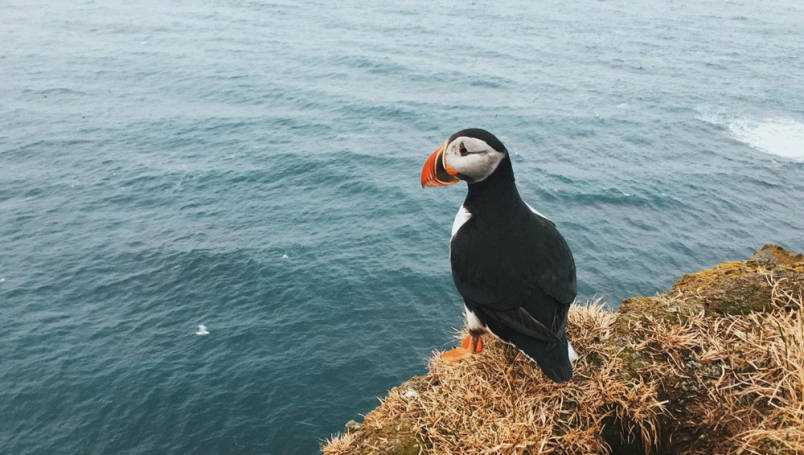
Access to wildlife in Iceland is extraordinary. On any epic journey through the country, you are likely to encounter wild horses who roam freely by the side of the road, exotic seabirds (such as the comical puffin), and marine life that includes 24 species of whales.

Birds are one of Iceland’s biggest draws, with Lake Myvatn considered to be one of the premiere locations for bird watching in the world. The lake and its surrounding wetlands are home to over 115 species of birds, including 13 different species of duck. While you’re in the area, also keep a keen eye out for the elusive Arctic fox.

12. Don’t Vandalize the Moss

Moss grows in abundance throughout Iceland. Spectacular swathes of it blanket the landscape, from old lava fields to the crags of mountains and cliff faces.

But while it may look endless, this moss is incredibly delicate. If damaged, it can take decades to recover. In fact, moss can often be damaged irreparably by something as simple as driving off the road or leaving a footprint.

As comfortable as it may look, do not lie down in the moss. Stay on marked hiking trails so that you don’t trek through it, and don’t drive off-road. Only camp in designated campsites, and never intentionally rip out moss to insulate a tent, as this leaves open scars on the land.

The typical mantra of “leave only footprints” does not apply when it comes to Icelandic moss. Never carve your name into the landscape either, as this only heightens environmental degradation.

13. Don’t Buy Bottled Water

Bottled water is generally discouraged because of the environmental impact of plastic waste. But it is often a necessity for travelers visiting countries where the water isn’t safe. Fortunately, Iceland does not fall into this category.

Pure springs and glaciers cover the entire country, and the island’s infrastructure ensures that fresh water is distributed to every tap. With zero chemicals, it is some of the clearest and cleanest water in the world. So instead of buying “Icelandic Mineral Water” while you’re there (which is exactly the same as the water that comes from the taps), bring your own bottle from home to fill.

It is a good idea to let the tap run a bit when changing from hot to cold water. Because it is straight from the spring, hot water in Iceland can smell and taste a little like sulfur, though this is totally harmless.

14. Treat Wildlife with Respect

Much of the wildlife found throughout Iceland roam freely, so it’s important to treat any animals you encounter with respect. This includes the horses you may see roaming freely by the side of the road: Give them a wide berth, and don’t attempt to interact.

One of the wonderful things about Iceland is that there are no imposed regulations about where you can and cannot walk. Everything is wild, and it is up to the traveler to take their own personal responsibility.

Because of this, you can literally walk on top of bird colonies if you are not careful. So it’s important to constantly remain aware of your surroundings. Come breeding season (which lasts from April to August), exotic seabirds arrive in Iceland by the millions, and coastal cliffs are transformed into massive colonies.

Wildlife access in Iceland is almost unparalleled, so it’s of the utmost importance that travelers remain respectful at all times.

15. Don’t Make Cairns

You’ll likely come across a range of Cairns in Iceland. These carefully arranged piles of stones typically appear along hiking trails through the country’s national parks.

This may seem like a harmless thing to do, but in fact, it can have grave consequences.

Historically cairns were created by the Vikings as trail markers, and they remain today a crucial part of navigation for hikers. Tourists have recently taken to creating their own. Not only does this risk misdirecting hikers (which could have serious ramifications to their safety), but it also destroys the natural environment when you remove rocks and place them where they don’t belong.

16. Support the Whale-Watching Industry

Whale hunting has been a historically significant part of Icelandic culture, and you can still find whale served in restaurants and supermarkets throughout the country.

Whale hunting is still conducted in Iceland today, but supporting the whale watching industry is the best way to help end this ancient practice permanently.

Home to over 24 cetacean species, Iceland is considered among the best places in the world for whale watching. And when this industry becomes more profitable for the Icelandic economy than hunting them does, it will be more difficult to justify the hunts.

17. The Weather

One of the biggest dangers in Iceland is the weather, which can be unpredictable and changes quickly between regions. During summer the weather patterns are reasonably tame, though heavy and sporadic rainfall is not uncommon.

But in winter they can be extreme. Heavy snow and rainfall in winter means that many roads become impassable: If you are not prepared with adequate equipment and clothing, the consequences could be dire.

You should be prepared for inclement conditions all year round. It’s essential to check the weather forecast each day, especially if you’re hiking (hikers can call 902 0600 for a reliable forecast). Always ensure that you have proper clothing and equipment (including a phone, GPS, compass, maps, and adequate food).

18. Road Safety
wyduc
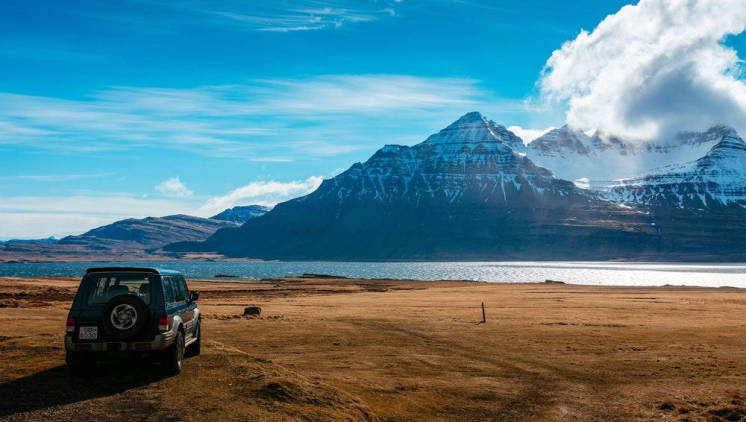
Paying attention to the weather and adjusting your driving to the conditions is the best way to stay safe on the roads in Iceland. If it’s raining, drive slowly. If it’s snowing and you’ve never driven on snow before, drive extremely slow. In winter, every rental car should be fitted out with snow/all-weather tires, but make sure to confirm this with your rental company beforehand.

19. Geological Risks

Iceland’s geology is a huge tourist draw, but this also presents unique safety concerns. When hiking, it is important to keep in mind that the run-off from glacial mountains can see trickling streams turn into white water rapids without warning. Hiking paths that cut through coastal areas may only be safe to access at low tide, so it’s important to research both your route and your timing.

In geothermal areas, it’s important to follow the boardwalks, or only tread on ground that is clearly very solid. One of the biggest threats to tourist safety is walking on thin crusts of soil that gives way to steaming mud pots and fissures. These features can often reach 100 degrees Celsius as they emerge from the ground.

For the same reason, you should first check the temperature of any natural hot spring you plan on bathing in before you jump or step in. Well-established tourist springs like the Blue Lagoon will be fine to use. But natural hot springs appear all over Iceland, and – while typically safe – their temperature is not regulated.

If you don’t have previous experience in hiking across volcanoes, glaciers or snowfields, it’s best to do this activity with an experienced guide. You should only embark on isolated hiking across these landscapes if you know what you’re doing and can identify natural hazards, such as where a crevasse may lie.

As mentioned above, Iceland is to be enjoyed at your own personal responsibility. Unlike other countries, you won’t find warning signs or fences in areas that are high-risk, or where accidents typically occur. You’ll have to practice common season by not walking up to the edge of a cliff when it’s windy, or not swimming on a beach when there are large waves and strong currents.

20. Fermented Shark

The national dish of Iceland, fermented shark is known locally as Hakarl.

Seafood makes up a big part of Iceland’s culinary scene, and back in the day shark meat was buried underground and left in the sand for three months. When it was pulled out, it was then hung up to dry for another three-four months.

This distinctive local delicacy can be eaten year-round, but most visitors find the taste revolting. Still, at least you can say you’ve tried one of the most traditional foods in Iceland!

21. Hot Dogs

Hot dogs (known locally as Pylsur) are hugely popular in Iceland, and this is the country’s favorite fast food. You’ll find hot dog stands all across Reykjavik, and many restaurants serve them, too.

But hot dogs in Iceland don’t come cheap: You could easily pay up to $7 USD for one. The most iconic dogs in Iceland are a blend of lamb, beef, and pork. Ordering it “with everything” usually means deep fried onions, sweet brown mustard, raw onions, and a creamy remoulade.

cp75o
22. Puffin

It may be difficult to swallow this cute and friendly seabird, especially if you’ve just spent time bird watching. But puffin is served in many restaurants throughout Iceland. While not typically common in Icelandic cuisine, locals have historically relied on puffin in hard times, where food was scarce. Puffin meat is usually smoked or boiled in milk. It is not widely consumed but is considered a delicacy.

23. Skyr

Skyr is an iconic Icelandic dish that you’ll find pretty much everywhere. This thick, creamy dairy product is a marriage of cottage cheese and yogurt. It tastes quite similar to Greek yogurt.

Icelanders have consumed Skyr for thousands of years. It is typically served with a sweet topping such as berries and other fruits. It’s low in fat and high in protein and has become so popular that there’s been a recent demand to export it globally.

24. Lamb/Mutton

Lamb is more readily available in Iceland than beef, and much of Icelandic cuisine is built around the meat. Because they’re wild-roaming, with a free-range diet of local berries and water from glacial streams, it is said that the sheep marinate themselves naturally!

Lamb is served in a number of ways throughout Iceland. Kjötsúpa is a traditional lamb meat soup that is made from the tougher bits of the animal and served with herbs and vegetables. This is a common staple. particularly in the winter months.

If you’re feeling really adventurous you can order Svid, a Nordic tradition in which you’re served a whole sheep’s head on your plate. If you can look past the sheep’s eyes, some people say the cheeks of the smoked sheep are the best meat you’ll ever eat.

25. Seasons

When to go to Iceland will largely depend on the type of experience you want, the things you want to do, and the places you want to see. Exodus offers options for travel to Iceland in both the winter/early spring months as well as in the summer.

Traveling during the winter means you will be able to participate in activities like skiing, snowmobiling, and, of course, have the best chances to see the northern lights. Winter in Iceland lasts from late December through late March.

Summer in Iceland lasts from late June through late September. The season allows you to experience the midnight sun, and a rare opportunity to pack as much into every day as humanly possible, with 24 hours of daylight for three months.

26. How to Get to Iceland

You can travel to Iceland by air or sea, but most travelers choose to fly. Icelandair is the country’s national airline.

Located a 48 km drive from Reykjavik, Keflavik is the hub for most passenger flights. As always, when you travel with Exodus, your arrival and[……]

Read more

Where to Go in Finland Beyond Helsinki for Medieval History and Creative Dining

When most of us think of Finland, chances are you’re imagining Helsinki, the picturesque capital. And truth be told, it’s likely that many of us can’t name any other cities in the Nordic nation aside from the capital. But Finland is filled with a myriad of hidden gem destinations, ranging from an outdoor lovers paradise to a city steeped in Finnish history.

Fresh air and natural beauty are just some of the many reasons to visit the happiest country in the world, but we’d be remiss not to mention that there’s plenty of culture to experience in broader Finland’s cities, including Rovaniemi, the capital of the Lapland region; the quaint wooden town of Porvoo; and the former Finnish capital of Turku. Make sure your Finland itinerary includes time for all three and they might just make Finland your new favorite European destination to visit again and again.

When to Visit Finland

To experience Finland’s wide range of snow activities, visit from late November to March, when the average temperatures range from low to mid-30s. For warm weather jet skiing, horseback riding, and comfortable strolls through town, opt for a late May through early August trip. Make reservations on the early side if you plan to visit during May to August, since tourism is at its height in the countryside during this time.

Rovaniemi

Fans of the great outdoors adore Rovaniemi. The city is filled with outdoor activities for both the cooler and warmer months, making it a great place to disconnect from the bustle of major cities and unwind.

Where to eat in Rovaniemi

While outdoor ventures may be the reason you visit Rovaniemi, you definitely shouldn’t sleep on the city’s budding food scene. Pop by the Arctic SnowHotel Ice Restaurant or the Glass Restaurant for unique winter dining experiences. The Arctic SnowHotel Ice Restaurant serves its meal to you within a restaurant made entirely of ice, whereas the Glass Restaurant offers you an incredible view of the Northern Lights thanks to its all-glass exterior. In the warmer months, head over to Restaurant Nabo or Restaurant Nili to experience classic Finnish dishes and evolving menus based on the season.

1d06v
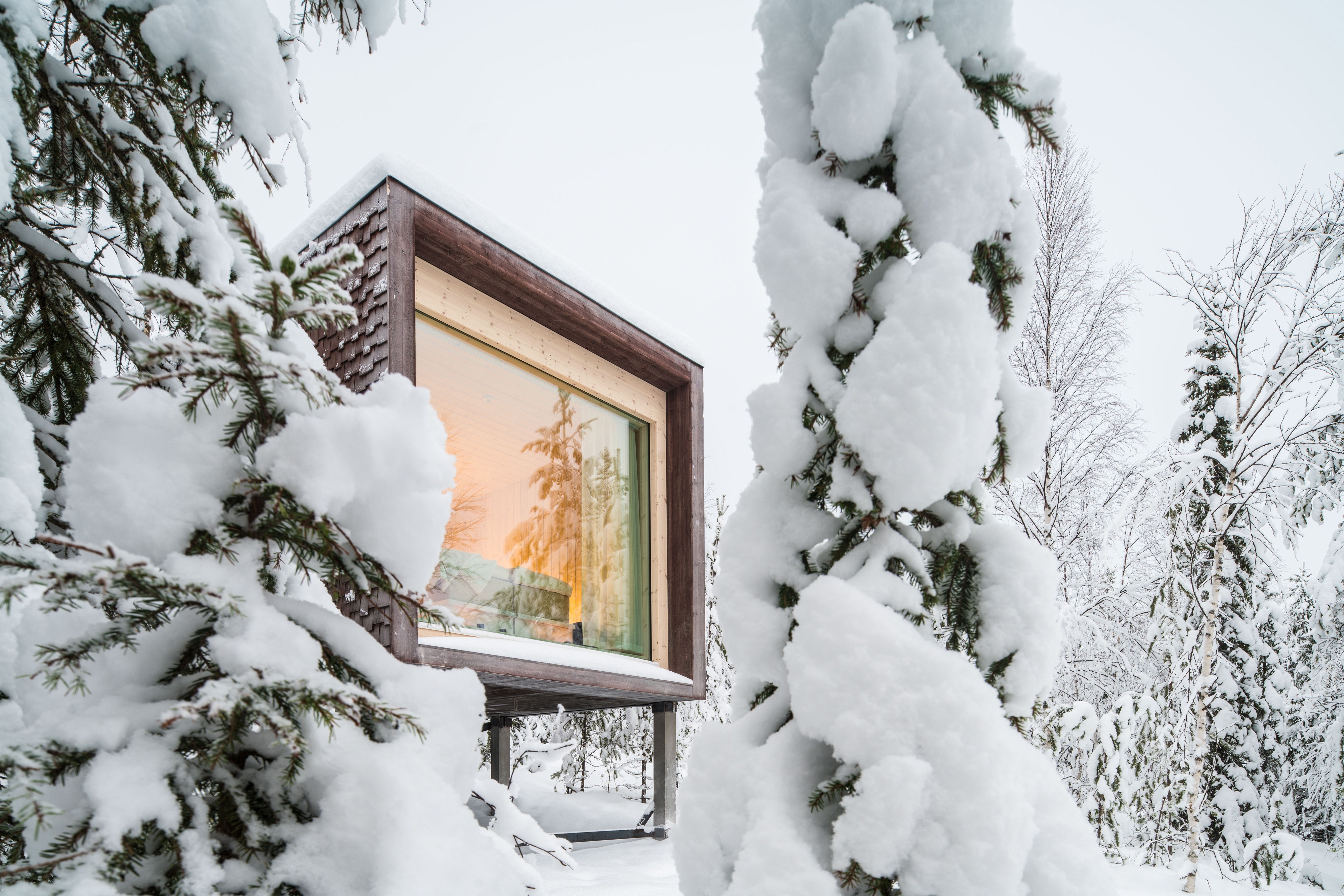
Arctic TreeHouse Hotel

Antti Kurola/Courtesy Arctic TreeHouse Hotel

Where to stay in Rovaniemi

Plan your visit around lodging in the Arctic TreeHouse Hotel to feel as if you’re sleeping in your own private snow globe. Each room is decorated with minimalist white decor, from the furniture and bedding to the walls and floors, along with a large floor-to-ceiling, north-facing window directly in front of the bed that allows for the best views of the Northern Lights during the winter season (and of the gorgeous greenery in the warmer months). The hotel is composed of just seven suites and five glass houses with two bedrooms in each, so books up fast.

What to do in Rovaniemi

Rovaniemi is known for being the hometown of Santa Claus. The area hosts a wide range of Christmas-related activities (including the Santa Claus Village) during the winter. However, you can also ski, dog-sled, snowboard, and spend all the time in the world doing any winter activity you can imagine. You may have a chance to spot the Northern Lights in winter, but, if you’re not a fan of winter sports or colder temperatures, the city is lovely in the summer as well. With white nights that never fall dark throughout the summer (from late May until early August), you’ll have 24 plenty of daylight to do activities like jet skiing, horseback riding, hiking, river cruising, and visiting husky and reindeer farms. Regardless of which season you choose to visit, you definitely won’t be bored.

Porvoo

When you’ve just arrived in a new country, ready to experience it all, one of the best introductions is to dive right into the food. Porvoo is just the place for that, filled with all things to satisfy a sophisticated palette.

WATCH

50 People Name the Most Famous Movies Set in Their State

c1p9f
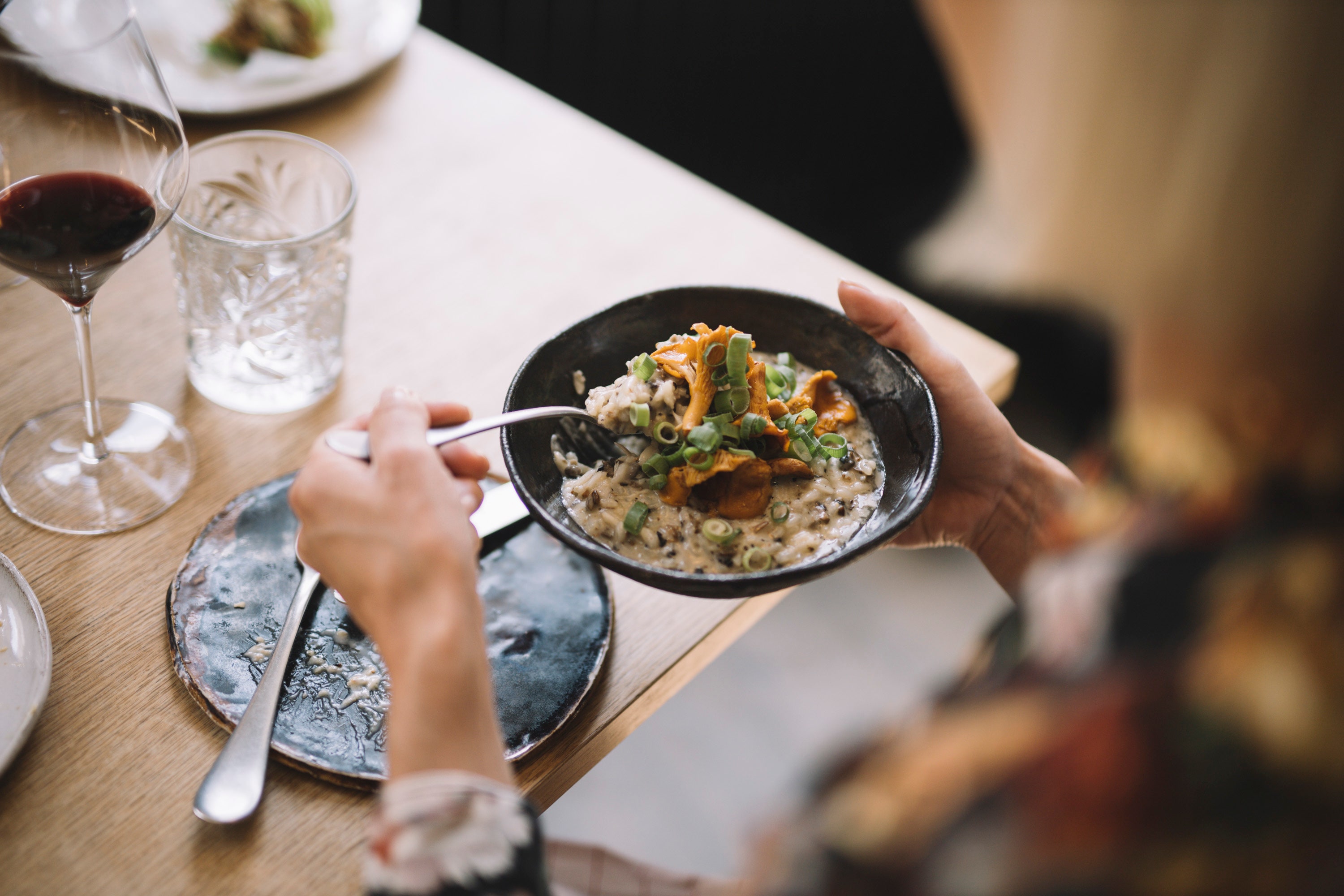
Vegetable forward dining in Porvoo

Sami Heiskanen

Where to eat in Porvoo

At first glance, the little wooden buildings of Porvoo may not seem like much, but hidden beneath is an array of charming cafes and exceptional bistros. Make a reservation at The Meat District, an affordable organic restaurant focused on ecological meats, for delicious creations from scratch; make sure you come hungry. If meat isn’t your thing, head to Bistro Sinne or SicaPelle; all are within walking distance of each other.

Where to stay in Porvoo

Porvoo’s hotels are scattered across the city; stay at the Boutique Hotel Onni for an intimate hotel housed right across from the Porvoo Cathedral. Its central location is great for those looking to stay near the city’s main attractions. The Hotel Haikko Manor hotel oozes cozy manor house ambience and is located in the middle of a scenic park by the sea. Since it’s within five kilometers (less than three miles) of the old town of Porvoo, you can get the best of both worlds within the city.

What to do in Porvoo

Old Porvoo is a great area to walk around since it’s filled with colorful wooden houses and winding cobblestone streets. You’ll have a blast exploring and finding beautiful historical scenery and architecture on your journey through the small town. With the city’s reputation for top-notch food, it’ll also be fun to head on a food tour to experience all the different cuisine options that Porvoo has to offer.

Turku

Finland’s former capital, also known as Turku, is filled with Finnish History. It’s also an outdoor playground for those who love hiking or cycling.

Where to eat in Turku

Due to its significant student population, it’s no surprise that Turku has a lively bar and restaurant scene. Head to Båthuset for a delicious breakfast, Cafe Qwensel for afternoon tea, and Nerå for a delicious Finnish and Mediterranean fused dinner. The city has also converted some of its boats along the river banks, including the former Baltic passenger steamer the S/S Bore into a hostel, and older buildings into trendy bars.

Trending Stories

74zvq
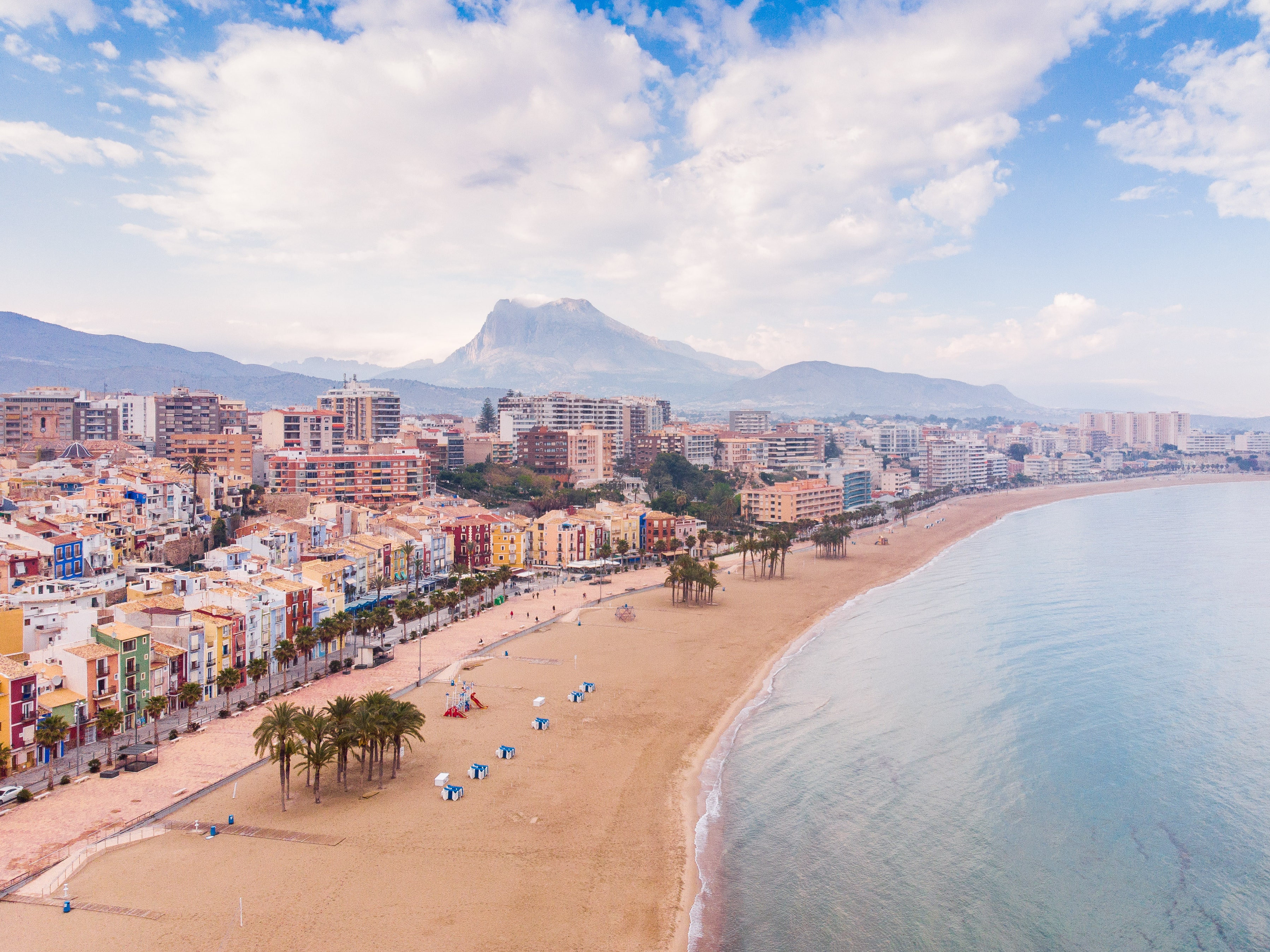
The Spanish Town of Villajoyosa Is the Best Hidden Gem in Europe, According to a New Ranking MARÍA CASBAS

irmns
Readers’ Choice Awards Survey

4zxi9
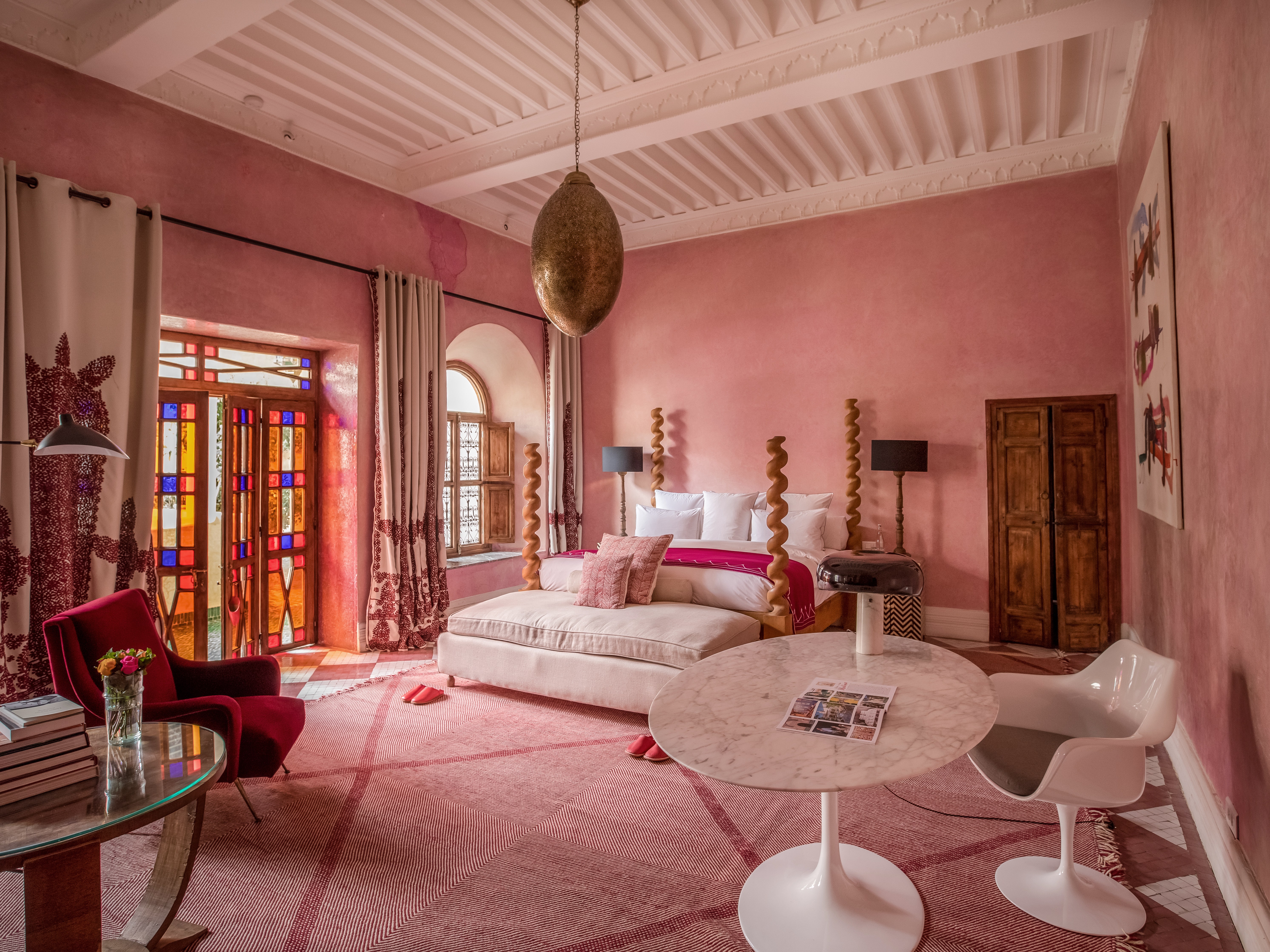
The Most Colorful Hotels in the World, From Morocco to Guatemala JESSICA CHAPEL

0zvoa
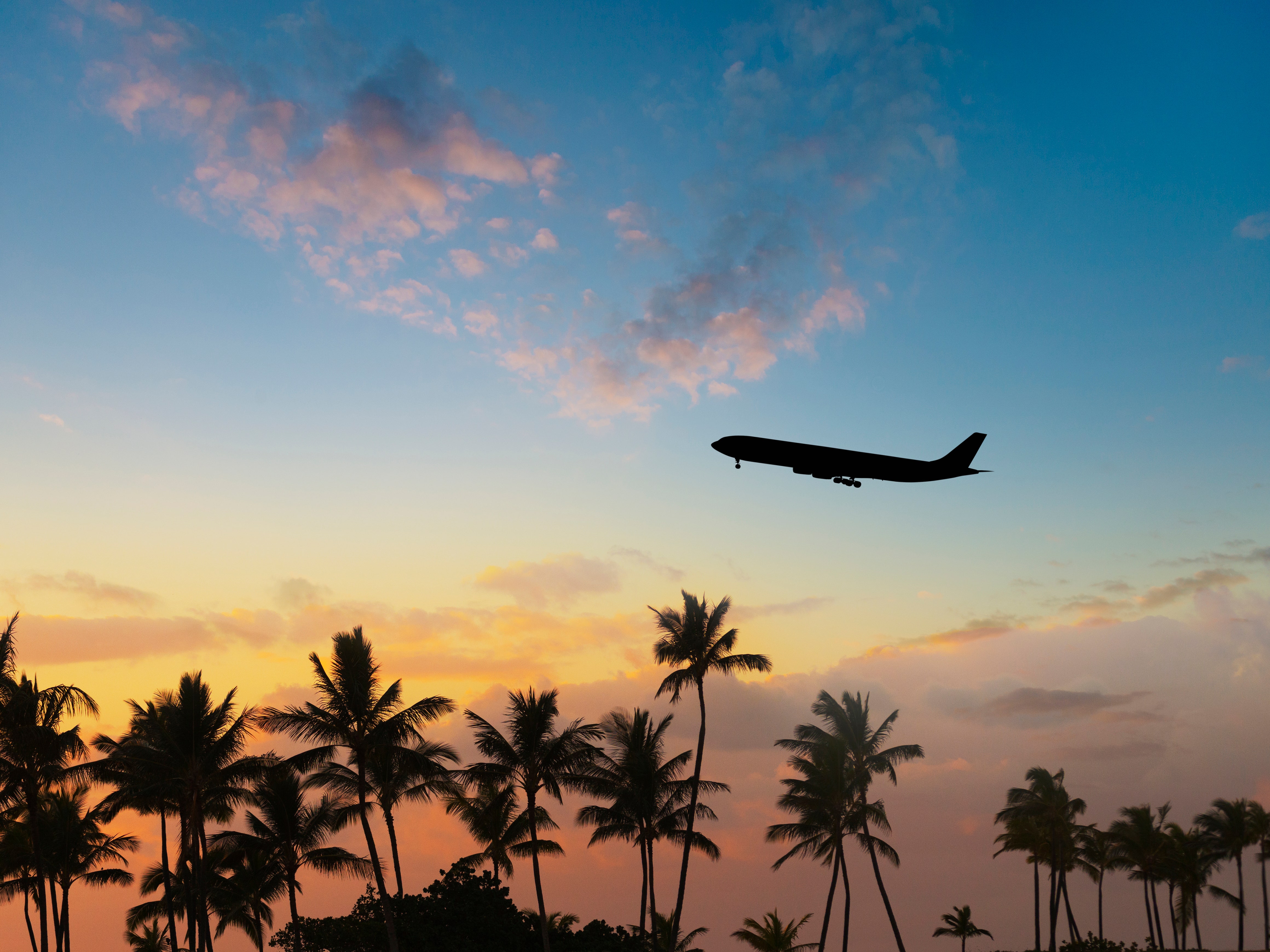
What It’s Like to Fly in the Leihōkū Suites, Hawaiian Airlines’ New Business Class Cabin

MADISON FLAGERADVERTISEMENT

8i7cg
Solo Sokos Hotel Turun Seurahuone’s Ultimate Suite

Wellu Hämäläinen

Where to stay in Turku

For a hotel that’s right in the midst of things, opt to stay at the Solo Sokos Hotel Turun Seurahuone, or Scandic Hamburger Börs. Thanks to their central locations, you can easily pop into a nearby market, explore the city, and experience the beauty of Turku during your stay. Solo Sokos Hotel Turun Seurahuone’s decor mixes 1920s style with modern-day touches, whereas Scandic Hamburger Börs feels completely new and modern. Both will provide you with the best location to experience the city.

What to do in Turku

Since it was previously Finland’s capital, Turku has more than its fair share of historic attractions. Most of the historic landmarks are clustered around the riverbanks at the city center, making it pretty easy to navigate. However, you should opt to visit the largest medieval building in Finland: the 13th-century castle close to the ferry terminal, the Suomen Joutsen, and its museums, the Forum Marinum. Those who love cycling and hiking can walk along the beautiful nature routes or try their hand at their favorite outdoor activities during the warmer months.[……]

Read more
3-MINUTE TRAVEL GUIDE:MAASTRICHT, NETHERLANDS

DON’T FORGET TO PACK Clothes that layer easily (weather can change drastically throughout the day), waterproof coat/shoes, a belt (you may lose a few inches by walking/biking/eating healthier food), a bag that fits budget airline dimensions for weekend trips, favorite snacks from home, and skincare/makeup (there are fewer options in the Netherlands). Most important, leave extra room in your bag to bring items home!

p9x36
BEST LEFT AT HOME Athleisure clothes, too many pairs of shoes (takes up a lot of room), heels/uncomfortable shoes.

WHERE TO LIVE The UM Guesthouse, which is specifically for exchange students at Maastricht University. The rooms are spacious and a 10-minute bike ride from everything in Maastricht. You will meet students from all over the world while living here!

BEST EATS NEAR CAMPUS Bread & More for the best ready-made sandwiches in the city center,

Soup Bros for homemade soup made from organic, locally-grown ingredients,

With Love Burrito if you find yourself missing the Mexican food in California, and

Cafe Frape, which serves over 500 types of beer. Tell the staff what flavors you prefer, and they will give you recommendations.

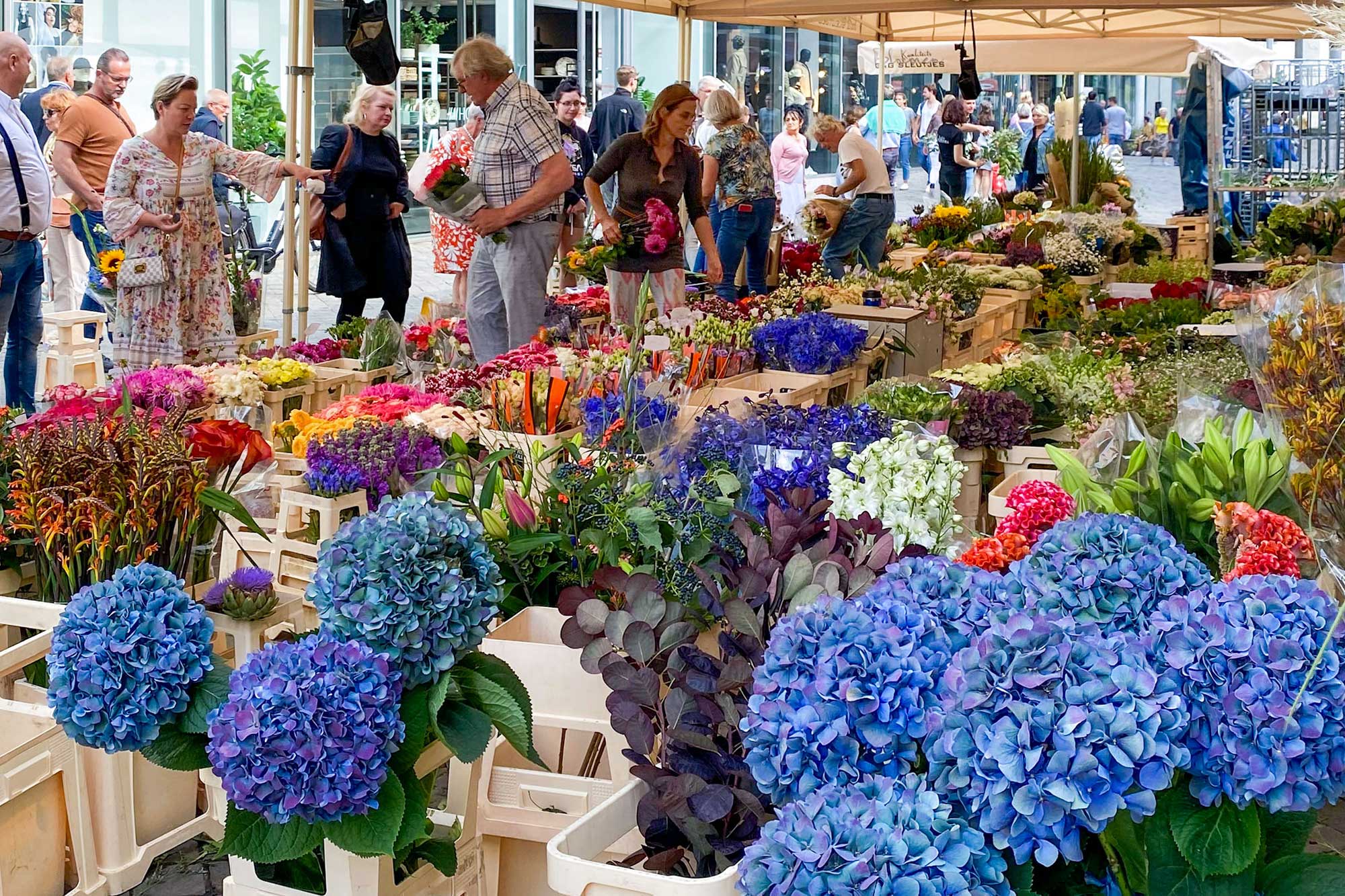
FAVORITE NETHERLANDER ACTIVITY Picnics in the Stadspark when the weather is nice, walking along the medieval city walls, shopping at the weekly farmers market, people-watching at one of the many cafes in the city center, karaoke at Peter’s Irish Pub, not doing any work after 5 PM.

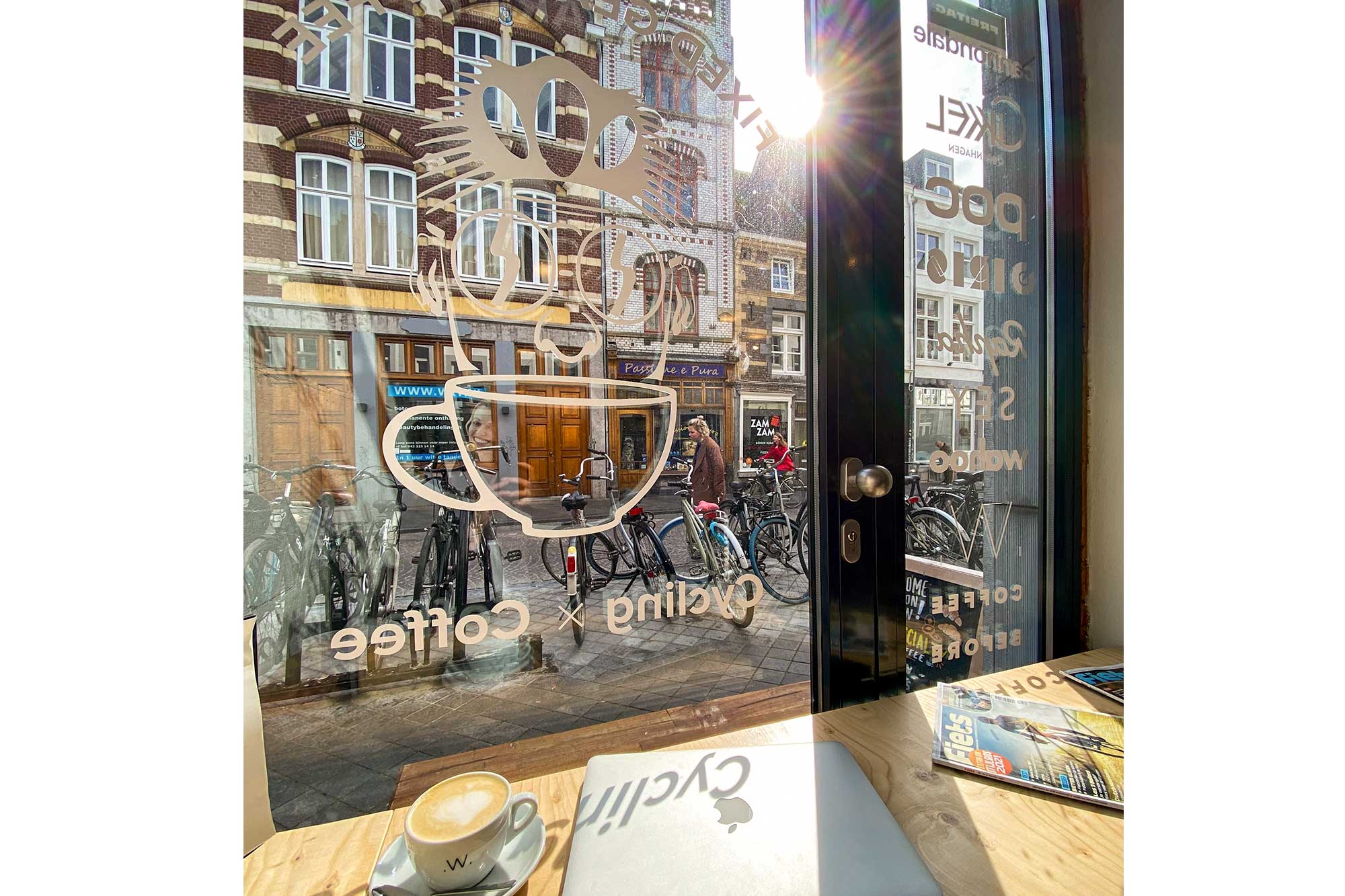
WHERE TO STUDY So many places! Here are my favs: Alley Cat – a hybrid bike shop-study cafe

Coffeelovers – a local cafe chain, has locations in university buildings and throughout the city

Outside in the Stadspark (when the weather is nice)

myket
The Inner City Library on the west side of the river, and the Randwyck Library on the east side of the river

Boekhandel Dominicanen, a Gothic church that was repurposed to be a bookstore

MUST-TRY LOCAL DISH I can’t pick just one. Here are all the best foods to try:

Limburgse vlaai, which is traditional pie from the southern region of the Netherlands.

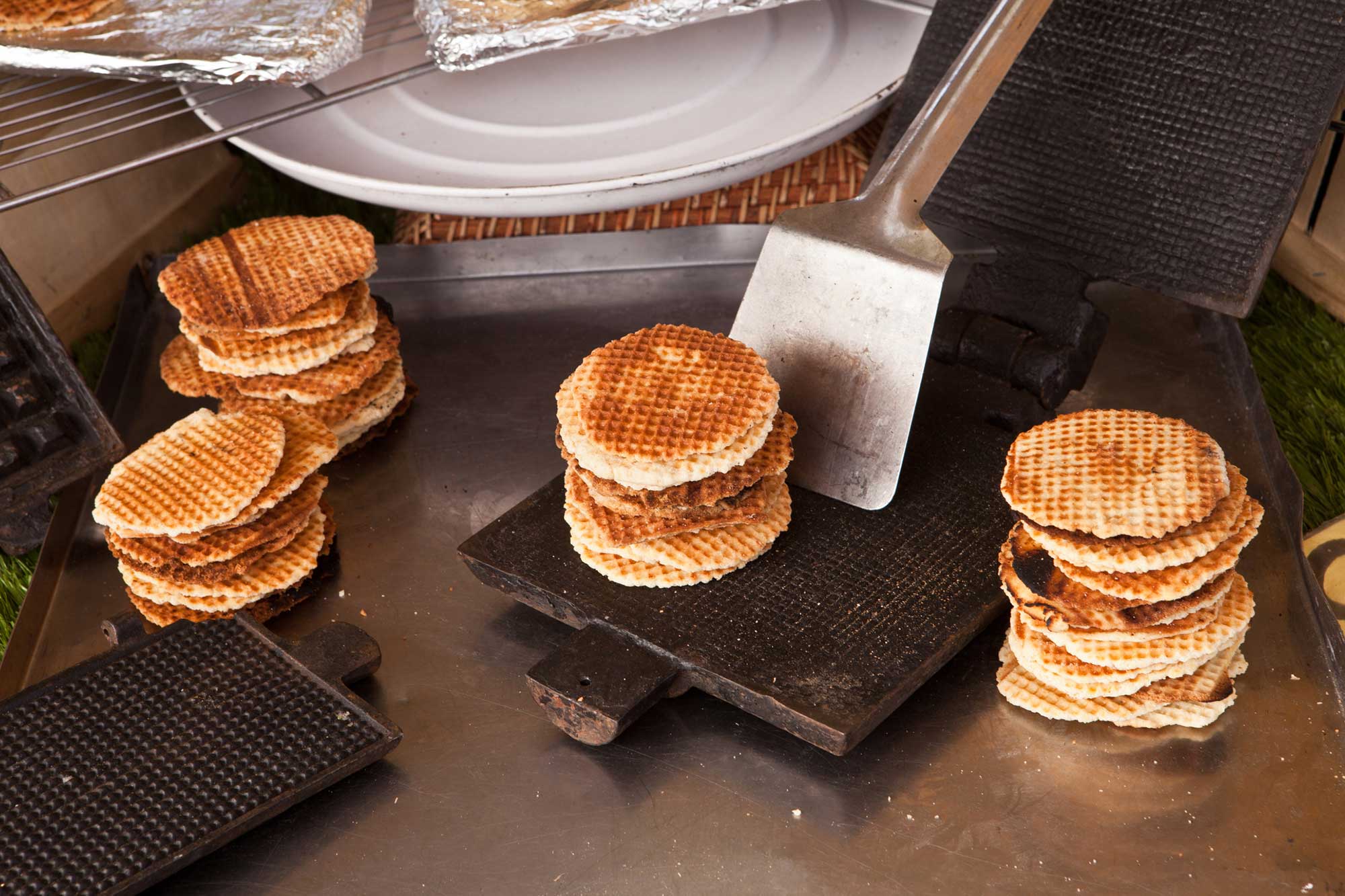
Stroopwafels, which is a cookie made of two flat wafers with caramel syrup in the middle. My favorite way to eat them is to warm them over coffee or tea to melt the caramel.

Friets, which are thick-cut french fries dipped in mayonnaise.

bqjk7
The Dutch eat raw, pickled herring by dangling the fish head-first above their mouth (the taste and texture is similar to tuna sashimi).

Belgian waffles from the nearby city of Liège, Belgium.

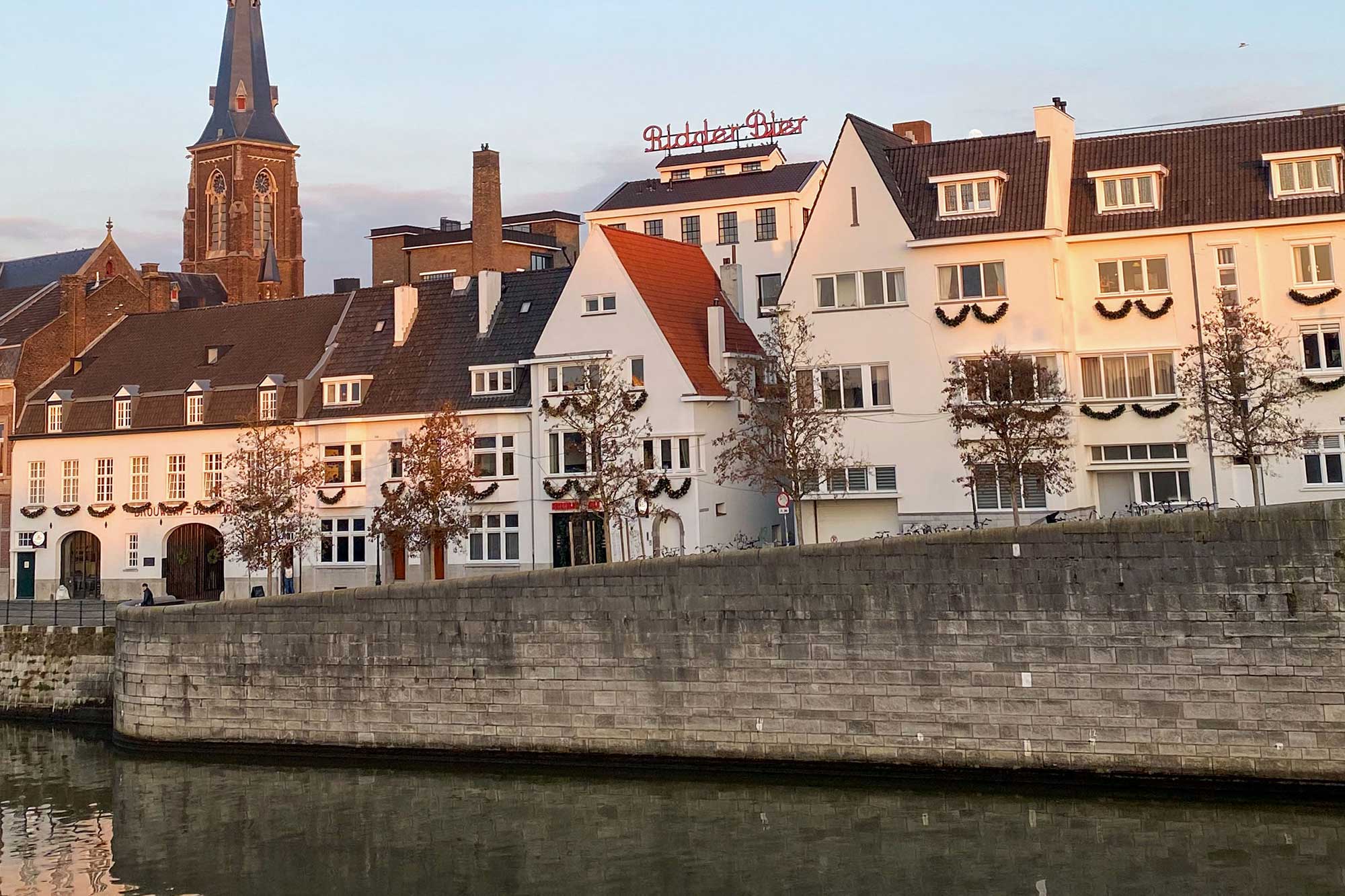
BEST PHOTO OP The Sint-Servaasbrug Bridge offers the best view of the Meuse River.

BIGGEST FAIL Bringing suitcases I couldn’t lift on my own! Using vacuum compression bags saved volume, but they made my luggage overweight.

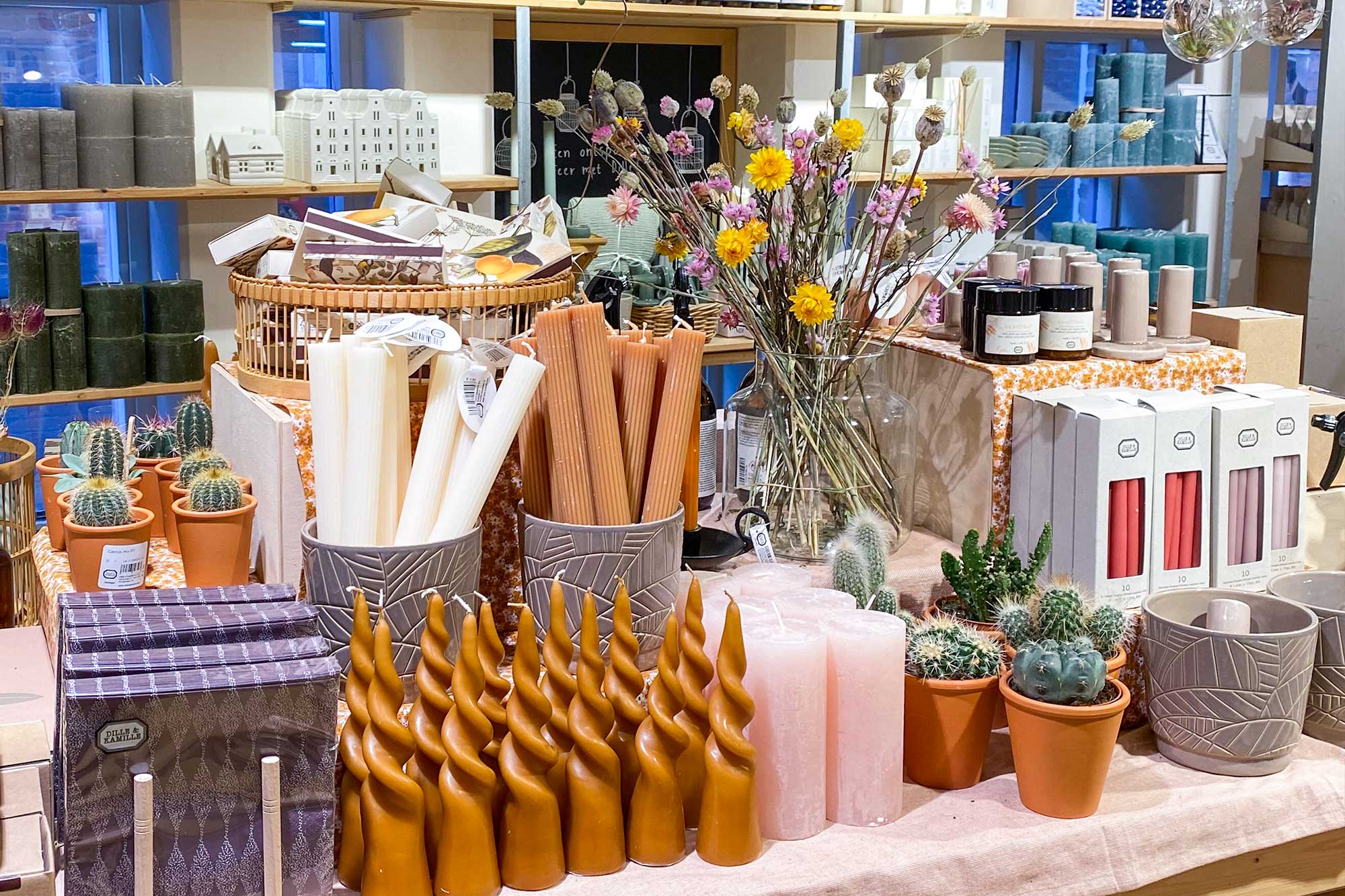
BUY THIS Home goods from Dille & Kamille, a Dutch brand that is zo gezellig (cozy)!

j82om
Buy your waterproof coat and boots in the Netherlands; they’re cheaper and better made than you’ll find in California.

NOT THAT A bike! You can rent one on a monthly basis from Swapfiets instead. The rental fee also includes maintenance costs.

MOST INTERESTING CLASS European Public Health! Our professor gave us the freedom to explore topics we were interested in as a class. We compared the European and American healthcare systems in our discussions, and we were encouraged to share our opinions and personal experiences.

BEST PART OF THE PROGRAM The diverse international student population at Maastricht University! In one of my discussion sections, every student was from a different country which created a unique group dynamic. Problem-Based Learning also helped me become a more active learner and big-picture thinker.

c6y2w
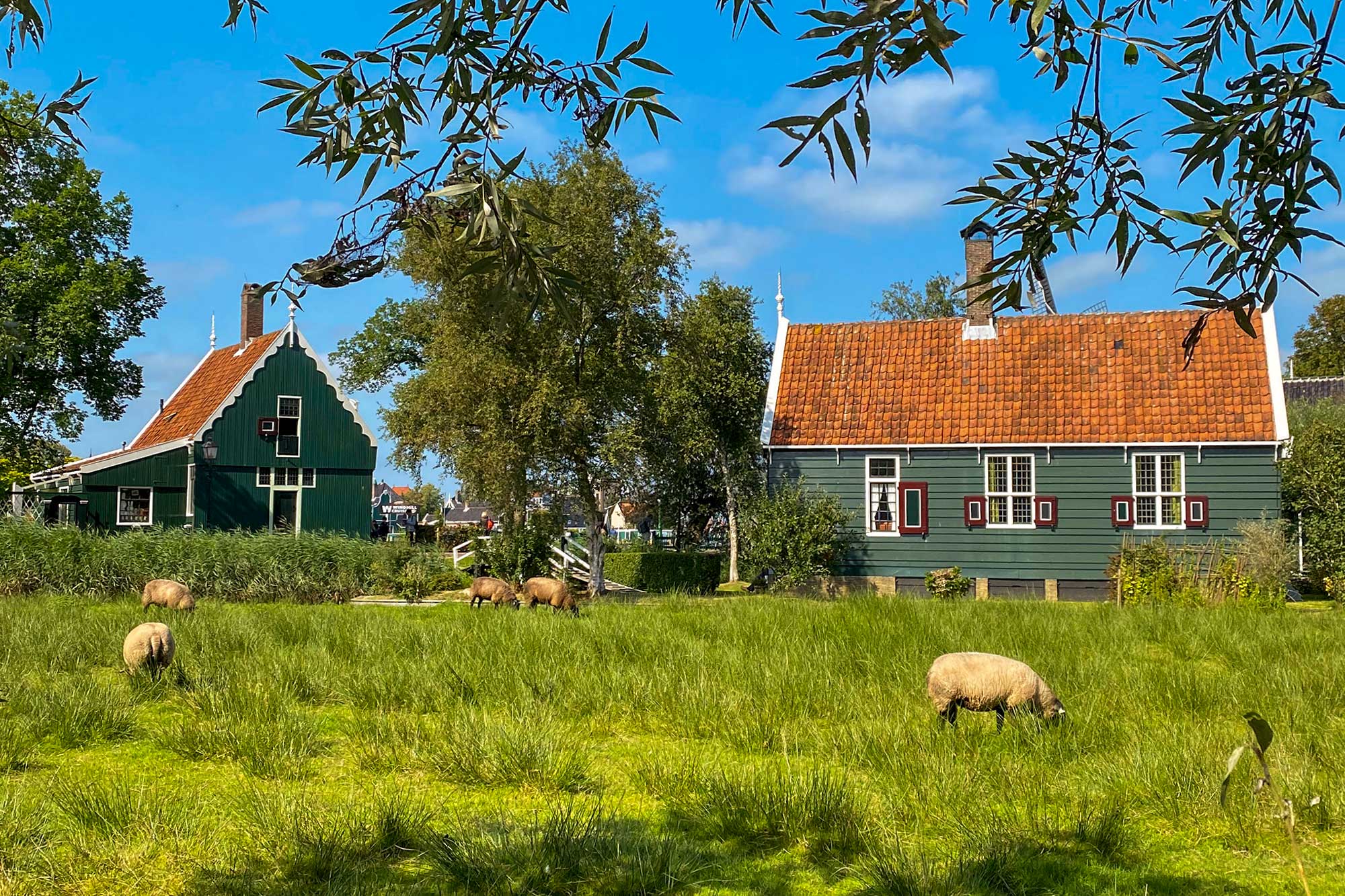
FAVORITE UCEAP TRIP OR ACTIVITY Our day trip to Zaanse Schans, which is a traditional village with little green houses, windmills, and sheep.

UNFORGETTABLE WEEKEND TRIPS Malta! There is so much to do and so much history in such a small country. The locals are kind, the weather is warm, and the pace of life is relaxed. The local cuisine is influenced by nearby Sicily and North Africa. My favorite dishes were Maltese rabbit and pastizzis, a flaky pastry filled with ricotta and peas.

ghdfa
BONUS PRO TIP Appreciate the daily routine abroad because when you return home, you’ll find yourself missing life in Maastricht as much as the exciting weekend trips. When it comes to problem-based learning, you get what out what you put in. In Dutch culture, the opinions of each member of a group are considered valuable, so don’t hesitate to share and even disagree (in a constructive way, of course). Locals in Maastricht use a dialect called Limburgish, which sounds different than the standard Dutch you may have learned or practiced before arriving. Finally, the Dutch are known to be direct – and this includes professors, especially when giving feedback on assignments. Don’t take it too personally; they’re trying to help you.[……]

Read more
Top 15 Unique Places to Stay in Iceland: Cool Places to Stay

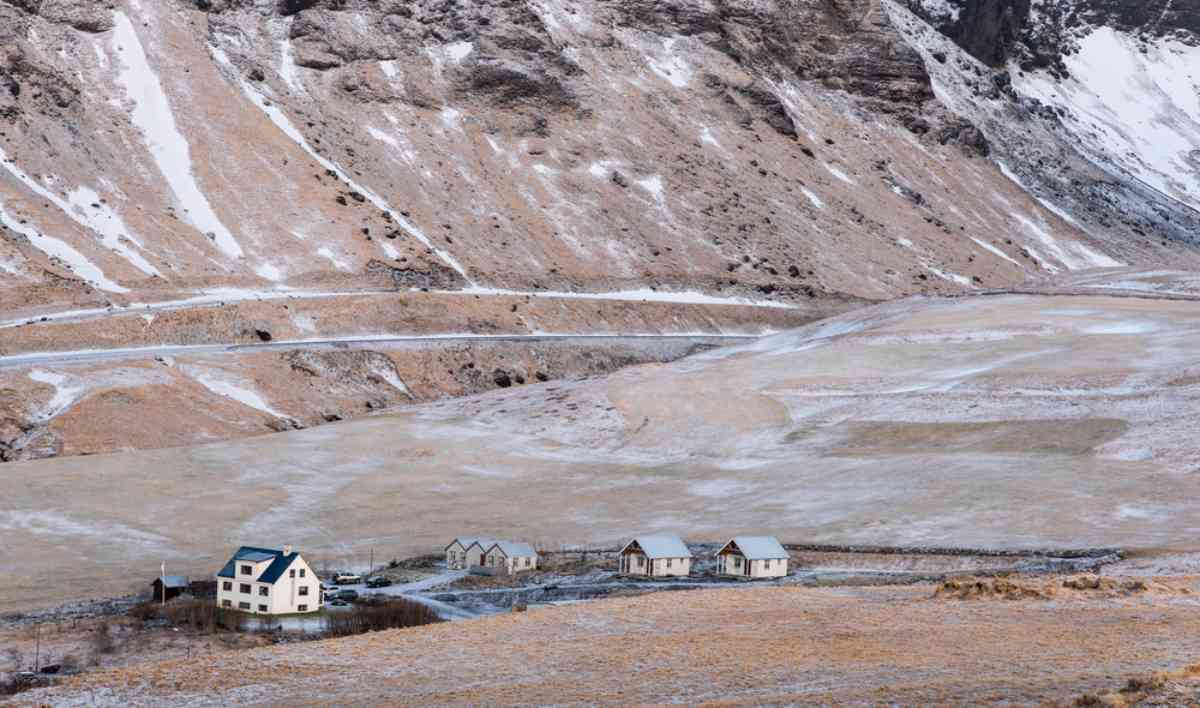
Iceland is a land of stunning natural beauty, from its glaciers and volcanoes to its black sand beaches and lava fields. But what if you want to experience something even more unique? If you’re looking for a truly unforgettable vacation, you should consider the many unique places to stay in Iceland.

6a5f3
What are unique places to stay in Iceland?

Unique places to stay in Iceland are accommodations that offer a unique experience or have unique features. This could include hotels, lodges, cabins, or other types of accommodations that are off-the-beaten-path or offer something special that you won’t find anywhere else.

Why stay in a unique place in Iceland?

There are many reasons why you might want to stay in a unique place in Iceland. Maybe you’re looking for a truly unforgettable experience, or maybe you want to stay somewhere that’s more eco-friendly or sustainable. Whatever your reason, there’s sure to be a unique place in Iceland that’s perfect for you.

Here are some of the benefits of staying in a unique place in Iceland:

You’ll get to experience something truly unique and memorable.

You’ll be supporting local businesses and communities.

You’ll be helping to protect the environment.

You’ll get to stay somewhere that’s more off-the-beaten-path and less crowded.

Here are some of the challenges of staying in a unique place in Iceland:

They can be more expensive than traditional hotels.

They may be more difficult to book, especially during peak season.

They may not have all the same amenities as traditional hotels.

n5rqd
15 unique places to stay in Iceland

360 Hotel

The 360 Hotel is a unique hotel in Reykjavik that offers stunning panoramic views of the city and the surrounding mountains. The hotel is located in the heart of Reykjavik, and it’s just a short walk from all the major attractions. The rooms are spacious and comfortable, and they all have floor-to-ceiling windows that offer stunning views. The hotel also has a rooftop terrace with a bar and restaurant, where you can enjoy incredible views of the city.

The 360 Hotel is a great place to stay if you want to experience the best of Reykjavik. The hotel is located in the heart of the city, so you’re close to all the action. And the views from the rooftop terrace are simply stunning. Whether you’re looking for a romantic getaway or a fun-filled vacation with friends, the 360 Hotel is the perfect place to stay in Reykjavik.

Galaxy Pod Hostel Reykjavik

The Galaxy Pod Hostel Reykjavik is a fun and quirky hostel in Reykjavik that offers unique sleeping pods. The pods are shaped like spaceships, and they’re equipped with everything you need for a comfortable stay, including a bed, a desk, and a reading light. The hostel is located in the heart of Reykjavik, and it’s just a short walk from all the major attractions. The hostel also has a common area with a kitchen, a TV, and a games room.

The Galaxy Pod Hostel Reykjavik is a great place to stay if you’re looking for a unique and affordable accommodation in Reykjavik. The pods are small, but they’re cozy and comfortable. And the common area is a great place to meet other travelers and make new friends.

Frost & Fire Hotel

The Frost & Fire Hotel is a unique hotel in Iceland that offers a truly immersive experience. The hotel is located in a lava field, and the rooms are made from volcanic rock. The hotel also has a geothermal spa, where you can relax in the warm, mineral-rich water. The Frost & Fire Hotel is a great place to experience the unique beauty of Iceland.

The Frost & Fire Hotel is a great place to stay if you’re looking for a truly unique and unforgettable experience. The hotel is located in a stunning location, and the rooms are made from materials that are native to Iceland. The geothermal spa is a great way to relax and rejuvenate, and the hotel staff are friendly and helpful.

Hotel Ranga

Hotel Ranga is a luxury hotel in South Iceland that offers stunning views of the surrounding mountains and glaciers. The hotel is located in a remote area, but it’s just a short drive from some of the most popular tourist attractions in Iceland, such as the Seljalandsfoss and Skógafoss waterfalls. The hotel has a variety of restaurants, a spa, and a golf course.

Hotel Ranga is a great place to stay if you’re looking for a luxurious and relaxing vacation in Iceland. The hotel is located in a stunning location, and the rooms are spacious and comfortable. The staff are friendly and attentive, and the hotel has a variety of amenities to keep you entertained.

Volcano Hotel

The Volcano Hotel is a unique hotel in North Iceland that is built inside a crater. The hotel is located in the Vatnajökull National Park, and it’s surrounded by stunning scenery. The hotel has a variety of restaurants, a spa, and a golf course.

The Volcano Hotel is a great place to stay if you’re looking for an adventure-filled vacation in Iceland. The hotel is located in a remote location, but it’s surrounded by stunning scenery. The hotel has a variety of activities to keep you entertained, and the staff are friendly and helpful.

id59i
Camp Boutique

Camp Boutique is a unique camping experience in Iceland that offers stylish tents and cabins. The campsite is located in the heart of the Golden Circle, and it’s just a short drive from some of the most popular tourist attractions in Iceland, such as Þingvellir National Park and Gullfoss waterfall. The campsite has a variety of amenities, including a swimming pool, a sauna, and a restaurant.

Camp Boutique is a great place to stay if you’re looking for a unique and affordable camping experience in Iceland. The tents and cabins are stylish and comfortable, and the campsite is located in a beautiful location. The amenities are great, and the staff are friendly and helpful.

Kex Hostel

Kex Hostel is a popular hostel in Reykjavik that is known for its funky décor and friendly atmosphere. The hostel is located in the heart of Reykjavik, and it’s just a short walk from all the major attractions. The hostel has a variety of rooms, including private rooms, shared rooms, and dorm rooms. The hostel also has a kitchen, a TV room, and a games room.

Kex Hostel is a great place to stay if you’re looking for a fun and affordable hostel in Reykjavik. The hostel is located in a great location, and the staff are friendly and helpful. The hostel is also a great place to meet other travelers and make new friends.

Hótel Laxá

Hótel Laxá is a charming hotel in South Iceland that is located on the banks of the Laxá River. The hotel is surrounded by stunning scenery, and it’s just a short drive from some of the most popular tourist attractions in Iceland, such as the Seljalandsfoss and Skógafoss waterfalls. The hotel has a variety of rooms, including private rooms, shared rooms, and dorm rooms. The hotel also has a restaurant, a bar, and a sauna.

Hótel Laxá is a great place to stay if you’re looking for a charming and affordable hotel in South Iceland. The hotel is located in a beautiful location, and the staff are friendly and helpful. The hotel is also a great place to go fishing, hiking, and exploring the natural beauty of Iceland.

Reykjavik Domes

Reykjavik Domes is a unique accommodation in Reykjavik that offers transparent domes that allow you to sleep under the stars. The domes are located in a quiet area of Reykjavik, and they offer stunning views of the city and the surrounding mountains. The domes are equipped with everything you need for a comfortable stay, including a bed, a desk, and a reading light.

Reykjavik Domes is a great place to stay if you’re looking for a unique and romantic experience in Reykjavik. The domes are cozy and comfortable, and the views are simply stunning. Whether you’re looking for a romantic getaway or a fun-filled vacation with friends, Reykjavik Domes is the perfect place to stay in Reykjavik.

Framtid Lodging Barrels

Framtid Lodging Barrels is a unique accommodation in South Iceland that offers wooden barrels that are heated by geothermal energy. The barrels are located in a lava field, and they offer stunning views of the surrounding mountains. The barrels are equipped with everything you need for a comfortable stay, including a bed, a desk, and a reading light.

Framtid Lodging Barrels is a great place to stay if you’re looking for a unique and affordable accommodation in South Iceland. The barrels are cozy and comfortable, and the views are simply stunning. Whether you’re looking for a romantic getaway or a fun-filled vacation with friends, Framtid Lodging Barrels is the perfect place to stay in South Iceland.

ION Adventure

ION Adventure is a unique hotel in South Iceland that offers a variety of adventure activities, including hiking, biking, and horseback riding. The hotel is located in the heart of the Golden Circle, and it’s just a short drive from some of the most popular tourist attractions in Iceland, such as Þingvellir National Park and Gullfoss waterfall. The hotel has a variety of rooms, including private rooms, shared rooms, and dorm rooms. The hotel also has a restaurant, a bar, and a sauna.

ION Adventure is a great place to stay if you’re looking for an adventure-filled vacation in Iceland. The hotel is located in a beautiful location, and the staff are friendly and helpful. The hotel also has a variety of activities to keep you entertained, and the staff can help you plan your adventures.

Fossatun Camping Pods

Fossatun Camping Pods is a unique camping experience in South Iceland that offers stylish pods that are heated by geothermal energy. The pods are located in a lava field, and they offer stunning views of the surrounding mountains. The pods are equipped with everything you need for a comfortable stay, including a bed, a desk, and a reading light.

Fossatun Camping Pods is a great place to stay if you’re looking for a unique and affordable camping experience in South Iceland. The pods are cozy and comfortable, and the views are simply stunning. Whether you’re looking for a romantic getaway or a fun-filled vacation with friends, Fossatun Camping Pods is the perfect place to stay in South Iceland.

The Five Million Star Hotel

The Five Million Star Hotel is a unique accommodation in Iceland that offers the ultimate in stargazing. The hotel is located in a remote area of Iceland, and it’s surrounded by stunning scenery. The hotel has no walls or roof, so you can sleep under the stars and enjoy the Milky Way.

The Five Million Star Hotel is a great place to stay if you’re looking for a unique and romantic experience in Iceland. The views are simply stunning, and you’ll feel like you’re sleeping in the middle of the universe. Whether you’re looking for a romantic getaway or a fun-filled vacation with friends, The Five Million Star Hotel is the perfect place to stay in Iceland.

Esjan Hotel

Esjan Hotel is a charming hotel in Reykjavík that is located on the slopes of Esja mountain. The hotel is surrounded by stunning scenery, and it’s just a short drive from all the major attractions in Reykjavík. The hotel has a variety of rooms, including private rooms, shared rooms, and dorm rooms. The hotel also has a restaurant, a bar, and a sauna.

Esjan Hotel is a great place to stay if you’re looking for a charming and affordable hotel in Reykjavík. The hotel is located in a beautiful location, and the staff are friendly and helpful. The hotel is also a great place to go hiking, biking, and exploring the natural beauty of Iceland.

Hotel Viking

Hotel Viking is a charming retreat nestled in the heart of Iceland, offering a captivating blend of comfort and history. Immerse yourself in the Viking-inspired ambiance while exploring nearby natural wonders and cultural treasures. Experience an unforgettable stay in this unique destination.

101 Hotel

101 Hotel in Iceland is a sophisticated urban sanctuary, boasting contemporary elegance in the heart of Reykjavik. Immerse yourself in stylish luxury and indulge in the city’s vibrant culture, art, and nightlife. Experience the perfect fusion of modern design and Icelandic charm at this unique hotel.

Discovering the best unique places to stay in Iceland

So whether you’re looking for a romantic getaway or an adventure-filled vacation, there’s a unique place to stay in Iceland that’s perfect for you. Start planning your trip today, and experience the unique beauty of Iceland in a truly unforgettable way.[……]

Read more