Divi WordPress Theme


The Top 10 Must-See Art Museums in Paris for Art Lovers

With over 130 museums, Paris undoubtedly lives up to its reputation as the art capital of the world. From iconic institutions like the Louvre to lesser-known gems, the City of Light is a treasure trove for art enthusiasts. This in-depth guide explores the 10 must-see art museums for every visitor looking to indulge in Paris’ vibrant art scene. Get ready to dive into expansive collections, renowned masterpieces, cutting-edge contemporary exhibits, and so much more.

1. MUSÉE DU LOUVRE

125ds
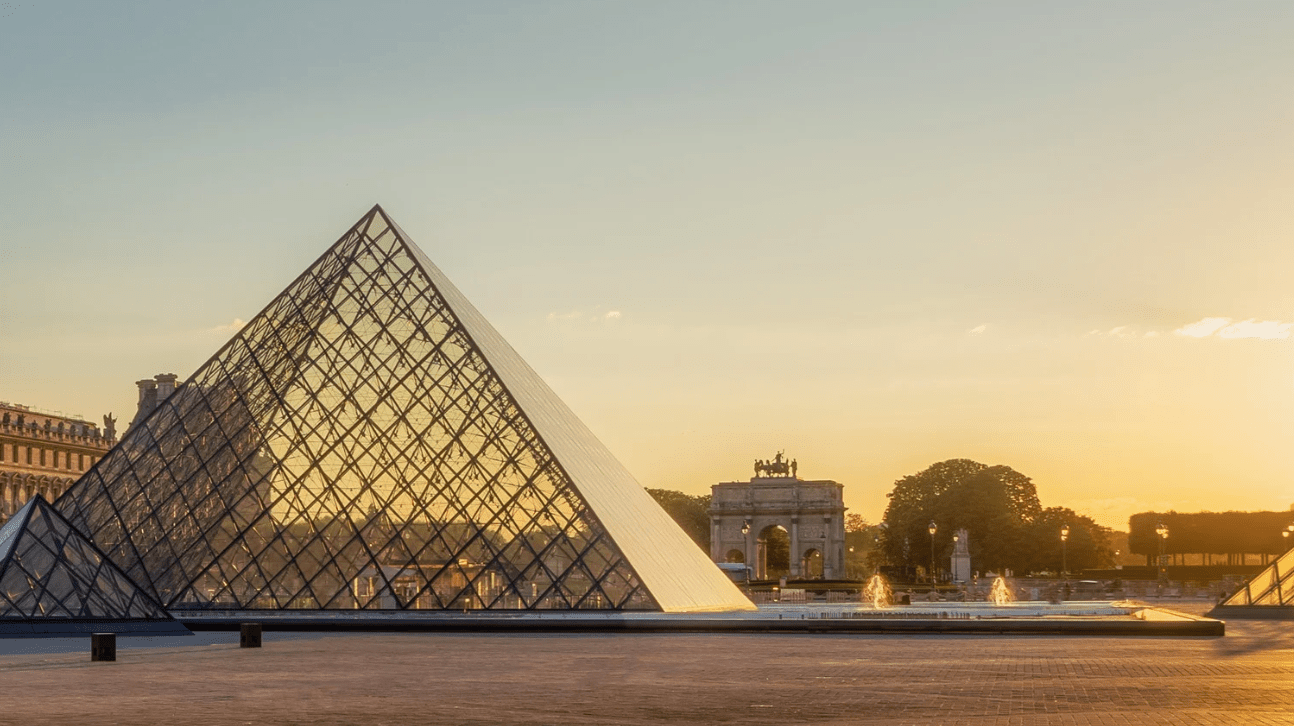
No trip to Paris is complete without a visit to the Grand Musée du Louvre. Once a 12th century fortress, this palatial building is now the world’s largest art museum and one of the city’s most iconic landmarks. Given its vast size and extensive collections, you could easily spend weeks at the Louvre and still not see everything.

However, you can still get a good overview in just one day. Be sure to see these highlights:

Leonardo da Vinci’s enigmatic Mona Lisa portrait behind her bulletproof case

The imposing 9 foot tall Winged Victory of Samothrace sculpture

Venus de Milo, an ancient Greek statue depicting the goddess Aphrodite

Liberty Leading the People, Eugène Delacroix’s stirring ode to the French Revolution

Jacques-Louis David’s The Coronation of Napoleon, depicting his lavish 1804 crowning

Beyond paintings and sculptures, the Louvre also houses Egyptian antiquities like sarcophagi and mummies, classical Greek and Roman marble works, jewel-encrusted crowns and chalices, and Islamic tilework and miniatures.

Pro tip: Buy tickets in advance online to avoid long queues. And be strategic in mapping out your visit. Focus on your must-sees and don’t try to see everything.

2. MUSÉE D’ORSAY

ufs7a
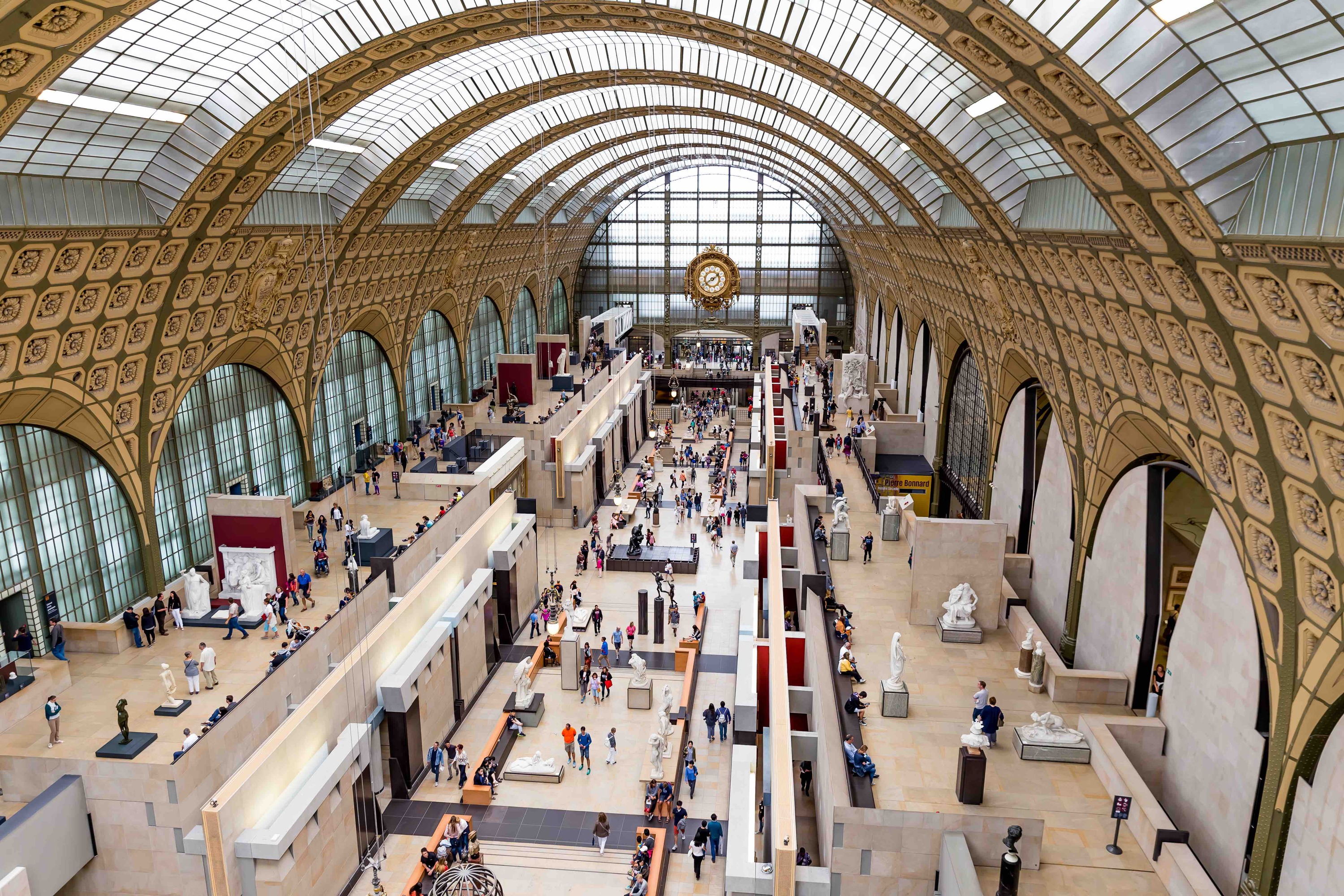
Housed in a beautifully converted Beaux-Arts railway station on the Seine, the Musée D’Orsay holds the world’s largest collection of Impressionist and post-Impressionist paintings. Spend hours wandering through gallery after gallery showcasing iconic works by Monet, Renoir, Degas, Cézanne, Seurat, Sisley, Gauguin, and Van Gogh.

Some highlights include:

Van Gogh’s Starry Night Over the Rhône

Renoir’s shimmering Luncheon of the Boating Party

Monet’s dreamy Water Lilies series

Edouard Manet’s scandalous Le Déjeuner sur l’herbe

Paul Gauguin’s bold Vision after the Sermon

Don’t miss the excellent Impressionist galleries on levels 5 and 6. The soaring architecture provides a stunning backdrop. Stop for a coffee break at the museum café, which has an outdoor terrace overlooking the city.

3. CENTRE POMPIDOU

hrdyi
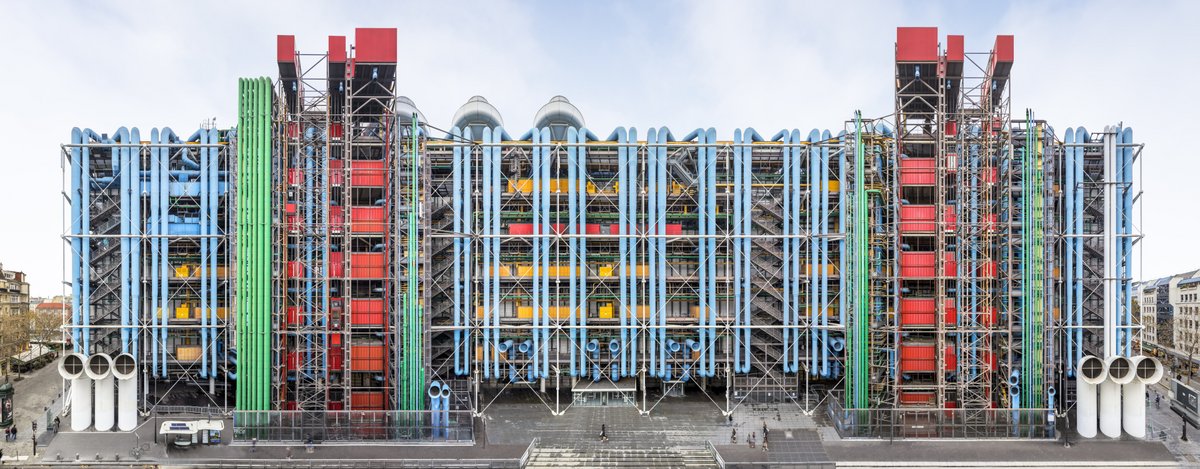
For modern and contemporary art, head to the Centre Pompidou, known for its bold inside-out architectural style with exposed pipes and air ducts. This vibrant cultural hub houses cutting-edge temporary exhibits, cinemas, a public library, performance spaces, and more.

The museum walkways provide panoramic views over Paris. Highlights of the permanent collection include:

Picasso masterpieces like Guitar, Portrait of Dora Maar, and still lifes from his Blue and Rose periods

Vibrant Fauvist works by Henri Matisse, Andre Derain, Maurice de Vlaminck

Pioneering Cubist paintings by Georges Braque

Kinetic sculptures by Alexander Calder

Psychedelic canvases by Dada artist Max Ernst

Don’t miss classics like Marcel Duchamp’s subversive Fountain and Andy Warhol’s pop art Marilyn Monroe silkscreens.

4. MUSÉE RODIN

3u2y2
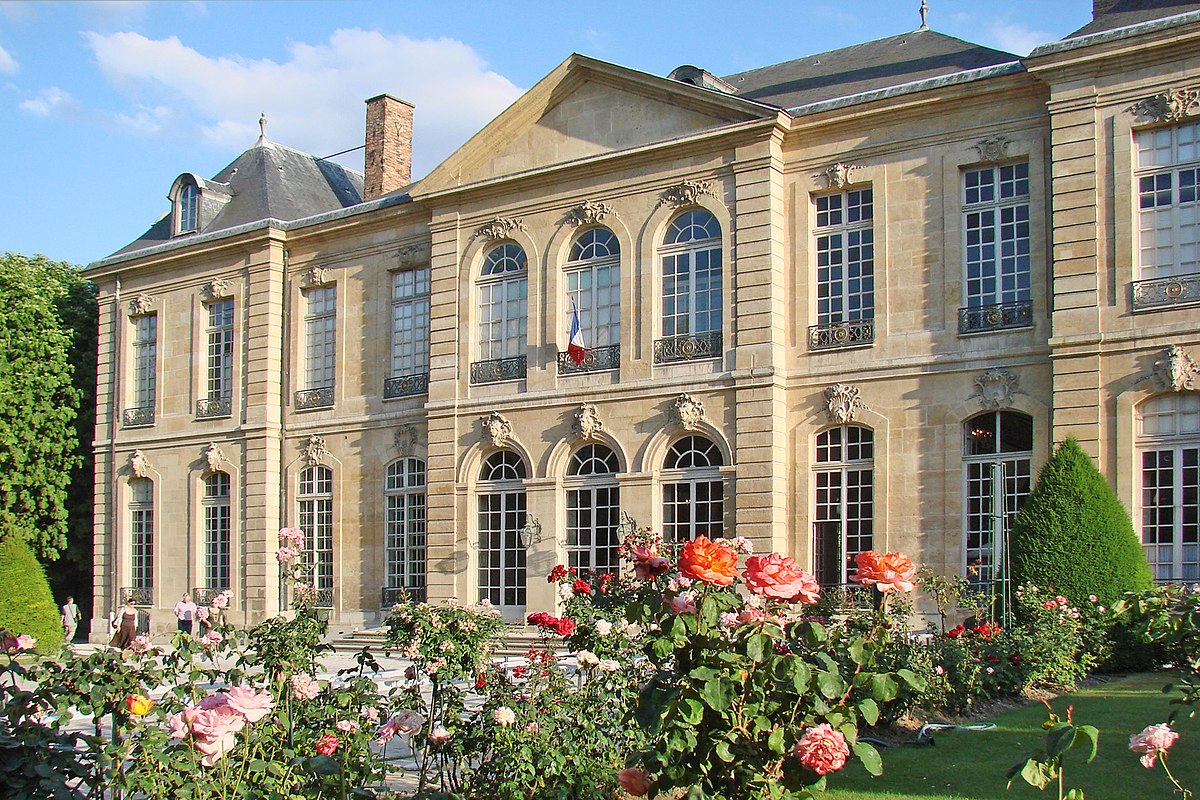
This elegant 18th century mansion and surrounding garden sculptures provide the perfect setting for renowned sculptor Auguste Rodin’s works. The collection includes instantly recognizable bronze masterpieces like The Thinker, The Kiss, The Gates of Hell, and smaller clay models and sketches that reveal his creative process.

The peaceful garden displays iconic Rodin works like The Thinker at different scales, as well as striking sculptures by Camille Claudel and other artists. The overall effect is both intimate and awe-inspiring.

5. MUSÉE PICASSO

bovov
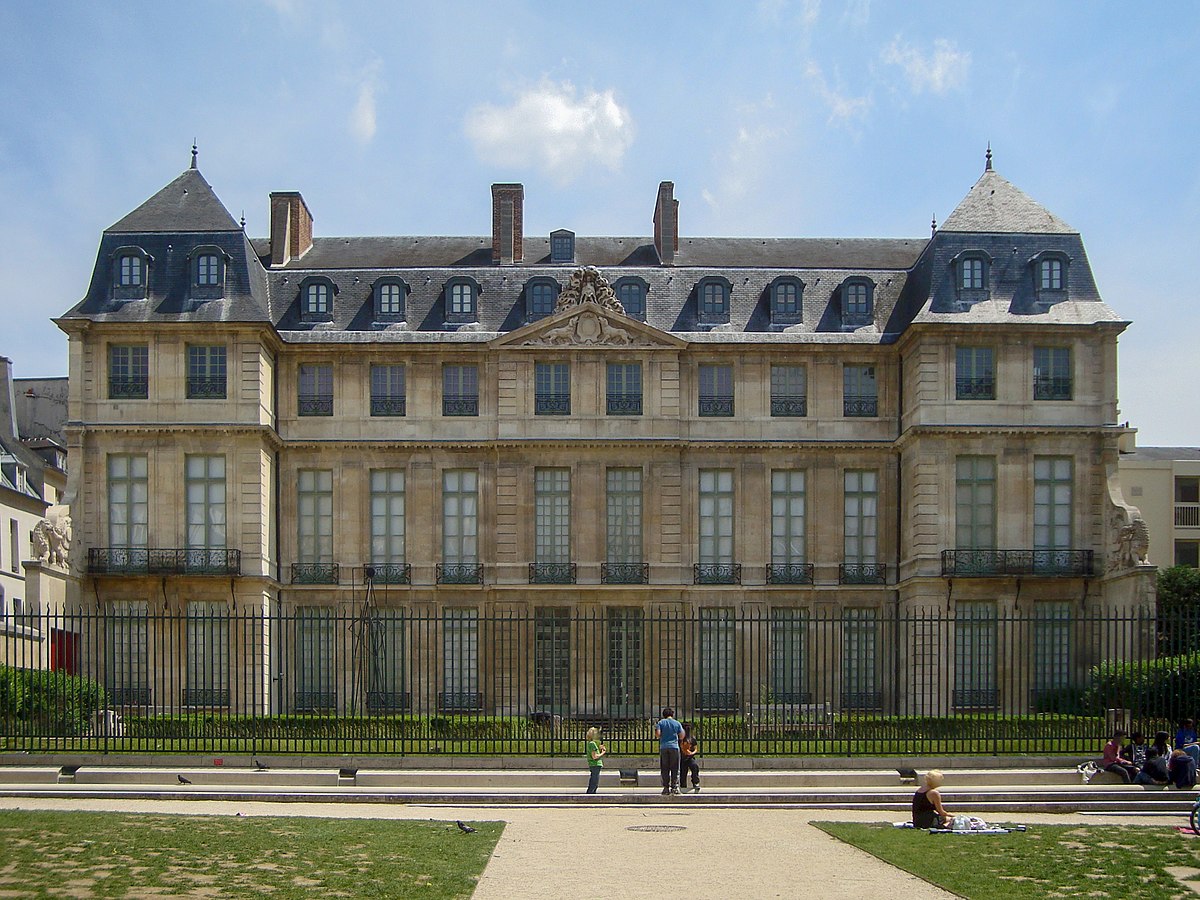
Pablo Picasso, one of the most influential modern artists, spent most of his prolific life living and working in Paris. The Musée Picasso offers an intimate look into the breadth of his oeuvre, with over 5,000 works he owned personally. The collection spans his entire career, from his Blue Period up through the bold experimentation of the 1950s and 1960s.

Highlights include:

Rare early academic-style paintings

Signature cubist canvases like Man with a Guitar

Whimsical collages and sculptures like Bull’s Head made from bicycle parts

Surrealist paintings like Crucifixion depict Picasso’s muse Dora Maar

His famous wartime masterpiece, The Charnel House

The museum is housed in the elegant Hôtel Salé in the chic Marais district. Don’t miss the rooms dedicated to Picasso’s wives and muses, Françoise Gilot and Jacqueline Roque.

6. MUSÉE DE L’ORANGERIE

k13d6
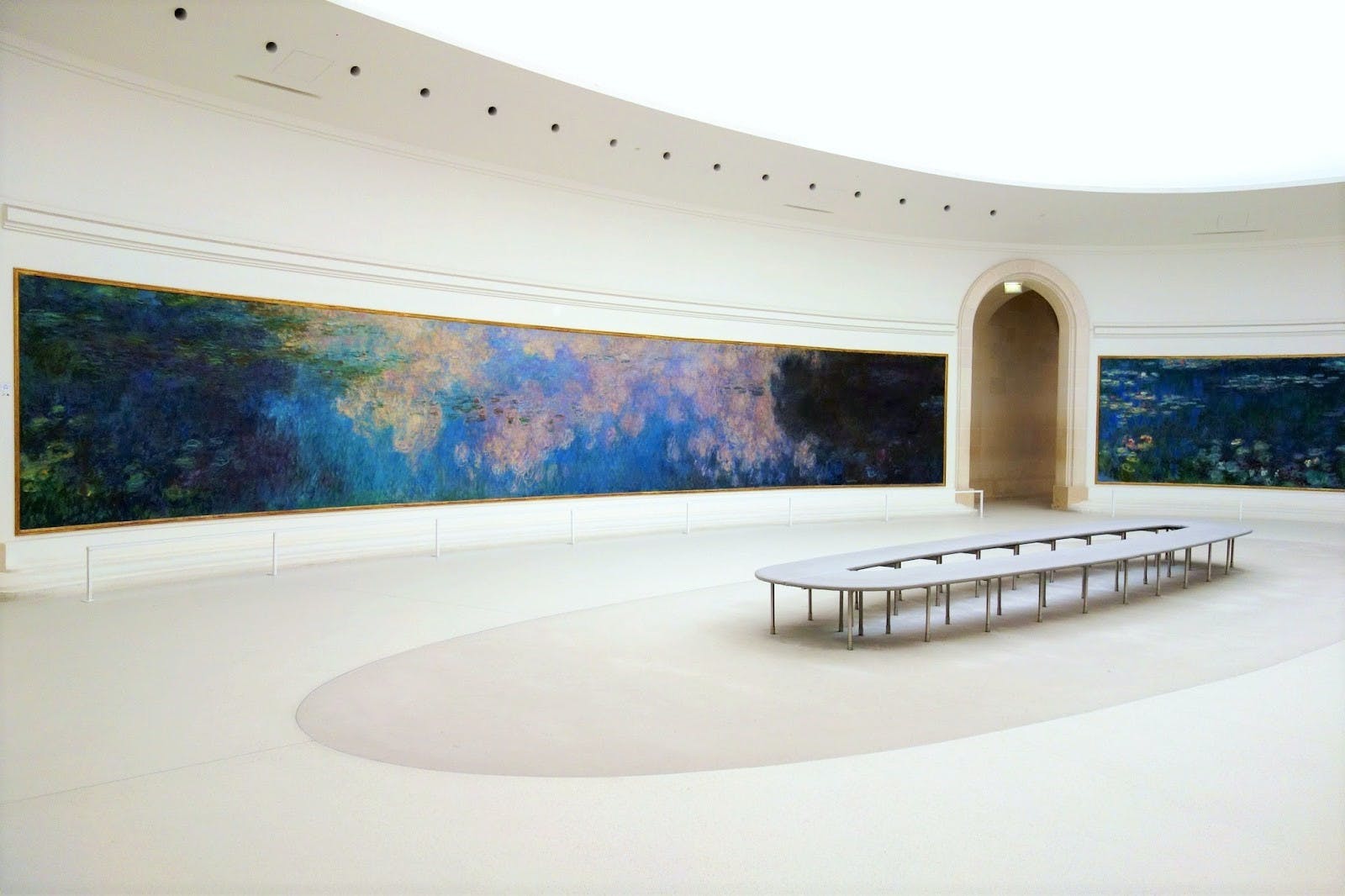
Located in the Tuileries Gardens, the small but impactful Musée de l’Orangerie houses Claude Monet’s stunning Water Lilies murals. These eight massive elliptical panels immerse viewers in Monet’s gardens at Giverny. Stand before them to experience his mastery of light and color.

Upstairs, the museum displays highlights of the Jean Walter and Paul Guillaume collection, including works by Cézanne, Renoir, Matisse, Picasso, Rousseau and Modigliani.

Don’t miss viewing the murals from the benches in the center to see Monet’s waterlily panoramas in their full glory.

7. MUSÉE MARMOTTAN MONET

42chv
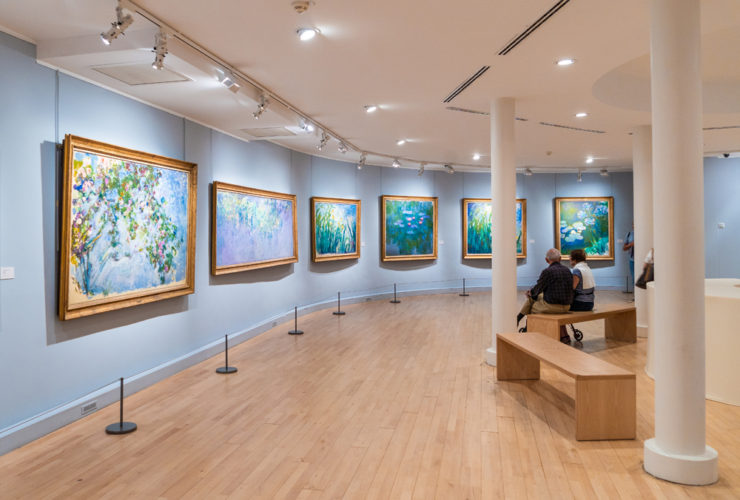
Boasting the world’s largest collection of Claude Monet paintings and artworks, the Musée Marmottan Monet is another top choice for Impressionist art lovers. The permanent collection includes over 100 Monet works, like Impression: Sunrise, the piece that gave the movement its name.

See Monet’s techniques evolve through different series focused on haystacks, poplars, morning on the Seine, and of course, water lilies. Other Impressionist and post-Impressionist highlights include paintings by Morisot, Pissarro, Gauguin, Sisley, and Manet.

The mansion also displays an important collection of illuminated medieval manuscripts and Empire period furniture. Don’t rush through; allow enough time to soak in the atmosphere.

8. MUSÉE DE L’ART MODERNE DE LA VILLE DE PARIS

al16h
Dedicated to 20th and 21st century fine art, the Museum of Modern Art of the City of Paris houses the city’s municipal modern collection. The diverse galleries display over 8,500 modern works by famed artists like Frida Kahlo, Pablo Picasso, Marc Chagall, Henri Matisse, Marcel Duchamp, and more.

Key highlights include:

Picasso’s icy anti-war masterpiece, Massacre in Korea

Matisse’s vibrancy in Harmony in Red and Portrait of Madame Matisse

Marcel Duchamp’s whimsical Rotorelief optical illusions

Frida Kahlo’s revealing self-portrait La Coiffure

The rooftop restaurant has fabulous views over Paris; come for lunch or a coffee break. Don’t miss the sculpture garden outside too.

9. MUSÉE MAILLOL

1xhd2
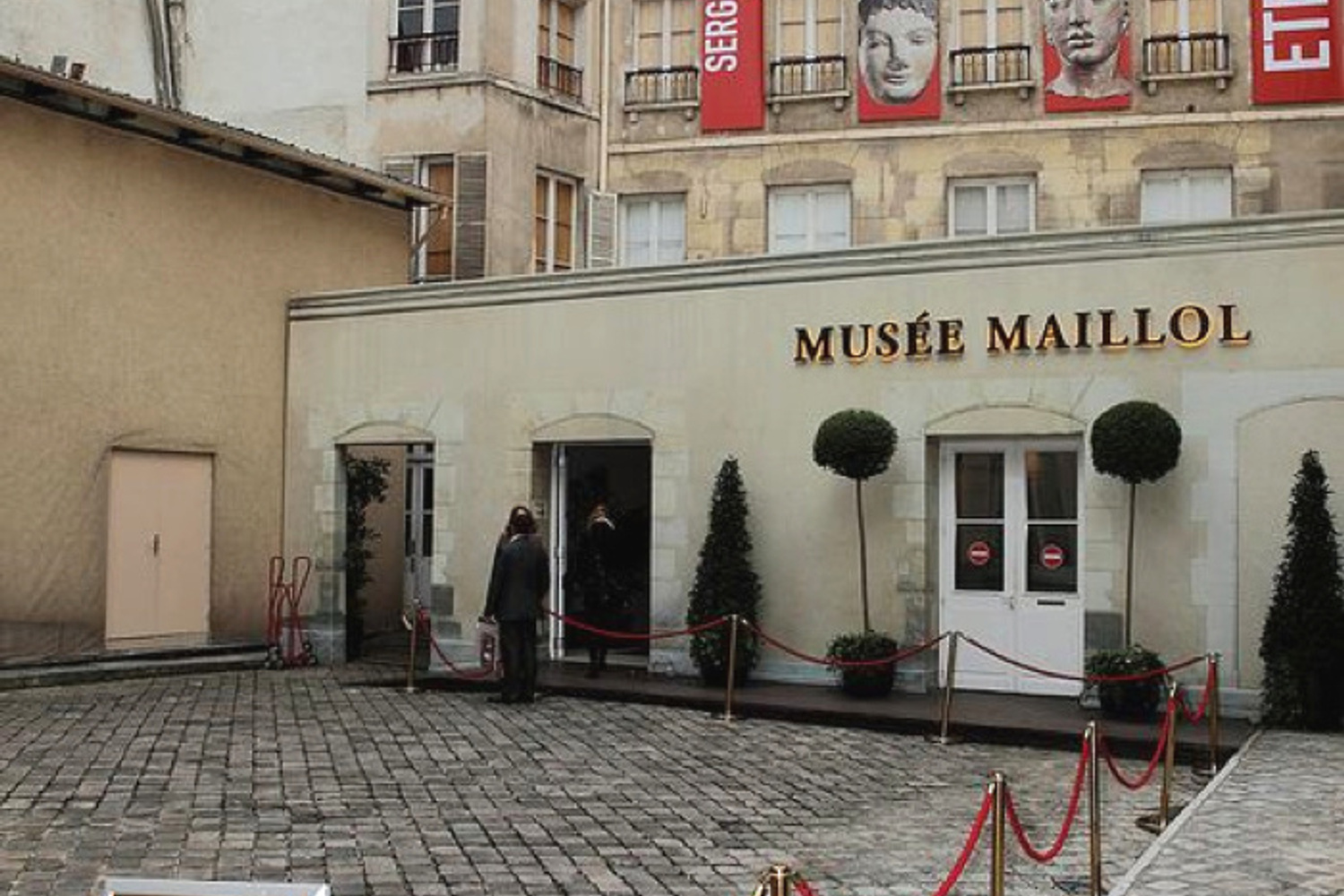
Located in a stunning 19th century mansion, Musée Maillol offers an intimate experience to view works by Renoir, Cézanne, Gauguin, and other key 19th and 20th century artists. The museum was originally created by Aristide Maillol to display his private art collection.

Highlights include sensuous sculptures by Maillol himself, Eastern-inspired paintings by Gauguin, Renoir’s shimmering nudes, scenes of Provence by Cézanne, and works by Impressionist Berthe Morisot.

Temporary exhibits range from Old Masters to contemporary photography. Take time to appreciate the mansion’s Second Empire architecture too.

10. FONDATION LOUIS VUITTON

dbps8
Concluded by Frank Gehry’s sailboat-like design, the striking Fondation Louis Vuitton integrates art, architecture, and nature through stimulating contemporary exhibits. The private modern art museum collaborates with renowned artists like Olafur Eliasson, Gerhard Richter, and Pipilotti Rist to create compelling installations.

The permanent collection includes works by legends like Jean-Michel Basquiat, Damien Hirst, Takashi Murakami, and Ellsworth Kelly. The building’s 12 glass sails offer panoramic views of the Bois de Boulogne’s trees.[……]

Read more

7 Reasons You Will Love Visiting Italy!

Have you ever been to Italy?

It’s a land of ancient monuments, beautiful art, stunning food and amazing natural landscapes. If you’ve never been there, here are 7 reasons Italy should be on your bucket list and you should be checking for flights right now!

If you’ve already visited before, stick around for a reminder of all there is to love about this incredible country!

#1 Stunning sightseeing

ecq5r
Italy has something for every kind of sightseer and visitor!

You can visit large and bustling cities such as Rome, Milan and Naples, where you can experience the day to day life of Italians and see the most incredible sights and landmarks!

You’ll also be able to discover small and quiet medieval villages rich in history and hidden away in the countryside, where you can relax and escape from the chaos of the city.

Whichever you prefer, you’re sure to visit places that will be forever in your memory!

#2 Great weather, beaches and nature

v2t70
Along with amazing cities and towns, Italy also has amazing natural beauty and great weather all year round to go along with that!

There really is something for everyone, as the geography of the country is also incredibly varied, with both rocky and sandy beaches, forests, mountains, valleys and hilly countryside.

Head to the south for the best beach experiences, especially in Sicily, Sardinia and the famous Amalfi Coast!

Pro-Tip: Instead of going to the beach in the middle of the summer, go instead in mid September. The heat will be less suffocating, the prices more reasonable and the crowds mostly gone.

If you’re looking for an adventure, you can take on the massive mountains of the Alps in the north for some high altitude hikes and climbs, or visit the beautiful nature and national parks of the Apennines.

If you’re feeling brave, you can also hike to the top of one of Italy’s three active volcanoes, Vesuvius, Etna and Stromboli!

If it’s wild nature you want, Abruzzo is the place to go. This central region is renowned for its conservation efforts, national parks and natural beauty. If you’re very lucky, you might even spot a bear or a wolf in the distance!

#3 Friendly people

tnp4v
Italians have a reputation for being loud and short-tempered, and in a certain way it is true. They are generally very passionate about certain topics, and can easily be led into a loud discussion!

Know how to approach them though, and you’ll also find them to be some of the most welcoming, friendly and inviting people you’re likely to meet on your travels!

Italy is a country with a strong sense of national pride, and that is something Italians love to share with visitors. Show interest in the history, culture and traditions of the place you are visiting and they will surely welcome you with open arms.

Pro-Tip: Learn some basic Italian words before you visit. There is no need to be fluent, but knowing the basics such as salve (hello), grazie (please) and per favore (please) will make communication much easier. Also, the locals love it!

#4 Amazing Food

xc8cr
Italy’s cuisine is one of the most famous in the World, and alone is enough of a reason to come for a visit!

Italians are extremely proud of their food, and it is an integral and important part of the country’s culture, with each region having its own speciality based on local products, history and traditions. Examples are Pasta Amatriciana in Lazio, Polenta in Valle d’Aosta, Arancini in Sicily and, of course, Pizza in Campania!

There is so much variety, and you’ll be able to enjoy fresh ingredients straight from the farm, as well as amazing meat and seafood.

Pro-Tip: As I mentioned, food is a strong part of Italy’s cultural identity. Be mindful of requests that alter the dish in a significant way, as they can be the cause of some friction with the locals. Pineapple on pizza and chicken Alfredo come to mind…

Also avoid eating in very touristy areas. Restaurants in these locations are often over-priced tourist traps, with low quality dishes that do not reflect the true Italian cuisine. Look for small family owned businesses for the best food!

#5 Incredible History & Culture

sazsp
Italy’s history spans thousands of years, and some of the greatest ancient civilisation, such as Etruscans, Romans and Arabs, called it home.

This, along with the fact that Italy only became a unified country in 1861, has created a strong regional cultural heritage, with different traditions, ways and dialects that border on being different languages!

This essentially means that each region looks and feels very different from the others, which makes exploring the country even more fun and rewarding!

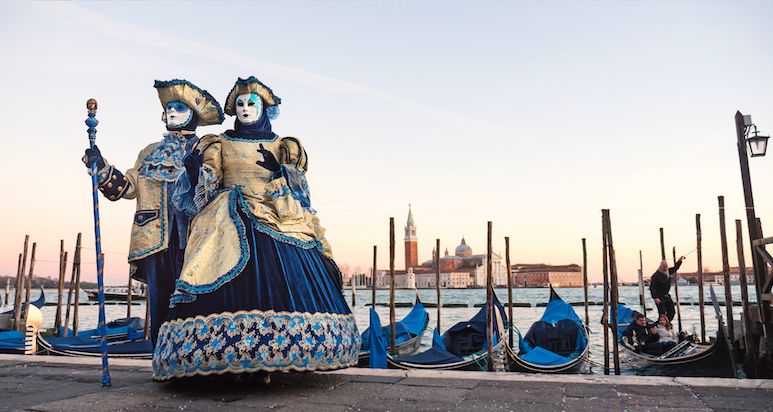
Pro-Tip: Research what the highlights and traditions of each region are and visit them at the right time. Examples are the Carnival of Venice in February and the Festa della Befana in Rome on January 6th!

#6 Unforgettable landmarks

5hx50
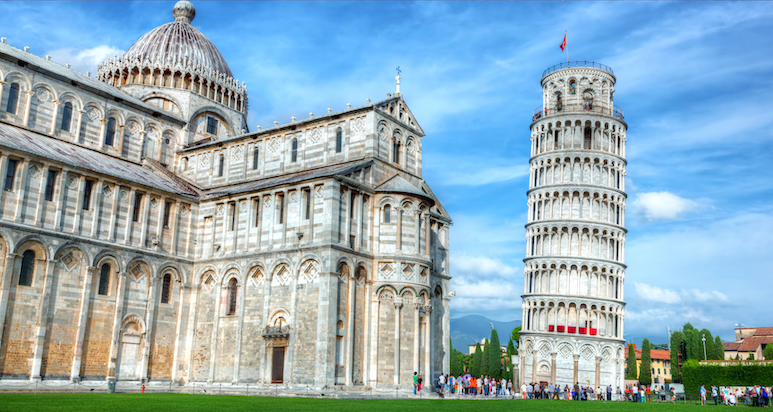
Italy’s long history has left it with 55 UNESCO World Heritage Sites (the most of any country, tied only with China), and is home to some of the most incredible and recognisable landmarks in the World!

Make sure you bring a camera, because wherever you go you’ll see incredible sceneries worthy of a postcard. Go to Milan for a visit of the Duomo, to Venice for the canals and the Piazza San Marco, to Florence for the amazing Renaissance architecture and art, to Rome for the ruins of the Roman Empire, and so much more!

Pro-Tip: Plan your trip ahead of time. Italy is a big country and you won’t be able to visit everything on your first time there, so make sure you decide what to see first!

Also, make sure to book your visits ahead of time when possible. Very often this will save you some cash and from having to spend hours in lines, especially during the high season!

#7 It won’t break the bank

pua1a
While it isn’t the cheapest country in Europe, well planned stays in Italy will be mostly reasonably priced, especially when it comes to eating out and accommodations!

Public transport is also very affordable, as are the visits to tourist sights. All in all, it will be money well spent for an amazing holiday!

Pro-Tip: In general, the further south you go the cheaper the cost of living. Just be careful when choosing the season to travel in, as the prices can skyrocket around the major holidays and the summer!

And there you have it, 7 reasons you’re sure to love your first visit to Italy!

If you were on the fence about choosing this wonderful country as your next holiday destination, I hope this list will be enough to convince you![……]

Read more

Spain Vacation Guide

Planning a trip to Spain? Awesome! This Spain Vacation guide shows you where to go, how to get there, what to eat there and much much more. Check it out.

87spa
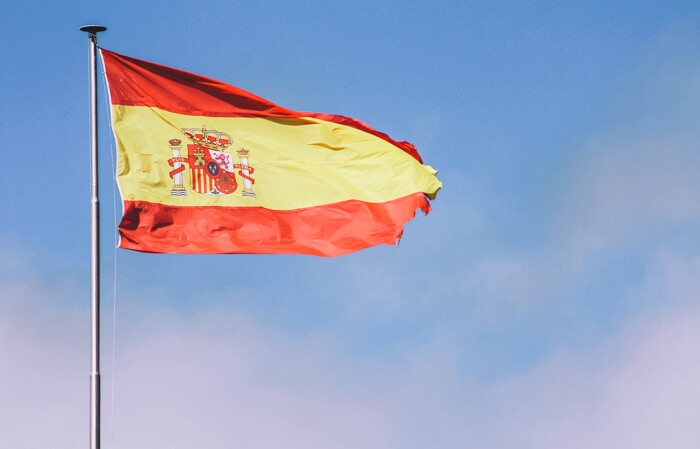
Spain country is divided up into 16 autonomous regions, each with their own character and identity. The country is best known for its delicious food (think tapas and paella), traditional dancing and music such as flamenco, and hundreds of years of art and culture. It’s hardly surprising that so many tourists visit! The Spain Vacation Guide holds all the information you need to plan your own trip to Spain.

Spain is located on the Iberian Peninsula, which it shares with Portugal and Andorra, in southwestern Europe. In 2018, it became the world’s 2nd most visited country by tourists, moving ahead of the USA. Only France receives more visitors annually.

Spain is Europe’s 4th biggest country. It has been a member state of the EU since 1986, and of NATO since 1992.

Spain Vacation Guide: quick facts

Size: 504,645 km² or 195,364 sq mi

People living there: more than 46,700,000

Capital: Madrid

Governmental structure: Constitutional Monarchy

National day: October 12

Time zone: Central European Time / UTC+1 / GMT+1 for mainland Spain, Western European Tome / UTC / GMT for the Canary Islands

Currency: euro (EUR)

Power voltage and socket type(s): 230V, plug types F and C. If these plug types don’t match your devices, make sure to bring a universal adapter

Official religion(s)/Freedom of religion: Freedom of religion. 2/3 of the population is Roman Catholic, followed by atheist and agnostic citizens, and mostly other Christians.

Official language(s) and general knowledge of English: Spanish is the official language, followed by regional languages like Catalan, and Basque. English is semi-widely spoken.

Drives on this side: right

International driver’s licence accepted? yes

Phone code: +34

Vaccinations needed? None

Can you drink the tap water? yes, so make sure to bring a reusable water bottle

Provinces of Spain

1. Andalusia

zhhi9
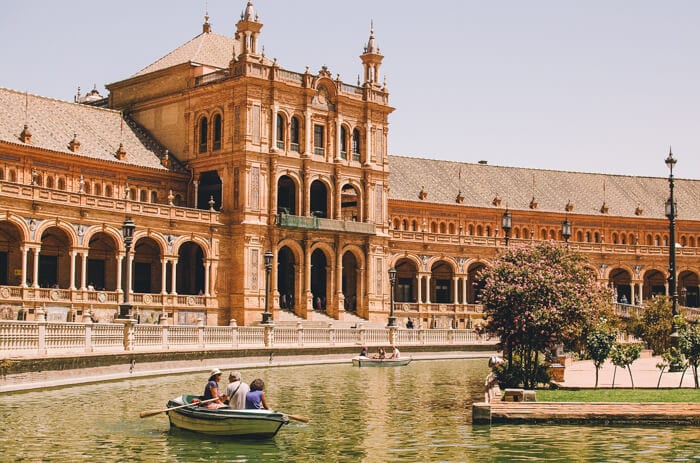
Andalusia is the second largest province in Spain and is one of the most popular tourist destinations in the country. Its rich culture has had many different influences over the years, from Jewish to Arabic. One of the best examples of Moorish architecture can be found near Granada – the Alhambra Palace. As well as vibrant, exciting, and historical cities like Malaga, Córdoba, and the capital Seville, Andalusia has a lot to offer in terms of nature.

There’s the volcanic Tabernas Desert, great beaches on the coast for sunbathing and swimming, and excellent hiking in the region’s hills and mountains. Although it almost touches Africa, you can ski in the Sierra Nevada mountain range too.

2. Aragon

ithwa
A large landlocked state in the northeast of Spain, Aragon consists of the provinces of Zaragoza, Huesca, and Teruel. Although not as renowned as in Andalusia, there are excellent examples of Múdejar (Moorish) architecture, as well as a number of monasteries and castles. For art lovers, this region was the birthplace of one of the great Spanish artists, Francisco de Goya.

Away from art and culture, Aragon is an excellent spot for natural attractions. In the north, you’ll find the Pyrenees where you can ski in winter and try a whole host of other activities during the summer. There’s also the Ordesa y Monte Perdido national park, a spectacular spot for adventure sports and relaxing alike. The region is also famed for its excellent gastronomy and wine.

3. Asturias

kxqo7
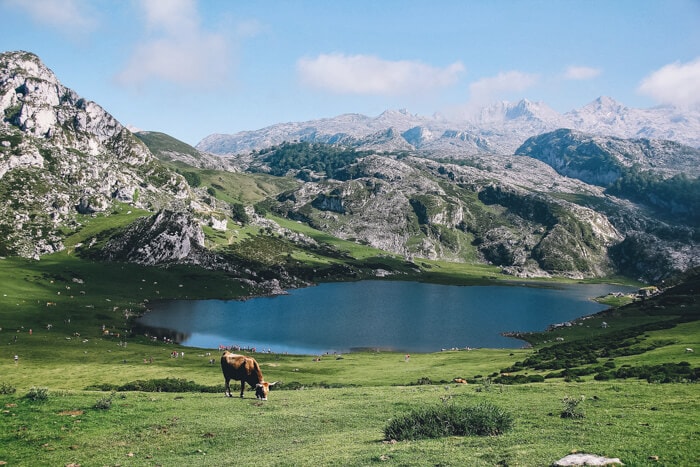
The principality of Asturias is on the north coast of Spain and is famed for its natural beauty. Home to protected landscapes, national parks, and the best-conserved coastline in Spain, it’s a paradise for those who want to get closer to nature. Along the coast, there are 18 picturesque fishing villages where you can immerse yourself in the traditions of Asturian culture, as well as the huge port city of Gijón.

Step back in time and discover the cave paintings in Cangas de Onis, otherwise known as the cradle of Spain, or perhaps even further at the Jurassic museum near Llastres. The food and drink traditions of Asturias are also worth exploring – try traditional flat cider poured expertly poured from above at an odd angle, the warming winter stew of fabada, or share an enormous cachopo with about 4 friends.

4. Cantabria

zeaan
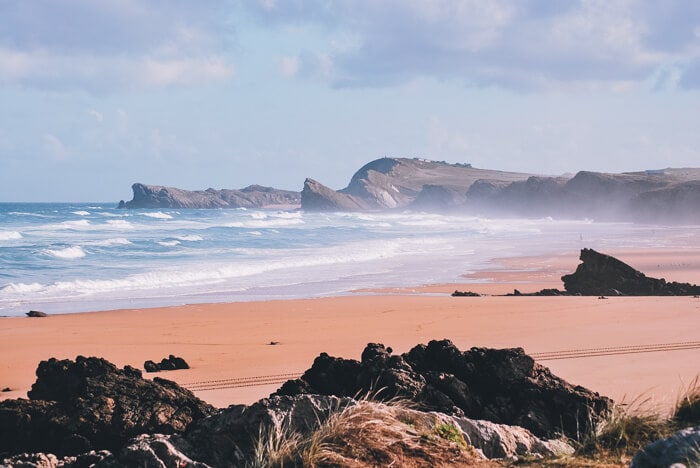
Cantabria is on the north coast of Spain and sits on the Bay of Biscay. The regional capital, Santander, is a large port known for El Sardinero beach and the Cabo Mayor lighthouse. The region is largely undeveloped by Spanish standards, meaning that outside of Santander you can get a true essence of traditional Spain.

Outdoor lovers will be happy in Cantabria, as it’s the location of some of Spain’s highest mountains on the mainland – the Picos de Europa, excellent for climbing, hiking, and mountain biking. There are over 60 caves with ancient paintings, and the most famous, Altamira, is one of nine UNESCO World Heritage sites.

5. Castilla – La Mancha

cr91v
Castilla – La Mancha is the region to the south and east of Madrid and the 3rd biggest in Spain. It has been immortalized in arguably the most influential work of Spanish literature, Miguel de Cervantes’ great work of the 17th century, Don Quijote de La Mancha. You can visit the house where the author lived in the historic town of Alcalá de Henares.

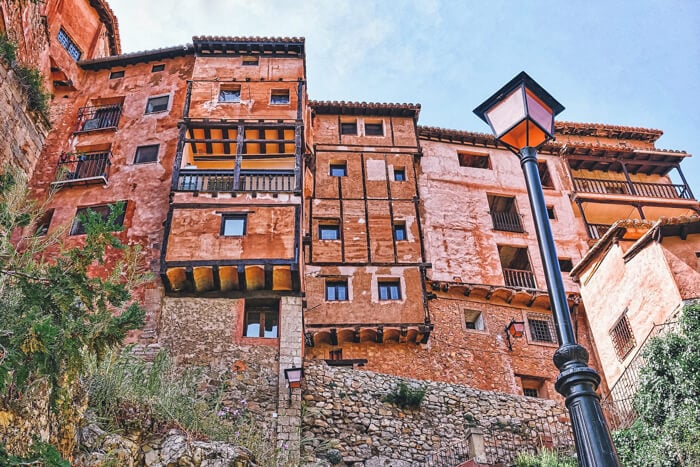
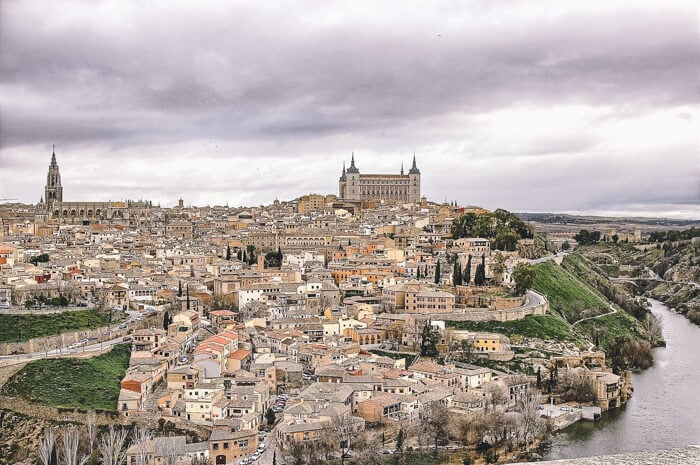
The region is symbolized by wide open plains, vineyards, windmills, and castles. On the plains, you’ll find the ancient city of Toledo, a beautifully preserved walled city filled with medieval, Arabic, and Jewish architecture. You can see some of El Greco’s works in the cathedral there. Another city worth a visit is Cuenca, where the hanging houses look down into the ravine of the river Huécar.

6. Castilla y León

attic
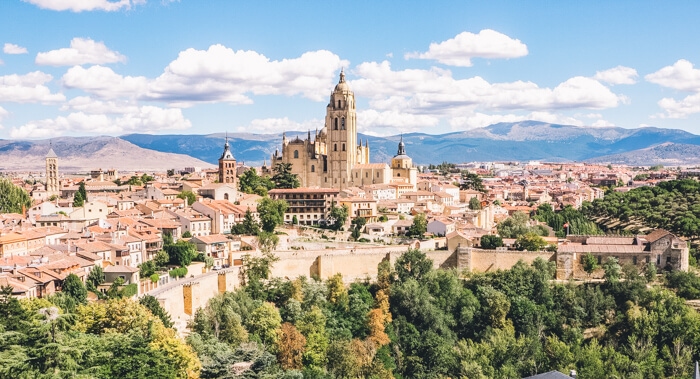
Castilla y León is Spain’s biggest province, set north of Madrid and bordering Portugal to the west. It is mostly a large plateau surrounded by mountains. The best-known cities in the region are Segovia, where you can visit the historical Roman aqueduct, Salamanca, one of the world’s oldest university cities, and Burgos, the regional capital.

Castilla y Leon is the birthplace of Spanish (hence the name Castillian) and is a great place to spend a few weeks if you want to do a Spanish course, or simply just get to grips with the language from speaking to locals over some tapas and a beer.

7. Catalonia

f9kdy
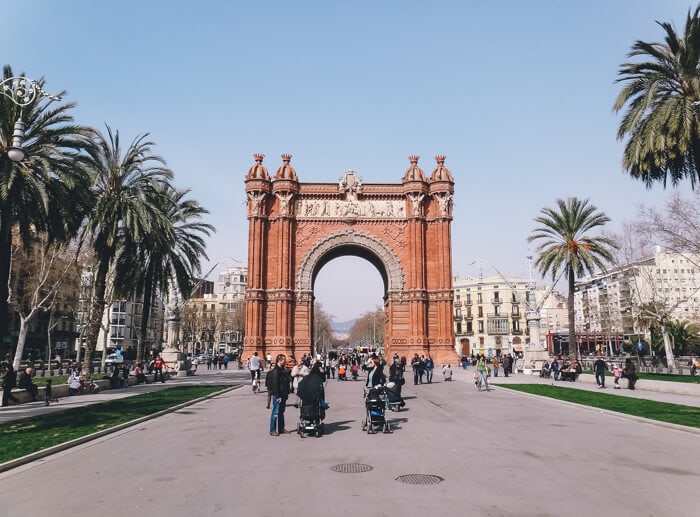
Catalonia, which is situated in northeast Spain and borders France and Andorra has rich culture and heritage, in addition to its own language, Catalan. It’s also where Spain’s second city is located – Barcelona.

The city is famous for Gaudi’s exquisite and unusual architecture, which can be seen in Park Güell, Casa Batllo, and the Sagrada Familia cathedral. Barcelona is one of the most popular tourist destinations in Europe. You can find my Barcelona itineraries here.

Outside of Barcelona, Girona is famed for its medieval architecture, whereas Tarragona boasts a Roman amphitheater. The Costa Brava is also found in Catalonia and is a popular destination with European tourists due to cheap flights, lots of family-friendly activities, and excellent beaches.

8. Extremadura

9mg5z
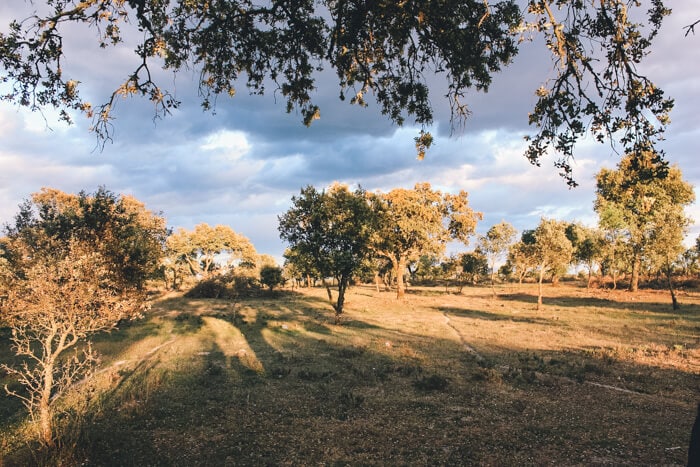
Extremadura is one of the lesser visited regions among tourists. The heart of old Spain is in the west, on the border with Portugal. The cities of Mérida, Trujillo, and Cáceres are considered some of the best-preserved historical cities in the country. The region is also home to some of Spain’s finest inland cuisine, with delicious stews, roasted meats, and strong and creamy cheese.

Settlements in Extremadura are few and far between, with the land dotted with hilltop castles and old, crumbling farmhouses. Nature lovers should head to Monfragüe National Park, which is one of the best places to visit in the country to view different species of bird life.

9. Galicia

tkz5s
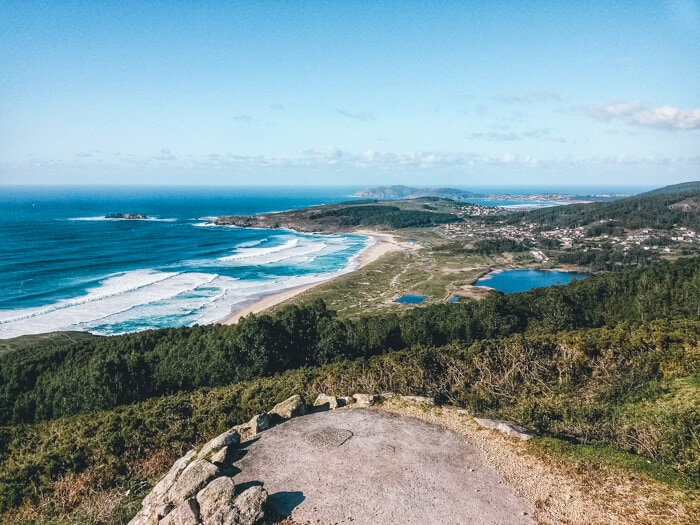
Spain’s most north-westerly region is also its wildest, famous for its green and rolling hills, excellent cuisine, and its Celtic-influenced culture. Many people who visit Galicia do so to complete the Camino de Santiago (the way of St James), a pilgrimage which ends at the cathedral in the beautiful old town of Santiago de Compostela. However, there’s a lot more to Galicia than just that.

The small city of Lugo is surrounded by the only complete Roman Wall in the world that’s still standing, A Coruña has an ancient Roman lighthouse, and Playa de las Catedrales near Ribadeo is a beautiful beach where you can walk among the limestone arches when the tide is out. The weather in Galicia has more in common with the UK and Ireland than the Costa del Sol and Ibiza, so don’t forget to pack waterproof clothing, whatever time of year you visit!

10. Islas Baleares (Balearic Islands)

br2xc
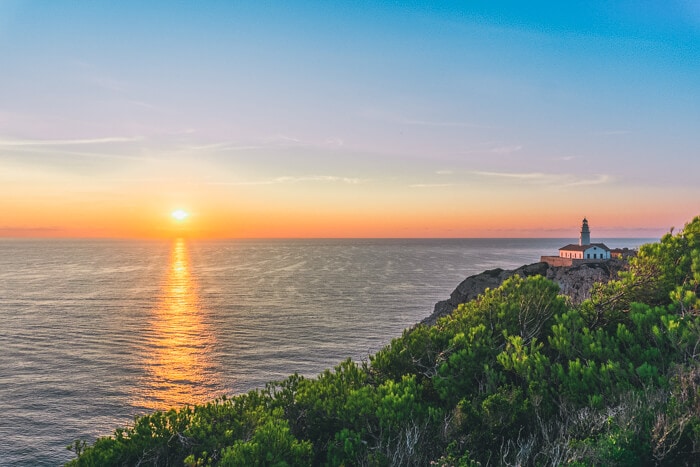
The Balearic Islands are situated in the Mediterranean Sea off the east coast of the Spanish mainland, the main islands are Mallorca, Menorca, and Ibiza, although there are smaller islands. Each island has its own distinct character and offers a different experience depending on your style of travel. Mallorca has a mix of everything, a family-friendly destination with lots of history, activities, and nightlife.

Ibiza is best-known for being a hedonist’s mecca, with mega clubs, all-night raves, and sets from the best DJs throughout the summer. Menorca is much quieter than its neighbors, with whitewashed villages in the center of the island, and white-sand beaches on its 216km long coastline.

11. Islas Canarias (Canary Islands)

ww5y0
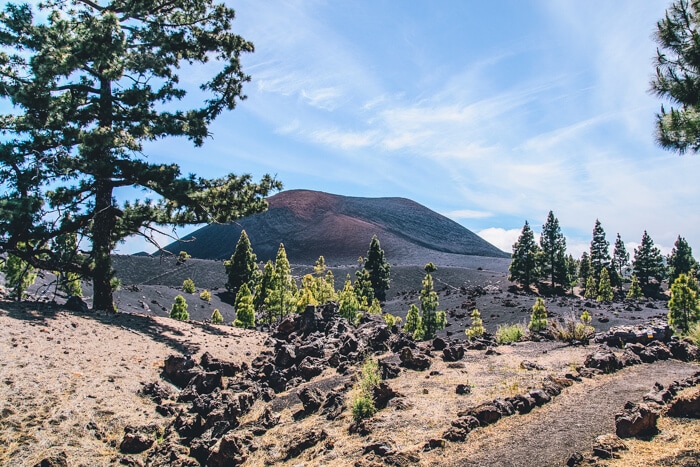
The Canary Islands are closer to Africa than Spain, and they consist of Gran Canaria, Tenerife, Lanzarote, and Fuerteventura among others. The islands are famous for their black and white sand volcanic beaches, and it’s here that you’ll find the highest mountain in Spain, Pico de Teide – the sometimes-snowy cap of the volcano reaching almost 4,000m.

Due to cheap flights and a pleasant climate year-round, the islands are a popular tourist destination and there’s plenty to do and see, as well as a range of accommodations to suit all budgets. A lack of light pollution means that it’s one of the best places in the EU to view the night sky, either with the naked eye or at one of the islands’ observatories.

12. La Rioja

wdhwf
La Rioja is Spain’s smallest mainland region and is famed for its excellent wine. Vineyards dot the landscape south of the Cantabrian mountains, all through the Ebro valley. The town of Haro hosts a festival every summer called the Batalla de Vino (wine battle) which can get very messy! La Rioja boasts over 500 types of wines, renowned for their quality.

It’s not just about wine through – the regional capital Logroño is home to a cathedral complete with baroque towers, and arched stone bridge, and the Ebro park, through which Spain’s longest river flows. Outside of the city, there’s also hot-air ballooning, horse-riding, and 4 x 4 tours, through the Mediterranean forests and across the lunar mountain landscapes.

13. Madrid

9sexj
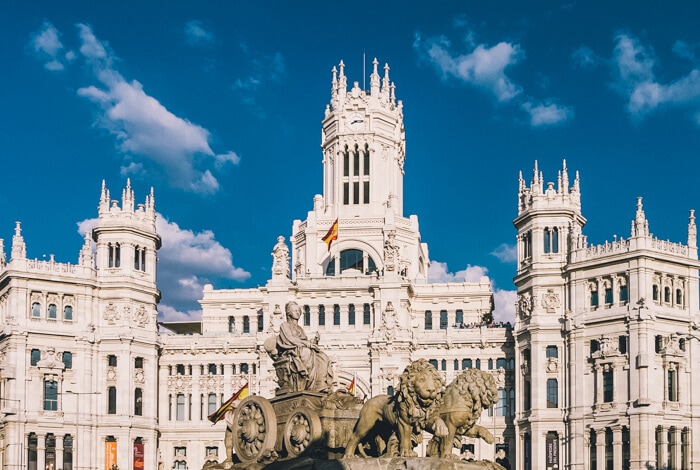
The capital of Spain is located right in the center of the country and is a vibrant and exciting city, home to a rich arts and culture scene, and a plethora of museums. For art lovers, the Museo del Prado is home to masterpieces from the great of Spain and further afield, while the Reina Sofia offers more contemporary art and where you’ll find Picasso’s epic Guernica.

It’s also known for its wide boulevards and leafy parks – rowing on the lake in the Parque del Buen Retiro is a great way to spend a lazy morning after indulging in the city’s lively nightlife scene or taking advantage of some of the country’s best restaurants. Outside of the city itself, take a trip northwest to the Monastery of El Escorial, the final resting place of many members of Spanish royalty.

14. Murcia

k1t7b
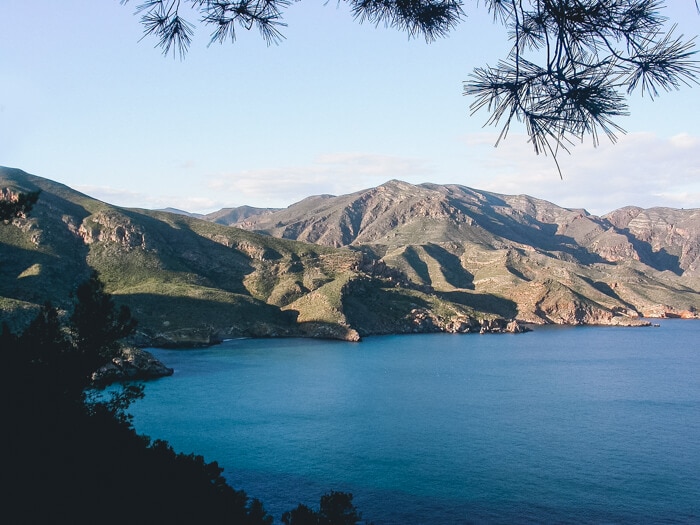
Murcia, in the southeast of the Iberian Peninsula, is a very popular region for tourists as it has more than 300 days of sunlight every year. The capital of the region is the city of Murcia, home to a beautiful Gothic/Baroque cathedral. However, most tourists flock to the Costa Cálida (the barmy coast), to spend their time on the shores of the Mar Menor and in the resort town of La Manga.

As well as sublime beaches, such resorts are dotted all along the course, some with a typical Spanish feeling, others – less so. There are parts of the region where it’s possible to spend 95% of your time interacting with English speakers.

Murcia is also famed for its golf courses. Although the region is semi-desert and doesn’t get a lot of rainfall, it has lots of lush fairways to practice your swing. Murcia is also home to a number of beauty resorts and spas.

15. Navarra

oz5no
A small region in the north of the country, Navarra used to be part of the Basque country before it was annexed by Castile in the 16th century. The capital Pamplona has one of Spain’s most famous festivals, the Running of the Bulls, celebrated every July in honor of San Fermín.

Navarra is geographically diverse and is the region is one of the pioneers of rural tourism in Spain, with eco-friendly accommodations throughout the different landscapes. The Bardenas Reales are desert-like, the Pyrenees in the north are capped by snow, and green valleys, forests, and gorges are dotted throughout the region, meaning it’s perfect for nature lovers.

16. Pais Vasco (Basque Country)

4wwwf
Sat on the Bay of Biscay in the north of Spain, the Basque country is not like anywhere else in Spain. The region is fiercely proud of its strong cultural heritage. You’re more likely to hear Basque here, which pre-dates Romance languages, than Spanish. This can be tricky as the two have very little in common.

San Sebastián is known for its excellent gastronomy, while the formerly drab port of Bilbao was revitalized in recent decades with the arrival of the Guggenheim Museum, and has since become a hub of architecture and design. Outside of the cities, you’ll find excellent surfing at Mundaka, the stairway to heaven at the religious site of San Juan de Gaztelugatxe, and traditional villages sat atop cliffs along the road from Bilbao to San Sebastián.

17. Valencia

dfbgd
The region of Valencia is situated on the east coast of Spain, and the capital city of the same name is the 3rd largest city in the country. Valencia is known for the futuristic city of arts and sciences, which consists of an interactive museum, oceanarium, and planetarium. Less futuristic but no less spellbinding is the old town, which is home to excellent Valencian cuisine in small and traditional tapas bars. The city’s fallas festival every March is one of the best-known festivals throughout Spain.

To the south of Valencia, the towns of Benidorm and Alicante welcome a huge number of tourists every year, some staying permanently and becoming expats. To get away from cities, try visiting La Albufera nature park on the coast, or head inland to the Carrascar de la Font Roja or the Desert de les Palmes National Park.

18. Ceuta and Melilla

As well as the mainland regions and islands, Spain has two enclaves on the North Coast of Africa, Ceuta and Melilla.[……]

Read more

When is the best time to visit the UK?

x2b9m
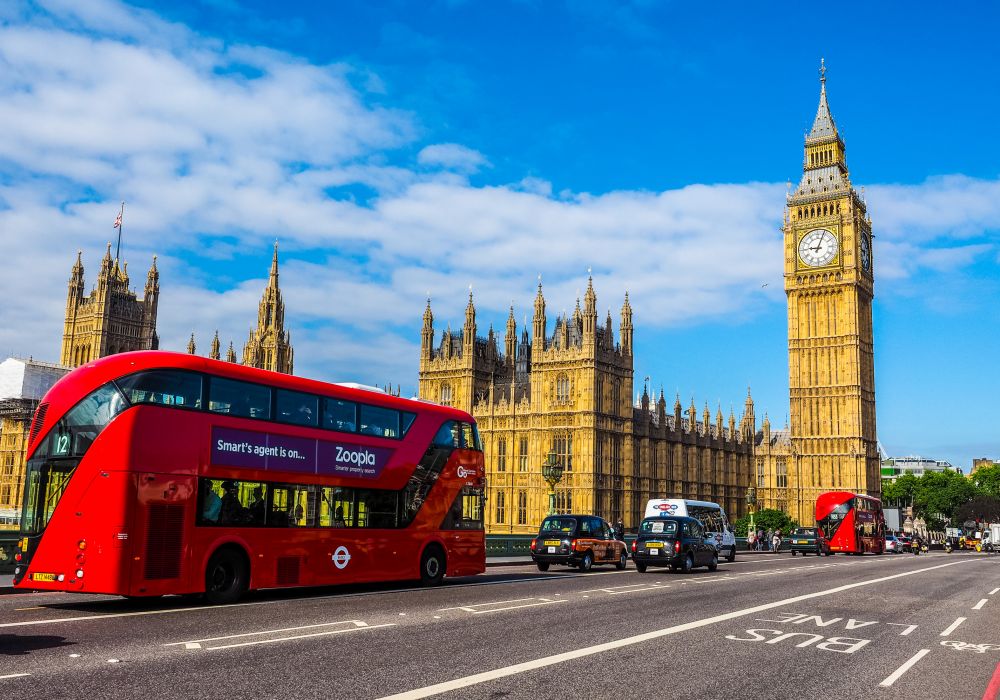
Travellers around the world are always interested in exploring European countries, especially The UK, due to its traditional cities like London, Cambridge and Oxford, as a part of their travel journey.

But for such a journey, they often need to apprehend an appropriate timing for the planned visit. This article will allow you to plan your UK trip for the best time around the year.

Although the UK can be visited at any time of the year, its climate is relatively temperate, and it hardly experiences extreme temperature conditions like tropic regions.

But for travellers, it’s best to explore the right time and places before heading out to an unknown place. For that purpose, you need to get a brief overview of the annual changes and seasonal high times for visitors of foreign nations.

Excited for The Journey but Confused for The Timing?

The UK may sound like a small place to visit. Still, you should never forget that it’s a hugely diversified cultural nation, that includes a wide range of cities and villages along with some exciting places.

Indeed, the glorious natural setup and the exciting beauty of these cities always keep the UK to be standing among the top travel destinations. The country generally remains active in peak times of spring and autumn.

However, the visitors still need to consider whether details in the following session plan their memorable visit to the UK or not.

Should the Trend Be Followed? – The Risk

Besides weather-related risks, there also arises the consideration to be given to the high season for visitors. Well, of course, the summer in London and other cities of the UK is accounted as the top-notch tourists’ season.

However, there remains the risk of extreme throngs of the crowd and costly hotel rents in the high time of seasons, so it’s better to look out for the right time before planning the things out.

To avoid a risky stuck-up situation in the UK due to weather or any crowded situation, we have tried to bring the needful data. This includes some brief details about temperature extremes, and seasonal variations for our readers. The guideline can help one decide what time of year will be most appropriate to visit the UK.

So, let’s begin with some points to ponder, and factors to consider while planning a trip to the UK.

Contemporary Events of Climate Change and its Possible Impact upon Visit

In summers, UK usually remain balanced in temperature approach, but winters show their peak temperatures here in. Indeed two-three days of constant snow can convert the whole scenery into a depiction of an Ice Age. On the contrary, a continuous temperature upgrade of 25°- 30°C can present the scenery of drought if not naturally replaced with a rainy spell of a few hours.

However, in recent years, as the world is facing temperature extremes due to Climate Changes and Global Warming, England has also been turning its whether around extremes. And this has been observed in the form of summer’s temperature reaching above the 30s and persisting for more time. At the same time, winter temperatures becoming more catastrophic with the excessive flooding been expected and experienced during spring seasons.

To apprehend the temperature extremes and avoid any mishandling of trip planning to the UK, you must read the climatic changes observed in the UK in a different season. It will help you to plan your trip more wisely, taking into consideration timing, whether, resources, and need.

An Overview of Climate in England To Plan the Visit

Summertime’s in England

The summer season, just like other parts of the world also shows its extremes from June to August in the UK. The average summer temperature remains maintained around 20 to 25 degrees. However, some fluctuations are often faced in the form of temperature extremes up to 30 degrees or above.

Since the temperature extremes are not that often or unbearable as compared to tropic regions of the world. Therefore, summer is considered as the best time to visit England owing to the summertime music festivals, and outdoor functions that are arranged by families. Moreover, the school holidays in summer make it best for families to plan their visits to the UK in the summer.

If you are specifically planning for England, Scotland, whales, and other countries in a row, the months of July and august in summers are the peak season with lengthy days. This period is considered best in terms of whether and busiest in terms of tourists destined activities.

Except for some holiday festivals, the prices also remain in range in these months, unlike European countries. However, be aware of the London crowd if you are planning to visit Wimbledon in July or Notting Hill Carnival in late August.

Rainy Season in England

Rain seasons though settles in for some periodic times in the UK, but when it happens, it rarely affects travel. So, you could continue your journey and enjoy the bright rainy spells in the UK. In the midsummers in which the sun remains up from early morning times till late in the evening, so it’s usual to witness a grey whether in the night times.

According to locals “There are no bad weather extremes” even in the rainy season. The large city of London experiences only an annual rainfall of 26 inches. And most of the rain falls in summers occur in the southern, eastern, and central UK as compared to northern and western regions.

At the same time, the rainfall in winter is a common occurrence throughout December, which makes it the wettest month of the year. So, if you love rain plan it around June, July, or later in December to fun attached with the rainy days.

Autumn times in England

Autumn spans from September to November in the temperate regions like England. The month of October remains filled with falling sceneries of tree leaves alongside the roads. Temperature is falling, and in village areas like Berkshire, the temperature often turns quickly to settle winters.

At the beginning of November, the places become less crowded owing to the coming of winter, which makes Autumn, as the best time to visit England for a Holiday, especially for couples and newlyweds for honey money. Moreover, the school also gives breaks at the end of October to kids. During which the families can enjoy certain events like Halloween, theme functions, and the Thames festival.

Winter Season in England

The winter season shows it peaks from December to February, in which the average temperature remains between 2 and 6 degrees Celsius. Decembers bring the best time to enjoy Christmas eves in the shades of snowy seasons.

The lights, décor, and crowd might attract visitors more than any other thing. This makes Christmastime as an enjoyable event in London, which brings along with it the New Year’s Eve’s cherishing moments. On the parallel, the next months of January and February are relatively much quieter in terms of crowded places, and during this time the winter deals are also quite cheaper for travellers.

Although you may encounter less crowd with cheaper travel packages, the sightseeing hours are relatively shorter in winters, and the situation often turns down in winter extremes. Even some attractive places remain close throughout extreme winter months like January and February.

However, if you are a snowing lover who enjoys the white nights and slow walks on the streets of London, then probably the winter months are the best time for you to visit England.

Spring times in England

Lastly comes the spring season, which like another part of the world, also blooms the best among the other seasons. The seasons last from April to May, when the landscape flourishes with flowers giving life to the city dwellers, who long stayed warmed up in their houses to avoid winter snow.

Locals and travellers of foreign countries recommend visiting England in the spring season especially if someone loves to travel and enjoy a long road trip around England, to reach other cities like Cambridge, Oxford, Stonehenge, Cheddar Gorge, and Brighton.

This is because the spring season boasts the beauty of natural marvels (biological gardens, exquisite beaches, parklands, and horticultural creations and natural hubs) of UK cities. And at the beginning of May, after 1st may, many spring festivals are also held all across the UK, which indeed makes spring a perfect time to travel to the UK.

Final Thoughts- Personal Suggestion

The bottom line is if you want to enjoy the peak time of festivals, right with the balance of whether extremes, crowd density, and begging festival decoration then the best time is from April to May (spring) or from October to festival December (autumn).[……]

Read more

30 of the Best Cities to Visit in Germany

Germany is a large and beautiful country with so much to see and do. So which are the best cities to visit in Germany? I’ve asked my fellow travel bloggers their best cities to visit in Germany and I’ve added my favorites. My top 4 are Hamburg, Cologne, Rothenburg ob der Tauber and Füssen. I’ve fallen in love with Hamburg, and we have family living close-by, in Norderstedt. Paul proposed to me in Cologne. Rothenburg is such a dreamy city and has a Christmas museum. Füssen is high on my list because of the beautiful castles. But there are many more special cities in Germany as you can see for yourself in this blog.

Best Cities to Visit in Germany

Here are 30 of the best cities in Germany, all are perfect to include on road trips.

Füssen, Bayern
gwit0
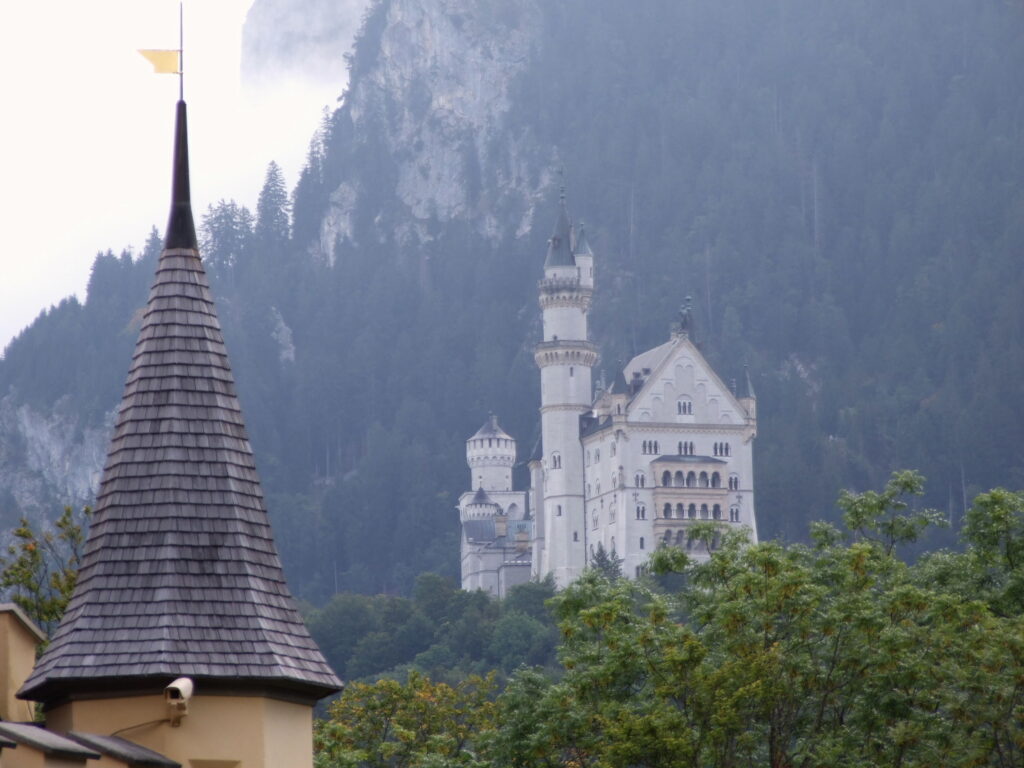
Neuschwanstein as seen from Hohenschwangau

Contributed by Cosette from KarsTravels.

Füssen is a city in the South of Germany on the border with Austria. It’s famous for the beautiful Neuschwanstein castle and is located at the end of the Romantische strasse.

Although Neuschwanstein castle is technically in the nearby town of of Schwangau, just like the less famous, but equally mesmerizing Hohenschwangau castle, people mention Füssen when visiting either of these castles. Both are on the list of most beautiful fairytale castles in Germany.

The Romantische Straße or Romantic Road starts at Würzburg and is a fairytale route that meanders through medieval towns ending in Füssen, where the fairytale castles of Neuschwanstein and Hohenschwangau await. Füssen itself has its roots in the Roman era, it’s located at the old Via Claudia Augusta. It gained city rights at the end of the 13th century.

Worthwhile things to do in Füssen are visiting the Hohes Schloss and Basilika Sankt Mang, it’s history dating back to 750 AD. If you’re into museums, make sure to visit the Museum der Stadt Füssen. The Alps start in Füssen, so the surrounding nature is beautiful with mountains and lakes. Hiking and mountainbiking are perfect outdoor activities with Füssen as a base.

Potsdam, Brandenburg
cqgbm
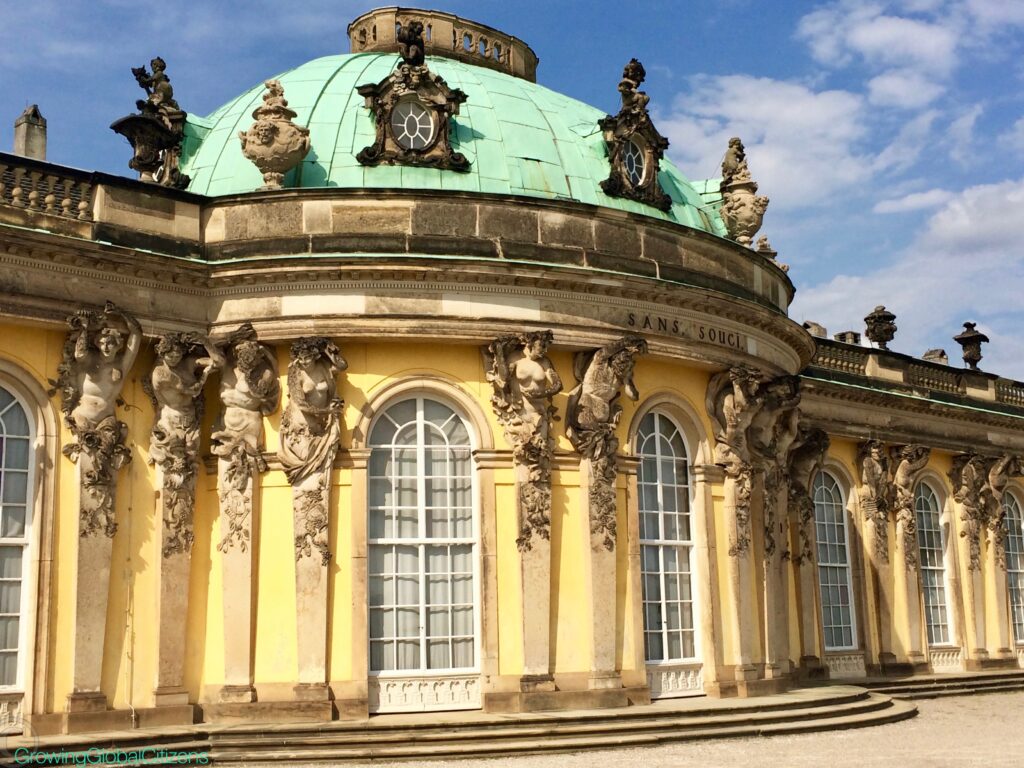
Potsdam by Growing Global Citizens

Contributed by Kristin from Growing Global Citizens.

Visiting the city of Potsdam is an easy day trip from Berlin, even accessible by public transportation on the S-Bahn. Potsdam is known for its beautiful architecture and tranquil setting amongst multiple lakes. History buffs will know Potsdam as the seat of the 1945 Potsdam Conference where the U.S.S.R, the U.K. and the U.S. met to divide Germany after World War II.

A great activity for all ages is renting bikes and biking along the lakes and through Park Babelsberg, which has multiple castles and beaches. The city center is very walkable with lots of cute shops and cafés to stop at and enjoy a radler, the drink of bikers.

The must-see attraction is Sanssouci, the palace of Frederick the Great when he ruled Prussia in the 18th century. It is the largest UNESCO World Heritage Site in Germany, and it is massive. You could easily spend a full day just walking the grounds and seeing all of the extravagant buildings and gardens.

Meißen, Saxony
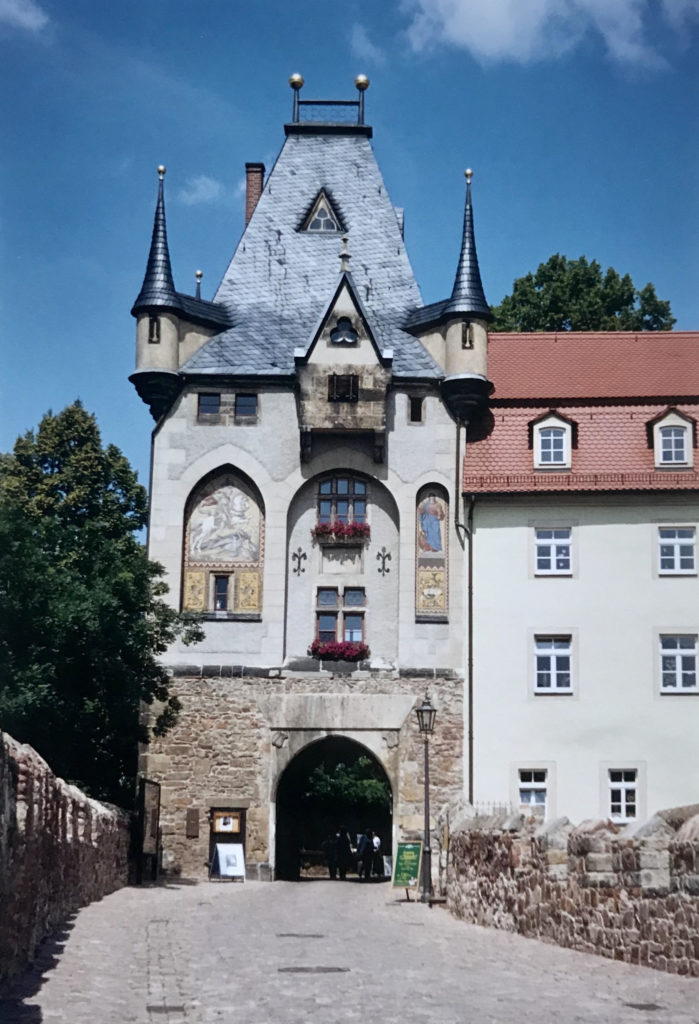
cbu8k
Torhaus of Meissen

Contributed by Cosette from KarsTravels.

Meißen is a city in the East of Germany. It’s known for it’s worldwide famous porcelain. The porcelain is of exceptional quality. Recognizable by the Crossed Swords mark. Nicknamed the white gold. It can be admired at the Meissen Porzellan Manufactur & Museum.

The Albrechtsburg castle is worth a visit. The first European porcelain was produced here in 1710. Further you’ll have a beautiful view over the city from the tower of the Frauenkirche.

Further don’t miss the Stadtmuseum Meißen Franziskaner Klosterkirche und Neogotisches Haus to learn more about the history of the city.

Visit the old town of Meißen and admire the buildings such as the Torhaus, Dom and the Rathaus.

Just 25 kilometers Northwest of Dresden, it’s a must on any Eastern Germany itinerary.

Celle, Lower Saxony
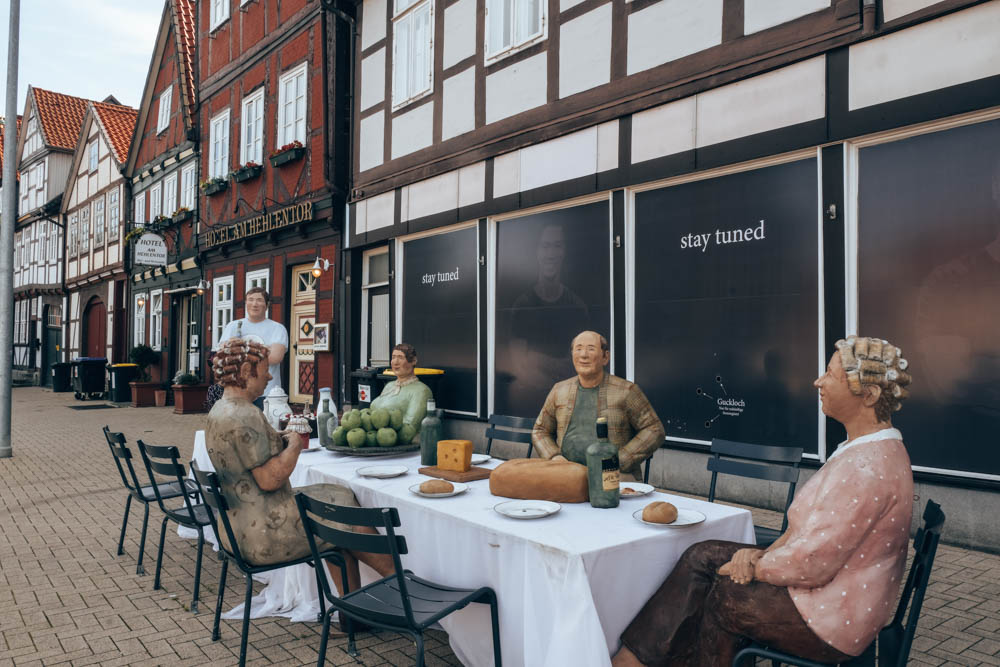
hcn2v
Celle by Ronja Goes Abroad

Contributed by Ronja from Ronja Goes Abroad.

Celle, a small city in Northern Germany is a must-visit for anyone who loves half-timbered houses like the ornate Hoppener Haus. Celle is located in between Hannover and Hamburg. You can get to Celle by train from Hannover in less than 30 minutes, and it’s just an hour and five minutes from Hamburg. Making it super easy to visit!

The main attraction in Celle is the Castle. Celle Castle, located close to the heart of the city, is a magnificent sight to see. If you do not feel like taking a tour, just walk the castle grounds.

If you do not like popular sights, Celle is definitely the city for you. This small city is a fantastic place to stroll around. You don’t have to visit sights, all you have to do is walk around the city and you will fall in love with it. If you want to make strolling around the city fun look for the human-like statues around town.

So add Celle, the town of cute half-timbered houses, to your must-visit list!
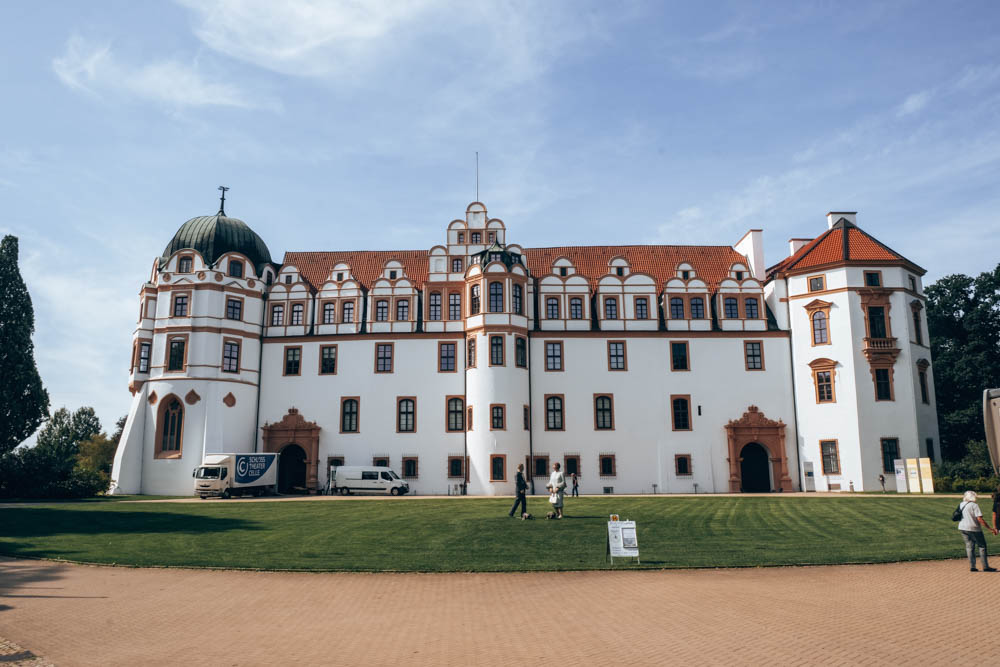
1rf5b
Celle by Ronja Goes Abroad

Frankfurt, Hesse
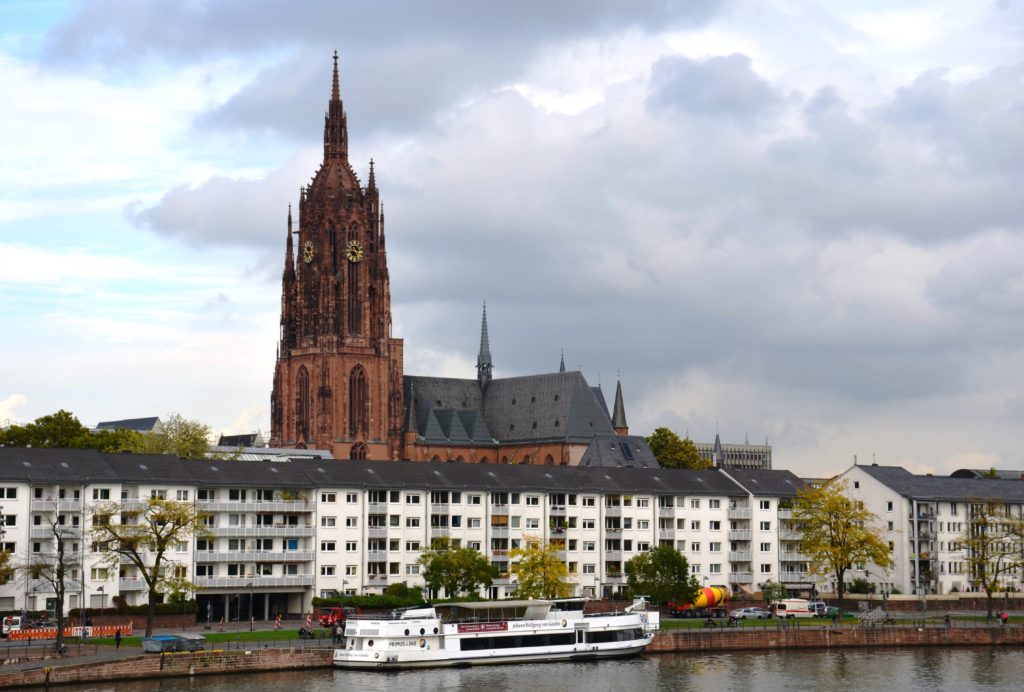
rqgym
Cathedral of Frankfurt am Main

Contributed by Cosette from KarsTravels.

This city in Western Germany is worth a visit. Discover Frankfurt am Main, there’s enough to see and do.

We recommend Apfelweingaststätte Atschel, since it’s one of the oldest and most beloved cider restaurants in Frankfurt. Frankfurt is famous for the Apfelwein (cider).

A quick way to get an overview of the highlights of the city is to take a sightseeing cruise on the river Main. There’s a downstream and upstream cruise, the downstream one offers the most complete overview of the city.

Frankfurt is the 4th largest city in Germany. Its nickname is Mainhattan, it’s a city full of modern architecture and skyscrapers. The city is the financial heart of Germany. The history of Frankfurt goes all the way back to the Stone Age. In the 16th century it had an important position n the printing press and book trade.

Bamberg, Bayern

Contributed by Sarah from LifePart2 & Beyond.

The gorgeous town of Bamberg was a highlight for us on our two-week river cruise from Budapest to Amsterdam. It’s easy to see why it’s often cited as one of Germany’s most beautiful towns.

This picturesque old town with its charming narrow streets has been a UNESCO World Heritage Site since 1993. The ancient buildings date from the 11th to the 19th century. One of the most impressive sites is the iconic Altes Rathaus (The Old Town Hall), with its incredible murals, located on a tiny island it’s reached by two arched bridges. Also, don’t miss the Romanesque Bamberg Cathedral with its four towers and many stone carvings.

But truly, the best way to enjoy this delightful city is by aimlessly wandering the streets.

The town is also known for its rauchbier, which means ‘smoke beer’. The smoky flavors come from drying the green brewer’s malt over open fires causing the grains to absorb the smoke. A tad too smoky for me, but for those that enjoy a beer, a must-try. For me, the mulled wine was the perfect accompaniment to enjoy the surroundings and experience the first snowflakes of winter.

Trier, Rhineland-Palatinate

Contributed by Brit from Life of Brit.

Trier is a small and somewhat unknown tourist destination that you shouldn’t miss in the German state of Rhineland-Palatinate. It’s considered Germany’s oldest city. It’s brimming with incredible things to do and historical landmarks that date back to the Romans.

Trier’s most famous landmark is the Porta Nigra, or the Black Gate. This impressive landmark was built over 1,800 years ago and is a testament to the ancient Roman history that Trier is renowned for. Visitors can climb up and into the Porta Nigra for views of the city as well as visit other Roman ruins like the Roman amphitheater and imperial baths.

Other exciting things to do in Trier include visiting the Trier Dom, Germany’s oldest cathedral, and the Karl Marx House, a museum housed within the infamous philosopher’s birthplace.

Not to mention, Trier is nestled within the lush Moselle River Valley. A beautiful region of Germany famous for rolling vineyards, picturesque river views, and exciting hiking. That means that no trip to Trier is complete without sampling the local Riesling. One of the best wine tastings in Trier is at the Vereinigte Hospitien Winery. Home to the oldest wine cellar in the country.

You only need a day or two to experience the charm of Trier. But its location near the Luxembourg border, the charming town of Cochem, and the famous Burg Eltz castle makes it an excellent stop on a longer trip around Rhineland-Palatinate.

Rothenburg ob der Tauber, Bayern
yhxb2
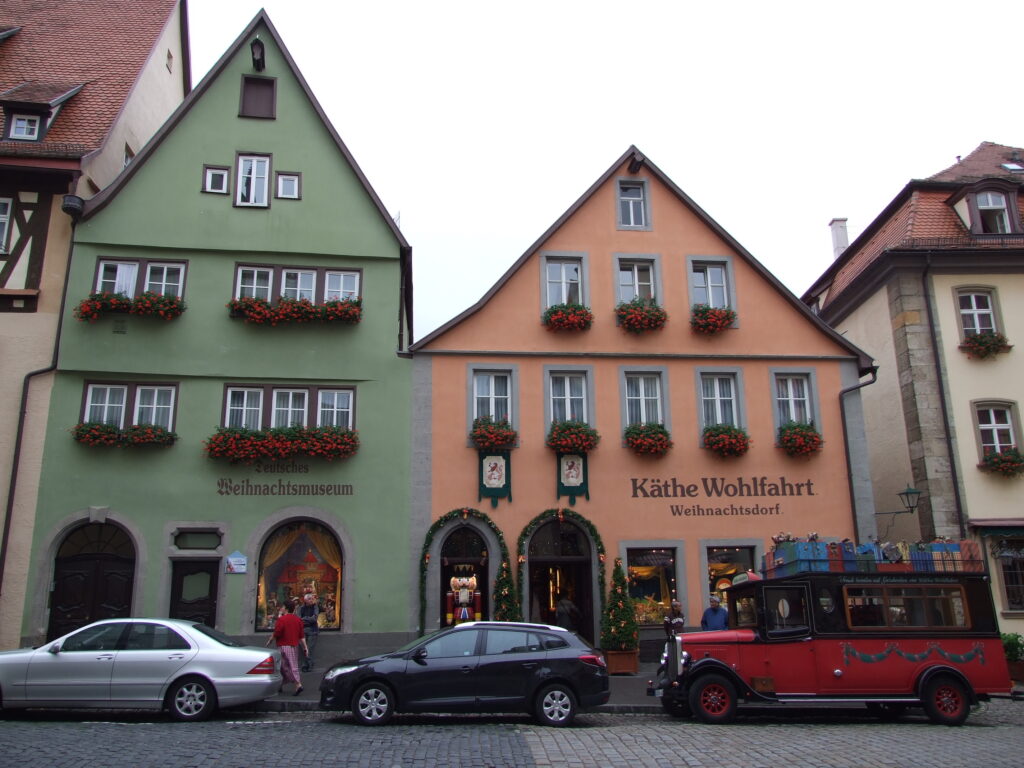
Kathe Wolfart at Rothenburg

Contributed by Cosette from KarsTravels.

This popular touristic city is on the Romantische Straße and is still completely in medieval style. When visiting the city take a guided city tour during the day and at night as well. Both are fantastic and a good way to learn more about this city.

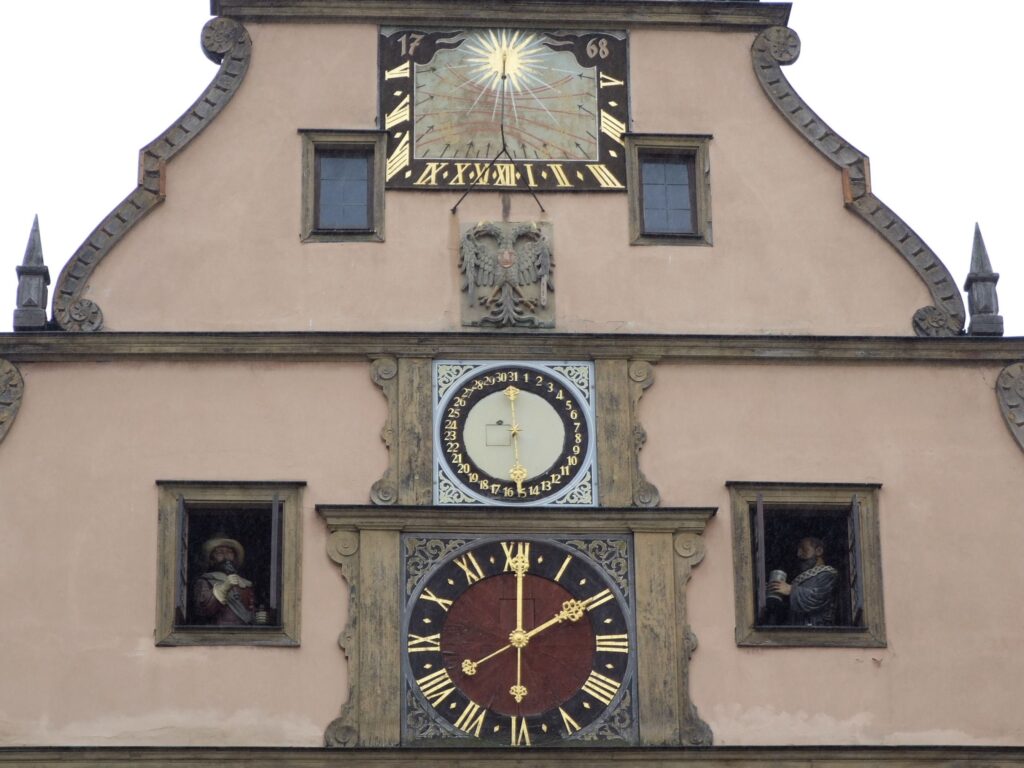
Rothenburg is also beautiful to just wander around in and admire all the beautiful buildings. Such as the Marktplatz and the fortifications. The most photographed or instagrammable place in Rothenburg ob der Tauber is Plönlein. Do also stop at Diller’s Schneeballen to try a schneeball (local delicatesse). On the Marktplatz don’t miss the Ratstrinkstube with a clock and sundial. Watch the show!

Don’t miss the Käthe Wohlfahrt store with Weihnachtsmuseum (Christmas museum). It has the biggest collection of traditional German Christmas decorations in the world and is a true site to see. It’s not large, but everywhere you look, there’s something to see.

Also interesting to visit is the Mittelalterliches Kriminalmuseum (Medieval Crime Museum), with everything you want to know and don’t want to know about torture of criminals in Medieval times.
ll73d
Ratstrinkstube at Rothenburg

Berlin

qio2s
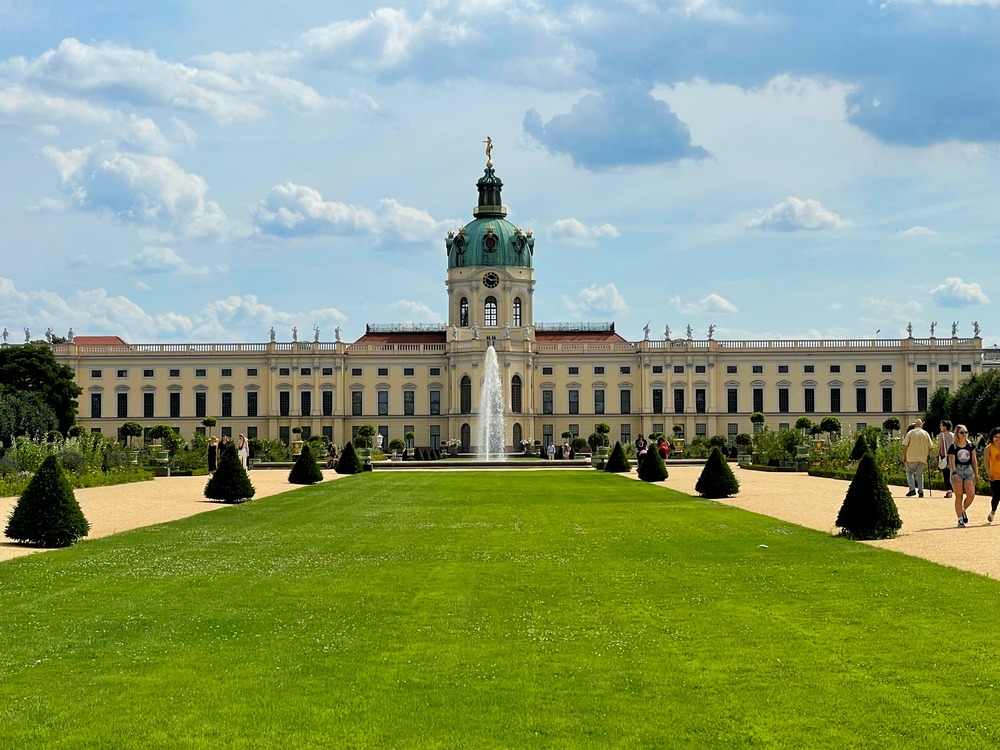
Berlin Charlottenburg Palace Gardens by Berlin Travel Tips

Contributed by Ali from Berlin Travel Tips.

No trip to Germany would be complete without visiting Berlin. Not only is Berlin the capital, but it’s diverse, quirky, and chock full of history. The city is also easy on the budget since there are so many free and cheap things to do in Berlin.

In the center of Berlin, you’ll find most of the iconic sights. Brandenburg Gate, built in the 18th century, is Berlin’s only remaining city gate. It sat on the dividing line between East and West Berlin, but quickly came to symbolize unity once the Berlin Wall fell. It’s also become a symbol of the city and even a symbol of Germany itself.

Another attraction you shouldn’t – and probably can’t – miss is the TV Tower. It’s located in what was East Berlin, and the Soviets built it with the intention of being seen from almost anywhere in the city. Due to its height, it’s a fantastic place for views of the city.

Other sights you shouldn’t miss include the Reichstag Building, Berlin Cathedral, Holocaust Memorial, Charlottenburg Palace, Tiergarten Park, and Museum Island. Museum Island is a UNESCO World Heritage site comprised of several important museums. And don’t miss the East Side Gallery and the Bernauer Strasse Wall Memorial, two excellent but very different historical sights relating to the Berlin Wall.

If you’re looking for something a little more quirky, seek out Berlin’s famous street art. You’ll see it everywhere, but the most well-known pieces are mostly in Friedrichshain and Kreuzberg. For a not-so-typical park, check out Tempelhof. This park used to be an airport, and now you can walk on the runway. And if food is your thing, Berlin is the place for you. You’ll find cuisines from all around the world here.

Cochem, Rhineland-Palatinate
1ob5b
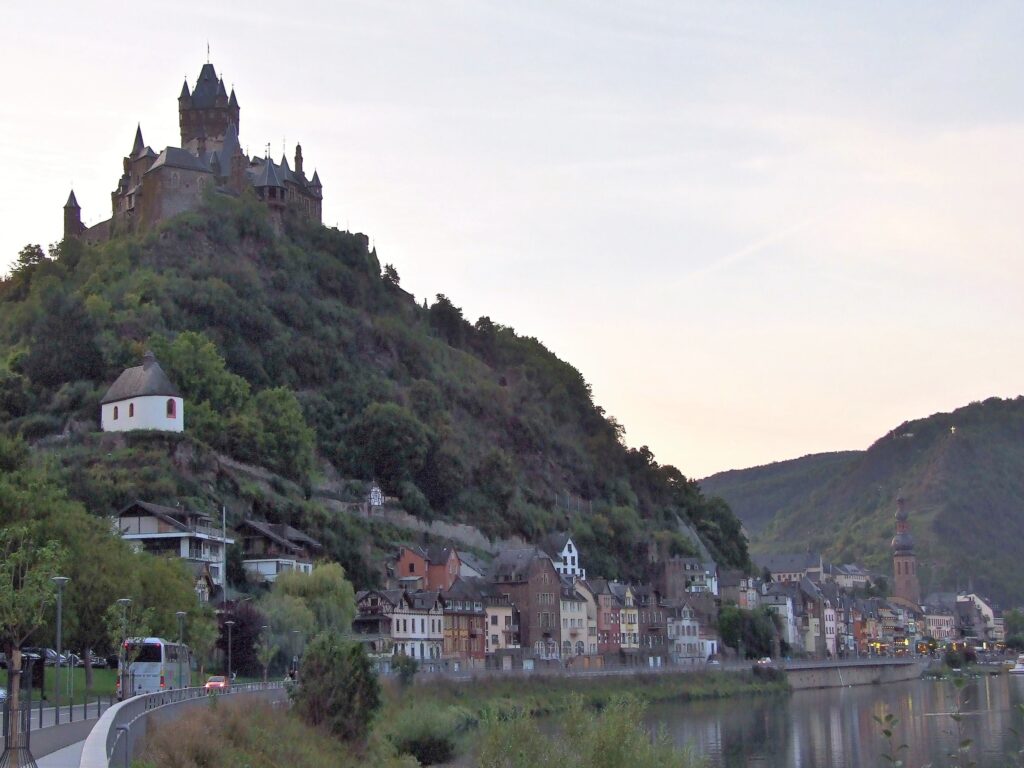
Reichsburg Cochem

Contributed by Cosette from KarsTravels.

A small, touristic city on the Moselle. Reichsburg Cochem towers over the place and dominates every view of the city.

Next to the Reichsburg, Cochem and surroundings is famous for the Moselle wine. This area is the oldest wine area of Germany. This makes Cochem a perfect base for exploring this wine region, either by car, bike, foot or boat.

In Cochem itself other attractions are the Bundesbank-Bunker, the historical Senfmuehle (mustard mill), the Edelstein Museum and the Rathaus. First mention of Cochem is in 882 AD, city rights were granted in 1332. The fortress was built in the 12th and 13th century. It was destroyed in the 17th century, but rebuilt in the 19th century.

Peine, Lower Saxony
pwhnw
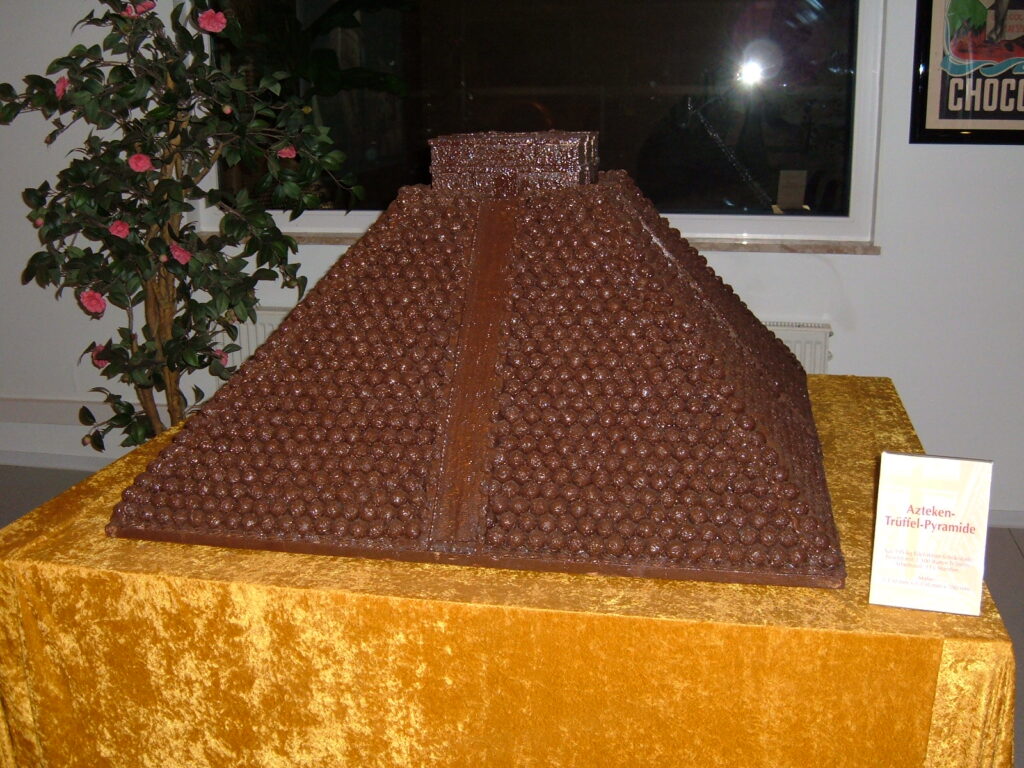
Rausch Schokoland by Ragain Adventures

Contributed by Christina from Ragain Adventures.

Peine is a small, beautiful German town located in Lower Saxony. It is the capital of the district of Peine and is located 25 km West of Braunschweig and 40 km East of Hannover. While Peine has several attractions for visitor’s including Kreismuseum Peine, shopping at City Galerie Peine, and the beautiful Jakobi Kirche, my absolute favorite is Rausch Schokoland.

Rausch Schokoland is a museum and chocolate café / store located at the Rausch Chocolate factory in Peine. Once you walk through the door, you are surrounded by the smell of chocolate. At the museum, you can learn about the history of the production of chocolate from around the world. After the exhibits, be sure to enjoy hot chocolate and a snack while watching the large chocolate volcano. On your way home, be sure to stock up on Rausch Chocolates for yourself, friends, and family.

If you are looking for a great hotel for your stay in Peine, be sure to check out Hotel Schoenau. With comfortable rooms, an onsite restaurant / bar and even a beautiful event center, Hotel Schoenau is a great hotel with a local feel.

Leipzig, Saxony

Contributed by Cosette from KarsTravels.

Leipzig is a city in the East of Germany. In 1165 Leipzig gained city right’s, relying on trade. In the 15th century the city became a center of the printing press. Hence a German Printing Press museum (Deutsche Buch- und Schriftmuseum). In 1813 the Volkerenslag was near Leipzig, in which Napoleon was defeated. For this they erected the Völkerschlachtdenkmal (Monument to the Battle of the Nations) in 1913, still a monument worth a visit.

Lots of famous composers lived in Leipzig making it a music city. Johann Sebastian Bach, Richard Wagner and Edvard Grieg among them. There’s a Bach-Museum in town and a Grieg-Begegnungsstätte. Further there’s also the Mendelssohn-Haus and those of Robert Schumann and Friedrich von Schiller. There’s also a music instruments museum, so enough museums for music lovers. There’s even a guided music tour along museums and statues. The St. Thomas Church is where Bach played the organ.

Brandenburg, Brandenburg
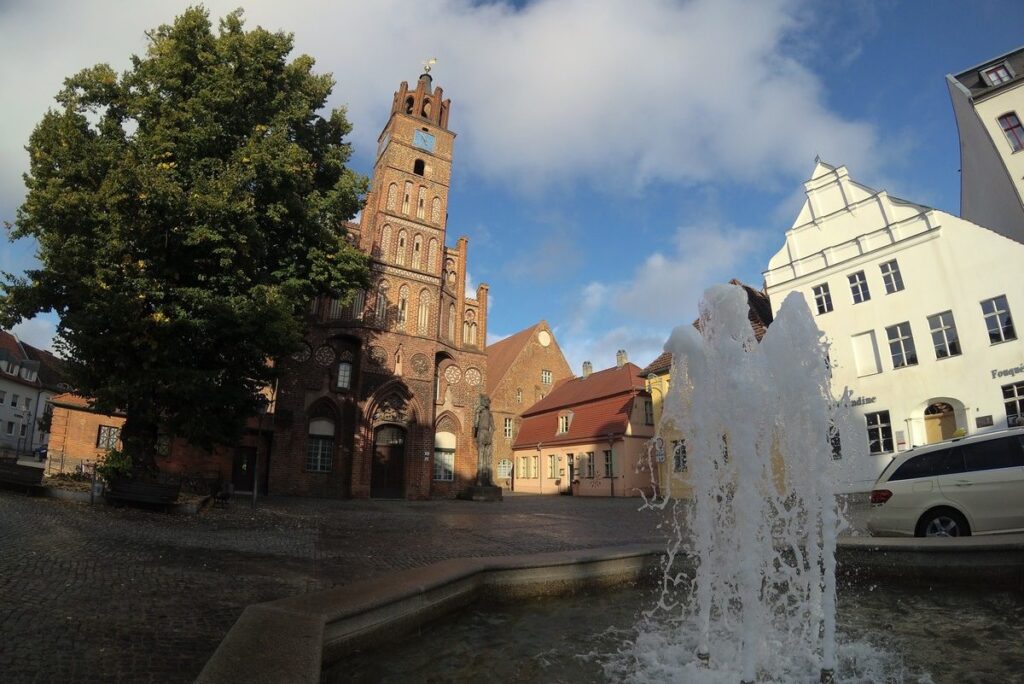
def1s
Brandenburg by Tymrazem

Contributed by Jakub from Tymrazem.

Brandenburg is located in the region that is named after the city (Brandenburg). Currently, the capital is Potsdam, but Brandenburg was once even more important than Berlin, from which it is about 80 kilometers away.

Originally it was a Slavic town called Brenna. From the year 948 (with breaks) Brandenburg was the seat of the bishopric.

Brandenburg has a lot to offer and the interesting surroundings make it a very good weekend destination. The must-see places in the city include the old towns, city walls, churches and “wild pugs”. In the area, be sure to check out Potsdam with its palaces and gardens (for example Cecilienhof), and the Babelsberg film studio.

Brandenburg is situated on the Havel River. It is used for communication and for tourists it can turn out to be a great idea to spend time in. In the city, you can rent a houseboat and discover the area from its deck.

It does not matter if Brandenburg is the destination of a longer journey or if you come here during your stay in Berlin or Potsdam – it is definitely worth visiting!
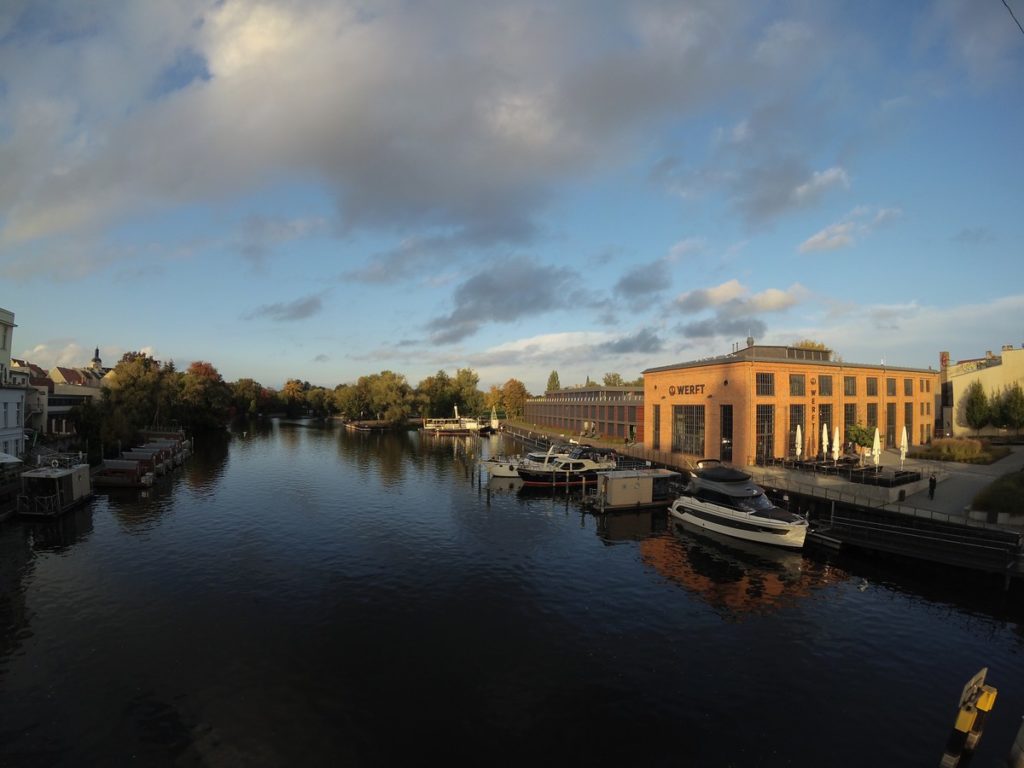
3on5r
Brandenburg by Tymrazem

Lutherstadt Wittenberg, Saxony-Anhalt

Contributed by Cosette from KarsTravels.

Lutherstadt Wittenberg is in Eastern Germany. The city dates from the 12th century, the add on Lutherstadt dates from 1922. Translated it means Luther city, after Martin Luther. Wittenberg was the city where Luther made his Ninety-Five Theses known. You can see them for yourself on the doors of the All Saints’ Church. They’re engraved on the door. Wittenberg is known as the city where the Reformation started.

Luthers house is in Lutherstadt Wittenberg, and that of Philip Melanchton, a reformator as well. Lucas Cranach, a painter, lived in the city at the same time as Luther. His house is now a museum. An architectural monument and worth a look is the Hundertwasserschule. A really colorful building, in line with Hundertwasser’s style.

Most of what there is to do in Wittenberg revolves around the Reformation. The Stadtkirche and the Slosskirche are important in the Reformation.

Rostock, Mecklenburg-Vorpommern
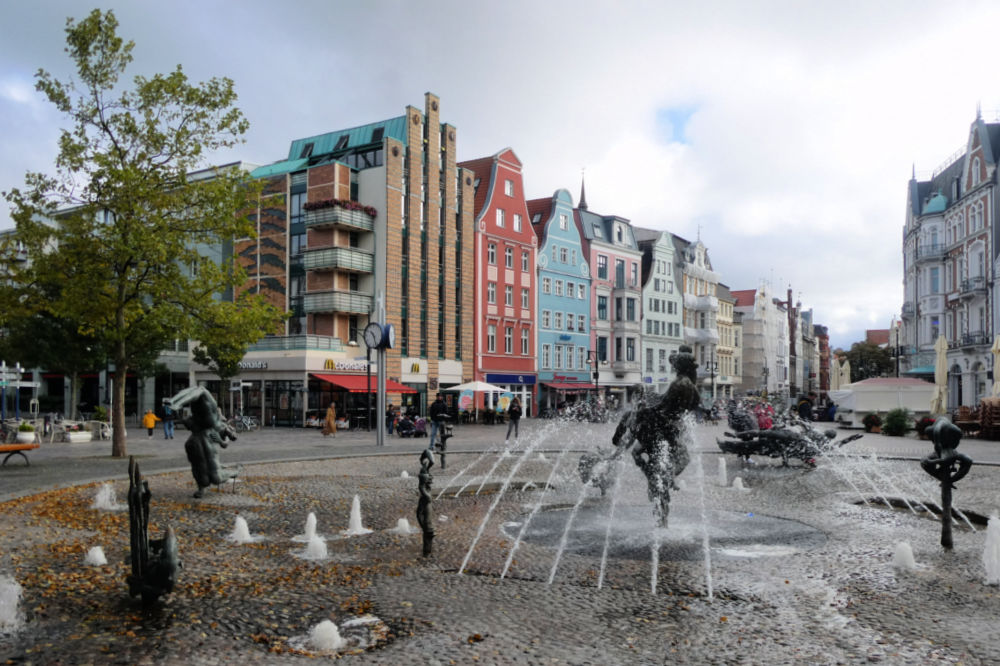
tzevl
Kröpeliner Strasse in Rostock by One Trip at a Time

Contributed by Lee & Stacey from One Trip At a Time.

Founded in the 13th century, Rostock is quite possibly one of the most delightful cities to visit in Germany that you haven’t heard of. Historically it was one of the key players in the Hanseatic League and has been an important shipbuilding center since Medieval times. Today it is a wonderful city to wander and explore, especially if you are in port for the day in nearby Warnemünde on a Baltic cruise.

With a compact historic center, many of the best things to see and do in Rostock are within easy walking distance. Begin a visit to the city with a wander along Neuer Markt to see the colourful merchant houses, the pretty pink (yes, pink!) Town Hall, and Marienkirche, renowned for its 15th century astronomical clock where you can still watch its “Apostles’ Procession” each day at noon. Then stroll Kröpeliner Straße to see gabled houses, visit shops, and see the playful fountain in Universitätsplatz.

When you want to learn more about Rostock’s history. Take some time to visit the Cultural History Museum and a walk along the old city walls to see Kröpeliner Tor (a watchtower) and Steintor, a city gate from the Middle Ages should definitely be on your agenda.

To top off your visit to Rostock, don’t miss the opportunity to take in the city from above by heading up the tower of Petrikirche to its observation gallery. From this vantage point, you can see all the way across the striking orange rooftops to the Port of Rostock, along the river, and to Marienkirche several blocks away.
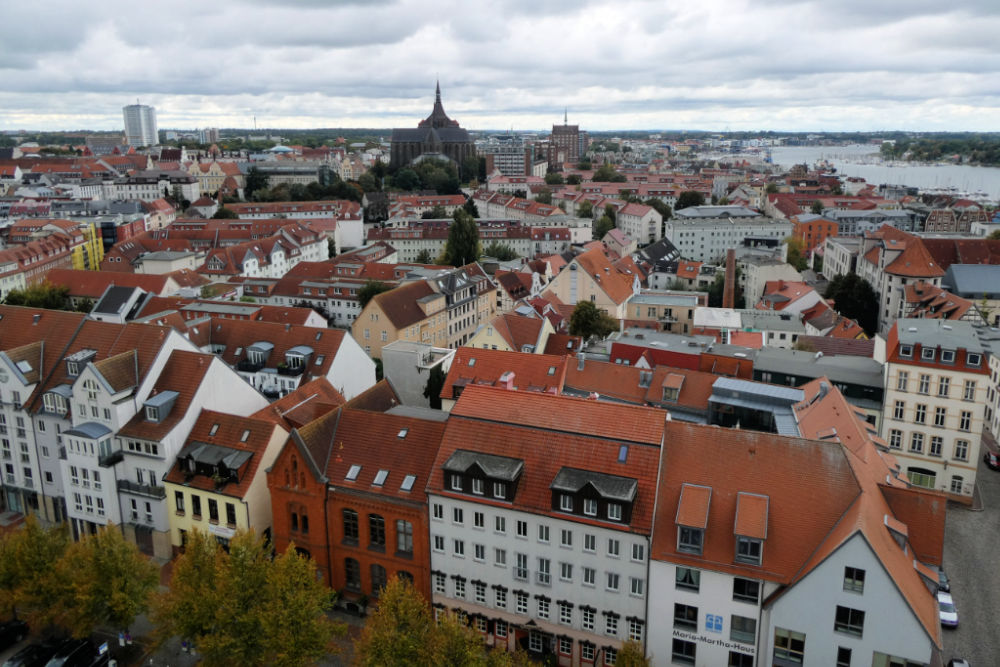
3ni7e
View from Petrikirche by One Trip at a Time

Lübeck, Schleswig-Holstein

Contributed by Cosette from KarsTravels.

Lübeck is a city in Northern Germany, close to Denmark. It’s a Hanseatic city and became wealthy during that time. The historical old town is beautiful and is famous as the city of marzipan. As such Lübeck draws a lot of tourists.

Go on a self-guided (or guided) tour in the old town to discover all the monumental buildings and their history. Next to that find out why Lübeck is the city of marzipan and taste it!

Lübeck is the home of Niederegger, who have produced quality marzipan since 1806. You can taste all their product and learn more about the history of the company at Café Niederegger at the old city. Visiting this café is a must even when you’re not a fan of marzipan.

Among the monumental buildings in the city is the Marienkirche, an example of the Brick Gothic. The fortifications and two city gates are still there, the Holstentor and Burgtor. The Salzspeicher, was where salt was being kept until it was shipped to other Hanseatic cities.

Lübeck dates back to at least the 8th century. Lübeck eventually became the most important Hanseatic city in the 16th century. There’s a Hanzemuseum to learn all about the Hanseatic league.

Mainz, Rhineland-Palatinate
ux6su
Mainz by JOURNICATION Travel Blog

Contributed by Phil from JOURNICATION Travel Blog.

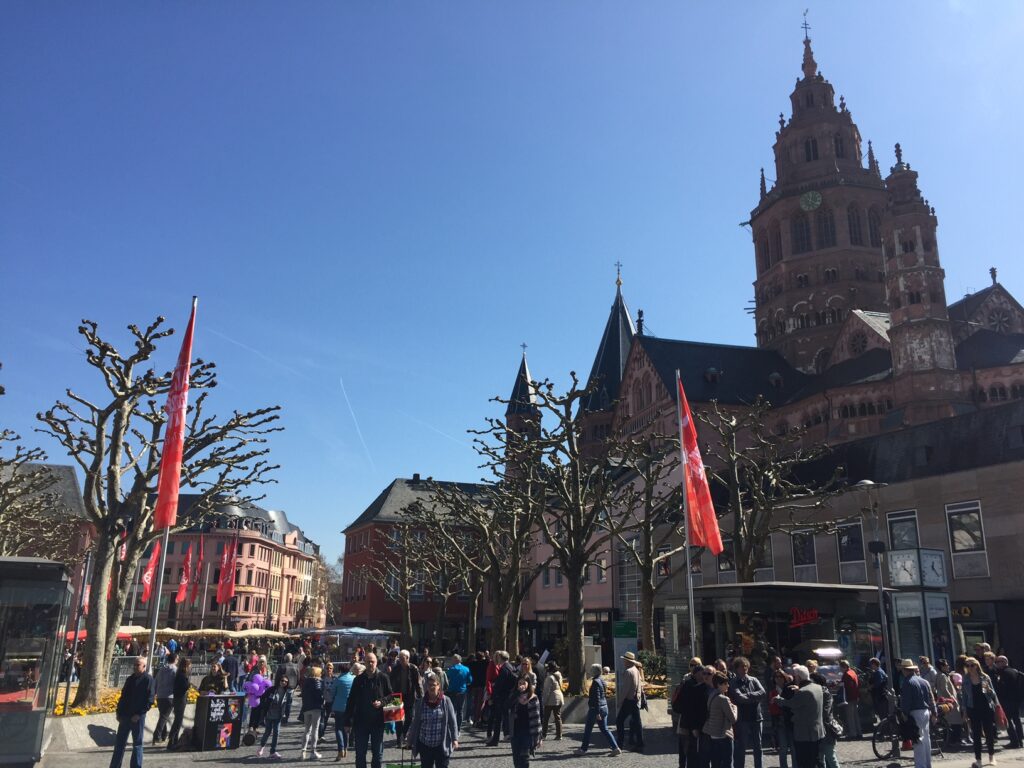
Mainz is considered an insider’s tip when traveling to the West of Germany. Located near Frankfurt, the capital of the state of Rhineland-Palatinate has so much to offer.

Mainz has a long history. Already the Romans[……]

Read more

The Great British Travel Bucket List: 18 Things to Do in the UK

From the south of England to the north of Scotland, the UK is packed with incredible panoramas. While London may be home to some of the best attractions in the UK, there’s much more to see in the country beyond the English capital’s iconic monuments. Discover Wales’ most captivating castles, Northern Ireland’s awe-inspiring natural gems, Scotland’s picturesque scenery, as well as the charming English countryside.

Experience the best of what the country has to offer with 18 of the most unmissable things to do in the UK:

1. Marvel at Stonehenge

h70pl
Stonehenge is just around 2.5 hours away from London, making it an easy day trip. Credit: lays16__

No list of the finest attractions in the UK Is complete without mentioning Stonehenge. The 5000-year-old monument is not just one of the most renowned Wonders of the World, but it’s considered as an architectural feat that has stood the test of time. Easily accessible from London, see Stonehenge for yourself and marvel at the iconic monument in person.

2. Explore the Roman Baths

gqol7
Take a trip to the town of Bath, a UNESCO World Heritage site. Credit: ninexst

Speaking of ancient gems, Bath is another historical gem that’s not to be missed. Walk through its cobblestone streets and find yourself surrounded by well-preserved Georgian buildings and Mediaeval cathedrals. Get uninterrupted views of the city from the top of Bath Abbey’s Tower or visit The Jane Austen Centre where you can view exhibits about Austen’s stay in Bath.

If you have limited time in London but you don’t wanna miss out on all the fascinating historical sites, join the Stonehenge, Windsor Castle, and Bath day tour! Explore three amazing attractions all in one day accompanied by an expert guide and learn about the mysteries of Stonehenge, the rich history of Windsor, and the cultural heritage of the ancient Romans.

3. Hike up Edinburgh Castle

jilkj
Visit the enchanting Edinburgh Castle, one of oldest fortified places in Europe. Credit: maarcomaia

Retrace the steps of soldiers, kings, and queens on your way up to Edinburgh Castle. The palace, which was built in the 11th century, has served as a royal residence, military garrison, prison, and fortress over the years. Delve into Scotland’s colourful history as you explore the castle and take in the view of the Edinburgh skyline from its deck.

4. See Buckingham Palace

svn32
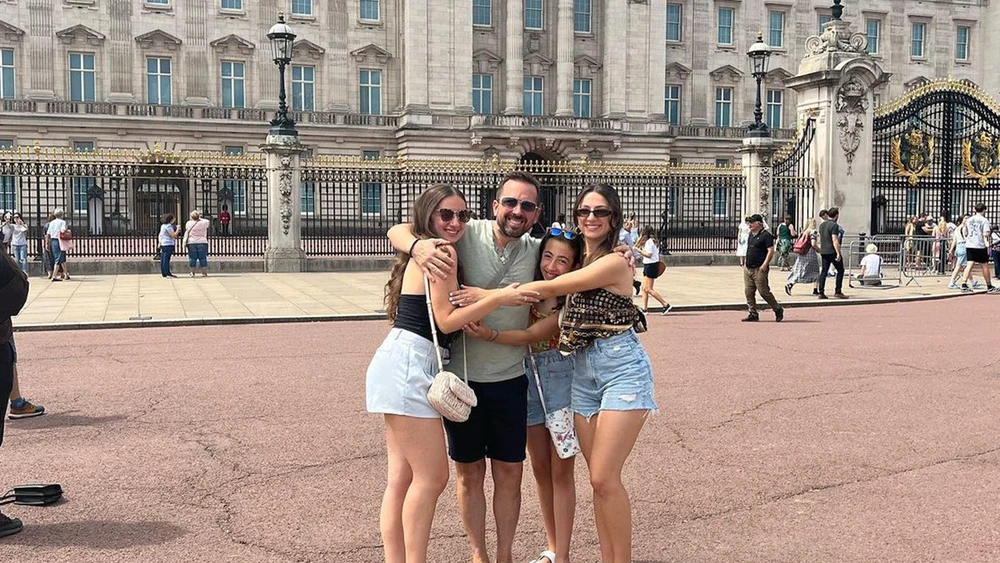
Feel like a royal when you visit the primary residence of the Queen herself. Credit: timsyrianos

When in London, visiting Buckingham Palace is an absolute must. As the primary residence of Queen Elizabeth II, it’s the host of the Royal Jubilee and other important ceremonies. You can explore the royal gardens, walk up the Grand Staircase, and glimpse the Throne Room. For the ultimate royal experience, catch the Changing of the Guard ceremony, which takes place on several days each week.

Klook tip: The State Rooms are only open for 10 weeks from July to October so make sure you time your visit correctly.

5. Cross the bridges of Bourton-on-the-Water

b6yyq
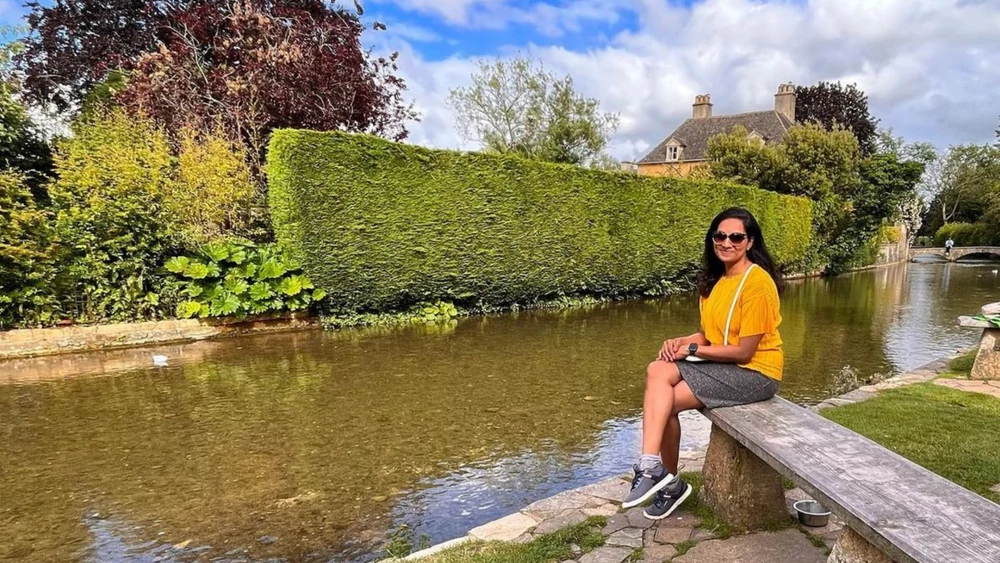
Bourton-on-the-Water is one of the best places to be during the summer. Credit: reachpriyanka_m

Visit Venice but make it British-style! Experience the charm and beauty of Bourton-on-the-Water. The quaint village is famous for the long-winding River Windrush that’s lined with traditional honey-coloured stone houses and five stone bridges. During your visit, you can watch artesans work their magic at the Cotswold Pottery and discover its rich history at the Cotswold Motoring Museum.

6. Cruise along Lake District

3nyju
Besides charming villages, Lake District also has some great hiking trails like the one up Helvellyn.

Breathe in the fresh air and the lush views when you spend time at the Lake District. Thanks to its scenic lakes, endless mountain ranges, and quaint villages, it’s one of the most popular vacation destinations for locals. Spend a few days at the area and go on hikes, enjoy cruises, or even watch plays by the lake.

7. Walk along the streets of Cambridge

0lbt5
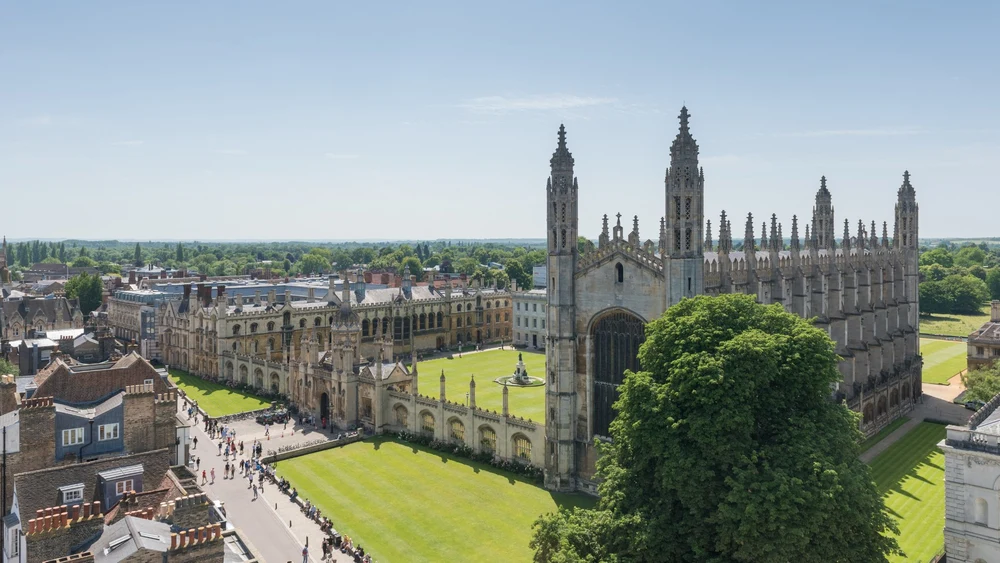
Admire the Gothic architecture of King’s College Chapel. Credit: Jean-Luc Benazet

Be charmed by Cambridge’s well-preserved Gothic buildings and lush greenery. Climb the tower of the Church of St. Mary the Great and soak up the incredible panoramas of the city. You can also visit Kings College and see the “graffiti” from Oliver Cromwell’s army. Keep your eyes peeled for the massive screen inside the chapel, which was gifted by Henry VIII to Anne Boleyn.

8. Take photos at Giant’s Causeway

d27sn
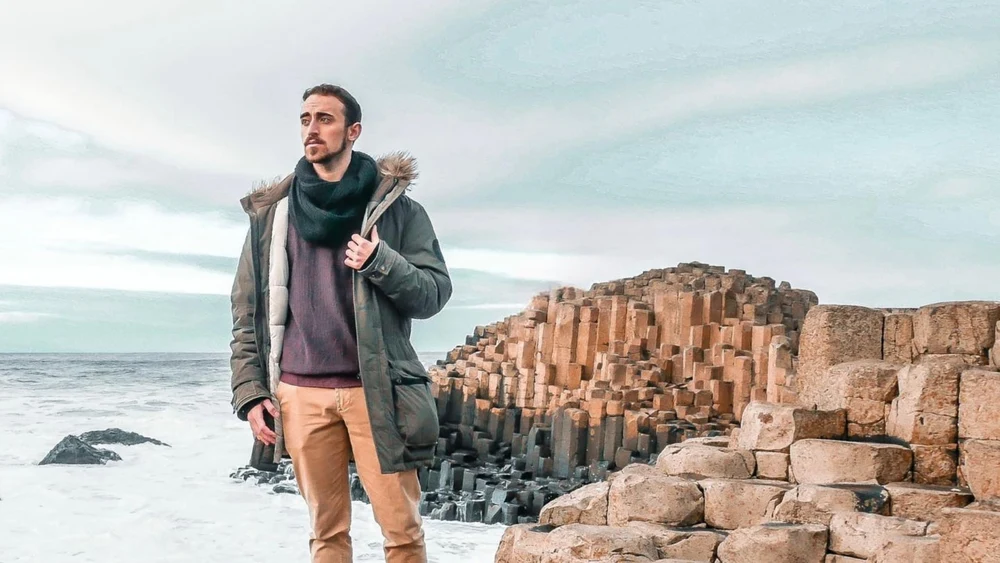
Revel in the unique landscape of the Giant’s Causeway. Credit: ntony103

Find one of the best attractions of the UK in Northern Ireland. Giant’s Causeway, which features 40,000 black basalt columns in the shape of hexagons, set against the aquamarine waters of the North Atlantic Ocean. The unique rock formations are said to have formed 50 to 60 million years ago because of volcanic activity.

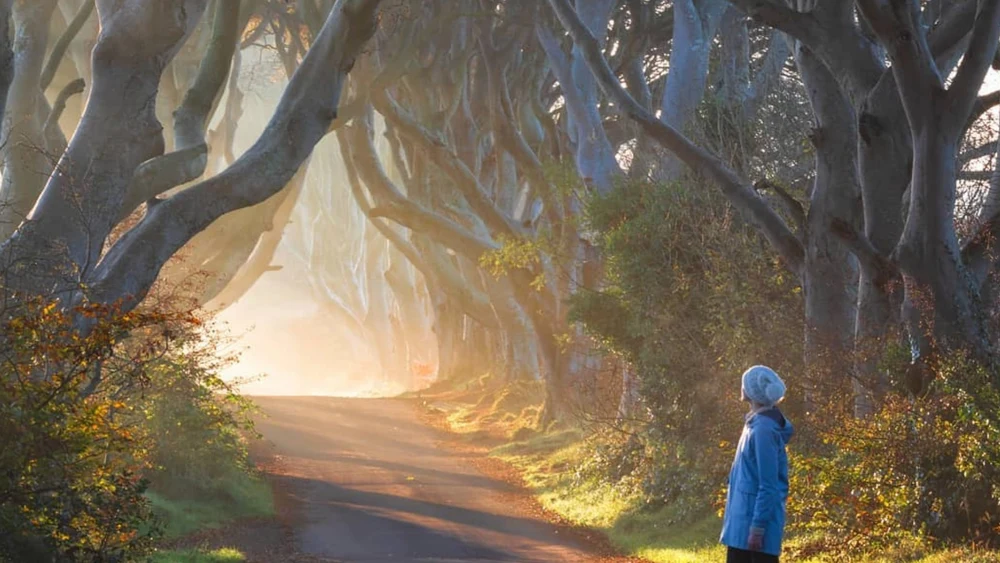
9. Cross the Dark Hedges

r70uo
Feel like you’re on Game of Thrones when you walk through the Dark Hedges. Credit:chris_ibbotson_photography

Less than a half hour away from Giant’s Causeway, the Dark Hedges are another otherworldly site that you have to see to believe. Probably best known for being featured on Game of Thrones, you can walk down “King’s Road” and take IG-worthy photos along the ethereal avenue of beech trees.

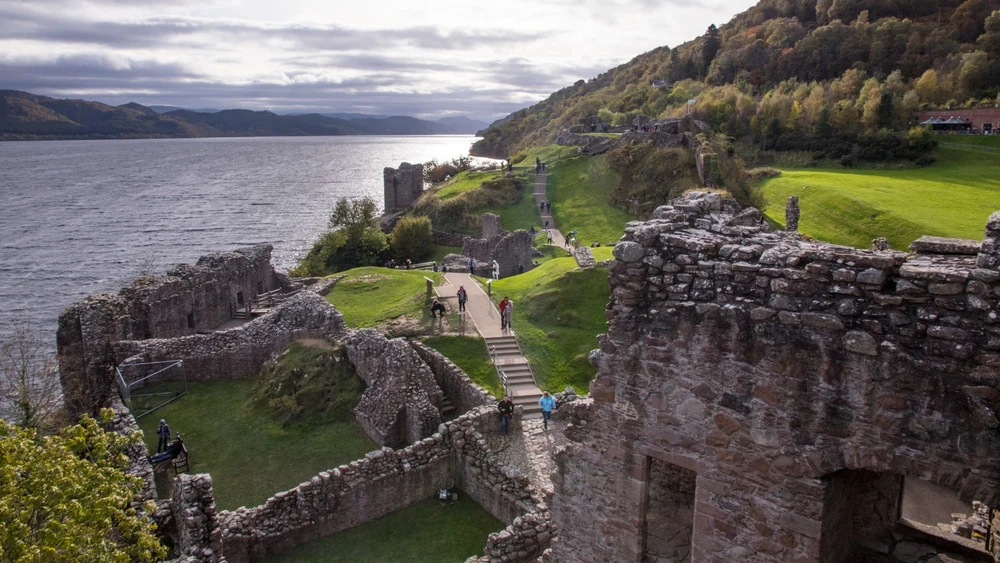
10. Set sail on Loch Ness

42ias
Besides the famous legend, the lake is also famous for the Urquhart Castle. Credit: Robin Canfield

Head to the Highlands and discover the site of arguably the most famous Scottish legend, the Loch Ness Monster. See where “Nessie” lives and even enjoy a cruise through the lake. Afterward, you can stop by Urquhart Castle along the lakefront and visit the Loch Ness Centre and Exhibition.

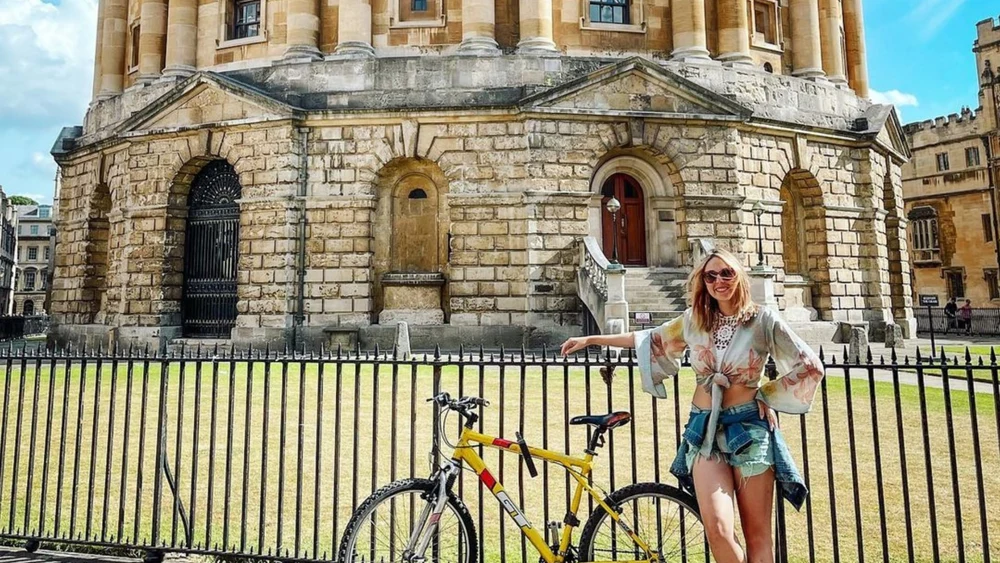
11. Discover Oxford’s highlights

278jz
Admire Radcliffe Camera’s stunning architecture. Credit: ariadnajack

Oxford may be best known for its world-class university but it’s actually home to another famous school. Visit the uni’s Divinity School, where you can see the room that was used as the infirmary for Hogwarts in the first Harry Potter film. Then, spend some time at the mediaeval Oxford Castle and take in panoramic views from the top of the University Church.

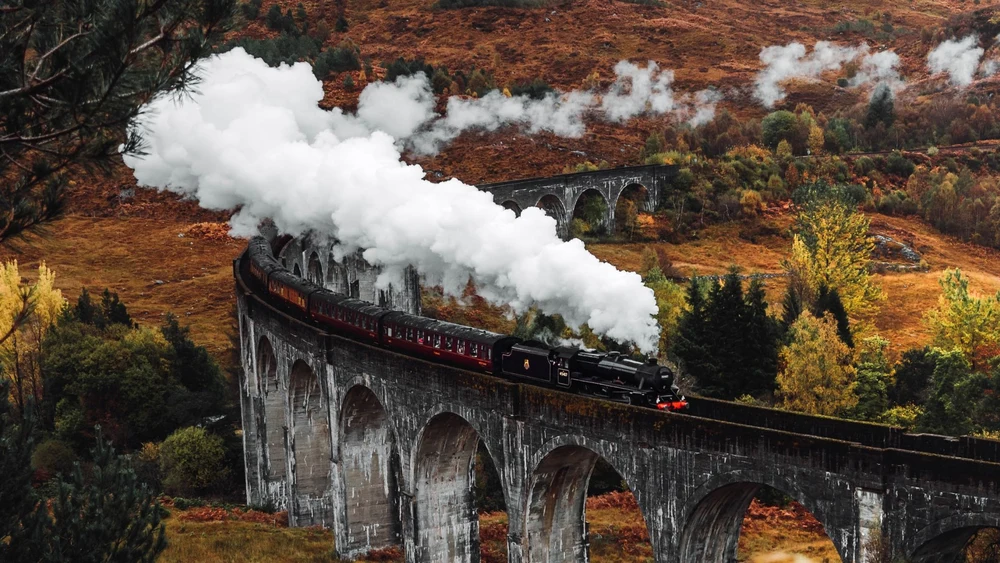
12. Visit the Warner Bros. Studio Tour

kdop7
Ride the Hogwarts Express for a magical adventure to the world of Harry Potter. Credit: prernamalhan

After visiting the filming site, take to the studios and continue your Harry Potter experience at the Warner Bros. Studio Tour. Channel your inner Hogwarts student as you go window shopping at Diagon Alley, exploring the Gryffindor Common Room, and checking out the little trinkets at Dumbledore’s office. Make sure you book your tickets online, so you won’t run out of slots!

13. Smell the lavenders at Norfolk

st5kx
Visiting the UK during summer? Head to Norfolk’s stunning lavender fields and see the flowers in full bloom. Credit: lailaoclaire

Looking to spruce up your Insta? Head over to Norfolk and put on your best outfit for IG-worthy images against the backdrop of vibrant lavender fields. With over 100 acres of lavender, you’ll get to see the lovely purple flowers in full bloom in June and July. For the perfect souvenir, grab a bottle of lavender perfume at the farm before you go.

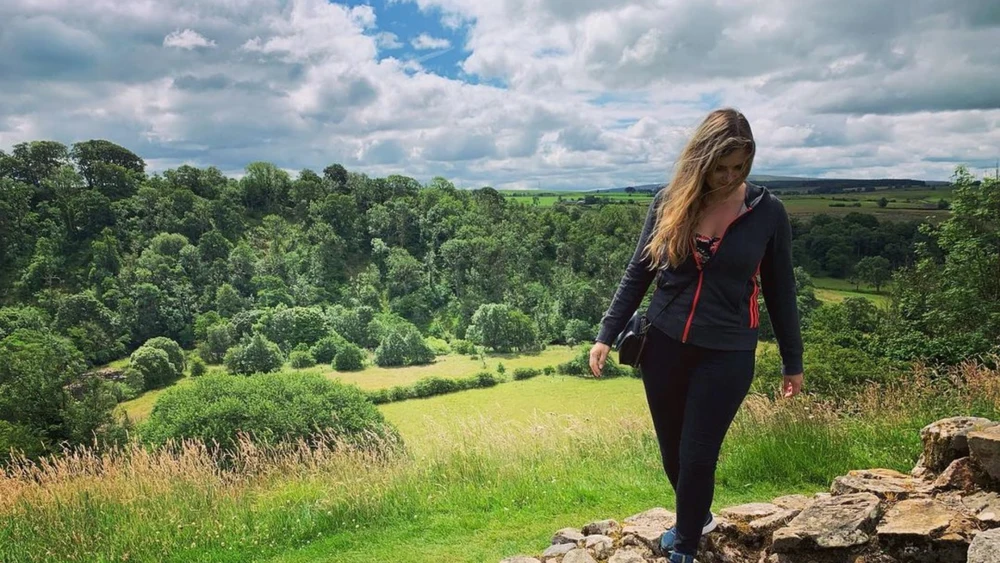
14. Take a Stroll by Hadrian’s Wall

b3pil
See the UNESCO World Heritage-listed Hadrian’s Wall at the North East of England. Credit: jamina_box

Hedging over the border of Scotland and England, Hadrian’s Wall is a 117km-long fortification that was built during the Roman Empire. Built in 122 A.D., it still has forts and towers that you can view today. While there are several trails you can follow to enjoy the site in its full glory, we recommend the Chesters Trail, where you can enjoy riverside views and charming countryside towns along the way.

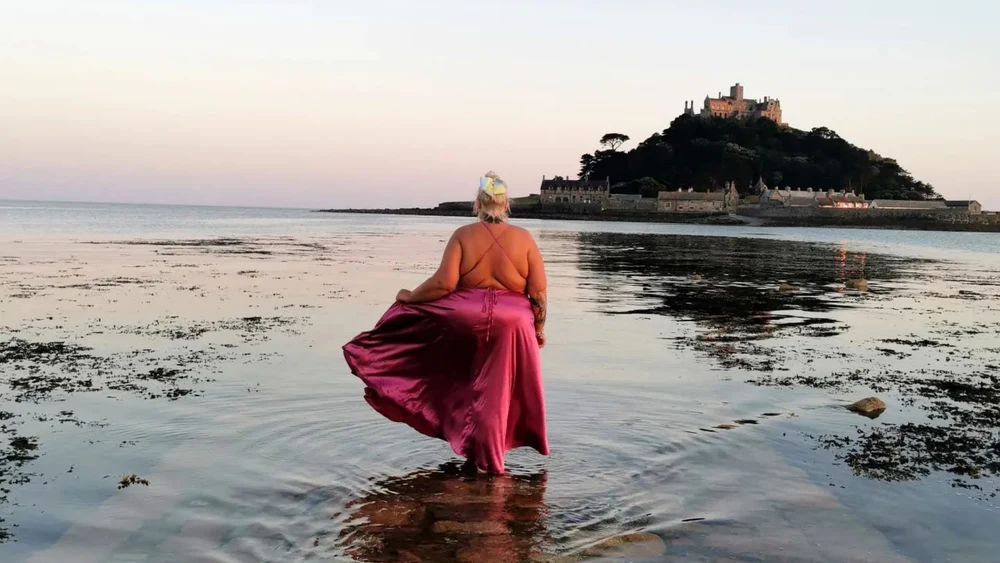
15. Spend the day at St. Michael’s Mount

0ocip
Visit the British counterpart of France’s Mont-Saint-Michel in Cornwall. Credit: joasiamakowej

Spending time in Cornwall? You have to visit St. Michael’s Mount, one of the best attractions in the UK. The tidal island is topped by a mediaeval church and castle, making for a panorama that looks like it belongs in a Disney film. As you explore the island, you’ll find old buildings dating to the 12th century and learn about the legend of Jack the Giant Killer.

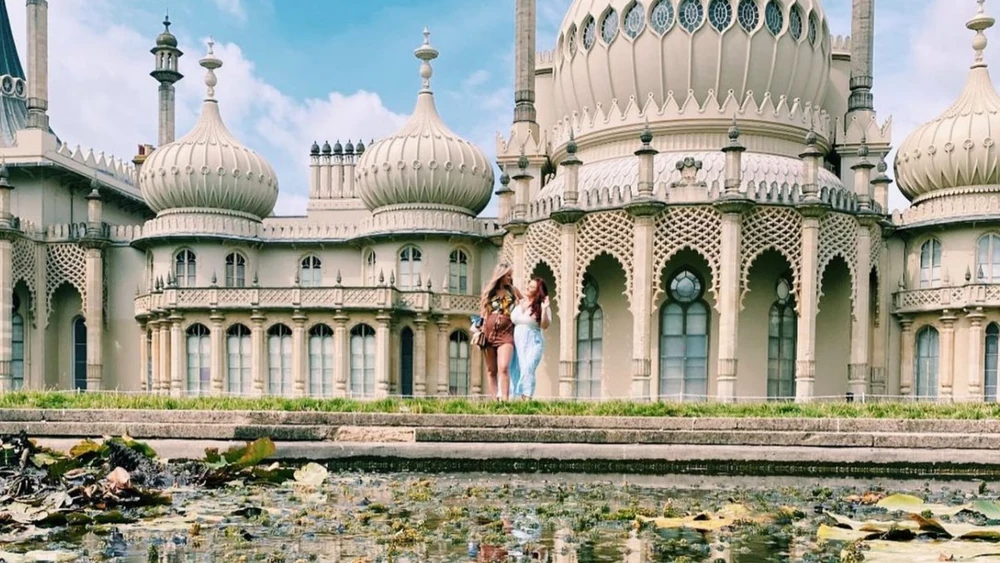
16. Admire the Brighton Pavilion

y7zu6
Admire the Eastern influence on Brighton Pavilion. Credit: hgbxo

East meets west at Brighton Pavilion. The palace, which served as King George IV’s holiday home, features classic Regency architecture combined with influences from traditional Chinese and Indian buildings. After exploring the former royal residence, you can walk along the Victorian promenade and grab some fish and chips on the pier.

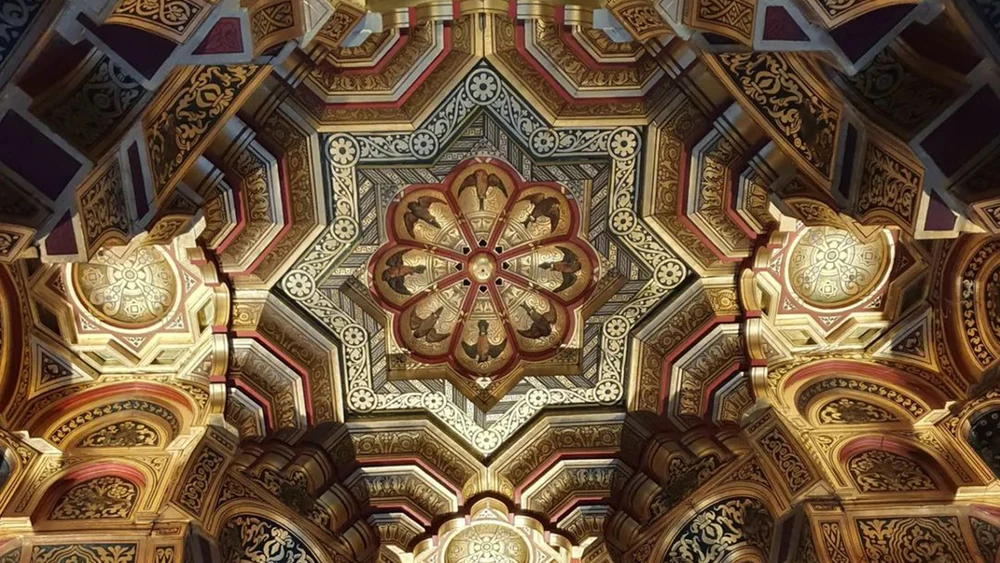
17. Fall in love with Wales’ Castles

s356q
Cardiff Castle’s interior may even be more stunning than its exterior. Credit: anna_little_kitsu

When in Wales, you’ve gotta see at least one of its 600 castles. History buffs and architecture aficionados will enjoy exploring Cardiff Castle, where you’ll find rooms with gilded walls, intricate wood carvings and vibrant stained glass. Just a stone’s throw away, Caerphilly Castle is also a great visit. As the biggest castle in Wales, it boasts cloud-scraping towers and a rich 2000-year-long history.

18. Watch a Wimbledon match

bxo1c
Experience the oldest tennis tournament in the world. Credit: _tyrelljae

Partake in one of the oldest British summer traditions and watch a live tennis match at Wimbledon. At the world’s oldest (and most prestigious) tennis tournament, you can see some of the greatest athletes in person. Do as the locals do and savour some strawberries and cream as you follow the action.

How can I travel to any of the attractions in the UK?

tbl0t[……]

Read more
GREECE TRAVEL GUIDE

yqugs
Greece is one of Europe’s most beautiful destinations, home to picturesque islands, delicious food, thousands of years of history, and wonderful people.

It’s also super affordable.

You can travel around Greece for a fraction of what you’d spend in Western Europe, which is just one of the many reasons why I absolutely love visiting Greece.

I’ve been to Greece four times and have spent months exploring this country. I cannot say enough good things about it.

Visiting Greece is always the highlight of my summer European travels. There’s just something magical about this country. There’s an energy in the air and you can’t help but think, “Maybe I should never leave?” It sucks you in.

And, while the Greek islands get the most attention, the interior of the country — with its small towns, historic ruins, and mountain hikes — is too often overlooked and underappreciated.

So, while you may have a strong desire to stick to the islands, try to get to some of the places in the interior if you can. You won’t regret it.

Top 5 Things to See and Do in Greece

gm2cr
1. Visit the Acropolis

Located in Athens, this magnificent hilltop complex from the 5th century BCE includes ancient buildings and ruins like the temple to Athena and the famous Parthenon. A UNESCO World Heritage Site, this is an excellent place to learn about the city’s history. You’ll also get to enjoy an expansive view of the skyline and the nearby ruins. During the summer, it’s swarming with tourists so get there early. Admission is 20 EUR, or for 30 EUR you can get a 5-day combined ticket that includes many other archaeological sites in Athens. For a guided tour, Athens Walking Tours runs guided tours for around 50 EUR (including admission) that skip the line.

2. Discover historic Crete

Crete has a long, long history. It was once home to the ancient Minoan civilization (which predated Greek civilization), and you can still visit the Bronze Age ruins of Knossos, the ancient capital of the Minoan empire (also considered the oldest city in Europe). The island is the largest in all of Greece and has beautiful beaches (including a beach with pink sand), plentiful hiking, quaint towns, and delicious food and wine. It’s affordable and because of the island’s size, you can still escape the summer crowds. Don’t skip this island!

3. Hike up Mount Olympus

Mount Olympus is the legendary home of the Greek gods. Any climb to Mount Olympus starts from the town of Litochoro, 150 kilometers (93 miles) south of Thessaloniki. At 2,917 meters (9,570 feet) high, it’s the tallest mountain in Greece. The hike up is both strenuous and mystical. As you climb, it becomes abundantly clear why Greeks thought it was this mountain from which the gods ruled!

4. See Meteora’s monasteries

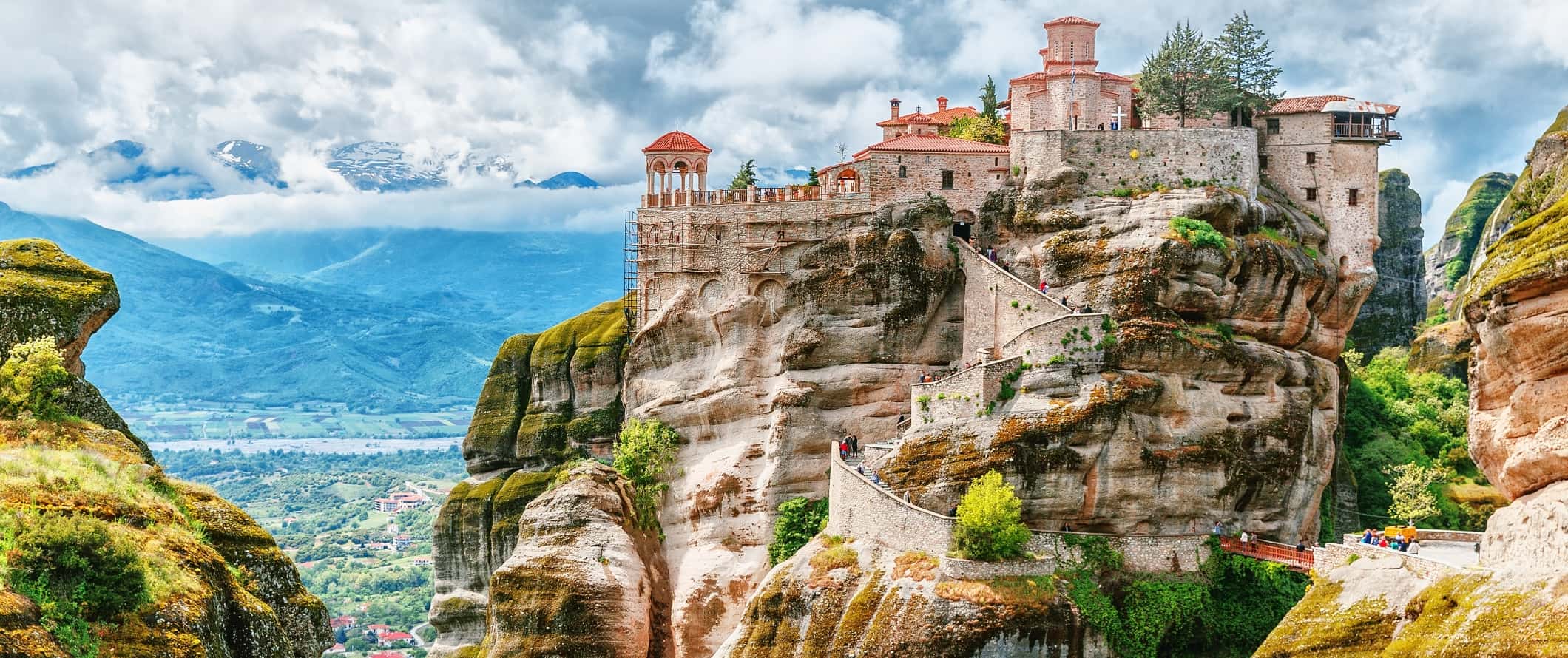
Meteora is famous for its monasteries that sit atop sheer rock mountains. They are a stunning sight to see and worth the steep trek up to the top. The monasteries date back to the 9th-10th centuries when Orthodox Christian hermit monks isolated themselves on the cliffs and in the many caves in the area. In the 12th century, the monastic community became more organized and in the 14th century the Great Meteoron Monastery was constructed (one of the ones that you can visit today). Although more than twenty monasteries used to perch on these sandstone cliffs, only six remain today. They are still active, with around 50 nuns and 17 monks living here. It’s a 3 EUR entrance fee per monastery.

5. Explore the islands

The Greek islands are some of the best and most popular in the world. Soak in the sun, admire the white sand and blue-roofed houses, see the windmills (an iconic feature of the Cyclades) and just relax. Some highlights are Milos, Santorini, Ios, Mykonos, Naxos, Zakynthos, Rhodes, and Kos. During the summer, the islands fill up so book early!

Other Things to See and Do in Greece1. Learn some history

Greece is where western civilization began and everywhere you turn you’ll find ruins that are thousands of years old. Start in Athens with the museums, the Acropolis and surrounding ruins in the Agora, and then set off to explore the ruins of Delphi, Sparta, Corinth, and Crete. There are also great archaeological museums everywhere to see artifacts up close and learn even more. This country is a history lover’s dream!

2. Explore Sparta

Sparta was the ancient rival of Athens and known for its fierce warriors (the entertaining but historically-inaccurate film 300 was based on the Spartans). The city has a long history and plenty of ruins to explore. There is no shortage of things to do, museums to visit, excursions to take, and places to eat when you visit the city. It’s an often-overlooked city even though it’s only a 2.5-hour drive southwest of Athens. It’s a great place to learn some history without the crowds.

3. Attend the Athens Epidaurus Festival

Every summer, the Athens Epidaurus Festival hosts concerts and performance theater, including reenactments of famous Greek plays. Started in 1955, it’s one of the country’s top cultural events and runs for the whole summer (May-October). If it coincides with your visit, you’ll see just how proud the Greeks are of their past. Tickets for each performance cost as little as 10 EUR.

4. Soak up the sun in Corfu

The Cyclades Islands may get all the press but sunny Corfu on Greece’s west coast is also a good place to enjoy the beach too. It’s a popular destination for young backpackers, but once you get out of the main town, you can avoid them and their partying ways and get the island to yourself! There are plenty of quiet beaches, ancient ruins, and beautiful villages to explore. You’re just a stone’s throw away from Albania too.

5. Explore the Delphi Ruins

Delphi was a place of spiritual significance to the ancient Greeks. Located around 2.5 hours northwest of Athens, this UNESCO World Heritage Site is where the omniscient Oracle would contact the god Apollo and give his advice to those seeking good fortune. Although the eternal flame no longer burns inside the temple, a visit to the Temple of Apollo is obligatory if you’re nearby. Admission is 12 EUR and includes entry to the museum as well as the archaeological site itself (which includes far more than just the Temple of Apollo).

6. Explore Melissani Cave

This otherworldly cave grotto can be accessed by a short yet postcard-worthy boat tour. Located on the island of Kefalonia on the western side of Greece, here you can admire the seemingly magical ultramarine waters and the monumental walls that envelope you as you make your way through this hidden underground landscape. Admission is 8 EUR and includes the boat ride.

7. Hike the Samaria Gorge

Samaria Gorge in beautiful Crete is one of Greece’s National Parks and a UNESCO World Biosphere Reserve. For outdoor enthusiasts, this is considered one of the best hikes in Greece. While it isn’t the shortest or easiest trek (it’s 16 kilometers/10 miles), the gorge does promise beautiful landscapes, fantastic photo opportunities, and a great workout. Make sure you bring water, sunscreen, and a hat as the heat can be overwhelming. The views are worth it though!

8. Experience the Patras Carnival

Every year in mid-January, the city of Patras (located 2.5 hours west of Athens) hosts what is basically a month-and-a-half-long party that starts on January 17th and runs to the beginning of Lent. There’s a slew of events both major and minor, increasingly crazy weekends, treasure hunts, and various costume parades (which even feature floats). It’s a lively time and as the largest such festival in Greece, attracting tons of revelers. If you want to attend, it’s a good idea to make hotel reservations well in advance as things fill up.

9. Tour the Archaeological Museum of Heraklion

The number one attraction in Crete, this museum also happens to be Greece’s second-largest archaeological museum (the museum in Athens is the largest). There is a stunning collection here that highlights the Cretan civilization (dating back from Neolithic times through to the Roman empire), with ancient pottery, jewelry, sarcophagi, colorful frescoes from Knossos, and more. Its Minoan collection is the most extensive in the world. You could easily spend hours here — especially if you love history like me. Admission is 12 EUR in the summer and 6 EUR in the winter.

10. Party on Ios

Ios has the wildest nightlife out of all the Greek islands. It is the summer party island where days are spent hungover on the beach and the nights are spent eating cheap food and drinking. If you don’t want to do that but still want to see Ios, it’s best to go to the eastern part of the island where it’s quieter. Don’t let Ios’ party reputation deter you from visiting though, it’s a beautiful, rugged island (and home to the grave of Homer, who wrote The Iliad and The Odyssey). It’s only busy from June-August so you can visit in the shoulder season to escape the party crowd.

11. Visit Thessaloniki

With more than 1 million inhabitants, Thessaloniki is Greece’s second-largest city after Athens. Although it dates back to 315 BCE, a lot of the city was destroyed by fire in 1917 and then by bombing during World War II. The result is a combination of more modern European city urban planning alongside Early Christian, Roman, and Byzantine monuments. In fact, Thessaloniki has more UNESCO World Heritage Sites (15!) than any other city in Europe. Be sure to visit the White Tower, the Rotunda, the Arch of Galerius, and Galerius Palace as well as the many churches (such as the Hagia Sofia and Hagios Demetrios). There are also several great museums here, including the Archaeological Museum, the Museum of Byzantine Culture, the Jewish Museum, and the Olympic Museum.

12. Go to Zakynthos

Just south of Kefalonia in the Ionian Sea is Zakynthos, one of Greece’s most popular islands. With its soft, sandy beaches and charming villages, it’s easy to see why this island is a fan favorite. It can be busy, particularly in the summer, so head away from the main tourist area (go north, west or inland) or visit in the off-season to escape the crowds. Zakynthos is also a breeding area for loggerhead turtles and you can see them on Lagana Beach or on Turtle Island but take care to do so responsibly. Other activities include seeing the Blue Caves, Marathonisi Islet, and Shipwreck Beach (you’ll need to take a boat tour to get there). There are also tons of churches, monasteries, and ruins to check out too.

13. Visit Monemvasia

Monemvasia is a medieval castle town in Laconia, around 90 kilometers (56 miles) southeast of Sparta. It’s a spectacular island to visit as it is built into the side of a huge rock! Monemvasia’s a quiet town perfect for relaxing on the beach before dining under the stars at seaside taverns or on cobbled streets in the town. If you’re into hiking, there are some trails that will take you past chapels and settlements up to hilltops to admire the view or down to secluded beaches.

14. Explore Ioannina

Next to Lake Pamvotida in northwestern Greece, Ioannina is a castle town that is bursting with museums. Don’t miss the Byzantine Museum, the Ethnographic Museum, the Archaeological Museum, and the Silversmithing Museum (the area is well-known for its beautiful jewelry). Head to the castle at sunset for a peaceful end to your day. You can use the town as a base for exploring the nearby Pindus National Park, the Tzoumerka mountain chain, the Cave of Perama, and the Byzantine town of Arta as well. You won’t need more than a couple of days here but it is well worth stopping if you are passing through.
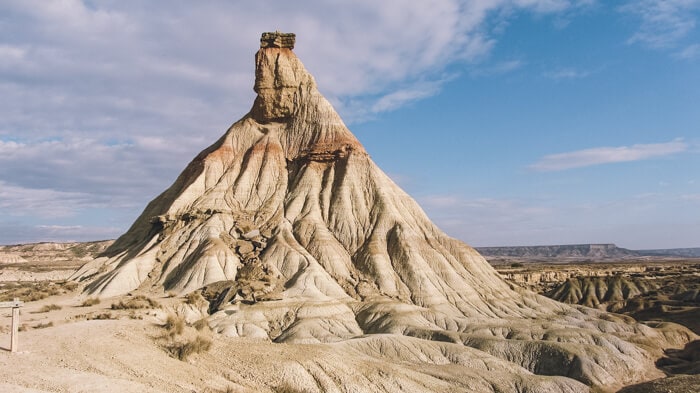
15. Go wine tasting

While Greece isn’t as internationally renowned for wine as other European countries such as France or Spain, it should be. The Greek wine-making tradition goes back at least 6,500 years and is still going strong. Wine regions are spread across the country, but Crete has one of the oldest wine-making traditions (and over 30 wineries to visit around the island), while the wineries of Santorini make for an interesting tour due to the way that grape vines must be grown here (to protect against harsh winds). Wine tours generally are around 85-125 EUR for a full-day tour.

16. Take a cooking class

Greek food is legendary. If you’re a foodie like me and want to learn more about the cuisine and culture behind it, try a cooking class. Bring a taste of your trip home by learning how to make some traditional recipes (including favorites like tzatziki and moussaka) while learning about the importance of each dish directly from a local chef. Cooking classes generally last 3-4 hours and cost 90-120 EUR.
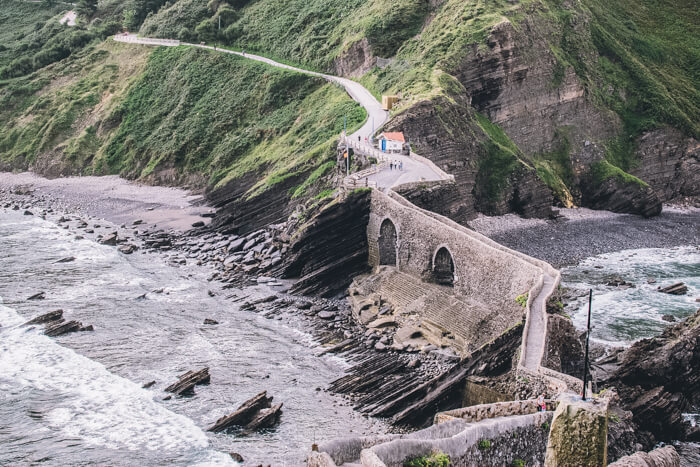
17. Take a boat tour

A boat tour is one of the best ways to see the islands, especially as some beaches are only accessible by water. Most tours also have stops for snorkeling and lounging on the beach, and many include drinks and lunch. Half-day tours start at 50 EUR, while full-day tours are around 100 EUR.

18. Go diving

Diving has become increasingly popular in the Greek Islands. On Mykonos, Paradise Reef has a large variety of marine life, including sponges, barracuda, octopus, and starfish. Ios is popular with beginners due to its crystal-clear waters and relatively calm waves. On the other hand, Santorini has less marine life but tons of shipwrecks. Shore dives are generally 40-50 EUR, while a two-tank dive on a boat is 90-120 EUR. You can also take a beginner discovery course for 55 EUR or a variety of PADI courses starting at 280 EUR.

19. Tour an olive oil farm

Greek olive oil is considered the best in the world and has been central to the country’s culture for tens of thousands of years (the Olive Oil Museum in Sparta has fossilized olive oil leaves from 60,000 years ago!). Dive deep into the country’s olive oil tradition by visiting a farm and taking a tour to learn more about this iconic staple. Tours are generally a couple of hours and cost 40-45 EUR.[……]
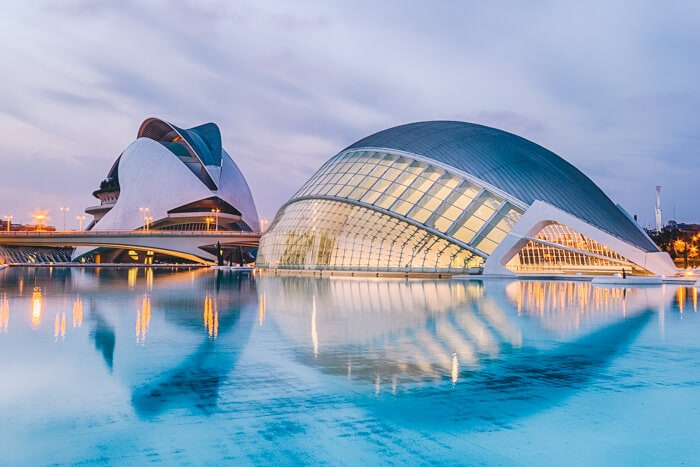
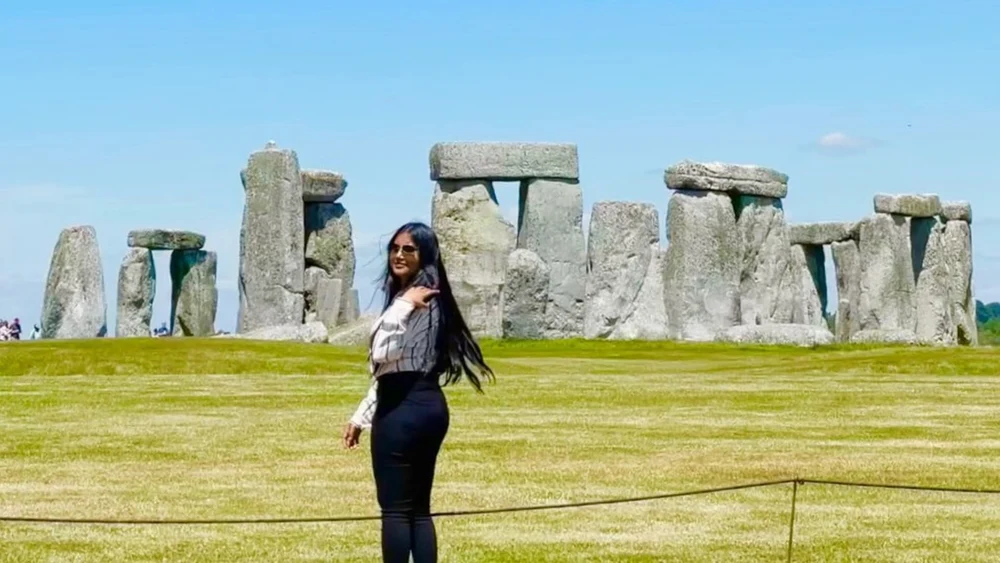

Read more