Divi WordPress Theme


COMPLETE ITALY TRAVEL GUIDE, WHAT YOU NEED TO KNOW

Italy is known for its amazing food, iconic monuments, and incredible art. Italy is the fifth most visited country in the world and receives approximately 65 million tourists each year. Planning international travel can be overwhelming and time-consuming while working full time. Use this Italy travel guide and the following Italy travel blog posts to plan your perfect vacation. The top destinations in Italy are Rome, Venice, and Florence.
i27od
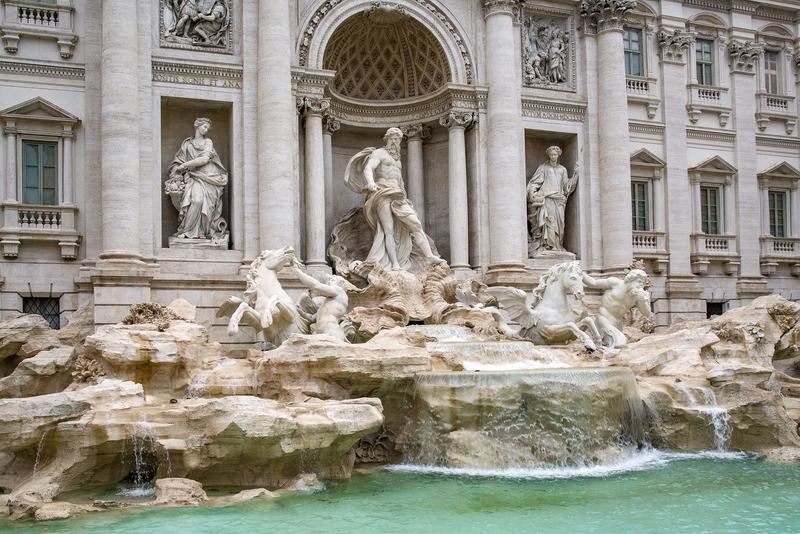
Trevi Fountain Rome Italy

WHY VISIT ROME

Rome Italy is full of iconic sights but the best way to experience Rome’s La Dolce Vita is to wander and get lost. Rome has 280 fountains, beautiful piazzas, famous stairs, winding cobblestone paths, catacombs, trattorias with red-checkered tablecloths, creamy pasta dishes, and Italian coffee.

WHY VISIT VENICE

Venice is a floating city made up of 120 islands and 450 bridges. The city is a maze of small streets, bridges, and canals all full of timeworn buildings, strings of laundry, and window boxes of flowers. You will have the best experience wandering Venice Italy without a time schedule or agenda, stopping in as many cafes and little bookstores as possible.

WHY VISIT FLORENCE

Florence has it all. Cobblestone streets, shutters adorn worn buildings, insanely beautiful doors, frescoes galore, the Duomo, beautiful gardens, old city walls, Chianti wine, leather markets, famous public art, and, of course, David.
fg7qi
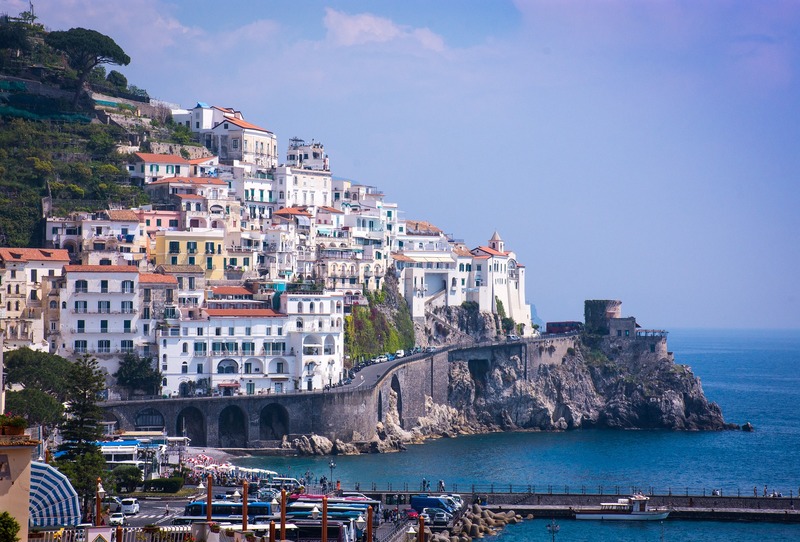
Almafi Coast Italy

WHAT YOU NEED TO KNOW WHEN PLANNING A TRIP TO ITALY

WHERE IS ITALY

Italy is a small country in southern Europe with a population of 60 million. At 116,348 sq mi, the country is shaped similarly to the state of California. Italy is bordered by the Adriatic Sea, Tyrrhenian Sea, Ionian Sea, Mediterranean Sea, France, Switzerland, Austria, and Slovenia. Rome is the capital and largest city in Italy; it is also the fourth most populous country in the European Union. The population of Rome is almost 3 million.

WHAT IS THE LANGUAGE SPOKEN IN ITALY?

The official and most widely spoken language in Italy is Italian. You will also commonly hear French, Greek, German, Sardinian, Albanian, Occitan, Croatian, Slovene, Ladin, Friulian, Catalan, and Franco-Provencal. Even though English is the standard language of tourism in Europe, it is not widely spoken in Italy. About 34% of Italians speak English. There are more English speakers in larger cities and areas of tourism, such as Rome, Florence, and Milan. It is important to at least try to speak the common language before resorting to English. FluentU offers a helpful list of common words and phrases to learn before you travel. You will also find tutorials on YouTube.

DO I NEED A VISA TO VISIT ITALY?

According to Project Visa, US citizens do not need a visa for a visit up to 90 days in a 6 month period.
rnda8
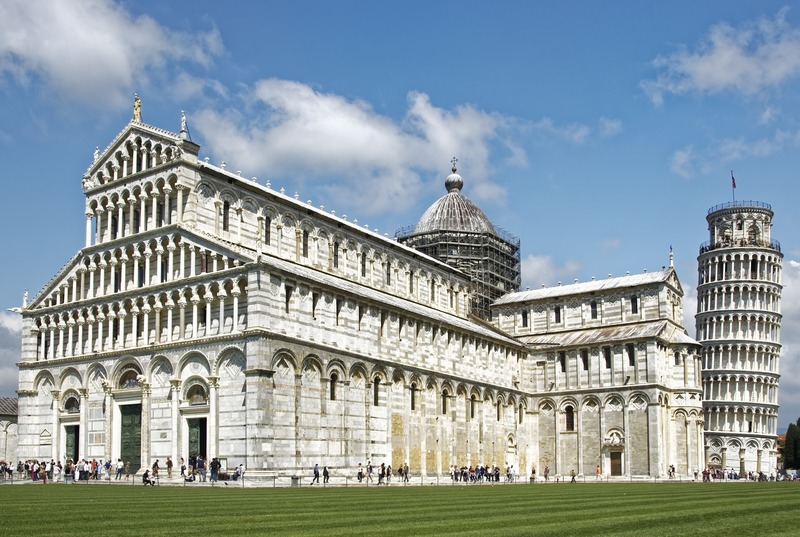
Leaning Tower of Pisa

WHAT IS THE CURRENCY IN ITALY?

The currency in Italy is the Euro. US dollars are not accepted at restaurants, attractions, or stores. Don’t be fooled by ‘0 commission’ money exchangers because the ‘service fee’ is high. Be sure to download a free currency calculator before you arrive.

CAN I USE CREDIT CARDS AND ATMS IN ITALY?

ATMs are available throughout Italy. Avoid large fees by using your bank’s international partner in Italy and google its location before you travel. Visa and Mastercard are widely accepted in Italy, you will need a 4 digit PIN from the bank. American Express and Discover may be accepted. Save money on fees with a credit card that waives foreign transaction fees and make purchases in euro. You will need cash for restrooms and small purchases.

HOW MUCH SHOULD I BUDGET PER DAY IN ITALY?

According to Budget Your Trip, the average daily cost of traveling in Italy is $158. Expect to pay $2,210 + airfare for a one-week trip for 2.

WHEN IS THE BEST TIME TO VISIT ITALY?

The high season in Italy is July through early September, expect high prices, crowds, and temperatures in the 90s. Hotels do have air conditioning, but it is weak. The shoulder season is April to June and mid-September to October. The low season is November 1 to December 14 and December 24 to March 31, crowds are low, and temperatures average 30-40 degrees. Hotels only turn on the heat in the coldest of months. Snow is common in northern cities from December through March. Christmas Markets are held from November to December and Carnevale is held in Venice in February.
av8jv
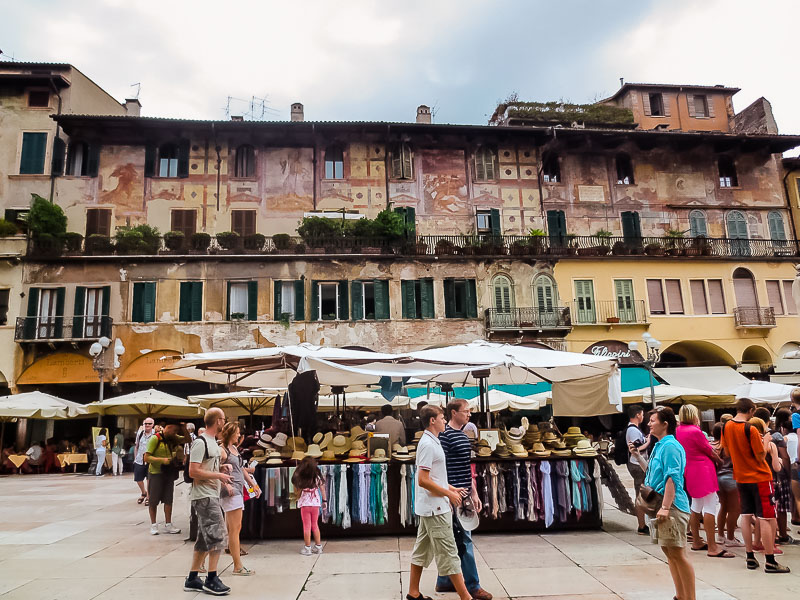
Piazza Delle Erbe Verona Italy

WHAT TYPE OF TRANSPORTATION DOES ITALY USE?

Milan, Rome, and Naples are international airports with direct flights into Italy. The best way to travel through Italy is by Eurostar high-speed train, travel is fast and inexpensive. Trenitalia is the national train service. Get the app and download or screenshot your tickets for the conductor to scan them easily. If you prefer to fly, Ryanair and EasyJet provide discount flight options. Italy is surrounded by water, and ferries are a great way to explore the many islands. Driving in Italy is not the most efficient way to see the country. If you do choose to rent a car you must have an International Driving Permit (IDP). Be sure to read everything you can find about driving in Italy and get the smallest car available. There are rules, but the rules aren’t necessarily followed, and expect a lot of honking. Public transportation in cities is by bus, tram, metro, taxi, and Vaporetto in Venice. Save money with a 24, 48, or 72-hour transportation pass. Taxi drivers are known to overcharge, use the MyTaxi app to avoid this. Uber Black is available in Rome and Milan.

WHAT KIND OF ADAPTOR DO I NEED IN ITALY?

The plugs in Italy are type C, F, and L. The standard voltage is 230 V, and the standard frequency is 50Hz. I recommend buying a universal adapter with surge protection. You will need a converter if you plan to use an electric razor or blow dryer from the US.

WHAT SHOULD I PACK FOR ITALY?

Italians put effort into their appearance and dress well for dinner. The overall clothing style is a conservative, tailored look. As a rule, it is it’s better to overdress than underdress. Bring a nice jacket (no fleece), knee-length shorts and skirts, a scarf to cover the shoulders, and a nice day pack. Women often wear dresses, skirts, and slim-fit pants. Do not show too much skin. Avoid flip-flops, white tennis shoes, tourist shirts, bright colors, white pants, and fanny packs in Italy. Wear shoes with cushioned soles for walking on cobbled streets. Do not use brightly colored umbrellas, tour guides use them to lead their groups.

IS ITALY A SAFE COUNTRY FOR SOLO TRAVELERS?

According to Travel Safe Abroad, the overall risk of travel in Italy is low. There is a high risk of scams and pickpockets and a medium risk of a terrorist attack. Stay aware of your surroundings, keep your belongings in front of you, do not sign a petition or take anything handed to you, and hold your bag a little tighter if someone bumps into you. Dial 112 in an emergency. Contact the US Embassy for non-urgent emergencies, such as a lost passport.

WHAT FOOD DO I NEED TO TRY IN ITALY?

Pizza, lasagna, eggplant parmesan, bistecca fiorentina (T-Bone steak in Florence), risotto (creamy rice), ravioli, agnolotti, tortellini, carbonara (spaghetti, eggs, Parmigiano cheese, bacon), Ragù alla bolognese (spagehetti with meat sauce), pesto, gnocchi (Italian dumplings), focaccia (flat bread), porchetta (pork roast sandwich), minestrone soup, caprese salad, prosciutto di parma, bruschetta, suppli (fried rice balls with mozerella and tomatato paste), gelato, tiramisu, cannoli, espresso, limoncello, amaretto, and prosecco (sparkling wine).
s4hf8
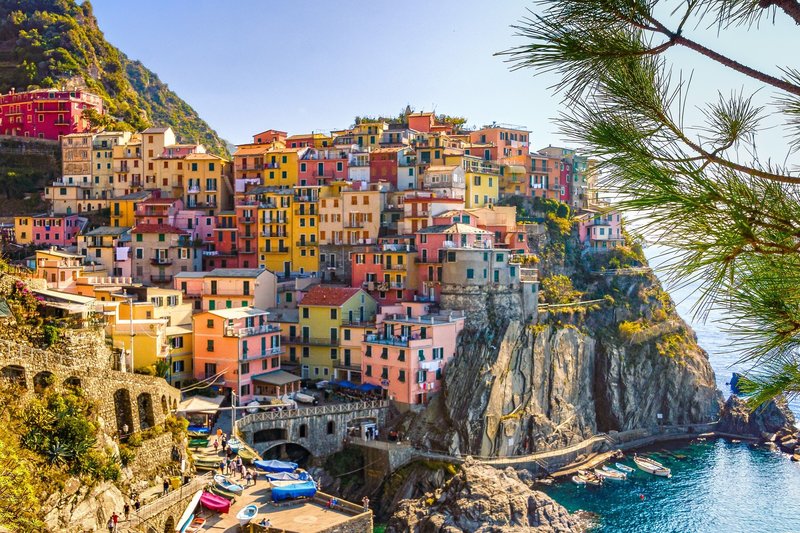
Cinque Terre Italy

TIPS FOR TRAVELING IN ITALY

Italian law requires you to keep your ID on you at all times.

Italians are known to be loud and speak with their hands, but it doesn’t mean they are angry.

No one in Italy is in a rush. They greet each other with a kiss on each cheek and spend time chatting.

Restrooms cost .5-1 euro. Squat toilets exist, carry a pack of Kleenex and hand sanitizer with you. Use the restroom at restaurants and attractions before you leave.

Meals are served at standardized times: lunch is 12-3, aperitivo 5-7, and dinner 7:30-9. Breakfast is coffee and a croissant standing at a bar.

When eating at a restaurant, expect a cover charge of 1-2 euros per person (for the bread on the table) and a service charge of 10-20%. Tipping is not necessary.

Do not ask for tap water at a restaurant. Water is not free; you must state “acqua naturale” for flat water (“acqua gassata” is carbonated).

Italians eat long meals, and you must ask for the check. If you are in a hurry grab something from a street vendor.

There is no pepperoni pizza in Italy.

It is considered insulting to ask for substitutions at a restaurant, don’t do it.

In general, avoid restaurants that display a menu in English outside, the quality is often poor and inauthentic.

Ask for the house wine (vino della casa), it is less expensive and really good.

It is common for tourists to be charged more for things than locals. Don’t let it bother you.

Cappuccino is only served at breakfast, after 10 am order caffè (espresso).

Don’t expect to find a paper cup of coffee to go, Italians drink a shot of espresso at the bar and move on.

If you decide to sit down to drink your espresso, you will pay up to 3 times more.

It is legal to drink in the streets, get a glass of wine to go, and head outside to people watch.

The drinking water in town squares is safe, refill your water bottle and save money.

Many businesses are closed on Sunday and close early on Saturday.

Many Italians take a riposino (siesta) from 1-3 pm.

Always purchase attraction tickets ahead of time, you will still wait in line but not 2 lines. Purchase VIP access to skip all lines.

Museums are often closed on Monday, schedule accordingly.

There are no laws prohibiting smoking in public places.

Some room keys are large and heavy, it is common to drop them at the reception desk as you leave for the day.

You will be charged a tourist tax to be paid in cash at the hotel.

Air conditioning isn’t standard and Italy is hot in the summer, double-check the hotel has it.

Do not expect elevators in hotels, pack light.

Buy and validate transportation tickets. Authorities do sweeps and demand cash payment for fines if caught (expect 50 euros).

It is illegal to buy fake designer bags from peddlers.

Don’t expect cars to stop for you when crossing the street, be very cautious.

Italians don’t form lines and will jump in front of you if you are not paying attention.

You need bug spray, mosquitoes are everywhere.

Finding your way around the maze that is Venice is difficult, download an offline map.

Women must cover their shoulders and legs at religious sites.

Gondola rides in Venice are expensive, it is possible to haggle with the gondoliers to get the price down.
90ohj
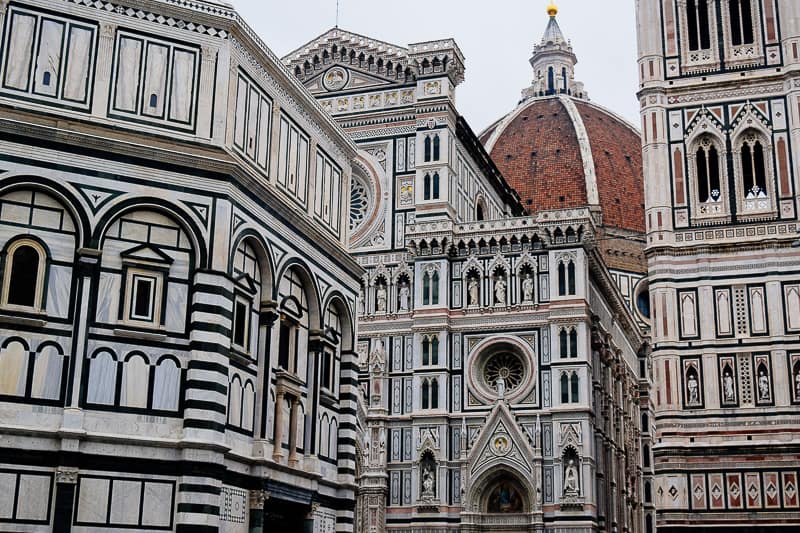
Santa Maria del Fiore Florence Italy

TOP THINGS TO SEE AND DO IN ITALY

Visit the Vatican Museums and Saint Mark’s Basilica.

Tour the Colosseum in Rome and toss a coin in the Trevi Fountain.

Attend Venice Carnival and ride a gondola.

Take a wine tasting tour through the Chianti Wine Route.

Visit the fairytale castles in Tuscany.

Spend a day in the hot springs of Bagni di San Filippo.

See the statue of David in Florence.

Climb the Leaning Tower of Pisa.

View Da Vinci’s The Last Supper in Milan.

Stand on Juliet’s balcony in Verona Italy, the setting of Romeo and Juliet.

Cruise the Amalfi Coast.

Check out the Blue Grotto in Capri.

Take a pizza-making class in Naples.

Take a day trip to the Cinque Terre villages.

Relax in Bellagio on Lake Como.

Explore the ruins of the ancient city of Pompeii.

Relax on the white sand beaches of Sardinia.

Hike the Dolomites.

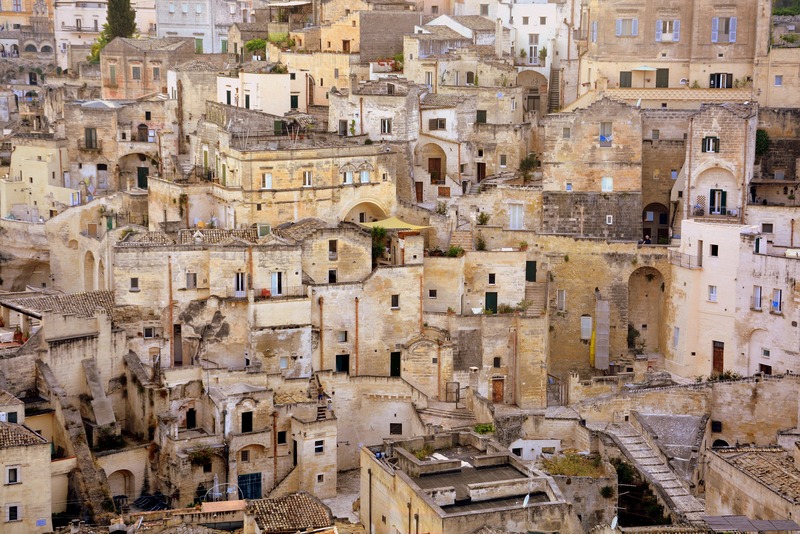
Spend the night in a cave hotel in Matera.

Be sure to check the Italy Office of Tourism website for upcoming festivals, special events, and what’s happening during your stay.
yc6tk
Matera Italy

INTERESTING FACTS ABOUT ITALY

Family is important in Italian culture and over 70% of young people live with their parents.

Italian women do 21 hours more per week of household tasks than men.

The University of Bologna is one of the oldest universities in the world, more than 98% of Italians can read and write.

Over 30% of Italians don’t use the Internet.

Italy has three active volcanoes: Vesuvius near Naples, Etna on Sicily, and Stromboli off the coast of Italy.

During the Second World War, Italy sided with Nazi Germany.

There are more than 200 different shapes of pasta and Italians eat spaghetti only with a fork.

There are over 2,500 traditional cheeses in Italy including Gorgonzola, Parmigiano-Reggiano, Mozzarella, Provolone, and Ricotta.

Rome was founded in 753 BCE and is one of the oldest cities in the world.

One-fifth of Italy is covered in hills and mountains, Mont Blanc is the highest mountain in Europe.

There are 450 islands and over 1500 lakes in Italy.

Italy has the most UNESCO sites in the world.

Vatican City is the smallest country in the world.

Around 90% of the population is Roman Catholic and 500,000 Italians visit an exorcist every year.

Tourists throw €1,000,000 into the Trevi Fountain each year.

There are over 900 churches in Rome and over 300,000 feral cats.

Venice is comprised of 118 islands, over 150 canals, and 400 footbridges.

Italy is the world’s largest wine producer and there is a free wine fountain in Caldari di Ortona.

Italians consume 14 billion espressos and 25kg of pasta per year.

The story of Pinocchio originated in Tuscany in the 19th century.

13 of Shakespeare’s 38 plays are set in Italy.

Rafael, Leonardo Da Vinci, Michelangelo, Donatello, Caravaggio, Titian, Botticelli, and Bellini are all famous Italian artists.

Florence is considered the birthplace of the Renaissance.

Christopher Columbus and Marco Polo were Italian.

Ferrari, Barilla, Gucci, Prada, Armani, Versace, Lamborghini, Fiat, Ducati, and Nutella are all famous Italian brands.

The thermometer, batteries, eyeglasses, jacuzzi, pizza, ballet, and sonnets were invented in Italy.

Italians are superstitious; the number 13 is lucky and 17 is unlucky.

The Mafia still exists in Italy and is estimated to make up 7% of the country’s GDP.[……]
Read more

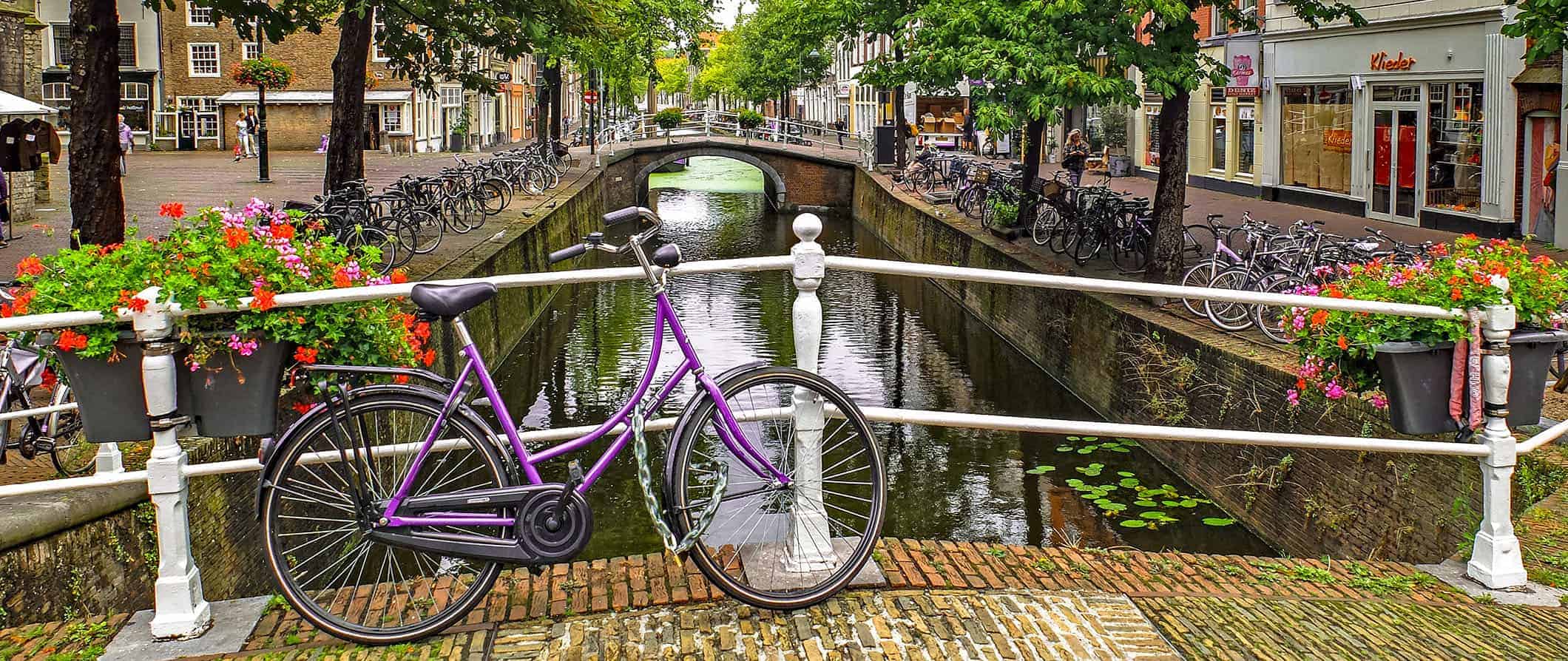
THE NETHERLANDS TRAVEL GUIDE

lqzvr
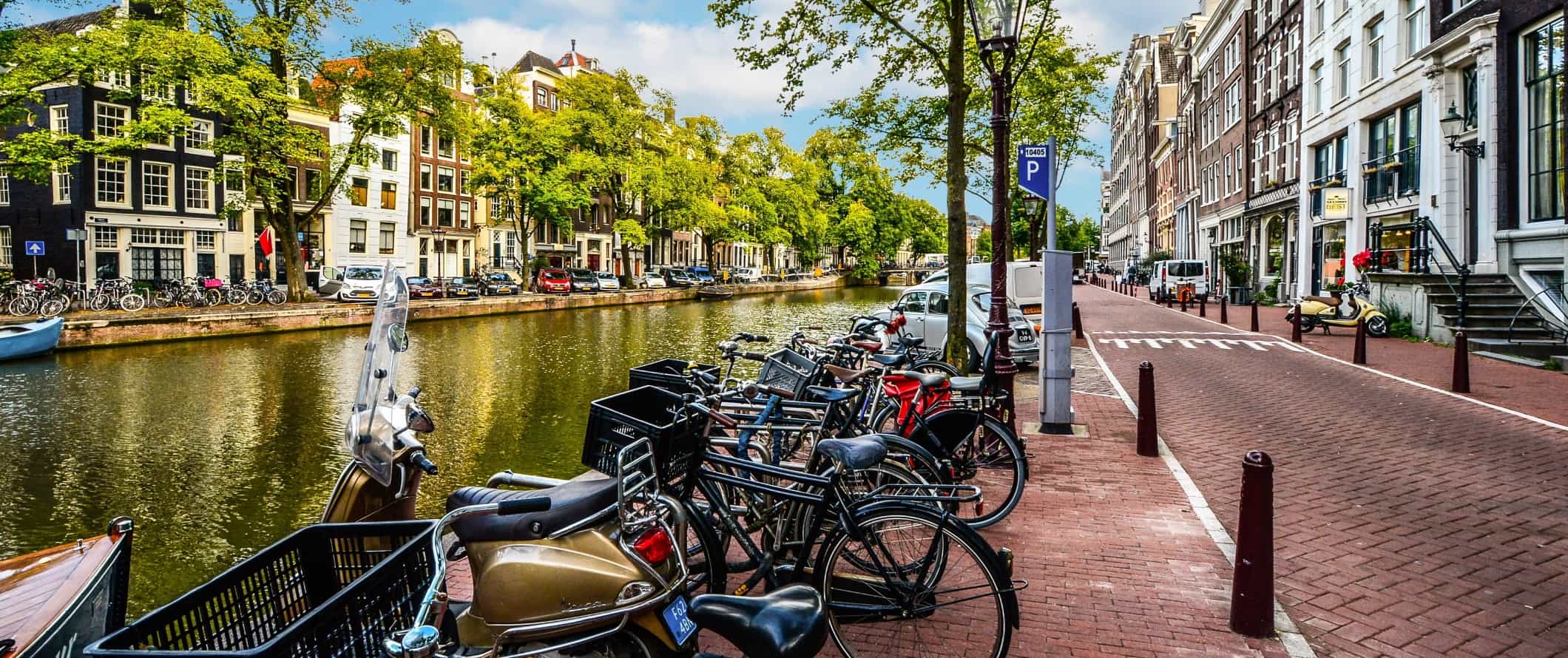
When most people think of traveling in the Netherlands, they think of Amsterdam, with its semi-sleazy Red Light District, charming canals, historic windmills, and laid-back “coffee” shops where you can smoke pot.

But there is much more to the country than its largest city.

The Netherlands is a country filled with centuries-old brick homes, an interconnected system of canals (you can travel most of the country via the water), expansive farmland, and even some really nice beaches. It’s one of my favorite countries in the world. The people are wonderful, there are tons of small towns to explore, and its small size means it’s easy to visit in a short time.

Most travelers come here just to see Amsterdam for a few days before moving on.

Don’t do that.

Spend time exploring outside of Amsterdam and you can discover the country that keeps me coming back every year.

Whether you are backpacking or just traveling on a budget, this Netherlands travel guide can help you plan your trip, save money, and ensure you make the most out of your time here.

Top 5 Things to See and Do in the Netherlands

jhu50
1. Visit Amsterdam

The capital and center of tourism in the country, Amsterdam is as beautiful as it is crazy. There are famous canals, beautiful and historic houses, tons of parks, a foodie scene, art, coffee shops, and, of course, the infamous Red Light District and its wild nightlife. It’s perfect for exploring by bike and it’s every museum lover’s dream, with exhibitions on everything from Anne Frank to van Gough. Take a free walking tour to really get a feel for the city.

2. Explore Rotterdam

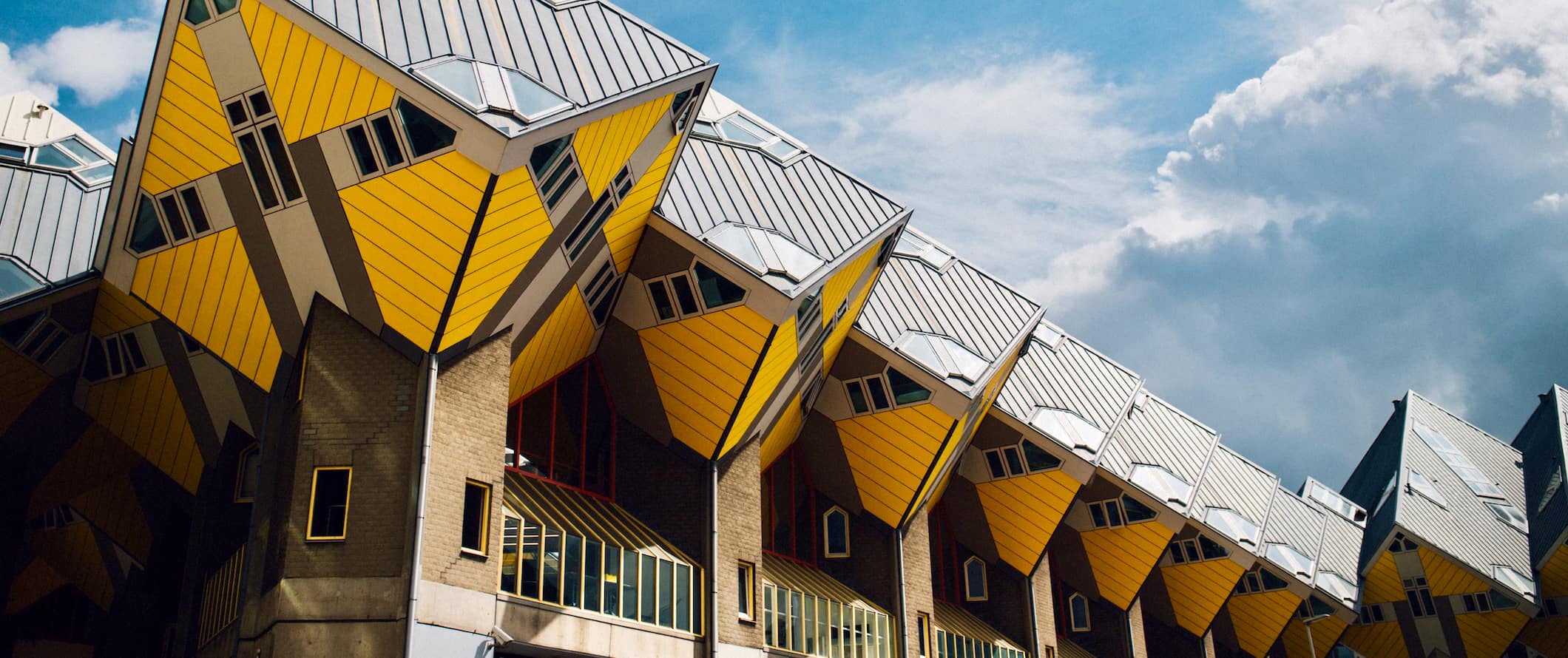
Rotterdam is one of the busiest shipping ports in the world. It may not get the attention Amsterdam does, but this city is a great place to visit if you want good parks and modern architecture (most of the old buildings were bombed in World War II) — including some futuristic cube houses. The port has an interesting harbor to explore (you can learn more about it in the attached Futureworld) and a few decent museums. It’s an often-overlooked city that’s worth a few days of exploring.

3. Take a canal tour

Whether in Amsterdam or in another city, make sure you take a canal tour to see the canals that made the country famous. The canals are such an integral part of life that you can’t really understand the country until you spend time boating on the canals. You can take a tour with a large company (there are tons of different canal tours on offer including a pizza cruise, cruises with wine and cheese, and booze cruises with unlimited drinks) but if you can, I suggest you rent your own boat which is much more affordable (prices start at 50 EUR) and gives you a more intimate experience.

4. Tour Leiden

Head to this small town and see where the Pilgrims lived before they left for America. It’s a historic city and filled with beautiful 17th-century buildings and landscaped parks. There are over a dozen museums in this small city, including the Museum of Antiquities and the National Museum of Ethnology. It also boasts in one of the Netherlands’ largest flower-growing areas. Go in May to catch the best of the tulip season.

5. Wander The Hague

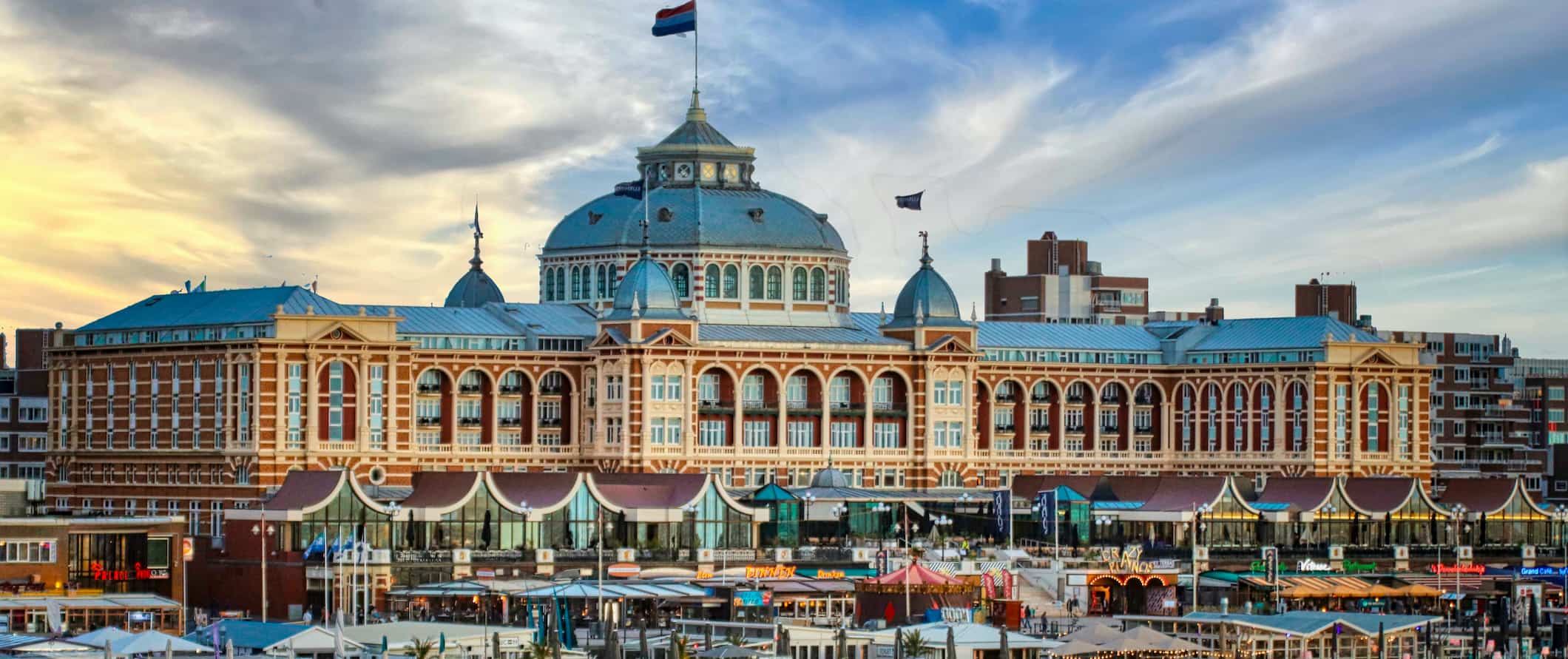
The Hague is a cosmopolitan city and home to the International Criminal Court. You can see some of the royal palaces here as well as some beautiful historic buildings dating back to the 13th and 14th centuries. There are also some good museums (including the Museum de Gevangenpoort and the Kunstmuseum Den Haag), but since The Hague is located on the coast, when the weather is nice you can also just lounge on the beach.

Other Things to See and Do in the Netherlands1. Day trip to historic Haarlem

Haarlem, located just outside Amsterdam, was a cultural and economic hub during the Dutch Golden Age (1588-1672). Wander the city and take in the historic homes of the merchant class who brought the city to prominence. There’s not a ton to do here but the town center has a good market, a towering Gothic church, and it’s a low-key alternative to the hustle and bustle of Amsterdam. It makes a nice escape for an afternoon.

2. Celebrate King’s Day (Koningsdag)

Every year on April 27th (April 26th if the 27th is a Sunday), the Dutch celebrate the birthday of their King, Willem-Alexander for Koningsdag. For 33 years, they celebrated Queen Beatrix on April 30th as part of Queen’s Day, however, in 2013 she passed the throne to her son so the holiday changed dates, and Queen’s Day became King’s Day. It’s a national holiday filled with outdoor concerts, lots of orange (the national color), plenty of drinking, and insane celebrations on the canals. It is one of the wildest national holidays I’ve ever celebrated.

3. Visit Edam

Edam is a popular cheese from the Netherlands. It’s also a town just 21 kilometers (13 miles) north of Amsterdam. Edam is a picture-perfect Dutch town with iconic windmills, rolling farmland, and quaint houses. It’s one of the most quintessential Dutch towns. You can explore the 18th-century cheese warehouses, go on a boat tour, or just come here to eat cheese and be as Dutch as possible!

4. Head to the Keukenhof

The Keukenhof is the largest flower garden in the world, boasting 79 acres of spectacular floral displays. Located between Amsterdam and The Hague, the garden is open between March and May of each year when the tulips are in season. More than 7 million bulbs are planted annually and the garden has around 800 different types of tulips. When you picture Holland, you picture flowers and there is no better place to see them than here! Admission is 19 EUR.

5. Bike through Hoge Veluwe National Park

Hoge Veluwe National Park is the largest national reserve in the Netherlands. Covering some 55 square kilometers (21 square miles), the park is composed of sand dunes and woodlands and is home to deer, wild sheep, foxes, badgers, boars, and more. You can rent bicycles to explore for 5 EUR. Don’t miss the Kröller-Müller Museum while you’re here. It has works by artists like van Gogh, Picasso, Rodin, and other masters. Admission to the park is 12.30 EUR.

6. Relax in Maastricht

One of the southernmost towns in the Netherlands, this city is famous for having the country’s only “mountain.” At 322 meters high (1,056 feet), Vaalserberg is really more of a hill and doesn’t take long to climb. But this often-overlooked city is a great place to experience Dutch life away from the hordes of tourists who frequent Amsterdam.

7. Go cycling

As one of the most popular activities throughout the country, you would almost feel out of place not on a bike. The Netherlands is covered by over 20,000 kilometers (12,400 miles) of paths dedicated to two-wheeled transportation. Hoge Veluwe National Park is a particularly beautiful place to ride, but the entire landscape of the country is quite scenic as well. Other popular places to cycle are the Dunes of Texel National Park, Kinderdijk (to see the windmills), and Lauwersmeer National Park. Bike rentals cost around 10-12 EUR per day.

8. Tour Delft

This is a fascinating little town, making it the perfect destination for a day trip. The town is known for its blue pottery (Delftware), but has a handful of other worthwhile sights to see too, including a Gothic church in the old town with a leaning tower (the foundation developed problems during construction); the Oostpoort, a city gate from 1400 that remains from the original city wall; and the stout City Hall building, part of which dates to the 17th century. The town lies just 20 minutes from The Hague and Rotterdam so you can visit as a day trip from either.

9. Admire van Gogh’s work

Open since 1973, this museum in Amsterdam is host to over 500 original works by Vincent van Gogh, in addition to works by some of his contemporaries and friends. The exhibits chronicle his life, showing the progress and development of his work, alongside Gaugain, Monet, and Toulouse-Lautrec. Van Gogh didn’t earn fame in his lifetime and was actually constantly struggling with poverty, making his accomplishments all the more impressive and inspiring. Admission is 20 EUR. Note: Pre-book tickets online to avoid massive queues when you arrive.

10. Visit “Venice of the North”

Slow-paced Giethoorn, located east of Amsterdam, is a charming place with lots of picturesque canals. With no cars allowed in the city center, this peaceful town is a good change of pace from the busyness of the Netherlands’ larger cities. Rent a small boat and spend the day floating by charming cottages and enjoying the slower pace of life.

11. Learn about the Netherlands’ past

Opened in 1912, the Netherlands Open Air Museum is a sprawling 100-acre space that highlights what life was like in historic Netherlands. You can see traditional cabins and houses, learn about trades and crafts, and discover more about the country’s history from the Middle Ages to the present. The museum is located in Arnhem and is a great place to visit with kids. Admission is 19.50 EUR.

12. Have fun at an amusement park

Efteling, in Kaatsheuvel, is one of the oldest theme parks in the world (it opened in 1952) and is the Netherlands’ biggest amusement park. It has all the usual theme park attractions like rollercoasters, games, and performances and is open year-round (each season has different features like fairy lights and bonfires in the winter, and tulips and Dutch terraces in the spring). Admission costs 38 EUR (prices vary by day and season). You need a reservation as well as a ticket.

The Netherlands Travel Costs

uzwb0
Accommodation – Hostels typically cost between 15-35 EUR per night for a bed in a dorm with 6-8 beds. The most popular hostels in Amsterdam can be closer to 50 EUR in the summer so avoid visiting in peak season if you’re on a budget (and book early if you do). Private rooms in hostels cost at least 65 EUR per night for a room that sleeps two (closer to 115 EUR in Amsterdam). Free Wi-Fi is standard, and many hostels also have self-catering facilities. In some cities, the hostels close in winter.

Camping is available around the country, with campgrounds costing around 10-15 EUR per night for a basic plot without electricity.

Budget hotels with basic amenities such as free Wi-Fi, TV, and AC cost around 55-85 EUR per night. Expect to pay 10-20 EUR more in Amsterdam and The Hague.

Airbnb is also an option, with private rooms averaging around 50 EUR per night (it’s more like 80 EUR in Amsterdam) and entire homes (including studio apartments) averaging around 100 EUR per night (but again, much higher in Amsterdam). Book early or prices can double.

Food – The Netherlands isn’t famous for its food, but there’s still good stuff to be had. Dutch cuisine typically involves lots of vegetables, bread, and cheeses (gouda originated here). Meat, while historically not as prominent, is a staple of dinner meals. Breakfast and lunch usually involve open-faced sandwiches, often with cheeses and cold cuts. Dinners are very much a “meat and potatoes” meal, with meat stews and smoked sausage being two popular choices. For those with a sweet tooth, the stroopwafel (a waffle cookie with a syrup filling) is the go-to choice, though apple tarts/pies are also local favorites.

Other things to try include poffertjes (fluffy mini-pancakes served with powdered sugar), gouda and edam cheeses, and patat (thick-cut fries with toppings).

Cheap meals at fast food joints or places like Maoz or Walk to Wok cost around 10-15 EUR. Casual restaurant meals average around 15-20 EUR for a main dish while a three-course meal at a mid-range restaurant costs around 30-35 EUR.

Chinese food costs between 10-15 EUR while a large pizza costs around the same. Beer costs 5 EUR while a latte/cappuccino is 3 EUR. Bottled water is around 2 EUR.

If you cook your meals, expect to pay around 40-65 EUR per week for groceries. This gets you basic staples like pasta, seasonal vegetables, rice, and some meat.

Backpacking the Netherlands Suggested BudgetsIf you’re backpacking the Netherlands, expect to spend around 65 EUR per day. This is a suggested budget assuming you’re staying in a hostel, cooking most of your meals, using local transportation to get around, and doing mostly free activities like walking tours and lounging in the parks.

On a mid-range budget of about 160 EUR, you can stay in a private hostel room or Airbnb, enjoy some fast food and other cheap eats, have a few drinks, take the occasional taxi to get around or rent a bike, and do more paid activities like guided tours and museum visits.

On a “luxury” budget of 280 EUR or more per day, you can stay in a hotel, eat out anywhere you want, drink more, rent a car to explore, and do as many paid tours and activities as you want. This is just the ground floor for luxury though. The sky is the limit!

You can use the chart below to get some idea of how much you need to budget daily, depending on your travel style. Keep in mind these are daily averages – some days you spend more, some days you spend less (you might spend less every day). We just want to give you a general idea of how to make your budget. Prices are in EUR.

The Netherlands Travel Guide: Money-Saving TipsWhile not the most expensive country in Europe, the Netherlands isn’t super cheap either. Here are some ways to help save money in the Netherlands so you don’t blow your budget:

Limit your partying – Many people go to Amsterdam to party — and to smoke pot. While the city is cracking down on this, it’s still an unnecessary expense that can add up quickly. Limit your smoking (and limit your expenses in the coffee shops; you don’t need to buy something in every shop).

Get the Museumkaart (Museum Card) – Good for one month for non-residents, this card gets you into several museums for only 64.90 EUR. You get access to 400 museums throughout the Netherlands and it’s good for repeat visits as well! If you’re visiting multiple cities in the country, this is a must! Compare the price to the museums you want to visit to see if it’s worth it for you.

Bike everywhere – Biking is the cheapest form of transportation. You can rent a bike for only a few euros a day. While most Dutch cities are easily walkable, cycling is what the locals do. It’s the most bike-friendly country in the world so don’t pass up the chance to explore on two wheels. Prices average around 10-15 EUR per day but can be as low as 5 EUR.

Attend a free festival – During the summer, everyone goes outside. Check local tourism boards for a list of free concerts, festivals, shows, and markets. Once the weather gets warm, the social calendar fills up!

Stay with a local – Couchsurfing is a service that lets travelers stay with locals for free. It’s a fun cultural exchange platform that not only saves you money but connects you with a local who can share their insider tips. Since a lot of travelers use this service, make your requests for hosts early (especially in Amsterdam).

Cook your own food – Dutch food isn’t going to win any culinary awards (sorry, my Dutch friends) so skip the restaurants and cook your own food. It saves you a ton!

Bring a water bottle – The tap water here is safe to drink so bring a reusable water bottle to save money and reduce your plastic use. LifeStraw is my go-to brand as their bottles have built-in filters to ensure your water is always clean and safe.

How to Get Around the Netherlands

2o8mx
Public transportation – It’s easy to use public transportation to get around the Netherlands’ cities. One-way fares in major cities start at 4 EUR. All public transportation uses an OV-chipkaart, which you can load with money. You can also get a day travel pass (starting cost is 7-9.50 EUR).

Bus – Buses are an affordable way to get around the Netherlands, but they aren’t as fast or efficient as the train. Flixbus is the cheapest bus operator. A trip from Amsterdam to Rotterdam costs as little as 3 EUR and takes just over 1 hour, while Amsterdam to The Hague can be done for the same cost and takes 40-50 minutes.

Train – The Netherlands is so small that all major tourist destinations in the country are within a 2.5-hour train journey from Amsterdam. The national rail system is Nederlandse Spoorwegen and their service is clean and efficient. Train travel in the Netherlands is a thing of beauty!

You can use the official rail site to look up itineraries and ticket prices. Intercity train tickets around Holland are cheap and cost between 10-20 EUR, though for super short distances, they can be as little as 5 EUR. Amsterdam to Rotterdam is 11 EUR and takes 40 minutes while Amsterdam to The Hague is also 11 EUR and takes 50 minutes.

The national rail service also has special tour programs for travelers. This gives you unlimited travel throughout a period of consecutive days (such as 3-8 days of unlimited travel in a 30-day period). There’s also the Benelux Pass, which gives you access to public transportation like trams and buses for a certain number of days. Prices begin around 109 EUR and go up to 206 EUR depending on how many days you want (maximum is 8 days in a month).

To find routes and prices for trains around Europe, use Trainline.

Ridesharing – BlaBlaCar is a ridesharing website that lets you share rides with vetted local drivers by paying a small fee. You simply request a seat, they approve, and off you go! It’s a cheaper and more interesting way to travel than by bus or train and is perfect for medium and long-distance trips.

Bike rental – The Netherlands is one of the best cycling countries in the world and bike rentals here are cheap. You can rent bikes starting for around 10-15 EUR per day (sometimes as little as 5 EUR).

Car Rental – Car rentals can be as low as 25 EUR per day, but the bus and train systems in the Netherlands are so excellent and affordable that you really don’t even need to bother. For the best car rental prices, use Discover Cars.

Hitchhiking – Hitchhiking in the Netherlands is very safe, though it’s not super common. HitchWiki is the best website for hitchhiking tips and info.

When to Go to the NetherlandsThe Netherlands receives the most tourist traffic from mid-April to mid-October, but the real peak season is July and August. However, the weather is never very extreme, and visiting during the off-season or shoulder season is also worth your time. Prices are also a lot more affordable during the off-season, and if you come between mid-April and mid-May you can see the incredible tulip fields in bloom. Just bring a rain jacket.

The average daily summer temperature is around 19°C (67°F), but it can get a lot hotter than that during July and August. The average daily temperature in the winter is 2°C (35°F). Still, coming here during the Christmas season is always a good time as the cities light up with markets and festivities.

Since the Netherlands is located below sea level, you can expect to encounter a few days of fog or rain no matter when you visit. The winters can be damp as well. Be sure to pack a warm layer or two and a waterproof jacket if you’re visiting in the shoulder season or the winter.

How to Stay Safe in the NetherlandsThe Netherlands is an incredibly safe place to backpack and travel – even if you’re traveling solo, and even as a solo female traveler. Violent attacks are rare, as is petty theft.

There are a few common scams around, however, such as people trying to sell you used public transit tickets or stolen bikes. Avoid interacting with them and you’ll be fine.

If you’re worried about other travel scams, you can read about the most common travel scams to avoid right here.

Solo female travelers should generally feel safe here, however, the standard precautions apply (never leave your drink unattended at the bar, never walk home alone intoxicated, etc.).

If you experience an emergency, dial 112 for assistance.

Always trust your gut instinct. If a taxi driver seems shady, stop the cab and get out. If your hotel is seedier than you thought, get out of there. Mak[……]
Read more

13 Awesome Things To Do In Athens, Greece For First-Timers

Athens, Greece’s most populous city, the birthplace of democracy, and home to some of the best well-preserved, and most beautiful ruins in the world have been getting quite a bad rap lately by some travelers who claimed the city is ugly and doesn’t have much to offer for travelers.

After I visited the city myself for about a week last summer, I have to disagree with that statement. Personally, I have no idea what they were talking about as I had a hell of a time in Athens.

The city is awesome! It is a well-lived-in city, which is as authentic as it comes. The city has charming neighborhoods, a ton of awesome viewpoints, and a slew of incredible things to do. I had a great time here and highly recommend you do not skip the city based on the negative reputation you have heard before and check out the city for yourself!

Within this guide, you will find all the information you need to plan a perfect trip to Athens.

1. Explore The Ruins Of The Parthenon

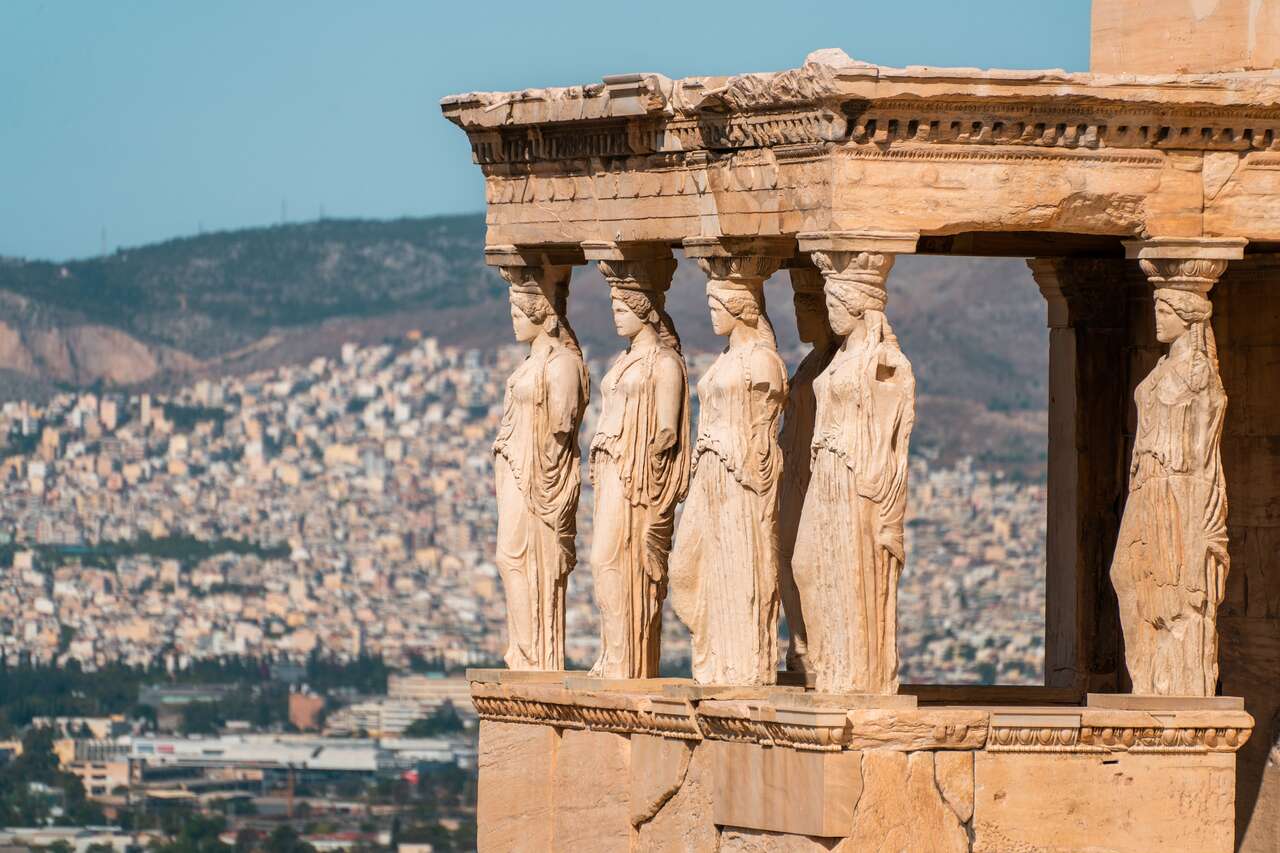
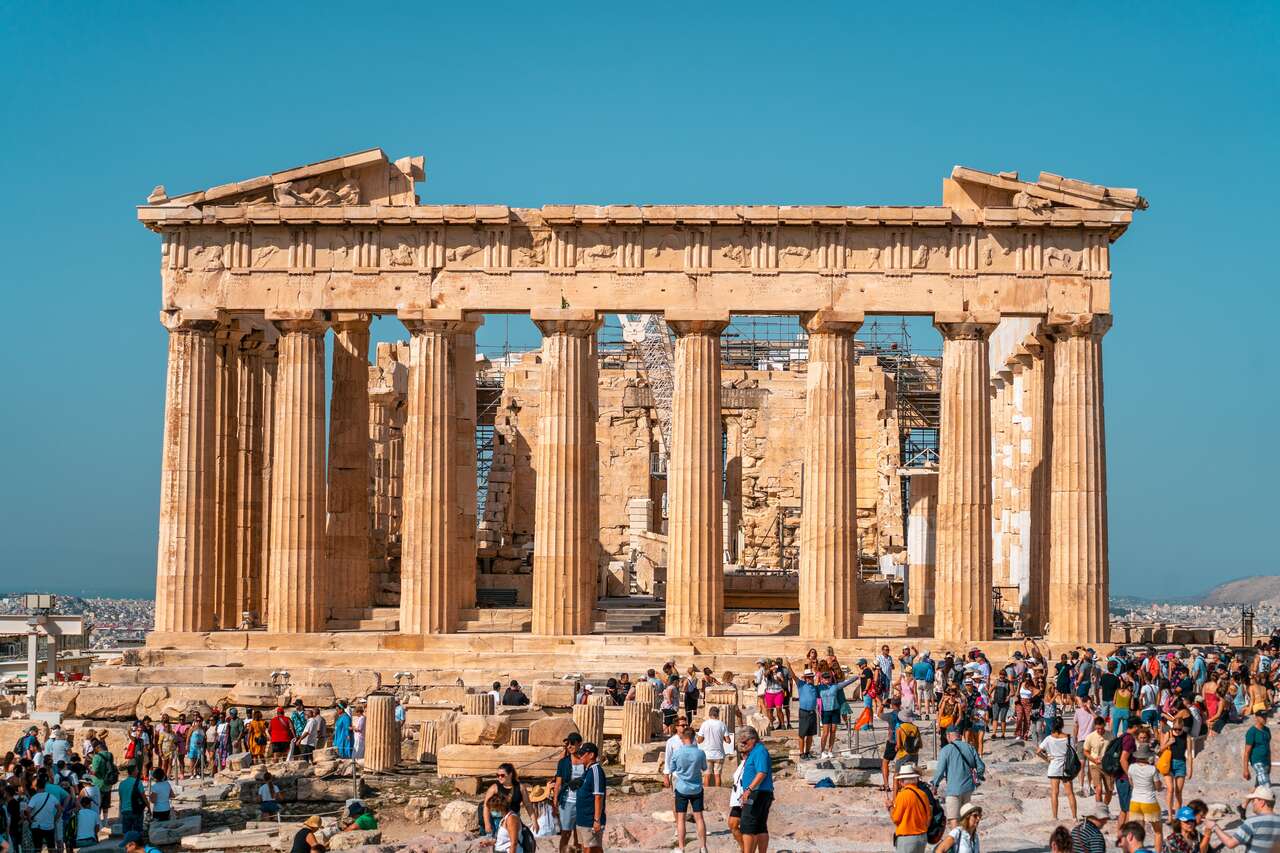
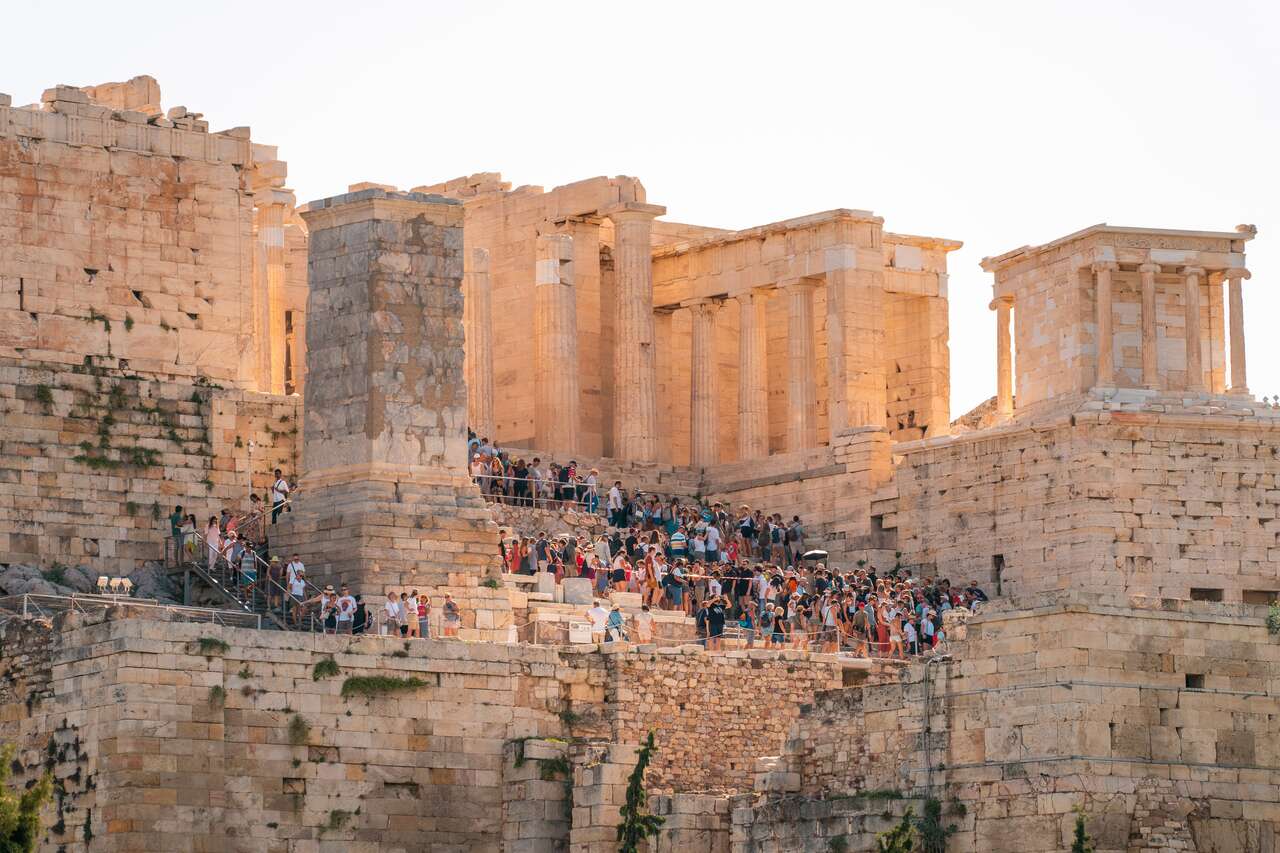
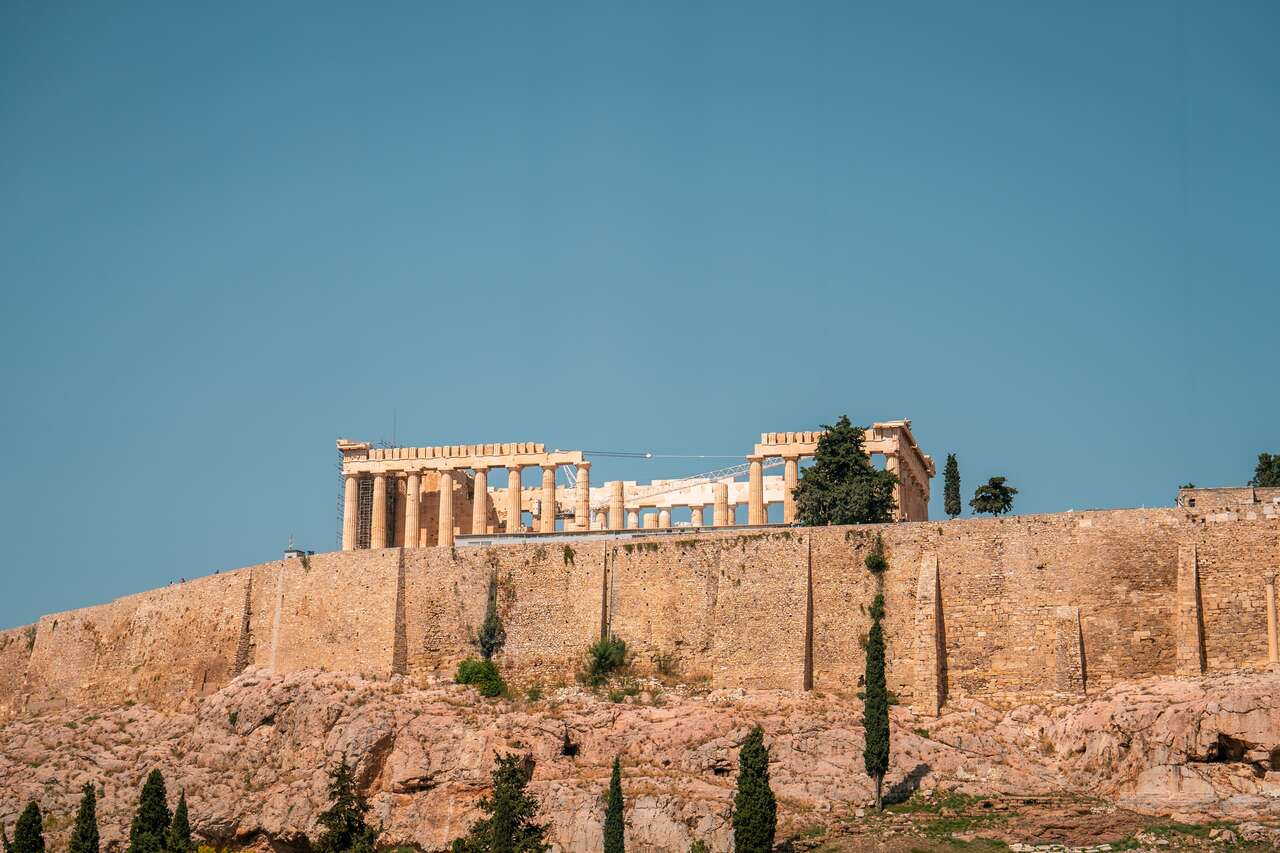
The Parthenon is probably one of the most recognizable landmarks in Greece, if not the world. People travel from all over the world to see this well-preserved Greek ruin that have stood the test of time for more than 2,000 years with their own eyes.

The temple was built in the 5th century BC as a dedication to the Greek goddess Athena Parthenos, who was regarded as the protector of Athens. It was designed by the renowned Greek architects Iktinos and Kallikrates, and its construction took almost 15 years to complete.

m6w3q
The Parthenon was not only a religious center but also a symbol of Athenian power and democracy. It housed a 40-foot-tall statue of Athena made of ivory and gold, which was one of the most impressive works of art in the ancient world. It really goes to show just how incredible the Greek craftsmanship was. They were truly ahead of their times.

Unfortunately, many of the temple’s stunning sculptures were removed and taken to Britain in the 19th Century, many of which still remain inside the British Museum, although some of them have been returned and kept in the Acropolis Museum which we will be visiting later.

1n6mq
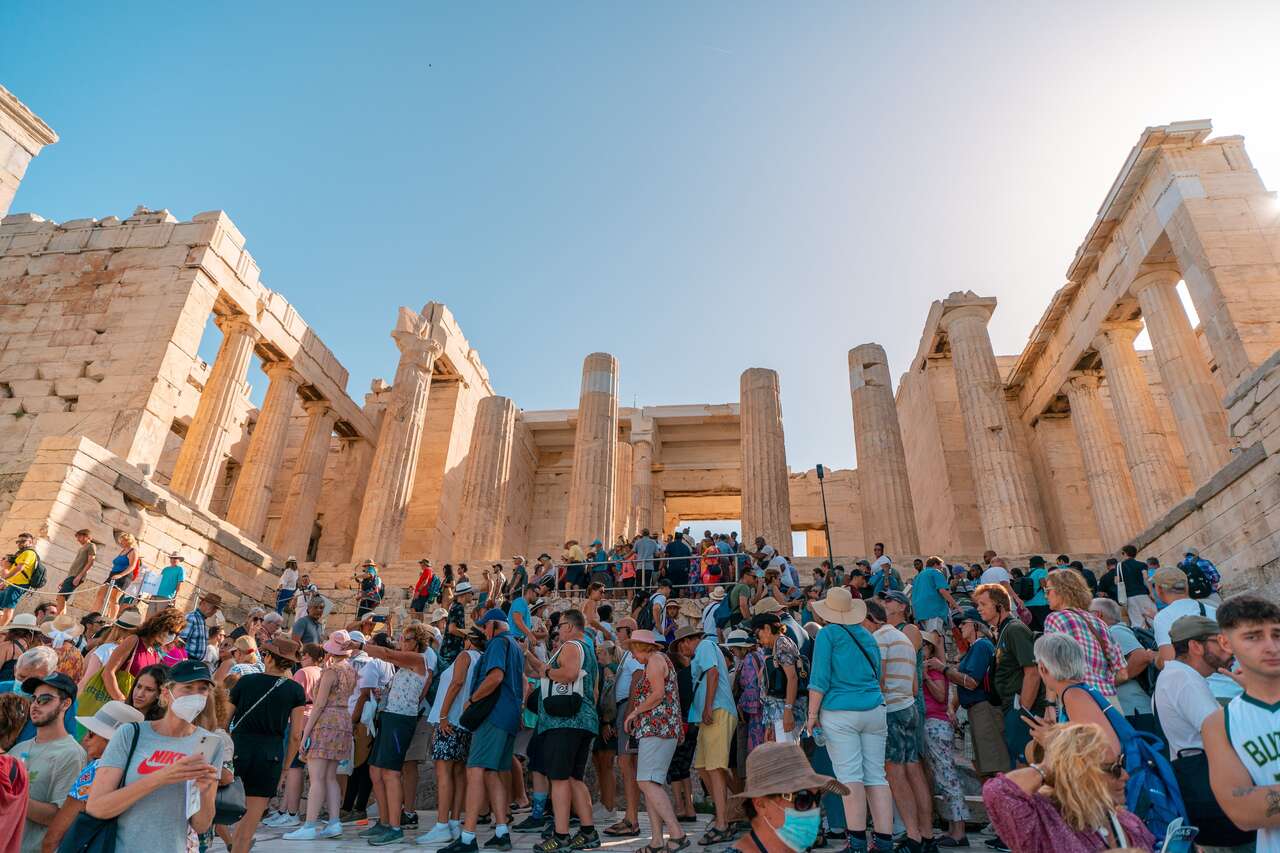
Due to the popularity of the acropolis, expect the place to be overrun by tourists at all times. I went there in the morning and it was incredibly crowded right from the get-go, especially at the staircase leading up to the acropolis.

geseg
Although, the crowd dissipated after passing through the entrance as people fan out around the temple ground so it isn’t as bad as it seems. Also, the crowd control is done quite well here with people continuously flowing through the temple from one entrance which was then funneled through another exit.

You can buy the ticket online from here which will also include tickets to the Acropolis Museum and the Archeological Museum or you can buy it at the entrance of the park right at the entrance on the south slope of the acropolis for around 20 EUR. The Acropolis Hill is open from 8 AM to 8 PM every day. Definitely one of the best things to do in Athens so be sure to check it out.

2. Check Out The Theatre Of Dionysus

hwtvl
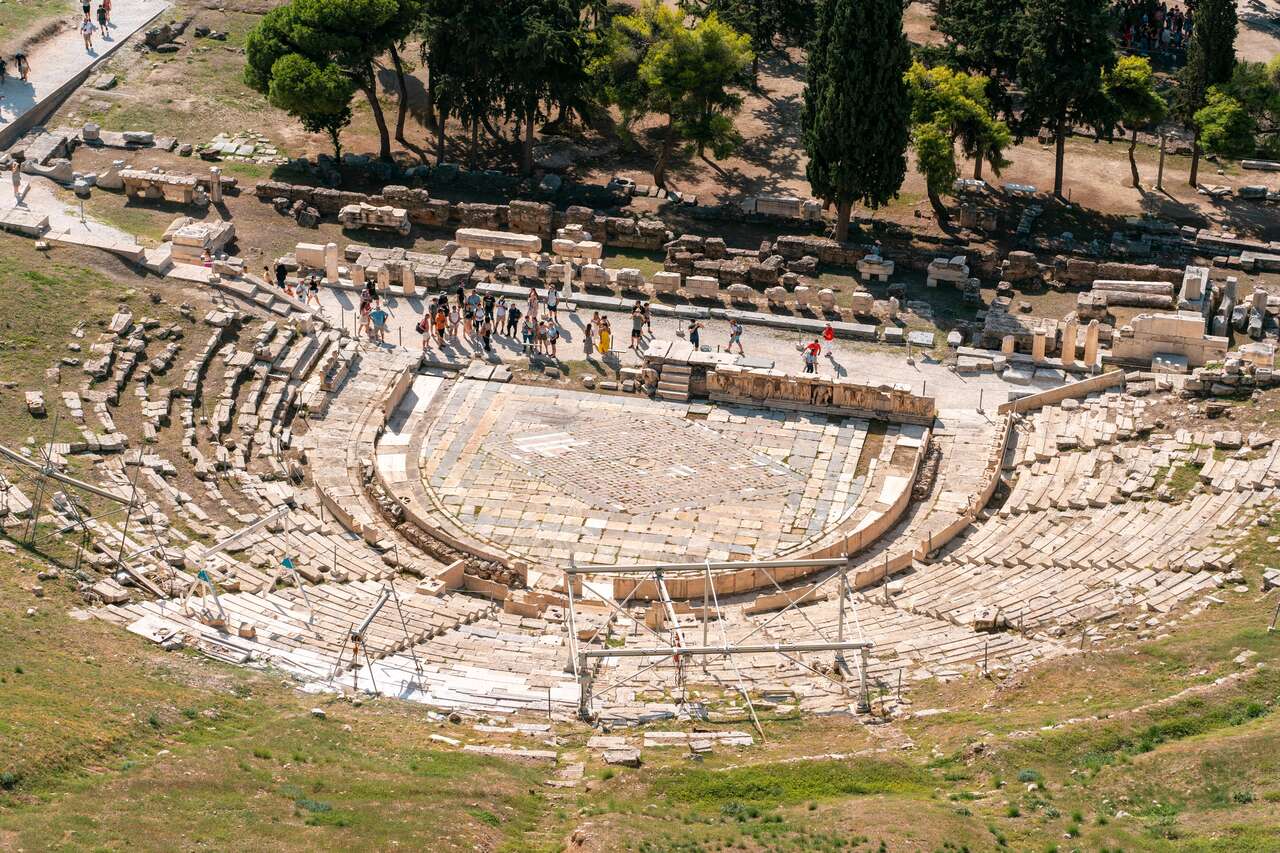
As you enter the Acropolis hill from the south slope, you will also encounter another awesome structure from the Ancient world, the Theatre of Dionysus, an ancient Greek theatre built in the 5th Century BC, named after the Greek god of wine, Dionysus, who was also the patron of the theatre.

This theatre was the birthplace of Greek drama, where famous playwrights such as Aeschylus, Sophocles, and Euripides staged their plays during the classical period of Athens. The theatre could seat up to 17,000 spectators and was considered the largest theatre in Greece at the time.

After Greece was under Roman control, the theatre was reconstructed and transformed into an arena for gladiatorial games before it fell into disuse and was abandoned in Middle Ages. Later on, the ruins were used as a quarry for building materials before it was converted into the archeological site we see today.

Since it is on the way to the Parthenon, be sure not to miss it as you ascend the stairs up to the top of the Acropolis Hill and admire the beauty of the birthplace of Greek drama in person.

3. Admire The Beauty Of Odeon Of Herodes Atticus

qmytm
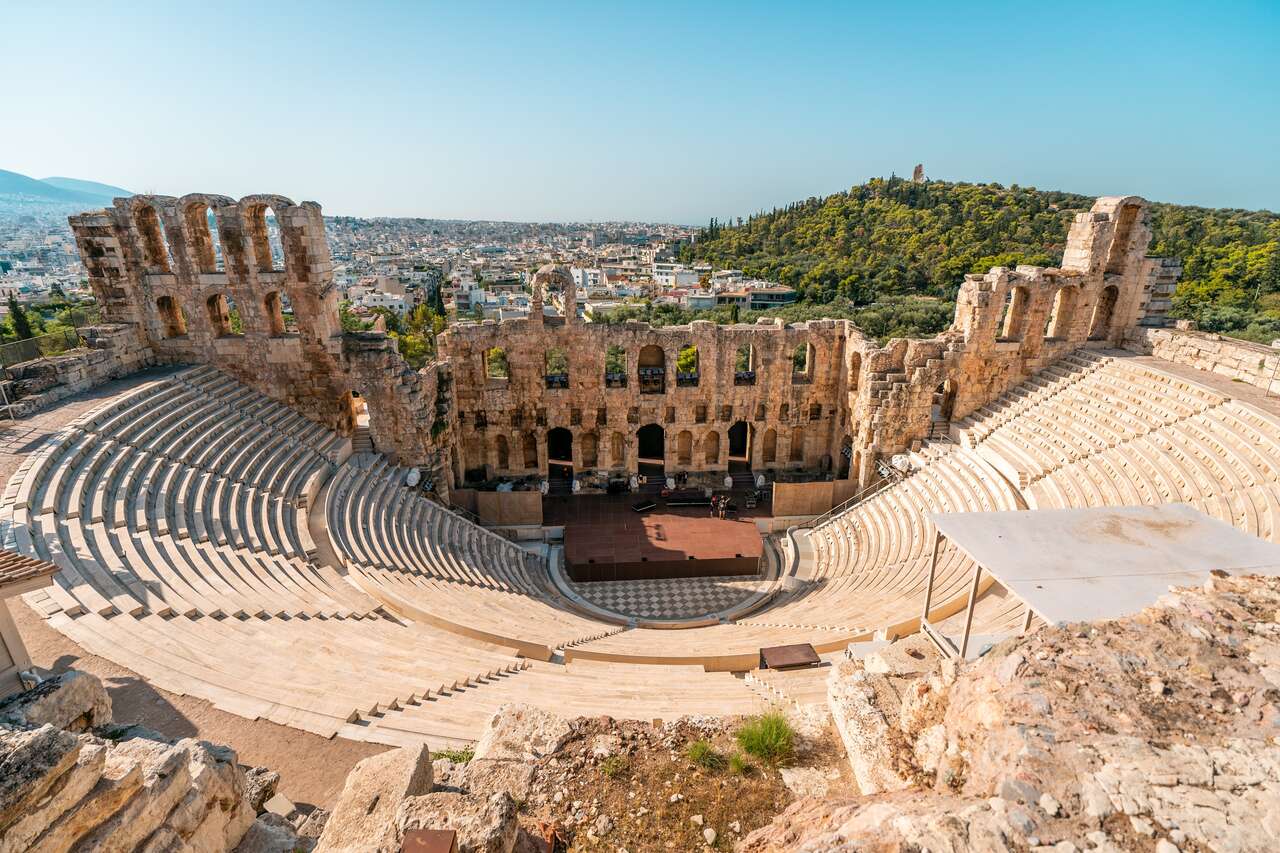
Another impressive structure you should check out while you make your way up to the Parthenon from the southern slope is the Odeon of Herodes Atticus, a historic amphitheater built in the 2nd century AD by the wealthy Roman politician Herodes Atticus.

The Odeon of Herodes Atticus was designed to host musical and theatrical performances and could seat up to 5,000 spectators. It was renowned for its exceptional acoustics, which allowed performers to be heard throughout the entire theatre without the use of microphones or amplifiers.

The place is so extremely well-designed that it remains a prominent cultural landmark and is still in use to this day by the Athenians to host numerous concerts, operas, and other performances. The place is even larger than the Theatre of Dionysus and in a way better well-preserved condition than I expected.

When I was there, they were equipping the theatre and gearing up for another concert so I was unable to get in and see the place up close. At least I was able to see it from above as ascended the Acropolis Hill. When you visit the Parthenon, be sure to check out Odeon of Herodes Atticus before heading up to the top of the Acropolis Hill.

4. See The Parthenon From Areopagus Hill

0k7pr
After you are done with the Parthenon, you will be ushered down the northern slope as you exit the park. Right after the exit, be sure to check out the Areopagus Hill, a prominent rock outcropping named after the Greek god of war, Ares, which offers a nice viewpoint of the Parthenon and the Acropolis Hill from below.

In ancient Greece, the Areopagus Hill was the site of the city’s highest court of law, where cases involving murder and other serious crimes were heard. It was also the site of many significant historical events, including the trial of the philosopher Socrates in 399 BC.

x8pi3
Nowadays, it is a popular viewpoint for tourists to look back at the Parthenon and admire its incredible beauty from below without obstruction so be sure to check out the viewpoint before we move on to explore other parts of Athens.

5. Stroll Around The Roman Forum Of Athens (Roman Agora)

From Areopagus Hill, you should be able to see another set of old ruins down below. These are the ruins of the Roman Forum of Athens (Roman Agora), an ancient public square that can often be found in most cities the Romans have ever ruled.

The Roman Forum was built by the Roman Emperor Julius Caesar and his successor, Augustus, during the 1st century AD, and it was built on top of the site of an earlier Greek agora.

Like most Roman Forums, it was designed as a grand public space for political, commercial, and social activities, and it served as the administrative center of the city during the Roman period. It was surrounded by a series of grand buildings, including a basilica, a temple dedicated to the goddess Roma and Emperor Augustus, and a public latrine.

While here, be sure to check out grand structures like Horologion of Andronikos Cyrrhestes, an ancient octagonal weather station, Hadrian’s Library, an ancient Roman library, and the archeological museum of Stoa of Attalos which holds all the excavated artifacts found at the Roman Forum.

6. Get Lost In Anafiotika

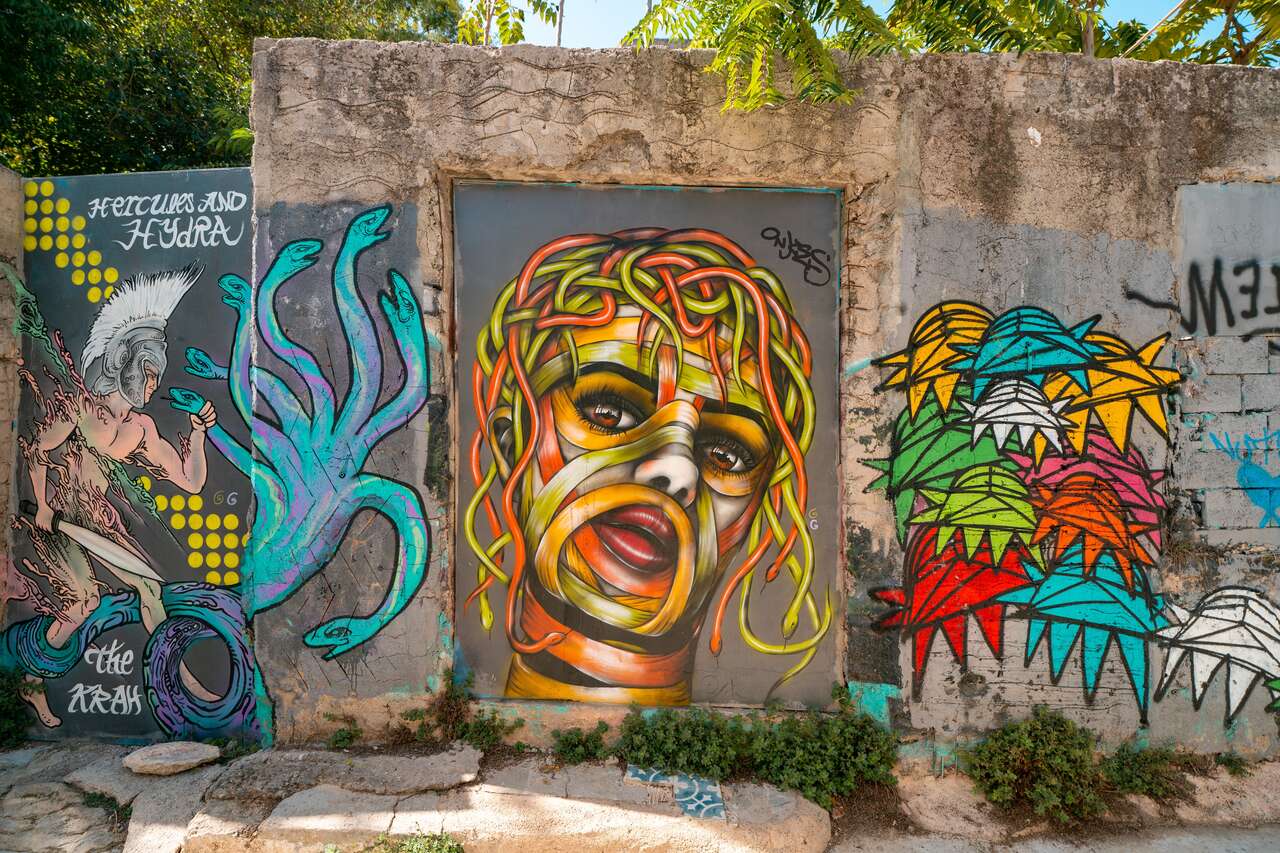
As you make your way down from Acropolis Hill, be sure to spend some time and stroll around the narrow streets of the charming and colorful neighborhood of Anafiotika.

The picturesque neighborhood was built in the mid-19th century by craftsmen and workers from the Cycladic island of Anafi who came to Athens to work on the construction of King Otto’s palace for a Bavarian prince who ruled as King of Greece in the same period.

Anafiotika is known for its small, whitewashed houses with brightly colored shutters and doors, narrow streets, and steep staircases that create a maze-like network throughout the neighborhood. The houses are built in the traditional Cycladic style, with flat roofs and blue-domed churches dotting the landscape.

glpno
If you have not been the Greek Islands yet, you can get a glimpse of what it is like over there by strolling around Anafiotika and exploring its beautiful narrow crisscrossing streets. Just be sure to respect the locals living there and keep your voice down.

7. Witness Sunset Over The Acropolis From Philopappos Hill

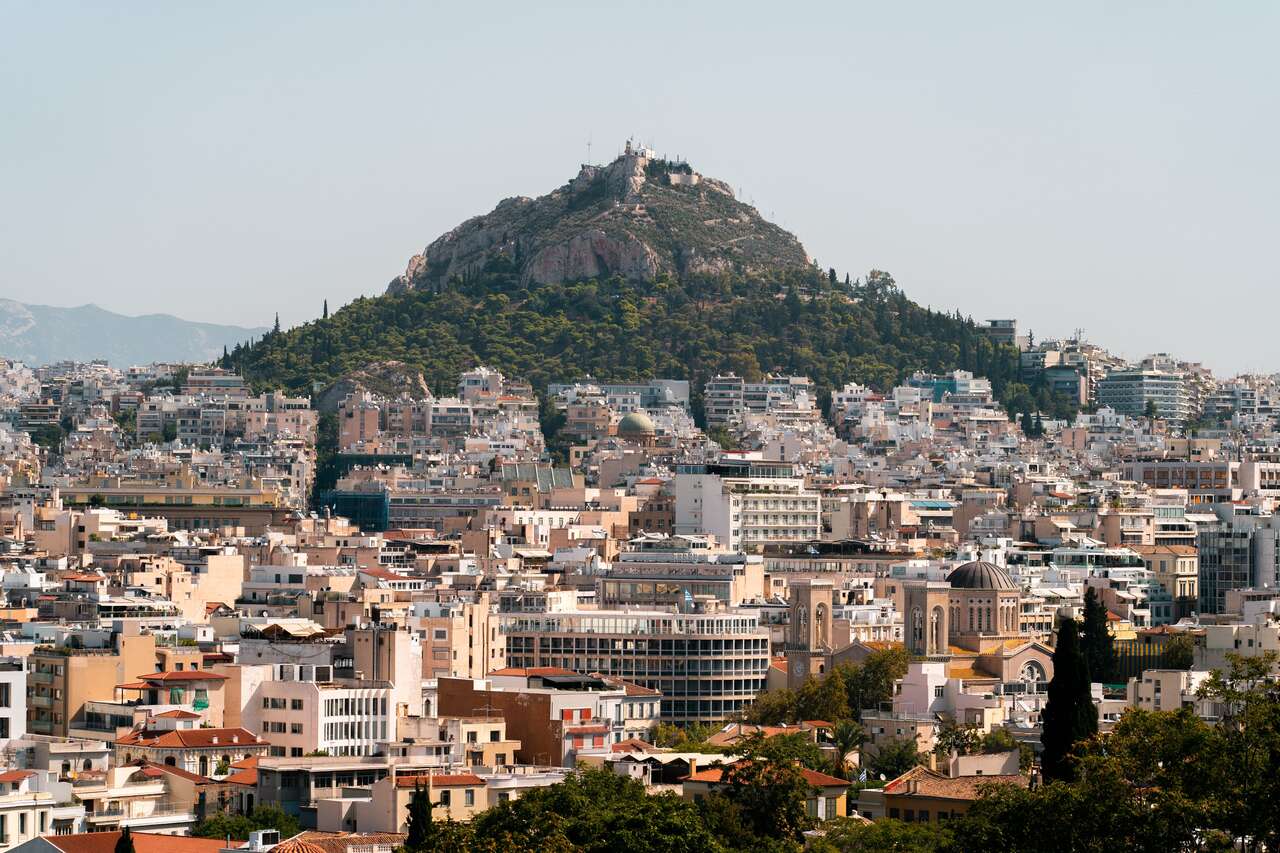
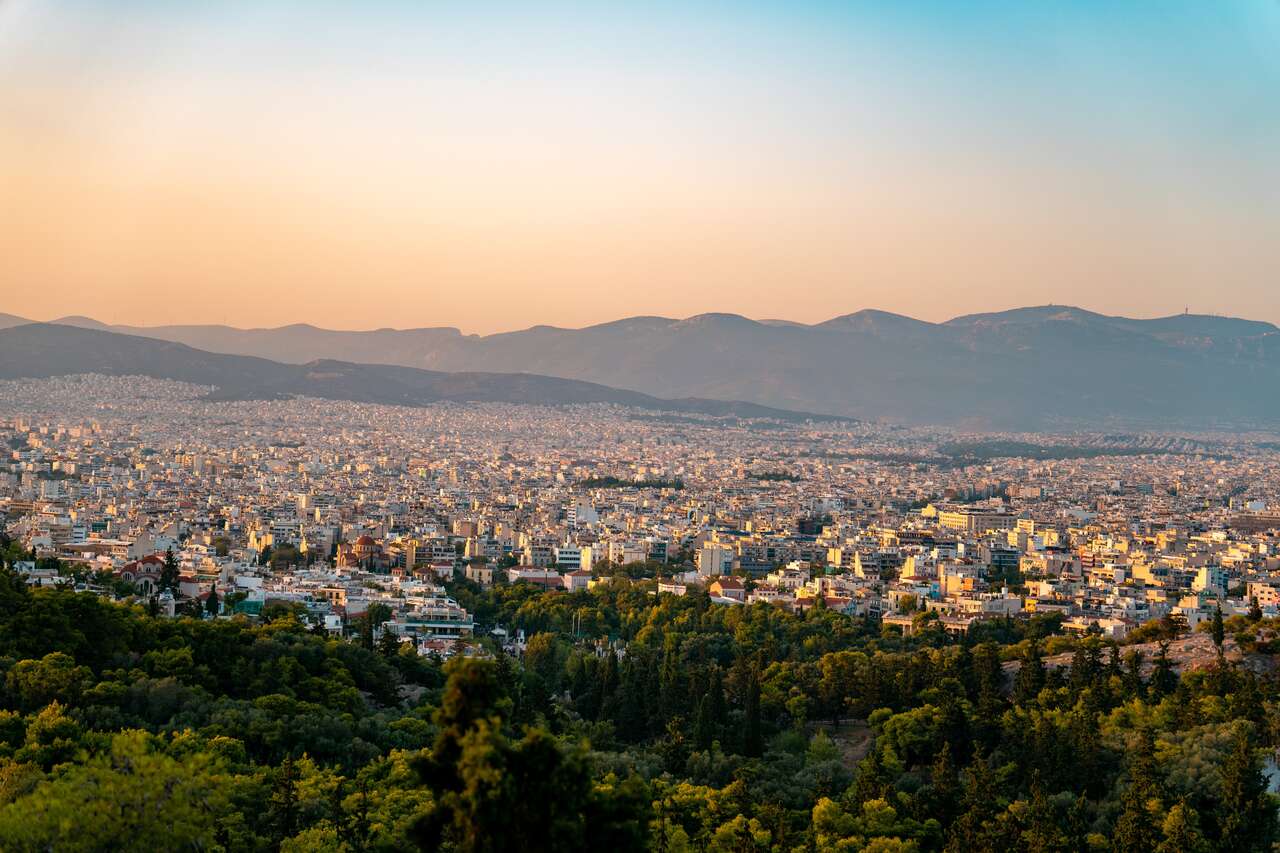
Now, if you are looking for the ultimate viewpoint of Athens to experience sunset over the city from above, there is no better place to be than Philopappos Hill.

80rcp
Philopappos Hill is a hill located southwest of the Acropolis hill and it is named after the Roman prince and benefactor Gaius Julius Antiochus Epiphanes Philopappos, who was a citizen of Athens and a lover of Greek culture.

1gdni
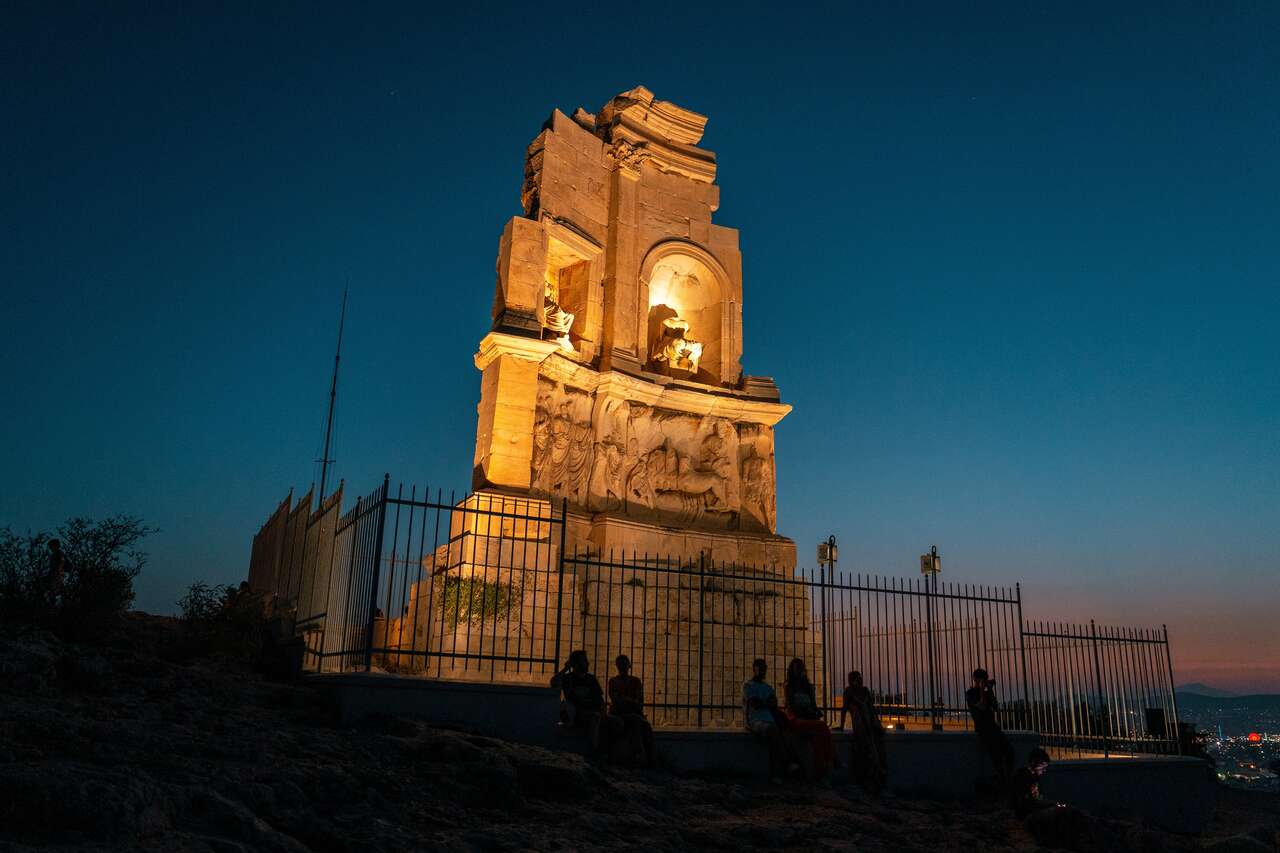
The hill is around 147 meters (482 feet) high which offers an incredible vantage point over the city as well as the Acropolis Hill without obstruction making it the best viewpoint to witness the incredible sunset over Athens. The hill is also home to several important archaeological sites, including the Philopappos Monument, a 2nd-century AD marble tomb built in honor of Philopappos that you can check out.

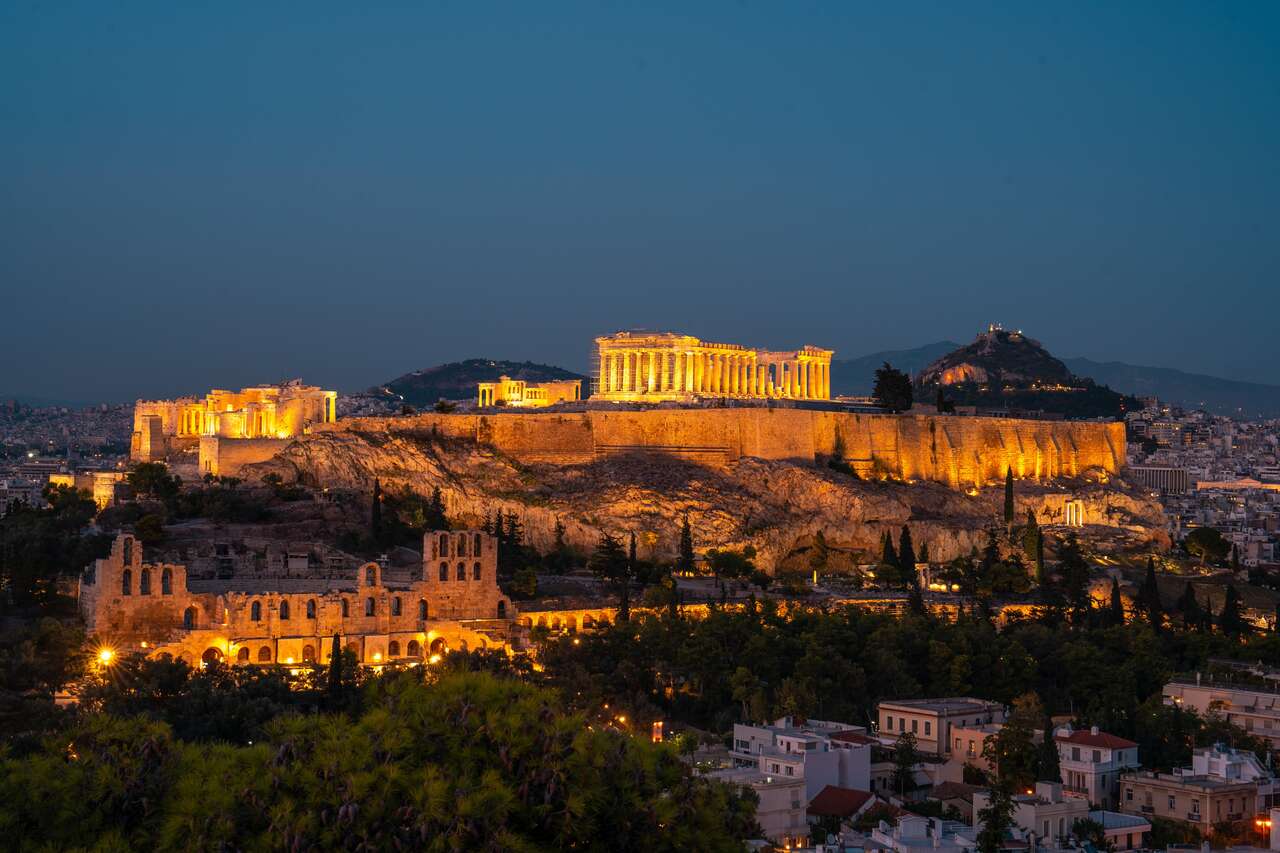
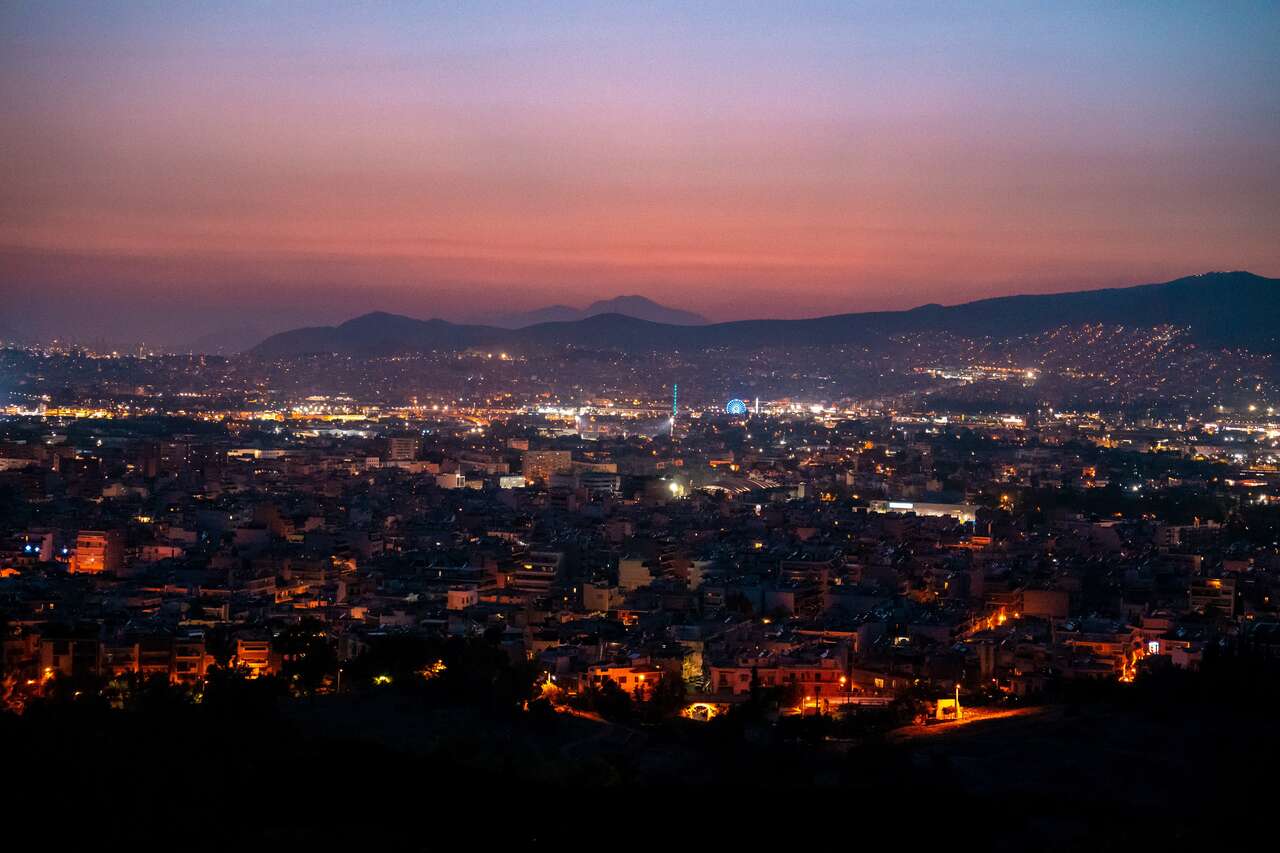
From up here, you can see Athens in its entirety from both sides of the hill but for the best view over the Acropolis Hill, I highly recommend you find a nice spot around this area and wait it out until the golden and blue hours which is when the light is best for photography.

Out of all the viewpoints in Athens, this is hands down, my favorite viewpoint of all. The incredible view the place offers and the camaraderie you share with people who came here with the same purpose of witnessing the sunset, you just can’t find anywhere else in Athens quite like it.

xs5dz
To get to the top of Philopappos Hill, you are going to have to hike up from one of the many entrances around the hill and you should be able to follow the unpaved track all the way to the top, taking about 15 – 20 minutes.

f2ztg
The trail gradually climbs until you are almost at the top before it becomes a little steep but not too much. Any able body should be able to reach the top without problems. Just make sure you align your visit in time for the sunset. Be there a little earlier to secure a spot as the place does attract quite a bit of people. Definitely one of the best things to do in Athens so be sure not to miss it.

8. Learn The History Of Athens At The Acropolis Museum

Now, if you want to learn more about the rich heritage of Athens and see all the excavated artifacts found at the Acropolis Hill over the centuries, I highly recommend you check out the Acropolis Museum while you are in Athens.

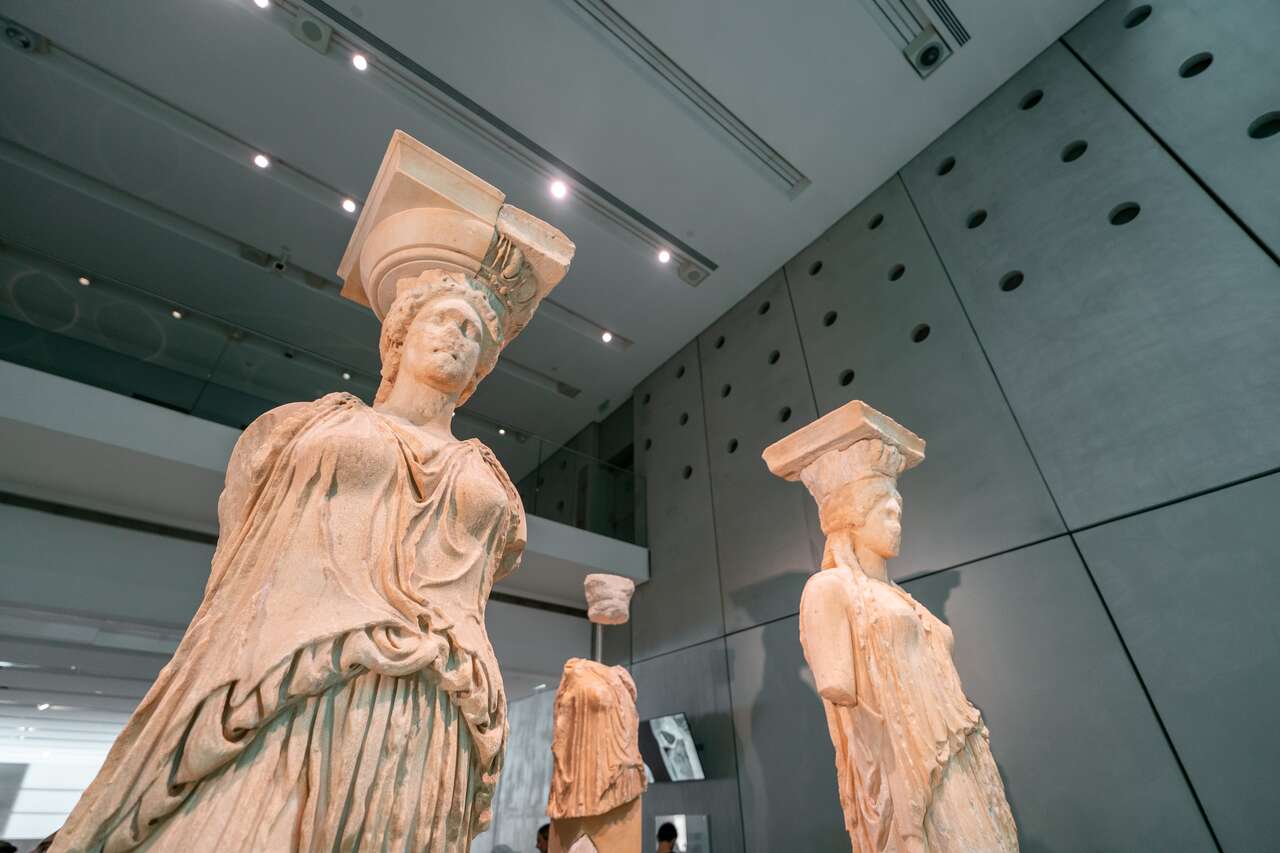
The Acropolis Museum is a world-class museum dedicated to the archaeological finds of the Acropolis hill. The museum opened in 2009 and houses a collection of artifacts and sculptures that date all the way back to the 5th century BC.

u2a36
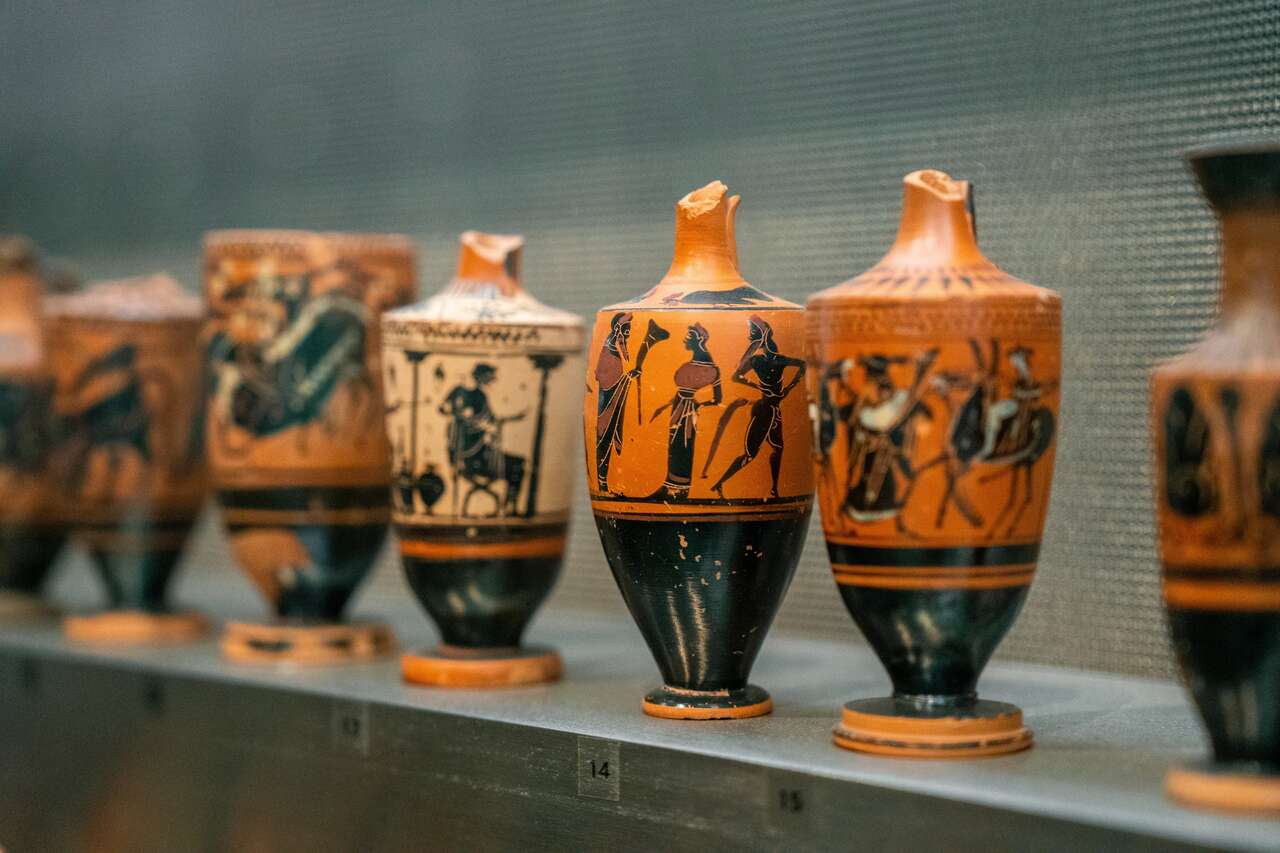
Inside the museum, you will find impressive displays of ancient Greek art and architecture, including the famous Parthenon sculptures, which were originally part of the temple’s frieze. The museum’s galleries showcase a variety of ancient objects, such as pottery, jewelry, and weapons, providing us with a glimpse of what daily life was like in ancient Greece.

5erzg
The museum is divided into 3 floors with the first floor having all the small excavated artifacts being displayed along both sides of the ascending walkway whereas, on the second floor, you will find a large hallway filled with intricate sculptures to the brim, while the third floor is reserved for smaller exhibitions.

r9qi3
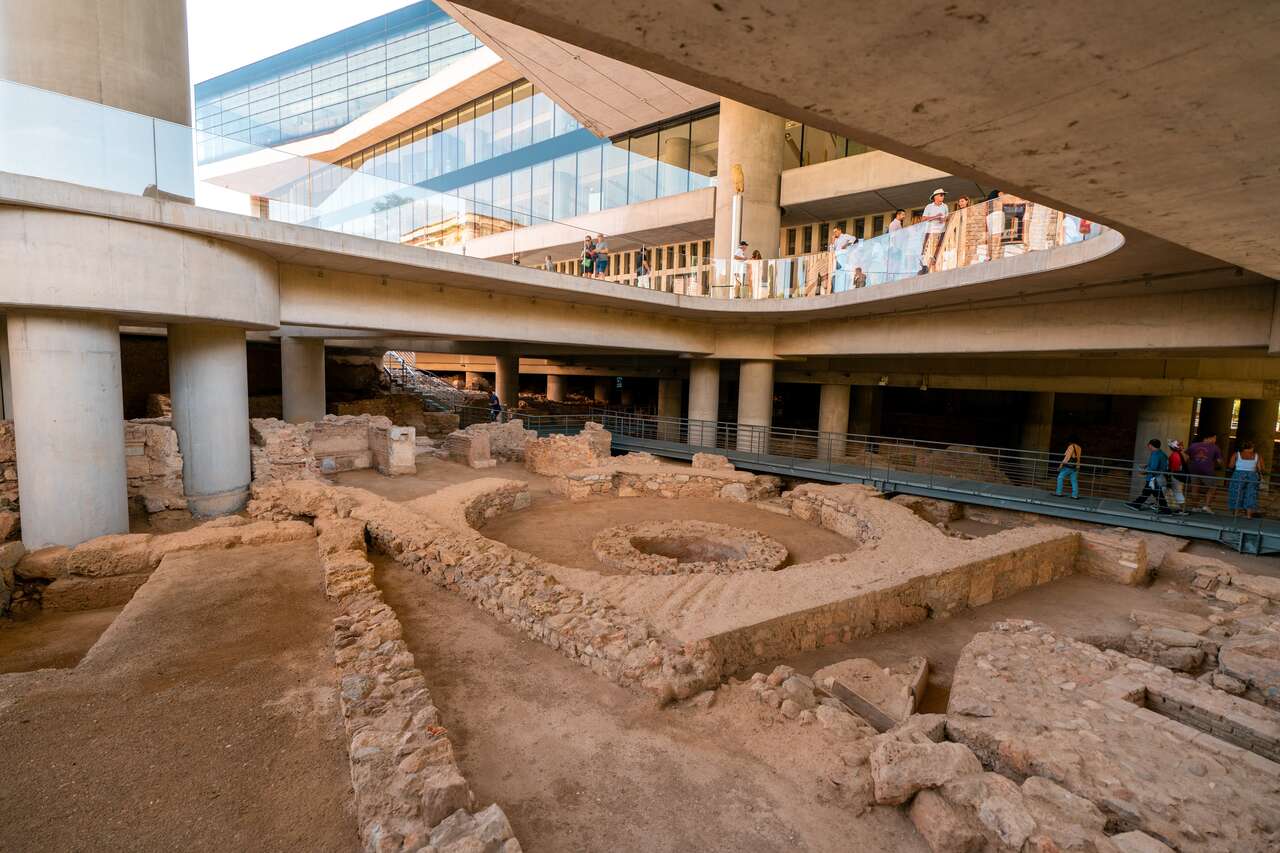
One of the highlights of the museum is the underground area where you will be able to explore the excavations of an ancient Athenian neighborhood beneath the museum via the glass floors. The museum’s rooftop restaurant also offers stunning views of the Acropolis and the surrounding area making it more reason to visit the Acropolis Museum after you are done with the Parthenon.

n7l7s
The entrance to the museum is around 15 EUR per person. You can buy the ticket from the entrance but the queue can be quite long at times. To skip the queue, I highly recommend you get the ticket online prior to your visit. If you plan to visit the Acropolis Museum as well as the Parthenon and the archeological museum, you can also go with a combination ticket to save even more. The museum is open from 9 AM to 6 PM every day except on Mondays when it is open from 9 AM to 3 PM only.

9. Take Photos Of Hadrian’s Arch

msi07
Now that we have completely explored the Acropolis Hill and its surrounding, it is time to move on to other tourist attractions outside the area. One of the iconic landmarks in Athens you should drop by and take photos of is Hadrian’s Arch.

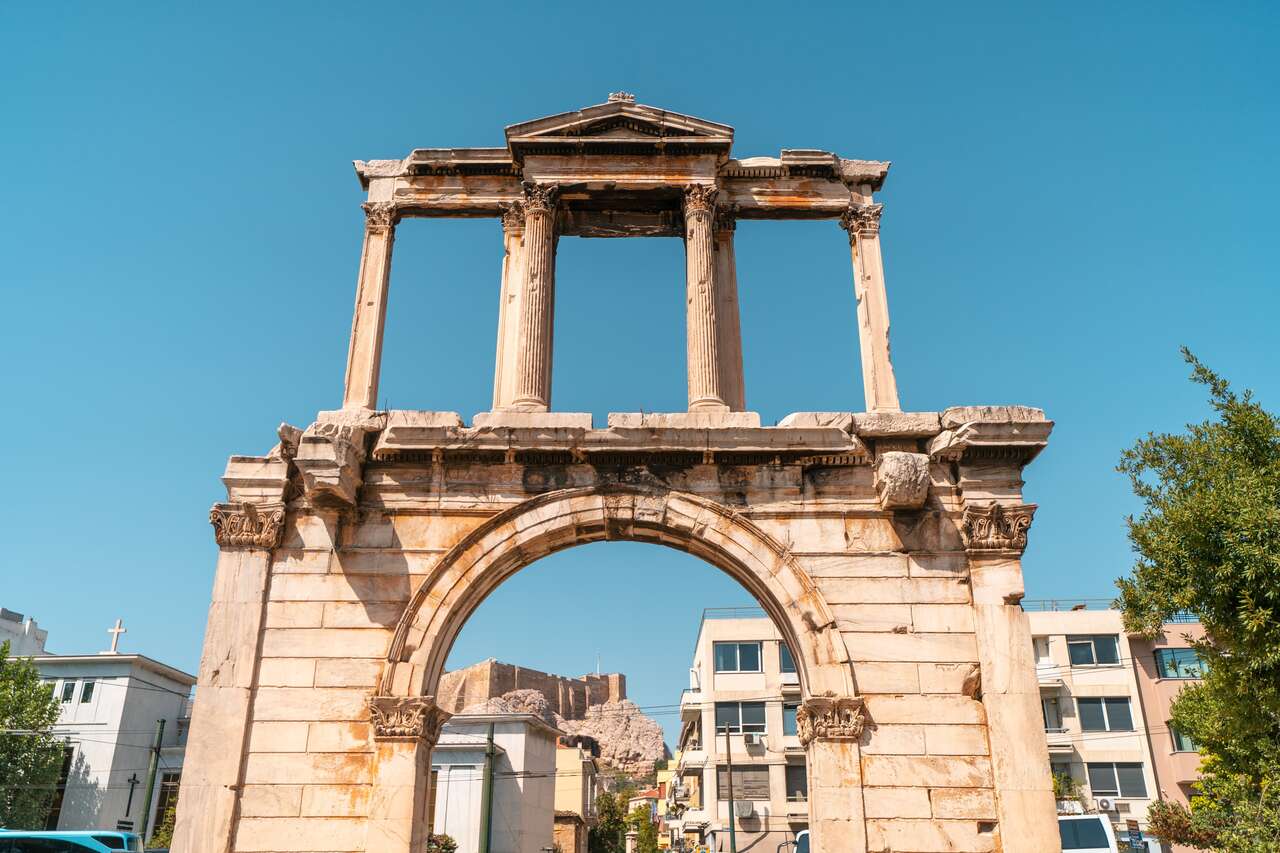
Hadrian’s Arch is a monumental structure made of marble and stands 18 meters tall and 13 meters wide. The arch features two Corinthian columns on either side and an inscription on the side facing the Acropolis that reads: “This is Athens, the ancient city of Theseus.”

The arch was built by the Roman Emperor Hadrian in the 2nd century AD to mark the boundary between the ancient Greek city of Athens and the new Roman city that Hadrian established nearby. From here, you will be able to take a nice photo of the Parthenon atop the Acropolis Hill from afar while it is perfectly framed by the Hadrian’s Arch so be sure to drop by here and take some photos of this monument.

10. Stroll Around The Temple Of Olympian Zeus

Not too far from Hadrian’s Arch, you will find the Temple of Olympian Zeus, an ancient Greek temple built in the 6th century BC and dedicated to Zeus, the king of the gods in Greek mythology.

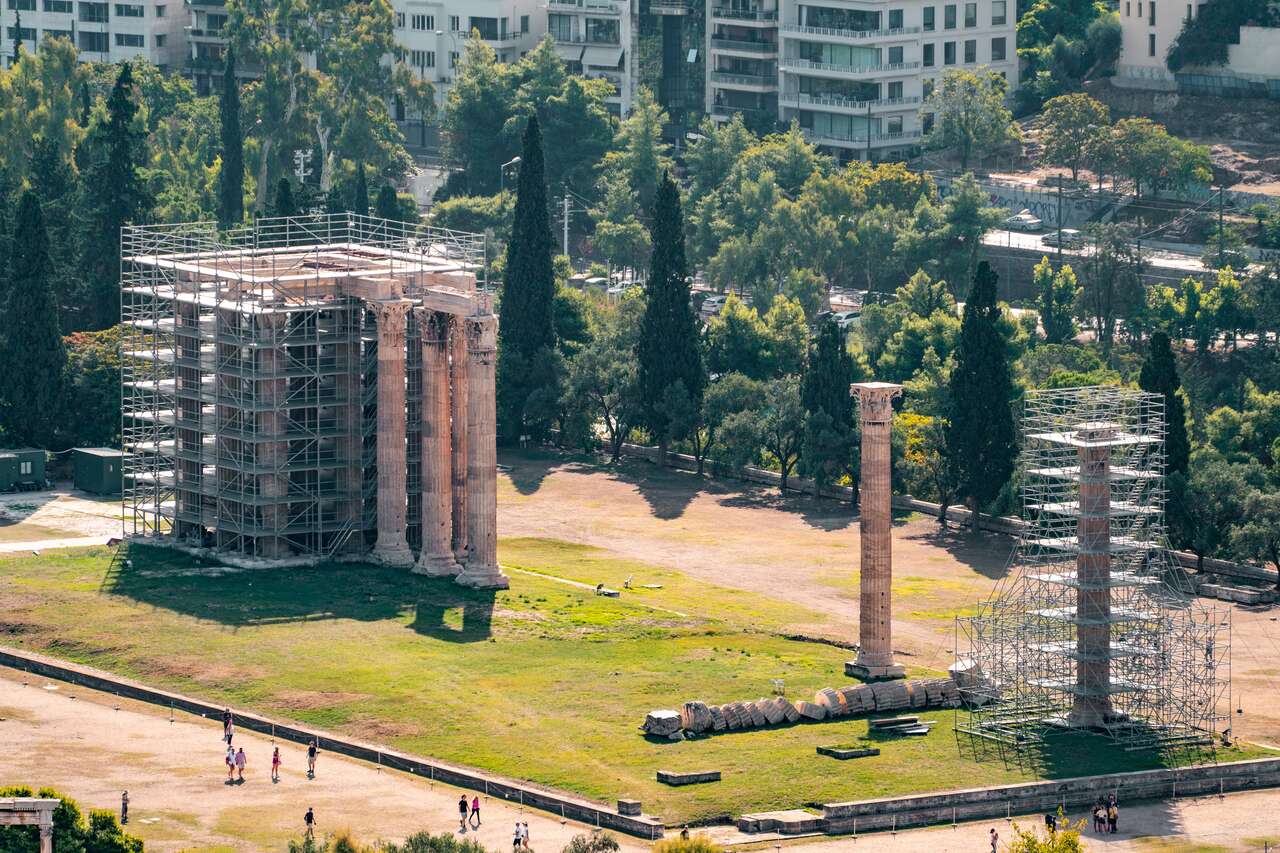
The Temple of Olympian Zeus took almost 700 years to complete, as it was started in the 6th century BC and was not finished until the Roman period, in the 2nd century AD. The temple was built using the finest materials, including Pentelic marble, and was adorned with numerous ornate decorations, including elaborate pediments and sculptures.

The temple is considered to be one of the largest ever built in ancient Greece and was intended to rival the nearby Parthenon in grandeur. You can easily grasp its true scale by looking at its massive columns that are still standing to this day, although, only 15 of the original 104 columns remain.

voeww
To get inside, you are going to have to pay the entrance fee of 6 EUR which can be bought online without having to queue. The temple is open from 8 AM to 3 PM every day.

11. Escape The Heat At Athens National Garden

eg9oh
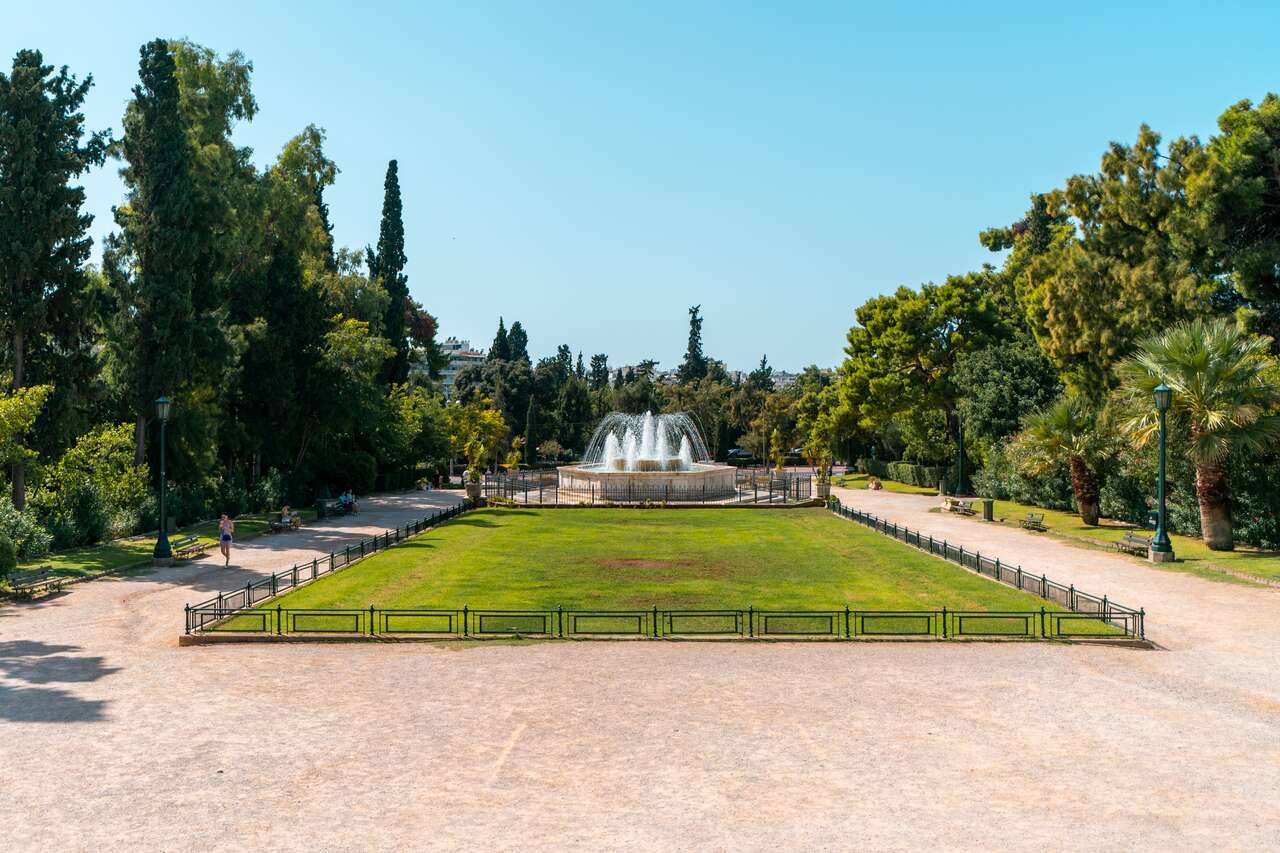
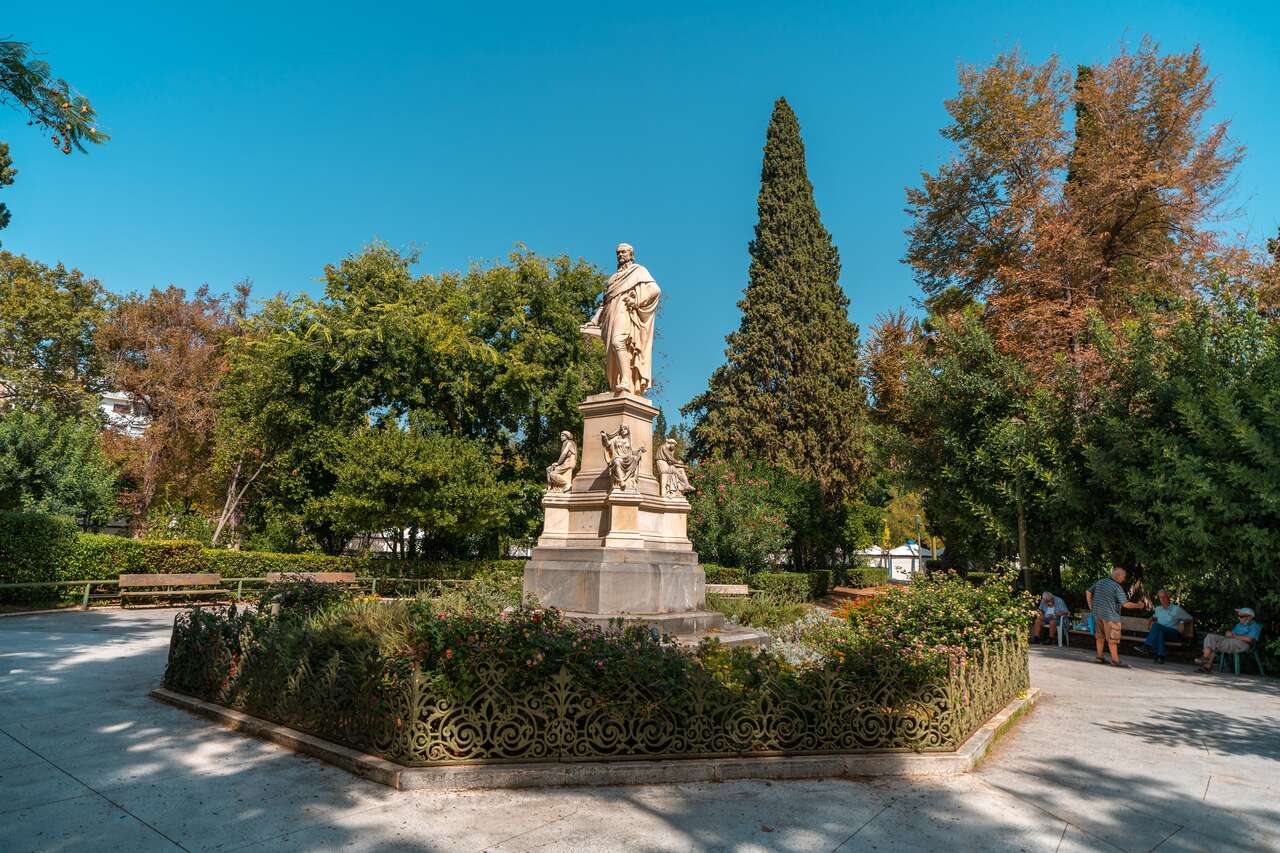
If you are looking for a nice quiet green space to escape the bustling city and the heat of Athens, located just north of the Temple of Olympian Zeus, you will find Athens National Garden, a royal garden that covers an area of 38 acres right in the heart of the city center.

1ld42
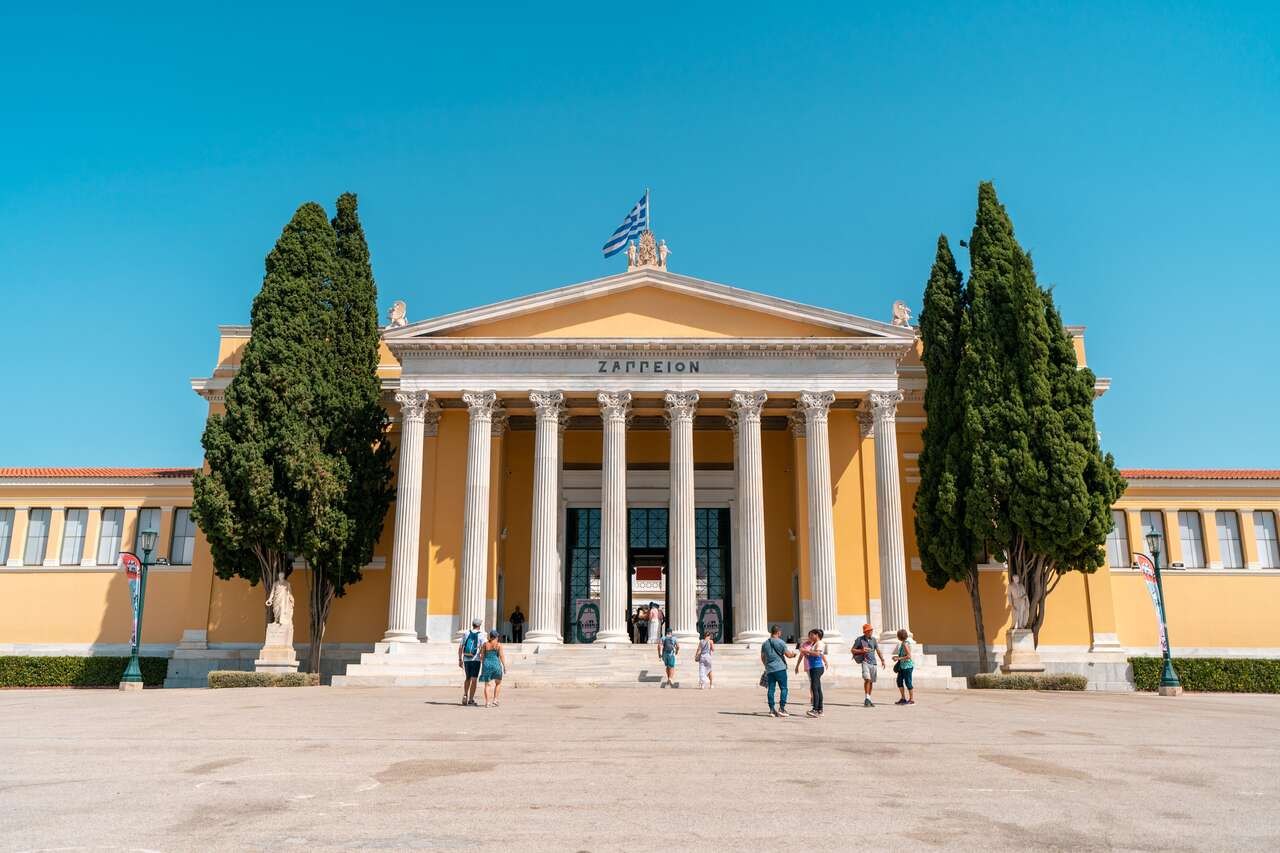
The Athens National Garden was originally created in the 19th century as the private garden of Queen Amalia, the wife of King Otto of Greece. It is home to a variety of plants and trees, as well as several important historical sites like the 19th Century Zappeion Hall, Zappeio Roman Baths, and many more.

llmlq
It is an excellent place to go on a peaceful stroll through the garden’s winding paths, relax on one of the many benches, or visit the small zoo, which houses a variety of animals, including peacocks and goats. The garden is open from 6 AM to 7 PM every day and it is free to enter.

12. Check Out Panathenaic Stadium

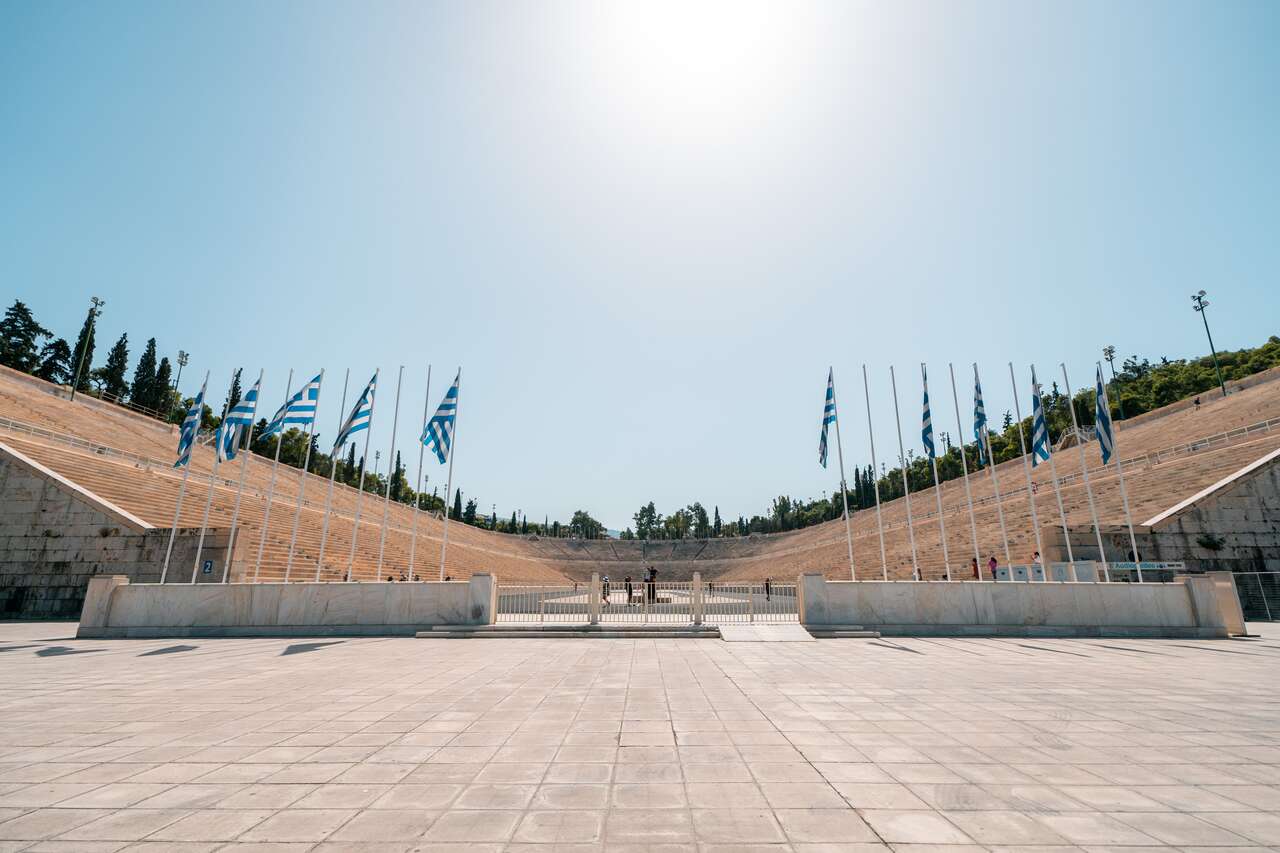
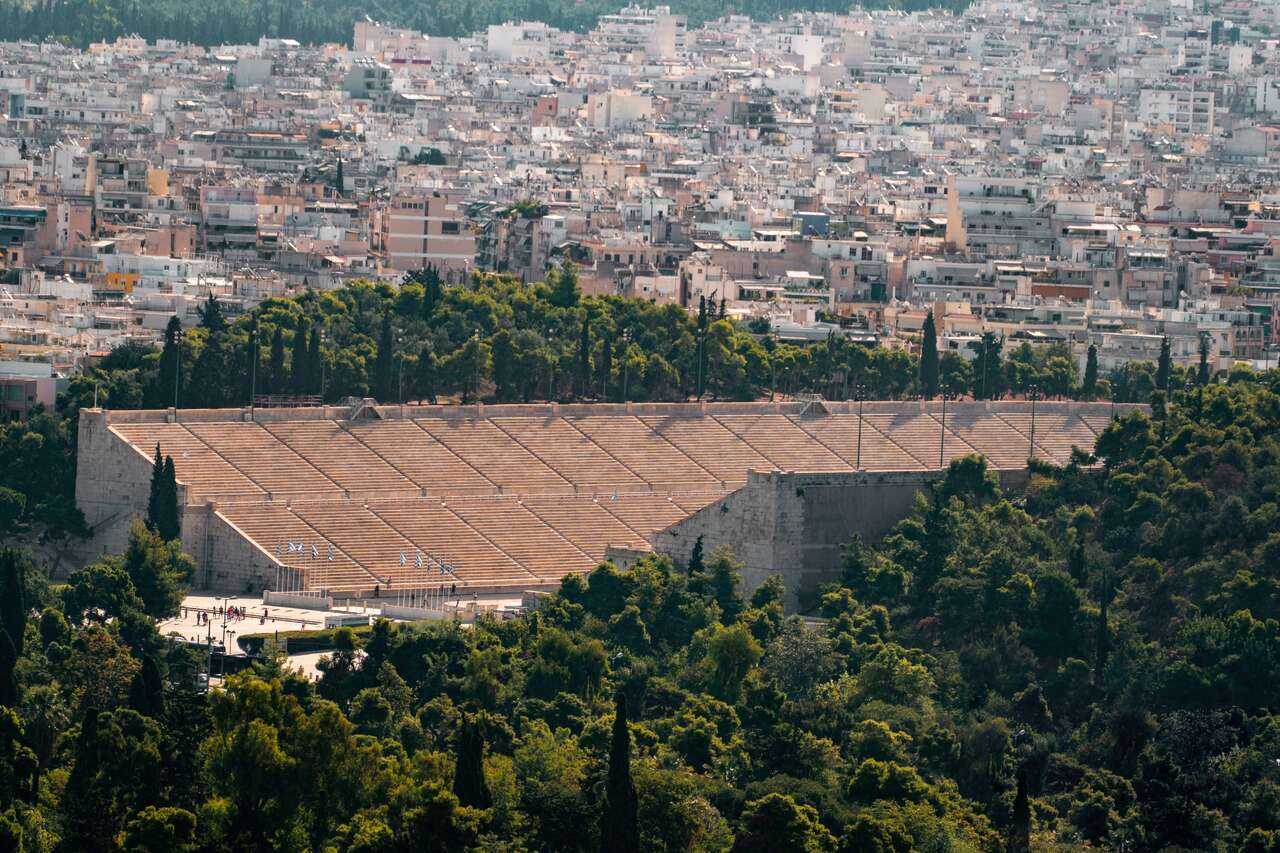
While you explore this part of Athens, be sure to check out the Panathenaic Stadium, an ancient stadium considered to be the birthplace of the modern Olympic Games we all know and love to this day. The Panathenaic Stadium was originally built in the 4th century BC as a venue for the Panathenaic Games, a major athletic competition held in ancient Athens. Unfortunately, the stadium fell into disuse in the early Christian period and was eventually abandoned thereafter.

uqlgf
In the late 19th century, the Panathenaic Stadium was restored to its former glory in preparation for the first modern Olympic Games, which were held in Athens in 1896. The stadium features a large oval track and a central area that was used for various events in ancient times, including chariot races and athletic competitions.

yfkrc
You can explore the stadium and learn about its fascinating history as well as observe all the cool features that were added to the stadium over the years to accommodate modern sports competitions. The ticket is 10 EUR per person and you can buy it at the entrance or you can go on a workout tour inside the stadium and imagine competing in an Olympic game with a local guide for an even more immersive experience.

13. A Day Trip To Delphi

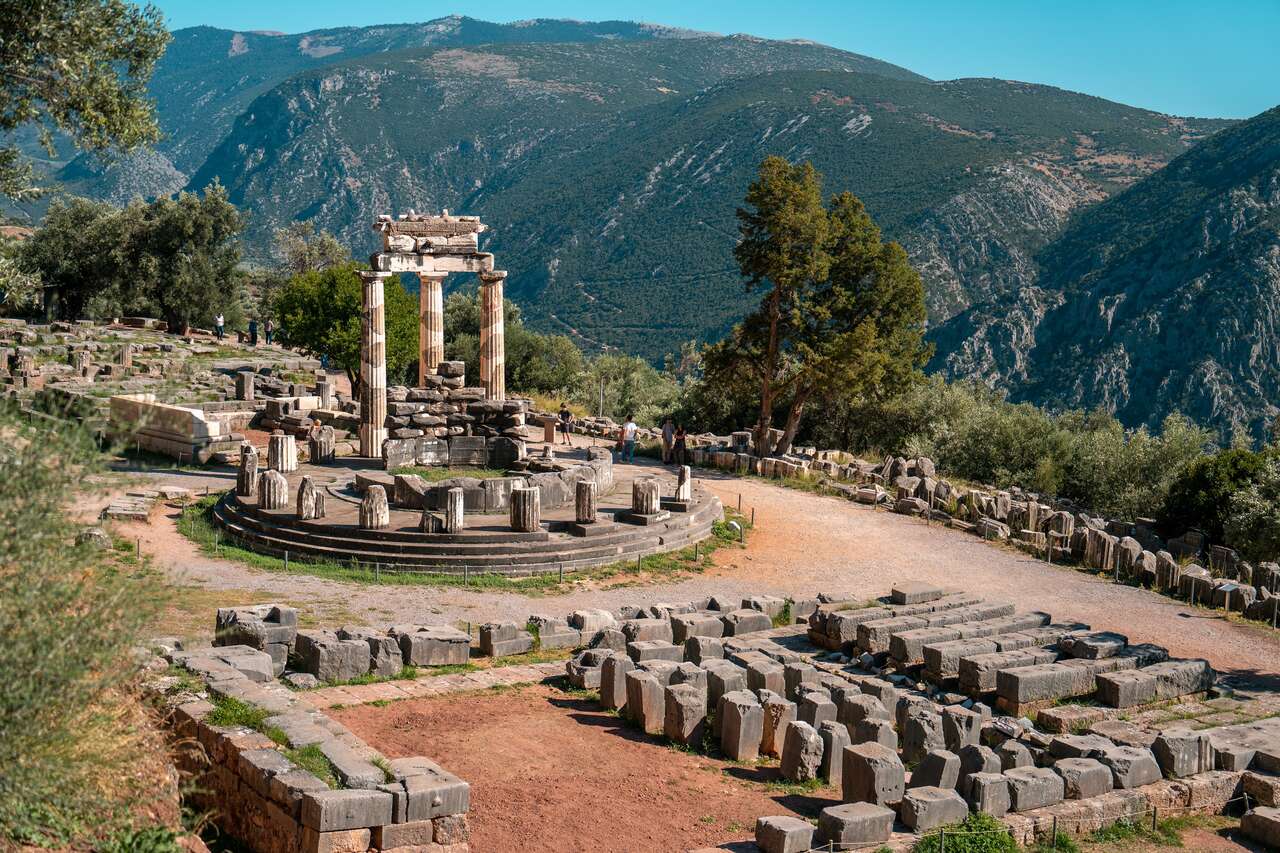
One of the best day trips you can make from Athens is to go visit Delphi, an ancient Greek sanctuary located on the slopes of Mount Parnassus, only a few hours away from Athens. The place was one of the most important religious and cultural centers in ancient Greece and was believed to be the center of the world by the ancient Greeks.

0zf6c
Delphi was dedicated to the god Apollo and was home to the famous oracle of Delphi, where visitors from all over the ancient world would come to seek advice and guidance from the god. The oracle was known for its cryptic and ambiguous responses, which were interpreted by the priests of the temple.

mzox4
This story and the legends surrounding this ancient town should be enough of a reason for you to want to visit Delphi and see all the important landmarks that are considered to be some of the most well-preserved landmarks in the country.

31jwg
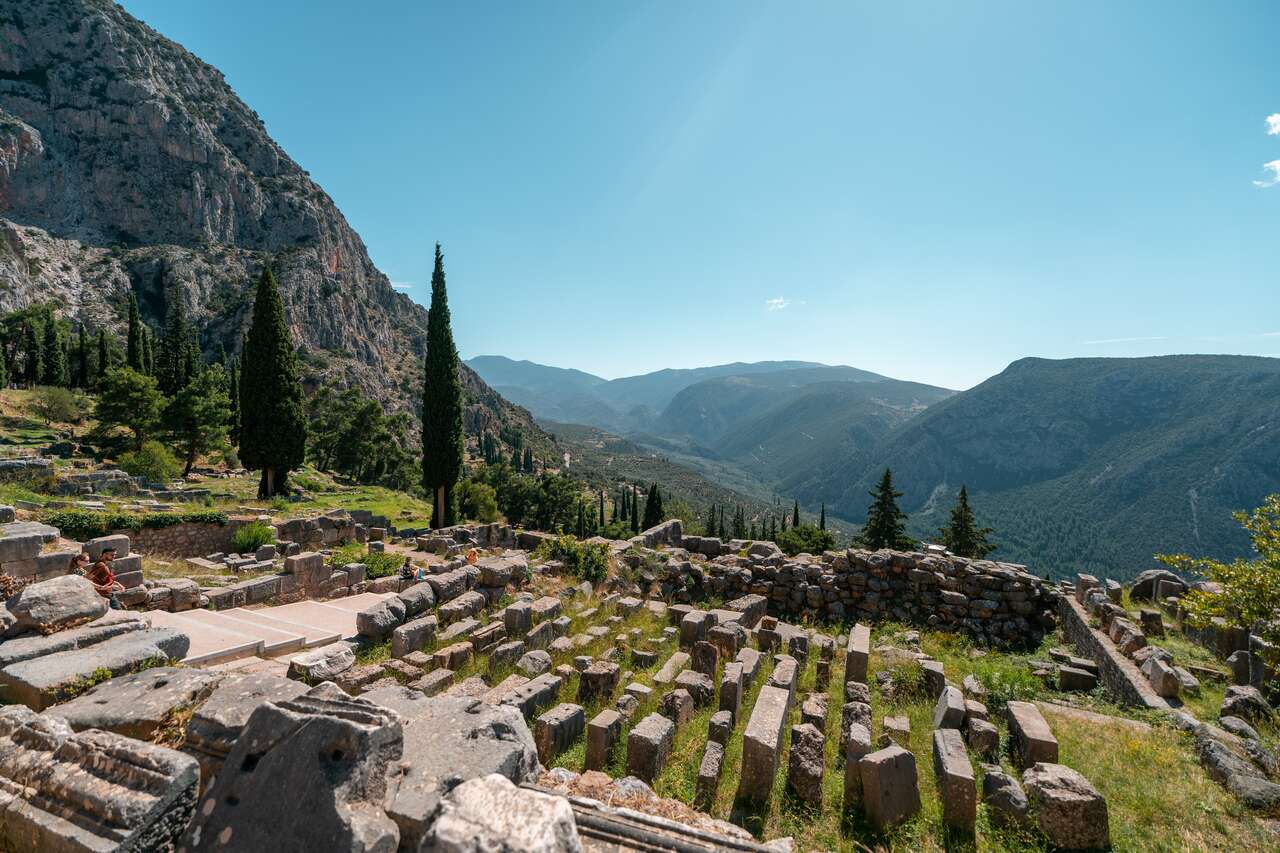
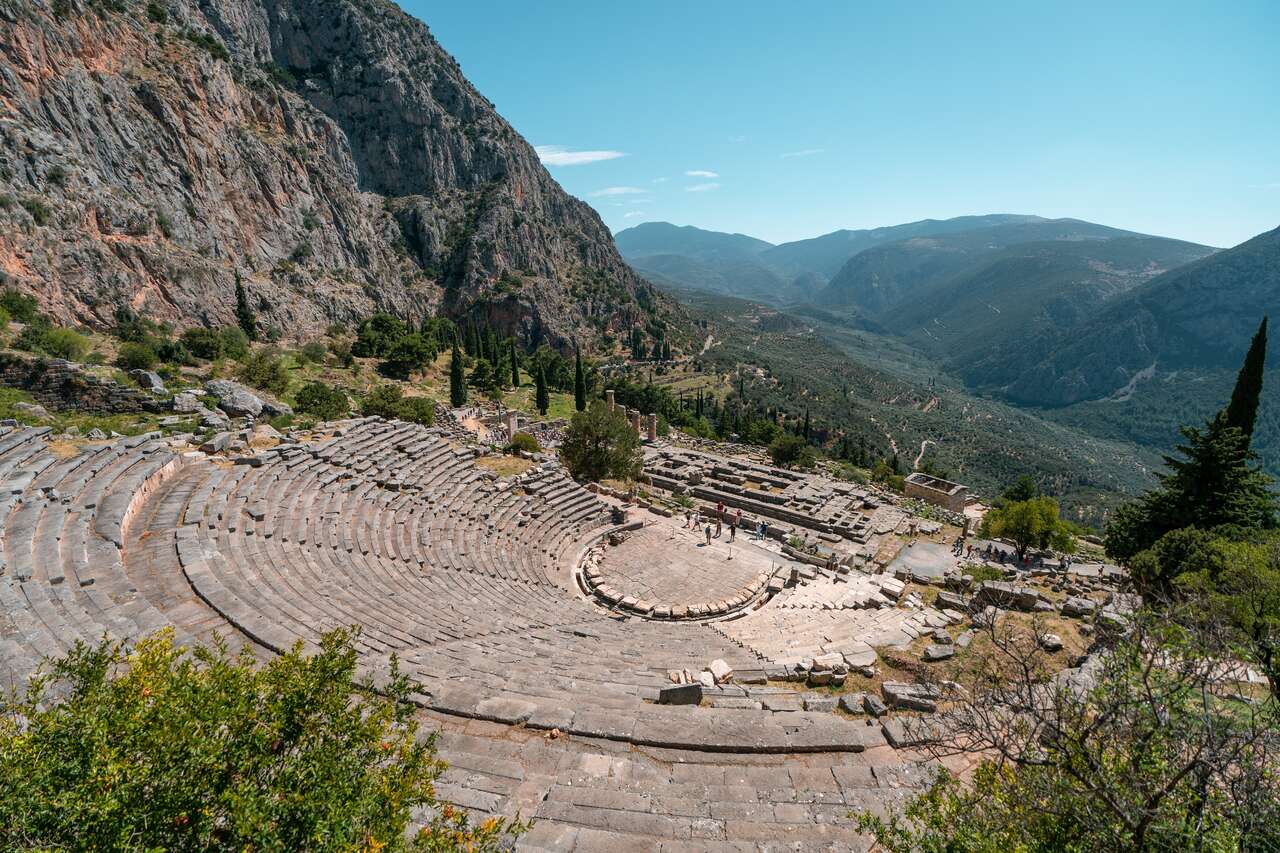
One of the most impressive features of Delphi is the amphitheater, which is carved into the side of a hill and offers stunning views of the surrounding mountains and valleys. The scale of the amphitheater is best appreciated from above so be sure to hike a little further up the trail to see it from up there.

5jdei
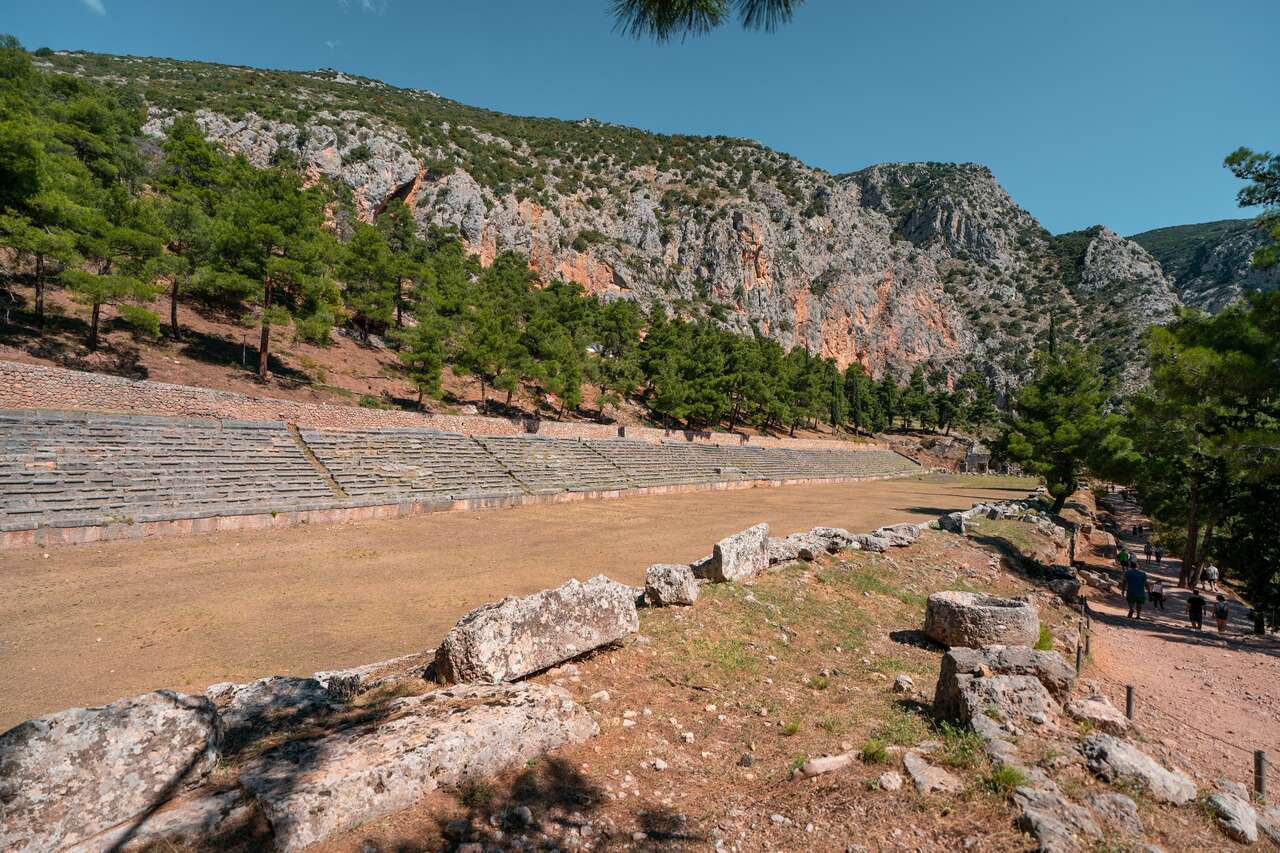
If you hike further up the mountain enough, you will find the ruins of the ancient stadium and the gymnasium, which were used for athletic competitions during the ancient Olympic Games. You can just imagine all the fanfare the place must have gotten from the audience during Delphi’s sports competitions.

fvpyv
Since there is no train access to Delphi, the best way to visit Delphi from Athens is via an organized tour that will take you there and back without having to worry about the logistics.

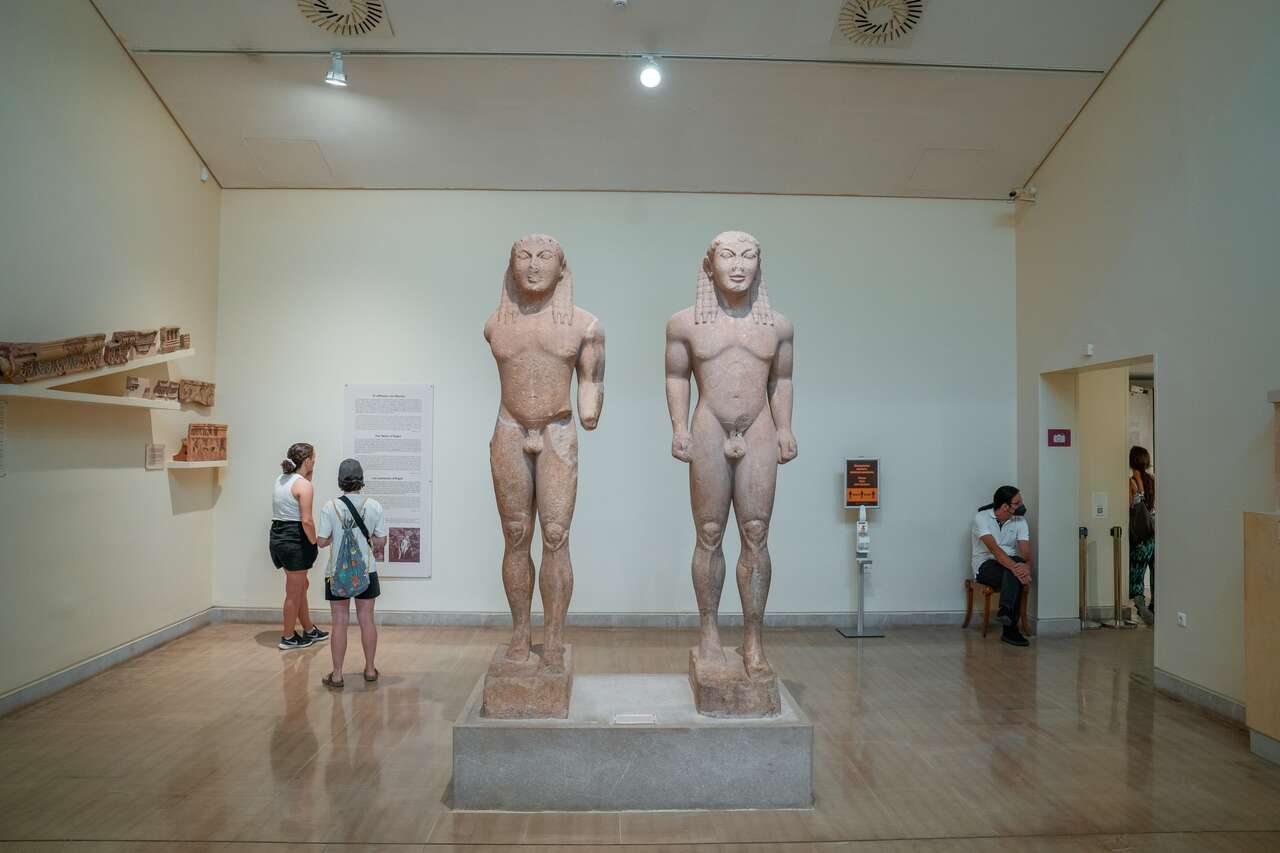
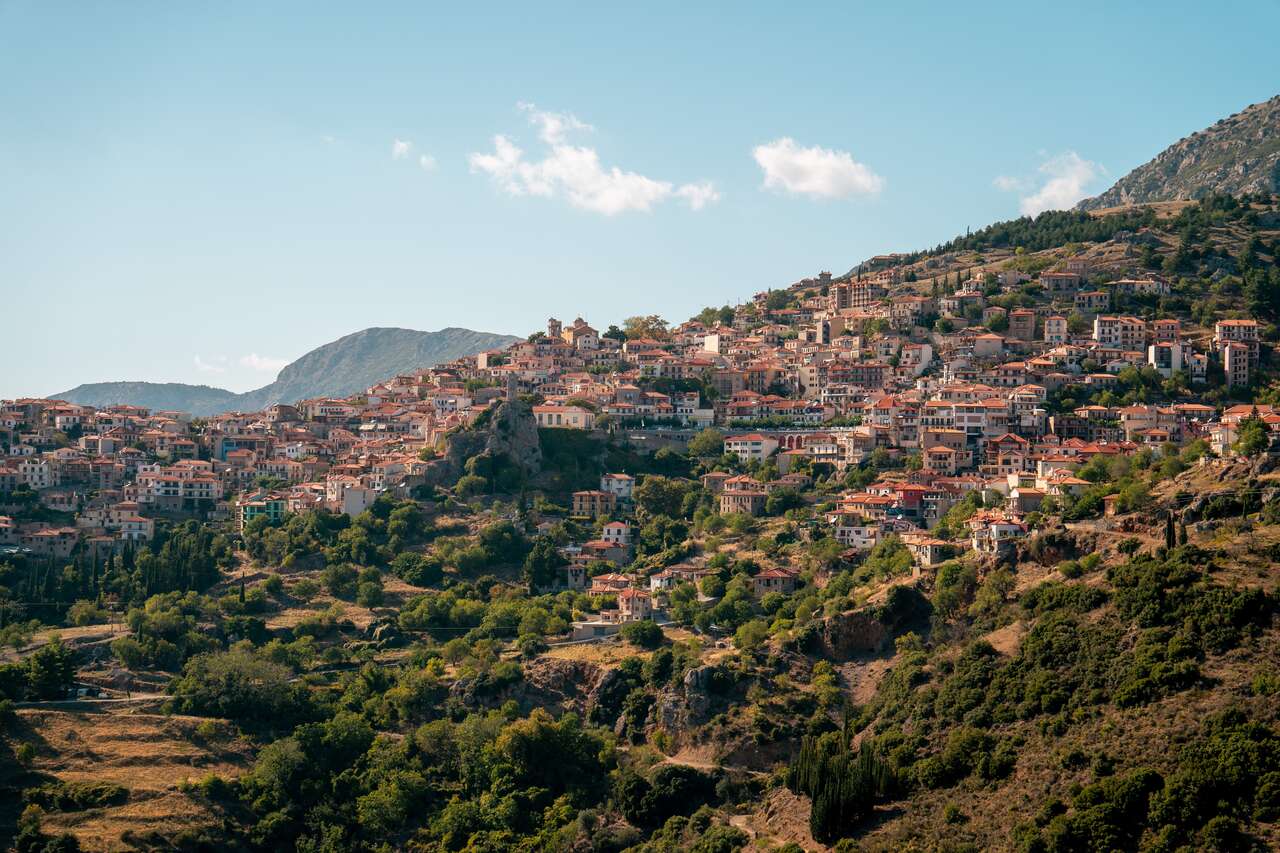
The tour usually lasts around 10 hours and they will also take you to places like Arachova, a charming village nestled in the foothills of Mt. Parnassus, Delphi’s Archaeological Museum, and stop at all the awesome viewpoints along the way.

q64h9[……]
Read more

10 DAYS IN ITALY ITINERARY: 5 AMAZING IDEAS FOR YOUR TRIP TO ITALY

Italy is a country that is on many travelers’ wish list. And why not? Italy has it all: fabulous cuisine, gorgeous cities, towering mountains and beautiful beaches, and ancient historical sites. Throw in some gelato and wine and you have the perfect ingredients for a memorable 10-day holiday in Europe. If you have 10 days in Italy, we have five great ideas for how you can spend your time.

For first timers to Italy, Rome, Florence, and Venice usually make the “must-see” list. With 10 days in Italy, you have just enough time to visit these three cities and add in a quick visit to a nearby destination. How to do this is spelled out in our “Classic” Italy itinerary.

But for those who want different ideas of how to spend your time in Italy, we have four more recommendations for you.

With 10 days in Italy, you have just enough time to get a taste of this country. Don’t try to see it all at once. Italy is better visited at a slower pace, so you can sample the food, wander the streets, and get the full experience.

With these itineraries, we tried to strike a balance between visiting a handful of cities and moving slowly enough to have the best experience.

10 DAYS IN ITALY: 5 ITINERARIES

ITALY ITINERARY #1: THE CLASSIC

Our classic Italy itinerary includes Rome, Florence, and Venice, and the Cinque Terre. It’s a great option if this is your first visit to Italy, since you get to visit three of Italy’s most popular cities along with a visit to a spectacular coastal destination.

Below is an overview of this itinerary.

10 DAYS IN ITALY: ROME, FLORENCE, CINQUE TERRE & VENICE

Day 1: Arrive in Rome

Day 2: Rome

Day 3: Florence

Day 4: Florence

Day 5: Tuscany Day Trip

Day 6: Cinque Terre

Day 7: Cinque Terre

Day 8: Venice

Day 9: Venice

Day 10: Fly home

og3n5
Rome, Florence, Cinque Terre & Venice | 10 Days in Italy Itinerary (map adapted from Google)

IMPORTANT!! We get a lot of comments and emails about how to add one or two more destinations to this itinerary. We know that it is tempting to squeeze as much in as possible, but we do not recommend adding more to this itinerary. This is already a very busy schedule. If you add on another city, you will get to “see” a lot, but you will end up spending most of your time in Italy on the train. If anything, consider adding more time to Rome before adding on another destination.

DAY 1 & 2: ROME

wb6nq
Sunset in Rome | 10 Days in Italy Itinerary

The first day in Rome can be challenging if you arrive on a red-eye flight. Do your best to get adjusted to the time change, visit a few sites in the afternoon, and consider going to bed a little early.

With less than two full days in Rome, you will not be able to see everything, but some of the must-see sites include the Colosseum, the Pantheon, the Borghese art gallery, and a tour of the Vatican. Stroll through Piazza Navona and consider having dinner in the Trastevere neighborhood.

DAY 3, 4 & 5: FLORENCE AND TUSCANY

Travel by train to Florence. This journey takes just 1.5 hours, so if you leave early in the morning you will have most of the day in Florence.

yk3oz
osswy
Siena, Italy | 10 Days in Italy Itinerary

On this itinerary, you have three days in Florence and Tuscany. Florence needs at least one full day to see the main sites. You should also spend one full day in Tuscany. There are numerous hill towns to visit as well as Siena, one of our favorite spots in Italy. You have to decide how to spend the third day: more time in gorgeous Florence or another day in Tuscany, visiting the small towns and vineyards.

We recommend spending two days in Florence with one day for day tripping into Tuscany. Learn how to plan your time in Florence with our 2 Day Florence Itinerary and get ideas on places to visit in Tuscany in our article Best Day Trips from Florence.

One of the best ways to get around Tuscany is to hire a driver. This allows you to sit back and enjoy the views and the wine without the hassles of parking and navigating between the towns. If you are more independent, you can rent a car (this is what we did after our terrible experience with the public bus system in Italy). We do not recommend the bus. On more than one occasion, the bus failed to show up, leaving us stranded on the side of the road. This not only happened in Tuscany but also Sorrento and Amalfi.

DAY 6 & 7: CINQUE TERRE

ruicv
On the morning of day 6, take the train from Florence to the Cinque Terre. It takes between 1.5 to 3 hours to get to the Cinque Terre. Direct trains take less time but there are many more options that have a transfer in Pisa. You can take a few hours to visit Pisa on the way to the Cinque Terre, but you would be missing out on some valuable time in the Cinque Terre.

If you are booking a train to the Cinque Terre, you will arrive in La Spezia and then take the local train to one the five towns of the Cinque Terre. It takes just 9 minutes to travel from La Spezia to the first town, Riomaggiore, and trains run very frequently.

The Cinque Terre is magical. Five picture perfect towns perched along the Mediterranean coastline just waiting to be explored. You can spend a full day hiking between them or use the train to hop between towns.

DAY 8 & 9: VENICE

Take the train from the Cinque Terre (La Spezia) to Venice. There are no direct trains. Most trains transfer in either Milan or Florence. The quickest journey takes 4 hours but some can take over 6 hours. For your day of travel, book the shortest, most convenient train in the morning, so you have the afternoon to spend in Venice.

r3svj
One day in Venice is really all you need to see the main highlights. Spend the extra time by cruising out to Murano and Burano or simply wandering the canals some more.

DAY 10

Begin your travels home. Or, for those with more time, continue onto your next destination.

ITALY ITINERARY#2: ROME, THE AMALFI COAST & FLORENCE

Venice and the Cinque Terre did not make this itinerary, but what you are getting is a visit to the stunning Amalfi Coast, a day trip out the beautiful island of Capri, Pompeii, and an extra day in Rome.

10 DAYS IN ITALY: ROME, AMALFI COAST, FLORENCE & TUSCANY

Day 1: Arrive in Rome

Day 2: Rome

Day 3: Rome

Day 4: Sorrento and Pompeii

Day 5: Capri

Day 6: Amalfi Coast

Day 7: Florence

Day 8: Florence

Day 9: Tuscany

Day 10: Fly home

wtzh8
Rome, Amalfi Coast, Florence & Tuscany | 10 Days in Italy Itinerary (map adapted from Google)

DAY 1, 2 & 3: ROME

On this itinerary you have one extra day in Rome. This gives you plenty of time to explore this city. Even so, it will be a very busy three days.

oluay
Rome | 10 Days in Italy Itinerary

DAY 4: POMPEII AND SORRENTO

Today, you will visit Pompeii in transit between Rome and Sorrento. This is relatively easy to do. From Rome, take the train to Naples (70 minutes). Once in Naples you will transfer to the Campania Express train and take this to Pompeii (get off at the Pompeii Scavi station).

While touring Pompeii, you can store your luggage in the luggage storage facility in the Pompeii Scavi station.

4syc9
Pompeii | 10 Days in Italy Itinerary

After touring Pompeii, pick up your luggage and then take the Campania Express train to Sorrento. Most likely you are arriving in the mid to late afternoon. After checking into your hotel (your home base for 3 nights), stroll along the marina, have dinner, and try the limoncello…it’s delicious!

a9a7q
Sorrento | 10 Days in Italy Itinerary

DAY 5: CAPRI

Capri is just 20 minutes away from Sorrento by boat. Once in Capri, take a boat tour around the island, enjoy the breathtaking view from Mount Solaro, and explore the towns of Capri and Anacapri. You can even go hiking if you like.

b9pgj
Via Krupp, Capri

DAY 6: AMALFI COAST

qvsb2
Amalfi Coast

From Sorrento, take a day trip to the Amalfi Coast. This is described as one of the most scenic drives in the world. Along the way, visit the towns of Positano, Amalfi, and Ravello.

iabn6
Positano

The best way to get around is by private driver, ferry, or by boat, whether it is a small group tour or private boat. Parking can be a huge hassle (avoid self-driving the Amalfi Coast during peak season) and using the public bus system can be a nightmare (been there, done that, and we had a miserable experience).

DAY 7, 8 & 9: FLORENCE AND TUSCANY

The morning of day 7 is spent traveling from Sorrento to Florence. You can take the Campania Express train or hire a private driver to the Naples train station (Napoli Centrale). From Naples it is a 3-hour train ride to Florence. It is a gorgeous journey, especially the final hour, as you travel through Tuscany.

g857g
San Gimignano, Tuscany | 10 Days in Italy Itinerary

DAY 10

Begin your travels home. Ideally, fly home from the Florence airport. While researching flights, if you find that you don’t have great options from this airport, you might have to return to Rome and fly home from here.[……]
Read more

COMPLETE FRANCE TRAVEL GUIDE, WHAT YOU NEED TO KNOW

France is one of the world’s top tourist destinations. The country receives over 90 million tourists each year. France is known for its iconic landmarks, fashion, gourmet food, wine, and museums. You will find medieval architecture, gorgeous beaches, fairytale villages, vineyards, chateaus, and the French Alps. Planning international travel can be overwhelming and time-consuming while working full time. Use this France travel guide and the following France travel blog posts to plan your perfect vacation. The top destinations in France are Paris, Normandy, Loire Valley, Bordeaux, and the French Riveria.

dn6ij
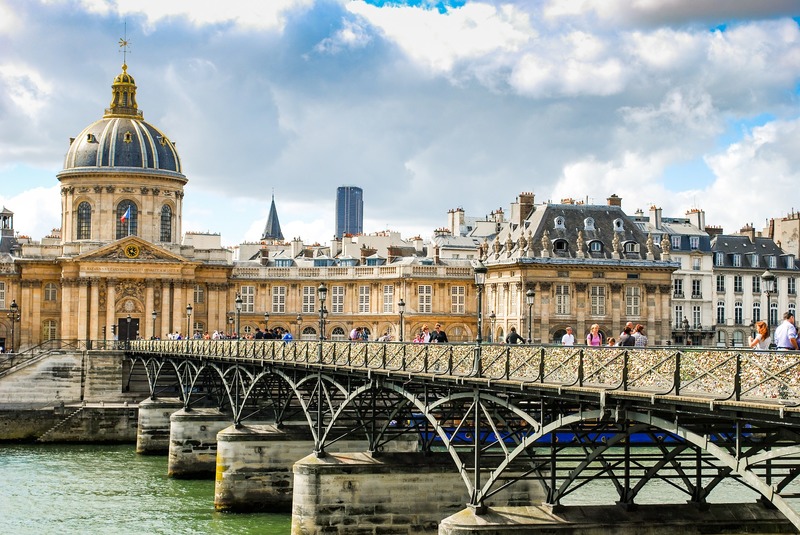
Paris France

WHY VISIT PARIS

Paris France is the city of Light and Love. The city receives 30 million visitors each year and is the world’s most visited capital. Paris has been the inspiration of famous artists, writers, and filmmakers. It is not surprising with iconic monuments like the Eiffel Tower, Notre Dame, and the Arc de Triomphe. You will also find a city full of gorgeous architecture, colorful neighborhoods, amazing museums and parks, and yummy pastries.

Read 100Things to Do in Paris France, a Bucket List City

WHY VISIT NORMANDY

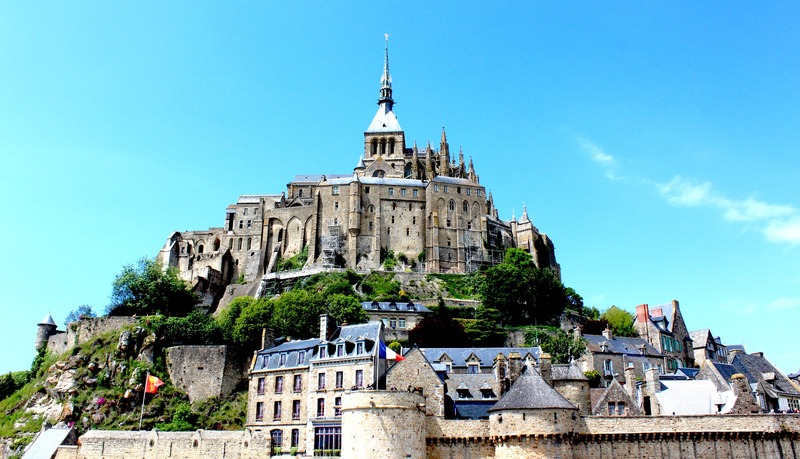
Normandy is best known for its D-Day landing sites, military cemeteries, and memorial museums. The region is also full of gorgeous countryside, coastline, woodlands, castles, churches, and ancient towns such as Rouen. Monet’s Gardens in Giverny and the famous Mont Saint-Michel are also located in Normandy.

READ Northwestern France Road Trip Itinerary: Normandy and Brittany

WHY VISIT THE LOIRE VALLEY

The Loire Valley is known for its world-class wine. This UNESCO World Heritage Site is full of medieval towns, fairy-tale castles, gardens, and sunflower fields.

jgywe
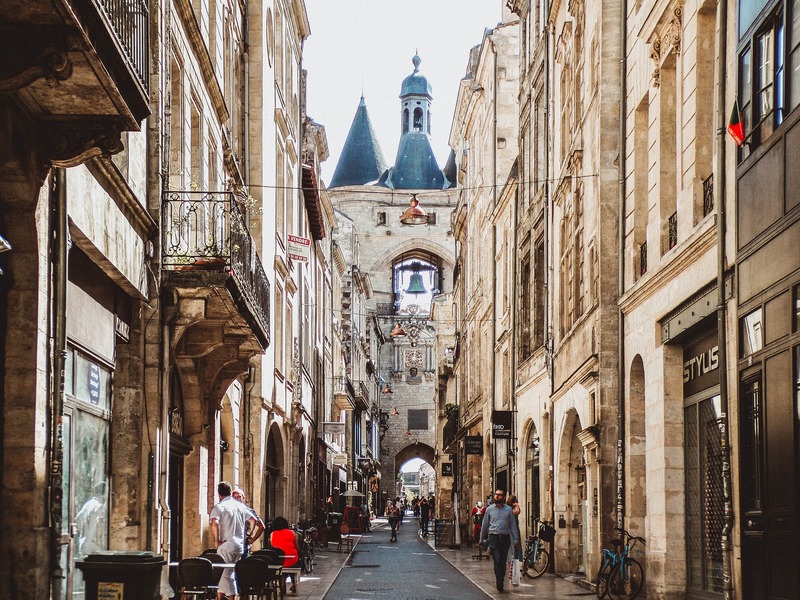
Bordeaux France

WHY VISIT BORDEAUX

Bordeaux produces 700 million bottles of wine annually. There are over 8,000 wine chateaux in the region; the vineyards of Saint Emilion are a 30-minute train ride from the city. The region is also known for its fresh seafood and oysters. The city of Bordeaux has over 350 historical buildings and monuments. Also visit nearby Carcassonne, the Dune du Pilat, and La Roche-sur-Yon. The famous chocolate shops of Bayonne are a quick train ride away.

WHY VISIT THE FRENCH RIVERIA

The French Riviera, or Côte d’Azur, is known for its sunny weather, amazing beaches, and resort atmosphere. Nice, Cannes, Monaco, and St Tropez are the playground of the well-to-do. They are full of high-end boutiques, private beach clubs, and yachts.

WHAT YOU NEED TO KNOW WHEN PLANNING A TRIP TO FRANCE

WHERE IS FRANCE

France is the largest country in Western Europe with a population of 67 million. The country is bordered by Belgium, Luxembourg, Germany, Switzerland, Italy, the Mediterranean Sea, Monaco, Spain, the Bay of Biscay, and the English Channel. Paris is the capital and largest city of France. France has distinct regions, you will miss out if you only visit Paris.

xawrw
Mont Saint Michel

WHAT IS THE LANGUAGE IN FRANCE?

The national language of France is French, it is spoken by 88% of the population. 3% of the population speaks German dialects. 39% of the French population speaks English. You will not have difficulty speaking English in hotels, restaurants, or tourist locations. You may have difficulty getting directions from people on the street. Even though English is the standard language of tourism in Europe, it is important to at least try to speak the common language before resorting to English. FluentU offers a helpful list of common words and phrases to learn before you travel. You will also find tutorials on YouTube.

DO I NEED A VISA TO VISIT FRANCE?

According to Project Visa, US citizens do not need a visa for a visit up to 90 days in a 6 month period.

WHAT IS THE CURRENCY IN FRANCE?

The currency in France is the Euro. US dollars are not accepted at restaurants, attractions, or stores. Don’t be fooled by ‘0 commission’ money exchangers because the ‘service fee’ is high. Be sure to download a free currency calculator before you arrive.

ardet
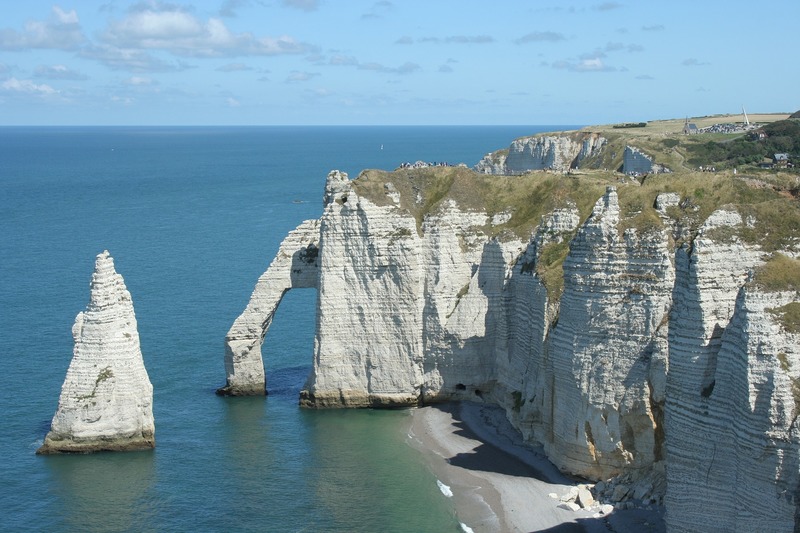
Etretat France

CAN I USE CREDIT CARDS AND ATMS IN FRANCE?

ATMs are available throughout France. Avoid large fees by using your bank’s international partner in France and google its location before you travel. Visa and Mastercard are widely accepted in France, you will need a 4 digit PIN from the bank. American Express and Discover may be accepted but it is rare. Some stores only accept cash, especially for small purchases. Save money on fees with a credit card that waives foreign transaction fees and make purchases in euro. It is always a good idea to carry some cash.

HOW MUCH SHOULD I BUDGET PER DAY IN FRANCE?

According to Budget Your Trip, the average daily cost of traveling in France is $225. Expect to pay $3,152 + airfare for a one-week trip for 2.

WHEN IS THE BEST TIME TO VISIT FRANCE?

The high season in France is June to August, expect high prices and crowds. The shoulder season is April-May and September to October. The low season is November through March, crowds this and the air is cold. Expect snow in the Alps during the winter months. Southern France has warmer temperatures and rain is more common in western France near the English Channel. September and October are harvests and a good time to visit the wine regions. Christmas Markets are held from November to December.

WHAT TYPE OF TRANSPORTATION DOES FRANCE USE?

France has international airports in Paris, Bordeaux, Lyon, Marseille, Nice, Strasbourg, and Toulouse. The country is also well-connected by domestic flights, trains, and buses. Keep an eye on your belongings, theft is common on trains. Public transportation by tram is common. Paris, Rennes, Toulouse, Lyon, Marseille, and Lille have metros. Keep the used ticket with you until after the ride, if checked you will be fined. Taxis are expensive. It is possible to hail taxis on the street, fares are set by the government and depend on location, time of day, and distance. The ride-sharing app Kapten is available in Paris, Lyon, and Cannes. You do need an international driver’s license to drive in France. Also, you are required to have a visibility vest and a warning triangle in the car. Radar detectors are illegal in France.

mn8we
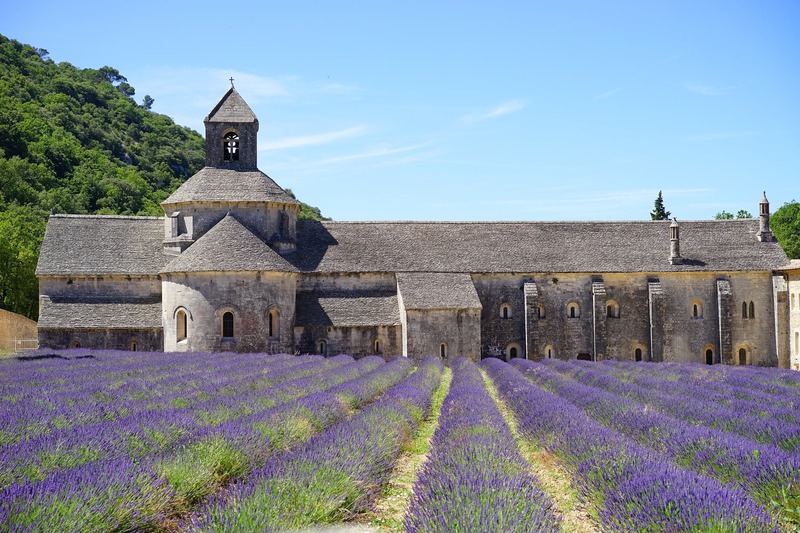
Abbaye de Senanque France

WHAT KIND OF ADAPTOR DO I NEED IN FRANCE?

The plugs in France are type C and E. The standard voltage is 230 V, and the standard frequency is 50Hz. I recommend buying a universal adapter with surge protection. You will need a converter if you plan to use an electric razor or blow dryer from the US.

WHAT SHOULD I PACK FOR FRANCE?

The French style is simple chic. Maxi dresses, scarves, and light sweaters in neutral solids (black, navy, or grey) are common, wear minimal accessories. Paris is the fashion capital of the world. Dressing up is expected for dinner out. Avoid bright colors, bold patterns, white sneakers, flip flops, short skirts, sweatpants, and baseball caps. Do not wear clothing that indicates you are a tourist (I love Paris t-shirts). Wear shoes with cushioned soles for walking on cobbled streets. Also, do not forget a raincoat and umbrella.

IS FRANCE A SAFE COUNTRY FOR SOLO TRAVELERS?

According to Travel Safe Abroad, the overall travel risk in France is medium. The risk of scams, pickpockets, and terrorist attacks is high. There is a medium risk of muggings. Stay aware of your surroundings. Keep personal items in front of you and do not leave any belongings in the car. Dial 112 in an emergency. Contact the US Embassy for non-urgent emergencies, such as a lost passport.

WHAT FOOD DO I NEED TO TRY IN FRANCE?

Boeuf bourguignon (beef burgundy), coq au vin (chicken cooked in wine), canard à l’orange (duck in orange sauce), cassoulet (stew like mix of beans, pork, duck and sausage), ratatouille (vegetable stew topped with cheese), Soupe à l’oignon (French onion soup), bouillabaisse (fish soup), escargot (snails), quiche Lorraine, crêpes, croque monsieur (grilled cheese and ham sandwich), baguette, salade niçoise (tuna, tomatoes, hard-boiled eggs, olives, anchovies tossed in vinaigrette dressing), cheese souffle, pain au chocolat (chocolate croissant), fondant au chocolat (chocolate lava cake), tarts, crème brûlée, elclairs, macarons, and madeleines.

1iq1s
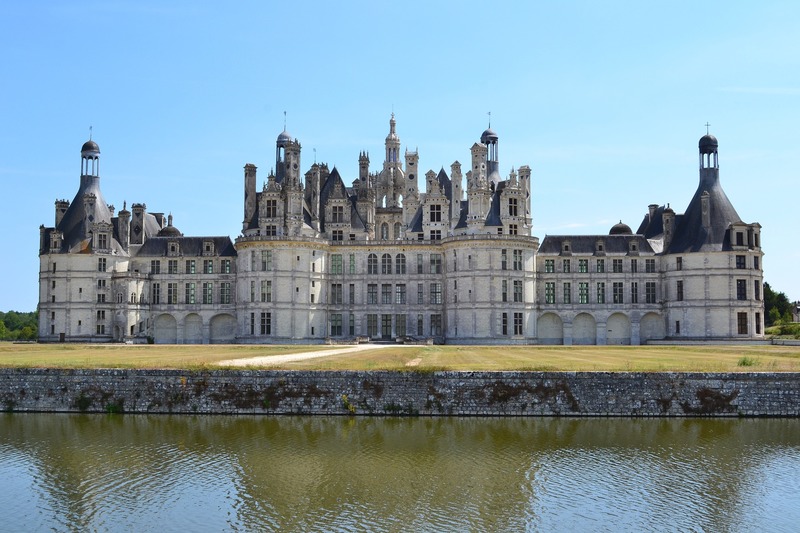
Chambord Castle Loire Valley

TIPS FOR TRAVELING IN FRANCE

It is the law to carry your passport with you.

Smoking in public is common.

The first floor is 0 (not 1).

Expect to pay to use public restrooms.

Keep your voice low. Always say Bonjour or Bonsoir (hello/good evening) before saying anything else.

Find something to compliment: the food, wine, and clothing.

Do not talk about politics or religion. Do not complain about long lines or slow service.

Greet friends with a double kiss on both cheeks and shake hands with strangers.

If invited to someone’s home, arrive on time and dress up. Bring a token bottle of wine, chocolate, or flowers, and do not ask to be shown around the house.

The customer greets the shop assistant when entering a store, and the customer is not always right.

Do not expect ice in drinks, and do not complain about it. Do not expect special food requests to be honored.

Order food and pastries at the counter and eat on a park bench. Costs increase if you sit at a table.

Stores are often closed on Sunday and between 12-2 for a long lunch.

Dinner is after 7:30 and reservations are the norm. People linger after a meal, you must ask for the bill.

Tipping is not required at restaurants, a surcharge is included in the bill. Tip 10% at cafes and bars.

Cheese is served after the main course and before dessert.

House wine is very good and inexpensive.

TOP THINGS TO SEE AND DO IN FRANCE

Explore the iconic landmarks and museums in Paris.

Tour the Palace of Versailles, Monet’s Gardens in Giverny, and the Loire Valley châteauxs.

Wander the streets of Mont St-Michel.

See the Cathedrale Notre-Dame de Reims and visit a champagne house.

Visit the lavender fields in Luberon.

Enjoy wine tasting in Bordeaux, Burgundy, or on the Alsace Wine Route.

Relax on the French Riviera (Cannes, St-Tropez, and Monte Carlo).

Ski or hike Mt Blanc in the French Alps.

See the Cliffs of Étretat’s arches, sea stacks, and tunnels.

Climb Dune of Pilat, Europe’s largest sand dune.

Explore the islands and inlets of the Gulf of Morbihan.

See the Pont du Gard, a three-tiered Roman aqueduct and UNESCO site.

Wander the medieval walled city of Carcassonne.

Kayak the Gorges du Verdon.

Be sure to check the France Office of Tourism website for upcoming festivals, special events, and what’s happening during your stay.

w4hvu
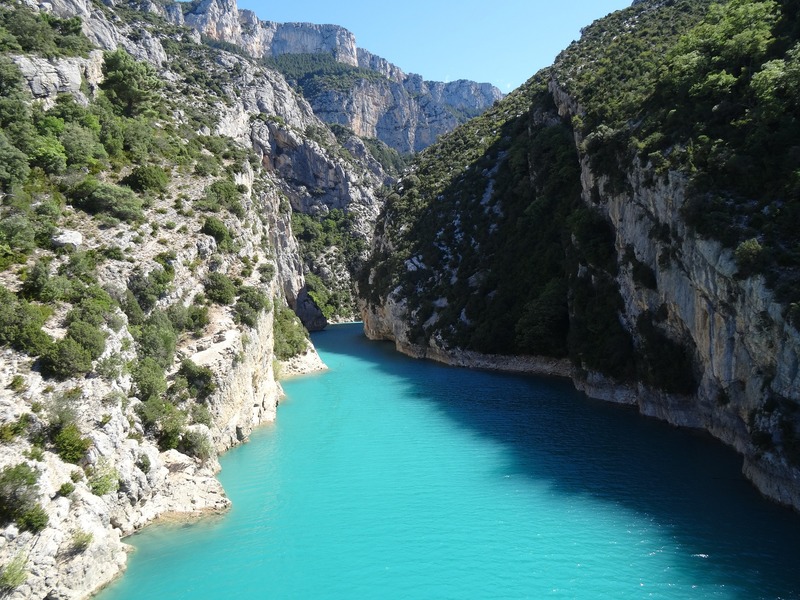
Gorge du Verdon

INTERESTING FACTS ABOUT FRANCE

French was once the official language of England and kilts originated in France.

Paris was originally named “Lutetia”.

King Louis XIX had the shortest reign, 20 minutes.

France has the most time zones in the world (12).

There Are Over 500 Islands in France.

The French Army was the first to use camouflage in 1915 (World War I).

The Louvre in Paris is the most visited art museum in the world.

Europe’s highest mountain is Mont Blanc in the French Alps.

The Tour de France cycle race has been running for over 100 years.

The Statue of Liberty was a gift from France to the US.

The French invented the decimal system, the camera phone, tin cans, denim, hairdryer, stethoscope, parachute, and hot air balloon.

Over half of the world’s roundabouts are in France.

The croissant was invented in Vienna Austria.

France has won the most Nobel prizes for literature.

France produces around 1.7 million tons of cheese a year in around 1,600 varieties.

The French consume 11.2 billion glasses of wine and eat around 30,000 tons of snails per year.

It is illegal for grocery stores to throw out edible food in France, it must be donated.

French law forbids couples from kissing on train platforms.

The tradition of wearing a white dress on your wedding day originated in France in 1499.

The oldest person who ever lived was a French woman, Jeanne Louise Calment (122 years).

Parents who raised their children with dignity receive the Medal of the French Family.

Women were not legally allowed to wear pants until 2013.[……]
Read more

14 BEST HIKES IN NORWAY TO PUT ON YOUR BUCKET LIST

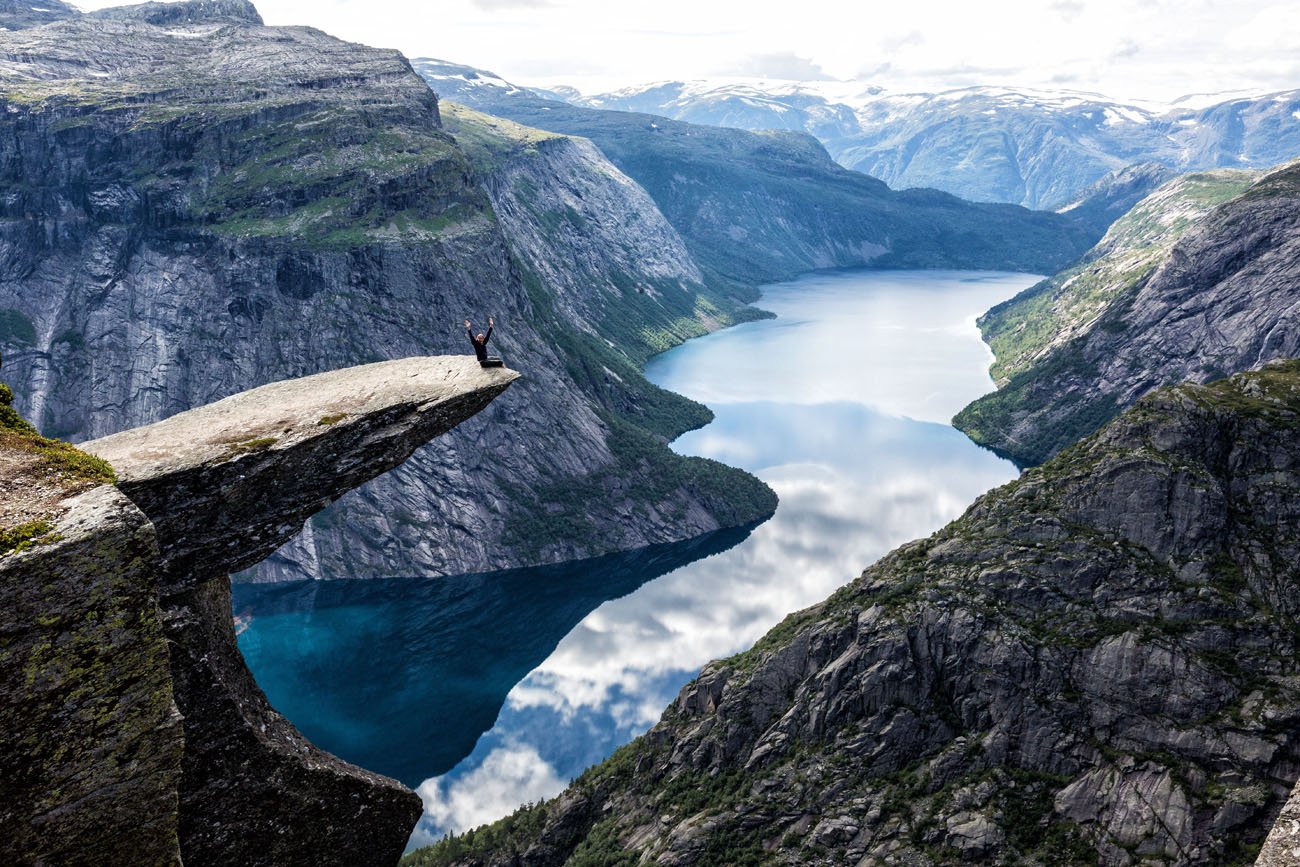
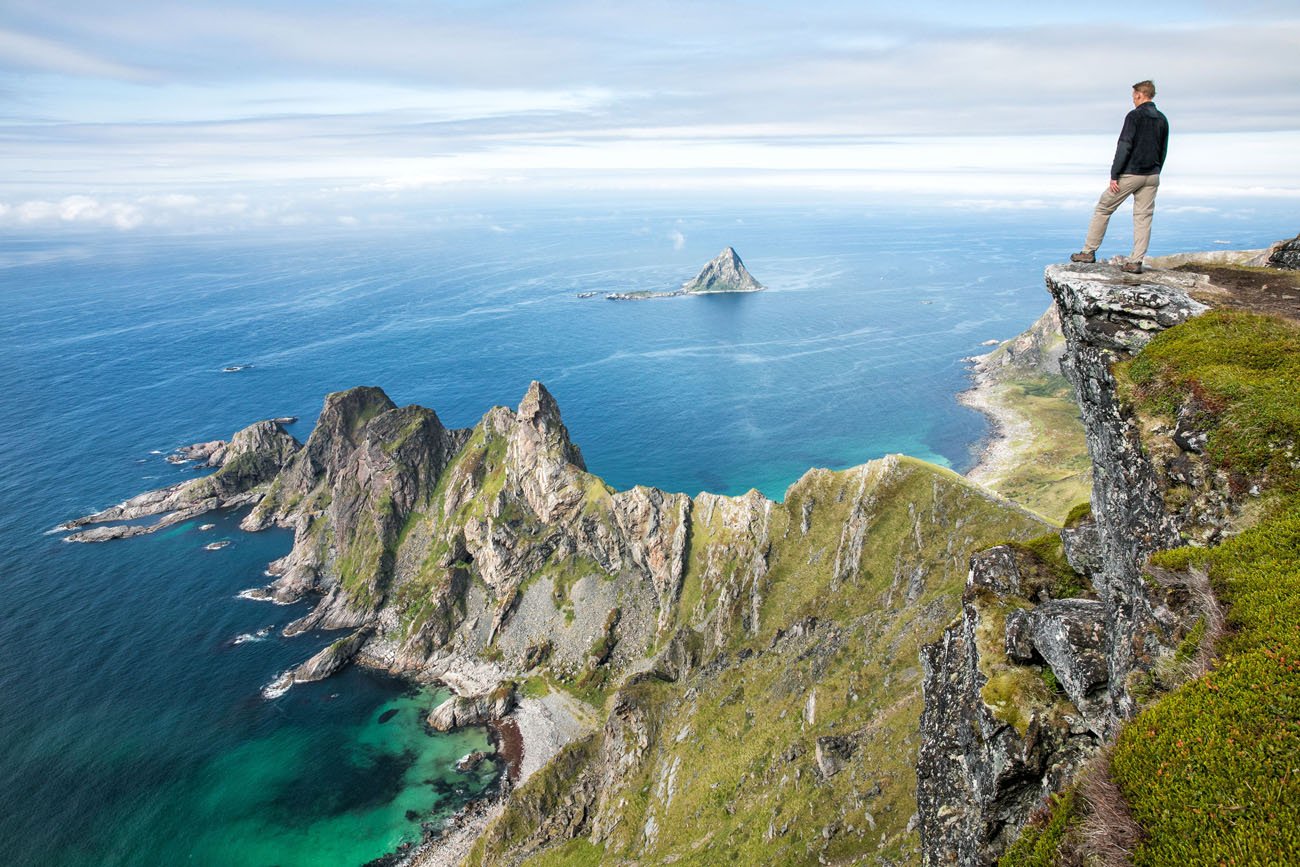
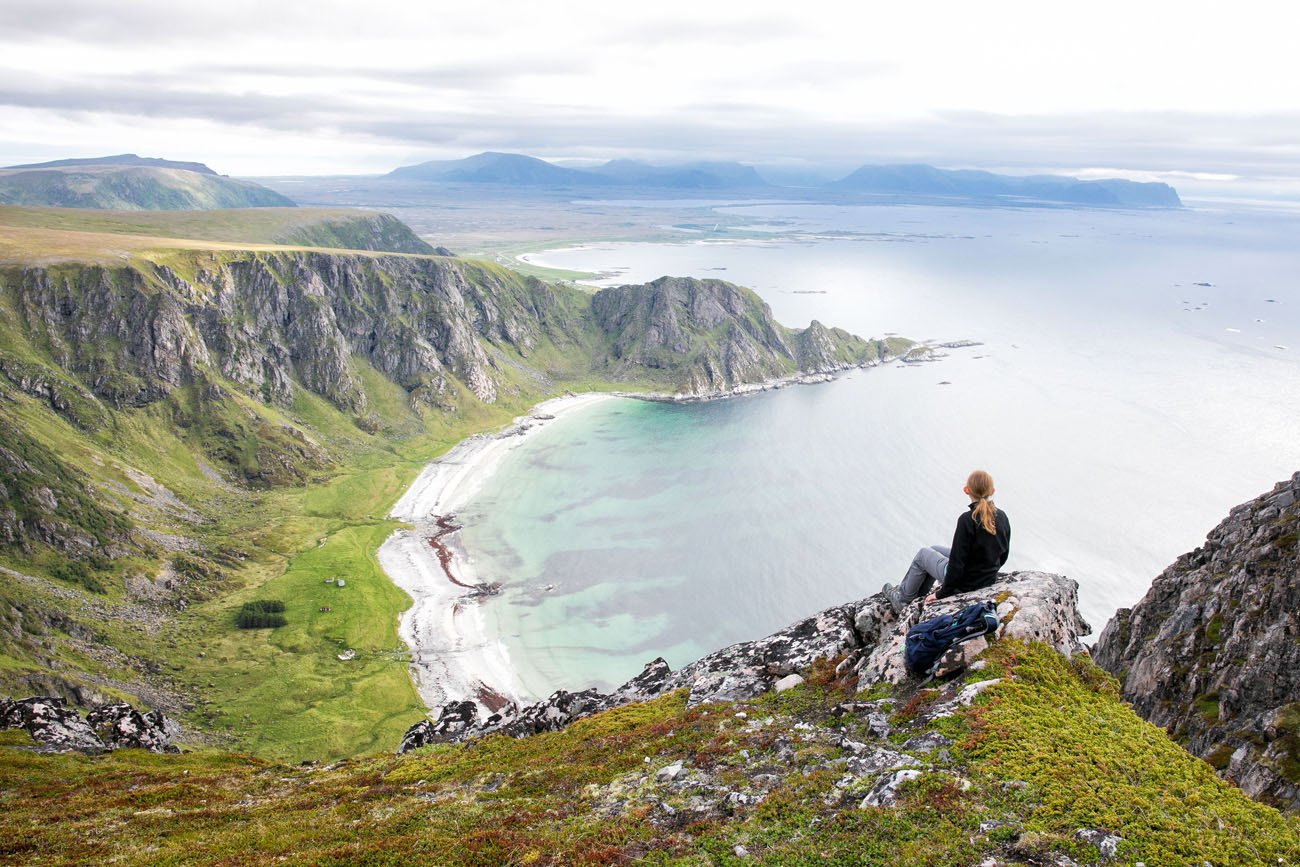
If you ask us, putting one foot in front of another on a hiking trail is the best way to experience Norway. Hike along the jagged mountain peaks of the Lofoten Islands, the picture perfect fjords in southern Norway, and through some of the world’s most awe-inspiring landscapes. Stand on iconic Trolltunga and Pulpit Rock and even Kjeragbolten (if you dare!). Even journey to the far north for an unforgettable kayaking and hiking adventure in Svalbard. Here are 14 of the best hikes in Norway.

Norway is our favorite spot in the world to go hiking. Every time we hike a new trail we fall more in love with this beautiful country. We have done most of the hikes on this list but a few are still on our bucket list.

Get ready to be inspired…and have fun picking out which ones you would like to do!

#1 PULPIT ROCK (PREIKESTOLEN)

Distance: 8 km (5 miles)

Difficulty: Easy to moderate

Length of Time: 5 hours

The hike to Pulpit Rock is one of the most popular hikes in Norway. Its great views, relatively easy hiking trail, and convenient accessibility from the town of Stavanger is what makes this hike appealing to so many people.

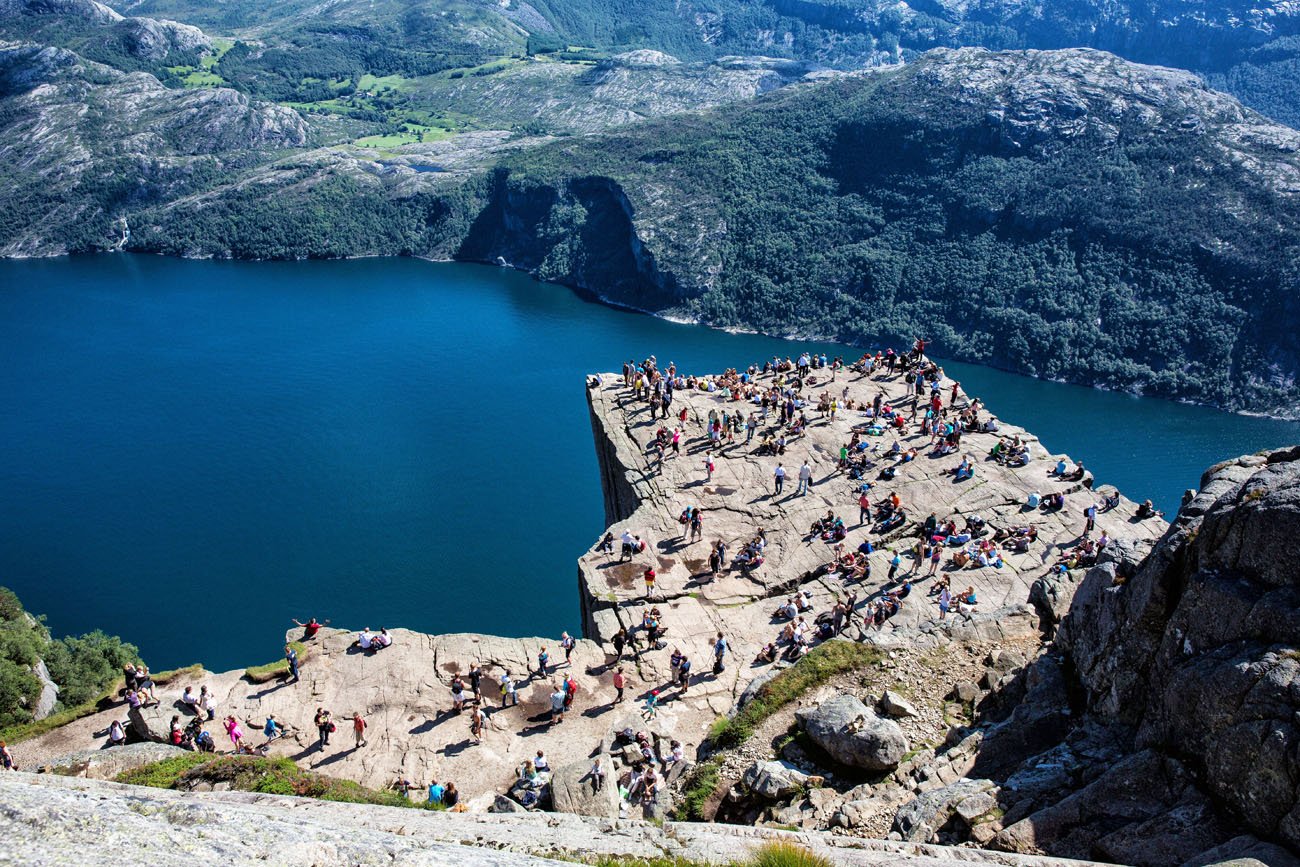
Pulpit Rock | Best Hikes in Norway

ptr10
Pulpit Rock can be a very crowded place in the summer months.

If you are new to hiking, or if you are traveling with kids, this is a perfect first hike to do in Norway. And once you stand on top of Pulpit Rock and enjoy the amazing view over Lysefjord, you’ll be hungering for more.

#2 KJERAGBOLTEN

Distance: 12 km (7.5 miles)

Difficulty: Strenuous

Length of Time: 6 to 8 hours

Hiking to Kjeragbolten, this giant boulder wedged between two cliffs, is our favorite hike of all time. Why? It’s not just because you get the chance to do something absolutely crazy, stepping out onto the boulder, it’s also because this hike is just downright fun. Do you dare?

Kjeragbolten | Best Hikes in Norway

fl18s
#3 SEGLA

Distance: 5 km (3.1 miles)

Difficulty: Strenuous

Length of Time: 3 to 4 hours

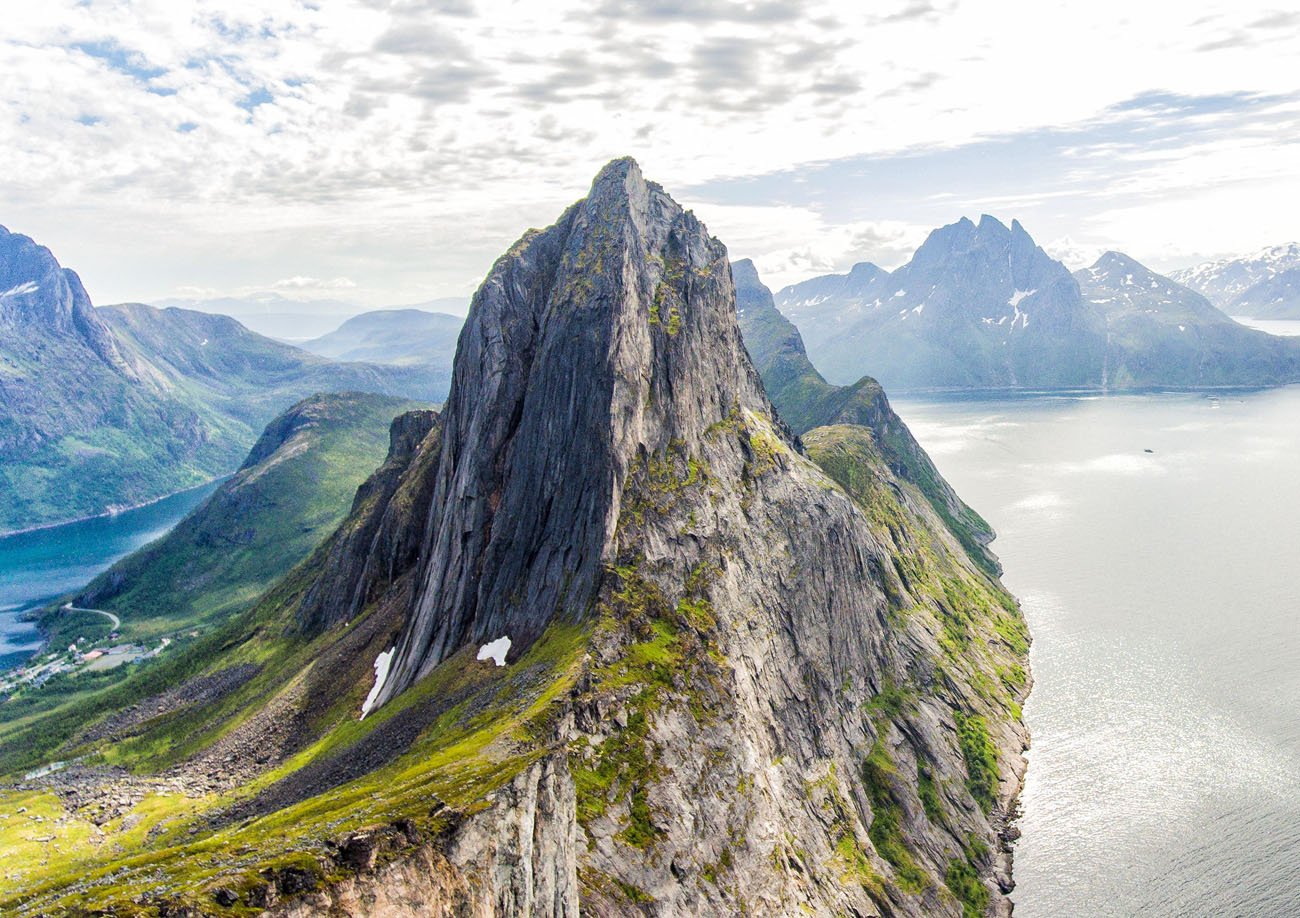
Located in northern Norway on the island of Senja, this short hike is surprisingly tough. But, oh the view from the top! Your reward is breathtaking panoramic views of Mefjord and the nearby mountains. It is worth visiting Senja just to do this hike.

9d398
60hlj
Segla | Best Hikes in Norway

#4 GALDHØPPIGEN

Distance: Varies depending on the route

Difficulty: Easy to extreme

Length of Time: Varies

Galdhøppigen is the tallest mountain in Norway and northern Europe. To reach the summit there are several hiking trails to choose from. Some are strenuous climbs, some take you across glaciers, and some require having a guide. This is a hike that is still on our bucket list, and wouldn’t it be awesome to stand on the highest point in northern Europe?

#5 ROMSDALSEGGEN RIDGE

Distance: 11 km (7 miles) point-to-point hike

Difficulty: Strenuous

Length of Time: 8.5 hours

This is a point-to-point hike along the Romsdalseggen Ridge, a narrow ridge high above the fjords and the town of Åndalsnes. On a clear day, the views are unbeatable, and you can even see out to the Atlantic Ocean.

Some people say that this is the most beautiful hike in Norway. Come see for yourself!

63j41
Hiking Romsdalseggen Ridge | Best Hikes in Norway

1wd5t
b8gpy
#6 BESSEGGEN RIDGE

Distance: 13.3 km (8.2 miles)

Difficulty: Strenuous

Length of Time: 6 to 8 hours

Located in Jotunheimen National Park, this trail offers stunning views of emerald lakes and alpine scenery. This is usually done as a point-to-point hike between Memurubu and Gjendesheim. Many people choose to take a ferry to Memurubu and then hike back to Gjendesheim from here.

#7 RYTEN AND KVALVIKA BEACH

Distance: 8.7 km (5.4 miles) round trip

Difficulty: Easy to moderate

Length of Time: 3 to 5 hours

The hike to Ryten has all of the ingredients of a perfect Lofoten Islands hike: sweeping vistas across the mountains and fjords, a fun but slightly strenuous hike to a mountain peak, and a breathtaking view of a white, sandy beach. The icing on the cake is a “mini Trolltunga,” an outcropping of rock where you can get creative with your photos.

81fys
Ryten | Best Hikes in Norway

wiwwf
cpstt
Kvalvika Beach | Best Hikes in Norway

#8 SVOLVAER FLØYA AND SVOLVAERGEITA

Distance: 5 km (3.1 miles)

Difficulty: Moderate

Length of Time: 3 to 4 hours for the hike, 2 hours for Svolvaergeita

If you are looking for the ultimate adventure in the Lofoten Islands, consider this rock climbing and hiking experience.

Svolvaer is one of the largest towns in the Lofoten Islands. For the best view over the town (and one of the best views in the Lofoten Islands), you can hike to the top of Fløya.

Svolvaergeita, also called The Goat, is a pinnacle of rock that is very popular with rock climbers. It’s located on the slope of Fløya, so it is very easy to combine this rock climbing adventure with the Fløya hike.

of85u
Svolvaergeita | Best Hikes in Norway

p0chi
The view from Svolvaer Fløya | Best Hikes in Norway

If you are looking for a truly unforgettable travel adventure, put this on your list. And yes, you can do this if you are a beginner rock climber.

#9 STETIND

Distance: 10 km round trip (6.2 miles)

Difficulty: Challenging

Length of Time: 10 to 12 hours

This is another hiking and rock climbing adventure in northern Norway. Located in Nordland in northern Norway, Stetind is Norway’s national mountain. This giant granite obelisk is another popular spot for rock climbers. If you hire a guide you can do this if you are a beginner.

This is still on our bucket list. We didn’t have enough time to fit this in to our recent trip to northern Norway but that’s OK…we don’t mind going back again.

#10 TROLLTUNGA

Distance: 28 km (17.4 miles) round trip

Difficulty: Strenuous

Length of Time: 10 to 12 hours

This is an incredibly scenic hike, with phenomenal views out over lakes and snow-capped mountains. The hike ends at the Troll’s tongue, a thin sliver of rock perfect for creative photographs.

h6u8l
Trolltunga | Best Hikes in Norway

In recent years, the popularity of this hike has skyrocketed. This is one of the busier trails in Norway. If you are looking for a quiet, tranquil experience, this hike may not be for you. However, posing for photos on Trolltunga is a blast, and that’s what makes this hike so famous.

#11 REINEBRINGEN

Distance: 3 km (2 miles) round trip

Difficulty: Challenging

Length of Time: 3 hours

Reinebringen, with its dazzling view over the fishing villages of Reine, Sakrisøy, and Hamnøy, is the most popular hike in the Lofoten Islands.

It’s a hard, steep, challenging hike on muddy, rocky trails, so it’s not to be underestimated. Don’t let the short distance fool you…it’s a tough hike and you need to have a good level of physical fitness to do this.

8erqk
Reinebringen | Best Hikes in Norway

4wovt
#12 MUNKEN

Distance: 11 km

Difficulty: Strenuous

Length of Time: 6 to 8 hours

Located just around the bend from Reinebringen is another spectacular hike. This was on our to-do list while we were in the Lofoten Islands, but a solid day of rain kept us indoors.

This hike takes you through the stunning high mountain scenery of the Lofoten Islands. On a clear day, the views are unbelievable.

If you have a lot of stamina, or want to turn this into a two-day backpacking adventure, you can sleep or camp near Munkebu Hut and then continue on to Hermannsdalstind.

#13 MÅTIND AND THE STAVE-BLEIK COASTAL TRAIL

Distance to Måtind: 7.6 km (4.7 miles) round trip to Måtind

Distance of the Coastal Trail: 9 km round trip

Difficulty: Easy to moderate

Length of Time: 3 to 4 hours

This gorgeous hike is located on the Vesteralen islands of northern Norway. It’s a relatively easy hike and the views you get of the coastline are breathtaking. You can hike directly out to Måtind, the highest point on the hike and a spot that offers panoramic views, or you can hike the entire distance of the coastline.

1vomi
Måtind | Best Hikes in Norway

#14 HIORTHFJELLET

Hiking Distance: 8.7 km (5.4 miles) round trip

Kayaking Distance: 5.4 km (3.4 miles) round trip

Difficulty: Strenous

Length of Time: 11 hours

wgggt
Hiorthfjellet is one of the tallest mountains on Svalbard. The hike to the top of the mountain is not technically challenging and this is a great way to experience Svalbard. Along the way, it is not unusual to see reindeer and arctic fox. And on a clear day, the view from the top of Hiorthfjellet offers stunning views over Longyearbyen and Adventfjord.

3nutc
If you are feeling adventurous, you can combine this hike with a kayaking trip across Adventfjord for a full day adventure. It is an amazing day![……]

Read more

HOW TO PLAN THE ULTIMATE NORWAY ROAD TRIP [FOR FIRST TIMERS]

Norway, The beautiful monarchy of the Vikings, a land of trolls and legends, stunning fjords, and dramatic wild landscapes. Norway has Wonderful and pristine land of wonders, suitable for all hiking lovers.

A road trip in Norway is for you if you are a mountain climber and addicted to the adrenaline of peaks, snow, and ice. If you like long hiking in the cold or warm sun, rain or fog. If you like quiet and nature.

norway amazing nature

The beauty of Norway is an indisputable fact. Norway also has cultural and artistic heritage, some of the steepest roads, some of the northernmost institutions in the world, and many happy people.

A Norway road trip – If you are sick of landscape of any kind!

Important thing to know on a trip to Norway, Prepare your wallet – There is no other way to say it.

Everything is more expensive than we are used to.

The prices in Norway will meet you in all areas of the trip as a tourist in a foreign country: in tourism services and nature reserves, car rental and fuel prices, accommodation and food, site entrances, parking, ferries, toll roads, and more.

However, it’s possible to travel to Norway on a budget.

Norway is a large country – A variety of options stands before you visiting Norway.

Therefore, it’s recommended to plan your trip to Norway well ahead!

Before we begin – Here are some word suffixes in the Norwegian language related to elements in the landscape:

brean = glacier

vatnet = lake

fossen = waterfall

dalen = valley

Gard = farm

vegen = road

fjellet = mountain road (fjell = mountain)

Beautiful Empty Road In Norway

PLAN YOUR ROAD TRIP AROUND NORWAY:

HOW MANY DAYS SHOULD YOU SPEND IN NORWAY?

In my opinion, the minimum time for a Norway road trip is 10 days. the ideal time for a road trip in Norway is 14 days.

Norway is a huge country! On an independent travel to Norway everyone has their own pace and time and it is worth taking the time to make the most of Norway.

Despite this, with 2 weeks in Norway, you can have time to visit the main cities that shape the whole country and also get a taste of the breathtaking fjord sights.

norway beautiful places

BEST TIME FOR ROAD TRIPS IN NORWAY

I visited Norway in the summer so I will write about it – I think the best time to do a road trip in Norway its in the summer for those visiting Norway for the first time.

ROAD TRIP IN NORWAY DURING SUMMER

Summer in Norway means long days, short nights, and quite often at stable and pleasant temperatures on land and at sea.

From late June to mid-August, the weather is warm and not really dark.

This is a welcome respite after a long, dark, and cold winter and like the flowers themselves, the Norwegians bloom from the pleasant sun and heat.

Once summer gets a grip on Norway all the locals go outside to enjoy the sun after the long and cold winter, there are barbecues in the parks, and in general, just everyone goes outside the houses.

norway fjords road trip
From late June to early August summer peaks with temperatures that can reach 25 ° -30 ° C.

At the same time, there is almost no humidity in the air, and even at night, the temperatures can remain high.

The further north you go in the summer, beyond the Arctic Circle, the more you can see nights with the midnight sun.

On the evening of June 23, the Norwegians celebrate everywhere.

They gather by the sea, light fires into the night, eat, drink and rejoice.

The water temperatures in the sea can reach 18 ° C and even higher, which makes swimming a popular pastime, but you should check the water before you jump in – it can definitely be colder than expected.

In conclusion, while winter is completely cold and frozen, in summer the possible temperature range is very wide and it can vary drastically.

ROAD TRIP IN NORWAY DURING SUMMER
Norway In Summer

On a long trip in Norway, you will experience cold and rain (and even snow!) And a few days later a temperature of 30 degrees.

It should be remembered that even when it is hot in Norway – at night it is always pleasant or cool.

If you are traveling Norway for more than a week, it is almost impossible to avoid rain, the rain will probably reach you at least once on the trip.

The Norwegian Meteorological Service website is excellent and regularly updated, it is a must-have item for travelers in Norway.

TRAVELLING NORWAY IN A CAMPERVAN

Similar to a camping trip in Norway, a trip with a camper van in Norway also has no limit to which direction you start the route, and all the recommendations regarding camping, apart from the equipment, certainly apply here as well.

Of course, the costs for renting a van in Norway are much higher than in many other places in the world.

There are those who rent the van in neighboring countries where the cost is lower but pay on a longer arrival time.

It is worth noting that in Norway many roads are quite narrow, these narrow roads make it difficult for large vehicles to run like caravans and the speed of these vehicles is quite slow.

All sites marked in Norway with a camping sign catch up on the caravans.

Of course, it is advisable to check and know what services are provided everywhere.

norway campervan trip
STAYING IN A YOUTH HOSTEL IN NORWAY

Many travelers like young people, adults, and families use youth hostels as a popular way to stay when traveling around Norway at an attractive price.

There are attractive places in Norway where the costs of youth hostels and cheap hotels offer similar prices.

Here, too, the accommodation options are varied and the prices vary.

The rooms are definitely of a good and pleasant standard.

There are several accommodation options in youth hostels in Norway:

Accommodation in shared rooms for only a few people with or without sleeping bags

Accommodation in dorms rooms of 3-6 people with shared toilets.

Accommodation in a double room with a private bathroom – the cost of such a double room is the most expensive option.

The rooms are pre-hijacked and in April and even in March there are hostels that are fully booked, mainly those that are in popular places in Norway.

You should make a membership card for the youth hostels that give discounts.

The excellent distribution of youth hostels in Norway gives you the possibility to end the nights and stay in Norway at a relatively reasonable price.

STAYING IN A CABIN IN NORWAY

One of the most popular ways to travel in Norway is to stay in holiday cottages.

These cabins are located almost everywhere and almost every campsite has a number of holiday cabins.

There are cabins that include toilets and showers whose cost is probably more expensive.

At the peak of the summer season, the holiday cabins need to be booked in advance because the vast majority are booked in advance.

The combination of camping within cabins is the ideal combination to travel in Norway both in terms of costs and location.

cabin in norway
HOTELS IN NORWAY

The price of hotels in Norway is really not one of the cheapest in Europe.

Staying in hotels makes the trip to Norway cumbersome in a long trip because you have to be there on a set date.

If you are sleeping in a hotel in Norway you can check and compare prices through booking and find the most affordable hotel.

The advantage of booking from a booking.com is the cancellation option, it is usually possible to cancel the accommodation up to a day before arrival which allows extensive freedom of action.

As a rule, you will always choose hotels that give you the option of self-cancellation as close as possible to the date of arrival at the hotel.

dalen hotel norway
Dalen Hotel, Telemark

DRIVING IN NORWAY: SPEED LIMIT, TUNNELS, FERRIES & TOLL ROADS

EVERYTHING YOU NEED TO KNOW BEFORE YOUR NORWAY ROAD TRIP

In general, driving in Norway is quite comfortable and straightforward.

Most roads in Norway are in good to great condition – even roads that have steep ascents or descents – driving them is easy, as long as you drive slowly and carefully.

If you are afraid of leading in Norway – then do not (emphasizes that the reference is to summer only).

Some points about roads and driving in Norway that are worth considering:

A large part of the roads in Norway, especially when driving away from the cities are single-lane roads or two-way roads with limited visibility of vehicles coming from the other side.

Sometimes you will find yourself stuck for long minutes after a slow vehicle with no possibility of overtaking or even find yourself as part of a convoy, accept it with understanding and patience, do not try to make dangerous detours.

Many roads in Norway are very narrow – and still full of trucks or the most common hit vehicle in Norway – camper vans.

You will encounter many situations where you will have to stop or slow down to let the vehicle on the other side pass. The keyword is patience.

mountain roads in norway
SPEED LIMIT

The maximum driving speed in Norway is 110 kph, but on most roads in tourist areas, the speed limit is 60-80 kph.

Speed ​​cameras are mostly scattered on multi-lane roads near large cities (but not only).

Not sure how many are real and how many are fake cameras.

Many people go over the speed limit and I have not seen a single police car on the whole trip, not even in Oslo.

Drive with discretion.

road trip around norway
FERRIES IN NORWAY

A trip to Norway will also include quite a few crossings with the vehicle on ferries.

It’s a simple, fast and efficient process – almost imperceptible.

Get on the ferry and check out on the other side, sometimes you will not even have time to get off the toilet and you will continue on the way.

HOW TO PAY FOR FERRIES IN NORWAY?

You don’t need to book a ferry in advance!

*Pay everything on the ferry.

There is no need to even check the times of the ferries that are on major roads – as they operate throughout the day and frequently.

ferry in norway
Did a ferry escape you? It’s ok, get on the waiting lane, wait 15-30 minutes (in the meantime drink coffee) – and you will already be on the next ferry.

The information refers to transit ferries and not tourist cruises!

* Apart from the ferries in Geiranger Fjord – which should be booked at least a day in advance, these ferries are busier and their activity ends relatively early (the last ferry departs from Geiranger to Hellesylt at 18:30). The ferries in this fjord are considered a tourist cruise and not a means of transportation (although in practice they are also used for this), so they function accordingly.

The ferries on Flåm are also tourist cruise ships and not a means of transportation – so they also require advance booking.

The prices of the ferry vary, but in most places, it is a small amount of money relative to the total trip costs.

The price is calculated according to the size of the vehicle – the larger your vehicle, the more you will pay.

The price of the driver is included in the price of the vehicle transfer and each additional passenger has to pay.

Here too, the ferries in Geiranger are exceptional and are considered a tourist cruise – therefore they are much more expensive.

TOLL ROADS IN NORWAY

The toll roads in Norway are many – they can not be avoided completely, it is unrealistic for the time-limited tourist.

In some specific cases, a toll road replacement can be found, most often it is not worth the effort.

You can calculate the cost of travel on the troll roads according to the point of departure and the point of end.

Note: For drivers of a rented car – the travel fees are calculated automatically and will be sent to you by email from the rental company.

Check with the rental company before setting off.

TUNNELS IN NORWAY

One of the most prominent features of the road network in Norway is the tunnels.

A road trip in Norway includes passing through dozens and even hundreds Of tunnels – some of them are particularly long, but most of them are well maintained and well lit.

You will find unimaginable amounts of tunnels hewn in the mountains.

The tunnels in central Norway are modern, comfortable, well-controlled, well lit.

The tunnels have great radio reception.

The tunnels are maintained through cellular reception and an Internet network.

In some of the large intercity tunnels, you will find particularly surprising and impressive, even squares that divide the tunnel and split it into sub-lanes in different directions.

The famous car tunnel, the longest inland in the world, the newest in the world, and the most stunning of them all, is of course the Lærdal Tunnel. Located on an important road in Norway, the E-16, between Bergen and Oslo.

Lærdal Tunnel
Lærdal Tunnel – Longest Tunnel In Norway

The tunnel is 24.5 kilometers long and connects Lærdal to Aurland.

The Lærdal Tunnel is located 120 kilometers (as the crow flies) northeast of the city of Bergen.

Along with the tunnel strict speed controls.

Claiming that Norwegians are not used to driving on straight roads, and the road may confuse them for driving too fast.

The tunnel is well controlled. After each kilometer, there is a sign that makes it clear to the driver how many kilometers he has traveled in the tunnel, and how many kilometers he has left before him.

The most exciting in the Norwegian Lærdal Tunnel is the surprising lighting, in the extensions along with it.

In the long darkness, you will suddenly discover an extension of a rounded space, resembling an ice igloo, lit by a variety of blue and yellow lighting.

Here you can stop, refresh, take pictures. Even trucks can stop here for rest and refreshment.

The blue-yellow lighting gives a fresh feeling of daylight, prevents apathy and drowsiness from the drivers.

The lighting also reduces feelings of claustrophobia, which can form in this long and almost endless tunnel.

In the tunnel some traffic light barriers, seven blockages deep in the tunnel, due to an accident or other malfunction, allow drivers to retrace their steps and exit the tunnel without getting stuck in it.

The level of communication and control of the tunnel is increased, it has cameras, and as in many Norwegian tunnels, it has an SOS communication system every 250 meters.

A state-of-the-art control system also counts the cars coming in and out of the tunnel. Permanent air conditioning, a dust filtration system, and the world’s first electronic filtration to remove carbon and gas emissions from vehicles.

tunnel in norway[……]

Read more